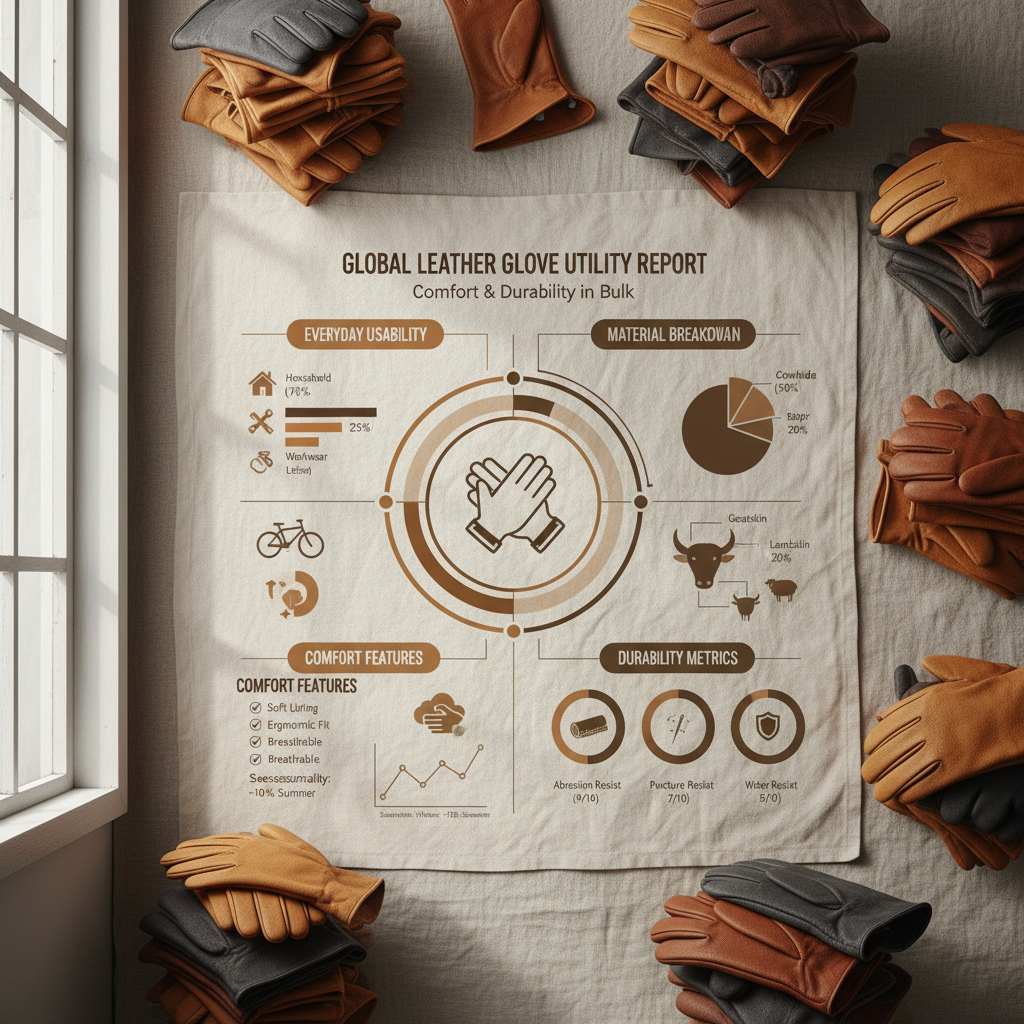
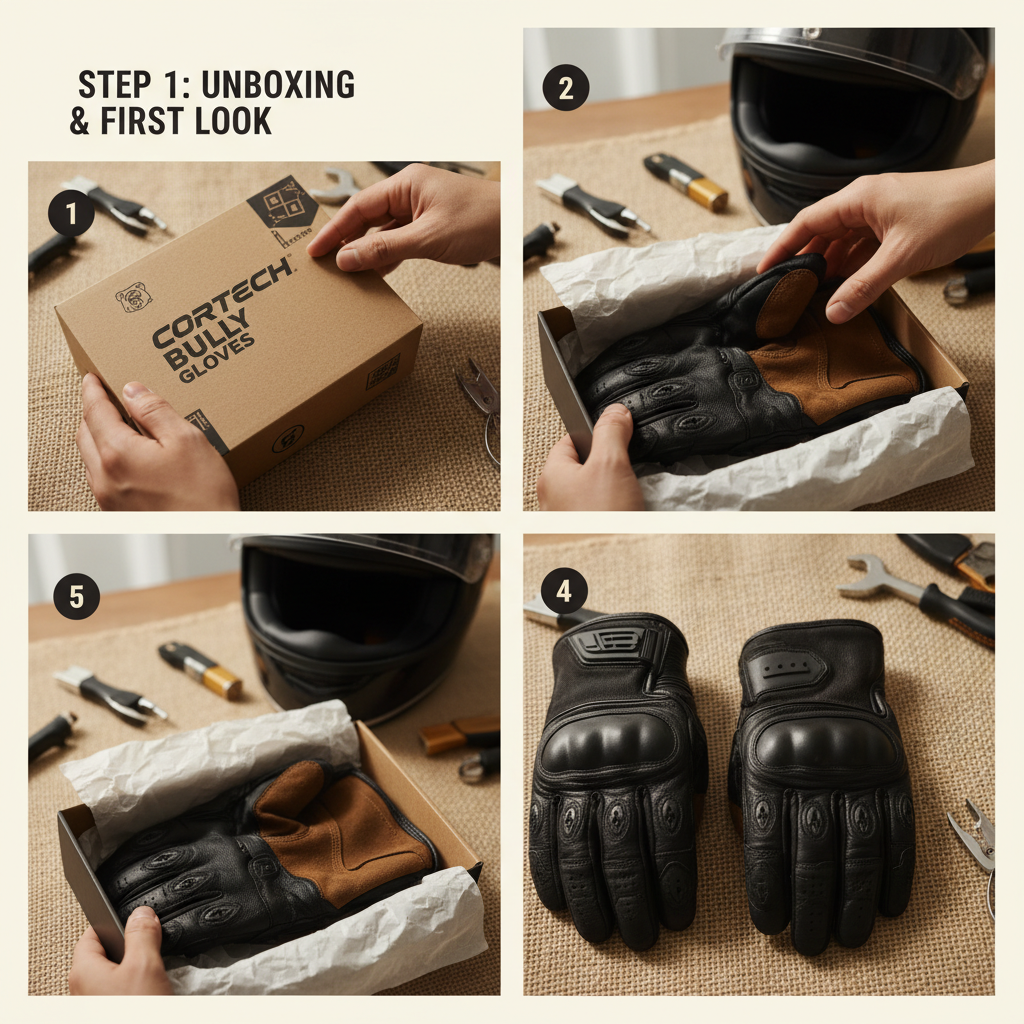
Bulk leather gloves represent a crucial component in a wide array of industries, from construction and manufacturing to healthcare and public safety. The global demand for these protective garments is consistently high, driven by increasing workplace safety regulations and a growing awareness of hand injury prevention. Understanding the intricacies of bulk leather glove procurement, quality control, and application is therefore paramount for businesses and organizations seeking to ensure worker wellbeing and operational efficiency.
The economic impact of bulk leather gloves extends beyond mere product sales. The leather industry itself supports numerous jobs globally, from livestock farming and tanning to manufacturing and distribution. Furthermore, the reliable supply of high-quality gloves enables smooth operations in vital sectors, minimizing downtime due to injuries and contributing to overall economic productivity. The consistent need for bulk leather gloves creates a stable market with ongoing opportunities.
Beyond economics, access to durable and reliable hand protection is increasingly recognized as a fundamental aspect of worker dignity and human rights. Providing appropriate personal protective equipment (PPE), like robust leather gloves, demonstrates a commitment to employee safety and wellbeing, fostering a positive work environment and promoting ethical business practices.
The Importance of Bulk Leather Gloves
Bulk leather gloves are indispensable for protecting hands in a multitude of demanding environments. Their robust construction shields against abrasions, cuts, punctures, and even extreme temperatures. The ability to purchase in bulk is critical for large organizations that require a consistent and cost-effective supply of this essential PPE.
Choosing the right type of bulk leather gloves – considering factors like leather grade, stitching quality, and specific application requirements – can significantly reduce workplace accidents and associated costs. Investing in durable, high-quality gloves proves to be a wise economic decision, minimizing the need for frequent replacements and ensuring long-term protection for workers.
Global Relevance and Industry Context
The global leather glove market is a multi-billion dollar industry, experiencing consistent growth due to increasing industrialization, heightened safety awareness, and stringent labor regulations. According to the United Nations Industrial Development Organization (UNIDO), the leather sector, including glove production, is a significant contributor to employment and economic development in many developing countries.
The demand for bulk leather gloves is particularly strong in manufacturing, construction, automotive, and healthcare industries. The International Labour Organization (ILO) emphasizes the importance of providing adequate PPE to protect workers from occupational hazards, driving demand for gloves that meet specific safety standards (e.g., EN 388).
A key challenge facing the industry is the need for sustainable and ethical sourcing of leather. Growing consumer and regulatory pressure is pushing manufacturers to adopt responsible tanning practices and ensure traceability throughout the supply chain, impacting the pricing and availability of bulk leather gloves.
Defining Bulk Leather Gloves
Bulk leather gloves refer to a large quantity of gloves manufactured from animal hides, primarily cowhide, goatskin, or sheepskin. These gloves are designed to provide hand protection in various work environments, ranging from light-duty tasks to heavy-duty industrial applications. The term 'bulk' implies a wholesale purchase, typically for organizational or commercial use.
Unlike retail-packaged gloves, bulk leather gloves are often sold in standardized sizes and configurations, allowing businesses to efficiently equip their workforce. Specifications regarding leather thickness, stitching type, and reinforcement materials are crucial factors when procuring these gloves, aligning with the specific needs of the intended application.
The connection to modern industry and humanitarian needs is strong. In manufacturing, they protect against machinery and sharp objects. In emergency response, they are vital for rescue workers. Providing these gloves demonstrates a commitment to worker safety, a fundamental element of responsible business practice and humanitarian aid efforts.
Key Characteristics of Quality Bulk Leather Gloves
Durability is paramount. High-quality leather, coupled with reinforced stitching, ensures the gloves can withstand rigorous use and repeated abrasion. The leather grade, measured in thickness (ounces), directly impacts resistance to punctures and cuts.
Comfort and dexterity are also vital. Properly fitted gloves allow for a full range of motion, reducing hand fatigue and improving productivity. Leather type (e.g., supple goatskin versus robust cowhide) influences both comfort and dexterity.
Comparative Analysis of Leather Types for bulk leather gloves
Applications Across Industries
In construction, bulk leather gloves protect workers from abrasions, impacts, and punctures while handling materials and operating machinery. The automotive industry utilizes them during assembly and maintenance processes, safeguarding against cuts and burns.
Healthcare professionals rely on leather gloves for protection against biohazards and chemical exposure. In warehousing and logistics, they enhance grip and prevent injuries during loading and unloading operations. Even in specialized fields like welding and metalworking, specific types of leather gloves are essential for providing heat and spark resistance.
Advantages and Long-Term Value
The cost-effectiveness of bulk purchasing is a significant advantage. Negotiating wholesale prices reduces per-unit costs compared to individual retail purchases. Furthermore, durable leather gloves minimize replacement frequency, lowering long-term expenditure.
Sustainability is increasingly important. Leather, as a natural material, is biodegradable (though tanning processes can impact this). Choosing ethically sourced leather and supporting responsible manufacturing practices aligns with corporate social responsibility goals. Providing robust hand protection fosters a culture of safety, enhancing employee morale and reducing lost workdays due to injuries.
The reliability of leather gloves inspires trust amongst workers. Knowing they have adequate protection instills confidence and allows them to focus on their tasks, ultimately contributing to higher productivity and quality of work.
Future Trends and Innovation in Leather Glove Production
Innovation in tanning processes aims to reduce environmental impact, utilizing more eco-friendly chemicals and water conservation techniques. Smart gloves, incorporating sensors to detect pressure, temperature, or vibration, are emerging for specialized applications like robotics and precision assembly.
The integration of digital technologies, such as RFID tagging, enables efficient inventory management and traceability of bulk leather gloves throughout the supply chain. Automation in glove manufacturing is increasing production efficiency and reducing labor costs, potentially leading to more affordable bulk options.
Focus is shifting toward developing leather alternatives made from plant-based materials, offering sustainable and cruelty-free options. These innovations aim to address both environmental concerns and evolving consumer preferences in the bulk leather gloves market.
Key Performance Indicators for bulk leather gloves Selection
| Leather Type |
Abrasion Resistance (Score 1-10) |
Comfort Level (Score 1-10) |
Cost per Pair (USD) |
| Cowhide |
9 |
6 |
$8.50 |
| Goatskin |
7 |
8 |
$10.00 |
| Pigskin |
6 |
7 |
$7.00 |
| Deerskin |
8 |
9 |
$12.50 |
| Sheepskin |
5 |
10 |
$6.00 |
| Synthetic Leather |
7 |
7 |
$5.00 |
FAQS
The minimum order quantity (MOQ) varies depending on the manufacturer and the specific glove model. Typically, MOQs range from 100 to 500 pairs. Some suppliers may offer lower MOQs for standard designs, while custom orders often require higher quantities. Understanding the MOQ is crucial for planning procurement and managing inventory costs.
Lead times for bulk leather glove orders vary depending on the order size, customization requirements, and the supplier's production capacity. Standard orders typically ship within 2-4 weeks, while custom orders can take 6-8 weeks or longer. Factors like material availability and shipping logistics can also impact delivery times. Confirming the estimated lead time with the supplier before placing your order is vital.
Look for gloves that meet relevant safety standards such as EN 388 (European standard for hand protection) or ANSI/ISEA 105 (American National Standards Institute/International Safety Equipment Association). These certifications indicate that the gloves have been tested for abrasion resistance, cut resistance, puncture resistance, and tear resistance. The specific certification needed will depend on the intended application and industry regulations.
Yes, many suppliers offer customization options, including printing or embroidering your company logo onto the gloves. Customization typically requires a higher MOQ and may add to the overall cost. Providing a clear logo design and specifying the desired placement (e.g., palm, back of hand) is essential for accurate customization.
Store leather gloves in a cool, dry, and well-ventilated area away from direct sunlight and heat sources. Avoid storing them in plastic bags, as this can trap moisture and promote mildew growth. Ideally, store them flat or hung to maintain their shape. Regular inspection and occasional conditioning with a leather moisturizer can help preserve their quality and prolong their lifespan.
Common payment terms for bulk leather glove orders include Letter of Credit (LC), Telegraphic Transfer (TT), and PayPal. Suppliers typically require a deposit (e.g., 30-50%) upfront, with the remaining balance due before shipment. Negotiating favorable payment terms can help manage cash flow and reduce financial risk.
Conclusion
In conclusion, bulk leather gloves represent a vital investment in worker safety and operational efficiency across a diverse range of industries. Understanding the key characteristics of quality gloves, considering application-specific requirements, and prioritizing ethical and sustainable sourcing practices are essential for maximizing long-term value. The global demand for these protective garments remains consistently high, driven by increasing safety regulations and a growing awareness of workplace hazards.
Looking ahead, innovation in materials, manufacturing processes, and digital technologies will continue to shape the future of bulk leather gloves. By embracing these advancements and fostering collaboration between suppliers, manufacturers, and end-users, we can ensure a reliable supply of high-quality, affordable, and sustainable hand protection for workers worldwide. For your bulk leather glove needs, visit our website: www.personalcarescn.com.