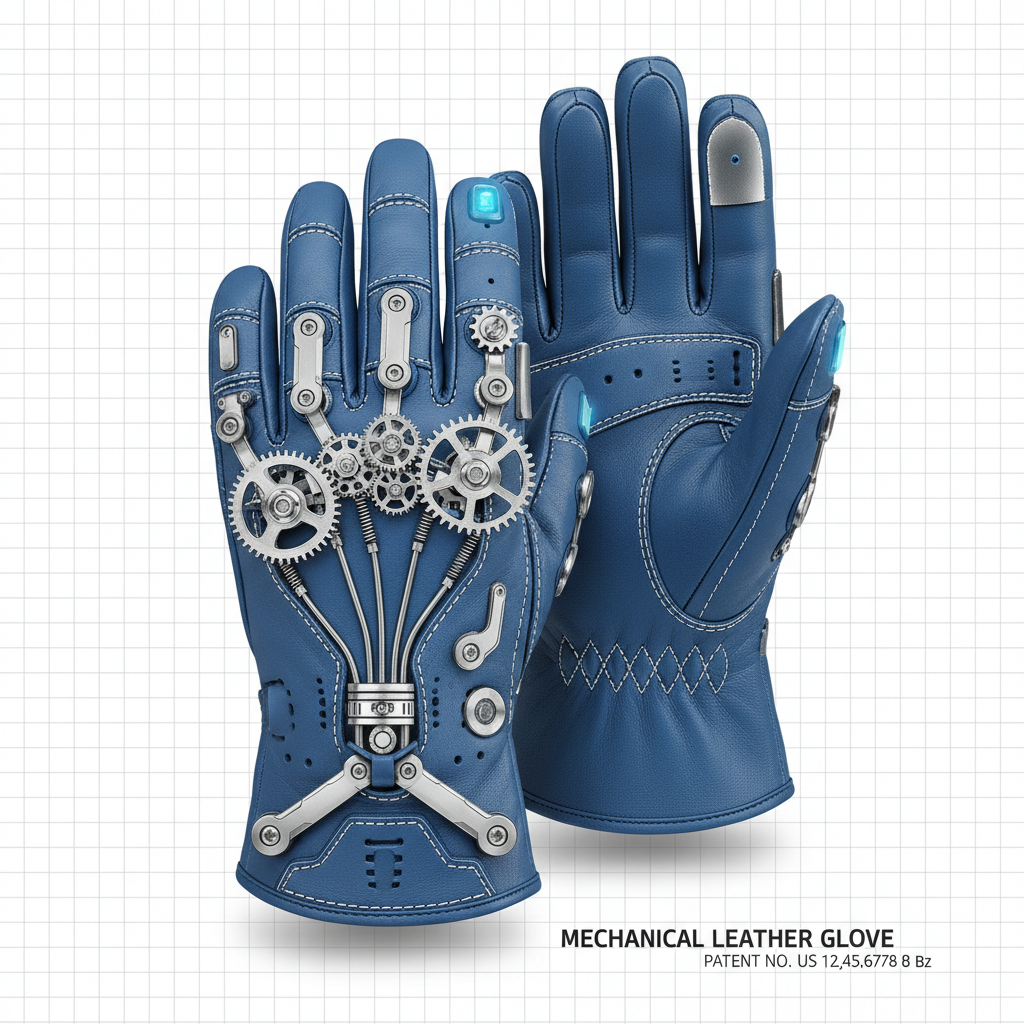
Leather gloves for sale represent a significant segment of the personal protective equipment (PPE) market, catering to a diverse range of industries and individual needs. From rugged work gloves safeguarding hands in construction to stylish leather gloves enhancing fashion statements, the demand for quality leather gloves remains consistently high. Understanding the nuances of this market – the types of leather used, the manufacturing processes, and the varying levels of protection offered – is crucial for both consumers and businesses alike. This knowledge ensures informed purchasing decisions and guarantees optimal performance and safety.
The global leather gloves market is driven by factors such as increasing industrialization, stringent safety regulations, and a growing awareness of hand protection. According to Statista, the global PPE market was valued at approximately $65.6 billion in 2023 and is projected to reach $87.7 billion by 2028. Leather gloves constitute a substantial portion of this market, particularly in sectors like automotive, construction, oil and gas, and healthcare. The increasing emphasis on worker safety and the rising number of workplace accidents further fuel the demand for reliable and durable hand protection.
However, challenges persist, including fluctuating raw material prices, sustainability concerns related to leather production, and the emergence of alternative materials. Consumers are increasingly seeking ethically sourced and environmentally friendly products, forcing manufacturers to adopt more sustainable practices. This shift necessitates innovation in tanning processes and the exploration of alternative leather sources to meet evolving market demands. Finding the right pair of leather gloves for sale requires considering these factors.
Introduction to leather gloves for sale
The term “leather gloves for sale” encompasses a broad spectrum of products, ranging from specialized industrial gloves designed for harsh environments to fashionable gloves intended for everyday wear. What unites them is the fundamental material: leather, valued for its durability, flexibility, and protective qualities. The availability of leather gloves for sale is increasingly widespread, both through traditional retail channels and online marketplaces, making it essential to understand the different types and features available.
The proliferation of options means consumers must navigate various leather grades, construction methods, and safety certifications to find the ideal glove for their specific needs. Proper selection contributes to workplace safety, enhanced comfort, and overall cost-effectiveness. A considered purchase of leather gloves for sale represents a strategic investment in hand protection and long-term well-being.
Defining Leather Gloves for Sale
Leather gloves for sale are hand coverings crafted primarily from animal hides, typically cowhide, goatskin, sheepskin, or pigskin. These gloves serve a dual purpose: to protect the hands from physical hazards like abrasions, cuts, and impacts, and to provide insulation against temperature extremes. The value proposition of leather gloves lies in their unique combination of strength, suppleness, and breathability.
Beyond basic protection, leather gloves are often chosen for their aesthetic appeal and perceived quality. In many industries, they signify professionalism and attention to detail. The definition of leather gloves for sale extends beyond mere utility, often encompassing a degree of style and status.
The modern concept of leather gloves for sale is deeply rooted in industrial safety and occupational health. As manufacturing processes became more complex and hazardous, the need for reliable hand protection became paramount. Today, leather gloves are a standard component of PPE programs in countless workplaces, ensuring worker safety and compliance with regulations.
Key Factors Influencing Leather Glove Quality
The quality of leather gloves for sale is determined by several key factors. Firstly, the type of leather used significantly impacts durability and performance. Full-grain leather, taken from the top layer of the hide, is the most durable and resistant to abrasion, making it ideal for heavy-duty applications. Secondly, the tanning process influences the leather’s softness, flexibility, and resistance to water and chemicals. Vegetable-tanned leather is a more eco-friendly option, while chrome-tanned leather is quicker and cheaper to produce.
Construction methods also play a vital role. Gloves with reinforced palms, double stitching, and gunmetal seams offer superior strength and longevity. The cut of the glove – whether driver, gauntlet, or fingertip – determines its fit, dexterity, and level of protection. Finally, specialized features such as impact-resistant padding, conductive fingertips for touchscreen use, and flame-resistant linings enhance the glove’s functionality for specific tasks.
Proper certifications and standards, like those provided by ANSI and EN, ensure the leather gloves for sale meet specific safety requirements. These standards relate to impact resistance, cut resistance, and puncture resistance. Always look for gloves that are certified for the intended application to guarantee adequate protection.
Global Applications of Leather Gloves for Sale
Leather gloves for sale find applications across a vast array of industries. In the construction industry, they protect workers from abrasions, cuts, and impacts while handling building materials. Automotive technicians rely on leather gloves for safeguarding their hands during repairs and maintenance. The oil and gas sector utilizes specialized leather gloves with enhanced chemical resistance for handling hazardous substances.
Healthcare professionals often choose leather gloves for certain procedures requiring a high degree of tactile sensitivity and protection. Welding applications require durable leather gloves resistant to heat and sparks. Even in niche areas like falconry and historical reenactment, specialized leather gloves are indispensable.
Geographically, the demand for leather gloves for sale is concentrated in industrialized nations and emerging economies undergoing rapid development. North America and Europe remain key markets, while Asia-Pacific, particularly China and India, are experiencing significant growth due to increasing industrial activity and safety awareness.
Leather Gloves for Sale – Application-Based Demand
Advantages and Long-Term Value
The advantages of utilizing leather gloves for sale extend beyond immediate hand protection. Their inherent durability translates to a longer lifespan compared to many synthetic alternatives, reducing the frequency of replacements and lowering long-term costs. Furthermore, high-quality leather gloves offer exceptional comfort and dexterity, enabling workers to perform tasks with greater precision and efficiency.
From a sustainability perspective, leather, when sourced responsibly, can be a renewable resource. Properly maintained leather gloves can also contribute to a safer work environment, reducing the risk of workplace injuries and associated costs. The perceived quality and professionalism associated with leather gloves can also enhance brand image and worker morale.
Future Trends in the Leather Gloves Market
The future of leather gloves for sale is poised for innovation, driven by advancements in materials science and manufacturing techniques. We can anticipate the development of more sustainable leather alternatives, such as bio-based leathers derived from plant sources. The integration of smart technologies, such as embedded sensors for monitoring hand fatigue and environmental hazards, is also on the horizon.
Furthermore, customization and personalization will likely become increasingly prevalent. 3D printing and digital fabrication technologies will enable the creation of bespoke leather gloves tailored to individual hand shapes and specific job requirements. The demand for antimicrobial and antiviral coatings will also increase, particularly in healthcare settings, to enhance hygiene and safety.
Challenges and Sustainable Solutions
Despite their advantages, leather gloves for sale face challenges related to sustainability and ethical sourcing. Traditional tanning processes can have significant environmental impacts, including water pollution and greenhouse gas emissions. Addressing these concerns requires adopting eco-friendly tanning methods, such as vegetable tanning and water-based chrome tanning.
Ensuring animal welfare and traceability throughout the leather supply chain is also crucial. Consumers are increasingly demanding transparency and accountability from manufacturers regarding the origin and ethical production of their products. Supporting brands committed to responsible sourcing and sustainable practices is essential.
Innovation in leather alternatives, such as mushroom leather and pineapple leaf fiber leather, offers promising solutions for reducing the environmental footprint of the industry. Embracing these alternatives and promoting circular economy principles – including recycling and reuse – will pave the way for a more sustainable future for leather gloves for sale.
Summary of Challenges and Solutions in Leather Glove Production
| Challenge |
Environmental Impact |
Ethical Concerns |
Proposed Solutions |
| Water Pollution |
Discharge of harmful chemicals from tanning processes. |
Animal welfare during hide production. |
Implementing closed-loop water treatment systems. |
| Greenhouse Gas Emissions |
Energy consumption and chemical reactions during tanning. |
Lack of traceability in the supply chain. |
Utilizing renewable energy sources and optimizing tanning processes. |
| Deforestation |
Land clearing for cattle ranching. |
Unfair labor practices. |
Promoting sustainable livestock farming practices. |
| Chemical Usage |
Use of hazardous chemicals like chromium. |
Lack of transparency in chemical sourcing. |
Switching to vegetable tanning or water-based chrome tanning. |
| Waste Generation |
Solid waste from hide processing. |
Poor working conditions in tanneries. |
Developing methods for recycling and reusing leather waste. |
| Limited Transparency |
Difficulty in tracking the origin of leather. |
Lack of certification standards. |
Implementing blockchain technology for supply chain traceability. |
FAQS
The most common leathers used in leather gloves for sale include cowhide, goatskin, sheepskin, and pigskin. Cowhide is prized for its durability and abrasion resistance, making it ideal for heavy-duty work gloves. Goatskin offers a good balance of strength and suppleness, while sheepskin is known for its softness and comfort. Pigskin is typically more affordable and offers decent abrasion resistance. The choice of leather depends on the intended application and desired characteristics.
Proper sizing is crucial for comfort, dexterity, and protection. Most manufacturers provide size charts based on hand circumference or length. Measure the circumference of your hand just below the knuckles and compare it to the size chart. If your measurement falls between sizes, it's generally recommended to choose the larger size. Consider the glove's intended use; tighter-fitting gloves provide better dexterity, while looser-fitting gloves offer more comfort and insulation.
Depending on the intended application, look for certifications from organizations like ANSI (American National Standards Institute) and EN (European Norm). ANSI certifications indicate levels of protection against hazards like cuts, punctures, and impacts. EN standards specify requirements for glove performance in various applications. For example, EN 388 provides ratings for abrasion resistance, cut resistance, tear resistance, and puncture resistance. Ensure the gloves meet the relevant standards for your specific needs.
Proper care extends the lifespan of your leather gloves. After each use, wipe them down with a damp cloth to remove dirt and debris. Avoid washing leather gloves in a washing machine, as this can damage the leather. Condition the gloves regularly with a leather conditioner to keep them soft and supple. Store them in a cool, dry place away from direct sunlight and heat. For heavily soiled gloves, consider professional leather cleaning.
Yes, the market is seeing a rise in sustainable alternatives to traditional leather. These include gloves made from bio-based leathers, such as mushroom leather (Mylo) and pineapple leaf fiber leather (Piñatex). These materials offer a lower environmental impact than traditional leather and are often vegan-friendly. Recycled leather options are also available, utilizing leather scraps from other industries. Choosing these alternatives supports sustainable practices and reduces the demand for conventional leather.
Full-grain leather is the highest quality, most durable type of leather, taken from the top layer of the hide. It retains the natural grain and markings, making it stronger and more resistant to abrasion. Split-grain leather, on the other hand, is created from the lower layers of the hide after the top layer has been removed. It’s often coated with a polymer to improve its appearance and durability, but it's not as strong or long-lasting as full-grain leather. Full-grain gloves are generally more expensive but offer superior performance.
Conclusion
In conclusion, leather gloves for sale remain an essential component of personal protective equipment and a versatile product with applications across numerous industries. Their inherent durability, comfort, and protective qualities, combined with ongoing innovations in materials and manufacturing, ensure their continued relevance in a rapidly evolving world. Understanding the key factors influencing quality, the diverse range of applications, and the emerging sustainability challenges is paramount for making informed purchasing decisions.
Looking ahead, the leather gloves market is poised for further growth and innovation. Embracing sustainable practices, exploring alternative materials, and leveraging smart technologies will be crucial for meeting the evolving needs of consumers and ensuring a more responsible and environmentally friendly industry. Visit our website at personalcarescn.com to explore our comprehensive selection of high-quality leather gloves for sale and find the perfect solution for your needs.