Warm Waterproof Snow Gloves – Ultimate Protection for Extreme Cold | Personal Care SCN
Why Warm Waterproof Snow Gloves Matter in a Chilly, Wet World
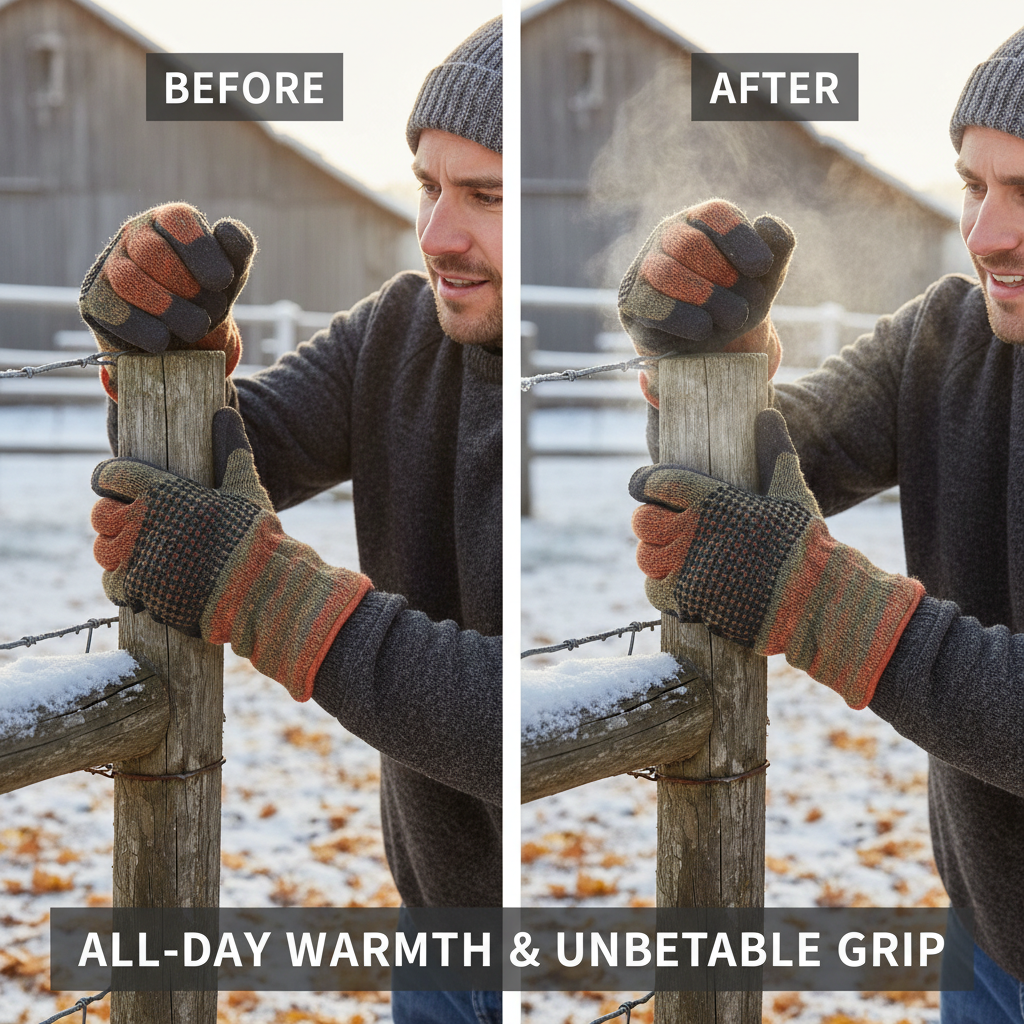
Think about it — our planet’s snowy, cold regions aren't just winter postcards anymore. With climate shifts and more people venturing outdoors for work or leisure, warm waterproof snow gloves have moved from nice-to-have to essential gear. Whether you're a mountain rescuer, an outdoor enthusiast, or part of a humanitarian team operating in harsh winters, these gloves protect not just hands but safety, comfort, even livelihoods.
Understanding the value of warm waterproof gloves isn’t niche. It’s global and urgent. Cold injuries, frostbite, and wet hands that lose dexterity can halt operations and cause immense discomfort. So investing in durable, insulated, water-resistant gloves saves money and lives. Plus, it unlocks mobility and confidence no one should have to sacrifice.
The Global Context: Why Gloves Are More Than Fashion
In the last decade, icy conditions have sometimes caught communities off guard — from northern Europe to the Himalayas. The warm waterproof snow gloves market reflects this rising demand. According to the World Meteorological Organization, extreme cold events affected millions worldwide, and occupational injuries related to cold exposure climbed sharply in sectors like forestry, oil & gas, and outdoor construction (source: WMO).
But cold exposure isn’t just about weather. It’s about economics and human dignity. Snow gloves that fail to keep water out or heat in can cause lost work hours and medical treatments, which pile up financially on companies and individuals alike. Hence, the quest: find gloves that survive the grimmest elements without sacrificing comfort.
Warm Waterproof Snow Gloves: What Are They, Really?
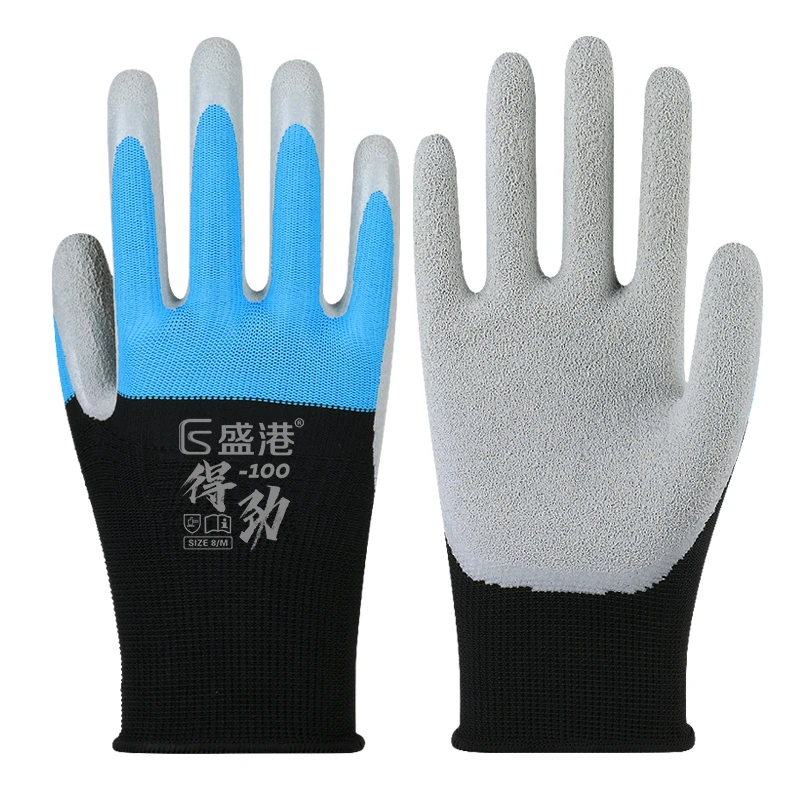
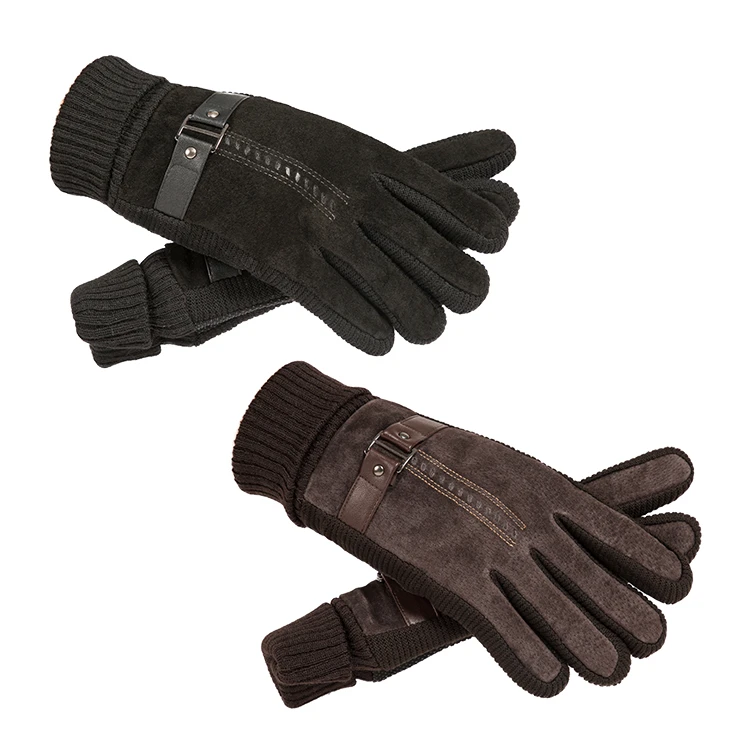
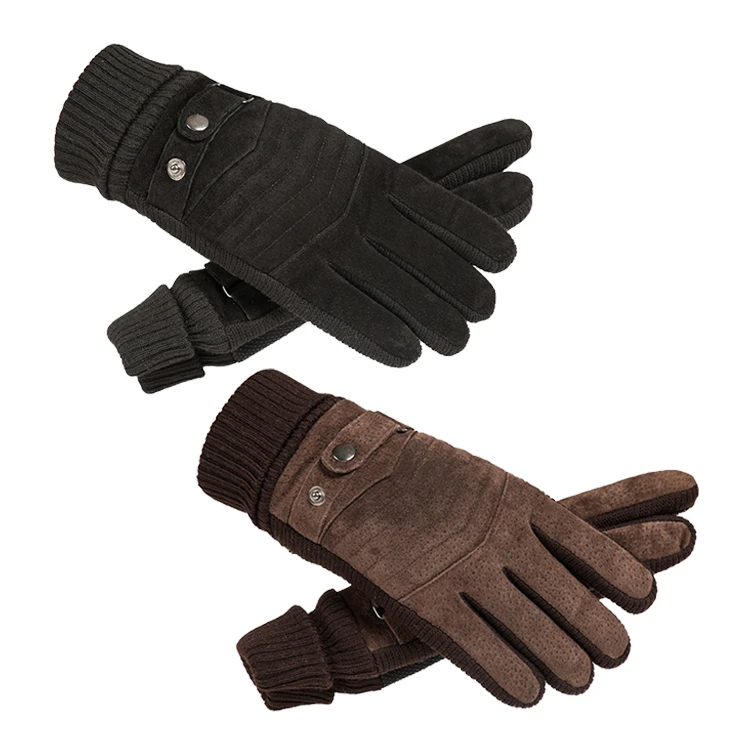
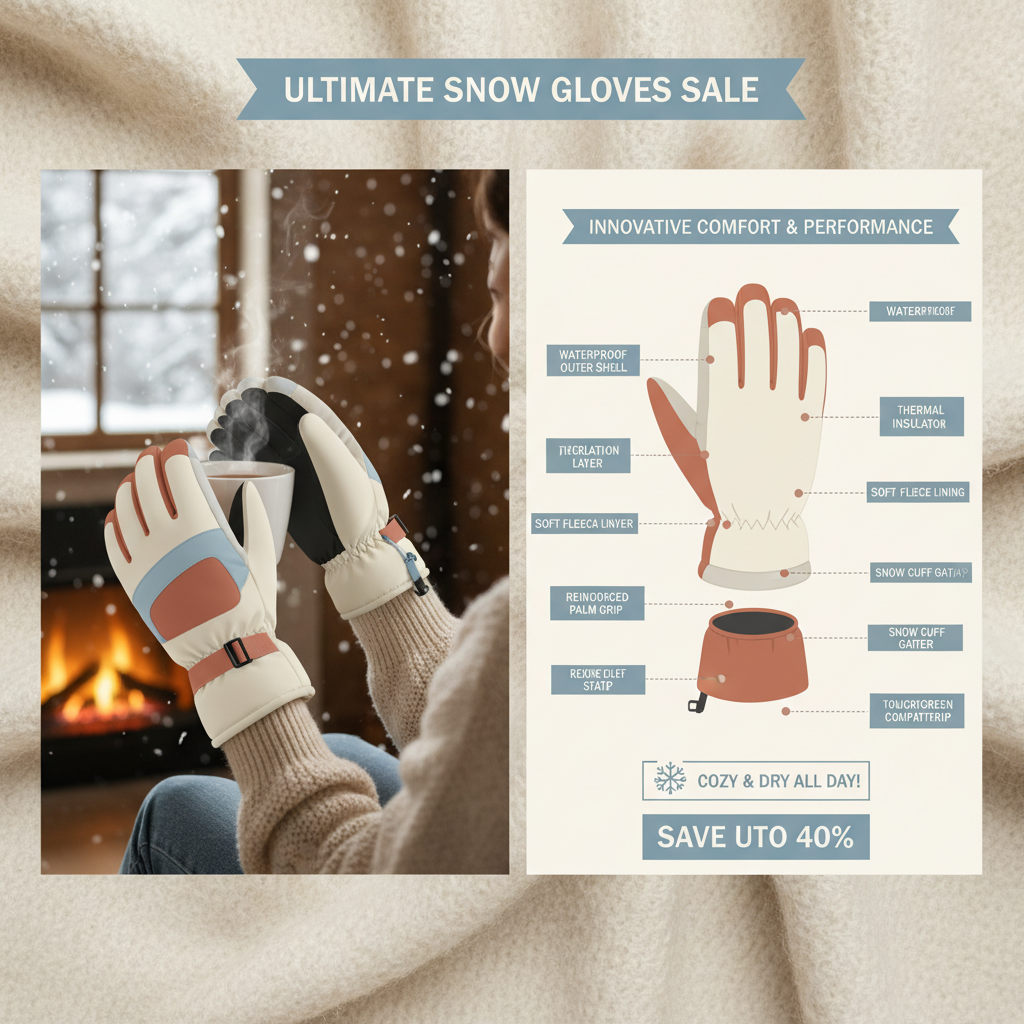
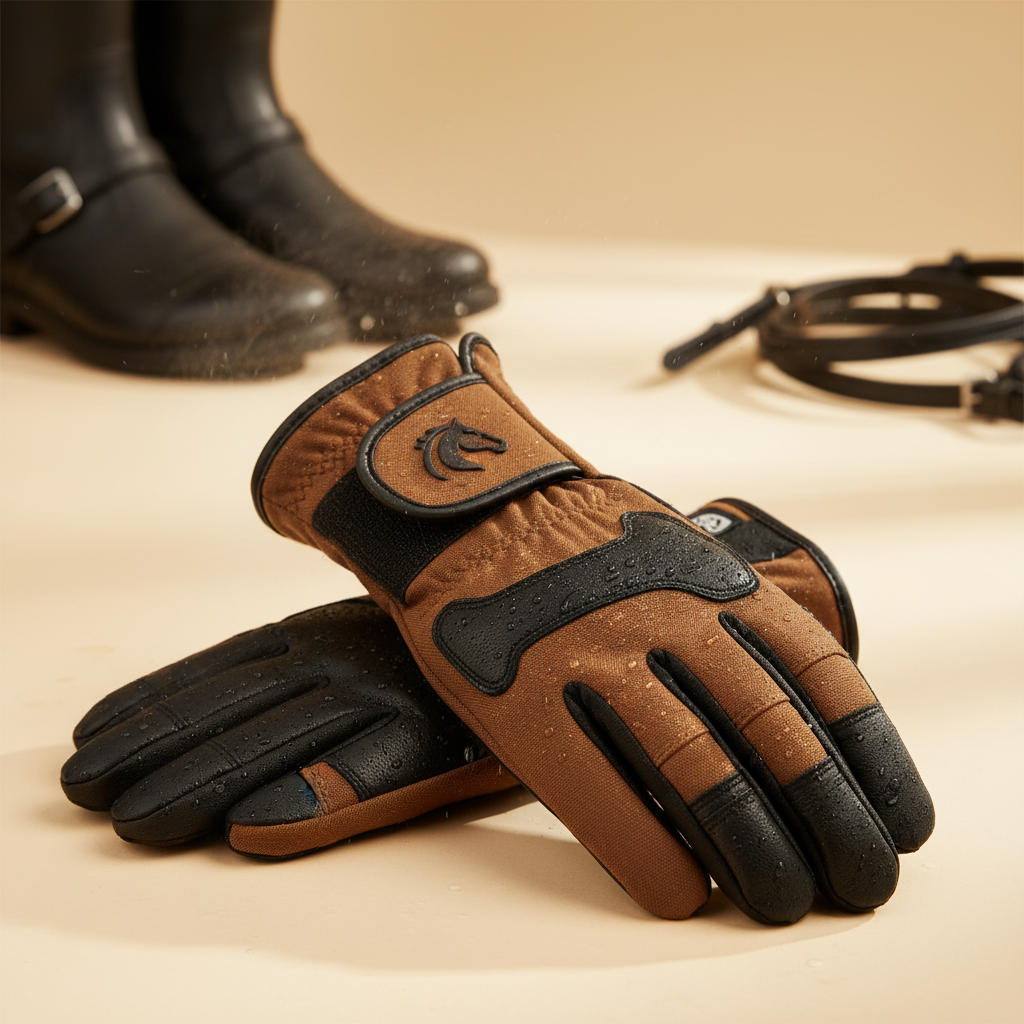
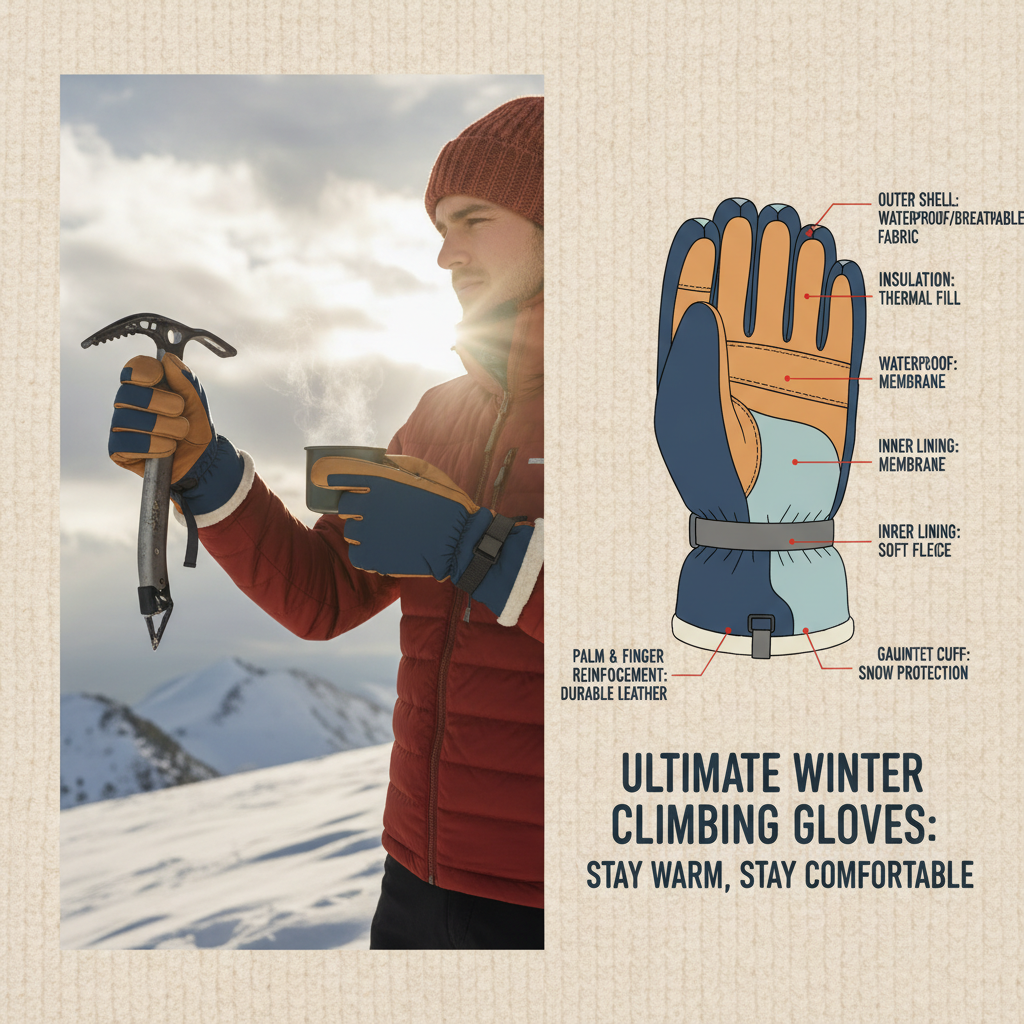
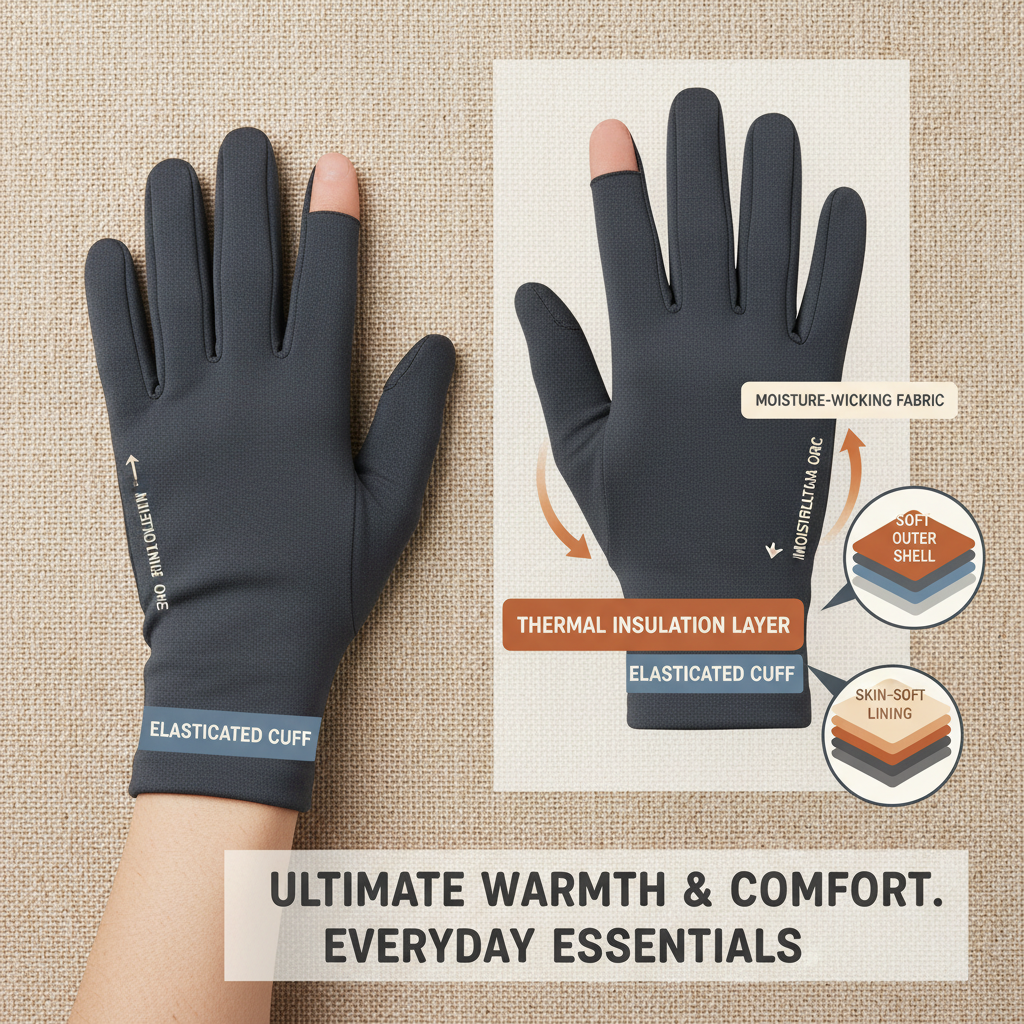
At their core, warm waterproof snow gloves are hand coverings specifically engineered to provide insulation against cold and a reliable shield against water ingress. Unlike everyday gloves, they incorporate materials like thermal liners, breathable membranes (think Gore-Tex or equivalent), and often a tough outer shell to resist abrasion or tearing.
Modern designs are a result of blending outdoor gear tech with practical use cases — from ski slopes to mountain rescue operations to cold-chain logistics. Humanitarians and industries needing reliable hand protection rely on these gloves because they couple warmth with dryness, mobility with durability.
Key Features That Define Quality in Snow Gloves
1. Thermal Insulation
Think of insulation as the glove’s heater — trapping body heat. Many gloves use synthetic fills or down feathers. The goal? Retain warmth even when gloves are wet or compressed. Realistically, a good thermal rating is crucial in sub-zero temps.
2. Waterproof Membranes
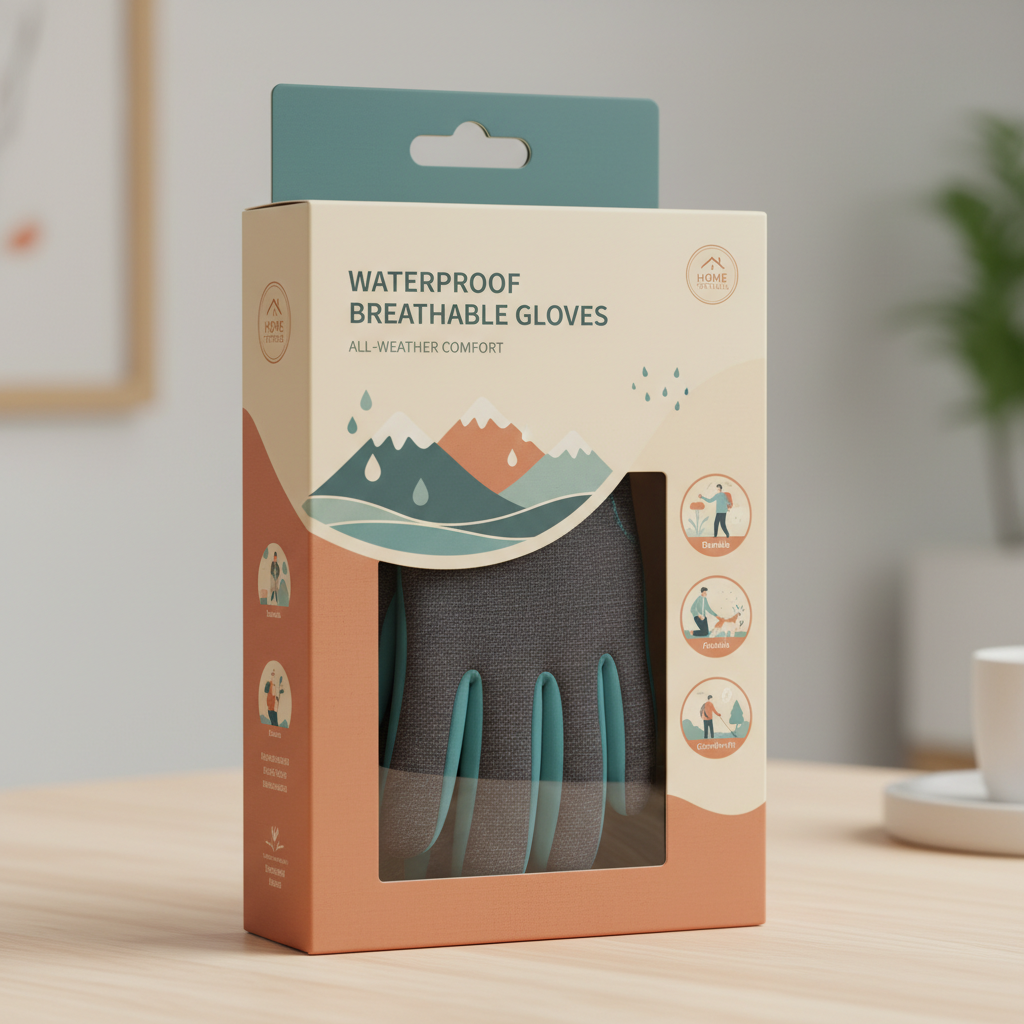
The waterproof layer keeps external moisture out but lets sweat vapor escape — vital so that hands don’t feel clammy inside. Membranes like Gore-Tex, eVent, or proprietary fabrics have redefined what’s possible. Without this, gloves feel heavy and soggy fast.
3. Durability and Abrasion Resistance
Snow isn’t just soft flakes, it’s chapters of ice and rough surfaces. Gloves must stand up to snagging on ice axes, rough bark, or rough gear. Reinforced palms and fingertips are standard for professionals.
4. Dexterity and Grip
It’s one thing to keep warm, another to work efficiently. Flexible designs, pre-curved fingers, and tacky surfaces help wearers do precise tasks — like tying knots or operating devices — without gloves off.
5. Breathability
Even in freezing temps, sweating happens. Gloves that trap sweat reduce comfort and insulation. So breathability balances warmth with moisture control.
6. Fit and Comfort
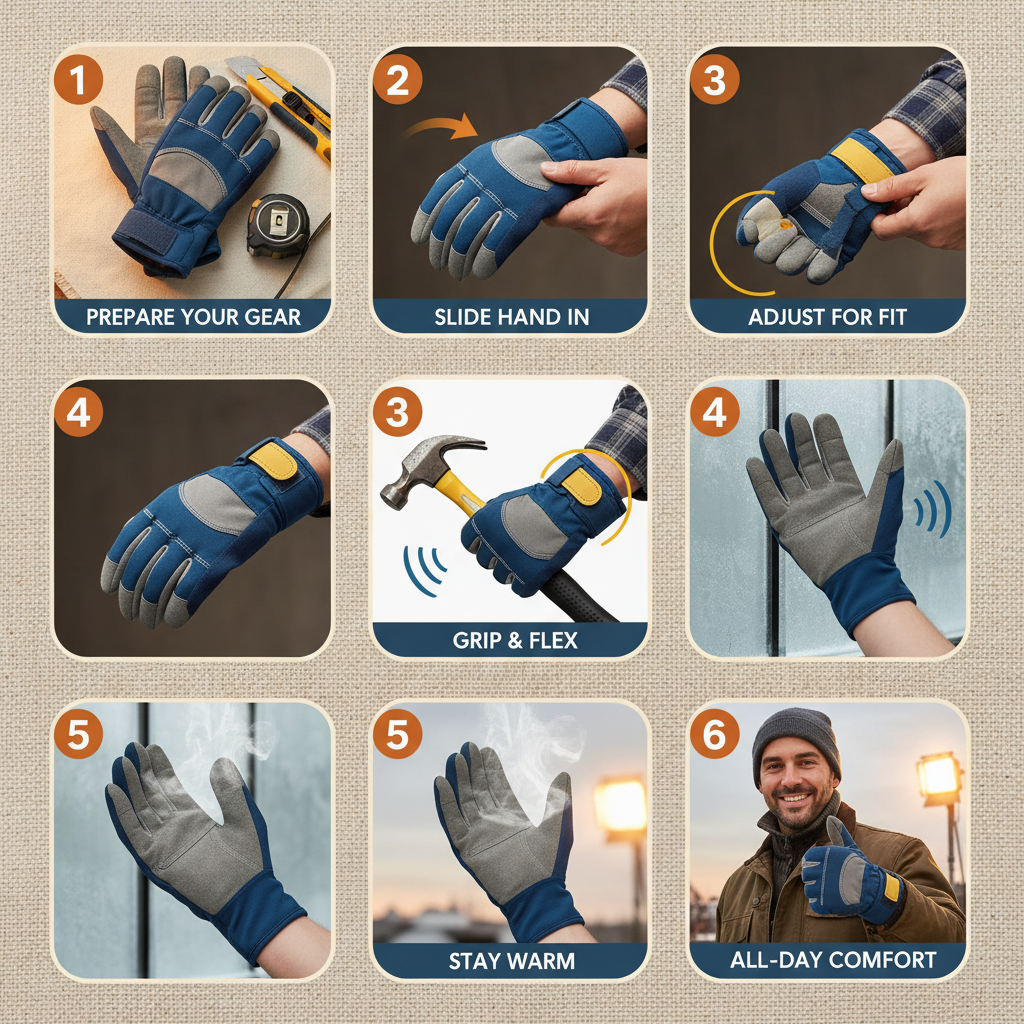
Gloves need to fit snugly but not tight, allowing layering underneath without cutting circulation. Adjustable wrists or elastic cuffs play a part here.
| Feature | Details |
|---|---|
| Insulation Material | Synthetic (Thinsulate) or Down Fill |
| Waterproof Membrane | Gore-Tex or TPU Laminate |
| Outer Shell | Nylon or Polyester with DWR Coating |
| Weight | Approx. 200-300 grams per glove |
| Temperature Rating | -20°C to -40°C |
| Additional Features | Adjustable wrist straps, reinforced palms |
Mini takeaway: A fine balance between warmth, dryness, durability, and dexterity is the secret sauce of warm waterproof snow gloves that actually work.
Global Uses and Who Benefits Most
The reality is these gloves see service worldwide, not just on ski runs or casual hikes. For example:
- Emergency responders in Nordic countries rely on them for warmth while performing critical rescues.
- Industrial workers in Siberia and northern Canada use them for reliable hand protection during outdoor maintenance and drilling.
- Humanitarian agencies operating in refugee camps or disaster zones facing wintry conditions value their durability and heat retention.
- Outdoor sports enthusiasts like climbers, backcountry skiers, and snowmobilers demand these gloves for performance and comfort.
One noteworthy case: In a Nepalese winter relief mission in 2022, distributing warm waterproof snow gloves significantly lowered frost injury cases among field workers — proving these gloves are more than just gear; they’re part of safety protocols.
Advantages & The Long-Term Payoff
What’s obvious but bears repeating: warm waterproof snow gloves protect hands from cold and wetness, but their value goes deeper.
- Cost Efficiency: Better gloves mean fewer replacements, less downtime, and fewer medical claims for frostbite.
- Sustainability: Gloves that last reduce waste. Some brands now offer recyclable or responsibly sourced materials, addressing climate impacts.
- Human Impact: Comfortable, effective gloves promote confidence and productivity, reducing risk of injury.
- Reliability: Tested for extreme conditions, these gloves don’t “quit” mid-operation.
Emotionally, they’re trust-builders. When you put these gloves on, you feel equipped to face brutal cold. That psychological edge matters more than many realize.
Future Trends and Innovations to Watch
The snow glove game is shifting, slowly but surely:
- Eco-Materials: Innovations like bio-based insulation (think algae-derived fibers) and PFC-free waterproofing are maturing.
- Smart Gloves: Embedded sensors tracking temperature or hand movement could help in occupational health monitoring.
- Custom Fit: 3D scanning and manufacturing may soon allow gloves tailored perfectly to individual hands, improving fit and dexterity.
- Improved Membranes: Next-gen breathable waterproof layers could balance sweat management better than today’s standards.
Meanwhile, policies encourage sustainable gear for humanitarian relief and industrial procurement — meaning demand for greener, smarter gloves will only grow.
Addressing Common Challenges and Practical Solutions
Warm waterproof snow gloves do have hurdles:
- Cost: Advanced gloves price higher, which can exclude some markets.
- Bulkiness: More insulation can mean less mobility, frustrating wearers performing delicate tasks.
- Durability Gaps: Some cheaper gloves wear out fast, especially in abrasively tough conditions.
Experts suggest layered approaches — combining thin liners with waterproof shells for versatility. Some brands have introduced modular gloves offering removable insulation layers, a nice fix. Plus, ongoing R&D is focused on thin yet powerful insulators and reinforcements.
Vendor Comparison: Popular Warm Waterproof Snow Gloves
| Vendor | Price Range (USD) | Waterproof Tech | Key Strength | Ideal For |
|---|---|---|---|---|
| GlacierGear Pro | $80–$120 | Gore-Tex | Durability and heat retention | Industrial, Rescue |
| SnowFlex Ultra | $60–$90 | TPU Laminates | Lightweight and flexible | Sports, Casual Hiking |
| ThermaShield XT | $100–150 | Proprietary membrane | Advanced thermal regulation | Expedition, Military |
FAQs About Warm Waterproof Snow Gloves
Q: How do I know if my gloves are truly waterproof?
A: Look for trusted materials like Gore-Tex or TPU membranes, which have tested water-resistance. Also check product specs for “waterproof” ratings and user reviews. Remember, seam sealing and quality construction are equally important.
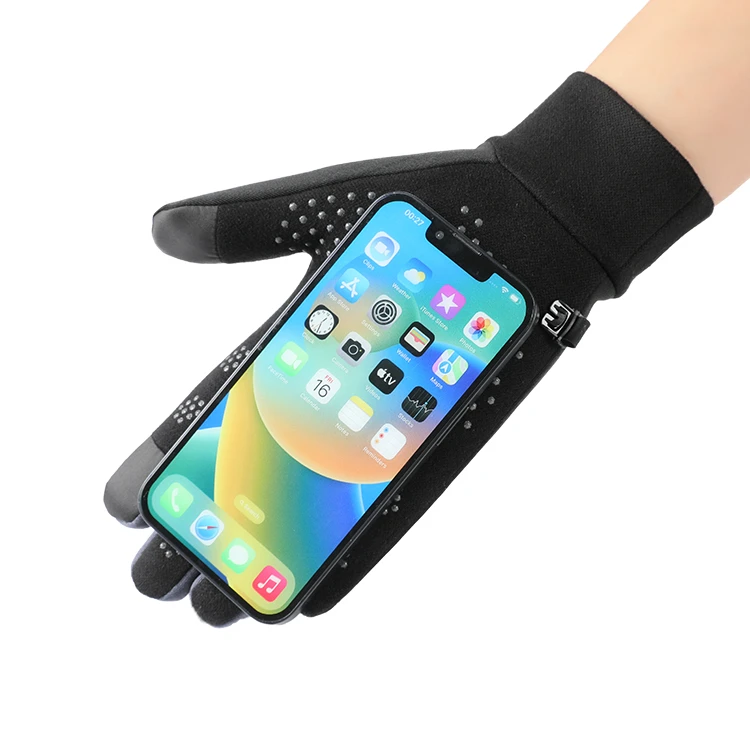
Q: Can warm waterproof gloves be used for touchscreen devices?
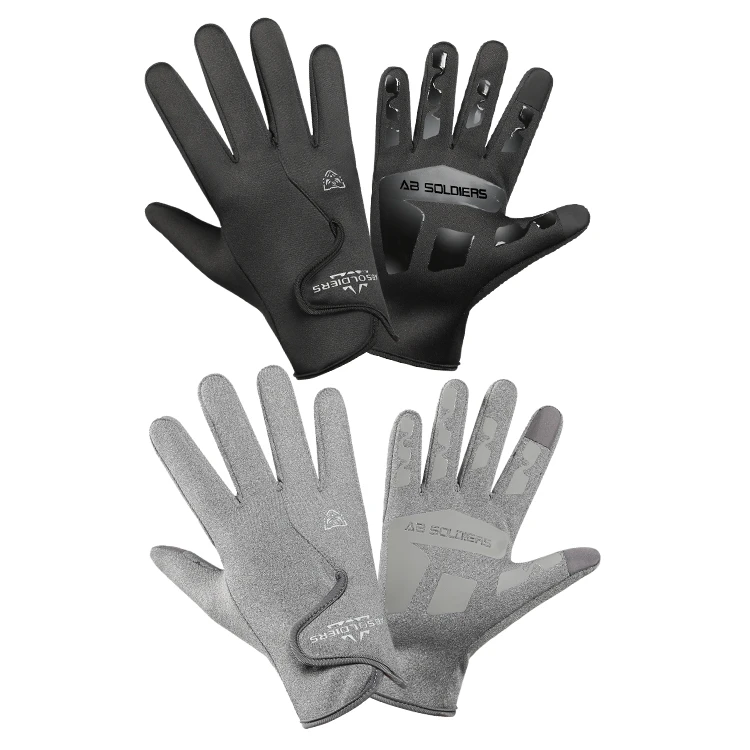
A: Many modern gloves incorporate special conductive materials on the fingertips, but not all. If that’s important, opt for models that advertise touchscreen compatibility to avoid fumbling with cold bare fingers.
Q: How should I care for my snow gloves to maintain waterproofing?
A: Avoid harsh detergents; use recommended glove soaps to preserve fabric and membranes. Air dry naturally — never tumble dry. Reapply Durable Water Repellent (DWR) coatings periodically for best results.
Q: Are down-filled gloves better than synthetic for wet conditions?
A: Synthetics generally perform better when wet; down loses insulating power if damp. But some modern treated down options have improved water resistance. Consider your typical conditions and usage before choosing.
Q: What’s the average lifespan of warm waterproof gloves under regular use?
A: Typically 2-3 years if cared for properly, but heavy industrial use might shorten this. Reinforced gloves generally last longer. Always replace gloves when waterproofing fails or insulation diminishes.
Conclusion: Why Investing in Quality Warm Waterproof Snow Gloves Pays Off
To wrap things up — warm waterproof snow gloves are an unsung hero in the battle against cold and wet conditions globally. Their right balance of insulation, waterproofing, and durability not only protects hands but enables people to work, explore, and help others safely. They’re a small piece in a bigger puzzle of cold weather readiness, but arguably one of the most personal and impactful.
Need reliable gloves to power your winter mission? Don’t compromise. Visit our website: https://www.personalcarescn.com to explore our trusted selections.
Mini takeaway: In the world’s coldest conditions, a good pair of warm waterproof gloves isn’t just warmth — it’s empowerment.