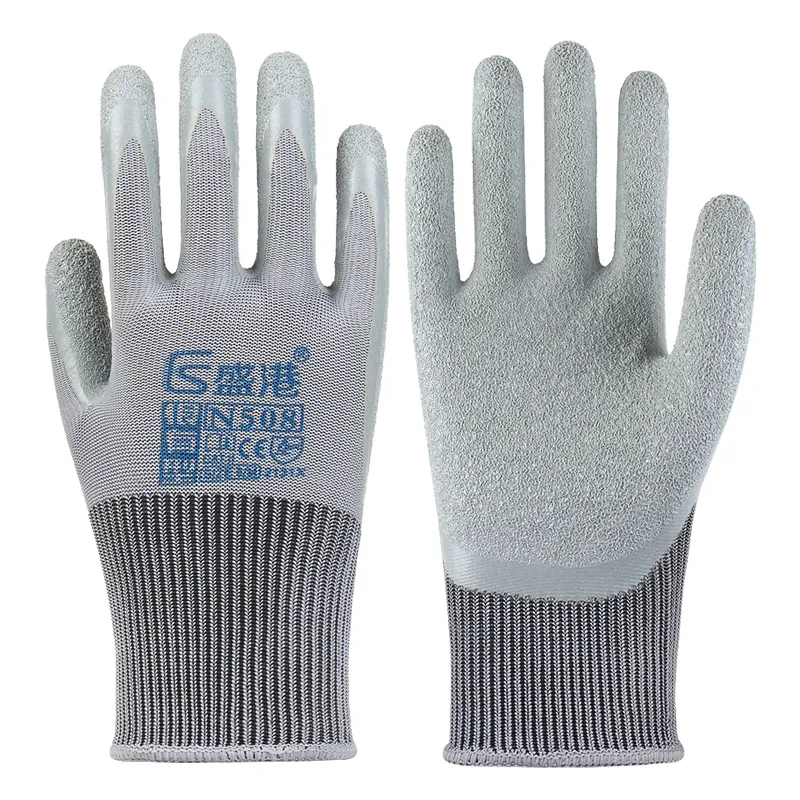
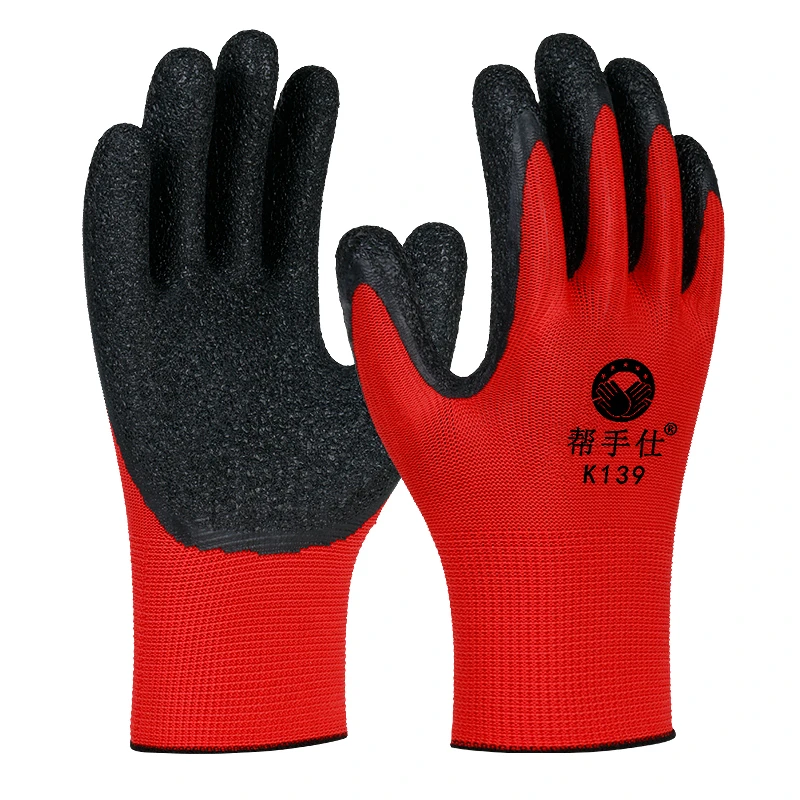
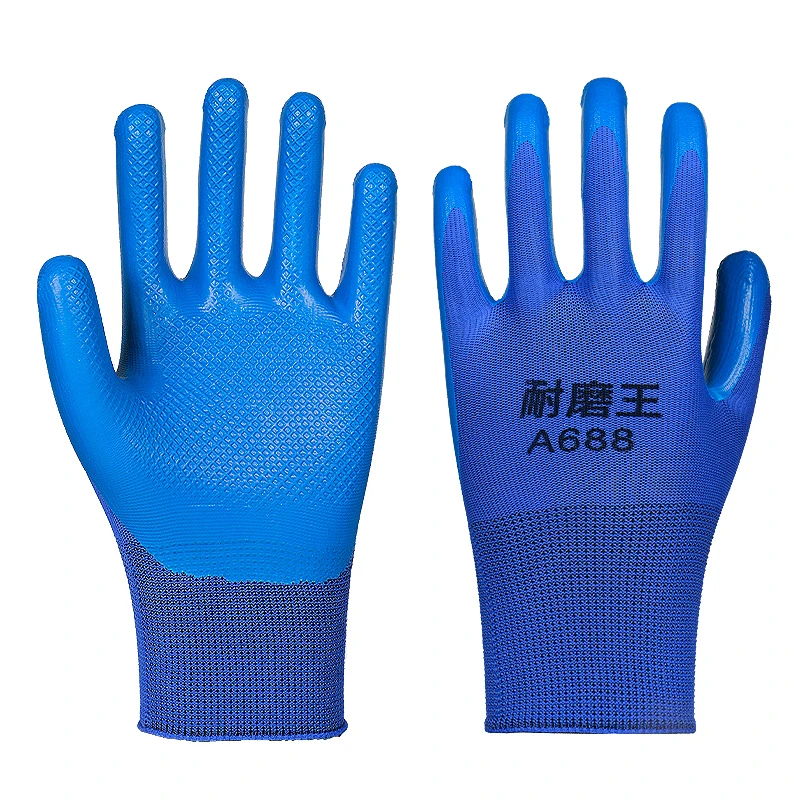
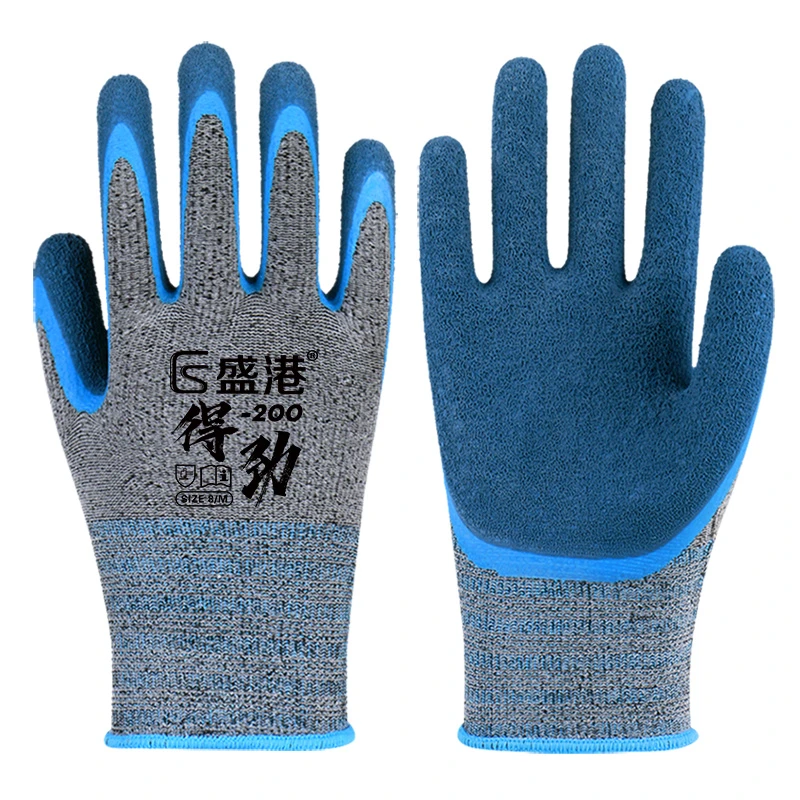
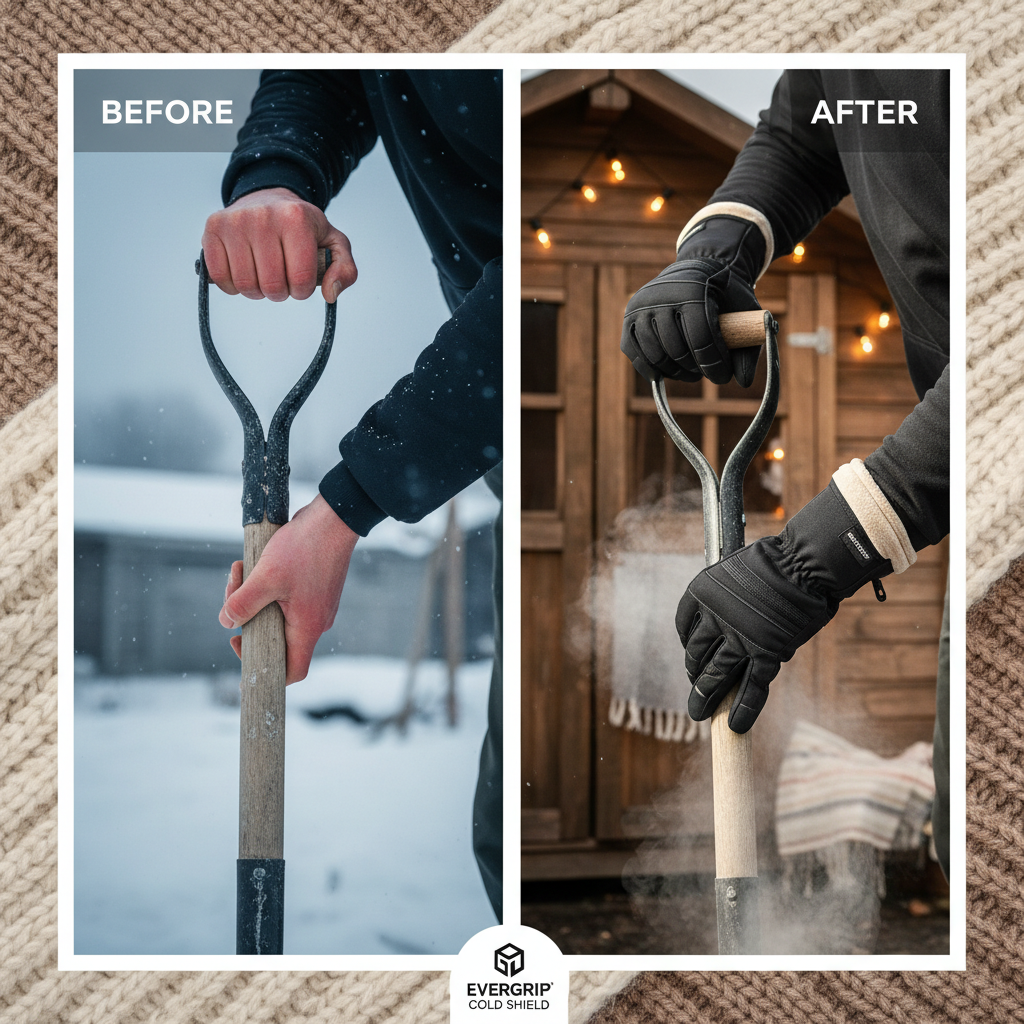
Choosing the Right Warm Outdoor Work Gloves for Optimal Hand Protection
Choosing the Right Warm Outdoor Work Gloves for Peak Performance
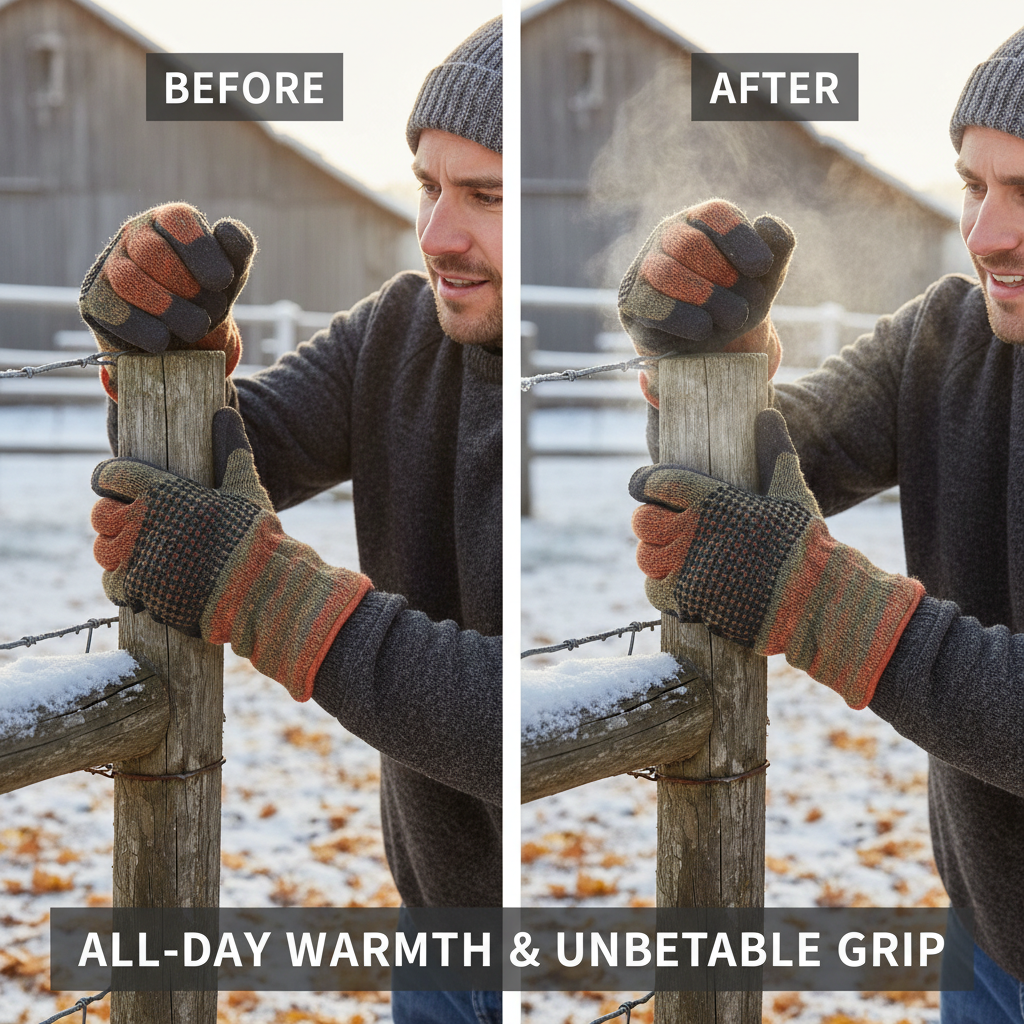
Working outdoors in cold weather demands reliable hand protection. Selecting the right warm outdoor work gloves is crucial for maintaining dexterity, comfort, and safety. This article will guide you through the key considerations when choosing gloves, covering materials, features, and applications. Protecting your hands from the elements isn’t just about comfort; it’s about maintaining productivity and preventing injuries. Let’s explore how to find the perfect gloves for your needs.
Understanding Glove Materials: A Comparative Overview
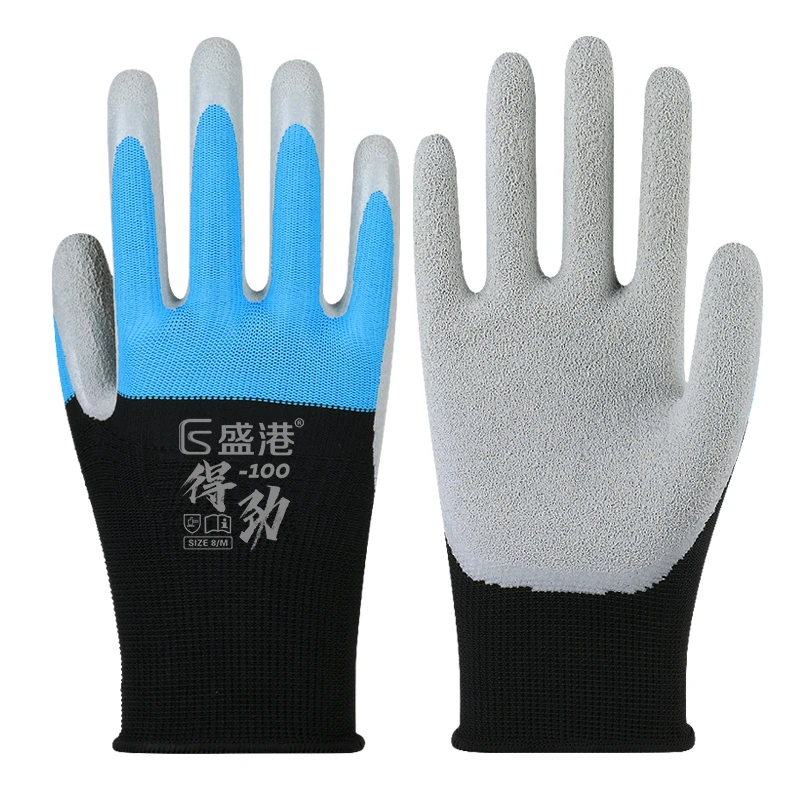
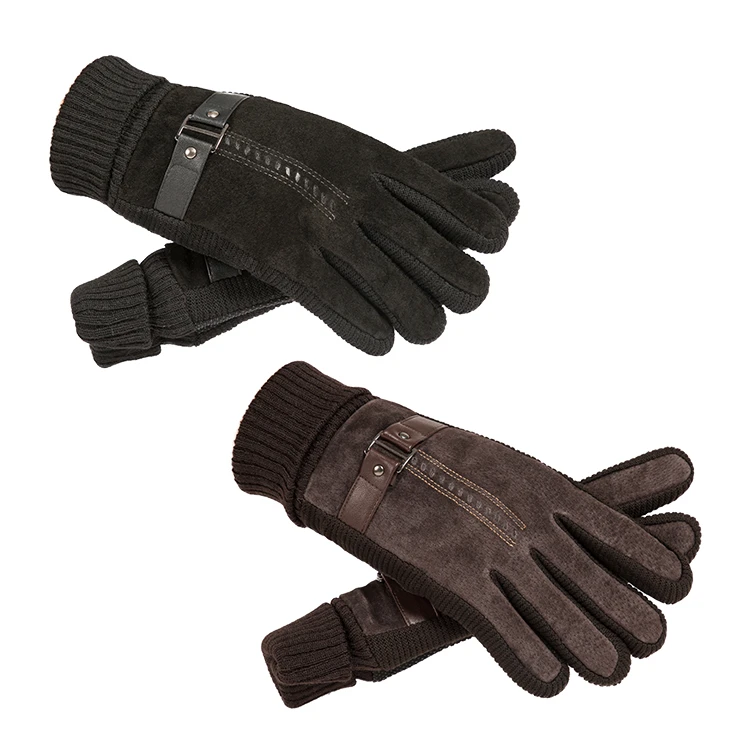
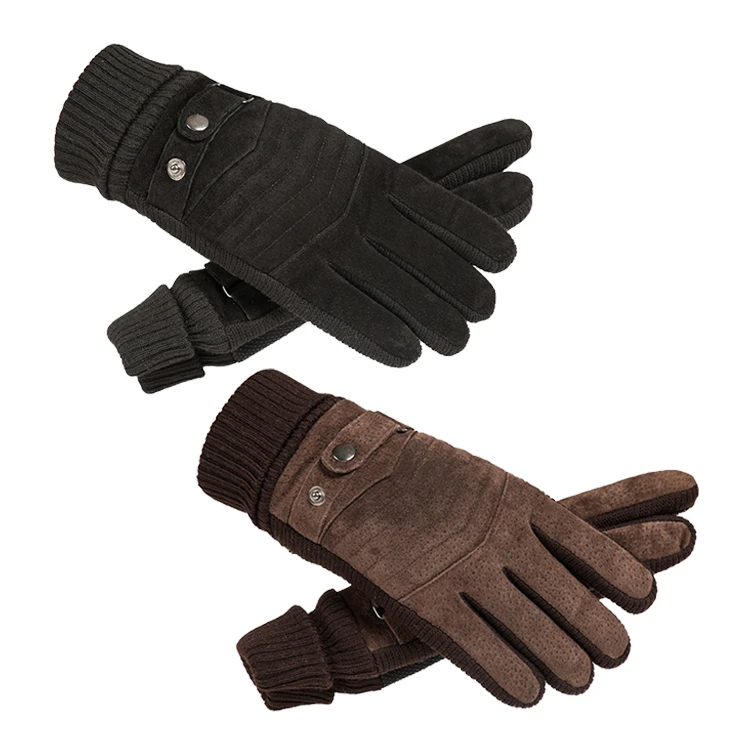
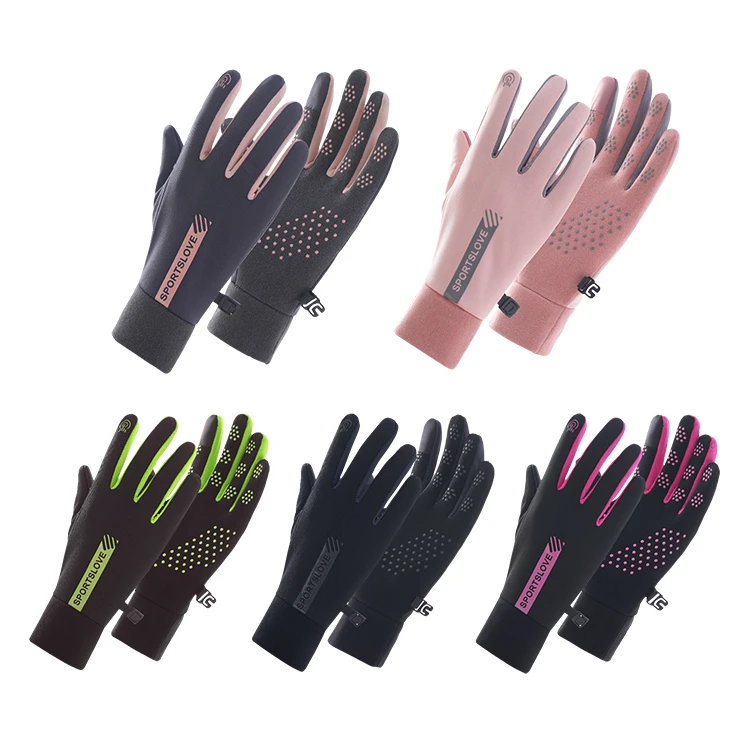
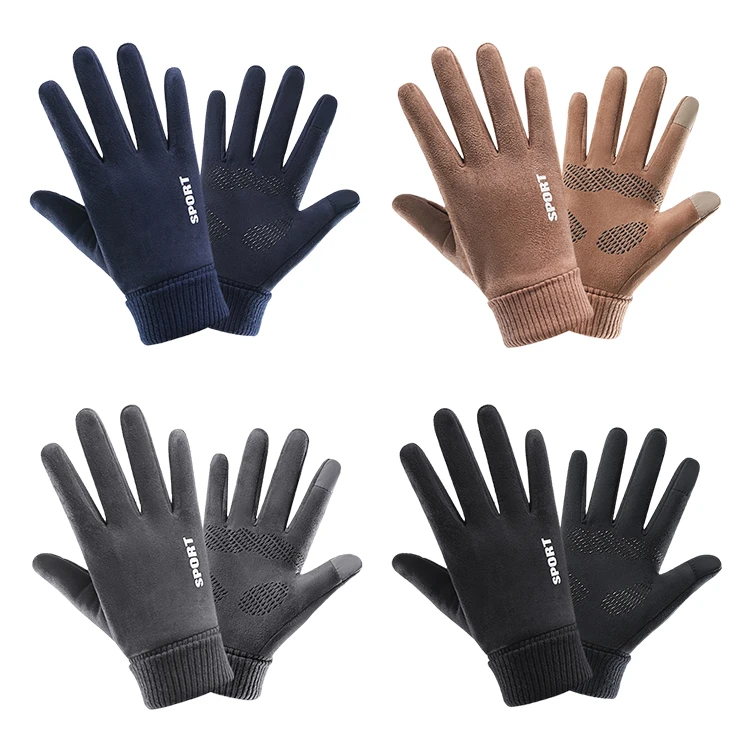
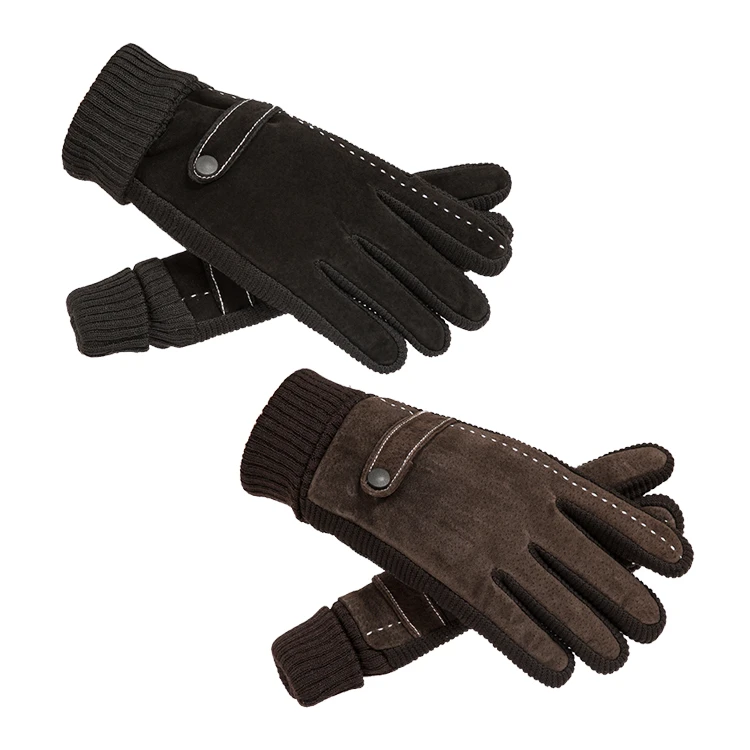
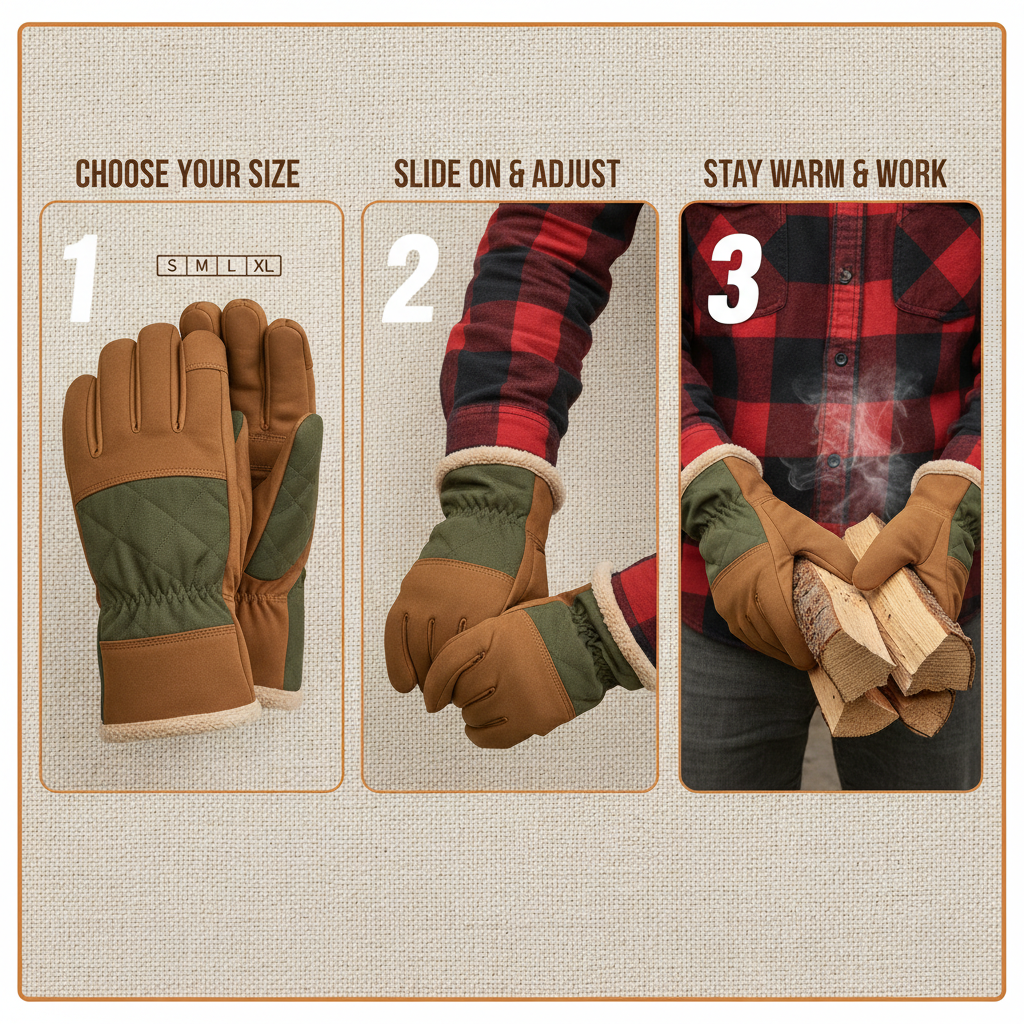
The material of your work gloves is a primary factor determining their warmth, durability, and suitability for specific tasks. Common materials include leather, nitrile, neoprene, and various synthetic blends. Leather offers excellent durability and a natural feel, but requires maintenance. Nitrile provides good abrasion resistance and grip, while neoprene offers superior water resistance. Synthetic blends often balance cost, performance, and comfort. The best choice depends on the nature of your work and the weather conditions you'll encounter. Personal Care SCN offers a range of gloves with different materials to meet diverse needs.
Key Highlights: Selecting the right glove material impacts durability, dexterity, and weather protection. Consider your specific work environment when making your choice.
Key Features to Look for in Warm Outdoor Work Gloves
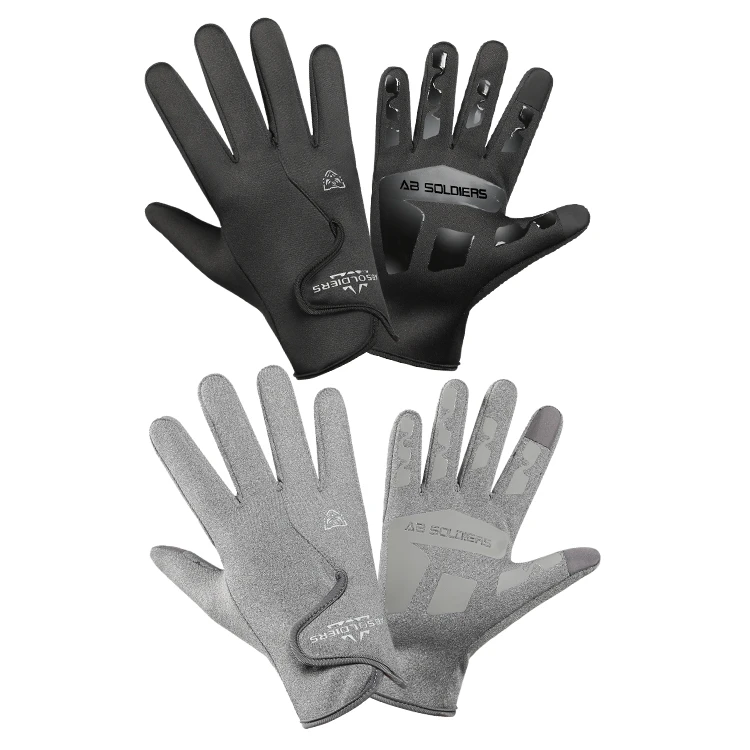
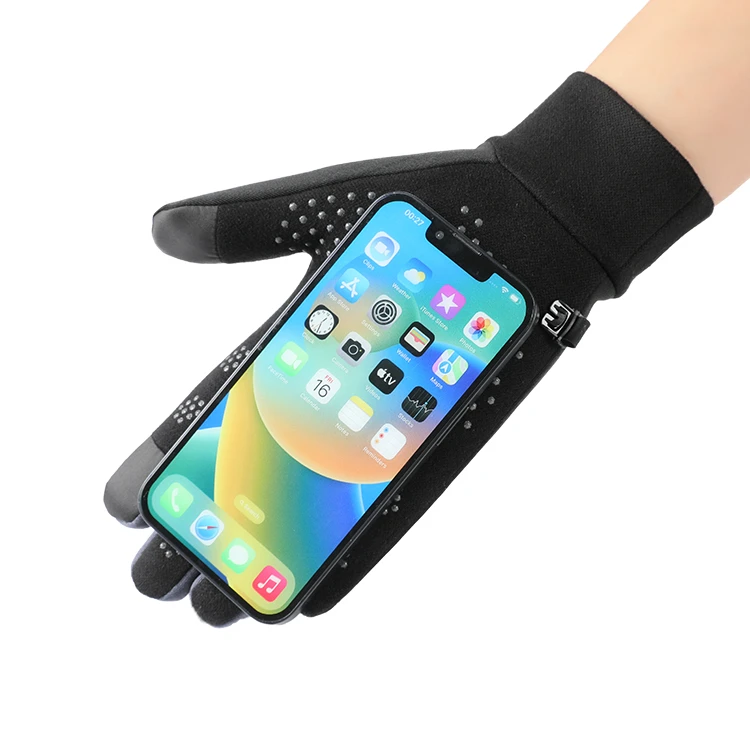
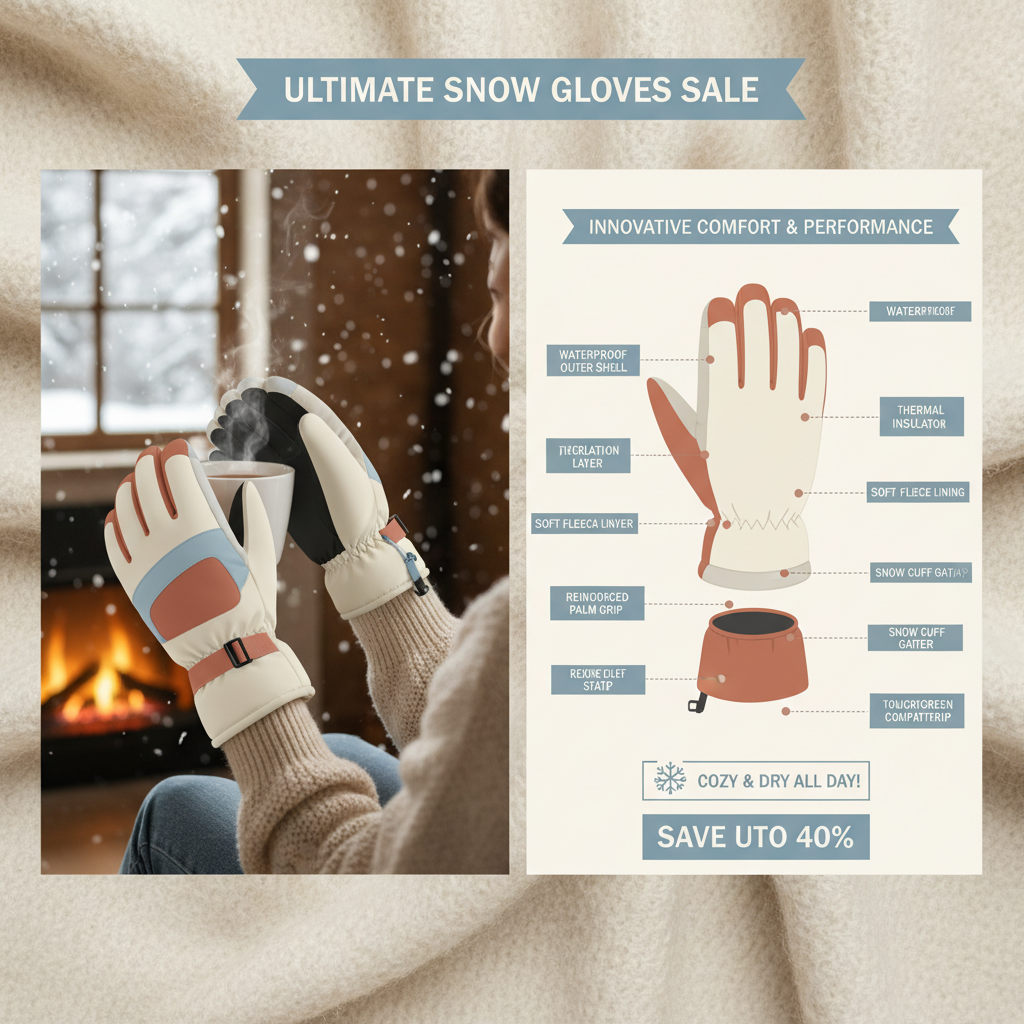
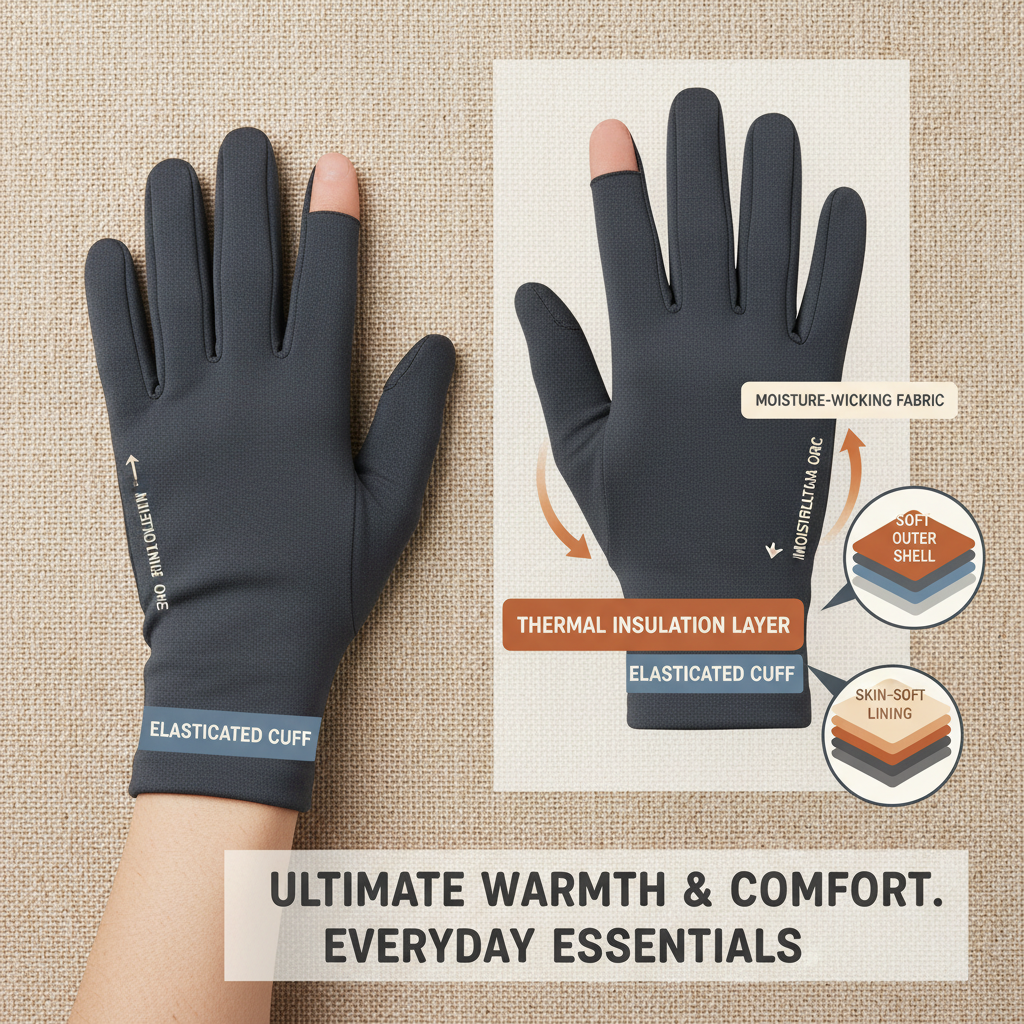
Beyond the material, several features contribute to a glove's effectiveness in cold weather. Insulation is critical – look for gloves with Thinsulate™ or similar synthetic insulation. A waterproof/breathable membrane is essential for keeping hands dry without causing excessive sweating. Reinforced palms and fingertips enhance durability, particularly for tasks involving abrasion. Consider features like extended cuffs for added protection, touchscreen compatibility for convenient phone use, and adjustable wrist straps for a secure fit. Properly designed warm outdoor work gloves will significantly improve comfort and performance.
Essential Features:
• Effective insulation (e.g., Thinsulate™)
• Waterproof/breathable membrane
• Reinforced palms and fingertips
• Adjustable wrist straps
Warm Outdoor Work Gloves: A Comparison of Materials
Choosing the best material for your warm outdoor work gloves requires considering the trade-offs between warmth, durability, dexterity, and cost. Here’s a comparison to help you decide:
Applications: Choosing Gloves for Specific Outdoor Tasks
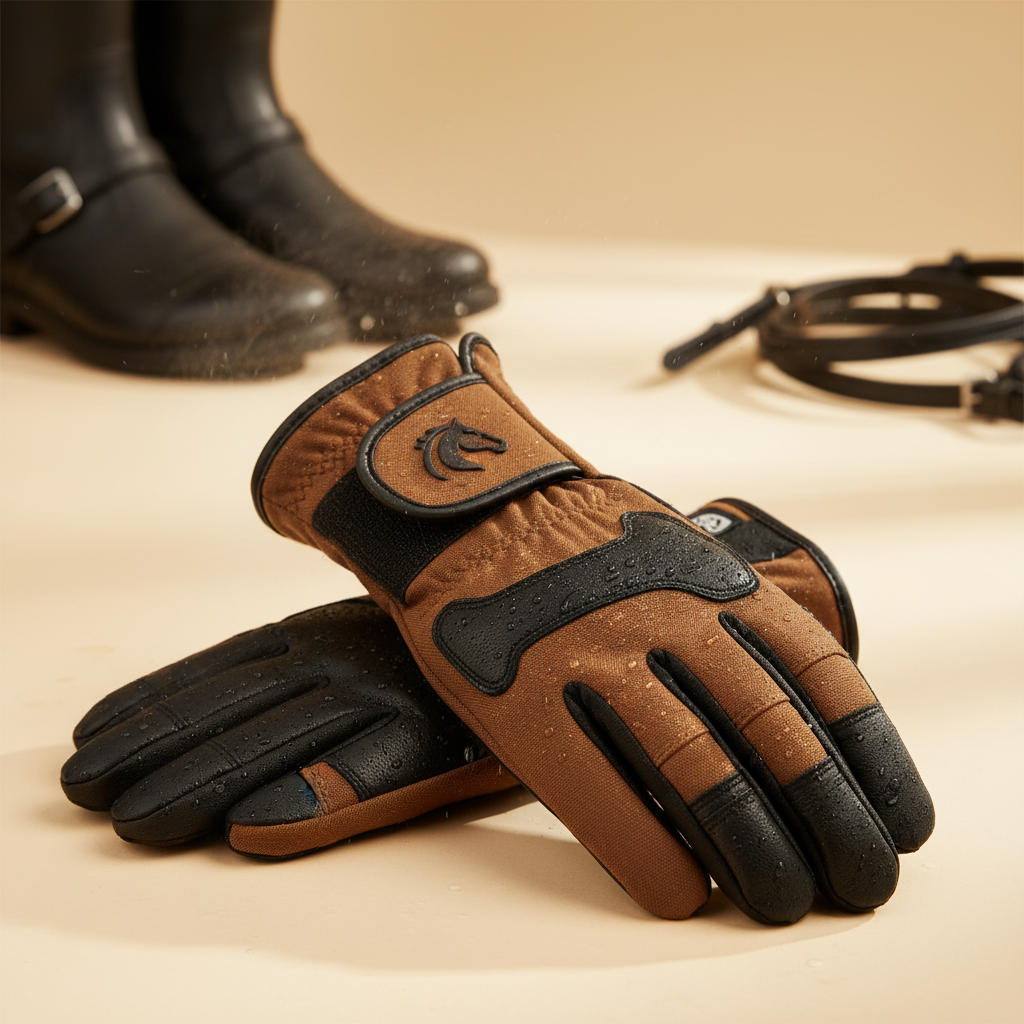
The best warm outdoor work gloves also depend on the specific task. For construction workers, durable leather or nitrile gloves with reinforced palms are ideal. For tasks requiring precision, such as equipment repair, synthetic gloves offer excellent dexterity. For wet environments, neoprene gloves provide superior water resistance. Consider the potential hazards – if you’re working with sharp objects, cut-resistant gloves are essential. Personal Care SCN provides gloves tailored to a wide variety of applications.
Selecting the Right Size and Ensuring Proper Fit
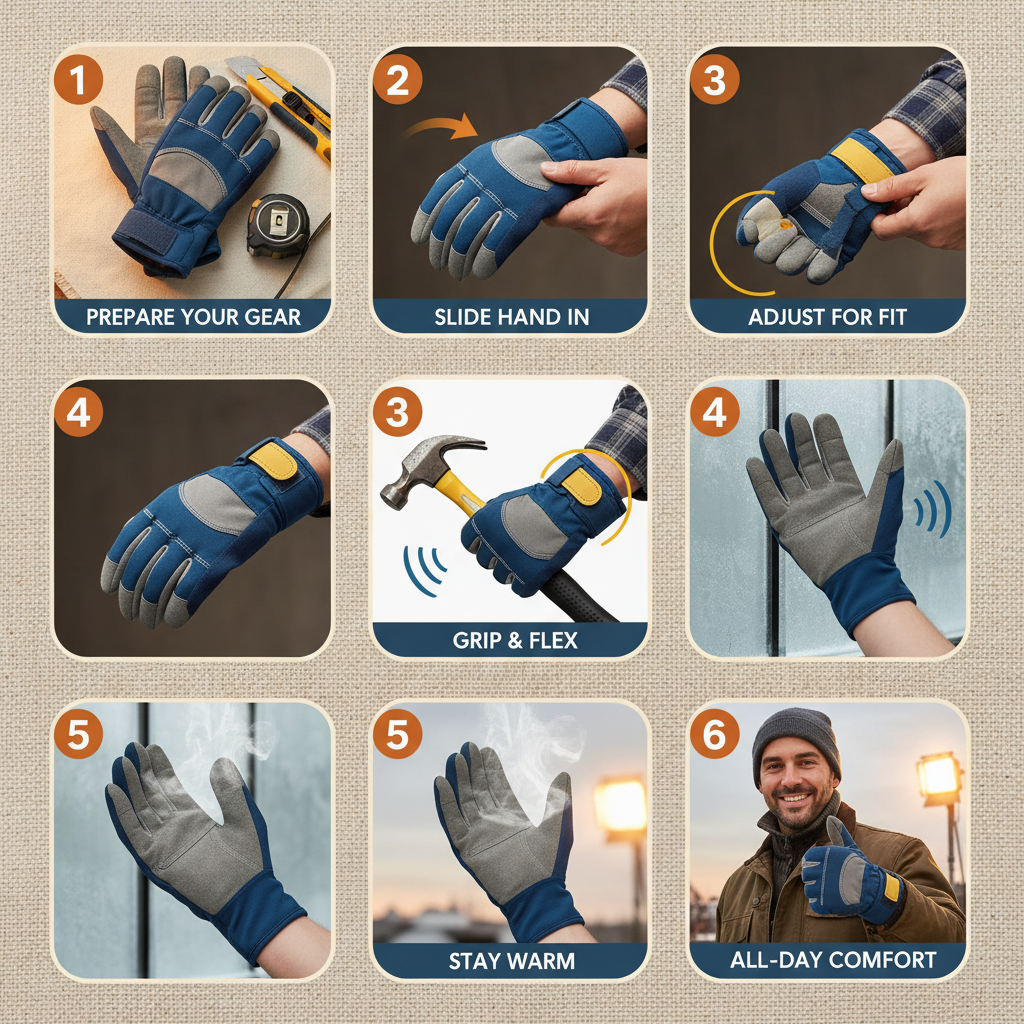
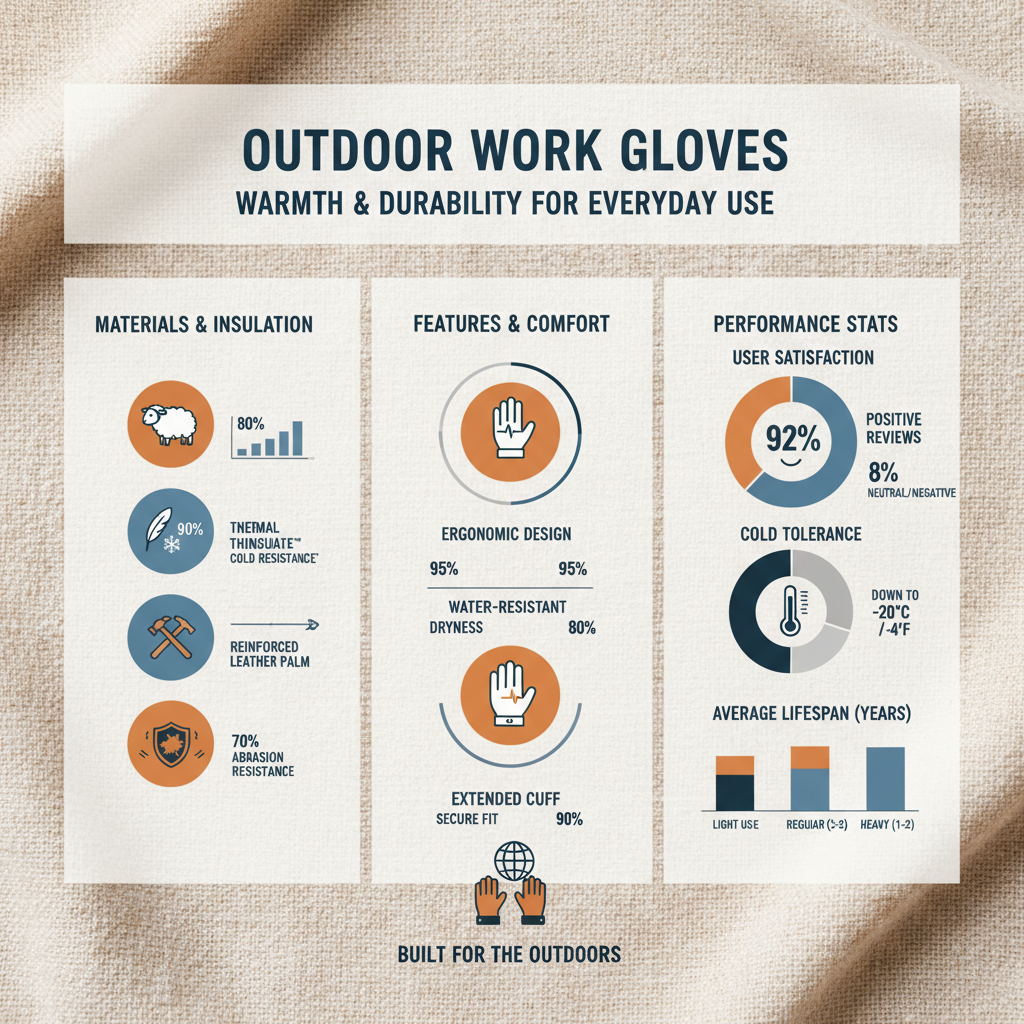
Even the best gloves won’t provide adequate protection if they don’t fit properly. Too loose, and you’ll lose dexterity and control. Too tight, and they’ll restrict circulation and cause discomfort. Always consult the manufacturer's sizing chart and measure your hand accurately. Ensure the gloves allow for a full range of motion without being constricting. A secure fit is crucial for maintaining both comfort and safety. Consider gloves with adjustable closures for a customized fit.
Conclusion: Protect Your Hands, Enhance Your Performance
Investing in high-quality warm outdoor work gloves is an investment in your safety, comfort, and productivity. By carefully considering the materials, features, and fit, you can find gloves that meet your specific needs and ensure you can work effectively in even the coldest conditions. Don't compromise on hand protection – choose wisely and work with confidence.
Frequently Asked Questions (FAQs)
How often should I replace my work gloves?
The frequency of replacement depends on usage and wear. Inspect gloves regularly for punctures, tears, or loss of insulation. Gloves used daily in harsh conditions may need replacing every few months, while those used less frequently might last longer. If dexterity is compromised or the gloves no longer provide adequate protection, it’s time for a replacement.
What does "waterproof" mean in the context of work gloves?
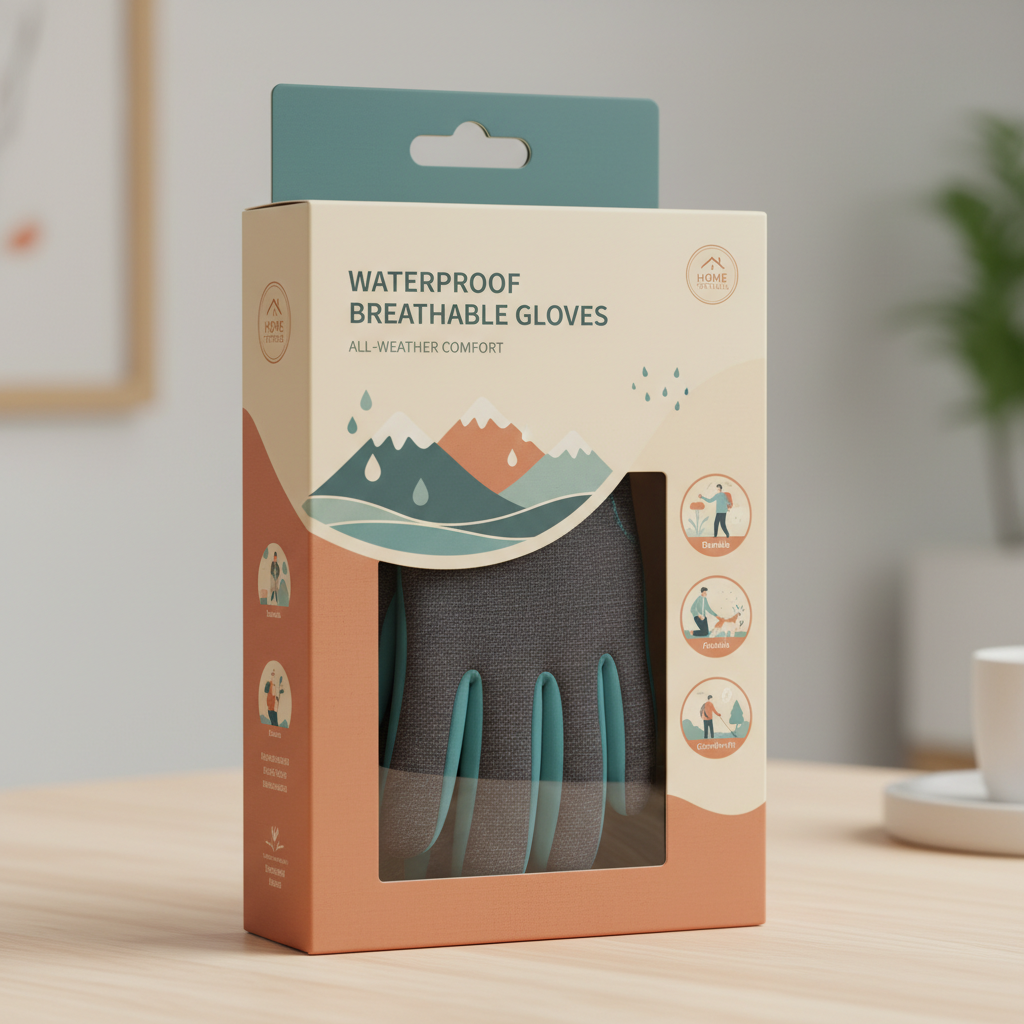
"Waterproof" typically refers to a glove’s ability to resist water penetration for a certain period. However, most gloves aren't completely waterproof. A waterproof membrane prevents water from entering, while breathability allows moisture vapor (sweat) to escape. Look for gloves with a waterproof/breathable rating to ensure they provide both protection and comfort.
Are touchscreen-compatible gloves as durable as regular work gloves?
Touchscreen compatibility is achieved by incorporating conductive materials into the fingertips. While technology has improved, some touchscreen-compatible gloves may be slightly less durable in those areas compared to gloves without this feature. However, many manufacturers now offer durable touchscreen gloves designed for demanding work environments.
What is Thinsulate™ and why is it beneficial in work gloves?
Thinsulate™ is a synthetic fiber insulation known for its exceptional warmth-to-weight ratio. It traps air to provide warmth without adding bulk, allowing for greater dexterity. It’s also water-resistant, maintaining its insulating properties even when damp. Thinsulate™ is a popular choice for work gloves designed for cold weather conditions.