Essential Guide to Selecting Durable Cold Weather Construction Gloves
Choosing the Right Cold Weather Construction Gloves
Working outdoors in cold temperatures demands specialized protection, and your hands are particularly vulnerable. Selecting the right cold weather construction gloves is crucial for maintaining dexterity, warmth, and safety. This article explores the key features, materials, and considerations for choosing gloves that can withstand harsh conditions. We'll guide you through understanding insulation, waterproofing, and durability to ensure you make the best investment for your needs. Protecting your hands means protecting your work.
Understanding Insulation: Keeping Your Hands Warm
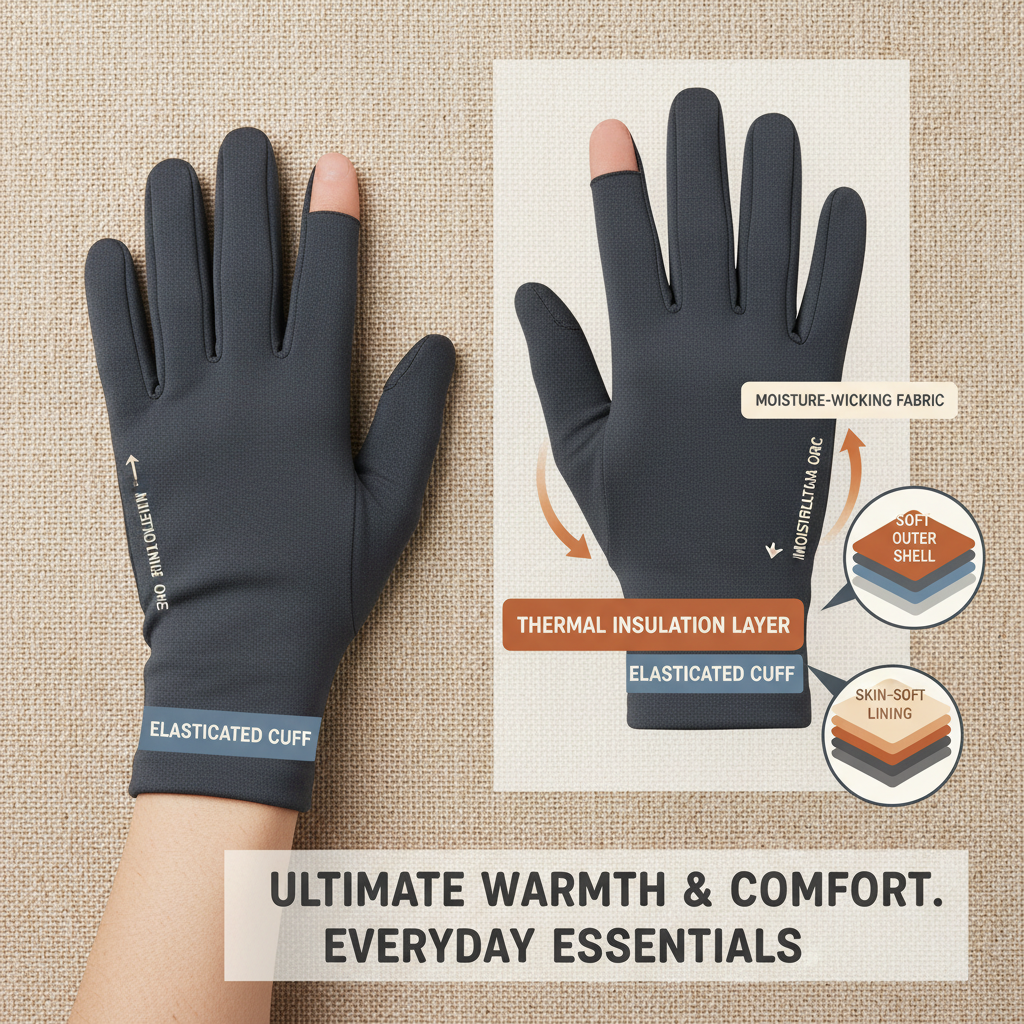
The primary function of cold weather gloves is to provide insulation. Different materials offer varying degrees of warmth. Common options include Thinsulate, fleece, and wool. Thinsulate is a synthetic microfiber insulation known for its exceptional warmth-to-weight ratio. Fleece provides good warmth and is relatively inexpensive, while wool offers natural warmth and breathability. The weight of the insulation (measured in grams) dictates its warmth – higher gram weights signify greater insulation. Consider the typical temperatures you’ll be working in when choosing an insulation level. For extremely cold conditions, a combination of insulation materials may be optimal.
Key Takeaway: Choosing the right insulation weight depends on the severity of the cold. Layering gloves can also provide adaptable warmth.
Waterproof vs. Water-Resistant: Staying Dry in the Cold
Wet hands lose heat much faster than dry hands. Therefore, waterproofing or water resistance is critical for cold weather gloves. Waterproof gloves utilize a membrane (like Gore-Tex) that prevents water from penetrating the glove. Water-resistant gloves repel water to some extent but may eventually become saturated. For consistent exposure to wet conditions (snow, rain, ice), waterproof gloves are essential. Look for gloves with sealed seams to prevent water from entering through the stitching. Consider also the glove’s breathability; a waterproof membrane needs to allow moisture vapor (sweat) to escape to prevent your hands from becoming clammy.
Waterproofing Levels:
• Waterproof: Completely prevents water penetration.
• Water-Resistant: Repels water initially but can become saturated.
• Breathability: Allows moisture vapor to escape.
Durability and Materials: Withstanding Harsh Work Conditions
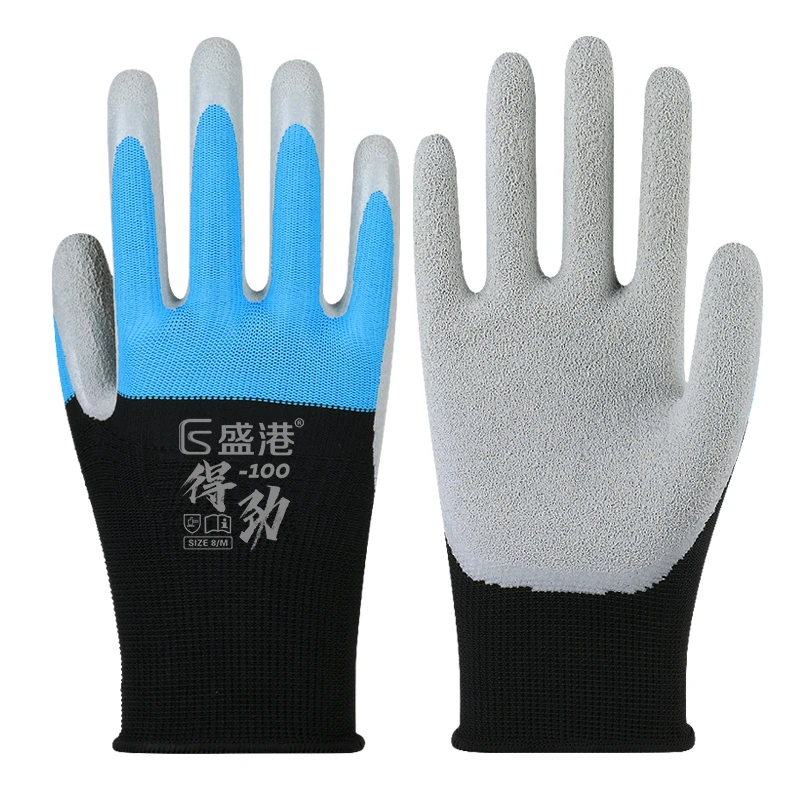
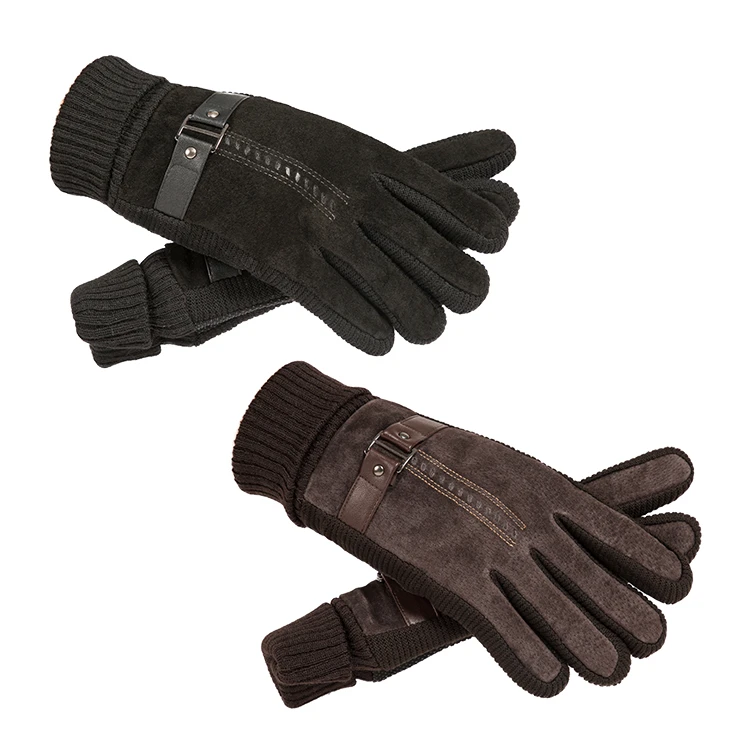
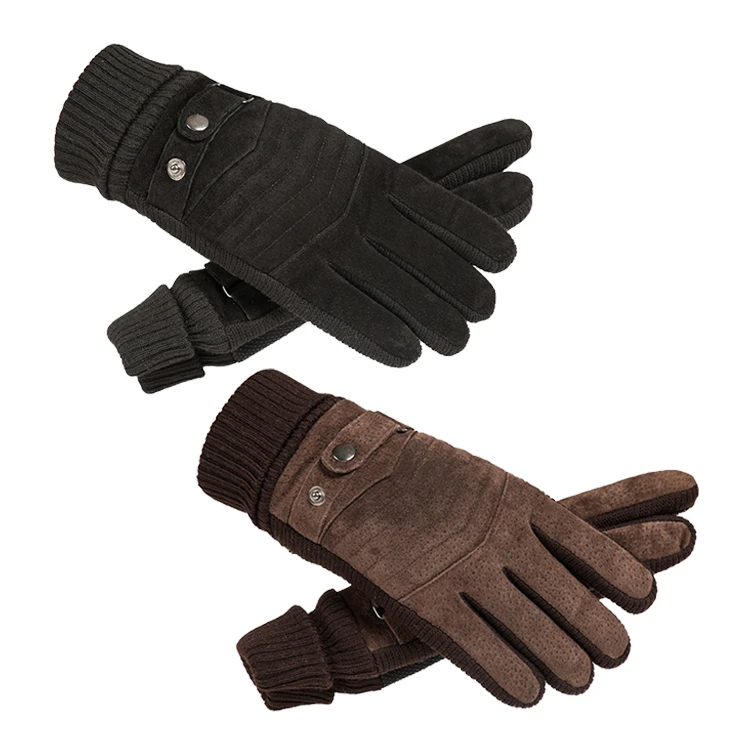
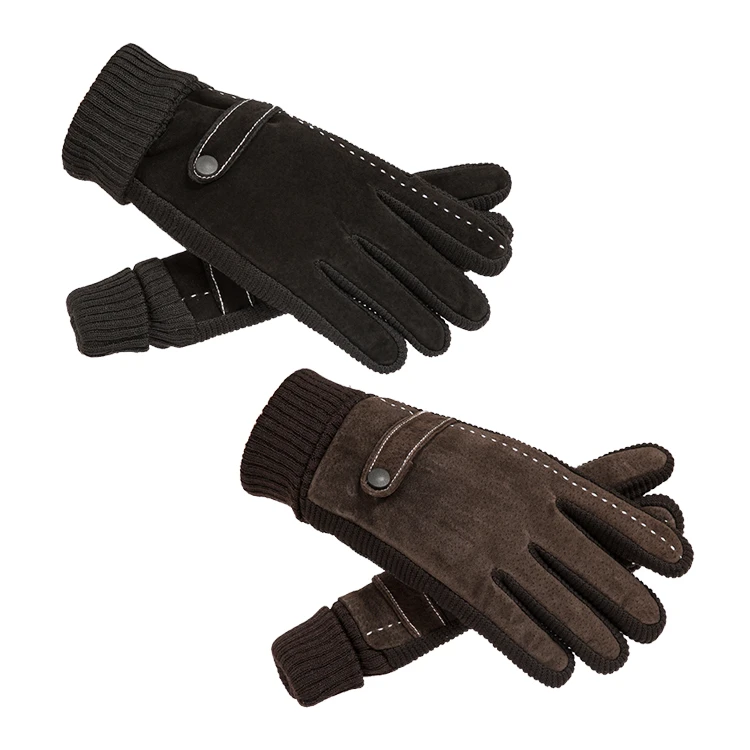
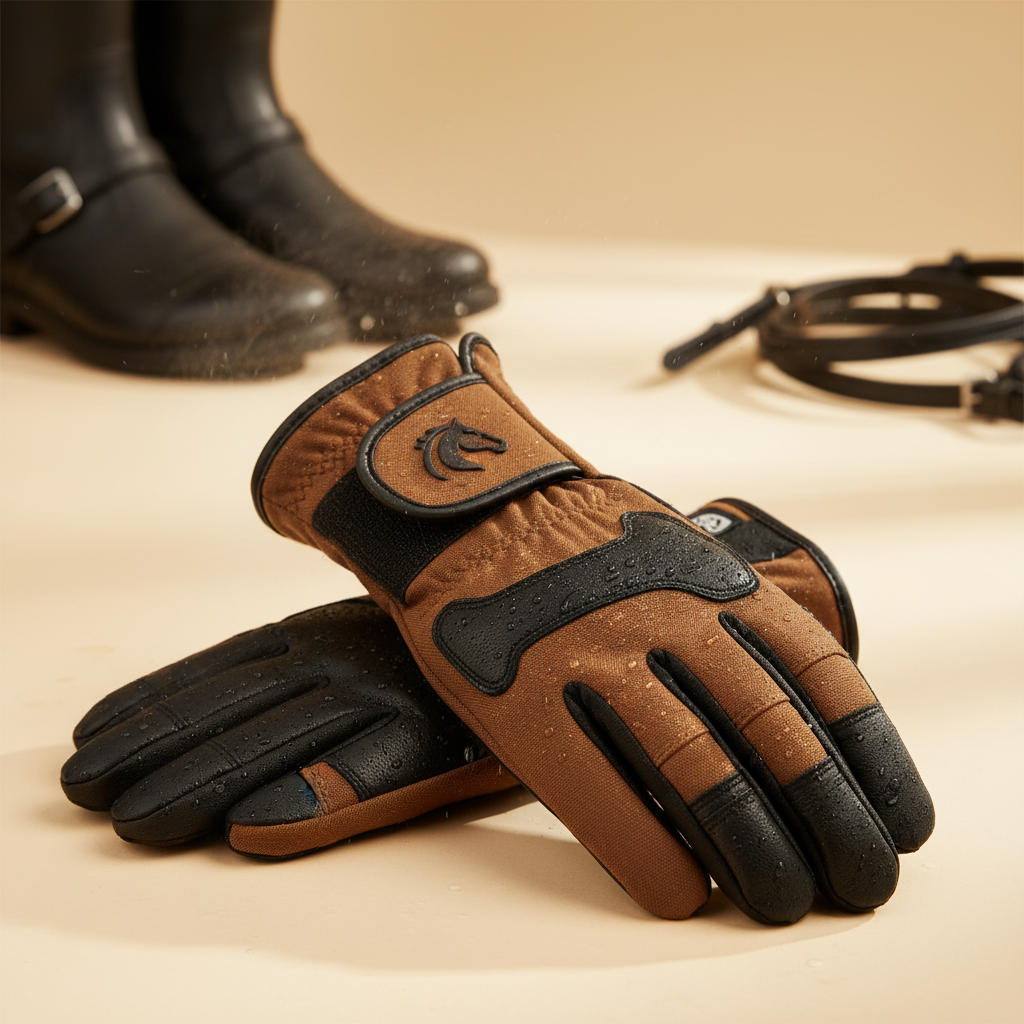
Construction gloves need to be durable enough to withstand the rigors of the job site. Common materials include leather (cowhide, goatskin), synthetic leather (PU, PVC), and reinforced nylon. Leather provides excellent abrasion resistance and grip, but requires more maintenance. Synthetic leather is more affordable and easier to care for, but may not be as durable. Reinforced nylon provides good tear resistance and is often used in the palm and fingertips. Pay attention to the stitching; reinforced seams will extend the life of the glove. Personal Care SCN offers a variety of durable glove options built to last.
Comparing Popular Cold Weather Glove Materials
Different materials excel in different areas. Here's a comparison to help you choose:
Features to Consider: Beyond the Basics
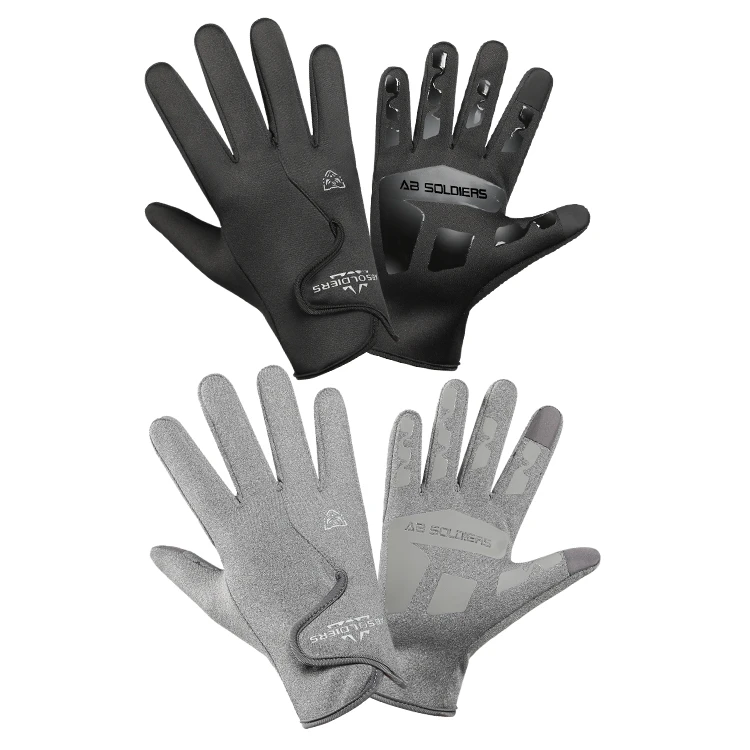
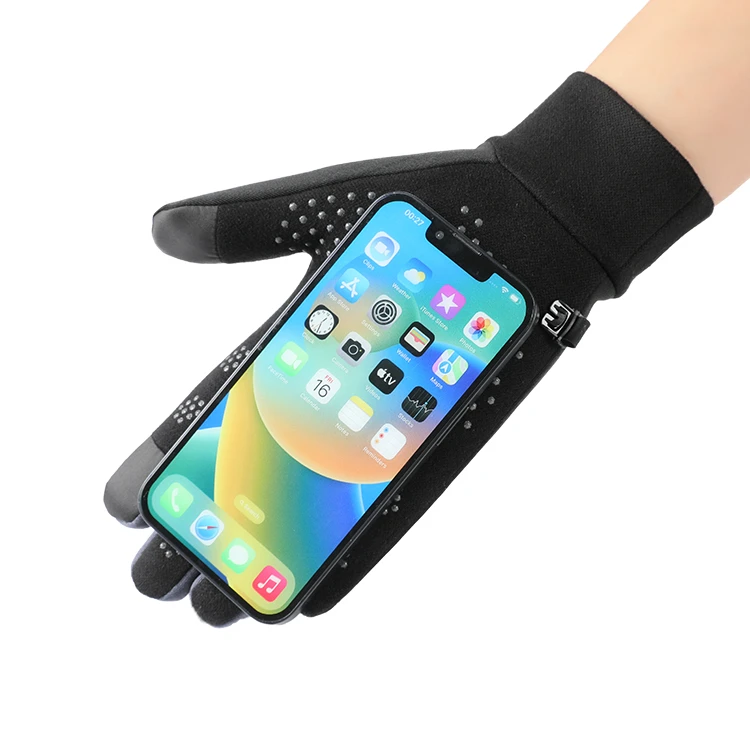
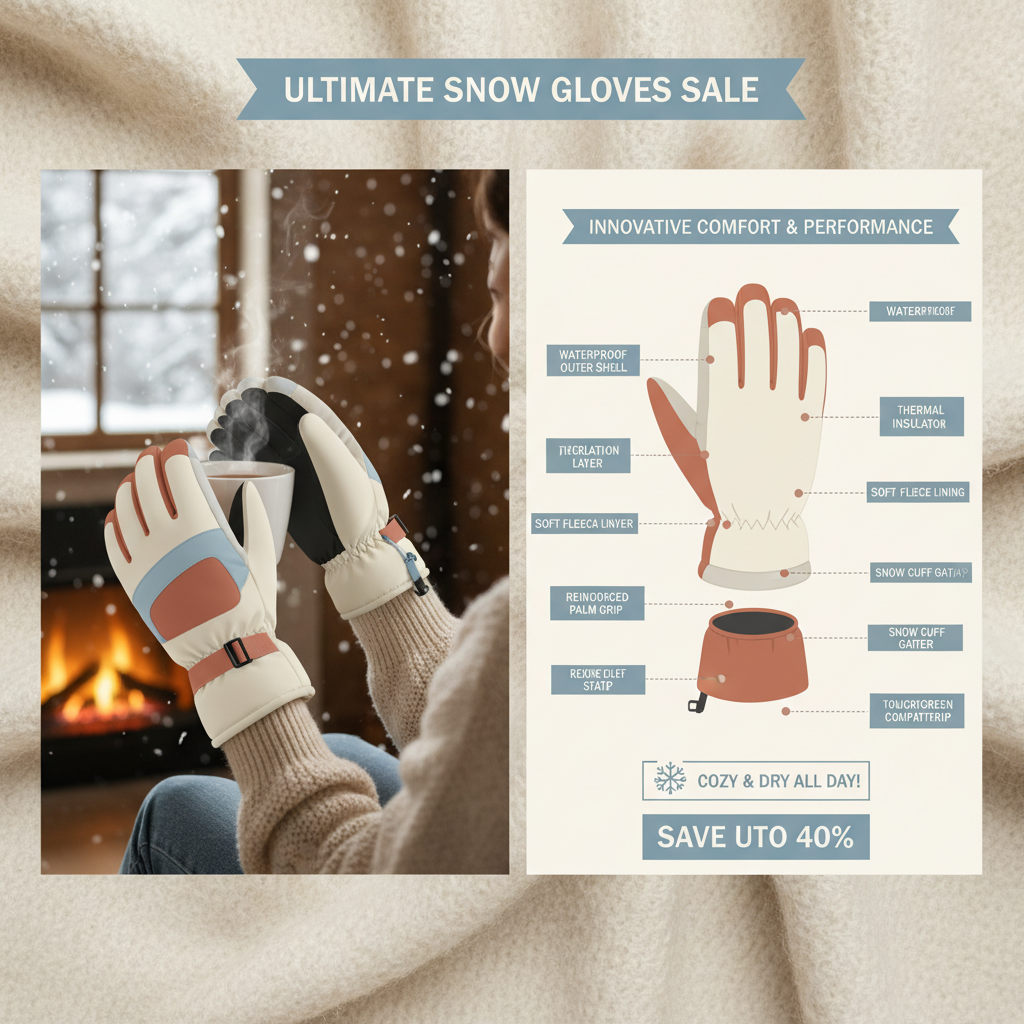
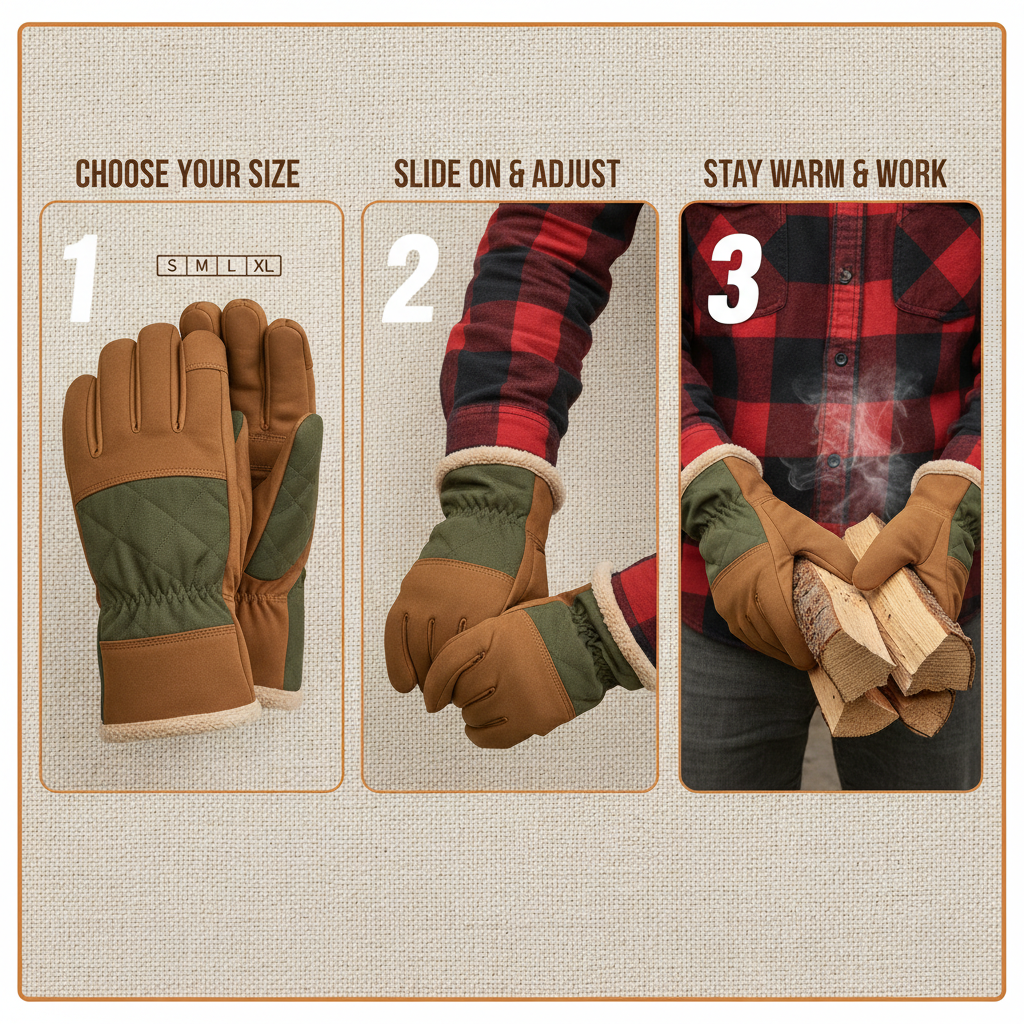
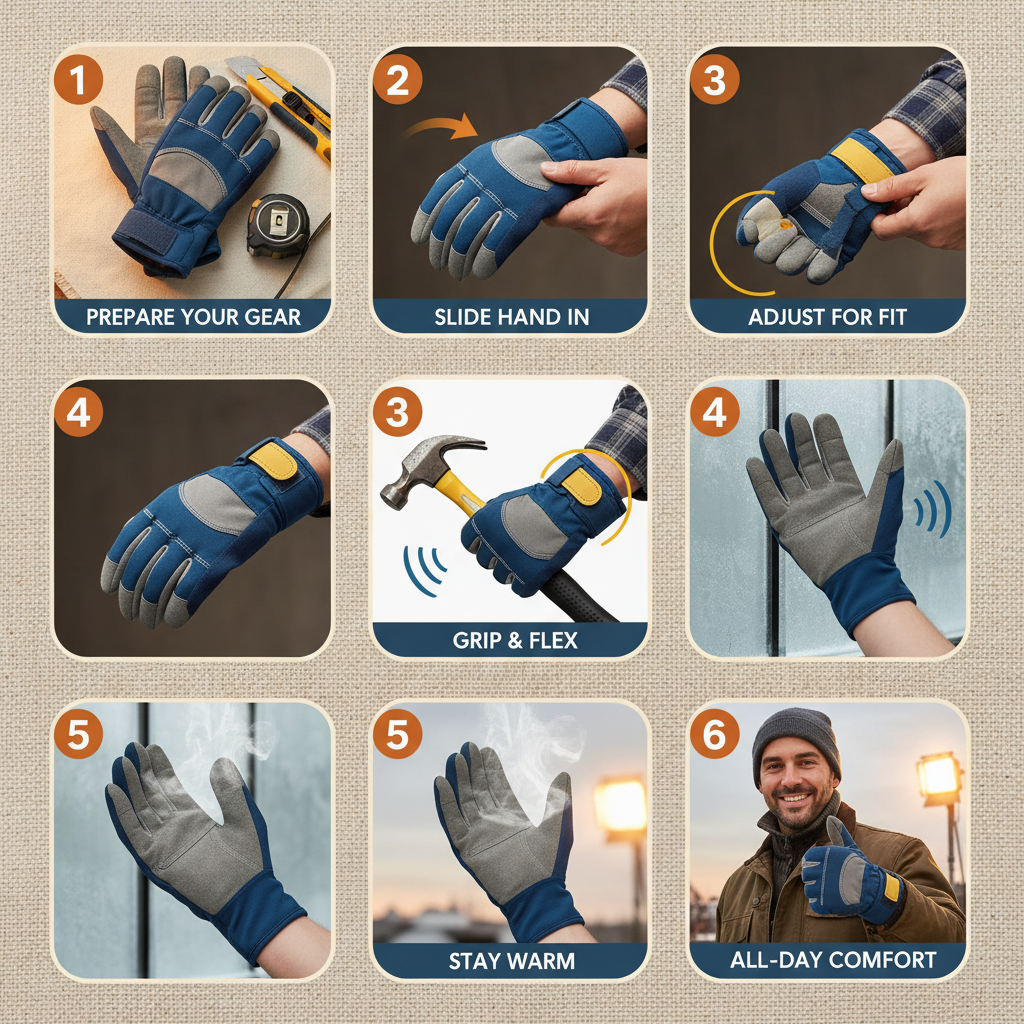
Beyond insulation, waterproofing, and durability, consider additional features like touchscreen compatibility, reinforced palms, and extended cuffs. Touchscreen compatibility allows you to use your smartphone or tablet without removing your gloves. Reinforced palms provide extra grip and abrasion resistance. Extended cuffs prevent snow and cold air from entering the glove. Also, ensure the gloves fit properly – too loose and they won’t provide adequate warmth or dexterity, too tight and they’ll restrict circulation. Proper fit is essential for comfort and functionality.
Conclusion: Protecting Your Hands, Protecting Your Work
Investing in quality cold weather construction gloves is an investment in your safety and productivity. By carefully considering the factors outlined in this article – insulation, waterproofing, durability, and features – you can find the perfect gloves to keep your hands warm, dry, and protected, even in the harshest conditions. Don't compromise on hand protection; it’s a critical component of workplace safety.
Frequently Asked Questions (FAQs)
What is the best way to care for my cold weather gloves?
Proper care will extend the life of your gloves. For leather gloves, regularly condition them with a leather conditioner to prevent cracking. For synthetic gloves, follow the manufacturer’s washing instructions. Avoid using harsh detergents or excessive heat when washing. Allow gloves to air dry completely before storing them. Store gloves in a cool, dry place away from direct sunlight. Regular maintenance ensures optimal performance and longevity.
How can I tell if my gloves are still providing adequate insulation?
If your hands are consistently cold despite wearing insulated gloves, it may be a sign that the insulation has become compressed or damaged. Check for thin spots or areas where the insulation is clumped together. Also, assess the fit; if the gloves are too loose, cold air can enter. If you notice any of these signs, it’s time to replace your gloves. Your hands deserve the best protection.
Are there gloves specifically designed for touchscreen use?
Yes, many cold weather gloves now feature touchscreen-compatible fingertips. These fingertips are made with a conductive material that allows you to operate smartphones and tablets without removing your gloves. This is a convenient feature for workers who need to stay connected while on the job. Look for gloves specifically labeled as “touchscreen compatible” to ensure functionality.