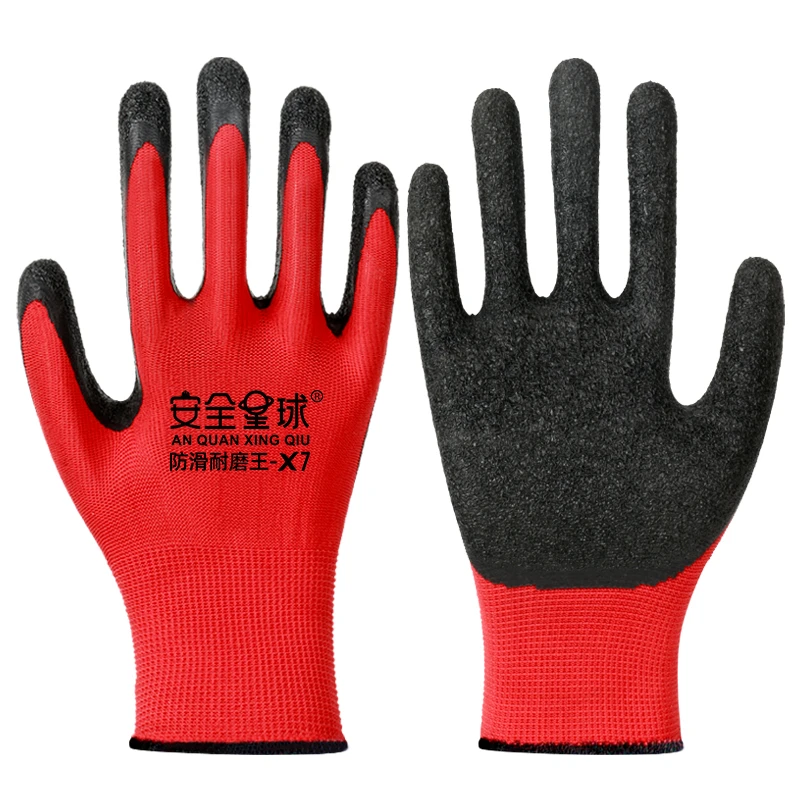
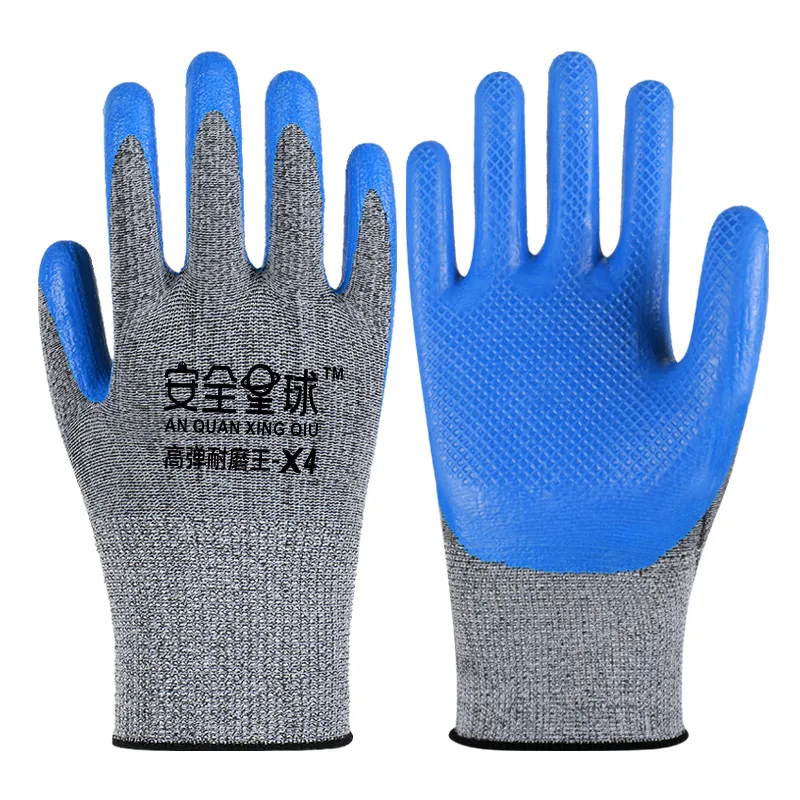
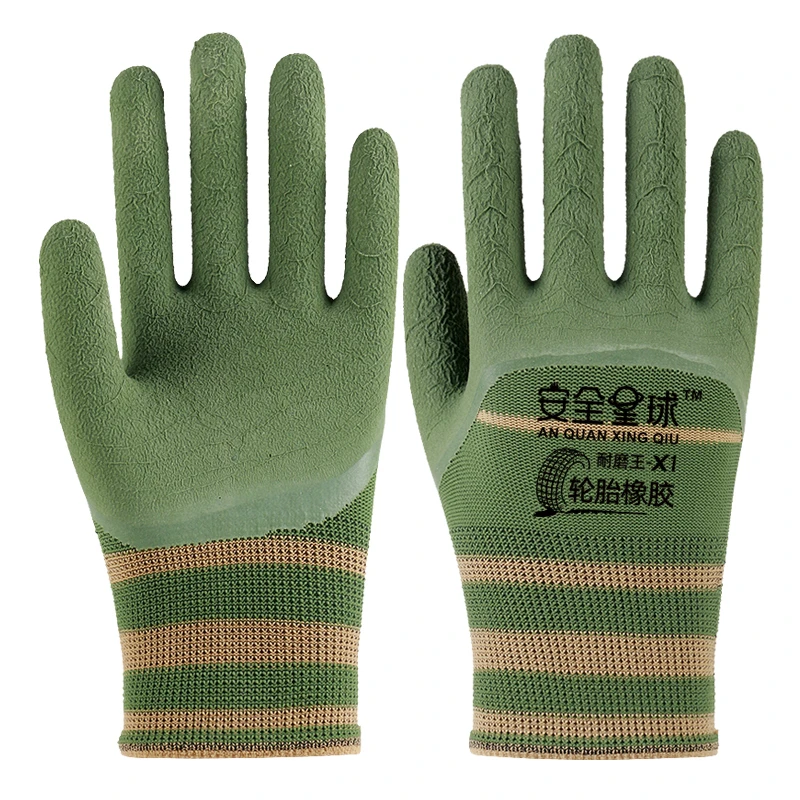
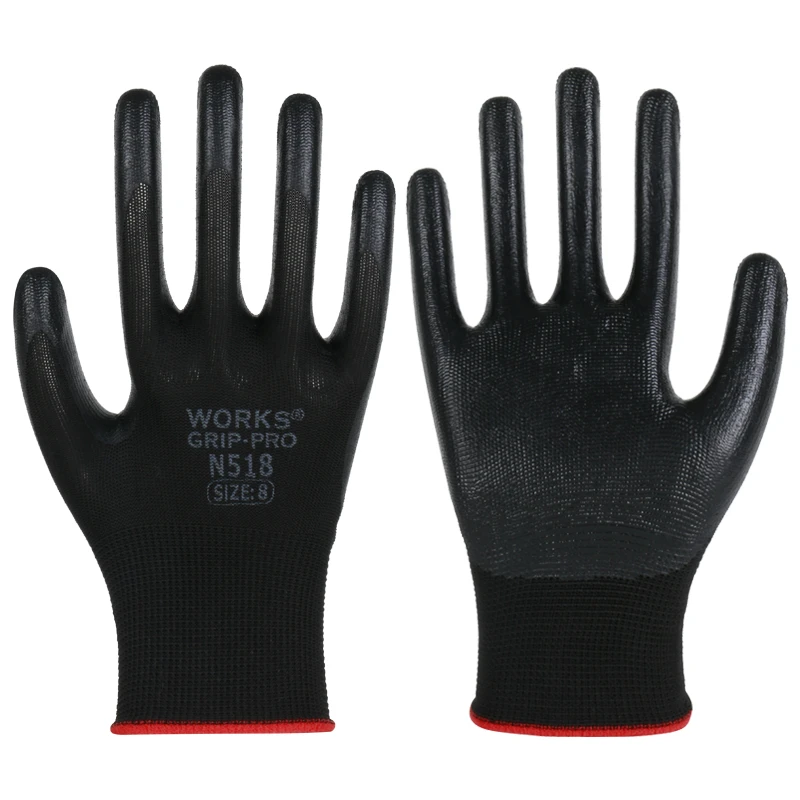
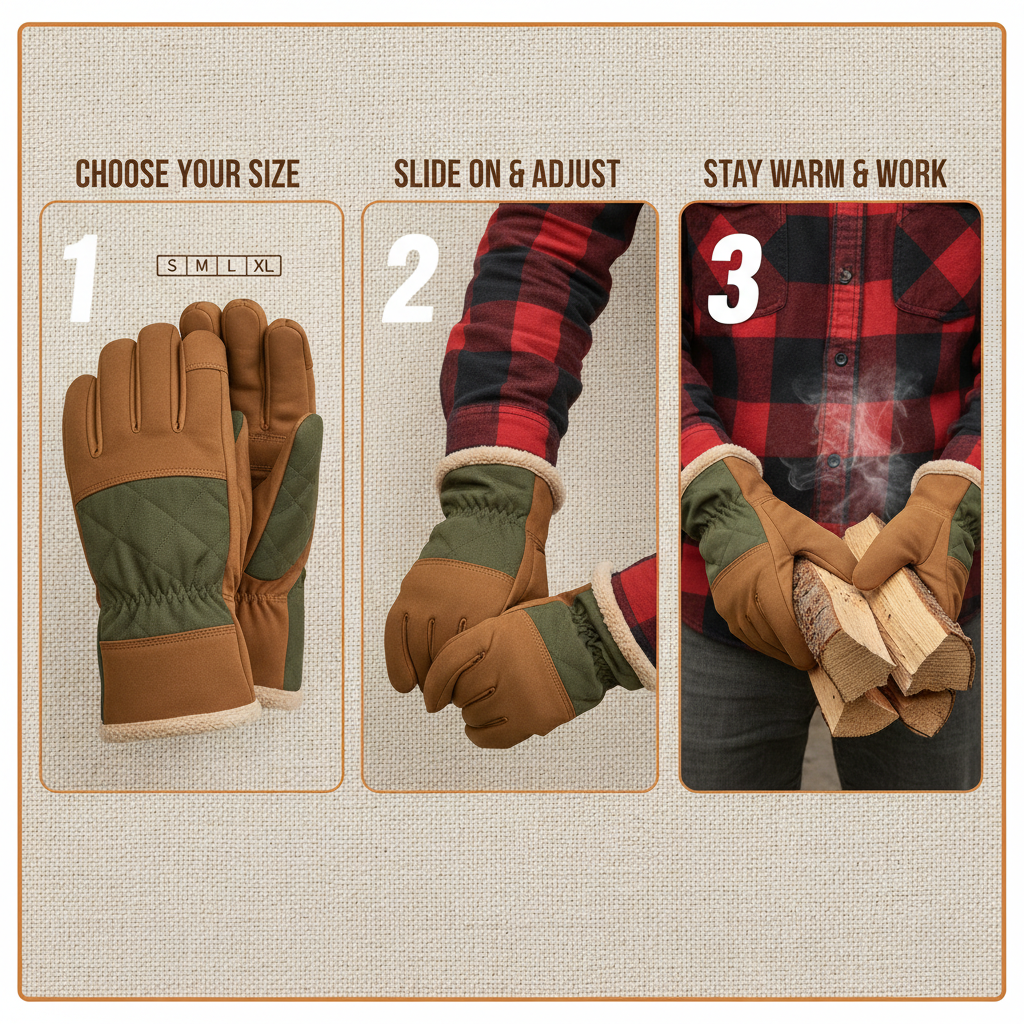
Comprehensive Guide to Selecting the Best Fully Waterproof Gloves for Safety and Performance
Fully Waterproof Gloves: A Comprehensive Guide
When tackling tasks in wet or challenging conditions, having the right hand protection is paramount. Fully waterproof gloves offer essential protection against moisture, chemicals, and abrasions. This article will delve into the features, benefits, and applications of waterproof gloves, providing a thorough overview to help you choose the best option for your needs. Whether you're involved in industrial work, outdoor activities, or medical procedures, selecting the right gloves can significantly enhance your safety and comfort. Personal Care SCN provides a wide range of high-quality waterproof gloves to meet various demands.
Understanding Waterproof Glove Technology
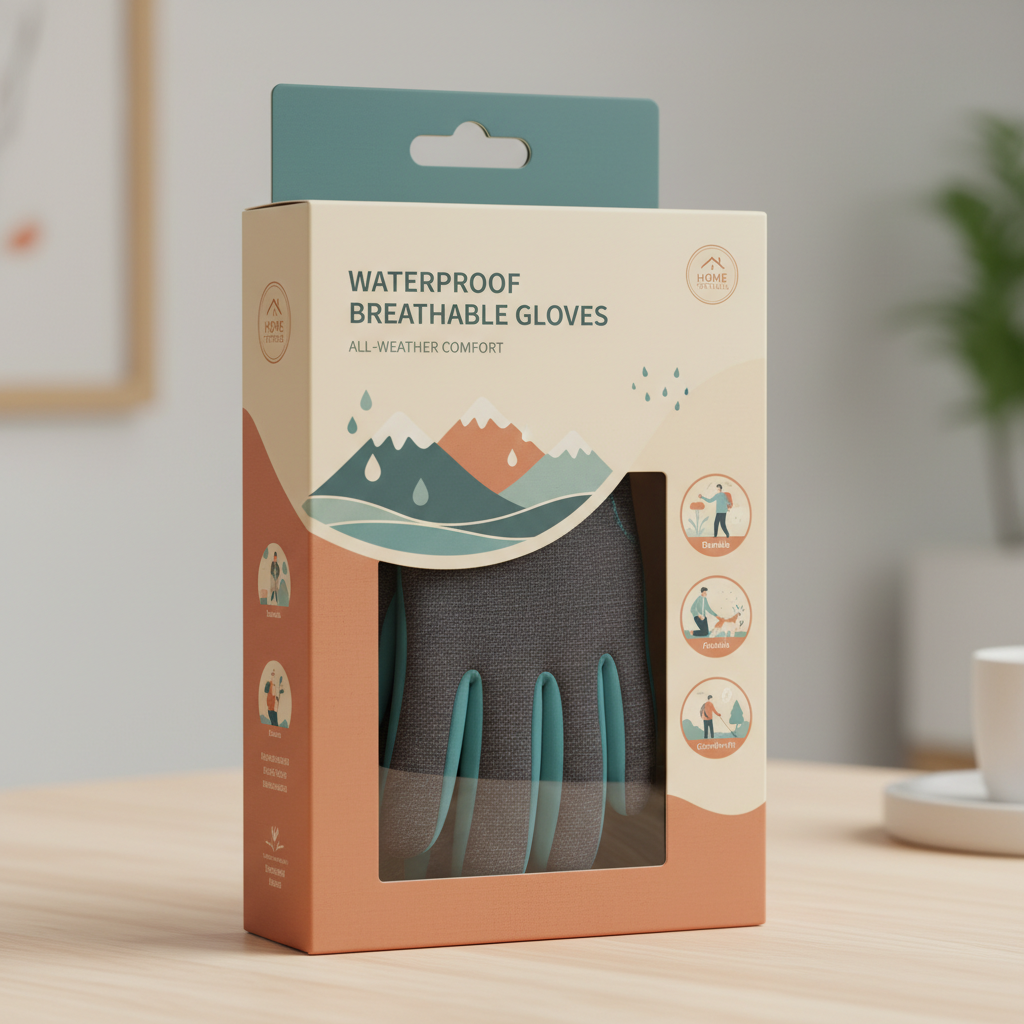
The term "waterproof" can mean different things. True waterproof gloves utilize a membrane – often made of materials like nitrile, neoprene, or specialized polymers – that prevents water molecules from penetrating the glove material. This differs from water-resistant gloves, which can repel water to a degree but may eventually allow moisture to seep through with prolonged exposure. Waterproof gloves are crucial in environments where prolonged contact with water or liquids is unavoidable. They maintain dexterity and provide a barrier against hazardous substances. Explore our range of waterproof gloves designed for superior protection.
Key Takeaway: Waterproof gloves employ specialized membranes to block water penetration, offering significantly better protection than water-resistant options.
Materials Used in Fully Waterproof Gloves
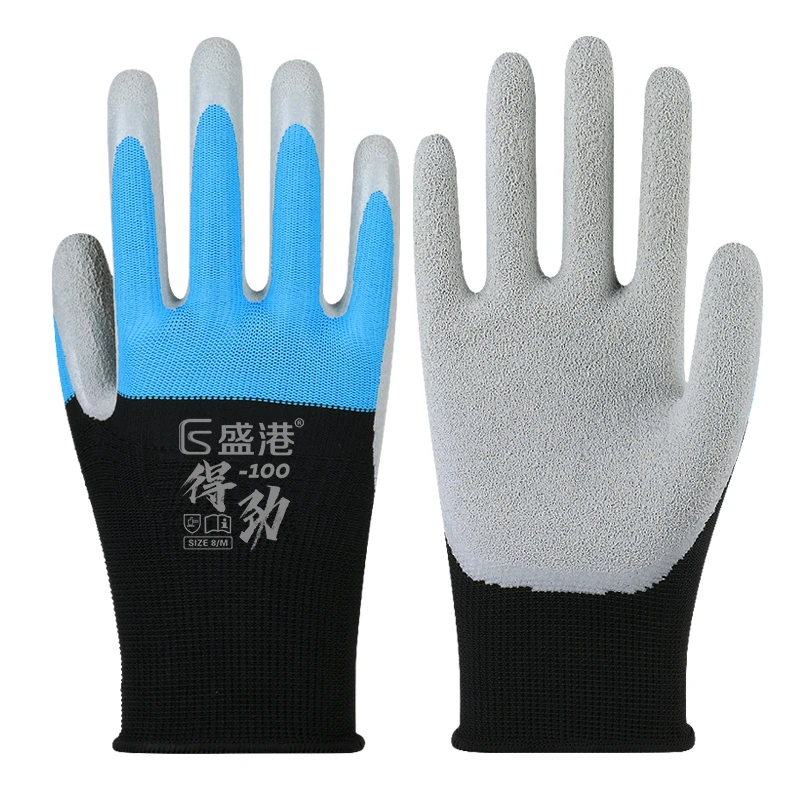
Several materials are commonly used to create fully waterproof gloves. Nitrile gloves are popular for their resistance to chemicals, punctures, and abrasions, making them ideal for industrial applications. Neoprene gloves offer excellent flexibility and insulation, often used in cold-weather environments or for handling specific chemicals. Latex gloves (though less common due to allergy concerns) can provide a good level of waterproofing and dexterity. Polyvinyl chloride (PVC) gloves are a cost-effective option for general waterproofing, but typically offer less dexterity and chemical resistance. Choosing the right material depends on the specific hazards and requirements of the task at hand. Browse our material-specific collections to find the perfect fit.
Material Comparison:
• Nitrile: Excellent chemical & puncture resistance.
• Neoprene: Superior flexibility & insulation.
• Latex: Good waterproofing & dexterity (allergy concerns).
• PVC: Cost-effective, lower dexterity & chemical resistance.
Fully Waterproof Gloves: Applications Across Industries
The applications for fully waterproof gloves are vast and span numerous industries. In the healthcare sector, they're essential for preventing cross-contamination during medical procedures. The food processing industry relies on them to maintain hygiene and prevent contamination of food products. Industrial workers utilize them for handling chemicals, cleaning up spills, and protecting against abrasions. Outdoor enthusiasts, like fishermen and kayakers, benefit from their ability to keep hands dry and warm in wet conditions. Even domestic tasks, like washing dishes or cleaning bathrooms, can benefit from the protection of waterproof gloves. Find gloves tailored to your industry at Personal Care SCN.
Choosing the Right Size and Fit
Proper fit is critical for both comfort and protection. Gloves that are too loose can compromise dexterity and increase the risk of contaminants entering. Gloves that are too tight can restrict movement and cause discomfort. Always refer to the manufacturer's sizing chart and measure your hand accurately. Consider the thickness of the glove material and whether you'll be wearing the gloves for extended periods. It’s always better to err on the side of a slightly snug fit than a loose one. Our sizing guides provide detailed instructions for finding the perfect fit.
Product Specifications & Considerations
When selecting fully waterproof gloves, consider these specifications: thickness (measured in mils), breakthrough time (the time it takes for a substance to penetrate the glove material), and tensile strength (resistance to tearing). Look for gloves certified by relevant standards organizations, such as ASTM or EN. Also, consider the glove's lining – a flock lining can improve comfort and reduce hand fatigue. Regularly inspect gloves for any signs of damage, such as punctures or tears, and replace them immediately if compromised.
Conclusion: Protecting Your Hands with Quality Waterproof Gloves
Choosing the right fully waterproof gloves is a vital investment in your safety and comfort. By considering the material, application, and proper fit, you can ensure optimal protection against hazards. Personal Care SCN is committed to providing high-quality gloves that meet the diverse needs of various industries. Prioritize hand protection – it’s a small step with a significant impact.
Frequently Asked Questions (FAQs)
How do I care for my waterproof gloves to extend their lifespan?
Proper care is crucial. After each use, thoroughly rinse the gloves with clean water to remove any contaminants. Allow them to air dry completely, away from direct sunlight or heat. Avoid storing them in crumpled or compressed positions, as this can damage the material. Inspect regularly for tears or punctures. For nitrile or neoprene gloves, avoid contact with solvents and petroleum-based products, as these can degrade the material. Following these guidelines will significantly extend the life of your gloves and maintain their waterproof properties.
Are waterproof gloves breathable?
While completely waterproof, some gloves offer varying degrees of breathability. Gloves made with specialized membranes can allow moisture vapor (sweat) to escape, reducing hand fatigue and increasing comfort. However, no waterproof glove is as breathable as a non-waterproof glove. For tasks requiring prolonged use in hot or humid conditions, consider gloves with enhanced breathability features, even if they offer a slight compromise in absolute waterproofness.
What certifications should I look for when buying waterproof gloves?
Look for gloves certified by reputable standards organizations like ASTM (American Society for Testing and Materials) and EN (European Norms). ASTM certifications indicate compliance with U.S. standards for chemical resistance and physical properties. EN certifications (e.g., EN 374 for chemical resistance) demonstrate compliance with European safety regulations. Certifications provide assurance that the gloves have been tested and meet specific performance requirements.