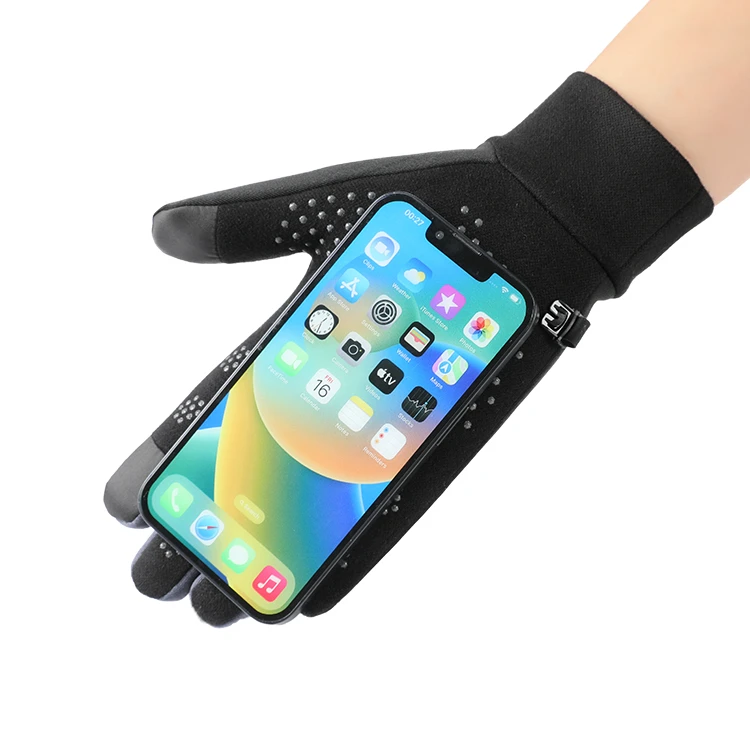
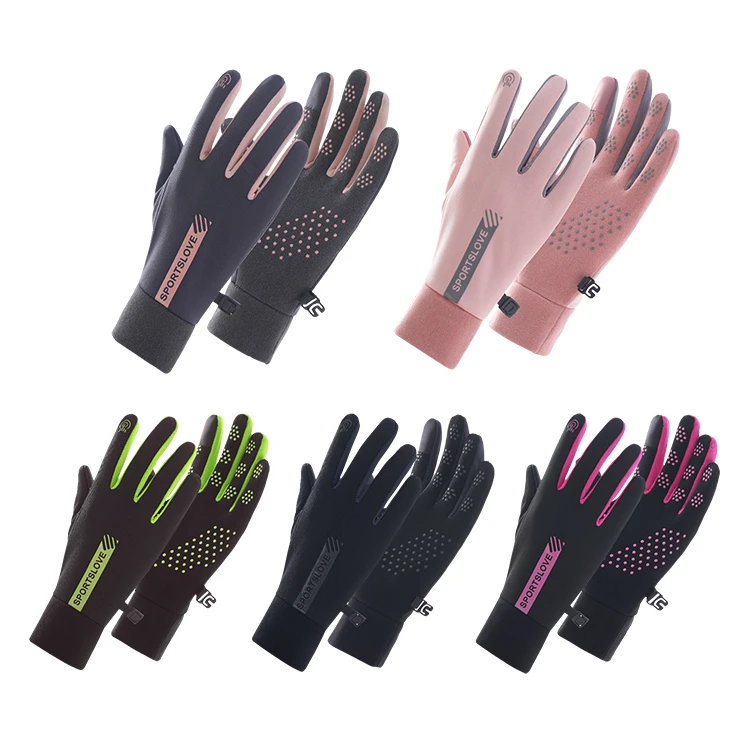
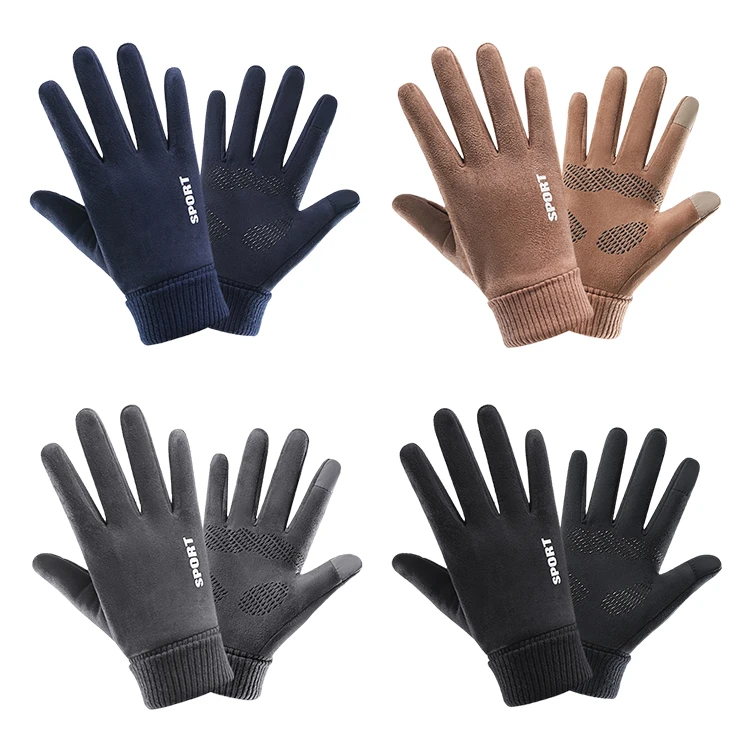
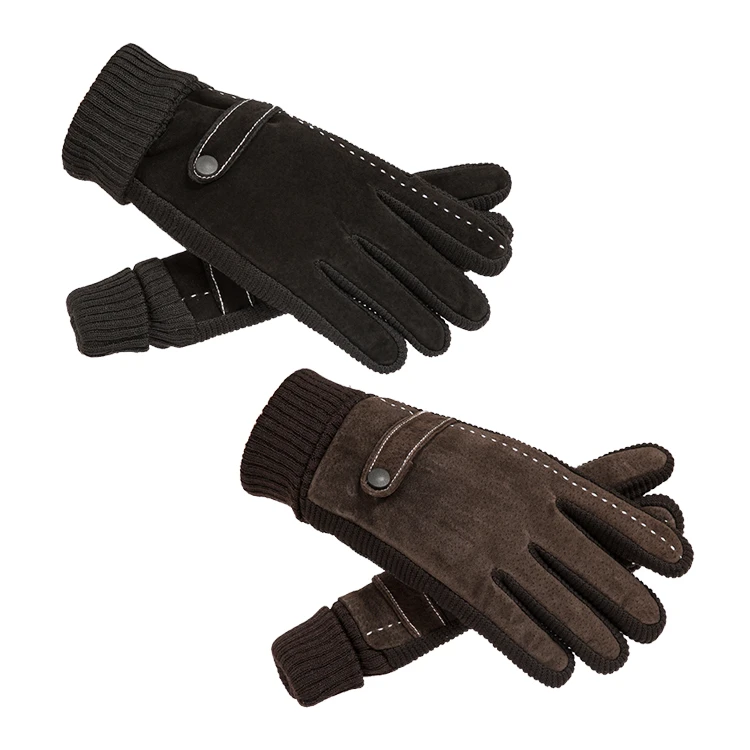
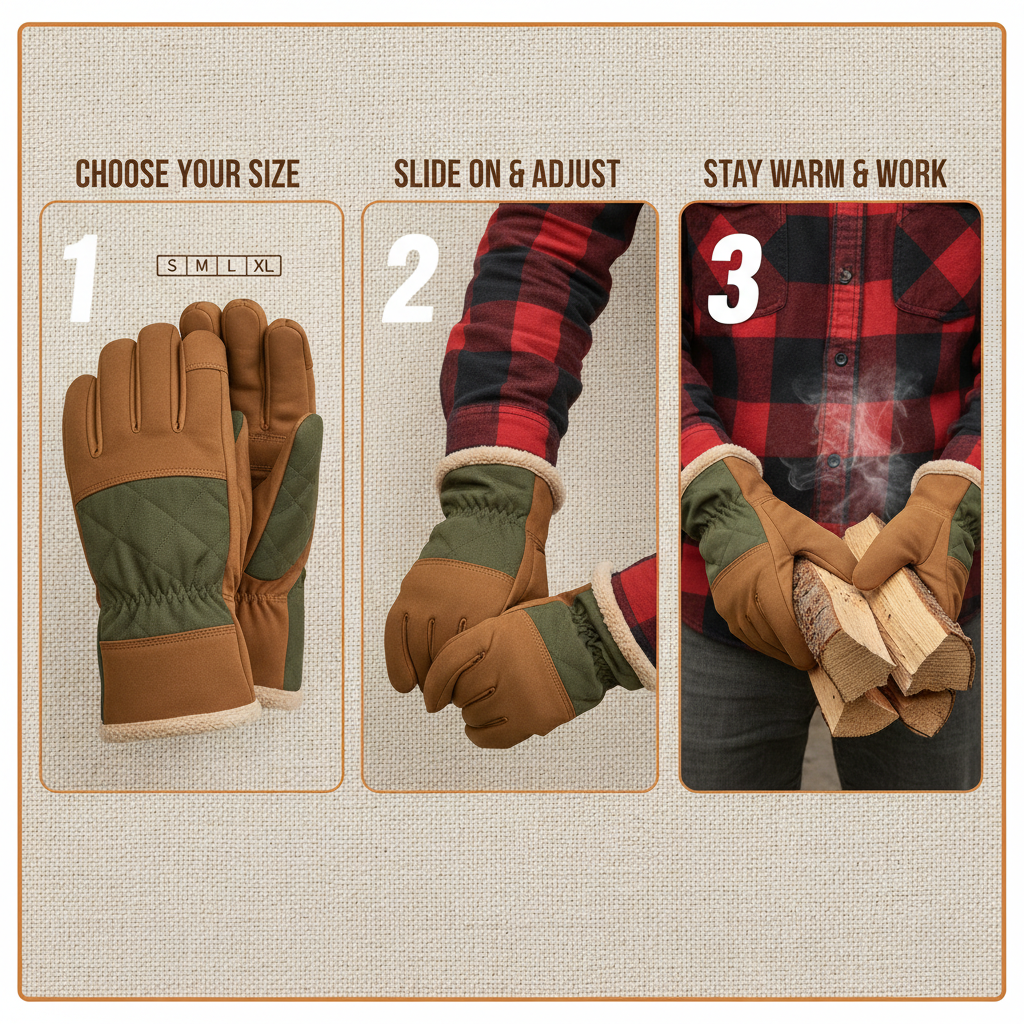
Essential Guide to Cold Weather Waterproof Work Gloves for Optimal Hand Protection
Choosing the Right Cold Weather Waterproof Work Gloves
When temperatures plummet and conditions turn harsh, having the right pair of cold weather waterproof work gloves is essential for safety, comfort, and productivity. Whether you're working in construction, landscaping, or any outdoor profession, protecting your hands from the elements is paramount. This article will explore the features to look for, the benefits of waterproof protection, and how to choose gloves that meet your specific needs. Investing in quality gloves can significantly reduce the risk of hand injuries and keep you working efficiently, even in the coldest and wettest conditions.
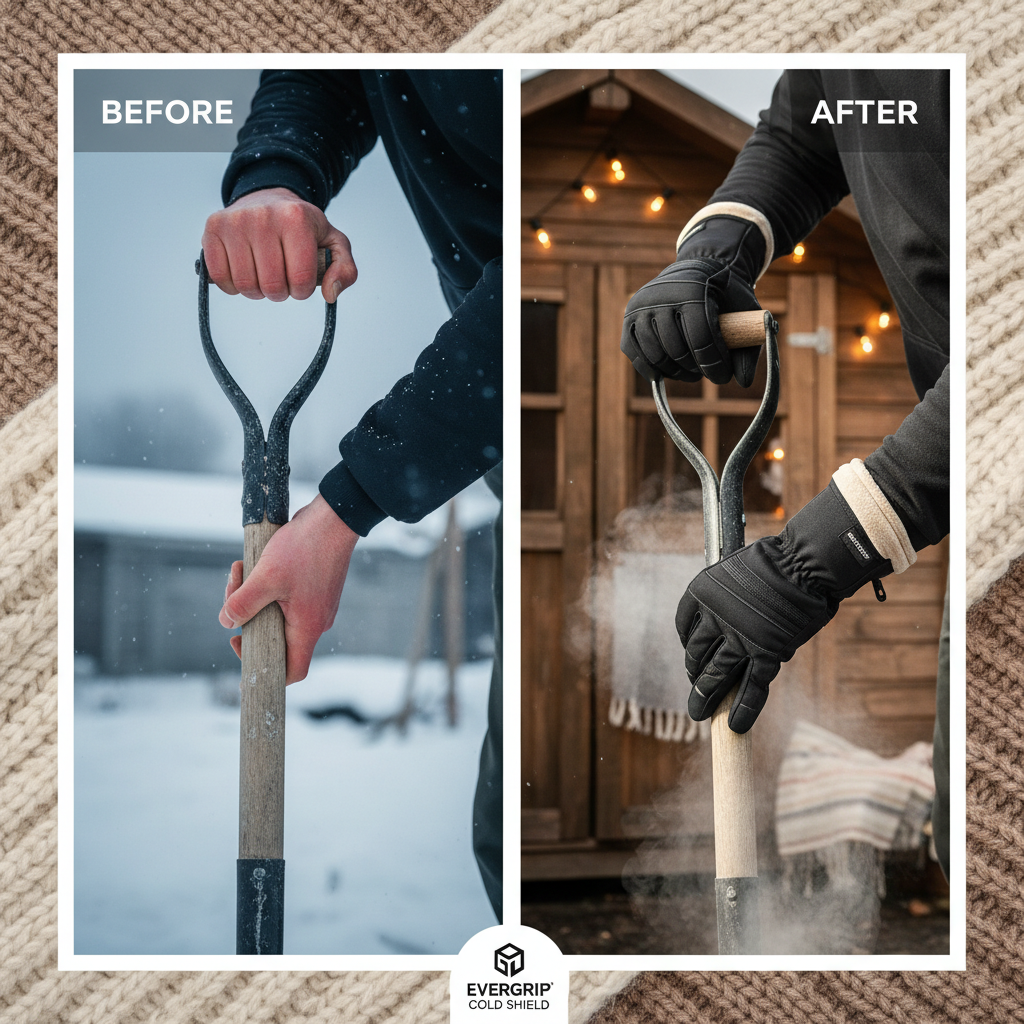
Key Features to Look for in Cold Weather Work Gloves
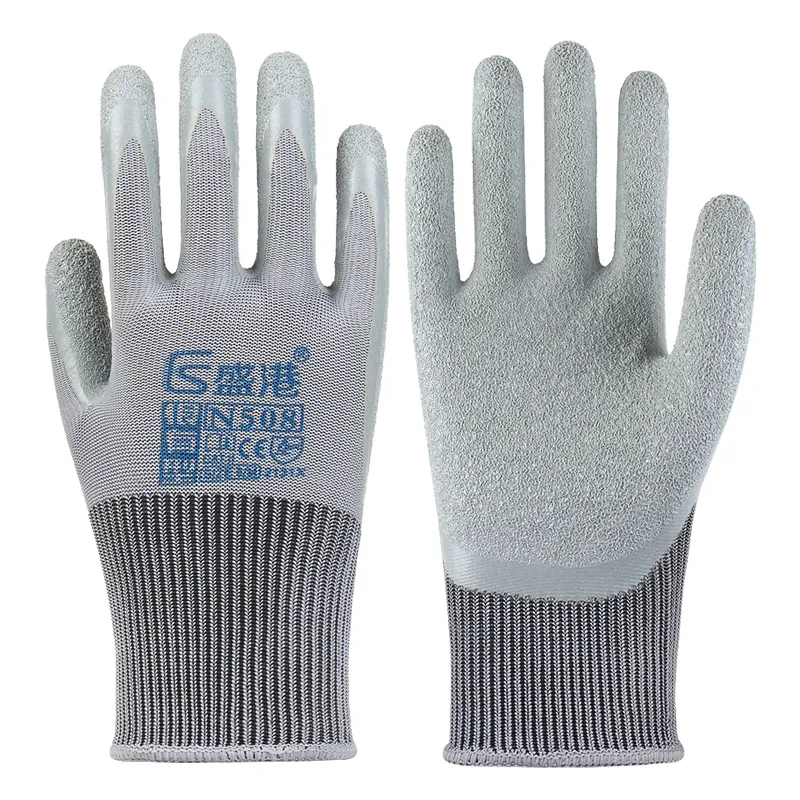
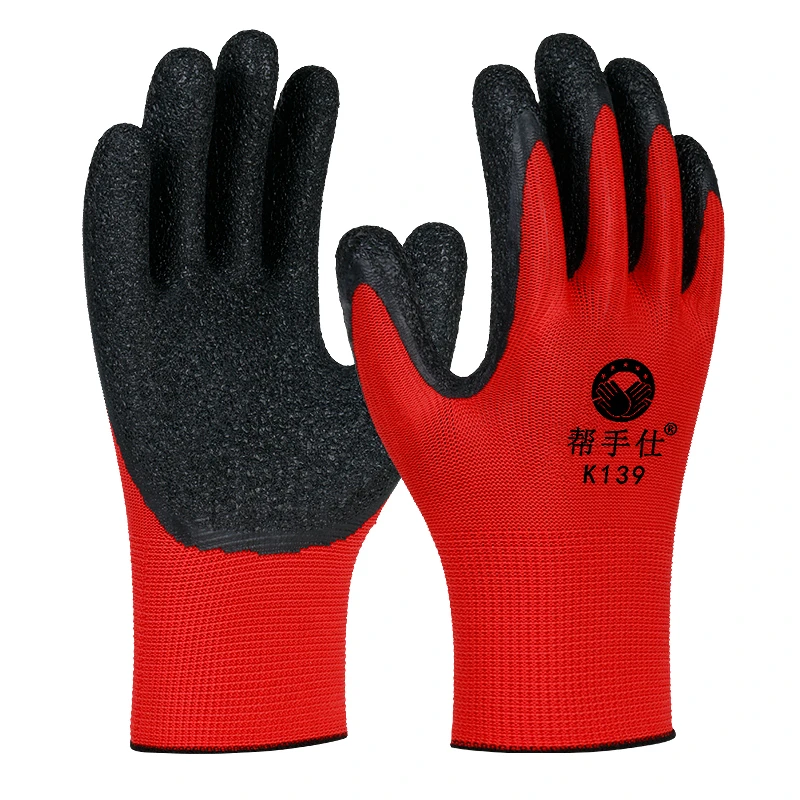
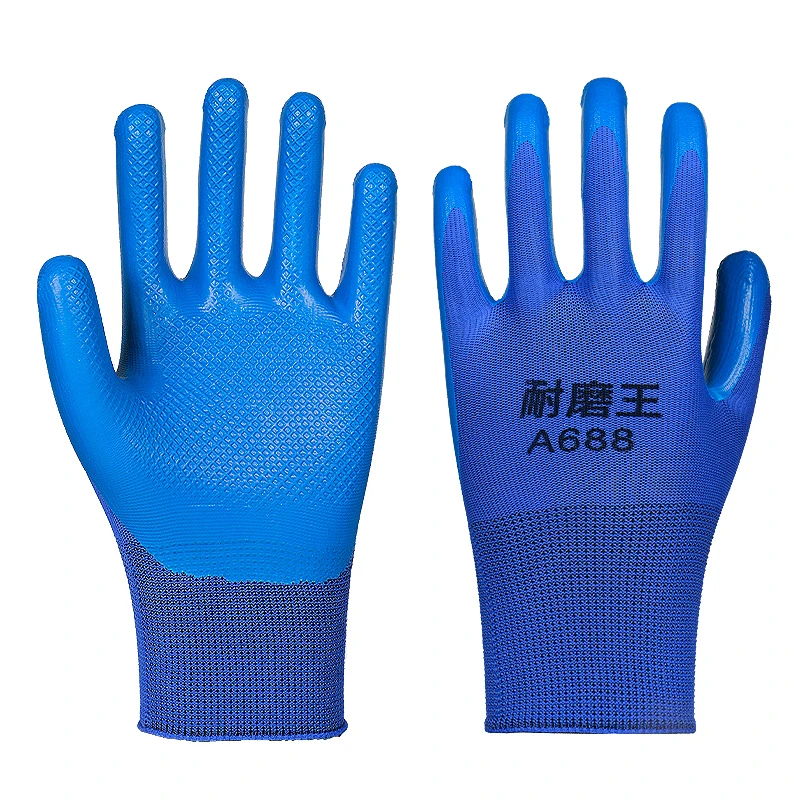
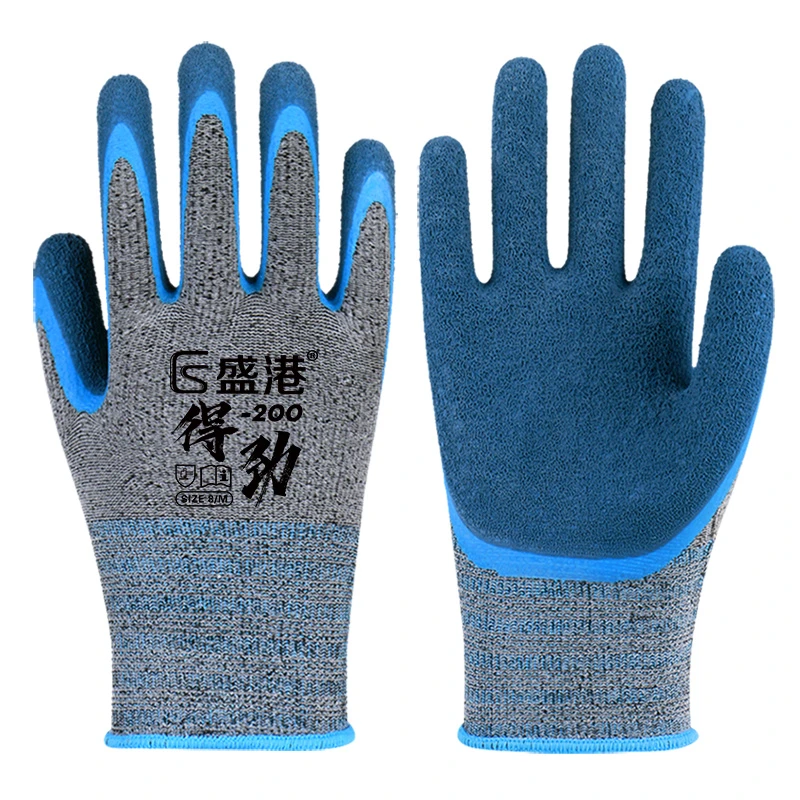
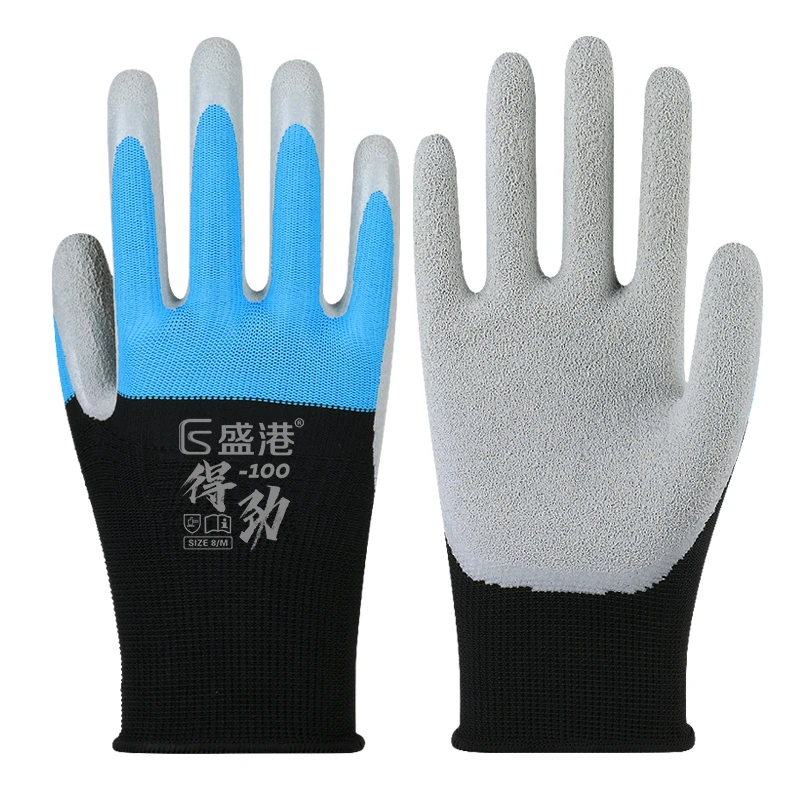
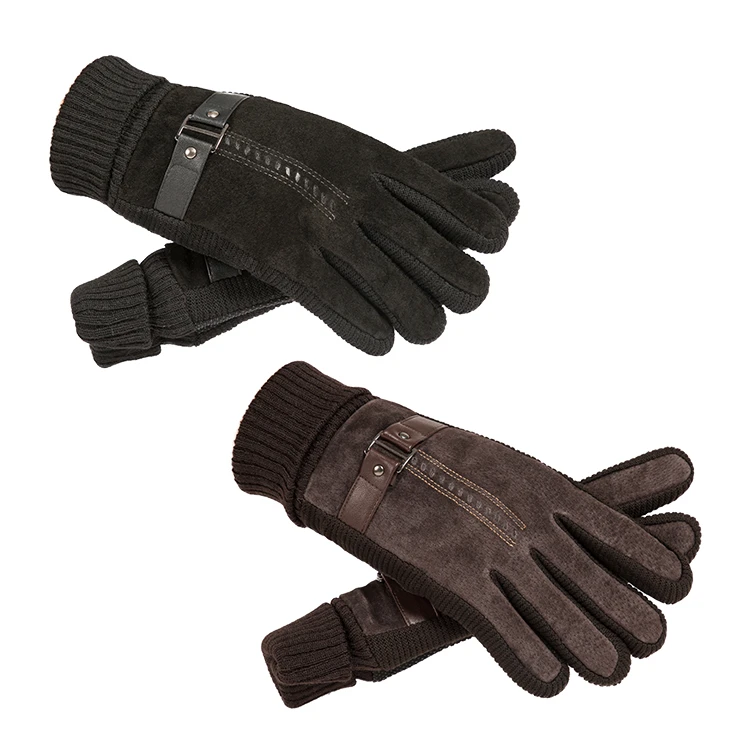
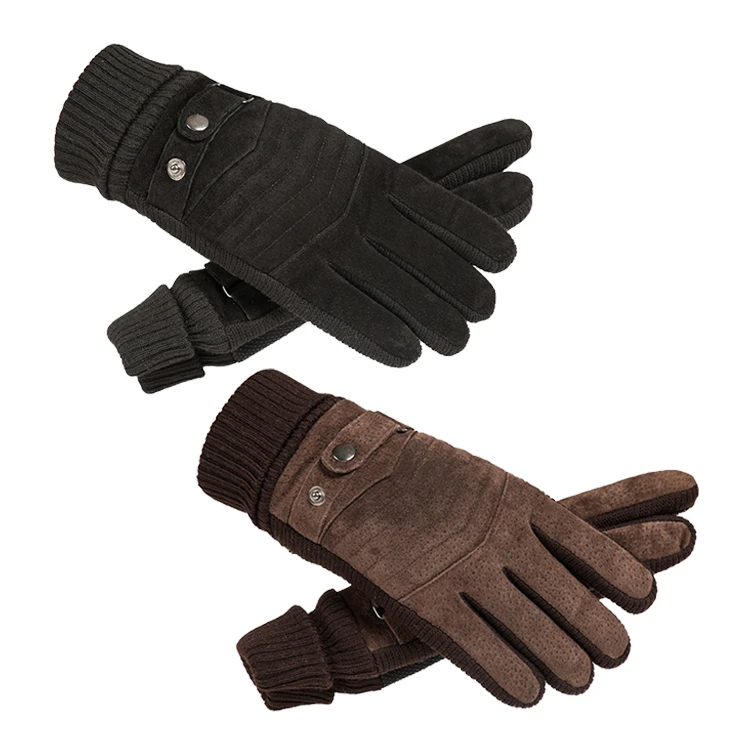
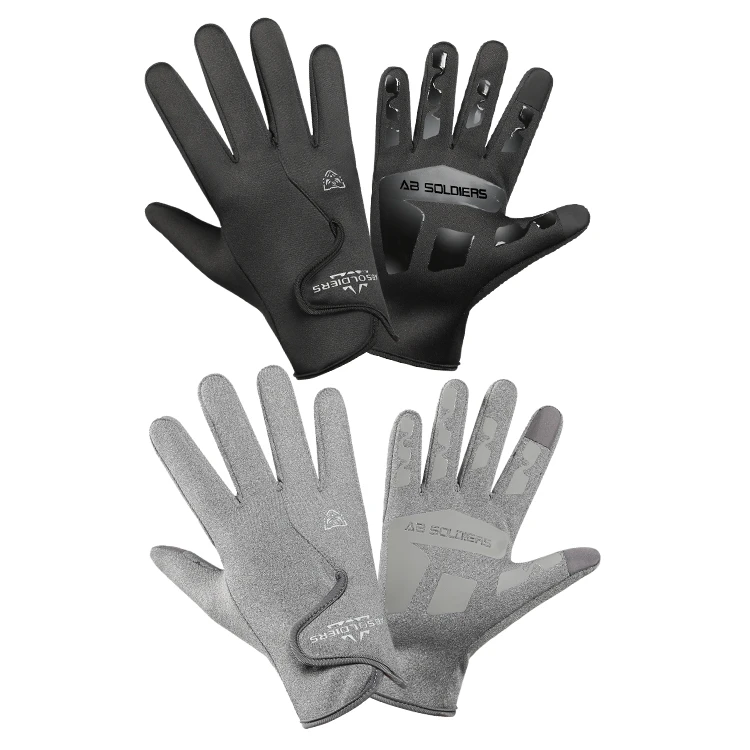
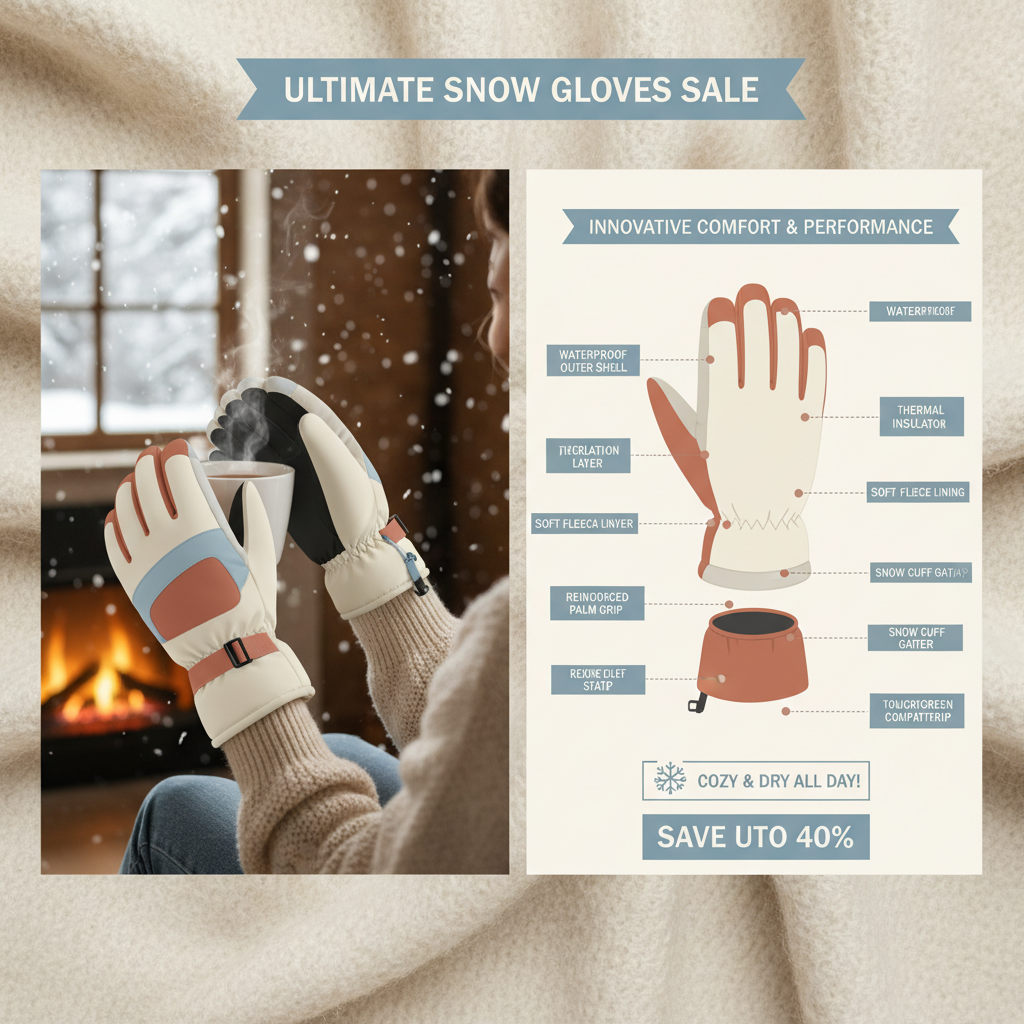
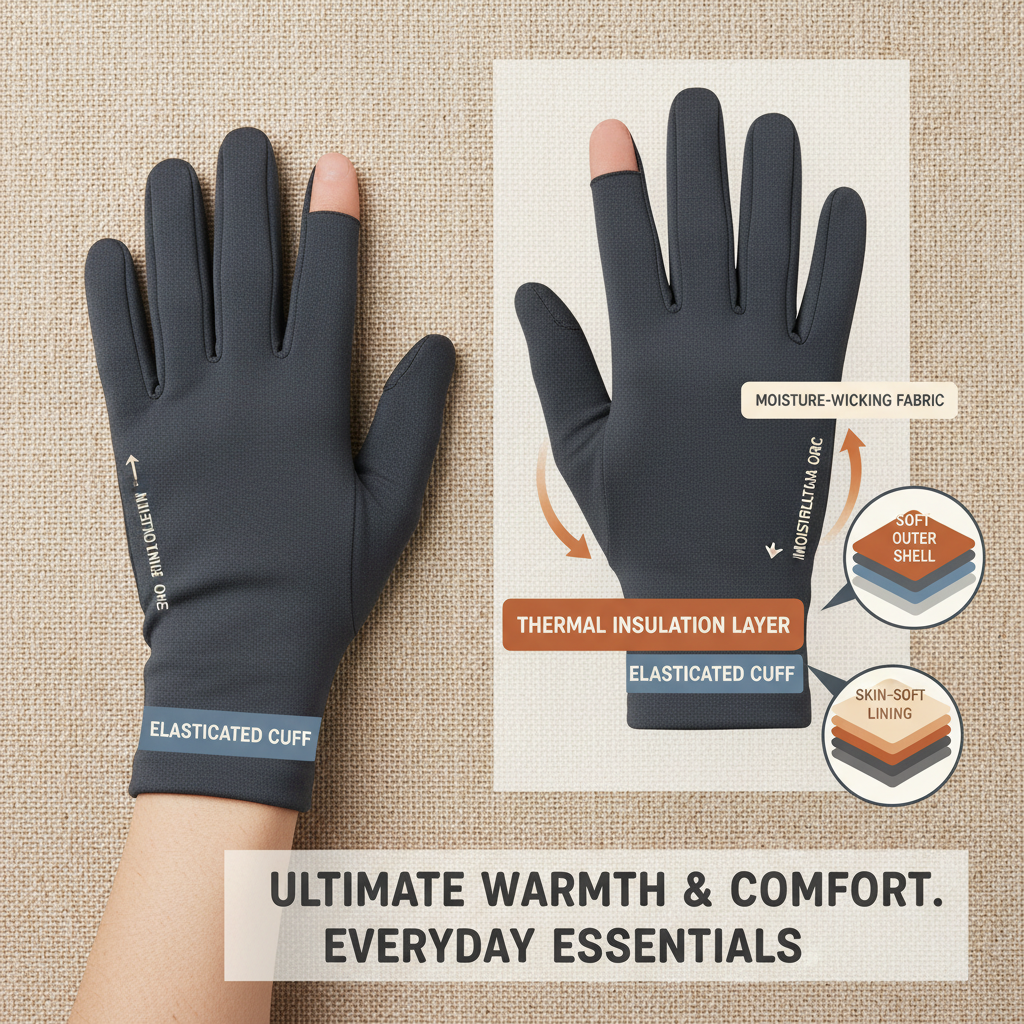
When selecting cold weather waterproof work gloves, several key features should be considered. Insulation is crucial for maintaining warmth; look for materials like Thinsulate™ or fleece lining. Waterproof membranes, such as those made with Gore-Tex or similar technologies, prevent water from penetrating the glove. Durability is also important, so choose gloves made from robust materials like leather or reinforced synthetic fabrics. Consider features like reinforced palms for improved grip and abrasion resistance, as well as a long cuff to provide extra protection for your wrists and forearms. Proper fit is vital for comfort and dexterity – gloves should allow for a full range of motion without being too loose or restrictive. Don't underestimate the importance of a comfortable and secure fit when choosing gloves.
Key Highlights: Look for insulation, waterproof membranes, durable materials, reinforced palms, long cuffs, and a proper fit.
The Importance of Waterproofing in Cold Weather Gloves
Waterproofing is perhaps the most critical feature in cold weather waterproof work gloves. Wet hands lose heat much faster than dry hands, significantly increasing the risk of frostbite and discomfort. Even if the temperature isn't freezing, wet gloves can lead to skin irritation and reduce dexterity. A waterproof membrane prevents water from seeping into the glove, keeping your hands dry and warm. Different levels of waterproofing are available, ranging from water-resistant coatings to fully waterproof membranes. For consistently wet or snowy conditions, a fully waterproof membrane is highly recommended. Maintaining dry hands improves grip, reduces fatigue, and enhances overall safety.
Waterproof Benefits:
• Prevents heat loss from wet hands
• Reduces the risk of frostbite and skin irritation
• Maintains grip and dexterity
• Enhances overall safety and comfort
Cold Weather Waterproof Work Gloves: A Comparison of Materials
The materials used in cold weather waterproof work gloves significantly impact their performance. Leather offers excellent durability and abrasion resistance, but may require more maintenance. Synthetic materials like nylon and polyester are lighter weight and often more affordable, but may not be as durable as leather. Insulation materials vary in their warmth-to-weight ratio; Thinsulate™ is known for its excellent warmth and compressibility, while fleece provides good insulation and comfort. Waterproof membranes, such as Gore-Tex, provide superior waterproofing and breathability, preventing sweat buildup and keeping hands dry. The combination of these materials determines the overall protection and comfort of the gloves.
Choosing the Right Gloves for Your Industry
Different industries have different glove requirements. For construction, durability and impact protection are paramount. Landscapers need gloves that offer good grip and dexterity for handling tools and materials. Workers in the oil and gas industry often require gloves with chemical resistance and puncture protection. Choosing gloves specifically designed for your profession will ensure optimal safety and performance. Consider the specific hazards you face and select gloves that provide the appropriate level of protection. The Personal Care SCN website offers a wide variety of gloves suited for different industries and work conditions.
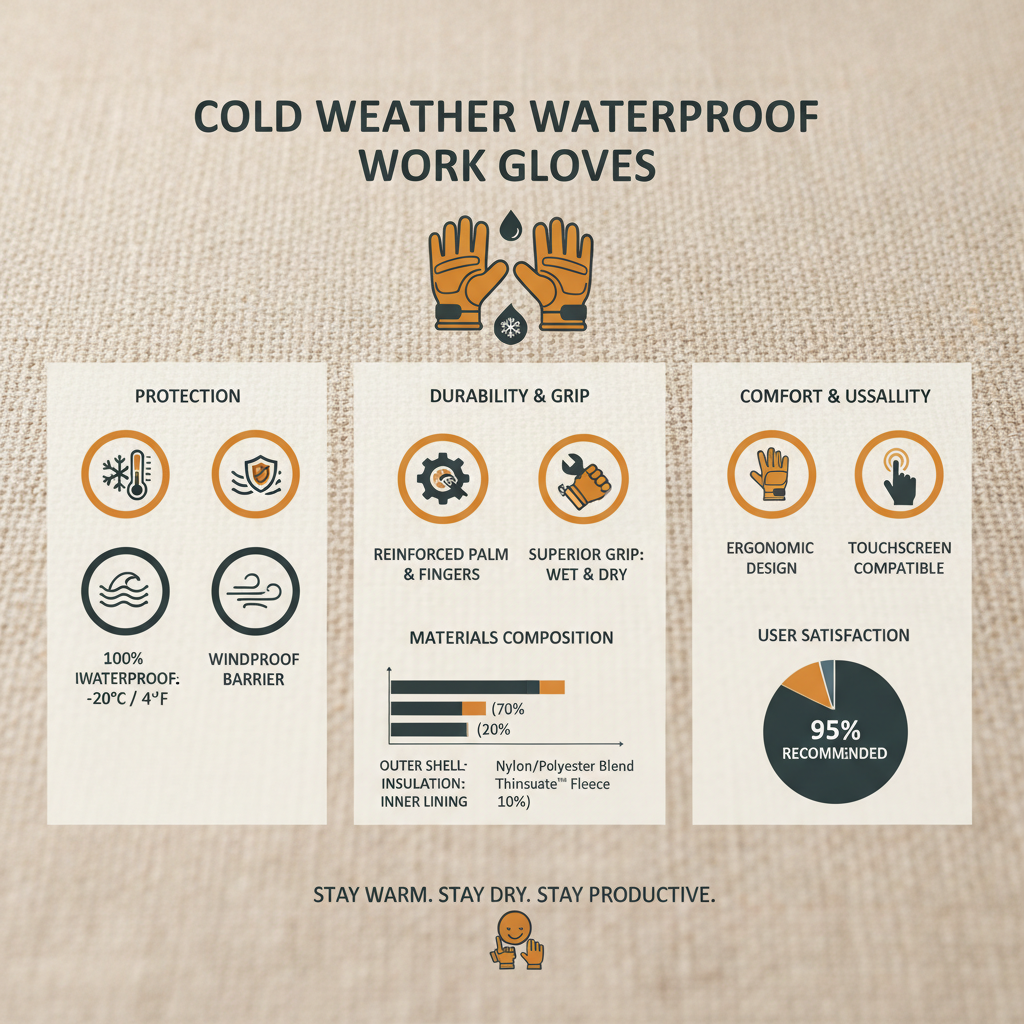
Product Specifications & Choosing the Right Size
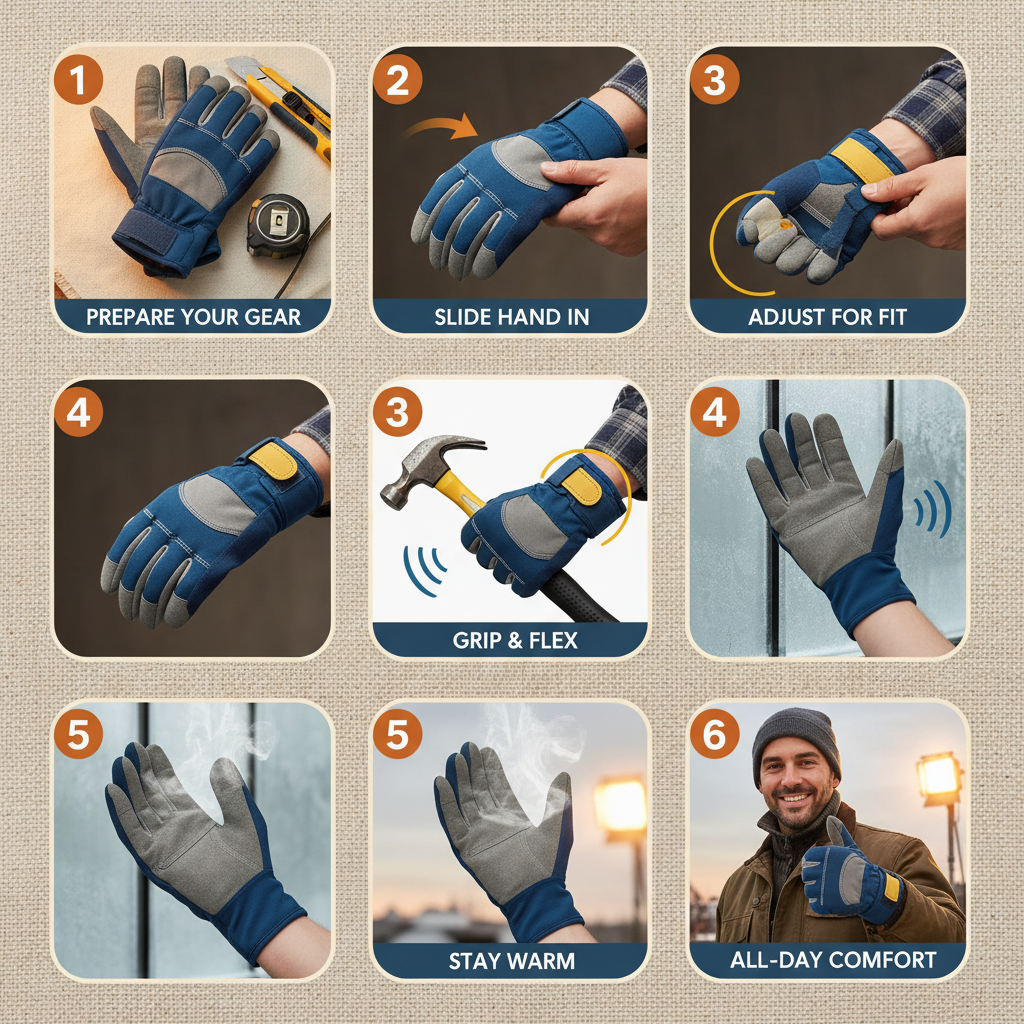
Understanding product specifications is key to finding the perfect fit and functionality. Consider the glove's length (wrist, forearm), the type of closure (Velcro, elastic), and the material composition. Size is crucial; a properly fitted glove should allow for comfortable movement without being too loose. Many manufacturers provide sizing charts based on hand circumference or length. Always refer to the manufacturer's sizing guide before making a purchase. Below is a general sizing chart to get you started:
Conclusion: Stay Warm, Safe, and Productive
Investing in high-quality cold weather waterproof work gloves is an investment in your safety and productivity. By considering the features discussed in this article and choosing gloves specifically tailored to your needs, you can ensure comfortable, protected hands even in the harshest conditions. Don’t compromise on hand protection – browse the selection at Personal Care SCN today!
Frequently Asked Questions (FAQs)
How do I care for my waterproof work gloves?
Proper care extends the life of your gloves. After each use, wipe them down with a damp cloth to remove dirt and debris. Avoid using harsh chemicals or abrasive cleaners. Allow the gloves to air dry completely, away from direct heat. Store them in a cool, dry place when not in use. If the waterproof membrane becomes compromised, consider applying a waterproof spray to restore some level of protection. Regular maintenance will ensure your gloves provide reliable performance for longer.
What is the difference between water-resistant and waterproof gloves?
Water-resistant gloves can repel light moisture, such as drizzle, but are not designed for prolonged exposure to water. Waterproof gloves, on the other hand, have a waterproof membrane that prevents water from penetrating the glove, even during immersion. For consistently wet or snowy conditions, waterproof gloves are the better choice. Look for gloves with a waterproof rating to understand their level of protection.
Are insulated gloves always necessary?
Insulated gloves are essential when working in freezing temperatures, as they provide a barrier against heat loss. However, even in cooler temperatures, insulation can enhance comfort and prevent hand fatigue. The level of insulation required depends on the specific conditions and the duration of exposure. Consider the type of work you’ll be doing and the expected temperature when choosing the appropriate level of insulation.
How often should I replace my work gloves?
The frequency of replacement depends on usage and wear and tear. Inspect your gloves regularly for signs of damage, such as tears, punctures, or worn insulation. If the waterproof membrane is compromised or the gloves no longer provide adequate protection, it's time to replace them. Even if they appear to be in good condition, gloves should be replaced annually or more frequently if used heavily.