Durable Waterproof Construction Gloves for Skilled Workers | Trusted Safety Gear
Why waterproof construction gloves still matter on the jobsite
Having spent a fair share of years around construction sites and heavy machinery—where everything from mud to concrete slurry threatens to ruin your gear—I can tell you one thing: not all gloves are made equal. Waterproof construction gloves are an odd breed. You might think they’re just about keeping hands dry, but frankly, there’s a lot more going on under the surface.
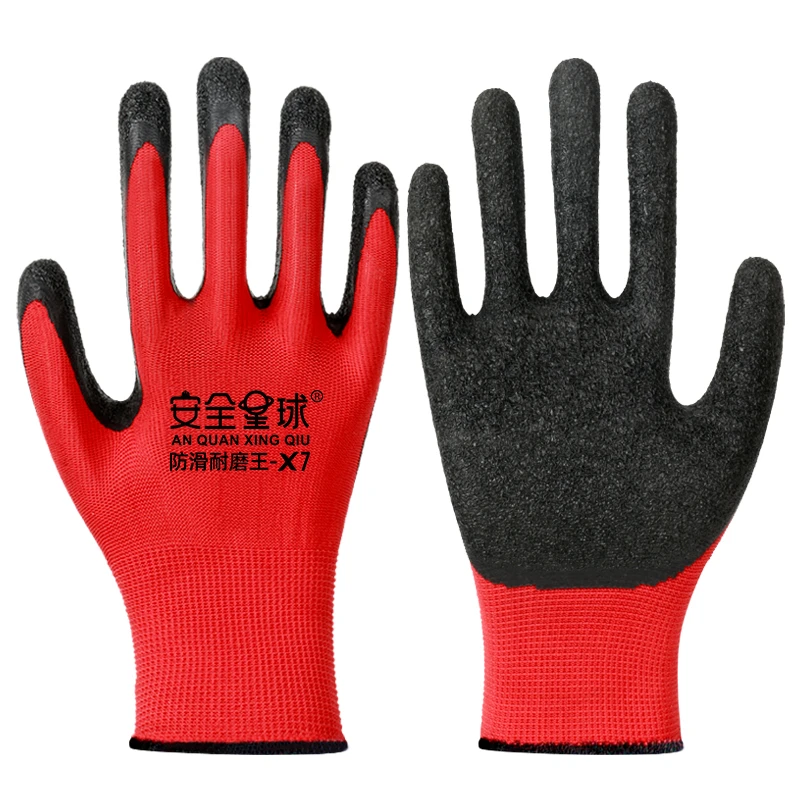
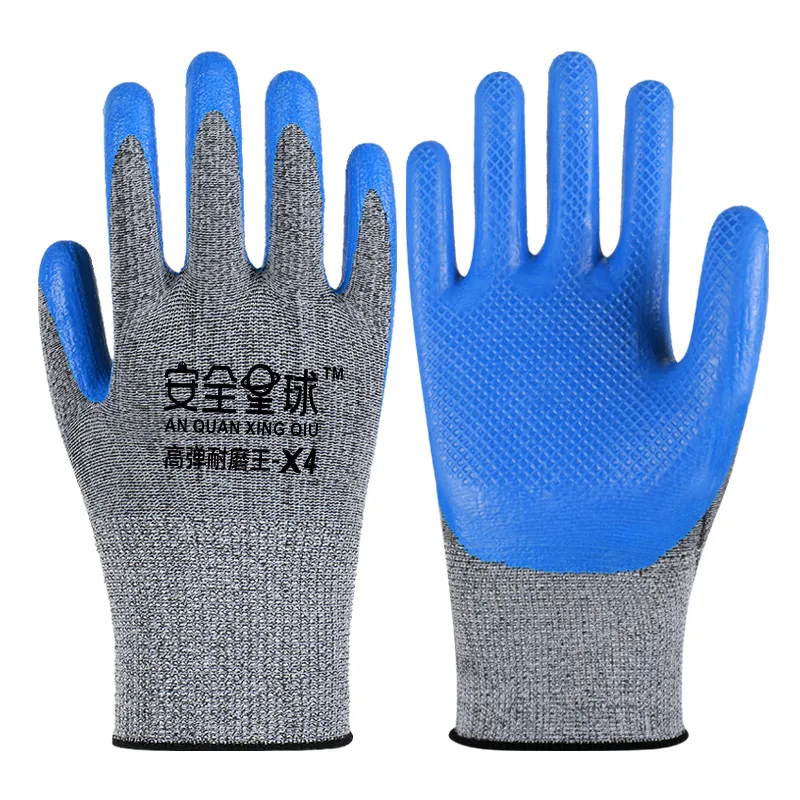
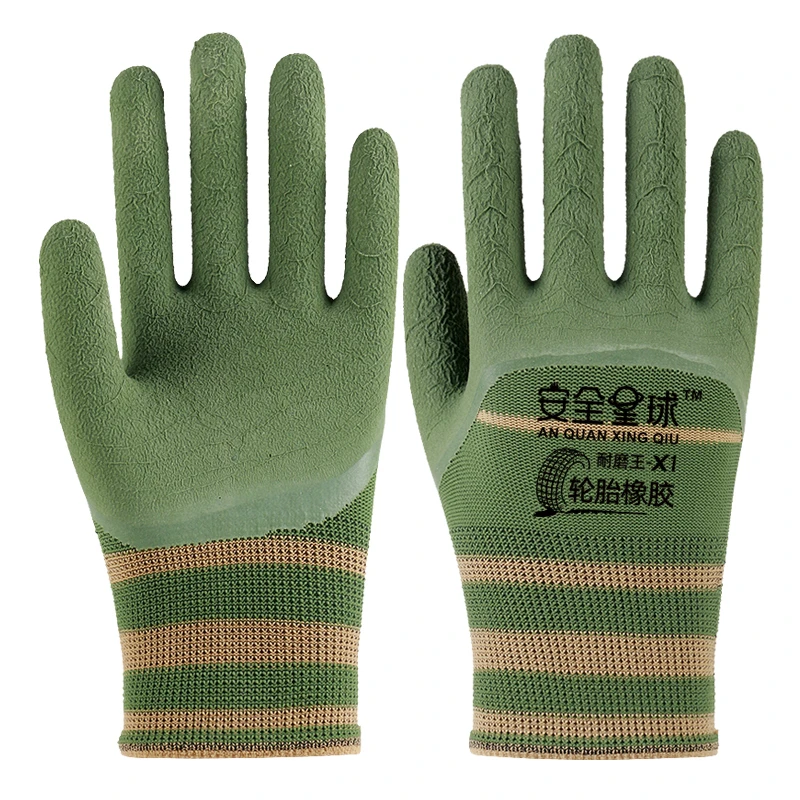
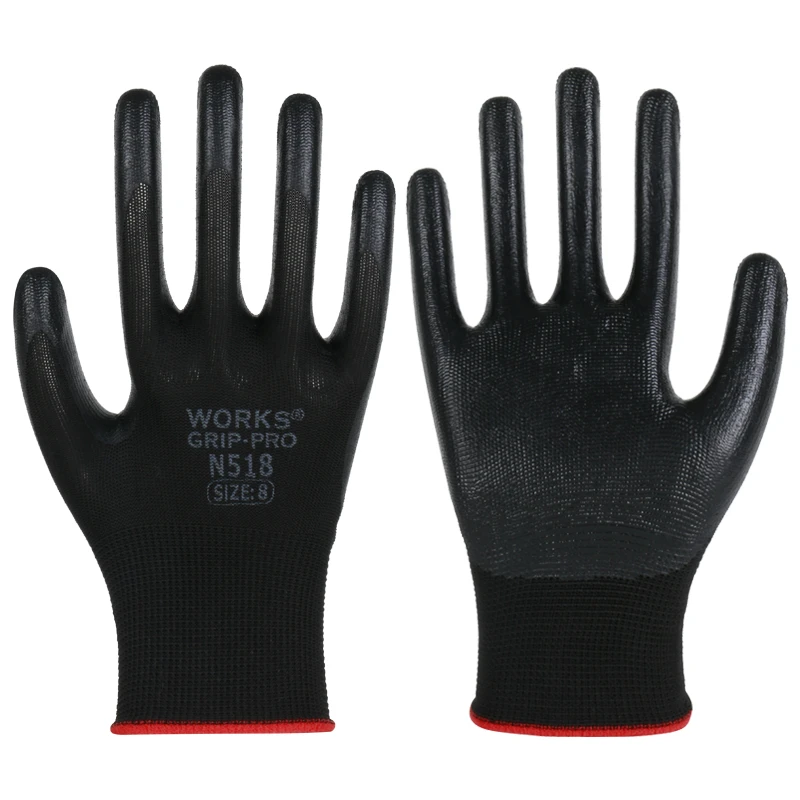
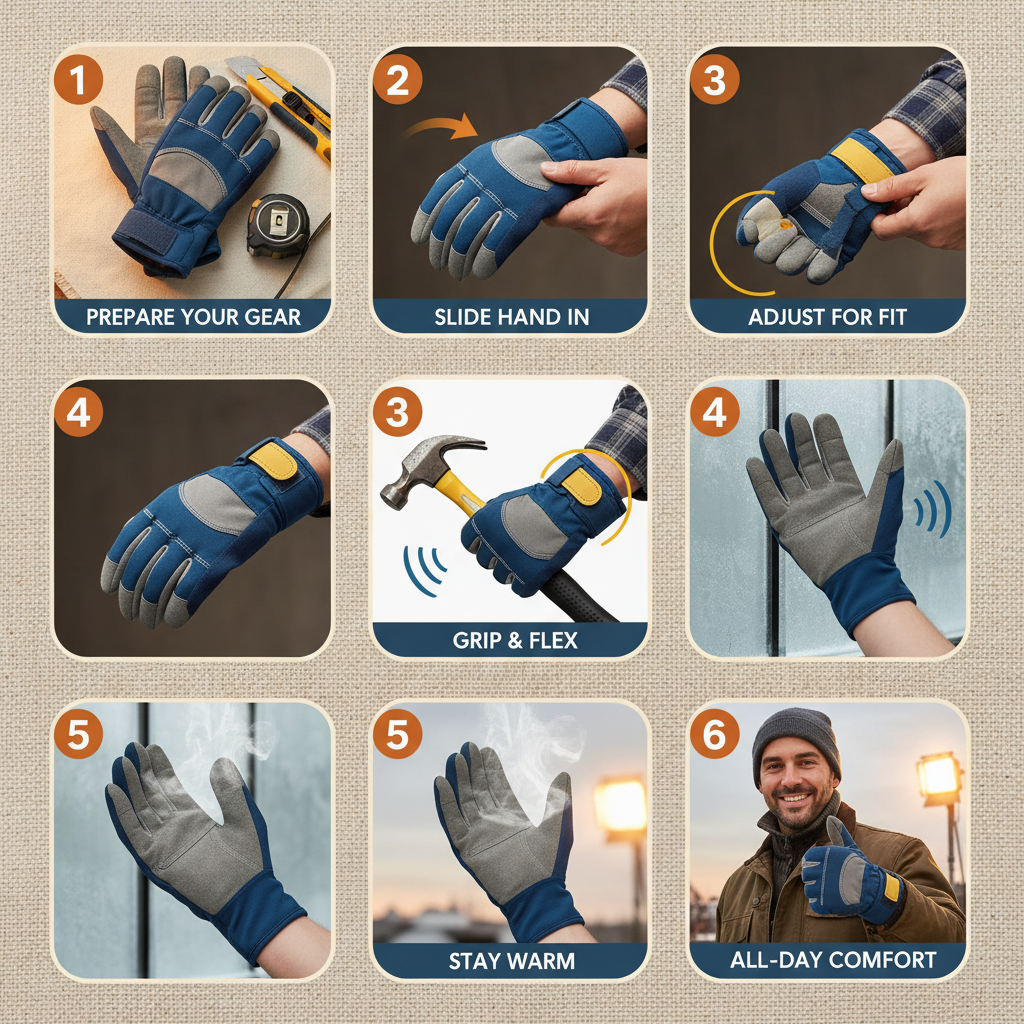
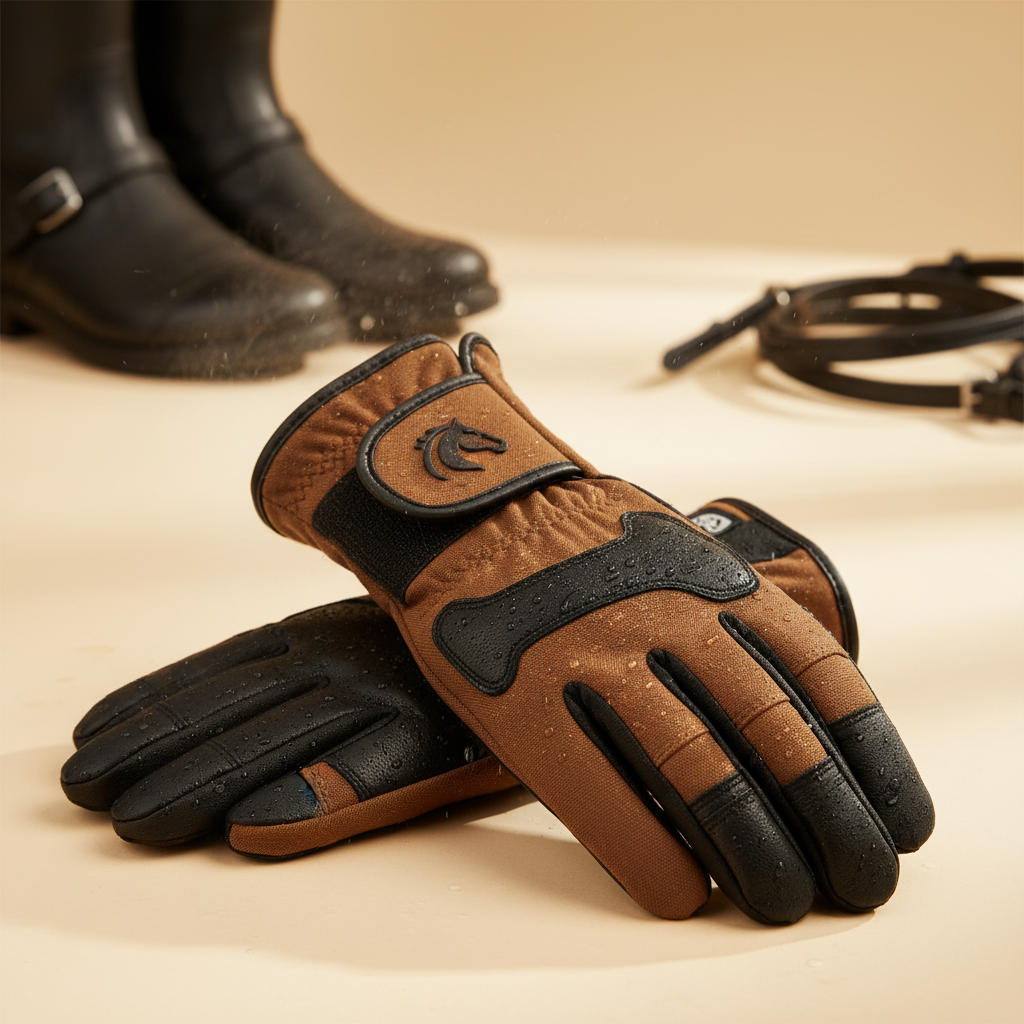
For instance, many workers I know, engineers included, swear by gloves that balance durability with dexterity, yet still repel water like a champ. In real terms, that means a glove that won’t soak through after an hour of rain or a spill of wet cement, but also allows you to grasp tools firmly without feeling bulky or slippery.
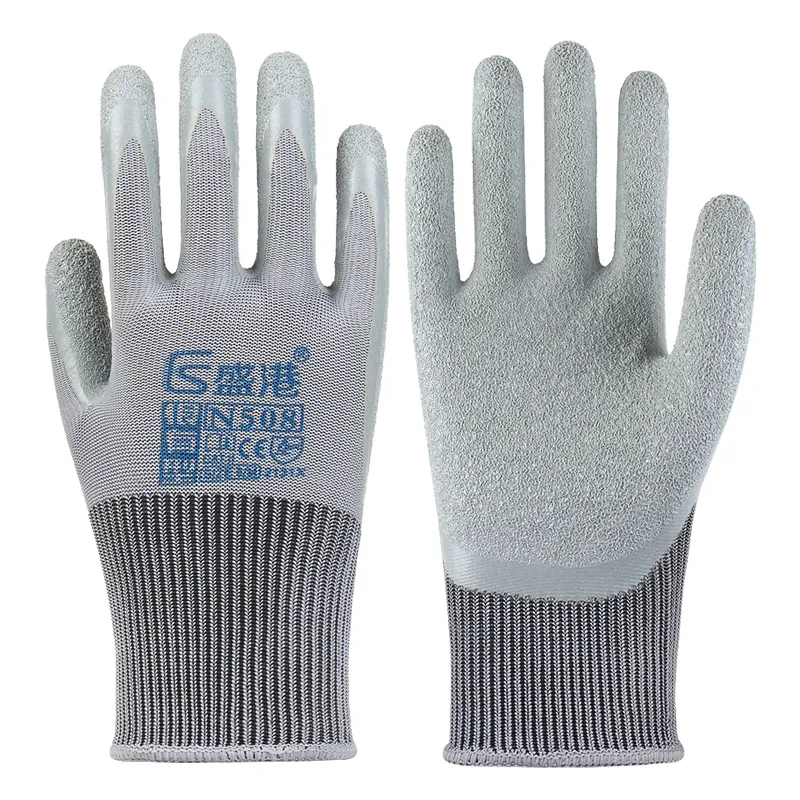
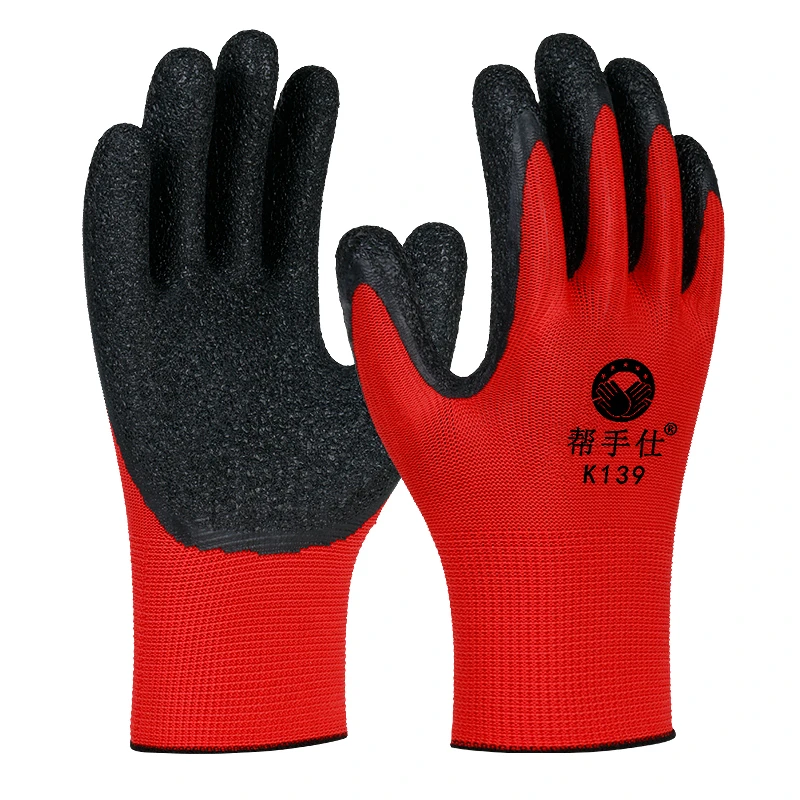
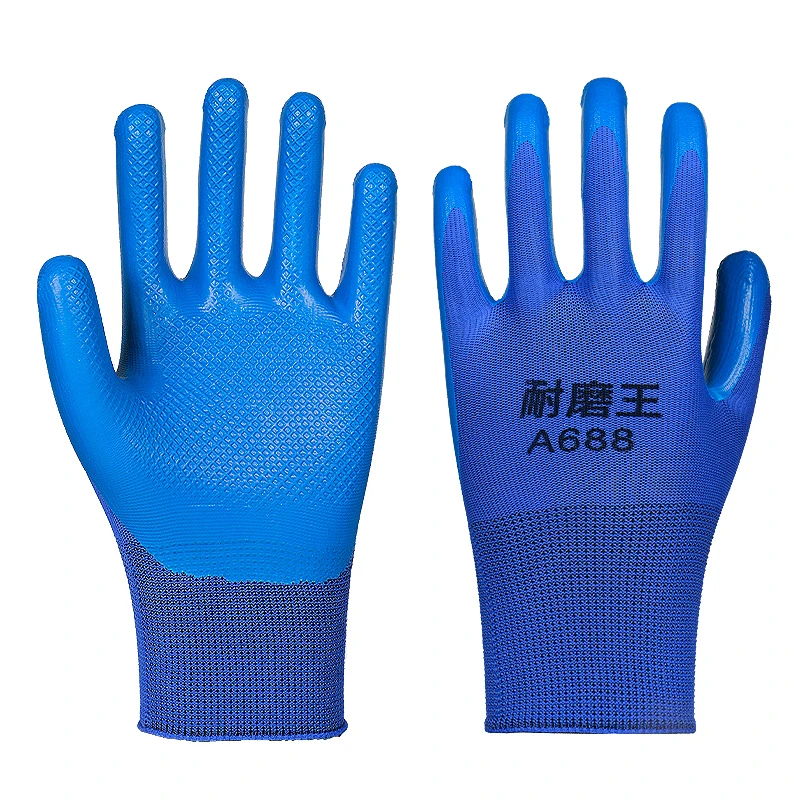
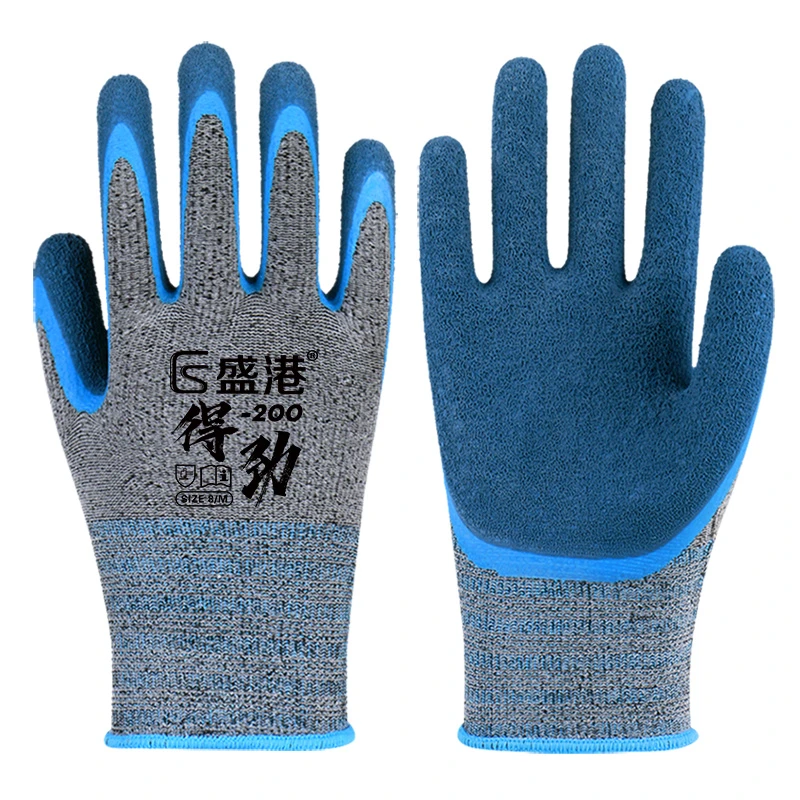
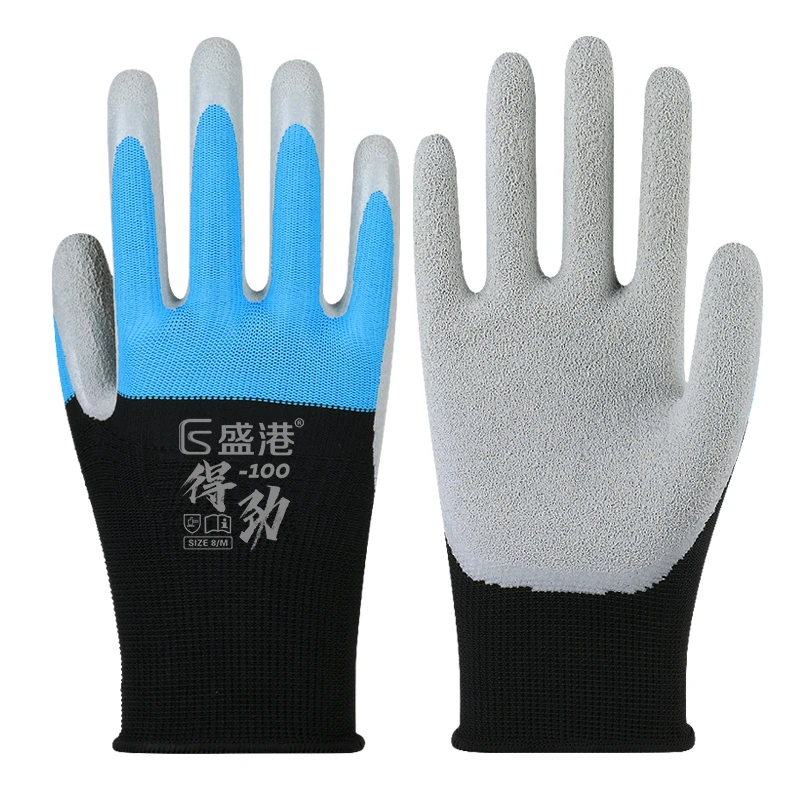
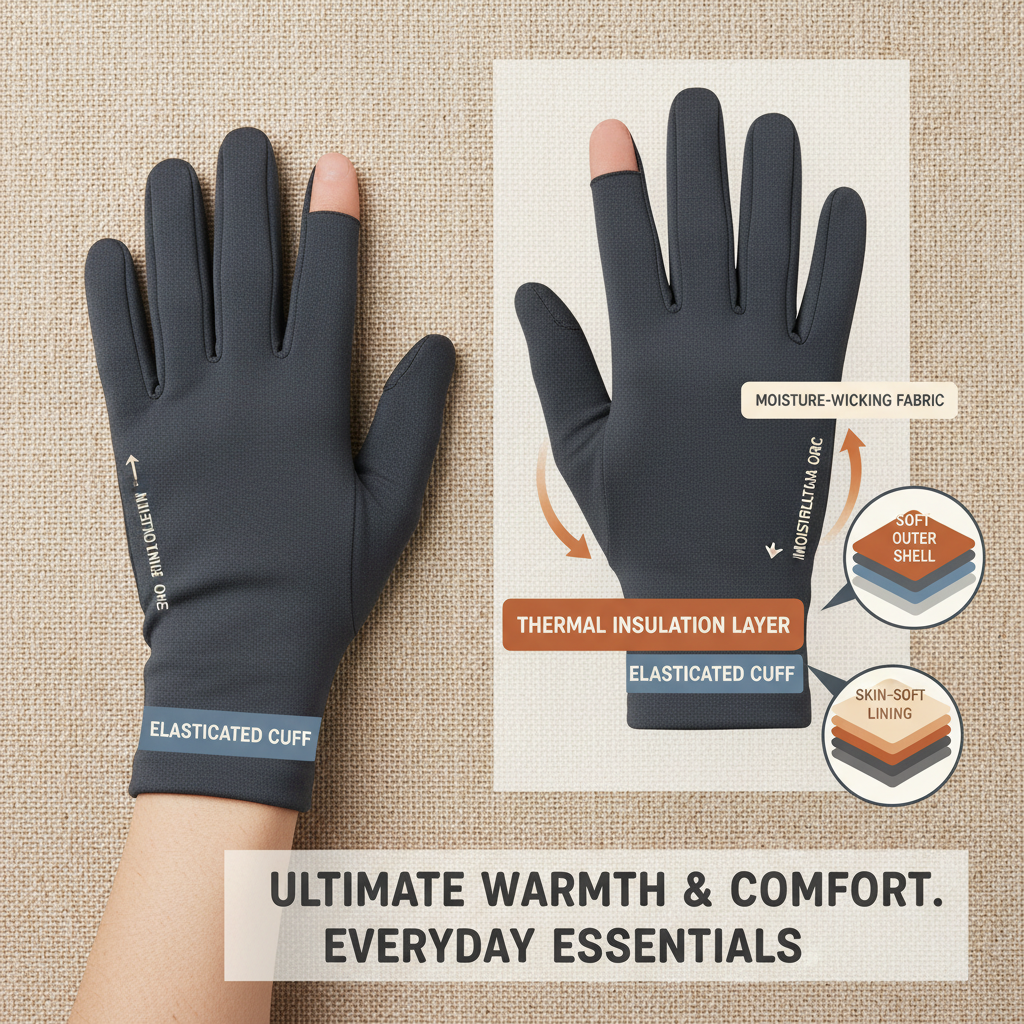
Now, the material science behind these gloves has evolved quite a bit. Most reliable options use a multi-layer design combining waterproof membranes (think breathable but water-resistant fabrics) with a durable outer shell—often synthetic leather or nitrile coatings. This layering isn’t just buzzwords. Properly tested gloves withstand abrasion to a certain degree, while also ensuring no leakage when you’re digging or dealing with damp conditions. Oddly enough, that balance is tricky.
Speaking of testing, I've noticed companies adhere to various standards for waterproof rating and puncture resistance. The EN 388 and EN 374 standards, for example, give a benchmark, but not every glove on the shelf is compliant. It pays to look for those certifications or independent lab tests when buying. You want to know your hands are protected, not just advertised.
Based on my experience, here’s a straightforward snapshot of what a solid pair of waterproof construction gloves offers:
| Feature | Details |
|---|---|
| Waterproof Layer | Breathable membrane (e.g., polyurethane) |
| Outer Material | Nitrile/latex coated synthetic leather |
| Cut & Abrasion Resistance | EN 388 Level 3 or higher |
| Waterproof Rating | EN 374 Certified or equivalent |
| Flexibility | Ergonomic design with stretch panels |
But it’s not just specs—there’s a human factor, too. I recall a project manager on a rainy site telling me how switching to a new brand of waterproof gloves cut down the usual tool slips and fumbles dramatically. “It’s like they thought it through for folks working in crap conditions,” he said. And that’s the point: construction work is messy, unpredictable. Gloves have to withstand that reality.
In terms of vendors, the market can be overwhelming. So I’ve put together a quick comparison you might find helpful if you’re sourcing gloves for your crew or company:
| Vendor | Waterproof Tech | Durability | Price Range |
|---|---|---|---|
| Glovetech Pro | PU Membrane + nitrile coating | High abrasion & cut resistance | $$ |
| SafeHands Gear | Waterproof breathable membrane | Moderate, engineered stretch zones | $ |
| BuildGuard Elite | Advanced waterproof laminates | Top-tier abrasion resistance | $$$ |
Customization is another growing trend. Some companies now offer gloves with personalized fit or even logos embroidered, which is neat—it helps crews feel recognized and keeps gear aligned with brand identity. Honestly, it’s a small touch, but those details can matter to people working long shifts.
When selecting waterproof construction gloves, I’m always reminded that the "best" glove isn’t a one-size-fits-all. It depends on the specific task: handling wet timber, electrical work, or slippy concrete surfaces all require slight variations. That's why many seasoned hands keep multiple glove types handy.
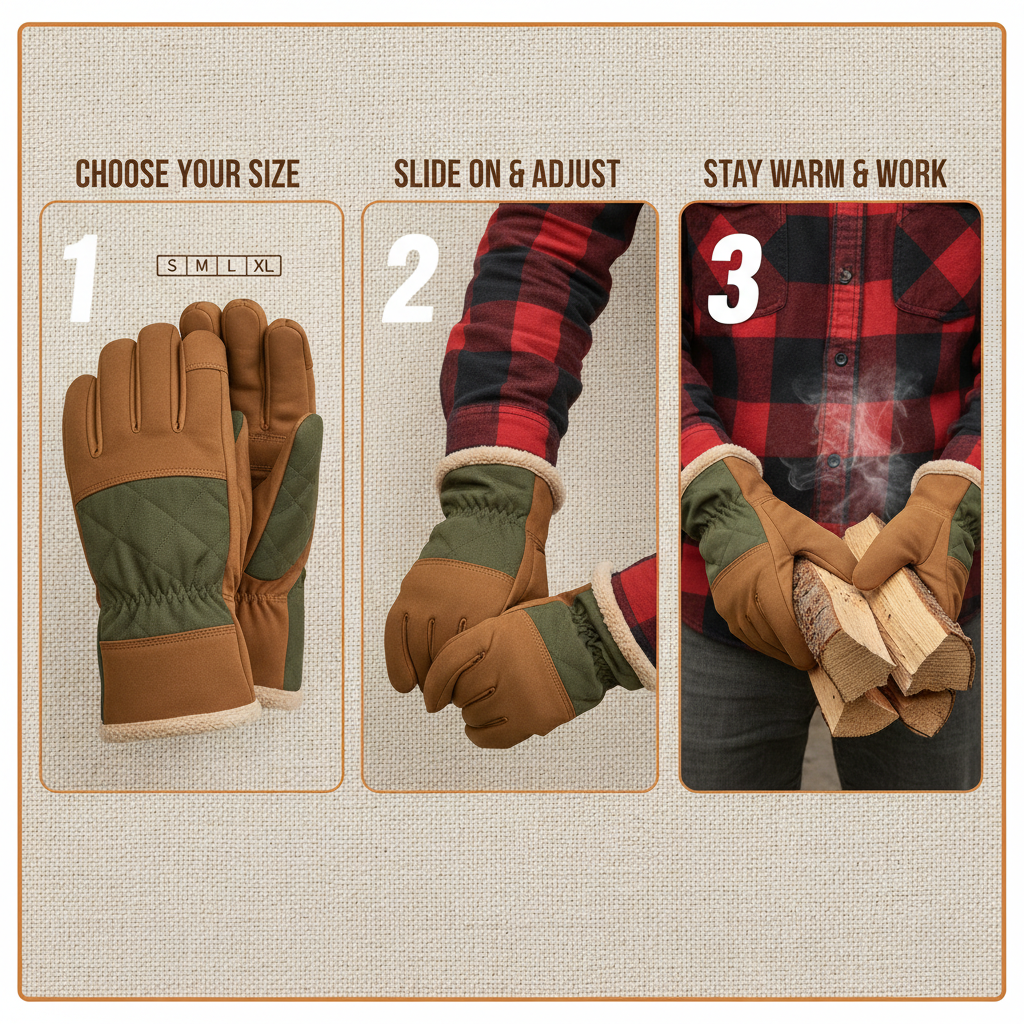
If you’re wondering where to start, waterproof construction gloves are worth a trial for anyone facing wet, grimy environments. They make a daily difference, literally by keeping your hands warm, dry, and safe.
At the end of the day, glove choice reflects how much you value comfort and protection against nature’s unpredictability. So go for quality, test them onsite if possible, and maybe even ask your crew what feels right. Because frankly, dry hands just work better.
Takeaway: Investing in the right waterproof construction gloves means better safety and productivity, especially when the weather and work refuse to cooperate.
- EN 388 and EN 374 protective glove standards documentation.
- Industry reports on glove material advancements, 2023.
- Interviews with site managers from multiple construction projects, 2022–2024.