Essential Guide to Cold Weather Photography Gloves for Optimal Performance
Choosing the Right Cold Weather Photography Gloves
Capturing stunning images in freezing temperatures requires dedication, skill, and the right gear. One often overlooked but crucial piece of equipment is a quality pair of cold weather photography gloves. Protecting your hands from the cold isn't just about comfort; it's about maintaining dexterity and the ability to operate your camera effectively. This article will guide you through the key considerations when selecting the best gloves for your photographic adventures, ensuring your hands stay warm and functional, even in the most challenging conditions. Proper hand protection can make the difference between capturing incredible shots and being forced to cut your shoot short.
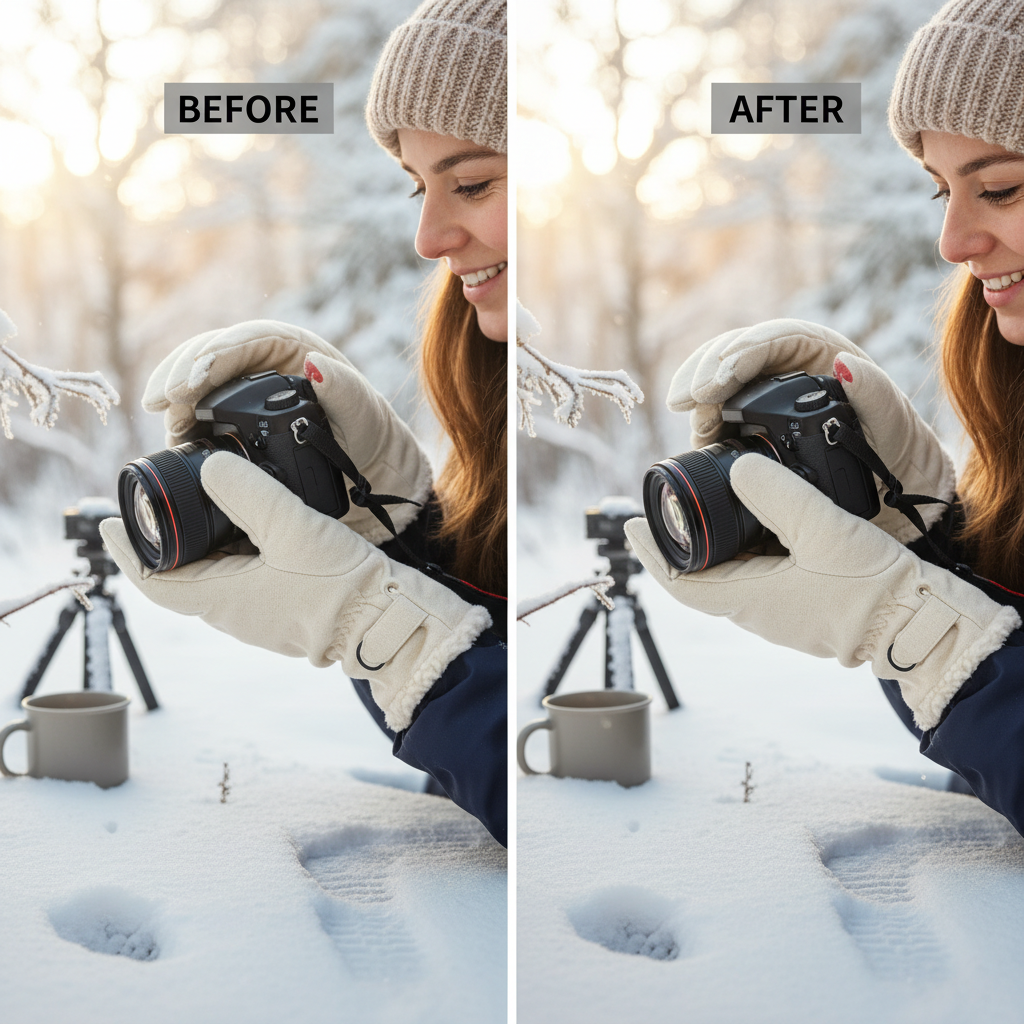
Understanding the Importance of Specialized Photography Gloves
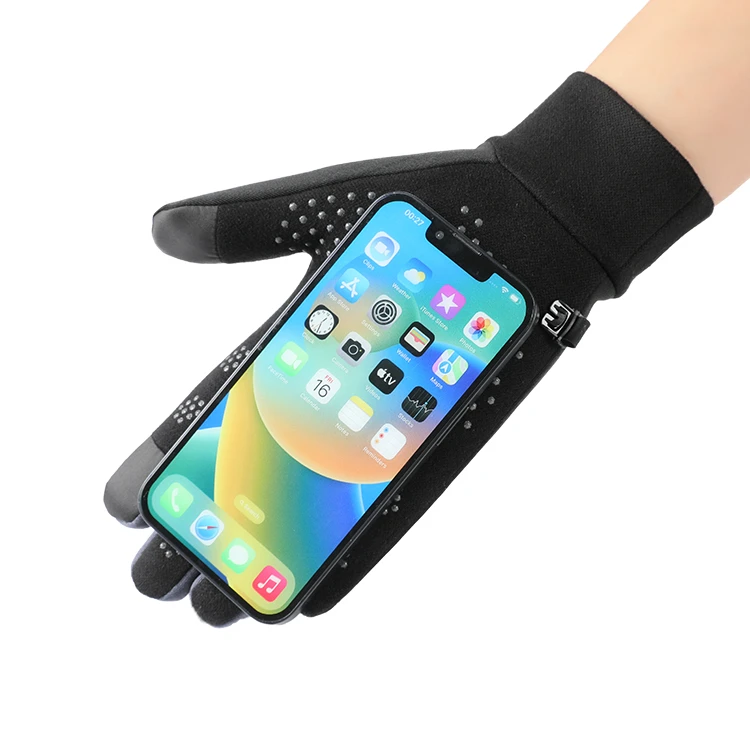
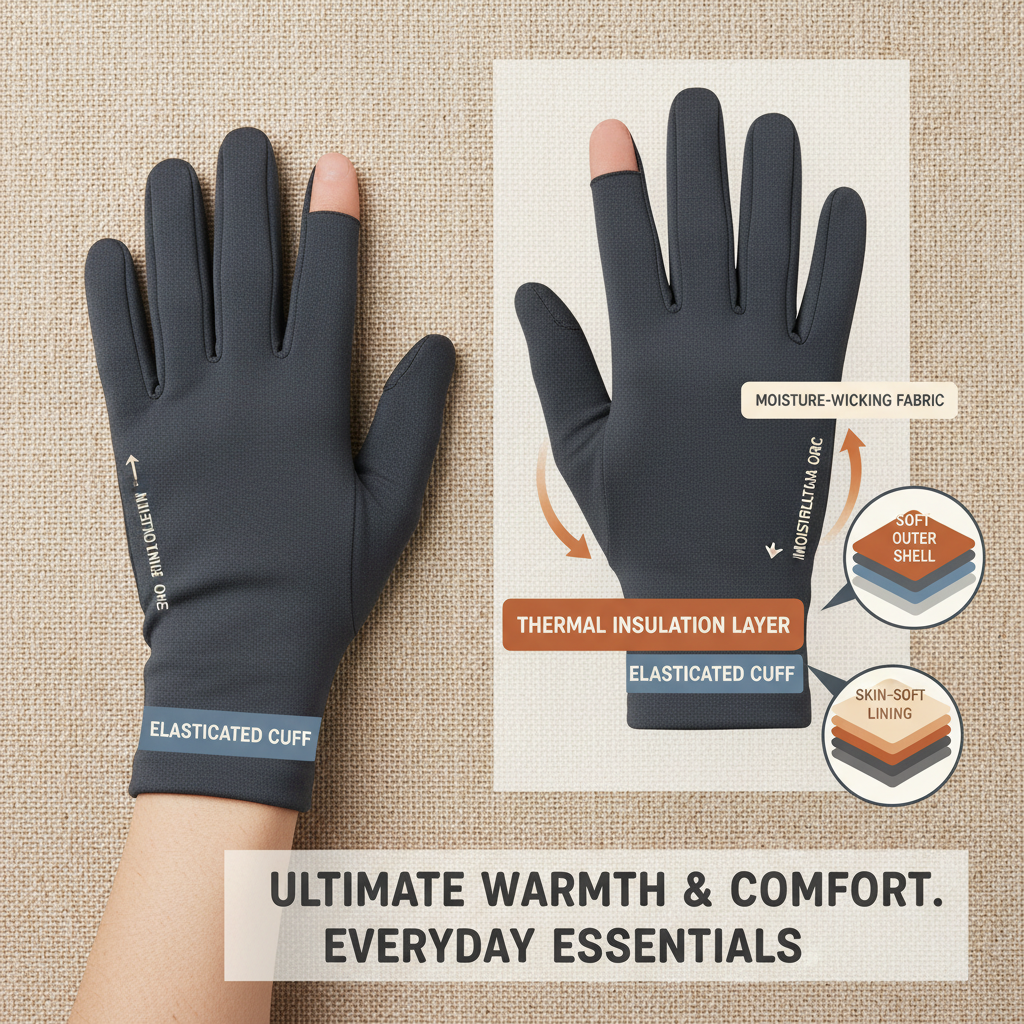
Regular winter gloves often lack the precision needed for camera operation. Bulky designs hinder your ability to adjust settings, press shutter buttons, and maintain a firm grip on your equipment. Cold weather photography gloves are specifically designed to balance warmth with dexterity. They feature thinner, more tactile materials in key areas, often with touchscreen compatibility, allowing you to control your camera without removing them. This minimizes heat loss and prevents frostbite, ensuring you can continue shooting comfortably for longer periods.
Key Benefit: Maintaining Dexterity and Warmth – Specialized gloves allow you to operate your camera smoothly even in extremely cold temperatures.
Key Features to Look for in Cold Weather Photography Gloves
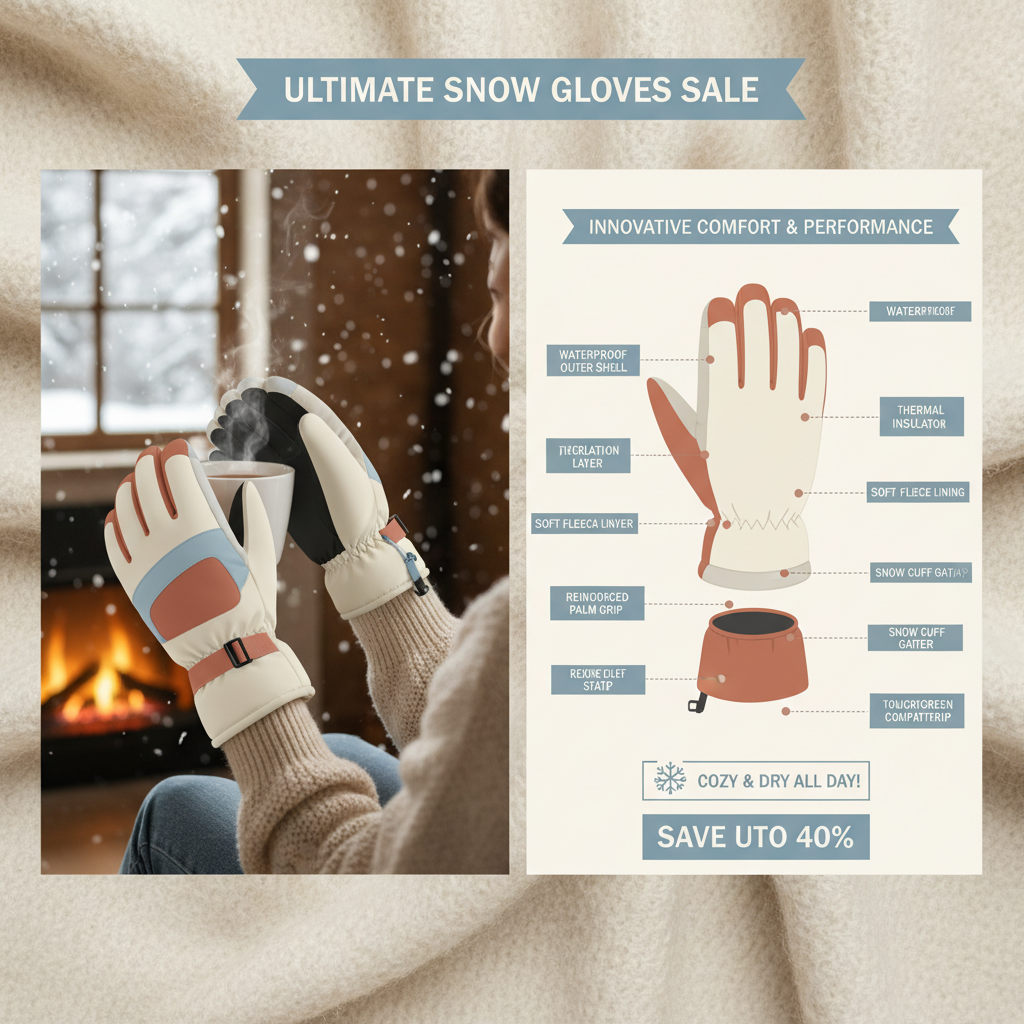
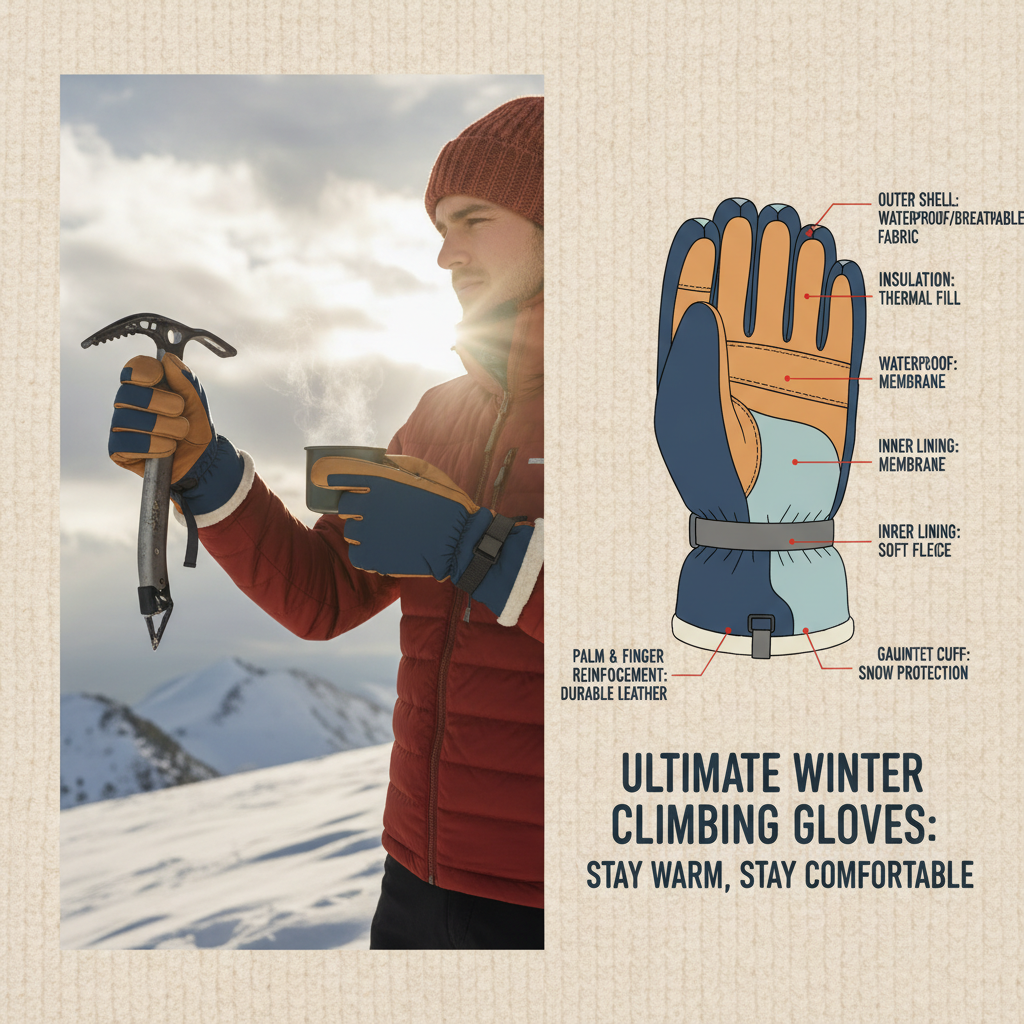
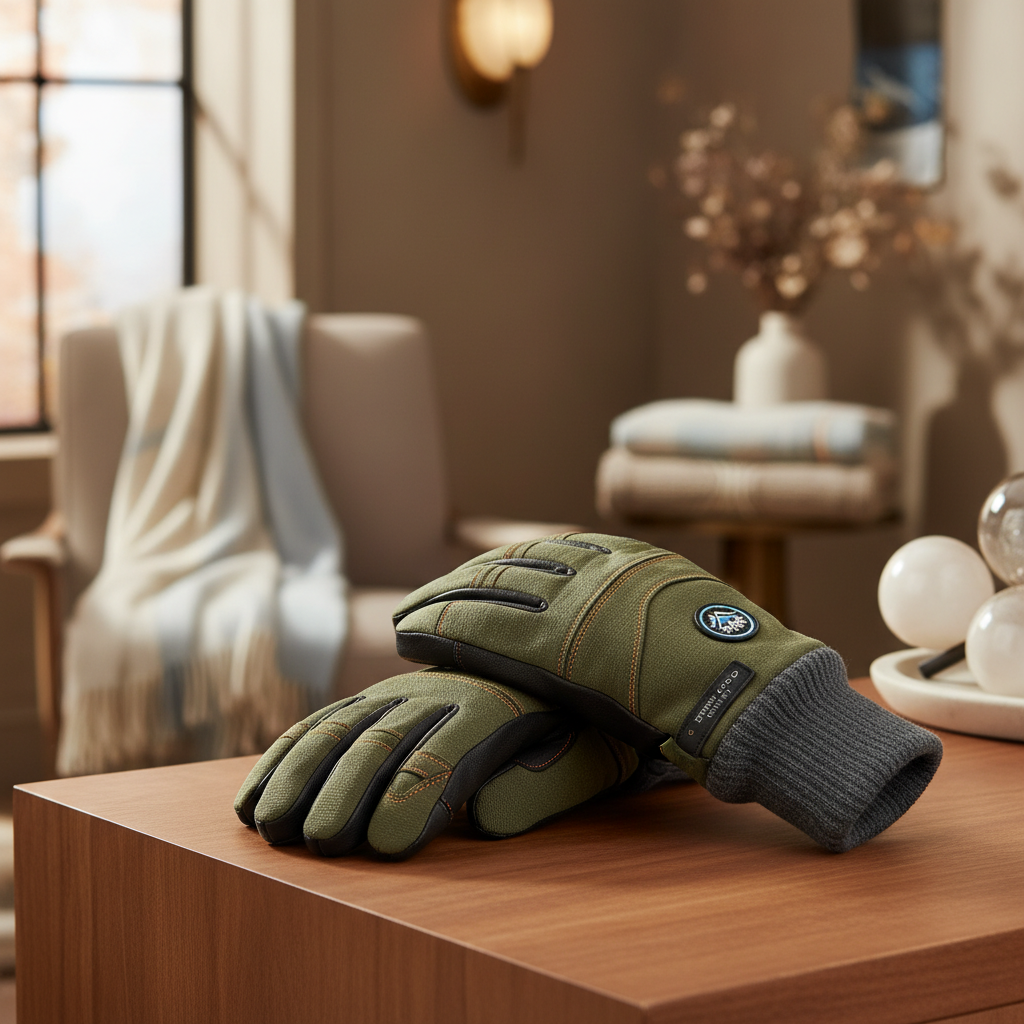
When choosing cold weather photography gloves, consider these essential features: Insulation type (e.g., Thinsulate, PrimaLoft), Waterproof/water-resistant rating, Touchscreen compatibility (capacitive fingertips), Grip enhancement (silicone palms), and Cuff length (gauntlet-style for extra protection). Pay attention to the material composition – leather, synthetic fabrics, and waterproof membranes all play a role in warmth, durability, and comfort. A snug but not overly tight fit is crucial for optimal dexterity.
Essential Features:
• Insulation (Thinsulate, PrimaLoft)
• Waterproof/Water-Resistant Rating
• Touchscreen Compatibility
• Enhanced Grip
Comparing Glove Materials: Leather vs. Synthetic
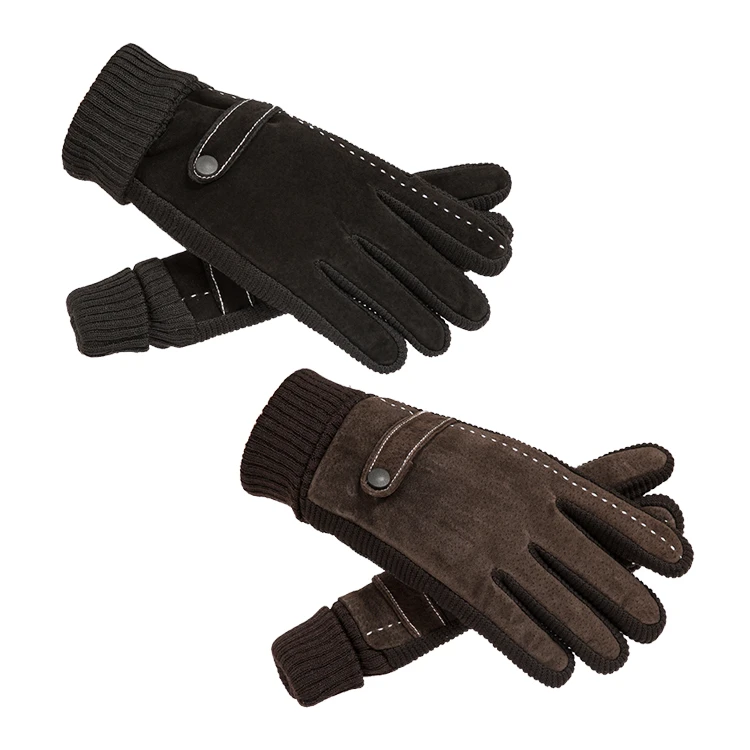
The material of your cold weather photography gloves significantly impacts their performance. Leather offers excellent durability and a natural feel, but requires more maintenance and may not be as water-resistant as synthetic options. Synthetic materials like nylon and polyester are lightweight, quick-drying, and often incorporate waterproof membranes. Consider your typical shooting conditions and prioritize the material that best suits your needs. Hybrid gloves combining leather and synthetic materials can offer the best of both worlds.
Cold Weather Photography Gloves: Product Specifications and Options
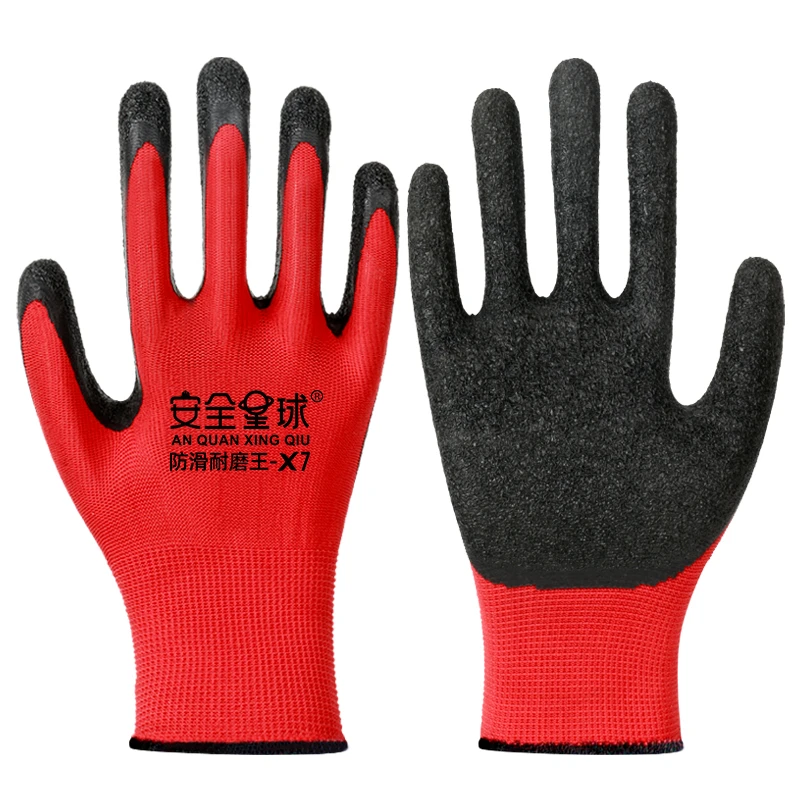
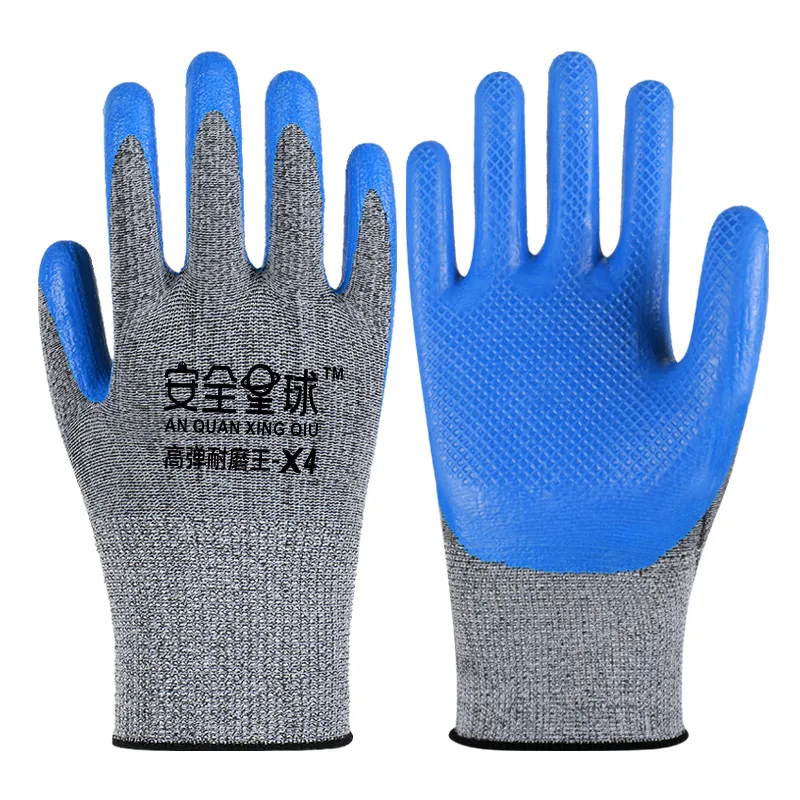
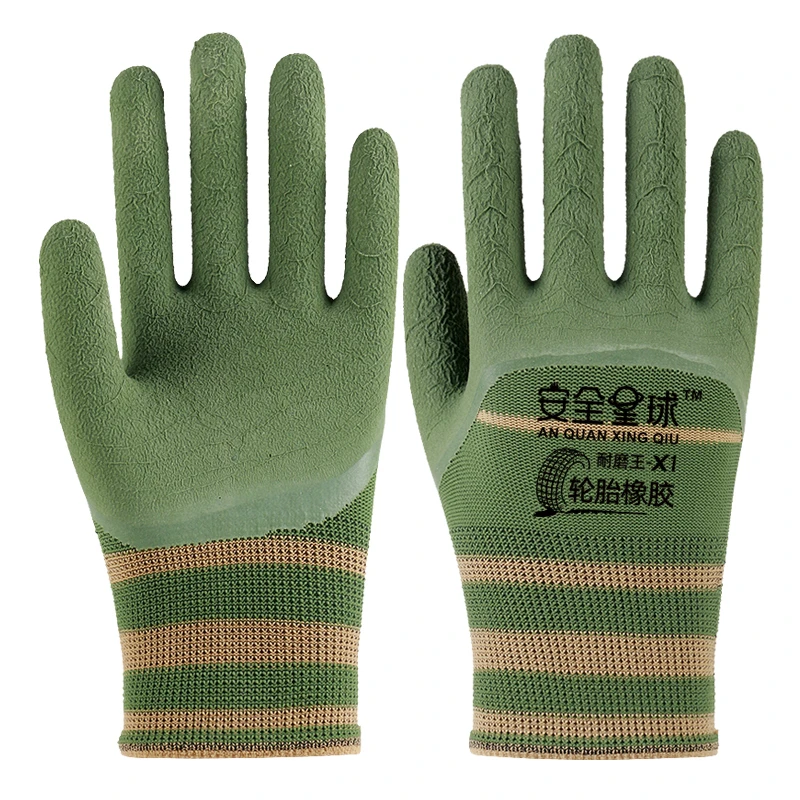
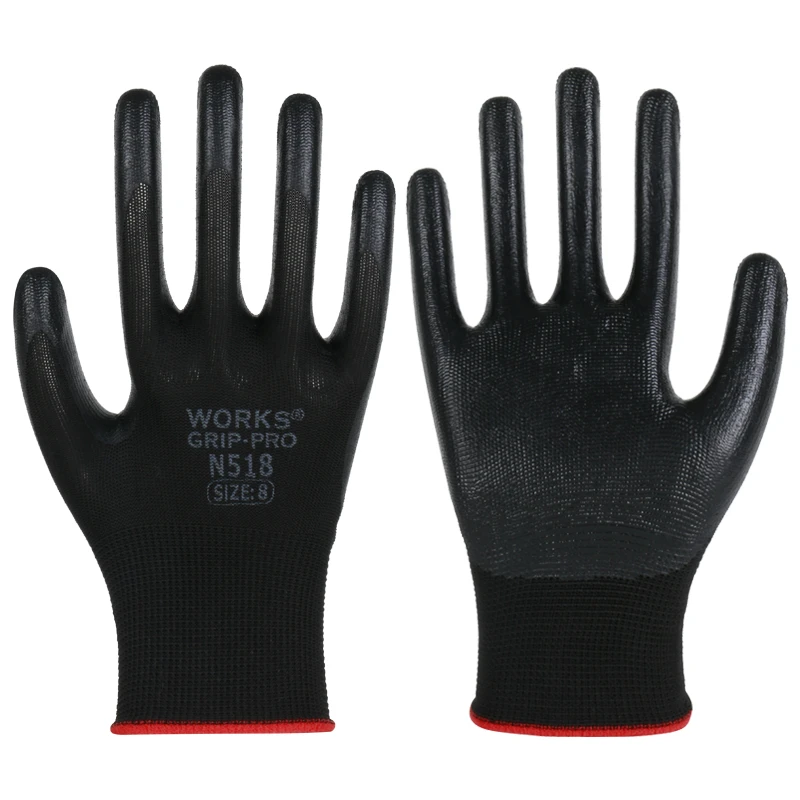
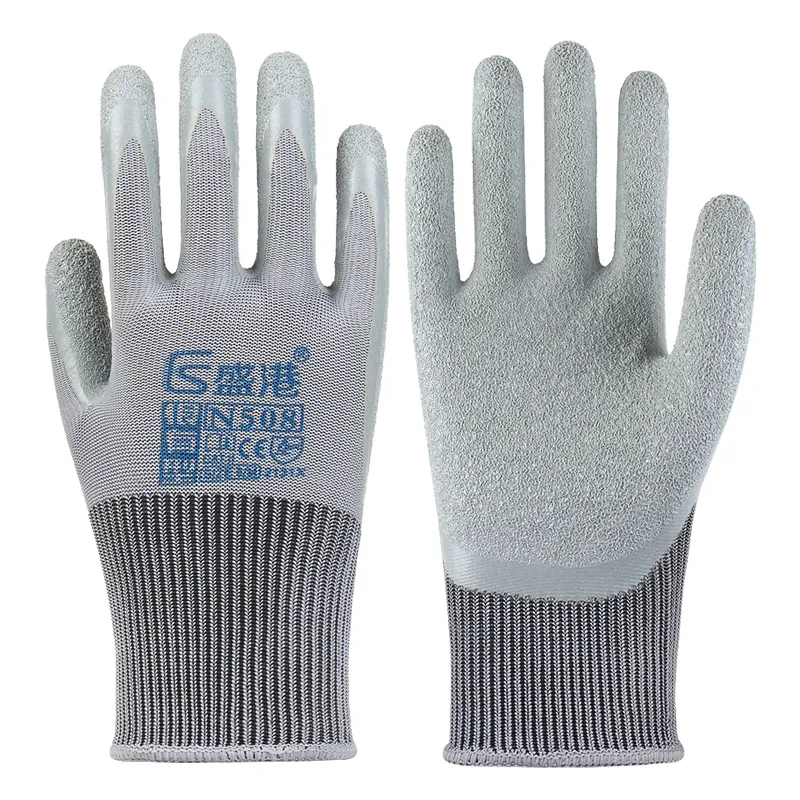
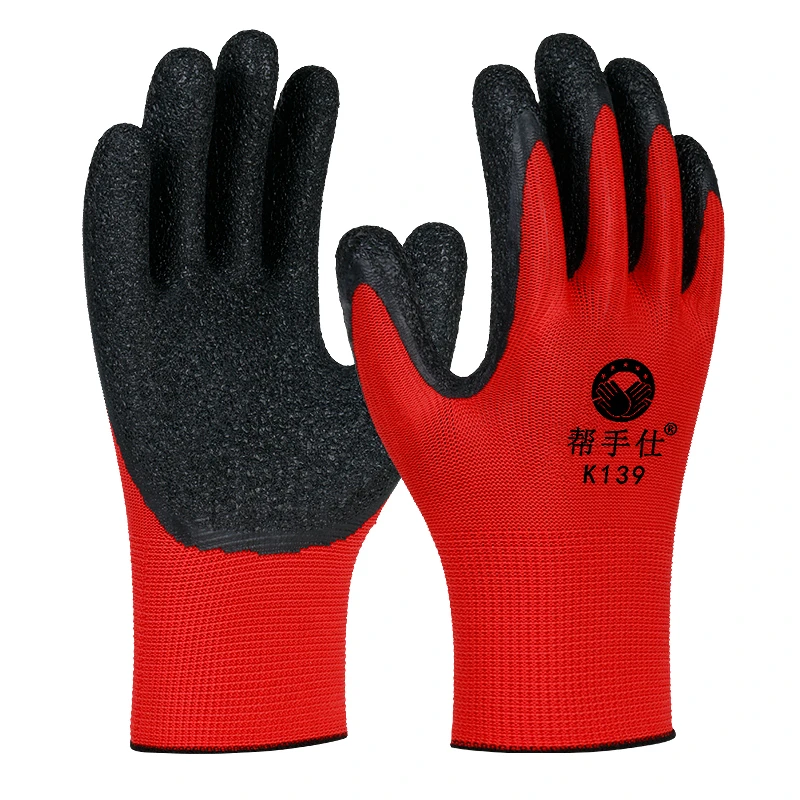
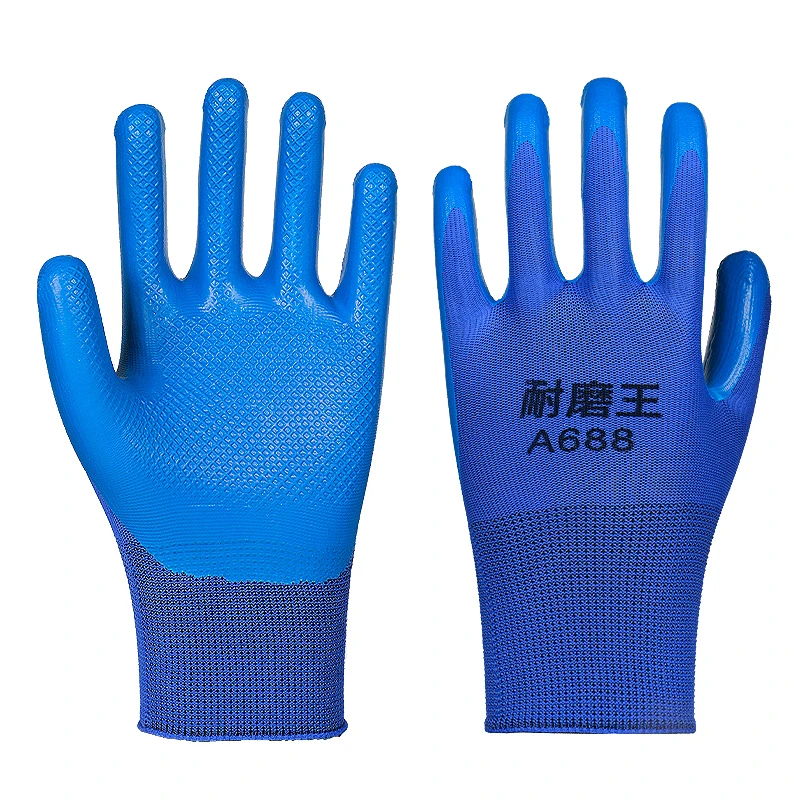
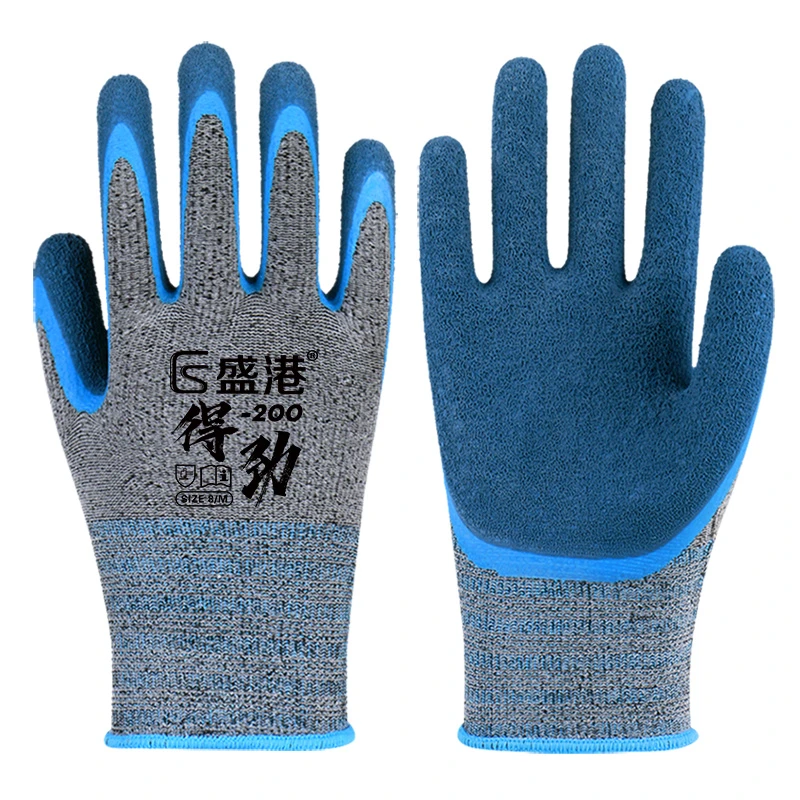
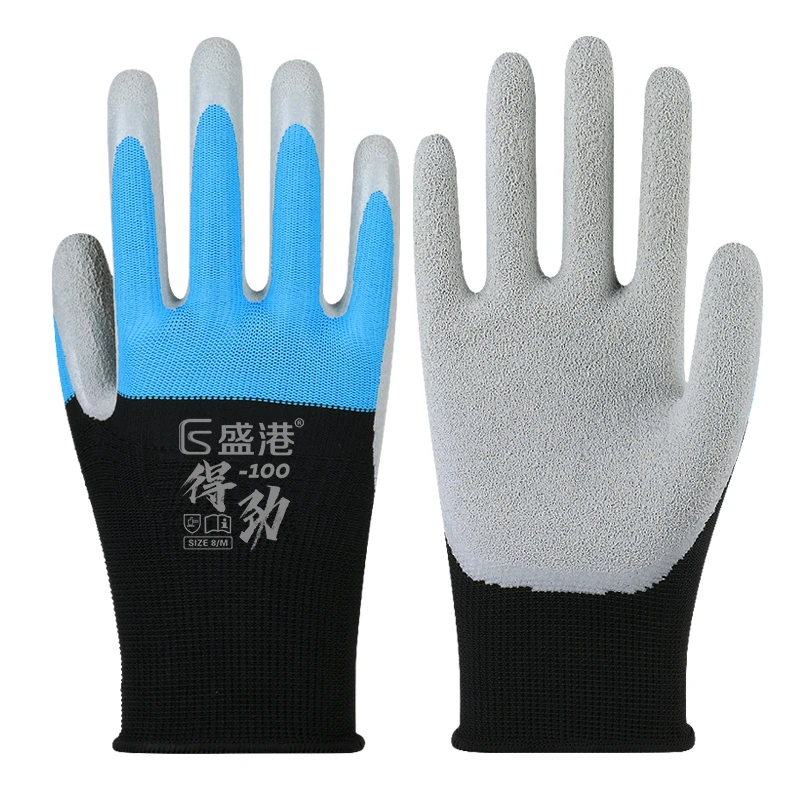
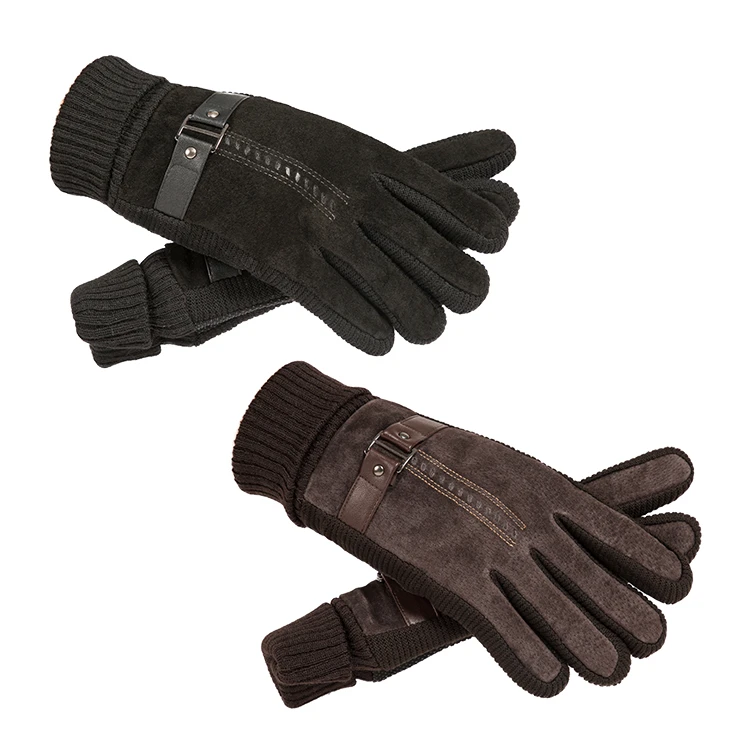
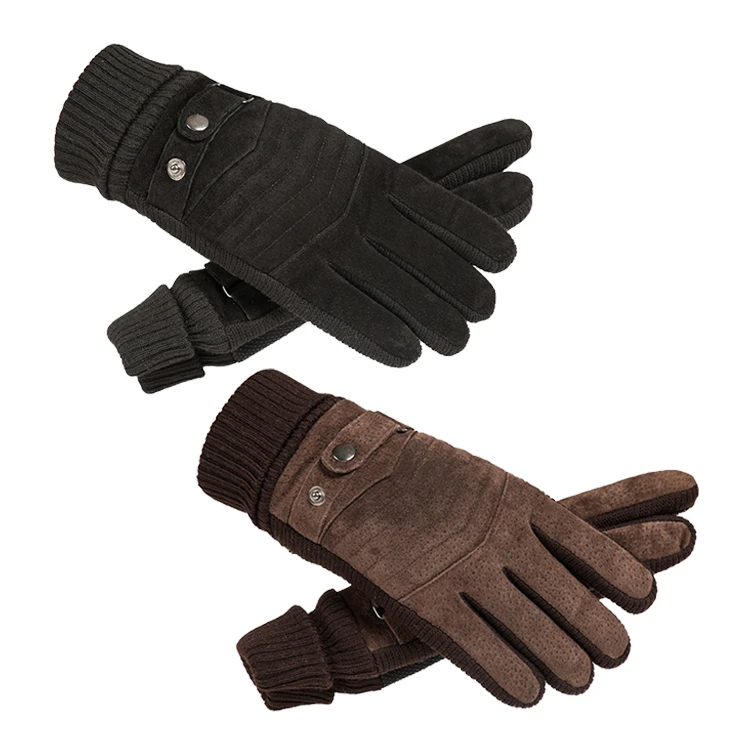
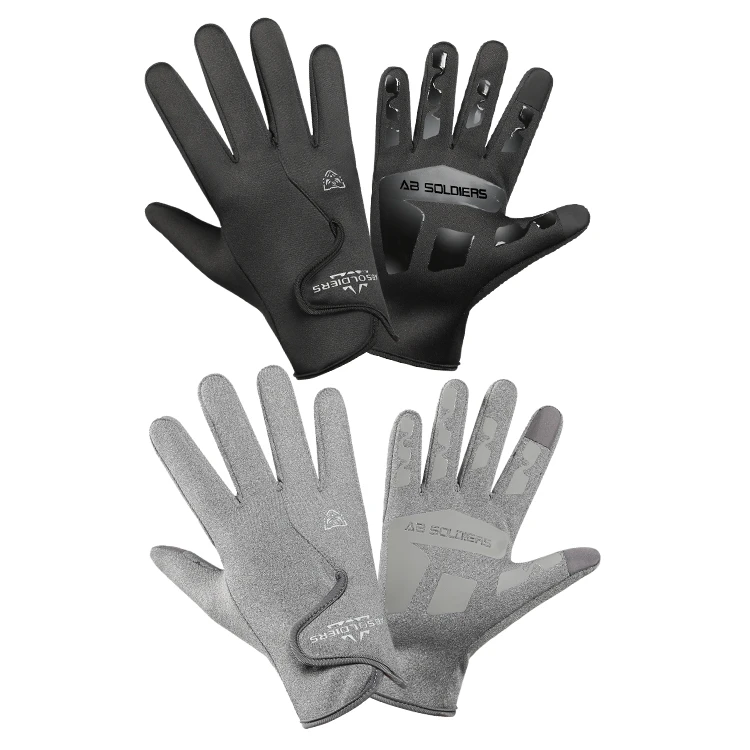
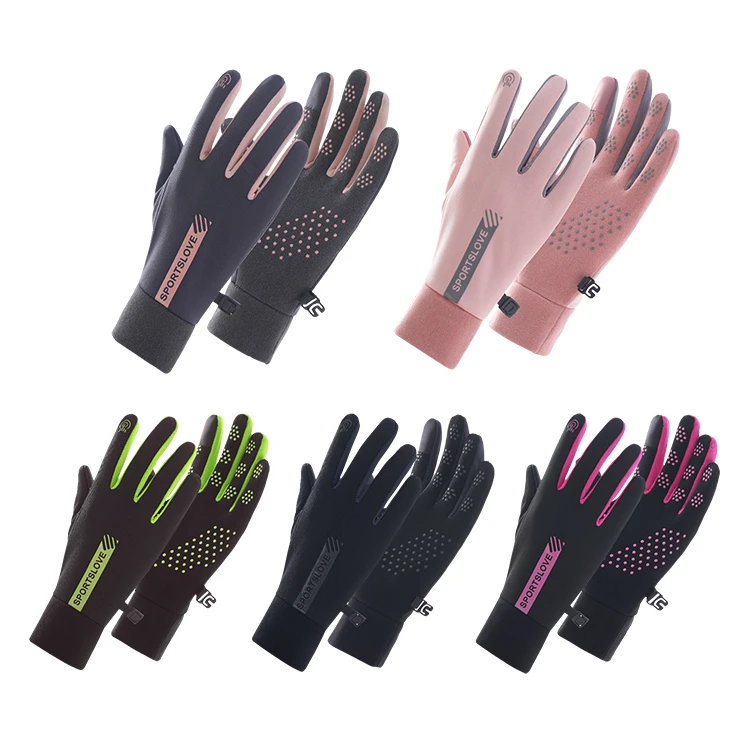
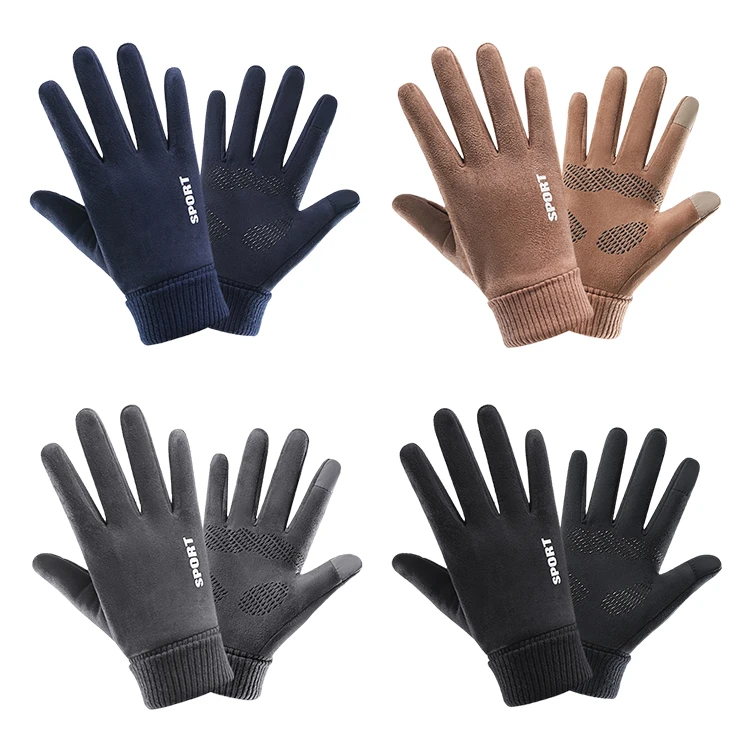
Here's a look at some popular cold weather photography glove options and their specifications:
Conclusion: Staying Warm and Focused with the Right Gloves
Investing in a quality pair of cold weather photography gloves is essential for any photographer who ventures out in frigid temperatures. By carefully considering the features, materials, and your specific needs, you can find the perfect gloves to keep your hands warm, dry, and dexterous, allowing you to focus on capturing stunning images. Don't let the cold compromise your creativity – choose wisely and enjoy your winter photography adventures!
Frequently Asked Questions (FAQs)
How do I care for my cold weather photography gloves?
Proper care extends the life of your gloves. Leather gloves should be conditioned regularly to prevent drying and cracking. Synthetic gloves can typically be machine washed on a gentle cycle with mild detergent. Always check the manufacturer's instructions for specific care recommendations. Avoid using harsh chemicals or excessive heat, which can damage the materials. Air drying is generally preferred over using a dryer.
What is the best insulation for extreme cold?
For extreme cold, PrimaLoft and Thinsulate are excellent insulation choices. PrimaLoft offers superior warmth-to-weight ratio and maintains its insulating properties even when wet. Thinsulate provides reliable warmth and is often more affordable. The amount of insulation (measured in grams) also matters – higher gram weights provide more warmth. Consider layering gloves for even greater protection in exceptionally cold conditions.
Are waterproof gloves necessary for photography?
Waterproof gloves are highly recommended, especially if you anticipate shooting in snowy or wet conditions. While water-resistant gloves offer some protection, waterproof gloves with a membrane like Gore-Tex provide a complete barrier against moisture. Keeping your hands dry is crucial for maintaining warmth and dexterity. Look for gloves with sealed seams for optimal waterproof performance.
How important is touchscreen compatibility?
Touchscreen compatibility is a significant convenience for photographers, allowing you to operate your camera, smartphone, or other devices without removing your gloves. Gloves with capacitive fingertips are designed to work with touchscreen displays. However, the sensitivity can vary, so it's essential to choose gloves with reliable touchscreen performance, especially in cold weather.