Comprehensive Guide to Selecting the Best Winter Climbing Gloves for Your Needs
Choosing the Right Winter Climbing Gloves: A Comprehensive Guide
When facing the challenges of winter climbing, having the right gear is crucial for safety and performance. Among the most important pieces of equipment are your winter climbing gloves. These gloves protect your hands from extreme cold, wind, and moisture, while still allowing for the dexterity needed for technical maneuvers. This article will delve into the key features to look for, different types of gloves available, and factors to consider when making your selection. Ensuring your hands stay warm and functional is paramount for a successful and safe climb.
Understanding the Importance of Winter Climbing Gloves
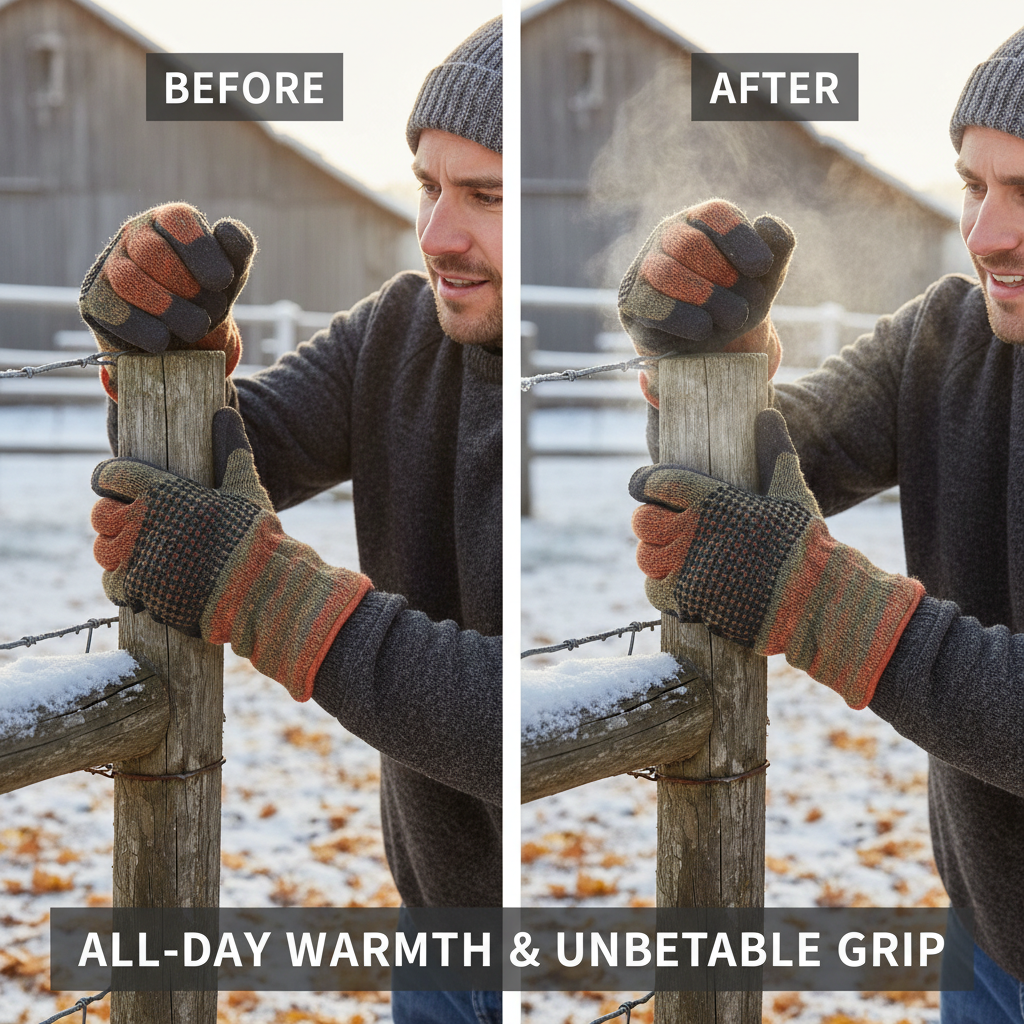
Exposure to extreme cold can quickly lead to frostbite and hypothermia, severely impacting your ability to climb safely. Winter climbing gloves are designed to combat these risks by providing insulation, windproofing, and waterproofing. However, insulation isn’t the only consideration. Climbing requires precise hand movements for gripping, belaying, and managing ropes. Therefore, gloves must strike a balance between warmth and dexterity. A good pair of gloves allows you to maintain a secure grip on ice axes, carabiners, and ropes, even in sub-zero temperatures. Choosing the right gloves is an investment in your safety and overall climbing experience.
Key Takeaway: Prioritize gloves that offer both exceptional warmth and maintain sufficient dexterity for technical climbing movements.
Types of Winter Climbing Gloves
There's a variety of winter climbing gloves available, each suited for different conditions and climbing styles. Here's a breakdown of common types:
- Mitts: Offer the most warmth due to their enclosed design, but sacrifice dexterity. Best for colder conditions where technical maneuvers are minimal.
- Gloves (with separate fingers): Provide more dexterity than mitts, allowing for better grip and control. Ideal for technical climbing requiring precise hand movements.
- Hybrid Gloves/Mitts: Combine features of both, often with a separate index finger for dexterity and the remaining fingers enclosed for warmth.
- Overmitts: Lightweight and waterproof shells worn over gloves to add extra weather protection.
Key Features to Consider When Choosing Winter Climbing Gloves
Several features contribute to a glove’s performance in winter climbing. Here's what to look for:
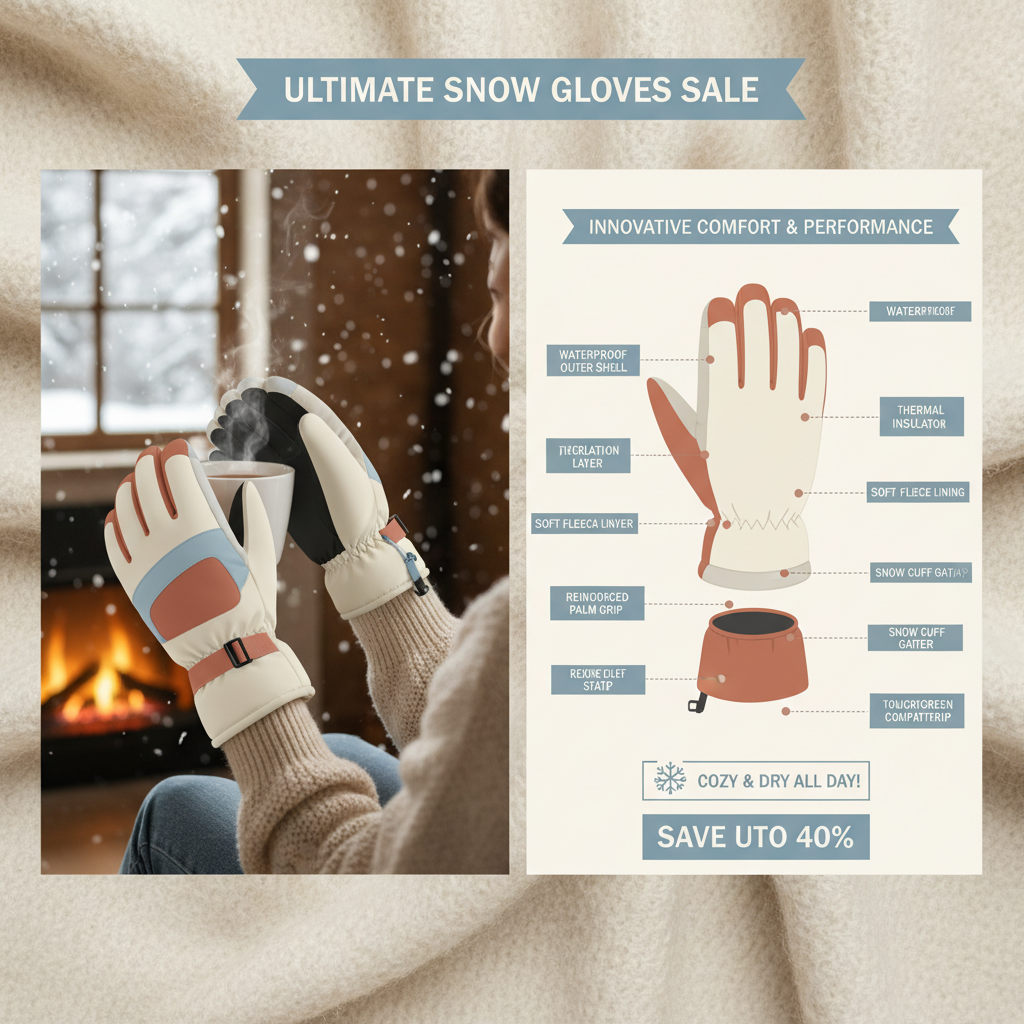
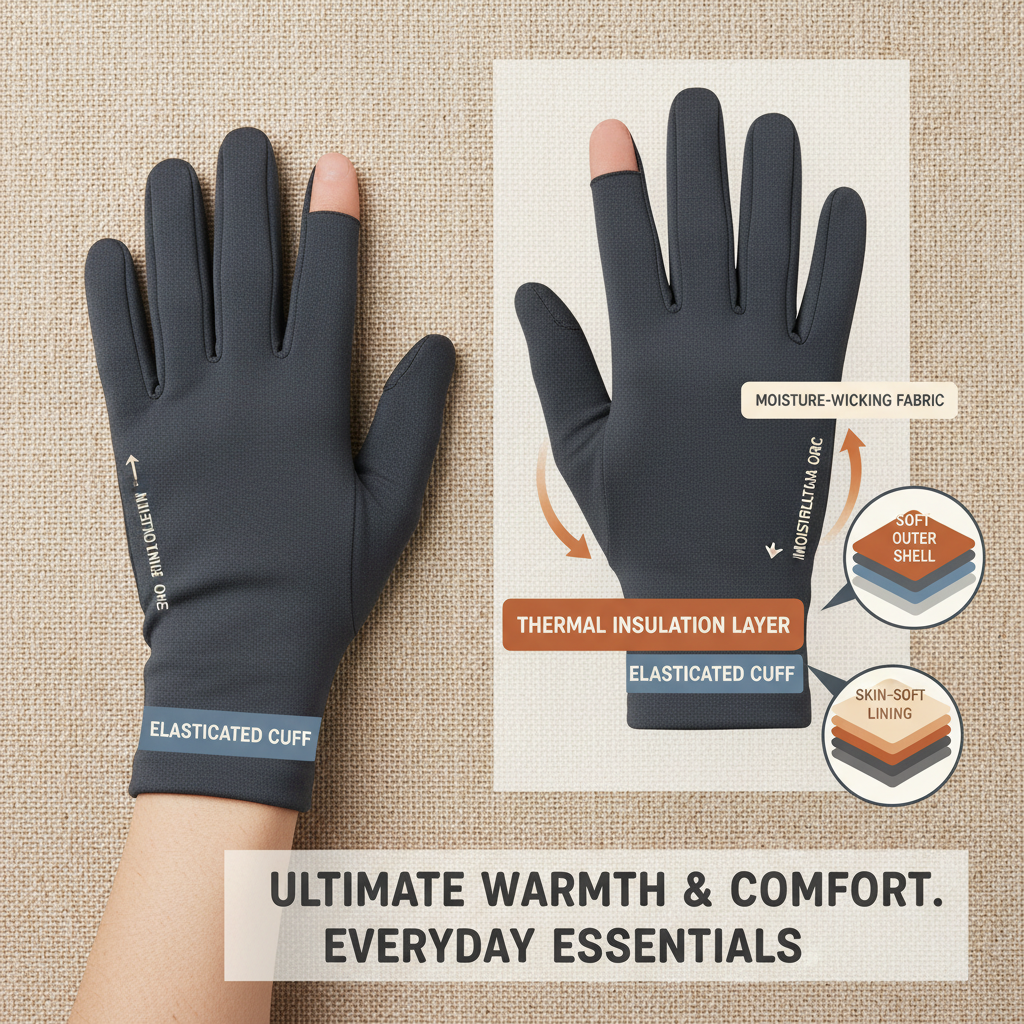
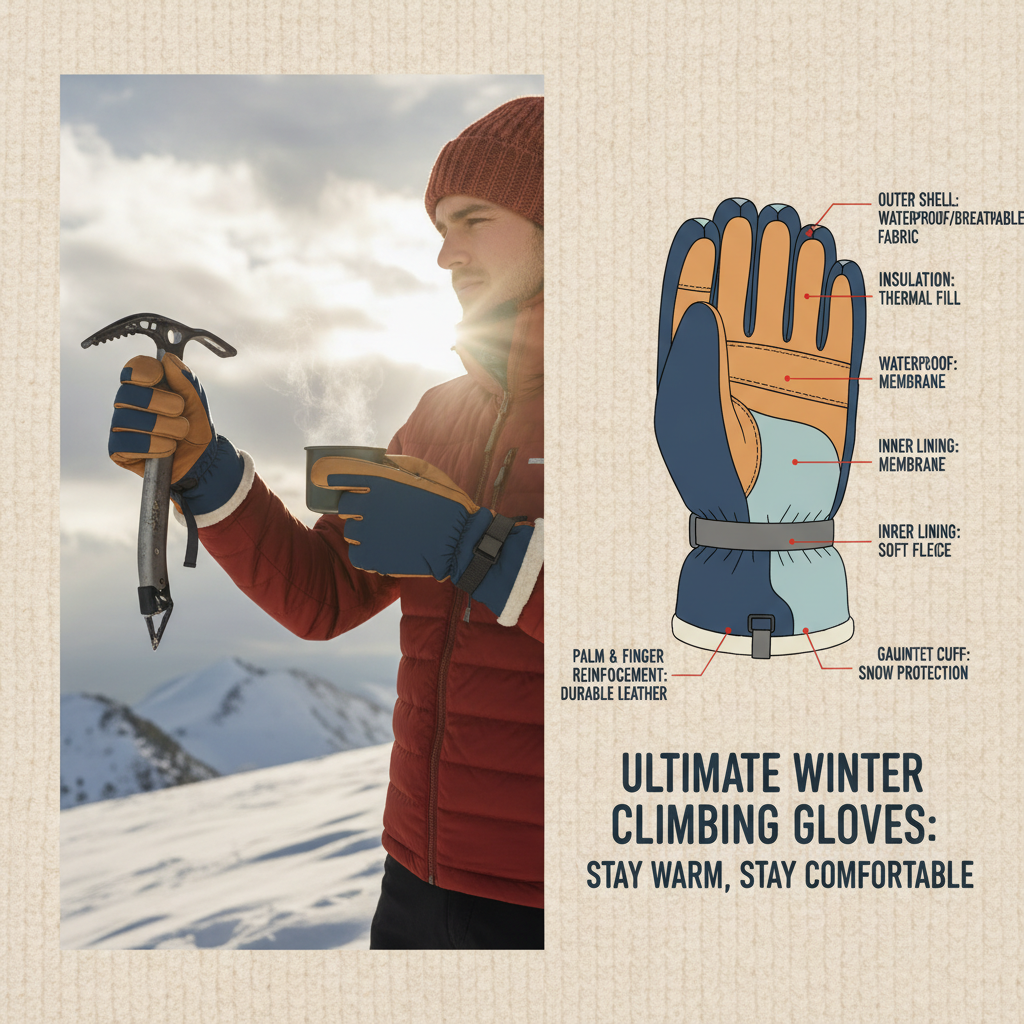
- Insulation: Down, synthetic materials (like PrimaLoft), or a combination. Down offers excellent warmth-to-weight ratio, but loses insulating properties when wet. Synthetics maintain warmth even when damp.
- Waterproofing/Breathability: Look for a waterproof and breathable membrane like Gore-Tex. This keeps your hands dry while allowing moisture vapor to escape, preventing sweat buildup.
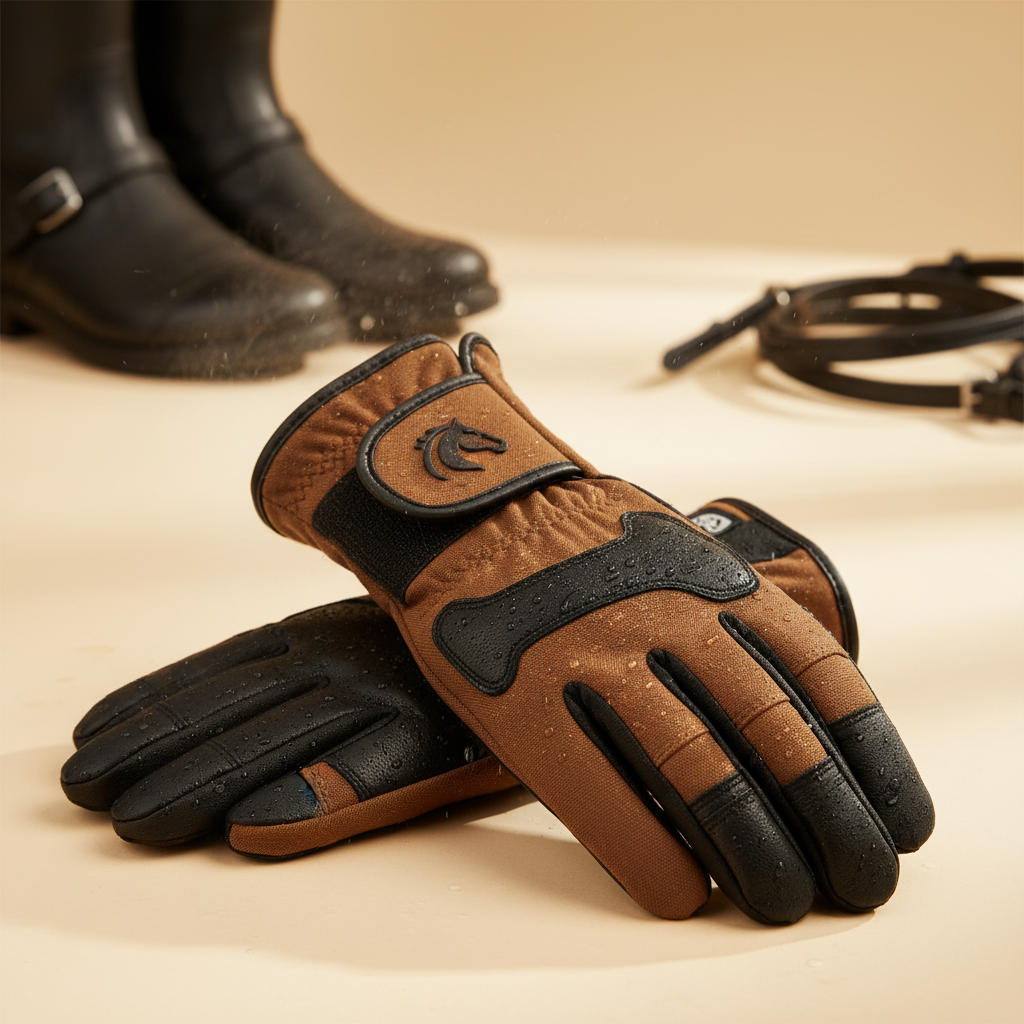
- Outer Shell Material: Durable materials like leather or reinforced nylon provide abrasion resistance.
- Reinforcements: Extra padding on the palms and knuckles enhances durability and protection.
- Wrist Closure: An adjustable wrist closure prevents snow and cold air from entering the gloves.
- Leash Attachment: A loop or clip for attaching gloves to your harness to prevent loss.
Material Comparison:
• Down: Excellent warmth-to-weight, but loses warmth when wet.
• PrimaLoft: Retains warmth when wet, good compressibility.
• Gore-Tex: Waterproof and breathable membrane.
Comparing Popular Winter Climbing Glove Models
Here’s a comparison of some popular winter climbing gloves, helping you understand their strengths and weaknesses:
Proper Glove Care & Maintenance
Extending the life of your winter climbing gloves is essential. After each climb, allow your gloves to dry completely. Avoid direct heat, as this can damage the insulation. Store them in a dry, well-ventilated place. Follow the manufacturer’s instructions for cleaning. Regularly inspect your gloves for any signs of wear and tear, and repair or replace them as needed. Taking good care of your gloves ensures they remain effective and provide reliable protection for many climbs to come. You can find quality care products and advice on Personal Care SCN.
Conclusion: Finding the Perfect Fit for Your Adventures
Choosing the right winter climbing gloves is a critical decision for any mountaineer. Consider the climate you’ll be climbing in, the level of technical difficulty, and your personal preferences. Prioritize warmth, dexterity, waterproofing, and durability. With the right gloves, you can confidently tackle the challenges of winter climbing and enjoy the beauty of the mountains.
Frequently Asked Questions (FAQs)
How do I determine the right glove size?
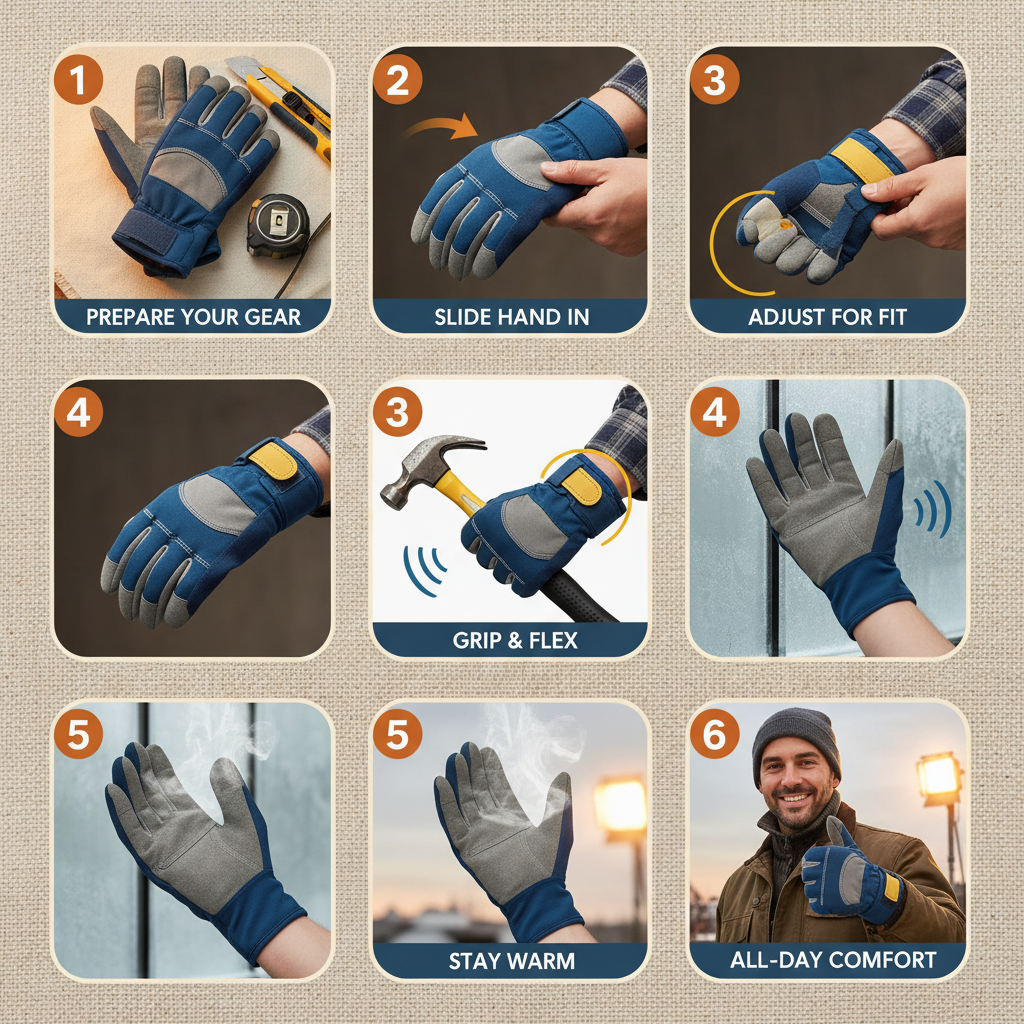
Proper fit is crucial. Measure your hand circumference and length, and compare these measurements to the manufacturer's size chart. It's generally best to choose gloves that fit snugly but allow enough room to move your fingers comfortably. You should be able to make a fist without feeling restricted. If you're between sizes, it's often recommended to size up, especially if you plan to wear a liner glove underneath. Trying on gloves with a climbing harness on can help ensure a good fit.
What is the benefit of using liner gloves with winter climbing gloves?
Liner gloves provide an extra layer of warmth and help manage moisture. They can be made from materials like merino wool or synthetic fabrics. They also help protect the outer gloves from body oils and sweat, extending their lifespan. Wearing liners allows you to remove your outer gloves for tasks requiring fine dexterity without exposing your bare hands to the cold. They’re a versatile addition to your winter climbing kit.
How important is waterproofing in winter climbing gloves?
Waterproofing is incredibly important. Wet gloves lose their insulating properties quickly, increasing the risk of frostbite. A waterproof membrane, like Gore-Tex, prevents water from penetrating the glove while still allowing moisture vapor to escape. Even if you don’t anticipate encountering heavy rain or snow, moisture from sweat or melting snow can quickly compromise the gloves’ warmth. Investing in waterproof gloves is a crucial step in protecting your hands from the elements.