Essential Guide to Warm Work Gloves with Grip for Enhanced Safety and Productivity
Warm Work Gloves with Grip: A Comprehensive Guide
When working in cold environments, maintaining dexterity and a secure grip is paramount. Warm work gloves with grip are essential for a wide range of industries, from construction and warehousing to landscaping and agriculture. This article will explore the key features, benefits, and types of warm work gloves with grip available, helping you choose the perfect pair for your needs. Investing in the right gloves can significantly improve safety, comfort, and productivity.
Understanding the Importance of Grip and Warmth
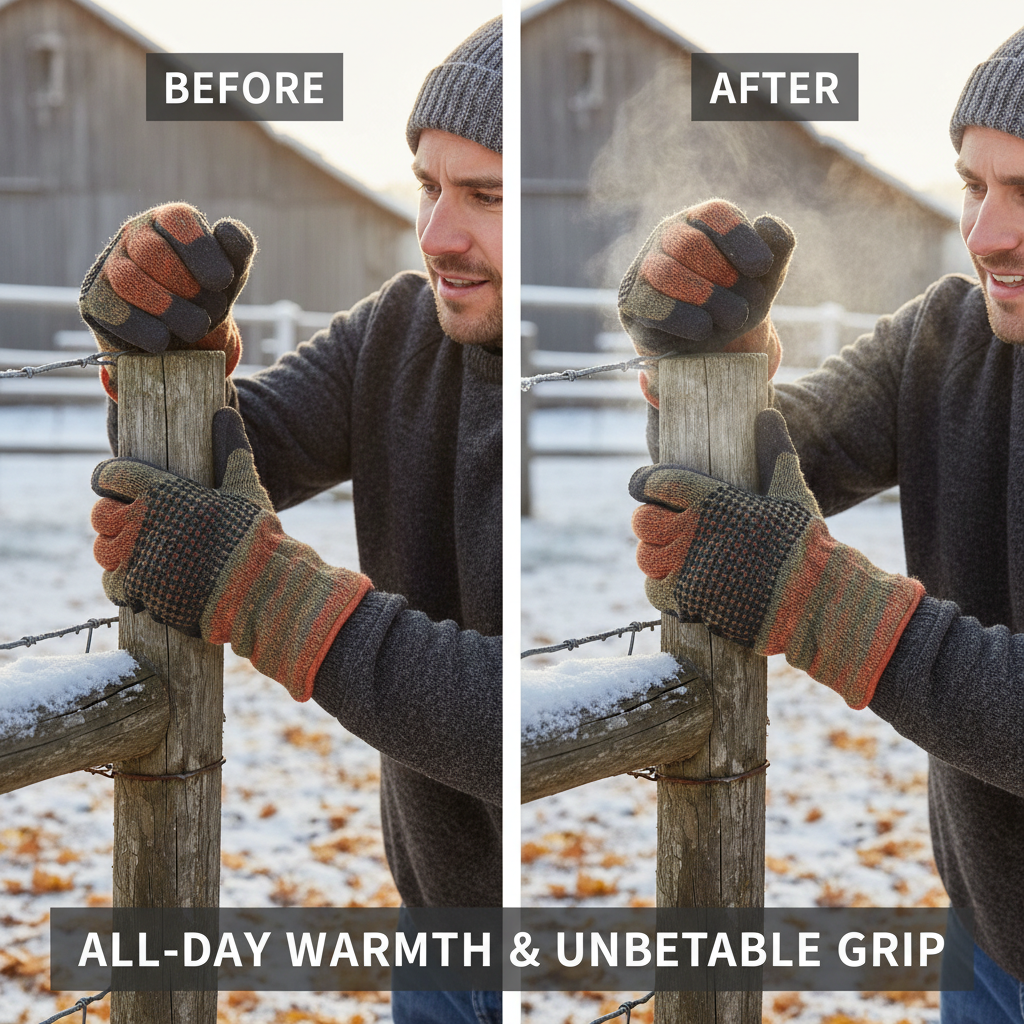
The combination of warmth and grip is crucial for preventing accidents and ensuring efficiency. Cold hands become numb and clumsy, reducing dexterity and increasing the risk of dropping tools or losing control of materials. A good grip allows you to handle objects securely, even in wet or oily conditions. Warm work gloves with grip provide the necessary insulation to keep your hands warm and the traction to maintain a firm hold, enhancing both safety and performance.
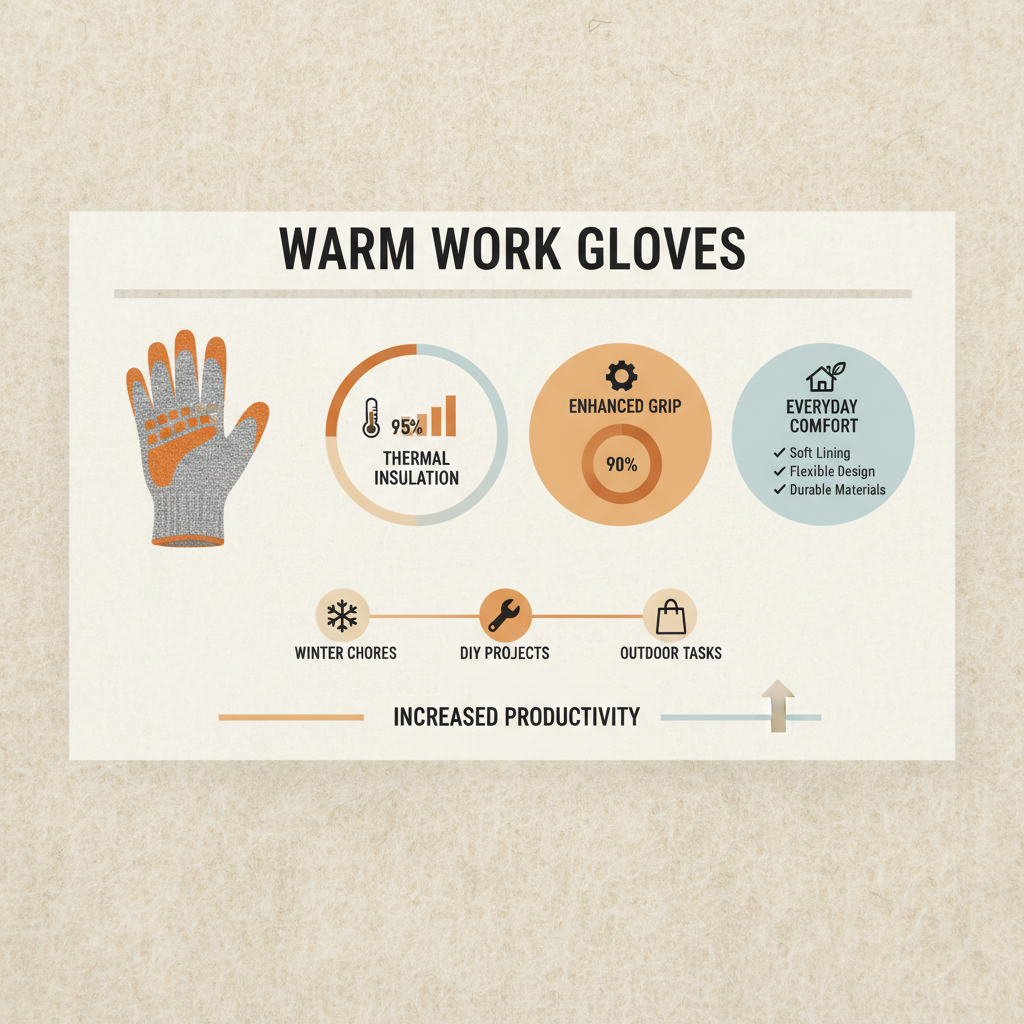
Key Benefits: Increased safety, enhanced dexterity, improved productivity, and reduced risk of hand injuries.
Key Features to Look for in Warm Work Gloves
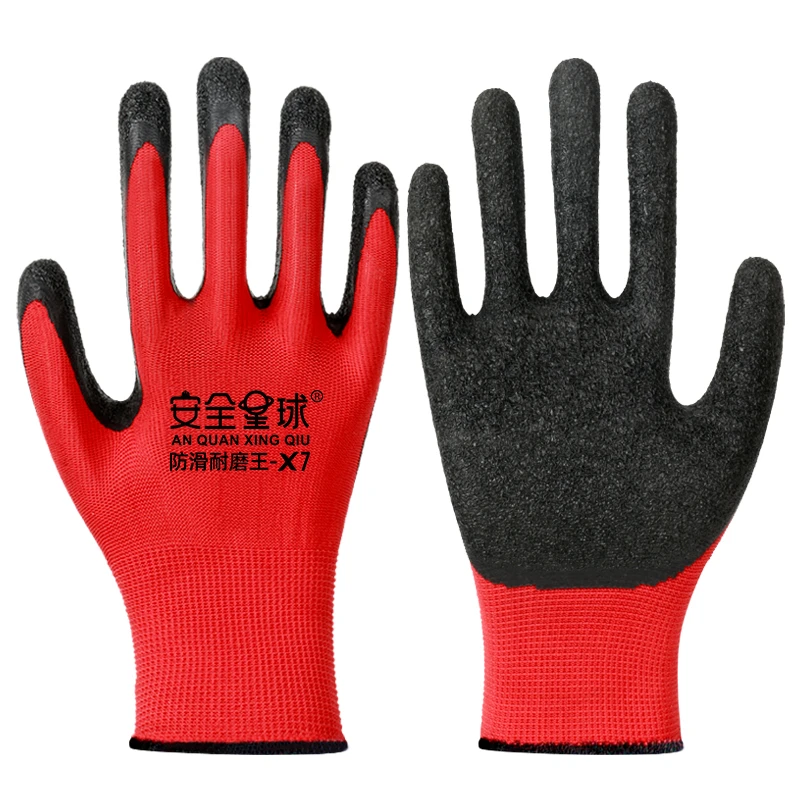
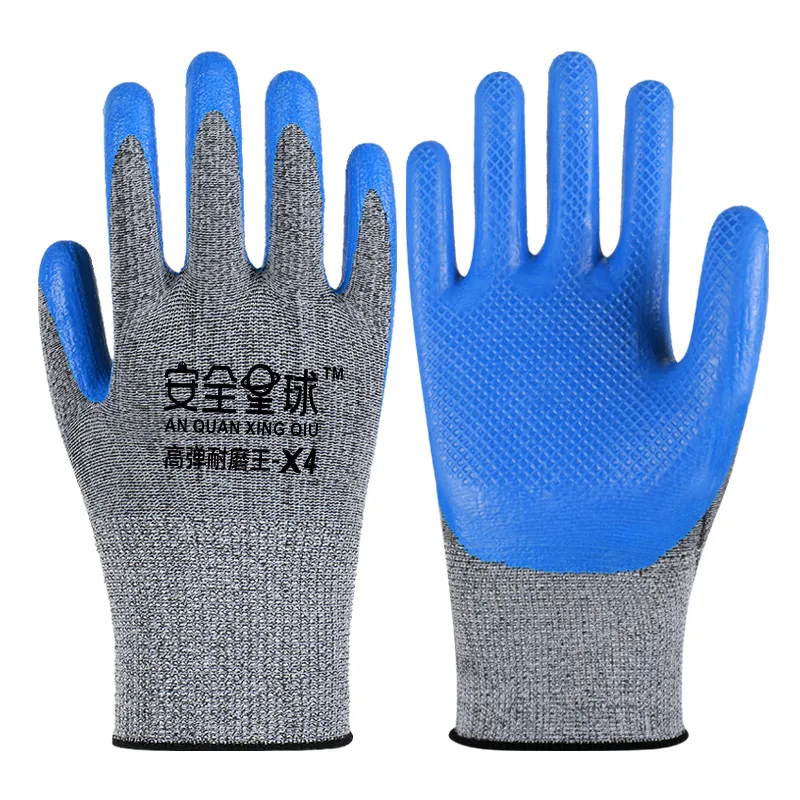
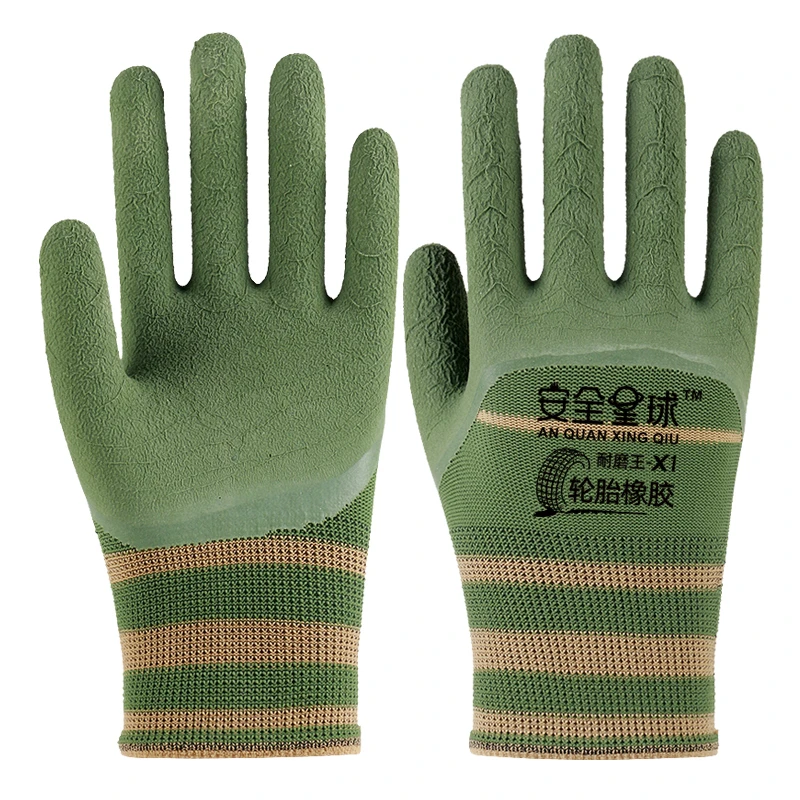
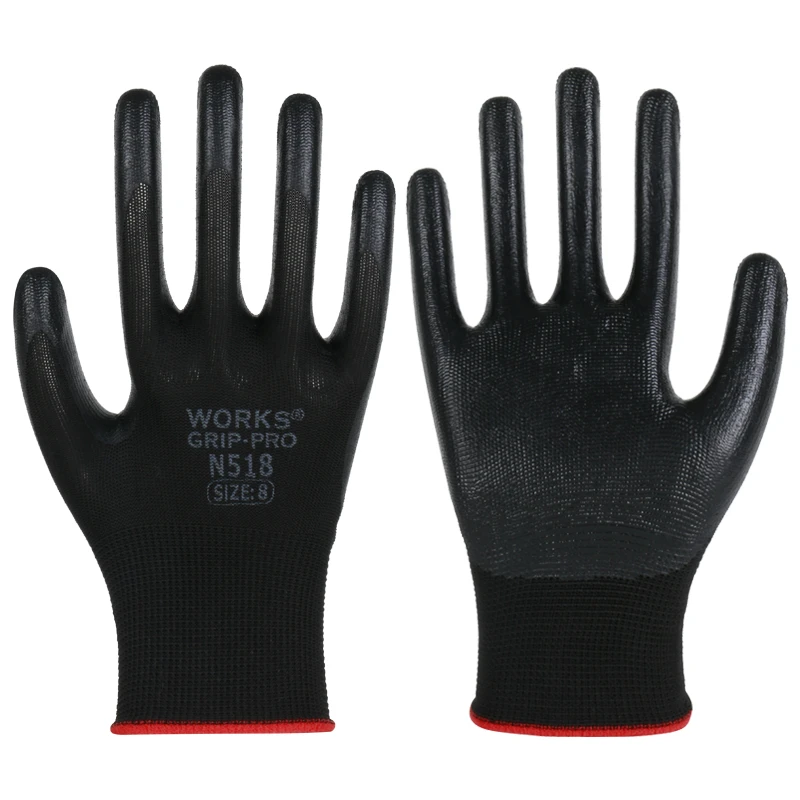
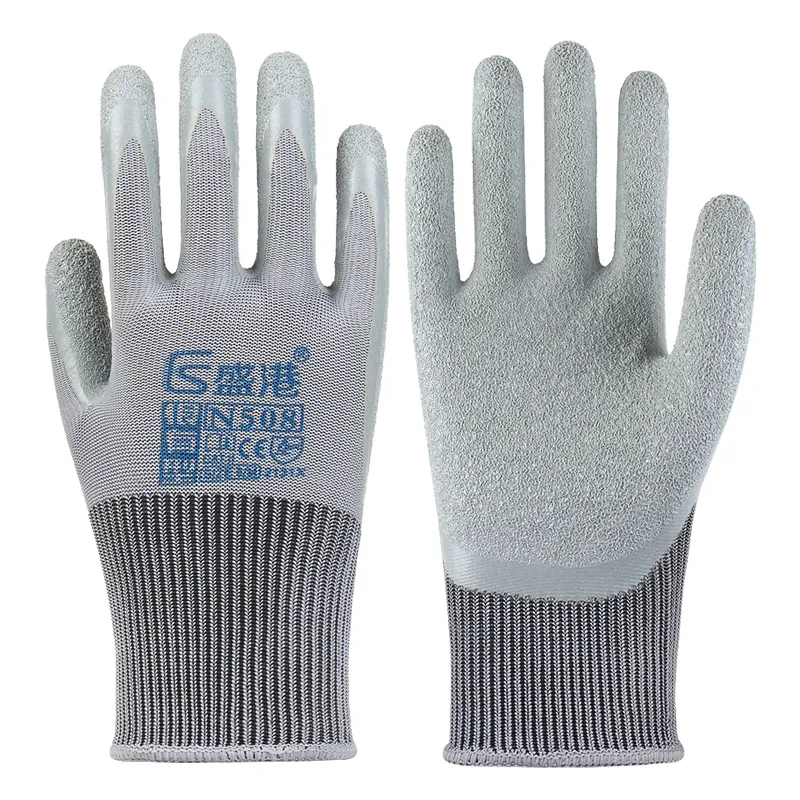
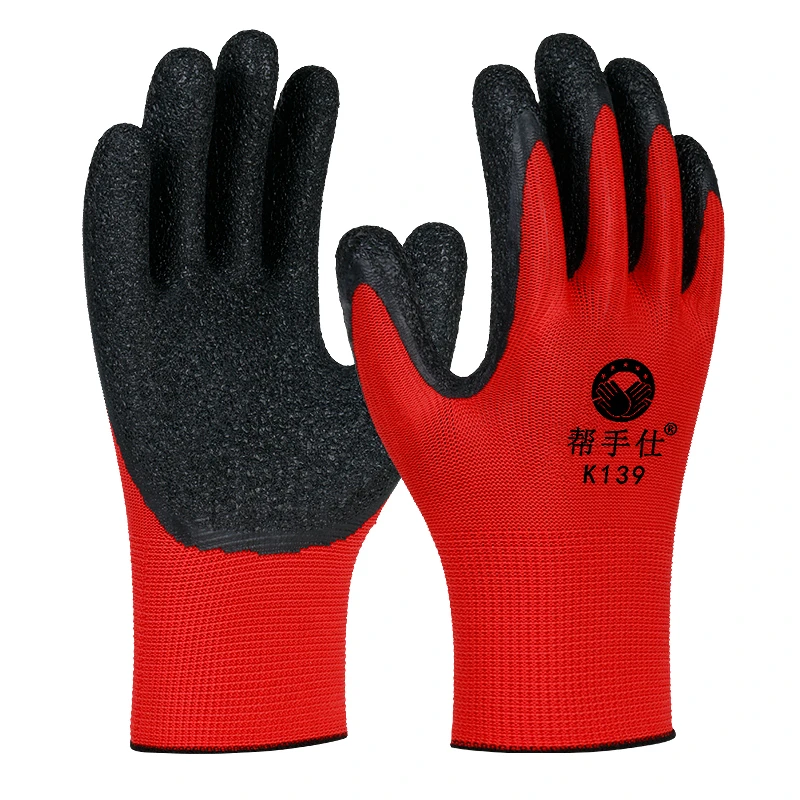
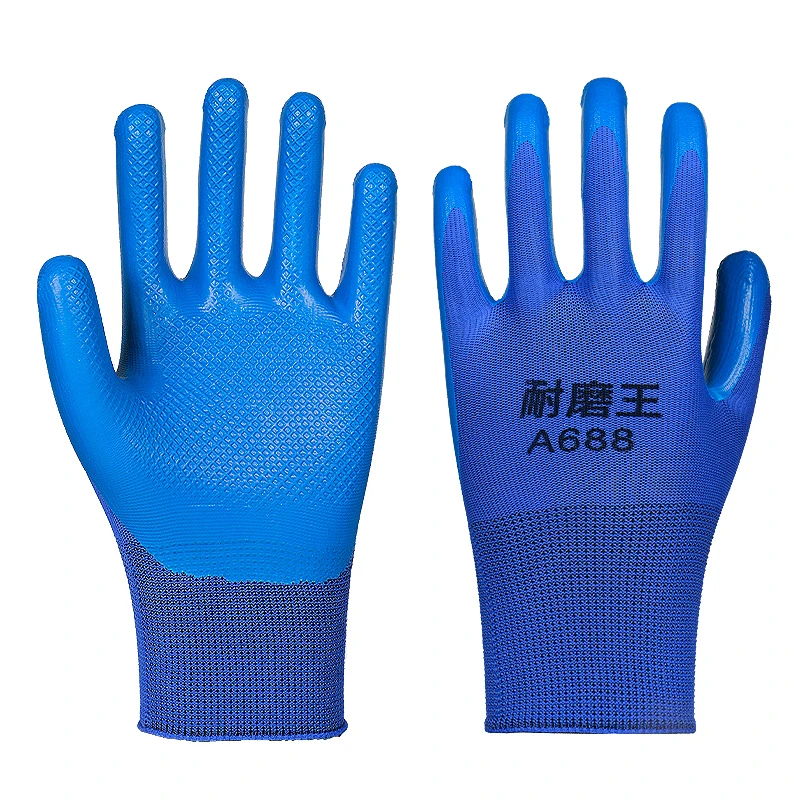
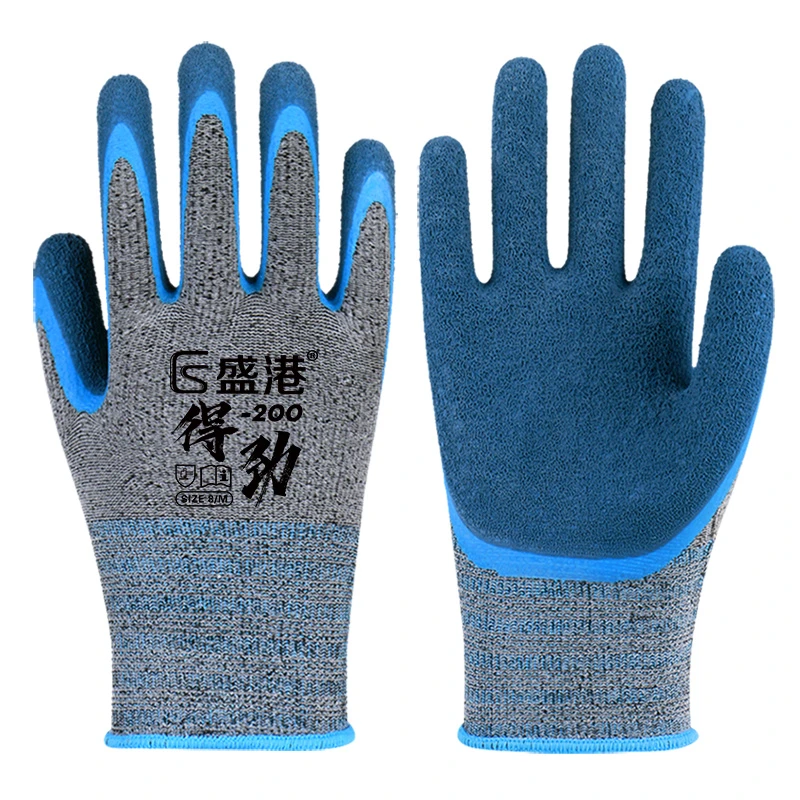
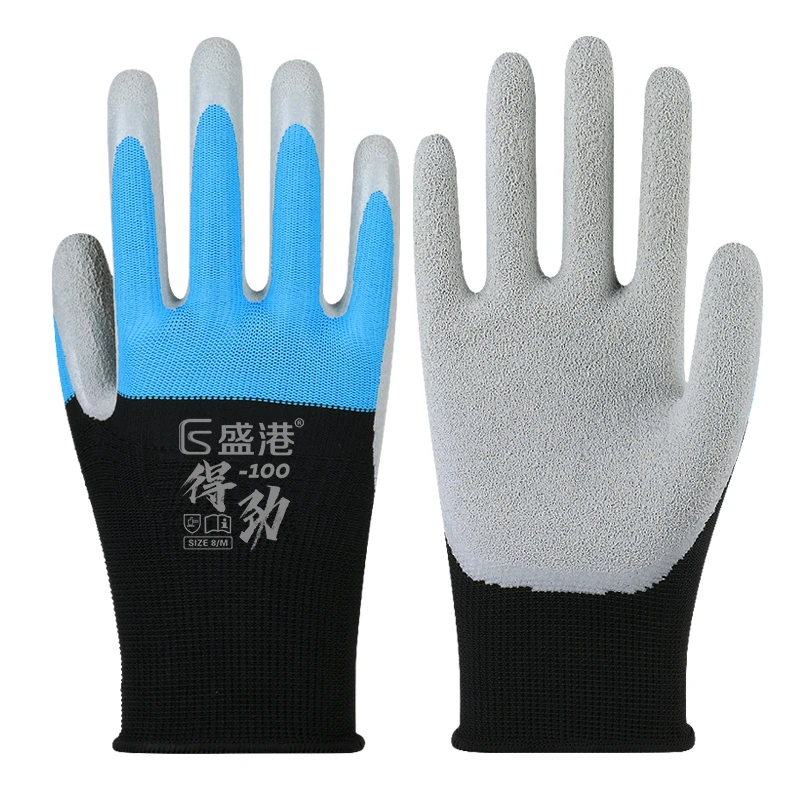
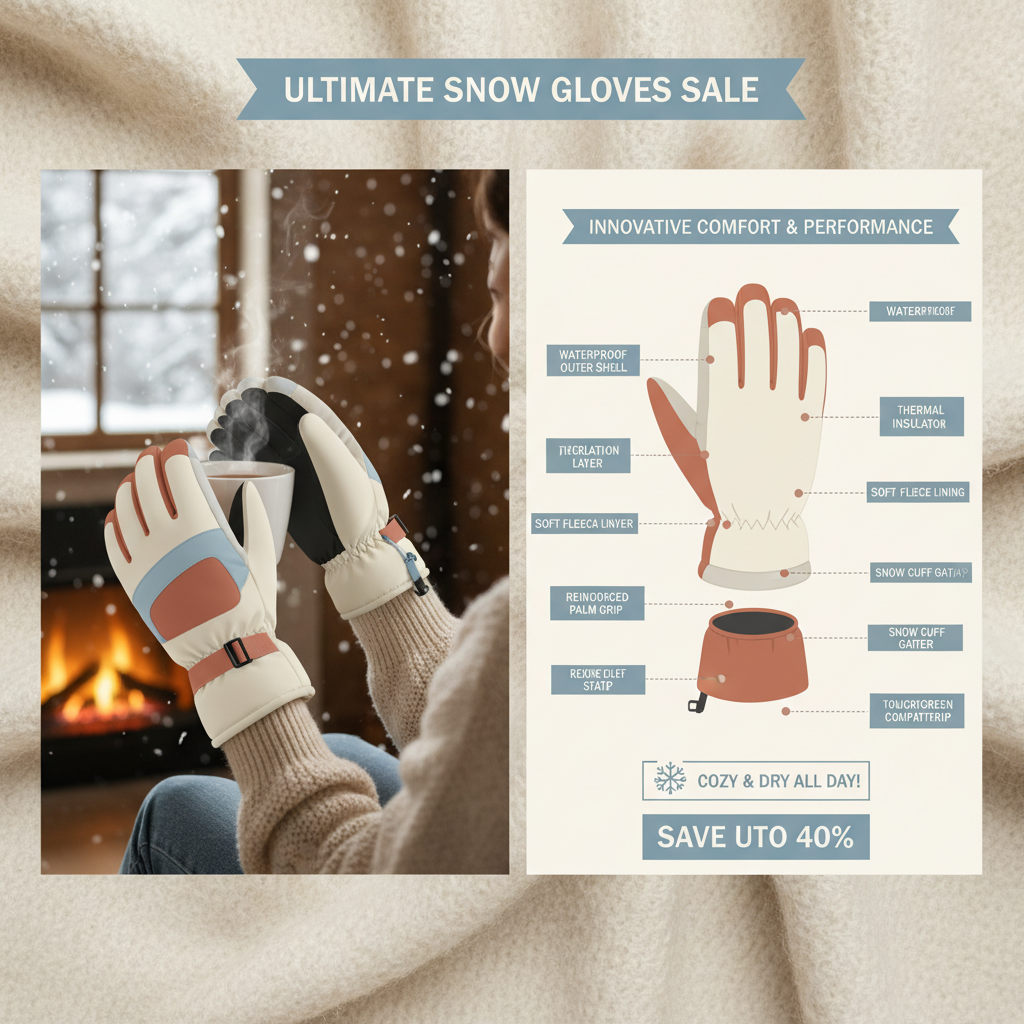
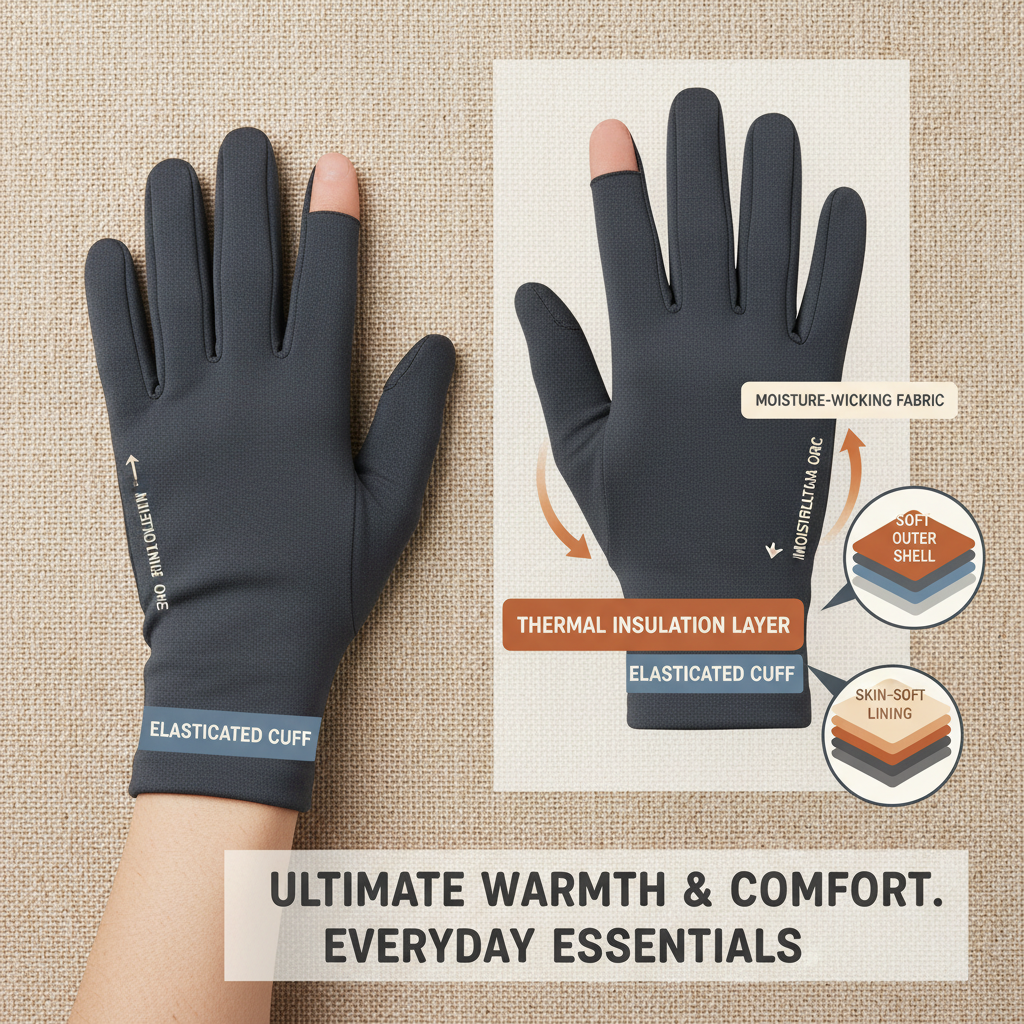
When selecting warm work gloves, several features are essential. Insulation materials like Thinsulate™ or fleece provide excellent warmth without excessive bulk. The outer shell material should be durable and water-resistant to protect against the elements. The grip is equally important; look for gloves with textured palms made of materials like nitrile, latex, or polyurethane. Consider the glove's dexterity – a snug fit allows for more precise movements. Finally, check for reinforced palms and fingertips for added durability.
Essential Features:
• Insulation (Thinsulate™, Fleece)
• Water-resistant outer shell
• Textured grip (Nitrile, Latex, Polyurethane)
• Reinforced palms and fingertips
Types of Warm Work Gloves with Grip
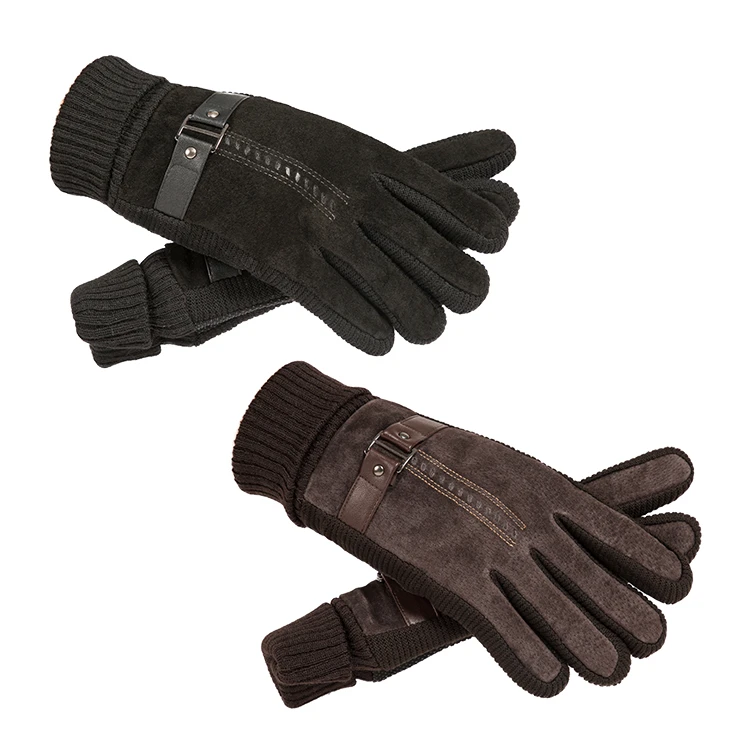
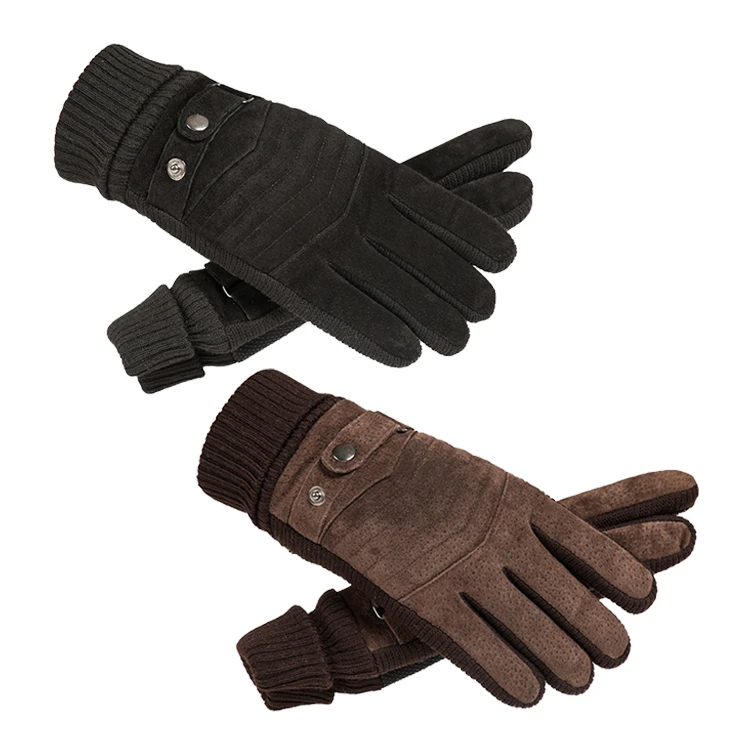
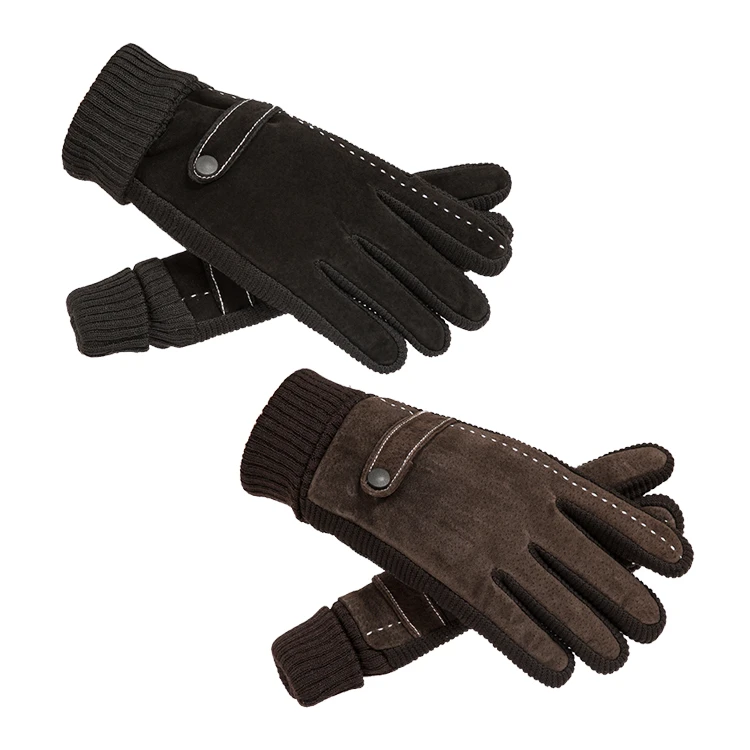
Different work environments require different types of gloves. Nitrile gloves offer excellent grip and protection against chemicals, making them ideal for automotive work or handling hazardous materials. Latex gloves are comfortable and provide good dexterity but offer limited chemical resistance. Polyurethane gloves provide a good balance of grip, durability, and comfort. Leather gloves, often insulated, are durable and provide excellent protection against abrasion but may not be ideal for wet environments. Choosing the right material depends on the specific tasks and hazards involved.
Product Spotlight: Premium Warm Work Gloves
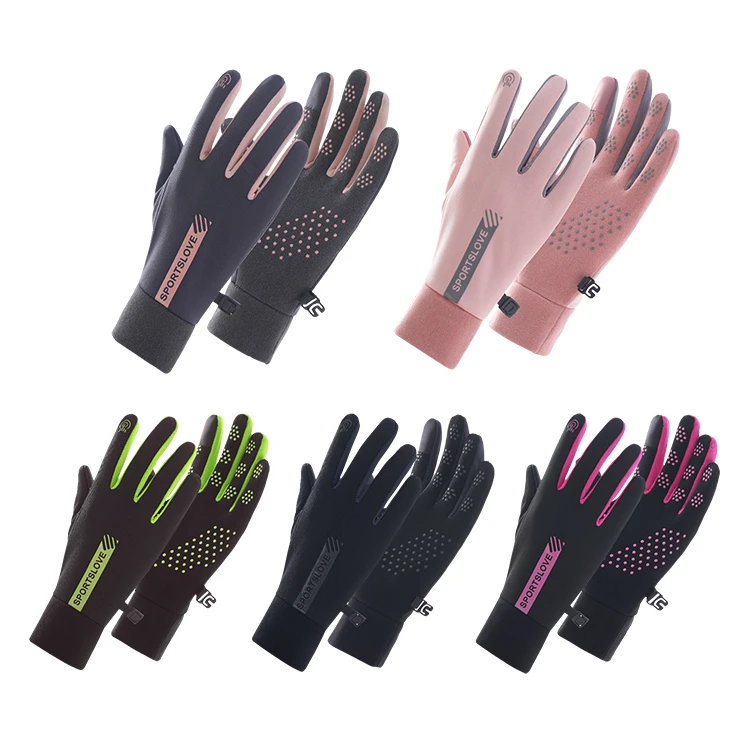
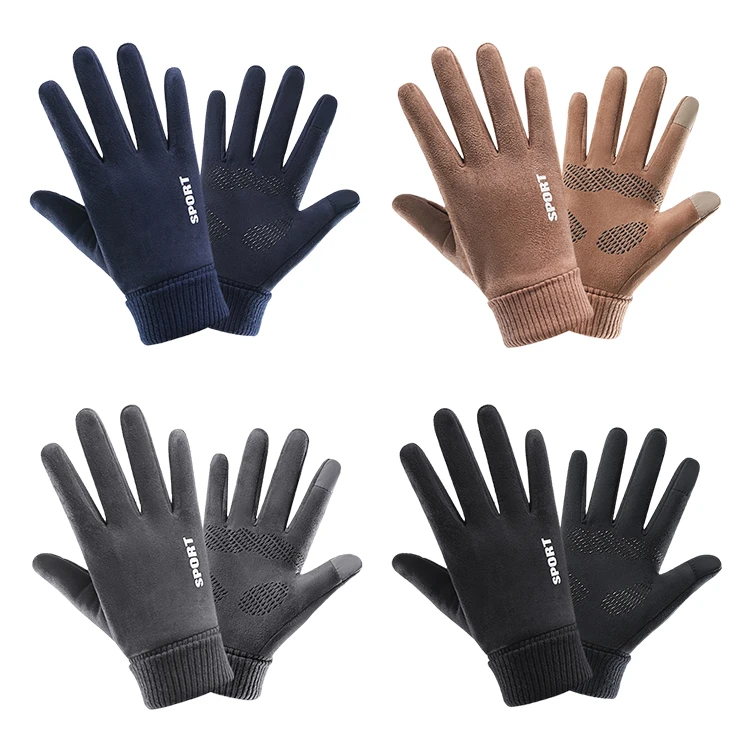
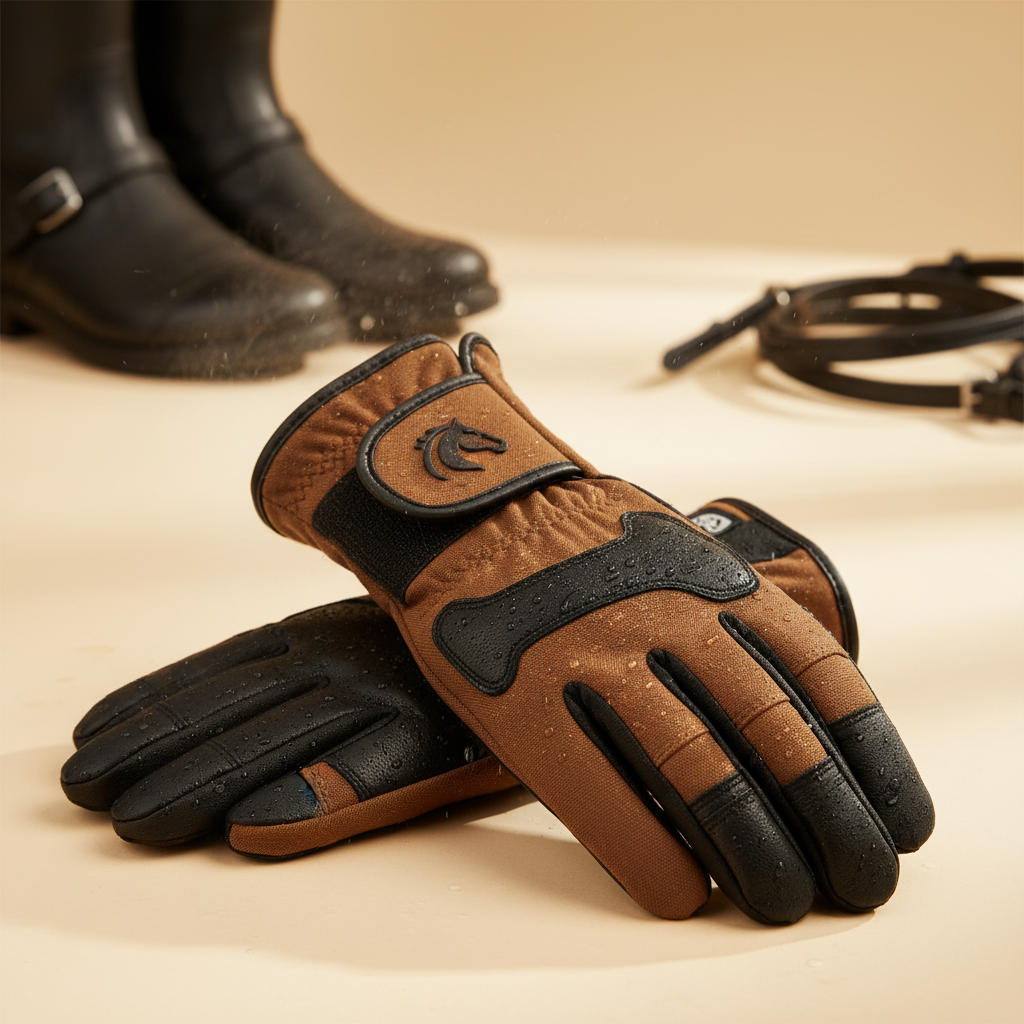
At Personal Care SCN, we offer a range of warm work gloves with grip designed for diverse industrial applications. Our gloves feature high-quality insulation, durable outer shells, and textured palms for a secure grip. We also offer gloves with reinforced palms and fingertips for added protection. Check out our website to explore our complete selection and find the perfect pair for your needs.
Conclusion: Stay Warm, Stay Safe, Stay Productive
Investing in the right warm work gloves with grip is essential for maintaining safety, comfort, and productivity in cold work environments. By considering the key features and choosing gloves suited to your specific needs, you can protect your hands and enhance your performance. Don't compromise on hand protection – choose quality gloves from Personal Care SCN.
Frequently Asked Questions (FAQs)
How do I choose the right size work gloves?
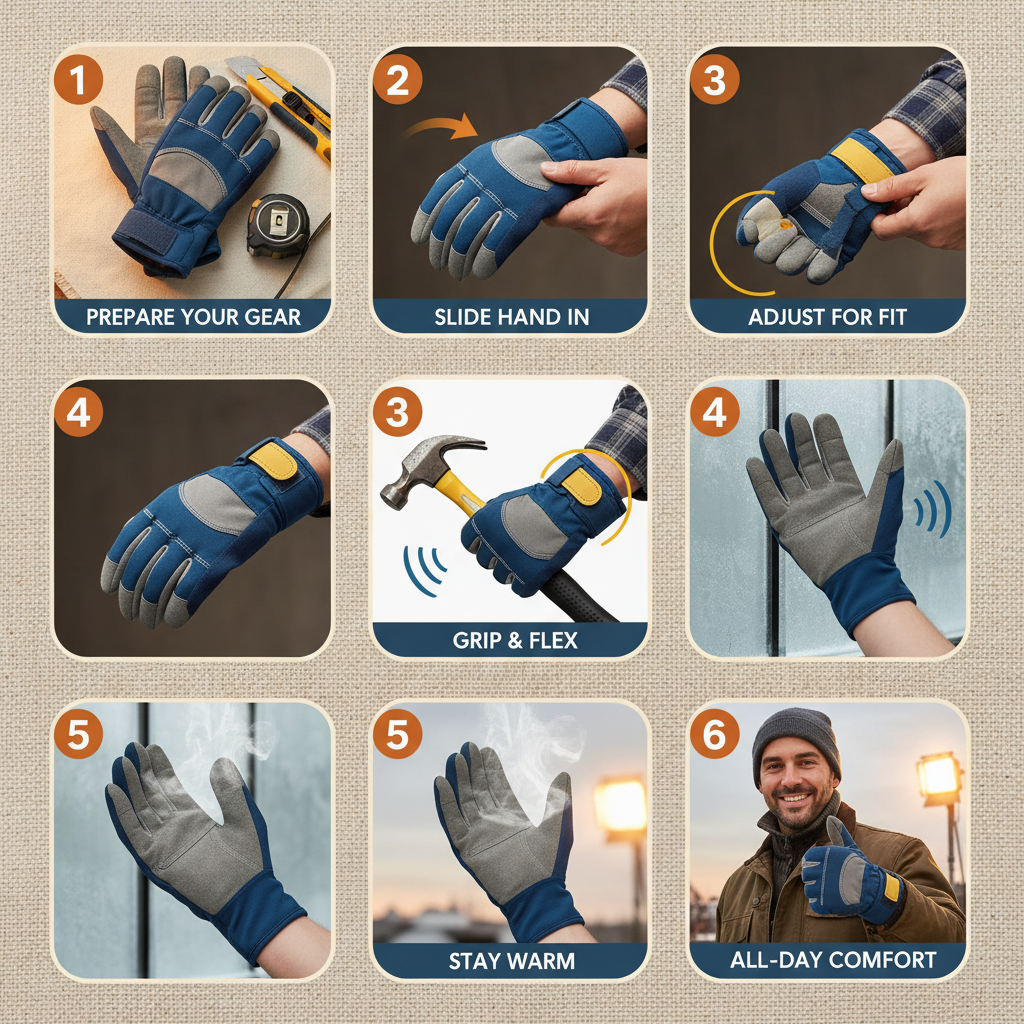
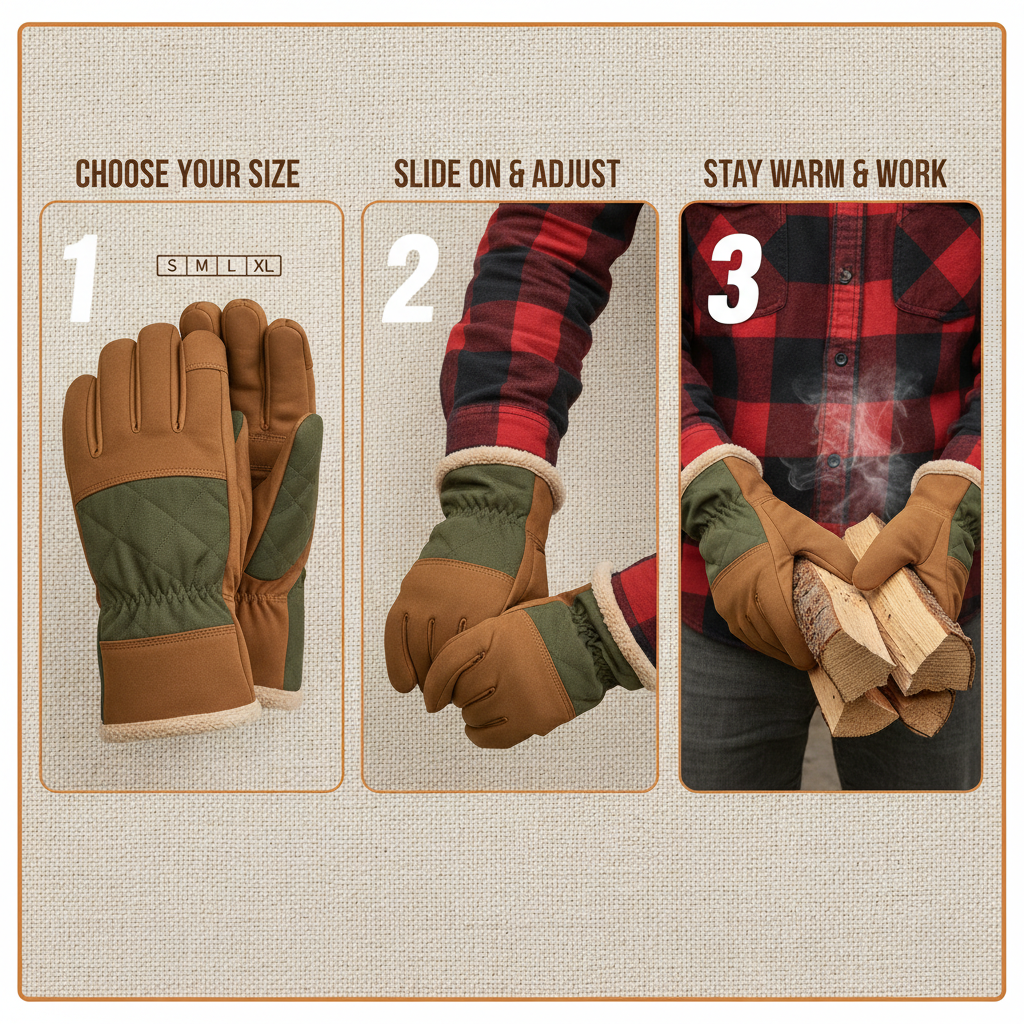
Proper glove sizing is critical for both comfort and safety. Measure your hand circumference using a flexible measuring tape. Wrap the tape around the widest part of your palm, excluding your thumb. Compare your measurement to the manufacturer's size chart, which is typically available on their website or product packaging. If your measurement falls between sizes, it's generally best to choose the larger size to ensure a comfortable fit and avoid restricting circulation. A snug but not overly tight fit is ideal.
How often should I replace my work gloves?
The frequency of glove replacement depends on usage and the type of work being performed. Generally, gloves should be replaced when they show signs of wear and tear, such as holes, tears, or loss of grip. Gloves used in harsh environments or with abrasive materials may need to be replaced more frequently. Even if gloves appear to be in good condition, they should be replaced after prolonged use, as the materials can degrade over time. Regularly inspect your gloves before each use and discard them if they are damaged or compromised.
How can I care for my warm work gloves to extend their lifespan?
Proper glove care can significantly extend their lifespan. After each use, clean the gloves with a mild detergent and water, if necessary. Avoid using harsh chemicals or abrasive cleaners. Allow the gloves to air dry completely, away from direct heat or sunlight. Store the gloves in a cool, dry place when not in use. Avoid bending or twisting the gloves excessively, as this can damage the materials. Following these simple care instructions will help maintain the gloves' performance and durability.
Are there warm work gloves suitable for touchscreen devices?
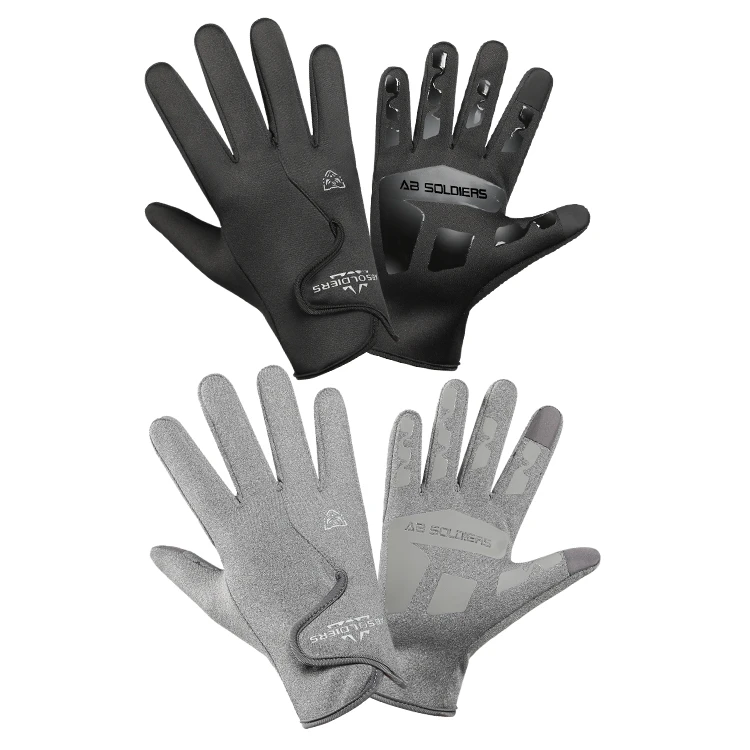
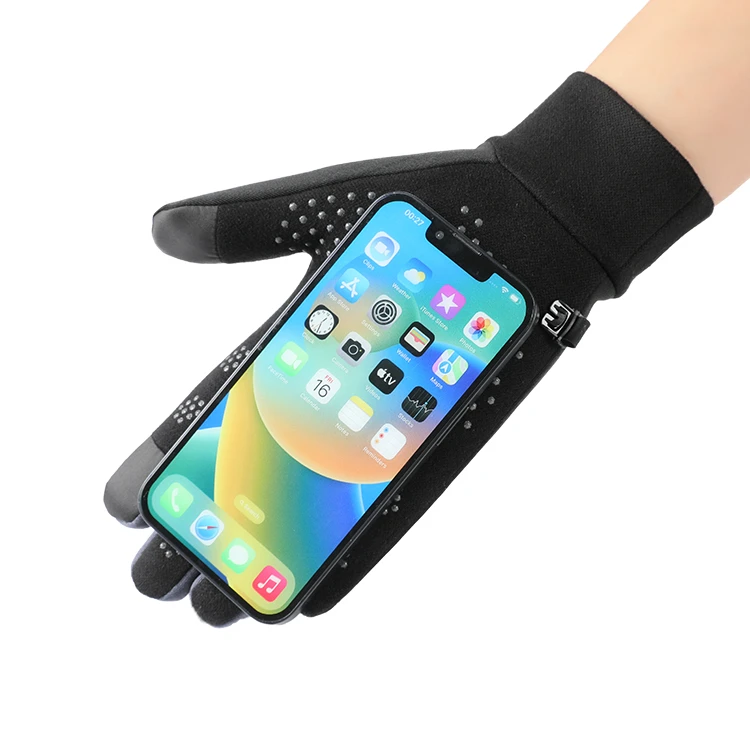
Yes, many manufacturers now offer warm work gloves that are compatible with touchscreen devices. These gloves feature conductive materials on the fingertips, allowing you to operate smartphones and tablets without removing the gloves. This is a particularly useful feature for workers who need to use mobile devices while on the job. When purchasing touchscreen-compatible gloves, be sure to check the product description to ensure compatibility with your specific devices.