Best Gloves for Below Zero Weather: Industrial Grade Warmth & Grip
Choosing the Right Gloves for Below Zero Weather in Industrial Settings
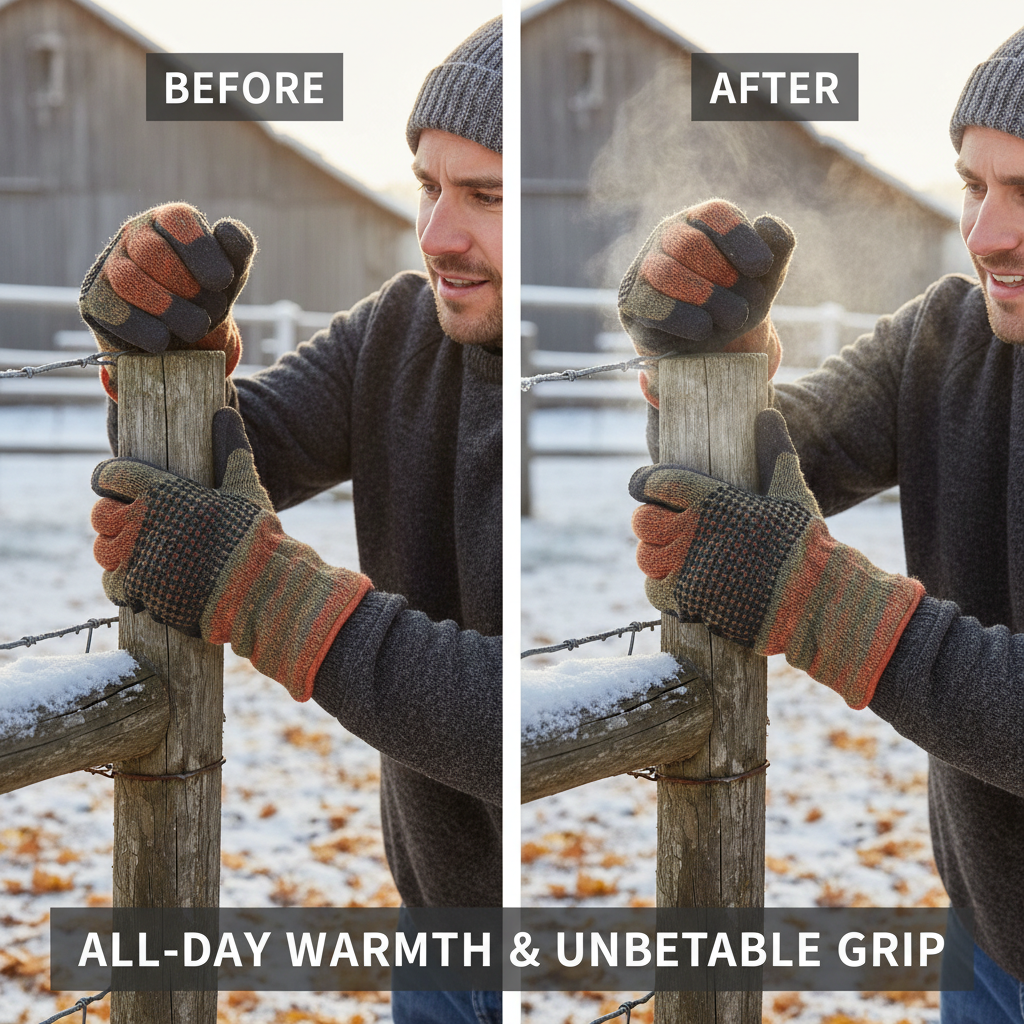
Having spent well over a decade in the industrial equipment sector, I can attest that finding gloves that truly hold up in below zero weather isn’t just about warmth. It’s about durability, grip, and frankly, keeping your hands functional when they’re fighting the cold. I’ve seen more than one technician swap out gloves multiple times in a single shift, frustrated with gear that just doesn’t cut it.
Gloves designed for subzero temperatures require a delicate balance of insulation and dexterity. Too bulky and you lose precision; too thin and, well, your fingers might as well be ice cubes. That’s why when I came across gloves with advanced materials and thoughtful layering, it felt like a milestone.
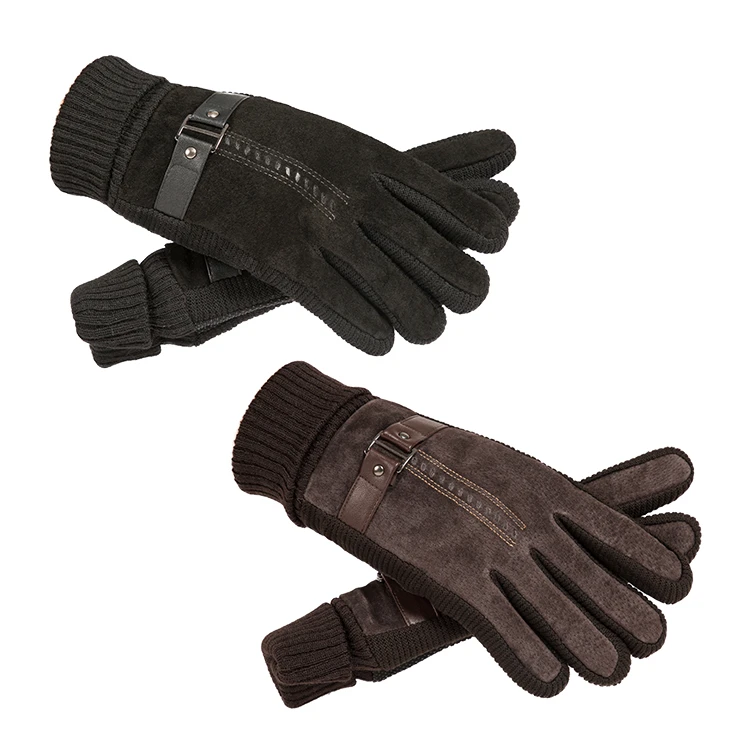
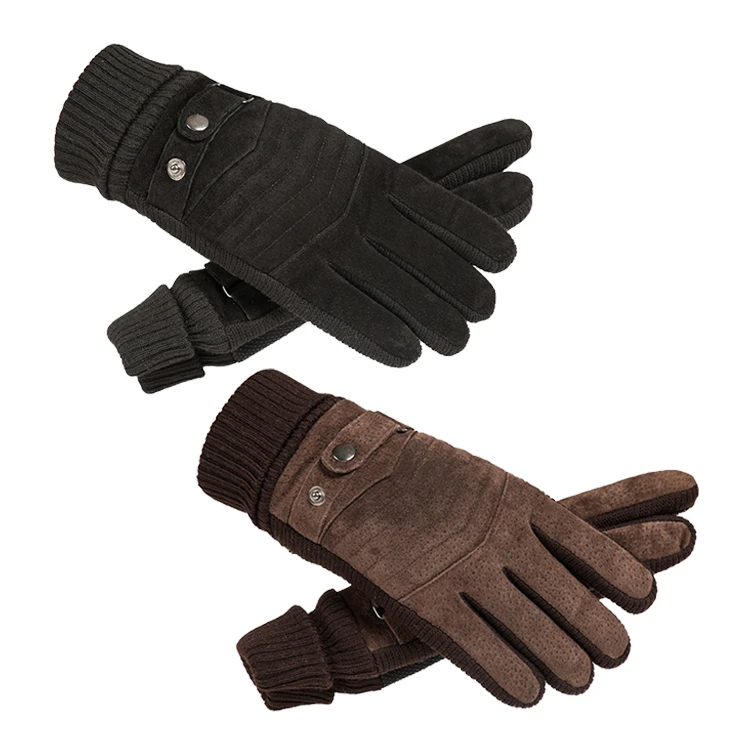
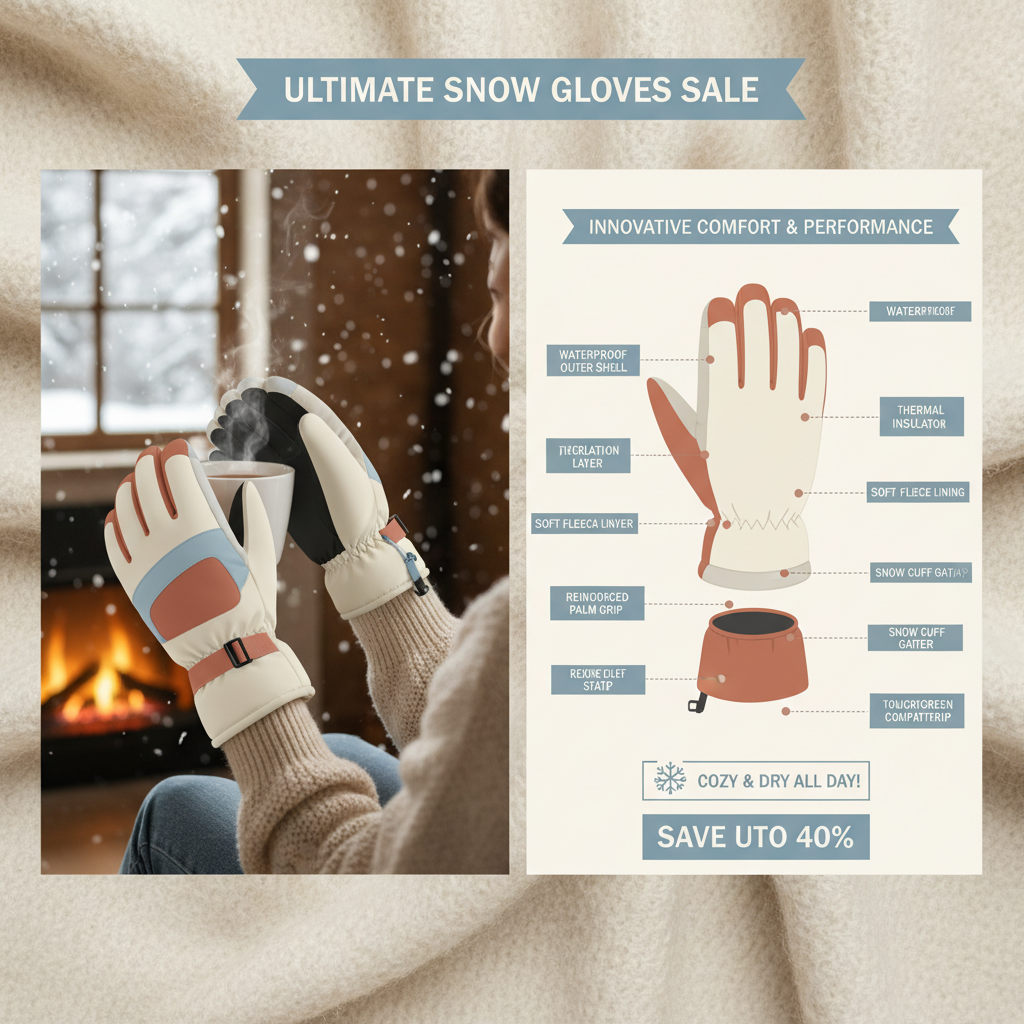
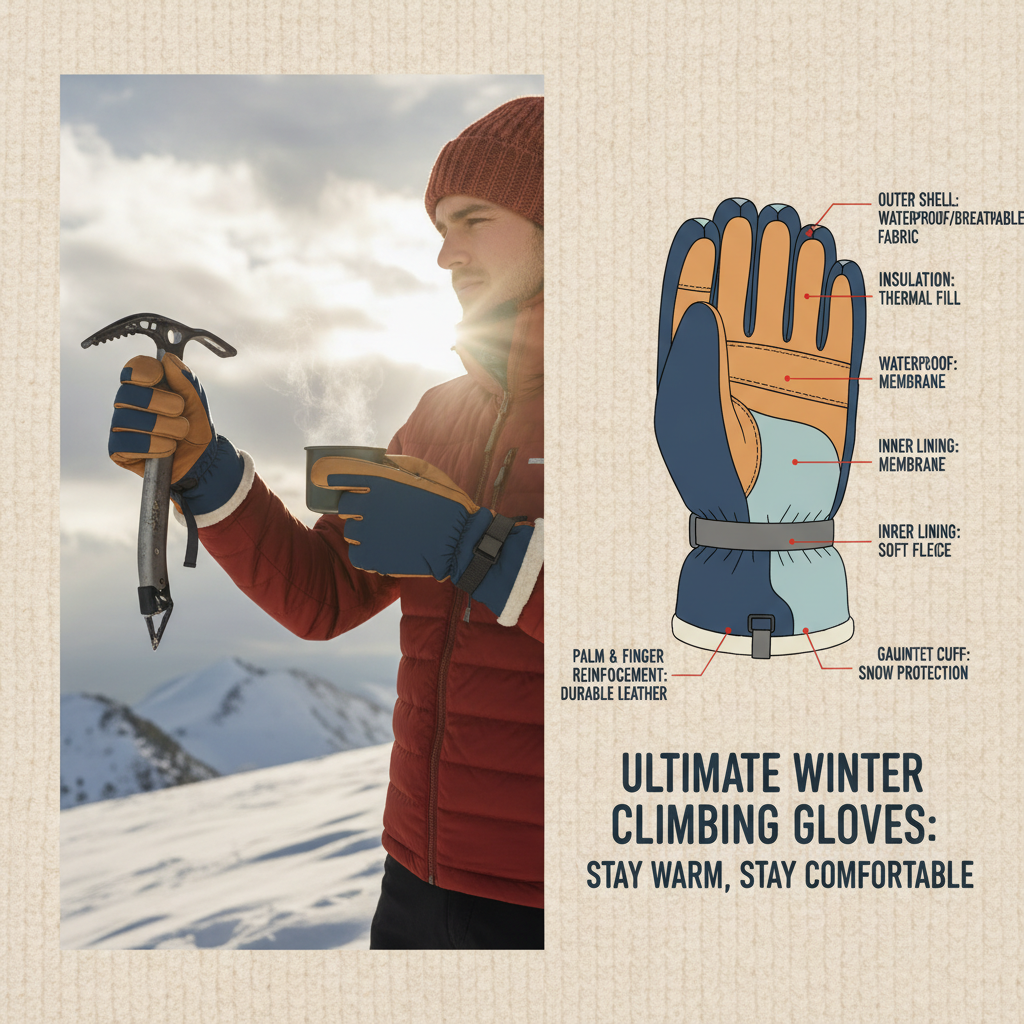
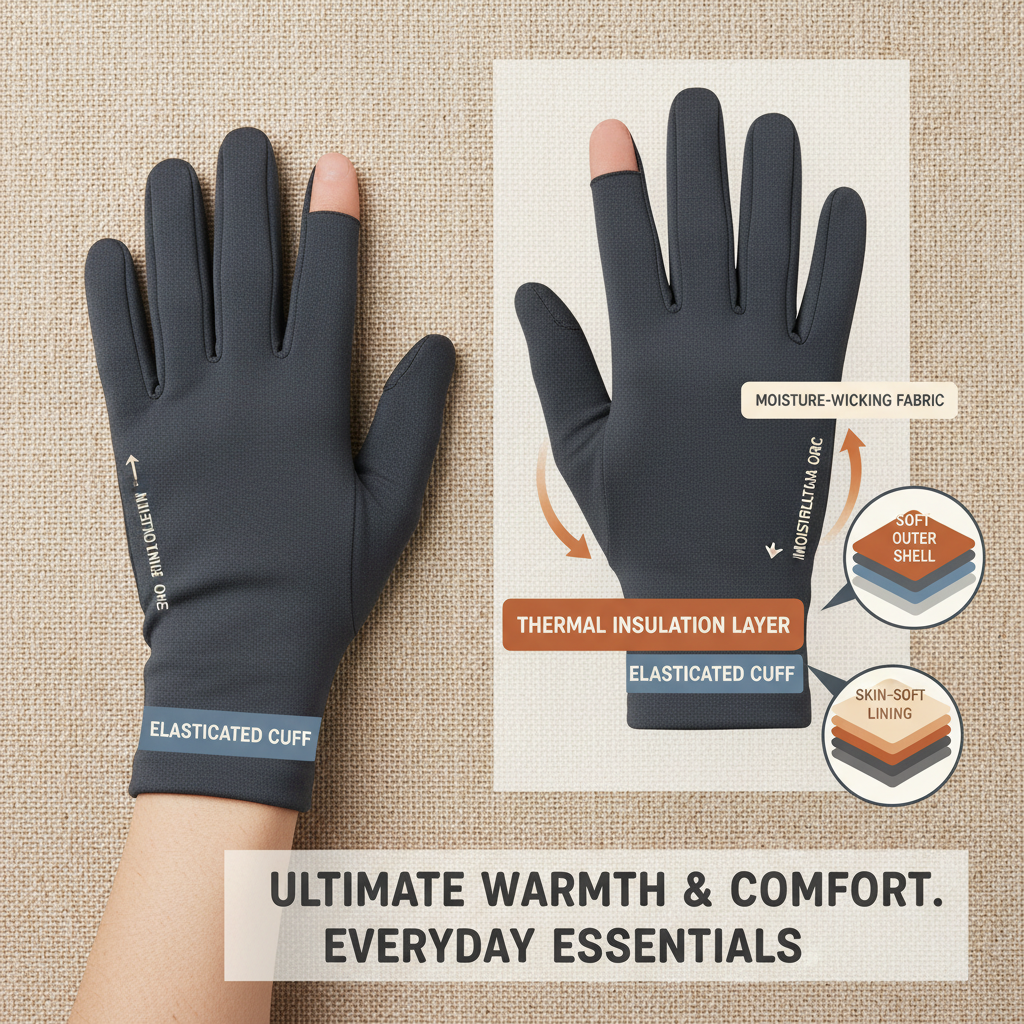
Below zero weather gloves often combine synthetic insulation such as Thinsulate or PrimaLoft with water-resistant outer shells. These combine to keep the cold wind and moisture out, while letting sweat evaporate — trust me, clammy hands in winter are just as bad as frozen ones.
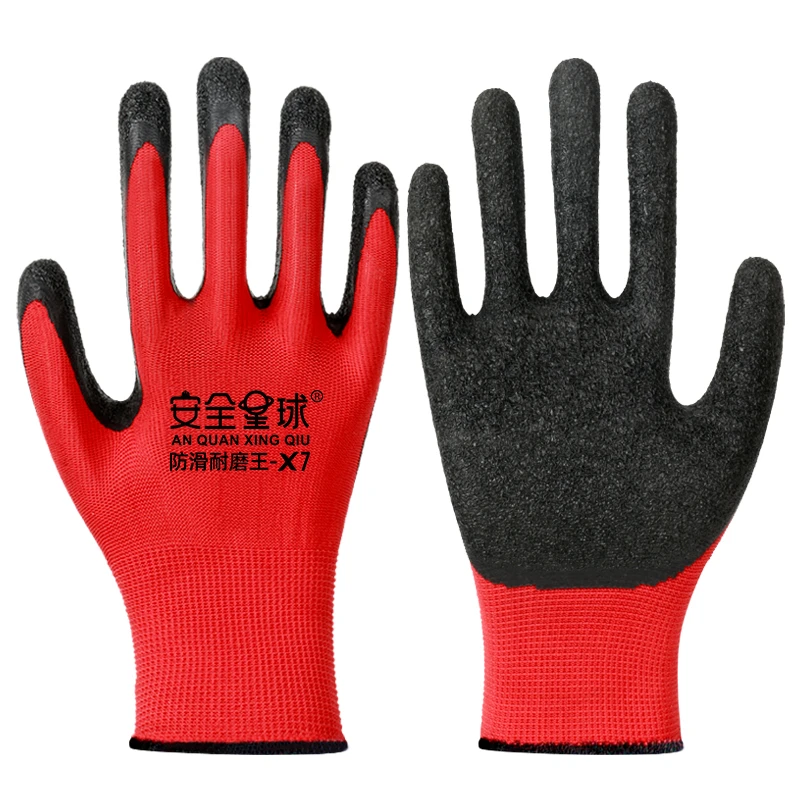
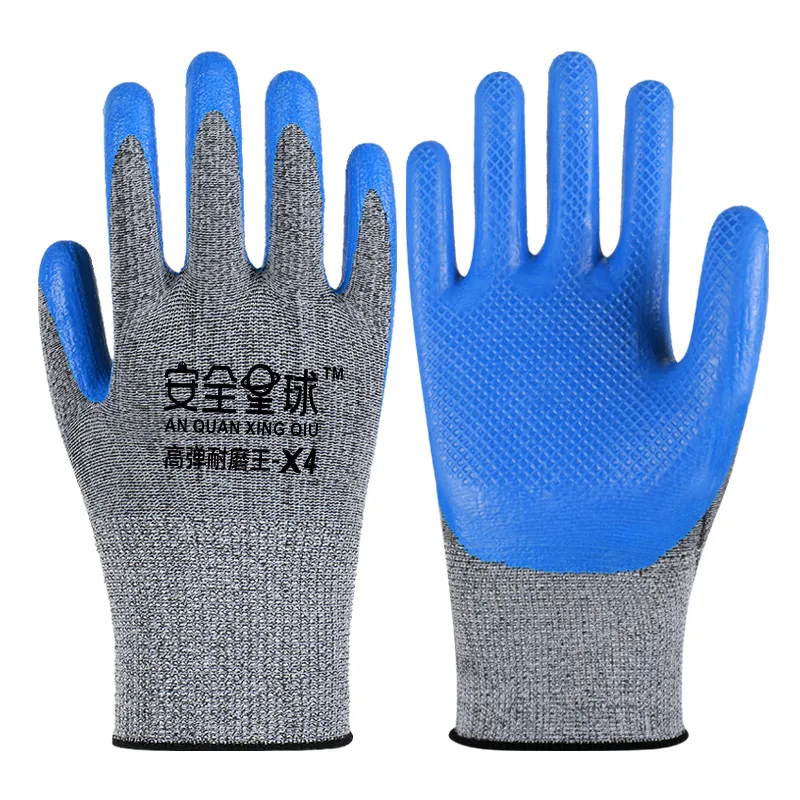
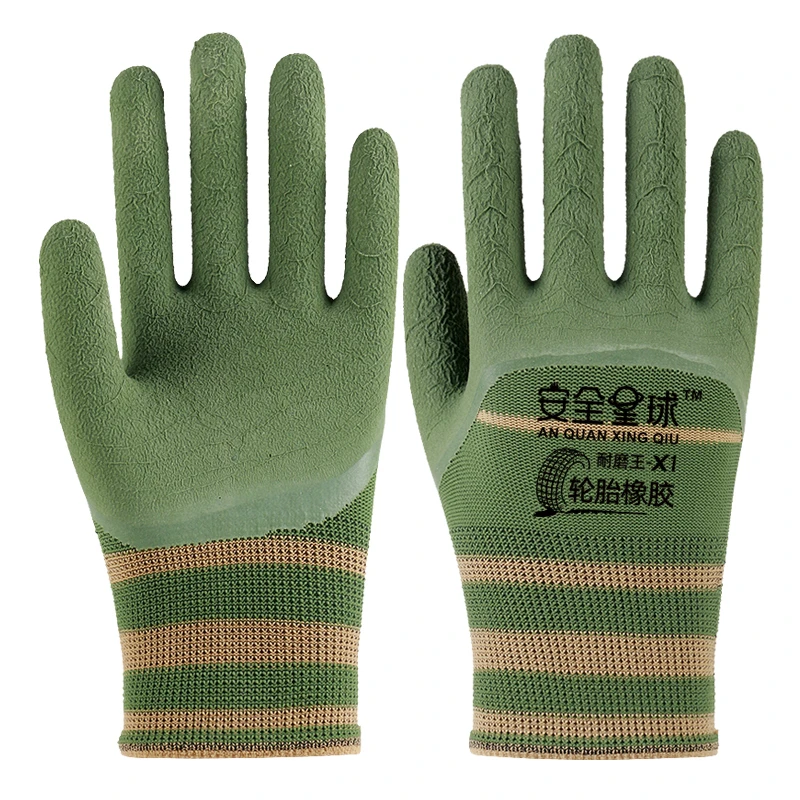
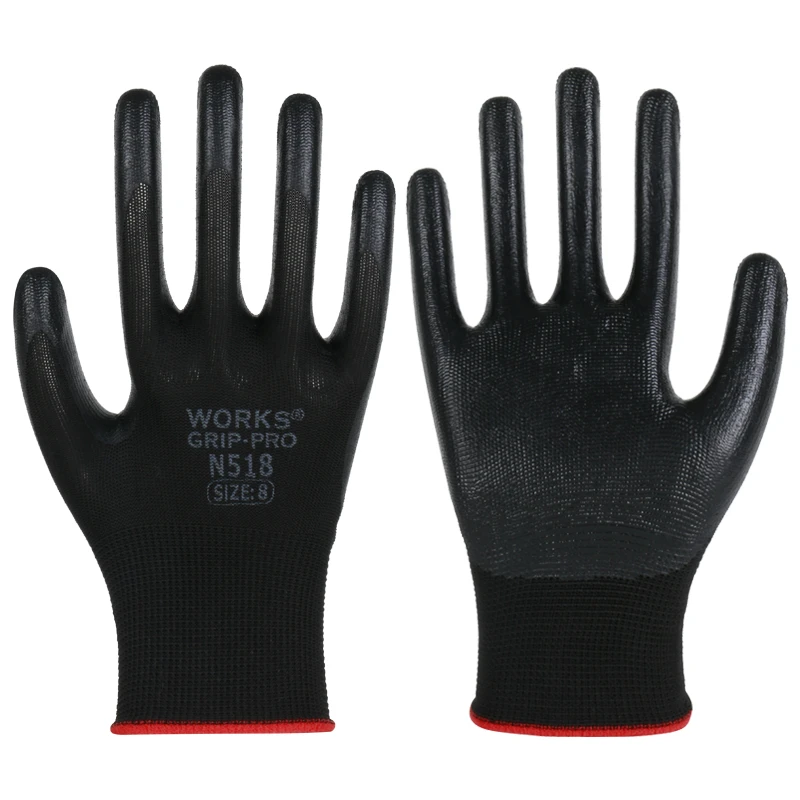
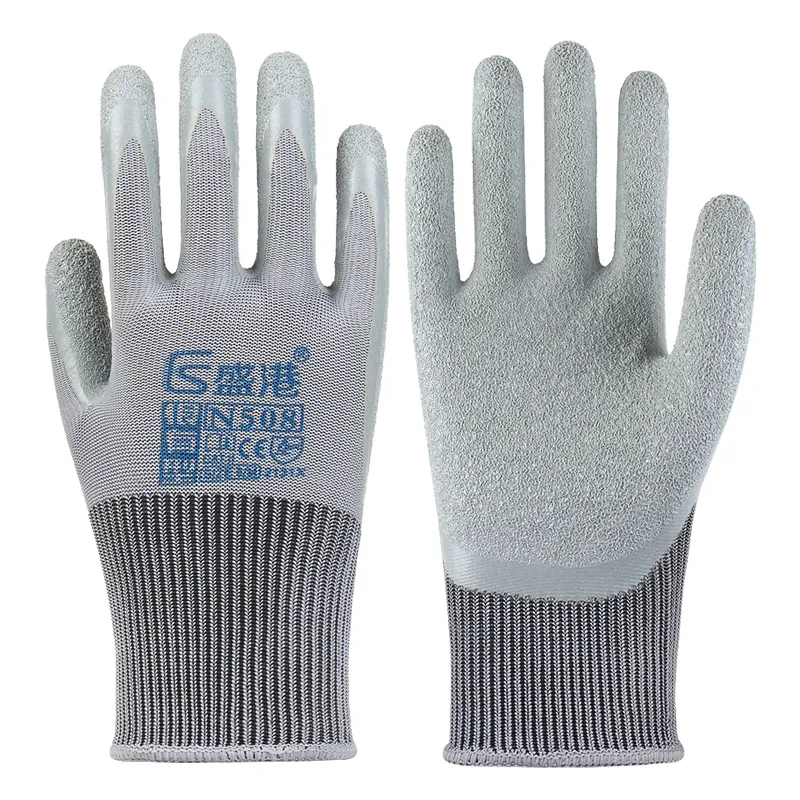
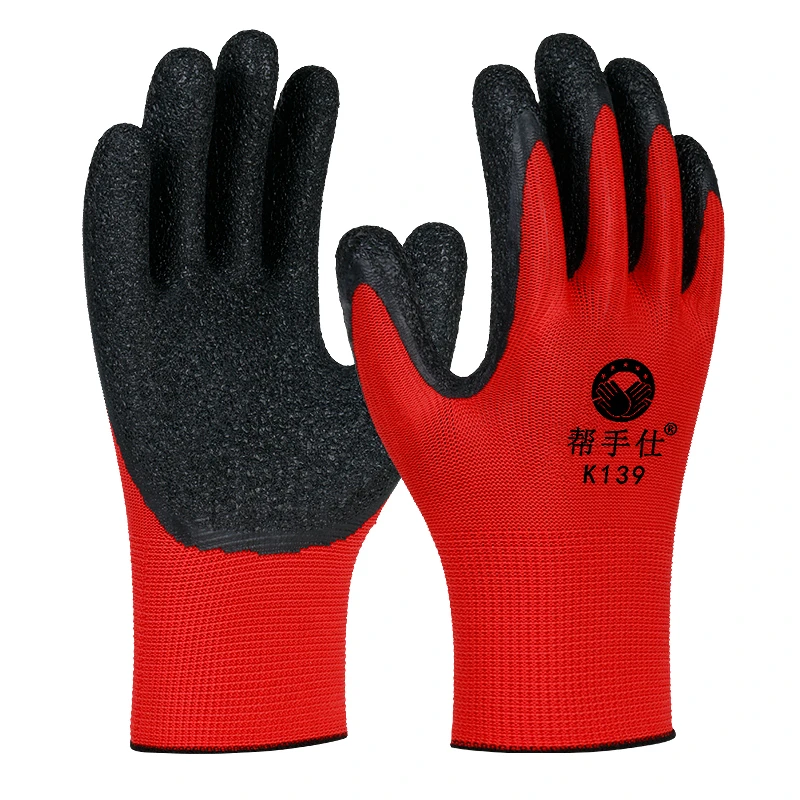
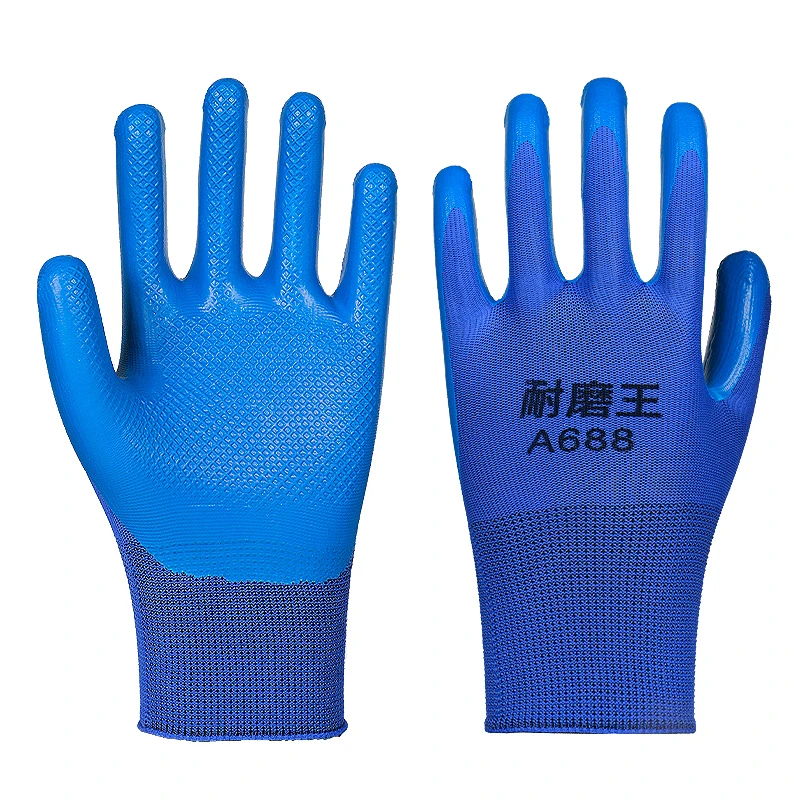
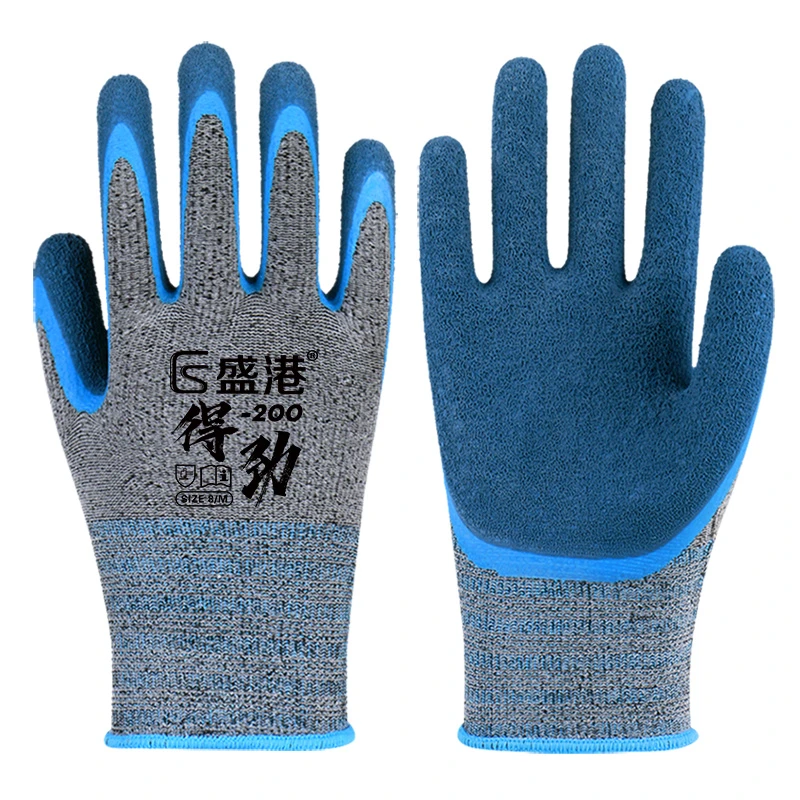
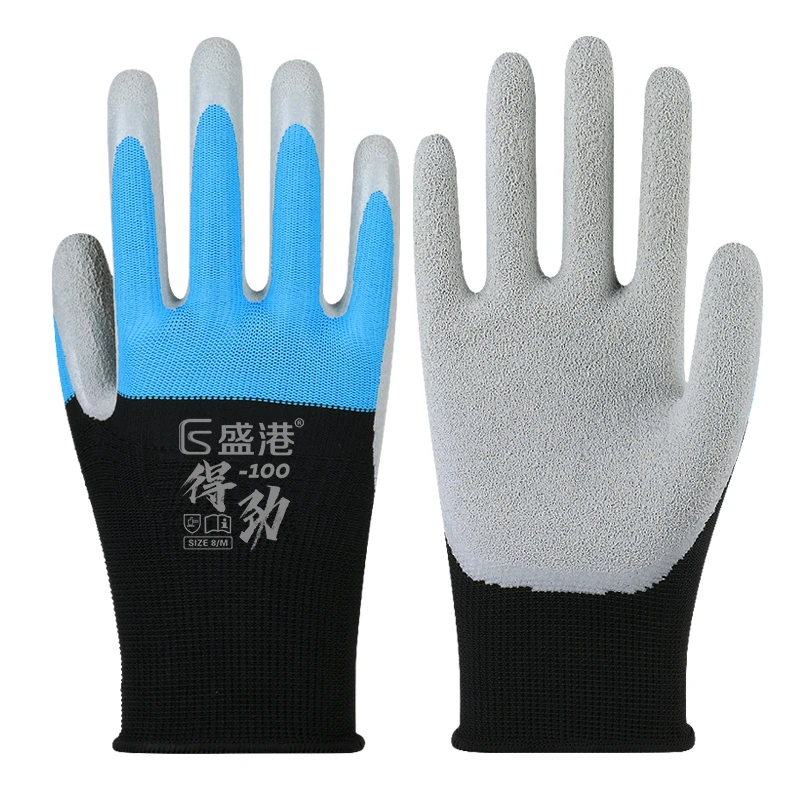
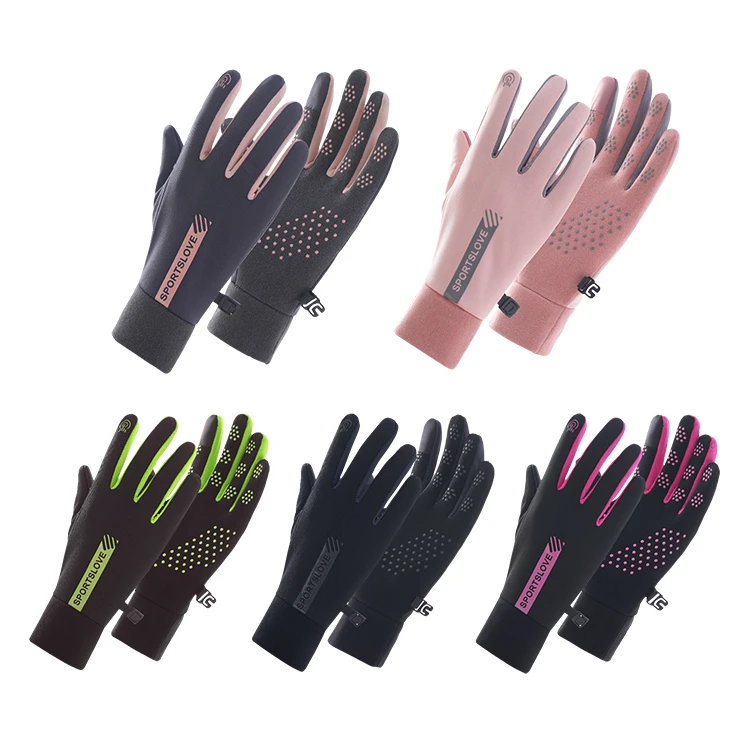
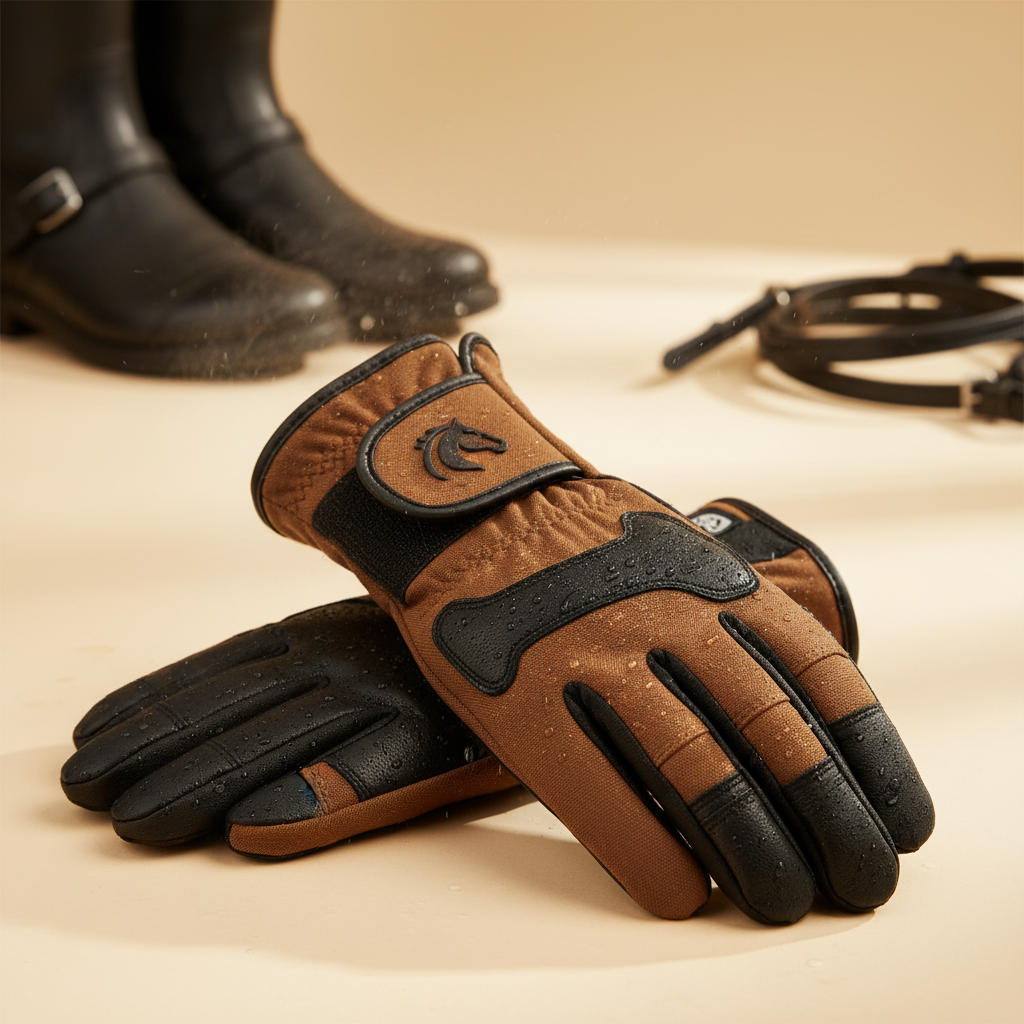
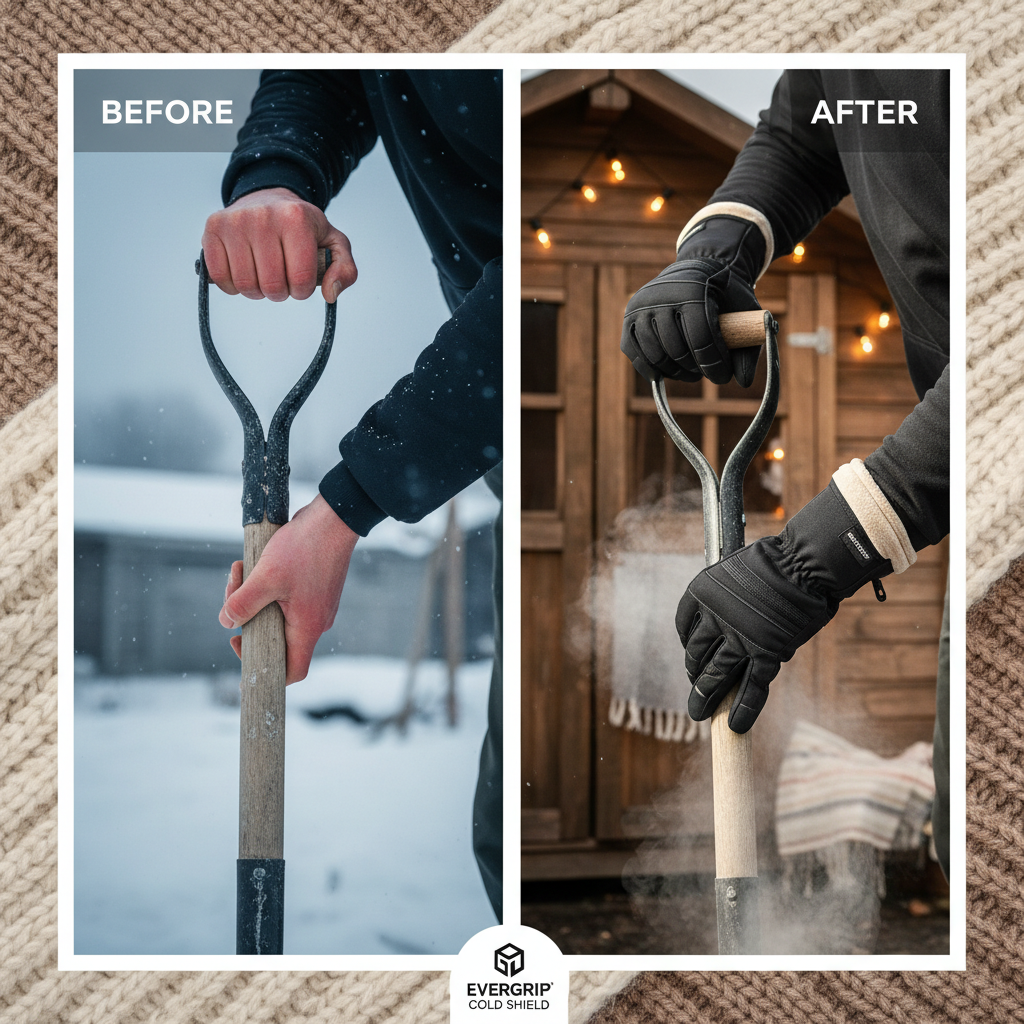
One neat thing I've noticed is the adoption of reinforced palms made from synthetic leather or rubberized coatings. This isn’t just for wear-resistance (though that’s critical). It also helps maintain grip on icy pipes or slippery tools — a small feature, but a huge plus when the job demands safety.
| Spec | Typical Feature | Why It Matters |
|---|---|---|
| Insulation Material | Thinsulate 40g or PrimaLoft Silver | Balances warmth and breathability |
| Outer Shell | Water-resistant nylon or polyester | Keeps snow and moisture out |
| Palm Reinforcement | Synthetic leather or rubberized grip | Improves handling in slippery conditions |
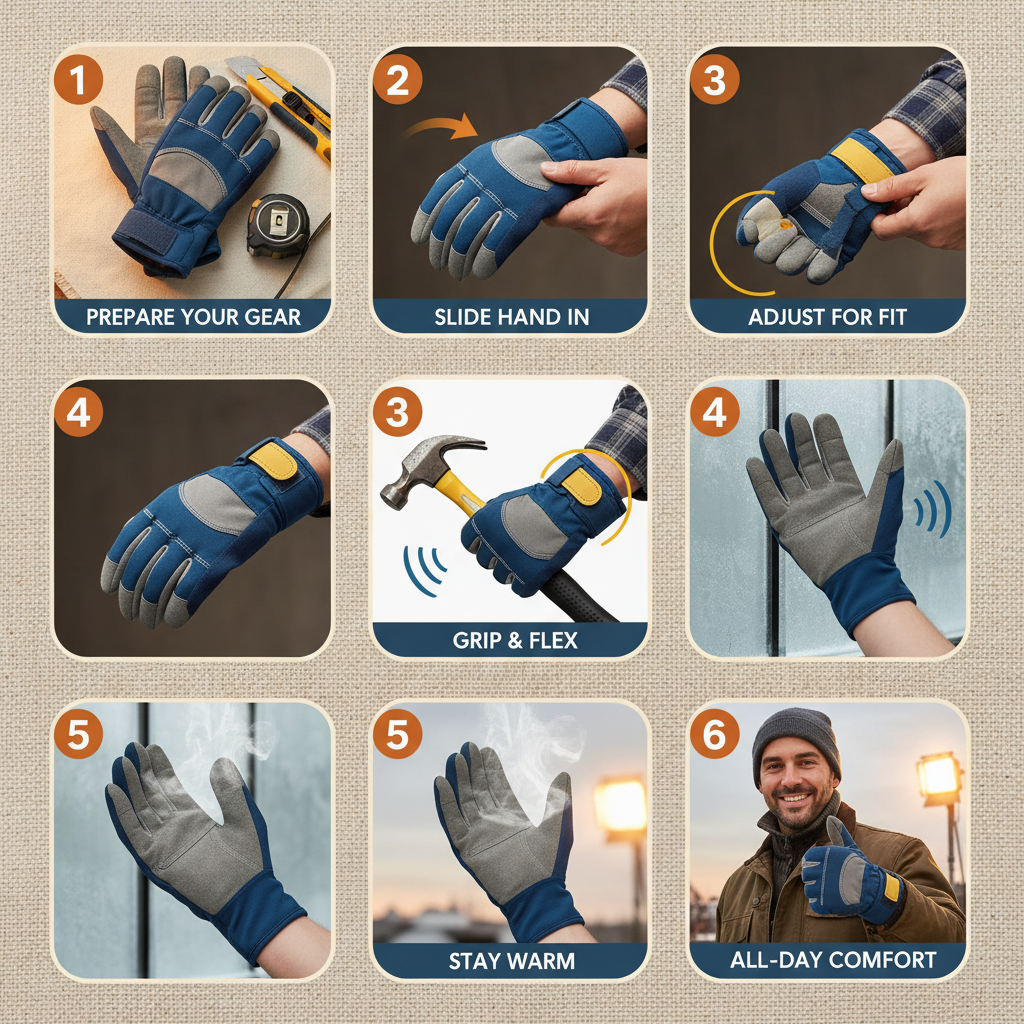
| Cuff Type | Extended wrist with hook & loop closure | Prevents cold air and snow entry |
Now, when it comes to testing, industrial gloves for freezing temperatures undergo some serious trials. I remember sitting through a factory walkthrough showing how samples spend hours in cold chambers at -30°C, then get flexed, gripped, and even soaked. Real conditions are tough — freezing winds, abrasive surfaces, and hours of continuous manual work.
The choices in the market can be overwhelming, so I decided to compare some popular vendors based on factors I’ve learned to value.
| Vendor | Insulation Quality | Durability | Grip | Price Range |
|---|---|---|---|---|
| PolarGear | Excellent (PrimaLoft Silver) | High (ripstop nylon) | Strong synthetic leather | $$$ |
| ColdMaster | Good (Thinsulate 40g) | Moderate (polyurethane) | Moderate rubber coating | $$ |
| FrostGuard | Fair (basic Thinsulate) | Low (nylon only) | Minimal grip reinforcement | $ |
Customers often tell me that in real terms, the best gloves feel like a part of their hands rather than extra gear. Jeff, a field technician I worked with last winter, mentioned how switching to gloves with reinforced palms meant less fumbling with tools and fewer cold-related work breaks. It’s funny how such a small comfort factor can actually boost productivity.
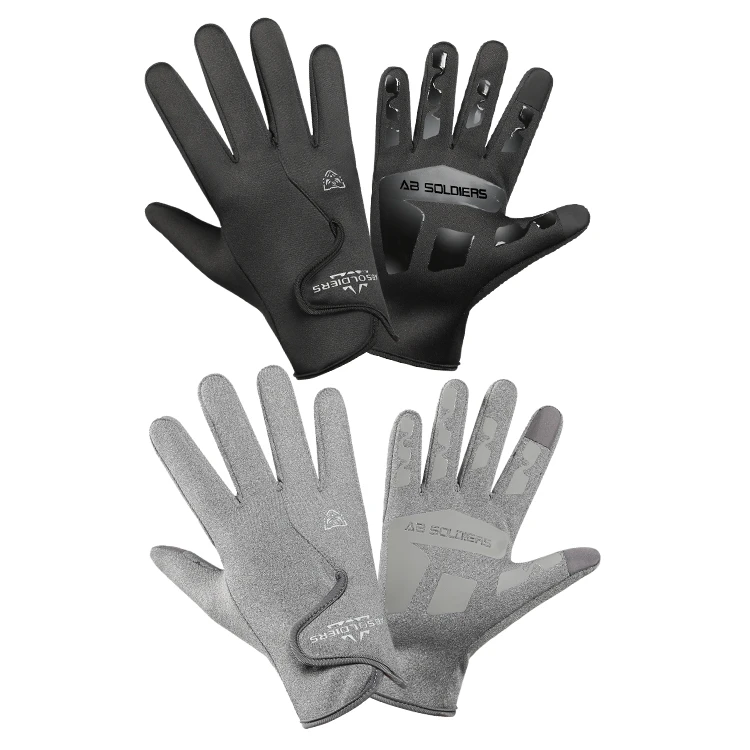
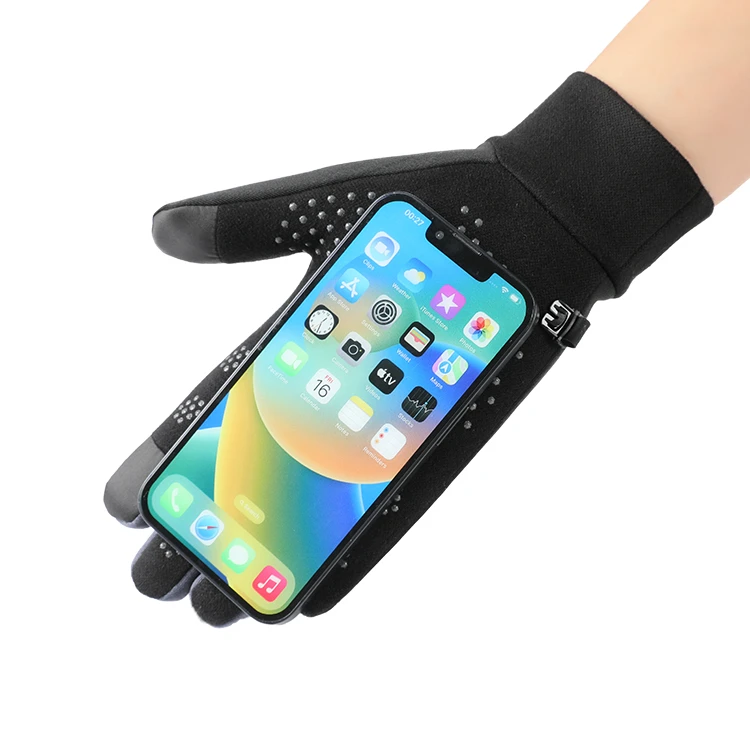
Of course, customization options are also something manufacturers are starting to experiment with—things like touchscreen compatibility, reflective strips for safety in low light, or even odor control liners. Oddly enough, features that seem minor in a glove can make a world of difference during long shifts in brutal conditions.
So, if you’re looking for gloves that stand up to the challenges of below zero environments, pay attention to insulation type, fit, grip, and durability. And by all means test them under conditions you expect on the job — it’s the only way to know if they’ll really hold up.
Below zero weather gloves aren’t just cold-weather gear. They’re trusty companions on long shifts where every finger counts.
Anyway, that’s my two cents, gleaned over many winters out in the field. Hopefully it helps you choose the right gear for your cold-weather challenges.
1. “Thermal Testing of Industrial Gloves.” ColdTech Review, 2022.
2. “Safety Gear in Extreme Weather: A Field Report.” Industrial Safety Journal, 2021.
3. Personal interviews with field technicians, Winter 2023.