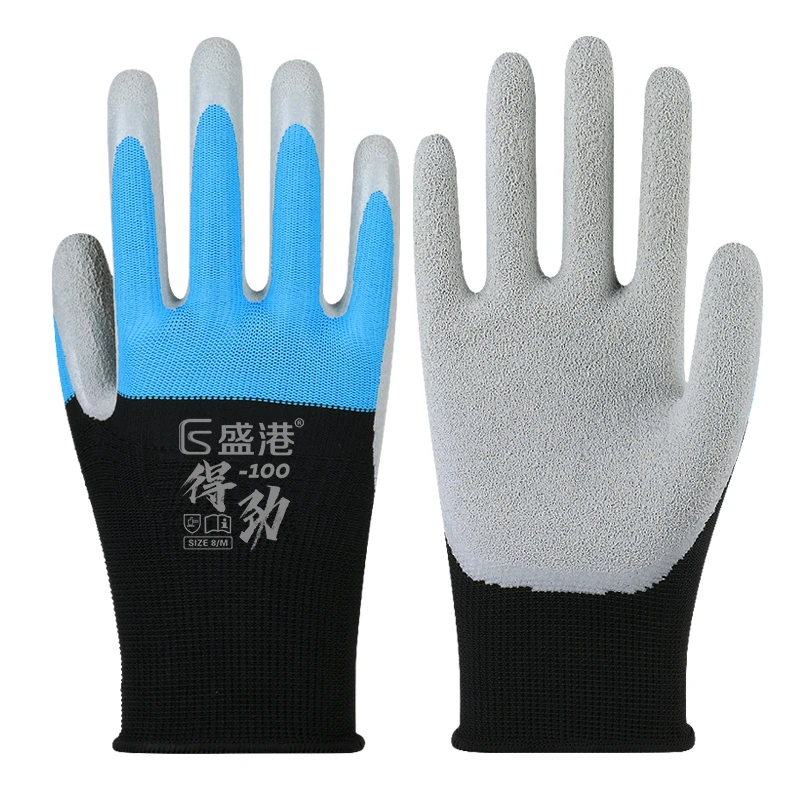
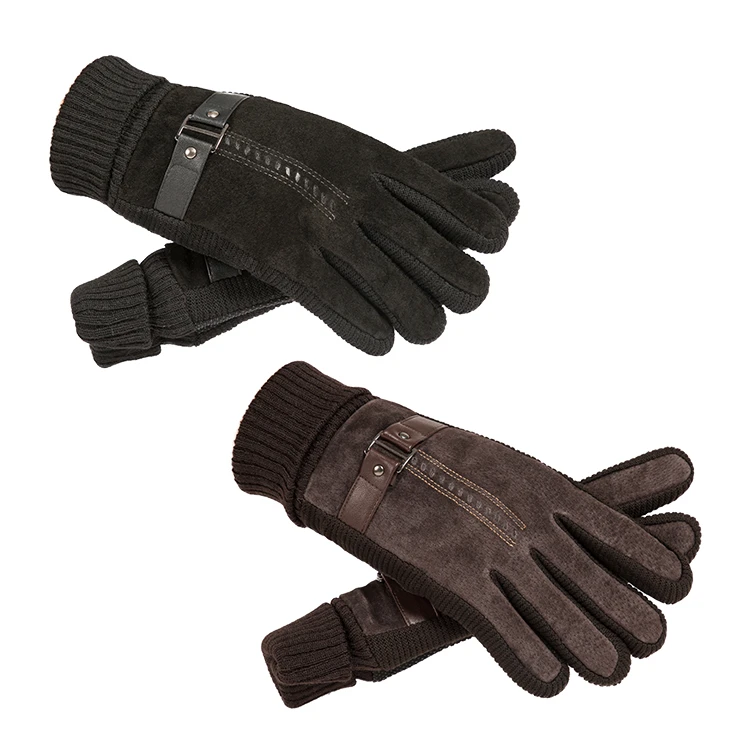
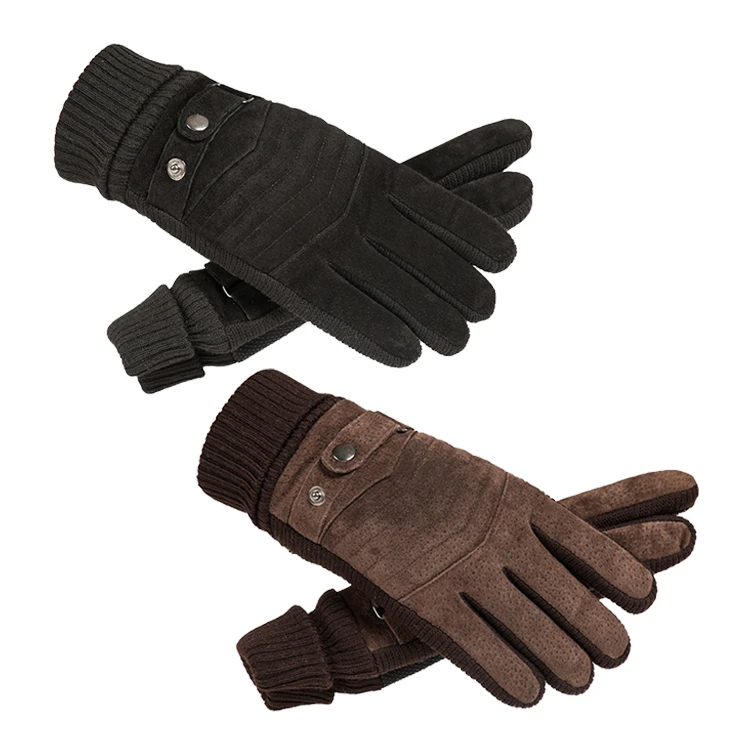
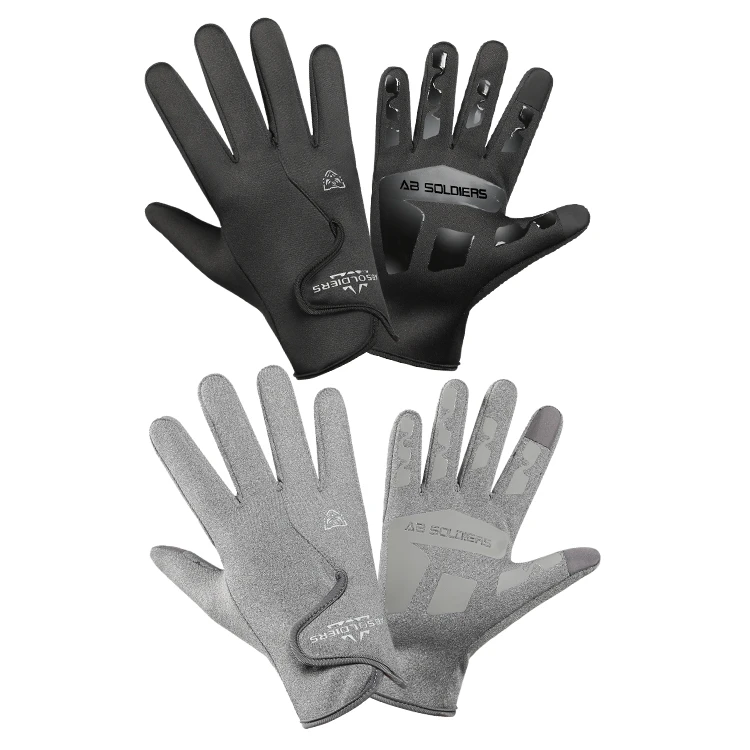
Best Waterproof and Windproof Thermal Gloves for Industrial Use
Waterproof and Windproof Thermal Gloves: A Must-Have for Industrial Work
Having spent over a decade in the industrial equipment sector, I’ve come to appreciate the subtle but crucial differences between thermal gloves. Now, when it comes to staying warm and dry in harsh environments, nobody wants to fumble with gloves that let the cold or moisture sneak in. That’s where waterproof and windproof thermal gloves come into their own. Oddly enough, it’s often the gloves you don’t notice — because they just work — that make the biggest difference on the job.
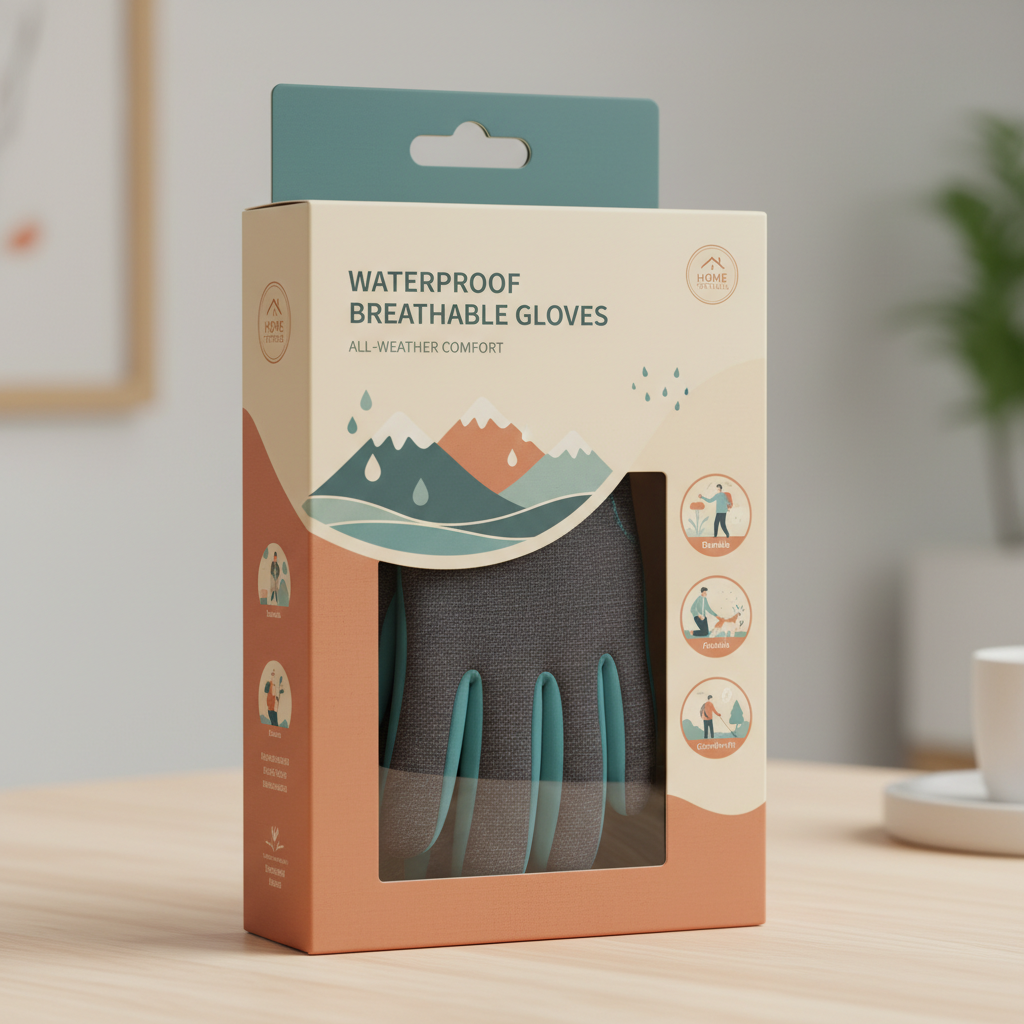
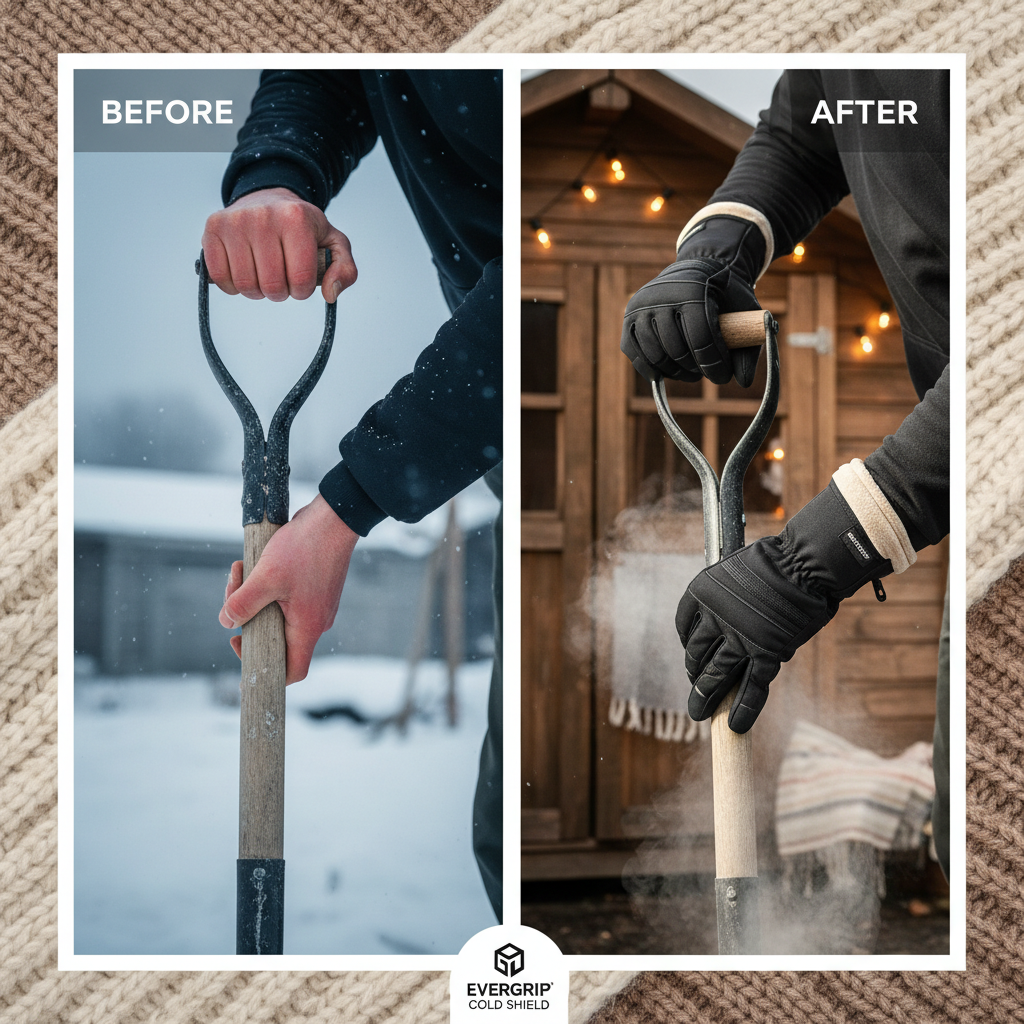
In real terms, these gloves are designed specifically for those who brave freezing temps plus wet and windy conditions. Think utility workers, warehouse staff, even outdoor maintenance crews. The materials and build quality isn’t just about comfort; it’s literally about protection. You want something windproof enough to block icy gusts on a bleak winter morning, waterproof enough so your hands stay dry when you have to grab a drip or two of water.
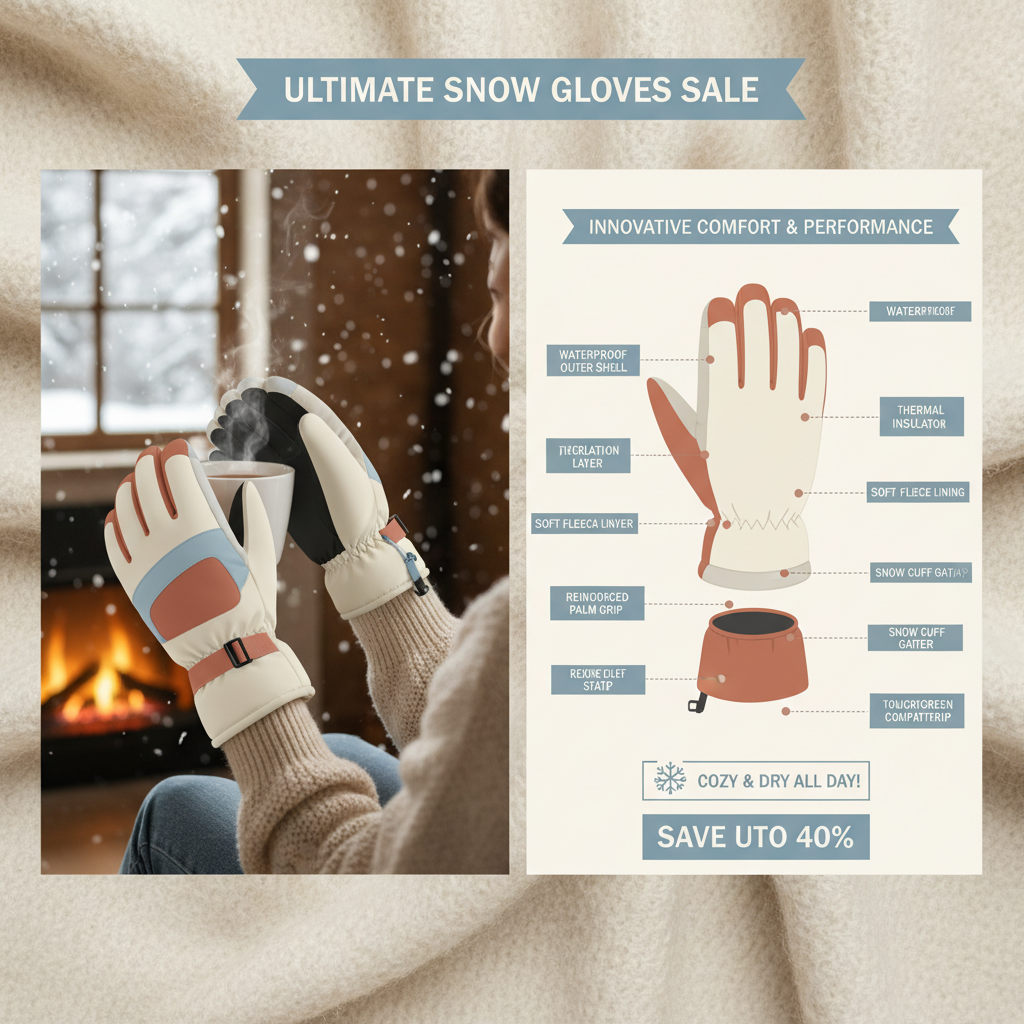
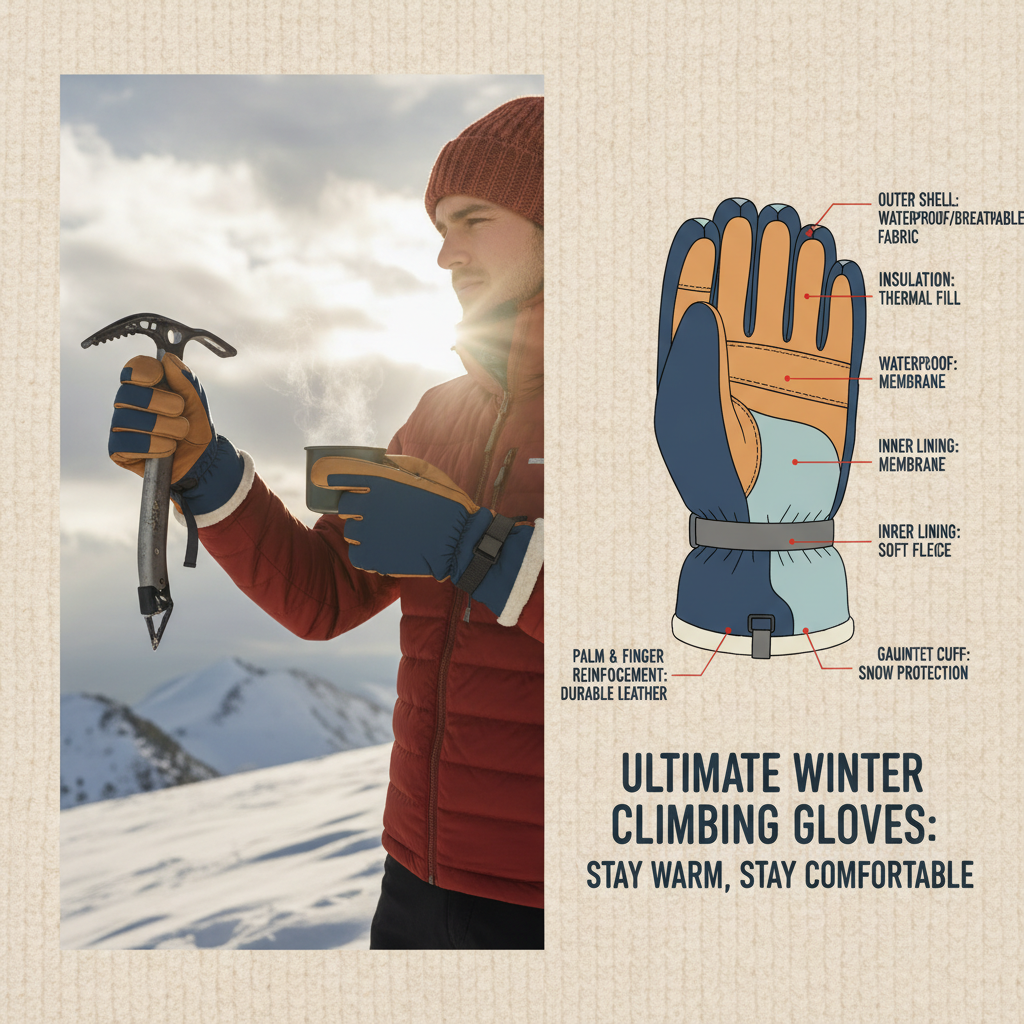
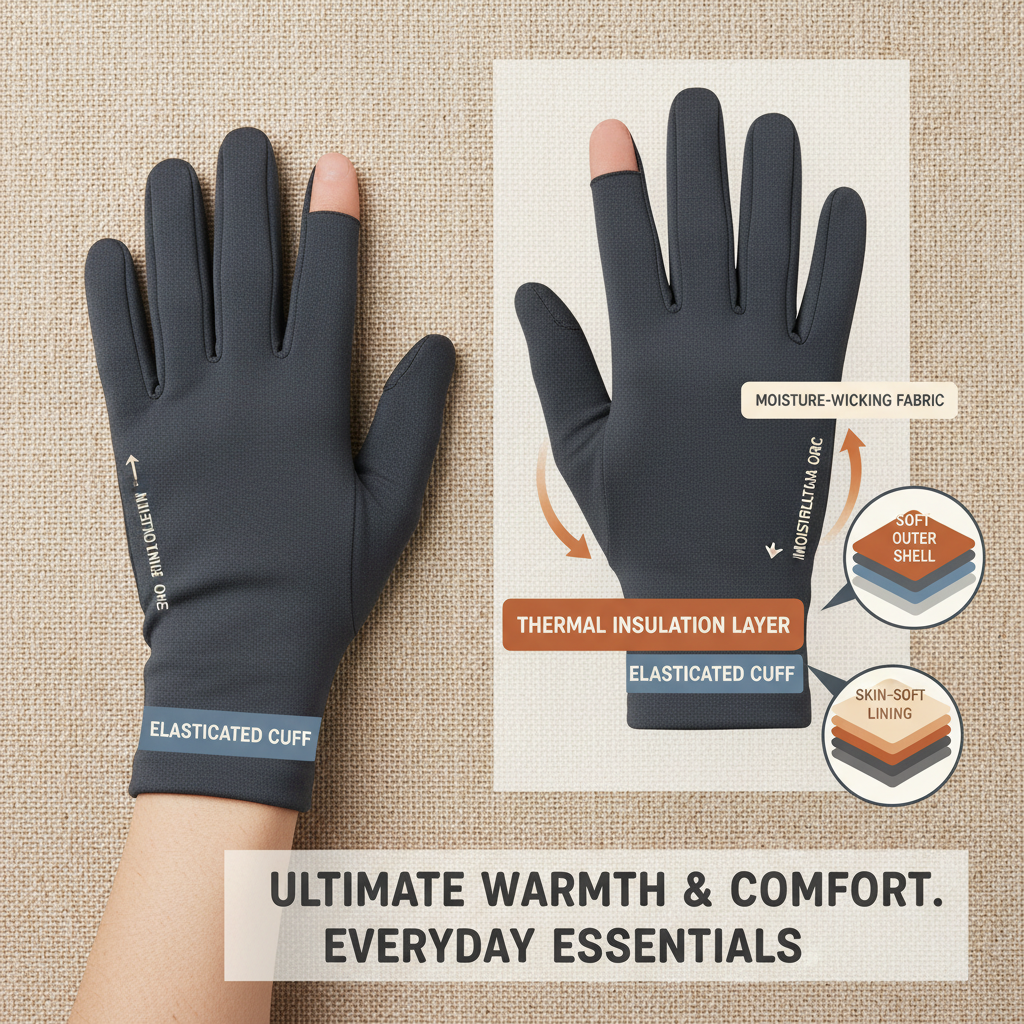
Frankly, I noticed a big step up in gloves once manufacturers began integrating synthetic membranes like Gore-Tex or similar water-resistant layers combined with thermal insulation like Thinsulate. The latter, incidentally, is a lightweight microfiber that traps heat without bulk. That means better dexterity — you’re not fumbling around in bulky gloves when you need to operate tools or machinery. Speaking from experience, that’s a game-changer.
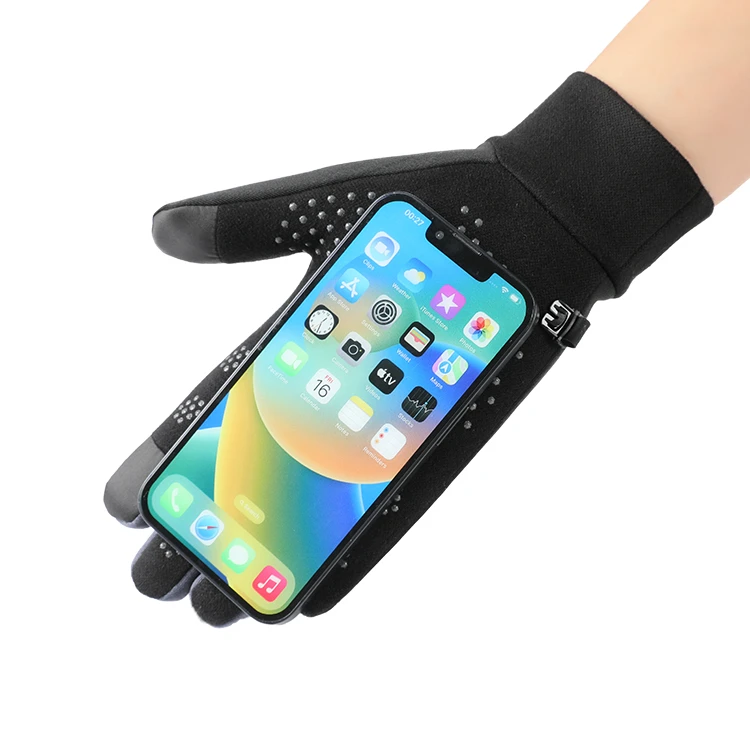
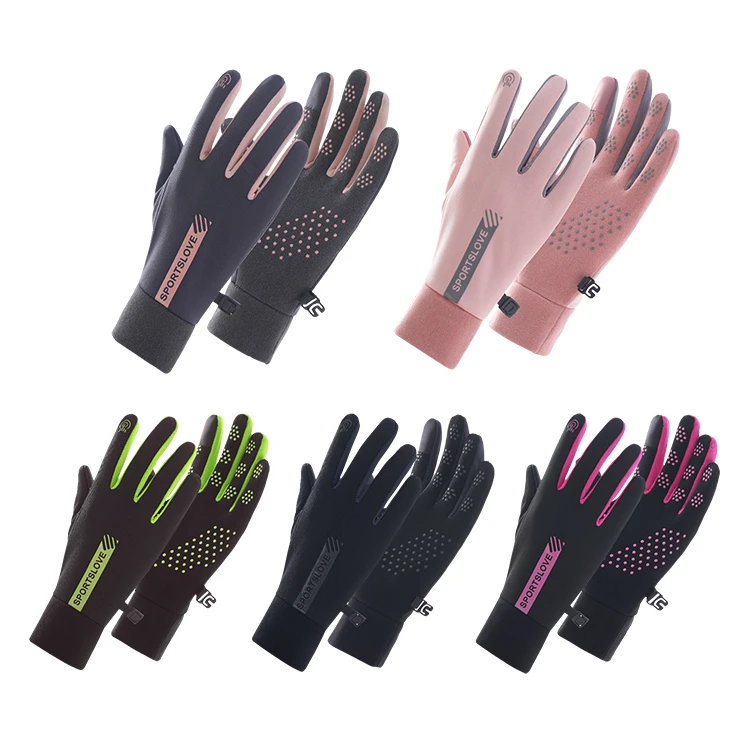
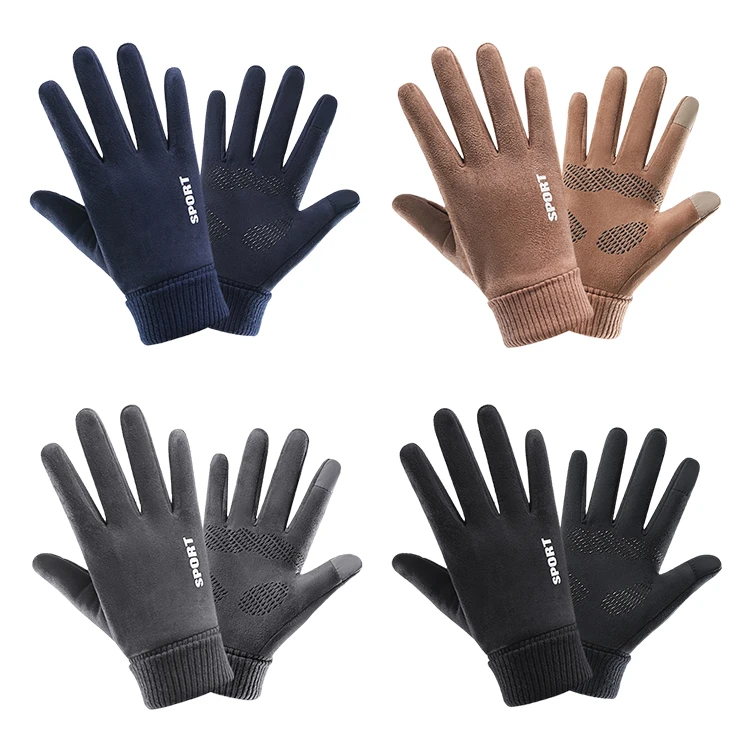
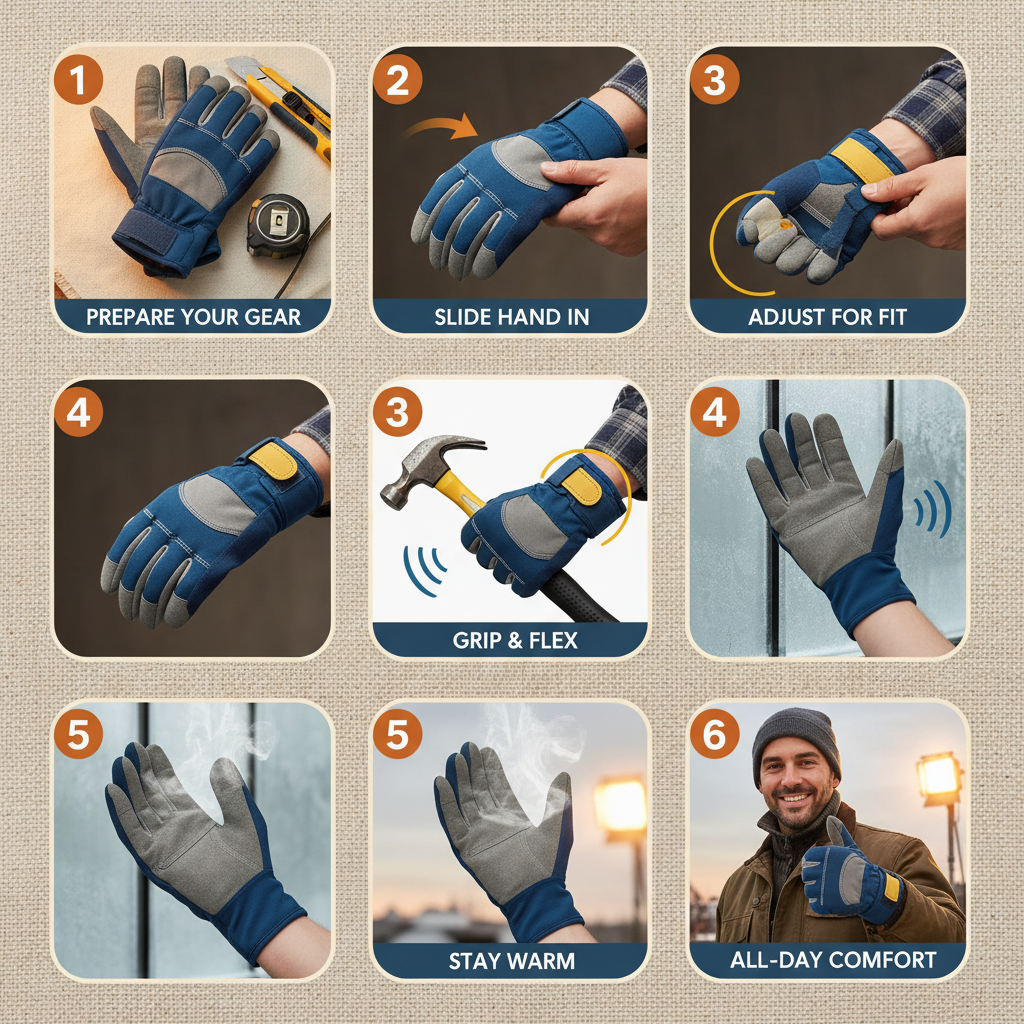
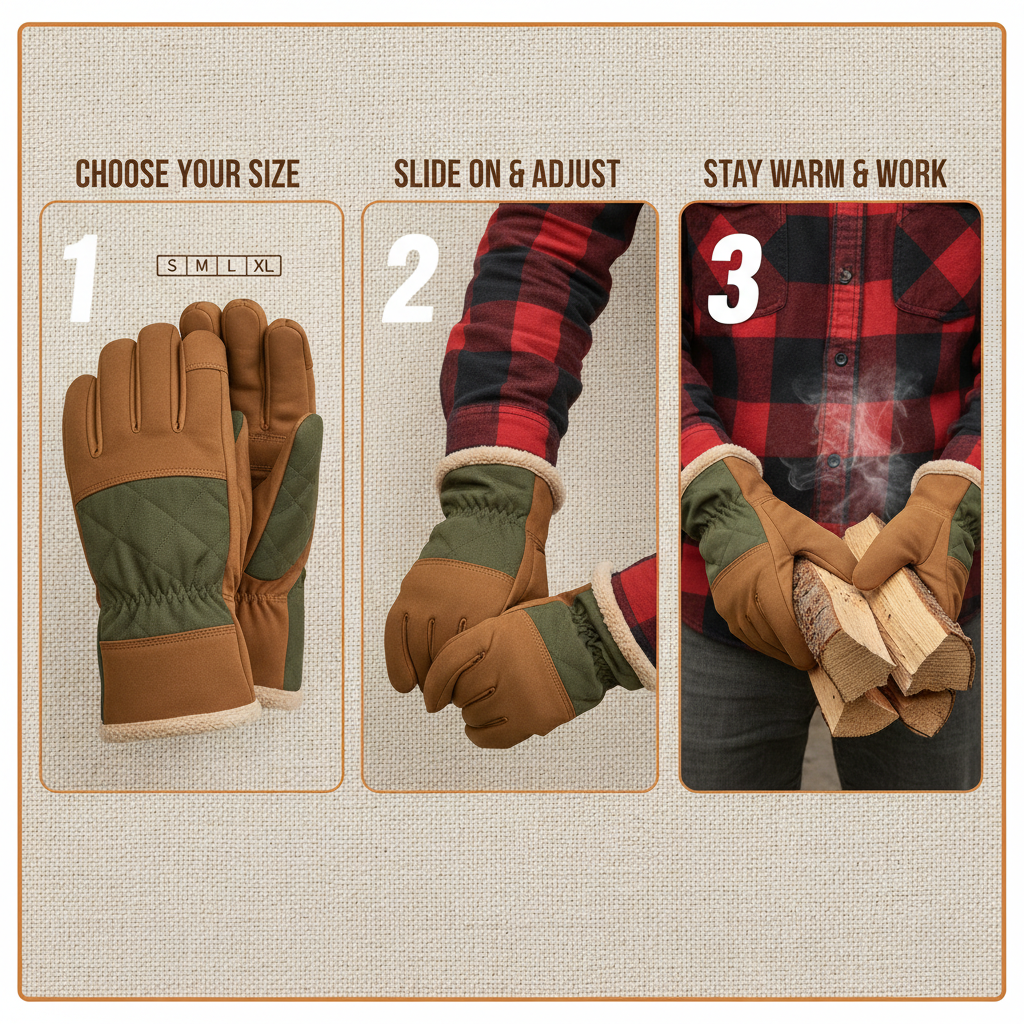
Many engineers I’ve talked to highlight customization, too. Some manufacturers offer glove liners, adjustable cuffs, reinforced palms, or touchscreen-compatible fingertips. These features may sound like small details, but out in the field, they add up to longer wear and happier hands.
Specs Snapshot: Typical Waterproof and Windproof Thermal Gloves
| Feature | Details |
|---|---|
| Material | Nylon outer shell + waterproof membrane |
| Thermal insulation | Thinsulate or fleece lining (typically 100-200g) |
| Water resistance | Waterproof membrane with sealed seams |
| Windproof | Softshell or tightly woven nylon outer layer |
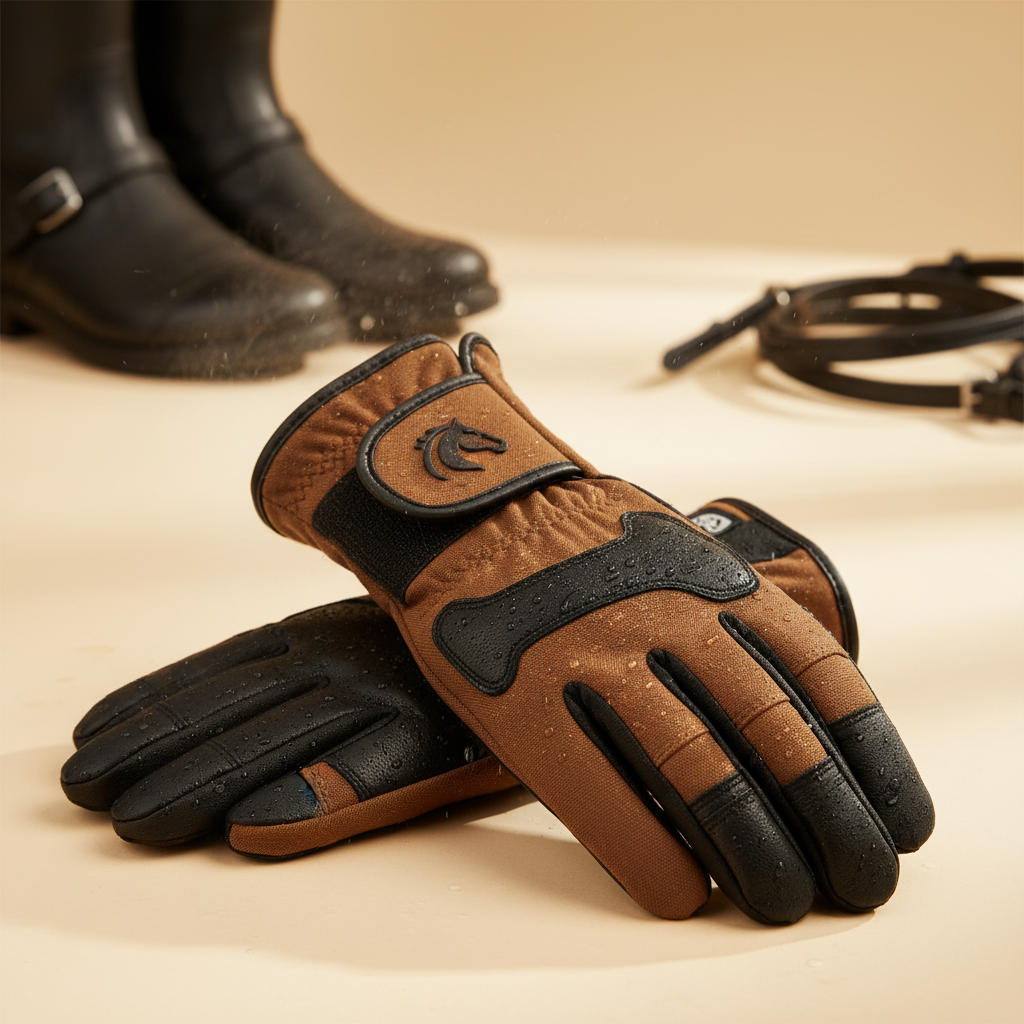
| Grip | Reinforced synthetic leather or rubberized palm |
| Additional features | Adjustable Velcro wrist closure, touchscreen compatibility |
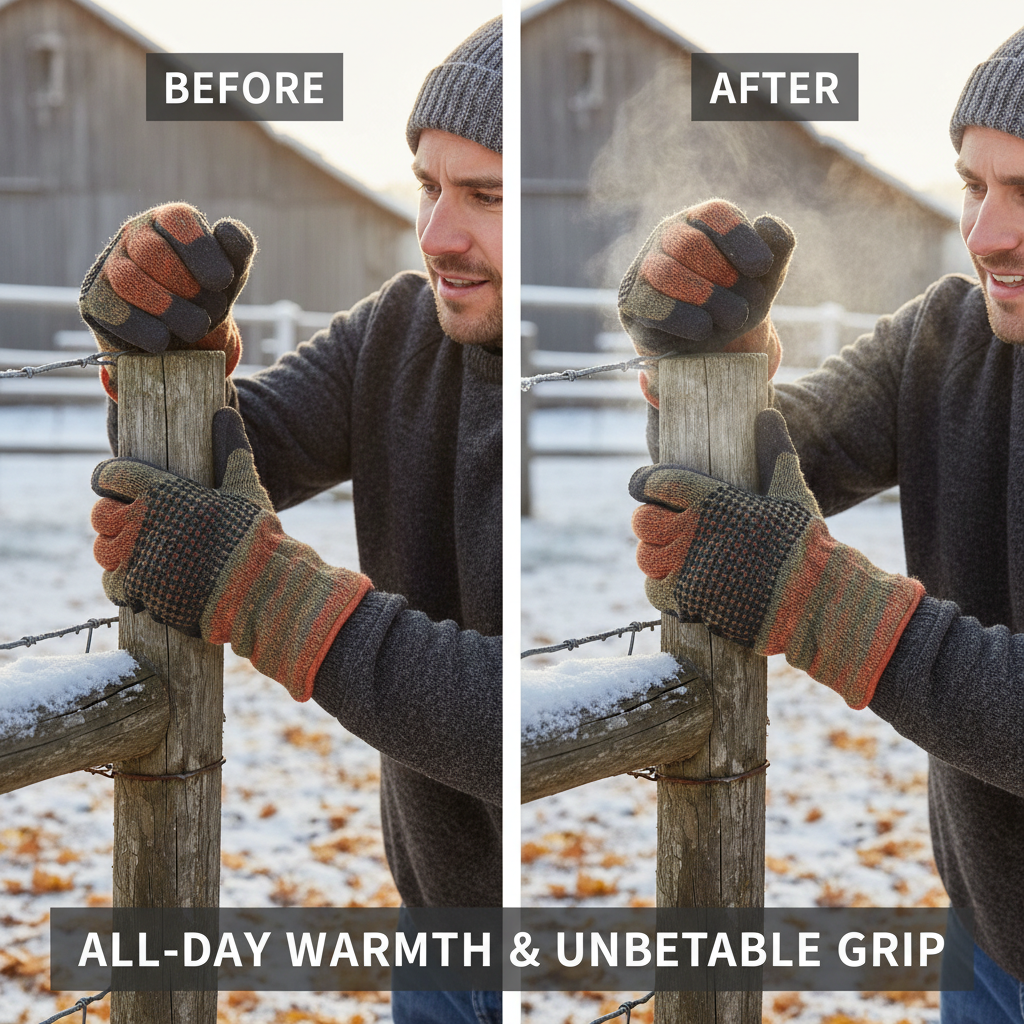
Of course, not all gloves are created equal. I recall a winter when the onsite team swapped out their bulkier neoprene gloves for something with better breathability and water resistance — and the drop in hand fatigue was noticeable. It’s these incremental improvements that, combined, make the gear feel reliable rather than “meh.”
Vendor Comparison: A Quick Look
| Vendor | Material Quality | Waterproofing | Thermal Insulation | Price Range |
|---|---|---|---|---|
| Vendor A | High-grade nylon + Gore-Tex | Fully waterproof with taped seams | 200g Thinsulate insulation | $$$ (Premium) |
| Vendor B | Polyester shell + PU coating | Water resistant only | 150g fleece lining | $$ (Mid-range) |
| Vendor C | Softshell nylon + membrane | Waterproof with sealed seams | 100g lightweight insulation | $ (Budget) |
In the end, the right glove often depends on your specific work environment. But — and here’s the clincher — investing in waterproof and windproof thermal gloves means less downtime, fewer cold-related injuries, and frankly, happier crews. I've seen firsthand how well-made gloves can boost productivity just by keeping hands comfortable.
One quick anecdote: a client I worked with in the power utility industry swore by gloves with touchscreen fingertips. At first, they were skeptical about the durability but noted that being able to check devices and log information without peeling gloves off saved them a surprising amount of time. It’s these small conveniences that add up.
There's no one-size-fits-all answer here, but if you want gear that genuinely stands up to the elements and lets you get the job done without fuss, these gloves are where I'd start looking.
So next time you pull on your gloves, think about whether they protect you from wind and water as well as they should — chances are, better options await.
References:
1. OSHA Guidelines on Protective Clothing
2. Industry Gear Reviews, 2023
3. Personal field experience, multiple sites 2010–2023