Biker Gloves Winter – Waterproof, Insulated, Touchscreen
Winter Riding Reality Check: Pigskin, Protection, and the Gloves Riders Actually Wear
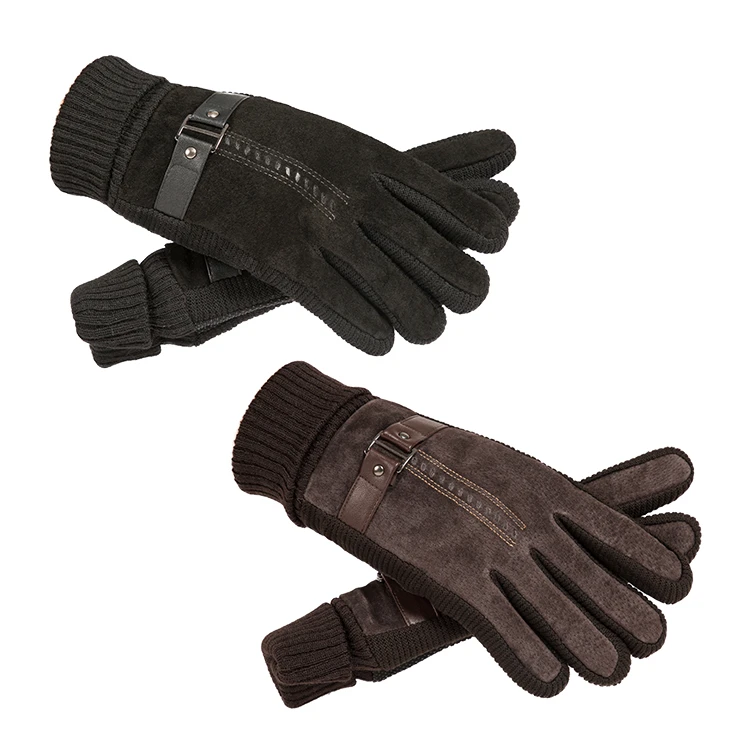
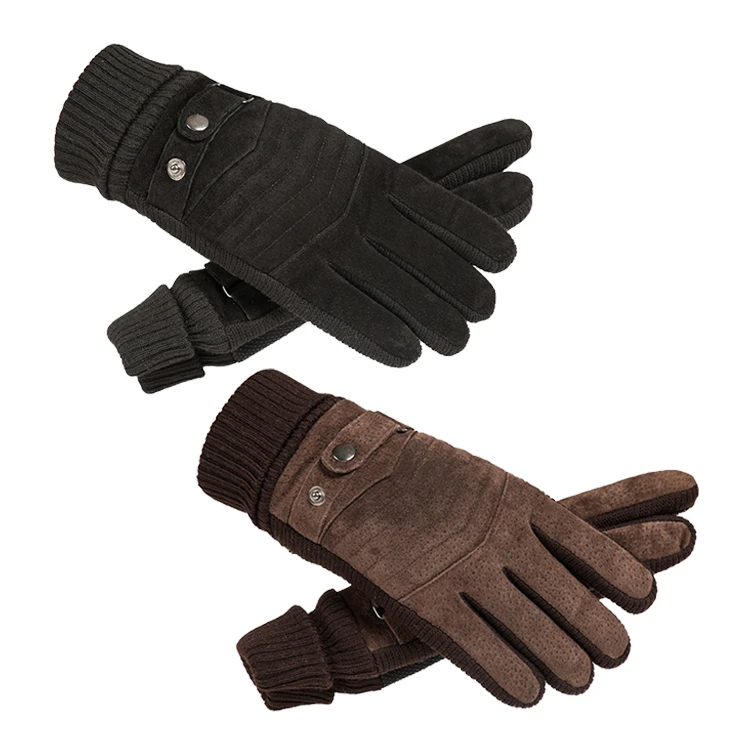
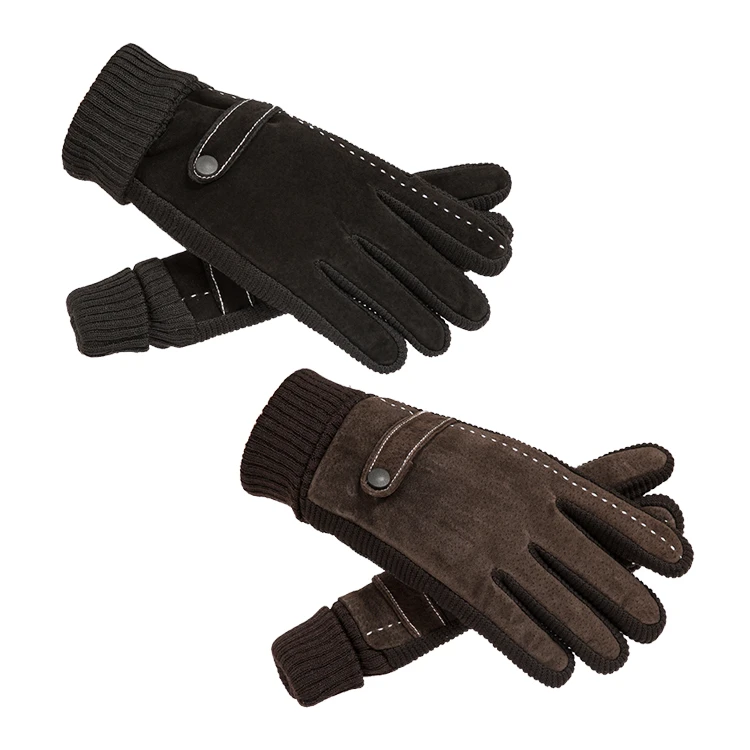
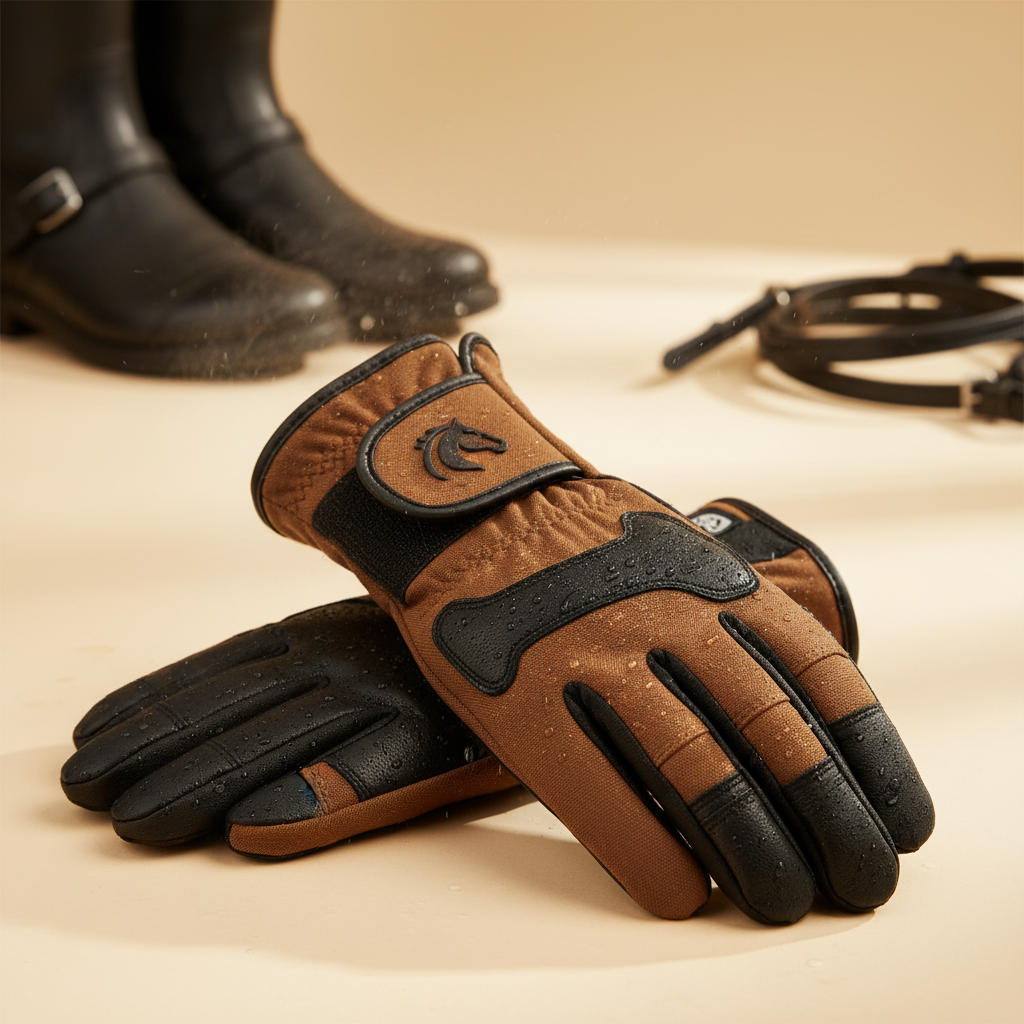
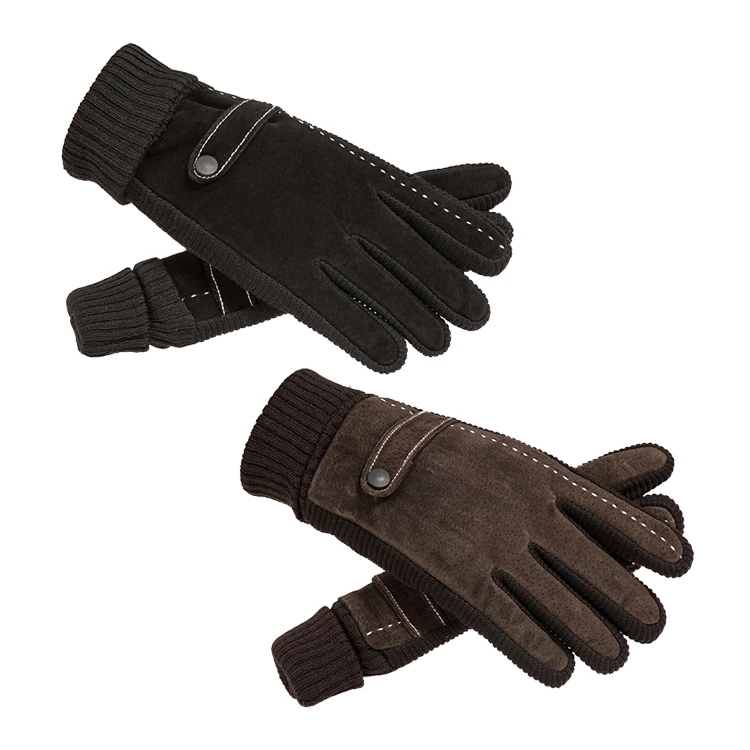
If you’re hunting for biker gloves winter riders can trust, here’s what’s worth your time. I recently visited a leather hub in Xinji City, Hebei (yes, the East side of the northern section of Education Road—hard to miss), where the Warm Riding Gloves are cut, stitched, and tested. They lean on premium pigskin leather—tough, elastic, and surprisingly breathable—backed by a soft lining that keeps the bite out of cold morning starts. To be honest, the durability-to-flex ratio is what got my attention first.
What’s trending this season
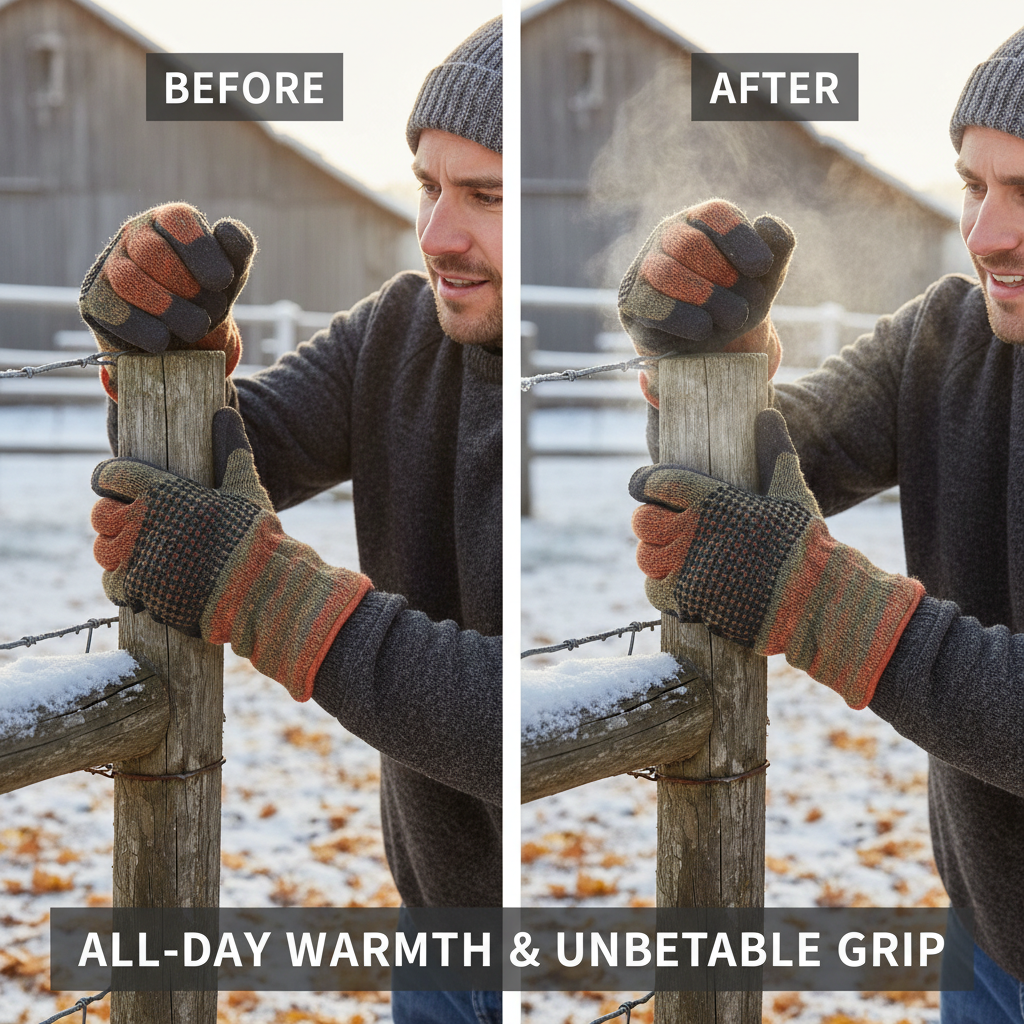
Two clear currents: riders want warmth without bulky “oven mitts,” and they expect credible testing. Heated liners are a niche but growing; most commuters prefer non-electrified gloves with proper insulation, a snug wrist closure, and real abrasion resistance. The Warm Riding Gloves stick to fundamentals: pigskin outer, reinforced seams, and an adjustable wrist strap that actually stays put. In fact, many customers say the break‑in is quick, and dexterity improves in a week.
How they’re made (short version)
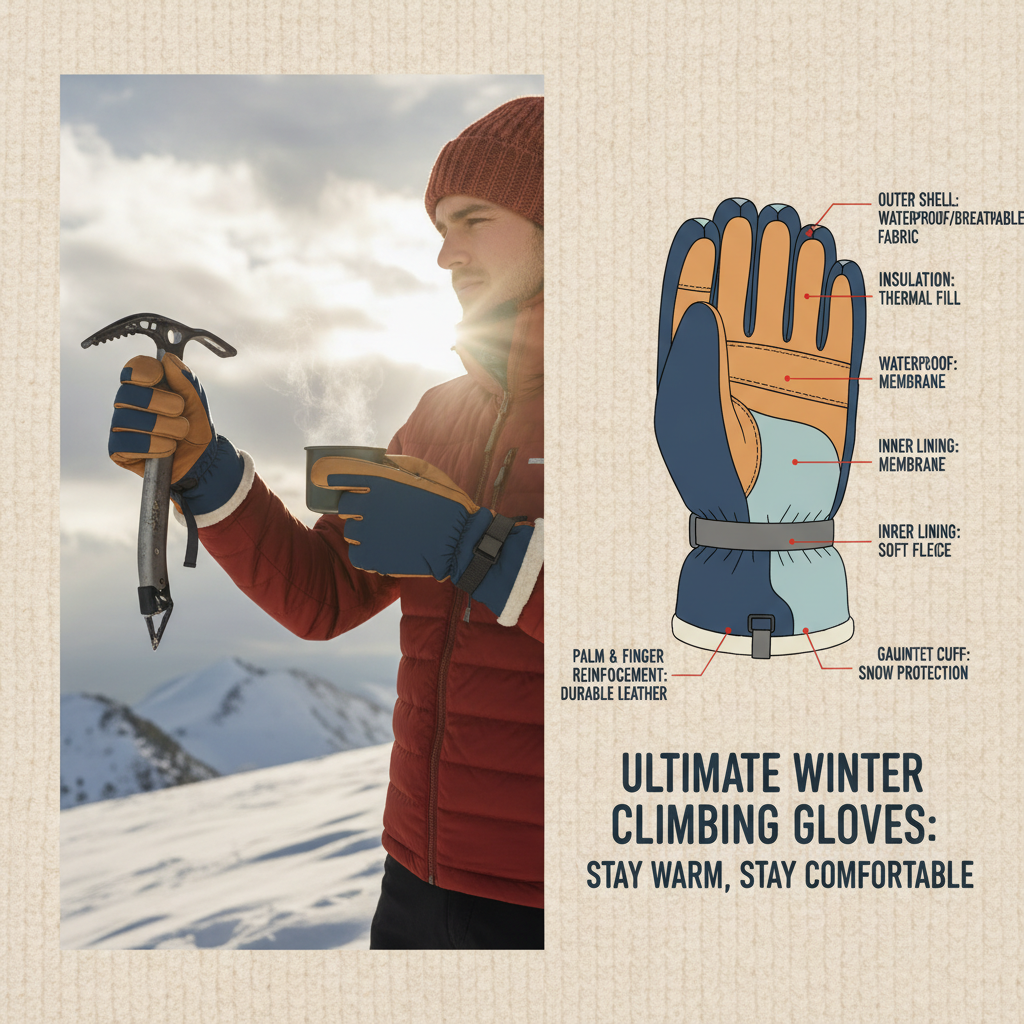
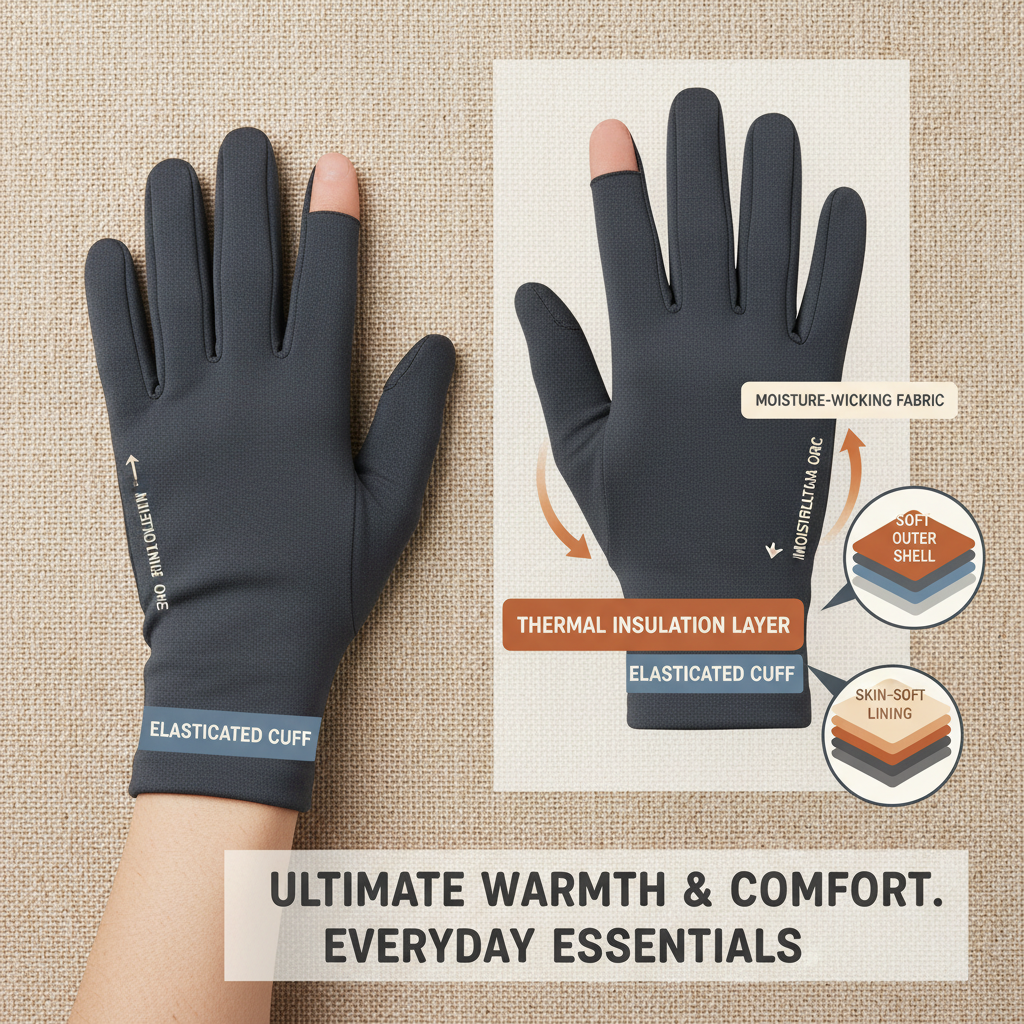
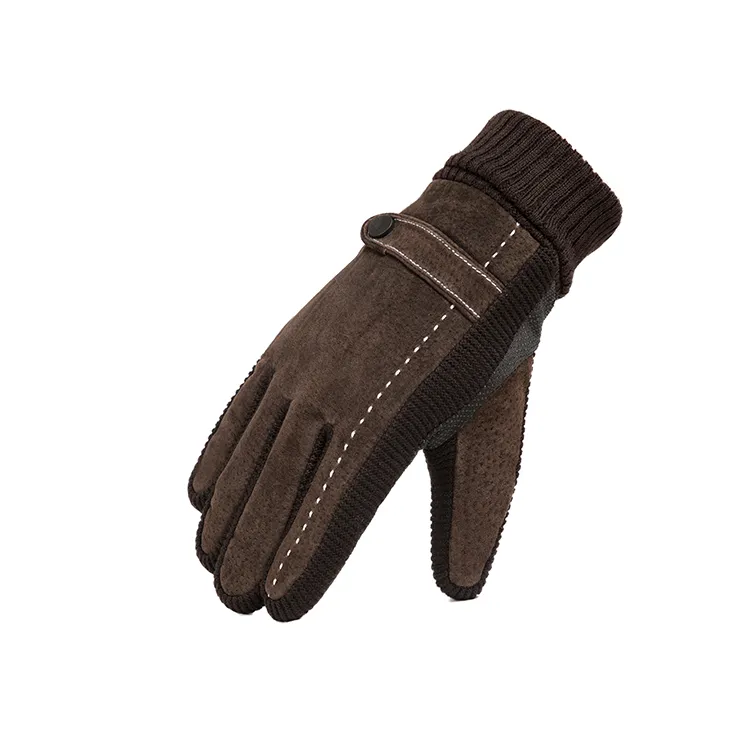
Materials: premium pigskin leather (outer), soft thermal lining (≈120–160 g/m²), optional palm reinforcement. Methods: die-cut panels, double-needle stitching at stress points, heat-set seam finishing, and wrist strap with hook-and-loop. Testing: abrasion and tear checks aligned with EN 388 methods; thermal comfort screening against ISO 11092 principles; dimensional stability after 24h moisture exposure. Service life: around 2–3 winter seasons under daily commuting, real-world use may vary. Industries using similar builds: motorcycle commuting and courier fleets, ag and workshop tasks, even security patrols in colder regions.
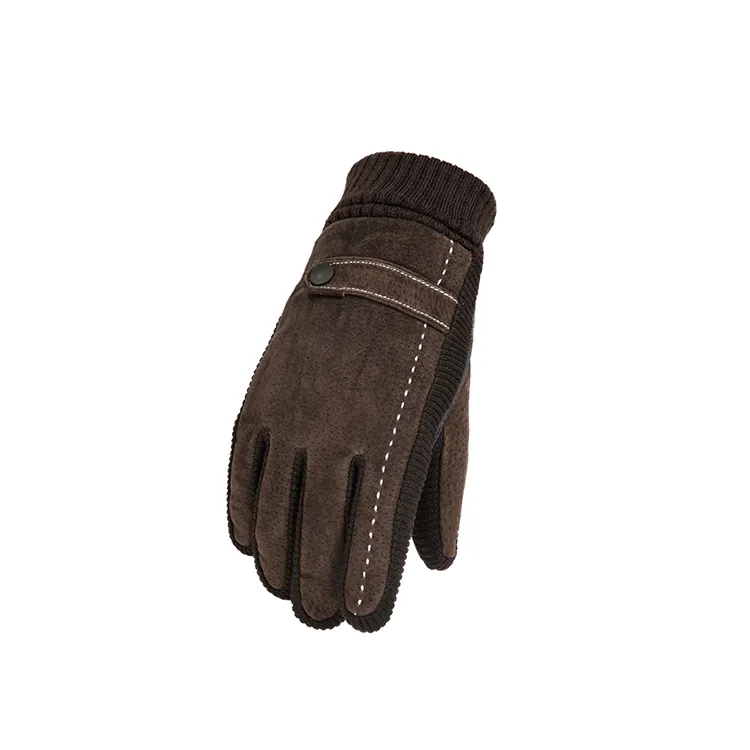
Key specs at a glance
| Model | Warm Riding Gloves (Pigskin) |
| Outer | Premium pigskin leather, reinforced seams |
| Lining / Insulation | Soft thermal lining ≈120–160 g/m² |
| Wrist | Adjustable strap; wind‑block cuff |
| Weight | ≈180–240 g/pair (M–XL) |
| Comfort Range | Urban rides down to ≈−5 °C with proper layering |
| Standards | Can be produced to target EN 13594 and EN 388 specs (on request; third‑party test needed) |
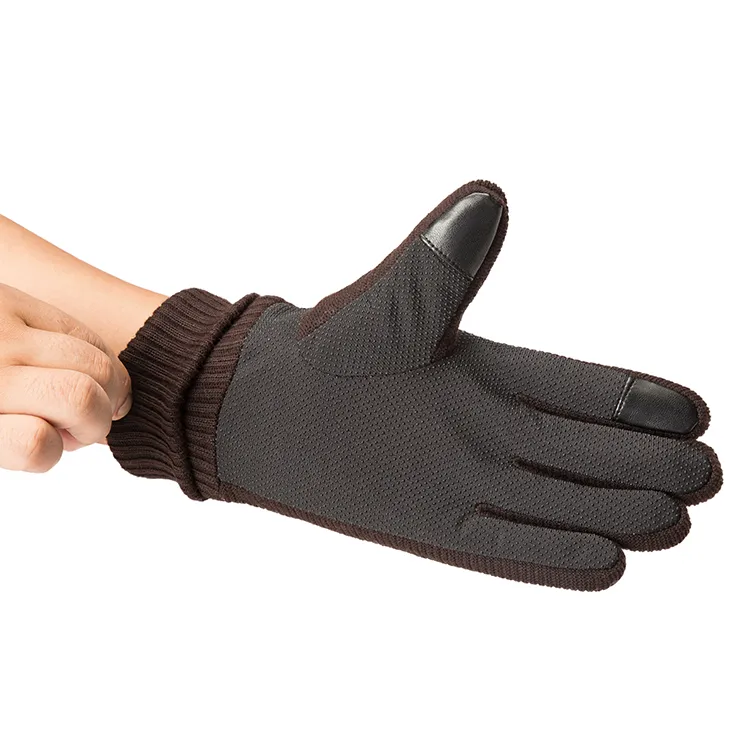
Where they shine
Cold‑weather commuting, weekend runs, and mixed moto/workshop days. Pigskin’s elasticity means throttle feel isn’t a casualty of warmth. However, for sleet or heavy rain you’ll want waterproof overshells or a membrane variant. Feedback from a courier group in Hebei: reduced hand fatigue and better lever feel versus bulky synthetic winter mitts, with fewer seam issues over a 3‑month pilot.
Vendor comparison (realistic snapshot)
| Item | Warm Riding Gloves | Budget PU Winter Glove | Premium EU Brand |
|---|---|---|---|
| Material | Pigskin leather | PU synthetic | Goatskin + membrane |
| Warmth vs Dexterity | Balanced | Warm but bulky | High, with higher cost |
| Cert Status | Available on request (testing needed) | Usually none | Typically EN 13594 L1 |
| Lead Time | ≈20–35 days OEM | Short | Medium |
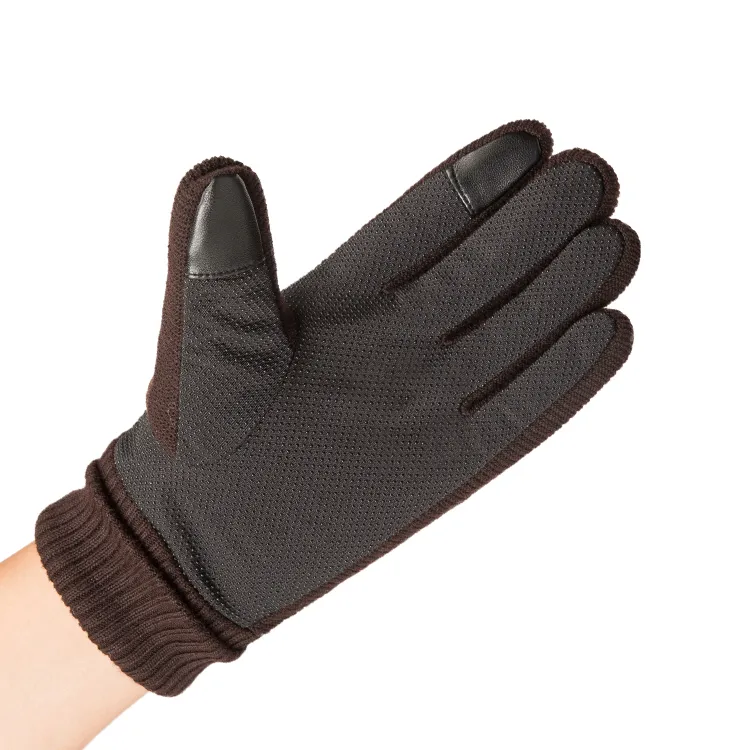
Customization and testing
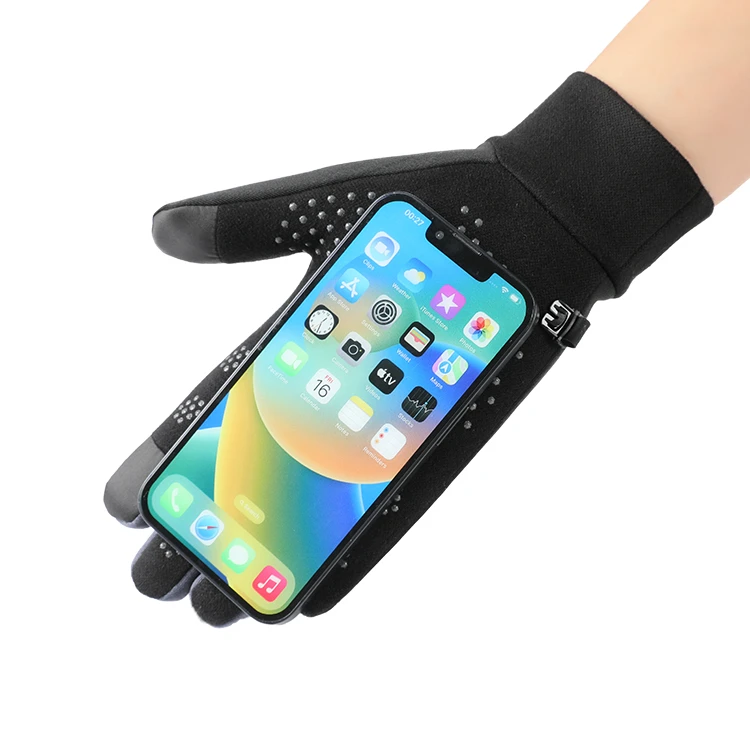
Options: logo emboss/deboss, insulation weights, palm overlays, reflective piping, touchscreen tips, and membrane variant. Typical internal test snapshots: abrasion (Martindale leather panel) ≈12k–18k cycles; tear strength in line with EN 388 method 4.2 ranges; thermal resistance per ISO 11092 screening shows a modest bump with thicker lining—no surprise there. Formal CE certification (EN 13594, EN 388) can be arranged via third‑party labs.
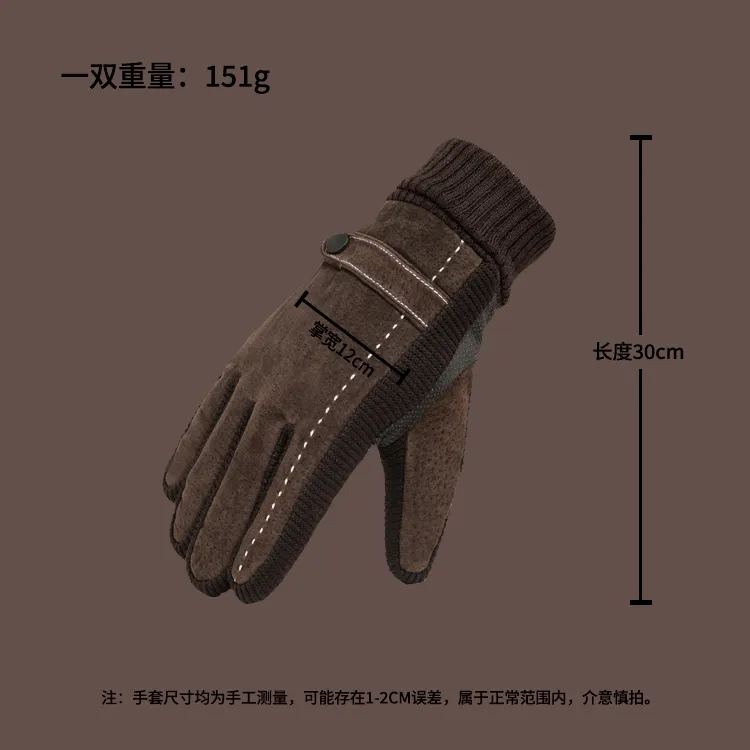
Final thought: if your priority is dependable leather feel plus winter-worthy comfort, these are a smart, honest pick for biker gloves winter commutes. And yes, they look good off the bike too.
Authoritative citations
- EN 13594:2015 – Protective gloves for motorcycle riders. CEN. https://standards.cen.eu
- EN 388:2016+A1:2018 – Protective gloves against mechanical risks. CEN. https://standards.cen.eu
- ISO 11092 – Textiles: Physiological effects—Measurement of thermal and water-vapour resistance. ISO. https://www.iso.org
- EN ISO 21420 – General requirements for protective gloves. ISO/CEN. https://www.iso.org