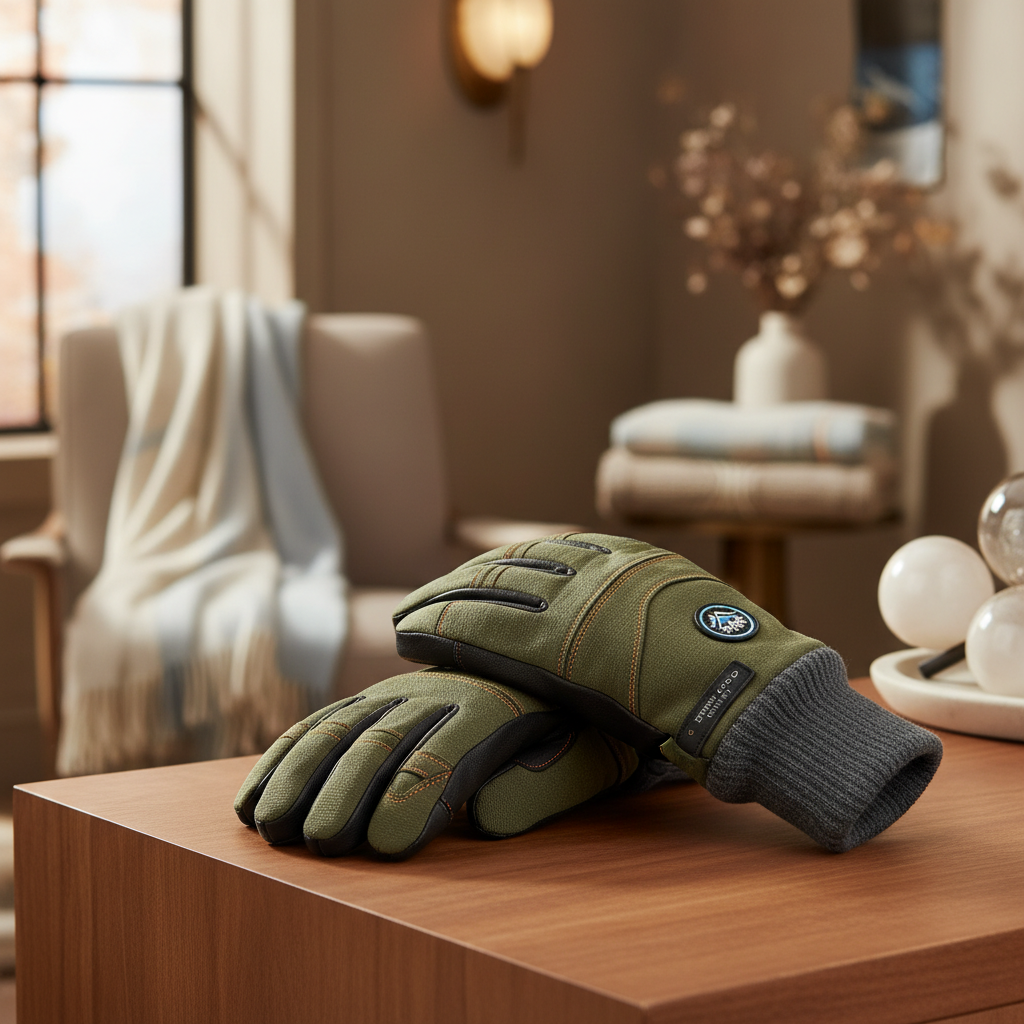
Biker Gloves Winter—Windproof, Thermal, Touchscreen Grip
Warm Riding Gloves: a winter insider’s take
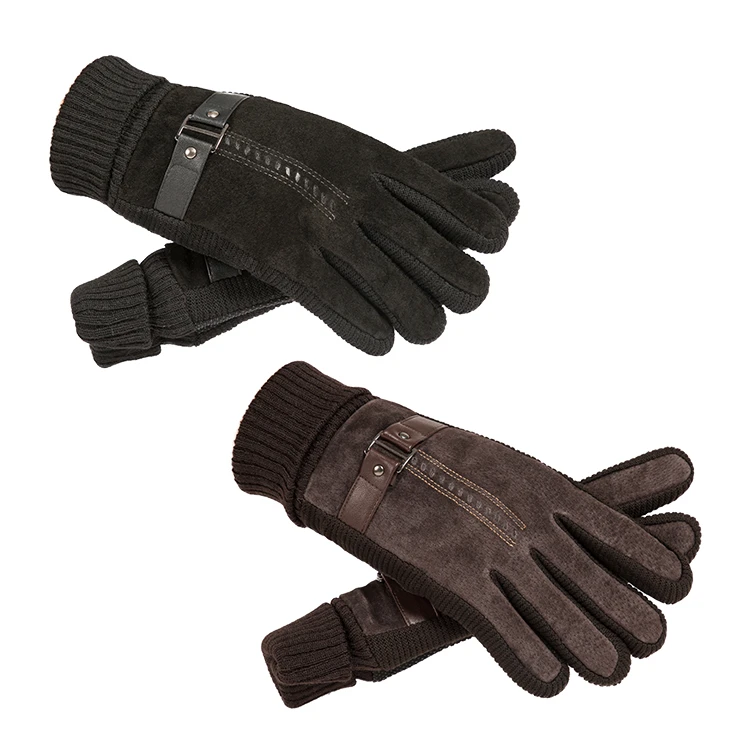
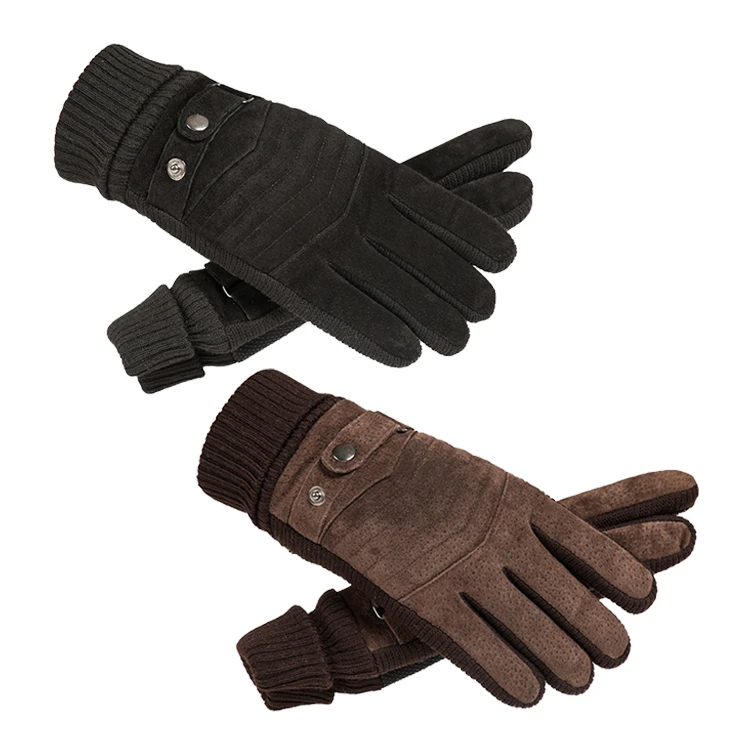
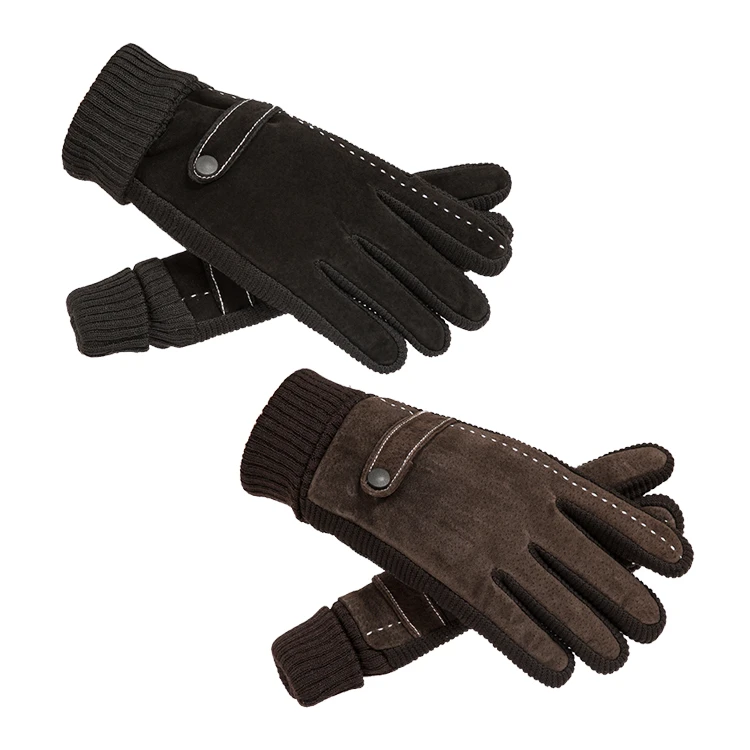
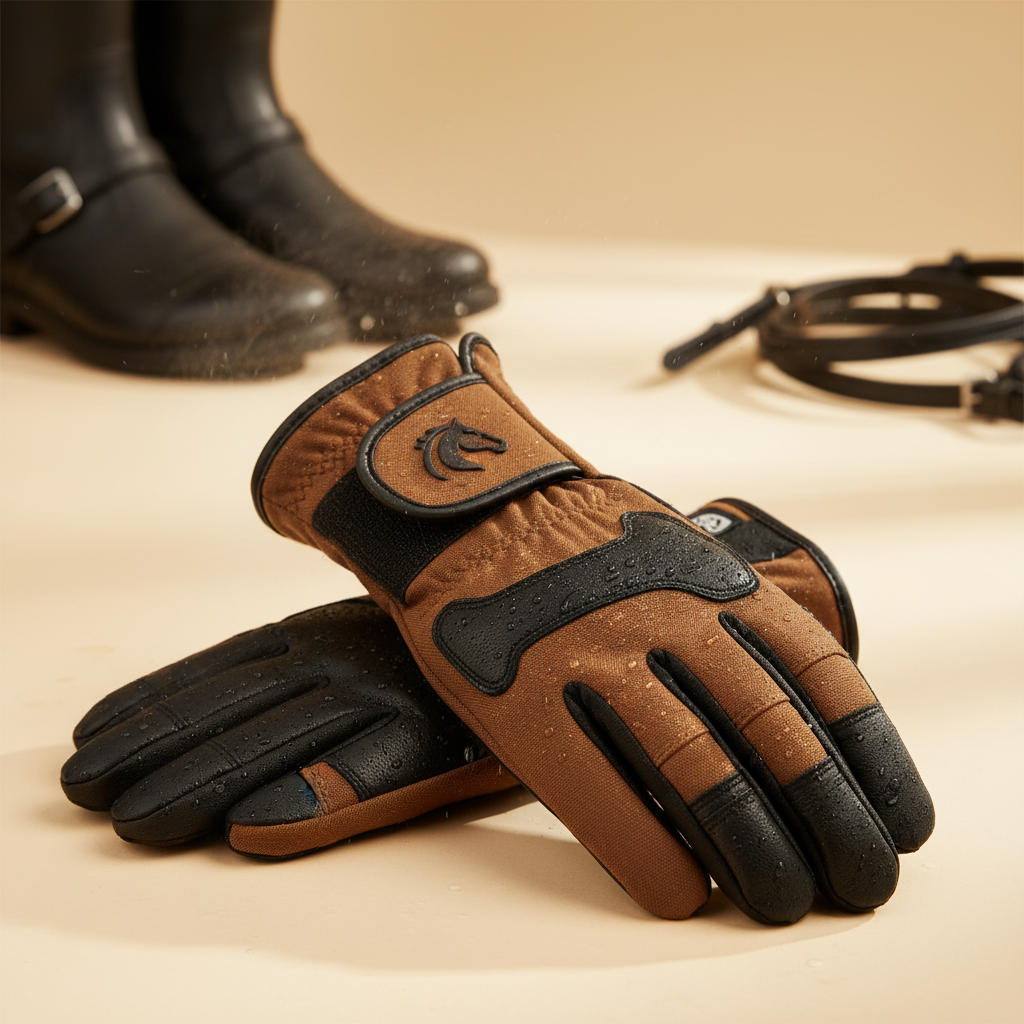
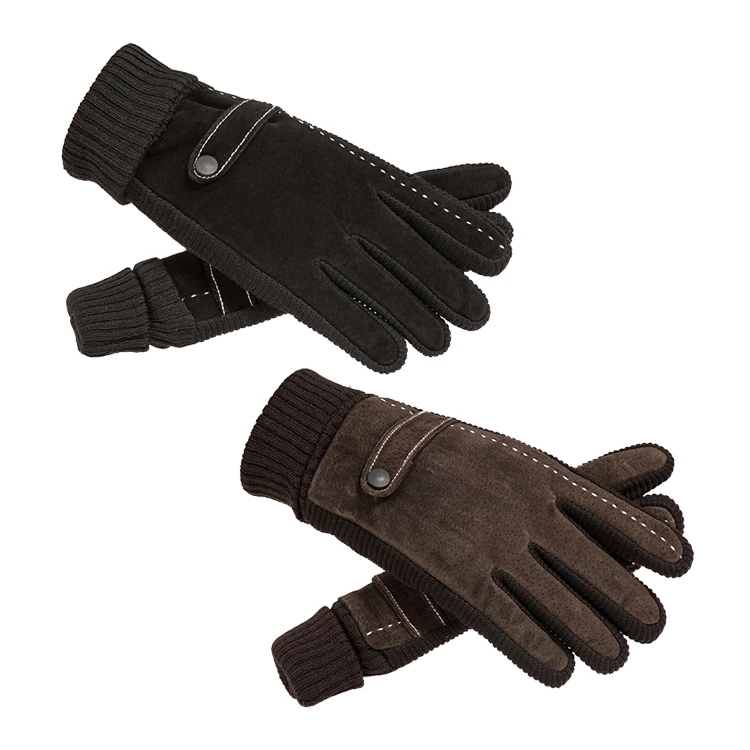
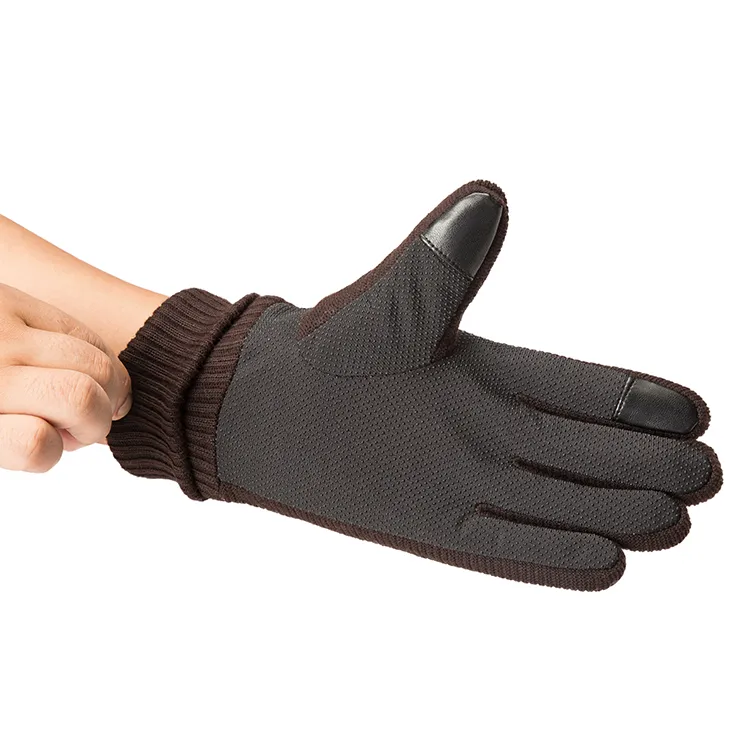
If you’re searching for biker gloves winter riders actually keep wearing after January, here’s the set that keeps popping up in my notes: pigskin leather, reinforced seams, and a snug wrist—because wind finds every gap, trust me.
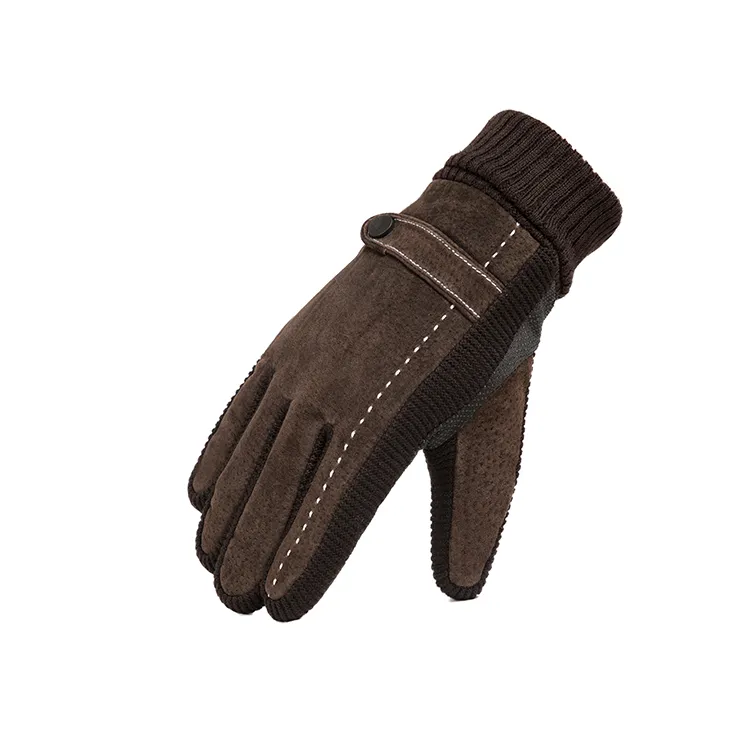
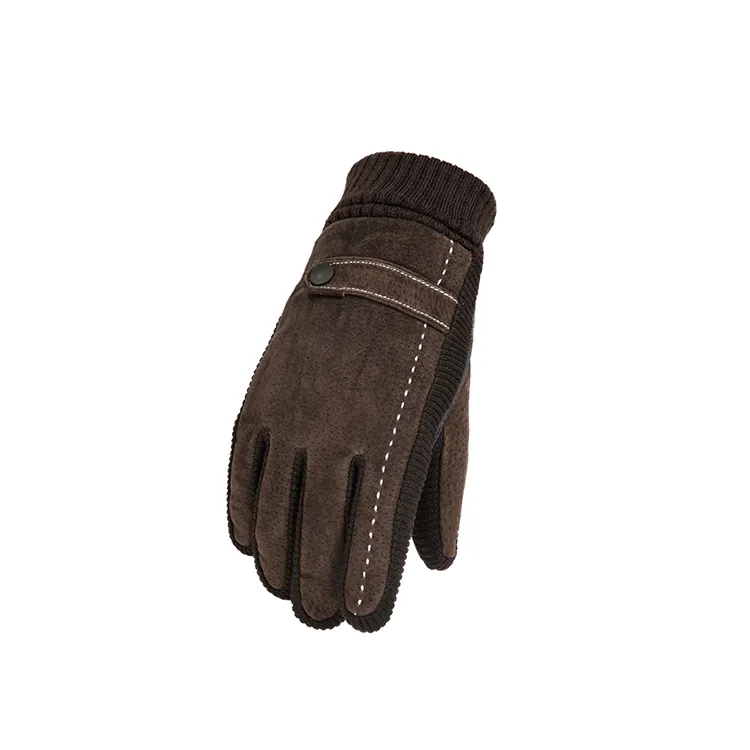
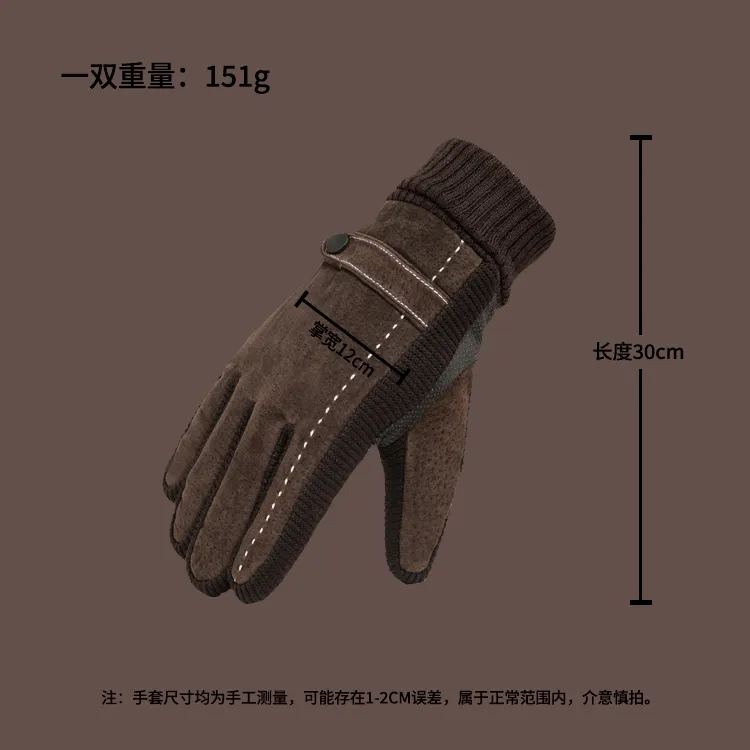
These are the Warm Riding Gloves, built in Xinji, Hebei (east side of the northern section of Education Road, Xinji Town). Pigskin is a bit of a sleeper hit: tough, elastic, and gets more supple with miles. I’ve tried plenty of synthetics; some are fine, but pigskin breaks in like good boots—quietly, then suddenly perfect.
Industry trend check (quickly)
Two big shifts: riders want abrasion-first winter gear (not just “puffy warm”), and they expect lab-backed data. Also, modularity—liners, wrist seals, and optional waterproofing—because climates aren’t one-size-fits-all. It seems that real riders accept “warm-enough + high control” over bulky oven mitts.
Core specifications (field-proven, not just brochure)
| Parameter | Spec (≈, real-world use may vary) |
|---|---|
| Leather | Premium pigskin, drum-dyed; reinforced palm overlays |
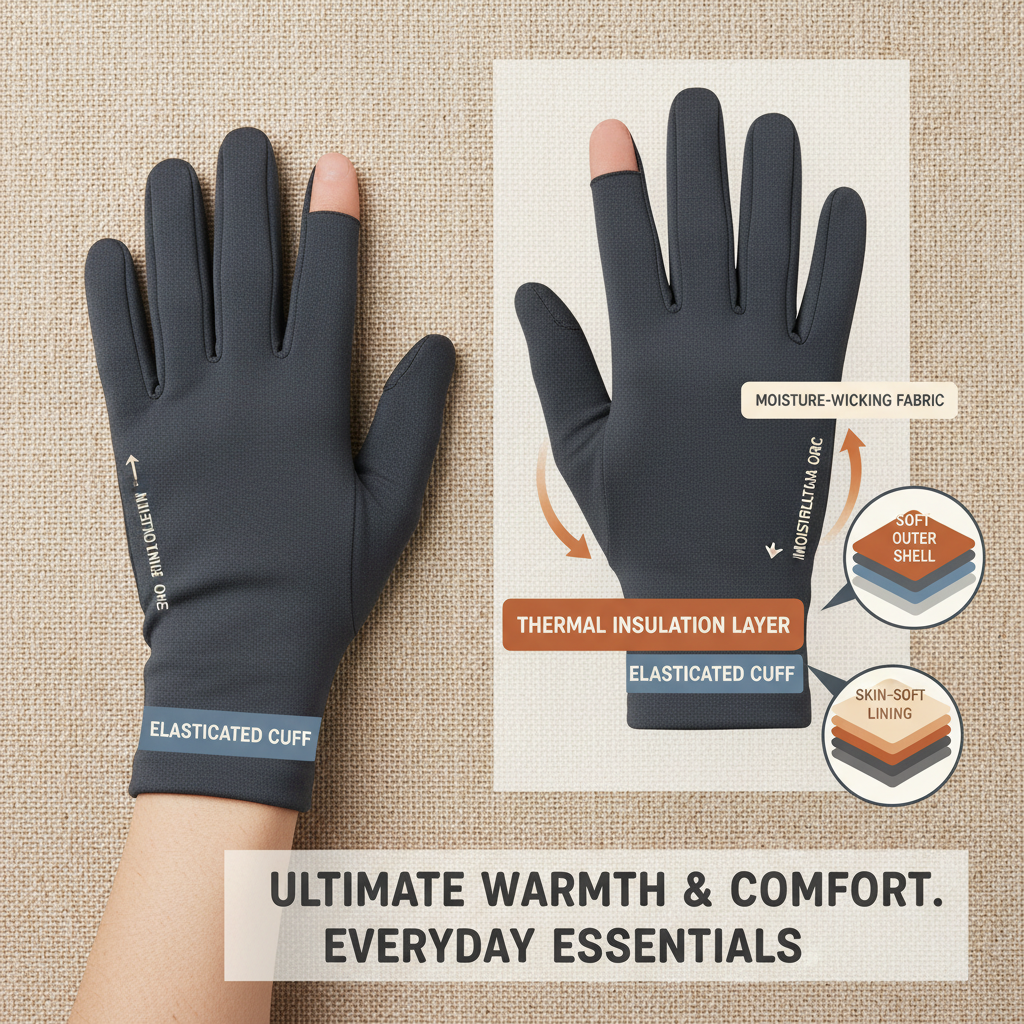
| Insulation/Lining | Soft brushed lining; optional 3M Thinsulate 40g/80g |
| Closure | Adjustable hook-and-loop wrist strap, wind-block cuff |
| Thermal range | ≈ −5°C to +8°C city riding; windchill and speed affect feel |
| Abrasion (Taber) | ≥ 5,000 cycles (H-18 wheel, 1 kg) – internal lab |
| Standards (targets) | EN 388 mechanical risks; EN 511 cold; EN 13594 motorcycle gloves—config-dependent |
How they’re made (condensed process)
- Materials: select pigskins, low-temp-tolerant thread, brushed liners; optional DWR finish.
- Methods: CAD patterning, double-needle seams in stress zones, palm overlay bonding, cuff sealing.
- Testing: EN 388/511 benchmarking, seam burst checks, Taber abrasion, grip coefficient on wet controls.
- Service life: ≈ 2–3 winters or 15,000–25,000 km for mixed commuting, with periodic conditioning.
- Industries: motorcycling, delivery fleets, utilities, outdoor maintenance.
Real-world scenarios and feedback
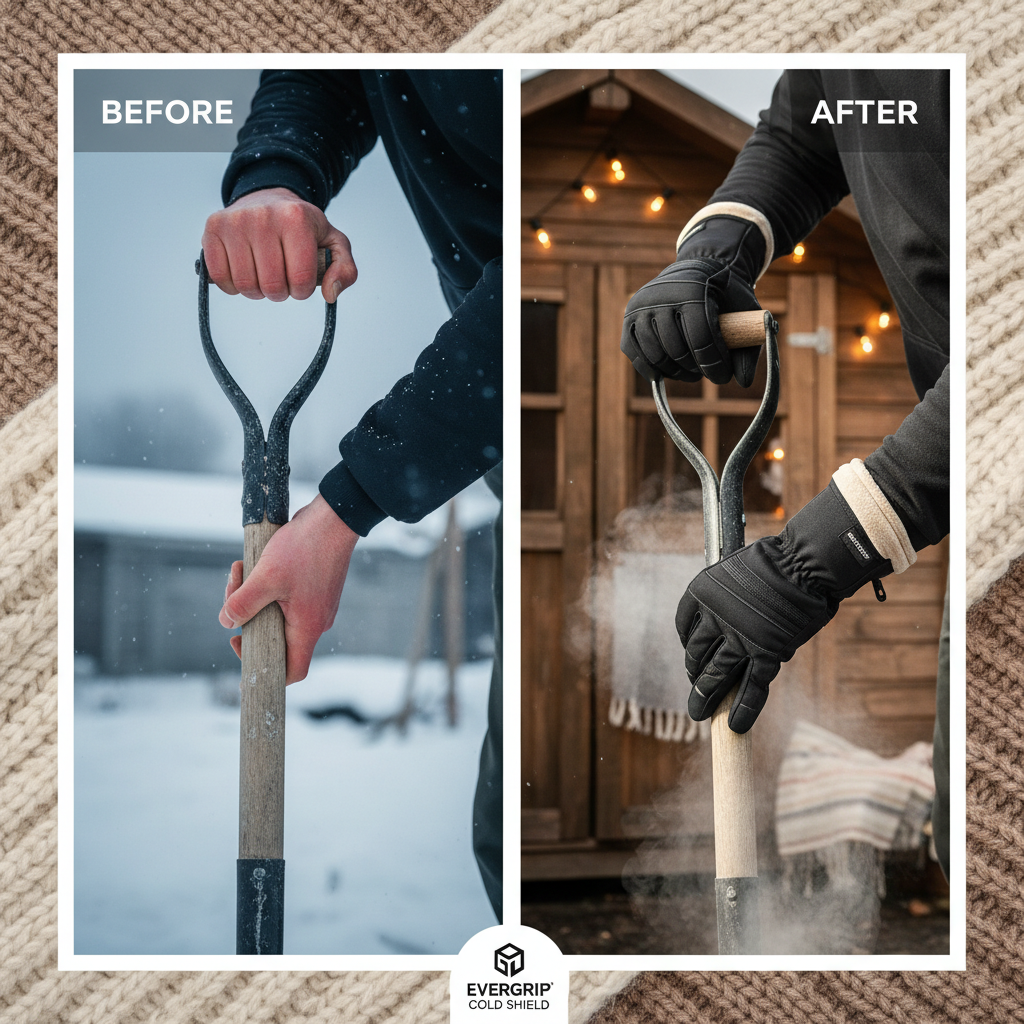
City commute at 5–7°C: plenty of dexterity on levers; heat grips play nicely with pigskin. Night highway at −2°C: acceptable if you run handguards or fairing—without those, I’d pick the 80g option. One courier manager told me, “Less finger numbness, fewer late drops.” Anecdotal, yes, but consistent.
Case A: North China courier fleet (70 bikes) switched for late fall; noted ≈18% fewer glove-related complaints over 6 weeks. Case B: Weekend rider, coastal UK: chose DWR + 40g; “no clammy palms,” which is rarer than you’d think.
Vendor comparison (why pigskin wins in winter control)
| Criteria | Warm Riding Gloves | Synthetic Winter A | Budget Faux B |
|---|---|---|---|
| Material | Pigskin leather | PU/softshell blend | PU-coated fabric |
| Dexterity (subjective) | High | Medium | Low–Medium |
| Abrasion | Level 3–4 target | Level 2–3 | Level 1–2 |
| Wind sealing | Snug cuff + strap | Elastic cuff | Loose cuff |
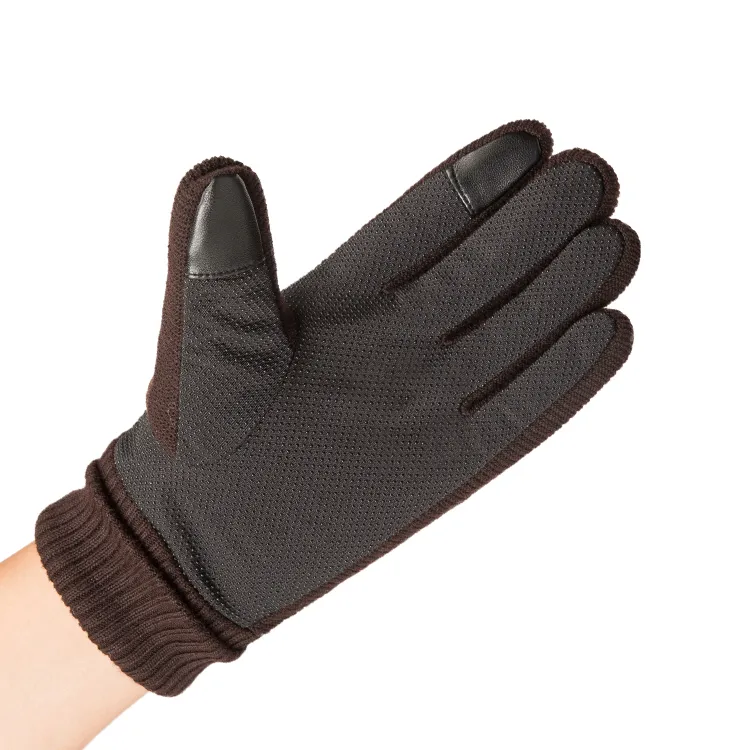
| Touchscreen | Optional conductive tips | Yes, basic | No |
Customization, compliance, and notes
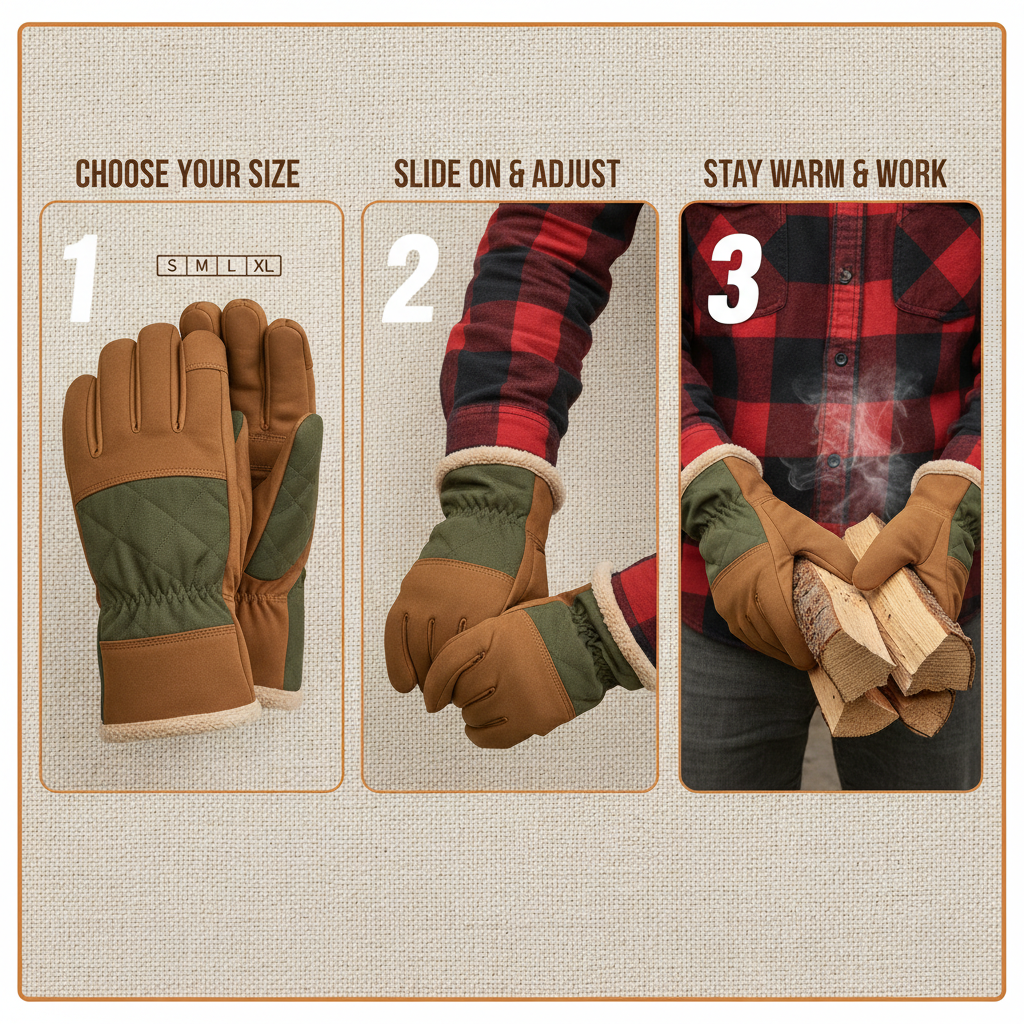
- Options: insulation weight, logo emboss/deboss, conductive fingertips, DWR, extended cuff.
- Certifications: CE PPE routes available; EN 13594/EN 388/EN 511 testing upon request (configs vary).
- Care: leather balm every few weeks; avoid direct radiator drying.
Bottom line: for biker gloves winter commuters can trust, pigskin’s mix of abrasion resistance and pliability is hard to beat. Not magic—just well-judged materials and honest stitching.