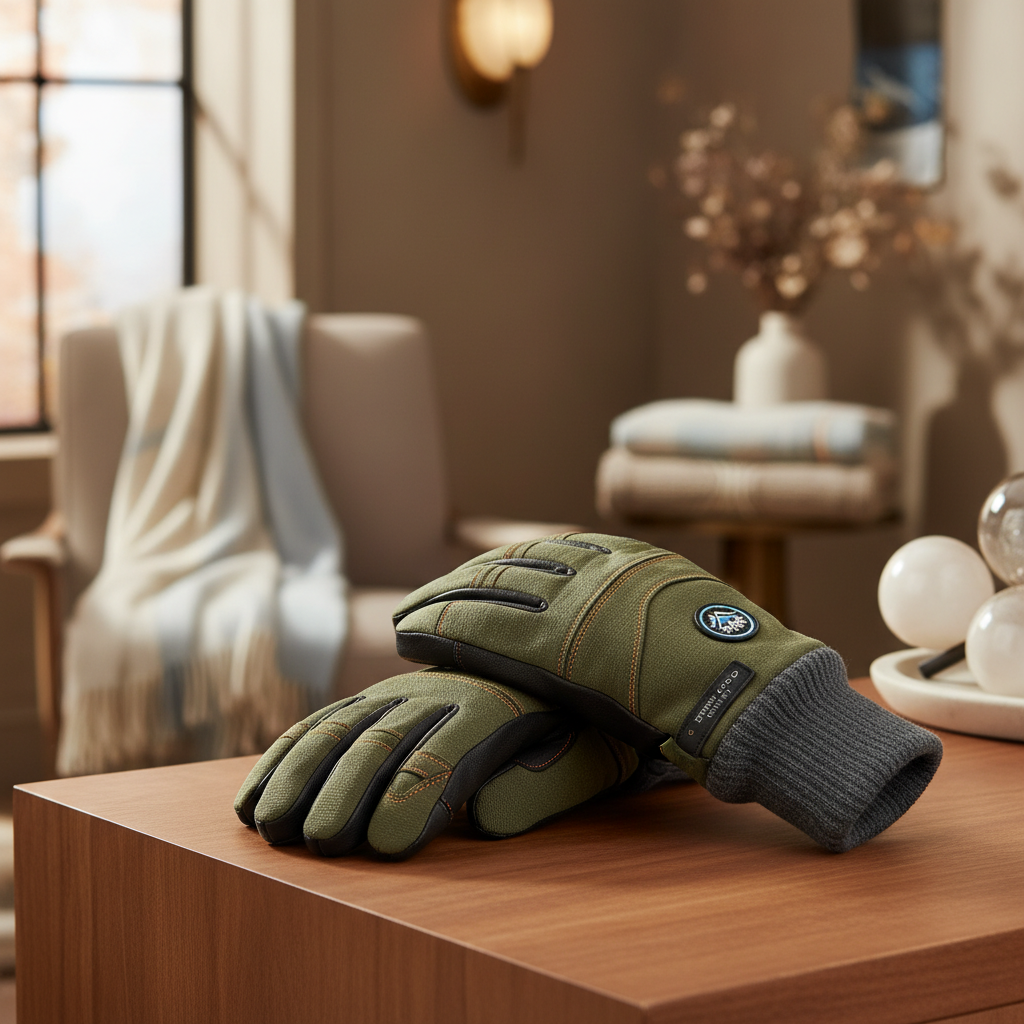
Choosing the Best Sports Gloves for Cold Weather Activities
Choosing the Right Sports Gloves for Cold Weather
When temperatures drop, maintaining dexterity and warmth during outdoor activities becomes crucial. Selecting the right sports gloves for cold weather is paramount for comfort and performance. This article explores the key features to look for, different types of insulation, and how to choose gloves tailored to your specific needs. Whether you're skiing, snowboarding, running, or simply enjoying winter walks, the right gloves can make all the difference. We will guide you through the options to ensure your hands stay warm, dry, and protected.
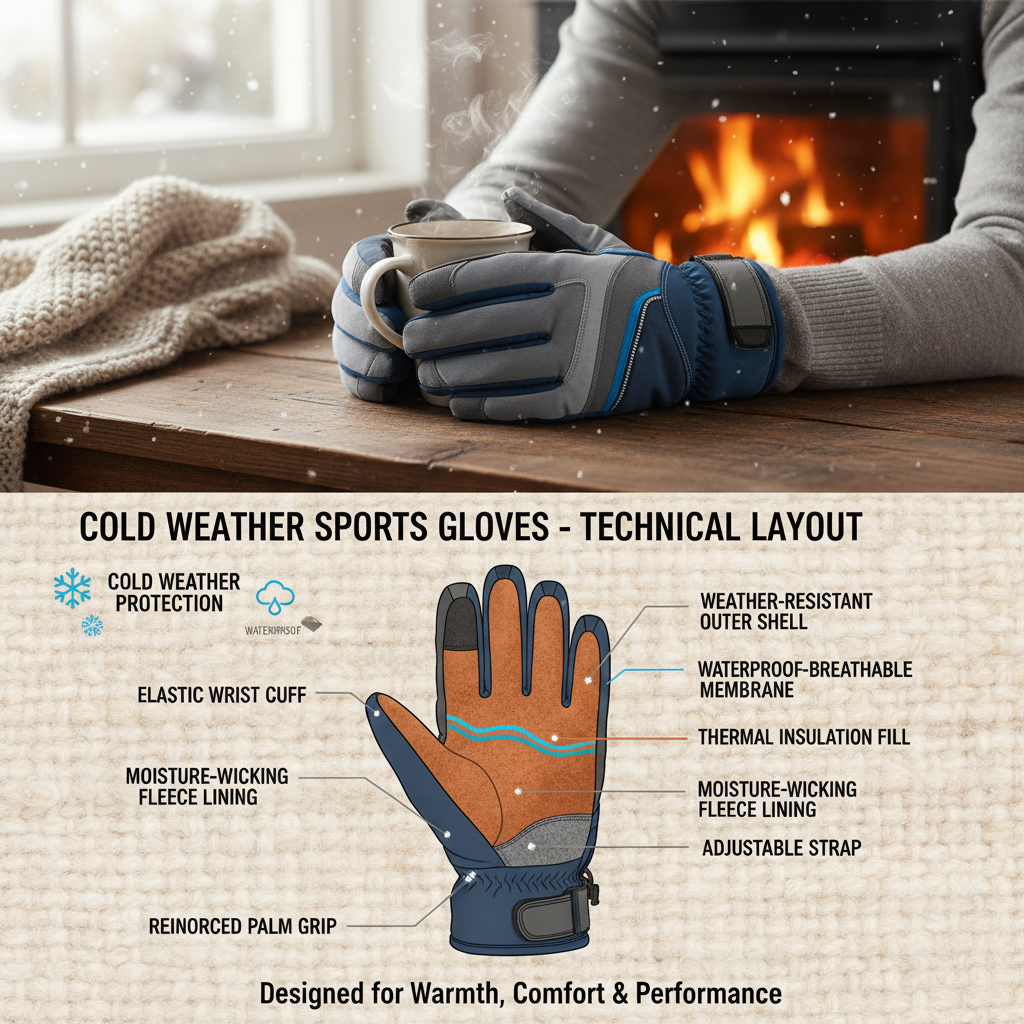
Understanding Glove Insulation: A Guide to Warmth
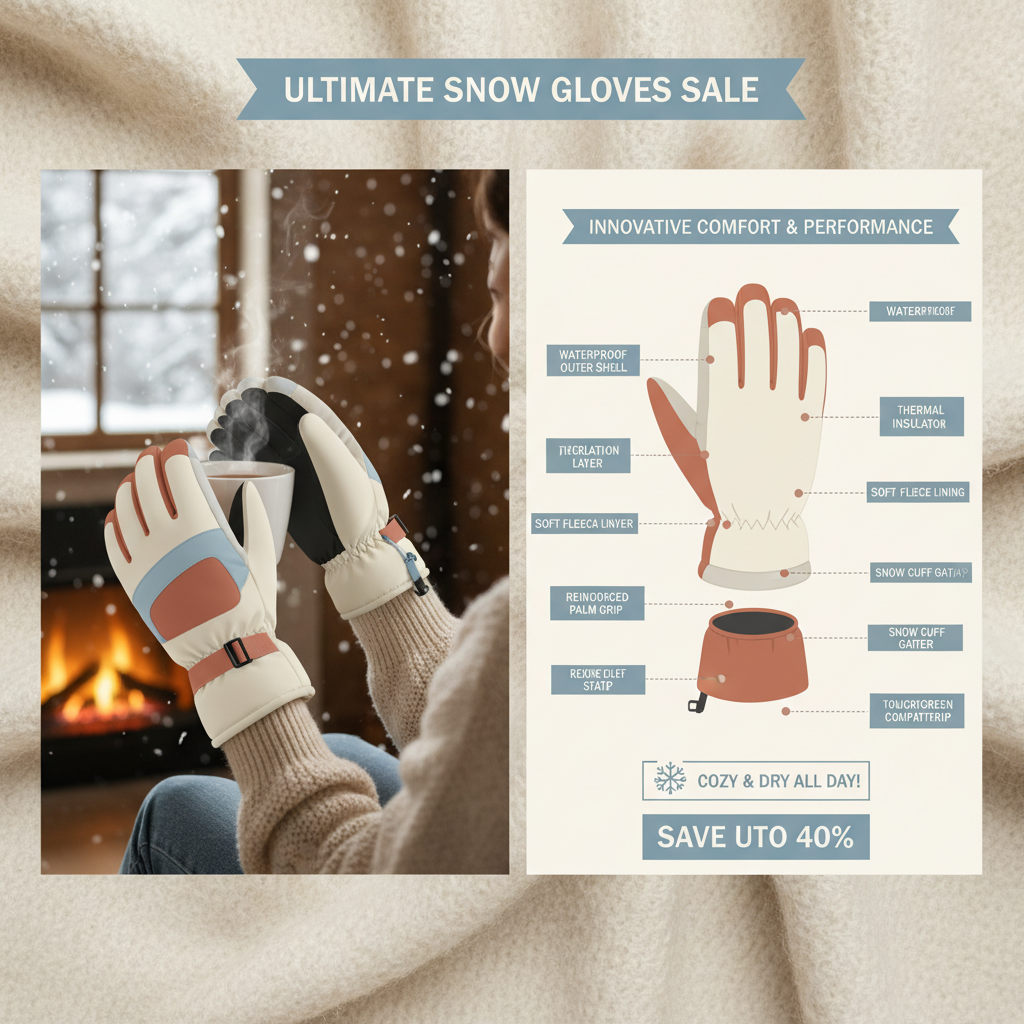
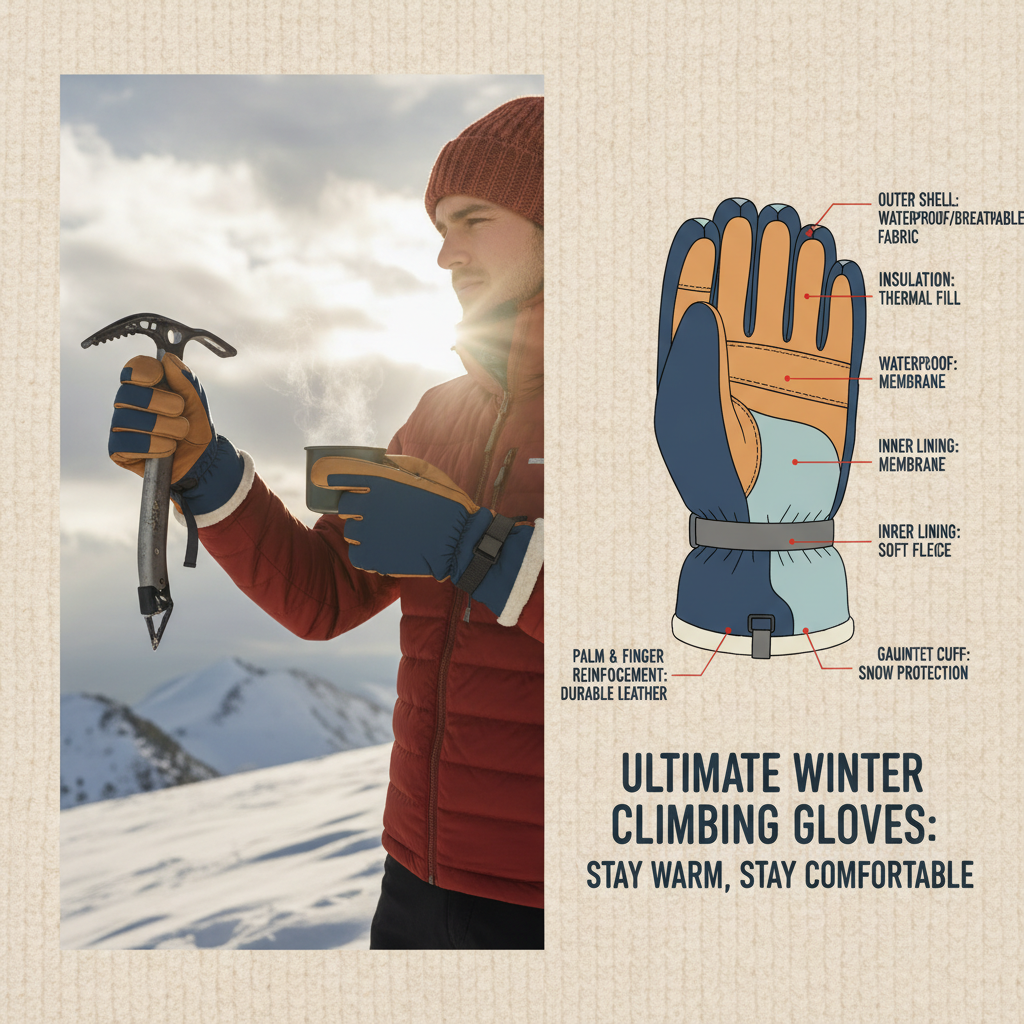
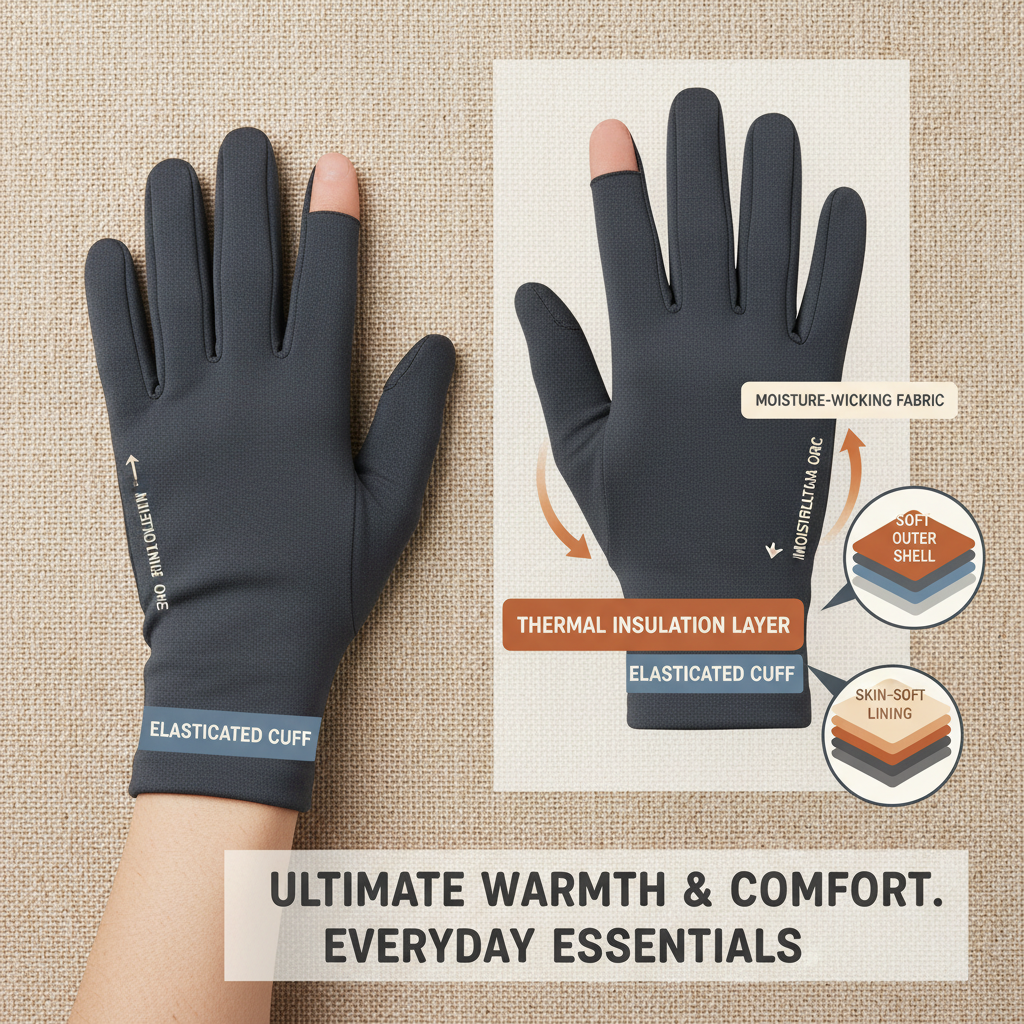
The primary function of sports gloves for cold weather is to provide insulation. Different materials offer varying levels of warmth and breathability. Common insulation types include: Down – known for its excellent warmth-to-weight ratio, but loses its insulating properties when wet. Synthetic Insulation – (like PrimaLoft® or Thinsulate™) offers good warmth even when wet and is more affordable than down. Fleece – provides moderate warmth and is highly breathable, ideal for less extreme conditions. Choosing the right insulation depends on the anticipated weather conditions and the intensity of your activity. Personal Care SCN offers a range of gloves with various insulation options to suit different needs.
Key Considerations: Choosing the right insulation balances warmth, breathability, and cost. Synthetic options are often preferred for activities where moisture is likely.
Waterproofing and Breathability: Keeping Hands Dry
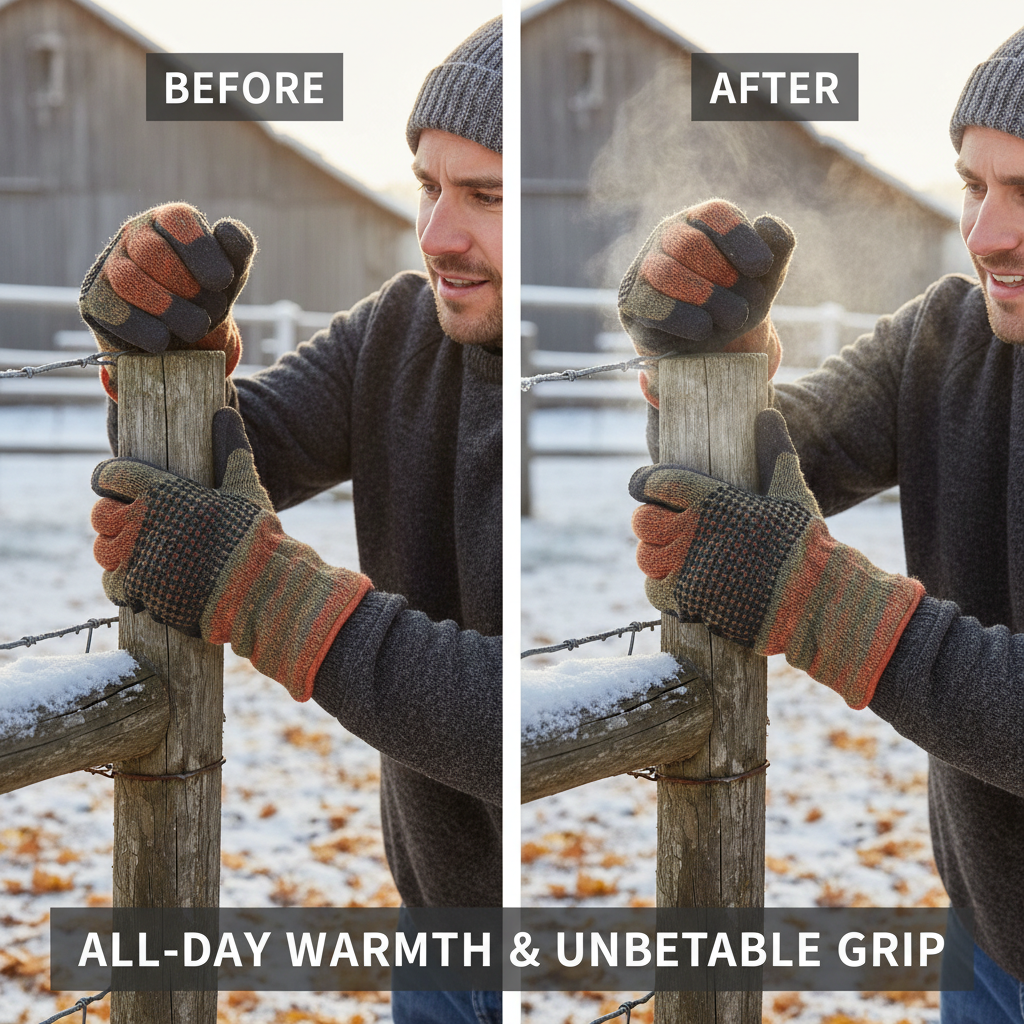
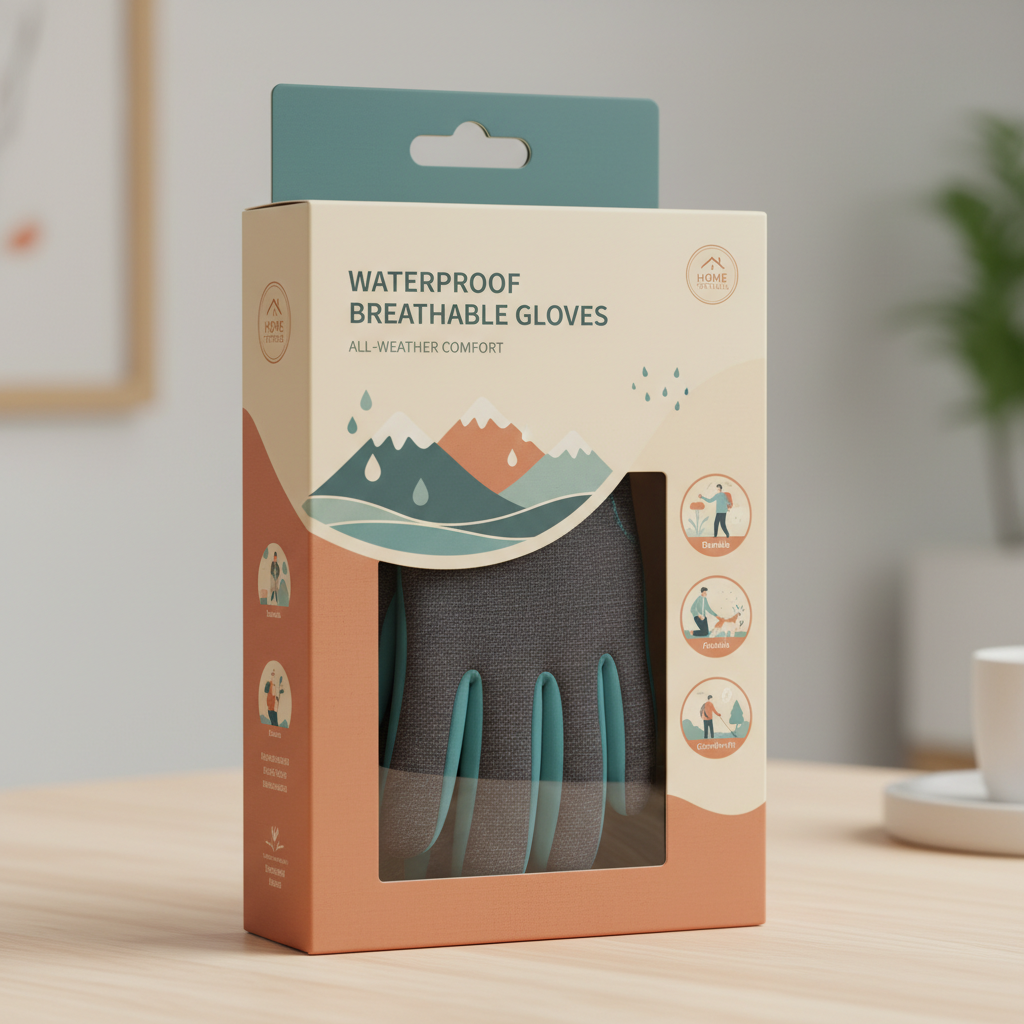
Waterproof and breathable membranes, like Gore-Tex, are essential for keeping your hands dry in snowy or wet conditions. These membranes prevent water from entering the gloves while allowing moisture vapor (sweat) to escape, preventing your hands from becoming clammy and cold. Look for gloves with a waterproof/breathability rating to understand their performance. Higher ratings indicate better waterproofness and breathability. It's important to note that a waterproof outer shell alone isn't enough – a breathable membrane is critical for all-day comfort.
Waterproof & Breathability Benefits:
• Keeps hands dry in wet conditions
• Prevents sweat buildup and clamminess
• Enhances comfort during prolonged activity
Sports Gloves for Cold Weather: Comparing Features
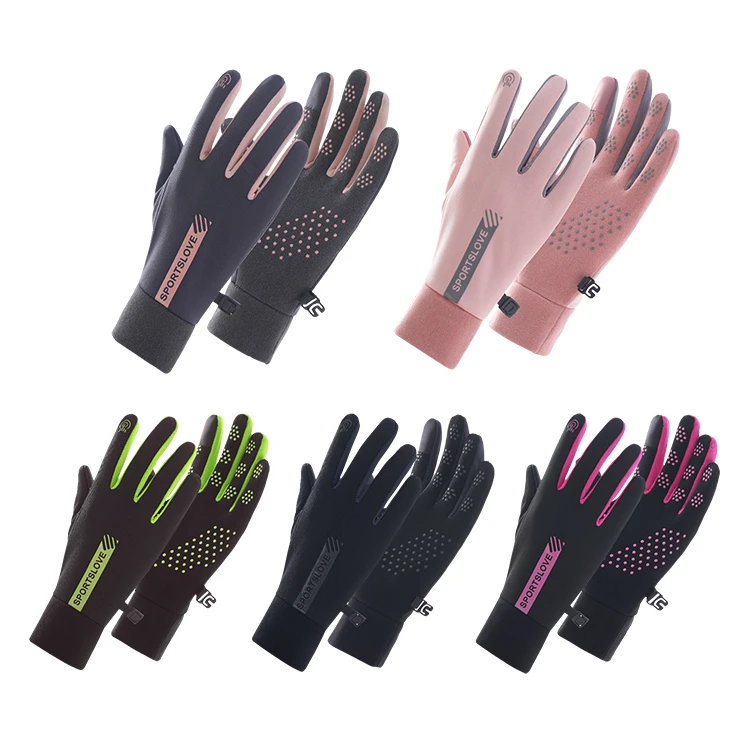
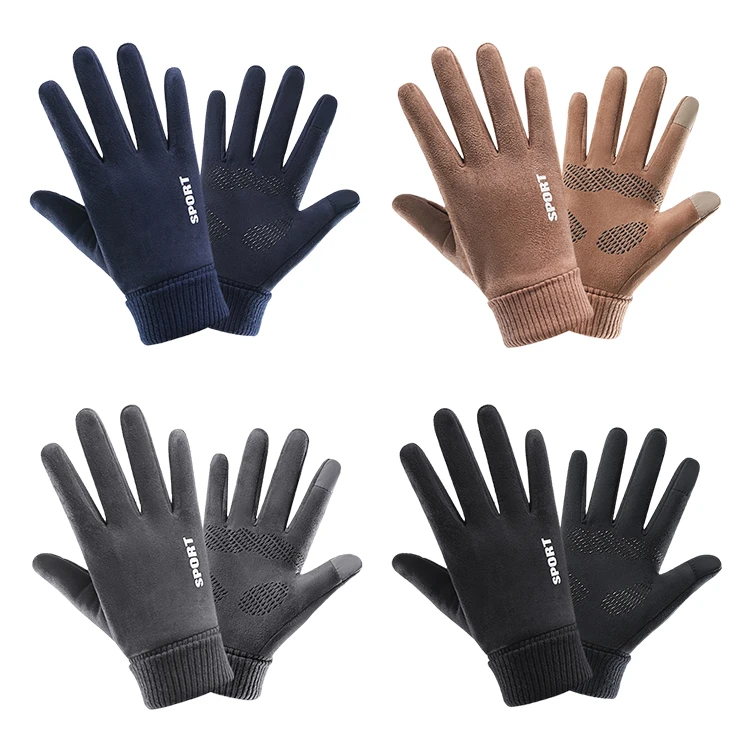
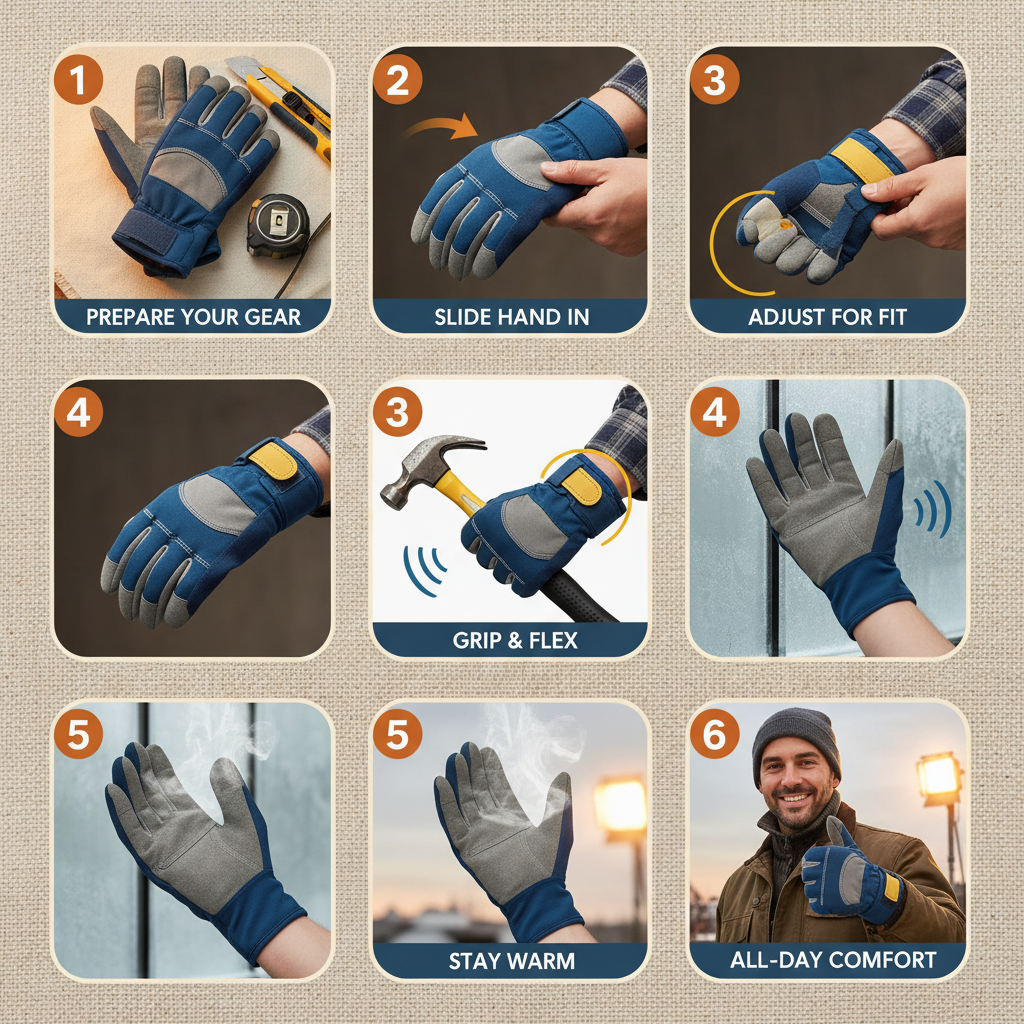
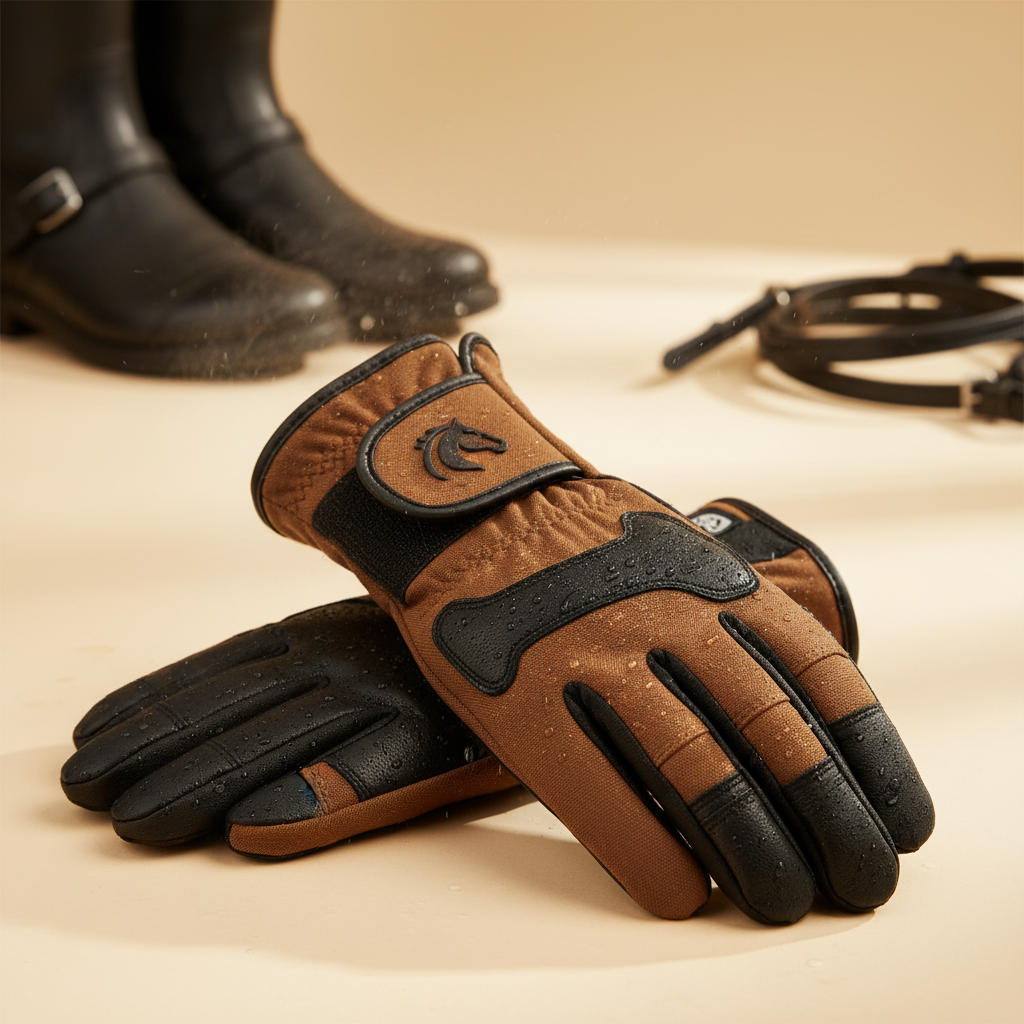
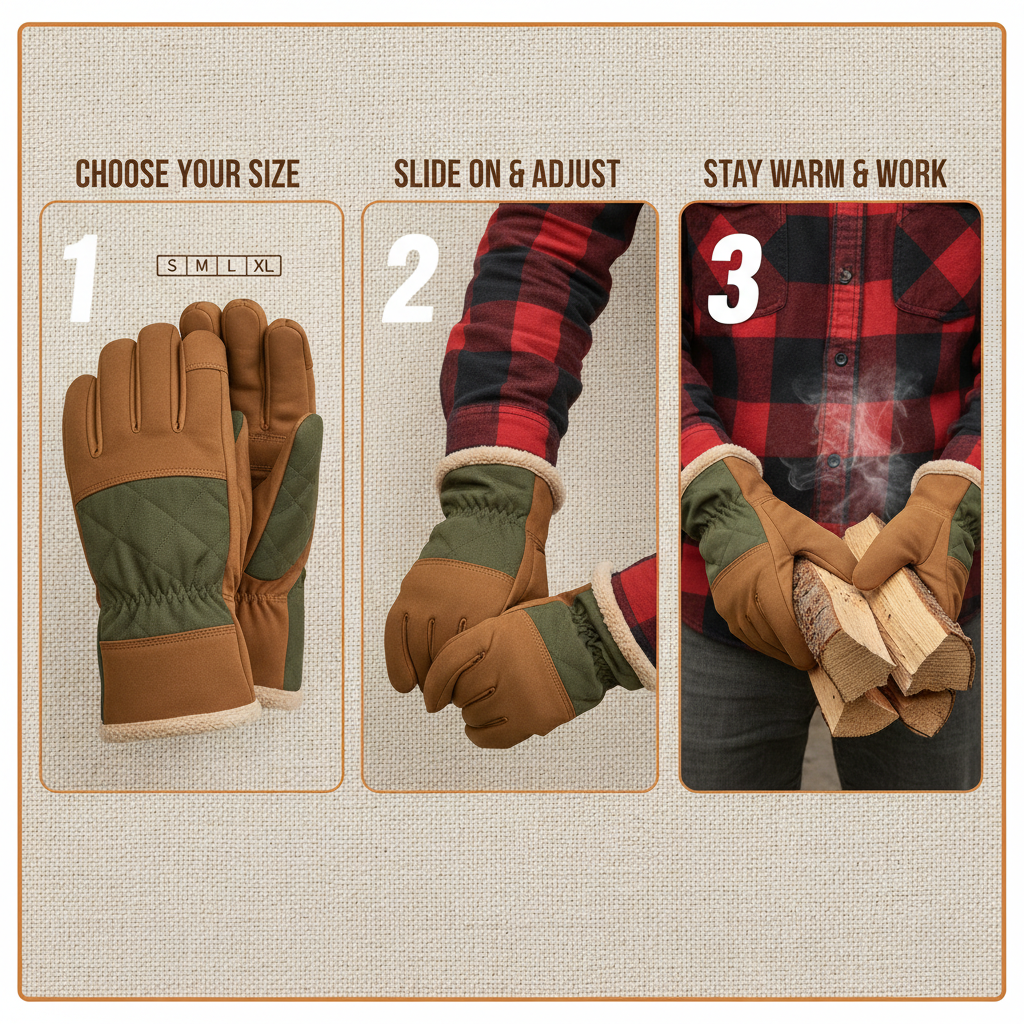
Different sports require different glove features. Ski and snowboard gloves often have longer cuffs to fit over jackets, preventing snow from entering. Running gloves prioritize breathability and dexterity. Cycling gloves might feature windproof palms and touchscreen compatibility. Consider your primary activity when selecting gloves. Features like reinforced palms, adjustable wrist straps, and nose wipes can also enhance functionality. Personal Care SCN offers specialized gloves for various winter sports.
Glove Materials: Leather vs. Synthetic
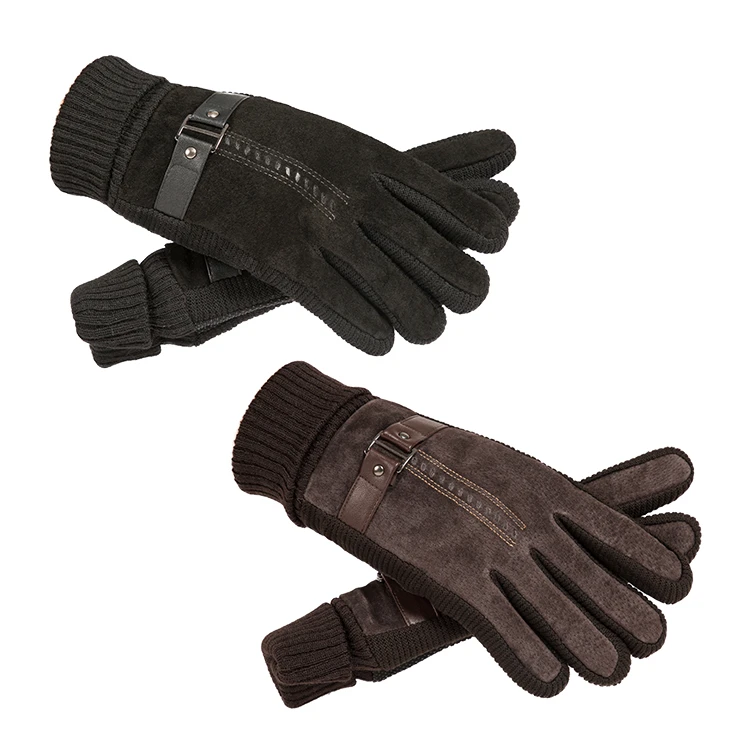
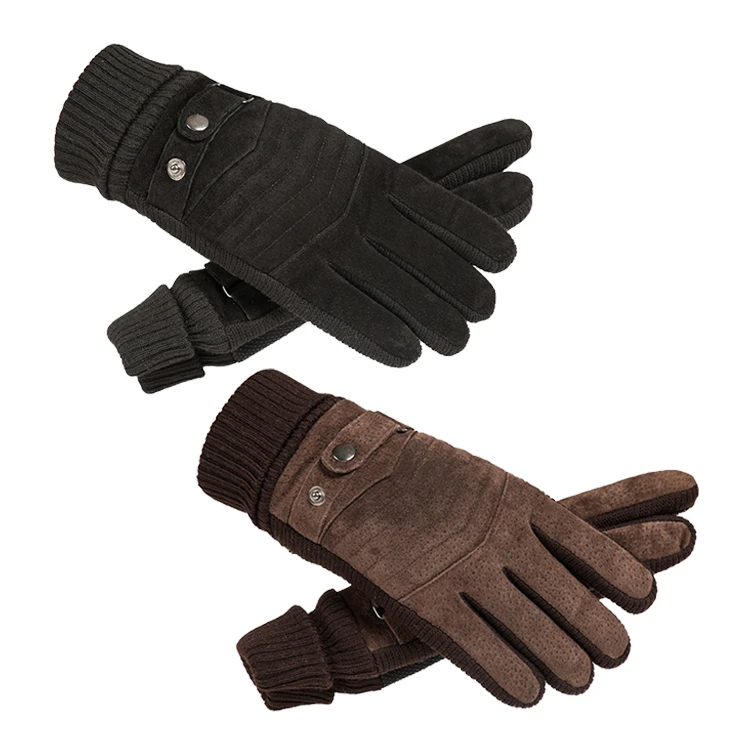
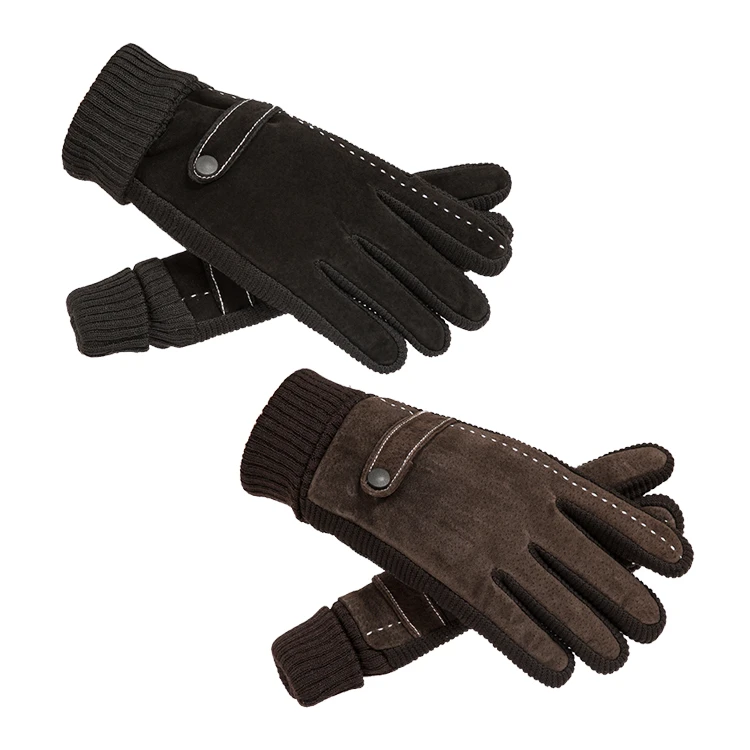
The outer material of your gloves also impacts performance. Leather gloves are durable, naturally water-resistant, and mold to your hand over time. However, they require more maintenance and can be expensive. Synthetic materials, like nylon and polyester, are more affordable, lightweight, and quick-drying. They often offer good abrasion resistance. Consider the trade-offs between durability, comfort, and cost when choosing between leather and synthetic gloves. Explore our selection at Personal Care SCN.
Final Thoughts: Staying Warm and Protected
Conclusion: Investing in Quality for Winter Comfort
Selecting the right sports gloves for cold weather is a crucial investment in your comfort and safety. By considering factors like insulation, waterproofing, and activity-specific features, you can ensure your hands stay warm, dry, and protected during all your winter adventures. Don't compromise on quality – choose gloves that are designed to withstand the elements and enhance your performance.
Frequently Asked Questions (FAQs)
What temperature rating should I look for in sports gloves?
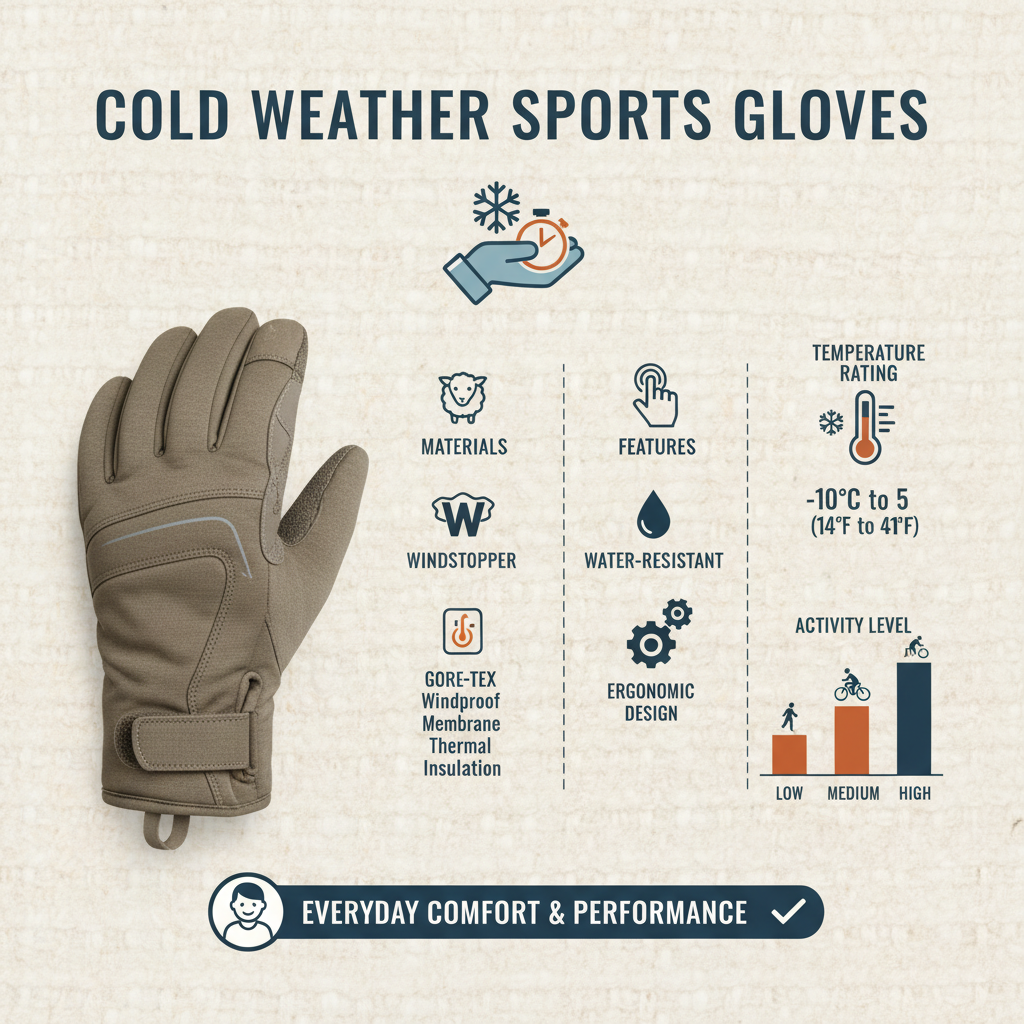
Temperature ratings are a helpful guideline, but they can vary between brands. Generally, gloves rated for 0°F to 20°F are suitable for moderate cold, while gloves rated for -20°F or lower are designed for extreme conditions. It's also important to consider your activity level. If you're engaged in high-intensity exercise, you'll generate more heat and may not need as heavily insulated gloves. Layering gloves can also provide flexibility – wear a liner glove underneath for added warmth.
How do I care for my sports gloves to prolong their lifespan?
Proper care is essential for maintaining the performance and longevity of your gloves. After each use, allow them to air dry completely. Avoid direct heat, as this can damage the insulation. For leather gloves, periodically condition them with a leather conditioner to keep them supple. Store your gloves in a dry, well-ventilated place. Following these simple steps will help ensure your gloves remain in good condition for seasons to come.
Are touchscreen-compatible gloves really effective?
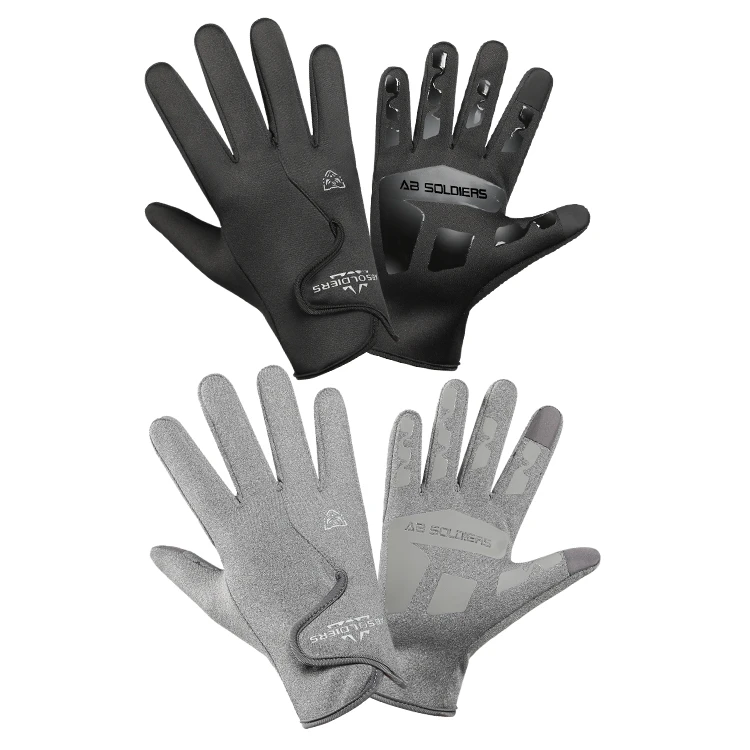
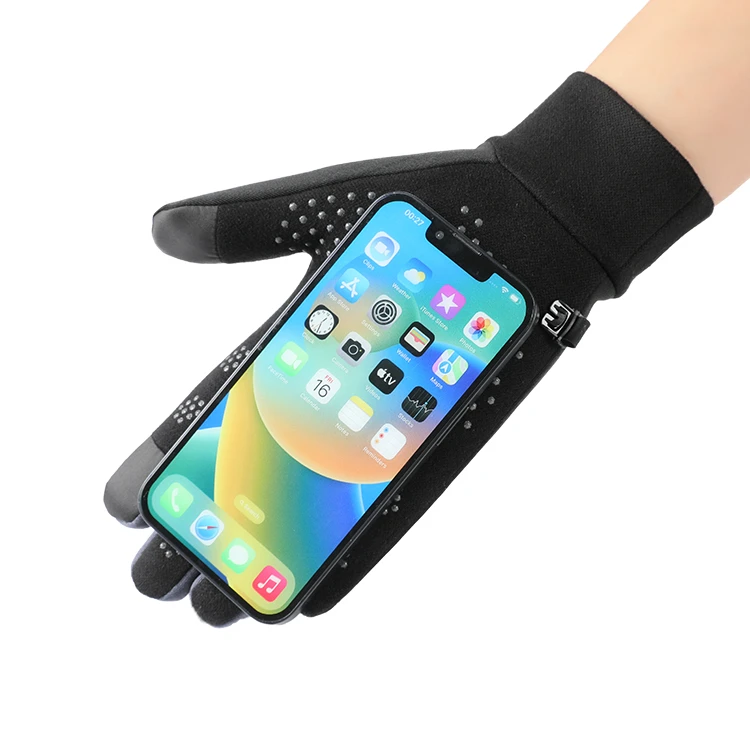
Touchscreen compatibility varies between gloves. Gloves with conductive material woven into the fingertips generally work well with most smartphones and tablets. However, the sensitivity may not be as high as using your bare fingers. Look for gloves specifically designed with enhanced touchscreen compatibility for the best results.
What is the benefit of a gauntlet-style glove?
Gauntlet-style gloves feature an extended cuff that goes over the jacket sleeve, creating a tighter seal to prevent snow and cold air from entering. They are particularly useful for skiing, snowboarding, and other activities where you're exposed to deep snow or harsh conditions. The extra coverage provides enhanced warmth and protection.