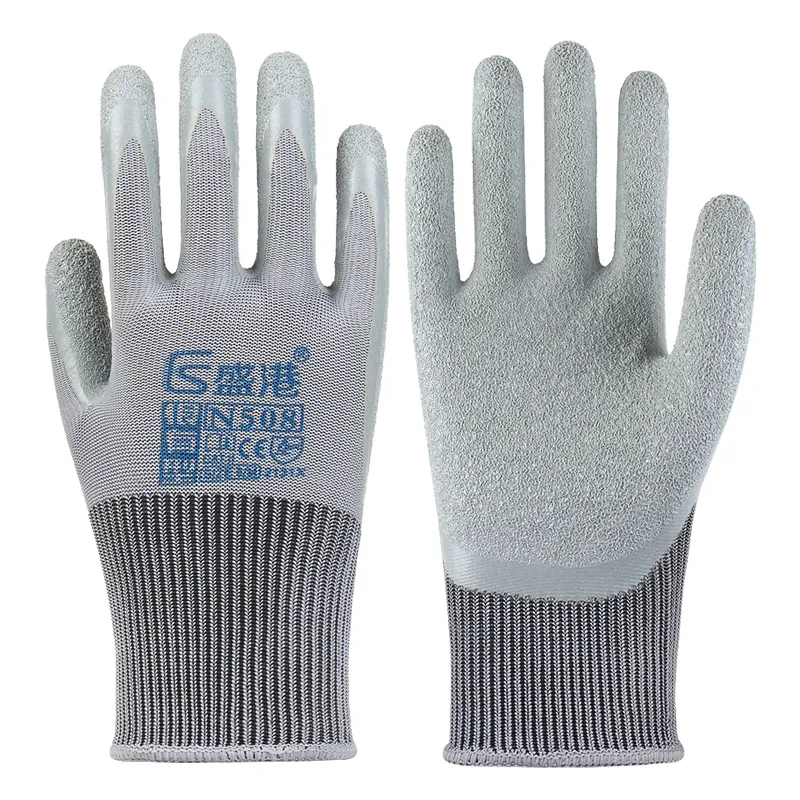
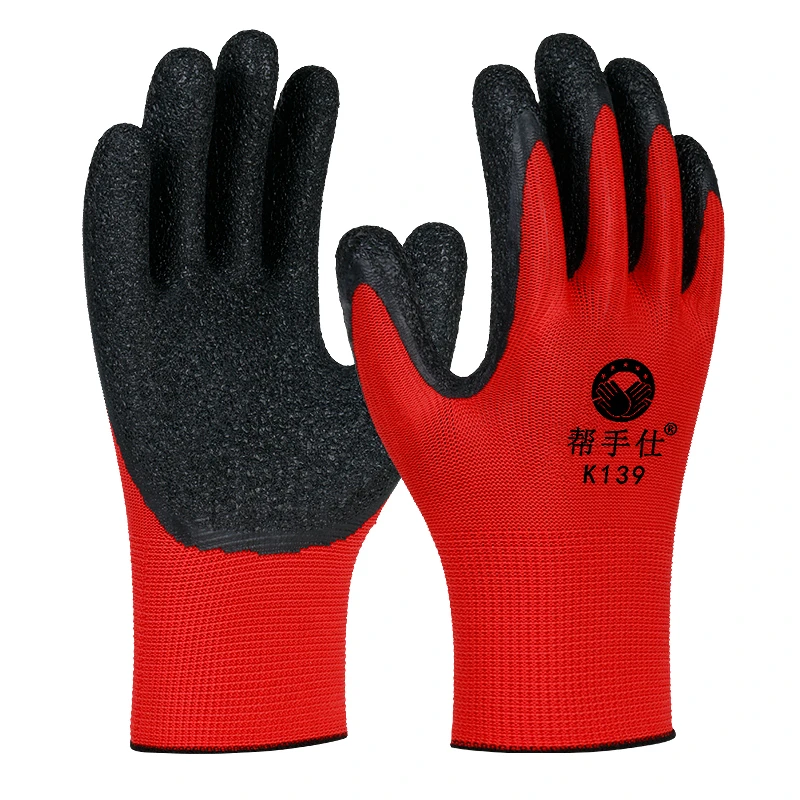
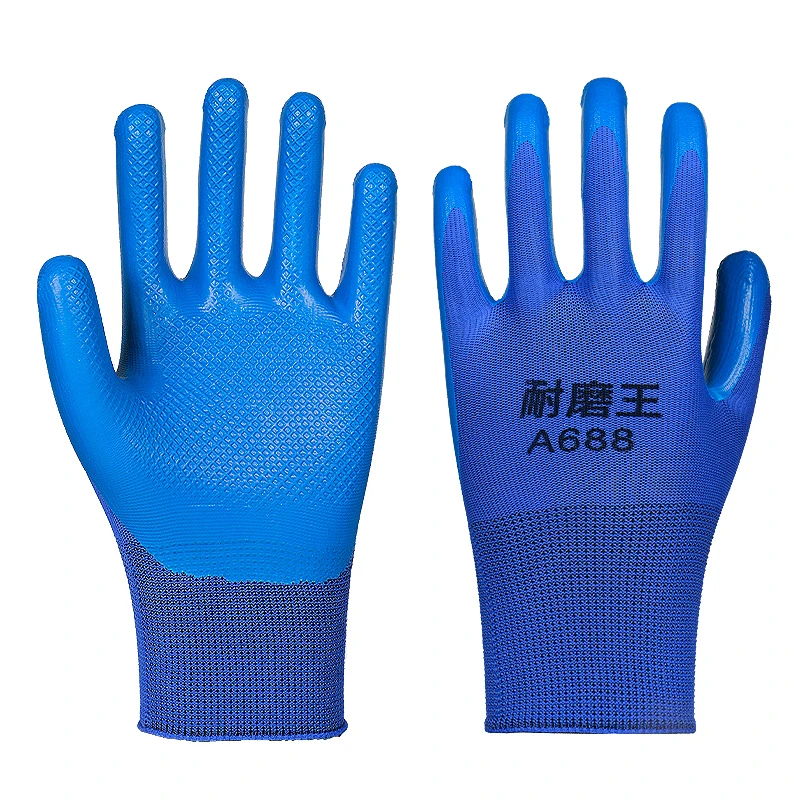
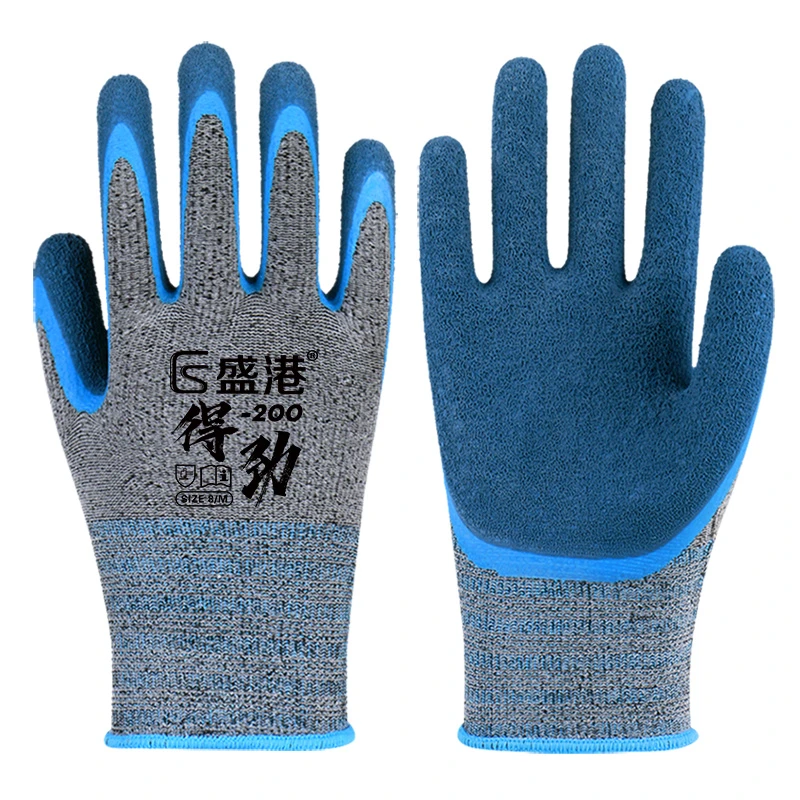
Choosing the Right Protection with Thick Winter Gloves for Cold Weather
Choosing the Right Protection: A Guide to Thick Winter Gloves
When winter's chill sets in, keeping your hands warm and protected is crucial. Thick winter gloves are essential for comfort and safety during outdoor activities and work. This article will explore the benefits of choosing the right gloves, factors to consider, different types available, and how to select gloves that perfectly fit your needs. Protecting your hands from the elements is not just about comfort; it’s about maintaining dexterity and preventing injuries. We will guide you through the key features to look for when purchasing thick winter gloves.

Why Choose Thick Winter Gloves?
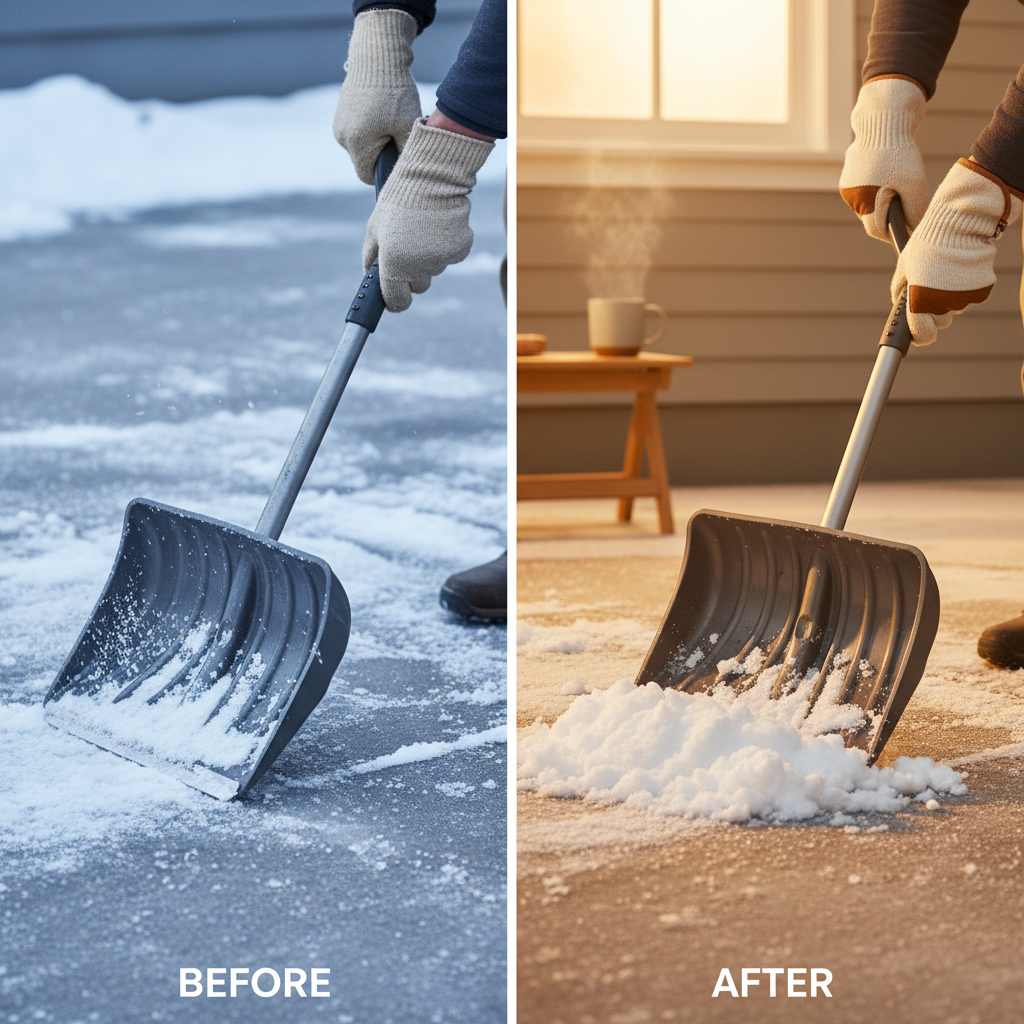
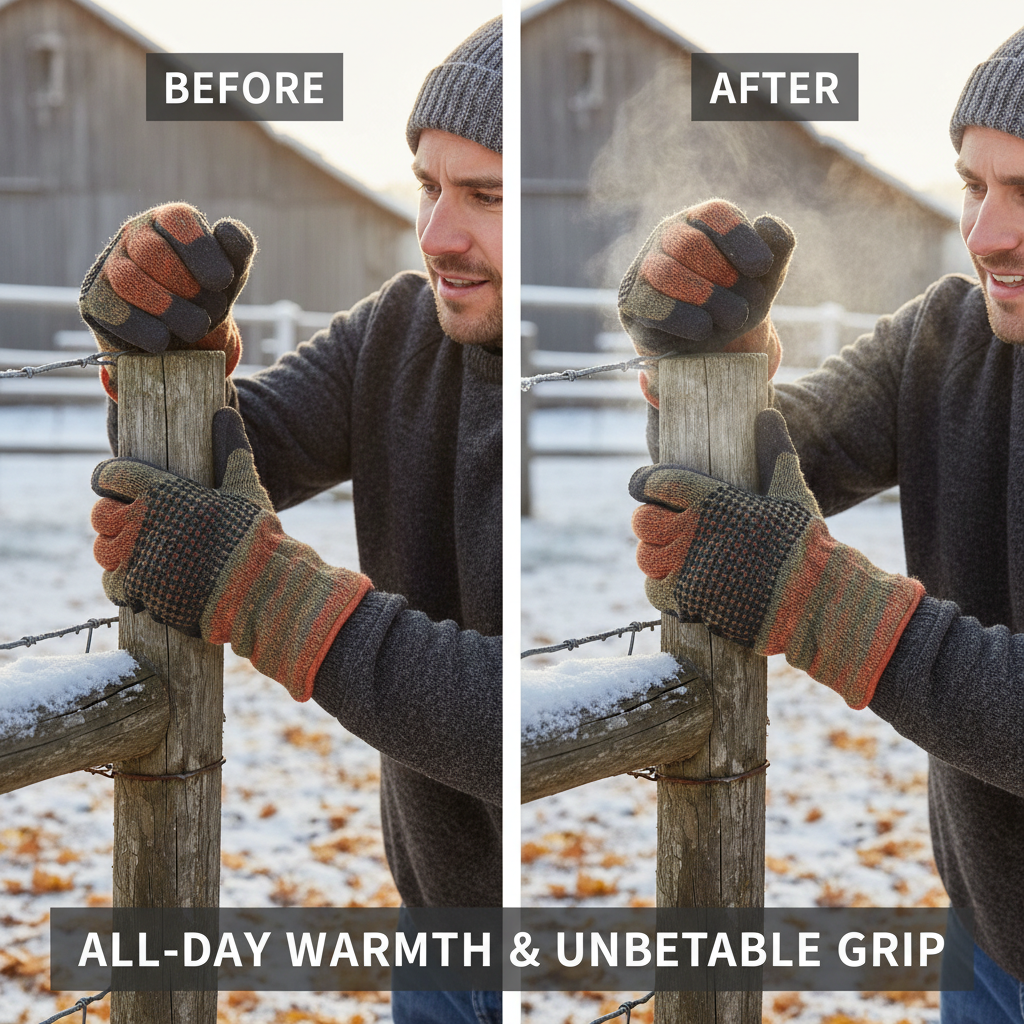
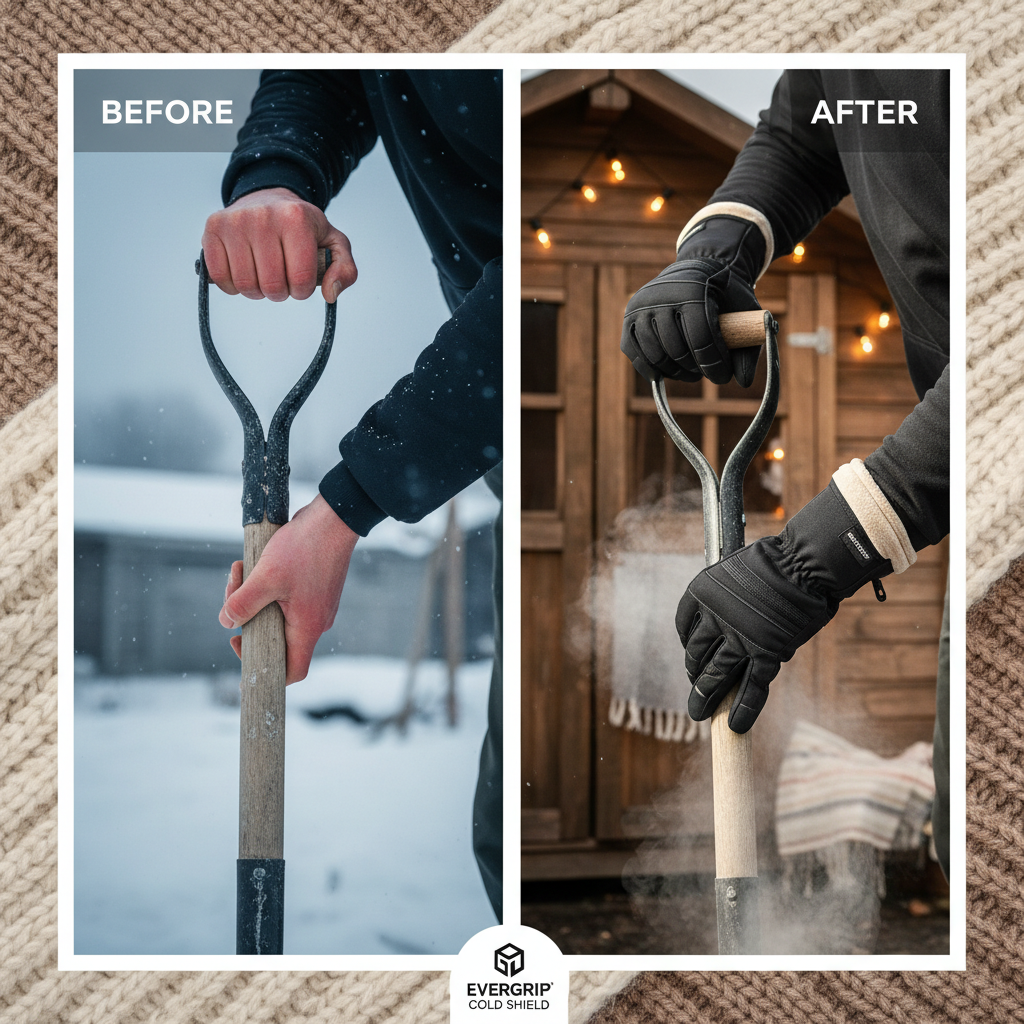
Thick winter gloves offer superior insulation compared to lighter alternatives. This is especially important in extremely cold temperatures, as they help prevent frostbite and hypothermia. Beyond warmth, quality gloves provide protection against wind, snow, and abrasion. For those working outdoors, durable gloves can significantly reduce the risk of hand injuries. The right gloves aren’t just an accessory; they're a vital piece of protective gear. They allow you to continue working or enjoying outdoor activities without discomfort or risk to your hands. Investing in a good pair of thick winter gloves is a smart decision for anyone facing cold weather conditions.
Key Benefits: Superior insulation, protection from wind and snow, prevention of frostbite, reduced risk of hand injuries.
Materials Matter: Understanding Glove Construction
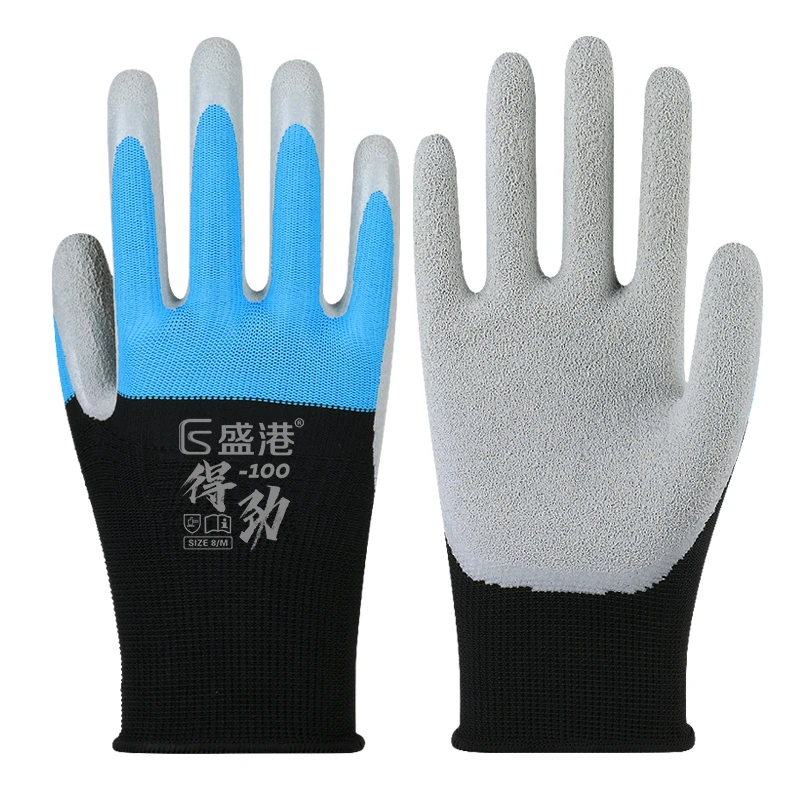
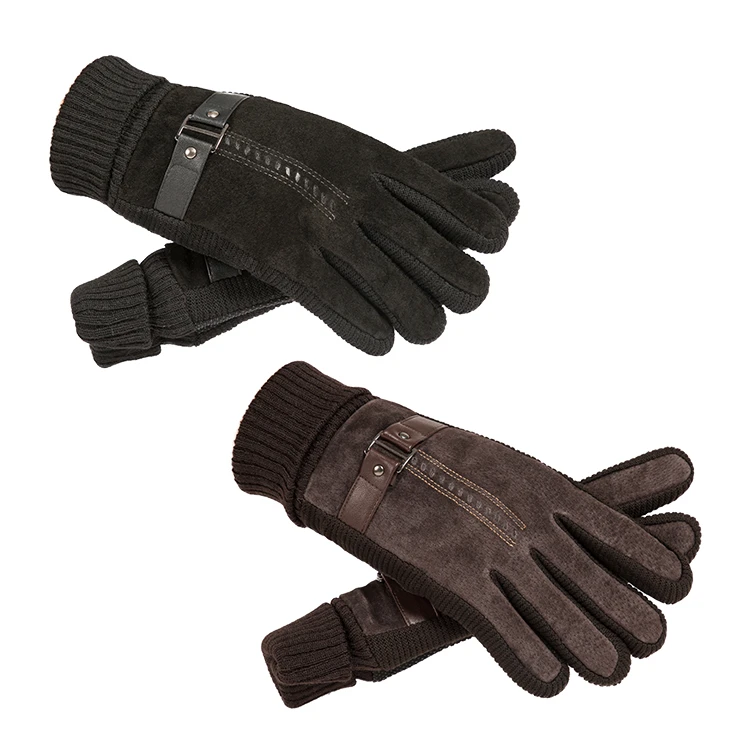
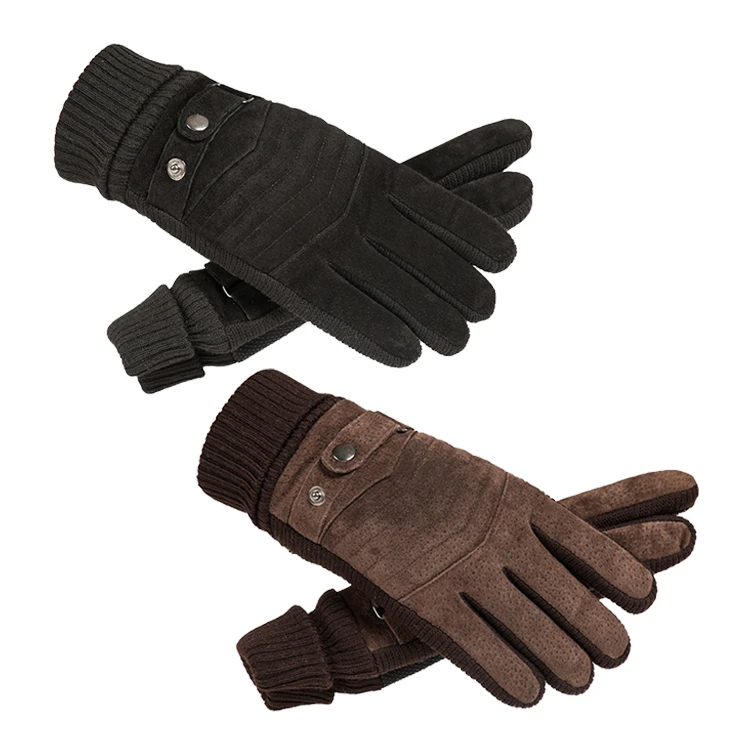
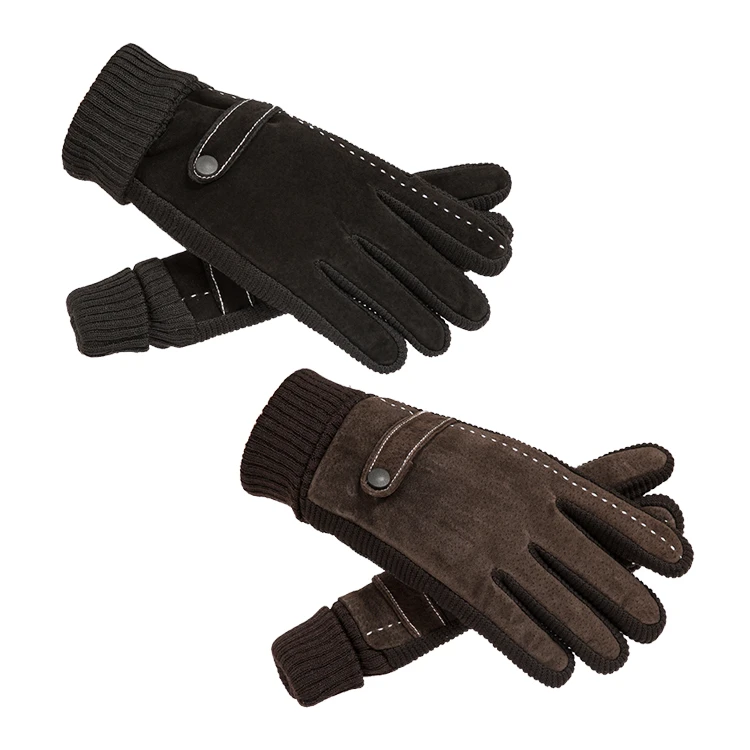
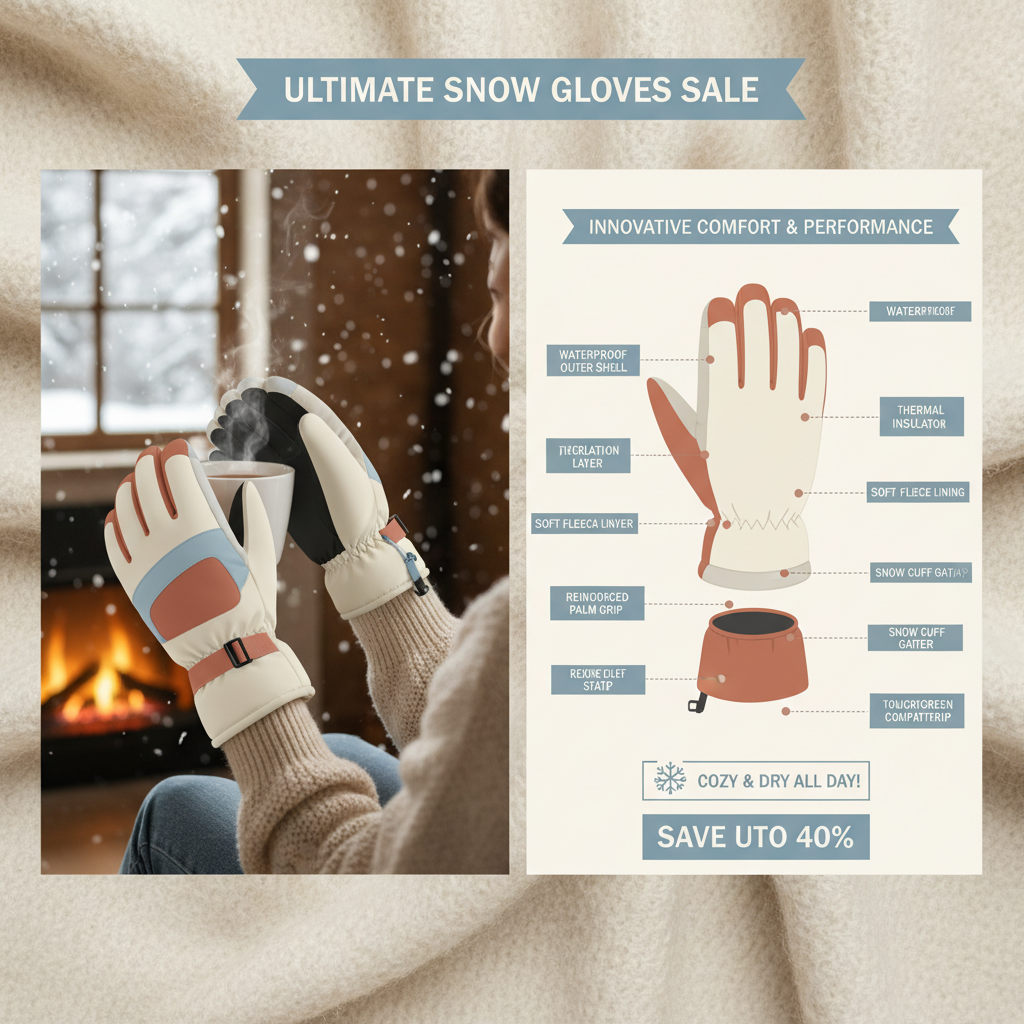
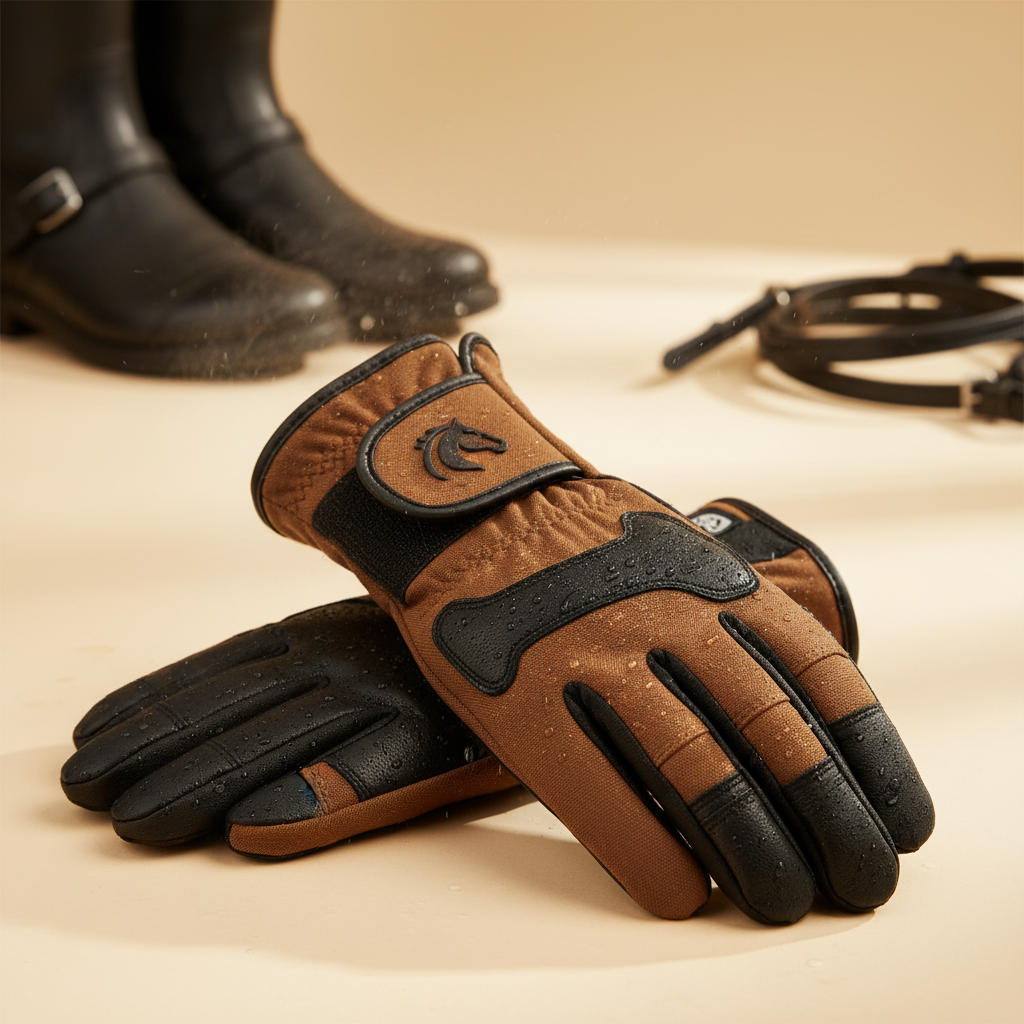
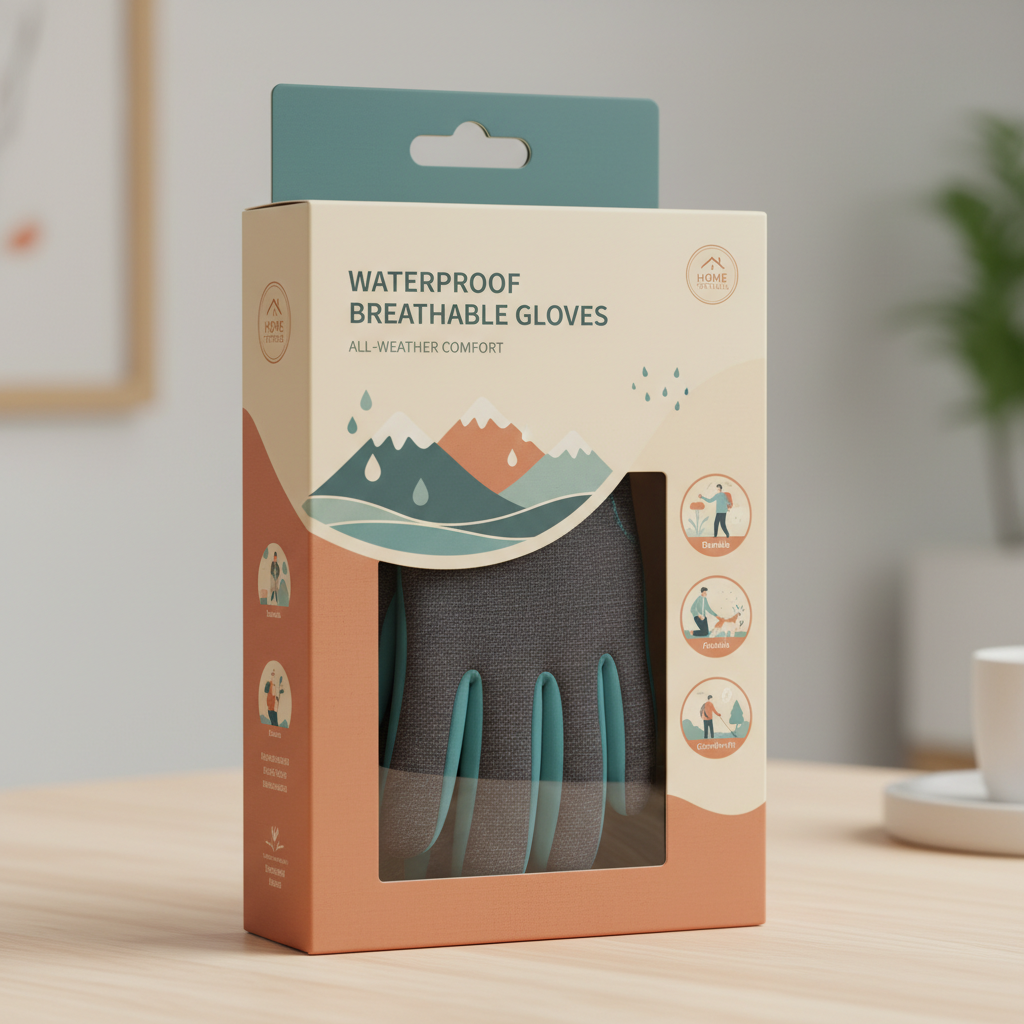
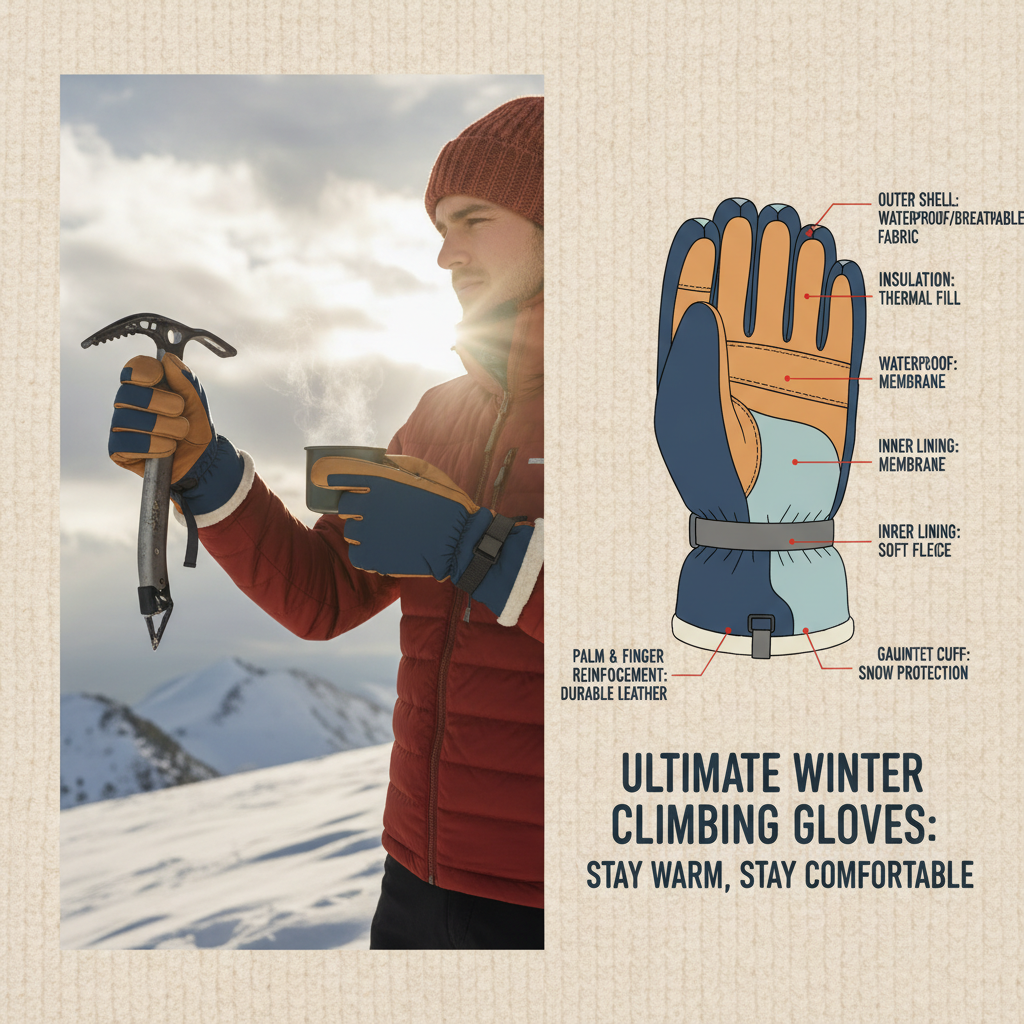
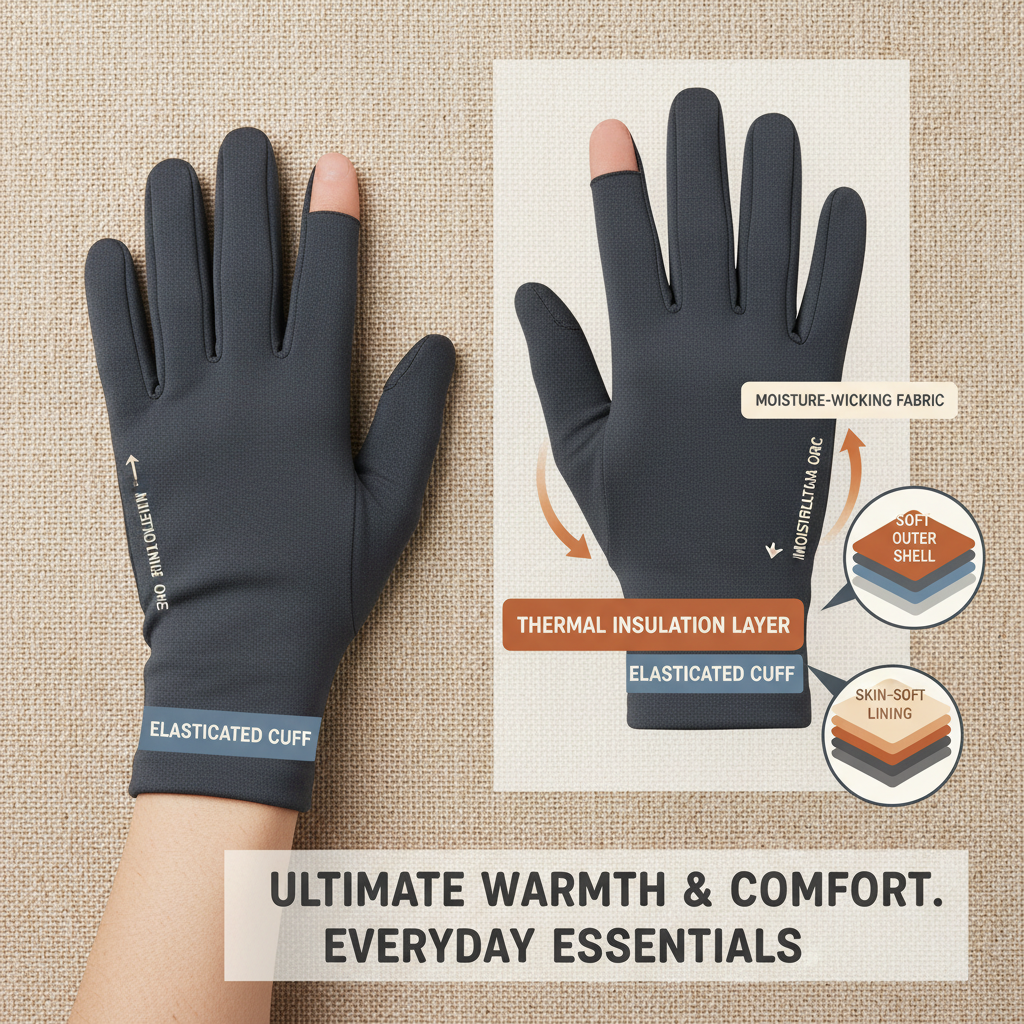
The materials used in thick winter gloves significantly impact their performance. Common materials include leather, synthetic fabrics (like polyester and nylon), and insulation layers such as Thinsulate or down. Leather offers durability and good insulation, but can be less water-resistant unless treated. Synthetic materials are often more affordable, lightweight, and quick-drying. Insulation levels are measured in grams; higher gram weight indicates greater warmth. Consider the balance between warmth, durability, and breathability when choosing gloves. A waterproof and breathable membrane is ideal for keeping hands dry and comfortable.
Material Breakdown:
• Leather: Durable, warm, requires maintenance.
• Synthetic Fabrics: Affordable, lightweight, quick-drying.
• Thinsulate/Down: Excellent insulation, varying levels of bulk.
Thick Winter Gloves: Comparing Types and Features
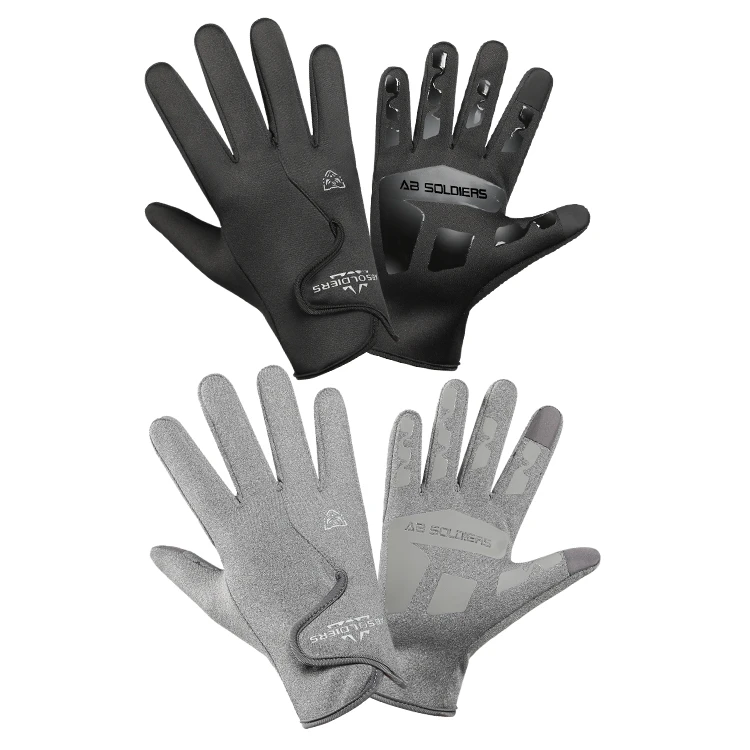
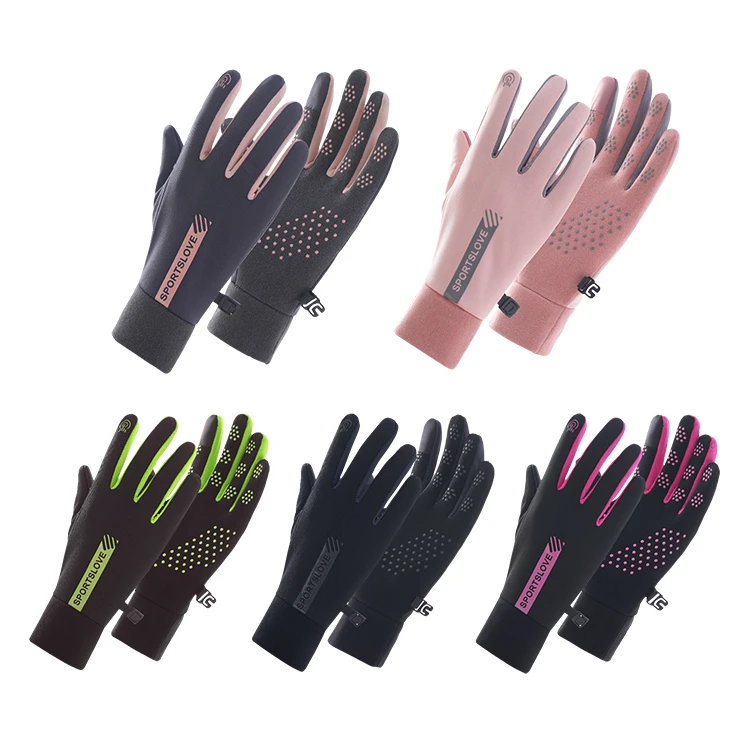
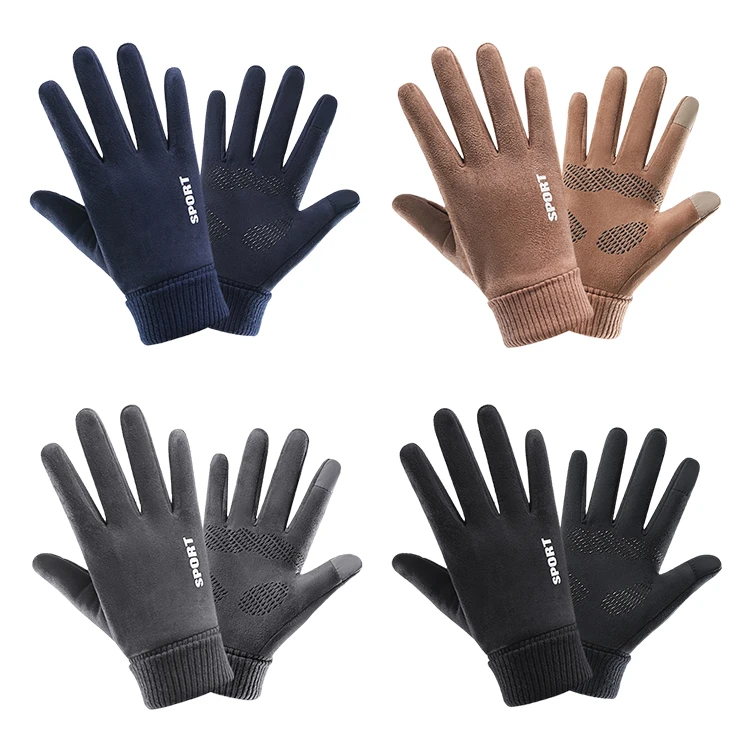
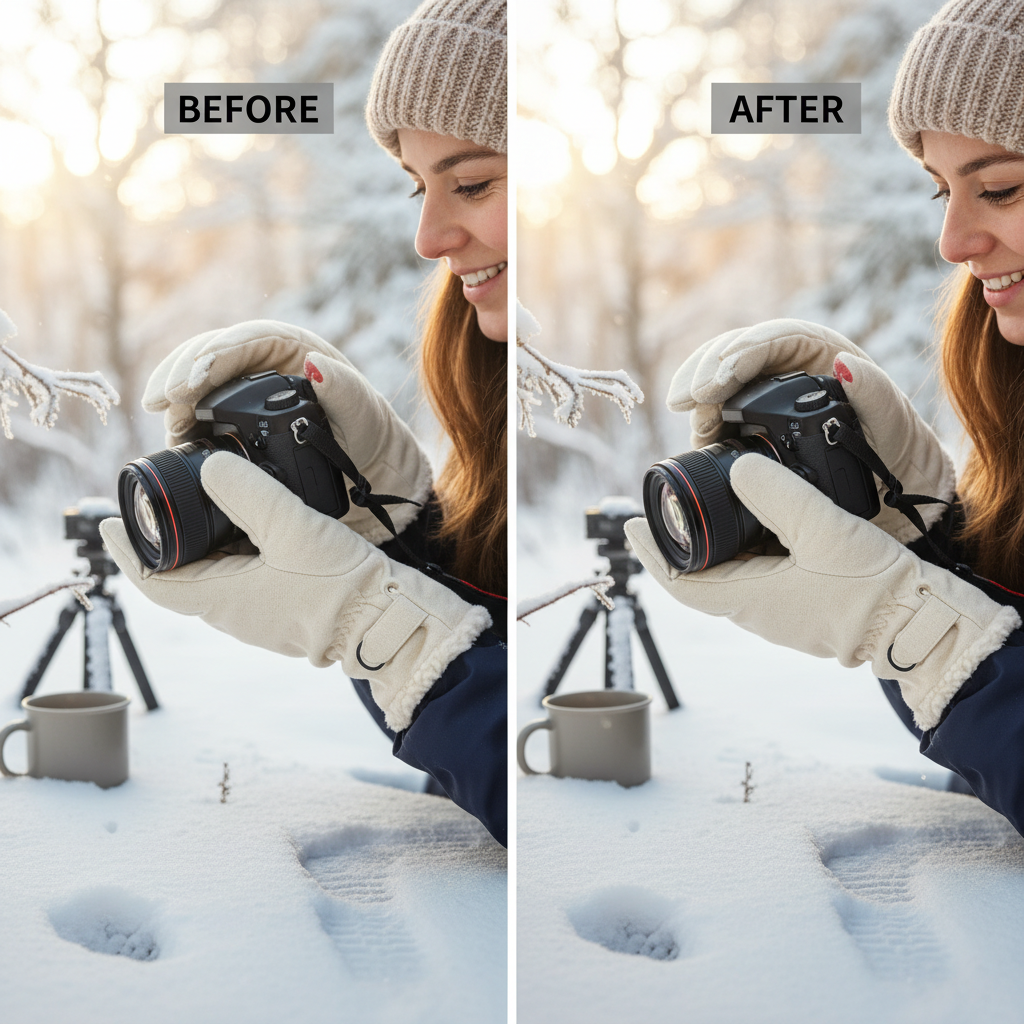
Several types of thick winter gloves cater to different needs. Mittens generally offer more warmth than gloves due to their ability to keep fingers together. However, gloves provide greater dexterity. Gauntlet-style gloves extend further up the arm, providing extra protection from snow and wind. Consider features like touchscreen compatibility, adjustable wrist straps, and reinforced palms. The best choice depends on the activities you’ll be undertaking and the level of protection required. When choosing winter gloves, prioritize those that balance warmth, dexterity, and durability.
Finding the Perfect Fit: Sizing and Comfort
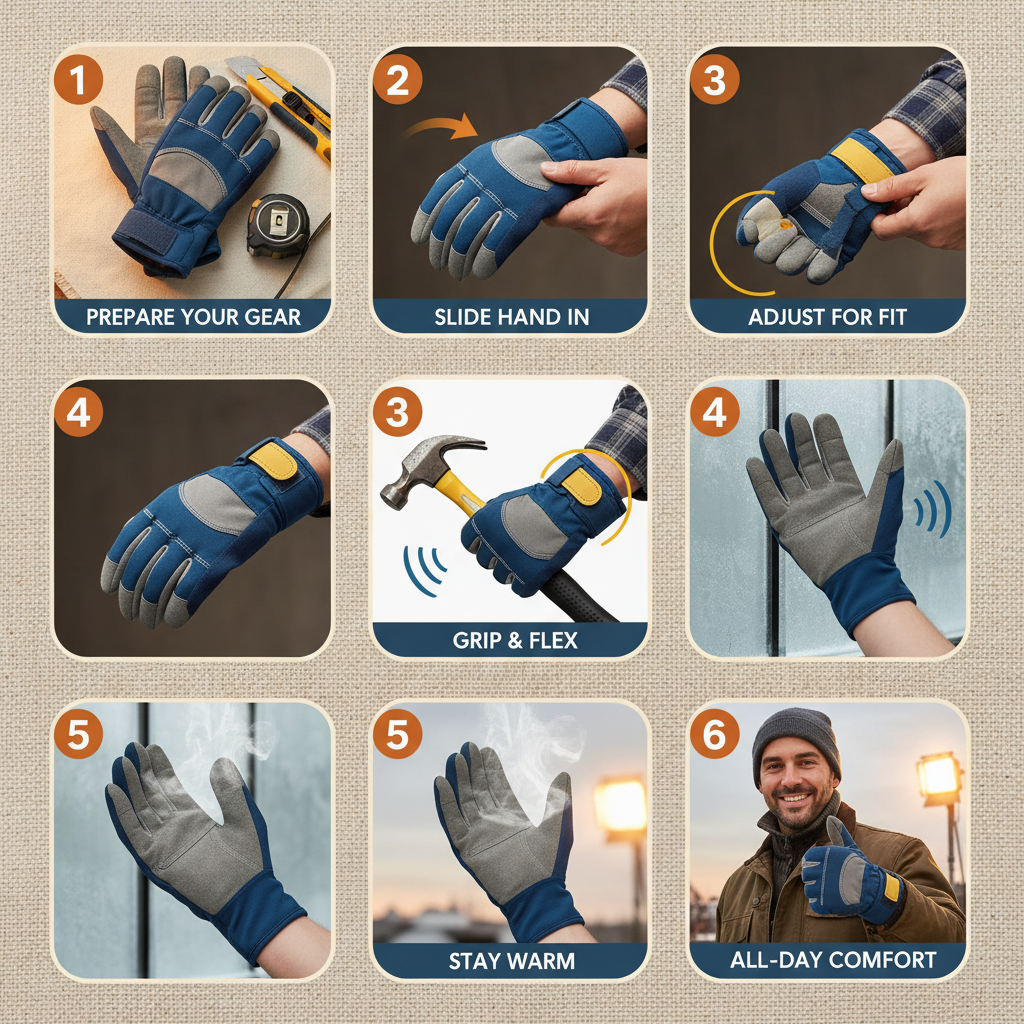
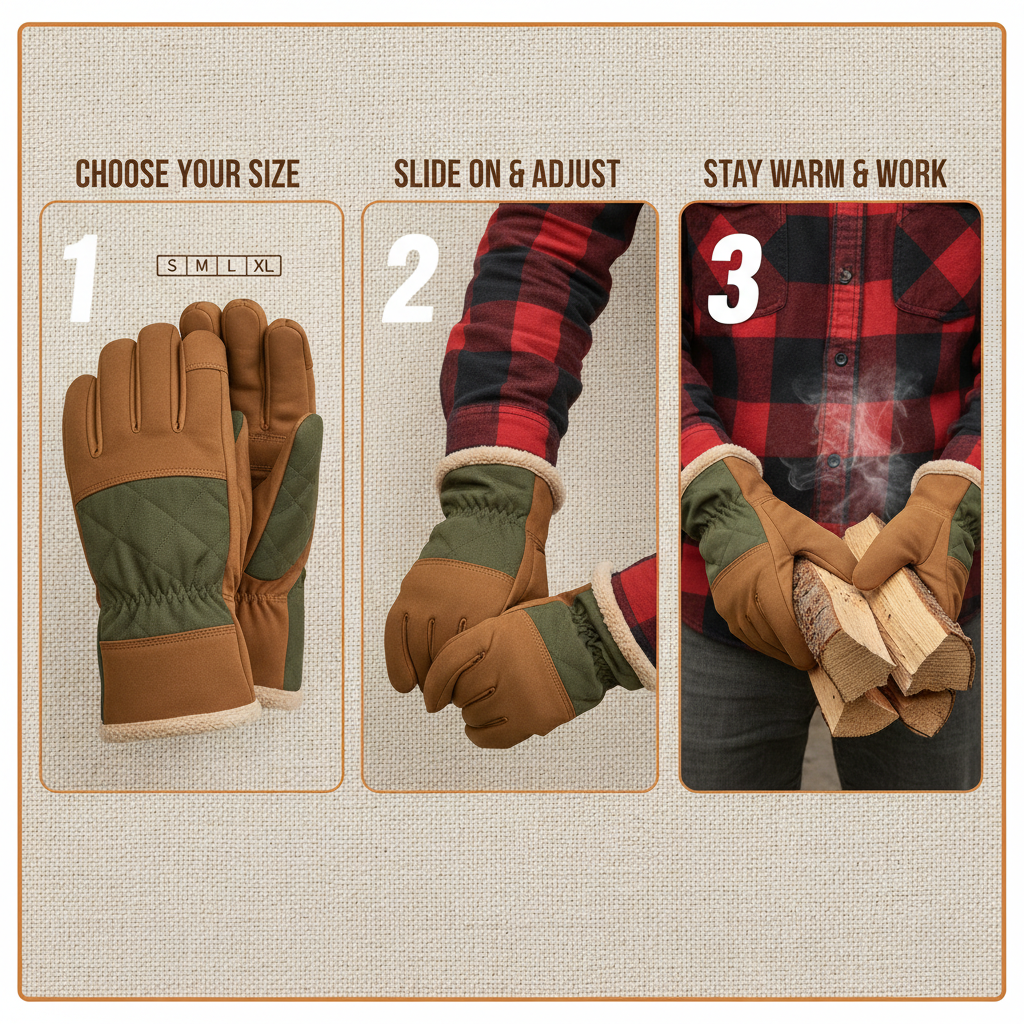
Proper fit is paramount for comfort and effectiveness. Measure your hand circumference and length to determine the correct glove size. Gloves that are too tight restrict circulation, while those that are too loose provide inadequate insulation. Look for gloves with adjustable wrist straps to customize the fit. Consider the thickness of the socks or layers you’ll be wearing when assessing the fit. A comfortable glove allows for unrestricted movement and maximizes warmth. Personal Care SCN offers a detailed sizing guide to help you find the perfect fit for your needs.

Caring for Your Thick Winter Gloves
To prolong the life of your gloves, proper care is essential. After each use, allow them to air dry completely, away from direct heat. Store gloves in a cool, dry place. Avoid harsh detergents when washing, and follow the manufacturer’s instructions carefully. Leather gloves may require occasional conditioning to maintain their suppleness. Regularly inspect gloves for wear and tear, and repair or replace them as needed. By following these simple care tips, you can ensure your thick winter gloves remain in optimal condition for years to come.
Conclusion: Staying Warm and Protected All Winter Long
Investing in quality thick winter gloves is an investment in your comfort and safety. By considering factors such as materials, type, fit, and care, you can choose gloves that will keep your hands warm, dry, and protected throughout the coldest months. Don't let the cold weather limit your activities – equip yourself with the right gloves and enjoy the season to the fullest.
Frequently Asked Questions (FAQs)
What insulation weight should I choose for thick winter gloves?
The ideal insulation weight depends on your activity level and typical weather conditions. For moderate cold (around 20-30°F), 100-200 grams of insulation is usually sufficient. For colder temperatures (below 20°F) or activities involving prolonged exposure to the cold, 200-400 grams or more is recommended. Consider layering gloves if conditions are highly variable. Higher insulation weights provide greater warmth but can also reduce dexterity.
Are waterproof gloves also breathable?
Not always. While many waterproof gloves are also breathable, it's important to look for gloves with a breathable membrane, such as Gore-Tex or a similar technology. Breathability allows moisture vapor (sweat) to escape, preventing your hands from becoming damp and cold. Without breathability, waterproof gloves can trap moisture inside, leading to discomfort and reduced insulation.
How do I determine my glove size?
Measure the circumference of your hand around the knuckles using a flexible measuring tape. Then, measure the length of your hand from the base of your palm to the tip of your middle finger. Consult the manufacturer’s sizing chart, which typically lists corresponding glove sizes based on these measurements. It's often best to slightly overestimate your size if you plan to wear thick socks or layers underneath.
What are touchscreen-compatible gloves?
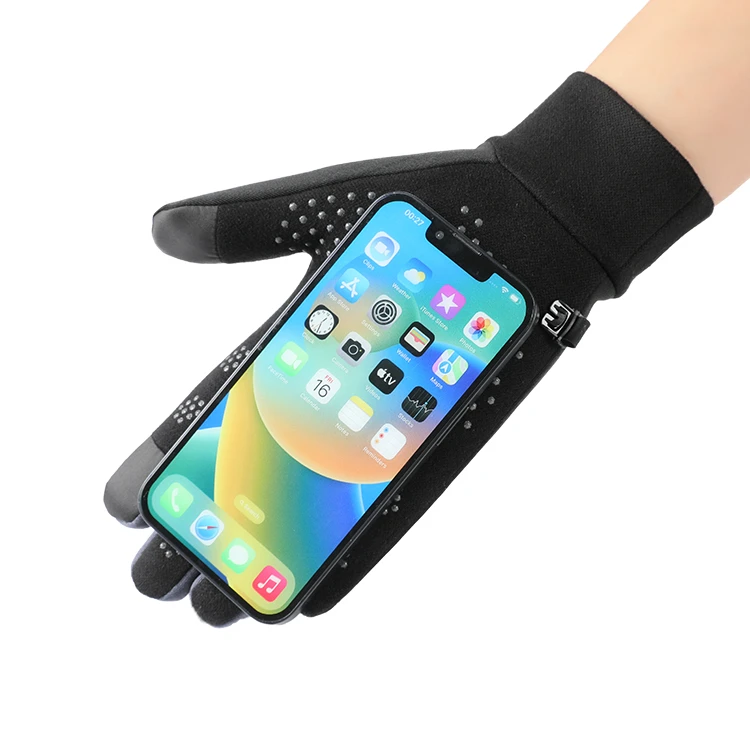
Touchscreen-compatible gloves have conductive material woven into the fingertips, allowing you to operate smartphones and other touchscreen devices without removing your gloves. This feature is particularly useful for outdoor workers or anyone who needs to use their phone while wearing gloves in cold weather. The level of sensitivity can vary between different gloves, so it’s worth checking reviews before purchasing.