Choosing the Right Winter Walking Gloves for Optimal Comfort and Protection
Choosing the Right Winter Walking Gloves: A Comprehensive Guide
As the temperatures drop, maintaining comfort and dexterity during outdoor activities becomes paramount. Winter walking gloves are essential gear, offering protection from the cold while allowing for functional hand movement. This article will guide you through the key considerations when selecting the perfect pair, covering materials, features, and choosing gloves suited for various winter conditions. Finding the right gloves can make all the difference between an enjoyable walk and a miserable, freezing experience. We’ll explore different types and features to help you make the best choice.

Understanding Glove Materials: A Key Factor
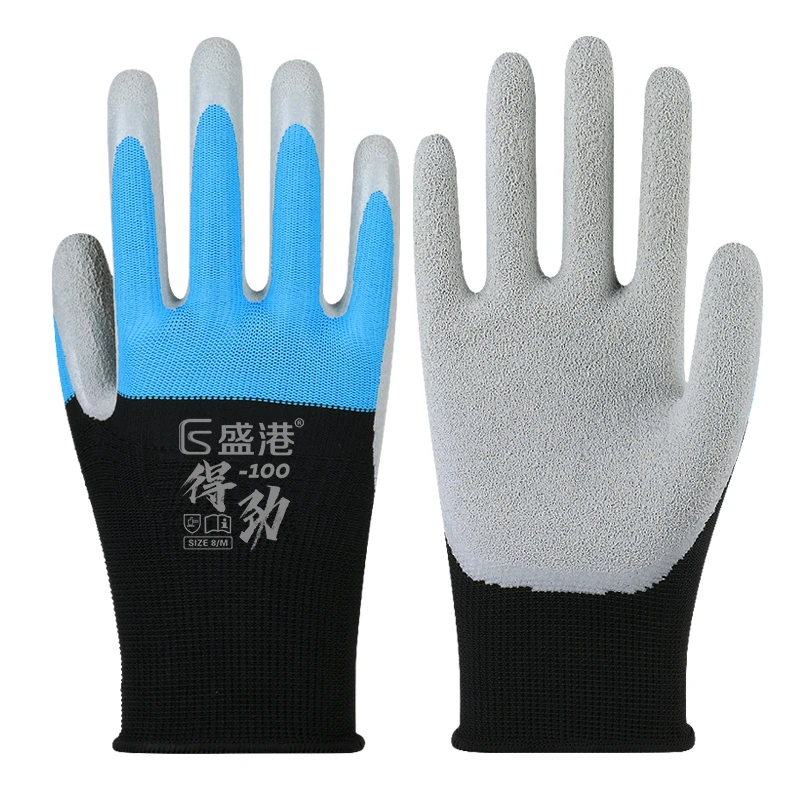
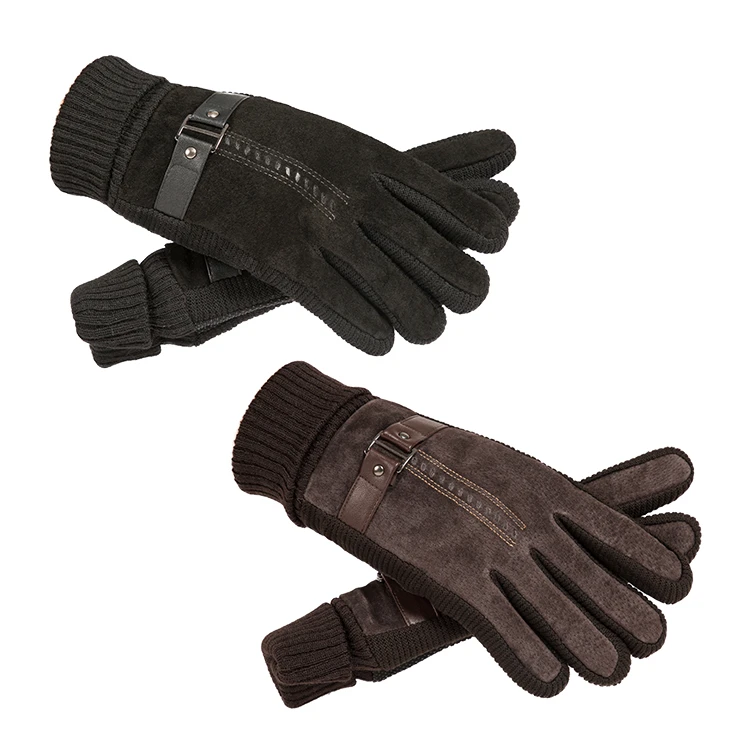
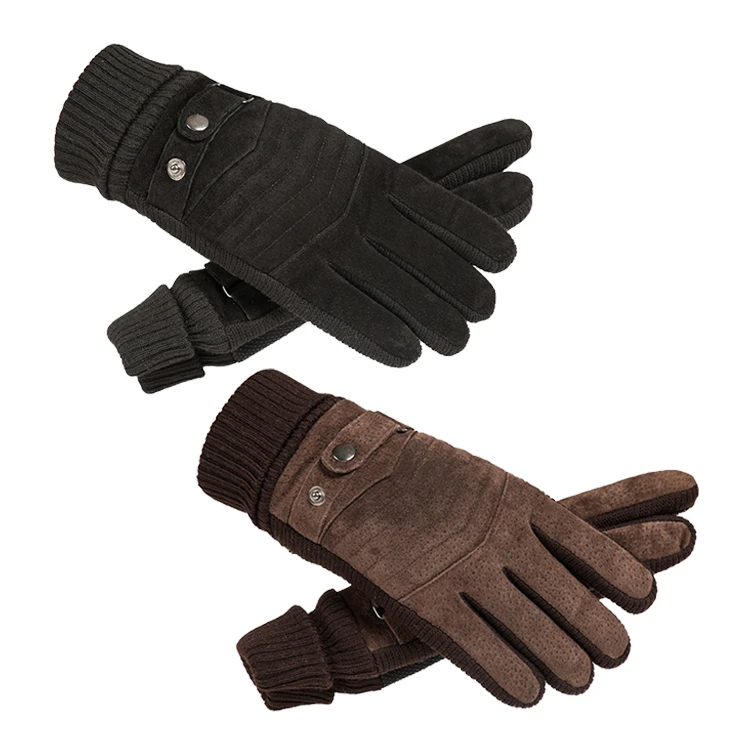
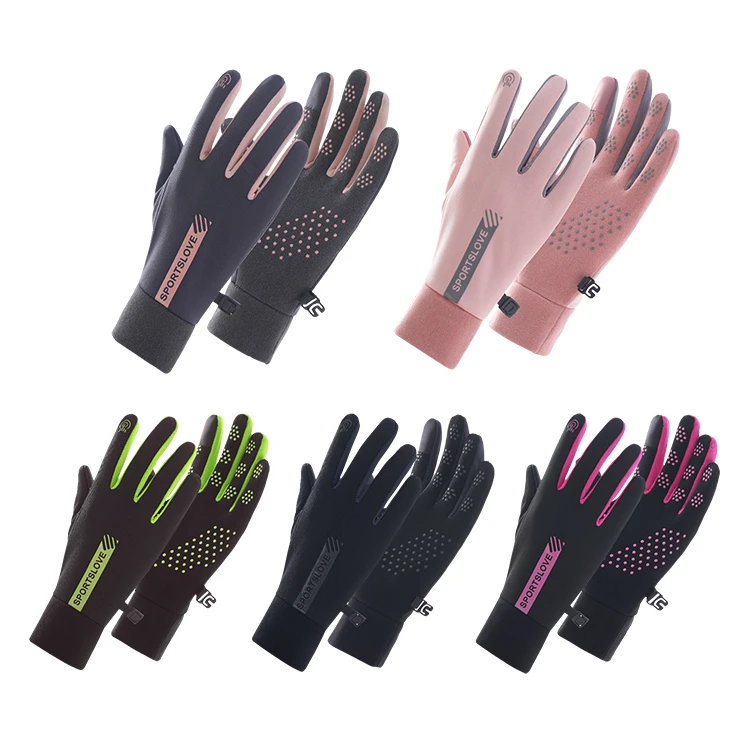
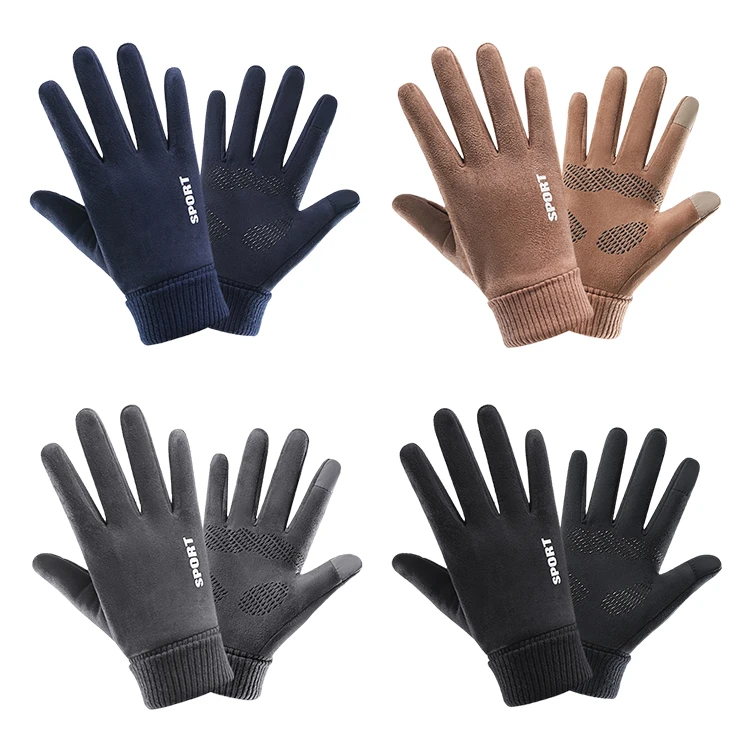
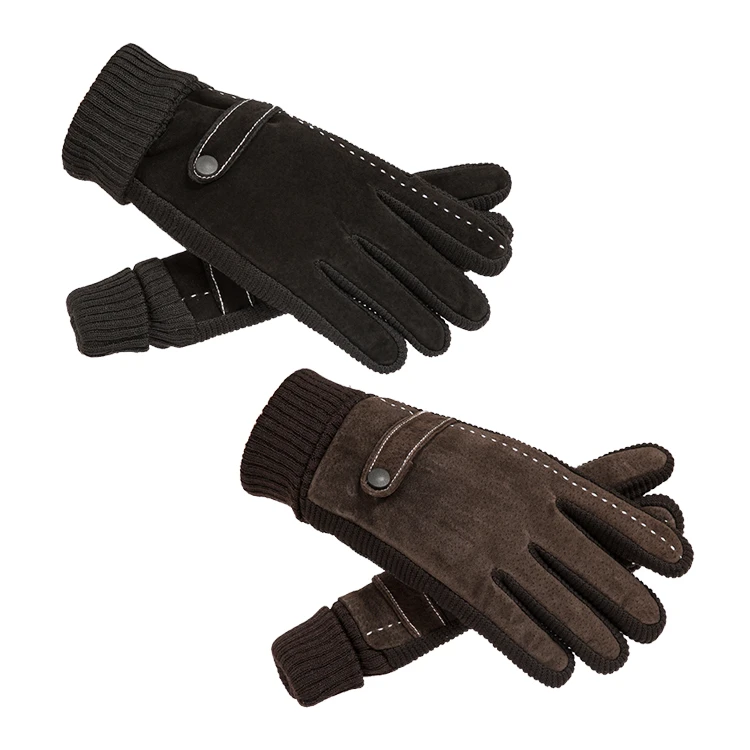
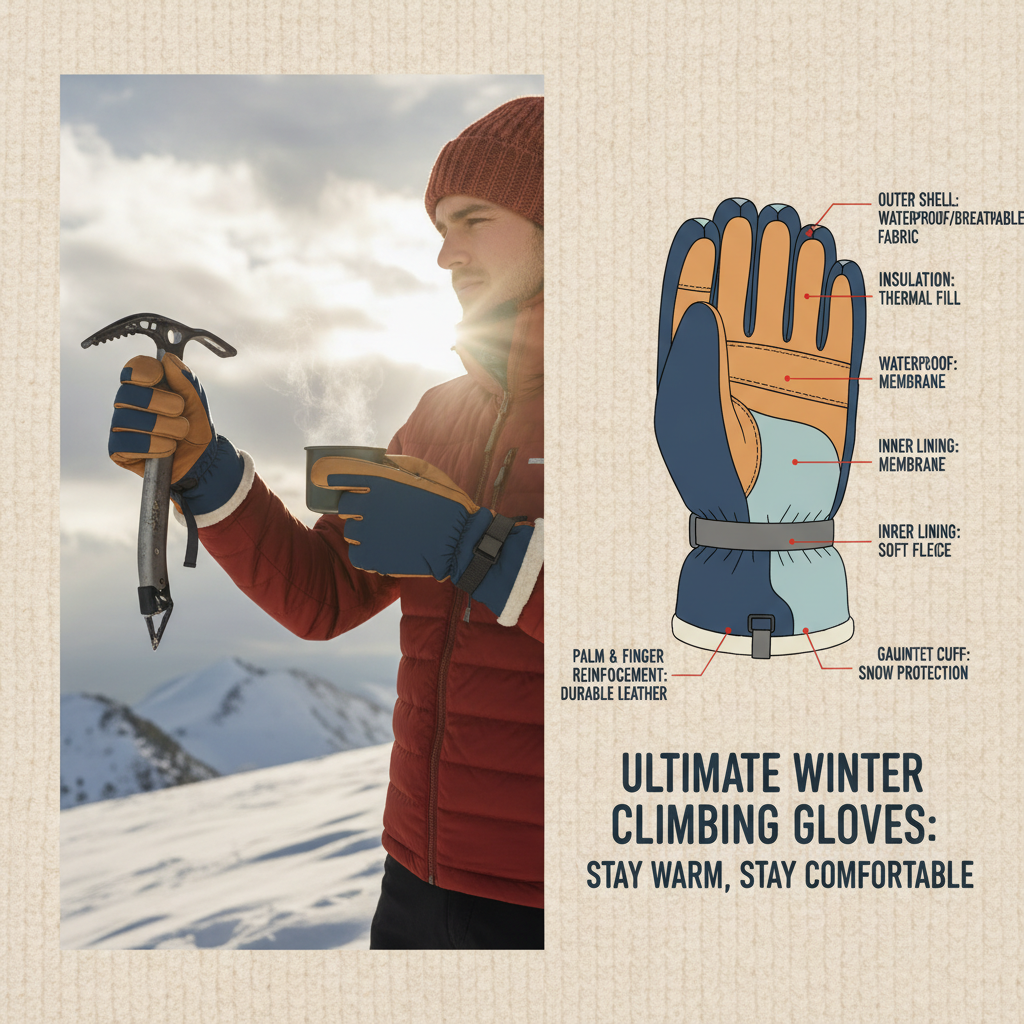
The material of your winter walking gloves significantly impacts their warmth, breathability, and durability. Common materials include leather, synthetic fabrics (like polyester and nylon), and various insulation types. Leather gloves are known for their durability and water resistance, but they can be less breathable. Synthetic materials offer good breathability and are often more affordable, but may not be as durable as leather. The insulation is equally crucial; options like down, synthetic fills (Primaloft, Thinsulate), and wool each offer varying levels of warmth and moisture-wicking properties. Considering your typical winter conditions will help guide your material selection. For example, drier, colder conditions benefit from down, while damp conditions call for synthetic insulation. Personal Care SCN offers a diverse range of gloves crafted with premium materials for optimal performance.
Key Material Considerations: Leather provides durability and water resistance, synthetics offer breathability, and insulation determines warmth level.
Essential Features to Look for in Winter Walking Gloves
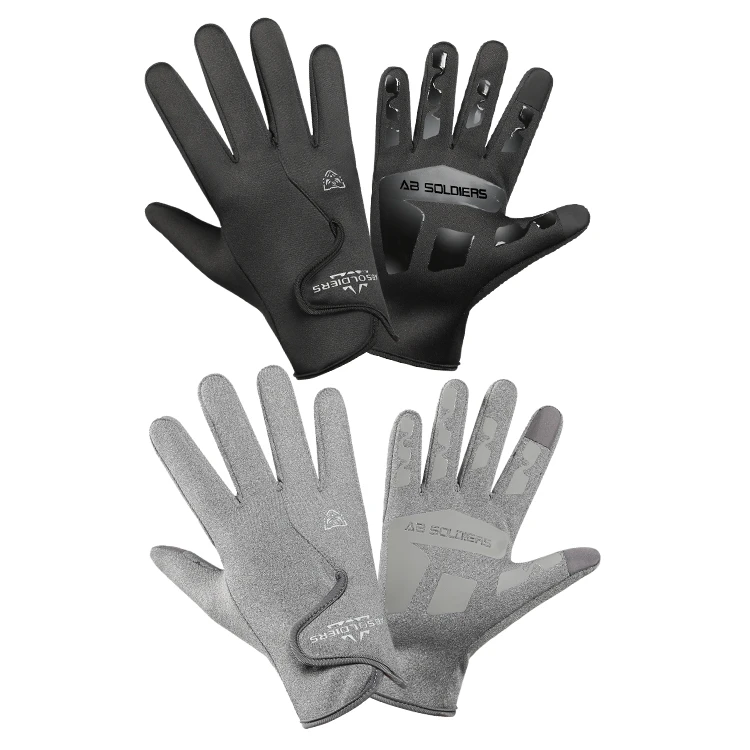
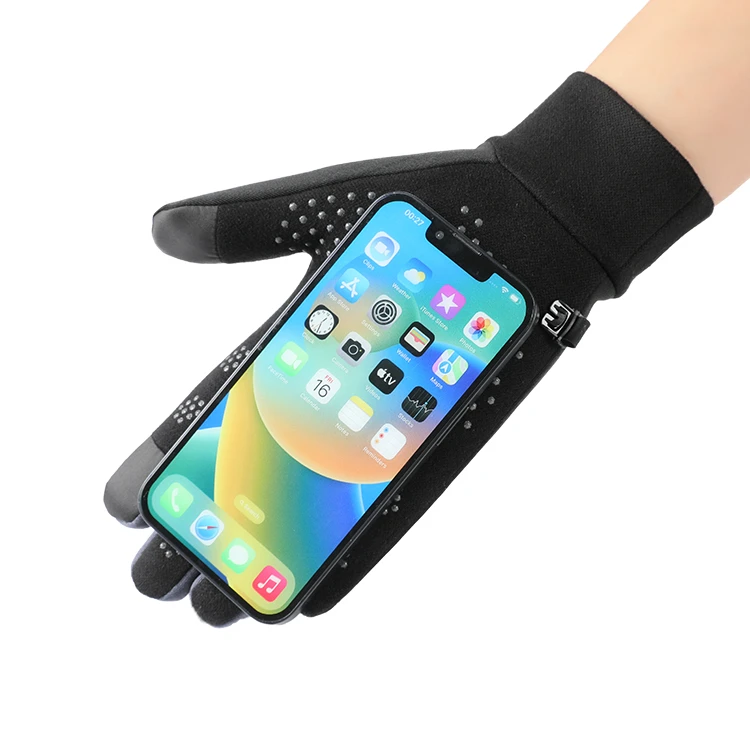
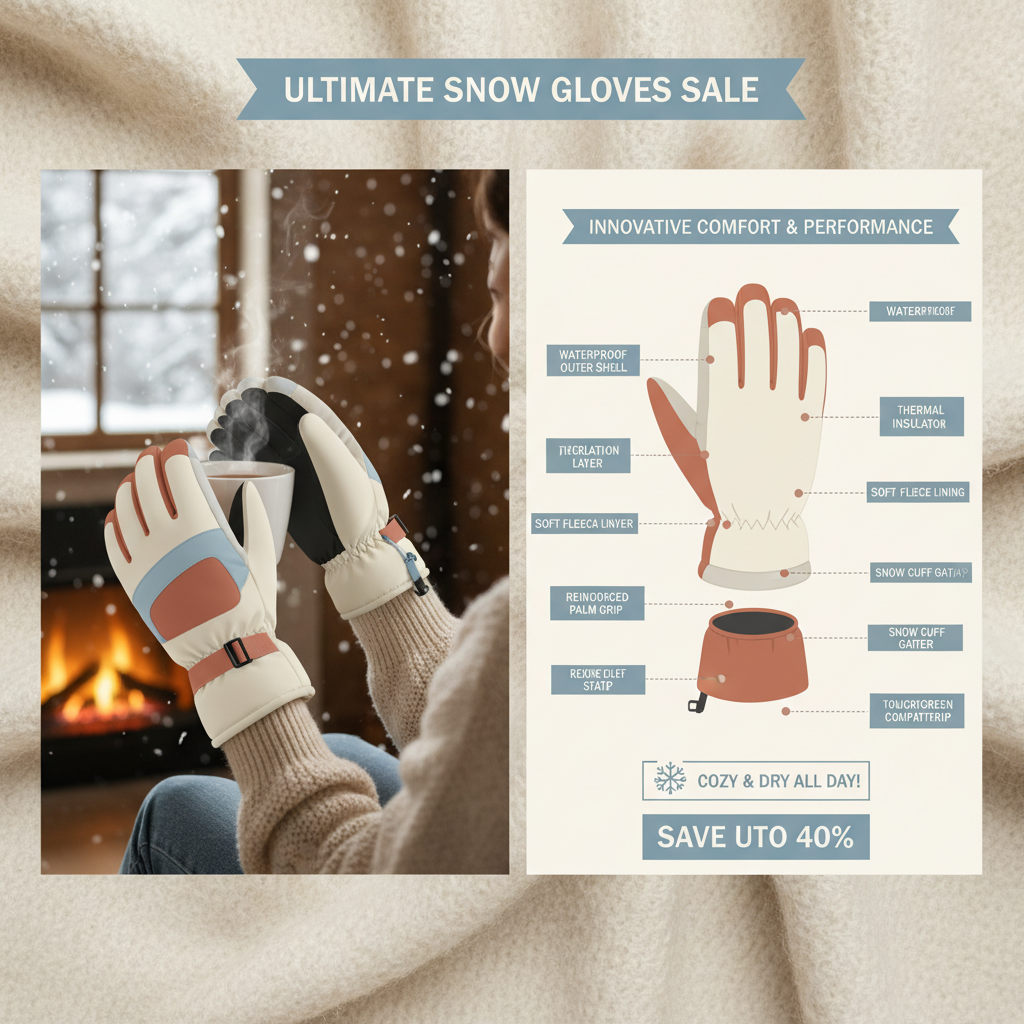
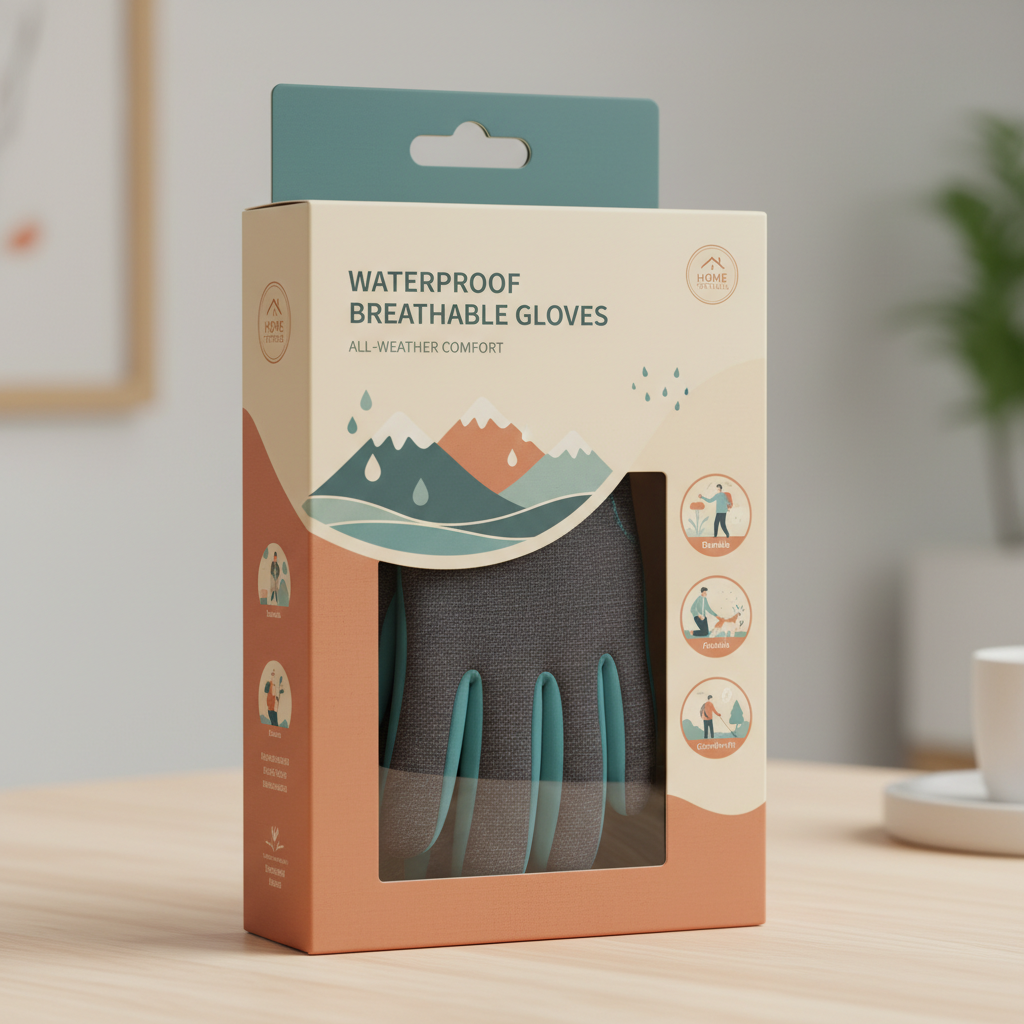
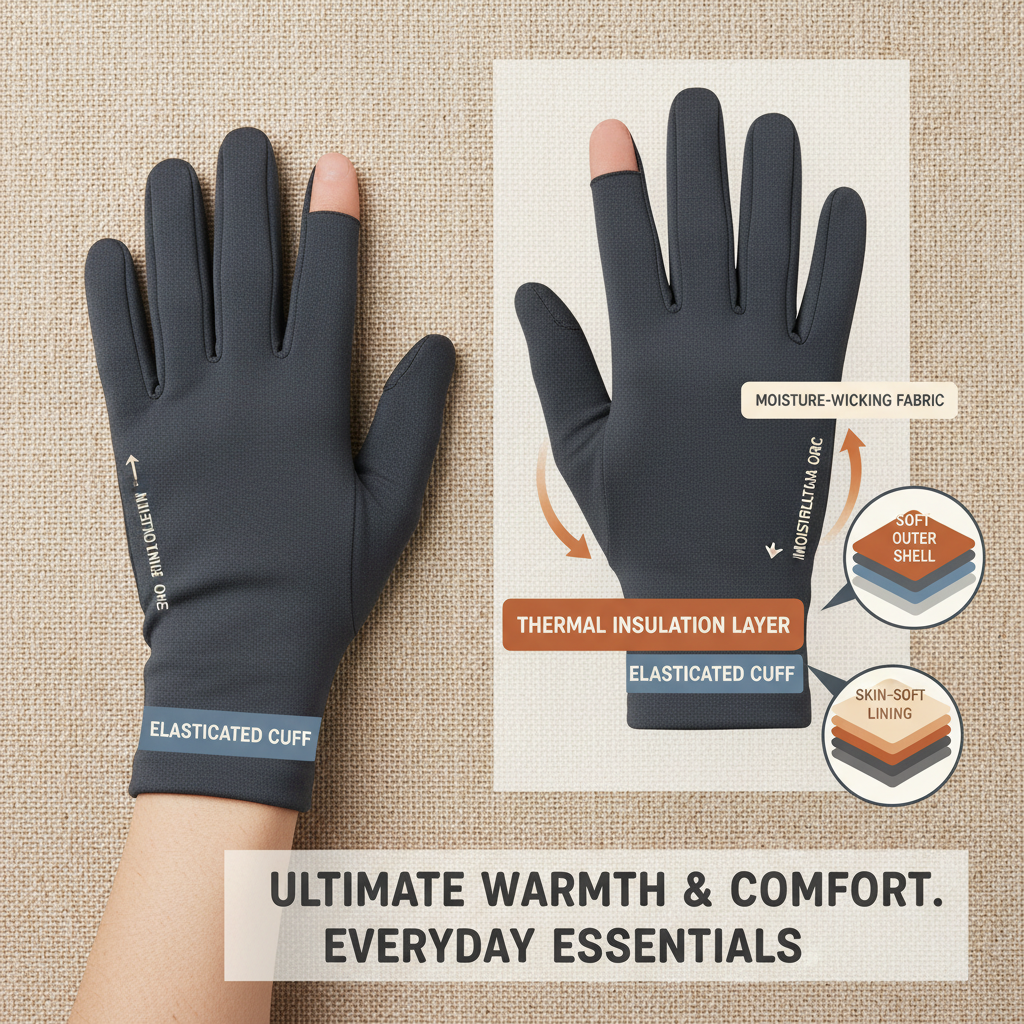
Beyond the material, several features enhance the functionality of your winter walking gloves. Waterproof or water-resistant membranes (like Gore-Tex) are crucial for keeping your hands dry in snowy or wet conditions. Breathability is also essential to prevent sweat buildup, which can lead to cold hands. Look for gloves with adjustable wrist closures to seal out drafts and snow. Reinforced palms offer improved grip and durability. Finally, consider features like touchscreen compatibility, allowing you to use your smartphone without removing your gloves. These thoughtful additions can greatly improve your winter walking experience.
Key Features:
• Waterproof/Water-resistant membranes
• Breathable materials
• Adjustable wrist closures
• Reinforced palms
Comparing Winter Walking Gloves: Materials and Performance
Different materials offer distinct advantages and disadvantages. The chart below provides a comparison of commonly used materials for winter walking gloves, helping you select the best option for your needs.
Choosing Gloves for Different Winter Activities
The intensity of your winter walking affects the type of gloves you need. For light walks in moderately cold weather, lightweight gloves with basic insulation may suffice. For more strenuous hikes or colder temperatures, consider insulated gloves with waterproof membranes. If you anticipate encountering very cold conditions or engaging in activities that require prolonged exposure to the cold, mittens offer superior warmth, as they keep your fingers together. Ultimately, the best gloves are those that balance warmth, breathability, and dexterity for your specific activity level.

Proper Glove Care: Extending the Life of Your Investment
To ensure your winter walking gloves last for years, proper care is essential. Avoid exposing leather gloves to excessive moisture, and condition them regularly to prevent cracking. Wash synthetic gloves according to the manufacturer's instructions, and allow them to air dry completely. Store gloves in a dry place away from direct sunlight. Regular maintenance will help preserve their warmth, water resistance, and overall performance.
Conclusion: Finding Your Perfect Fit
Choosing the right winter walking gloves is an investment in your comfort and safety. By considering the materials, features, and intended use, you can find a pair that provides optimal protection against the cold. Personal Care SCN offers a wide selection of high-quality gloves designed to meet your specific needs. Stay warm, stay safe, and enjoy your winter walks!
Frequently Asked Questions (FAQs)
What does waterproof vs. water-resistant mean in gloves?
Waterproof gloves have a membrane that completely prevents water from entering, making them ideal for heavy rain or deep snow. Water-resistant gloves offer some protection against moisture, but may become saturated over time. They are suitable for light rain or snow. Look for gloves with a waterproof rating (measured in millimeters) to understand their level of protection. A higher rating indicates greater waterproofness. Knowing the difference allows you to choose gloves appropriate for your typical weather conditions.
How do I determine my glove size?
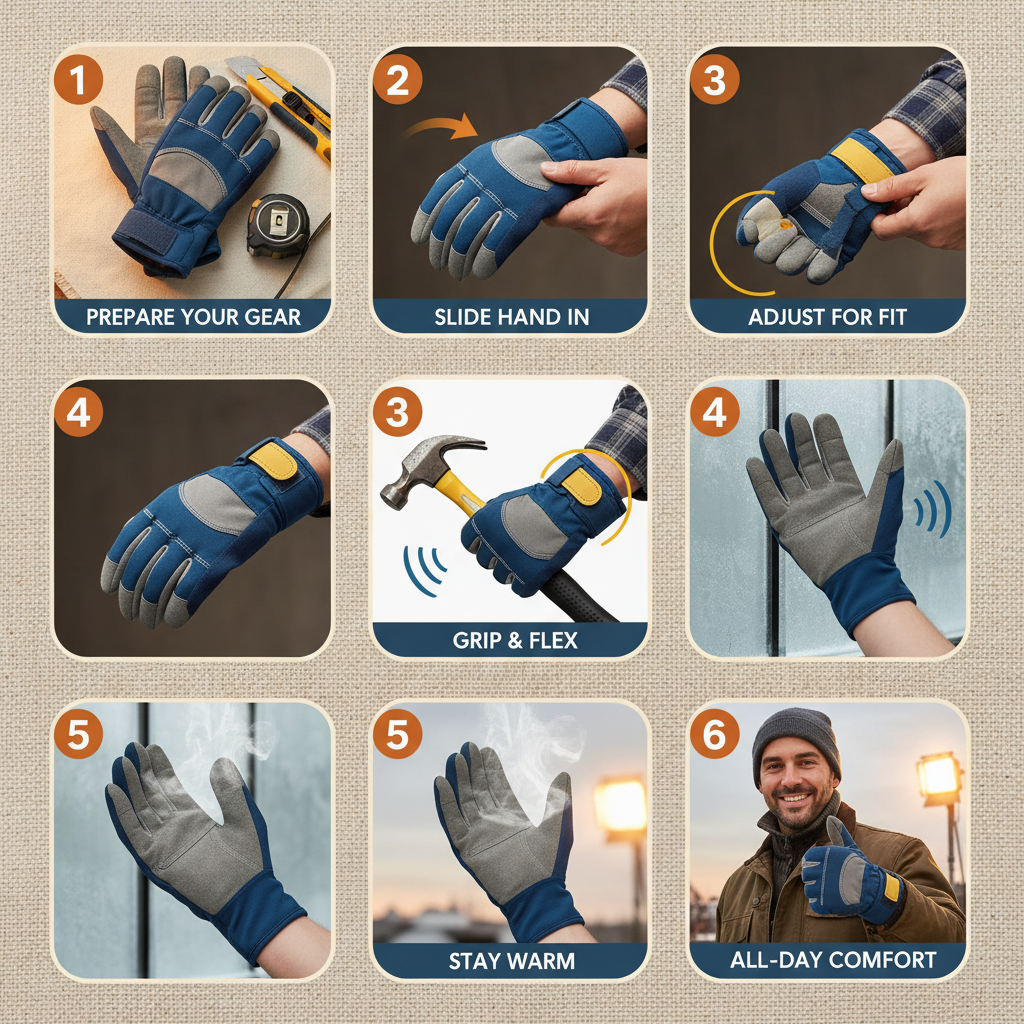
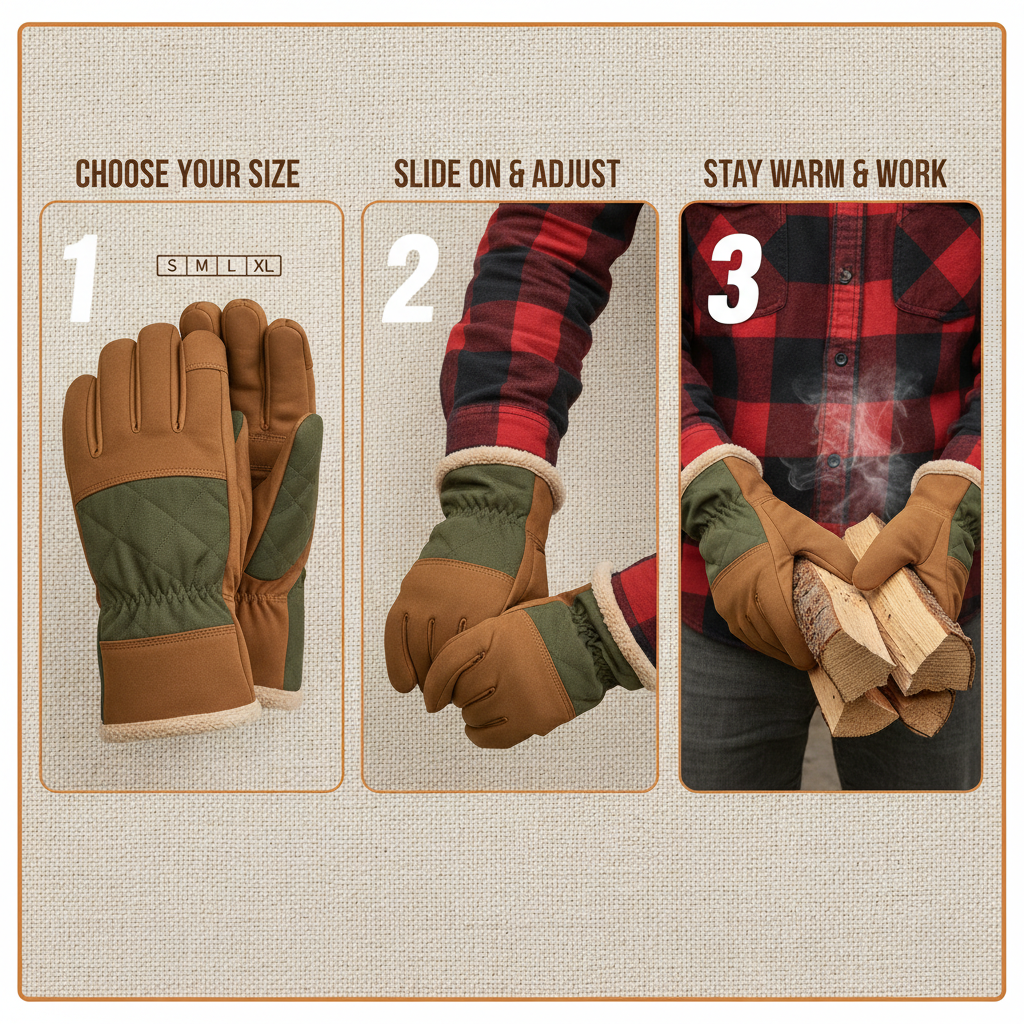
Glove sizing typically corresponds to hand circumference. Measure around the widest part of your palm (excluding your thumb) with a flexible measuring tape. Refer to the manufacturer's size chart for specific measurements. If your measurement falls between sizes, it’s generally best to size up for a more comfortable fit, especially if you plan to wear thick socks. A properly fitting glove shouldn’t be too tight or too loose.
Are touchscreen-compatible gloves accurate?
Touchscreen compatibility varies between gloves. Gloves with conductive materials on the fingertips allow you to operate smartphones and other touchscreen devices without removing them. However, the accuracy and responsiveness can differ. Higher-quality gloves typically offer better touchscreen functionality. If using a touchscreen is essential, look for gloves specifically designed for this purpose. You can find a variety of options on Personal Care SCN.
What is the best type of insulation for extremely cold weather?
For extremely cold weather, down insulation is generally the warmest option due to its excellent loft and warmth-to-weight ratio. However, down loses its insulating properties when wet. Synthetic insulation, such as Primaloft or Thinsulate, is a better choice for damp conditions, as it retains some warmth even when wet. Consider layering gloves for added warmth in very cold temperatures.