Cold Gloves: Essential Protection Against Extreme Weather Conditions
Understanding Cold Gloves: The Essential Gear for Extreme Cold Protection
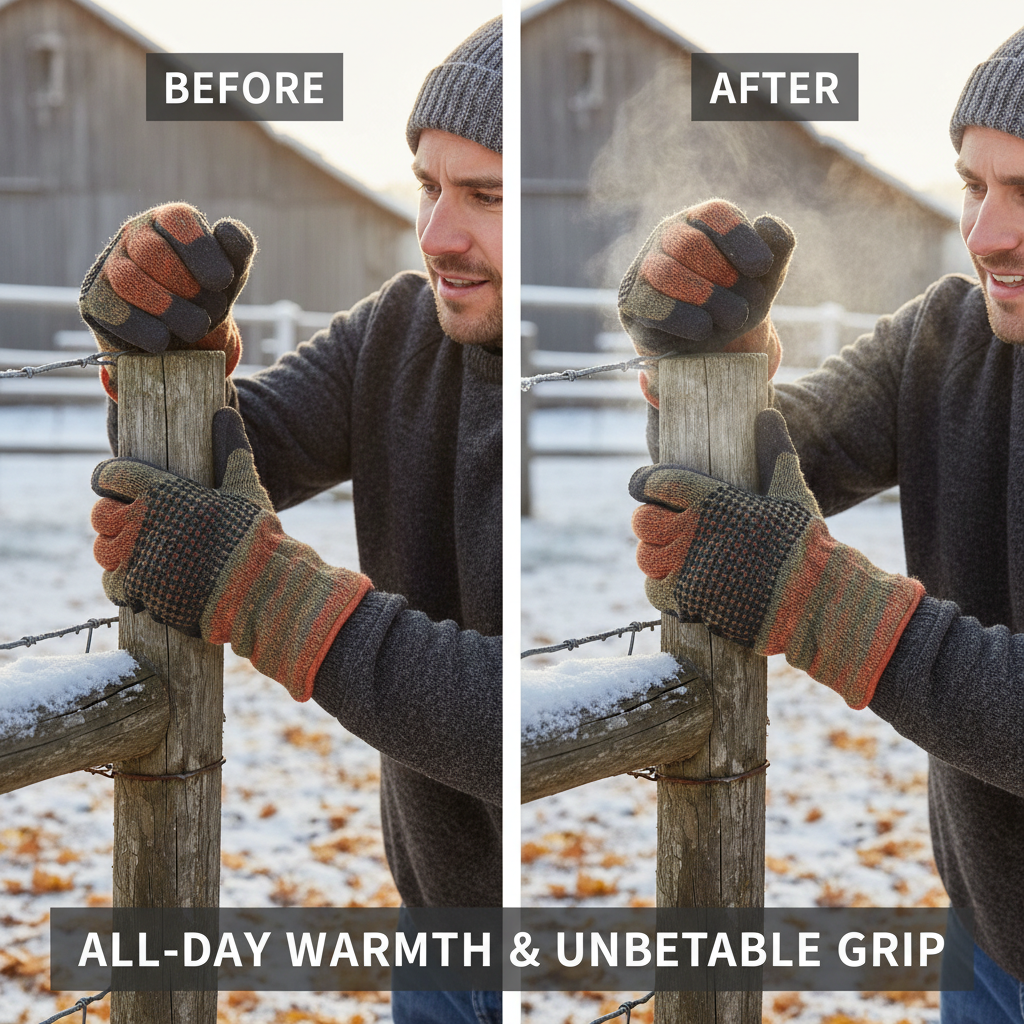
If you've ever braved frigid weather, you know how crucial a good pair of cold gloves can be. They’re not just accessories; they’re lifelines, safeguarding millions of people and workers globally from cold-related injuries and discomfort. Today, cold gloves matter far beyond winter sports or casual use. Their design and functionality impact heavy industries, humanitarian relief efforts, and the well-being of vulnerable populations worldwide.
Understanding cold gloves means appreciating the combination of innovation, materials science, and essential human needs. It also reveals why industries and aid organizations invest heavily in the right hand protection to ensure safety, productivity, and dignity.
Global Importance of Cold Gloves
To put this in perspective, consider the harsh realities of cold climates: the World Meteorological Organization reports that more than 15% of the global population lives in areas where the average winter temperature plunges well below freezing, creating serious health risks like frostbite and hypothermia. Moreover, ISO standards for cold weather gear (like ISO 11999 for gloves) underline the need for reliable protective clothing. From Arctic oil rigs in Norway to frost-prone farming in Canada, cold gloves are a daily necessity.
Yet, despite their ubiquity, challenges persist: balancing warmth, dexterity, durability, and affordability often feels like a tough equation developers struggle with. This is especially true for humanitarian agencies that distribute protective gear in disaster zones or remote communities. When the wrong gloves reach those in need, the consequences can be severe.
What Are Cold Gloves – A Simple Definition
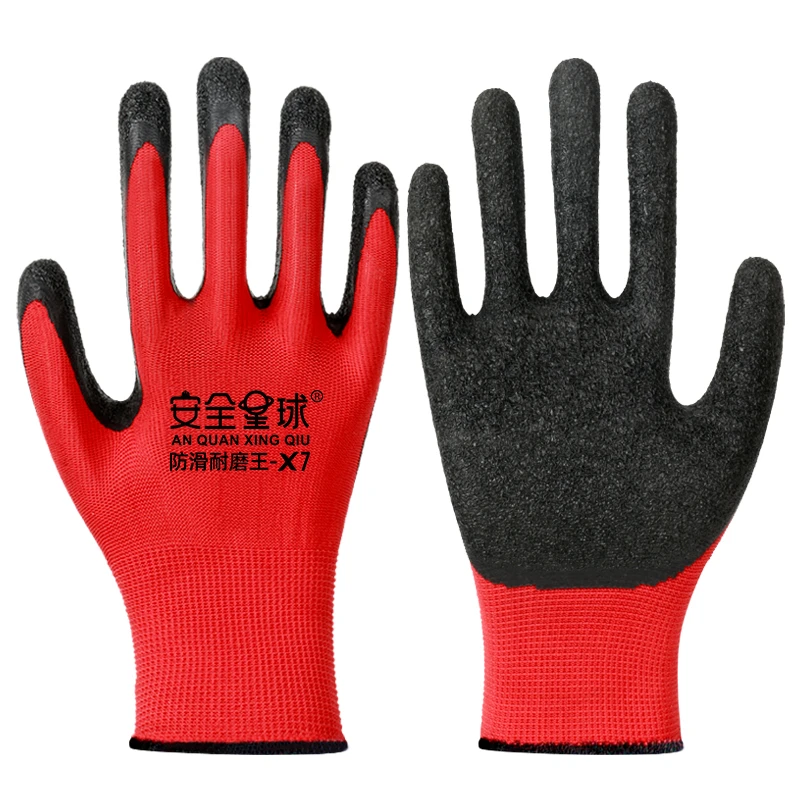
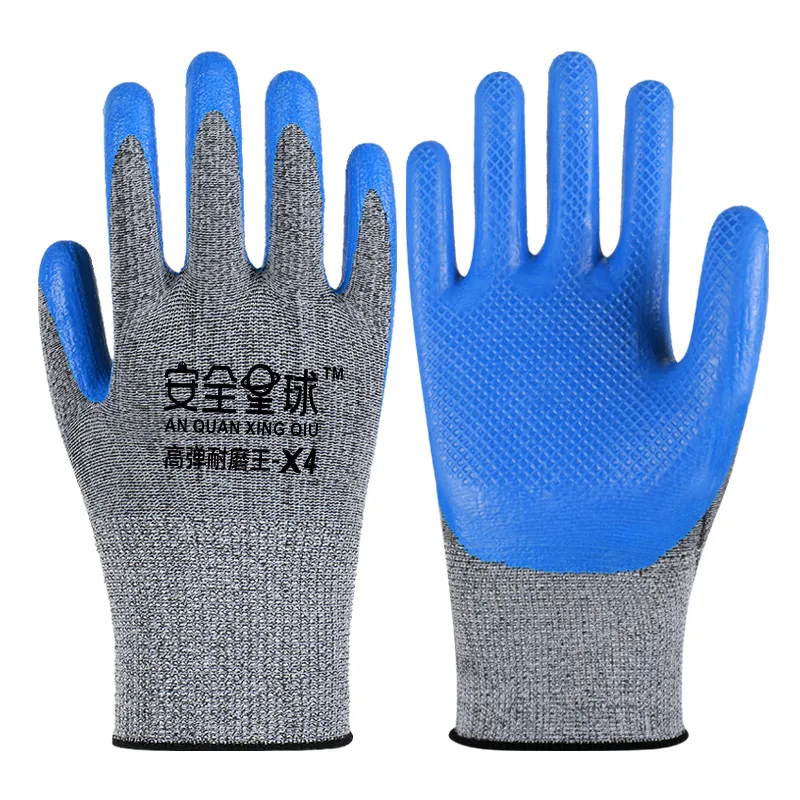
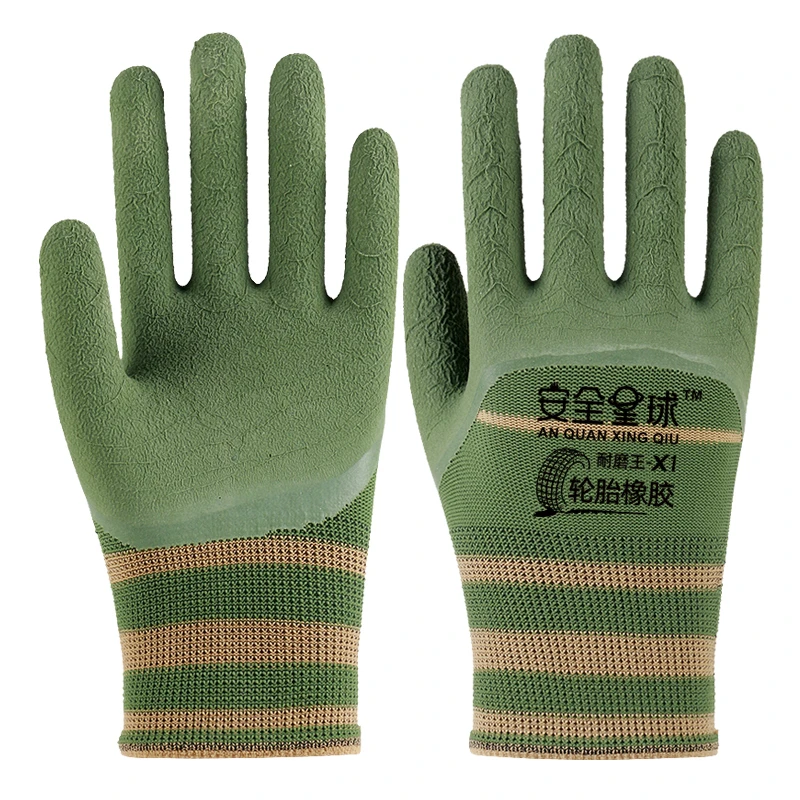
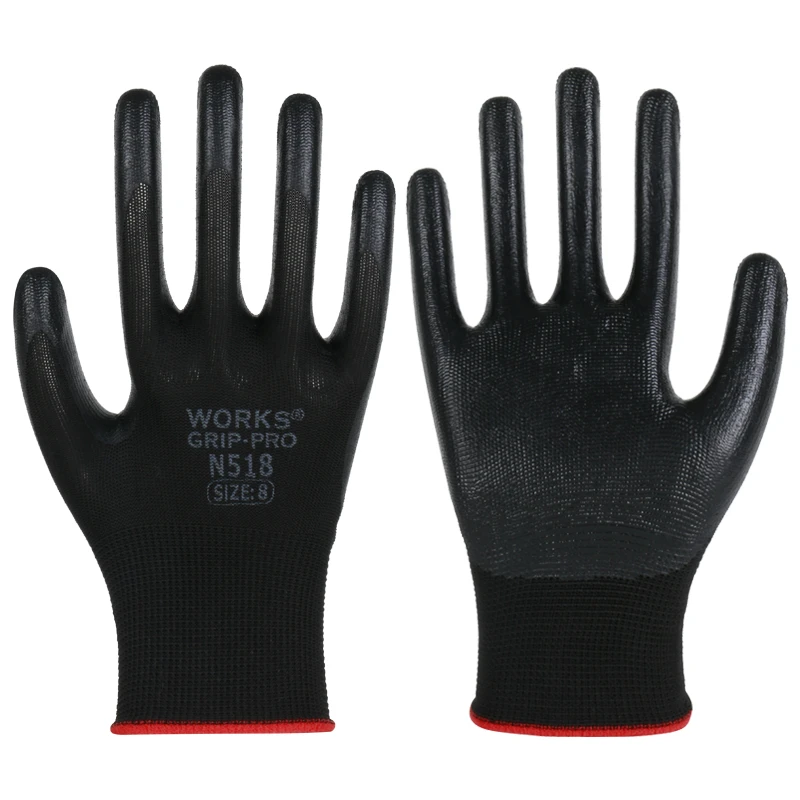
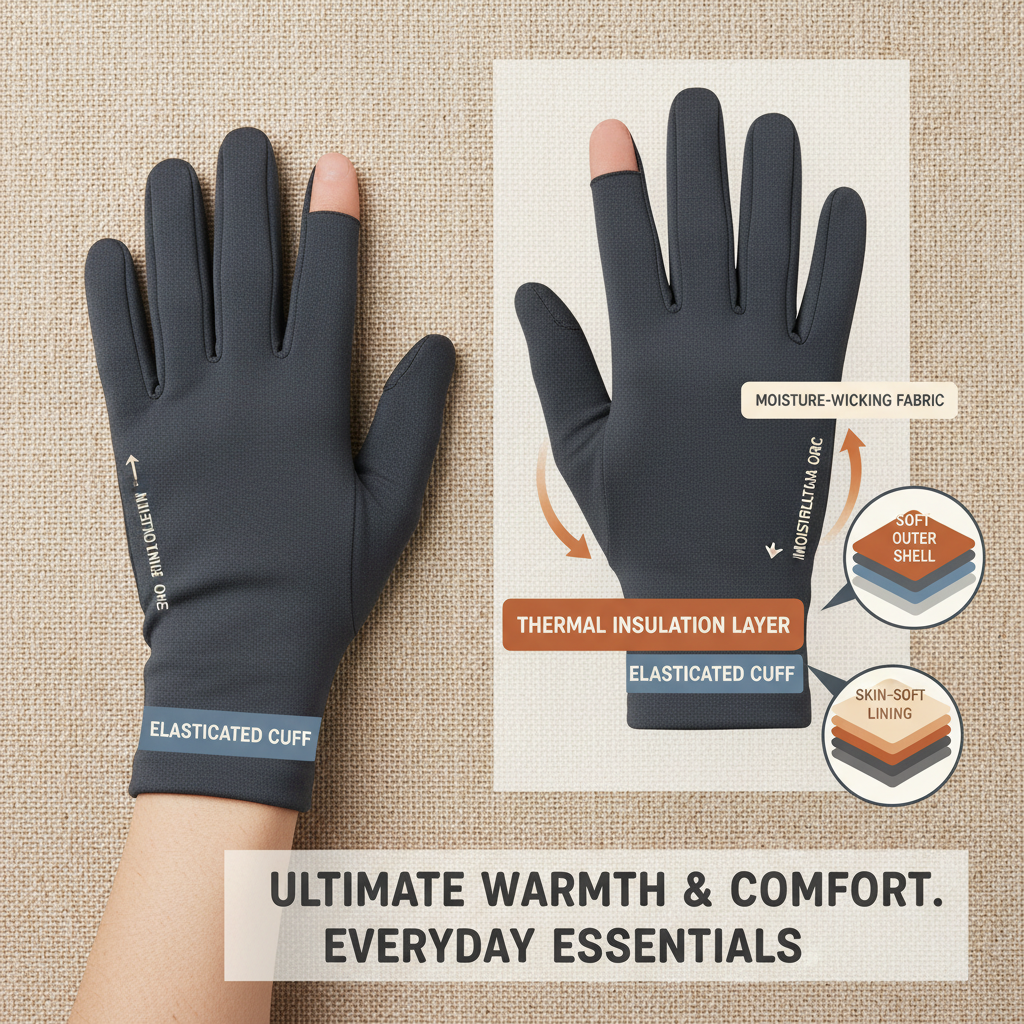
At their core, cold gloves are gloves specifically designed to keep hands warm and operational in cold environments. They aren’t your leather or cotton gloves but feature specialized insulation materials, water resistance, windproof fabrics, and sometimes even smart sensors to monitor hand temperature.
Modern cold gloves evolve from the intersection of technical apparel design and harsh operational environments — like those encountered by outdoor workers, military personnel, or emergency responders. The goal? Prevent cold-induced injuries, maintain manual dexterity, and allow prolonged outdoor activity without pain or damage.
Key Features of Cold Gloves
1. Insulation and Warmth
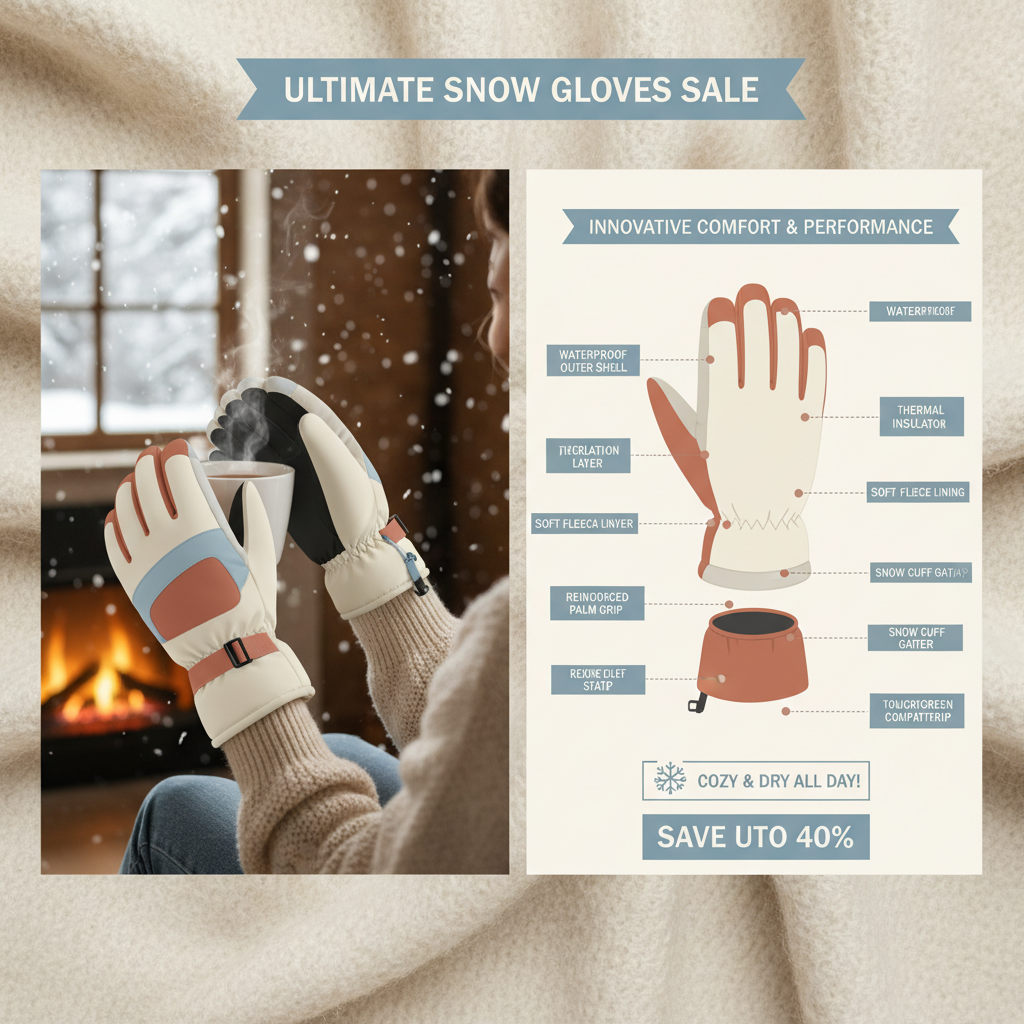
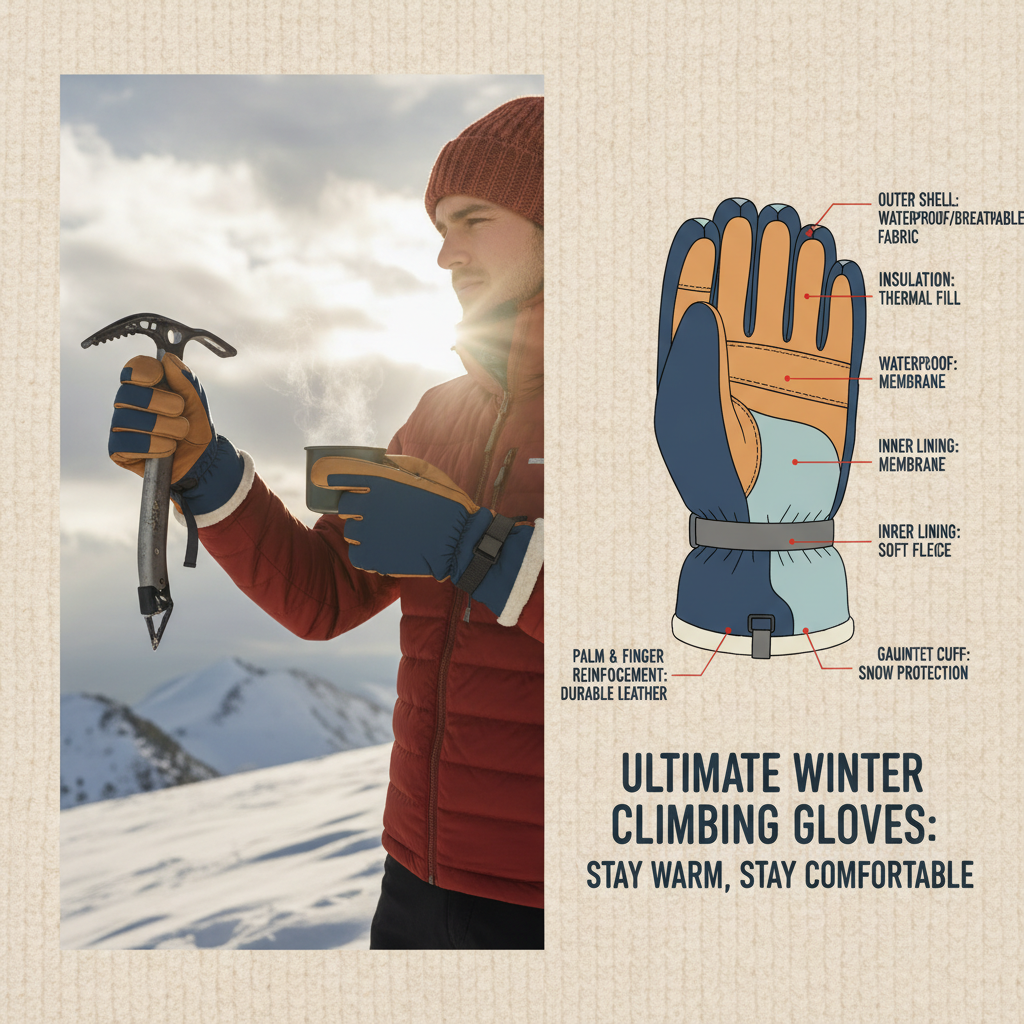
Insulation is fundamental. Materials like Thinsulate™ or PrimaLoft® trap air, creating a thermal barrier. The thickness and layering determine how warm the gloves are. Oddly enough, heavier isn't always better—overly bulky gloves can restrict hand movement.
2. Water and Wind Resistance
Cold hands often suffer from moisture. Modern gloves typically use waterproof shells made from fabrics like Gore-Tex®, which also block wind but allow breathability. This balance is pivotal—sweaty hands in cold gloves lead to chilling and discomfort.
3. Dexterity and Grip
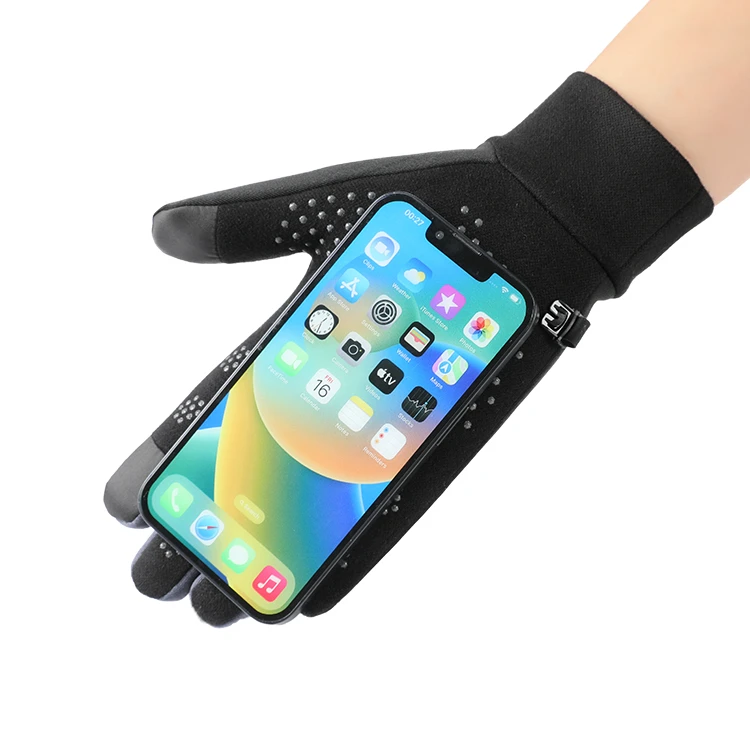
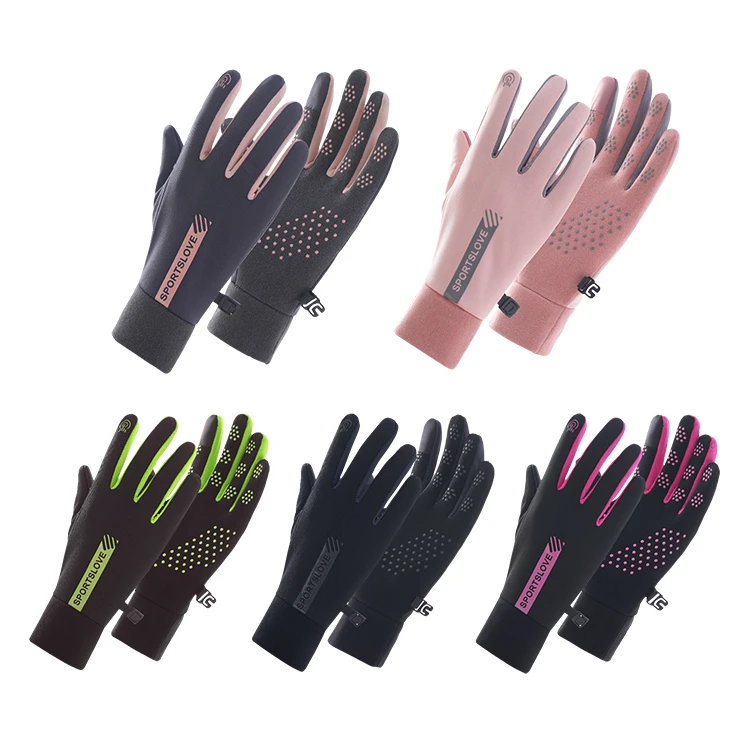
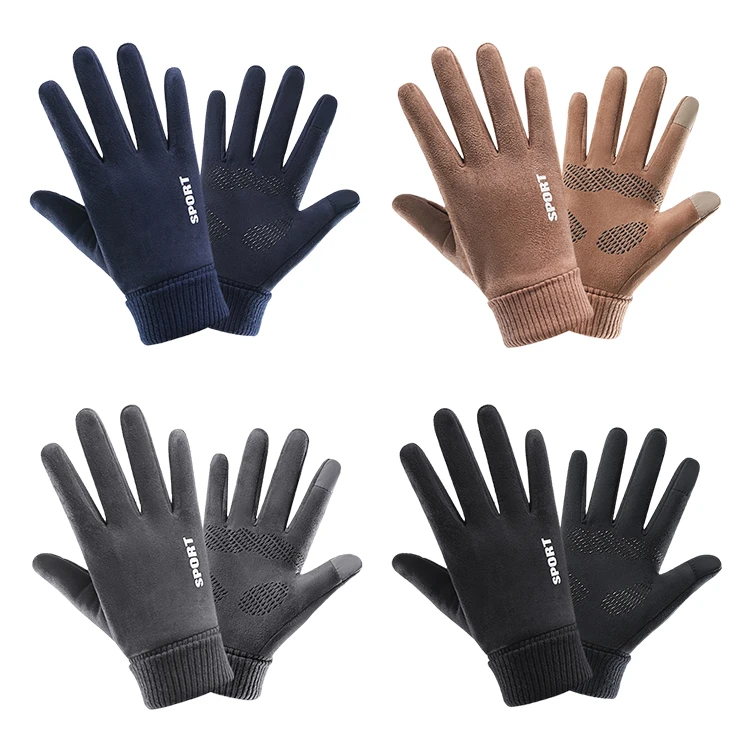
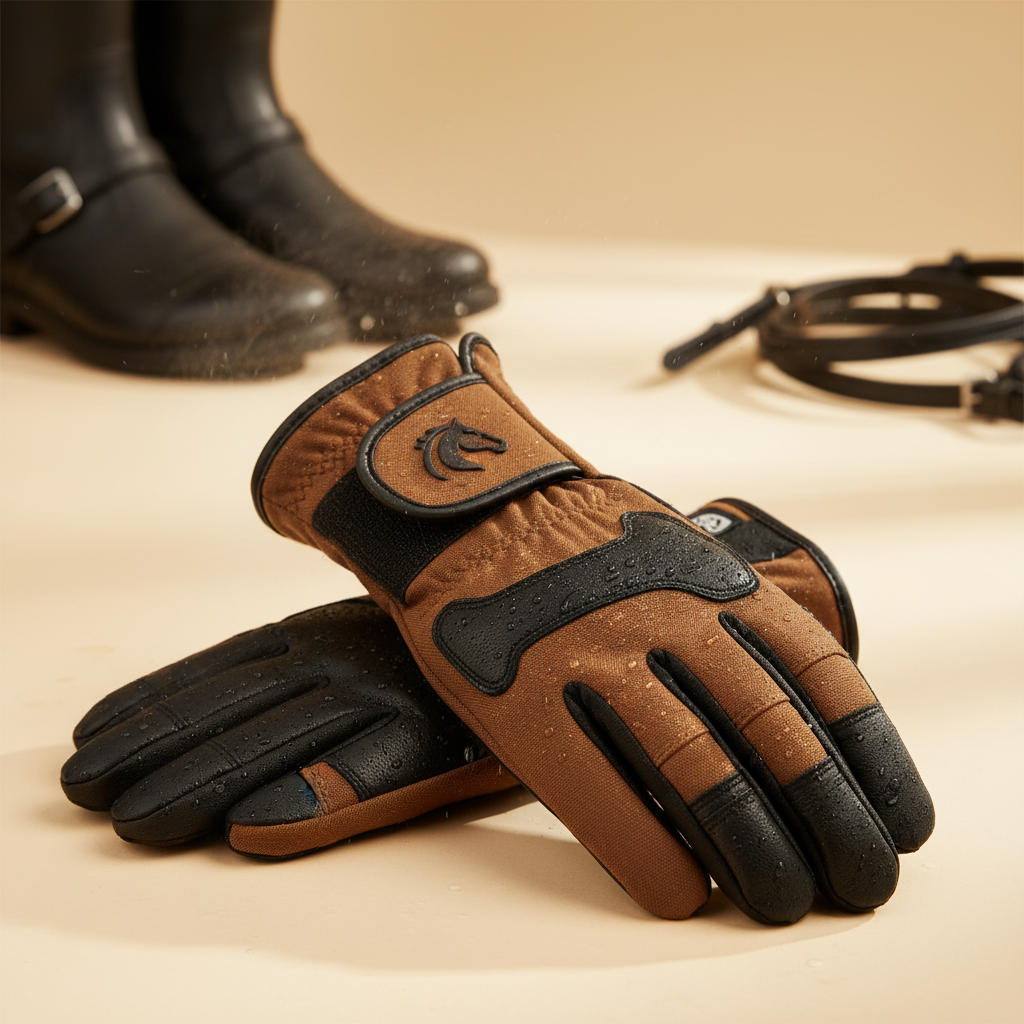
Those working with tools or delicate equipment need gloves that don't feel like mittens. Non-slip palm coatings, touchscreen compatibility, and design contours help maintain performance.
4. Durability
Long-lasting gloves save money and reduce waste. Reinforced stitching and abrasion-resistant fabrics survive rough handling in construction or logistics environments.
5. Ease of Use
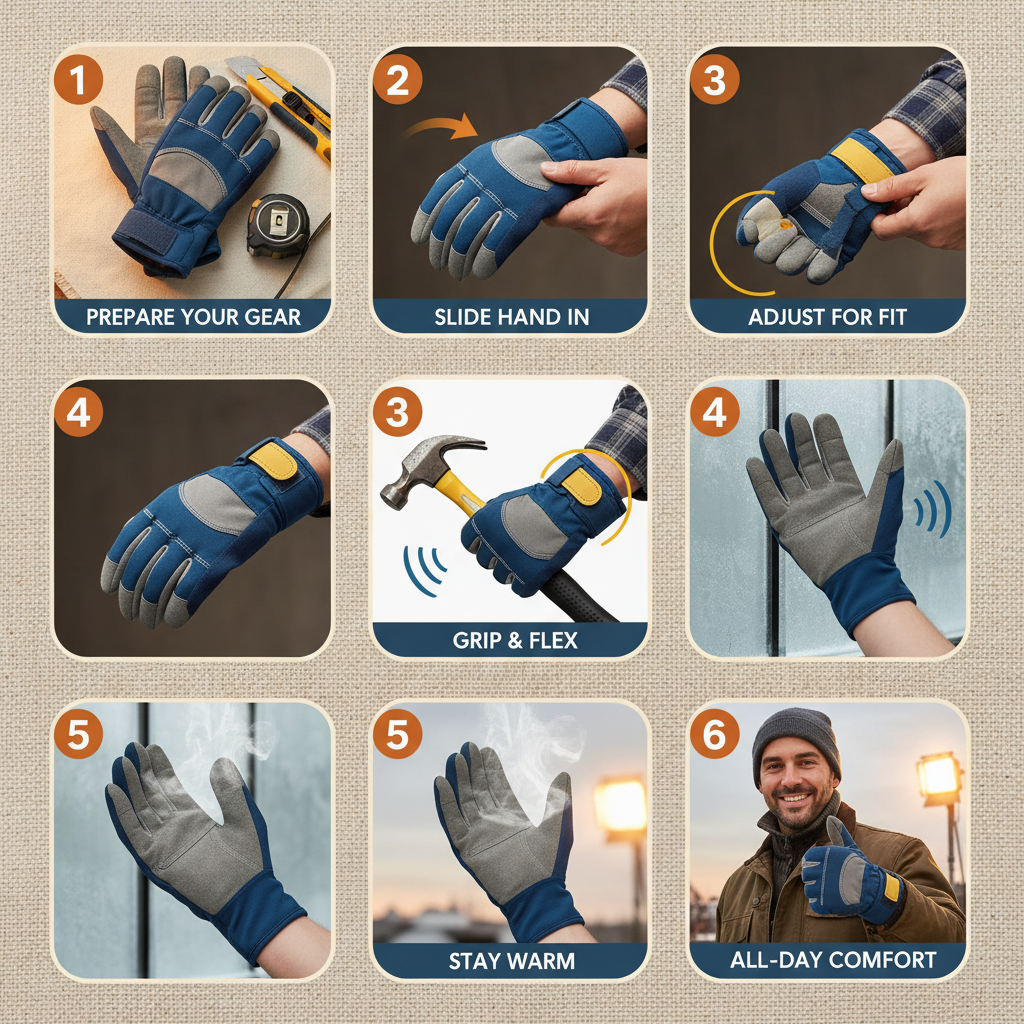
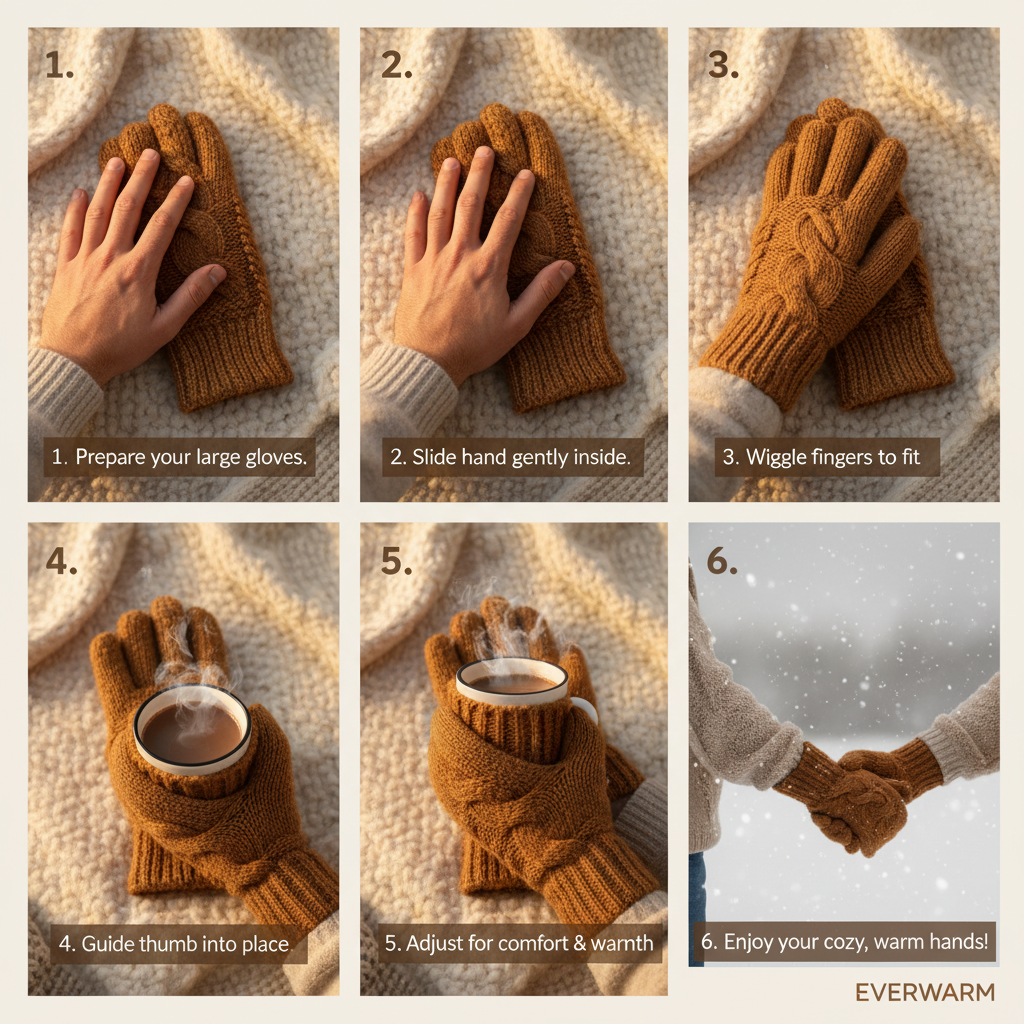
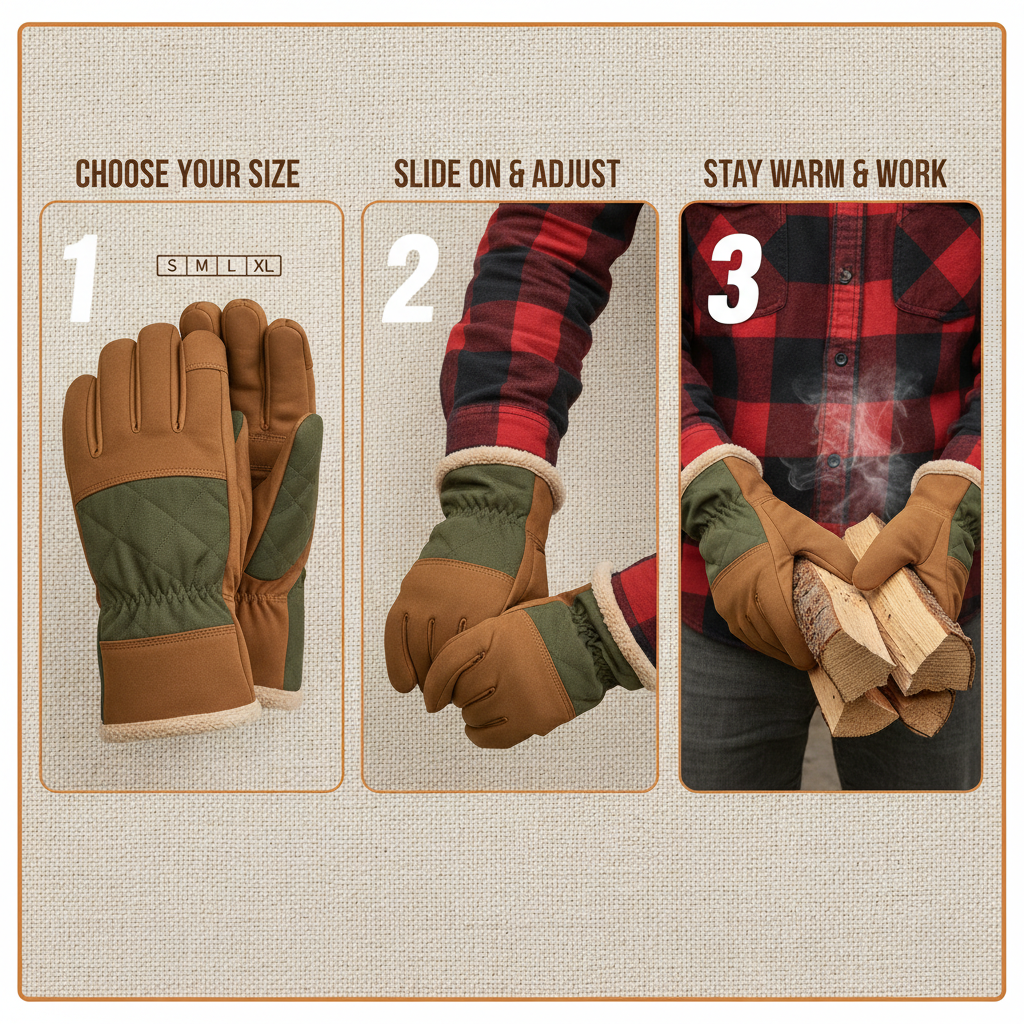
Look for adjustable cuffs, easy donning and doffing, and sometimes features like wrist leashes or loops for storage.
Product Specification Table: Typical Cold Gloves Model
| Feature | Specification |
|---|---|
| Insulation | 3M Thinsulate 200g/m² |
| Shell Material | Gore-Tex Membrane (waterproof/breathable) |
| Palm Grip | Silicone textured for enhanced grip |
| Cuff Type | Adjustable Velcro with drawstring seal |
| Lining | Fleece inner lining for softness |
| Weight | Approx. 250g per pair |
Mini takeaway: The best cold gloves strike a balance between warmth, wet-weather protection, dexterity, and durability — all practical needs, not just technical specs.
Cold Gloves Around the World: How and Where They’re Used
Cold gloves are everywhere—from remote alpine rescue missions in the Swiss Alps to everyday urban use in Chicago’s brutal winters. Industrial workers in Siberian oil fields rely on specialized gloves to prevent frostbite during outdoor tasks, while NGOs distributing relief supplies post-natural disasters in cold climates recognize how critical effective gloves are to protect vulnerable populations.
Even the military invests in advanced cold glove technology to maintain soldiers’ operational effectiveness in subzero conditions. Oddly enough, the humanitarian sector faces unique challenges: gloves must be affordable, easy to mass-produce, and suitable for diverse hand sizes—all while adhering to strict quality standards.
Interestingly, the rise of winter sports and outdoor adventures has driven innovative designs trickling down into everyday gear, improving options for commuters and outdoor workers alike.
Vendor Comparison Table: Leading Cold Glove Manufacturers
| Vendor | Price Range | Primary Features | Best Used For |
|---|---|---|---|
| ThermoGlove Co. | $40-$70 | High insulation, waterproof, touchscreen compatible | Outdoor workers, winter sports |
| PolarFlex | $60-$90 | Ergonomic design, reinforced palms, breathable membrane | Industrial & military use |
| EcoGlove Solutions | $35-$55 | Sustainable materials, water resistant, lightweight | NGOs, mass distribution |
Why Cold Gloves Matter in the Long Run
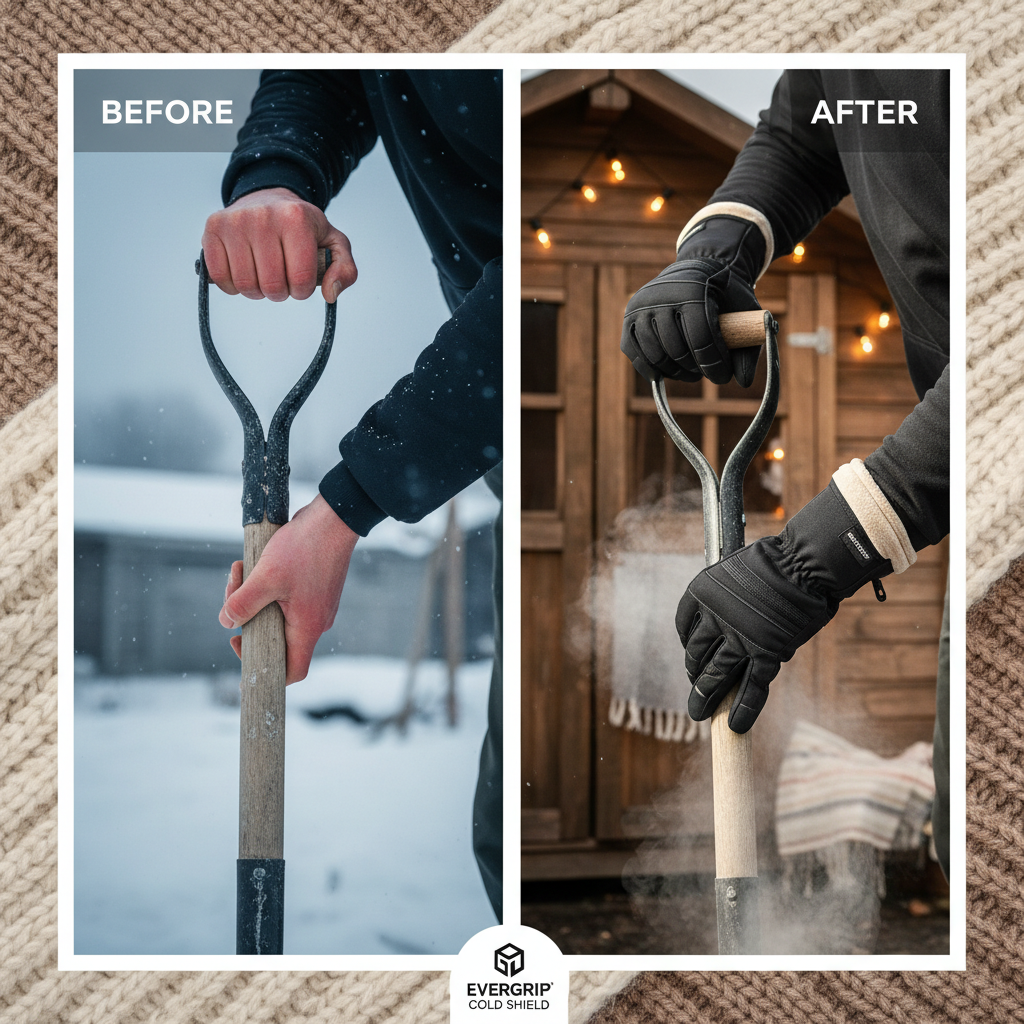
The advantages of high-quality cold gloves are quite tangible. They reduce workplace injuries, lowering insurance claims and boosting productivity. Socially, providing proper gloves to cold-exposed populations upholds dignity and health, often a silent but critical factor in aid programs.
From a sustainability standpoint, durable gloves mean less waste generated. Plus, some manufacturers now incorporate recycled fibers and biodegradable materials — issues that frankly resonate with the growing eco-conscious consumer base.
By preserving manual dexterity and comfort, they nurture a sense of trust between workers and employers or between aid distributors and recipients. Safety mixed with dignity – that’s the subtle emotional value cold gloves bring.
Upcoming Innovations in Cold Gloves
- Smart Materials: Gloves with embedded temperature sensors or heated elements powered by flexible batteries are becoming more common.
- Eco-friendly Fabrics: Use of bio-based insulation and recycled plastics addresses environmental concerns.
- Customization & Sizing: 3D scanning and printing technologies allow for gloves tailored precisely to users’ hands, improving fit and performance.
Frankly, it’s an exciting time for cold gloves — the mix of technology, sustainability, and mass usability is hitting a sweet spot.
Common Challenges and Innovative Solutions
However, challenges remain. Waterproofing and breathability still often conflict, and cost limitations affect accessibility, especially for NGOs operating on tight budgets. Ensuring proper sizing at scale is problematic, too.
Experts suggest modular glove systems: layers that can be added or removed depending on conditions, or interchangeable liners, may solve some of these problems efficiently. Plus, ongoing field-testing and feedback loops with users drive design improvements faster than ever.
FAQ: Frequently Asked Questions About Cold Gloves
- Q: What materials best insulate cold gloves without losing dexterity?
A: Synthetics like Thinsulate™ offer excellent warmth-to-weight ratios. They are thin enough to maintain dexterity compared to bulky natural insulators like wool or down. - Q: Can cold gloves be used with smartphones?
A: Many modern cold gloves include conductive fingertips allowing touchscreen use. This feature is especially useful for outdoor workers needing mobile communication. - Q: How long do typical cold gloves last in industrial use?
A: Depending on wear and care, high-quality gloves can last from 6 months up to 2 years. Durability depends heavily on the environment and frequency of use. - Q: Are eco-friendly cold gloves really effective in extreme conditions?
A: Innovations in sustainable materials have closed much of the performance gap, though some niche extreme-use gloves still rely on traditional insulations for maximal protection. - Q: How can NGOs bulk import cold gloves efficiently?
A: Partnering with suppliers who understand international shipping logistics and compliance, alongside choosing modular or standardized sizes, simplifies procurement and distribution logistics.
Conclusion
Cold gloves may seem straightforward at first glance, but they embody a complex blend of science, practicality, and human-centered design. From enhancing workplace safety in cold industries to supporting humanitarian missions, the right gloves change outcomes in subtle but profound ways. They protect not just from cold but preserve health, performance, and dignity.
If this overview piqued your interest or you want to explore the latest in quality cold gloves, I highly recommend starting your journey at https://www.personalcarescn.com. It's a solid resource to learn more and find gear tailored to your needs.
Mini takeaway: Investing in good cold gloves is investing in your hands’ health, whatever cold challenges lie ahead.
References:
1. World Meteorological Organization - Climate and Cold Weather Data (https://public.wmo.int/en)
2. ISO 11999 - Protective gloves for cold environments (https://www.iso.org)
3. 3M Thinsulate Technical Sheet (https://www.3m.com)