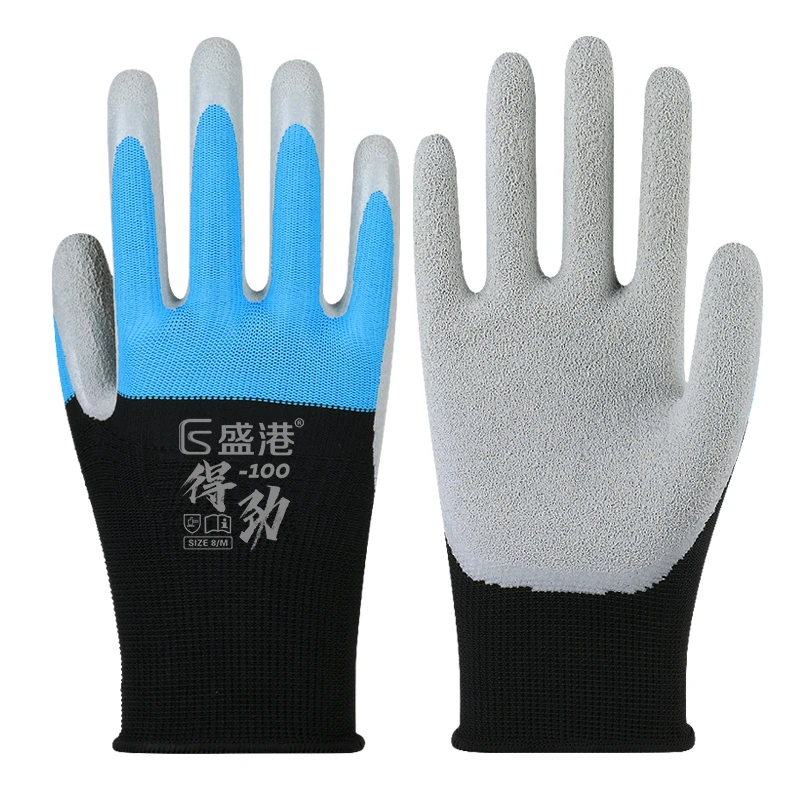
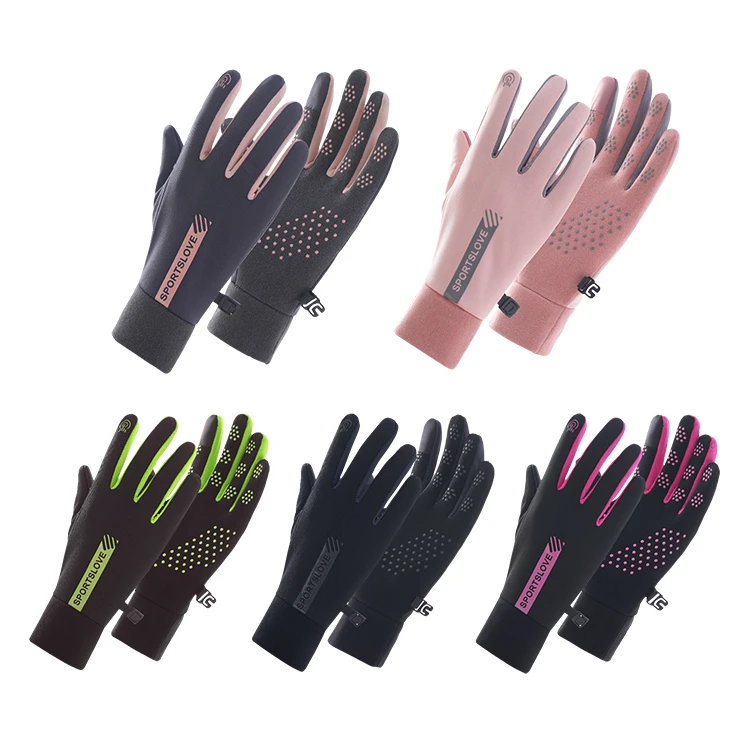
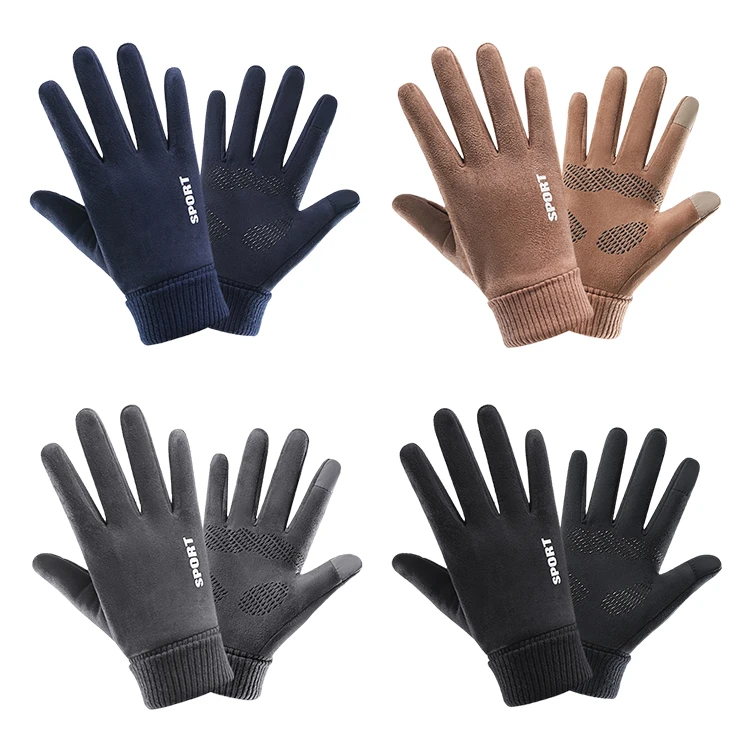
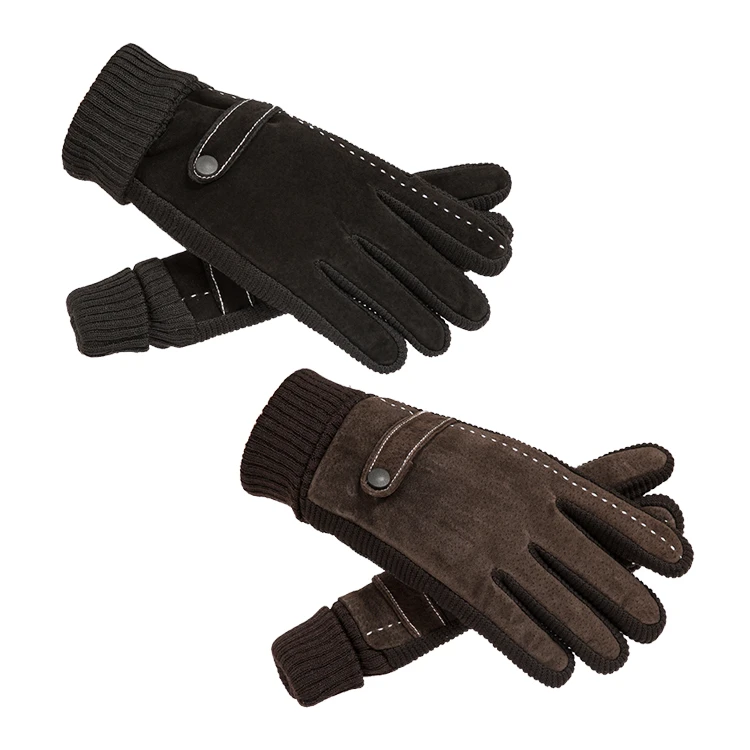
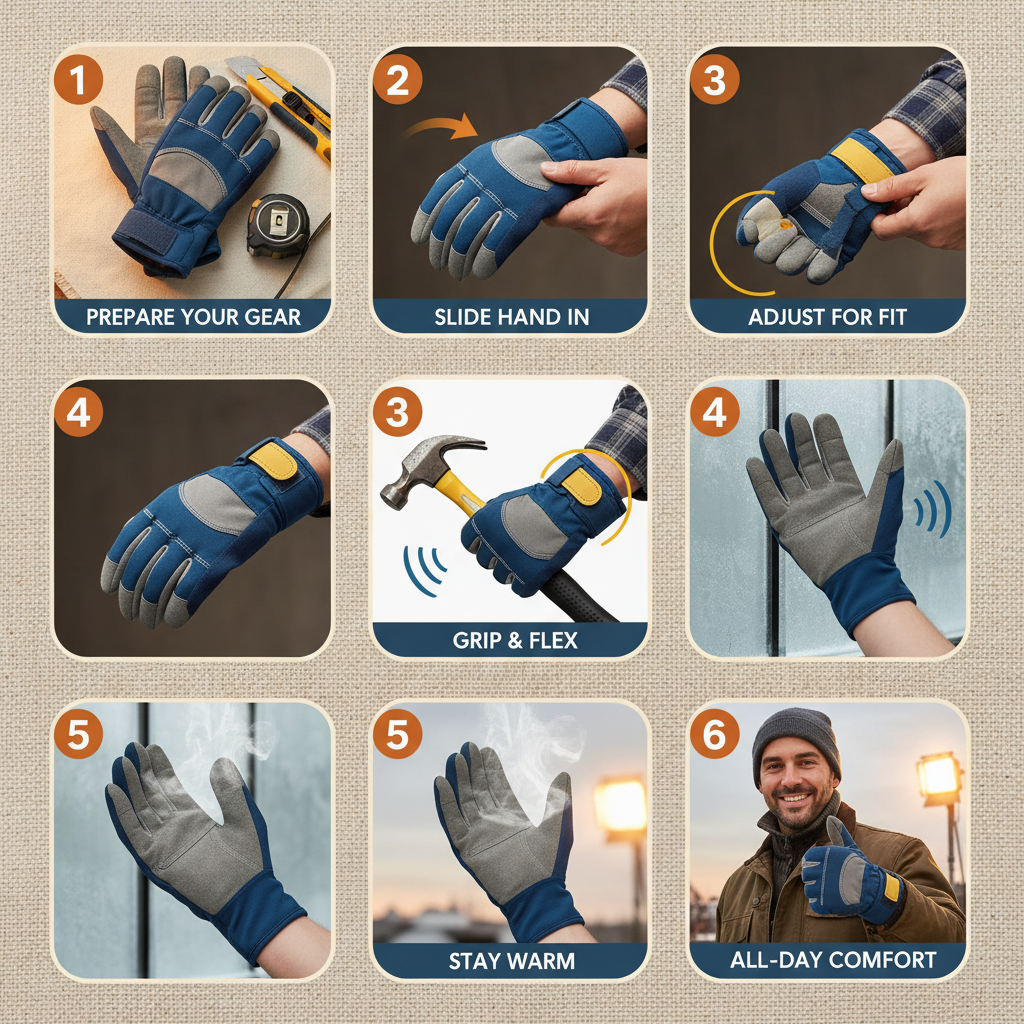
Construction Latex-Coated Anti-Slip Wear-Resistant Gloves?
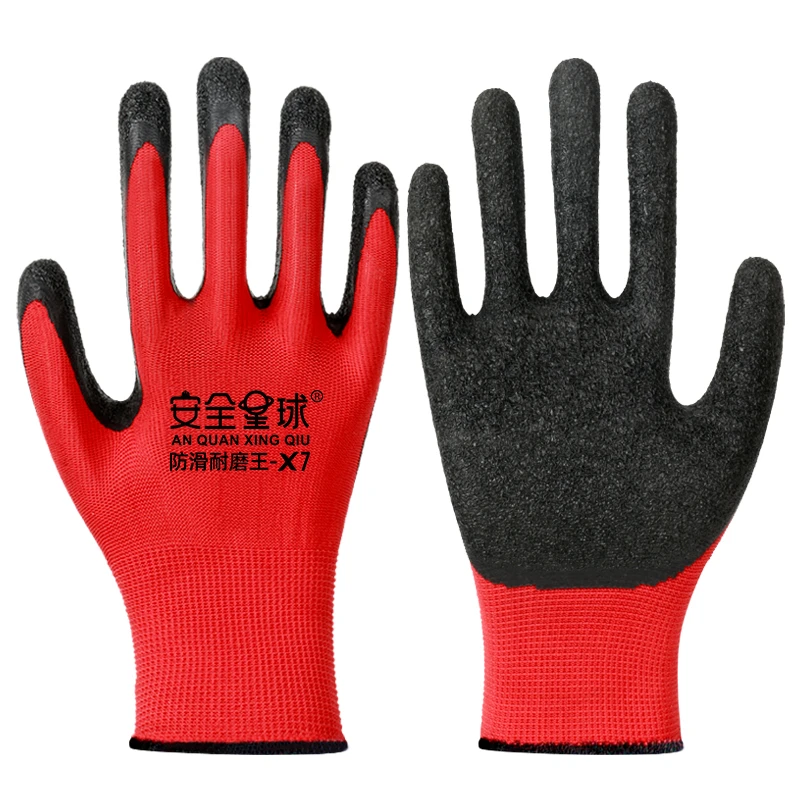
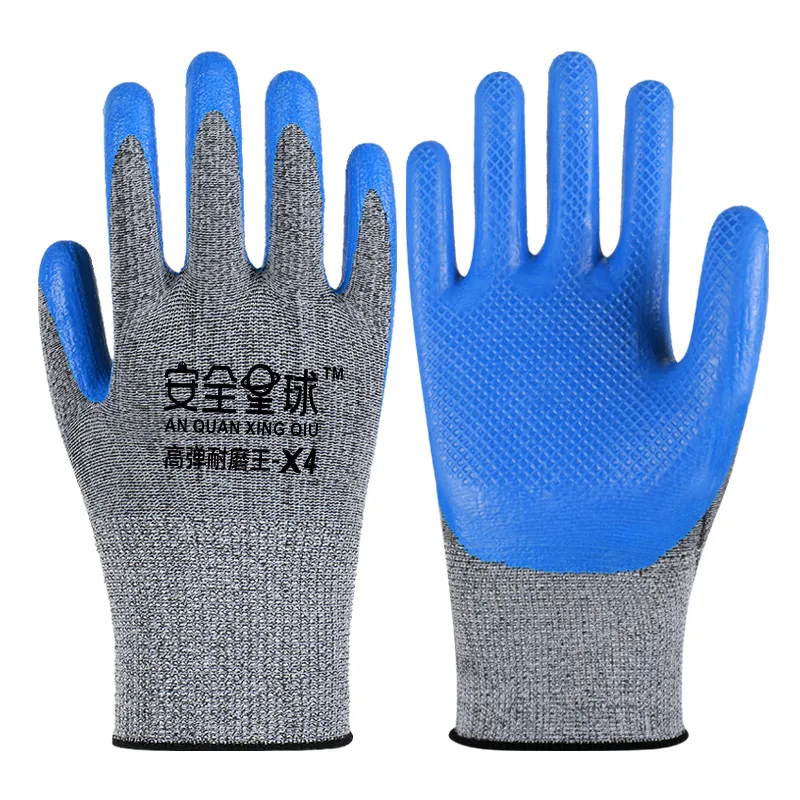
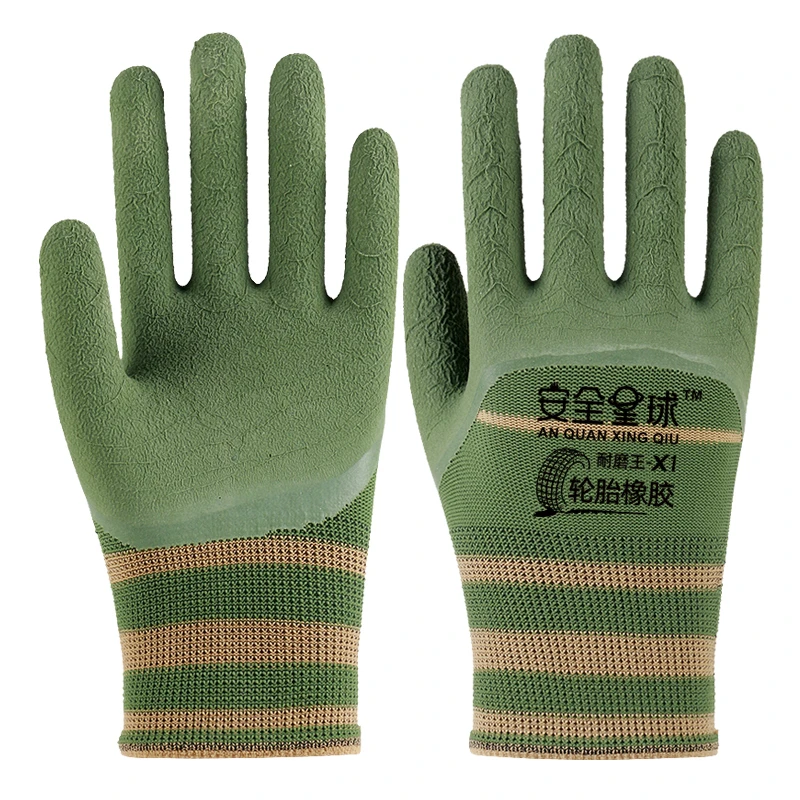
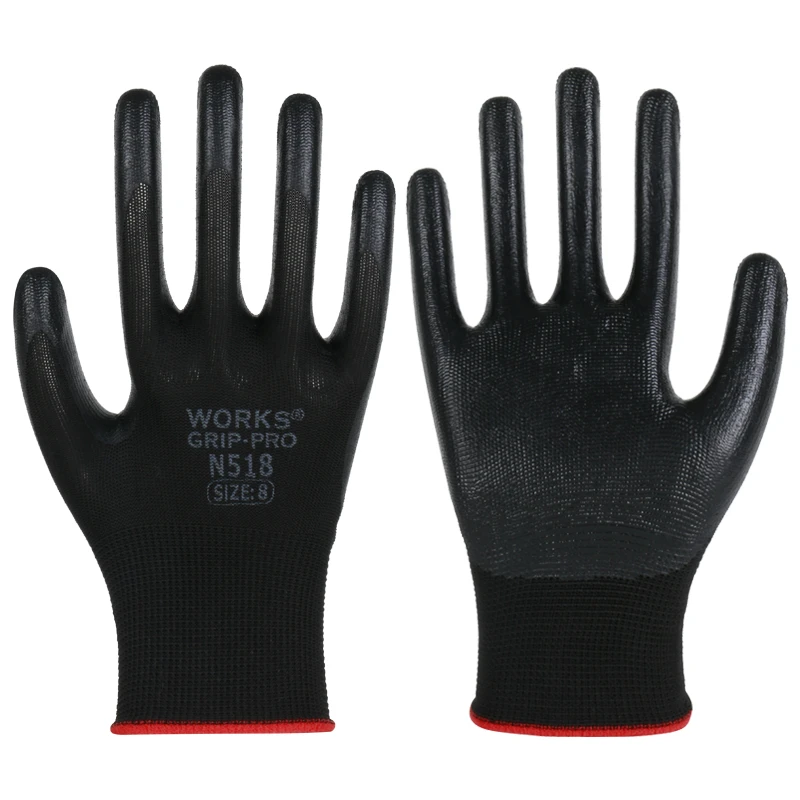
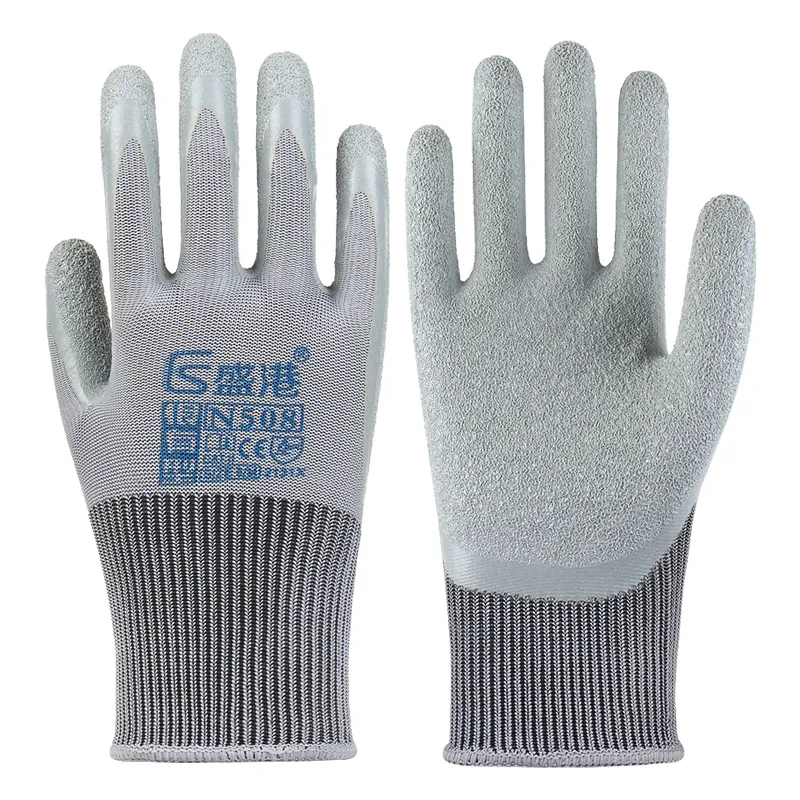
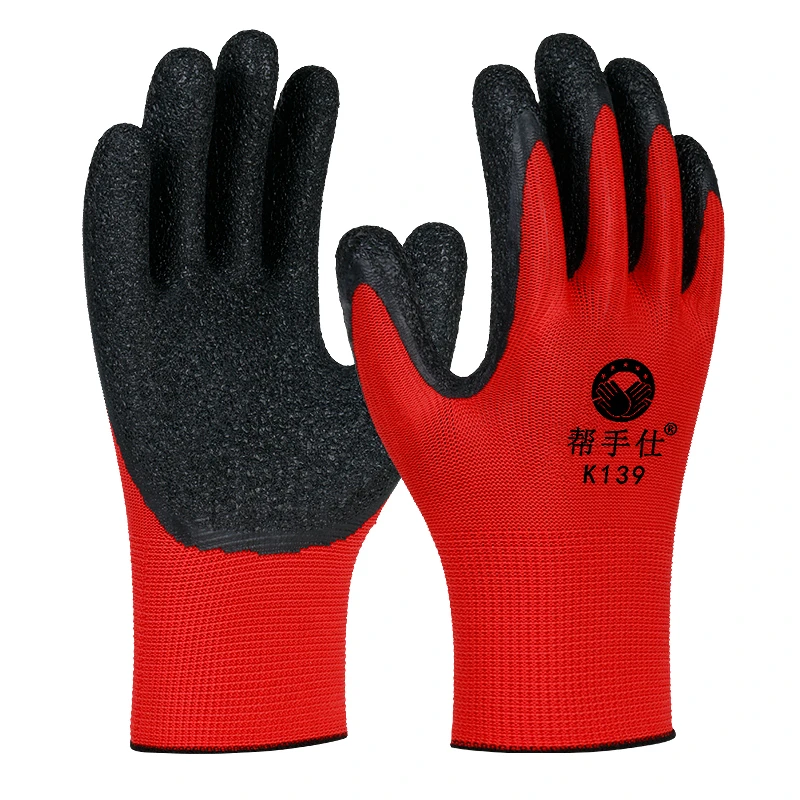
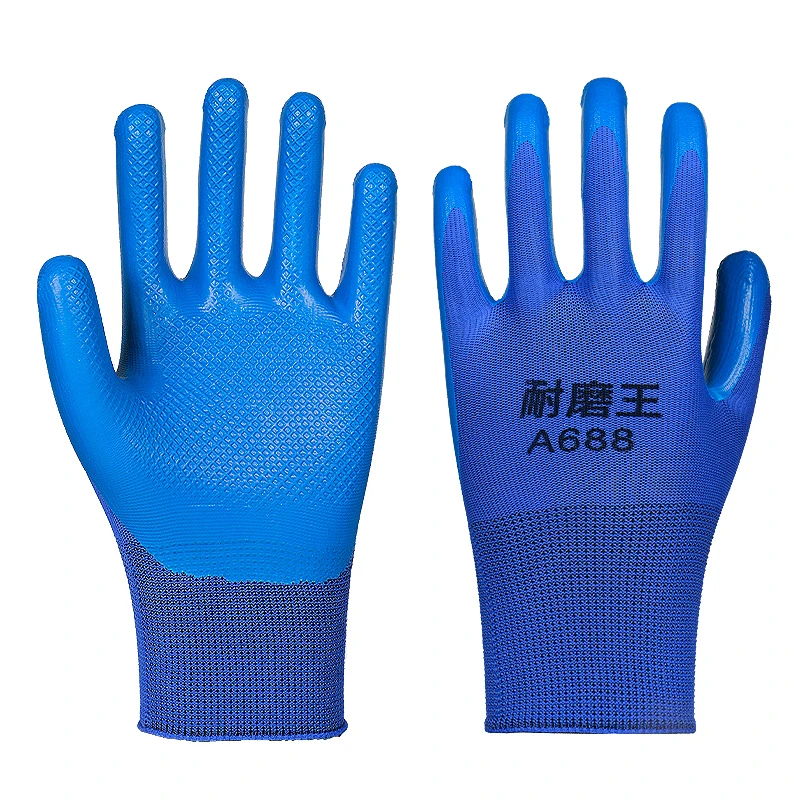
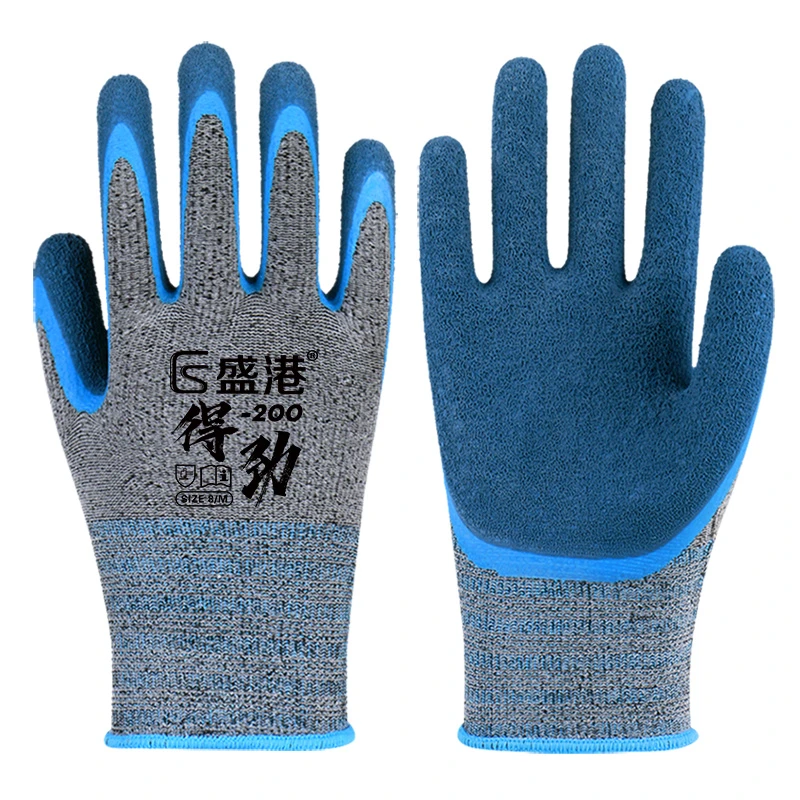
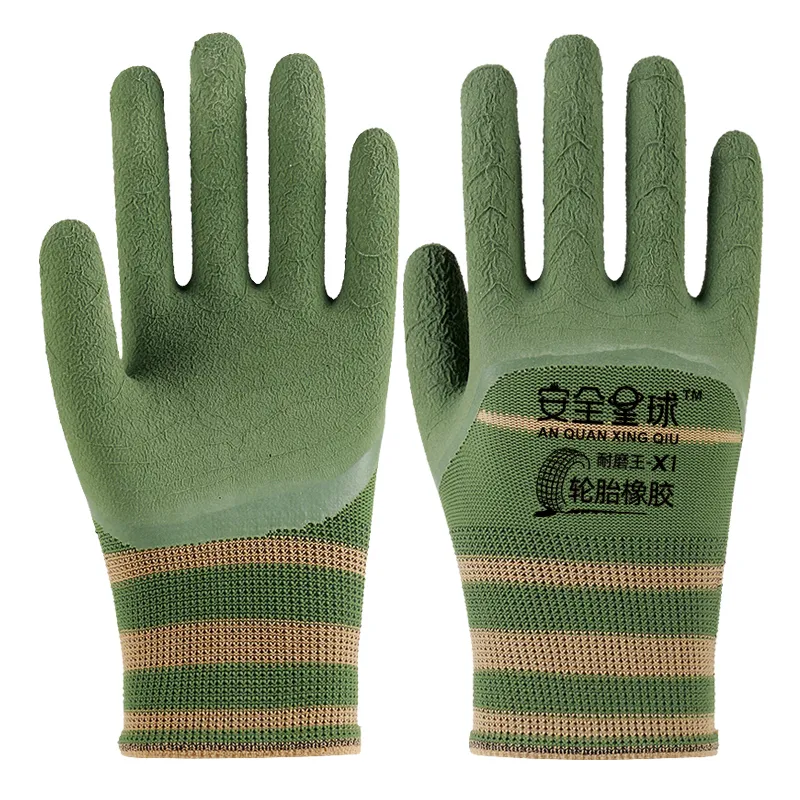
If you spend your days on rebar, scaffolds, or in a clattering plant where grip and abrasion eat gear for breakfast, you’ll appreciate these: Construction Engineering Latex Coating Wear Resistant Anti-Slip Labor Protection Industrial Gloves. Made in the industrial heartland of Hebei—East side of the northern section of Education Road, Xinji Town, Xinji City, to be exact—they’re built with the kind of no-drama reliability crews keep asking for.
What’s going on in the industry
Two trends dominate today: better mechanical protection without bulky feel, and dependable grip on dusty steel, wet concrete, or oily parts. Latex palm coatings still punch above their weight for friction and shock absorption, and, in fact, the crinkle texture many customers praise remains a worksite favorite. Supply chains are stabilizing too, which helps with lead times and consistent quality—finally.
Core specs at a glance
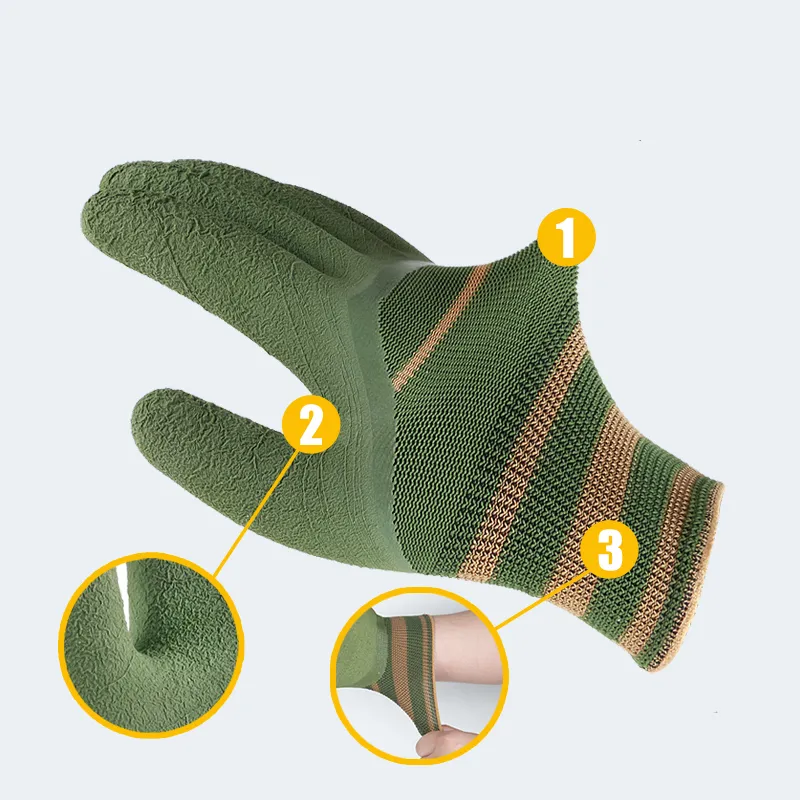
| Liner | 13-gauge polyester/cotton blend, breathable |
| Coating | Latex palm with crinkle grip; optional 3/4 dip |
| Abrasion (EN 388) | Level 4; ≈8,000 cycles in lab tests (real-world use may vary) |
| Cut (EN 388 / ISO 13997) | Level 1–2; ≈A2 ANSI/ISEA 105 |
| Grip | High on dry/dusty; good on damp; avoid solvents |
| Temp range | Around -10°C to 80°C for coating comfort |
| Sizes | 7–11 (S–2XL) |
| Certs | CE (EN 388), REACH-compliant materials, ISO 9001 factory |
| Service life | Typically 2–6 weeks in construction; check for coating wear |
How they’re made (short version)
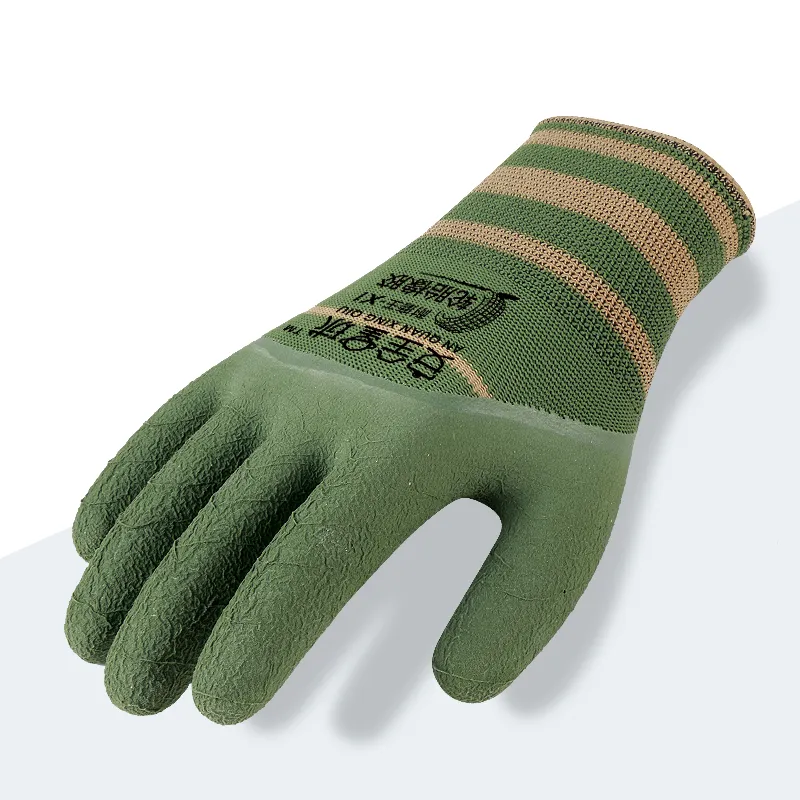
Materials: blended yarn liner, natural rubber latex (foamed, then stabilized), elastic cuff. Methods: 13G knitting → latex foaming → palm/¾ dip → thermal curing → post-wash → QC. Testing: EN 388 mechanical risks; abrasion per Martindale/ASTM D3389; cut per ISO 13997; grip coefficient checked on dry/damp plates. Lot traceability is standard—something I always ask for on factory visits.
Where they shine
- Construction, rebar tying, block/brick handling, scaffolding
- Manufacturing, assembly, warehouse and yard work
- Heavy equipment maintenance (light oil exposure is okay)
Note: latex is not the best for petrochemical solvents; if you’re bathing in hydrocarbons, go nitrile. And yes, check for latex sensitivities on your crew.
Vendor comparison (quick reality check)
| Vendor | Grip (wet/dusty) | EN 388 | Lead time | Customization | Approx. price |
|---|---|---|---|---|---|
| Hebei manufacturer (this model) | High / High | 4131X ≈ | 10–20 days | Color, dip coverage, logo | Economical |
| Generic import | Medium / Medium | 4121X ≈ | Variable | Limited | Lowest |
| Boutique EU supplier | High / High | 4131X–4141X | 2–6 weeks | Wide | Premium |
Field notes and mini case studies
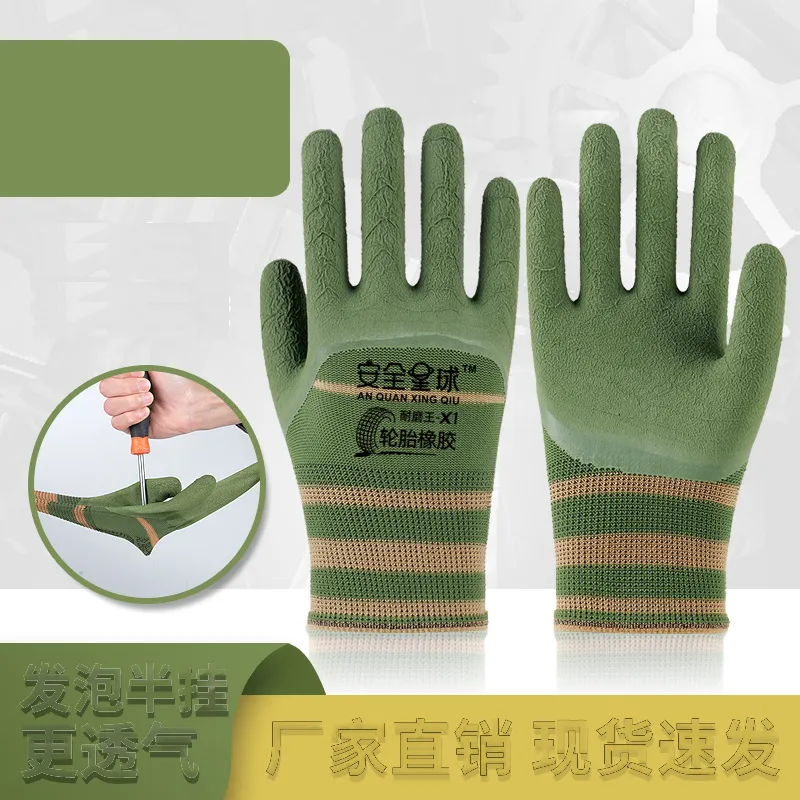
Bridge site, North China: foreman reported a 23% drop in tool slips over two months after switching to Construction Engineering Latex Coating Wear Resistant Anti-Slip Labor Protection Industrial Gloves. Crews liked the crinkle grip on rusted bar. Average glove life went from roughly 1–2 weeks to 3–4 weeks per pair.
Precast plant, coastal region: handling wet molds, workers said the latex stayed tacky enough “to feel safe,” even when condensation built up. To be honest, that’s the kind of quiet win that keeps procurement loyal.
Customization and support
- Branding: cuff print, colorways, retail-ready packaging
- Performance tuning: heavier latex layer for abrasion, or lighter for dexterity
- Compliance docs: CE Declaration, test reports (EN 388, ISO 13997), REACH
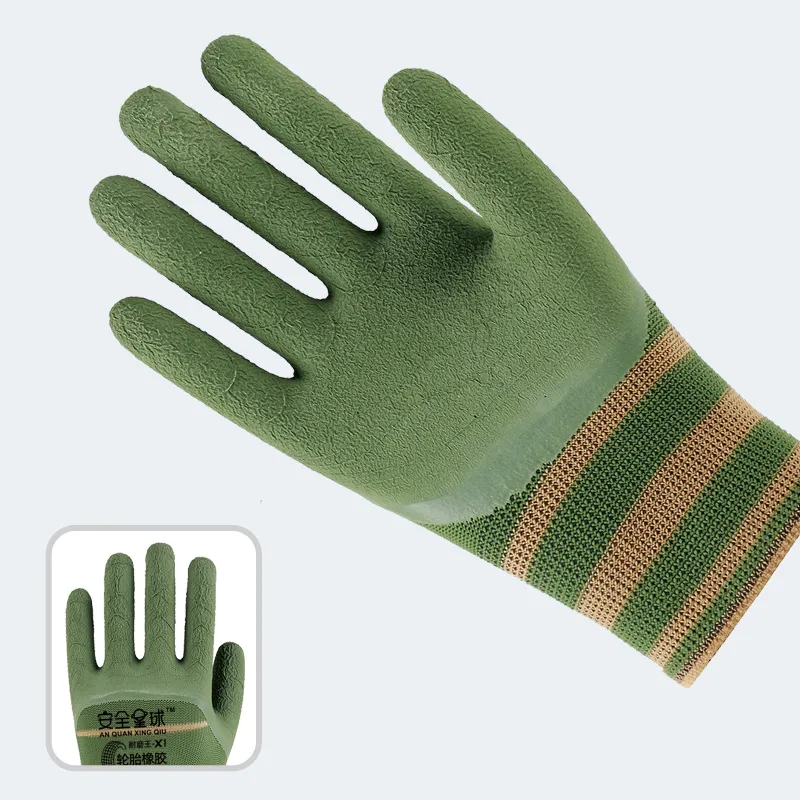
Final thought: if you need simple, proven hand protection that grips when the day gets ugly, Construction Engineering Latex Coating Wear Resistant Anti-Slip Labor Protection Industrial Gloves hit that sweet spot between cost and confidence.
References
- EN 388:2016+A1:2018 Protective gloves against mechanical risks (European Committee for Standardization)
- ANSI/ISEA 105-2016 Hand Protection Classification (International Safety Equipment Association)
- OSHA 29 CFR 1910.138 Hand Protection (U.S. Occupational Safety and Health Administration)
- ISO 13997:1999 Protective gloves—Cut resistance by sliding blade method
- ECHA REACH Regulation (EC) No 1907/2006—Substance compliance guidance