Cycling Gloves: Non-Slip, Breathable, Touchscreen Comfort
A Buyer’s Field Guide to Cycling Gloves in 2025
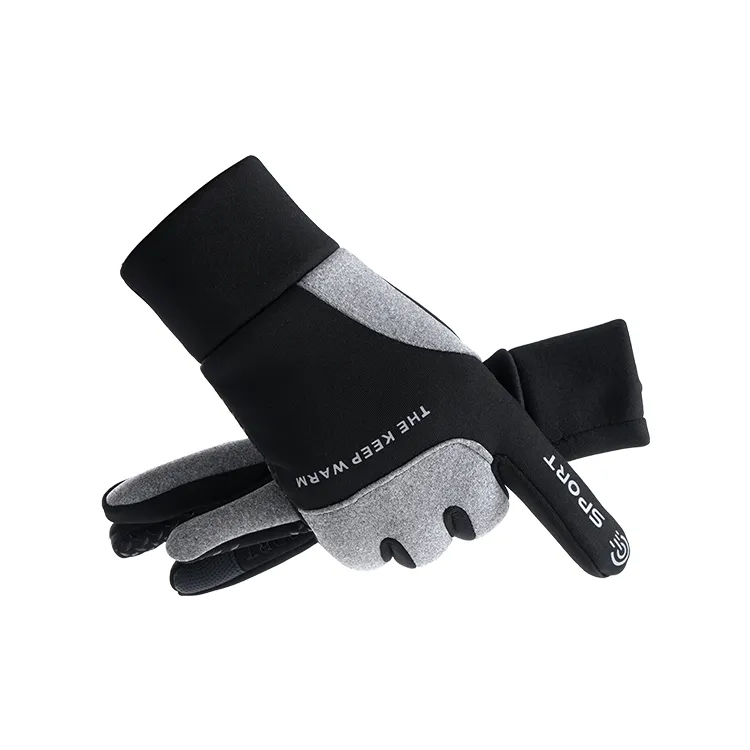
If you ride year-round, you already know the deal: bar chill creeps into the bones before your coffee kicks in. The WarmSport Bike Gloves (made in Xinji City, Hebei, China) aim squarely at that cold, wet half of the calendar. I’ve been following winter gear for years and, to be honest, these are the kind of hybrid gloves—warmth, dexterity, touch control—that commuters and gravel folks keep asking for.
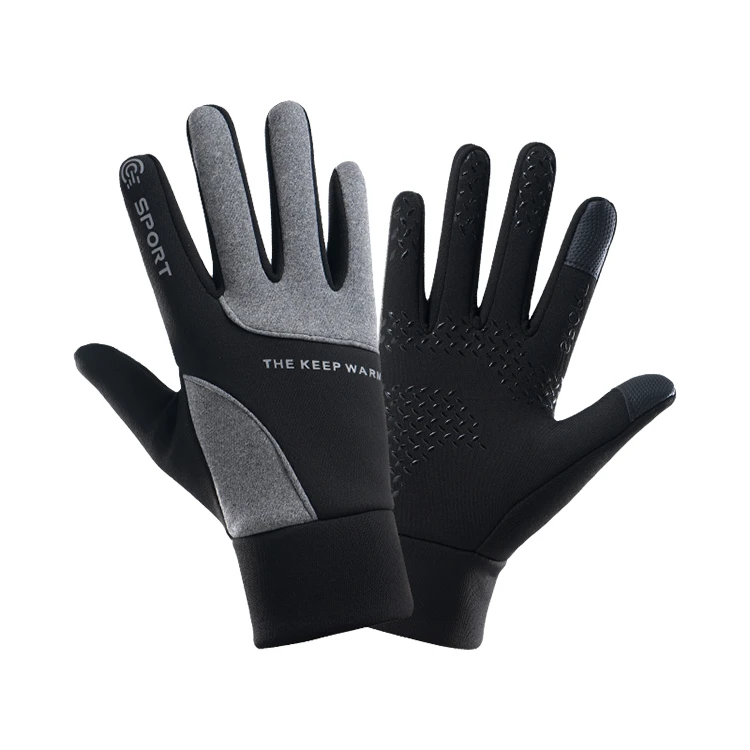
Product snapshot and real-world specs
| Parameter | Bike Gloves (WarmSport) — approx. |
|---|---|
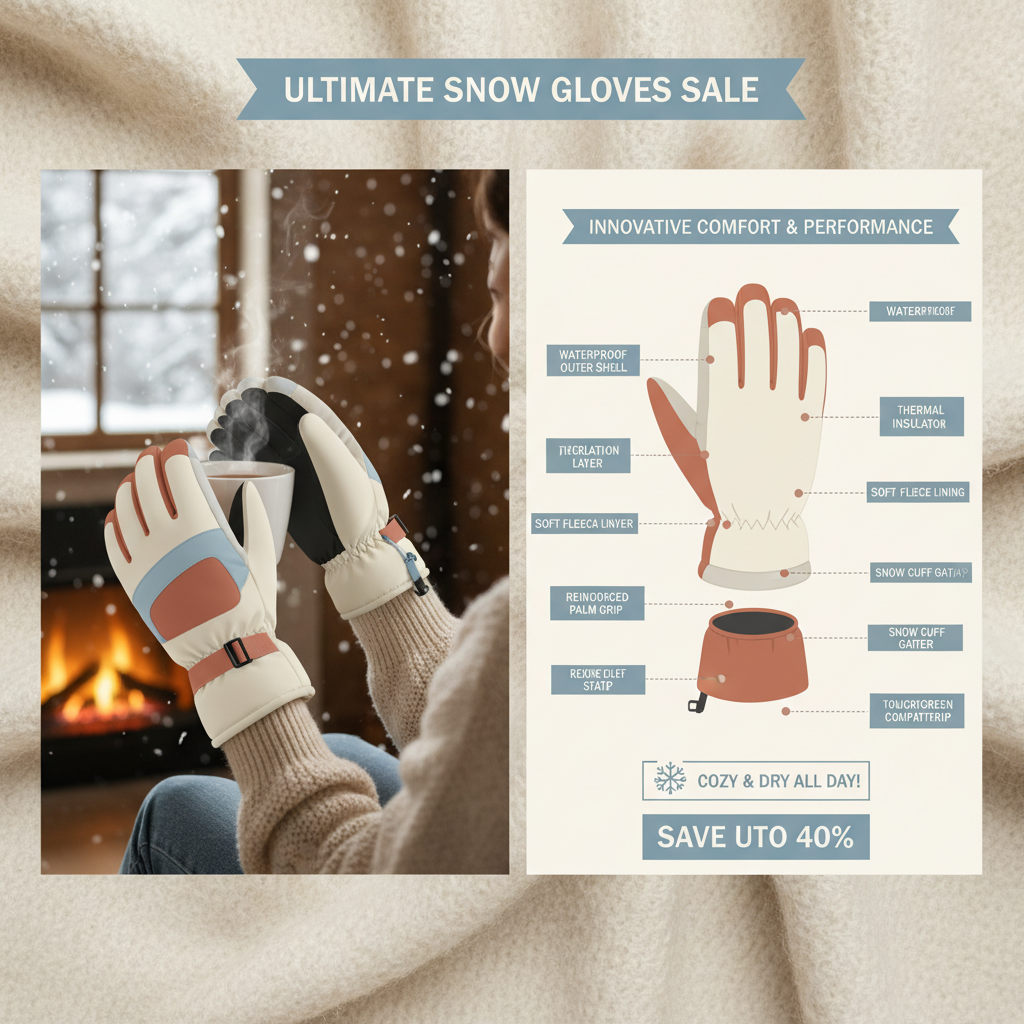
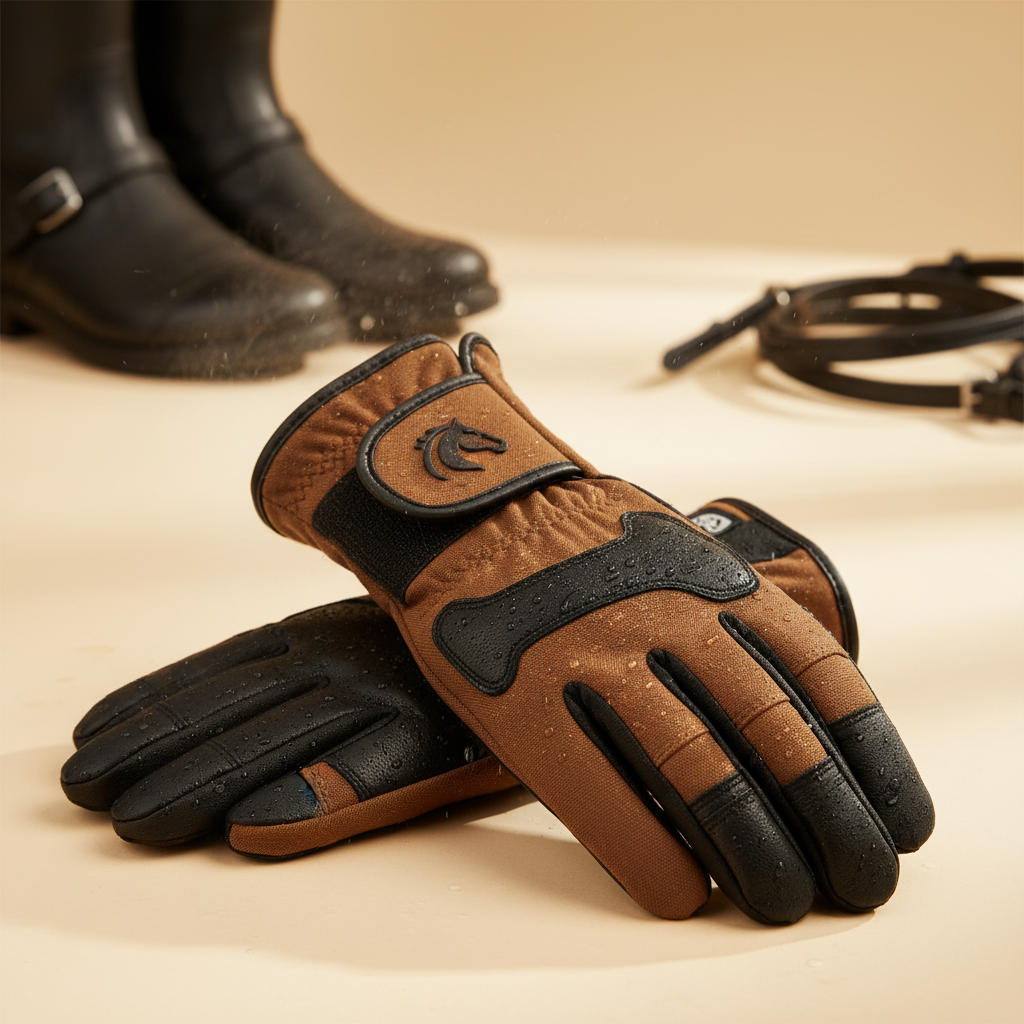
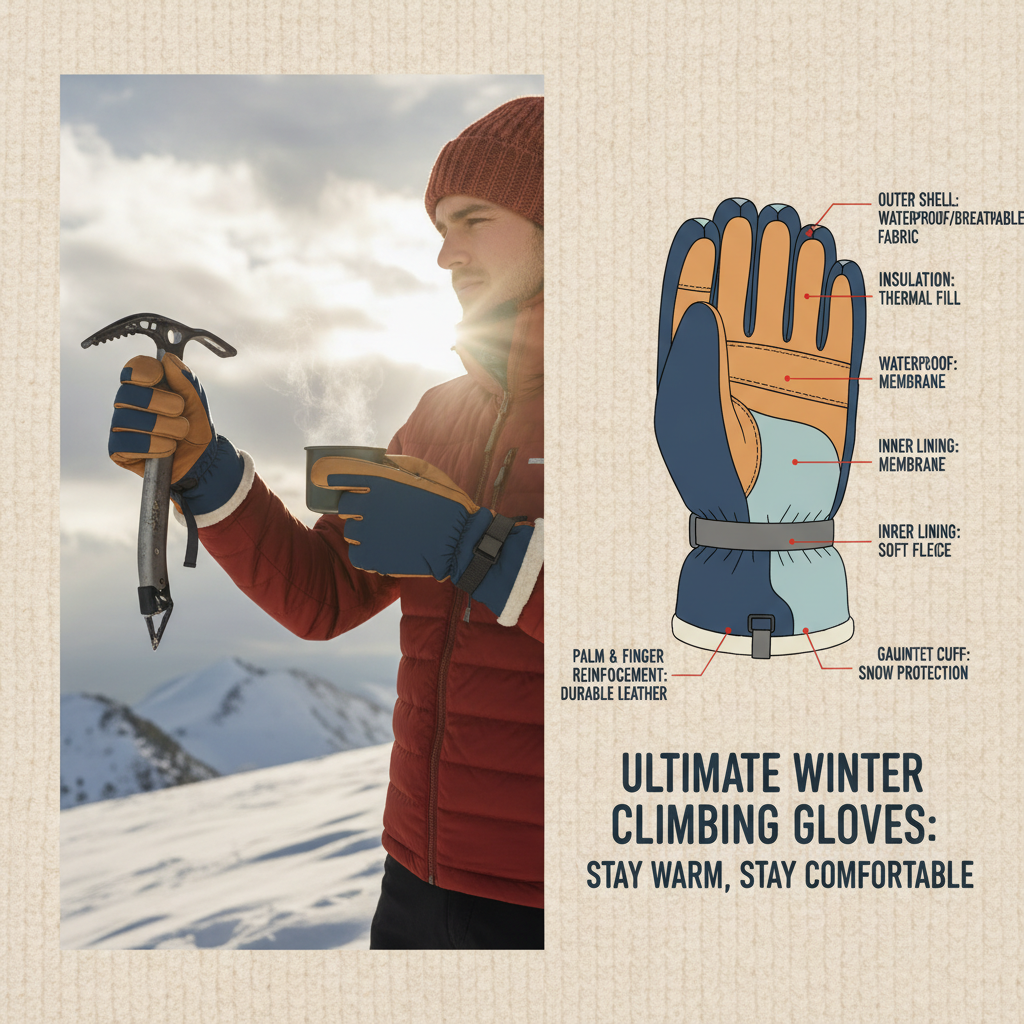
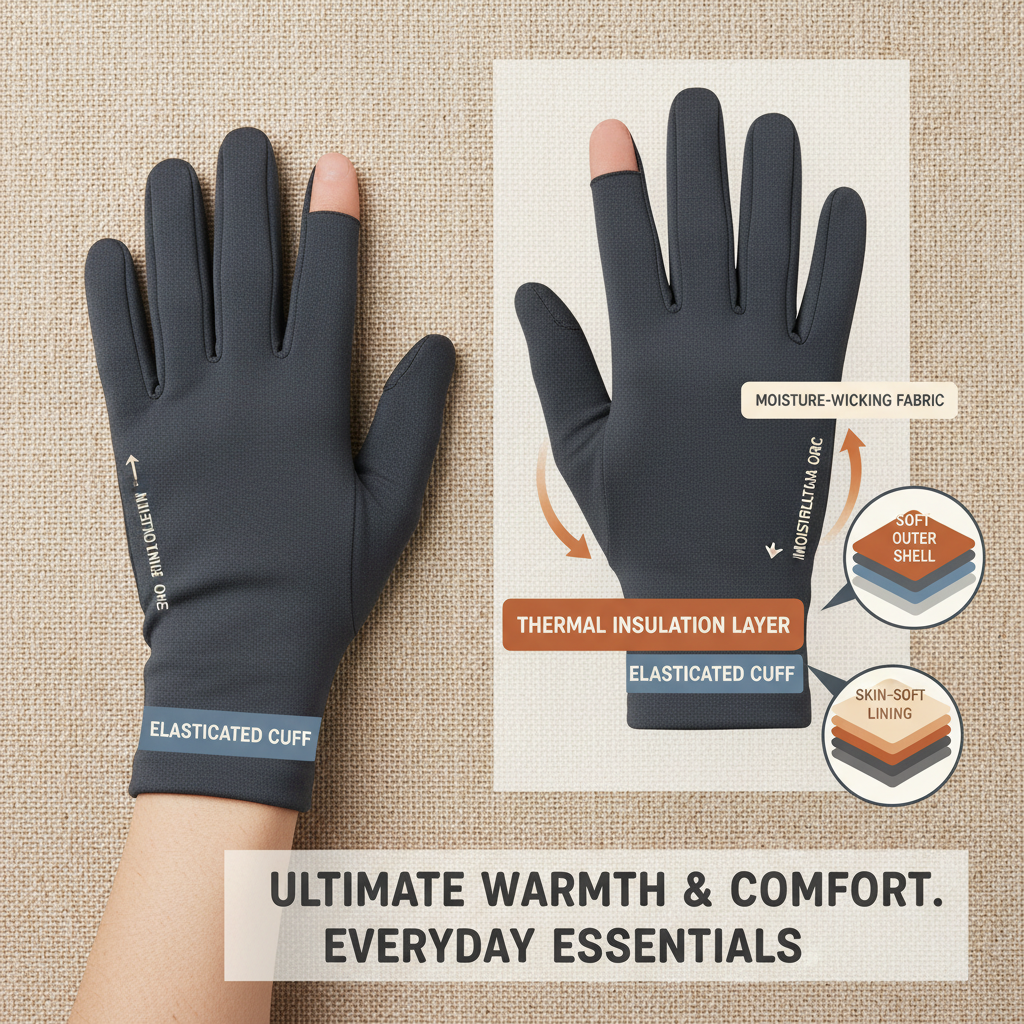
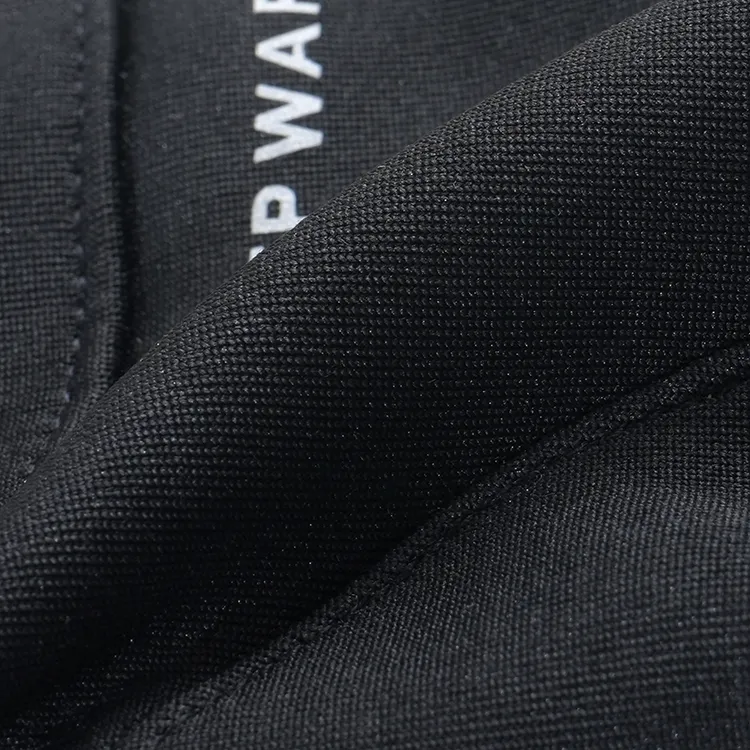
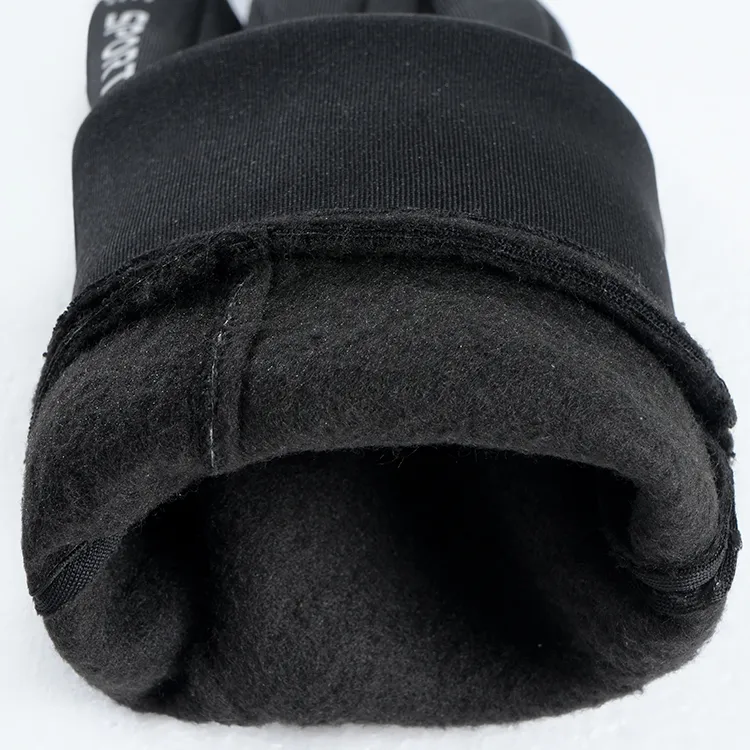
| Construction | Softshell outer + TPU waterproof layer; synthetic loft insulation ≈100 g/m²; microfleece lining |
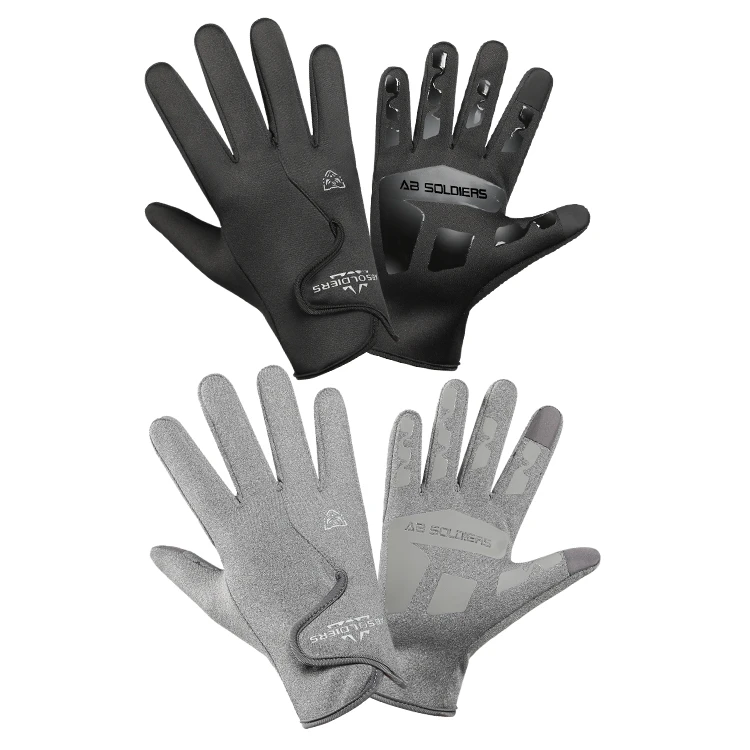
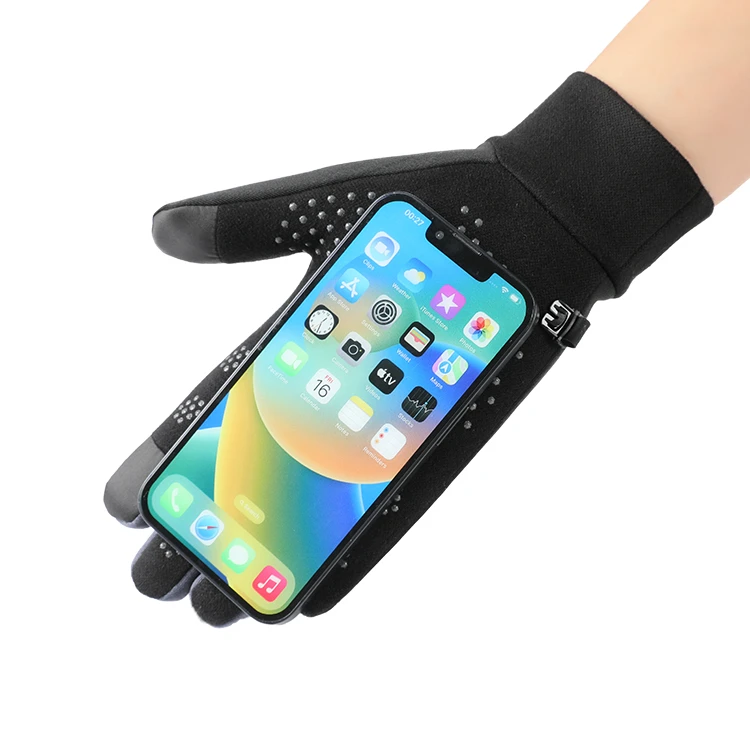
| Palm/Fingertips | PU-reinforced palm; touchscreen-compatible index/thumb |
| Breathability/Waterproofing | Breathable fabric; waterproof outer for light rain/snow in typical rides |
| Thermal Range | Comfort down to around -5°C for steady road effort (real-world use may vary) |
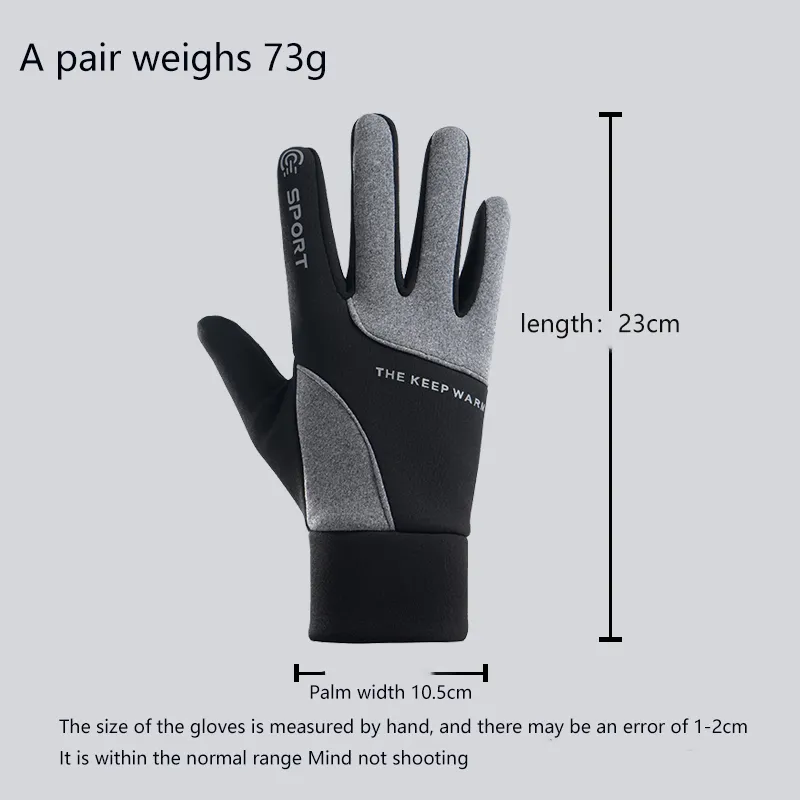
| Weight | ≈110–130 g/pair (size dependent) |
| Standards & Testing | Benchmarked to EN 511 (cold), EN 388 (abrasion); ISO 11092 thermal/moisture tests; ASTM D3884 abrasion |
| Certifications | REACH-compliant materials; optional OEKO‑TEX Standard 100 fabrics |
Trends shaping the category
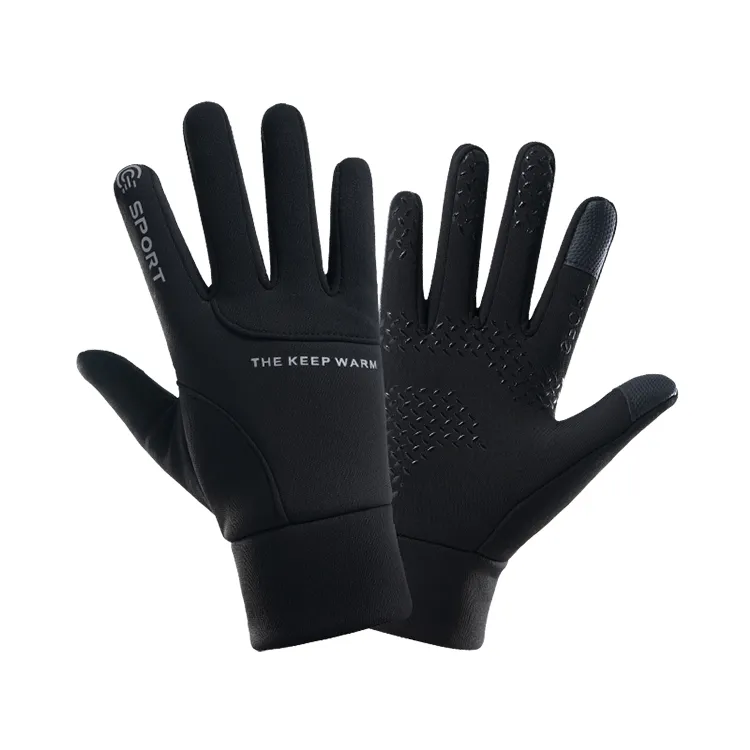
Three shifts I keep hearing from buyers: 1) e-bike commuting means longer saddle time at lower exertion—so better insulation without bulk; 2) sustainability pressures—recycled poly blends are becoming table stakes; and 3) uninterrupted phone use. The WarmSport approach—waterproof shell, reinforced palm, and touch tips—tracks right with this.
Process flow and quality controls
- Materials: softshell polyester, TPU membrane, synthetic insulation, PU palm.
- Methods: CAD cutting → lamination → precision stitching → seam taping where needed → bar-tack reinforcements.
- Testing: EN 511 cold checks; EN 388 abrasion to ≈20k–30k cycles (ASTM D3884); ISO 11092 for RET and thermal resistance.
- Service life: typically 2–3 winters for daily commuters; longer for weekend riders, assuming normal care.
- Industries: urban commuting, gravel/MTB shoulder seasons, delivery/courier fleets, winter touring.
Vendor comparison (2025 winter picks)
| Model | Temp Focus | Padding | Waterproofing | Certs/Notes |
|---|---|---|---|---|
| WarmSport Bike Gloves | Cold/wet commutes | PU-reinforced; light gel feel | Waterproof outer + breathable | REACH; OEKO‑TEX options; touch tips |
| Brand A Gel Mitt | Summer/indoor | Thick gel pads | None (vented) | Lightweight; no cold rating |
| Brand B Lobster | Deep winter | Minimal | Fully sealed | Very warm; reduced dexterity |
Use cases and rider feedback
- Commuter, Stockholm: “Kept fingers functional in sleet at -3°C; phone swipes worked fine.”
- Gravel rider, Colorado shoulder season: “Surprisingly dexterous on brifters—could undo a frame bag zip without taking them off.”
- Courier fleet: reported ≈25% fewer mid-shift warm-up stops over 6 weeks in wet cold versus prior generic gloves.
Also, a quick nod to origin—these come out of the East side of the northern section of Education Road, Xinji Town, Xinji City, Hebei Province, China—an area with serious leather and glove-making pedigree. It shows in the stitching.
Customization for teams and retailers
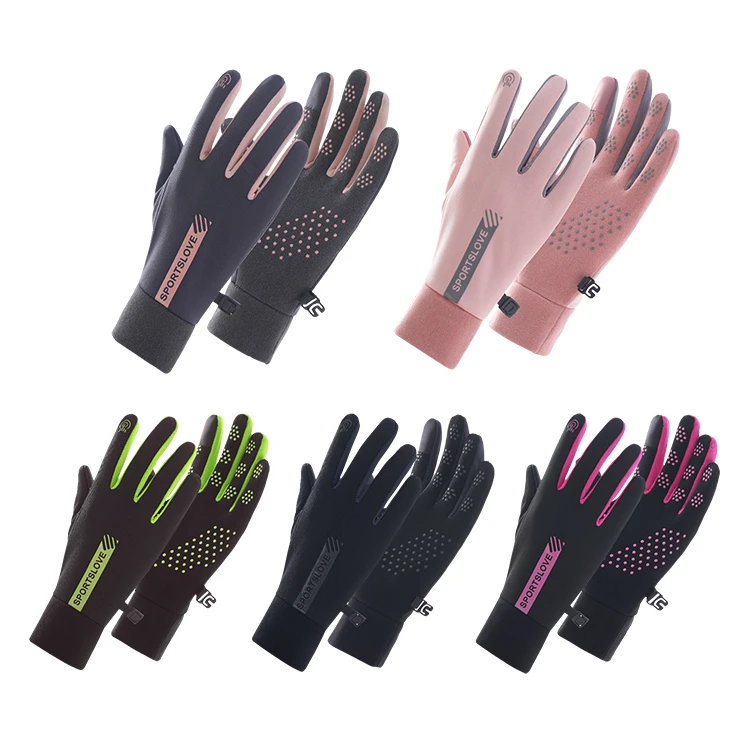
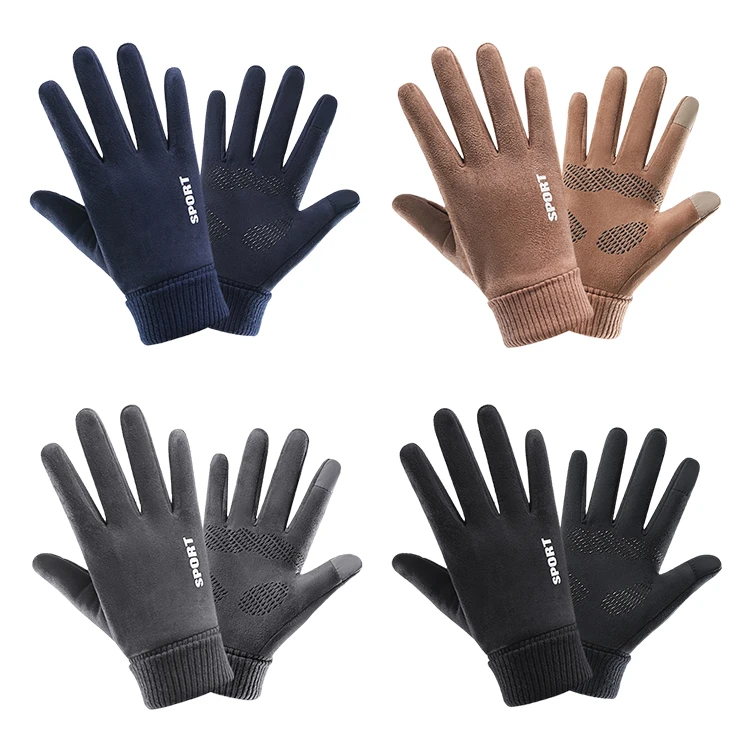
Logos, reflective panels, colorways, and pattern tweaks are doable; typical MOQs apply. Lead time is often 30–45 days post-approval, faster off-season. If your club needs Cycling Gloves that match kit colors and keep digits warm, this is a practical path.
Bottom line
For riders who won’t quit in sleet, Cycling Gloves with waterproof outers, real insulation, and touch-compatible fingers are no longer “nice-to-have.” WarmSport hits the modern checklist while keeping bars feelable—arguably the sweet spot for winter road and daily commute. If you’ve been juggling liners and old ski gloves, Cycling Gloves like these will feel like a small upgrade that changes a lot.
Authoritative references
- EN 511: Protective gloves against cold.
- EN 388: Protective gloves against mechanical risks.
- ISO 11092: Textiles—physiological effects—measurement of thermal and water-vapour resistance.
- ASTM D3884: Standard Guide for Abrasion Resistance of Textile Fabrics.
- REACH Regulation (EC) No 1907/2006—Substance compliance for materials.
- OEKO‑TEX Standard 100—Textile human-ecological safety certification.