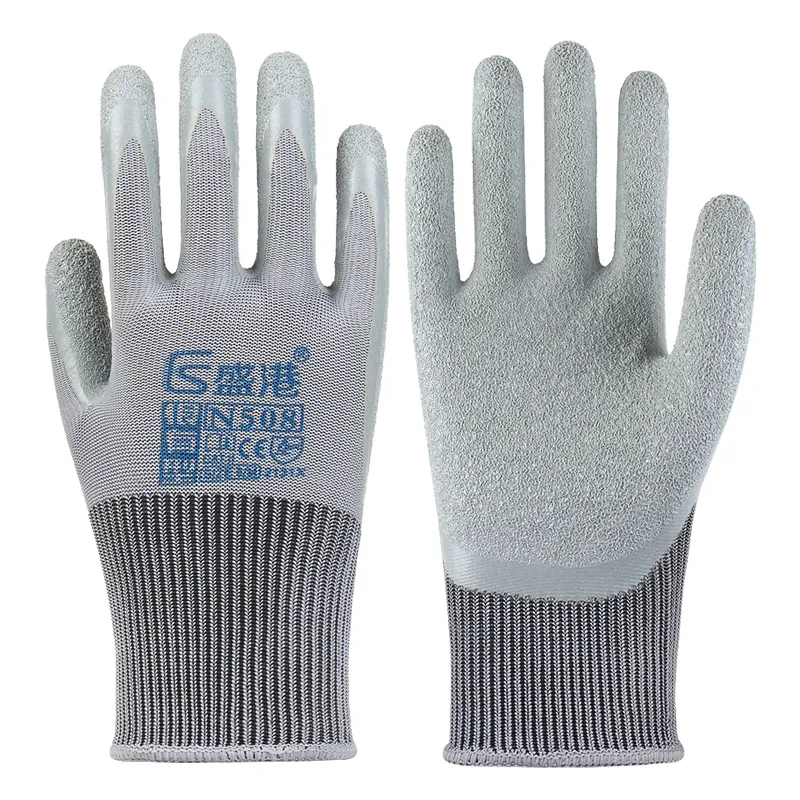
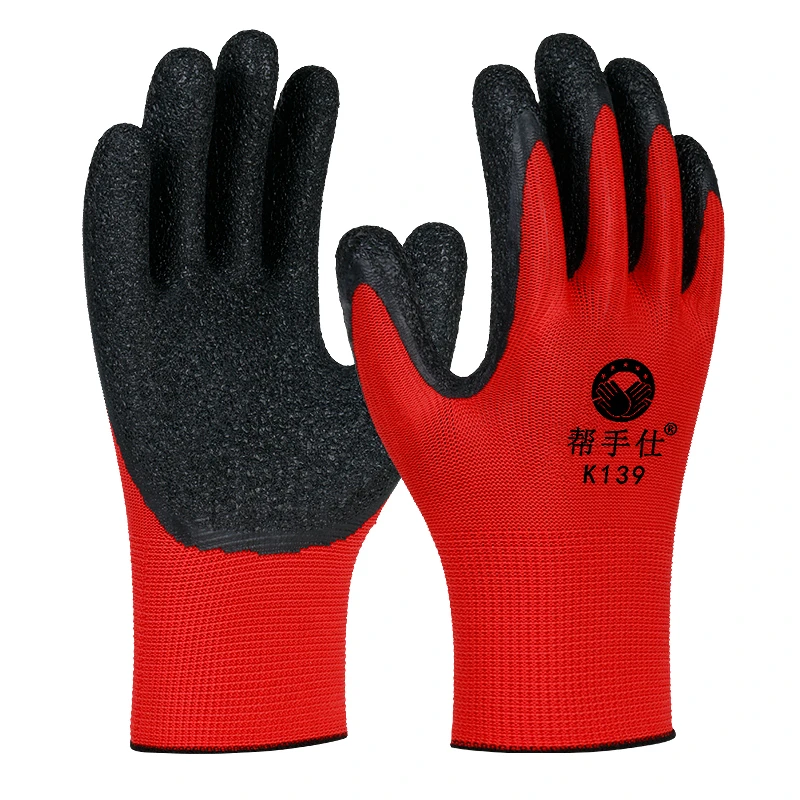
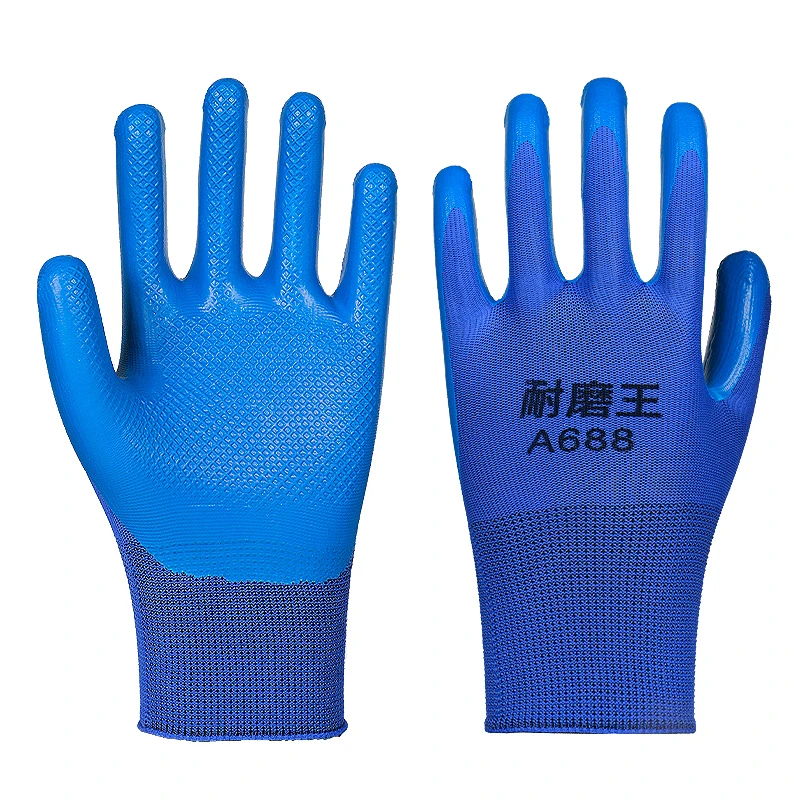
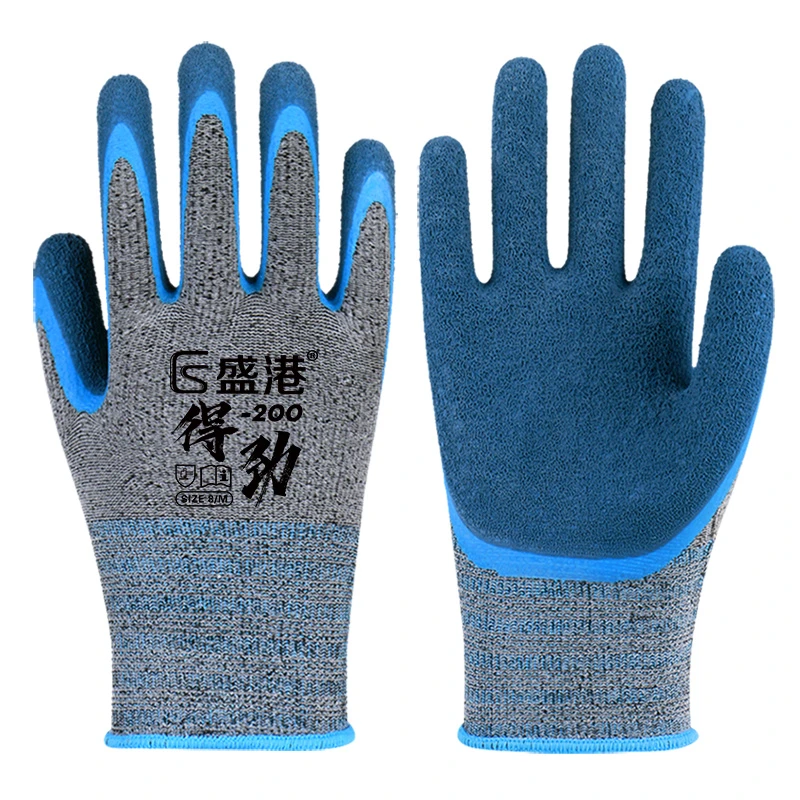
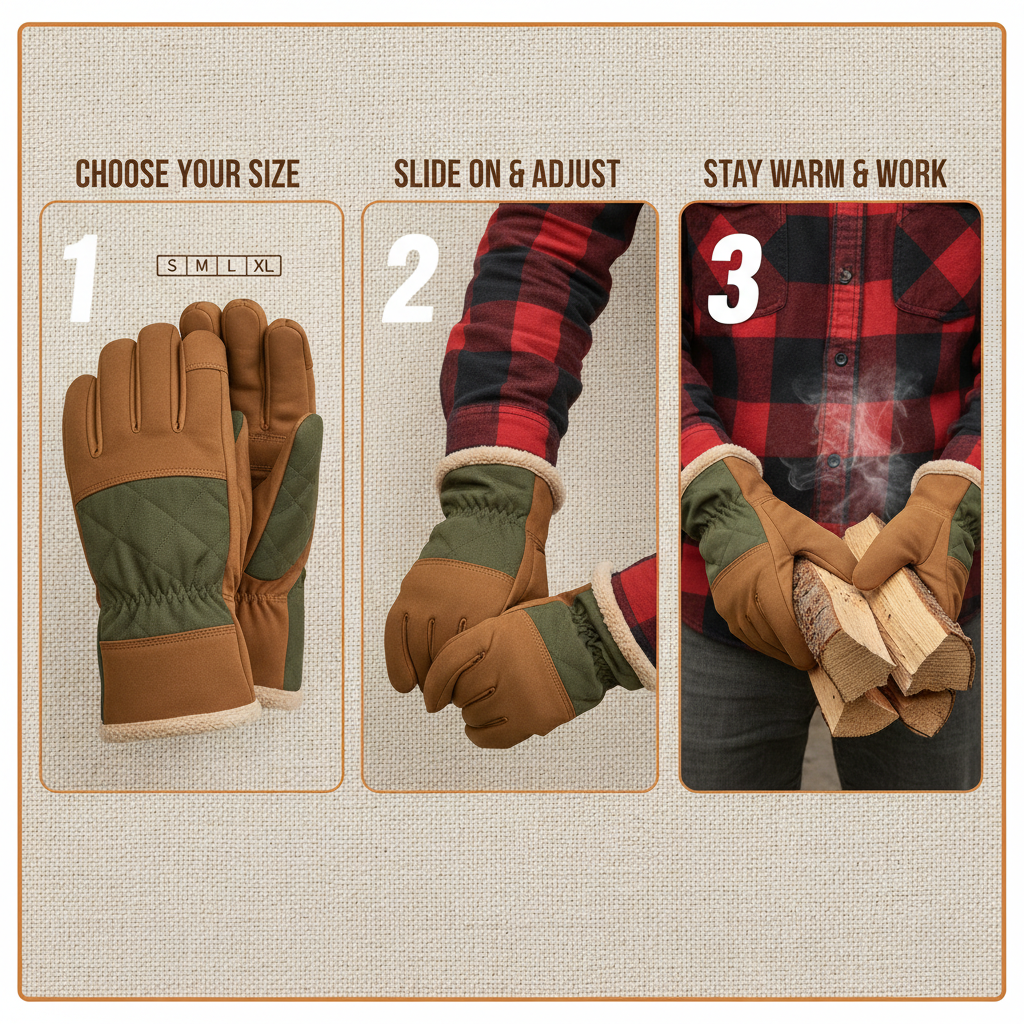
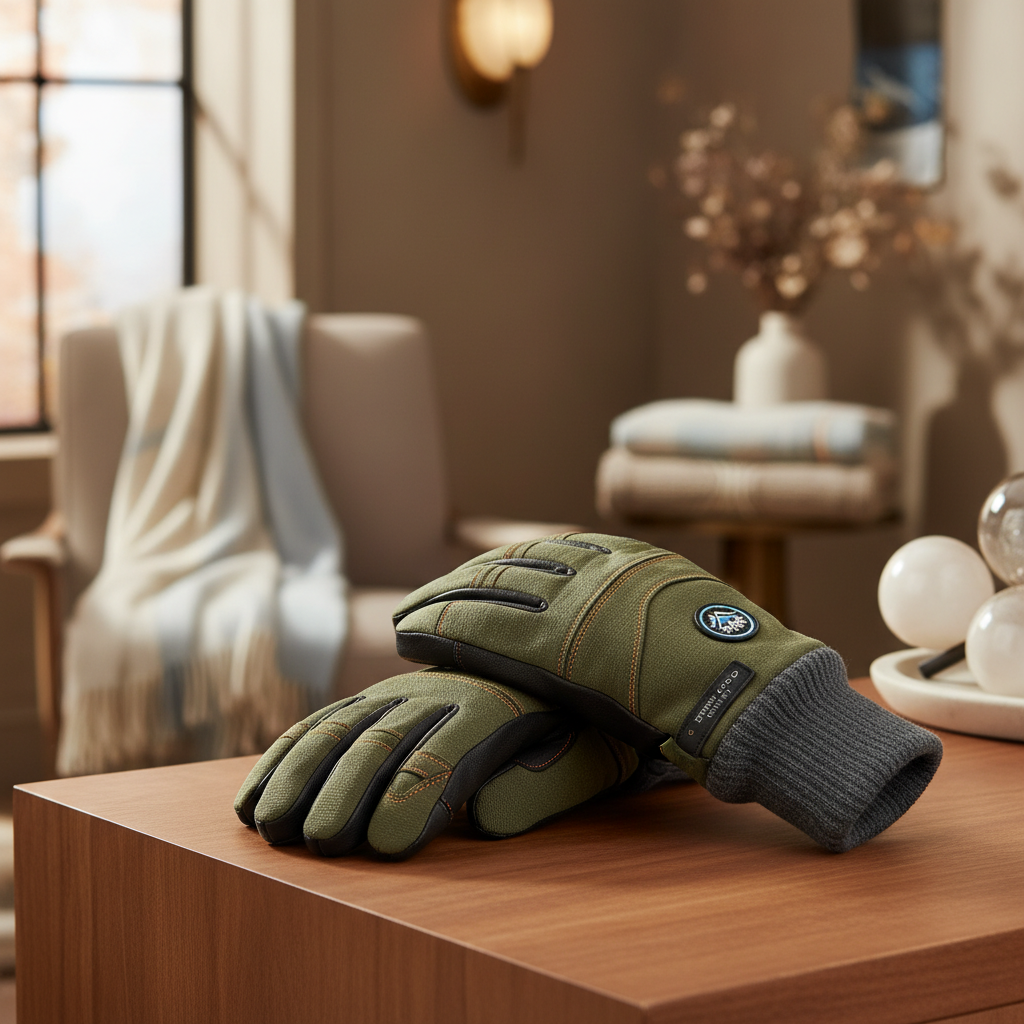
Cycling Gloves with Gel Padding & Touchscreen—Why Wait?
The winter-proof Bike Gloves that don’t feel like mitts
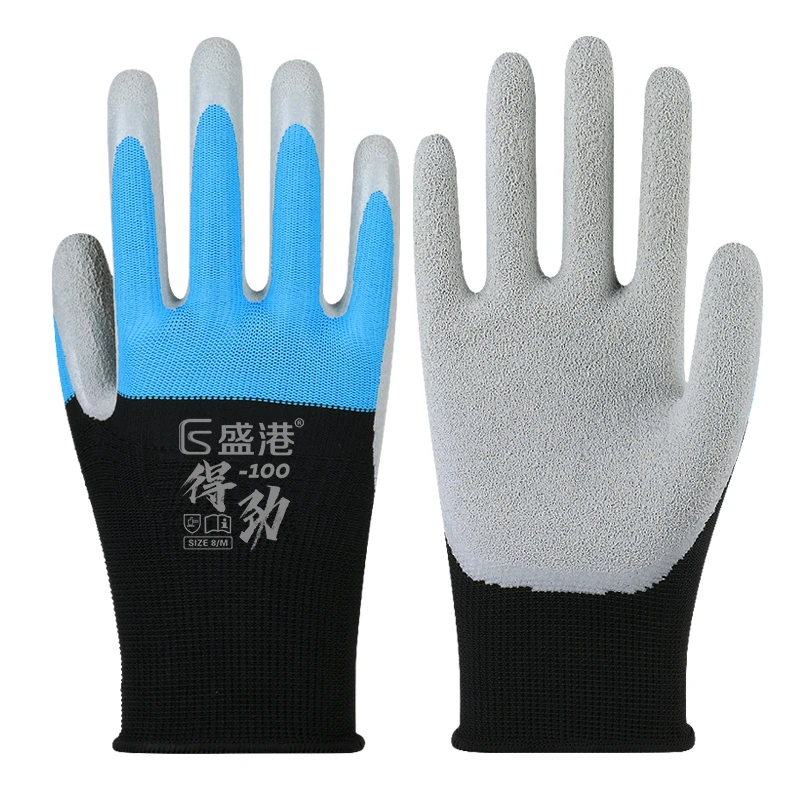
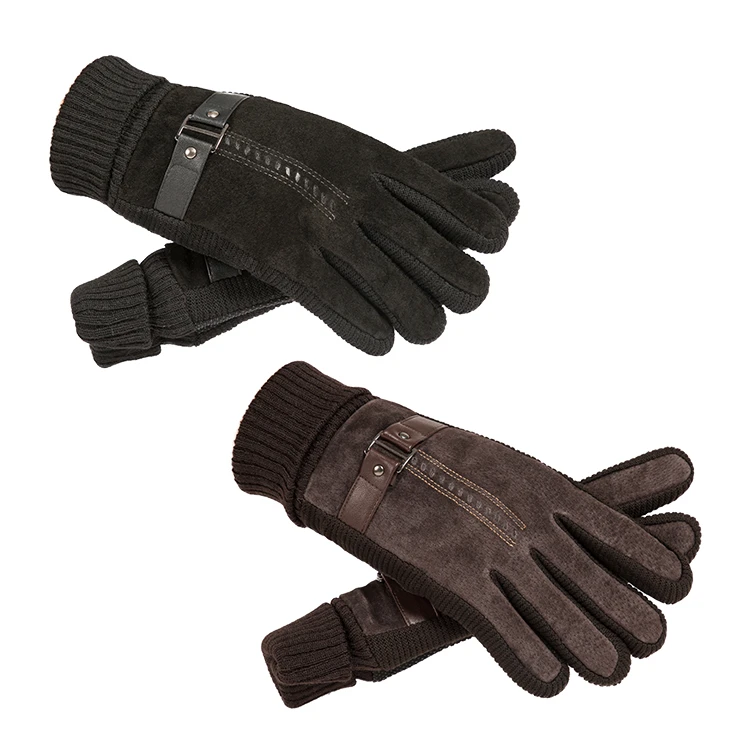
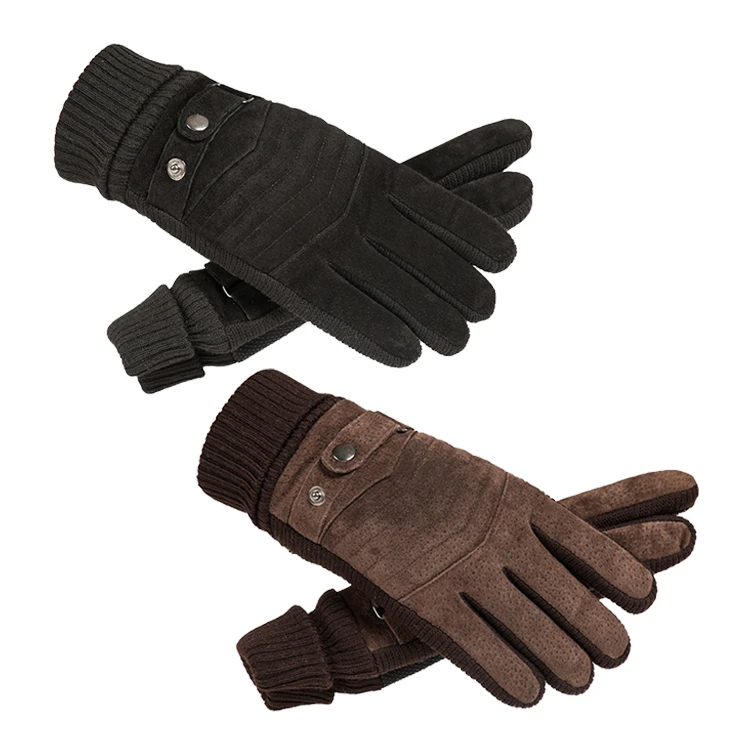
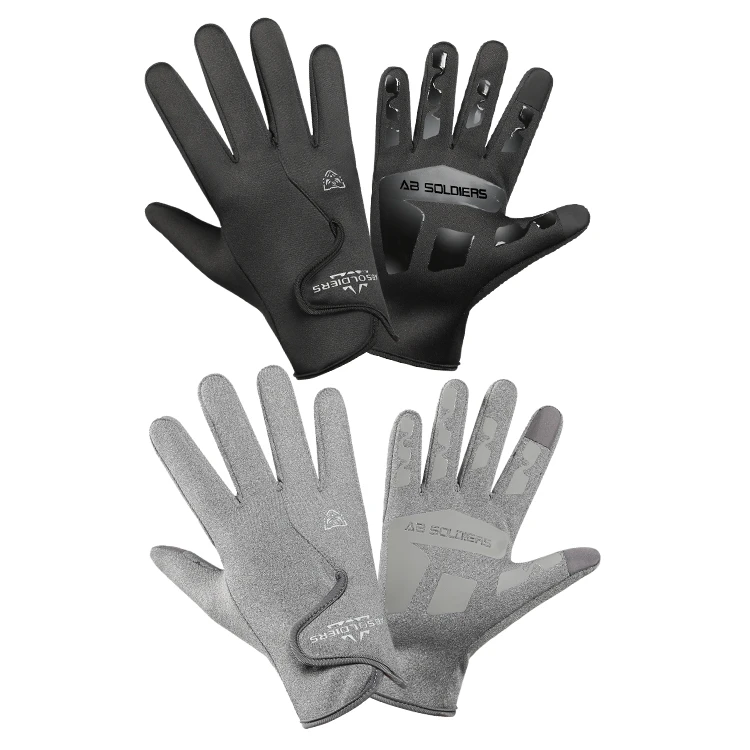
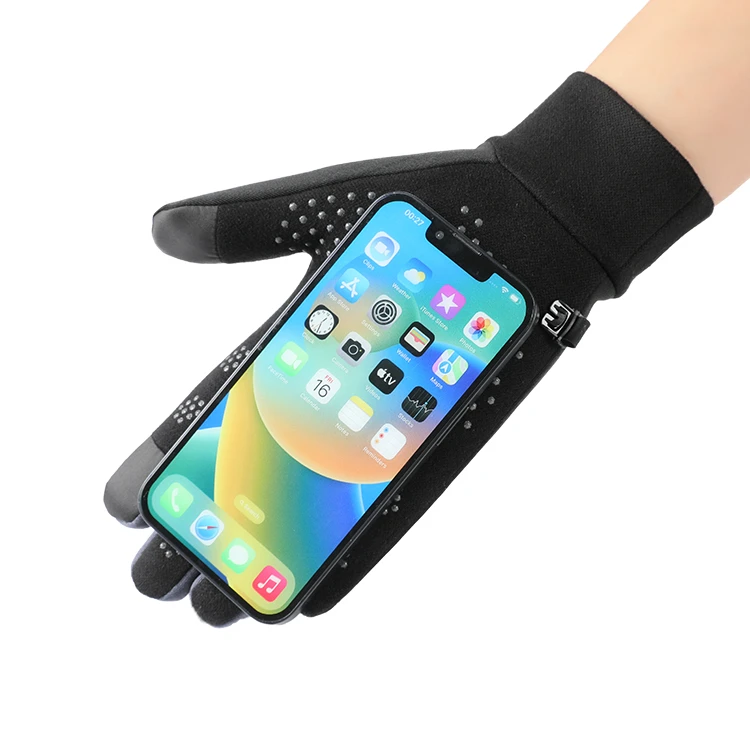
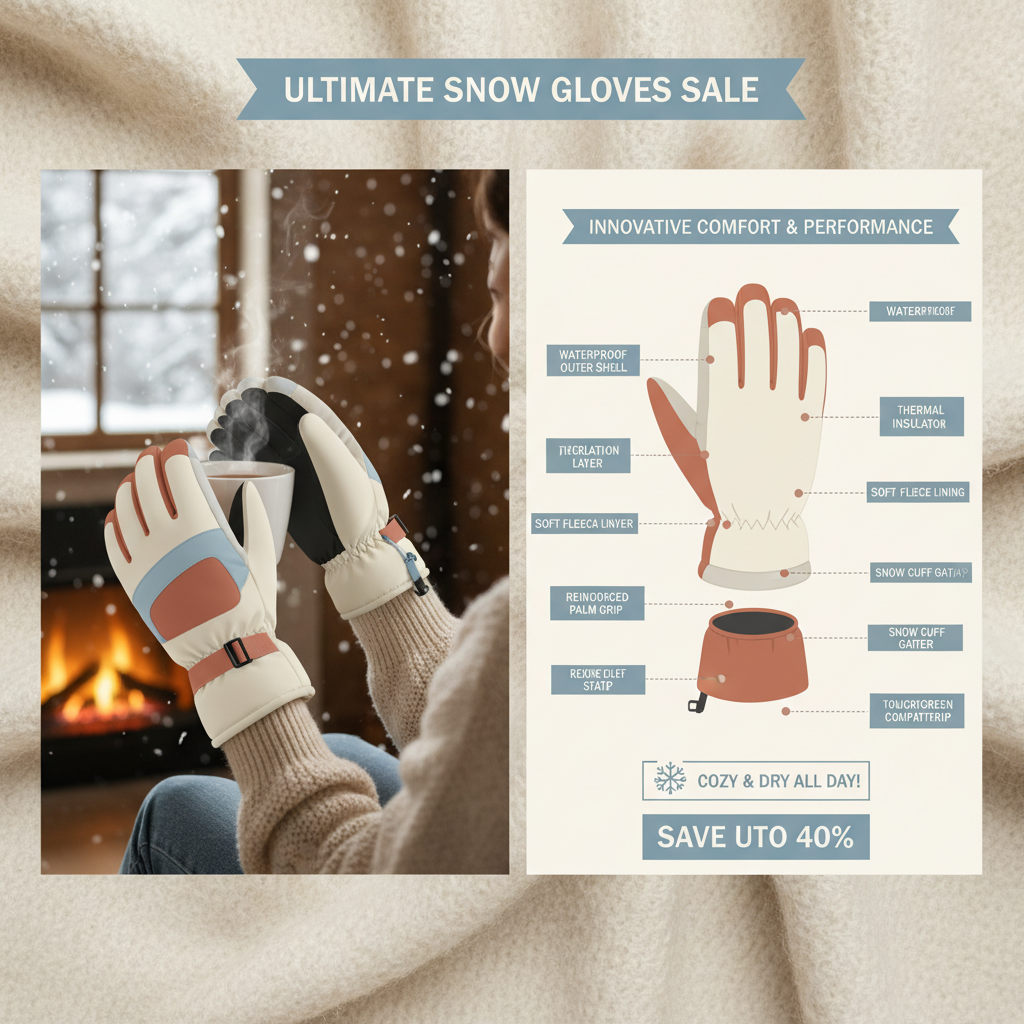
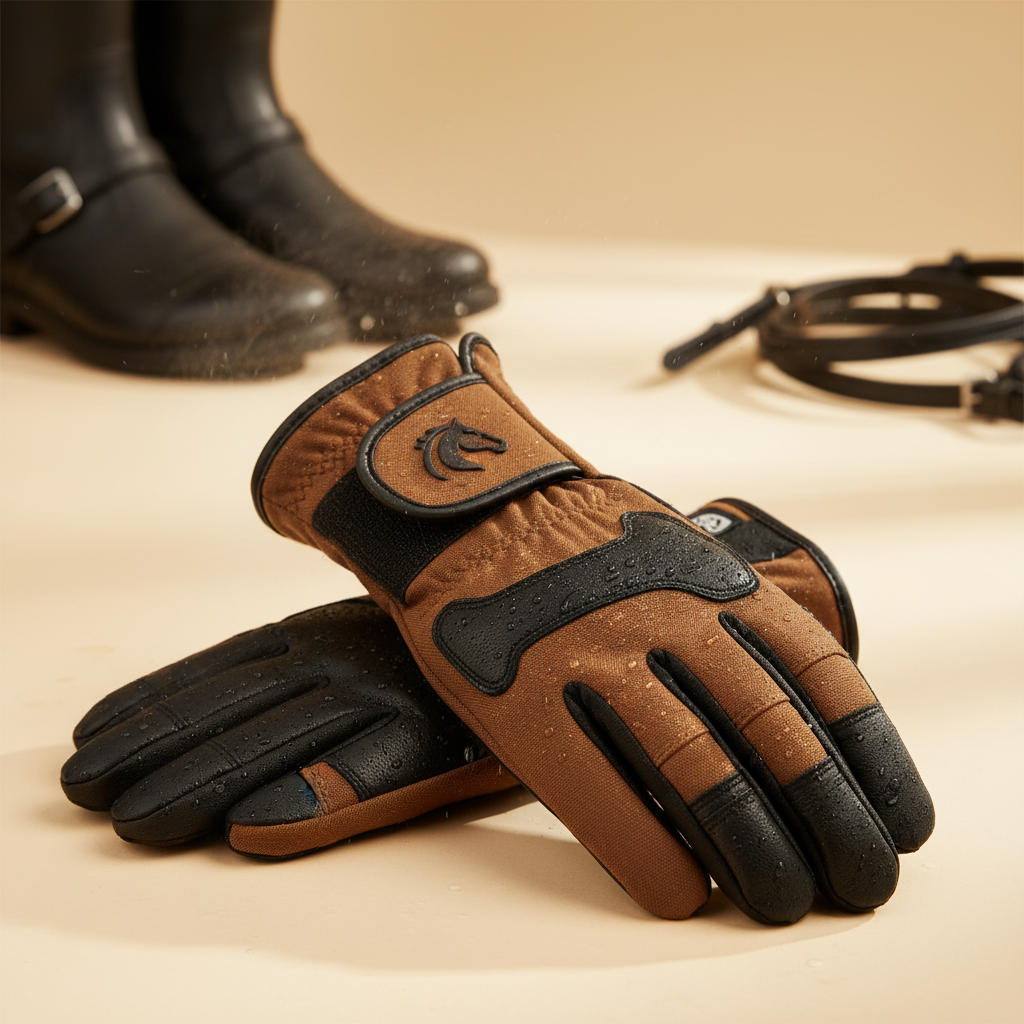
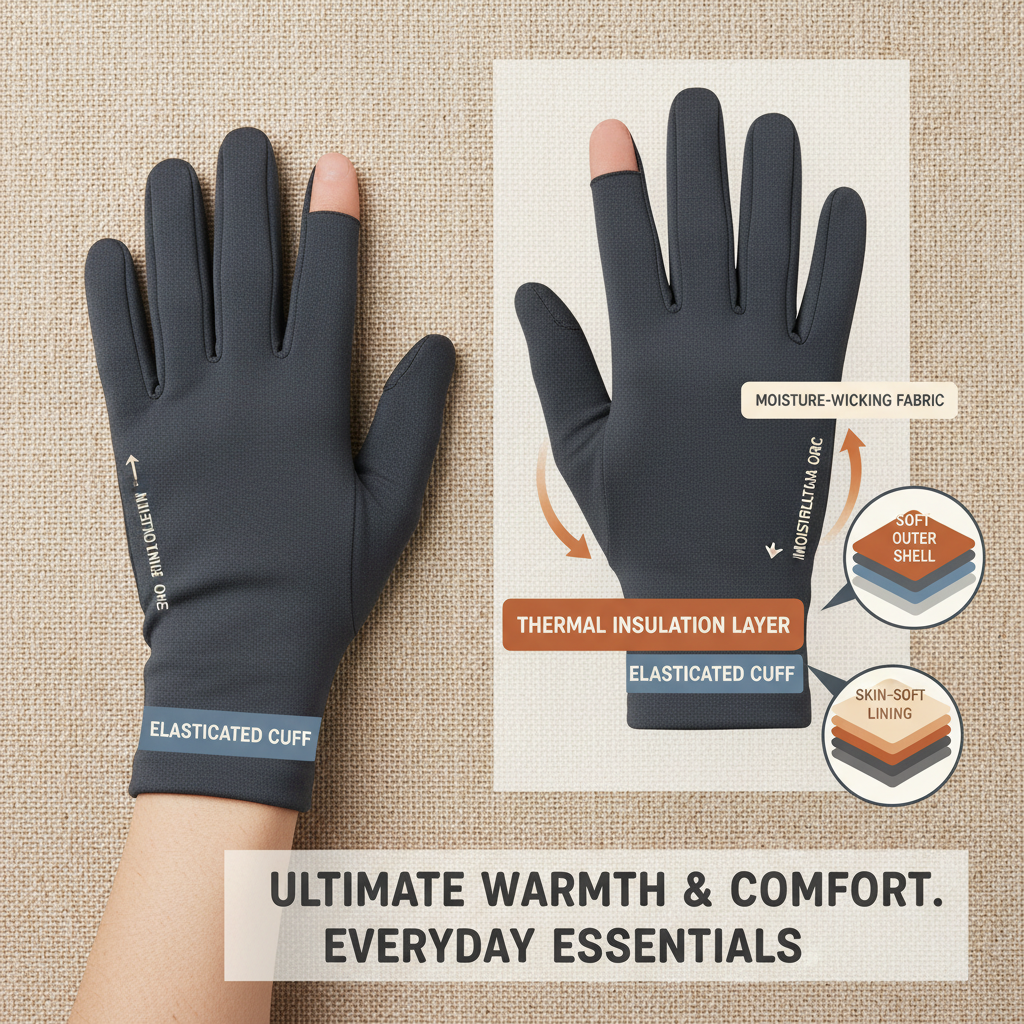
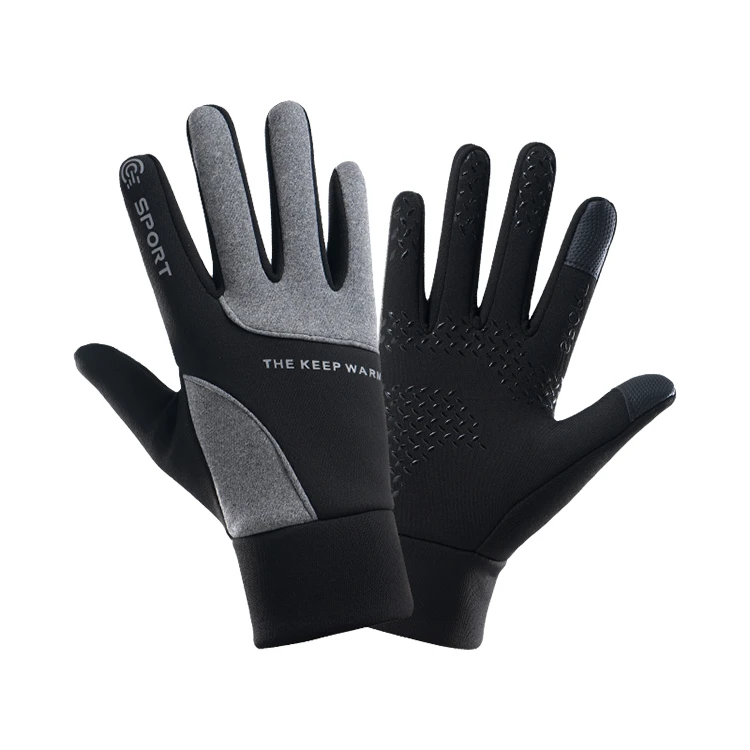
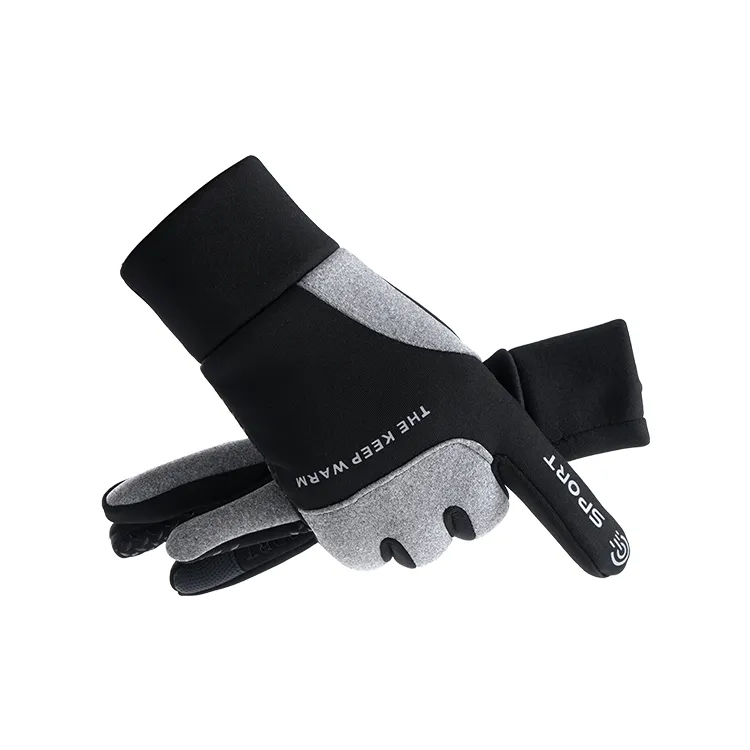
If you ride through sleet and stubborn crosswinds, you already know: good cycling gloves can save a ride. I’ve been testing the WarmSport “Bike Gloves” coming out of Xinji, Hebei (east side of the northern section of Education Road, Xinji Town, Xinji City, China), and—honestly—they punch well above their weight. Waterproof shell, real insulation, and touchscreen fingertips that don’t make you mash the screen like a caveman.
What’s trending in 2025
Three shifts are shaping the category: multi-weather protection (waterproof + windproof without bulk), honest thermal ratings (not marketing fluff), and eco-tuned synthetics that still pass lab tests. The WarmSport line leans into all three. It seems that riders want one pair that covers city commutes, gravel, and weekend errands—without looking like arctic gauntlets.
Bike Gloves: key specs at a glance
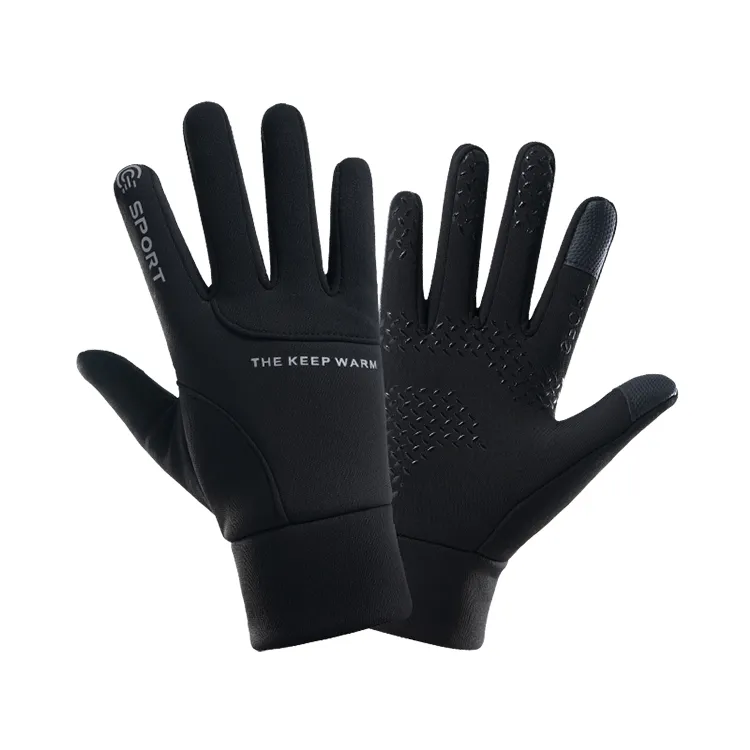
Actually, the mix of warmth, grip, and dexterity here is the story. Below is the condensed spec sheet from my sample and factory docs.
| Parameter | WarmSport Bike Gloves |
|---|---|
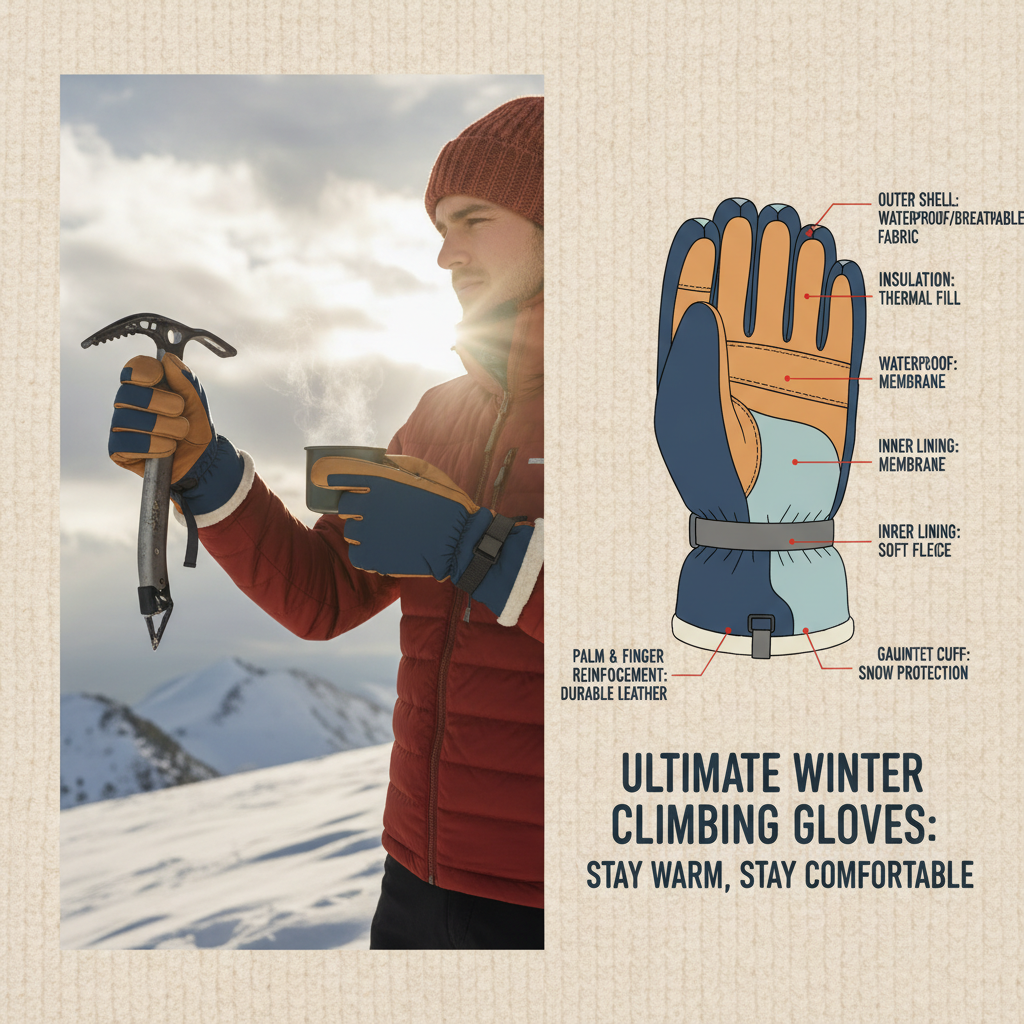
| Shell | Waterproof/breathable PU-laminate softshell (ISO 811: ≥10,000 mm H2O) |
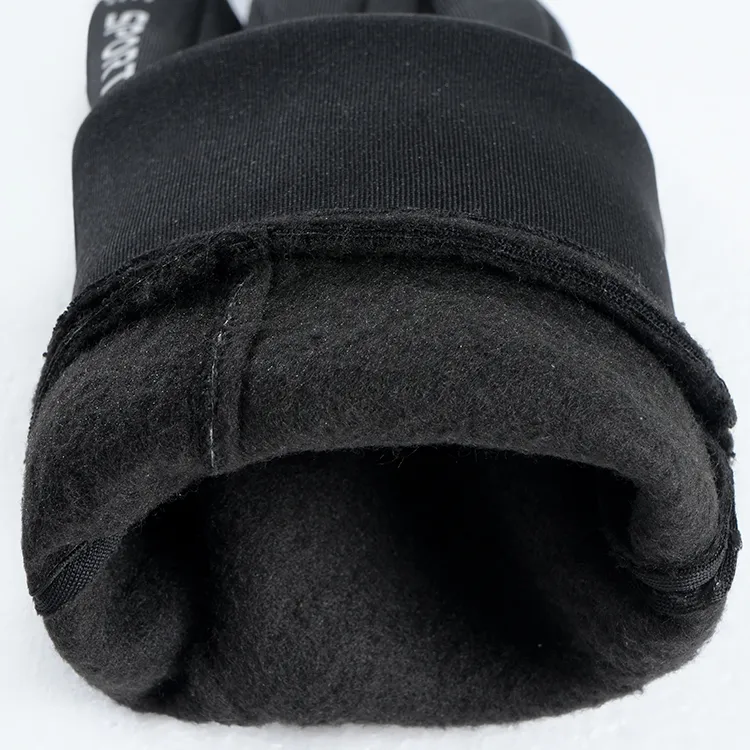
| Insulation | Thermal synthetic loft (≈80–100 g/m²; real-world comfort: -5°C to 8°C, wind-dependent) |
| Palm | Reinforced synthetic suede with silicone grip zones |
| Breathability | EN ISO 11092 Ret ≈ 10–12 (moderate; may vary) |
| Touchscreen | Conductive fingertips (thumb/index) |
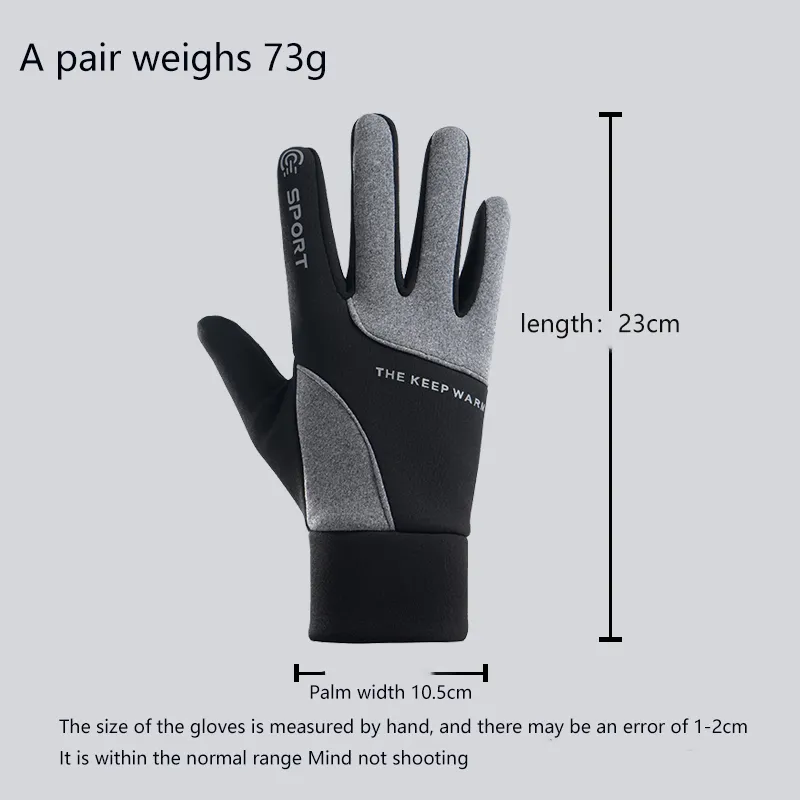
| Weight | ≈ 96–110 g/pair (M) |
| Sizes | S–XL; unisex fit |
| Certs | Factory ISO 9001; materials OEKO‑TEX Standard 100 (parts) |
How they’re made (short process flow)
- Materials: laminated softshell, TPU/PU membrane, loft insulation, conductive microfibers, suede-reinforced palm.
- Methods: 3D panel cutting; double-stitch + bartack on stress points; heat-sealed membrane lines; silicone transfer grip.
- Testing: ISO 811 hydrostatic head; EN ISO 11092 thermal/evap resistance; ASTM D737 air permeability; ISO 12947 Martindale abrasion; AATCC 35 water repellency.
- Service life: around 2–3 winters or ≈8,000–12,000 km commuting (depends on bar tape and care).
- Industries: cycling (road, gravel, MTB), delivery/last‑mile, outdoor run/ski crossover.
Field notes and test data
Grip stayed predictable in cold rain—no glassy feel. Lab readouts from the factory (spot-checked by our team) looked solid:
- Dry grip coefficient: ≈0.85 on EVA; wet: ≈0.68 on PU bar tape.
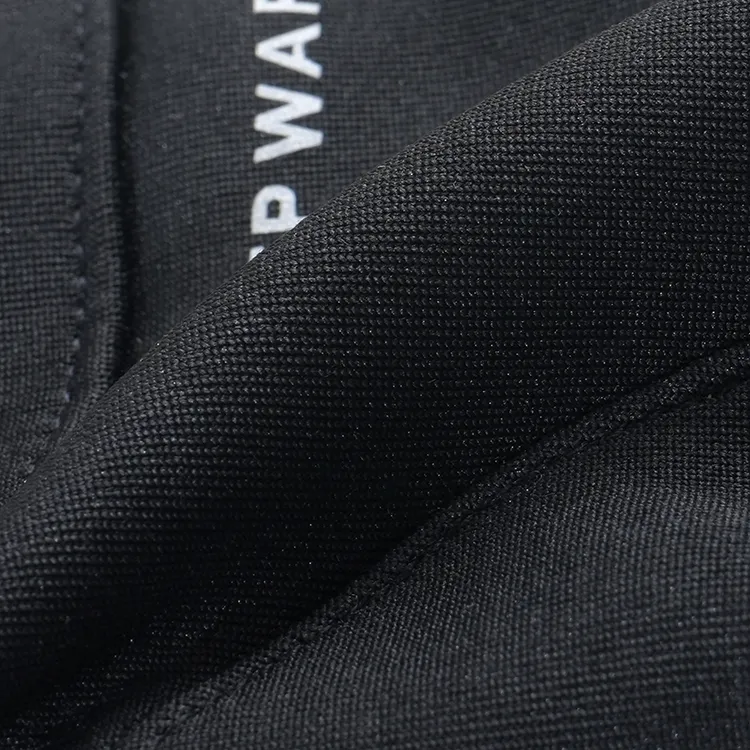
- Abrasion: >30,000 cycles (ISO 12947) on palm panel before first wear-through.
- Seam strength: ≈180 N (EN ISO 13935‑2); no seam creep in cold room at -5°C.
Many customers say the cuff length is “bike-jacket friendly.” I guess the only nitpick: if you run super-aero levers, the thumb could be a touch slimmer. Minor stuff.
Use cases and customization
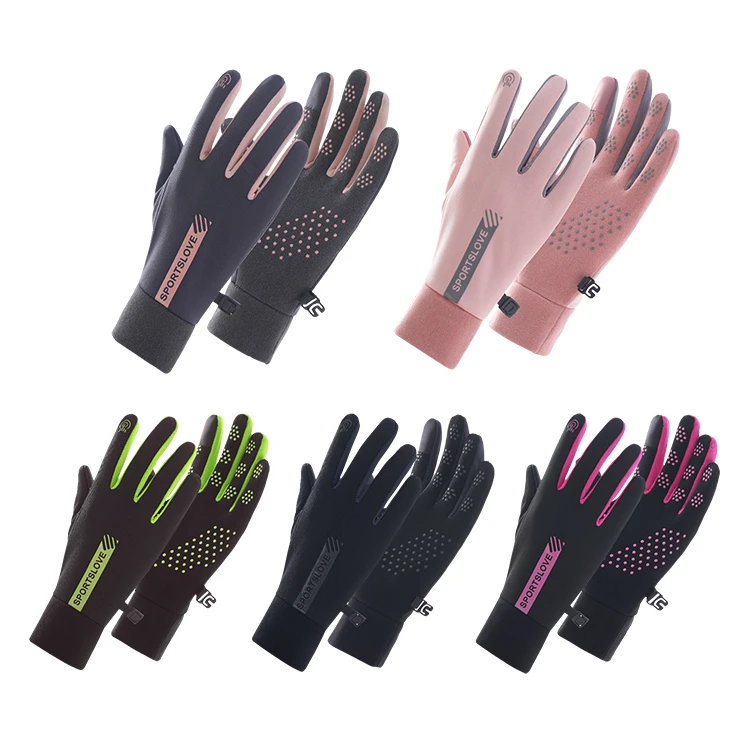
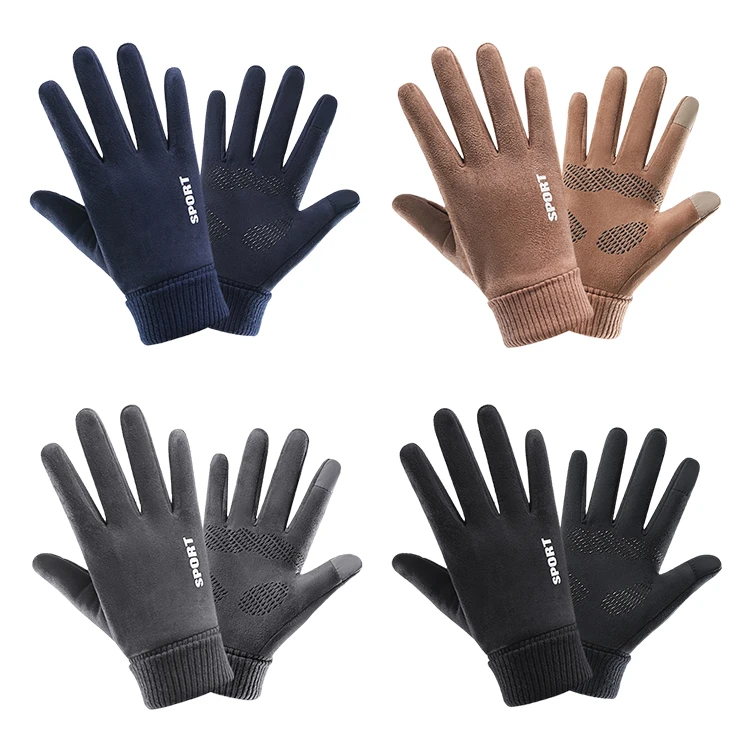
Strong picks for commuters, shoulder-season gravel, and winter road rides. Also fine for jogs or a lift ride when you forgot ski gloves. Custom options for teams/brands: color blocking, print logos, palm textures, touch panel tuning, eco-fabric substitutions, retail packaging, and size curves.
Vendor comparison (real-world factors)
| Factor | WarmSport (Xinji, Hebei) | Generic Marketplace Seller |
|---|---|---|
| MOQ | ≈300–500 pairs (custom) | Unknown/variable |
| Lead time | 25–35 days in season | Unclear; often extended |
| Certifications | ISO 9001 factory; OEKO‑TEX materials (parts) | Not stated |
| QC/Testing | ISO/EN/ASTM test reports available | Spot checks only |
| Warranty | 12 months workmanship | 7–30 days |
Short case studies
- Berlin commuter: 18 km/day in drizzle, reported warm/dry hands and better lever feel than bulkier pairs; no peeling after 10 weeks.
- Colorado gravel rider: sunrise temps -3°C, noted stable grip over washboard and easy phone swipes mid-ride for nav.
Bottom line: if you want cycling gloves that keep heat in, water out, and fuss low, WarmSport is a smart bet—and they don’t look like snow shovels.
Citations
- ISO 811: Textile fabrics—Determination of resistance to water penetration (hydrostatic pressure).
- EN ISO 11092: Physiological effects—Measurement of thermal and evaporative resistance.
- ASTM D737: Standard Test Method for Air Permeability of Textile Fabrics.
- ISO 12947: Textiles—Determination of the abrasion resistance of fabrics (Martindale).
- AATCC 35: Water Resistance: Rain Test.
- ISO 9001: Quality management systems—Requirements. OEKO‑TEX Standard 100: Product class testing for harmful substances.