Discover the Benefits of Thin Thermal Under Gloves – Lightweight Warmth for Cold Work
Understanding Thin Thermal Under Gloves and Their Growing Global Importance
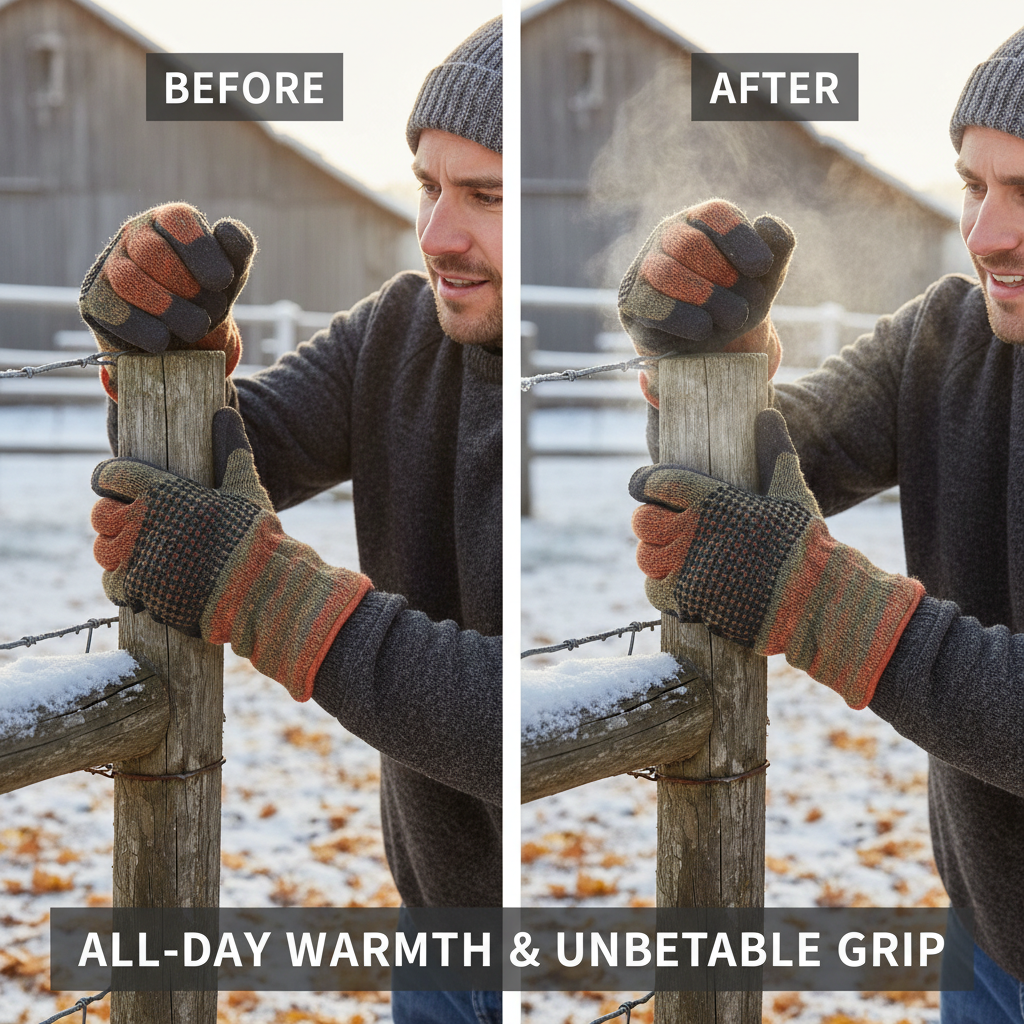
When the cold bites unexpectedly, the simple act of keeping your hands warm can feel like survival sometimes. Here’s where thin thermal under gloves come in—those sleek, lightweight liners worn beneath heavier gloves, designed to keep warmth in and bulk out. On a global scale, as industries extend their reach into colder climates and humanitarian needs arise in harsh winter conditions, these gloves fill an important niche. Not just protective gear, they’re a silent partner in countless workers’, aid responders’, and outdoor enthusiasts’ daily battles against the cold.
So why does understanding this seemingly niche product matter? Well, global climate patterns, rising winter work demands, and improved material science have combined to make thin thermal under gloves both a practical and economic necessity worldwide. Knowing their benefits, uses, and innovations sheds light on a broader story about comfort, safety, and efficiency in cold environments.
The Global Scene: Why Thin Thermal Under Gloves Matter More Than Ever
Across the globe, cold-climate work and humanitarian missions are growing—a 2022 report from the International Labour Organization (ILO) noted that approximately 15% of the global workforce regularly operates in cold environments. From Siberian oil fields to northern European construction sites and even emergency relief operations in the Himalayas, thermal protection is no luxury.
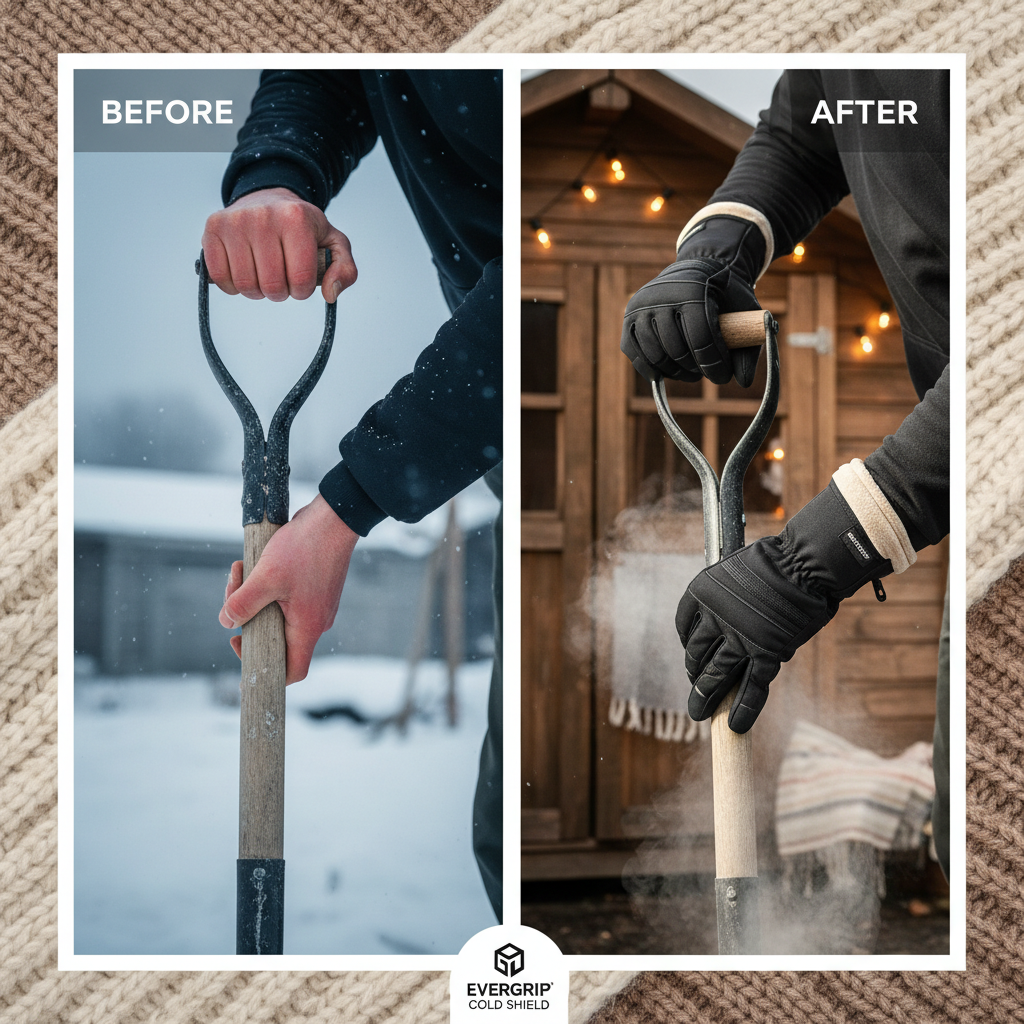
Yet, the challenge remains how to maintain dexterity while ensuring warmth. Thick gloves often hinder manual tasks, leading to fatigue or even accidents. That’s the problem thin thermal under gloves aim to solve: providing “just enough” warmth without sacrificing touch sensitivity. Without them, cold exposure risks increase — frostbite, reduced productivity, and in some cases, compromised safety.
What Exactly Are Thin Thermal Under Gloves?
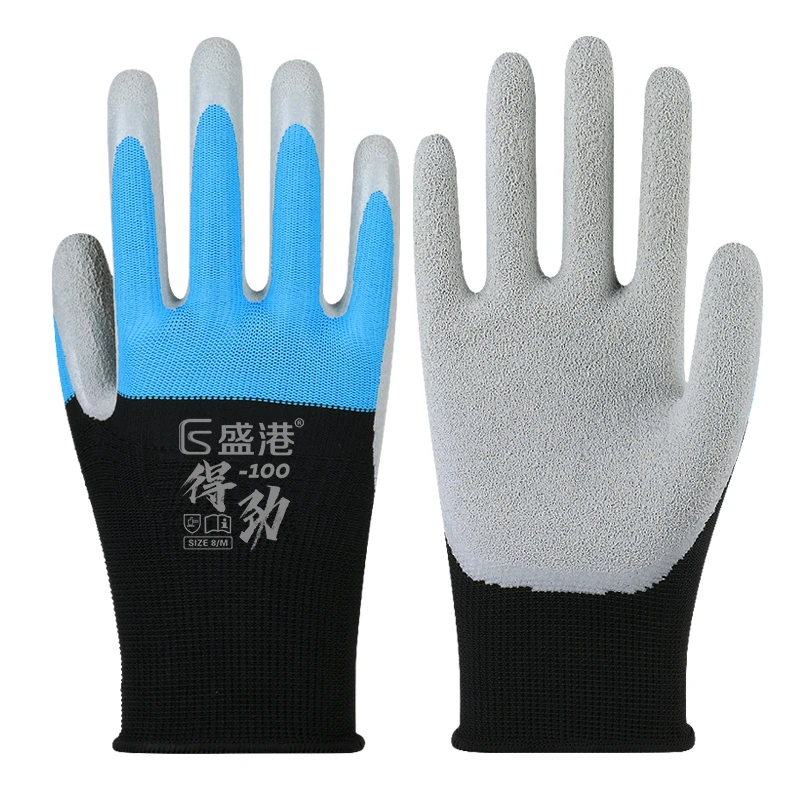
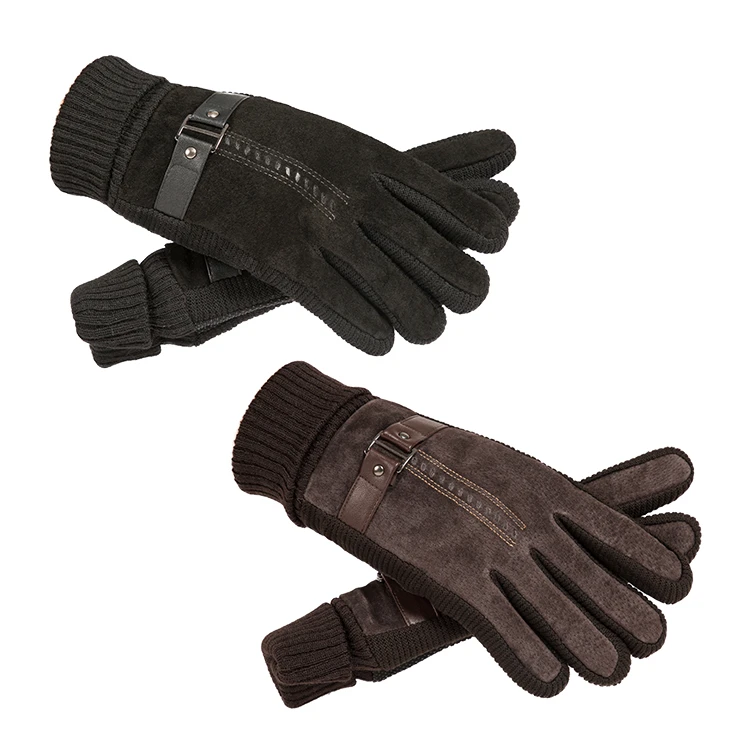
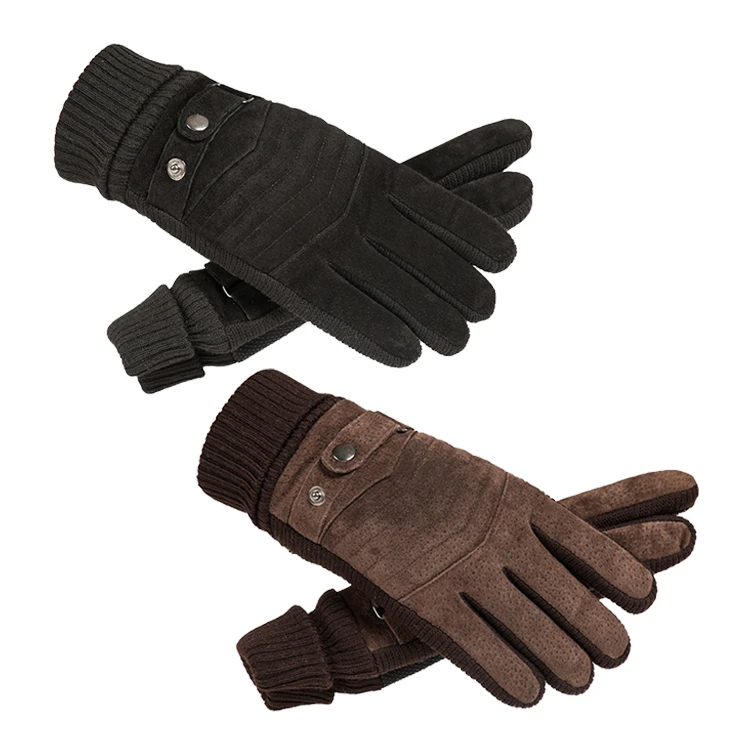
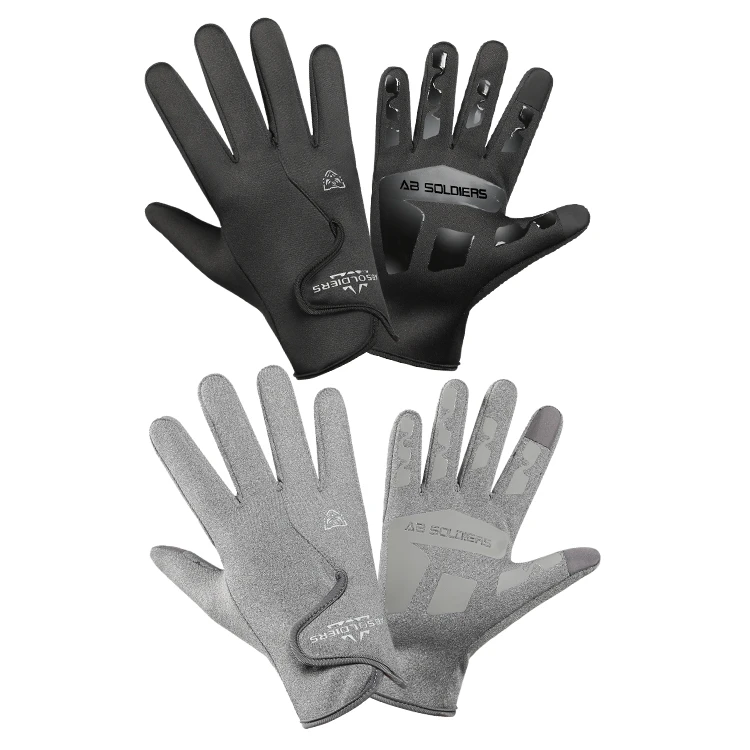
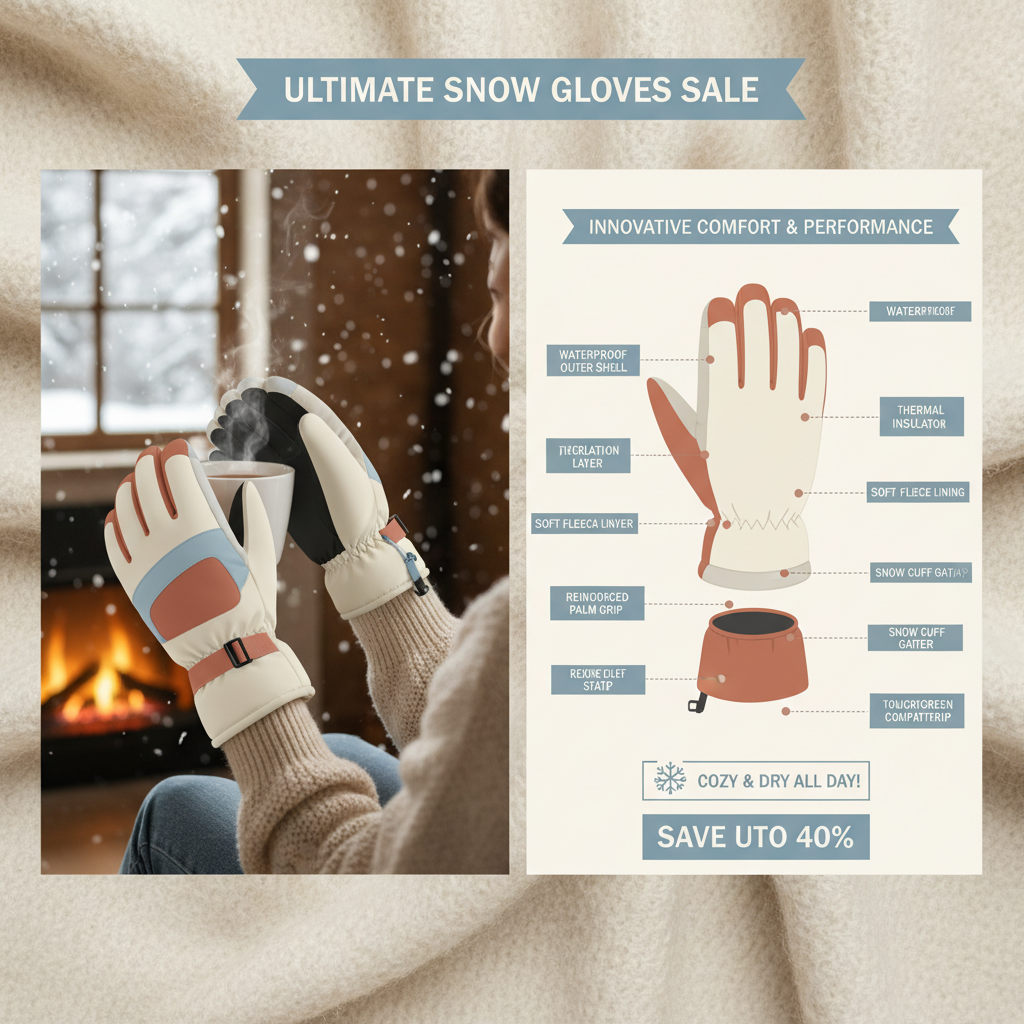
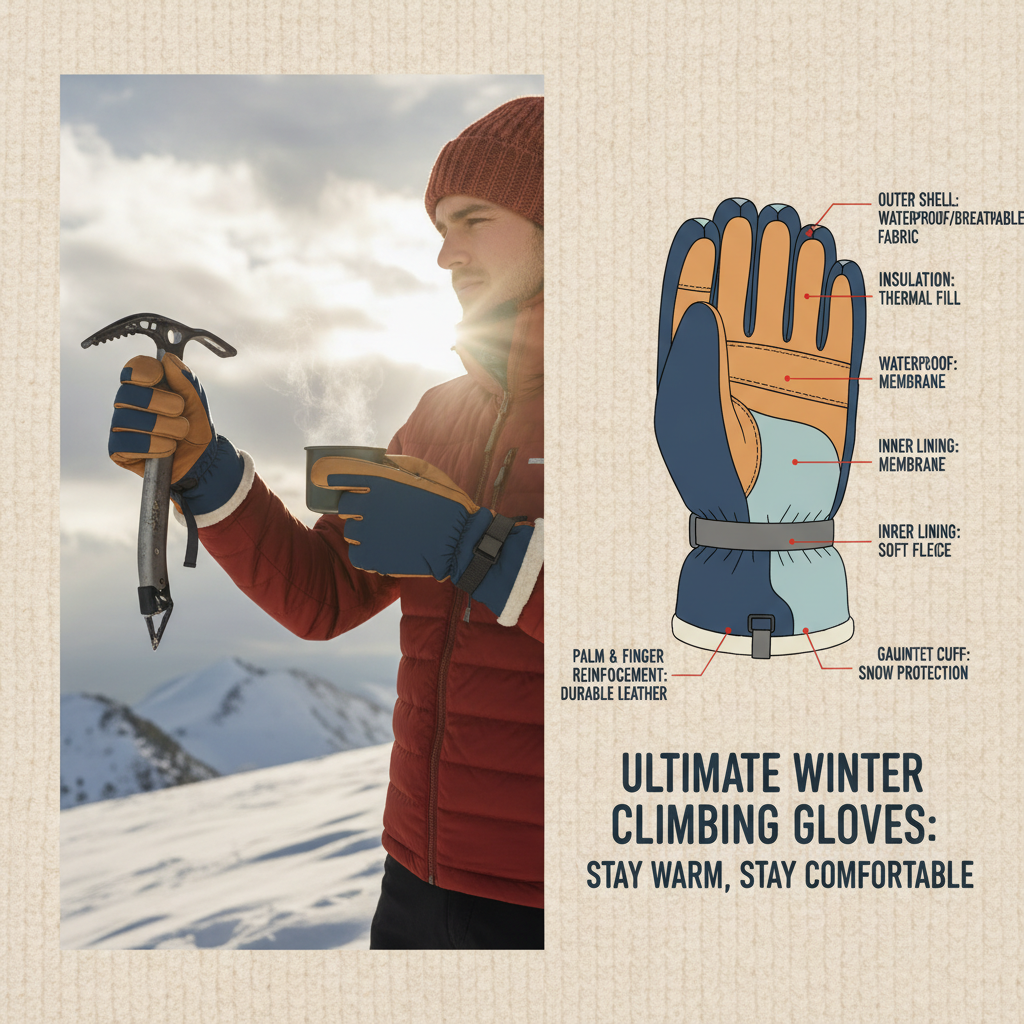
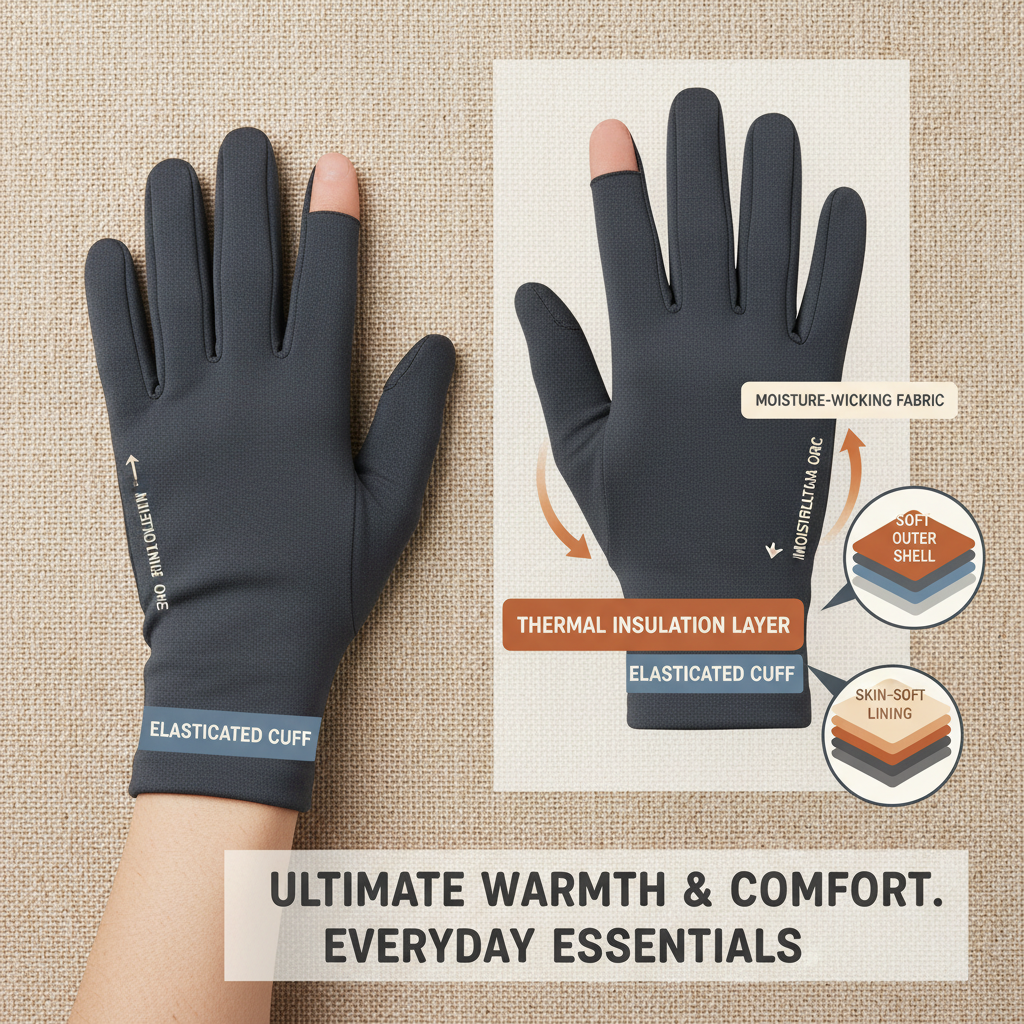
In plain terms, thin thermal under gloves are lightweight, insulating liners worn underneath outer gloves or mittens. Typically made from specialized materials like PrimaLoft®, merino wool blends, or technical synthetic fabrics, their purpose is to trap body heat while allowing flexibility and moisture control.
Think of them as a second skin for your hands, bridging the gap between unprotected cold and cumbersome thermal mittens. In industry terms, they fall under personal protective equipment (PPE), but their subtlety often goes unnoticed despite their crucial role in sustaining hand function and warmth.
Core Features That Define High-Performing Thin Thermal Under Gloves
1. Durability
Despite being thin, these gloves must withstand repeated stretching, moisture, and wear. Durable stitching and abrasion-resistant fibers ensure they last through prolonged use, especially in harsh industrial or outdoor settings.
2. Thermal Insulation
Tried-and-tested insulating fibers capture and hold heat efficiently with minimal bulk. Technologies like PrimaLoft® or Polartec® Power Stretch strike the delicate balance between warmth and breathability.
3. Moisture Management
Hand sweat is often overlooked but plays a role in cold comfort. Good gloves wick away moisture, keeping hands dry and warm rather than clammy and chilled.
4. Touch Sensitivity
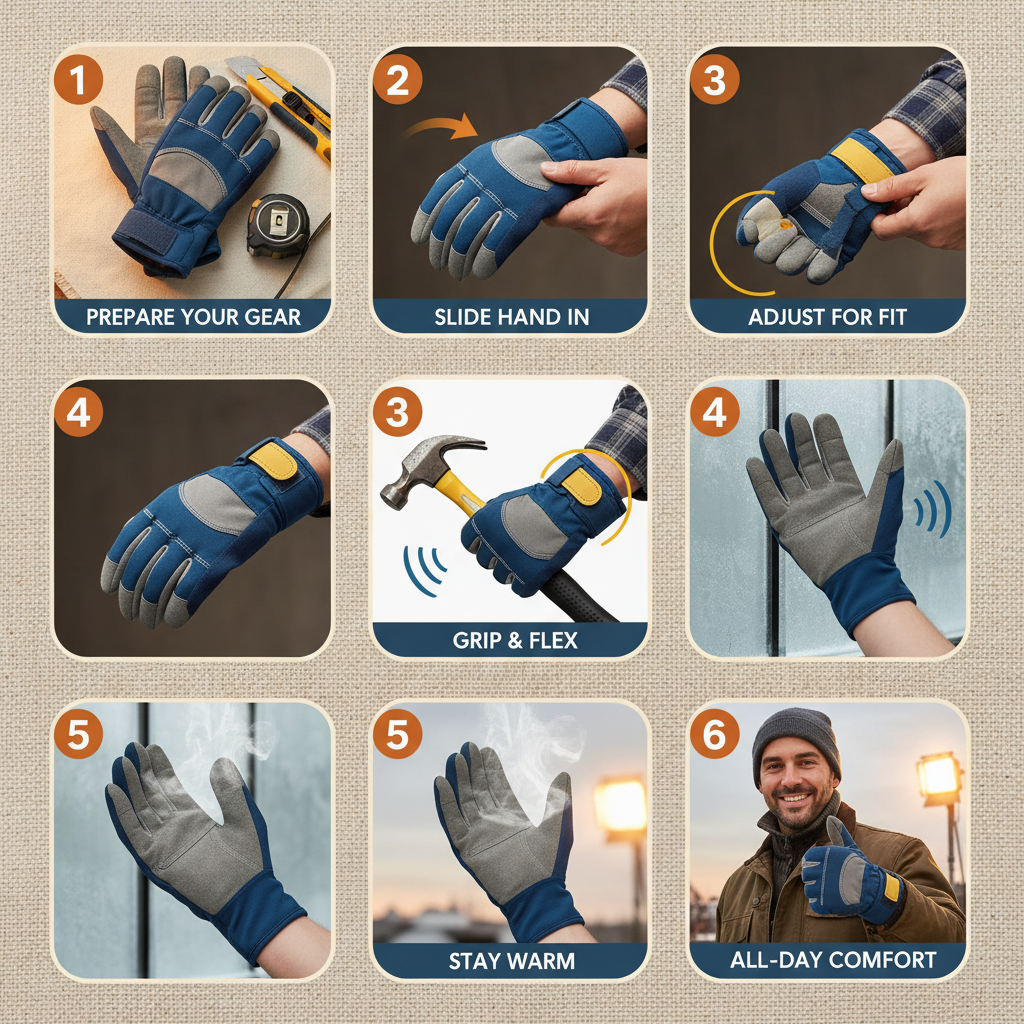
Especially for technicians and workers handling tools or delicate instruments, maintaining dexterity is non-negotiable. Thin liners offer the tactile feedback missing from thick, insulated gloves.
5. Fit & Scalability
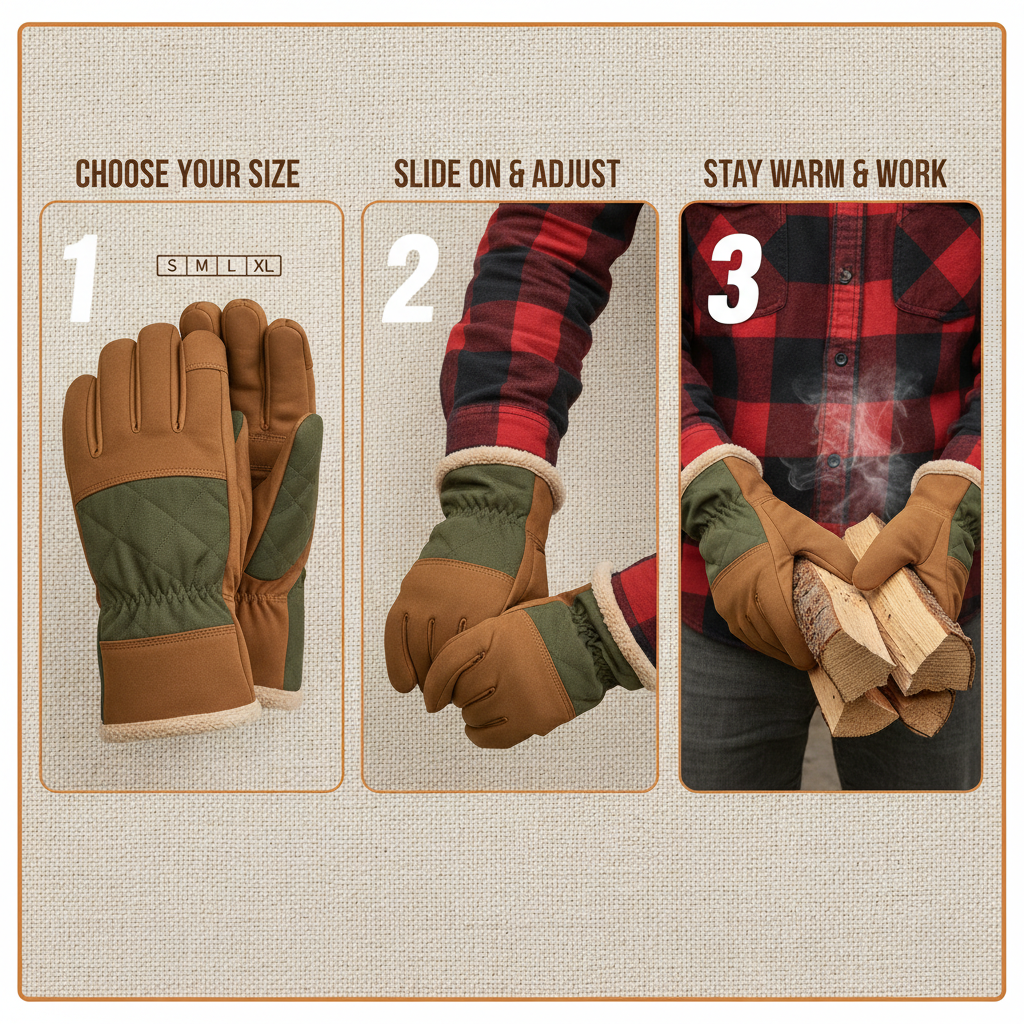
A snug, ergonomic fit improves heat retention and prevents bunching under outer gloves. Plus, scalable production methods ensure availability for all hand sizes globally.
Product Specification: A Typical Thin Thermal Under Glove
| Feature | Details |
|---|---|
| Material | PrimaLoft® Gold insulation with nylon/spandex outer |
| Thickness | 1.5 mm (approx.) |
| Thermal Rating | Equivalent to -10°C (14°F) comfort |
| Moisture Wicking | High breathability with quick-dry fabric |
| Sizes | XS to XXL |
| Weight | Approx. 50g/pair |
Who Benefits Most? Real-World Applications of Thin Thermal Under Gloves
Thin thermal under gloves find homes across a spectrum of demanding scenarios:
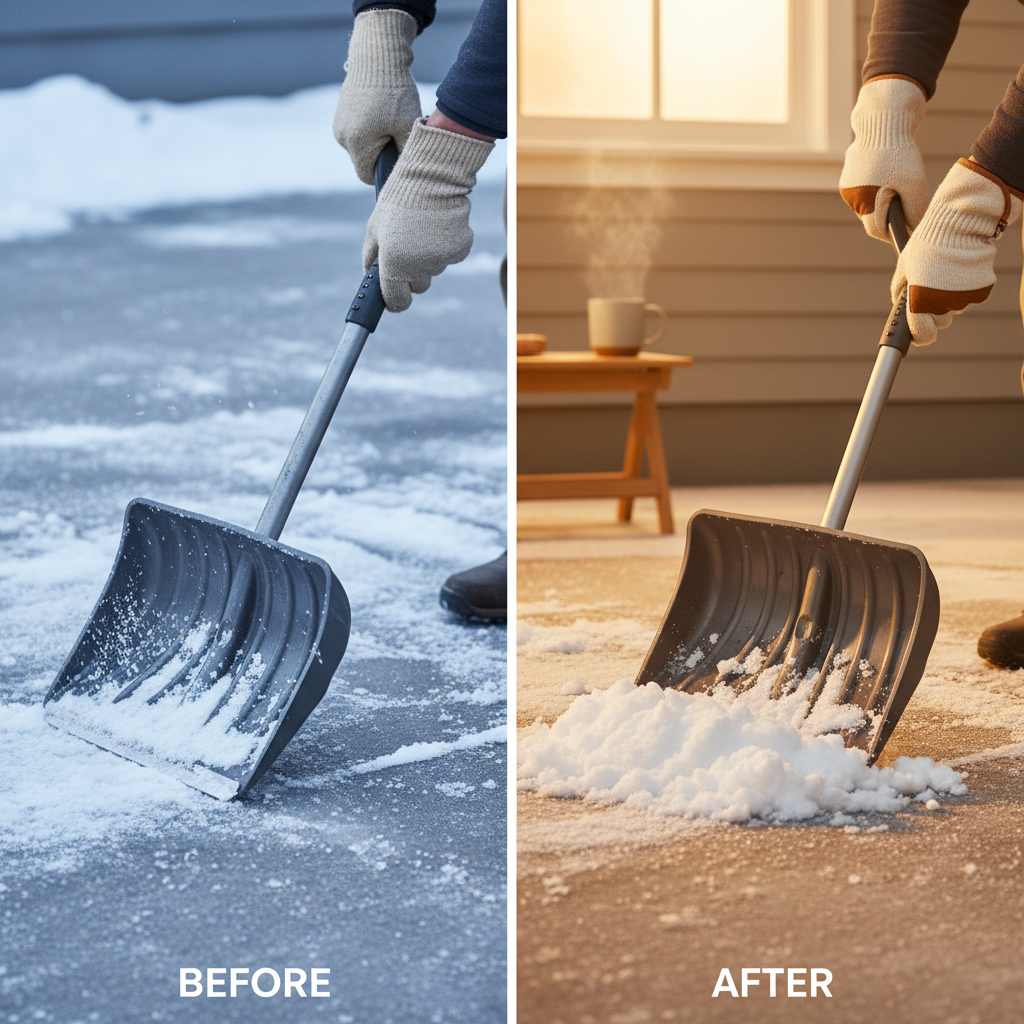
- Industrial workers in cold storage facilities or Arctic construction zones rely on them to maintain hand functionality hours on end.
- Outdoor professionals like utility workers, delivery personnel, and even mountain guides use them as a baseline layer beneath heavier gloves.
- Humanitarian organizations operating in disaster response—think relief teams in snowbound areas of Nepal—equip their staff with these gloves to reduce cold injuries without bulk.
- Winter sports enthusiasts and hunters find the balance of warmth and dexterity critical for performance and safety.
Oddly enough, one unexpected beneficiary is the electronics assembly line worker in cold warehouses. They need to keep warm without sacrificing precision—a real tightrope walk.
Vendor Comparison: Popular Thin Thermal Under Gloves on the Market
| Brand | Material | Thermal Rating | Thickness | Price per Pair |
|---|---|---|---|---|
| ArcticTek | PrimaLoft® / Nylon-Spandex | -10°C | 1.5 mm | $25 |
| ThermaWear | Merino Wool Blend | -8°C | 1.7 mm | $30 |
| GloveTech | Polartec® Power Stretch | -12°C | 1.4 mm | $28 |
The Real Advantages of Thin Thermal Under Gloves — Beyond Just Warm Hands
One of the underrated feats of these gloves is their ability to fit seamlessly into daily protocols, making winter work both safer and more bearable. Let me count the ways:
- Cost Efficiency: They extend the life of outer gloves by reducing sweat and wear, which cuts down replacement costs.
- Sustainability: Many brands now use recycled materials or biodegradable fibers — something industrial sectors increasingly demand.
- Social Impact: In humanitarian aid scenarios, the gloves preserve health, reduce cold-related injuries, and restore dignity in harsh climates.
- Reliability: They perform consistently in damp or sub-zero conditions, which counts for a lot in unpredictable winters.
Frankly, it’s also about trust — workers rely on these gloves to protect their livelihood and well-being every single day.
Where Are Thin Thermal Under Gloves Headed? Future Trends & Innovations
Material science never sleeps. The future points to smarter fabrics with embedded sensors that monitor temperature and moisture levels, adjusting insulation dynamically. Imagine gloves that “breathe” differently depending on hand heat.
Additionally, increasing focus on thin thermal under gloves made from sustainable fibers and better moisture management will continue to grow. Automation and digital customization mean workers may soon order gloves tailored specifically for their grip and work type, enhancing comfort.
Common Challenges and How Industry Leaders Are Tackling Them
There are some wrinkles, no pun intended. Thin gloves sometimes struggle with durability or provide insufficient insulation in extreme cold when worn alone. Additionally, sizing inconsistencies can cause bunching under outer gloves.
Experts recommend user feedback loops in product design, combining advanced materials (like graphene-infused fibers), and rigorous testing standards. Plus, many companies offer variety packs with different thicknesses so users can layer appropriately.
FAQ: Your Burning Questions About Thin Thermal Under Gloves
Q1: Can thin thermal under gloves be worn alone in mild winter weather?
A: Yes, in relatively mild or dry cold conditions, many users find thin liners sufficient. However, in windy or wet environments, layering under sturdier gloves is advisable for optimal protection.
Q2: How do thin thermal under gloves handle moisture buildup from sweating?
A: High-quality liners use breathable, quick-drying fabrics that wick moisture away from skin, maintaining warmth and comfort throughout use.
Q3: Are there hypoallergenic options for sensitive skin?
A: Absolutely. Some liners utilize natural fibers like merino wool treated to be itch-free, or synthetic hypoallergenic blends to minimize irritation.
Q4: How often should thin thermal under gloves be replaced?
A: Replacement depends on use intensity and washing frequency but generally every 6-12 months is recommended to maintain insulation and fit.
Q5: Can these gloves be customized for specific industries?
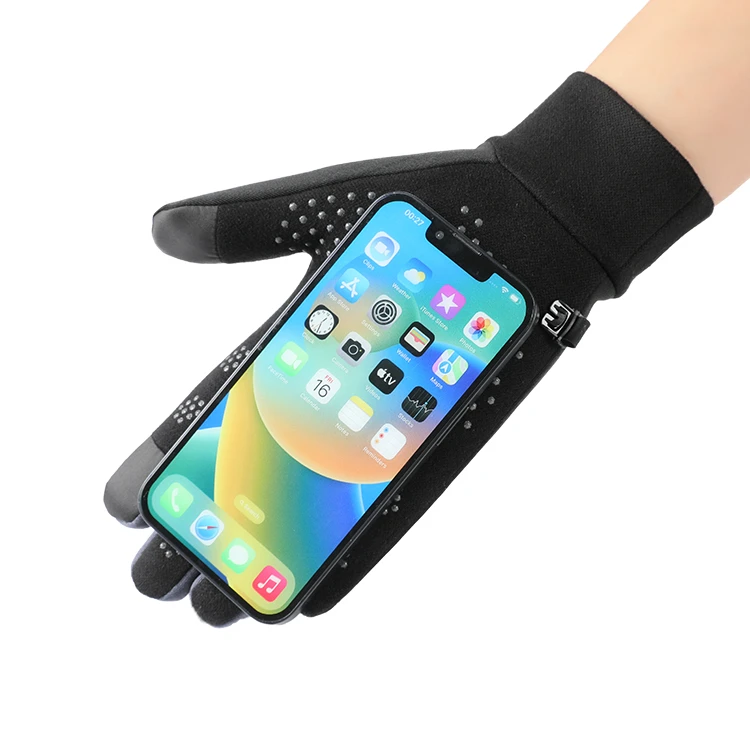
A: Many suppliers now offer options tailored by thickness, grip coating, or added touchscreen compatibility, designed with industry specs in mind.
Wrapping Up: Staying Warm Is More Than Just a Feeling
Thin thermal under gloves quietly support countless hands through cold days worldwide — balancing warmth, dexterity, and comfort where it counts. As industries evolve and climates shift, their importance will only deepen. Curious to explore your options or see real product lines? I’d suggest starting with well-made variants and sizing up your needs carefully.
Visit our website: https://www.personalcarescn.com to learn more about premium thin thermal under gloves and how they can make your cold-weather work and activities safer and more comfortable.
Mini Takeaways:
- Thin thermal under gloves are essential in balancing warmth and hand dexterity globally.
- They help reduce costs, enhance safety, and improve productivity in cold environments.
- Future innovations promise smarter, eco-friendlier, and more personalized glove solutions.