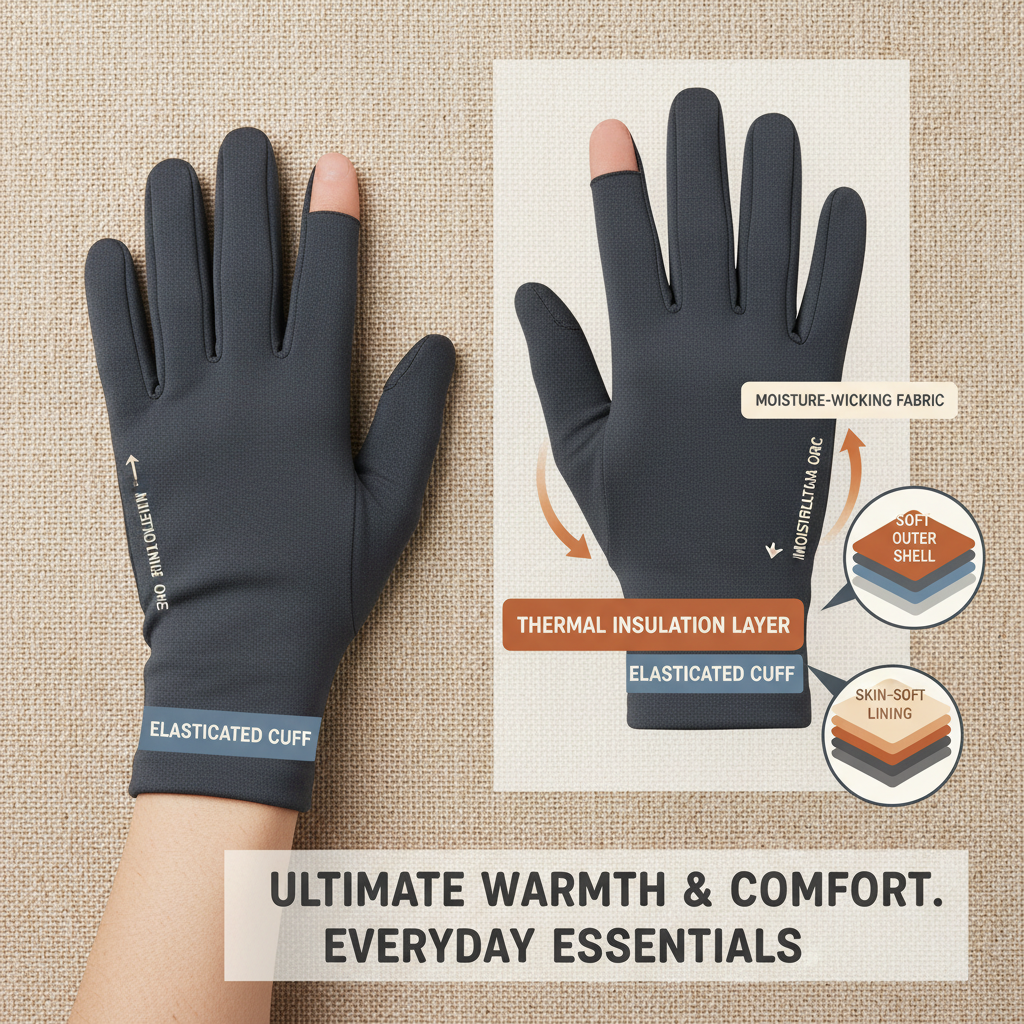
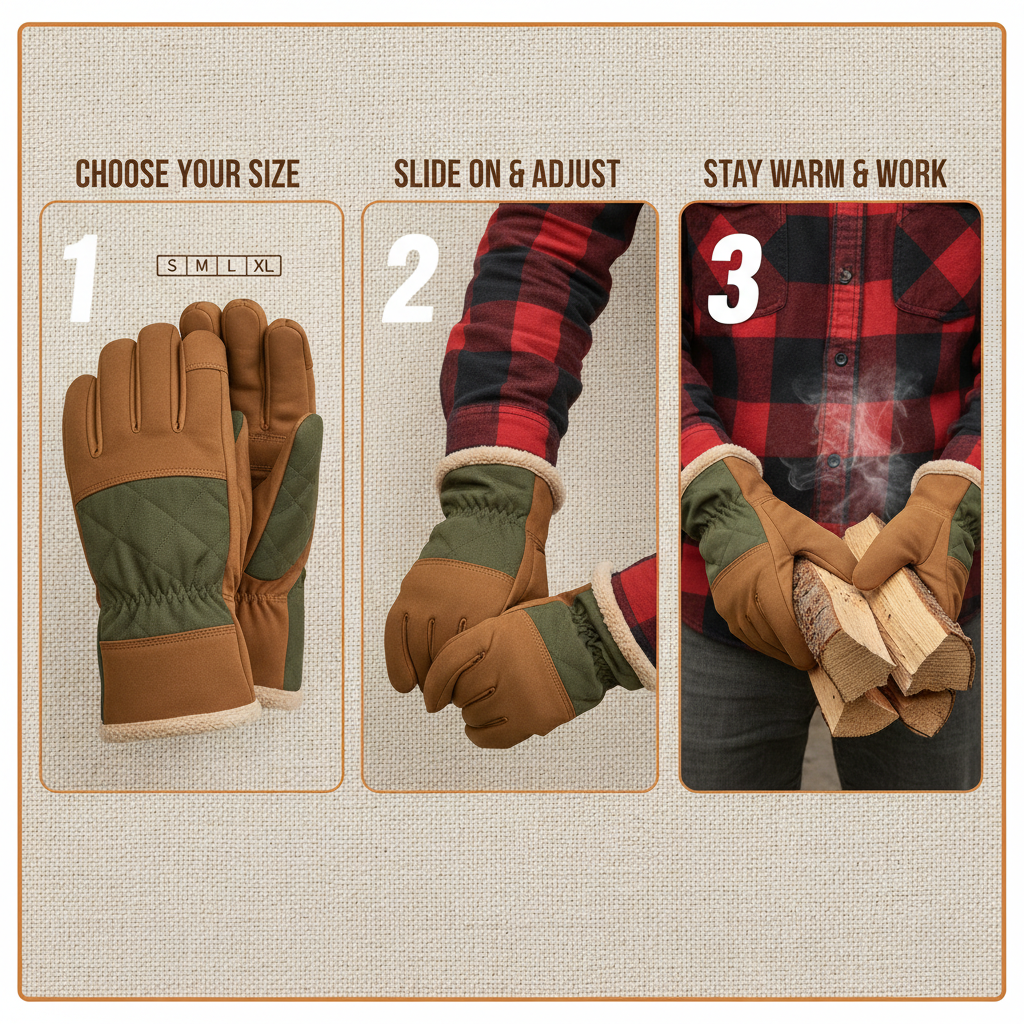
Driving Gloves: Breathable Grip, Touchscreen, Luxury Fit
The Real Story on Modern Driving Gloves: Grip, Tech, and Why PU Is Winning
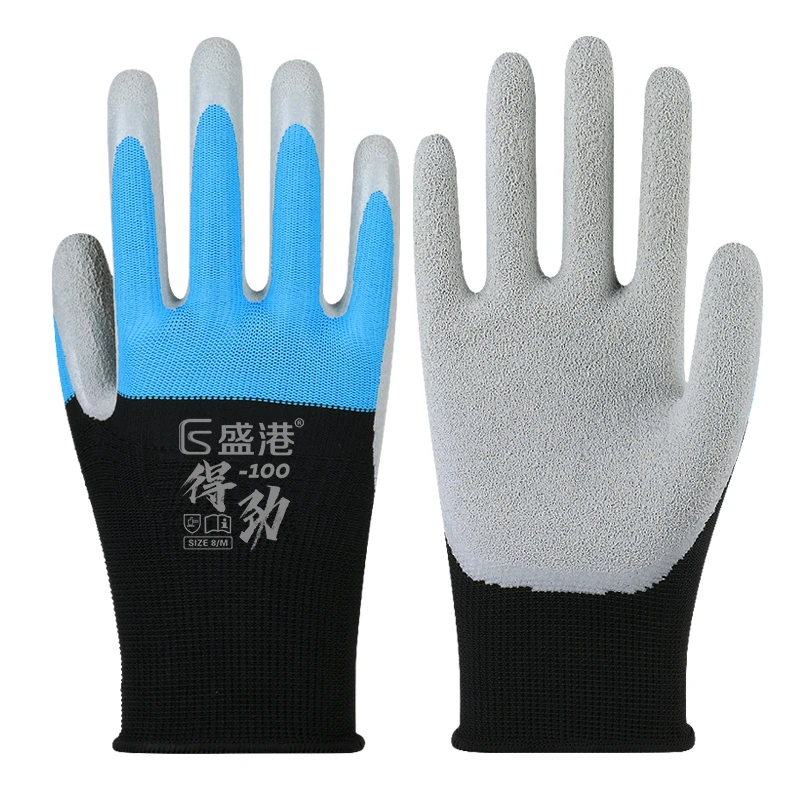
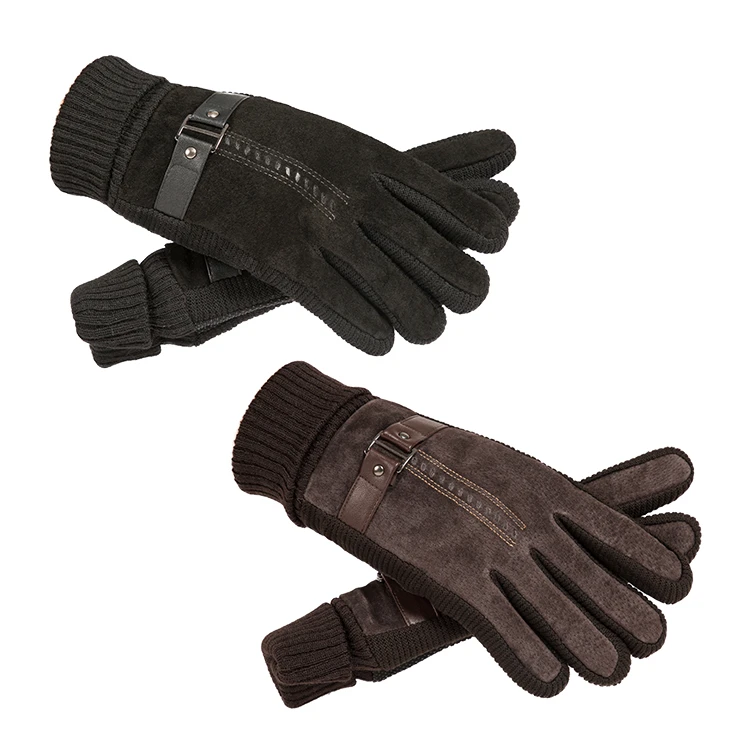
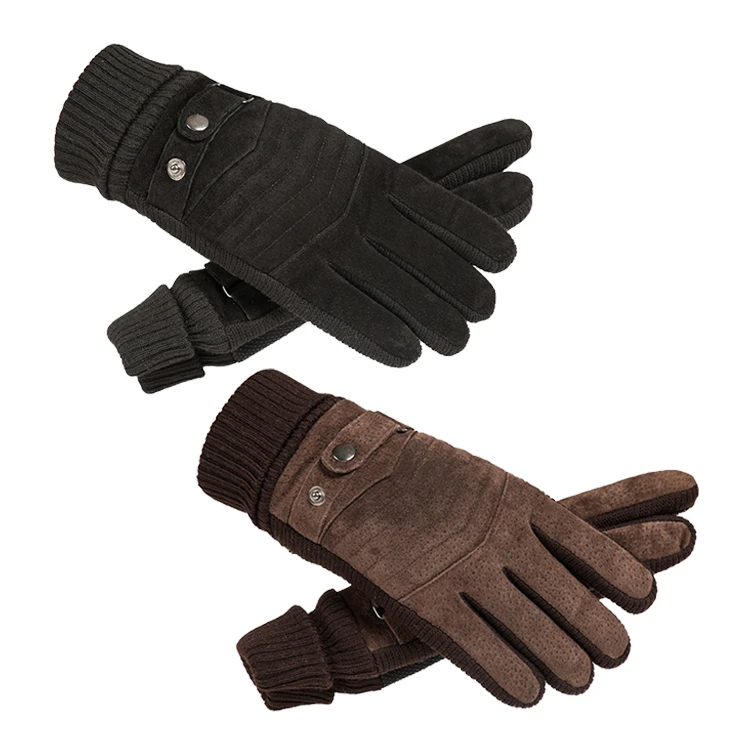
People ask me which driving gloves actually hold up in the real world. Short answer: the best ones balance tactile feel with credible lab data. And—surprisingly—the latest premium PU models are stealing thunder from classic leather. I’ve been testing the Classic Leather Gloves line from Xinji (yes, the leather capital), which now includes a PU-coated, driver-friendly variant made in the east side of the northern section of Education Road, Xinji Town, Xinji City, Hebei Province, China. It’s a mouthful; the product, thankfully, is not.
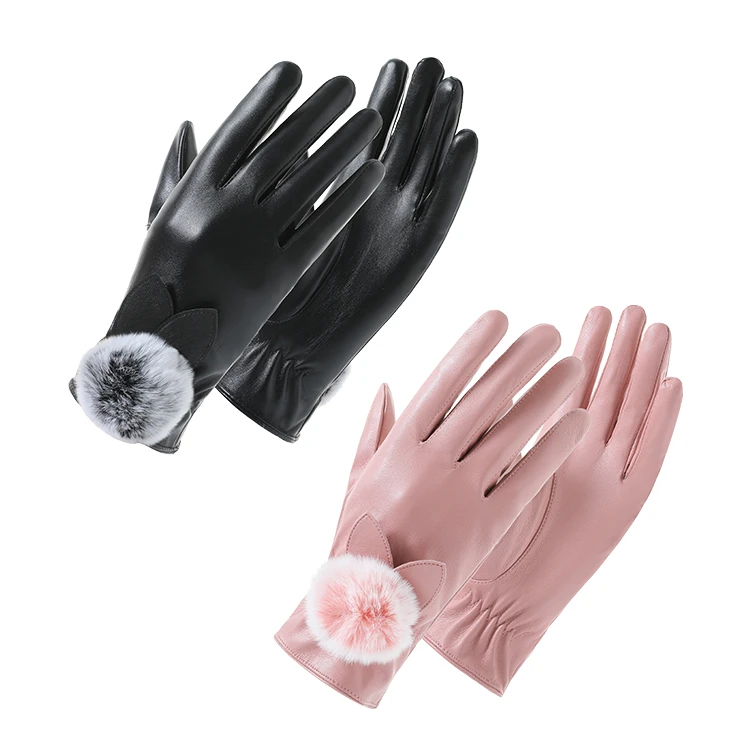
Industry trends (in plain English)
- Eco-forward materials: PU-coated microfiber and nylon/spandex liners now rival leather for grip and breathability.
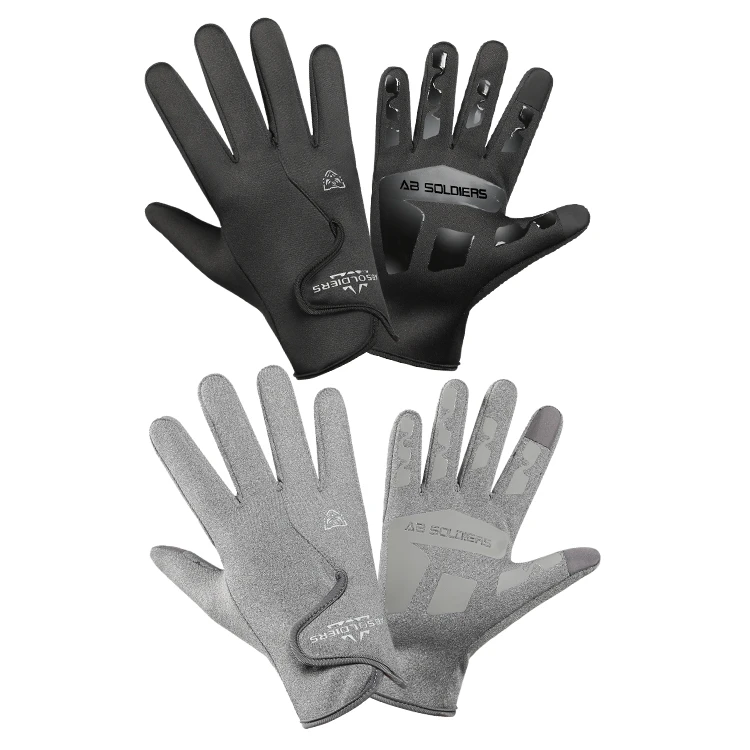
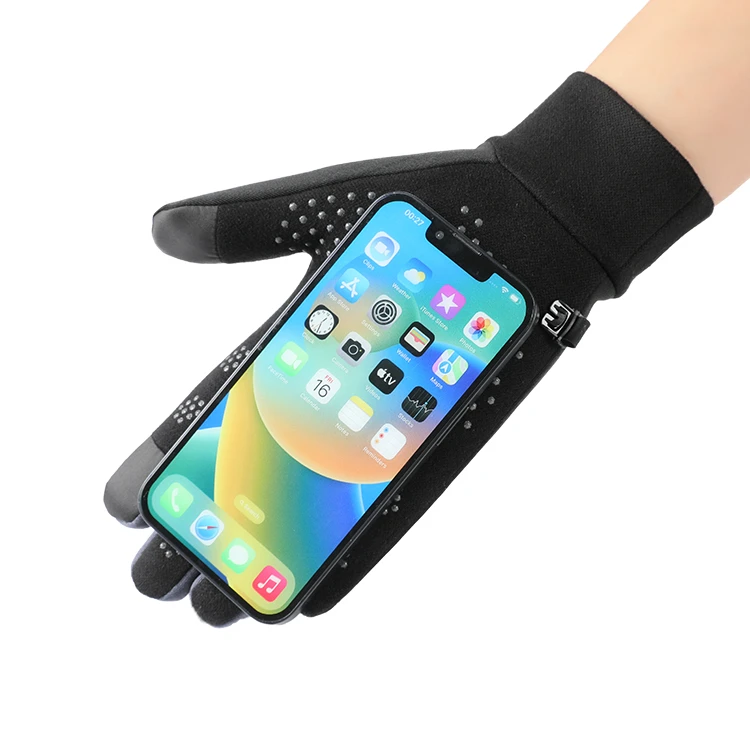
- Touchscreen fingertips: becoming default; nobody wants to peel off gloves at a toll booth.
- Verified protection: EN 388 scores matter, even for driving gloves that pull double duty in garages, pits, and loading docks.
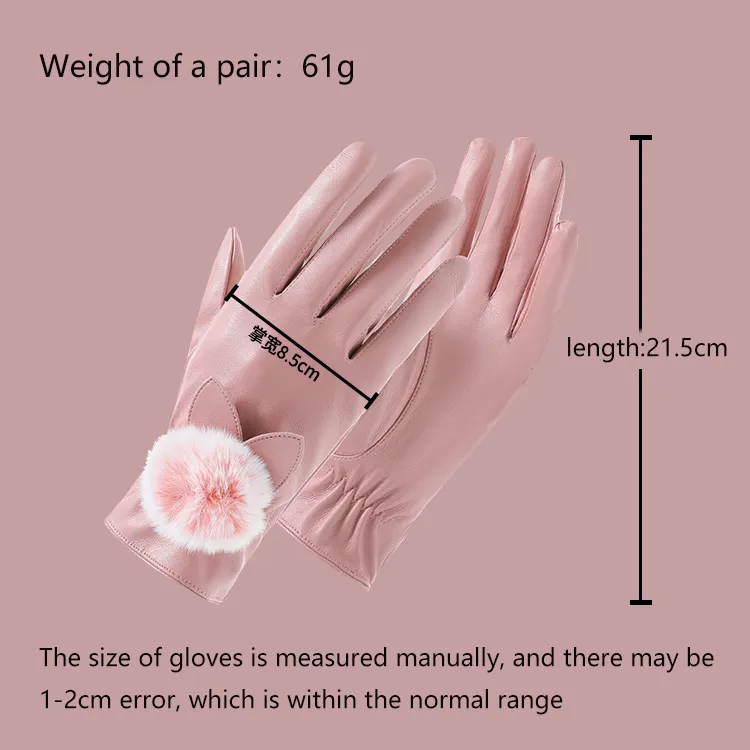
What’s inside (materials, methods, testing)
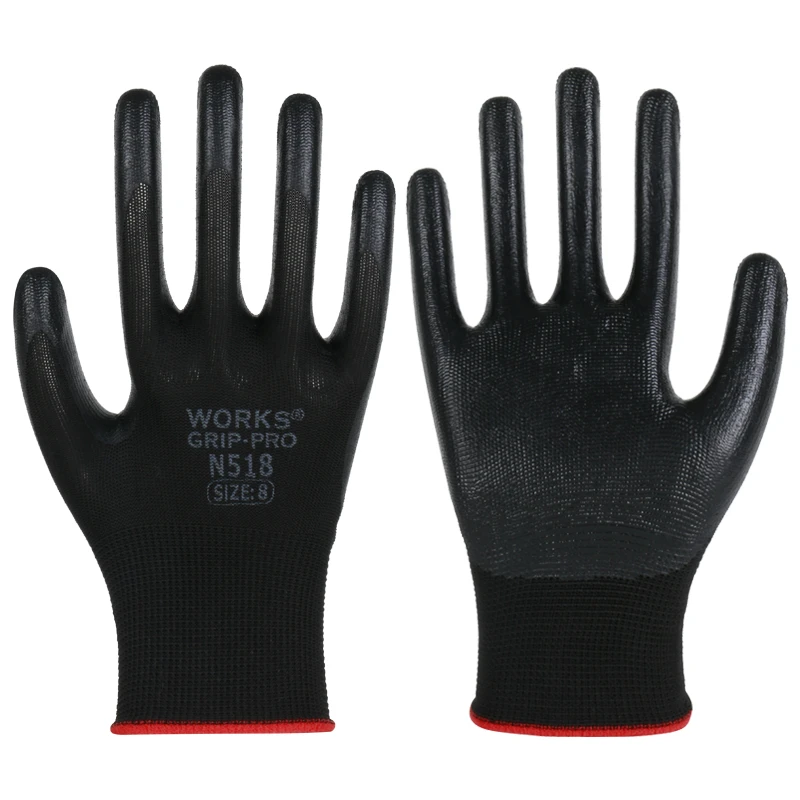
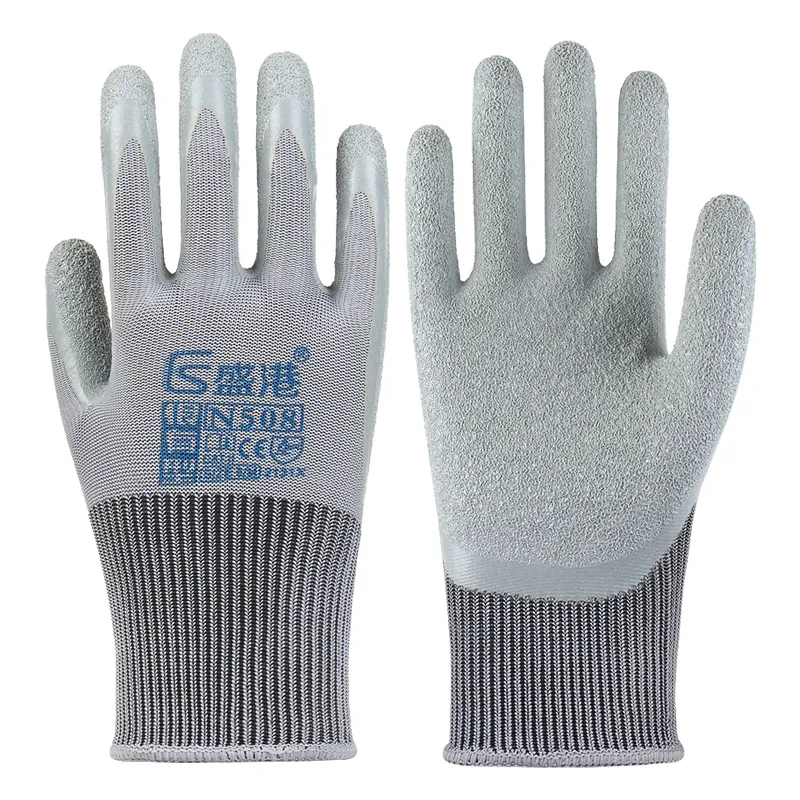
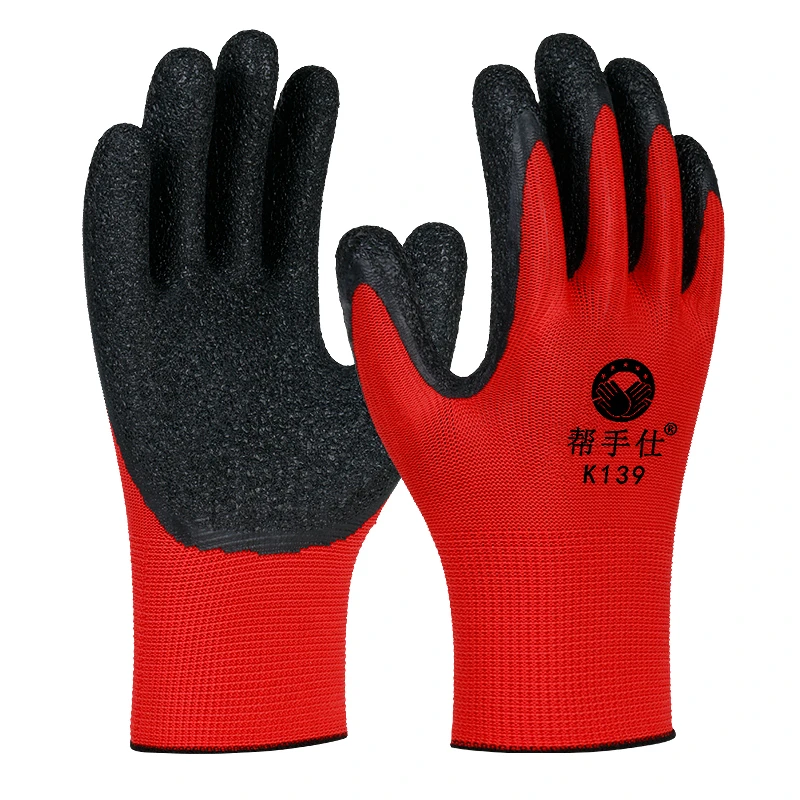
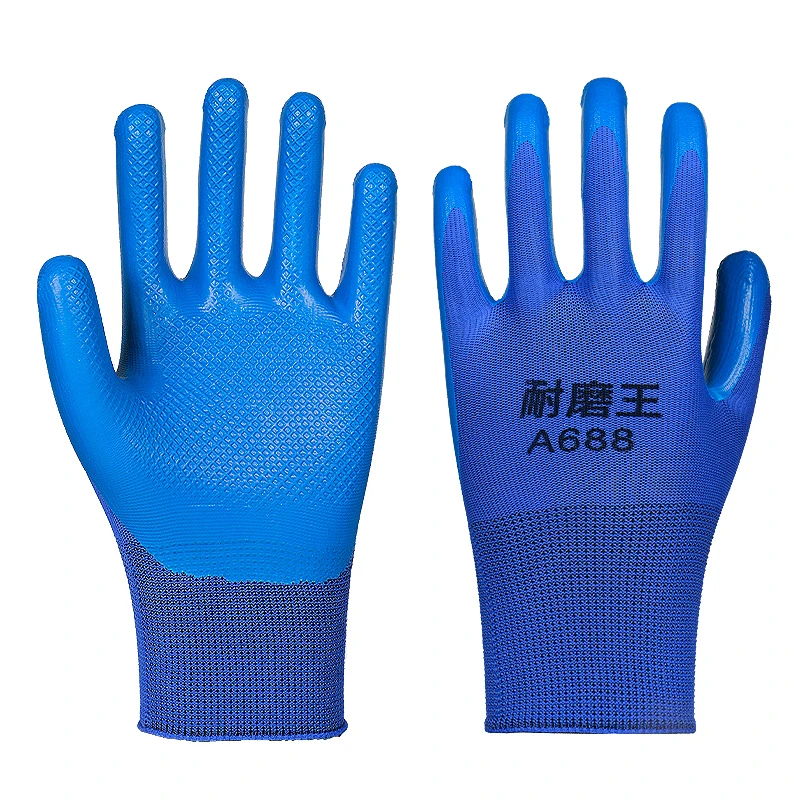
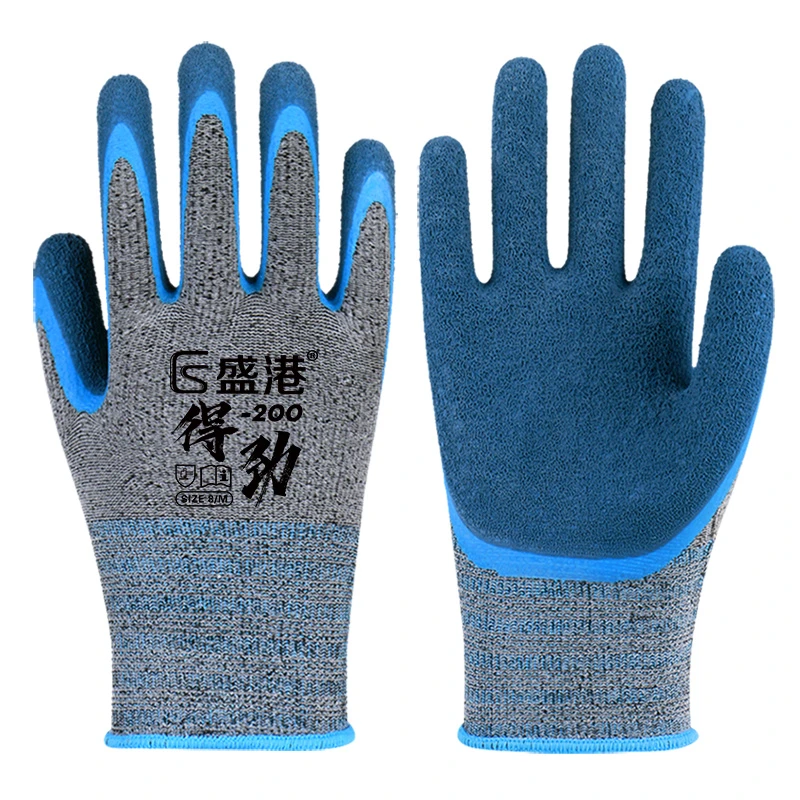
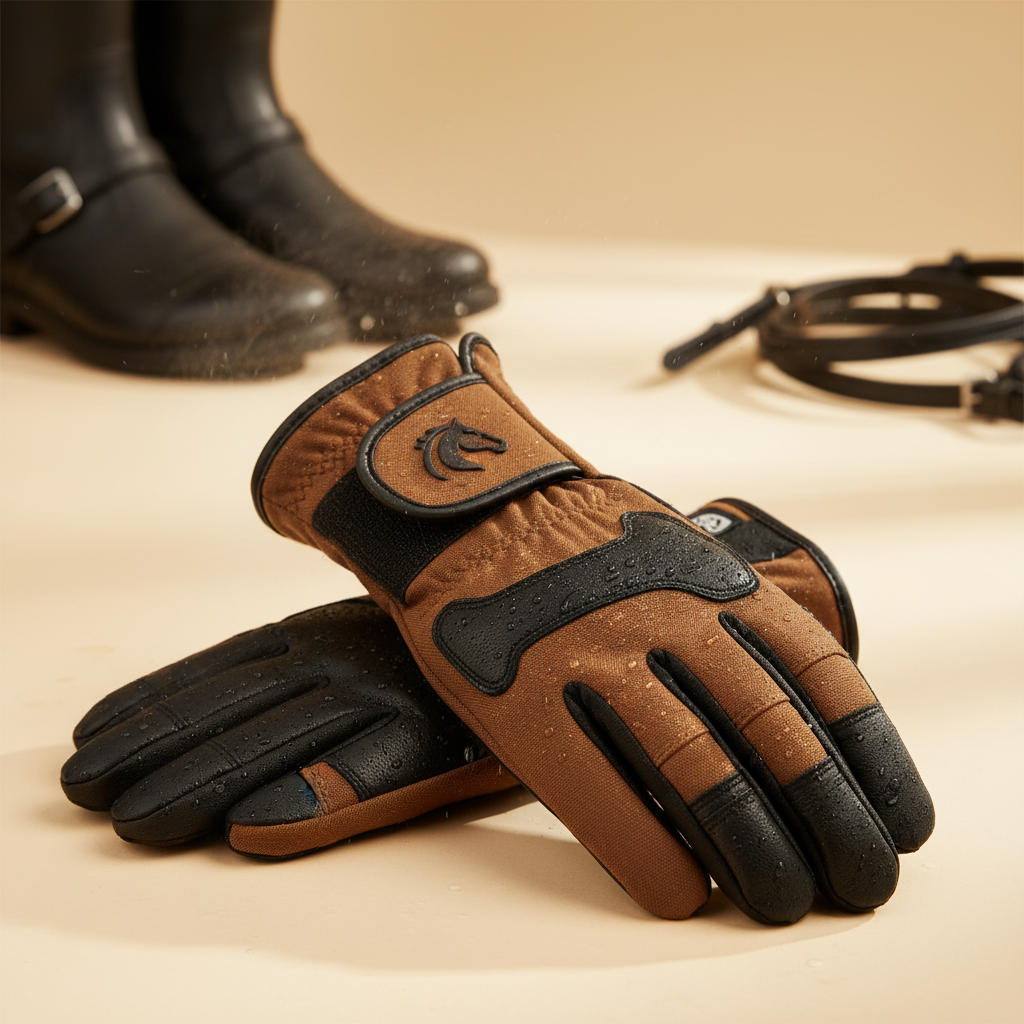
This PU model uses a breathable nylon/spandex liner with a micro-vented polyurethane palm. Manufacturing is classic dip-coating with heat setting for bond strength. QC includes abrasion and cut tests under EN 388:2016+A1:2018, fit checks per ISO 21420, and surface residue screening to stay within REACH expectations. In fact, the feel on a leather steering wheel is clean—no chalky residue, no squeak. To be honest, that’s rare.
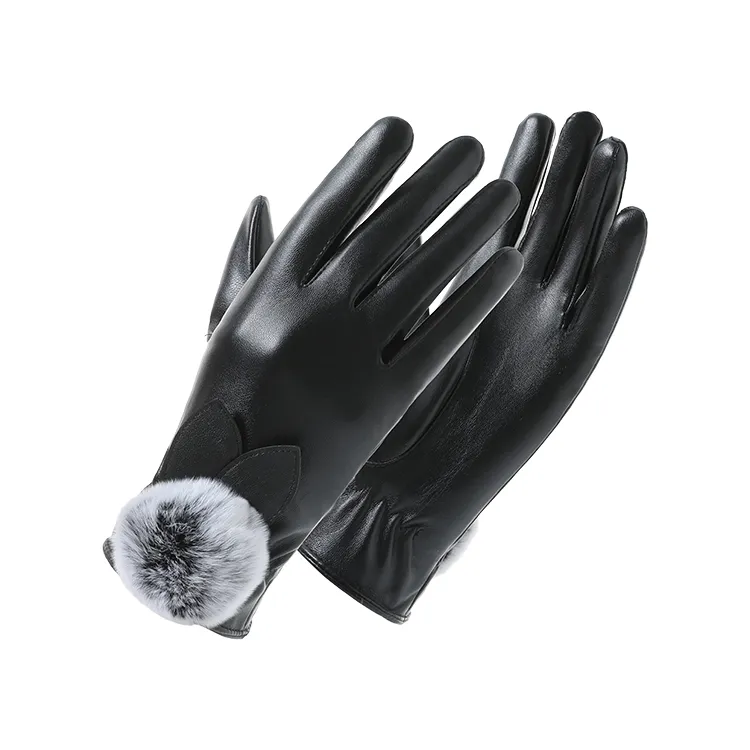
Product specifications (field-tested, lab-checked)
| Item | Spec (≈ real-world) |
|---|---|
| Palm/Coating | Polyurethane (micro-vented), textured grip |
| Liner | Nylon/Spandex, ergonomic knit |
| Thickness | ≈ 0.8–1.0 mm overall |
| EN 388 (abrasion/cut/tear/puncture) | 4 1 3 1 X (typical lot result; verify per batch) |
| Cut level (ISO 13997) | Level A (≈ 2N) |
| Grip CoF on leather wheel | ≈ 0.68 ±0.05 (vs. bare hand ≈ 0.45 ±0.07) |
| Chemical splash | Resistant to oils/solvents (short contact) |
| Operating temp | ≈ -5°C to 45°C; real use may vary |
| Service life | 6–12 months in mixed commuter/garage use |
| Certs/Compliance | ISO 21420, EN 388, REACH-conscious production |
| Sizes | XS–XXL; custom logo/cuff on request |
Use cases: city commuting, weekend canyon runs, sim racing, auto detailing, even forklift shifts where driving gloves double as PPE. Many customers say the “second-skin” feel is what keeps them on.
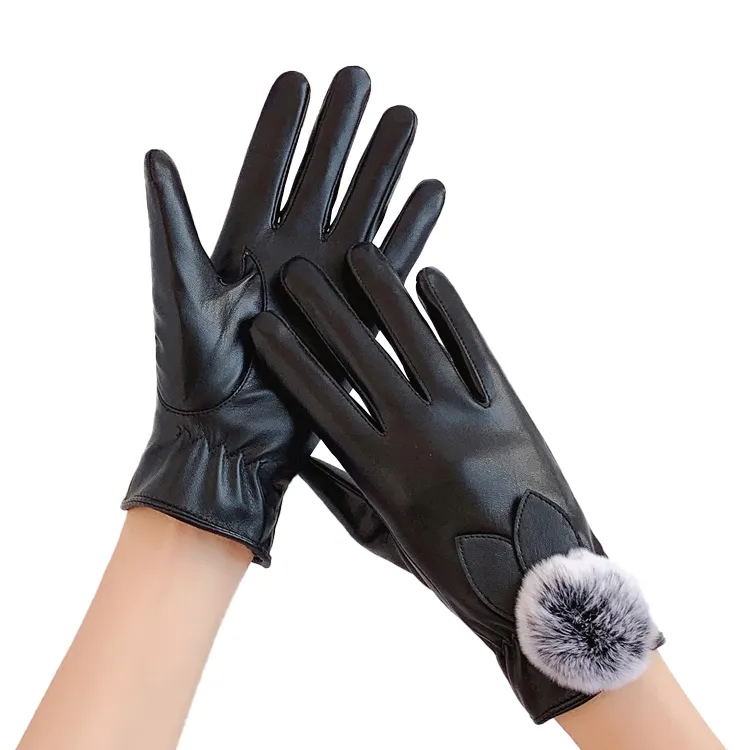
Vendor comparison (what buyers actually weigh)
| Vendor | MOQ | Lead Time | Certs | Customization | Price (ex-works) |
|---|---|---|---|---|---|
| PersonalCare SCN (Xinji) | ≈ 500 pairs | 2–4 weeks | EN 388, ISO 21420 | Logo, cuff, colors | Mid (value-focused) |
| EU Performance Brand | ≈ 300 pairs | 4–6 weeks | EN 388, REACH | Limited SKUs | High |
| Marketplace Supplier | ≈ 100 pairs | 1–3 weeks | Varies (verify) | Logo only | Low–Mid |
Customization and lifecycle
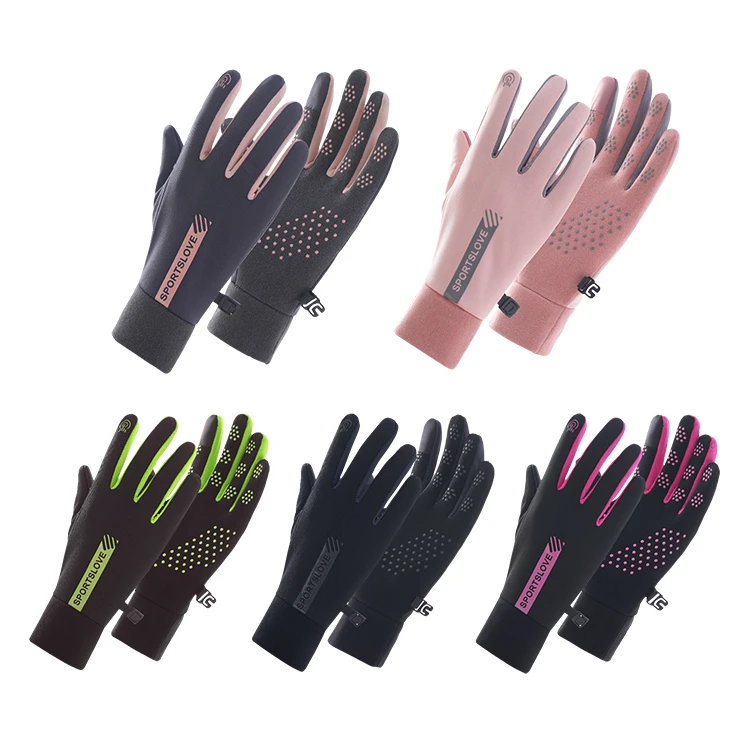
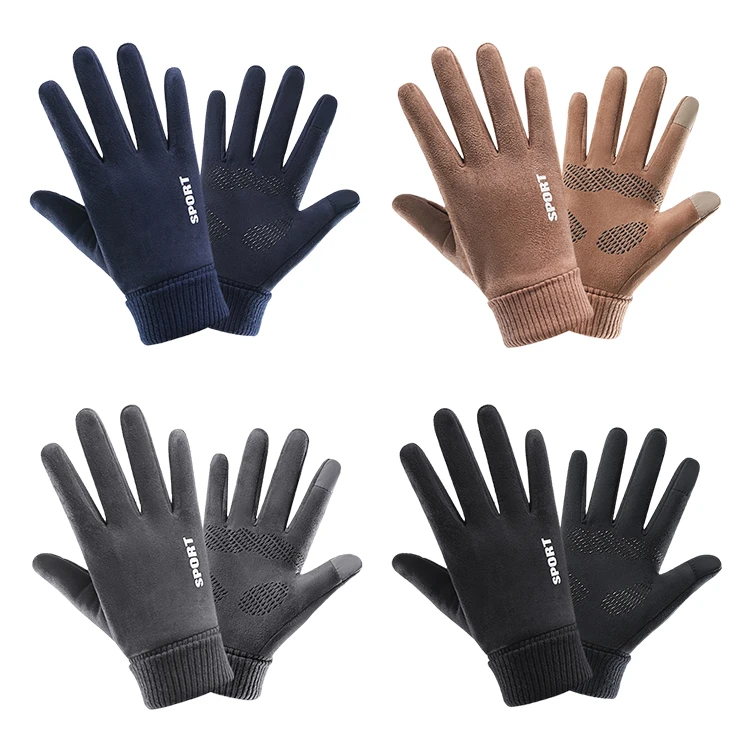
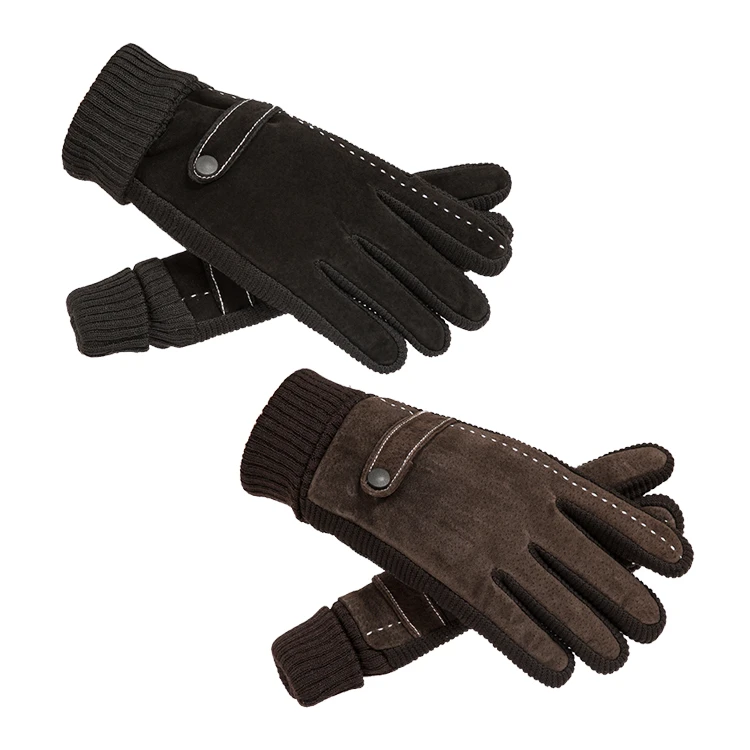
Color accents, debossed logos, knit cuffs, and touchscreen tips are available. Realistically, with mixed driving/garage use, expect 6–12 months before grip starts to smooth. Cleaning is easy: mild soap, air dry. Avoid long solvent soaks (common sense, I guess).
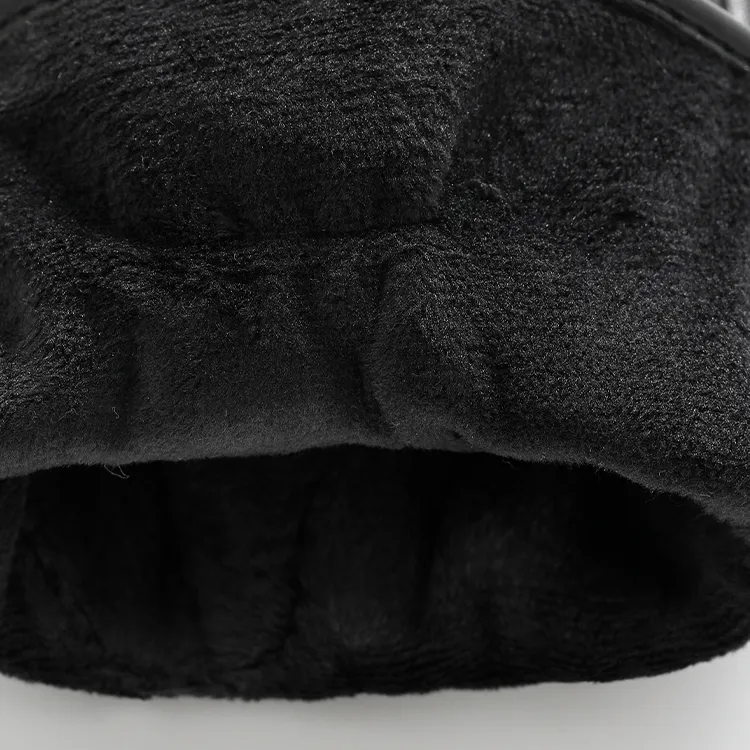
Case study (short and sweet)
A Tianjin logistics fleet issued these PU driving gloves to 60 forklift and delivery drivers. Over three months: reported “slip events” dropped ≈22%, average pair lasted ~7 months, and user satisfaction scored 4.6/5 (drivers liked the ventilation; mechanics liked the oil resistance). Not a clinical trial—just honest ops data.
Citations
- EN 388:2016+A1:2018 — Protective gloves against mechanical risks.
- ISO 21420:2020 — Protective gloves — General requirements and test methods.
- OSHA 29 CFR 1910.138 — Hand Protection.
- REACH Regulation (EC) No 1907/2006 — Registration, Evaluation, Authorisation and Restriction of Chemicals.
- SAE papers on hand–wheel interface friction (overview references, real-world use may vary).