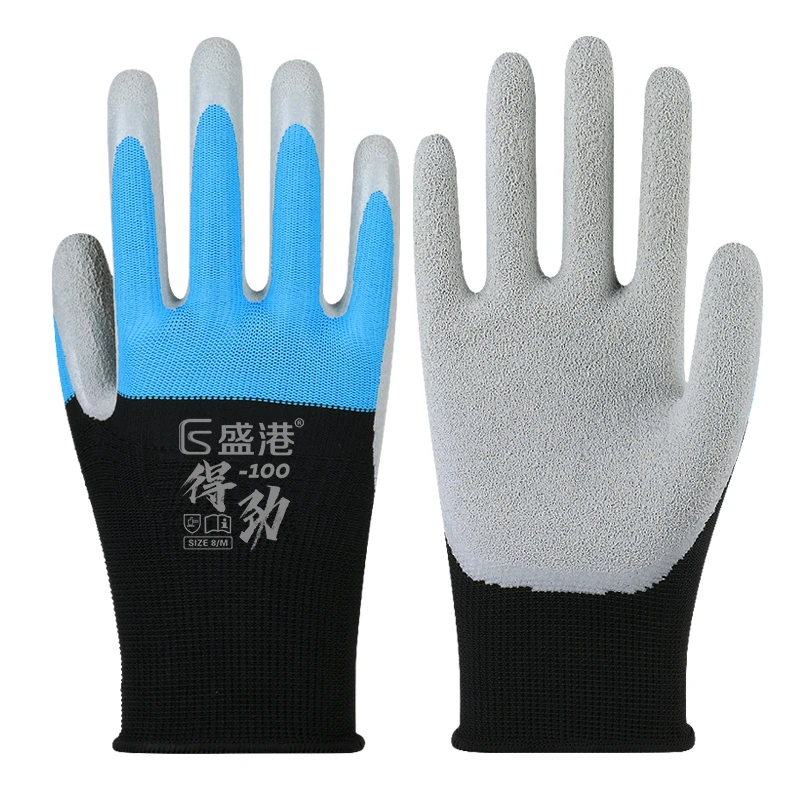
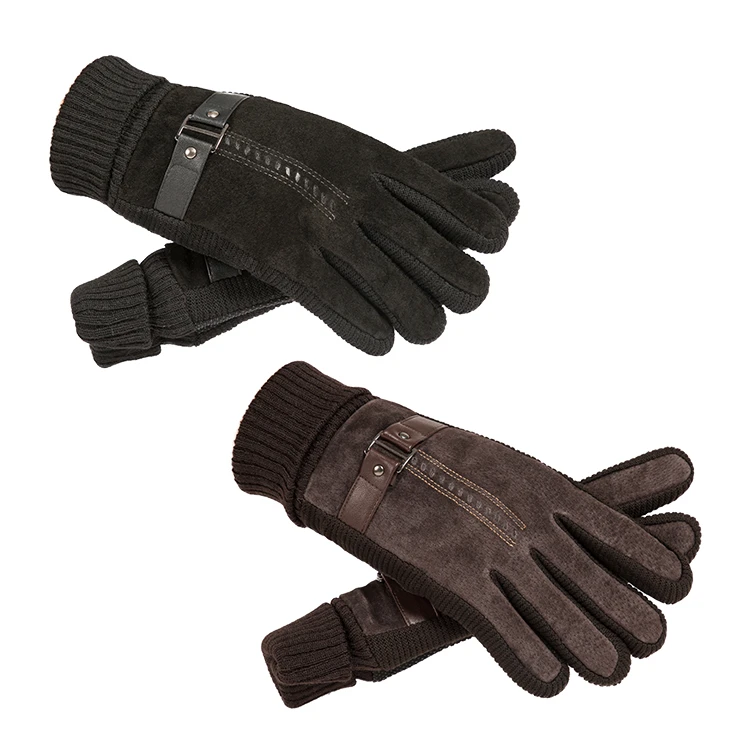
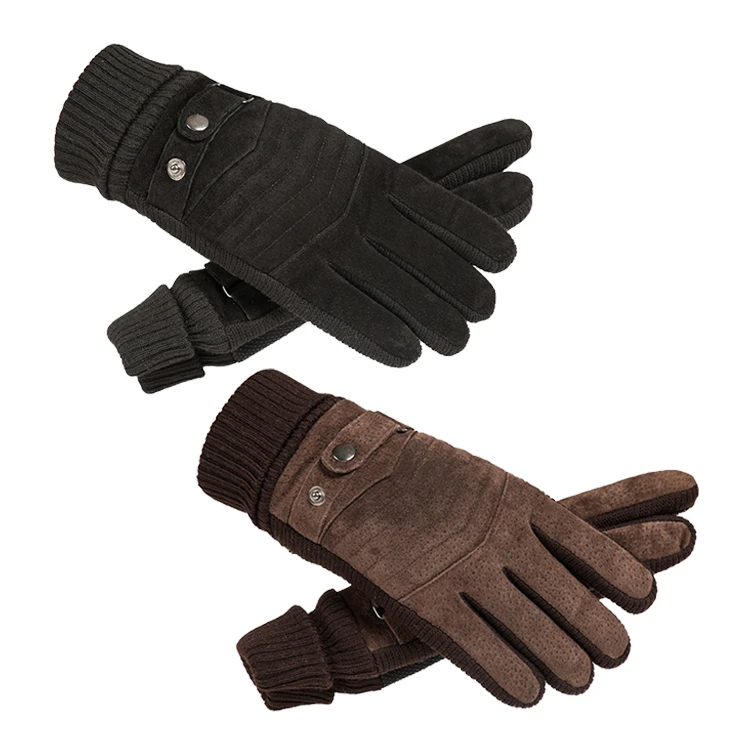
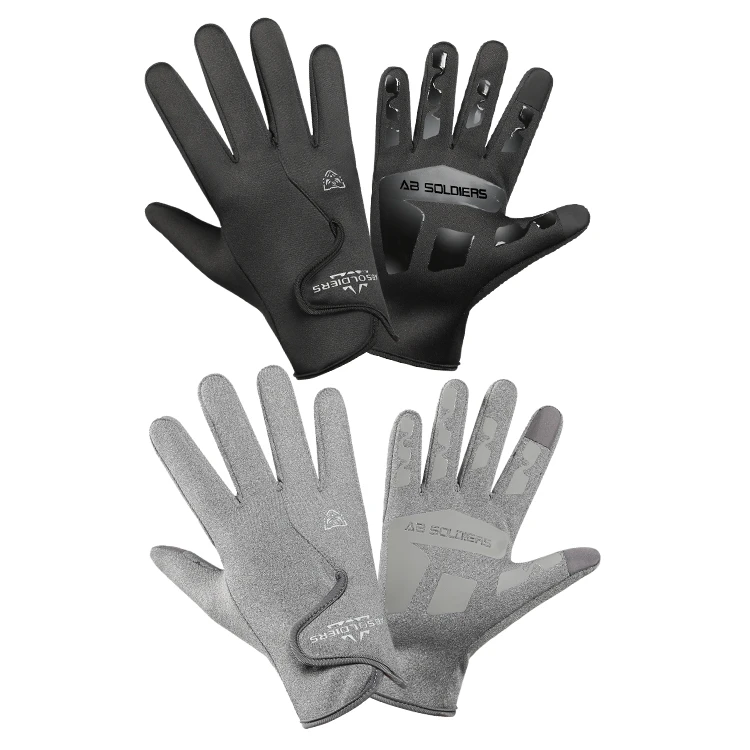
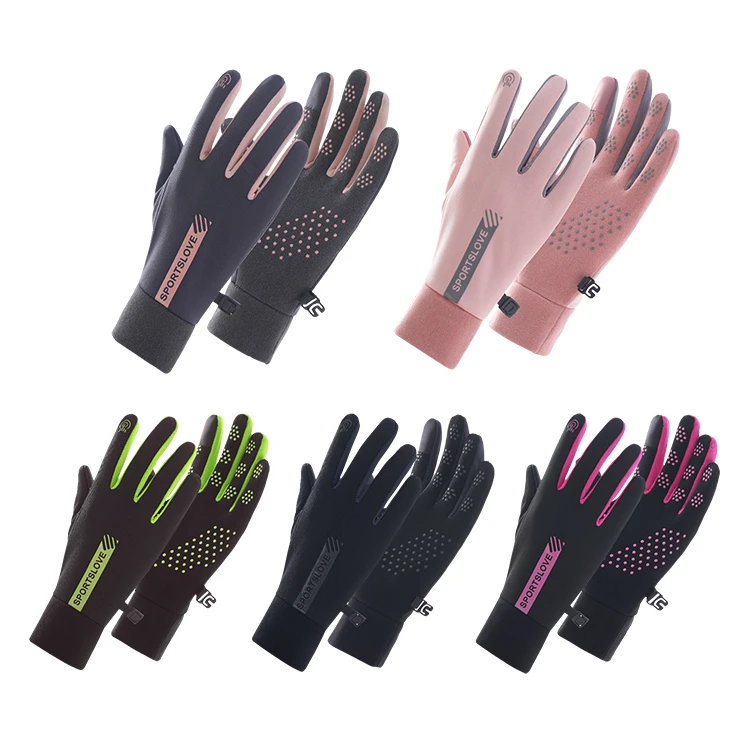
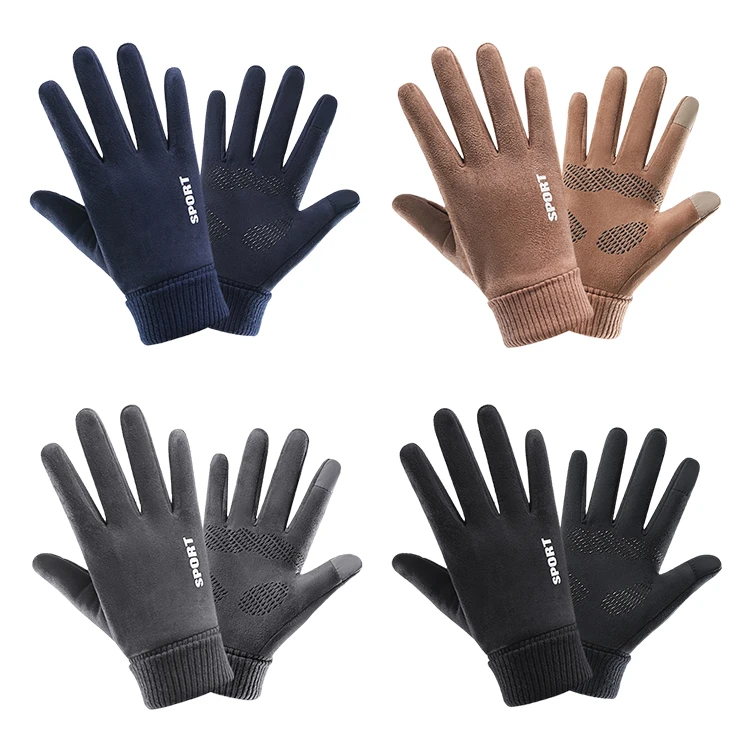
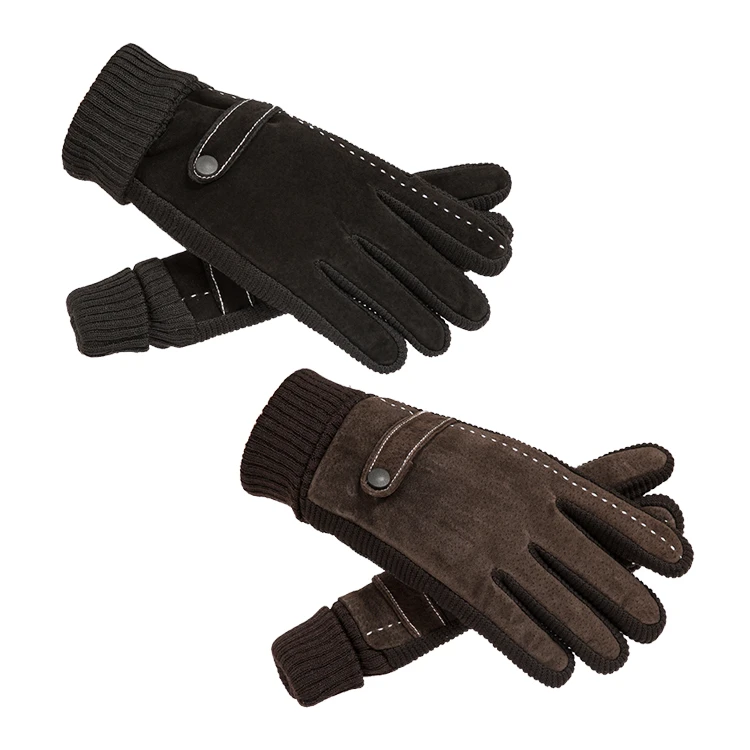
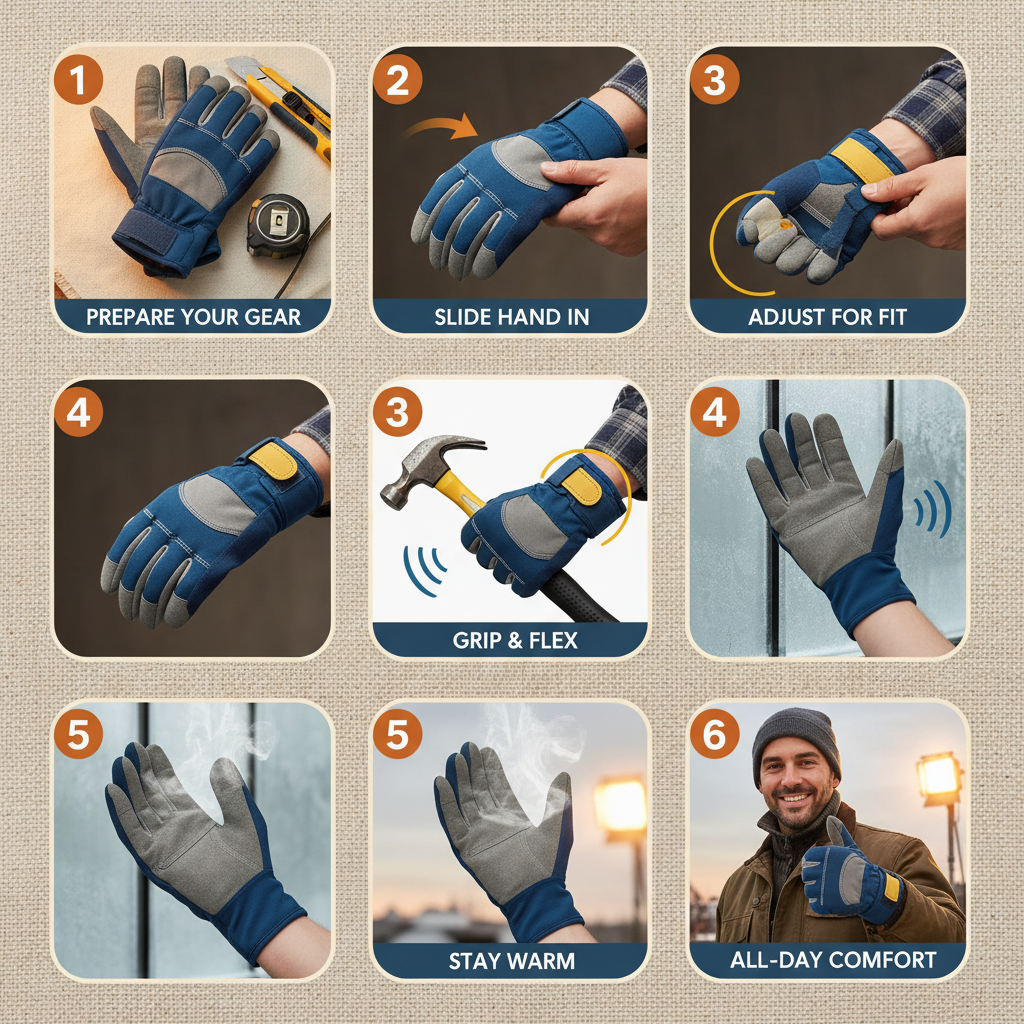
Durable Latex Breathable Safety Gloves for Heavy Construction
Introduction to Advanced Protective Handwear in Heavy Construction
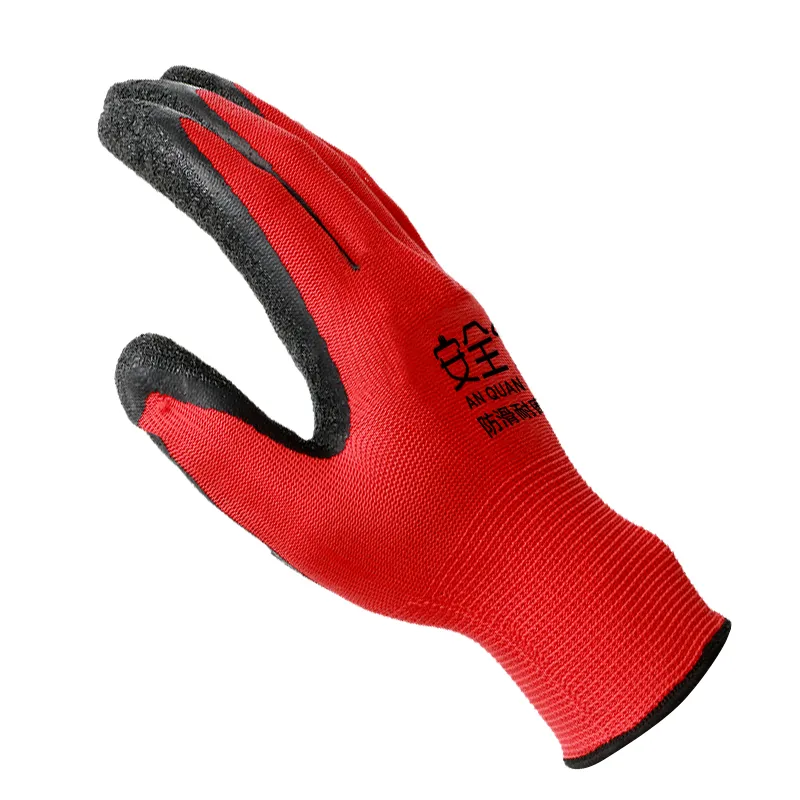
In the demanding realm of heavy construction engineering, safety and performance are paramount. The integrity of a project, the efficiency of operations, and most critically, the well-being of the workforce, hinge on the reliability of personal protective equipment (PPE). Among the most crucial components of PPE are specialized gloves designed to withstand extreme conditions. This article delves into the technical specifications, application advantages, and comprehensive insights surrounding Protective Equipment For Heavy Construction Engineering Latex Breathable Safety Industrial Gloves. These advanced gloves represent a significant leap in hand protection technology, offering a balance of robust defense, ergonomic comfort, and enhanced breathability for sustained professional use in rigorous environments.
The construction industry faces inherent risks including cuts, abrasions, punctures, chemical exposure, and impact injuries. Traditional gloves often compromise between protection and dexterity, leading to user fatigue or improper glove usage. Modern innovations, particularly in latex formulations combined with advanced liner materials, address these challenges directly. Our focus here is to provide a detailed, technical overview for B2B decision-makers and engineers, ensuring informed procurement and optimal safety outcomes.
Industry Trends in High-Performance Safety Gloves
The market for industrial safety gloves is experiencing rapid evolution driven by stricter regulatory standards, advancements in material science, and a growing emphasis on worker comfort and long-term health. Key trends include:
- Enhanced Dexterity and Tactile Sensitivity: Demand for gloves that offer high levels of protection without sacrificing fine motor skills, crucial for operating complex machinery or handling small components.
- Sustainable Materials and Manufacturing: A push towards eco-friendly production processes and materials, reducing environmental impact without compromising performance.
- Integration of Smart Technologies: Emerging innovations like gloves with integrated sensors for temperature, impact, or even biometric data, though still niche, indicate future directions.
- Multi-Hazard Protection: A shift from single-purpose gloves to those offering comprehensive protection against multiple hazards simultaneously, such as cut, abrasion, and chemical splash resistance.
- Improved Breathability and Comfort: Addressing the issue of heat stress and discomfort, especially in warm climates or during prolonged use, through advanced liner technologies and breathable coatings. This is where Protective Equipment For Heavy Construction Engineering Latex Breathable Safety Industrial Gloves excel.
These trends collectively underscore the industry's commitment to worker safety and productivity. Manufacturers are continually innovating to meet these evolving demands, ensuring that PPE not only meets minimum safety requirements but actively contributes to operational efficiency and employee well-being.
Technical Specifications and Material Science
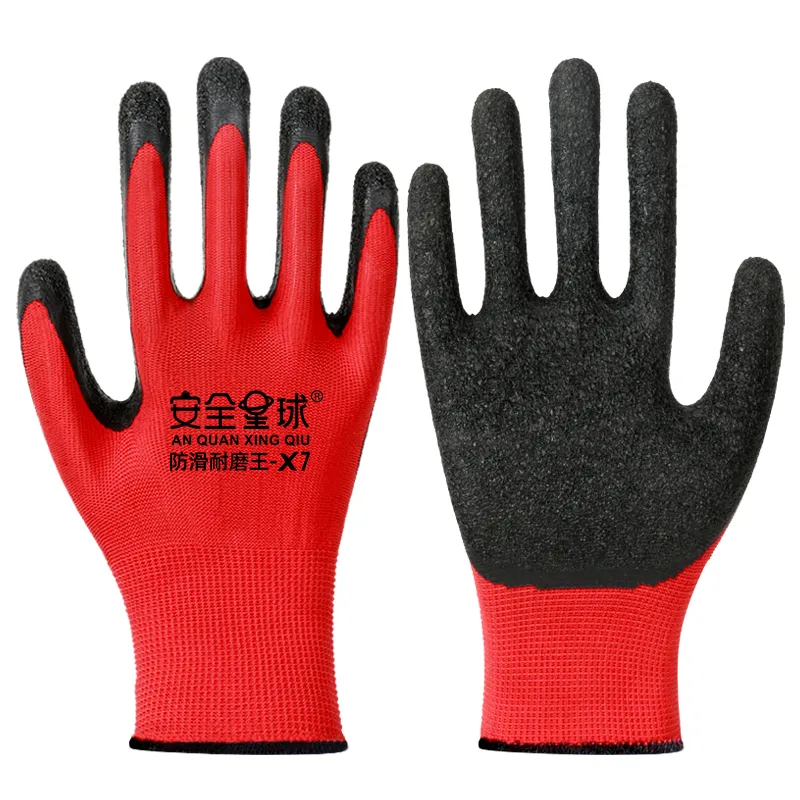
The performance of Protective Equipment For Heavy Construction Engineering Latex Breathable Safety Industrial Gloves is rooted in advanced material science and precision engineering. These gloves are meticulously designed to offer superior protection without compromising critical tactile feedback or ergonomic comfort.
Key Material Components:
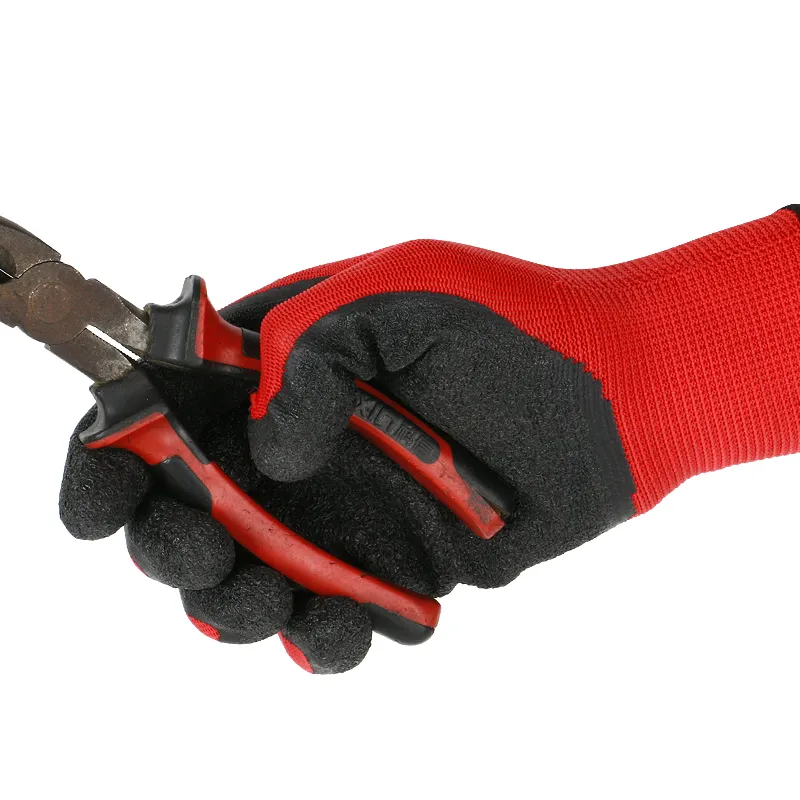
- Natural Latex Coating: Utilized for its exceptional elasticity, grip, and resistance to tearing and abrasion. The latex formulation is optimized for durability and a high coefficient of friction, providing secure handling of wet or oily objects.
- Breathable Liner Materials: Typically composed of high-performance synthetic fibers such as polyester, nylon, or a blend incorporating cotton for enhanced comfort and moisture-wicking properties. These liners are engineered to allow air circulation, reducing sweat build-up and heat stress during prolonged use.
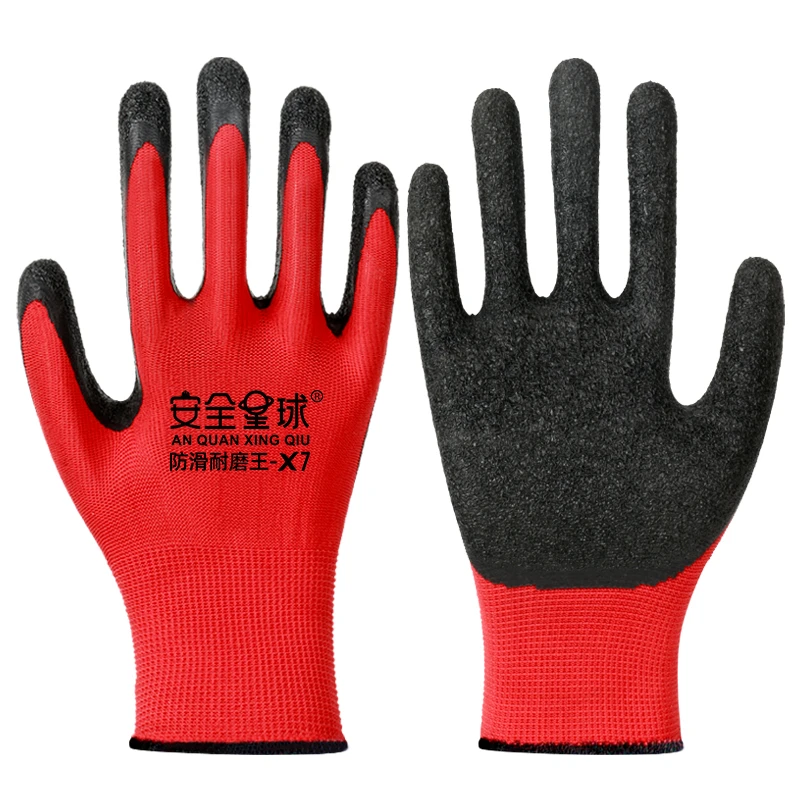
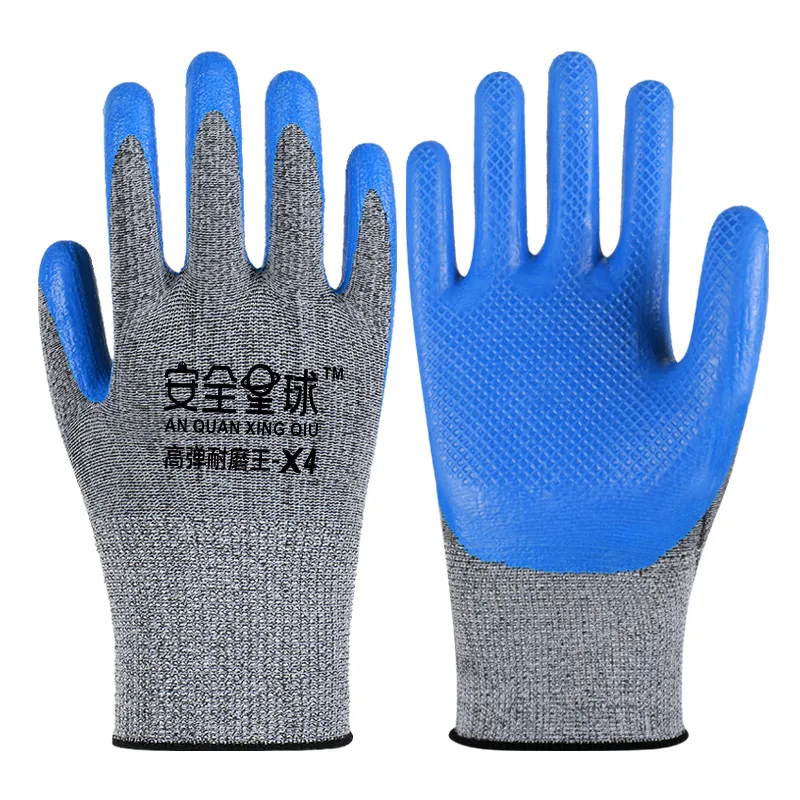
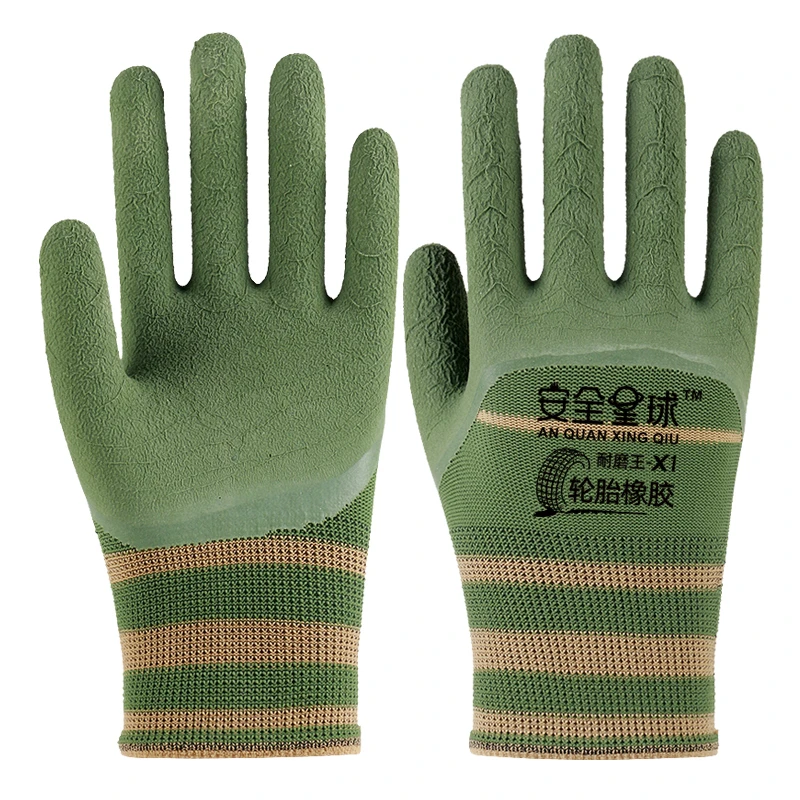
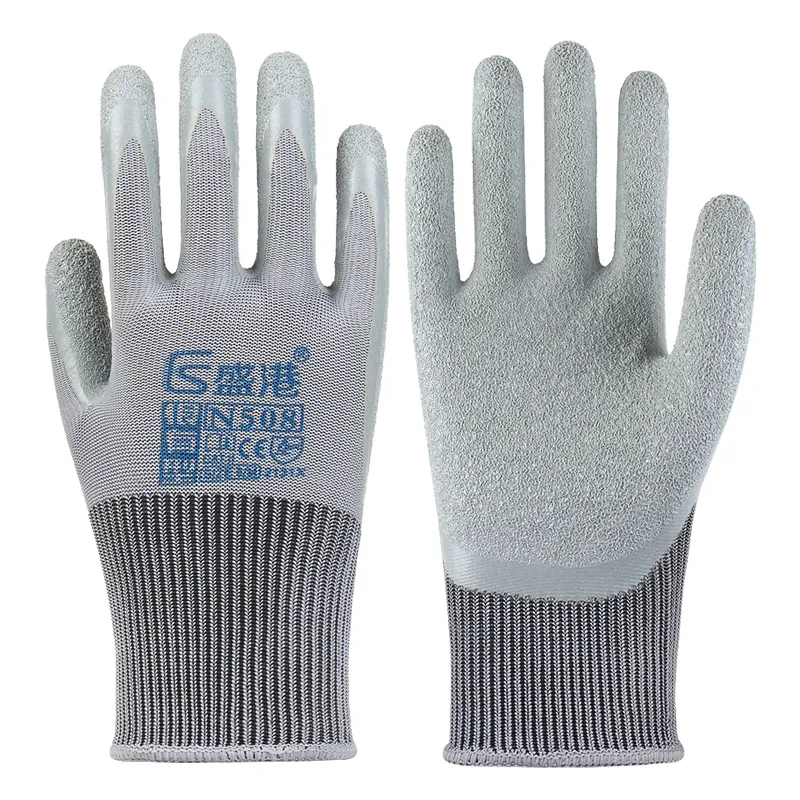
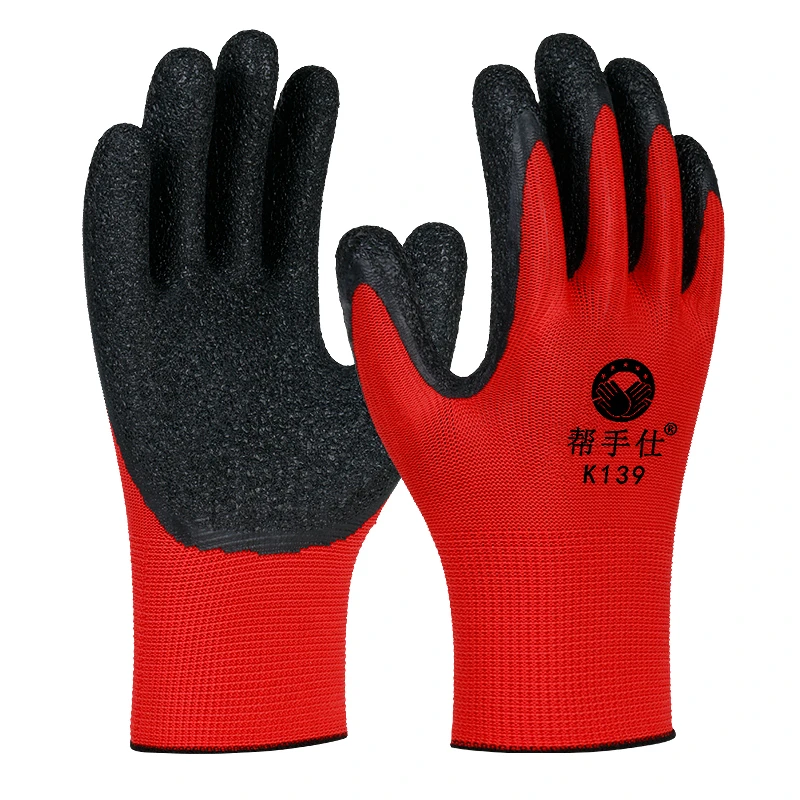
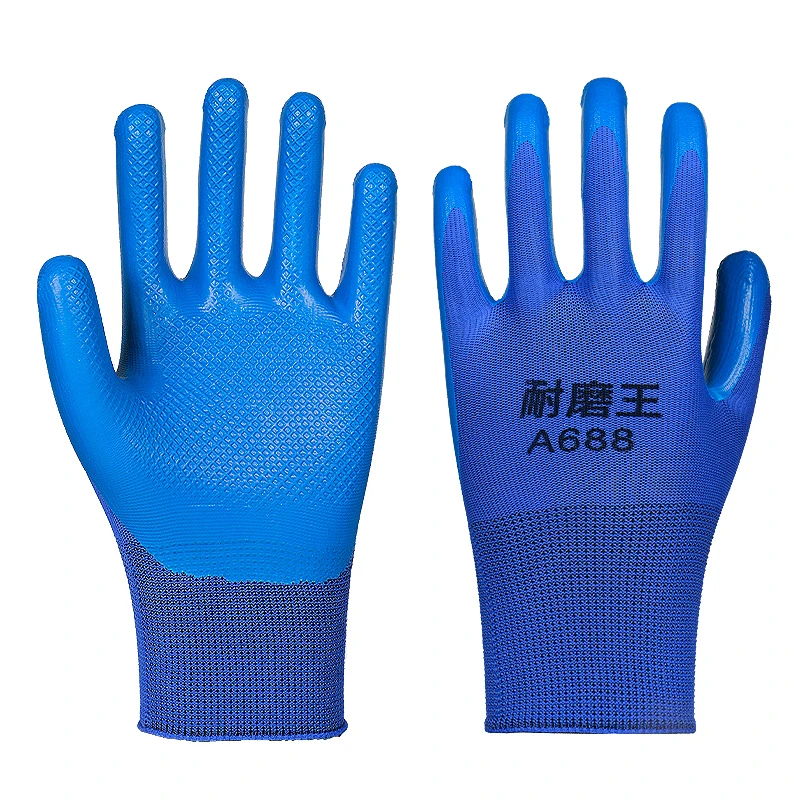
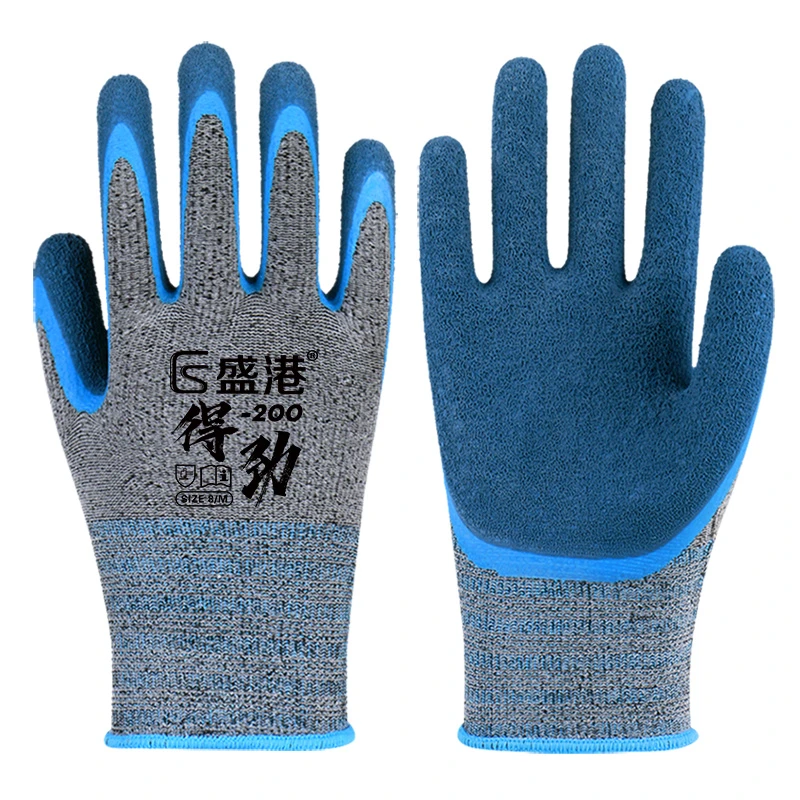
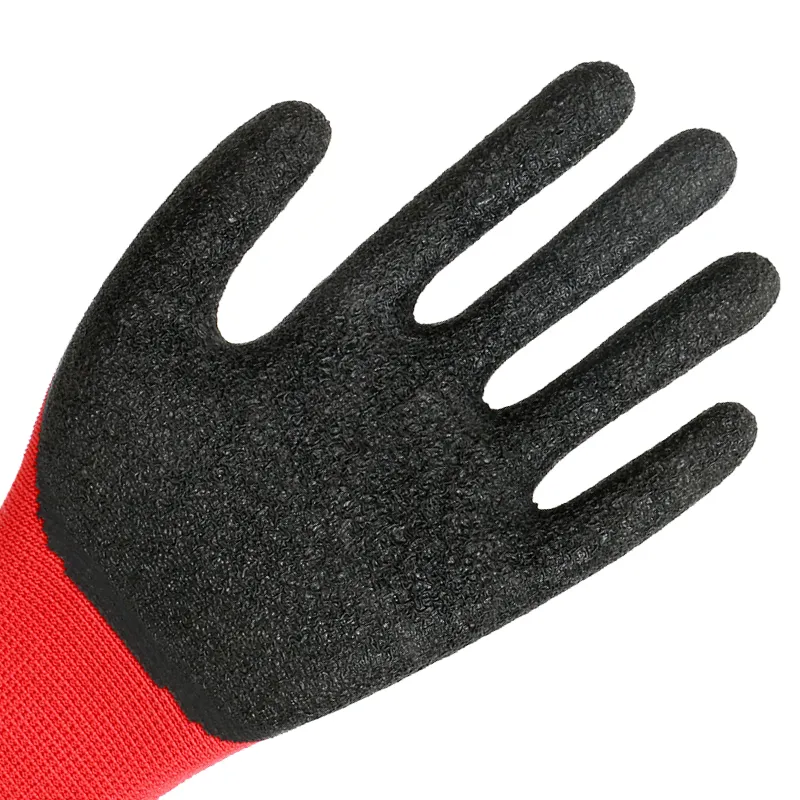
- Surface Finish Options: Available with various finishes like crinkle, sandy, or foam latex coatings, each tailored for specific grip requirements in different application scenarios (e.g., crinkle for superior dry grip, sandy for enhanced wet/oily grip, foam for excellent breathability and dexterity).
Product Specification Table:
| Parameter | Specification |
|---|---|
| Material | Natural Latex (Coating), Polyester/Nylon/Cotton Blend (Liner) |
| Coating Type | Palm-dipped or 3/4 dipped Latex (Crinkle, Sandy, or Foam Finish) |
| Thickness (Gauge) | 13-gauge liner with 0.8mm - 1.2mm latex coating |
| Available Sizes | S (7) to XXL (11) (EN 420 Standard) |
| EN 388:2016 Rating (example) | 4131X (Abrasion: 4, Cut: 1, Tear: 3, Puncture: 1, Impact: X) - Note: Specific ratings vary by model. |
| EN ISO 374-1 (Chemical Resistance) | Not primary, but offers splash protection against certain dilute chemicals (Type C) |
| Dexterity (EN 420) | Level 5 (High) |
| Certifications | CE Category II, ISO 9001 (Manufacturer) |
Note: Specific technical parameters may vary slightly based on individual model variations and customization options for Protective Equipment For Heavy Construction Engineering Latex Breathable Safety Industrial Gloves. Always refer to product datasheets for precise specifications.
Manufacturing Process Flow
The production of high-quality industrial safety gloves like Protective Equipment For Heavy Construction Engineering Latex Breathable Safety Industrial Gloves involves a sophisticated, multi-stage manufacturing process designed to ensure consistent quality, performance, and compliance with international standards.
Detailed Process Stages:
- Liner Knitting: Precision knitting machines produce seamless glove liners from synthetic fibers (polyester, nylon) or cotton blends. The gauge (e.g., 13-gauge) determines the liner's thickness and dexterity.
- Former Cleaning: Ceramic or plastic hand-shaped formers are meticulously cleaned and pre-heated to ensure optimal adhesion of the latex coating and prevent defects.
- Coagulant Dip: The heated formers are dipped into a coagulant solution (typically calcium nitrate-based) which helps the latex particles deposit evenly onto the former surface.
- Latex Dipping: The coagulant-coated formers are then dipped into a specialized natural latex compound. The dipping depth (palm-dipped, 3/4 dipped, full-dipped) and number of dips determine the coating thickness and coverage. For specialized finishes like crinkle or sandy grip, secondary dipping or application processes are integrated.
- Washing/Leaching: The gloves undergo a thorough washing process, often with hot water, to remove residual chemicals and proteins from the latex, which is crucial for reducing potential allergic reactions (e.g., to latex proteins) and improving overall comfort.
- Curing/Vulcanization: The gloves are then moved into curing ovens where controlled heat facilitates the vulcanization process, cross-linking the latex polymers to give the glove its final strength, elasticity, and durability.
- Beading (Optional): The cuff edge may be beaded (rolled) to provide additional tear strength and ease of donning.
- Stripping: Once cured, the finished gloves are mechanically or manually stripped from the formers.
- Inspection & Quality Control: Each glove undergoes rigorous visual inspection for defects, followed by batch testing for mechanical performance (EN 388), sizing, and other specified parameters according to standards like ISO 9001. This ensures every pair of gloves meets stringent safety and quality benchmarks before packaging.
This meticulous process, combined with strict adherence to ISO and ANSI standards, ensures that each pair of gloves delivers consistent, reliable protection.
Application Scenarios & Target Industries
The robust design and specialized material composition of Protective Equipment For Heavy Construction Engineering Latex Breathable Safety Industrial Gloves make them indispensable across a wide spectrum of heavy construction and related industrial sectors. Their primary target industries include:
- General Construction & Building: Handling rough materials, rebar, masonry, timber, and operating hand tools.
- Heavy Civil Engineering: Infrastructure projects like bridge construction, road building, tunnel excavation, and pipeline installation, where protection against abrasion, cuts, and punctures is critical.
- Mining & Quarrying: Tasks involving rock handling, equipment maintenance, and material conveyance in abrasive and often damp environments.
- Oil & Gas (Upstream/Midstream): Activities requiring robust grip for handling pipes, tools, and components, along with resistance to minor oil/grease exposure.
- Logistics & Warehousing: Heavy lifting, material handling, and freight movement where strong grip and mechanical protection are essential.
- Demolition & Waste Management: Protection against sharp debris, impact, and general rough handling.
Advantages in Typical Application Scenarios:
These gloves offer specific advantages in real-world use:
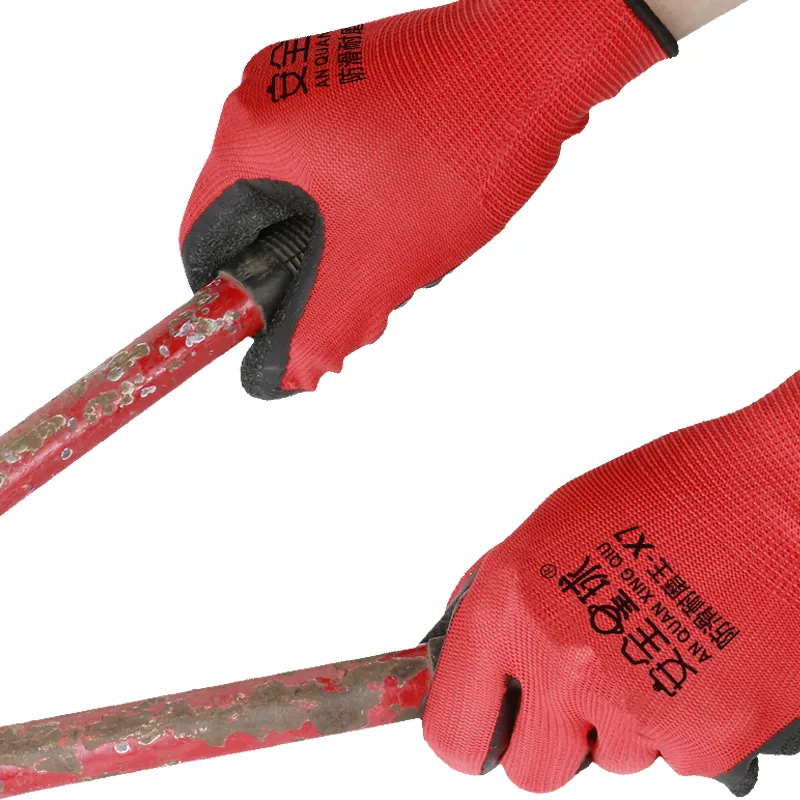
- Superior Grip in Wet & Dry Conditions: The textured latex coating provides an excellent grip, crucial for safely handling materials and tools, especially in environments exposed to moisture or light oils, thereby reducing accident risks.
- Enhanced Dexterity for Precision Tasks: Despite their robust protective qualities, the ergonomic design and flexible latex allow for a high degree of dexterity, enabling workers to perform tasks requiring fine motor skills without removing gloves, improving efficiency.
- Reduced Hand Fatigue: The breathable liner and ergonomic fit minimize sweat and pressure points, contributing to less hand fatigue over long shifts, directly impacting worker comfort and sustained productivity.
- Optimized Service Life: Constructed from durable materials with high abrasion and tear resistance, these gloves offer an extended service life compared to standard work gloves, leading to lower replacement costs and better overall value.
Technical Advantages Over Conventional Gloves
The design and material selection for Protective Equipment For Heavy Construction Engineering Latex Breathable Safety Industrial Gloves provide several distinct technical advantages when compared to traditional leather, cotton, or even basic synthetic work gloves.
Key Comparative Advantages:
- Superior Mechanical Protection (EN 388): Unlike simple cotton or leather gloves, these gloves feature engineered latex coatings and often reinforced liners to achieve higher ratings in abrasion, tear, and puncture resistance, directly correlating to better injury prevention.
- Unmatched Breathability: The innovative liner materials and micro-foam or open-pore latex coatings significantly enhance air circulation, dissipating heat and moisture more effectively than solid rubber or thick leather gloves. This reduces sweat and the risk of dermatitis.
- Consistent Performance in Varying Conditions: Latex maintains its grip and flexibility across a wider range of temperatures and humidity levels compared to natural fibers or some synthetic gloves that can become stiff, slippery, or saturated.
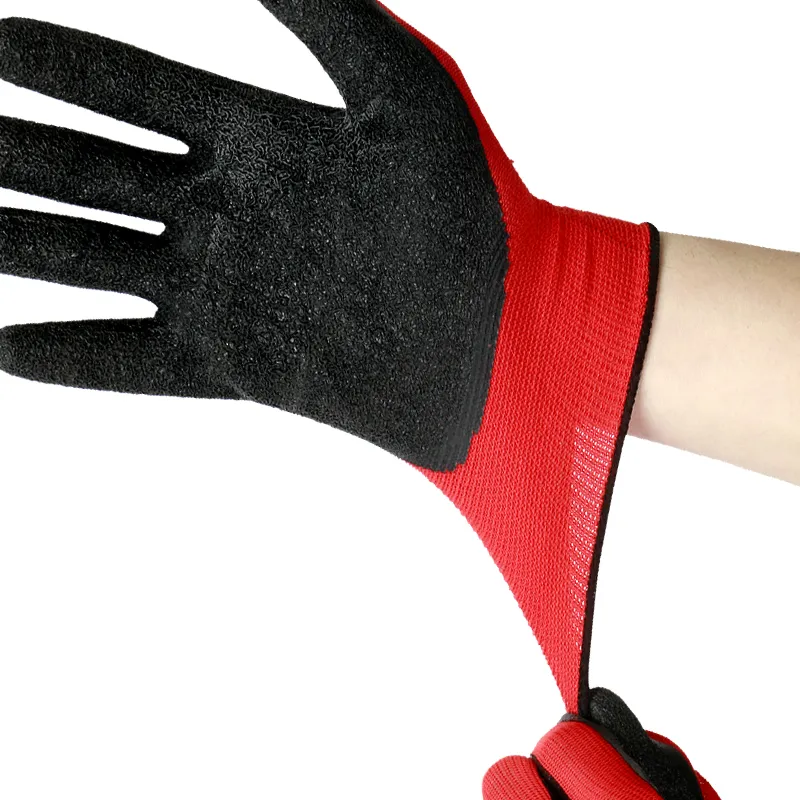
- Ergonomic Fit and Reduced Hand Fatigue: The seamless knit liners combined with the inherent elasticity of latex provide a snug, anatomical fit that reduces material bunching and hand strain, a common issue with ill-fitting or rigid gloves.
- Limited Chemical Splash Protection: While not full chemical protection gloves, the latex coating offers a barrier against incidental contact with dilute acids, bases, and common industrial solvents, which is superior to permeable fabric or leather gloves.
Product Comparison Table:
To further illustrate the advantages, consider a comparison against other common industrial glove types:
| Feature | Latex Breathable Safety Gloves (This Product) | Leather Work Gloves | Standard Nitrile Coated Gloves |
|---|---|---|---|
| Primary Material | Natural Latex, Synthetic Liner | Cowhide, Goatskin, etc. | Nitrile, Synthetic Liner |
| Grip (Wet/Oily) | Excellent (Crinkle/Sandy finish) | Poor to Fair (can become slick) | Good (especially sandy/foam nitrile) |
| Breathability | High (Engineered liner, porous latex) | Moderate to High (Natural pores) | Moderate (Nitrile can be dense) |
| Abrasion Resistance | Very High (EN 388 Level 4) | Moderate to High (Varies by leather) | High (EN 388 Level 4) |
| Cut Resistance | Moderate (EN 388 Level 1-3, depending on model) | Low to Moderate | Moderate (Can be higher with HPPE liners) |
| Puncture Resistance | Moderate (EN 388 Level 1-2) | Moderate | High (Especially with heavier coatings) |
| Dexterity | Very High (EN 420 Level 5) | Moderate (Can be bulky) | High |
Vendor Comparison and Selection Criteria
Choosing the right supplier for Protective Equipment For Heavy Construction Engineering Latex Breathable Safety Industrial Gloves is as critical as selecting the product itself. B2B buyers must evaluate vendors based on several key criteria to ensure long-term value, reliability, and compliance.
Essential Vendor Evaluation Factors:
- Certifications & Compliance: Verify CE marking (especially for European markets), compliance with EN 388, EN 420, and the manufacturer's ISO 9001 certification for quality management. Absence of these can indicate substandard products or practices.
- Product Range & Specialization: A reputable vendor should offer a comprehensive range of gloves, including specialized options within the latex breathable category (e.g., varying coating types, liner gauges, reinforced features), demonstrating deep product expertise.
- Manufacturing Capabilities: Direct manufacturers often offer better pricing, quality control, and customization options. Understanding their production capacity and lead times is vital for large-scale procurement.
- Technical Support & Expertise: The ability to provide detailed technical data sheets, usage recommendations, and respond to specific application queries indicates a knowledgeable and supportive partner.
- Reputation & References: Seek out vendor testimonials, case studies, and inquire about their experience with major clients or within specific industries. Longevity in the market (e.g., "over 20 years in PPE manufacturing") often signifies reliability.
- Post-Sales Service & Warranty: Clear policies on product defects, returns, and responsive customer service are crucial for ongoing operational efficiency.
Customized Solutions and OEM/ODM Capabilities
For large industrial clients with unique operational requirements, standard off-the-shelf gloves may not always provide optimal performance. This is where customized solutions become invaluable. Reputable manufacturers of Protective Equipment For Heavy Construction Engineering Latex Breathable Safety Industrial Gloves often offer robust OEM (Original Equipment Manufacturer) and ODM (Original Design Manufacturer) services.
Customization Capabilities Include:
- Material Specification Adjustments: Tailoring the blend of liner materials (e.g., adding HPPE for higher cut resistance) or modifying the latex compound for specific chemical resistance or grip properties.
- Coating Configuration: Customizing the dipping pattern (e.g., knuckle coating, full-hand coating) or the surface texture (e.g., a specific sandy finish density) to meet precise application demands.
- Ergonomic & Fit Enhancements: Developing unique sizing matrices or anatomical designs to better suit diverse workforces, reducing fatigue and improving compliance.
- Branding & Packaging: Incorporating client logos, specific color schemes, and tailored packaging for private label programs, enhancing brand identity and operational integration.
- Performance Optimization: Working with clients to achieve specific EN 388 ratings or other performance benchmarks through iterative design and testing.
Engaging a manufacturer with strong R&D capabilities and a flexible production line allows for gloves that are perfectly aligned with a company's safety protocols and operational challenges, ultimately leading to higher worker acceptance and improved safety records.
Application Case Studies & Customer Experience
Real-world application demonstrates the tangible benefits of utilizing high-quality Protective Equipment For Heavy Construction Engineering Latex Breathable Safety Industrial Gloves.
Case Study 1: Large-Scale Infrastructure Project
A major European civil engineering firm, engaged in a multi-year bridge construction project, faced challenges with hand injuries, particularly abrasions and punctures, and significant worker discomfort due to sweating in their previous standard-issue gloves. Following a comprehensive PPE review, they transitioned their workforce to specialized latex breathable safety industrial gloves. Over an 18-month period, the firm reported a 45% reduction in hand-related minor injuries. Feedback from workers consistently highlighted the superior grip in both wet and dry conditions, and significantly improved breathability, leading to higher rates of glove usage throughout shifts and increased overall productivity due to reduced discomfort and fewer unplanned glove changes.
Case Study 2: Material Handling in a Prefabrication Plant
A leading prefabrication concrete plant, where workers constantly handle rough, abrasive concrete components and steel rebar, implemented these advanced latex gloves. Previously, rapid glove wear-out and repetitive strain injuries from poor grip were common. After deploying the highly durable and ergonomic breathable latex gloves, the plant observed a 30% extension in glove service life, reducing procurement costs. Furthermore, ergonomic assessments indicated a 20% decrease in reported hand fatigue, contributing to a more engaged and efficient workforce. The superior tactile sensitivity of the gloves also allowed for more precise component alignment, reducing errors.
Trustworthiness & Support: FAQ, Lead Time, Warranty
Establishing trust and ensuring ongoing support are crucial for B2B relationships. We are committed to transparency and exceptional service for our protective equipment for heavy construction engineering latex breathable safety industrial gloves.
Frequently Asked Questions (FAQ):
-
Q: Are these gloves suitable for use with oil and grease?
A: The specialized latex coating provides excellent grip in oily and wet conditions. While they offer splash protection, for prolonged submersion or heavy exposure to aggressive oils/solvents, specialized nitrile or PVC gloves may be more appropriate. -
Q: What is the expected service life of these gloves?
A: Service life varies significantly based on application severity, usage frequency, and proper care. Under typical heavy construction use, they are designed for extended durability compared to standard utility gloves, often lasting several weeks to months, depending on specific tasks. -
Q: Can these gloves protect against high heat or open flames?
A: No, these gloves are not designed for high-heat or flame protection. For such applications, specialized heat-resistant or welding gloves are required. -
Q: Are customized sizes available?
A: Yes, for large volume orders, we offer customization options including tailored sizing, specific material blends, and branding. Please contact our sales team to discuss your specific requirements.
Lead Time and Fulfillment:
Our standard lead time for stock items of Protective Equipment For Heavy Construction Engineering Latex Breathable Safety Industrial Gloves is typically 2-4 weeks for orders up to 10,000 pairs, depending on current inventory and order volume. For larger or customized orders, lead times will be provided upon quotation and project scope definition. We maintain robust supply chain logistics to ensure timely delivery and work closely with our clients to meet their operational schedules. Expedited shipping options are available upon request.
Warranty Commitments:
We stand behind the quality of our products. All Protective Equipment For Heavy Construction Engineering Latex Breathable Safety Industrial Gloves are covered by a manufacturing defect warranty for 12 months from the date of purchase. This warranty guarantees products against defects in material and workmanship under normal use and service. It does not cover damage resulting from misuse, abuse, unauthorized modification, or normal wear and tear.
Customer Support and Technical Assistance:
Our dedicated customer support team and technical specialists are available to assist with product selection, technical inquiries, order processing, and after-sales support. We provide comprehensive guidance on glove suitability for specific tasks, proper care and maintenance, and compliance with safety regulations. Contact Us: For immediate assistance, please visit www.personalcarescn.com or reach out to our sales department via the contact details provided on our website.
Conclusion
The selection of appropriate hand protection is a critical decision in heavy construction and engineering. The advanced design and material science embedded in modern protective gloves, particularly Protective Equipment For Heavy Construction Engineering Latex Breathable Safety Industrial Gloves, offer an unparalleled combination of safety, comfort, and durability. By embracing these innovative solutions, businesses can significantly enhance worker safety, reduce operational costs associated with injuries and frequent glove replacement, and improve overall productivity. Investing in superior PPE is not merely a compliance requirement; it is a strategic investment in human capital and operational excellence.
References
- European Committee for Standardization. EN 388: Protective gloves against mechanical risks. (2016).
- Occupational Safety and Health Administration (OSHA). Hand Protection eTool. www.osha.gov/etools/hand-protection
- International Organization for Standardization. ISO 9001: Quality management systems – Requirements. (2015).
- ASTM International. Standard Guide for Hand Protection. (Various standards related to glove testing).
- National Institute for Occupational Safety and Health (NIOSH). Hand Injury Prevention. www.cdc.gov/niosh/topics/handinjuries/default.html