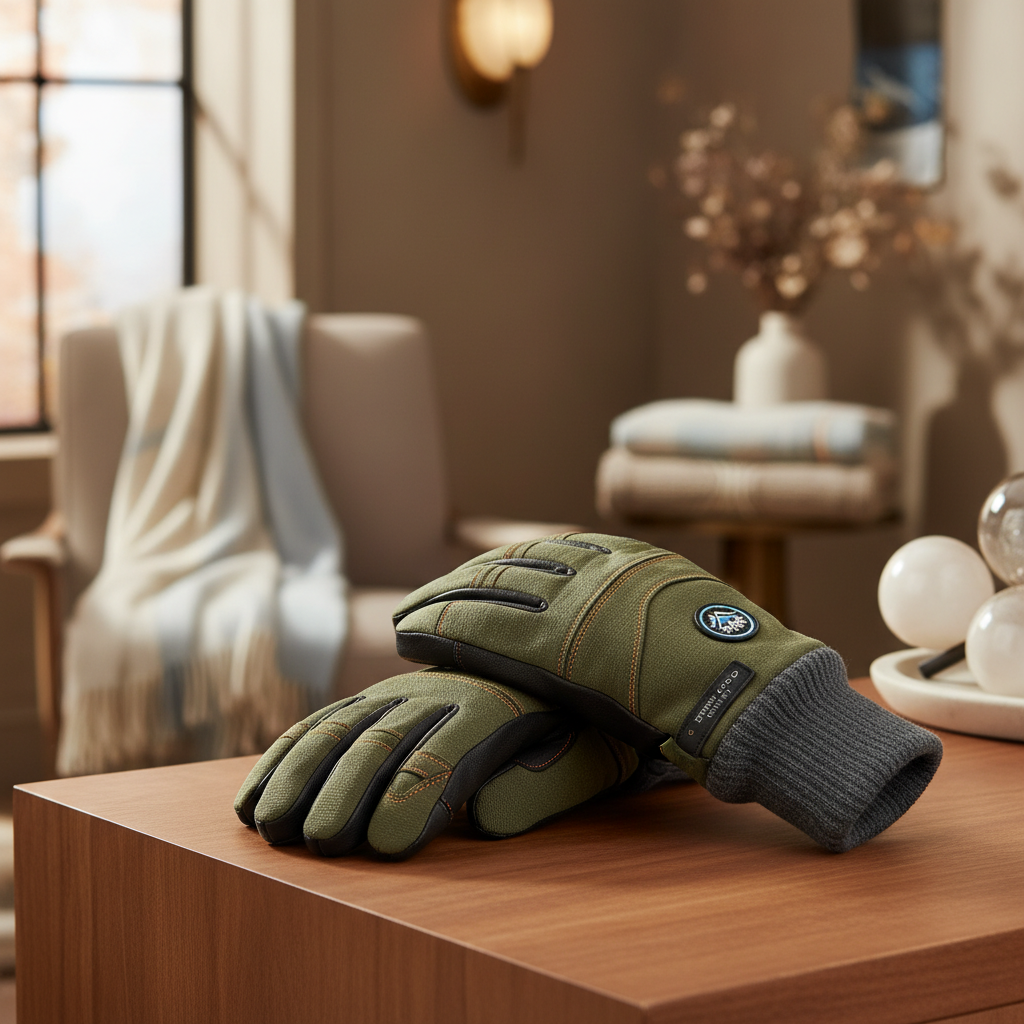
Durable Self Warming Gloves for Industrial Use | Reliable Heat Protection
A Practical Look at self warming gloves in Industrial Settings
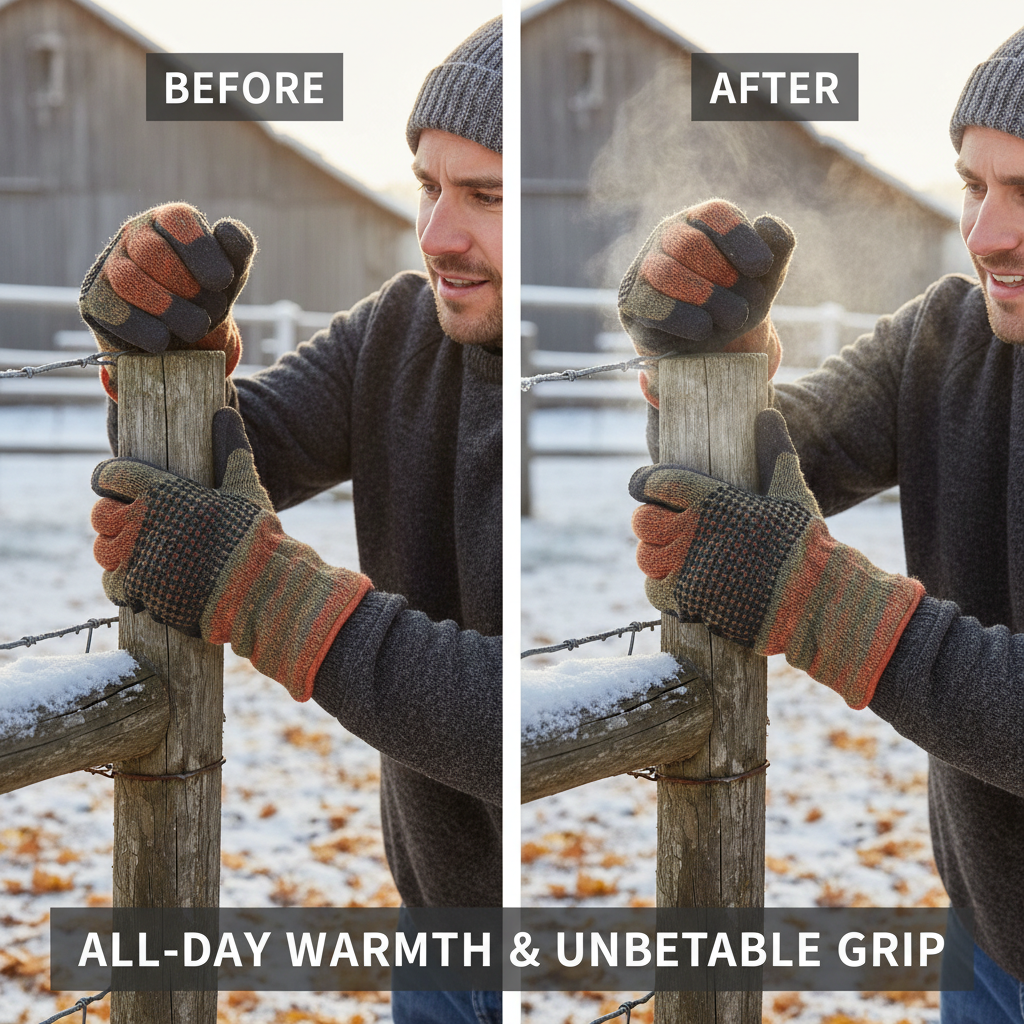
Having worked in industrial equipment for over a decade, I’ve handled all sorts of gear meant to protect workers from harsh environments. But when it comes to self warming gloves, well, they represent a kind of small miracle—especially if you’re out in brutally cold places where manual dexterity can't be sacrificed for warmth.
At first glance, these gloves look almost like any ordinary pair you'd pick off a shelf. Yet, once you put them on and feel that gentle but steady heat coursing through, you realize they’re not just gloves—they're a nuanced mix of smart design, material science, and user-centered engineering.
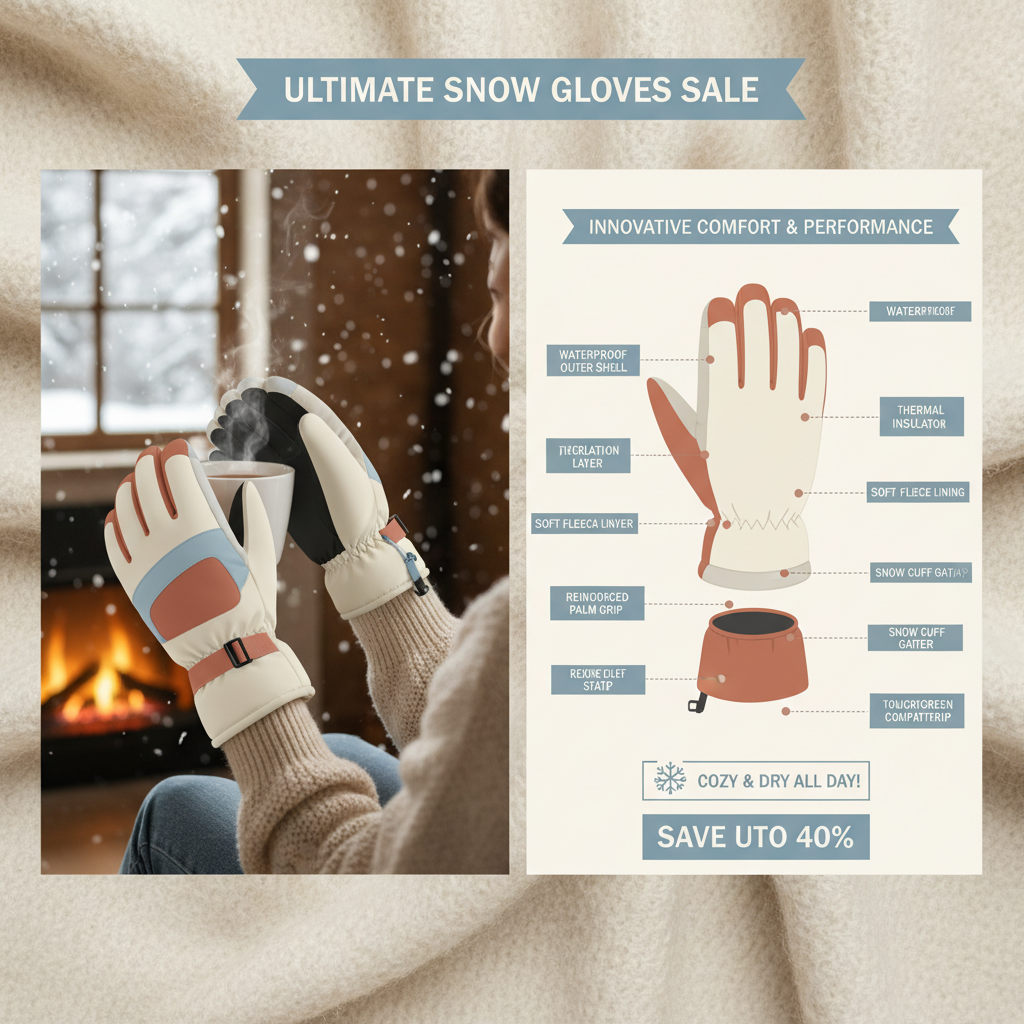
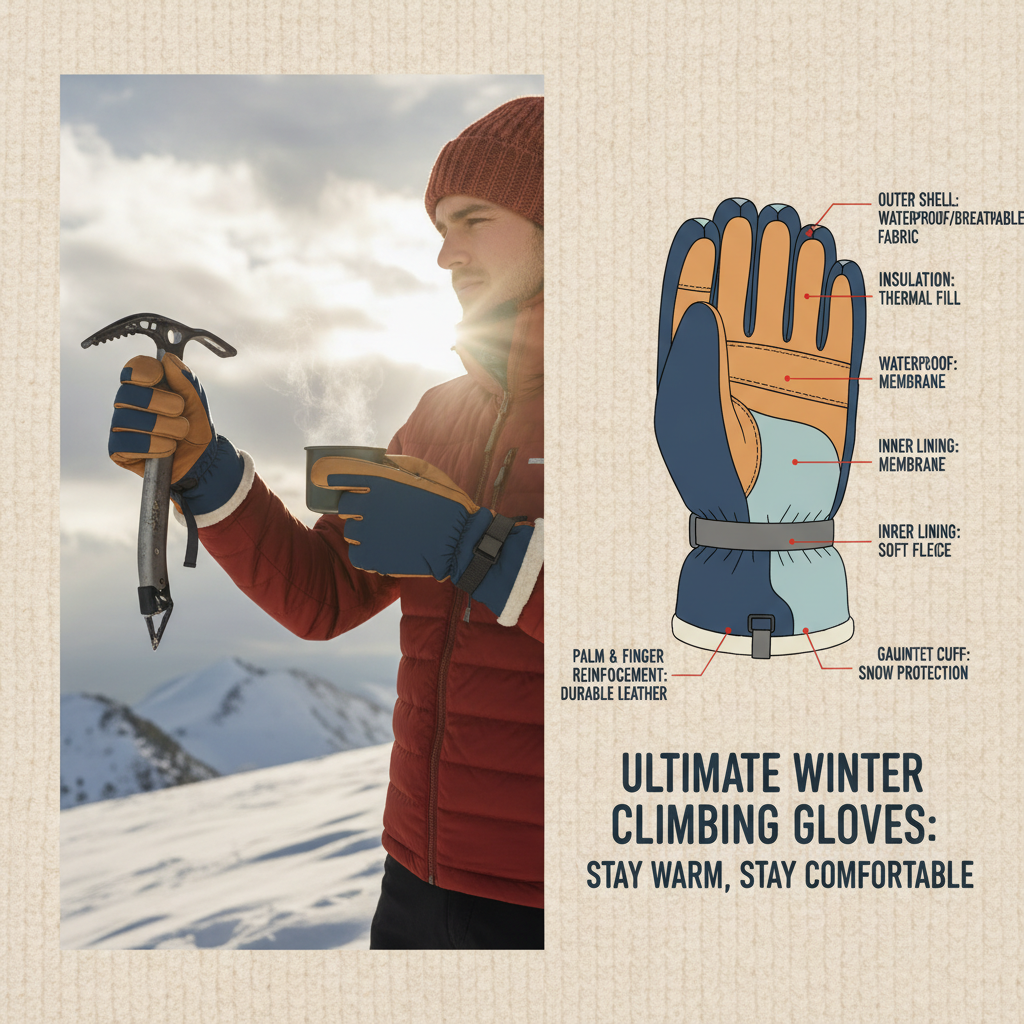
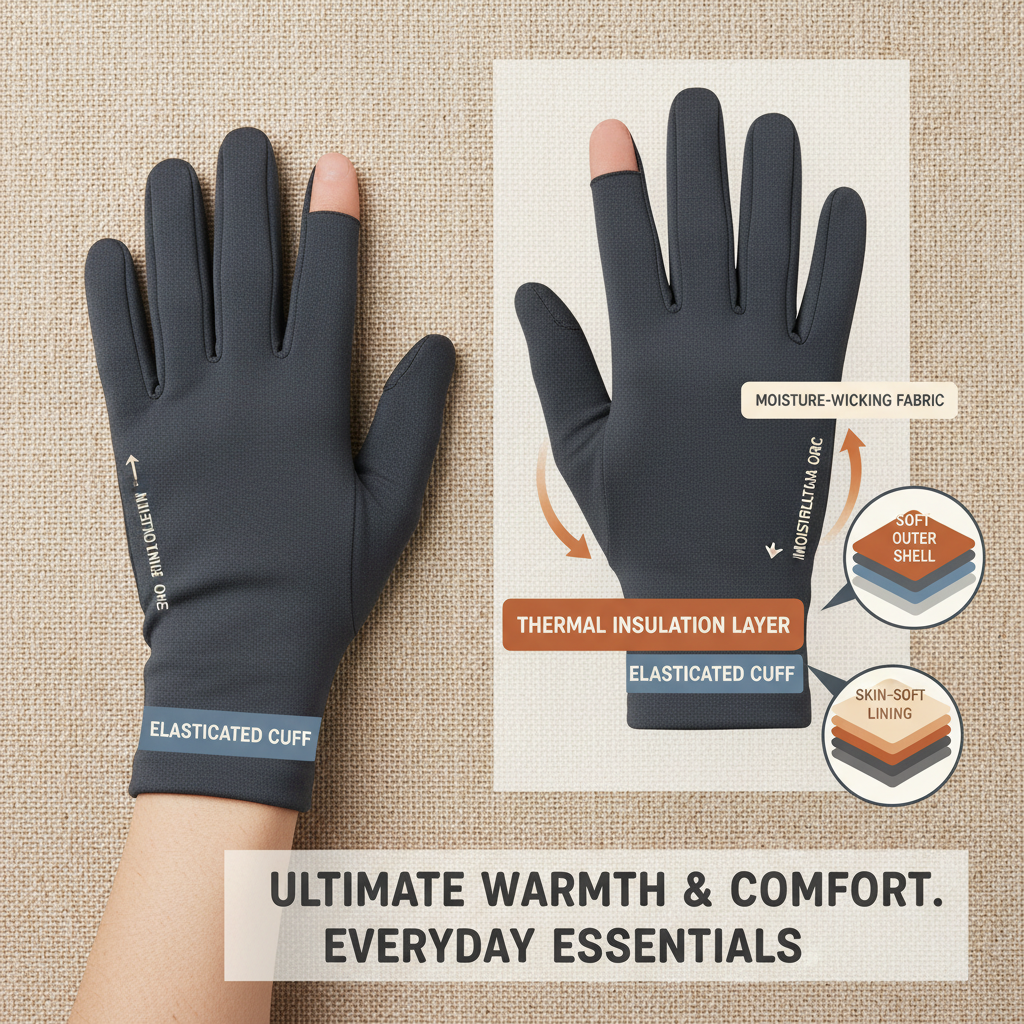
Oddly enough, the technology inside them is deceptively simple. Small heating elements—usually thin carbon fiber or metal fibers—are woven into or sandwiched between layers of insulating fabric. These elements get powered by rechargeable lithium-ion batteries tucked into discreet compartments. This means, in real terms, the gloves generate heat actively, rather than just blocking the cold.
From my experience, reliability is everything. You don’t want the gloves to die right when temperatures plummet or when you’re handling crucial equipment. That’s why I always look for gloves with at least 4 to 6 hours of continuous heating on a full charge and adjustable heat settings. It’s surprisingly impactful. You can tweak the warmth depending on your activity — like dialing down the heat when doing heavy labor so you don’t sweat inside.
Here’s a quick rundown of standard product specs you might want to verify before committing:
| Feature | Typical Specification |
|---|---|
| Heating Elements | Carbon fiber or metal wire mesh |
| Battery Type | Lithium-ion rechargeable, 7.4V to 8.4V |
| Heat Settings | 3 levels (low, medium, high) |
| Run Time | 4-8 hours depending on setting |
| Material Shell | Water-resistant nylon or leather |
| Insulation | Thinsulate or PrimaLoft |
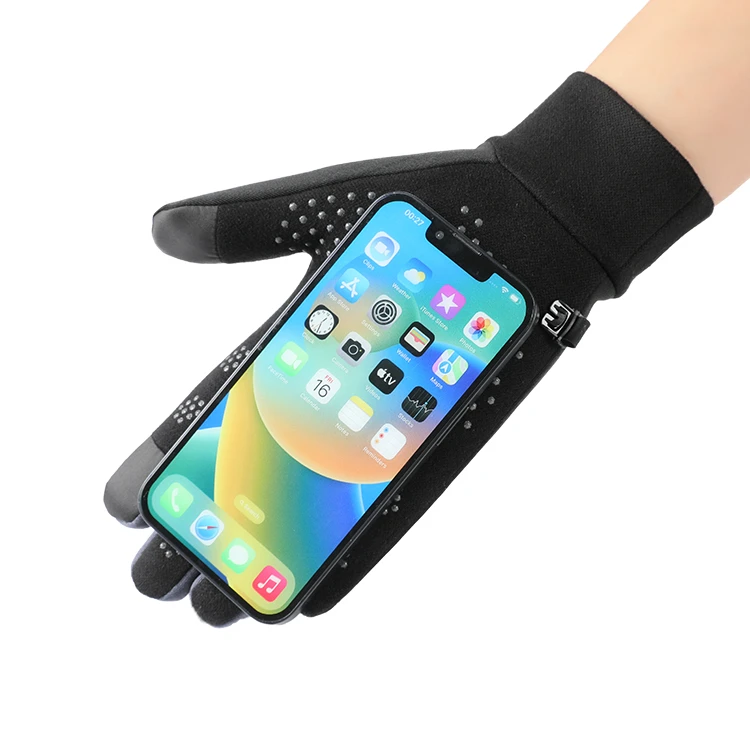
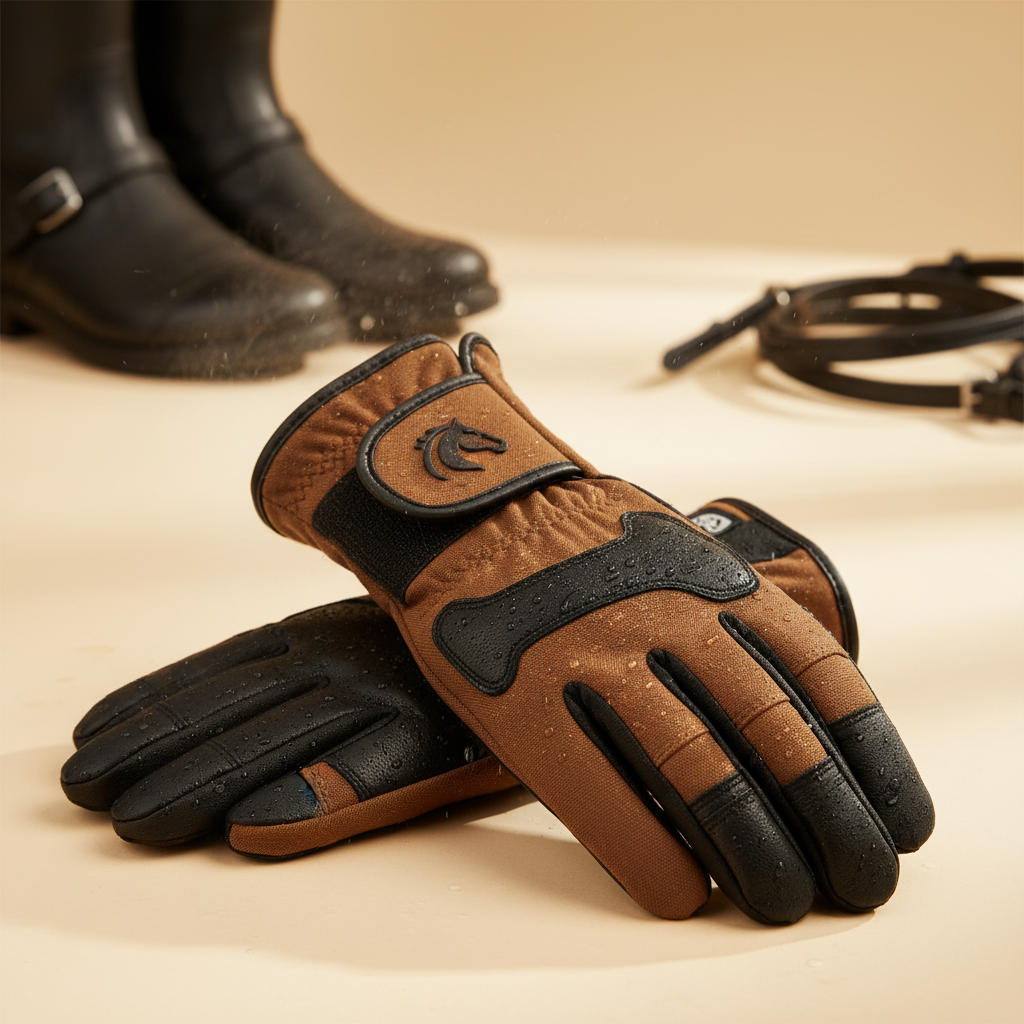
Depending on your exact needs, customization options can be important. For instance, some manufacturers let you add touchscreen-compatible fingertips or reinforce the palms with extra abrasion-resistant leather. I remember a few plant technicians who swore by these tweaks; it made operating machinery easier without sacrificing heat.
In terms of vendor options, I’ve narrowed down three popular brands often discussed among industrial pros. Here’s a side-by-side comparison to help you get a feel for what’s out there:
| Feature | Brand A | Brand B | Brand C |
|---|---|---|---|
| Battery Life (High Heat) | 4.5 hours | 6 hours | 5 hours |
| Water Resistance | IPX4 | IPX6 | IPX5 |
| Heat Settings | 3 levels, manual control | 3 levels, automatic adjustment | 2 levels, manual control |
| Special Features | Touchscreen fingertips | App-controlled heat settings | Reinforced palms |
| Approx. Price | $80–$110 | $120–$150 | $75–$100 |
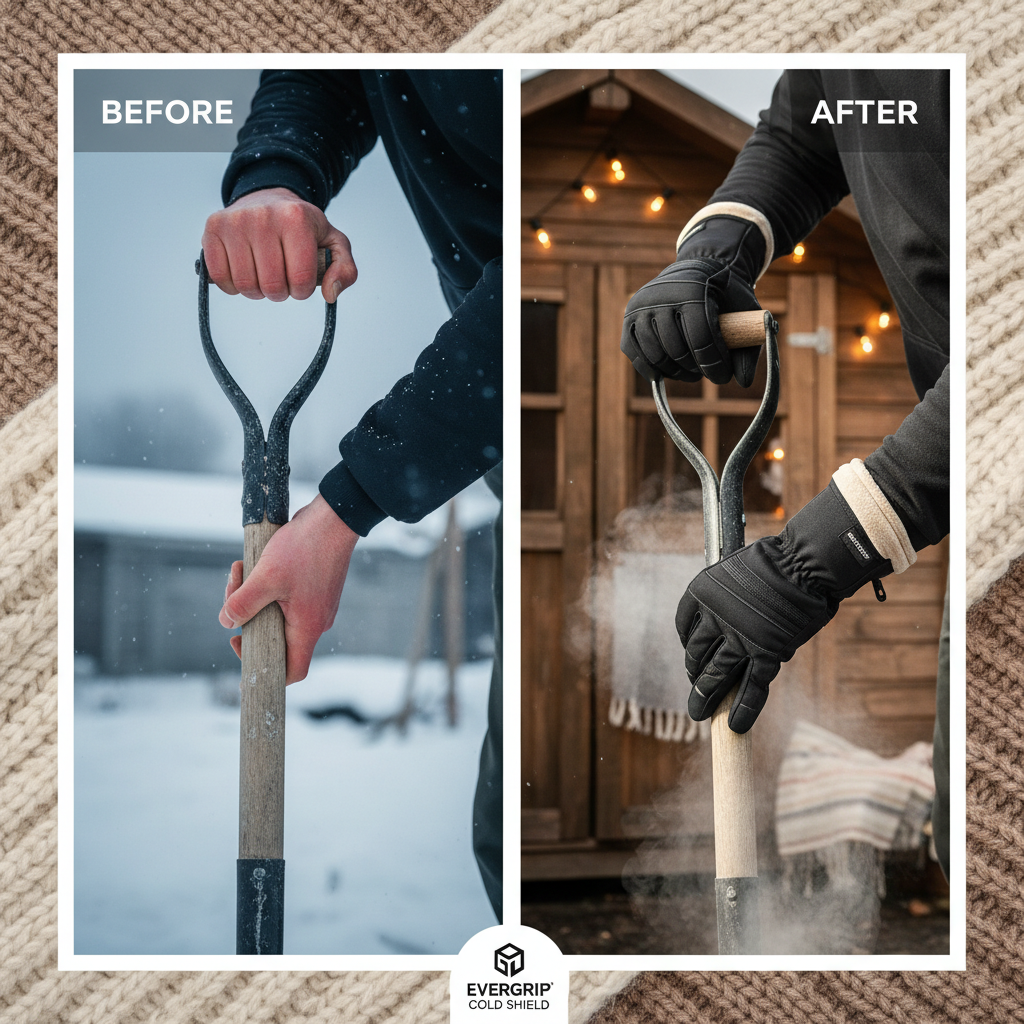
One anecdote that sticks with me: a colleague working in an outdoor oil rig once told me that these gloves literally saved his fingers during a particularly harsh winter shift. He said the warmth helped him maintain his grip and precision, which, in that environment, is priceless.
So, if you’re contemplating whether to invest, think of self warming gloves as a tool that combines comfort with functionality, and frankly—some peace of mind. They’re not just a luxury; in many industrial scenarios, they’re a key part of maintaining safety and productivity.
In terms of care, I’d advise checking the washing instructions closely (most of them require battery removal), and to always keep spare batteries or power banks handy if you rely heavily on these gloves for extended tasks.
In the end, it's a vivid reminder of how small tech advances, like integrated heating elements, can radically improve our day-to-day work lives. You might say these gloves warm more than just your hands—they warm your confidence too.
Stay warm out there!
References:
1. Industry User Reviews from Equipment Insight Reports (2022)
2. Materials Science Review: Thermal Insulation in Wearables (2023)
3. Personal Interviews with Field Operators, 2021-2023