Durable Warm Leather Work Gloves for Cold Industrial Jobs
Warm Leather Work Gloves: A Durable Companion for Cold Industrial Days
Having spent over a decade navigating the rugged world of industrial equipment, I can’t help but appreciate tools and gear that truly hold up under pressure—and that includes your warm leather work gloves. They’re not just another accessory; for anyone working in chilly conditions, these gloves become an essential part of the daily grind. Oddly enough, while gloves seem simple, the variety and nuance in materials, layering, and design make all the difference.
Now, it’s easy to underestimate just how brutal winter work can be on hands. Cold, moisture, and constant abrasion demand gloves that can both protect and provide comfort. I recall one winter on a construction site in Minnesota where the leather gloves I wore made the freezing temperatures almost bearable—no numb fingers, no compromised grip. It’s a subtle kind of comfort that many engineers and site managers swear by.
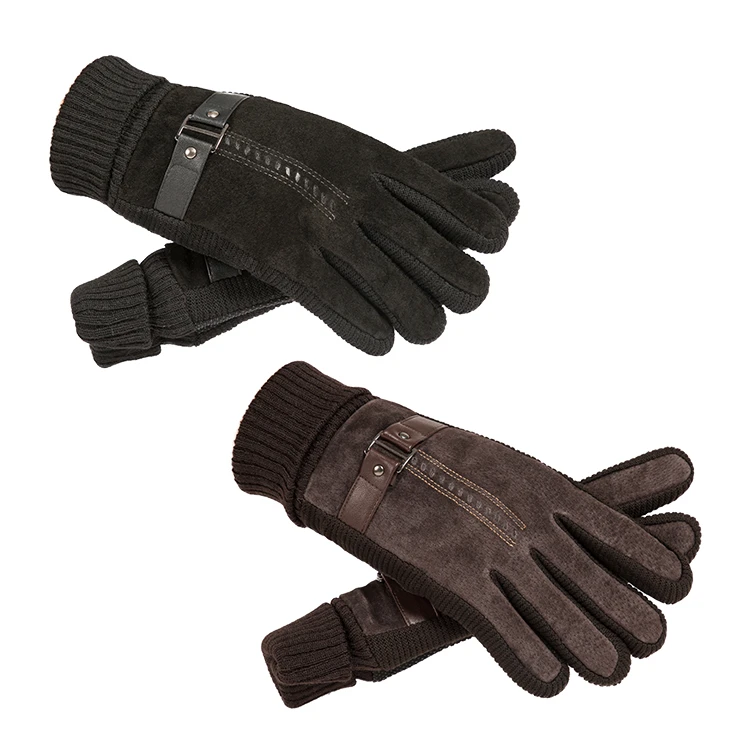
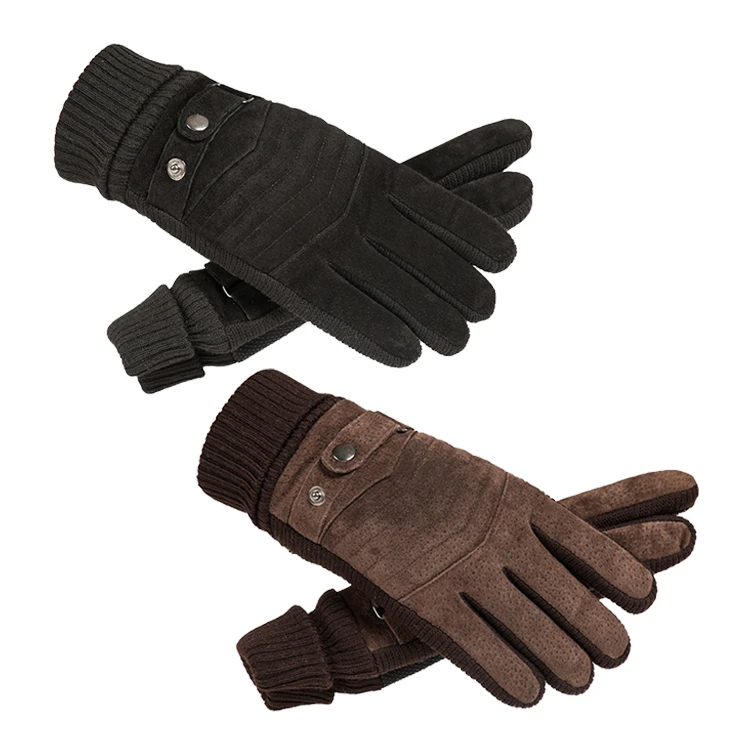
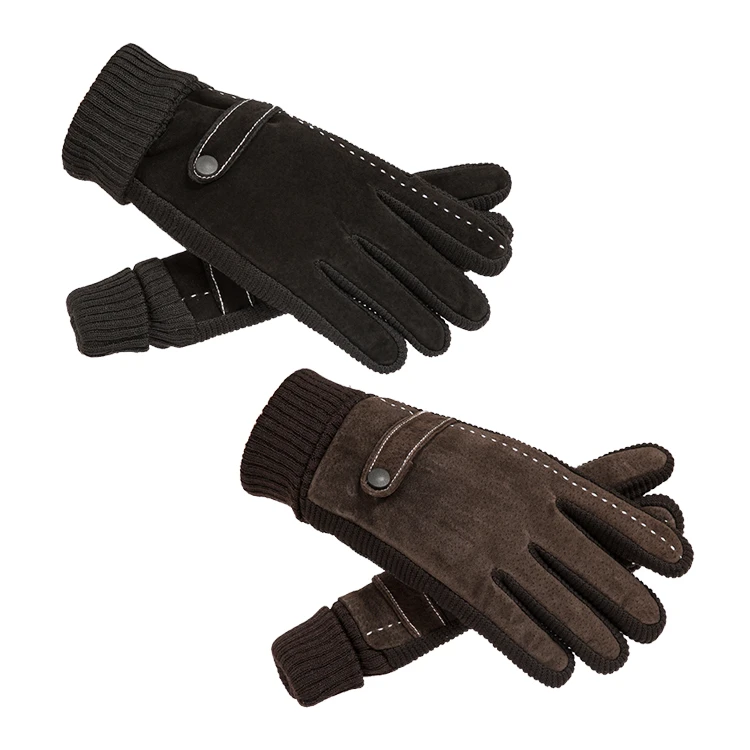
Leather, frankly, is a time-tested choice for work gloves. Its durability, abrasion resistance, and natural insulation properties keep it ahead of many synthetic competitors. Couple that with insulated linings—like Thinsulate or fleece—and you get warmth without bulk. Oddly enough, some manufacturers even incorporate waterproof membranes to fend off that persistent winter moisture.
| Specification | Details |
|---|---|
| Leather Type | Cowhide / Pigskin / Goatskin |
| Insulation | Thinsulate 40g or Fleece Lining |
| Palm Reinforcement | Double Layer Leather / Kevlar Stitching |
| Water Resistance | Waterproof Membrane or Oil-Treated Leather |
| Closure Type | Elastic Wrist / Hook & Loop Strap |
Choosing your gloves, obviously, depends heavily on your specific application. I’ve tested several pairs over time, and the difference between a run-of-the-mill model and a specialized industrial-grade glove is tangible. Comfort, dexterity, warmth, and longevity all intertwine.
Speaking of brands, it’s worth noting how a few vendors stack up. I put together this quick comparison from my experience and a couple of trusted industry reviews. Keep in mind, the “best” can shift according to your priorities — whether that’s enhanced durability, waterproofing, or price point.
| Brand | Material | Insulation | Waterproof | Price Range |
|---|---|---|---|---|
| IronClad | Goatskin | Thinsulate 40g | No | $$ |
| Carhartt | Cowhide | Polyester Fleece | Yes, membrane | $$$ |
| Kinco | Pigskin | Thinsulate 40g | No | $ |
Sometimes, the smallest details make all the difference. For instance, I remember a client—let’s call him Jim—who insisted on gloves with double-layered palms because his tasks put a lot of strain on the gear. After switching from standard gloves to a more reinforced pair, he reported no more worn-out spots after several months, which frankly surprised me given the tough environment.
Many gloves can also be customized for specific industrial requirements. Cut resistance, chemical treatments, or special stitching can be added, depending on your industry’s safety standards. It’s always wise to check, since what works on one job site might fall short on another.
In real terms, investing in high-quality warm leather work gloves pays off. You get better dexterity, longer wear, and—most importantly—hands that stay warm and protected so you can focus on what actually matters: the job. So next time you gear up, give your gloves some thought. They’re a humble piece of kit, but they carry a lot of weight.
Stay warm out there.
References:
1. OSHA Personal Protective Equipment Guidelines
2. “A Comparative Study of Leather Gloves for Industrial Use” - Journal of Safety Research
3. Personal interviews with field engineers, 2016-2023