Essential Guide to Leather Winter Work Gloves: Protection & Comfort in Cold Weather
Understanding Leather Winter Work Gloves: Essential Gear for Cold-Weather Safety
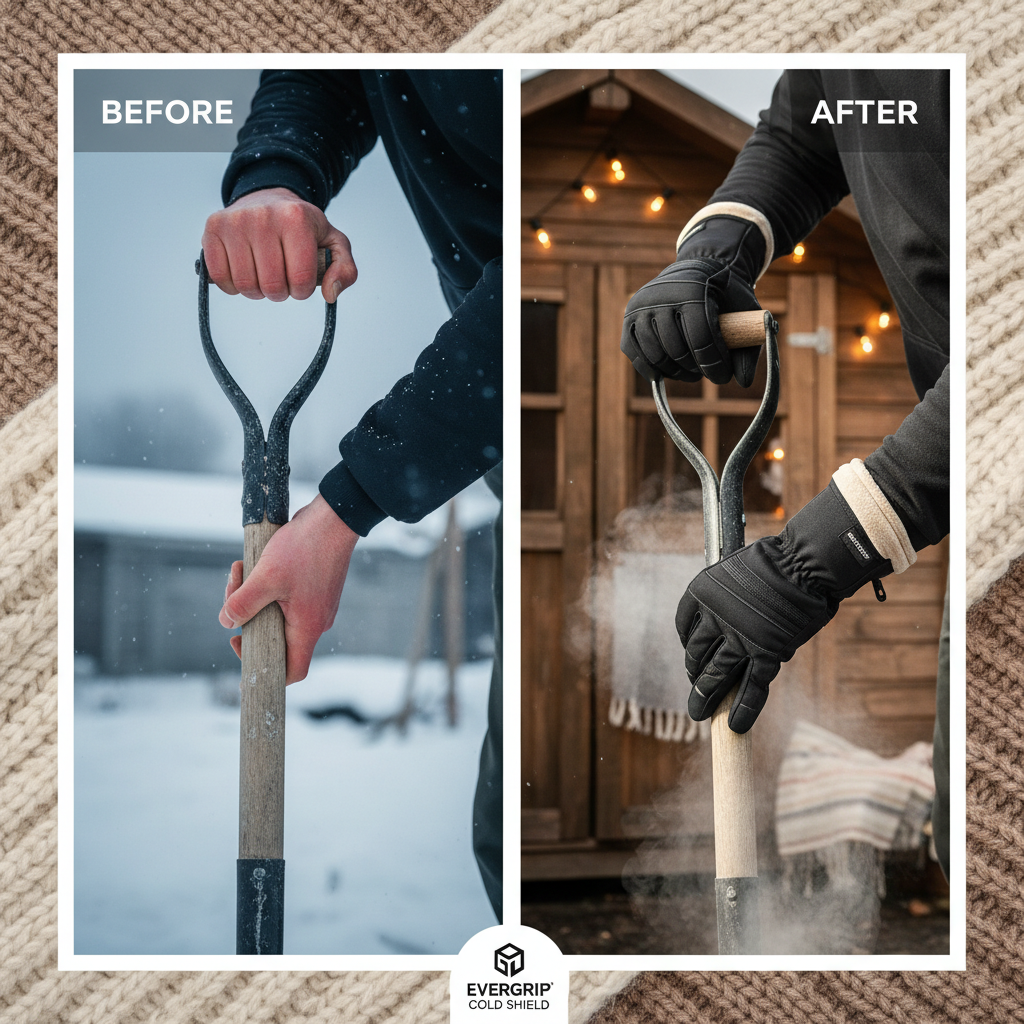
Leather winter work gloves might sound like just another pair of gloves, but in reality, they’re a little more special — crucial for millions who work outdoors in tough conditions worldwide. These gloves aren’t just about warmth; they provide protection, durability, and comfort during cold months when tasks become that much harder. Understanding their design and benefits isn’t just useful for workers but for businesses and industries aiming to keep safety and productivity top-notch.
Introduction: Why Leather Winter Work Gloves Matter Globally
Globally, roughly 15% of workers are engaged in outdoor or minimally sheltered jobs, many in cold climates or seasons. According to the International Labour Organization (ILO), colder conditions increase risk factors for accidents and illnesses, making protective gear like leather winter work gloves essential. Especially in regions like northern Europe, Russia, Canada, and parts of the US, cold-weather work gloves address a serious challenge: how to combine manual dexterity with insulation and protection.
Industries such as construction, utilities, forestry, and humanitarian relief often face this challenge head-on. Gloves that fail on the job can mean frostbite or lost work hours, costing companies and impacting livelihoods. So, having reliable leather winter work gloves isn’t a luxury—it’s practically a necessity.
What Are Leather Winter Work Gloves?
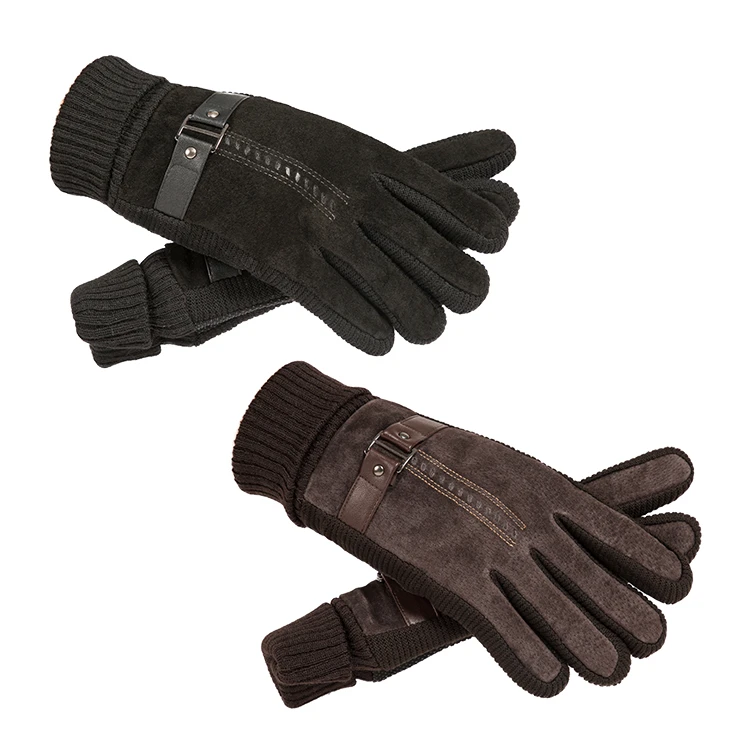
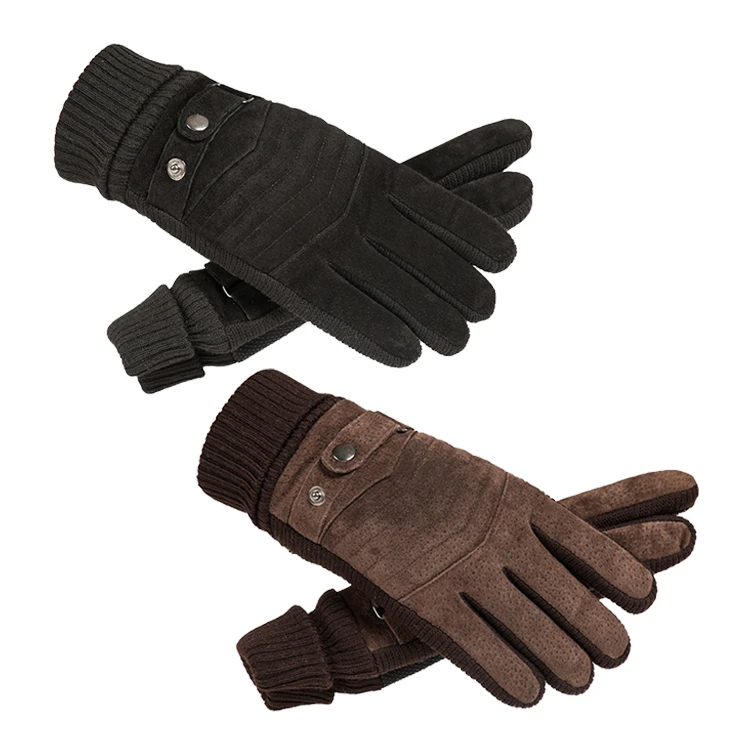
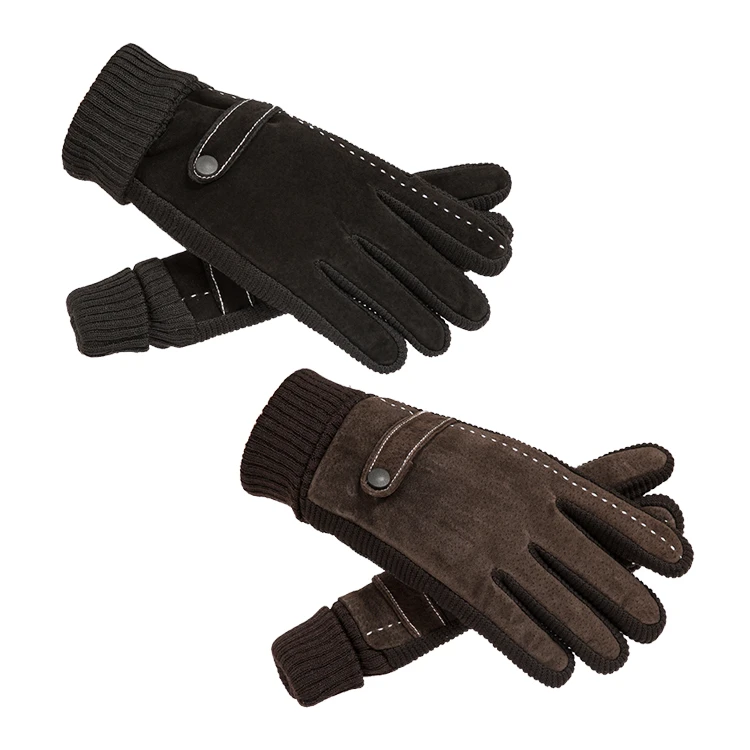
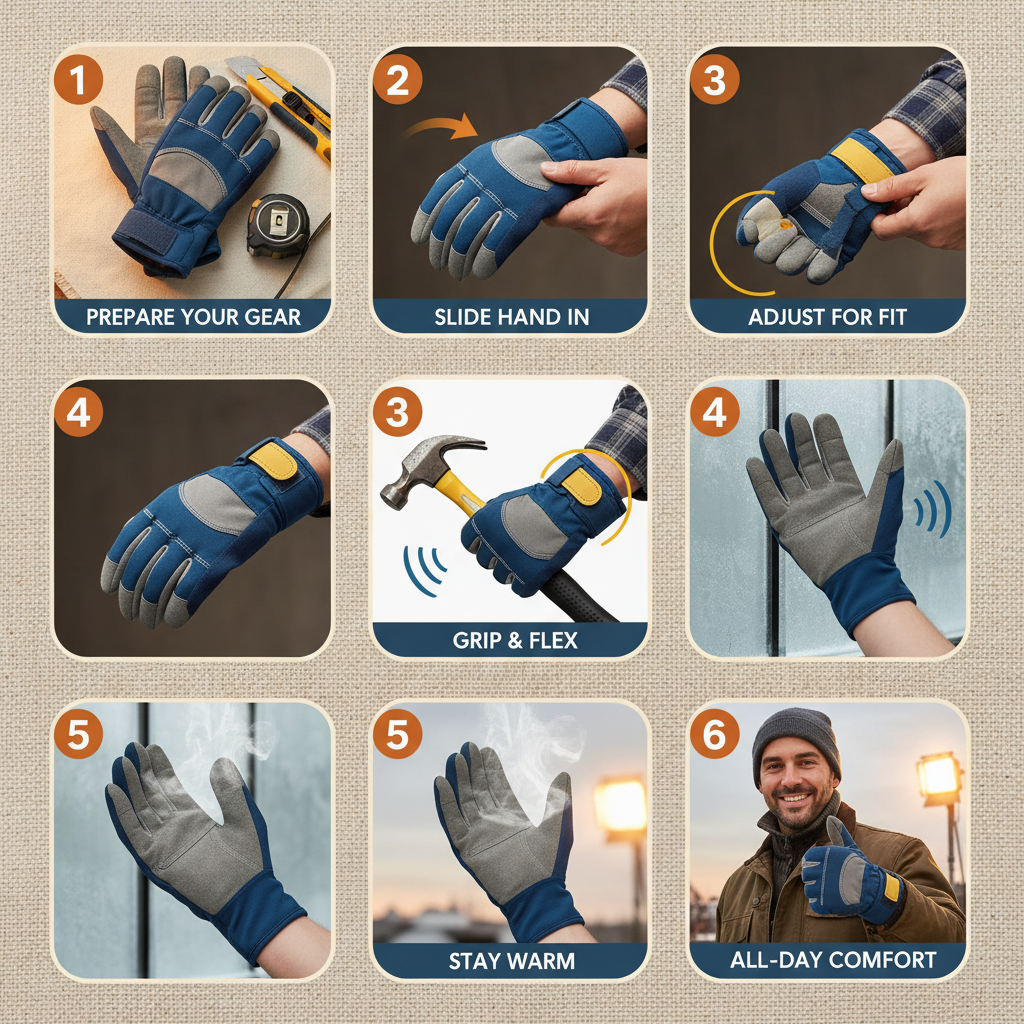
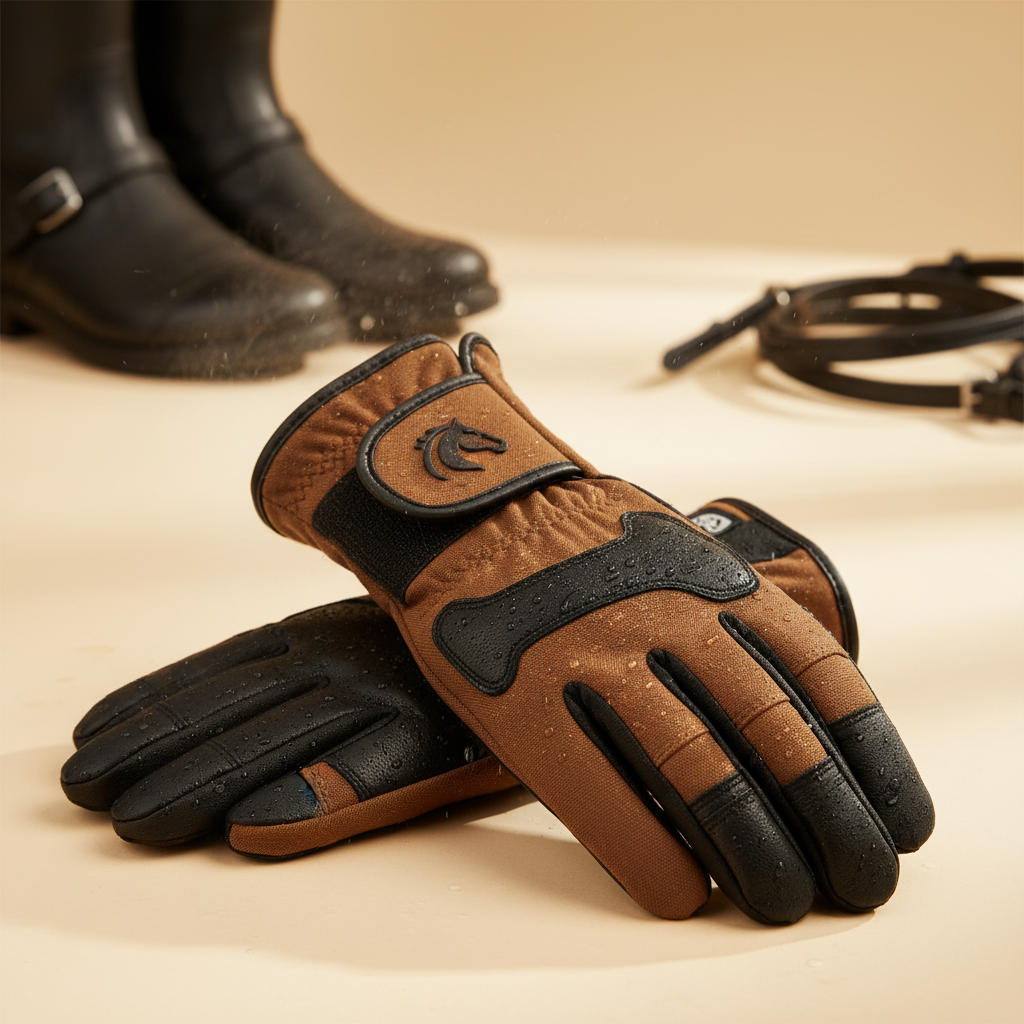
Put simply, leather winter work gloves are specially designed gloves usually made from animal hide — cowhide or deerskin, typically — that include an insulated lining to keep hands warm while allowing the wearer to grasp tools and perform manual tasks. The leather offers both cut resistance and abrasion durability, while the winter lining (like Thinsulate or fleece) traps heat.
In industries and humanitarian efforts, these gloves strike a balance: safeguarding hands against harsh environments without feeling bulky or restrictive.
Key Factors Behind Leather Winter Work Gloves
1. Durability
Leather is inherently tough. Unlike synthetic fabrics, it resists tears, abrasions, and punctures much better. This makes it ideal for heavy-duty outdoor work where tools, rough surfaces, or even animal handling are involved. Plus, it tends to age well — with proper care, a good pair can last a whole season or more.
2. Insulation
Winter gloves need excellent insulation, but that’s trickier than it sounds. You want warmth without sacrificing flexibility. Materials like Thinsulate or insulated fleece linings are common, providing heat retention while maintaining slimness. Oddly enough, sometimes the lining matters more than the leather outer for temperature control.
3. Comfort & Fit
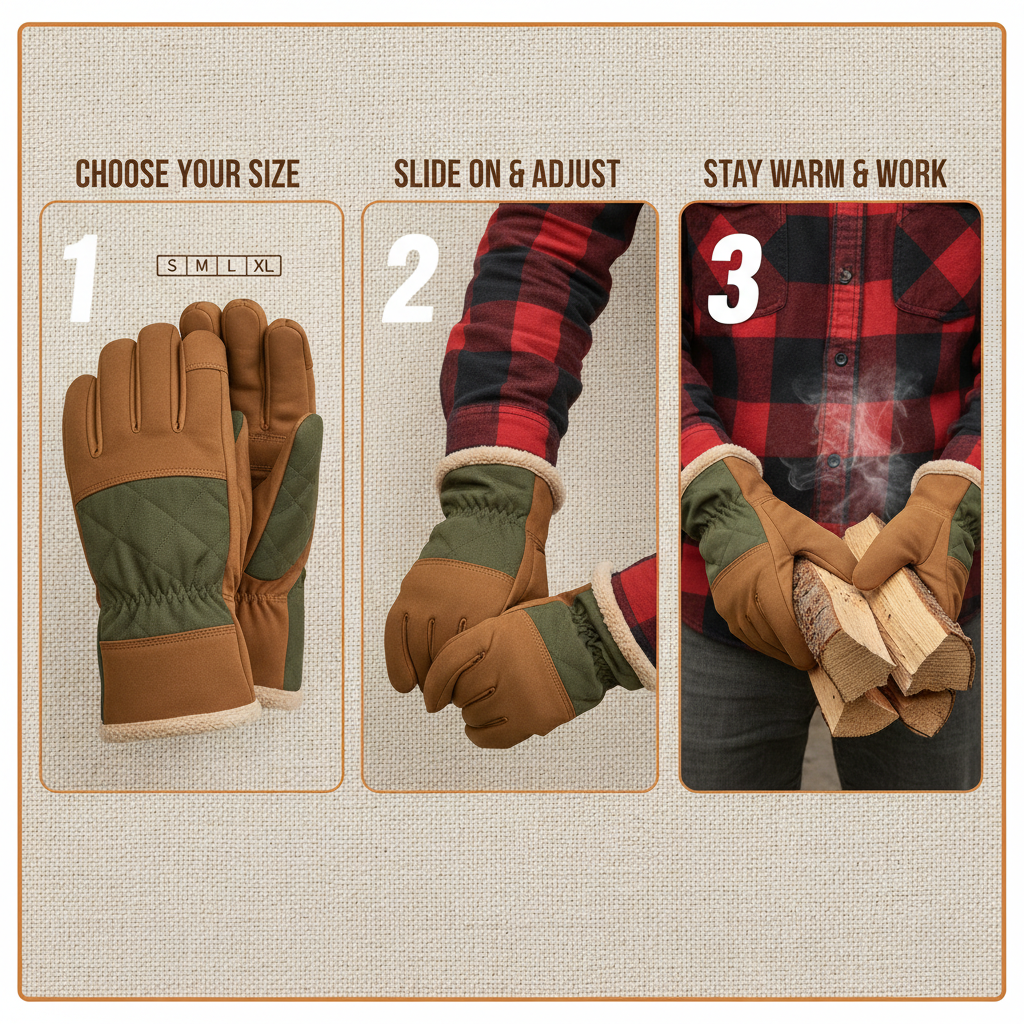
If gloves are uncomfortable or too bulky, workers won’t want to wear them, reducing safety. Leather naturally molds to the wearer’s hand over time, improving fit. Ergonomic design, with pre-curved fingers and reinforced palms, also helps reduce fatigue.
4. Water Resistance & Breathability
Good leather winter work gloves often have treatments or membranes to shed water while allowing sweat vapor to escape to prevent clamminess. This is crucial to avoid cold-induced moisture build-up, which can ironically chill even more.
5. Cost Efficiency
While high-quality leather gloves aren’t the cheapest, their longevity and protection often justify the investment. Cheaper synthetic gloves might need replacement frequently, costing more over time.
Product Specifications Comparison
| Specification | Brand A Model X | Brand B Model Y | Brand C Model Z |
|---|---|---|---|
| Leather Type | Cowhide | Deerskin | Goatskin |
| Insulation | Thinsulate 40g | Wool blend fleece | Thinsulate 60g |
| Water Resistant | Yes (treated) | No | Yes (membrane) |
| Touchscreen Compatible | No | No | Partial |
| Price (USD) | $45 | $55 | $60 |
Mini Takeaway: Choosing leather winter work gloves involves balancing insulation, durability, and price — no one-size-fits-all, but you often get what you pay for.
Global Applications & Real-World Use Cases
From construction workers laying pipelines in Siberia’s frigid tundra to relief organizations distributing gear in northern refugee camps, leather winter work gloves appear everywhere. Forestry workers in Scandinavia rely heavily on them for both grip and protection against needles and splinters, while utility crews in harsher climates trust them for electrical insulation paired with warmth.
For example, after the 2010 Haiti earthquake, NGOs distributed insulated leather gloves to workers clearing debris. In the Canadian oil sands, operators often choose leather gloves for on-site hand protection paired with insulating liners, given the extreme ambient temperatures.
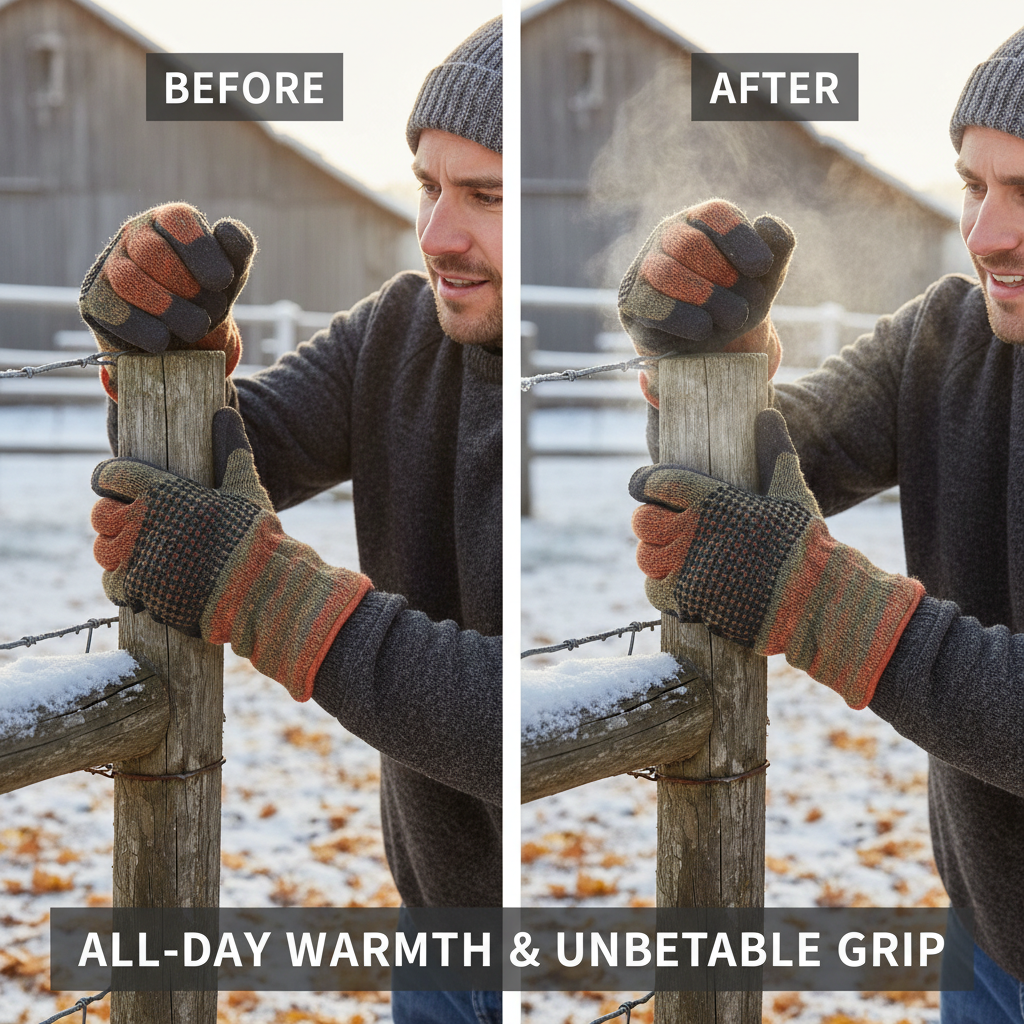
In colder agricultural zones, farmers prefer gloves that allow them to handle tools without frostbite — a real risk when working early mornings before dawn.
Advantages & Long-Term Value of Leather Winter Work Gloves
- Cost Efficiency: Despite a higher initial price, the longevity and multipurpose use cut replacement costs.
- Sustainability: Leather is biodegradable compared to many synthetic alternatives — an edge for environmentally conscious consumers.
- Safety & Dignity: More than warmth, these gloves protect workers’ hands, helping them feel secure and respected.
- Reliability: Proven tough across decades and across industries.
Vendor Comparison: Key Features at a Glance
| Feature | Vendor 1 | Vendor 2 | Vendor 3 |
|---|---|---|---|
| Custom Sizing | Yes | No | Yes |
| Bulk Order Discounts | Available | Limited | Available |
| Eco-Friendly Materials | Yes (vegetable tanned) | No | Partial |
| Lead Time | 2 weeks | 1 week | 3 weeks |
Emerging Trends & What’s Next for Leather Winter Work Gloves
The future is interesting here. Innovations like integrating touchscreen-compatible fingertips on leather gloves are growing as digital tools become more common outdoors. Some manufacturers experiment with sustainable tanning techniques reducing environmental impact, while others test lightweight composites under leather for added temperature regulation.
Automation and digital measuring tools also improve custom fitting, ensuring comfort and safety improve hand-in-hand. At the same time, sustainable sourcing and recycling programs for leather products are gaining momentum, an odd but welcome intersection of tradition and modern green needs.
Challenges & How Experts Recommend Overcoming Them
One major challenge with leather winter work gloves is water absorption, which can lead to chilling. Treatments that water-repell leather but don’t hurt breathability are key. Sometimes, adding removable waterproof shells over leather gloves is a practical workaround.
Another hurdle is cost for smaller users or NGOs. Bulk ordering and vendor relationships often bring down prices, or a blend of synthetic leather and real leather can offer a middle ground. You’ll often hear “fit and dexterity” concerns — pre-shaping gloves and offering varied sizing helps a lot.
FAQ: Frequently Asked Questions About Leather Winter Work Gloves
- Q: How do leather winter work gloves compare to synthetic alternatives in extreme cold?
A: Leather offers superior abrasion resistance and natural insulation qualities, while some synthetics excel in moisture-wicking. For extreme cold, leather with quality insulation often provides better overall protection when cared for properly. - Q: Can these gloves be used in wet environments?
A: Generally, untreated leather absorbs water, which reduces insulation. Many modern gloves have water-resistant treatments, but pairing with waterproof shells or choosing models with integrated membranes improves usability in wet conditions. - Q: Are leather winter work gloves suitable for electrical work?
A: Some leather gloves offer limited electrical protection but typically must be paired with rubber insulating gloves for safety compliance. Always check certification for electrical hazard protection. - Q: How long do quality leather winter gloves last?
A: With good care, these gloves can last several seasons. Conditioners and proper drying extend their life significantly, making them a cost-efficient choice over disposable alternatives. - Q: Where can I find custom-sized leather winter work gloves?
A: Many vendors now offer custom sizing, especially for bulk or corporate orders. Check suppliers’ websites or contact sales teams for personalized fittings.
Conclusion
Leather winter work gloves combine the best qualities for cold-weather manual work: durability, warmth, comfort, and safety. Whether you’re outfitting a remote workforce or simply looking to upgrade personal gear, understanding these gloves’ nuances pays dividends in performance and protection. For those interested in quality options, check out leather winter work gloves to explore selections tailored to your needs.
Investing in good gloves isn’t just about hands — it’s about enhancing safety, dignity, and productivity in real-world cold conditions. And frankly, your hands will thank you later.
Mini Takeaway: The right pair of leather winter work gloves is more than another tool—it’s a trusted teammate you rely on through cold days and tough jobs.