Essential Guide to Selecting High Quality Winter Gloves for Optimal Protection
Choosing the Right Protection: High Quality Winter Gloves
As the temperature drops, protecting your hands becomes crucial. High quality winter gloves aren’t just about comfort; they’re about maintaining dexterity, preventing injury, and ensuring productivity. Whether you’re navigating icy conditions, working outdoors, or simply braving the cold commute, the right gloves can make all the difference. This article will guide you through the essential considerations when selecting winter gloves, focusing on features, materials, and applications. We'll explore how to find the perfect pair to keep your hands warm, dry, and safe throughout the winter months.
Understanding the Importance of High Quality Winter Gloves
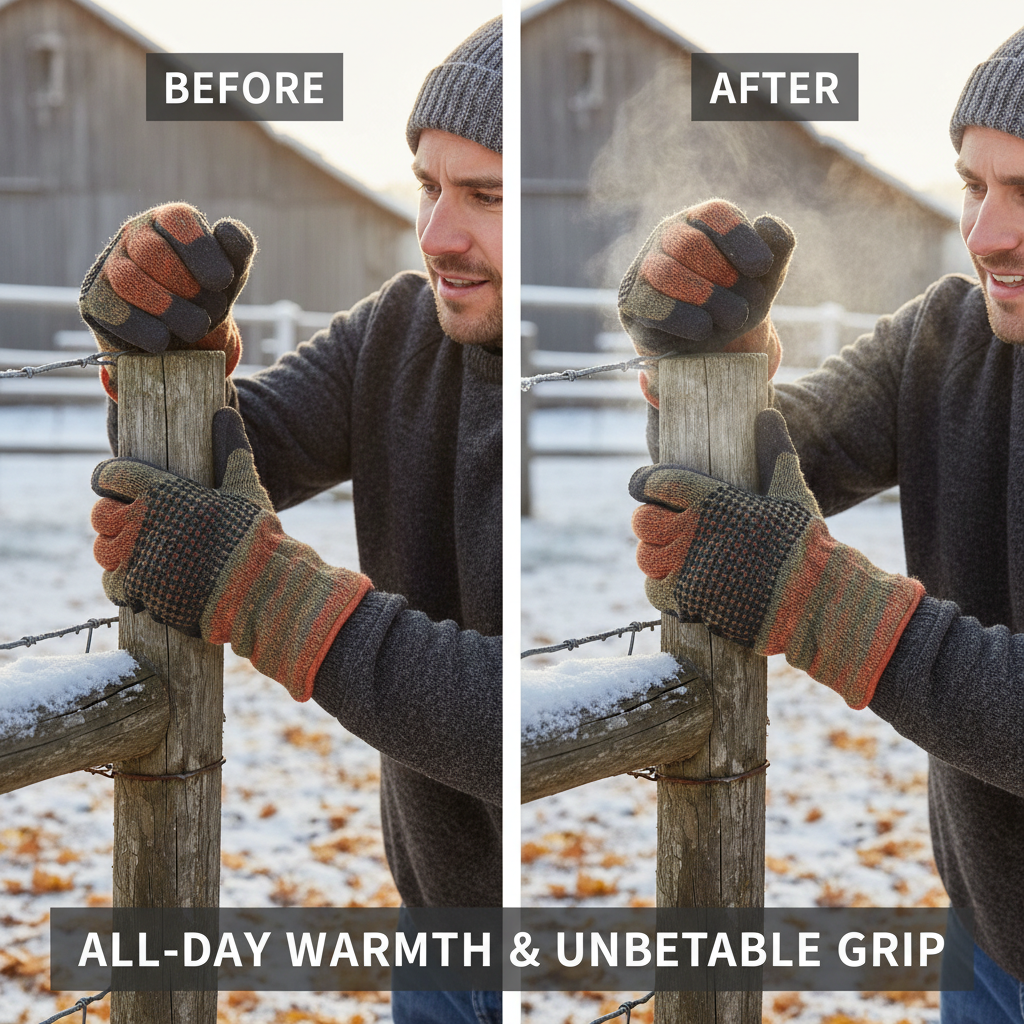
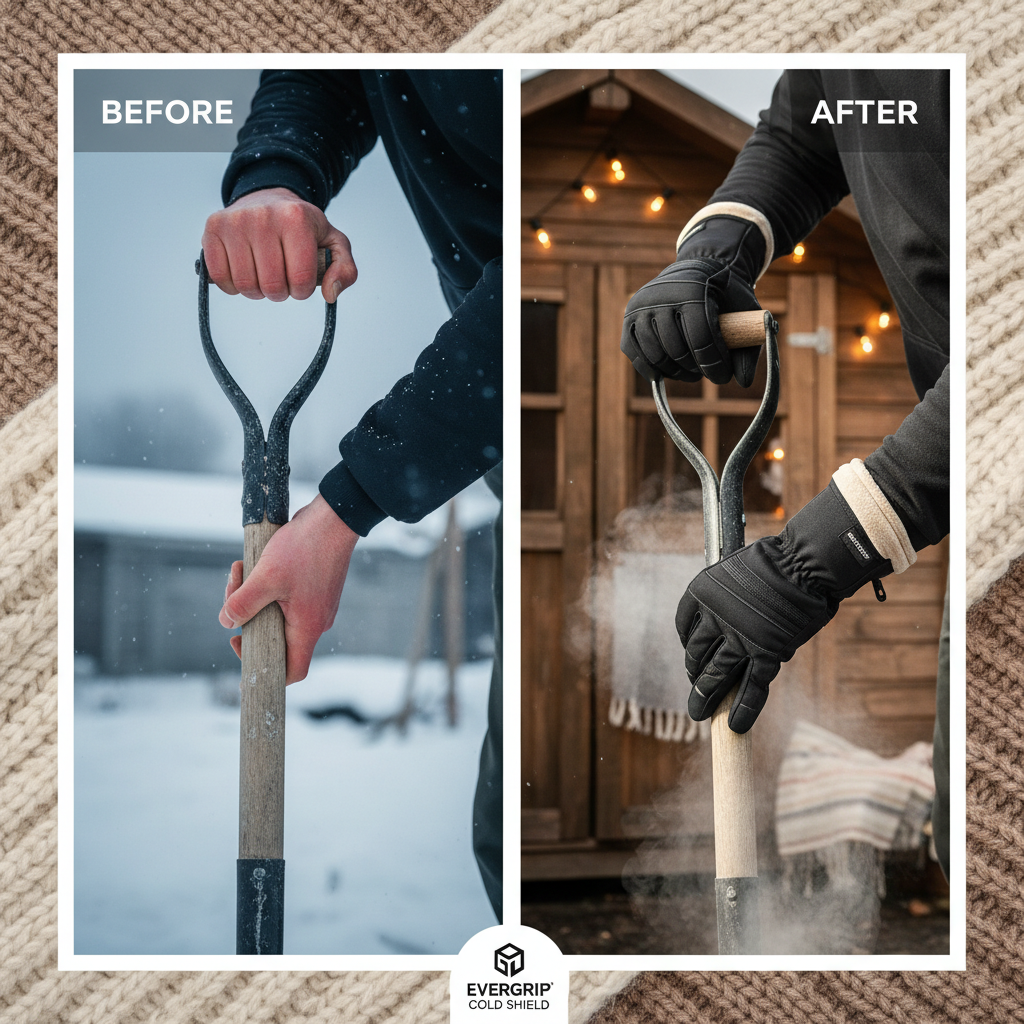
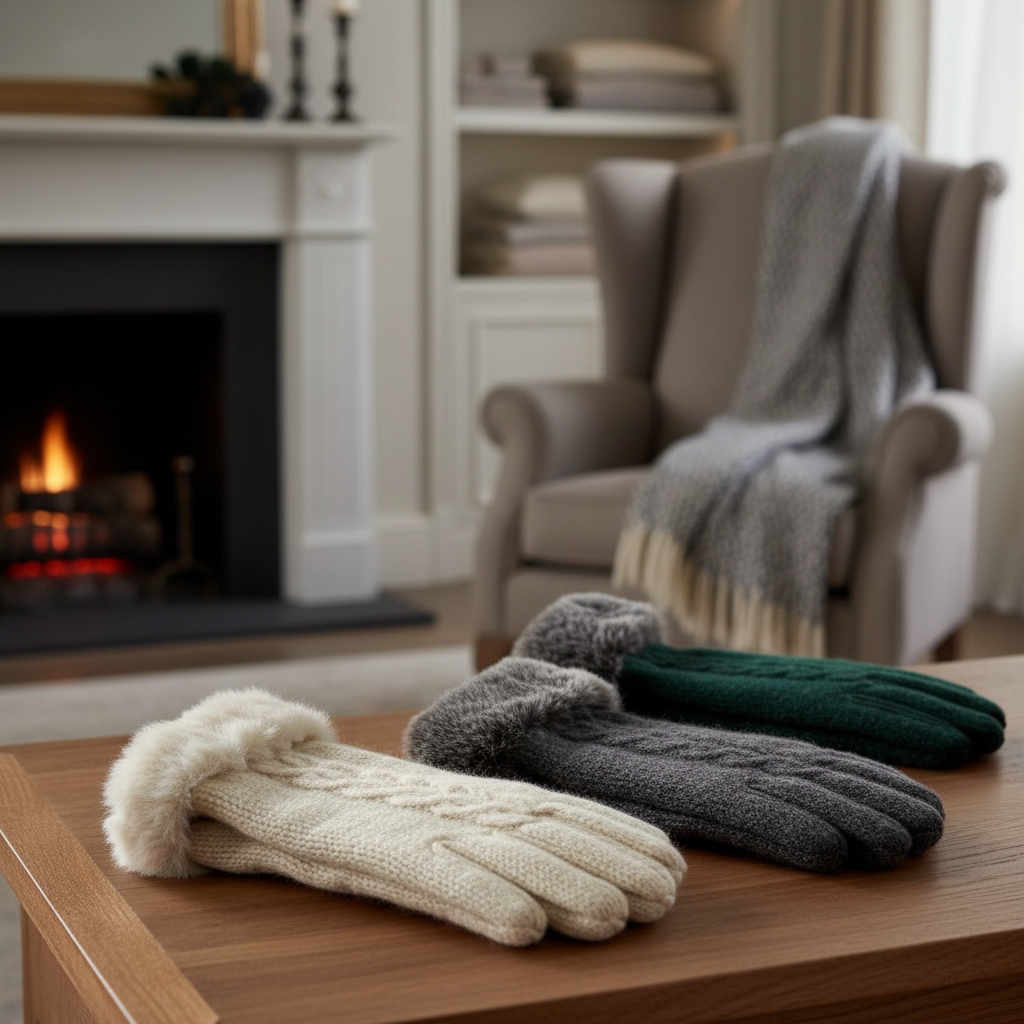
Investing in high quality winter gloves provides numerous benefits. Beyond warmth, superior gloves offer enhanced durability, grip, and protection against the elements. Inferior gloves often lack sufficient insulation, leading to discomfort and reduced dexterity. They can also be prone to tearing or losing their waterproof qualities quickly. Consider the tasks you’ll be performing – a gardener will need different gloves than someone working in a freezer. Choosing the right gloves enhances safety, comfort, and overall productivity. The materials used play a huge role in these attributes, something we’ll delve into shortly.
Key Highlights: Superior gloves offer enhanced durability, grip, and protection against the elements. Properly chosen gloves minimize risk and maximize productivity.
Materials Matter: A Breakdown of Glove Construction
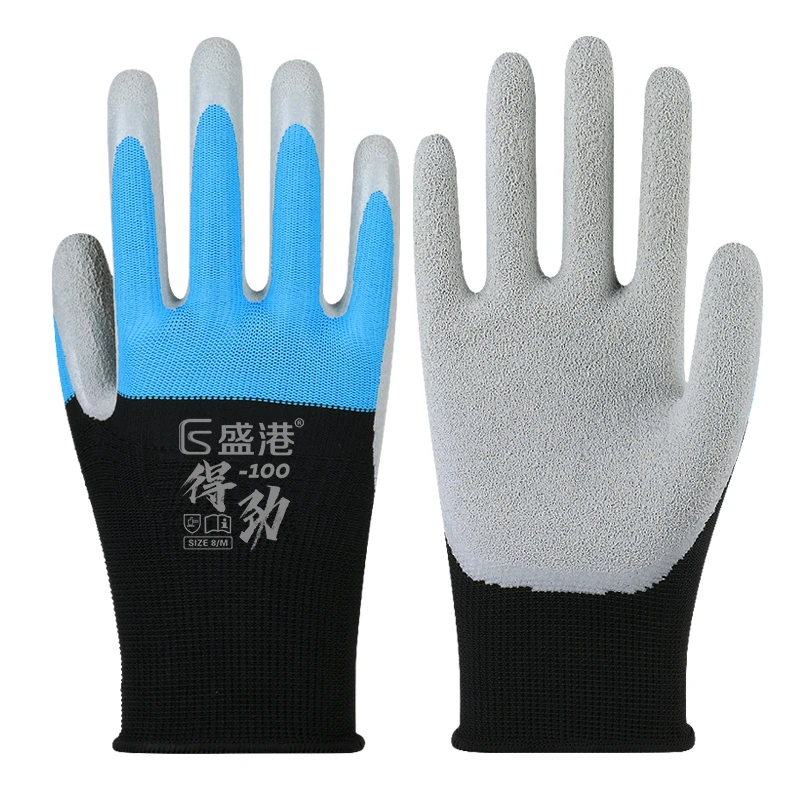
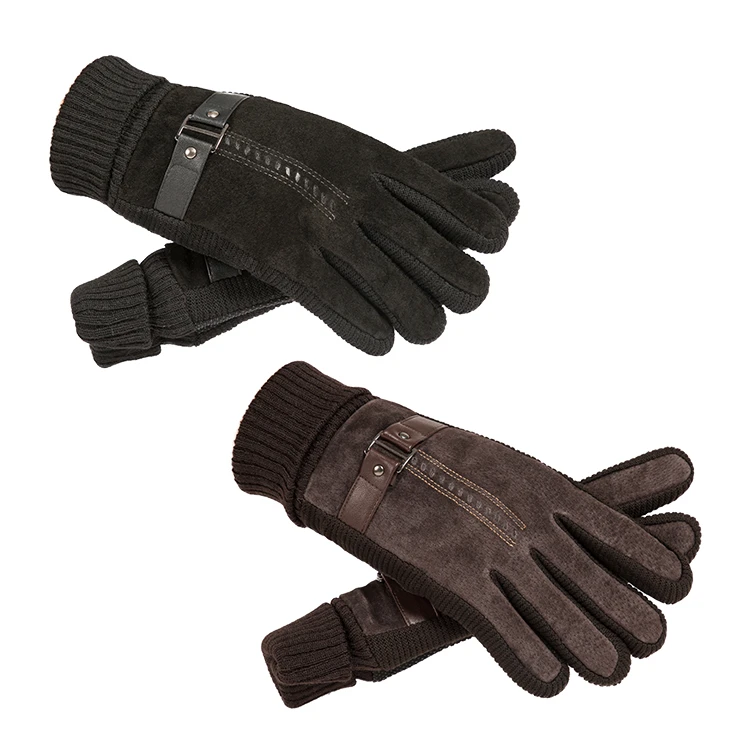
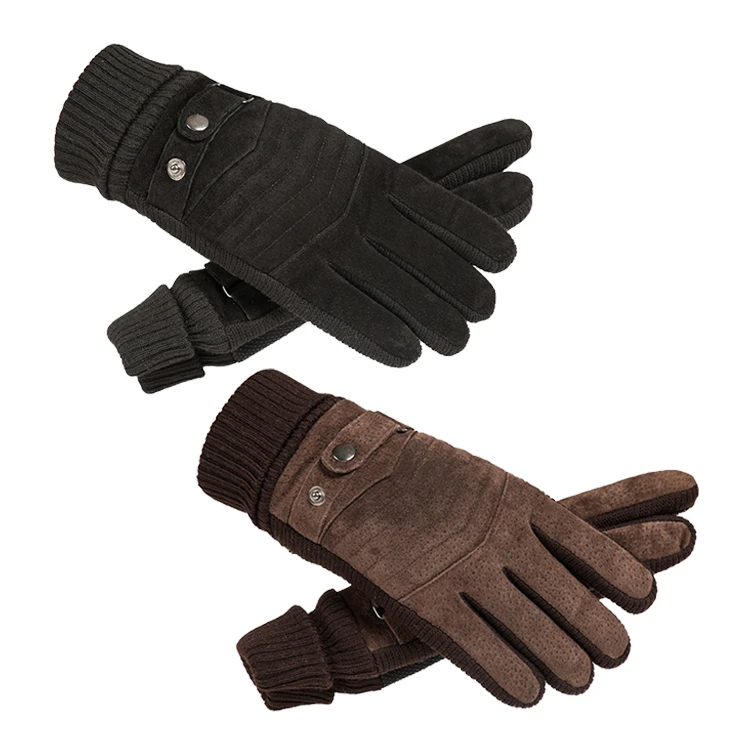
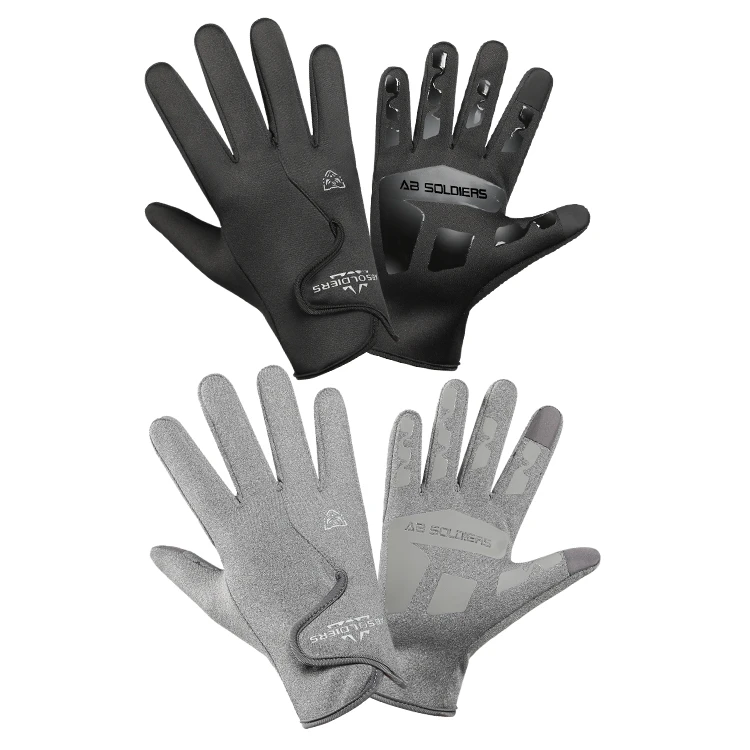
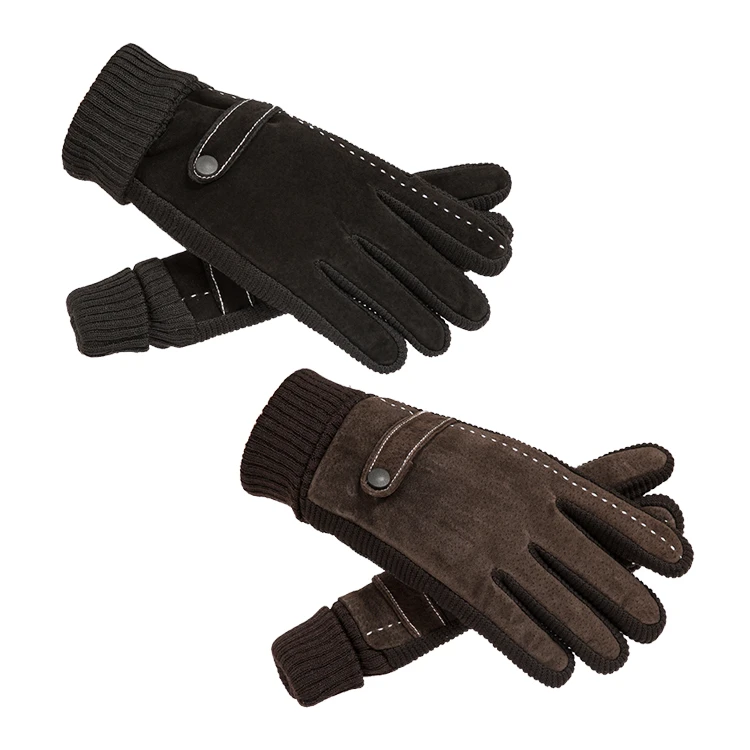
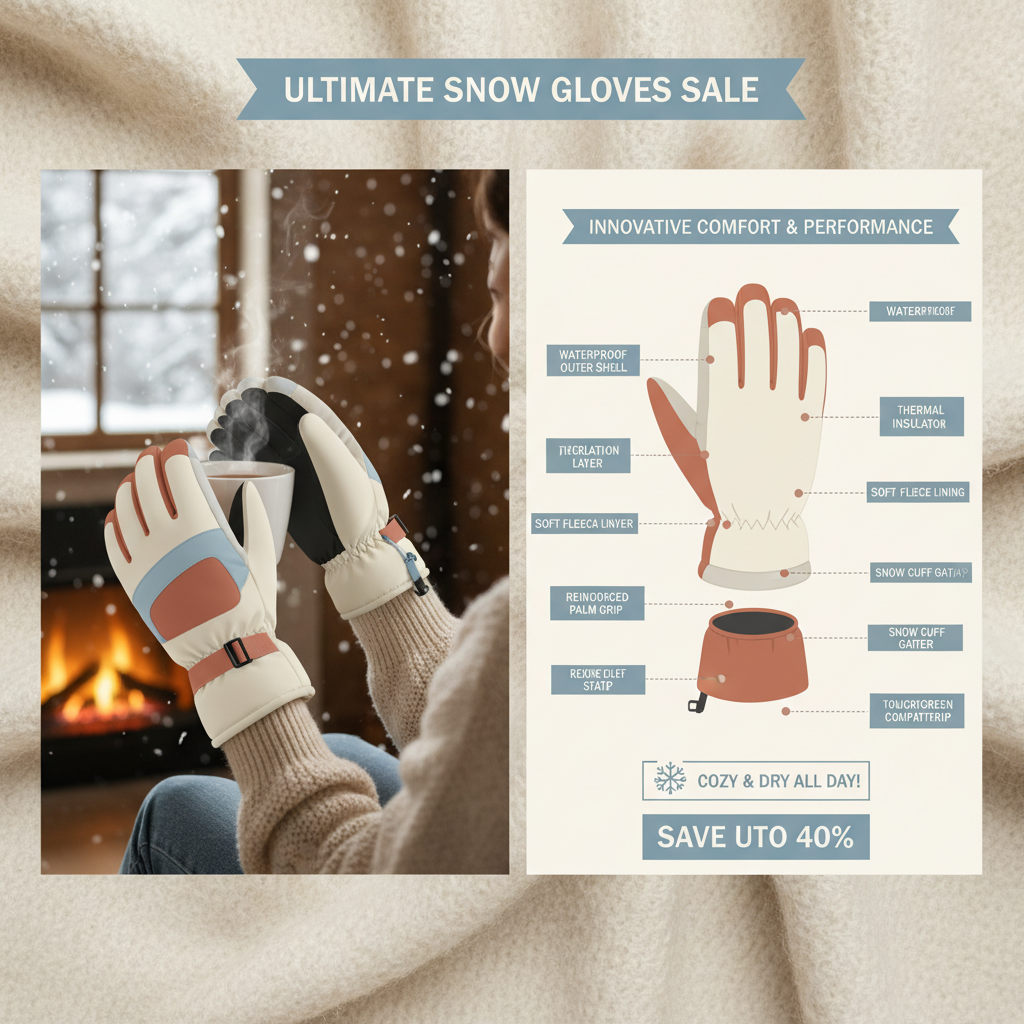
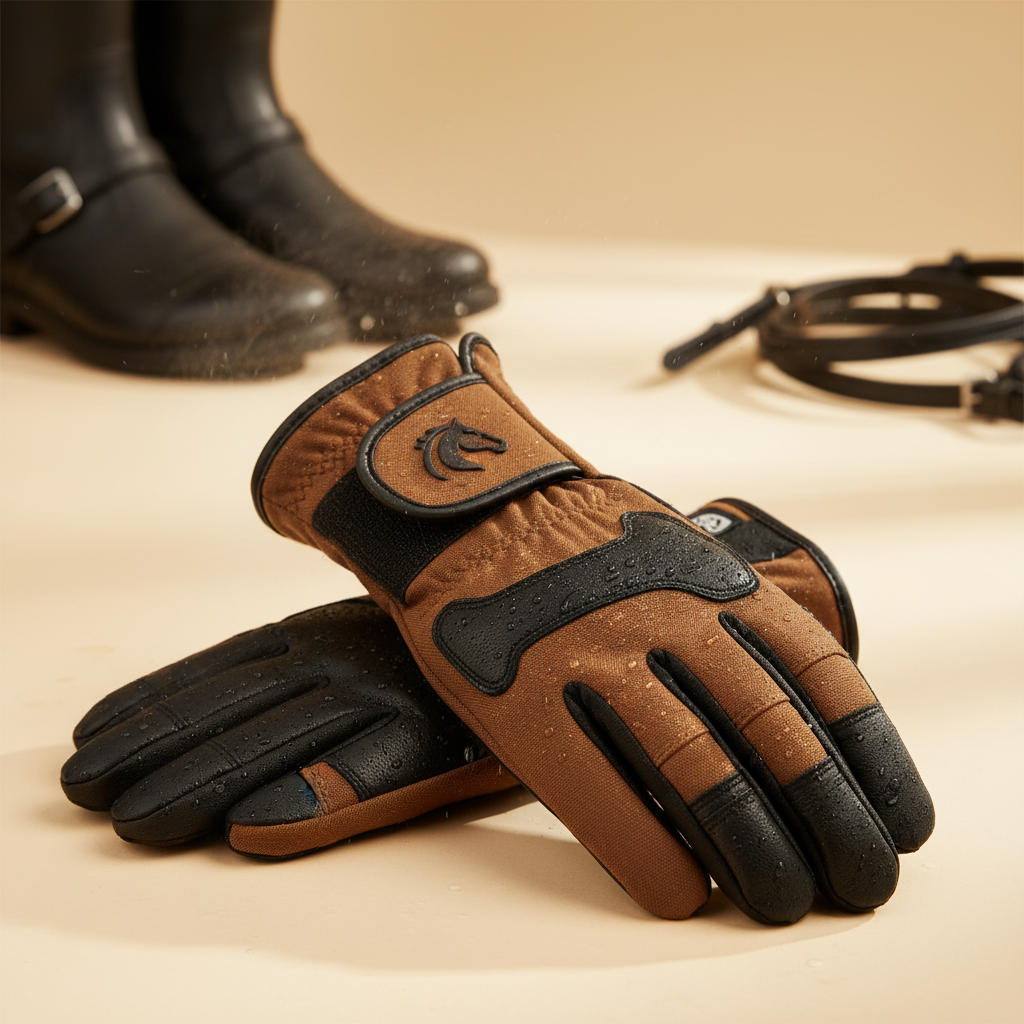
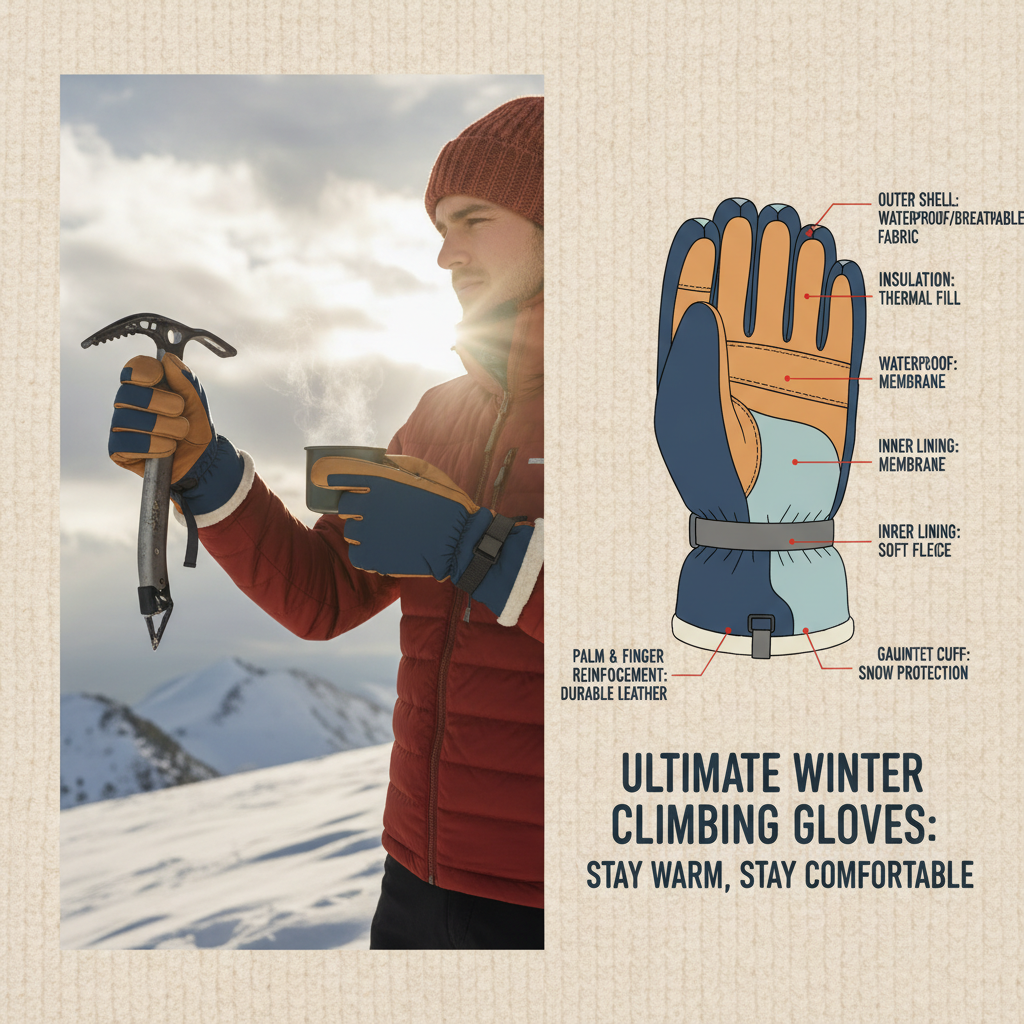
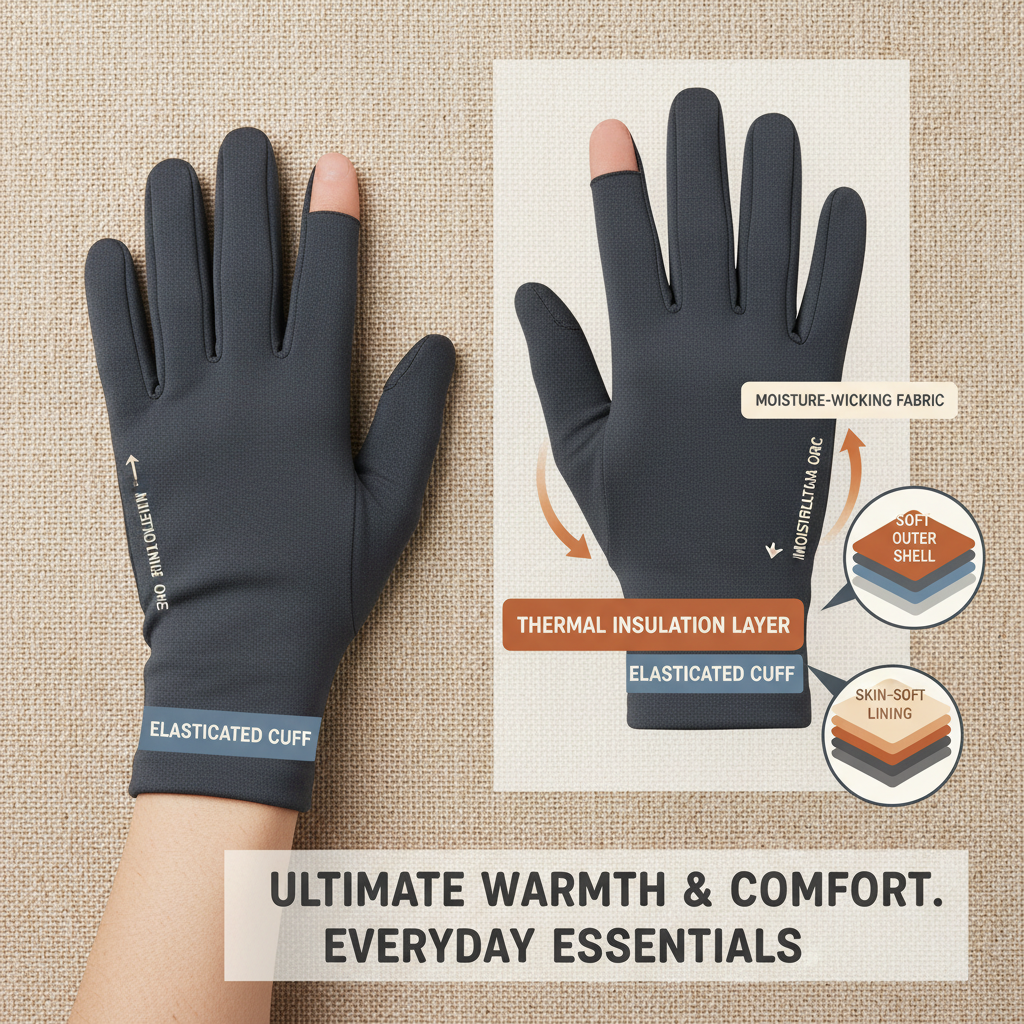
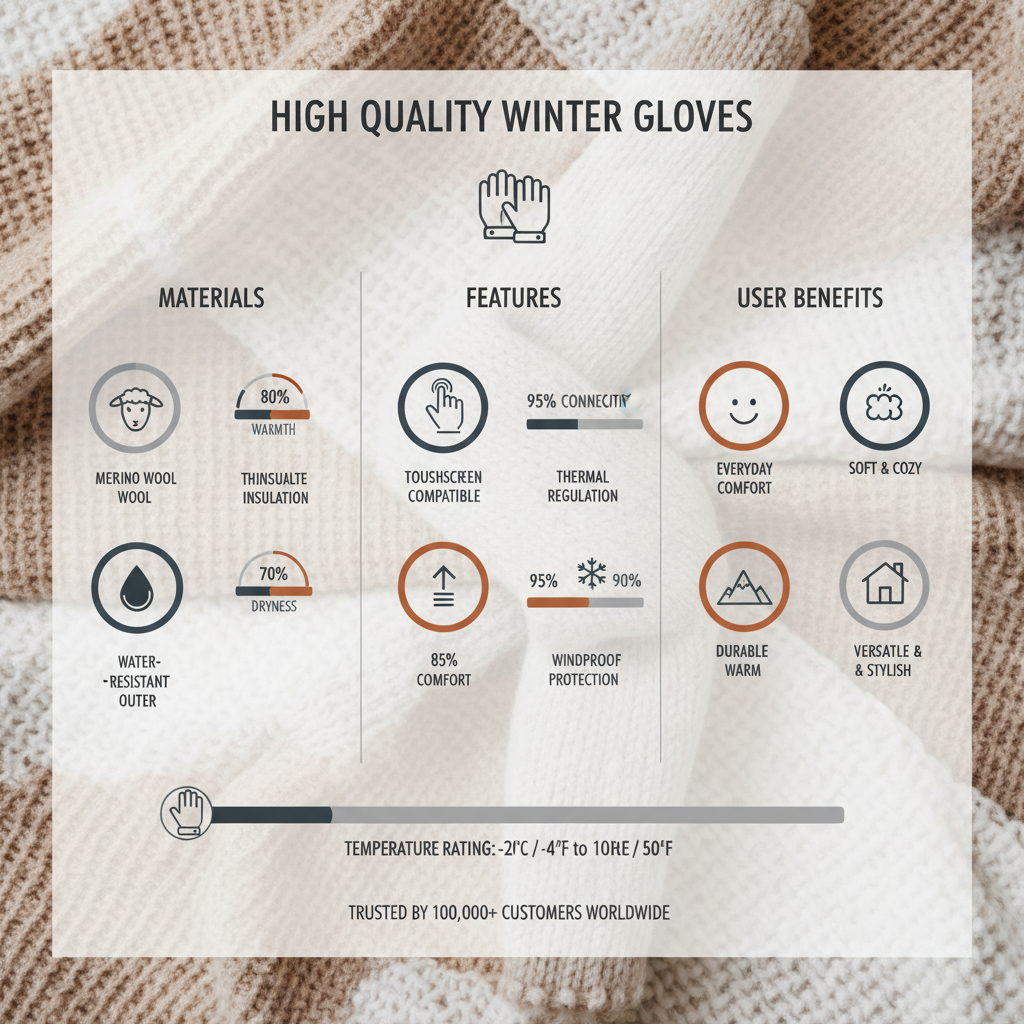
The materials used in winter gloves significantly impact their performance. Leather, known for its durability and warmth, is a popular choice, often combined with insulation. Synthetic materials like nylon and polyester offer water resistance and breathability. Insulation options include Thinsulate, fleece, and down, each providing varying levels of warmth. Waterproof membranes like Gore-Tex keep hands dry without sacrificing breathability. A durable outer shell protects against abrasion and tears, while a comfortable lining enhances overall wearability.
Material Benefits:
• Leather: Durability and warmth.
• Synthetic Materials: Water resistance and breathability.
• Insulation (Thinsulate, Fleece, Down): Varying levels of warmth.
• Waterproof Membranes (Gore-Tex): Dryness and breathability.
High Quality Winter Gloves: Feature Comparison
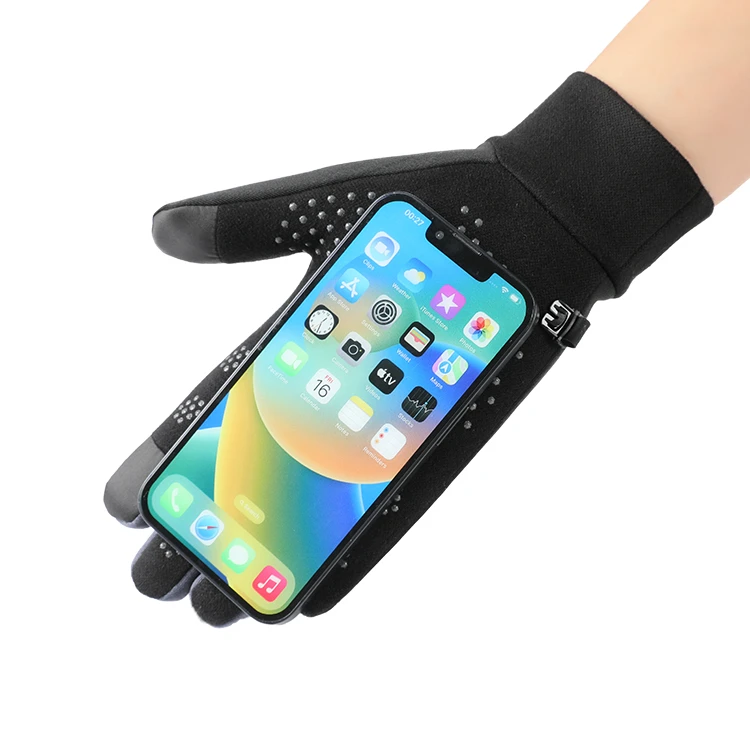
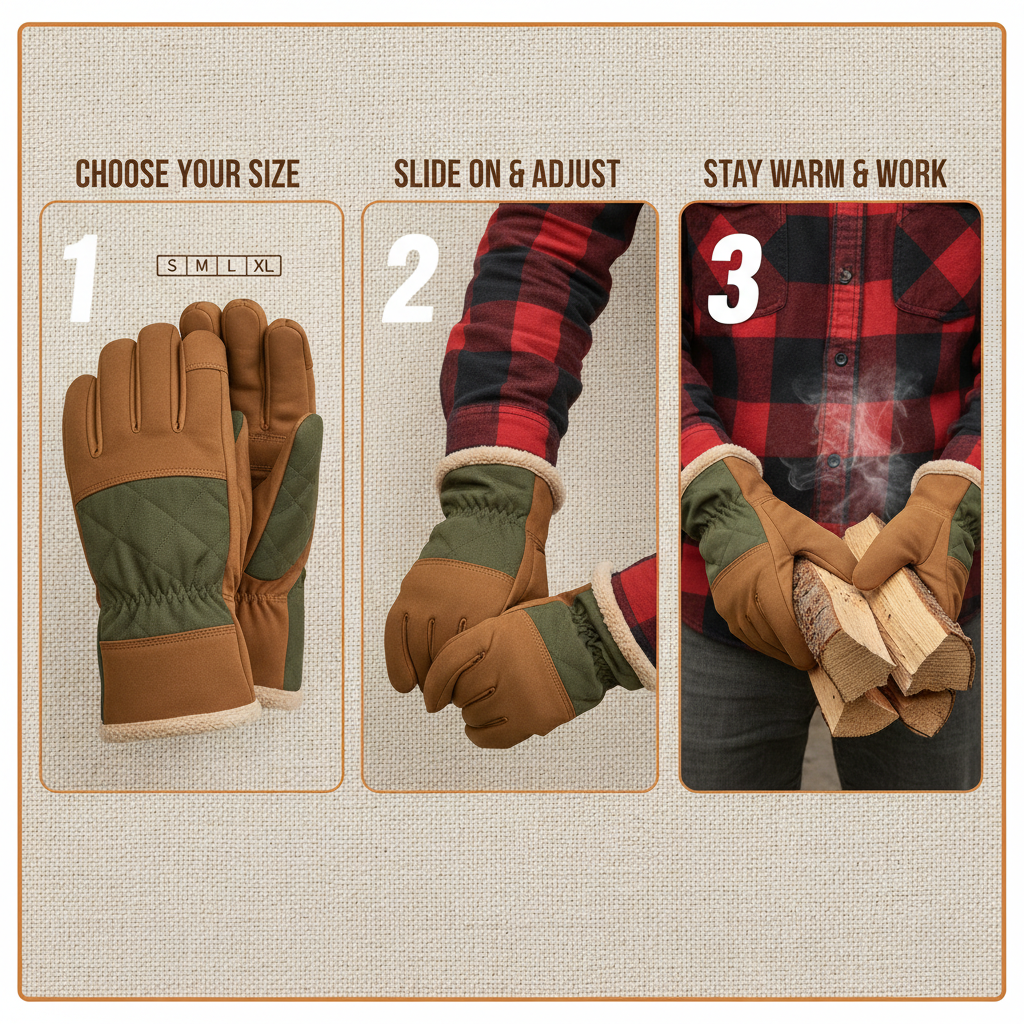
Different features cater to specific needs. Consider whether you require touchscreen compatibility, adjustable cuffs, reinforced palms, or extended gauntlets. Touchscreen compatibility is essential for staying connected without removing your gloves. Adjustable cuffs provide a secure fit and prevent snow or cold air from entering. Reinforced palms offer increased grip and durability, while extended gauntlets provide extra protection for wrists and forearms. Choosing gloves with features aligned with your activities will maximize comfort and functionality.
Selecting the Right Gloves for Your Needs
Consider your primary use case. For casual wear, lighter-weight gloves with moderate insulation may suffice. For strenuous outdoor work, prioritize durability, waterproofing, and reinforced palms. If you're frequently exposed to extreme cold, choose gloves with high levels of insulation and gauntlets. Don’t forget to factor in fit – gloves that are too tight can restrict circulation, while gloves that are too loose won't provide adequate warmth. Personal Care SCN offers a wide selection to suit every need.
Care and Maintenance for Longevity
Proper care extends the lifespan of your high quality winter gloves. Avoid exposing leather gloves to excessive moisture or heat. Synthetic gloves can often be machine-washed on a gentle cycle. Always allow gloves to air dry completely before storing them. Regularly inspect your gloves for signs of wear and tear, and repair any damage promptly. Storing gloves properly, away from direct sunlight and extreme temperatures, will help maintain their condition.
Conclusion: Protecting Your Hands This Winter
Investing in high quality winter gloves is a crucial step in safeguarding your hands against the elements. By considering the materials, features, and proper care, you can find the perfect pair to keep your hands warm, dry, and protected throughout the winter season. Don't compromise on comfort and safety – choose wisely and enjoy the winter months with confidence.
Frequently Asked Questions (FAQs)
What level of insulation do I need in winter gloves?
The ideal level of insulation depends on your activity and the climate. For mild winter conditions and light activity, 100-200 grams of insulation may be sufficient. For colder temperatures and moderate activity, 200-400 grams is recommended. For extreme cold or prolonged exposure, 400 grams or more is advisable. Consider layering glove liners for added warmth. Down provides excellent warmth-to-weight ratio but loses its insulating properties when wet, while synthetic insulations like Thinsulate retain warmth even when damp.
How do I ensure a proper fit for winter gloves?
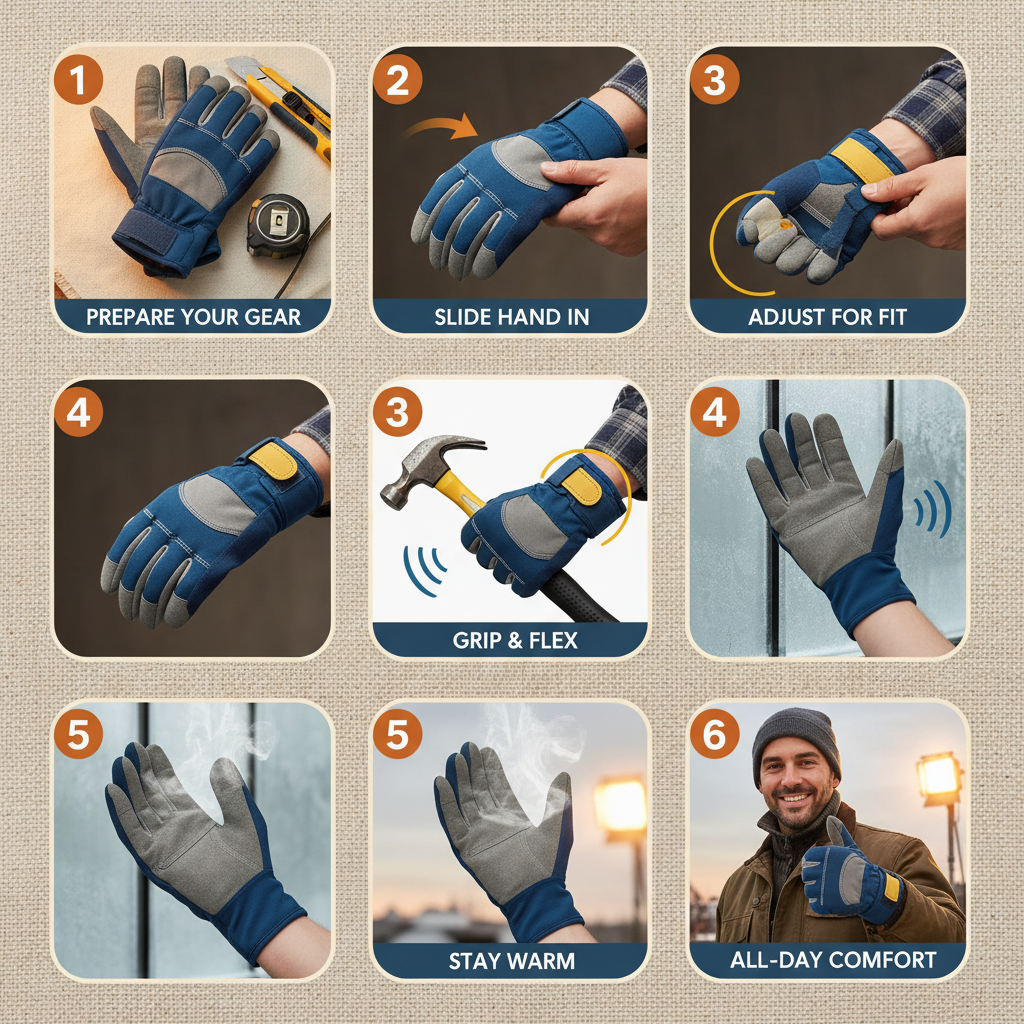
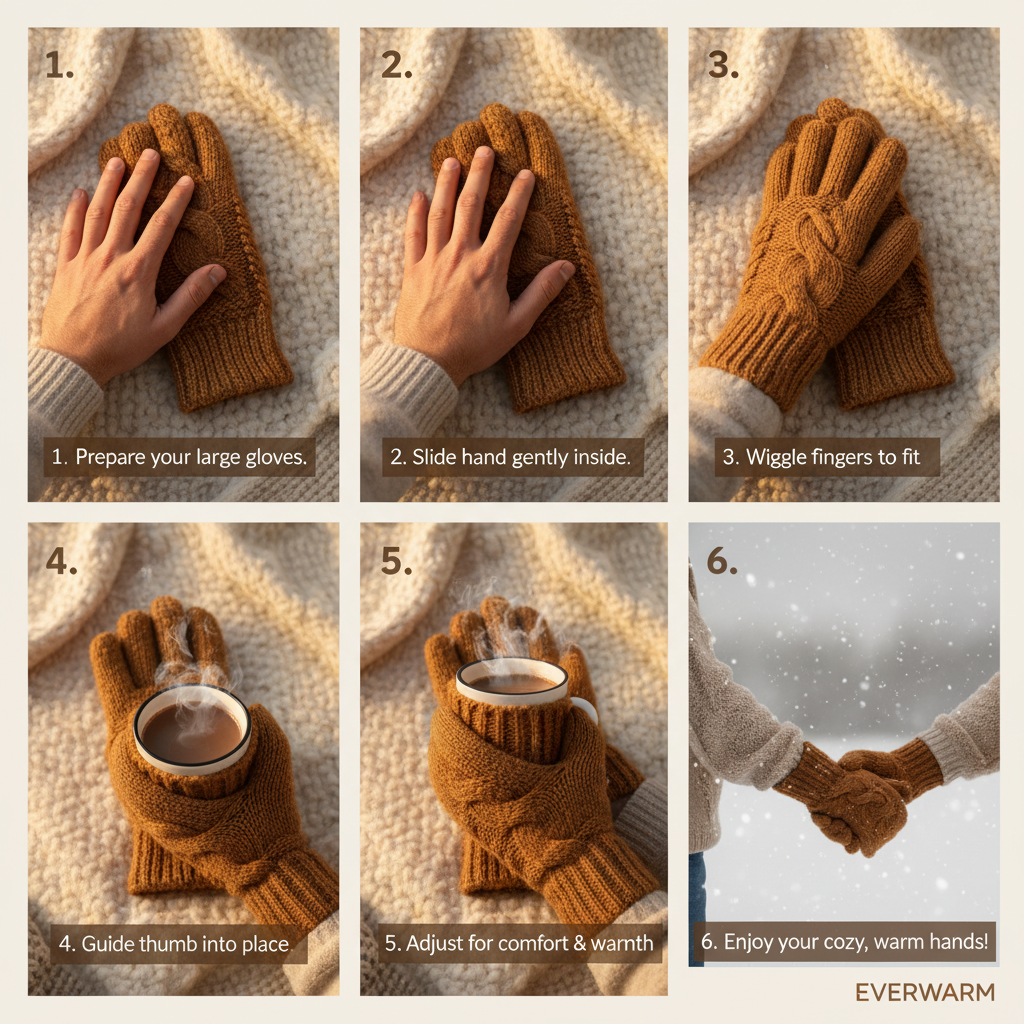
A proper fit is crucial for warmth and dexterity. Measure your hand circumference and length, and consult the glove manufacturer’s sizing chart. The gloves should fit snugly but not tightly, allowing for comfortable movement of your fingers. Ensure there's enough room for a thin glove liner if you plan to wear one. Check for any pressure points or restrictions in movement. Adjustable cuffs help fine-tune the fit and prevent cold air from entering.
Are waterproof gloves also breathable?
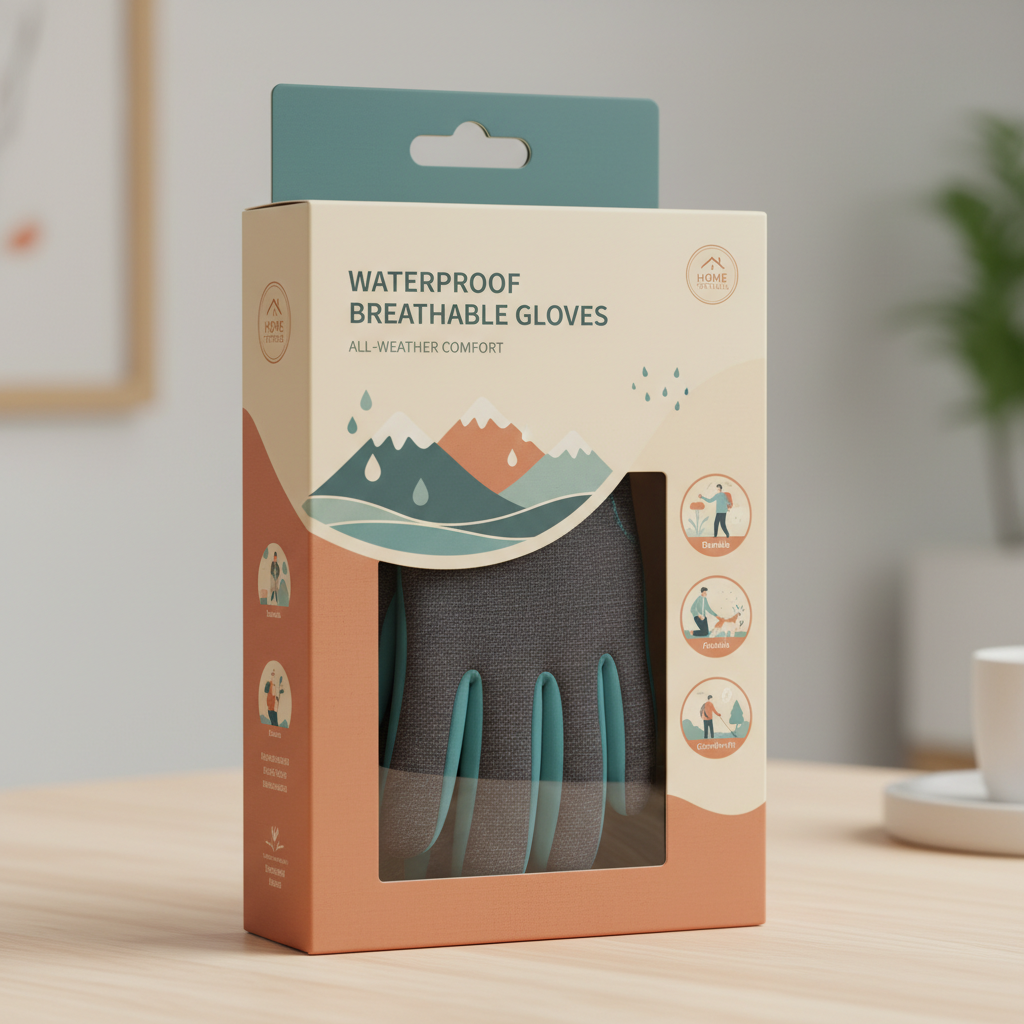
Not all waterproof gloves are breathable. Waterproof membranes like Gore-Tex offer both waterproof protection and breathability, allowing moisture vapor to escape while keeping water out. However, some waterproof coatings can trap moisture, leading to sweaty hands. Look for gloves with breathable waterproof membranes for optimal comfort.
What is the best way to store winter gloves?
Store winter gloves in a cool, dry place away from direct sunlight and extreme temperatures. Avoid storing them in damp environments, which can promote mildew growth. Use a glove-specific storage bag or hang them up to maintain their shape. If leather gloves are dry, apply a leather conditioner before storing them to prevent cracking.