Essential Guide to Winter Thermal Work Gloves: Safety & Comfort in Cold Climates
Winter Thermal Work Gloves: More Than Just Cold Weather Gear
Winter thermal work gloves, at first glance, might seem like just another piece of seasonal protective gear. But if you zoom out a bit, they’re actually an essential part of ensuring safety, productivity, and well-being in cold climates around the world. With harsh winters affecting millions globally—from Arctic construction sites to humanitarian relief operations in frostbitten zones—having the right gloves can be the difference between comfort and injury, efficiency and downtime.
Understanding what makes winter thermal work gloves effective is vital for industries that don’t pause for frost, and for aid organizations responding to cold crises. Plus, there’s a solid business and environmental angle here too, which often gets overlooked. Let’s dig into what these gloves really represent, why the market and users rely on them, and what the future might hold.
The Global Importance of Winter Thermal Work Gloves
Globally, roughly 20% of the world’s population endures extreme cold seasons lasting several months, according to meteorological data collated by the World Meteorological Organization. For workers in construction, forestry, oil and gas, and logistics industries, this isn’t just discomfort—it’s a significant occupational health challenge.
Cold exposure can cause serious risks like frostbite and reduced manual dexterity, which in turn increase chances of workplace accidents. This puts winter thermal work gloves right at the frontline of occupational safety measures, especially in regions like Russia, Canada, Scandinavia, and northern US states.
On the humanitarian front, organizations responding to disasters or refugee crises in cold zones rely heavily on robust cold-weather gear to keep volunteers and victims safe. The UN estimates that 61 million people are exposed to extreme cold annually—many vulnerable populations need high-performance winter thermal wear, gloves included.
So, gloves designed to sustain warmth without compromising on mobility aren’t just nice to have—they’re critical.
Mini Takeaway:
Winter thermal work gloves play a pivotal role in protecting millions from cold-related injuries globally, making them indispensable in industry and humanitarian aid alike.
What Exactly Are Winter Thermal Work Gloves?
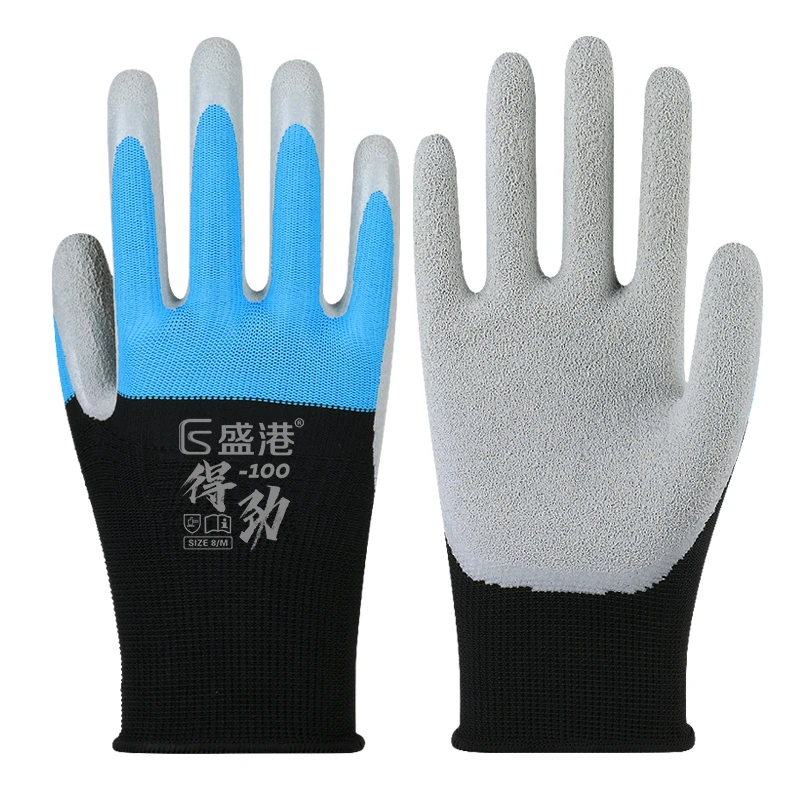
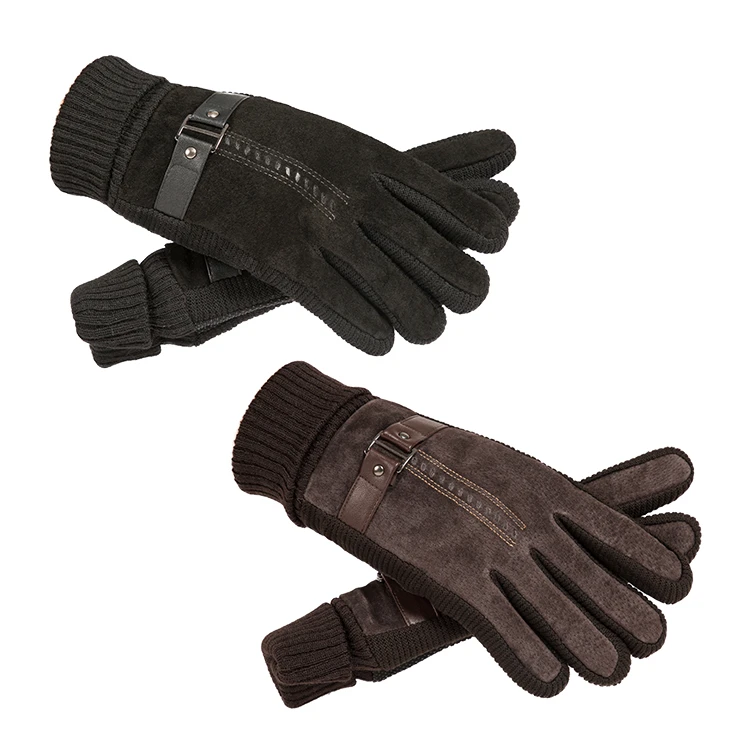
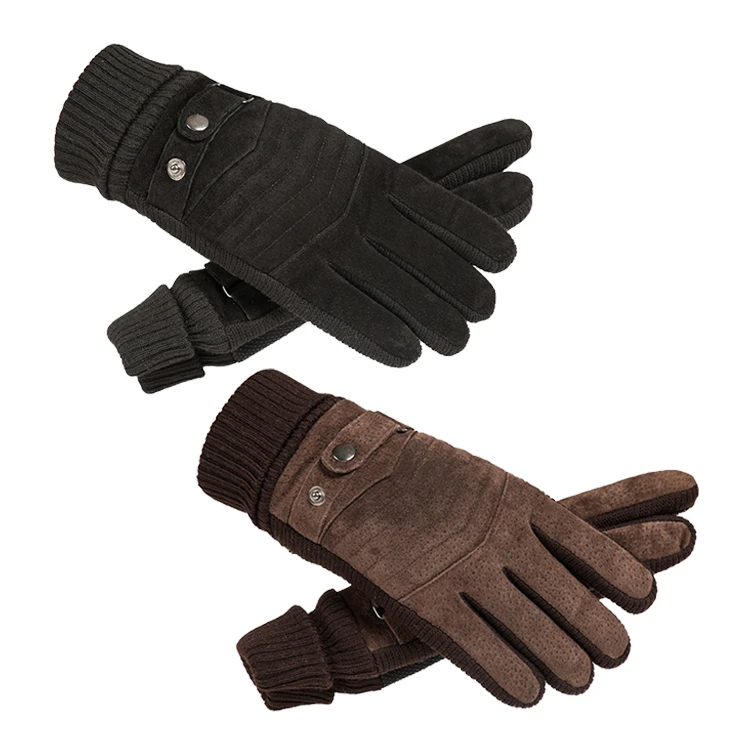
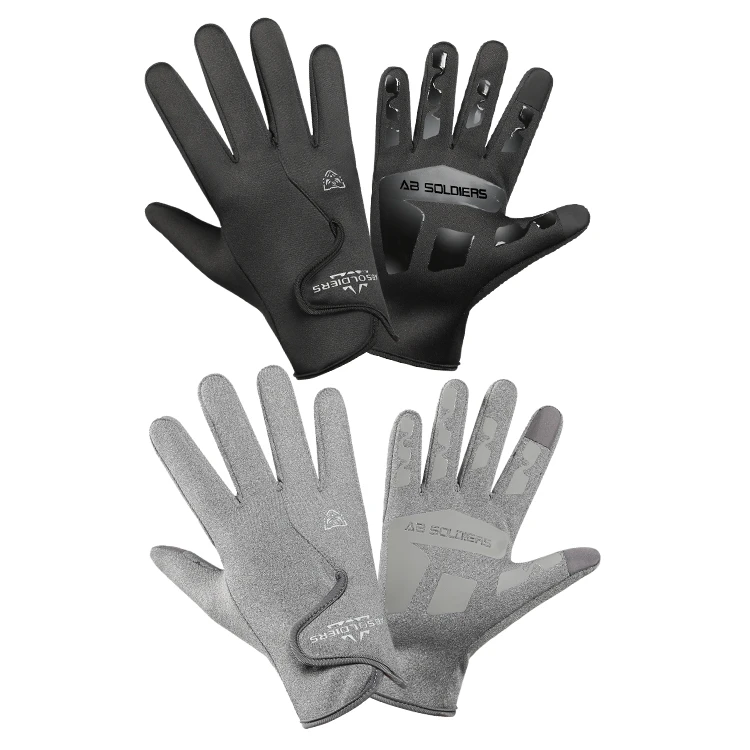
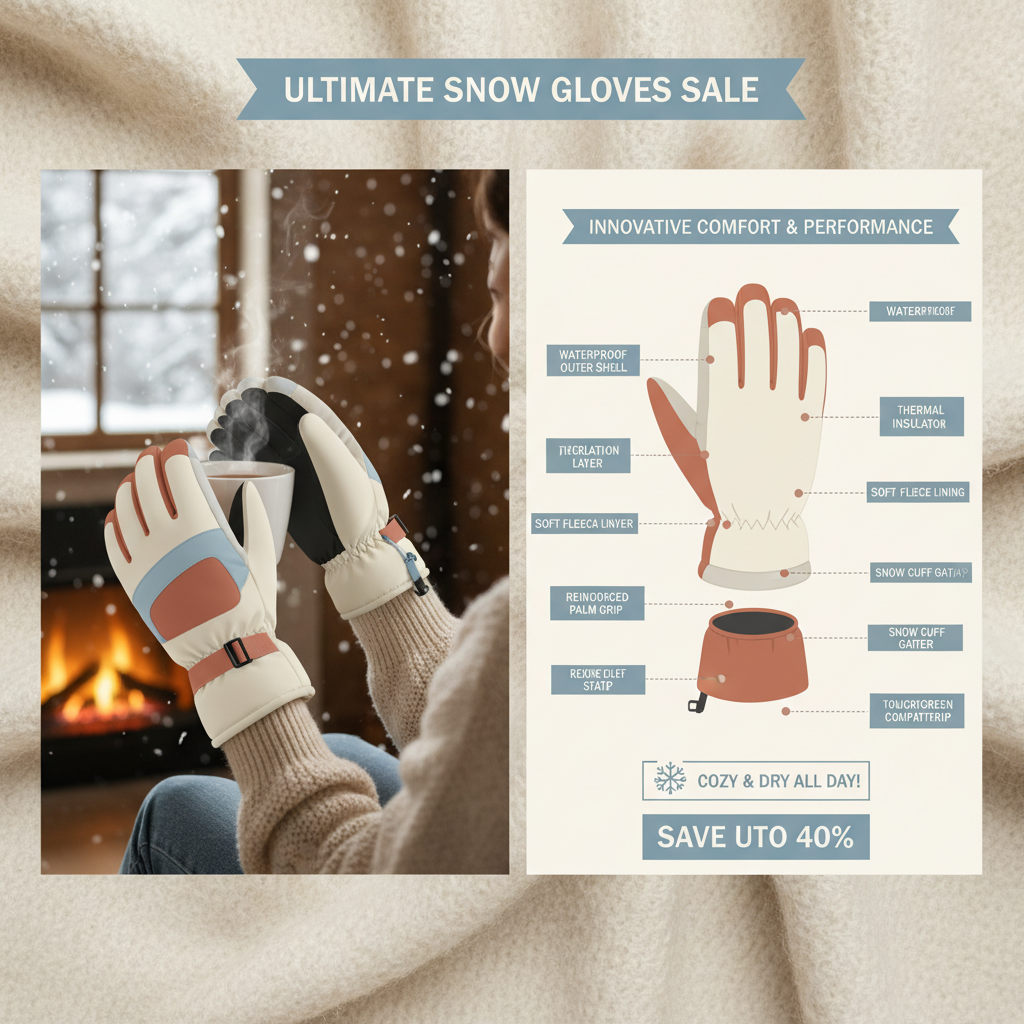
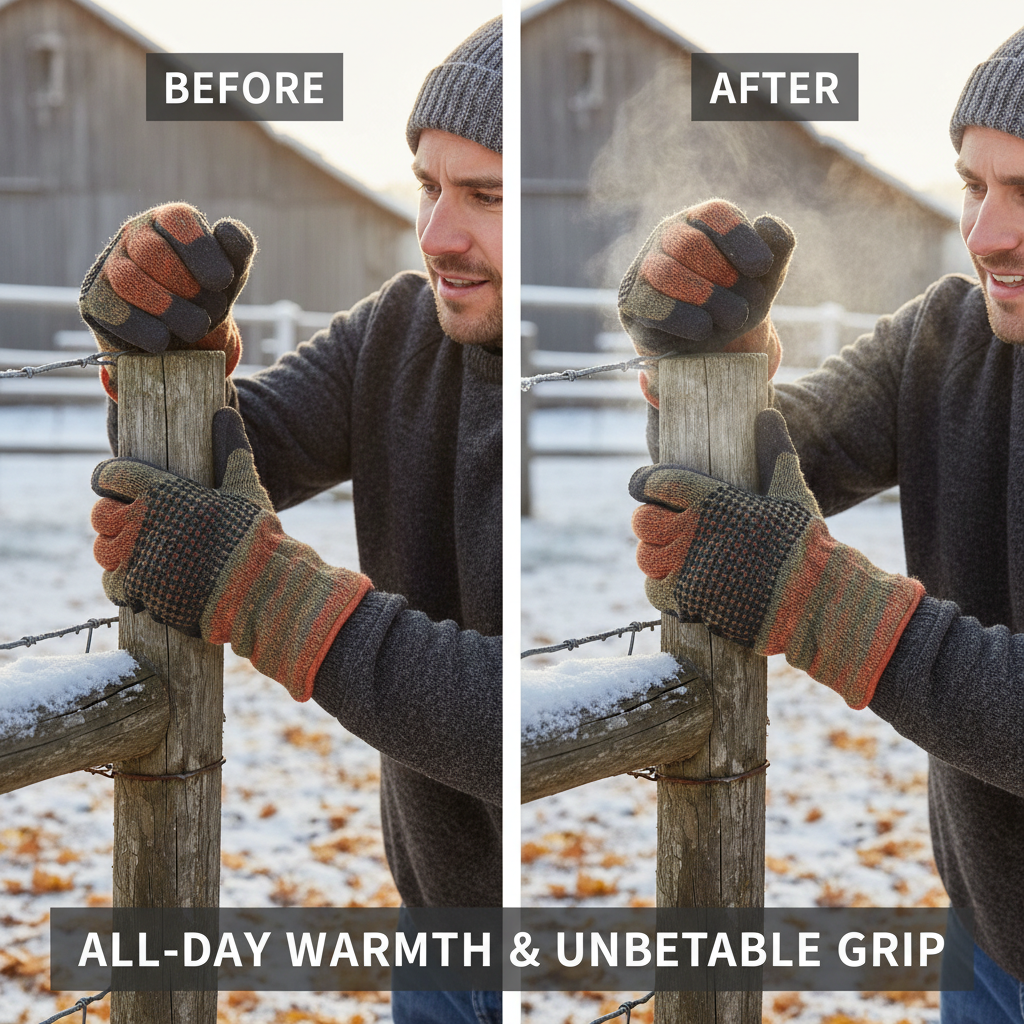
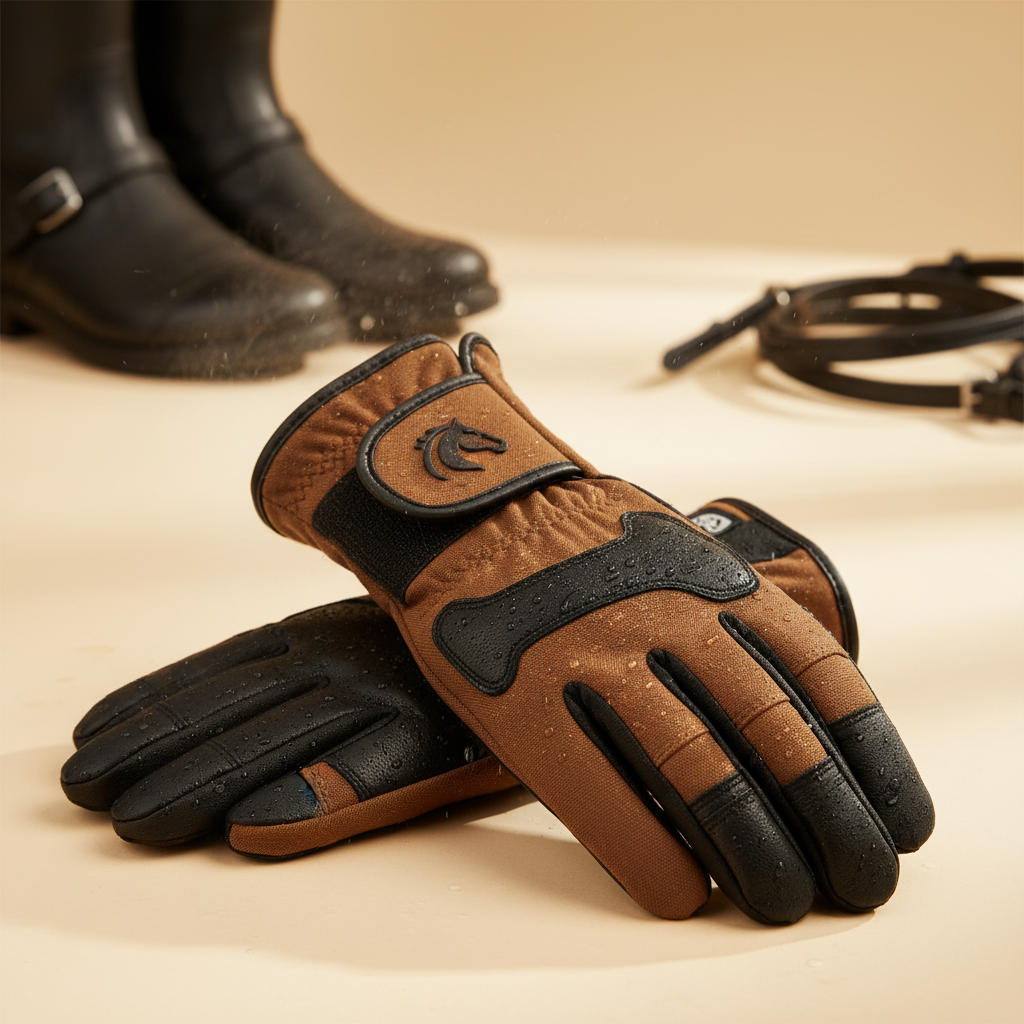
Simply put, winter thermal work gloves are specially designed hand coverings made to insulate and protect workers’ hands from cold temperatures during prolonged exposure. Unlike everyday winter gloves, these often have enhanced features such as waterproof membranes, reinforced palms, and breathable linings to balance warmth with safety and grip.
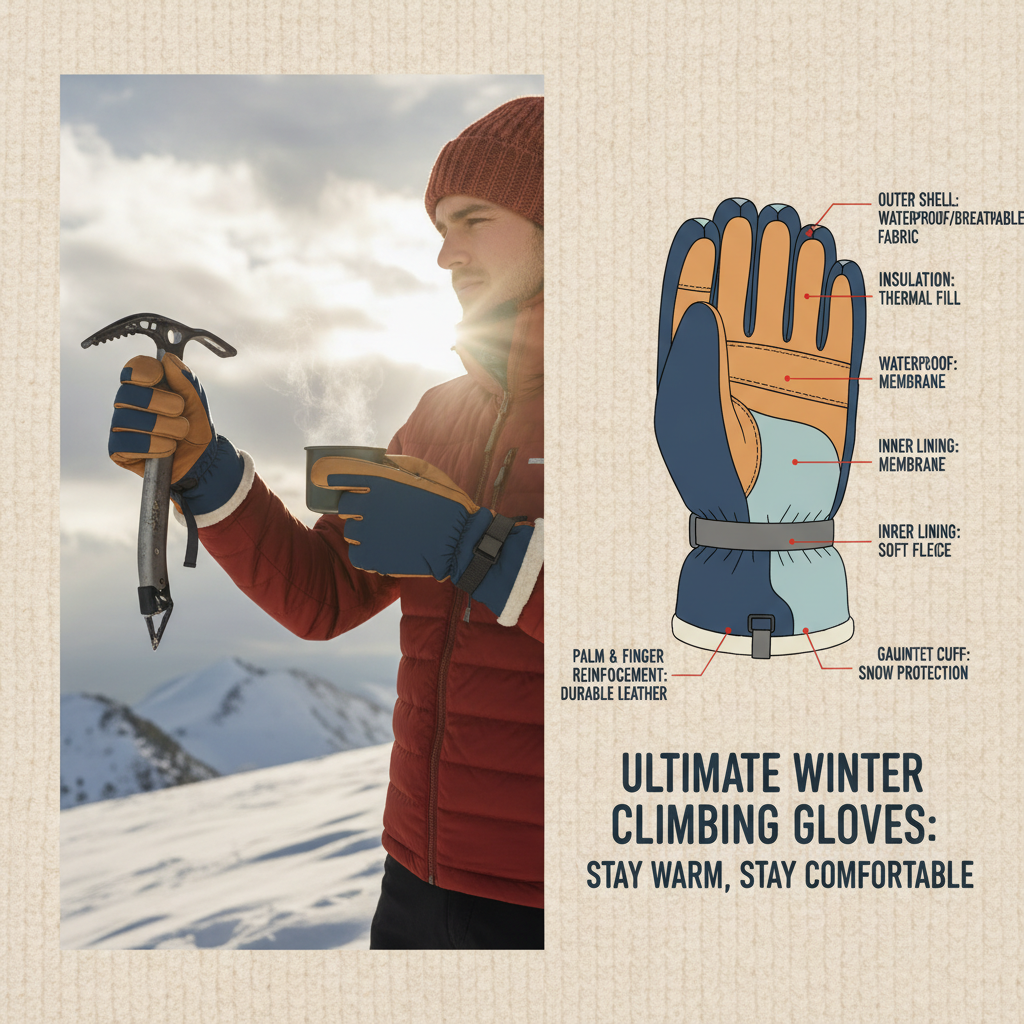
They’re a hybrid between comfort wear and industrial protective equipment. Typically, these gloves combine insulation materials like Thinsulate or Primaloft with durable outer shells of leather, synthetic fibers, or neoprene to meet industry standards.
For modern industries where manual precision is still necessary—even in freezing conditions—these gloves have to strike a tricky balance. Too bulky, and dexterity suffers; too thin, and warmth is compromised.
Mini Takeaway:
Winter thermal work gloves are a blend of insulation, durability, and flexibility—purpose-built to deliver warmth without losing functionality in professional environments.
Core Elements That Define Quality Winter Thermal Work Gloves
1. Insulation Efficiency
The heartbeat of thermal gloves is their insulation. Materials like Thinsulate pack heat without bulk, while newer aerogel technologies—though pricey—deliver impressive warmth-to-weight ratios. This efficiency correlates directly with worker comfort and safety.
2. Water Resistance and Breathability
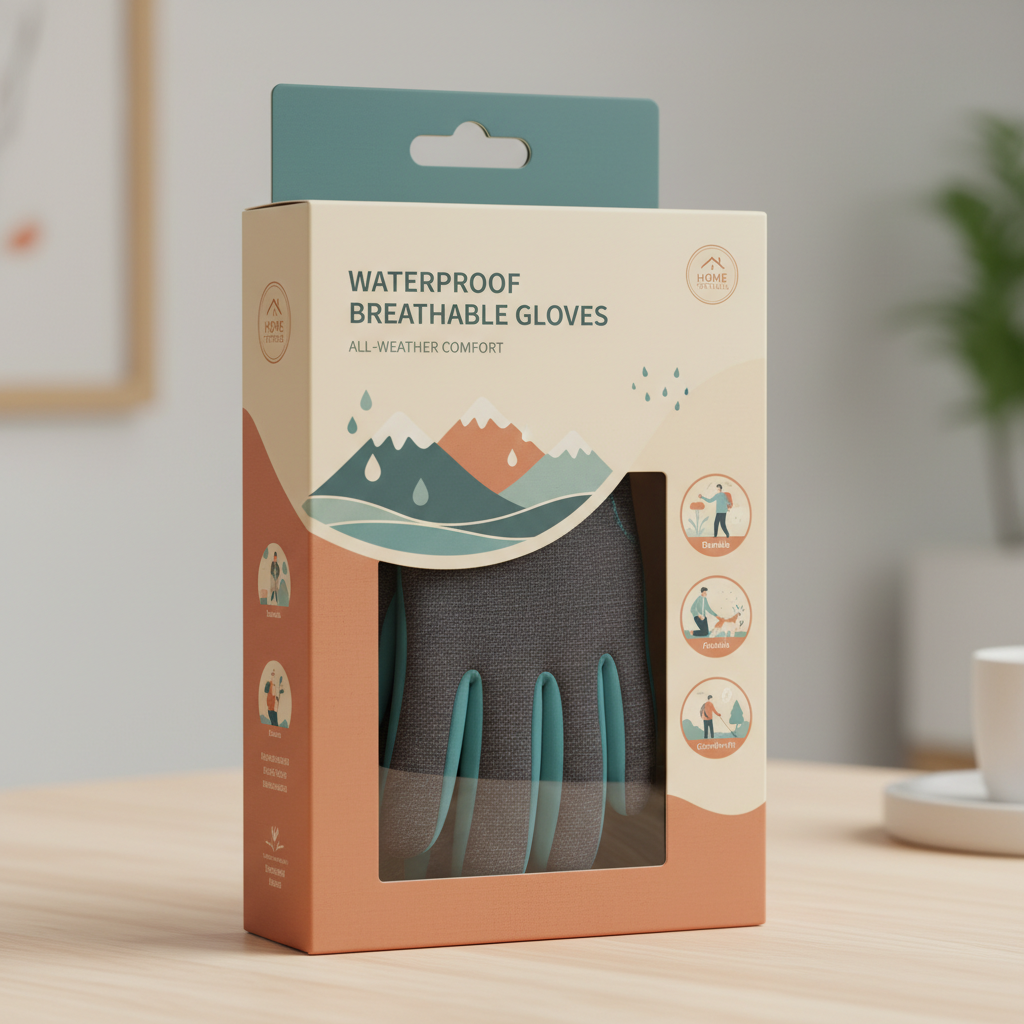
Cold environments are often wet environments—think sleet, snow, or damp wood. Without a breathable waterproof layer, gloves can trap moisture inside, ironically cooling the hand. The best gloves use membranes like Gore-Tex or proprietary waterproofing to manage this balance.
3. Durability and Abrasion Resistance
Winter gloves in rough industries face rougher conditions—dragging tools, gripping abrasive materials, and frequent movement. Leather reinforcements and tough synthetics increase lifespan, reducing replacement costs.
4. Dexterity and Grip
When your job depends on precision—like electrical work or machinery operation—being able to move fingers freely while retaining warmth is non-negotiable. Ergo-shaped gloves with textured palms help ensure tasks aren’t compromised.
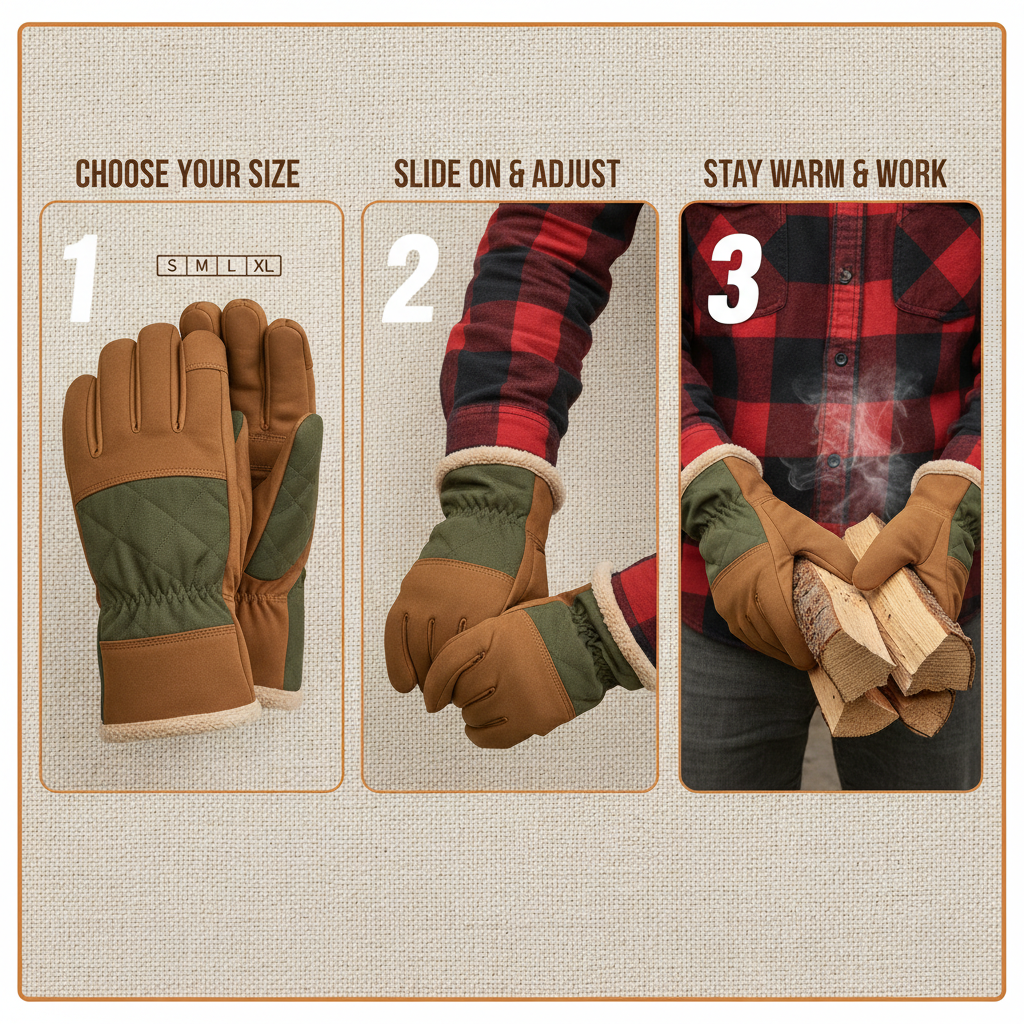
5. Size and Fit Options
A glove that’s too loose or tight risks injury or diminished control. Offering various sizes with adjustable wrist closures is a hallmark of good design.
Mini Takeaway:
- Insulation, water resistance, durability, dexterity, and fit drive the practicality and safety of winter thermal work gloves.
Real-World Applications: Who Benefits Most?
Winter thermal work gloves see heavy use in industries like construction, oil & gas extraction, logistics, forestry, and cold storage warehouses. For example, in Siberia’s remote oil platforms, workers endure temperatures plunging beyond -40°C—where gloves not only prevent frostbite but enable critical, precise instrument handling.
Humanitarian relief workers in zones like Nepal or northern Afghanistan rely on these gloves during harsh winters to distribute aid or build shelters. In transport hubs like Canadian ports, staff handling frozen cargo need protection for extended shifts outdoors.
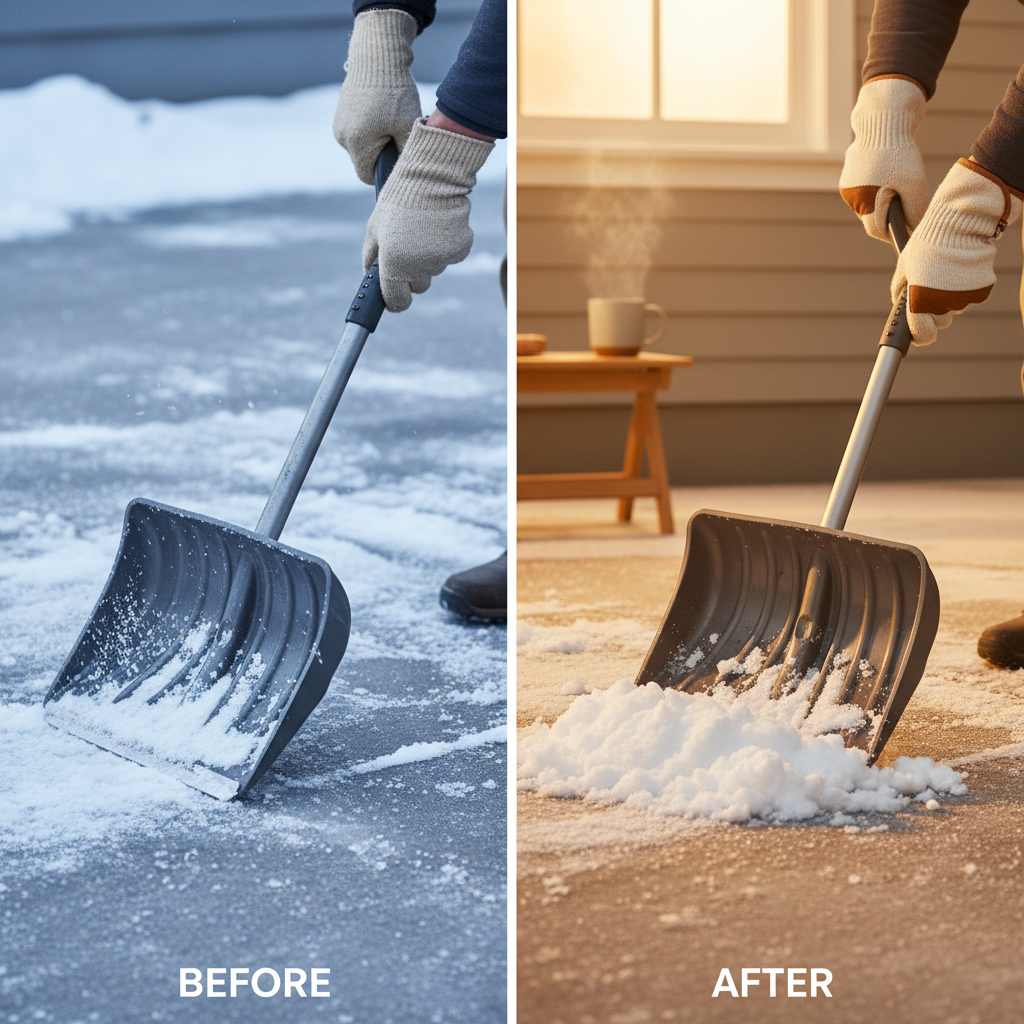
Local government road crews, who maintain icy streets in European countries, also depend on reliable thermal gloves through long shifts in heavy snowfall.
| Industry | Average Temperature Range | Glove Feature Priorities |
|---|---|---|
| Oil & Gas | -35°C to -50°C | Extreme insulation, waterproof, durability |
| Construction | -10°C to -30°C | Dexterity, abrasion resistance, breathability |
| Humanitarian Aid | -20°C to -40°C | Lightweight insulation, quick drying, flexibility |
| Logistics & Warehousing | 0°C to -15°C | Grip, moderate insulation, comfort |
Mini Takeaway:
From oil rigs to refugee camps, the need for adaptable winter thermal work gloves spans diverse fields—proving versatility is just as key as warmth.
What Makes Investing in Quality Winter Thermal Work Gloves Worth It?
Cost savings add up when workers avoid cold-related injuries, fewer days off, and replacement gear isn’t a monthly expense. Socially, providing safe equipment builds trust and morale—a factor many managers overlook but workers appreciate deeply.
There’s also the sustainability angle: gloves made with recycled synthetics or longer life cycles reduce environmental footprints compared to single-use plastic-lined products.
Emotionally, workers report feeling more “secure” and ready when their hands are protected. This trust in gear can boost productivity and reduce mistakes due to numb fingers.
Emerging Trends in Winter Thermal Work Gloves
Innovation never rests. New materials such as graphene-infused fabrics promise even better thermal retention with less bulk. Digitally-enabled gloves that incorporate sensors for temperature monitoring and grip feedback are starting to surface in niche markets.
On the policy side, ISO standards are pushing for stricter testing of cold protective equipment to ensure safety claims hold true across the board. Additionally, eco-conscious manufacturers are scaling up use of biodegradable insulation materials.
Automation in supply chains is also making custom-fit gloves more accessible—scanned hand dimensions can produce gloves tailored for imperceptible comfort gains.
Overcoming Challenges in Cold Weather Hand Protection
One common pain point remains balancing dexterity with warmth. Bulkier gloves can cause fumbling, but lighter gloves risk exposure. Manufacturers are experimenting with hybrid designs and layered liners to resolve this gap.
Affordability in developing regions is another hurdle; partnerships with NGOs and subsidies help improve distribution where winter thermal work gloves are truly life-saving but scarce.
Winter Thermal Work Gloves: Common Questions Answered
- Q: How do I choose gloves that balance warmth and dexterity?
A: Look for gloves that use advanced insulation like Thinsulate with ergonomic cuts and grips. Multi-layered liners that can be removed offer flexibility depending on activity. - Q: Can these gloves withstand wet conditions for long periods?
A: Yes, but only if equipped with waterproof membranes like Gore-Tex or neoprene coatings. These prevent moisture ingress while allowing sweat to escape. - Q: Are winter thermal work gloves reusable or single-use?
A: Most quality gloves are reusable and designed for extended wear. However, intense abrasion or contamination may require replacements over time. - Q: What sizing considerations should I keep in mind?
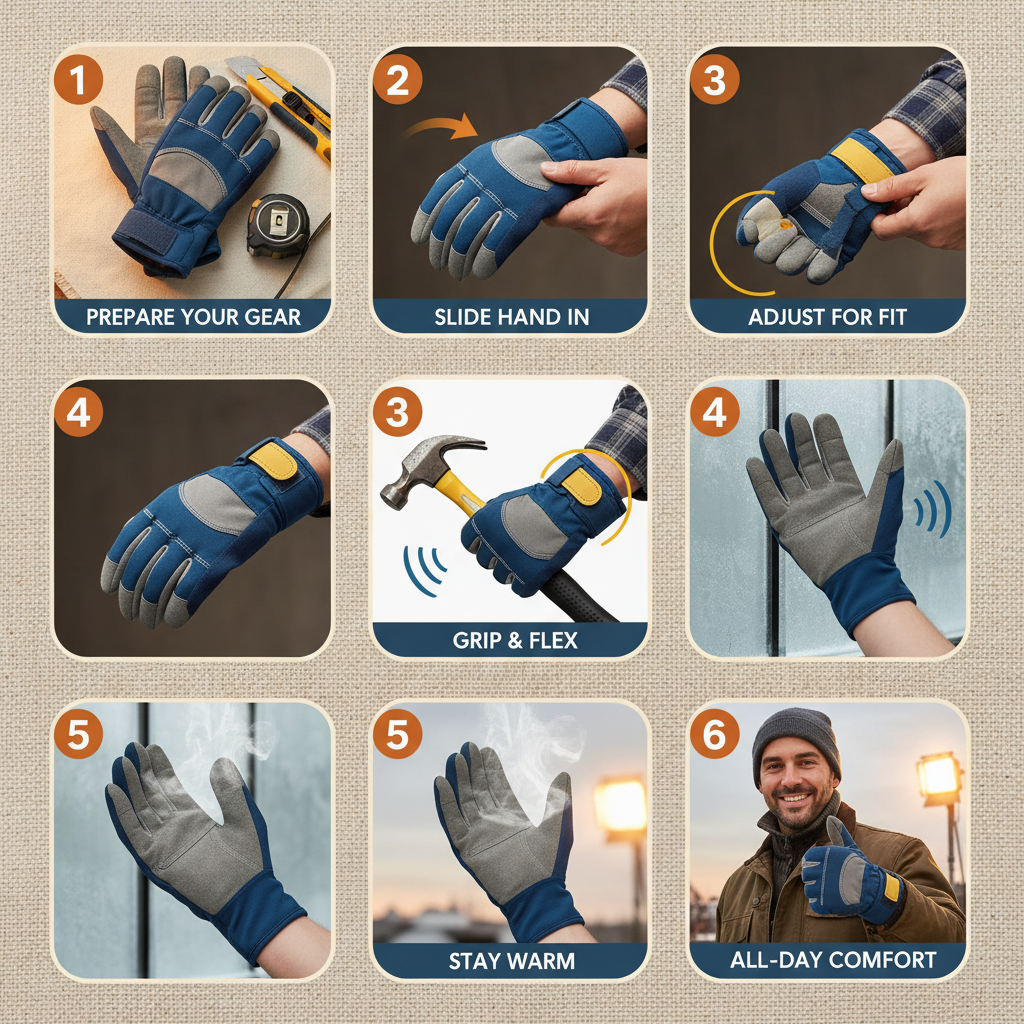
A: Gloves should fit snugly but not restrict circulation. Adjustable cuff closures help maintain heat retention and prevent snow or wind intrusion.
Looking Ahead: The Future of Hand Protection in Cold Climates
All things considered, winter thermal work gloves will remain a small but critical component in the broader context of occupational safety and humanitarian relief. Future gloves likely become smarter, greener, and more precisely tailored, thanks to innovations in materials science and digital manufacturing.
So next time you’re shopping for cold weather gear or planning safety protocols, think beyond the basics. Gloves are not just accessories—they’re frontline shields against nature’s chill.
For those keen to explore reliable options, visit our dedicated portal for winter thermal work gloves, where industry-leading products meet practical insights.
Final Thoughts:
It’s easy to underestimate the simple act of keeping one’s hands warm. But in harsh environments, it’s a small miracle with huge implications. Winter thermal work gloves embody that miracle—melding science, design, and human need.
| Product Specification | Description |
|---|---|
| Material | Outer shell: Synthetic leather; Insulation: Thinsulate 200g; Lining: Fleece |
| Waterproofing | Gore-Tex membrane |
| Temperature Rating | Safe to -35°C |
| Grip | Textured silicone palm pads |
| Sizes | S, M, L, XL with adjustable Velcro cuffs |
| Vendor | Specialty | Durability Ranking | Price Range |
|---|---|---|---|
| ArcticGuard | Extreme cold protection | 9/10 | $$$ |
| WorkWarmth | Affordable all-rounders | 7/10 | $ |
| FrostFlex | Flexible, lightweight models | 8/10 | $$ |
References: