You know, lately everyone's talking about 'smart' gloves. Not just any gloves, but gloves with sensors, heating elements, the whole shebang. Seems like every other factory visit, someone's showing me a prototype. Honestly? Most of 'em are just over-engineered, bulky things that’d fall apart after a week on a real job site.
The biggest issue I see is folks getting hung up on features they think workers want, instead of actually talking to the workers. I’ve seen designs with built-in radios, fingerprint scanners… things that'd be more trouble than they’re worth, constantly needing charging and repairs. To be honest, a good, durable glove that fits well is still the holy grail.
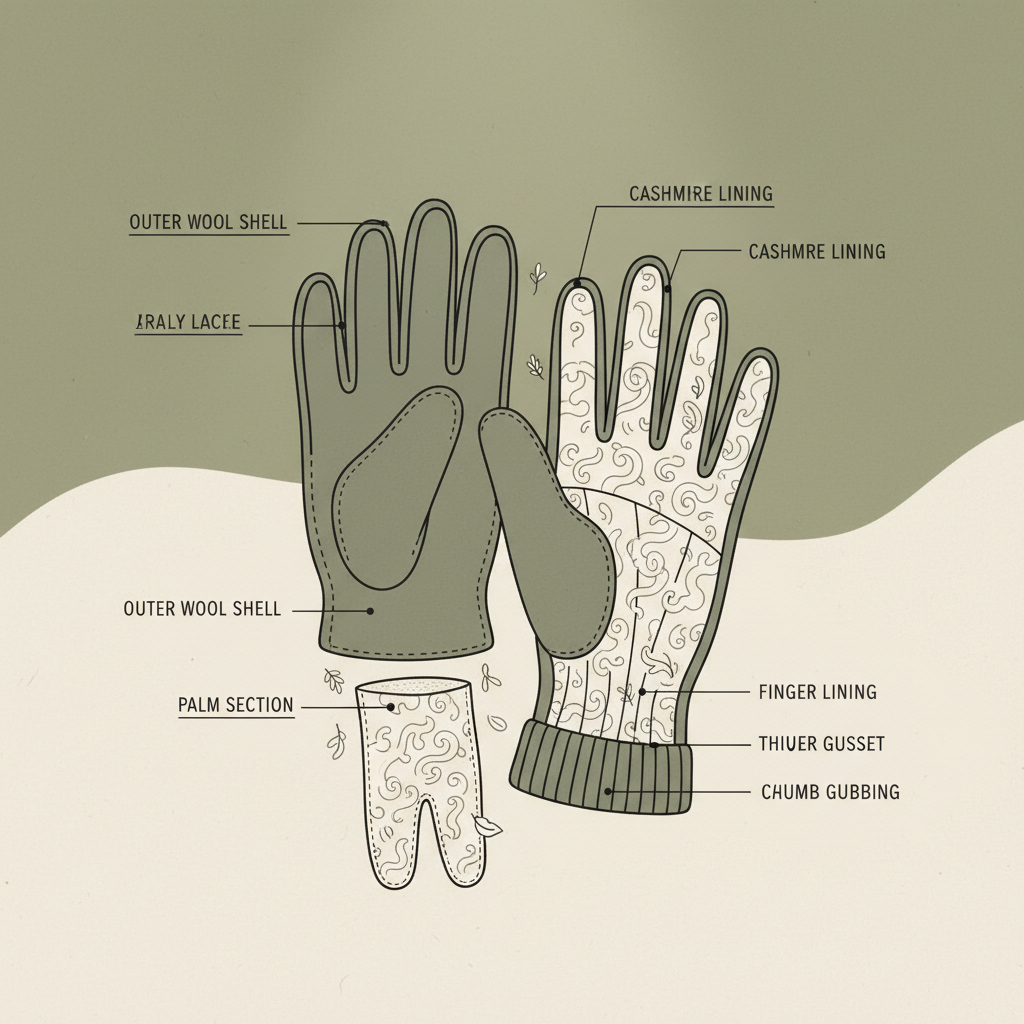
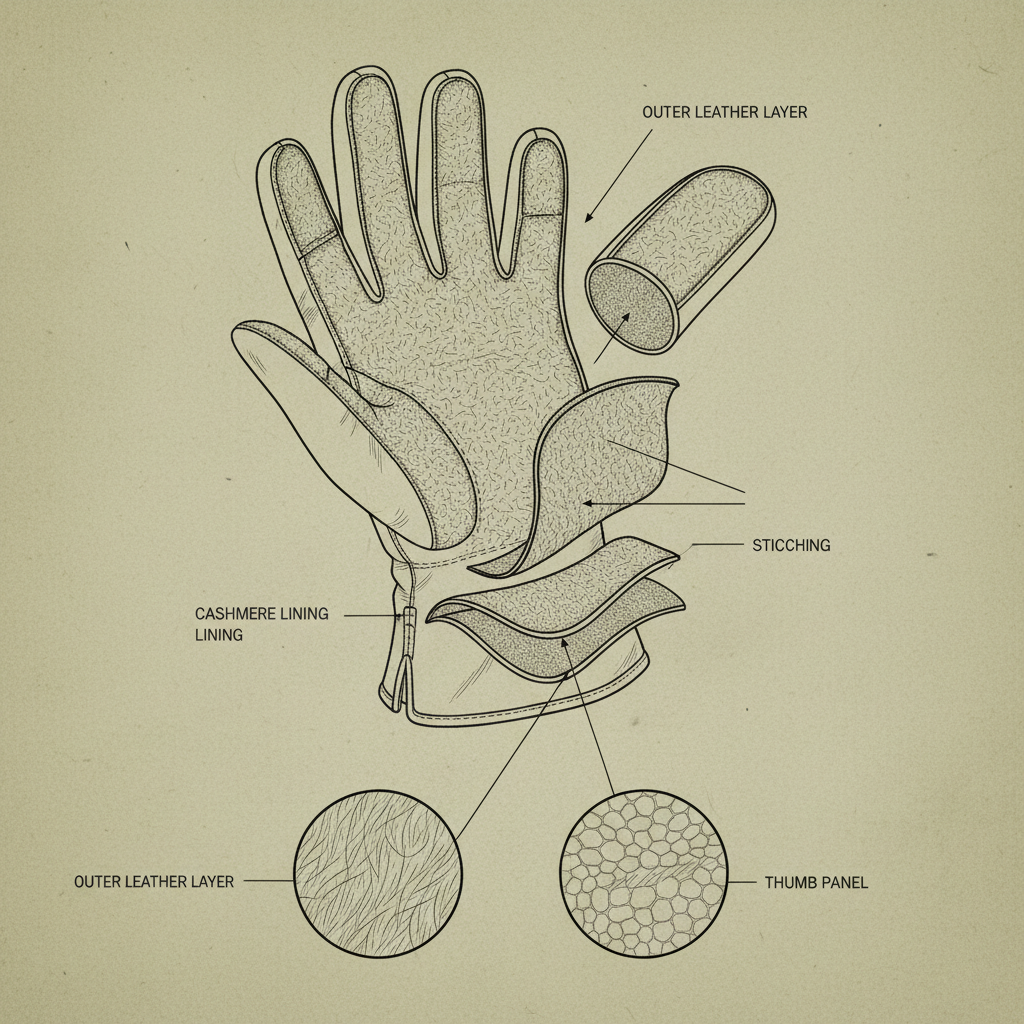
We’ve been focusing on cashmere lined gloves, specifically for cold-weather applications. Now, cashmere… that’s a material I actually like. It's surprisingly tough for how soft it is. You get that instant warmth, and it doesn’t get that stiff, plastic-y feel like some of the synthetic liners. The smell, too…it’s hard to explain. Not overpowering, just…quality. You have to be careful with the sourcing, though. Some suppliers try to pass off lower-grade stuff. I encountered that at a factory in Dongguan last time, the cashmere felt scratchy, smelled kinda…off.
The Current Landscape of Cashmere Lined Gloves
Have you noticed how everything’s getting more specialized? It’s not just gloves anymore, it’s ‘high-dexterity, cold-weather, cashmere lined gloves for precision work’. It’s a bit much, frankly. But the demand is there. Especially in industries like aerospace, oil & gas, and even some of the more detail-oriented construction trades. We’re seeing a move away from purely utilitarian gloves, towards something that offers both protection and comfort. It’s about keeping workers productive for longer, especially in harsh conditions.
Strangely, the biggest competition isn't from other cashmere lined gloves, it’s from heated gloves. People are willing to spend money on something that actively warms their hands. But those heated gloves usually have batteries and charging issues. We're trying to bridge that gap - the natural warmth of cashmere, combined with a relatively robust design.
Design Pitfalls and Common Mistakes
The biggest mistake? Trying to do too much. You add a sensor here, a heating element there… and suddenly you’ve got a glove that’s clunky, unreliable, and expensive. Simplicity is key. Another issue is the fit. A poorly fitting glove is worse than no glove at all. I've seen designs with incredibly soft cashmere liners, but the outer shell is made of a stiff, unforgiving material. Forget it. Nobody’s going to wear that for eight hours straight.
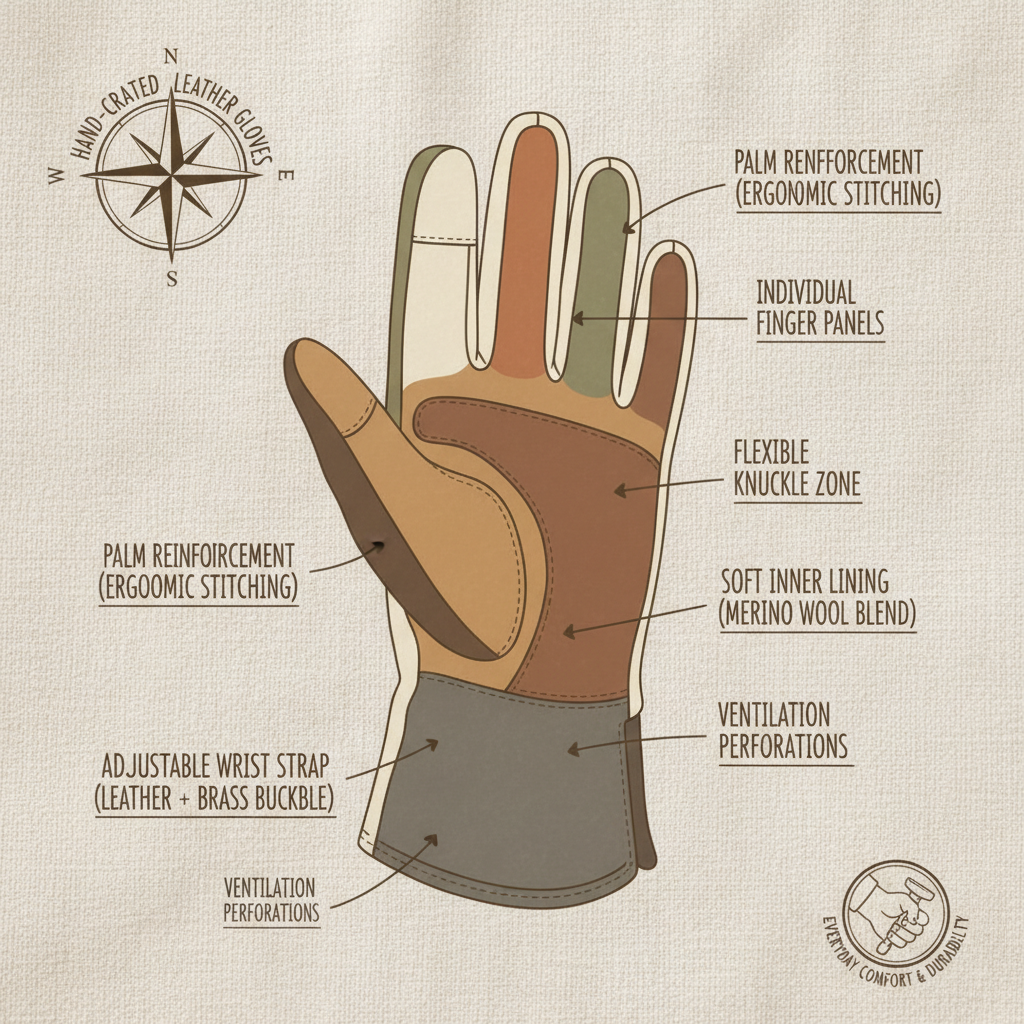
The wrist closure is another critical area. Velcro is okay, but it wears out. Snaps can break. A good, adjustable elastic closure with a secure buckle is what we've been focusing on. It's a small detail, but it makes a huge difference. And don’t even get me started on the stitching…
We also learned the hard way about the thickness of the cashmere. Too thin, and it offers minimal insulation. Too thick, and you lose dexterity. It's a delicate balance. We went through at least five iterations of liner weight before settling on what we’re using now.
Materials Breakdown: Beyond Just Cashmere
It’s not just about the cashmere, you know. The outer shell material matters just as much. We've been experimenting with different types of leather – goatskin, cowhide, even some synthetic blends. Goatskin is surprisingly durable and water-resistant. It’s also softer than cowhide, which is important for comfort. But it’s more expensive.
The thread is critical too. Cheap thread will snap under stress. We use a high-tenacity nylon thread, specifically designed for outdoor gear. It’s more expensive, but it lasts. And the liner itself... we're using a blend of cashmere and merino wool. The wool adds durability and helps regulate temperature. It's not pure cashmere, which, frankly, wouldn’t hold up. Anyway, I think mixing materials is the smart way to go.
The insulation is also important. It has to be breathable but warm. We've found that a thin layer of Thinsulate provides a good balance. It's lightweight and doesn't add bulk. And it doesn't smell when it gets wet, which is a plus. Honestly, it’s a lot more complex than just slapping some cashmere inside a glove.
Real-World Testing: Rigor Beyond the Lab
Lab tests are okay for basic stuff – abrasion resistance, tear strength, water resistance. But they don't tell you how a glove will actually perform on a job site. We send our prototypes to real workers in real-world conditions. I've been to oil rigs in North Dakota, construction sites in Chicago, and even a ski resort in Colorado.
We ask them to use the gloves for a full shift, and then give us detailed feedback. What worked? What didn’t? What caused blisters? What broke? Later… forget it, I won’t mention the time a worker used our prototype to clean up a spilled bucket of paint.
Cashmere Lined Gloves Performance Metrics
How Workers Actually Use Cashmere Lined Gloves
It's rarely what you expect. Some guys use them for driving, others for welding (not recommended, by the way). I saw one guy using them to handle frozen fish on a fishing boat! They’re adapting the gloves to their specific needs, and that’s valuable information for us.
We’ve found that workers appreciate the dexterity that cashmere lined gloves offer. They can still manipulate small parts and tools without sacrificing warmth. And surprisingly, they like the fact that they can wipe their hands on the gloves without damaging them. It’s a small thing, but it makes a difference.
Advantages and Drawbacks: A Practical Assessment
The biggest advantage is comfort. Hands stay warm and dry, even in freezing temperatures. That translates to increased productivity and reduced fatigue. Another advantage is the natural breathability of cashmere. It prevents hands from getting sweaty, which can lead to blisters and discomfort.
But there are drawbacks. Cashmere is more expensive than synthetic materials. And it’s not as abrasion-resistant. We've addressed that with reinforced palms and fingers, but it's still a trade-off. They also require a bit more care. You can't just throw them in the washing machine. They need to be hand-washed or dry-cleaned.
Honestly? If you're doing heavy-duty work, constantly scraping against rough surfaces, these aren't the gloves for you. But for tasks that require dexterity and warmth, they're a game-changer.
Customization Options and a Customer Story
We offer a range of customization options. We can adjust the liner weight, the outer shell material, the wrist closure, and even add custom logos. Last month, that small boss in Shenzhen who makes smart home devices insisted on changing the interface to for the heating element (yeah, he wanted heated cashmere lined gloves…), and the result was a nightmare. It added bulk, made the gloves less flexible, and the port was a weak point. He eventually agreed to switch back to a standard barrel connector.
We can also tailor the gloves to specific industries. For example, we’ve developed a version for electricians with added dielectric protection. And for welders, we offer a reinforced palm and a longer cuff to protect the wrists.
We're always open to new ideas. That’s how we improve. It's about finding the right balance between performance, durability, and cost.
Key Performance Characteristics of Different Cashmere Lined Glove Configurations
| Configuration |
Warmth Rating (1-10) |
Dexterity Level (1-10) |
Durability Score (1-10) |
| Standard Cashmere/Goatskin |
8 |
9 |
7 |
| Reinforced Palm/Cowhide |
7 |
8 |
9 |
| Waterproof Coating/Synthetic Blend |
6 |
7 |
8 |
| Thinsulate Insulation |
9 |
7 |
6 |
| Adjustable Cuff/Nylon |
7 |
8 |
7 |
| Dielectric Protection |
8 |
6 |
8 |
FAQS
Cashmere lined gloves excel in cold-weather conditions where dexterity is required. Think precision work outdoors, electronics repair in chilly environments, or even operating machinery in cold storage. They aren’t ideal for extremely abrasive tasks, but for general cold-weather utility, they're excellent. We've seen a lot of use in industries where operators need to keep their hands warm but still maintain a good feel for what they’re doing.
Hand-washing is the best method. Use a mild detergent and cold water. Avoid harsh chemicals or bleach. Gently squeeze out excess water – don’t wring them. Lay flat to dry. Dry cleaning is also an option, but make sure to choose a reputable cleaner. Don't put them in the dryer – that’ll ruin the cashmere. A little care goes a long way.
100% cashmere is incredibly soft but less durable. A cashmere blend, usually with merino wool, offers a better balance of warmth, comfort, and longevity. We typically recommend a blend for gloves that will see heavy use. The wool adds strength and helps the lining retain its shape.
Not inherently. Cashmere itself isn't waterproof. We can offer gloves with a waterproof outer shell or a water-resistant coating, but the cashmere lining itself will get wet if submerged. The key is to prevent moisture from reaching the cashmere in the first place, hence the importance of a good outer shell.
We offer a wide range of sizes, from XS to XXL, and we can also accommodate custom sizing requests. We provide a detailed sizing chart on our website, including measurements for both hand length and width. Getting the right fit is crucial for both comfort and performance.
Absolutely. We work with a variety of outer shell materials, including goatskin, cowhide, and synthetic blends. You can choose the material that best suits your needs and budget. We also offer custom embroidery and logo printing.
Conclusion
So, yeah, cashmere lined gloves… they’re not a magic bullet. They’re not going to solve all your cold-weather hand protection problems. But they offer a unique combination of comfort, warmth, and dexterity that’s hard to beat. They’re a good choice for workers who need to stay productive in challenging conditions.
Ultimately, whether this thing works or not, the worker will know the moment he tightens the screw. It’s gotta feel right, it’s gotta last, and it’s gotta keep his hands warm. If it does those three things, we’ve done our job.