Liner Gloves For Cold Weather – Durable, Insulated Gloves for B2B Needs
Liner Gloves For Cold Weather is a key solution in the industry, specifically within sectors that depend on both dexterity and thermal protection. This article explores how https://www.personalcarescn.com supports professionals with durable, high-performance products, and explains why this product is an ideal choice for businesses in these sectors.
Table of Contents
- Liner Gloves For Cold Weather Overview
- Benefits & Use Cases of Liner Gloves For Cold Weather
- Cost, Maintenance & User Experience
- Sustainability & Market Trends
Liner Gloves For Cold Weather Overview
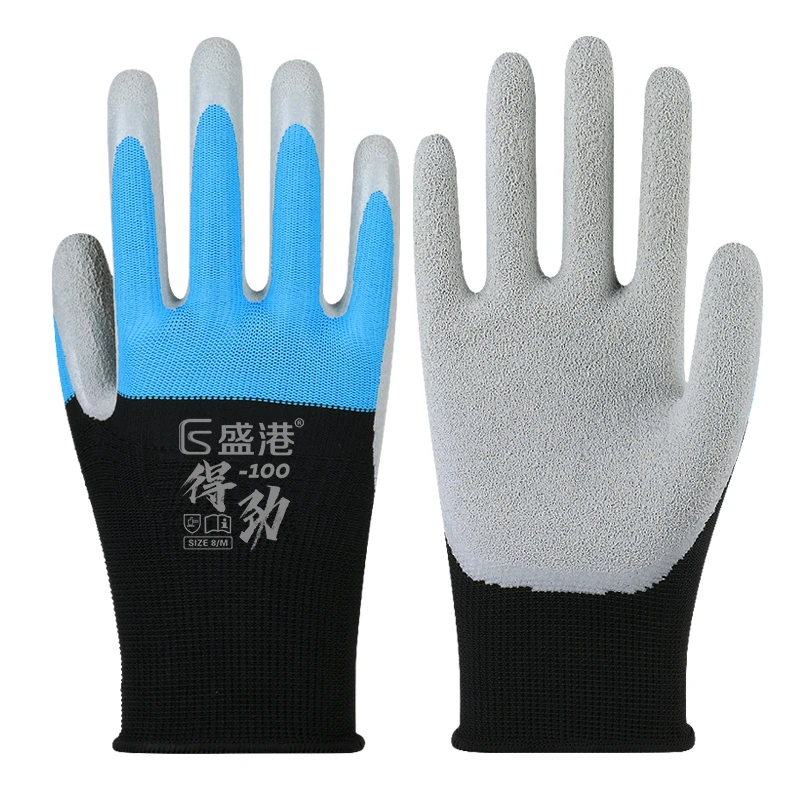
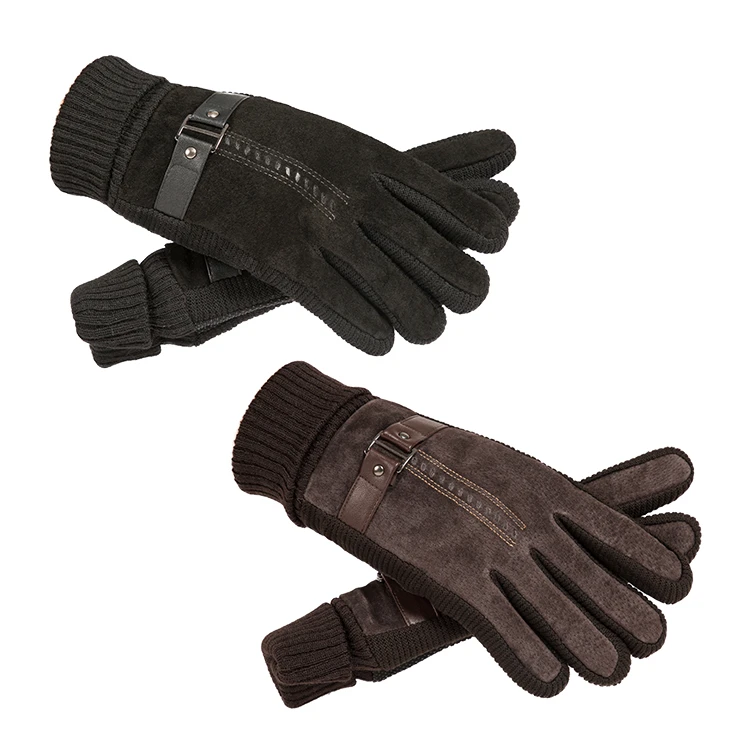
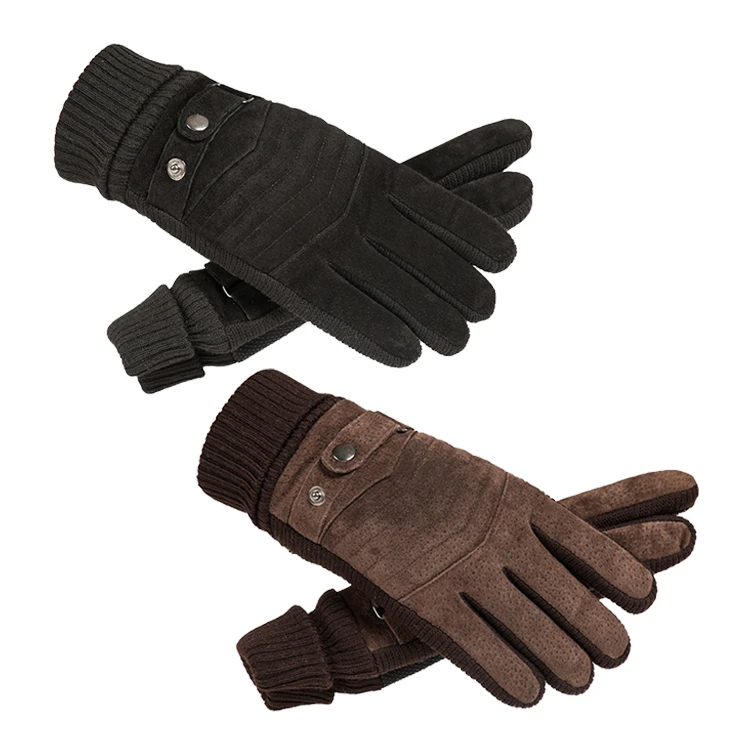
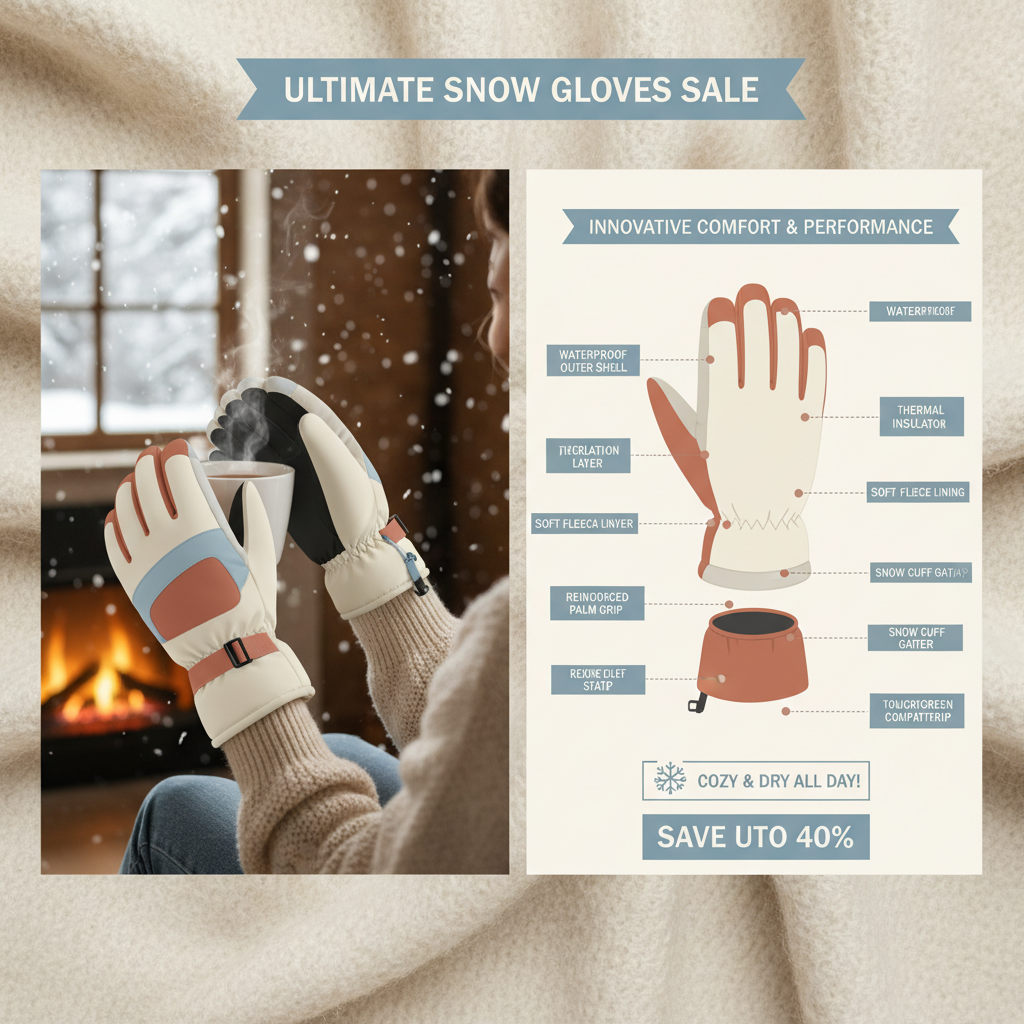
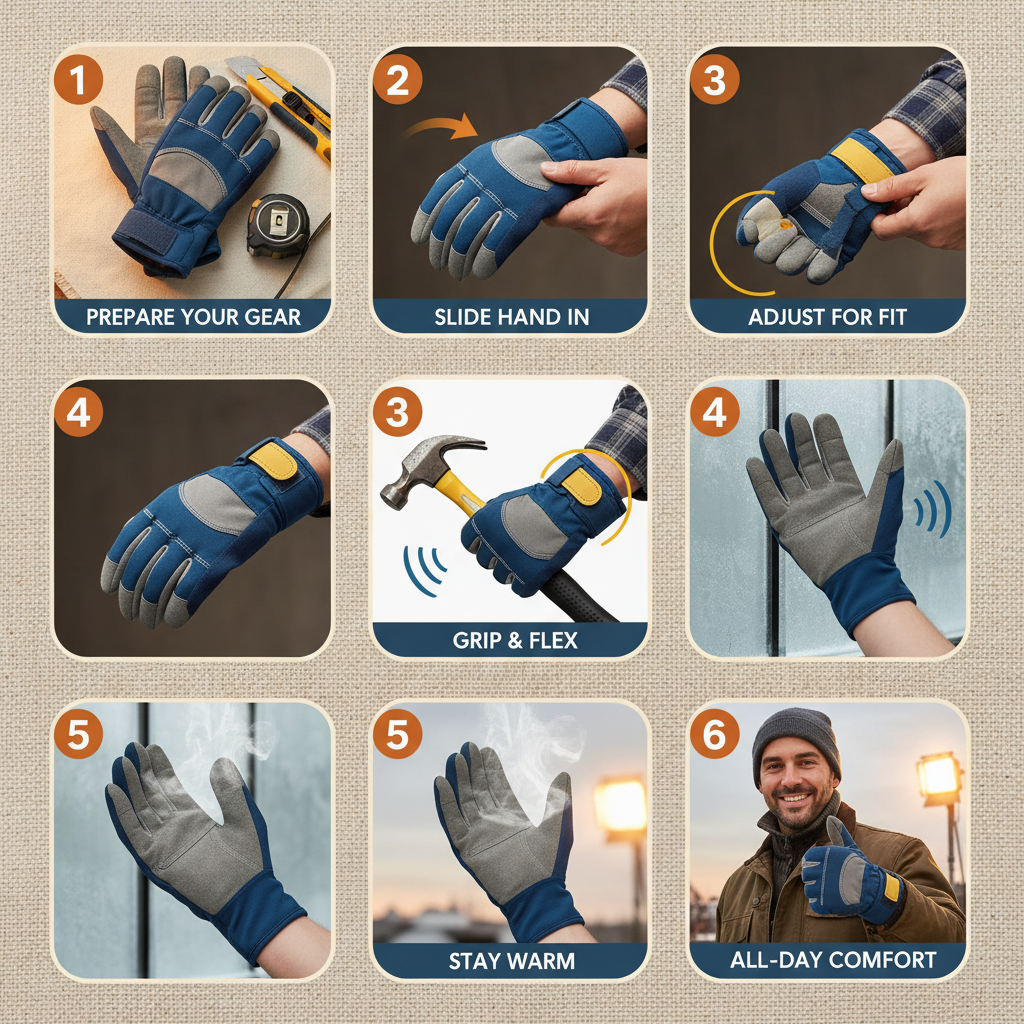
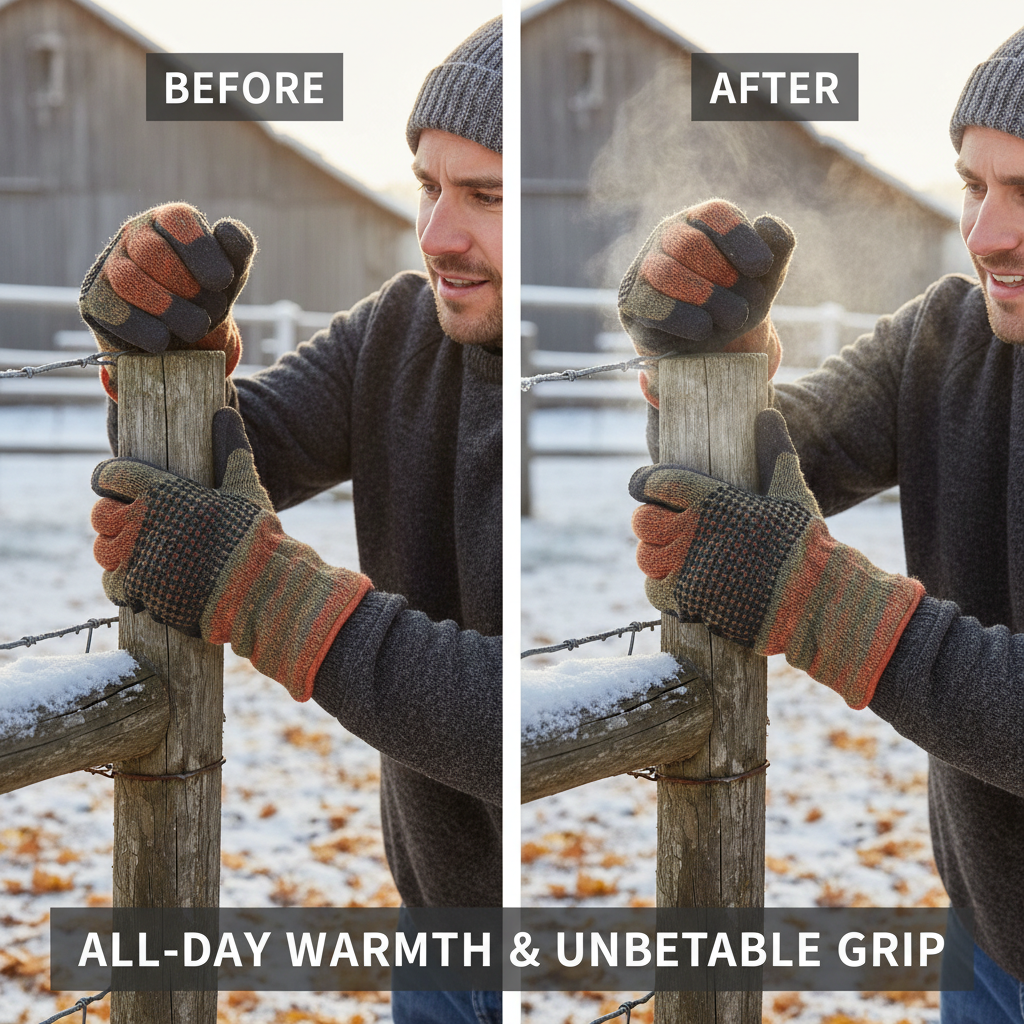
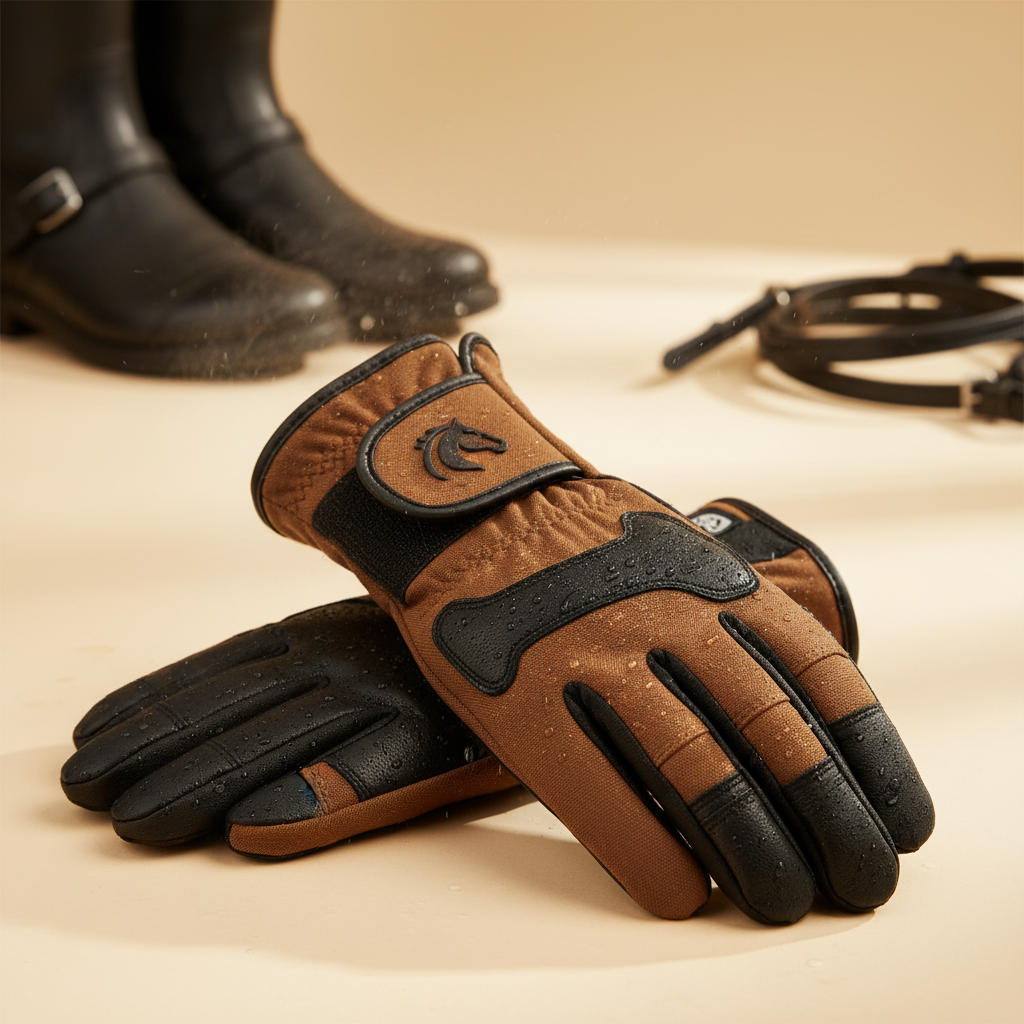
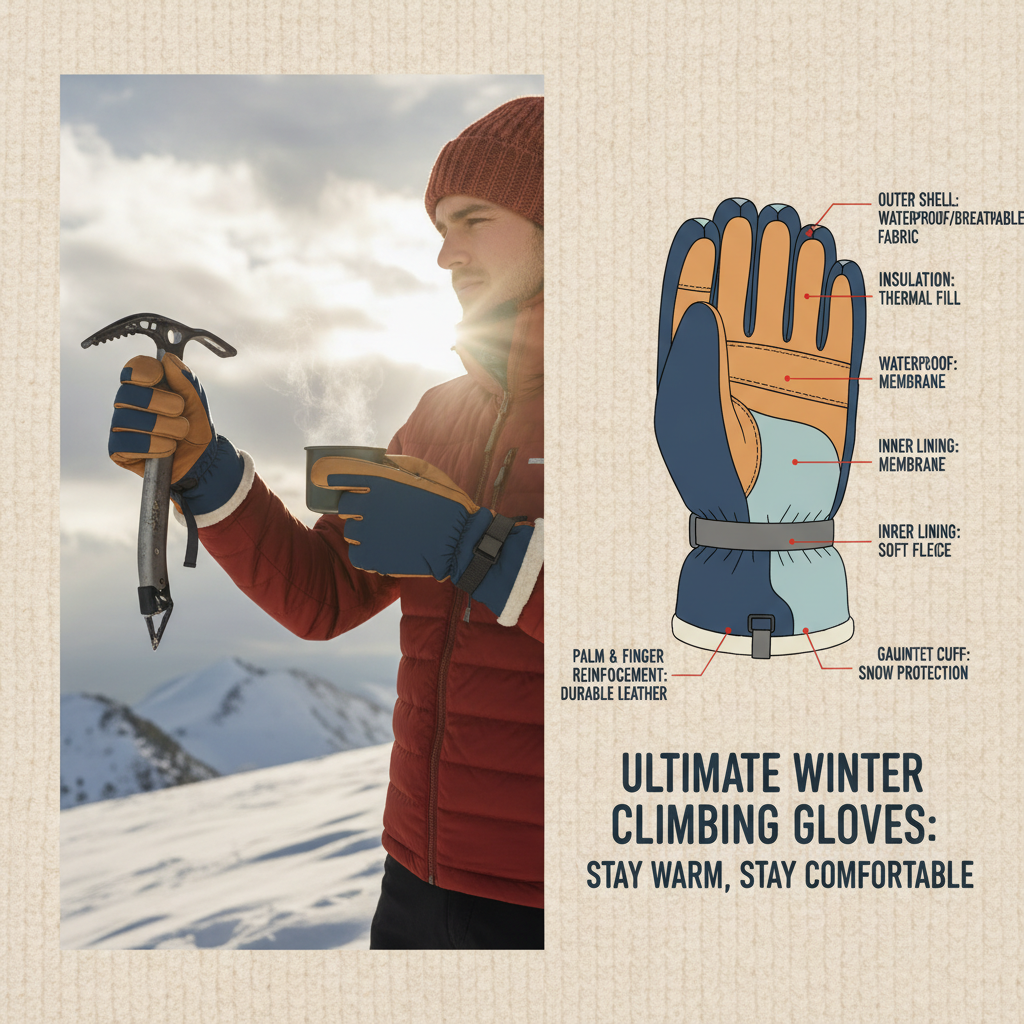
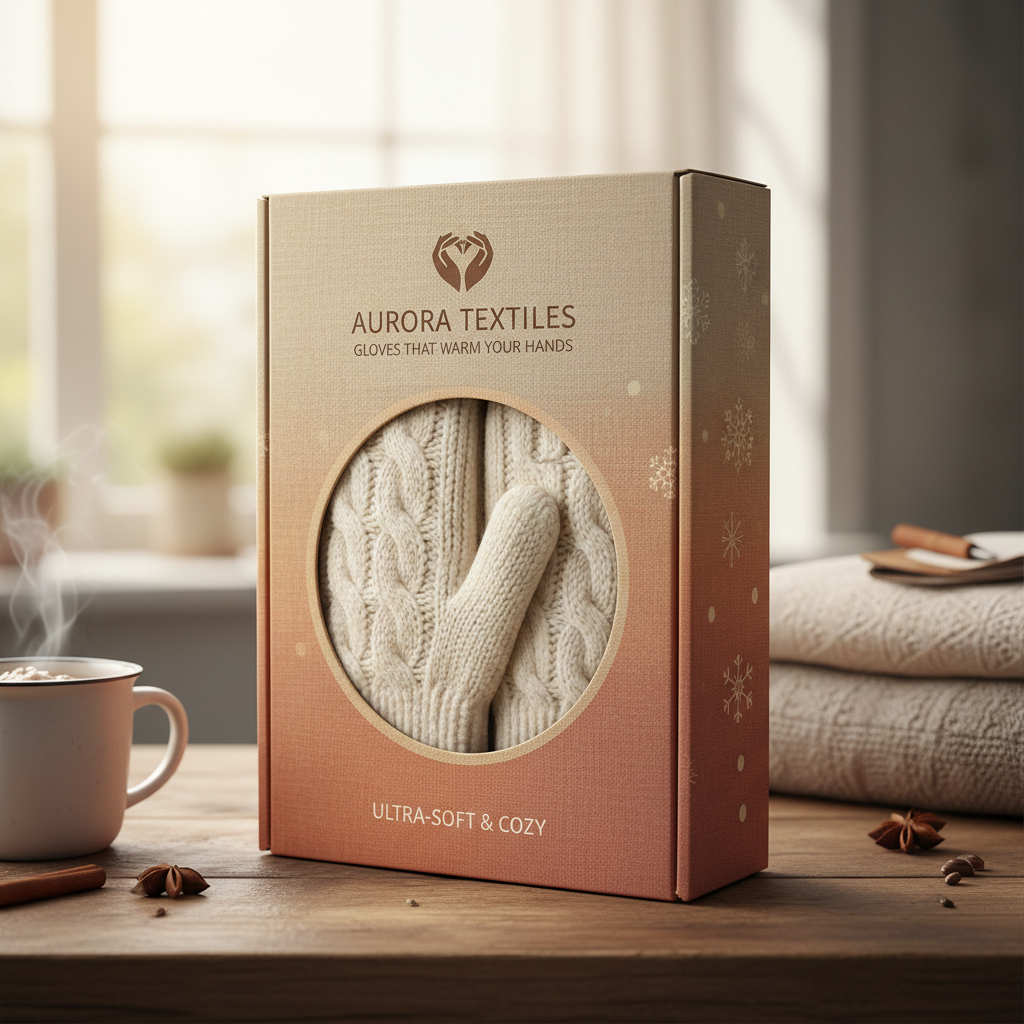
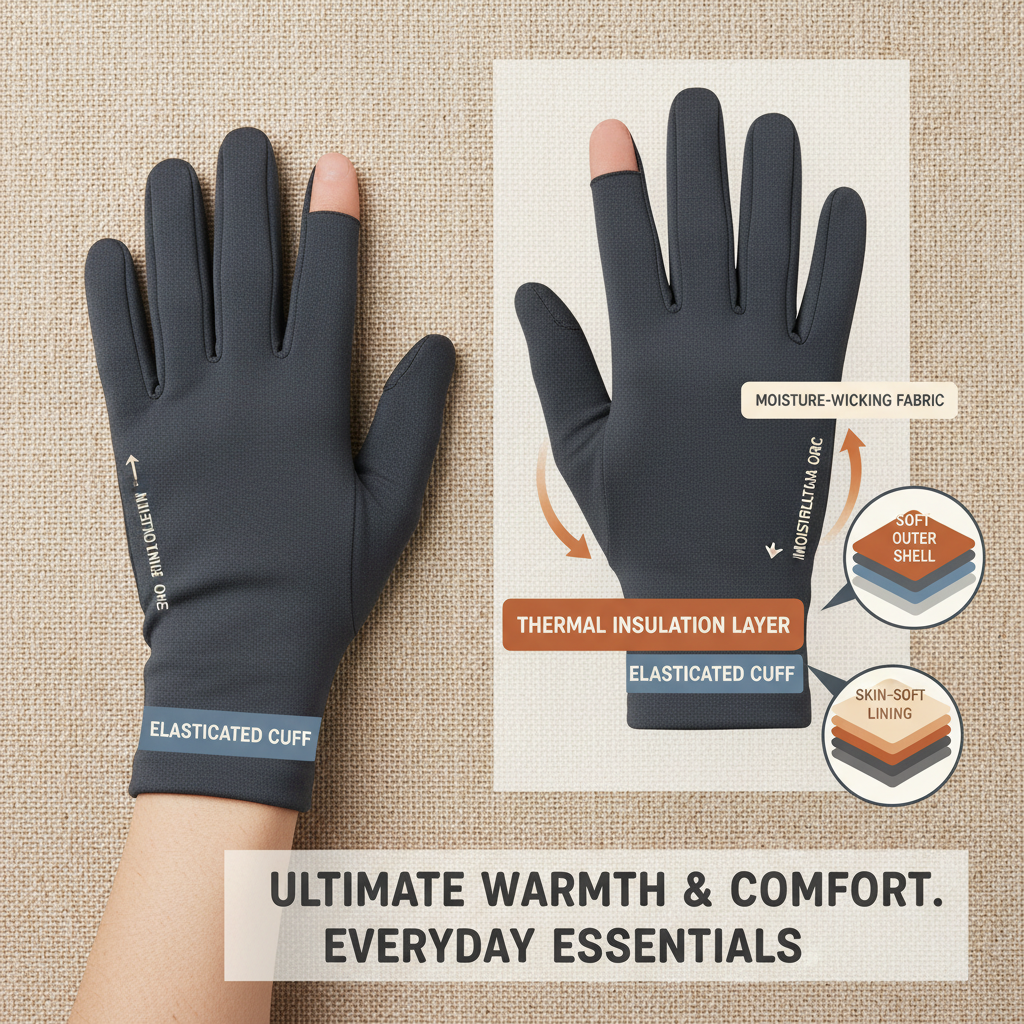
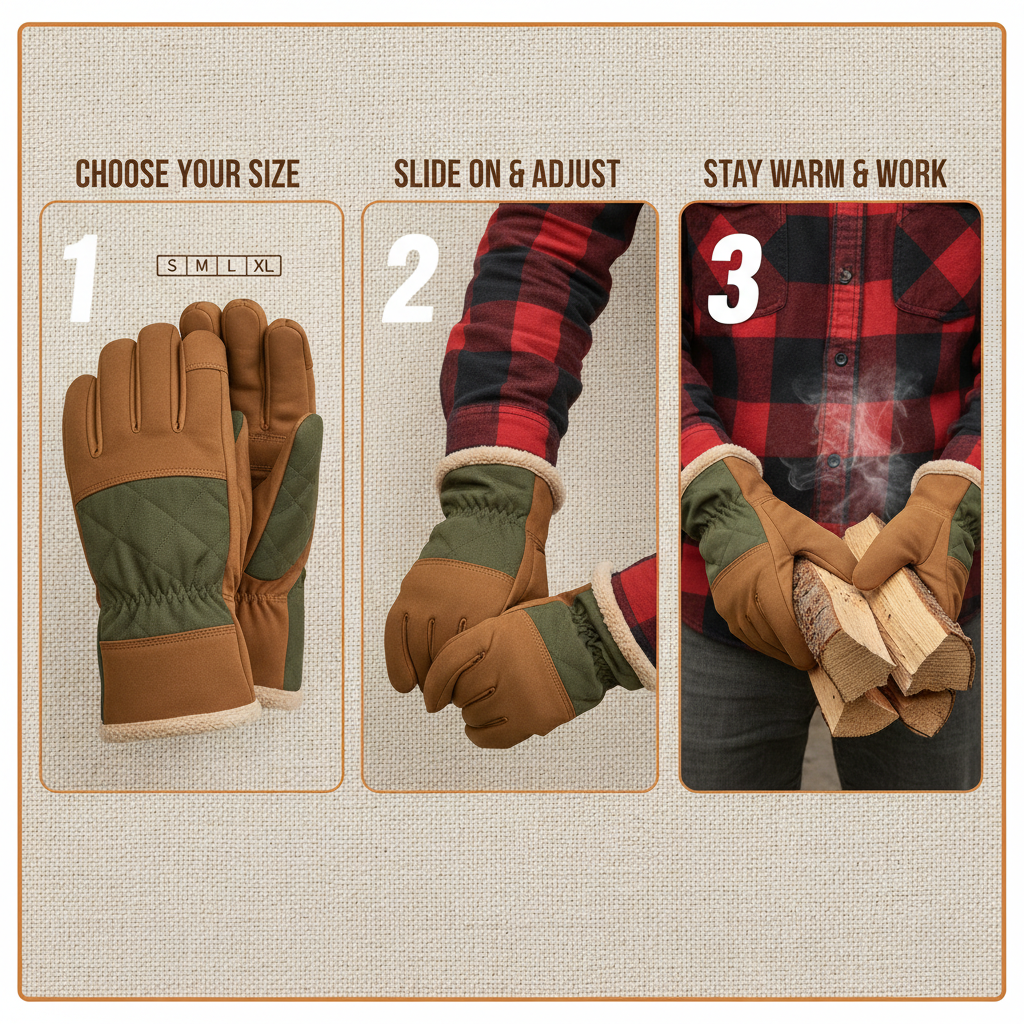
When temperatures drop, simple gloves don't cut it—this is where liner gloves for cold weather come into play. These gloves, thin yet insulated, are designed to be worn underneath heavier gloves or alone, providing an effective barrier against cold while maintaining nimble finger movement. Industries reliant on precise manual tasks, like logistics, construction, and manufacturing, find these especially valuable.
- Constructed usually from acrylic, polyester, or wool blends, they support moisture wicking and thermal retention.
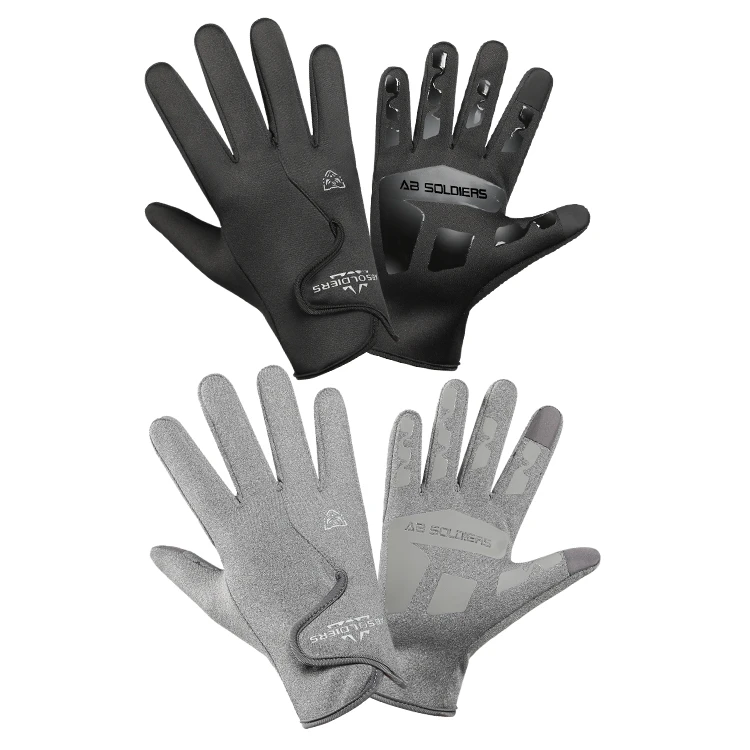
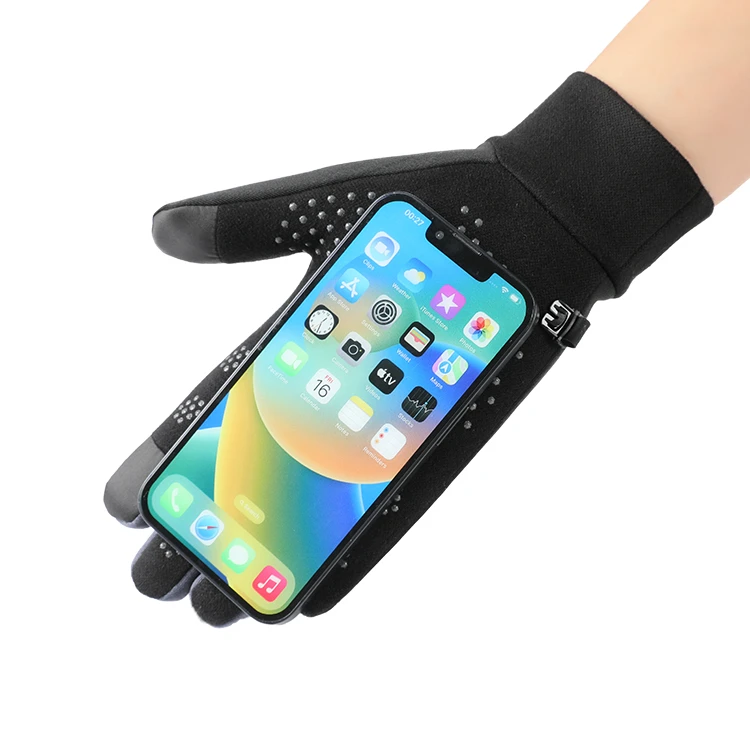
- Typical specs include thicknesses ranging from 1.2 mm to 3 mm and compatibility with touchscreen devices, a nice bonus for today’s tech-savvy workers.
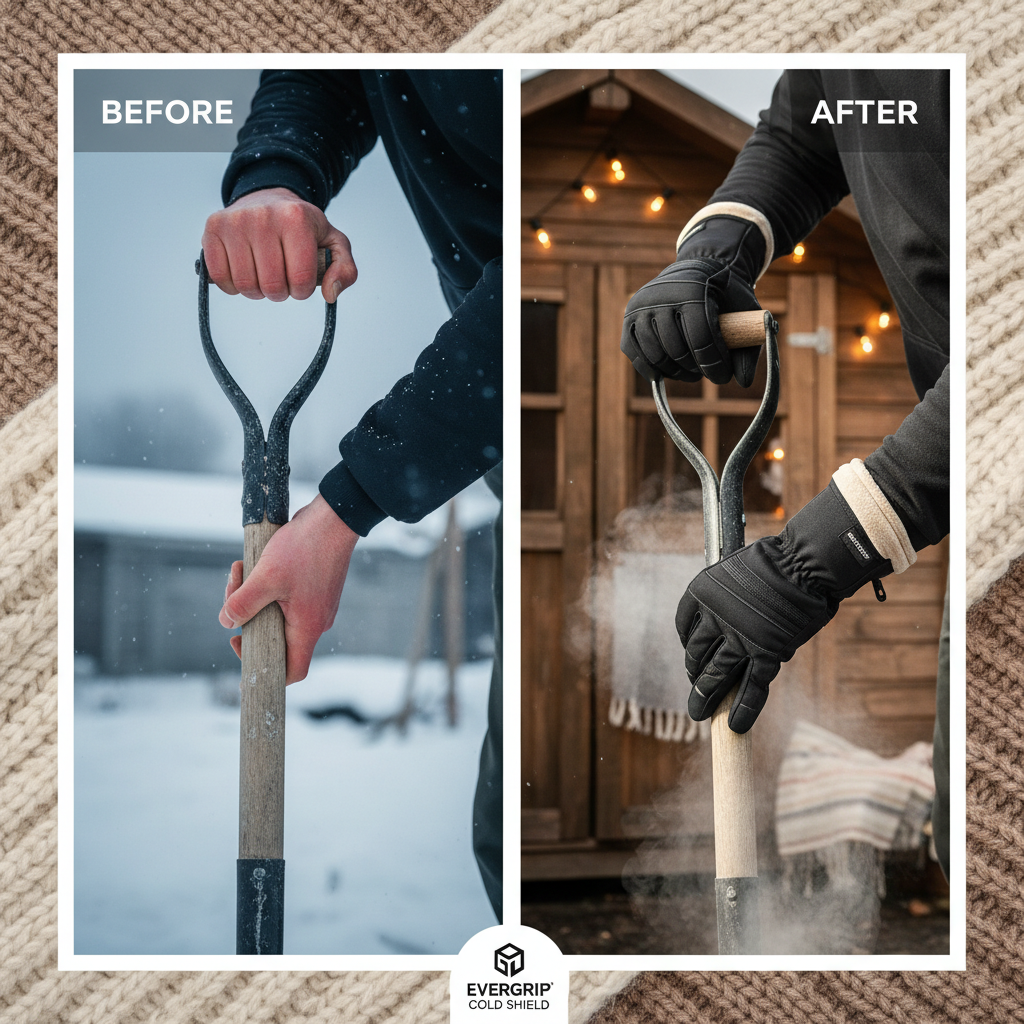
- One case study from a northern logistics company noted a 30% drop in cold-related hand injuries after switching to such liners under their regular gloves.
| Feature | Details |
|---|---|
| Material | Acrylic, Wool, Polyester blends |
| Thickness | 1.2 mm - 3 mm |
| Thermal Rating | Up to -20°C usability |
| Touchscreen Compatibility | Available on select models |
| Sizes | S, M, L, XL |
Benefits & Use Cases of Liner Gloves For Cold Weather
You might think all cold-weather gloves are similar, but liner gloves stand apart in their flexibility and layered protection benefits. In sectors like warehousing or outdoor assembly, workers often need that balance—warmth without sacrificing delicate touch sensitivity. These gloves really shine, frankly.
- Used often as a first layer beneath heavier work gloves to prevent heat loss while allowing finer grip control.
- The breathable but insulating knit fabric prevents sweat buildup, which is a sneaky cause of cold hands over a long shift.
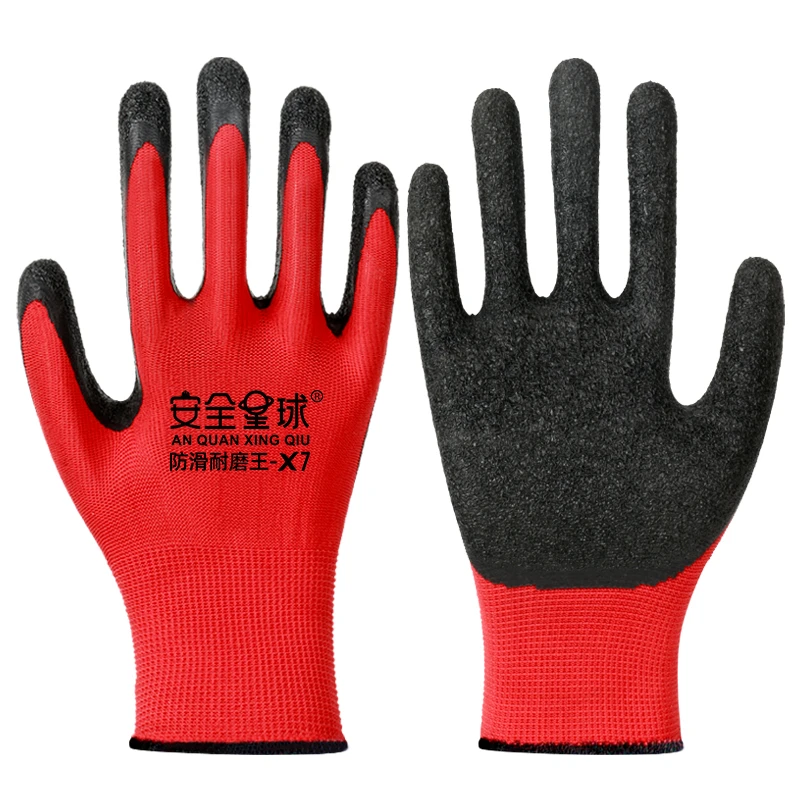
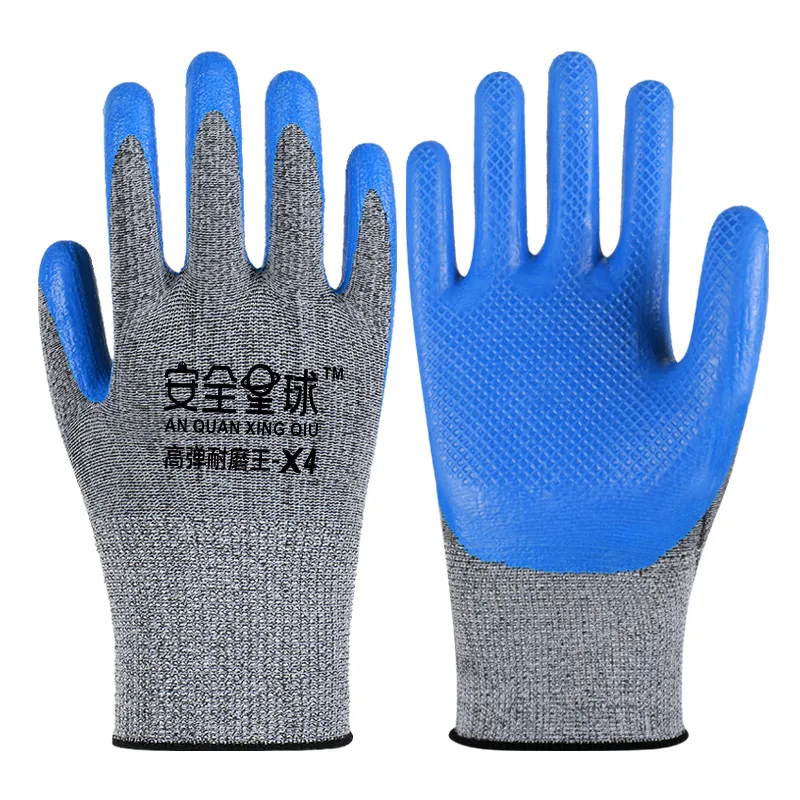
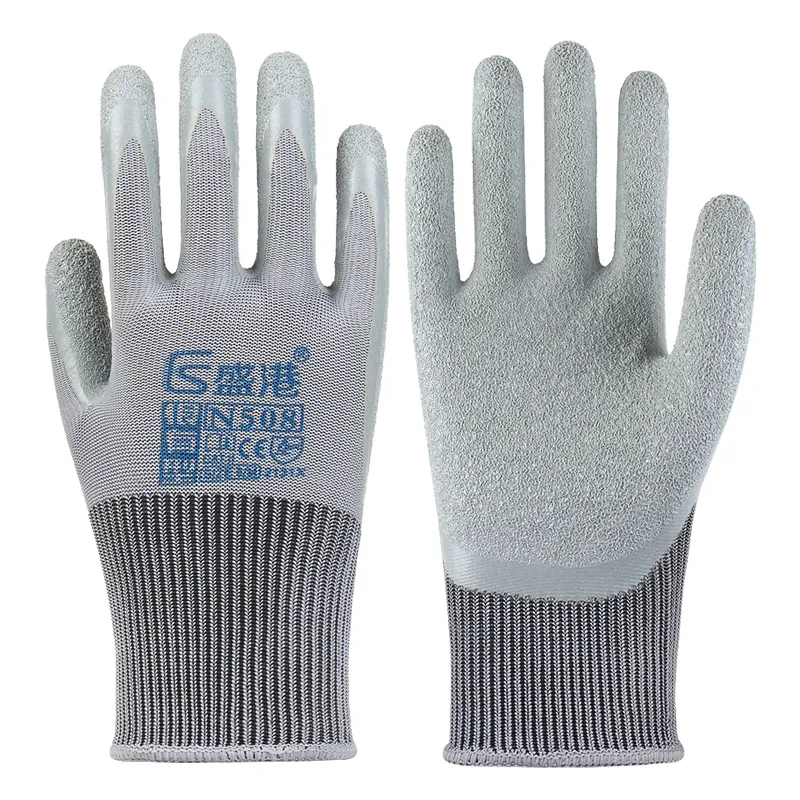
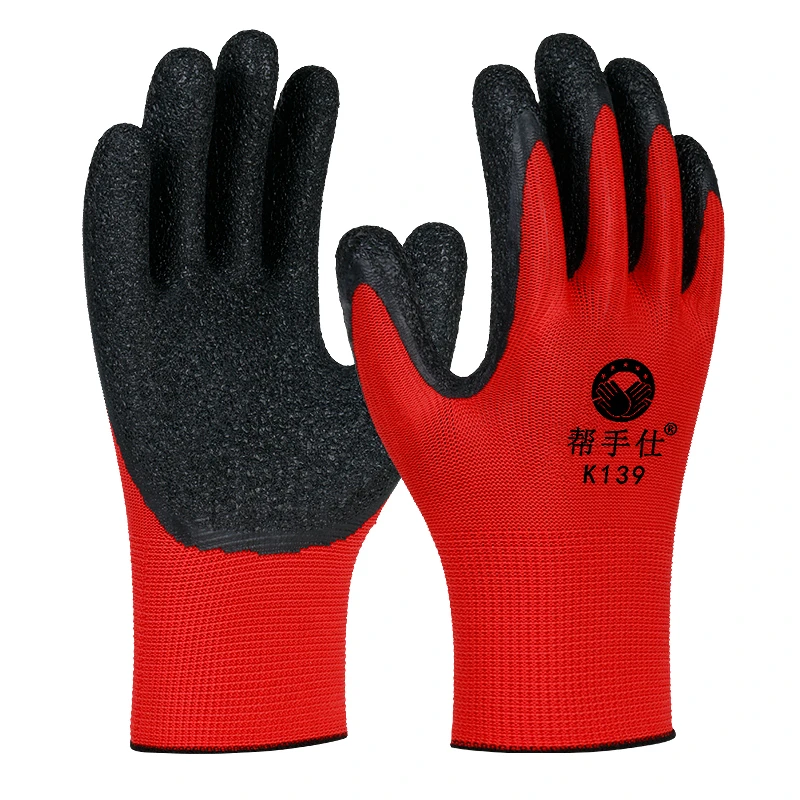
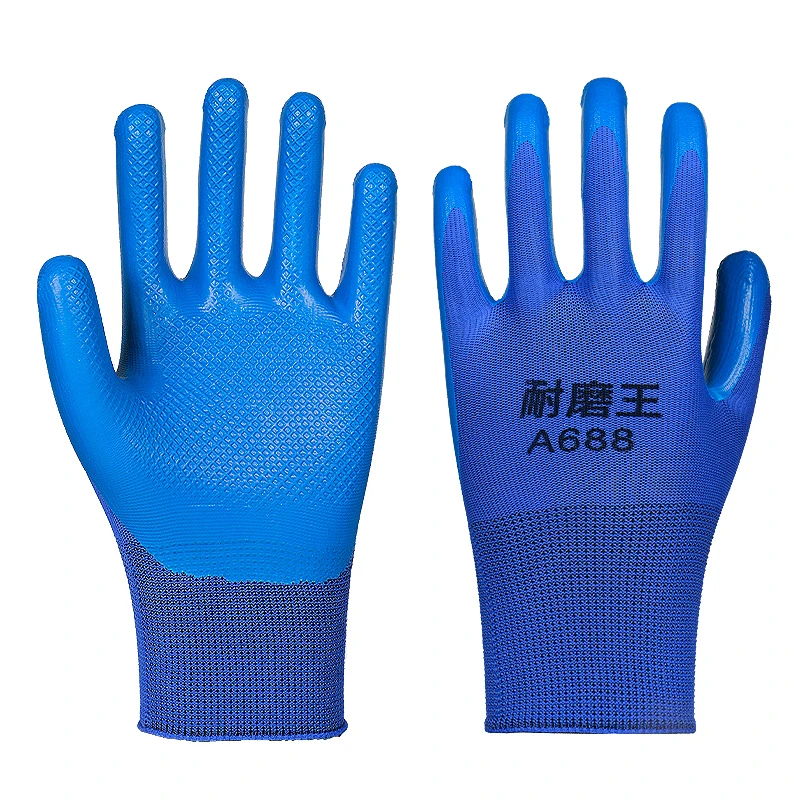
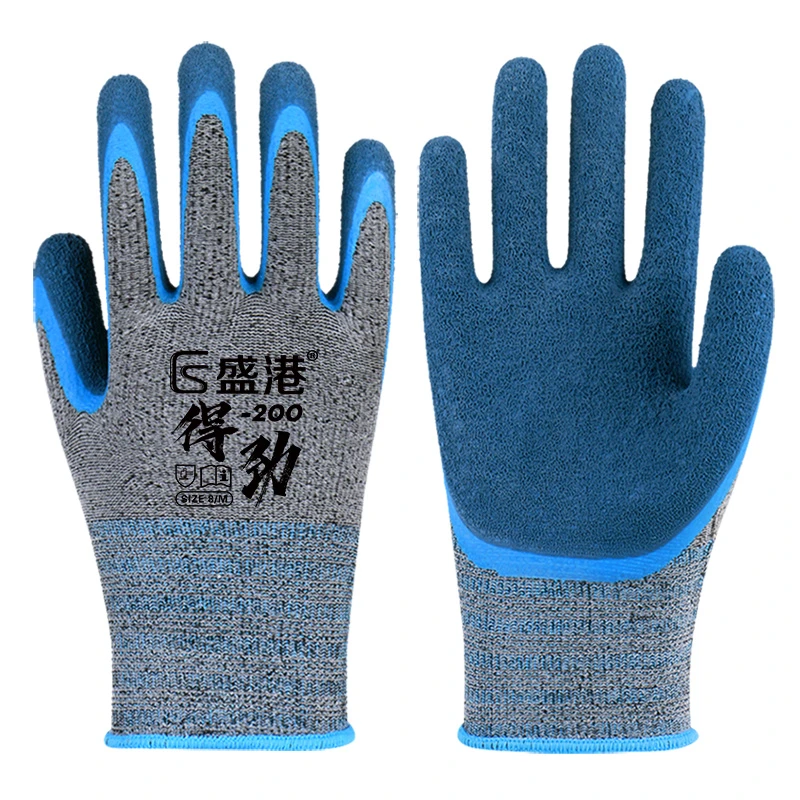
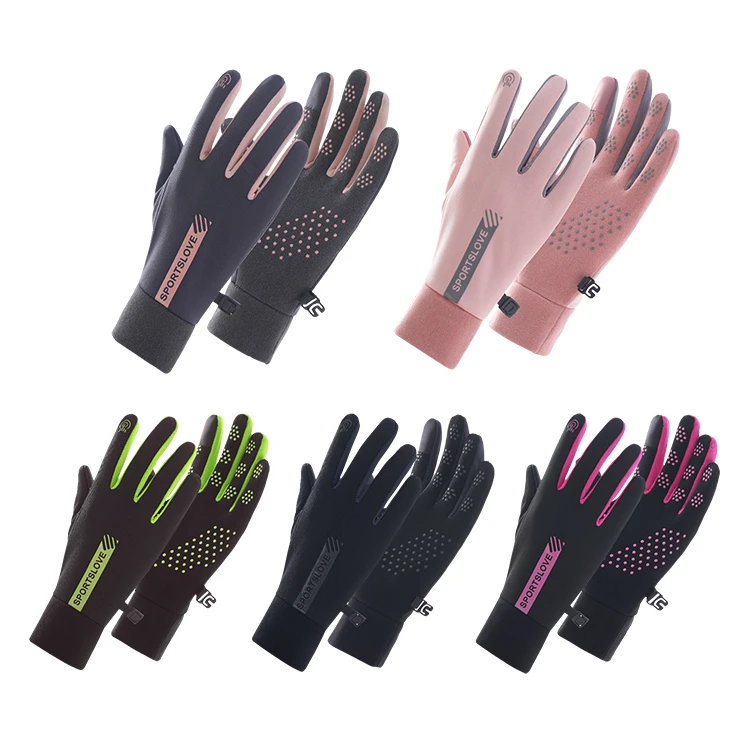
- Personalcarescn’s liners add silicone grip dots or patterns on palms on some models, creating an edge in secure handling.
Vendor Comparison Table
| Vendor | Material Quality | Customization Options | Lead Time | Pricing Tier |
|---|---|---|---|---|
| Personalcarescn | Premium acrylic blends with touchscreen tech | Custom sizes, colors, and branding | 4-6 weeks | Competitive mid-tier |
| Vendor B | Standard polyester | Limited options | 3-4 weeks | Low |
| Vendor C | Basic wool blends | No customization | 2-3 weeks | Budget-friendly |
Cost, Maintenance & User Experience
From a buyer’s standpoint, the total cost of ownership includes not only unit price but also durability and ease of maintenance. Liner gloves typically last multiple cold seasons, saving replacements costs. Personalcarescn liners are machine washable, which frankly, many workers appreciate—they don’t want to fumble with complicated care.
- Their enhanced grip pattern means less drop risk, indirectly reducing downtime and accidents, which leads to significant ROI over time.
- Feedback from seasonal warehouse operators noted improved comfort and hand warmth, especially on outdoor loading docks.
Sustainability & Market Trends
Sustainability in PPE is no longer a side note—it’s becoming a front-and-center consideration, especially for companies with green supply chain commitments. Fortunately, some liner gloves incorporate recycled fibers or biodegradable components, edging the market toward a more eco-friendly future. Regulations in North America and Europe regarding chemical safety and waste are tightening, prompting manufacturers like Personalcarescn to innovate responsibly.
- Industry growth is steady, driven by expansion in cold-storage logistics and outdoor infrastructure projects.
- There’s a noticeable shift to multifunctional liners with antimicrobial finishes and better thermal management.
Frequently Asked Questions about Liner Gloves For Cold Weather
- What is Liner Gloves For Cold Weather and how does it work?
- They’re lightweight, insulated gloves designed to be worn alone or layered under heavier gloves, helping to keep hands warm by trapping heat without restricting finger movement.
- What are the main benefits of using Liner Gloves For Cold Weather in industrial applications?
- Key advantages include enhanced manual dexterity, moisture management, comfort over long shifts, and protection from cold injuries—all vital in maintaining productivity.
- How does Liner Gloves For Cold Weather compare to traditional alternatives?
- Compared to bulky mittens or unlined gloves, liners provide finesse and layering versatility, often integrating advanced materials like touchscreen-compatible fibers.
- What industries can benefit most from Liner Gloves For Cold Weather implementation?
- Logistics, construction, outdoor maintenance, and cold storage industries particularly benefit, where workers face chilling conditions but need full hand functionality.
Conclusion on Liner Gloves For Cold Weather from china
To sum it up, liner gloves for cold weather prove essential for businesses seeking to manage cold exposure risks without sacrificing performance and comfort on the job. They balance warmth, touch sensitivity, and durability in a cost-effective package. Selecting a reliable supplier like Personalcarescn ensures you get quality product design backed by capable manufacturing and support.
- Recap the value of Liner Gloves For Cold Weather.
- - Visit our website: https://www.personalcarescn.com
Reflecting on this, it’s clear how much thoughtful glove liners can improve worker safety and productivity in harsh conditions. The industry’s evolving fast, and products like these remind us that sometimes the simplest solutions—layering warmth just right—are the smartest.
- Cold Weather Hand Protection, OSHA Guidelines, 2023.
- Personalcarescn Case Study, Logistics Industry, 2022.
- Sustainability Trends in PPE, Industry Report, 2023.