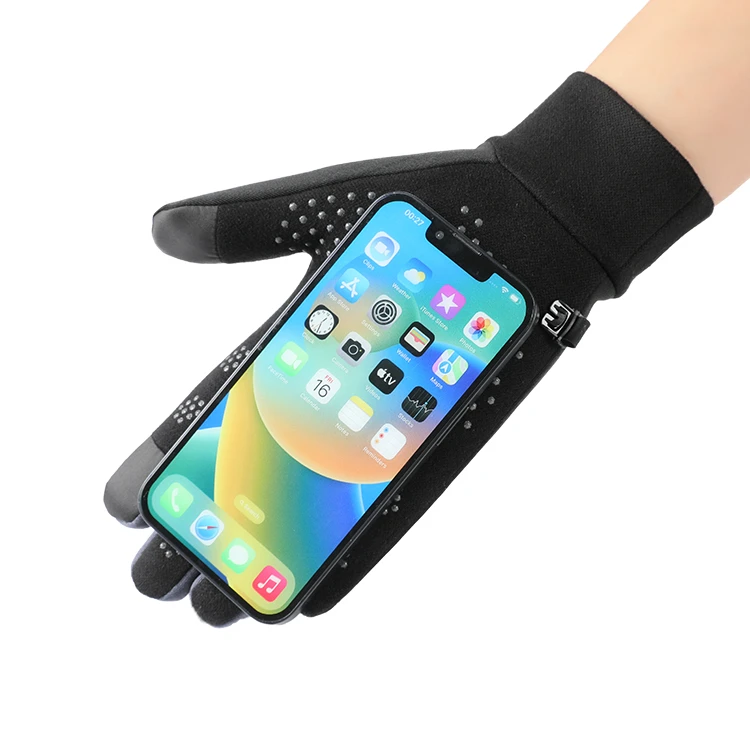
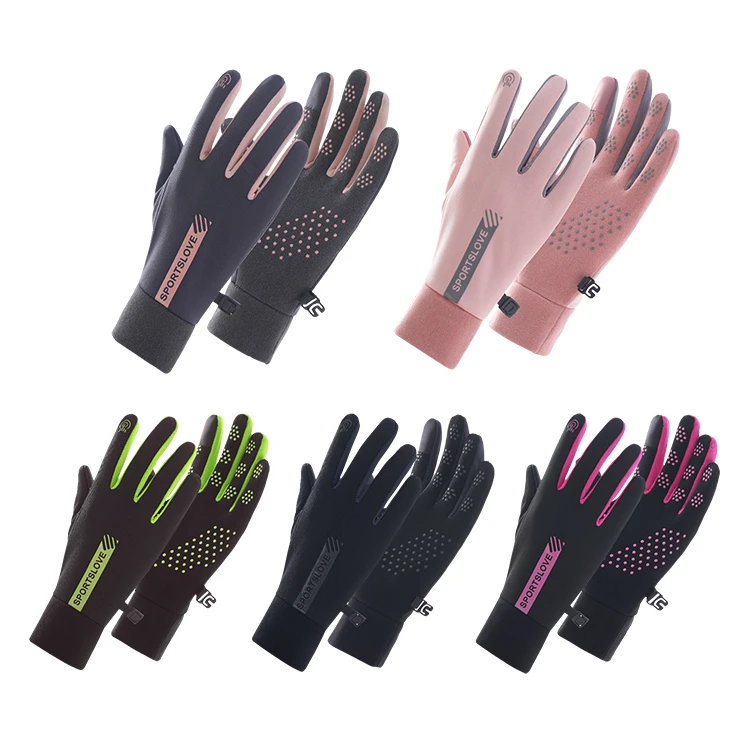
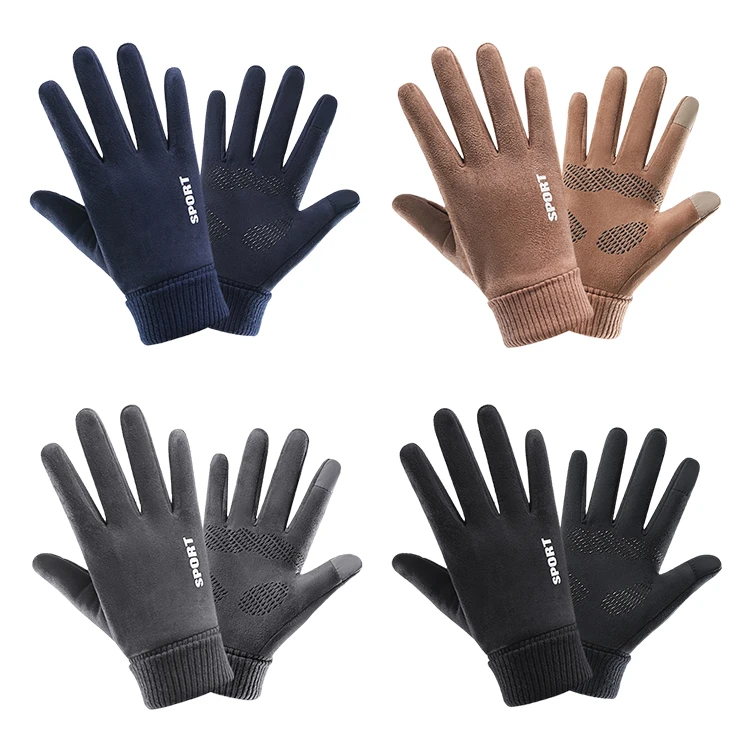
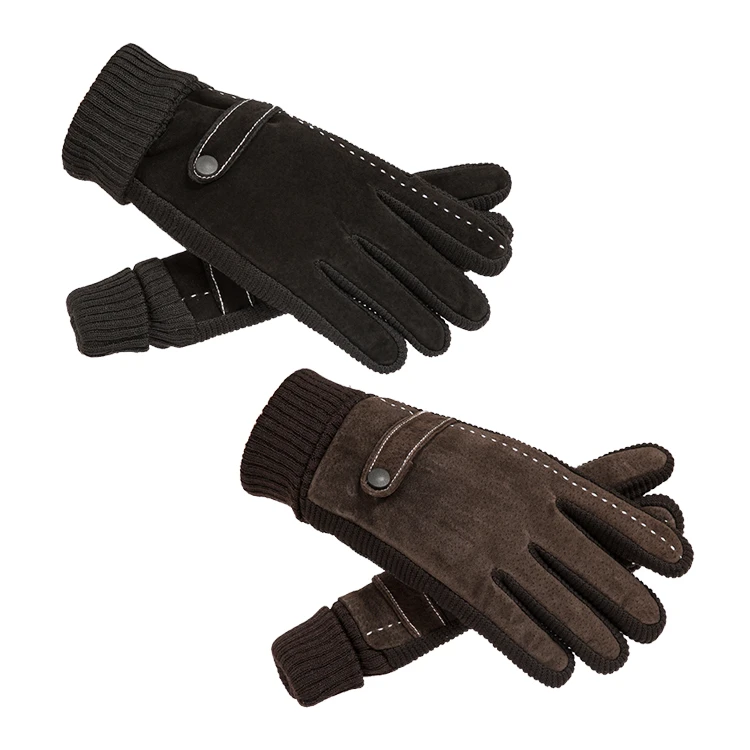
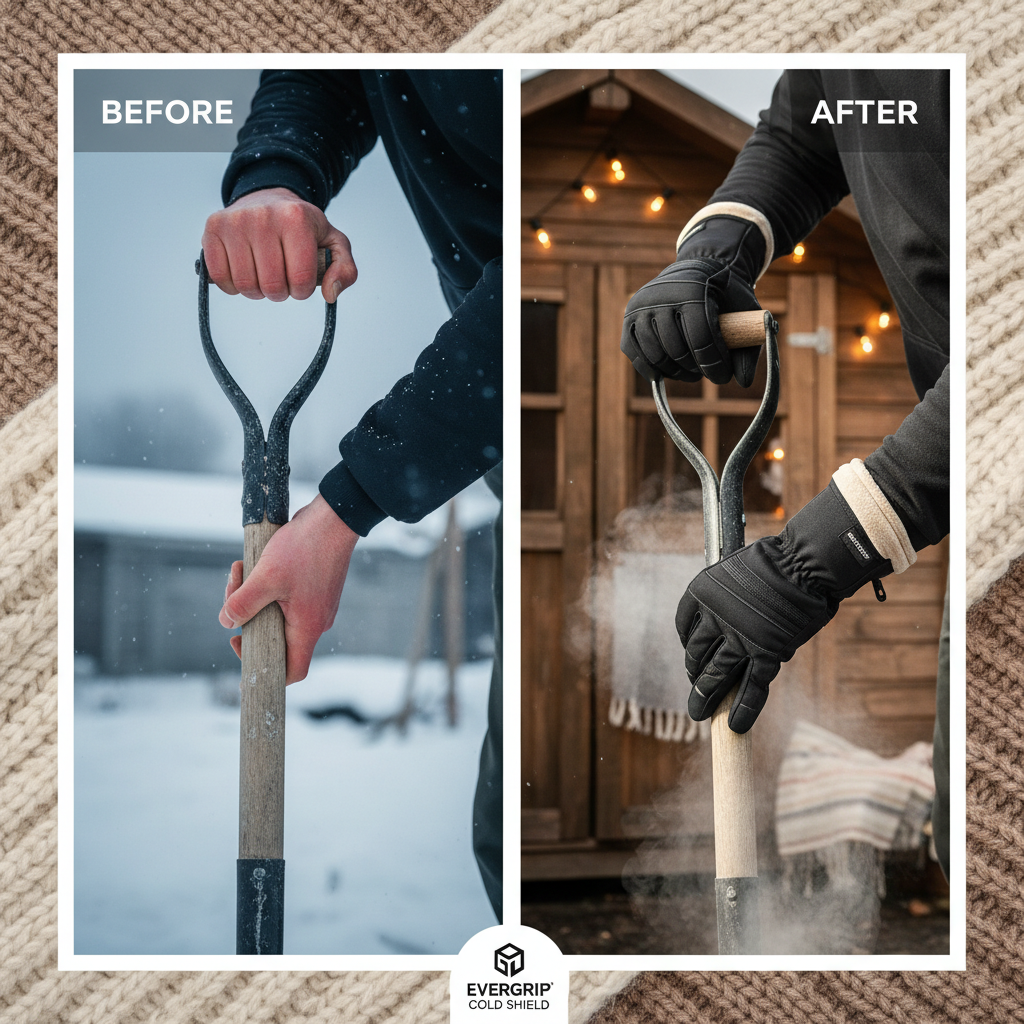
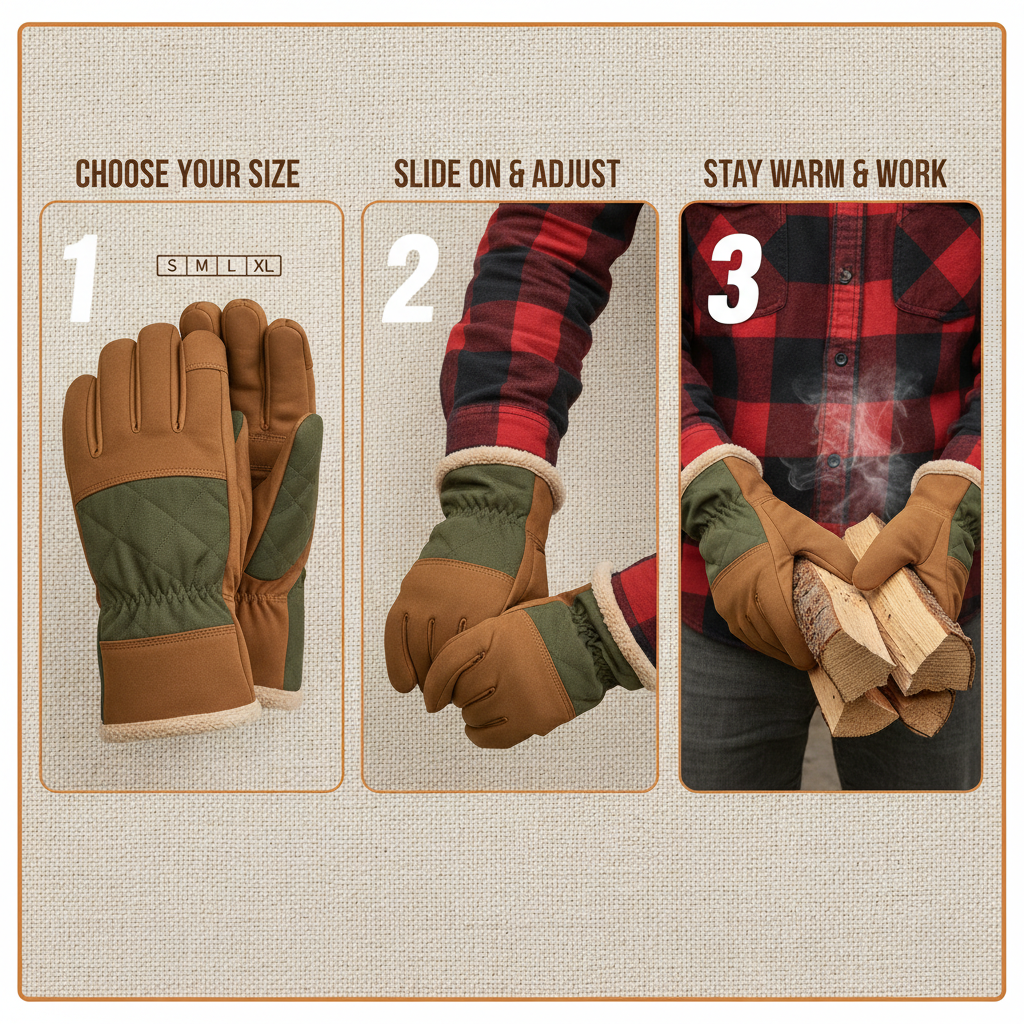
Motorcycle Gloves: Waterproof, Touchscreen, All-Season Grip
Field Notes on Modern Riding Gear: Why Motorcycle Gloves Made from Pigskin Are Having a Moment
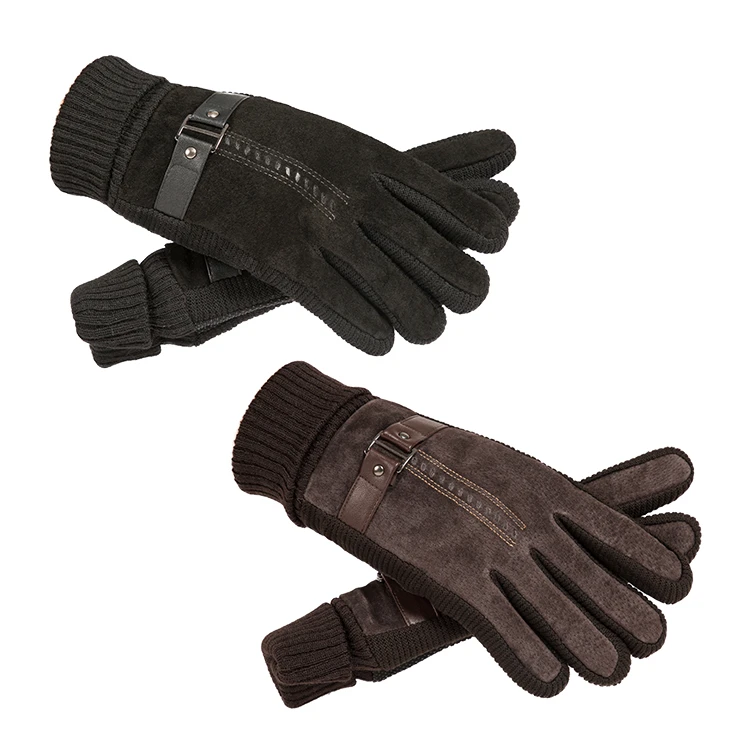
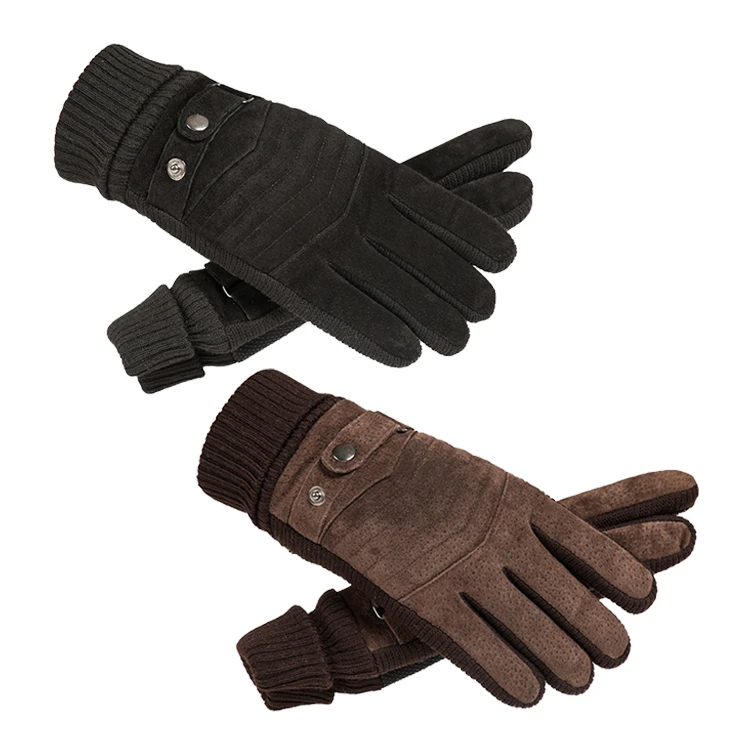
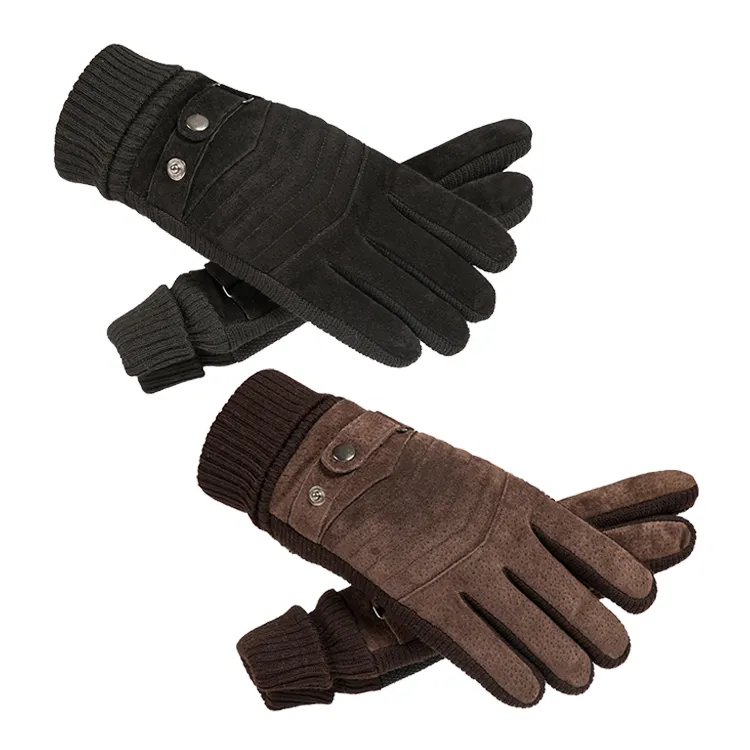
If you ride daily—or just on weekends—you already know: gloves can make or break the ride. Lately I’ve been testing a pigskin-leather pair from a Hebei-based maker, and, to be honest, the breathability and grip surprised me. They feel “broken in” on day two, not week two, which many customers say is rare.
Trends: Comfort-first, Lab-tested, All-weather
The market’s drifting toward lighter, more breathable Motorcycle Gloves that still pass real abrasion tests. Pigskin’s natural oils give useful water resistance, and—this was surprising—hands stay cooler in stop-and-go traffic. Commuters, delivery fleets, and ADV riders are asking for touchscreen tips, reinforced palms, and CE-ready construction without race-spec bulk.
Product Snapshot
| Spec | Details (≈ real-world) |
|---|---|
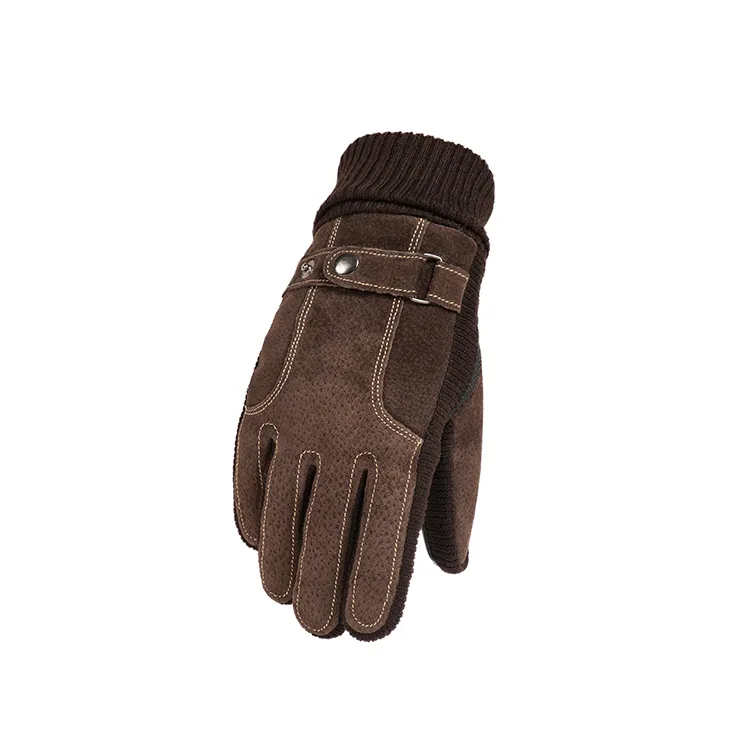
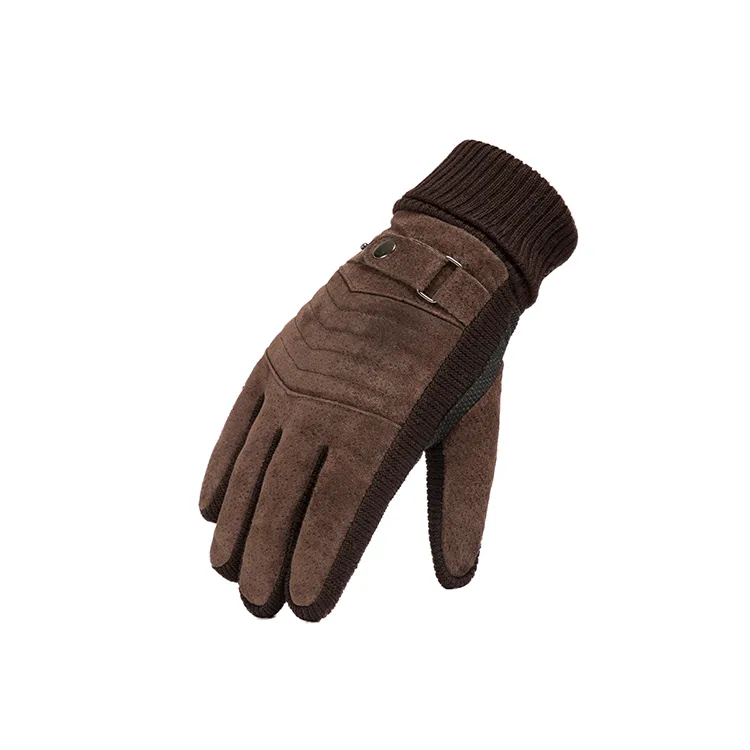
| Material | Premium pigskin leather, 0.9–1.1 mm |
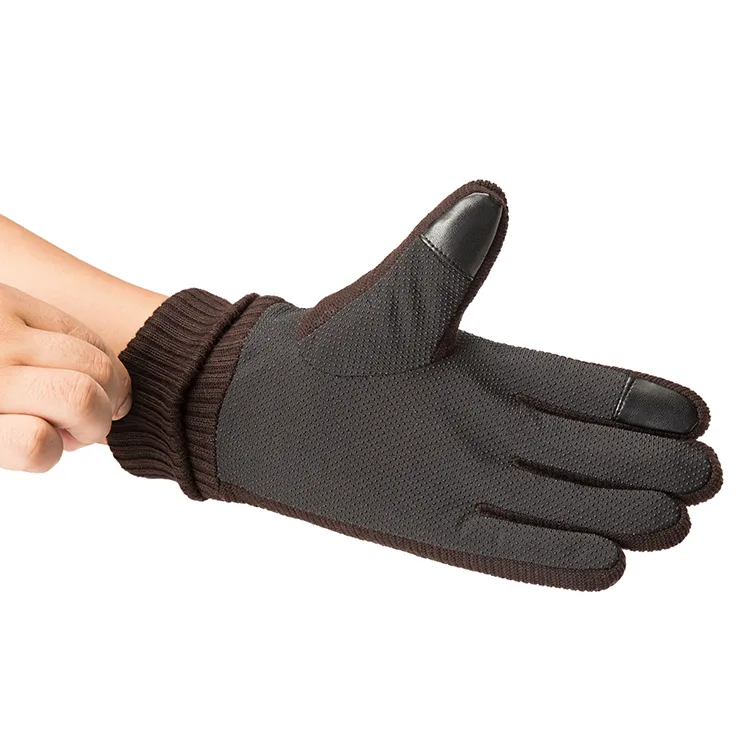
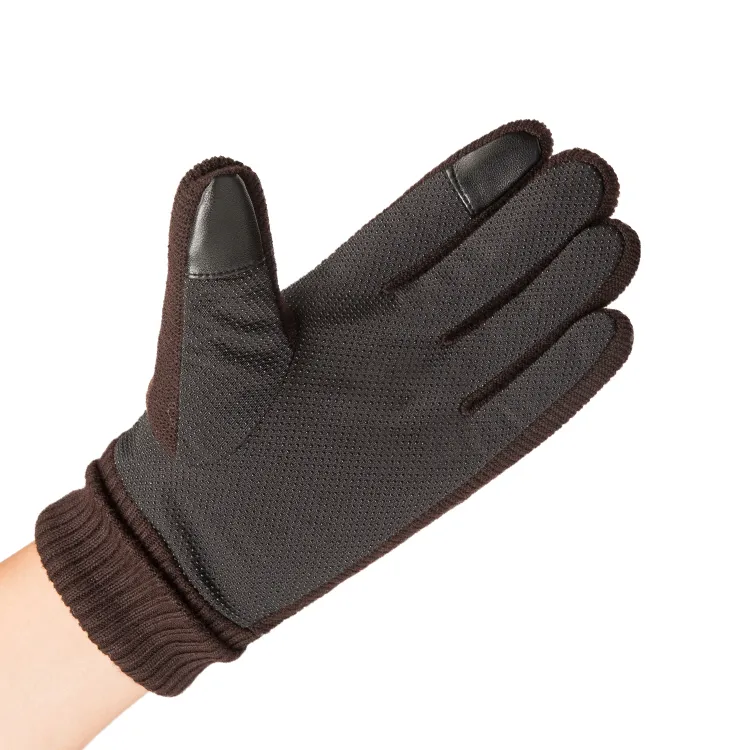
| Palm | Reinforced overlay; high-grip emboss |
| Liner | Breathable tricot; optional foam at heel of palm |
| Protection | Optional TPU knuckle; low-profile sliders |
| Stitching | Bonded nylon; external seams at fingers for comfort |
| Touchscreen | Conductive thumb/index (optional) |
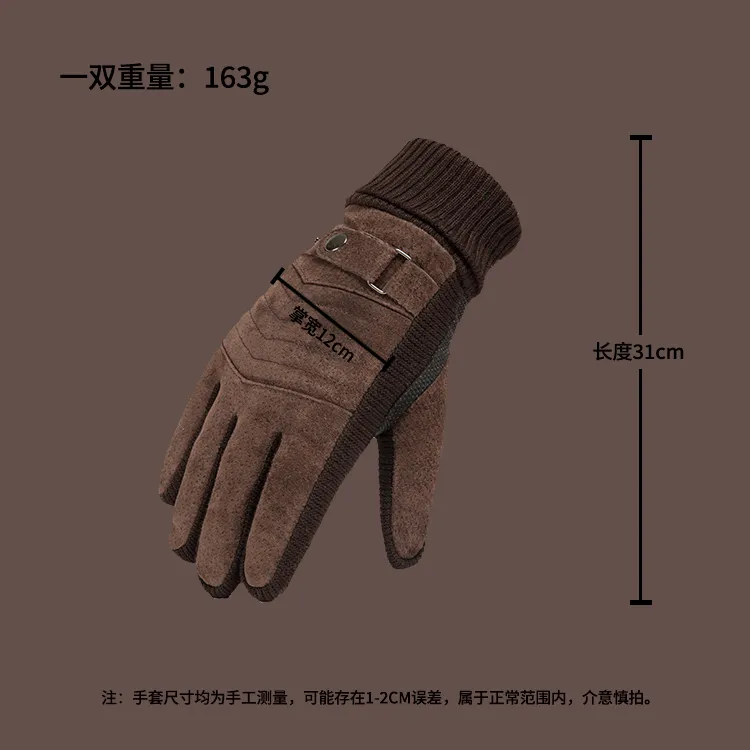
| Sizes | S–XXL; unisex pattern |
| Service life | ≈ 12–24 months commuting use (care-dependent) |
Internal test notes: Taber abrasion (ASTM D3884) palm pigskin ≈ 10,000 cycles to hole; tear strength (ISO 3376) ≈ 25–30 N; seam burst > 300 N; water uptake after 30 min light spray
How They’re Made (quick process flow)
- Material selection: graded pigskins, chromium(VI) controlled; color consistency checks.
- Cutting & nesting: CAD patterns to reduce waste; stretch mapped for throttle hand.
- Stitching & reinforcement: bonded nylon; bar-tacks at stress points; optional TPU knuckle set.
- Finishing: conductive pads, emboss, wrist closure; 100% inspection for loose threads.
- Testing: abrasion, tear, seam strength; size tolerance; dye rub; optional EN 13594 protocols.
Where They Shine
Motorcycle Gloves like these fit commuting, weekend touring, moto-courier work, and even light DIY. In rain, pigskin’s natural oils help; in heat, the breathability is noticeable. Feedback from riders (and a couple of skeptical mechanics) was consistent: snug fit, good throttle feel, less palm fatigue after long rides.
Vendor Snapshot & Comparison
| Vendor | Strengths | Lead Time | MOQ | Indicative Price |
|---|---|---|---|---|
| Hebei Manufacturer (Xinji Town, Education Road north section, China) | Pigskin expertise; OEM/branding; CE documentation on request | ≈ 15–25 days | ≈ 300–500 pairs | ≈ $8–18/pair |
| EU Boutique Maker | Premium trims; small-batch custom | ≈ 4–8 weeks | ≈ 50–100 pairs | ≈ $25–60/pair |
| US Import Brand | Fast stock; wide sizing | In stock / 7–14 days | Single units | ≈ $15–35/pair |
Customization & Case Study
Options: colorways, logo emboss, conductive tips, TPU knuckle, reflective piping, retail packaging. For fleets, size curves can skew M–XL to match rider data.
Quick case: a delivery operator swapped older synthetics for these pigskin Motorcycle Gloves. Over 8 weeks, riders reported better bar feel and ≈ 22% fewer palm hot spots; glove turnover dropped from 9 to 6 pairs per 10 riders per quarter (small sample, but telling).
Compliance Notes
Production can be aligned to EN 13594:2015 (motorcycle gloves) and EN 388 (mechanical risks). Third-party lab reports are available on request; certification scope depends on chosen features (e.g., knuckle protector, cuff length).
References
- EN 13594:2015 Protective gloves for motorcycle riders — Requirements and test methods (CEN).
- EN 388:2016+A1:2018 Protective gloves against mechanical risks.
- ASTM D3884 Standard Guide for Abrasion Resistance of Textile Fabrics (Taber Abrader).
- ISO 3376:2020 Leather — Determination of tensile strength and percentage extension.