Navy Thermal Gloves: Essential Cold Weather Protection & Industry Applications
Navy Thermal Gloves: Essential Protection for Cold Environments
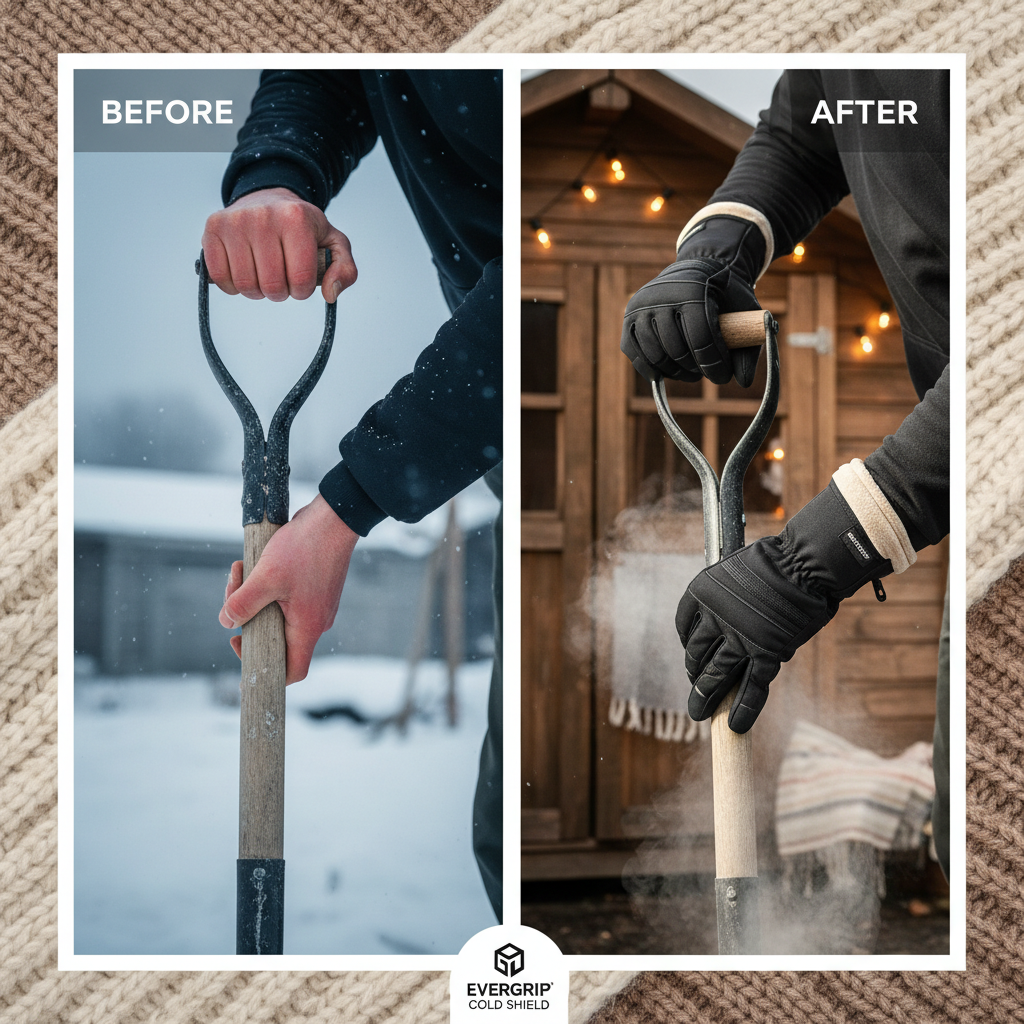
When it comes to protecting hands in extreme cold, navy thermal gloves are often the first line of defense. Their importance stretches far beyond military use; they safeguard workers, aid relief teams, and outdoor enthusiasts worldwide. Understanding these gloves means appreciating how modern materials and design meet real-world challenges — from icy oceans to frozen industrial sites.
Introduction: The Global Relevance of Navy Thermal Gloves
Cold weather injuries affect thousands annually, especially in maritime and polar operations. The World Health Organization estimates that exposure-related conditions lead to significant morbidity and loss of productivity in affected populations. In such contexts, reliable thermal gloves can mean the difference between safety and frostbite.
Moreover, industries like shipping, offshore drilling, and disaster relief operate in freezing conditions where dexterity must not be compromised. The market for navy thermal gloves has grown steadily due to increasing global maritime activities and an emphasis on worker safety standards referenced by organizations such as the International Organization for Standardization (ISO).
What Exactly Are Navy Thermal Gloves?
Simply put, these gloves are specialized handwear designed to provide thermal insulation while maintaining flexibility and durability. Initially developed for naval personnel facing harsh sea climates, they utilize layered technology to trap heat and resist moisture. Today, their scope is broader, serving humanitarian missions, industrial use, and even recreational cold-weather sports.
Key Factors of Navy Thermal Gloves
1. Thermal Insulation
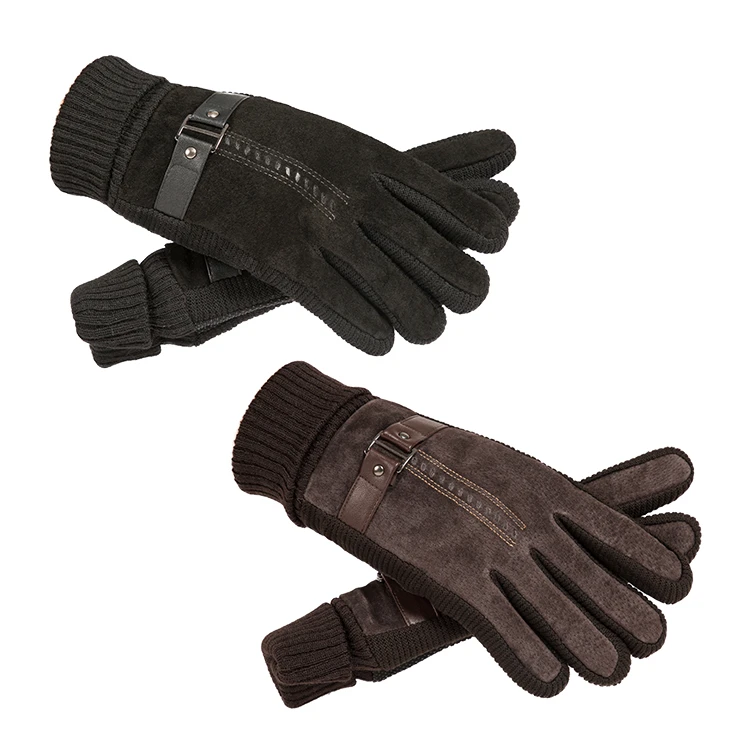
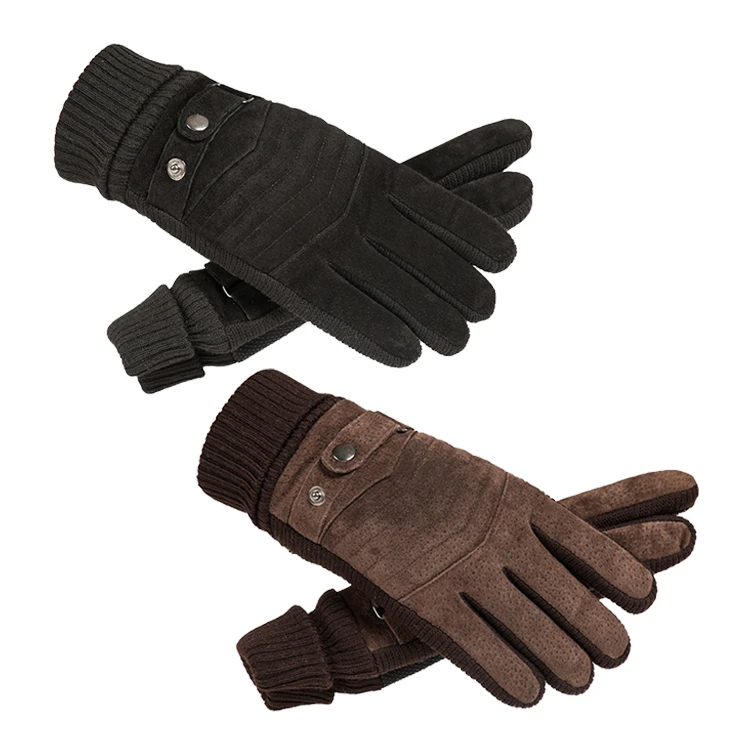
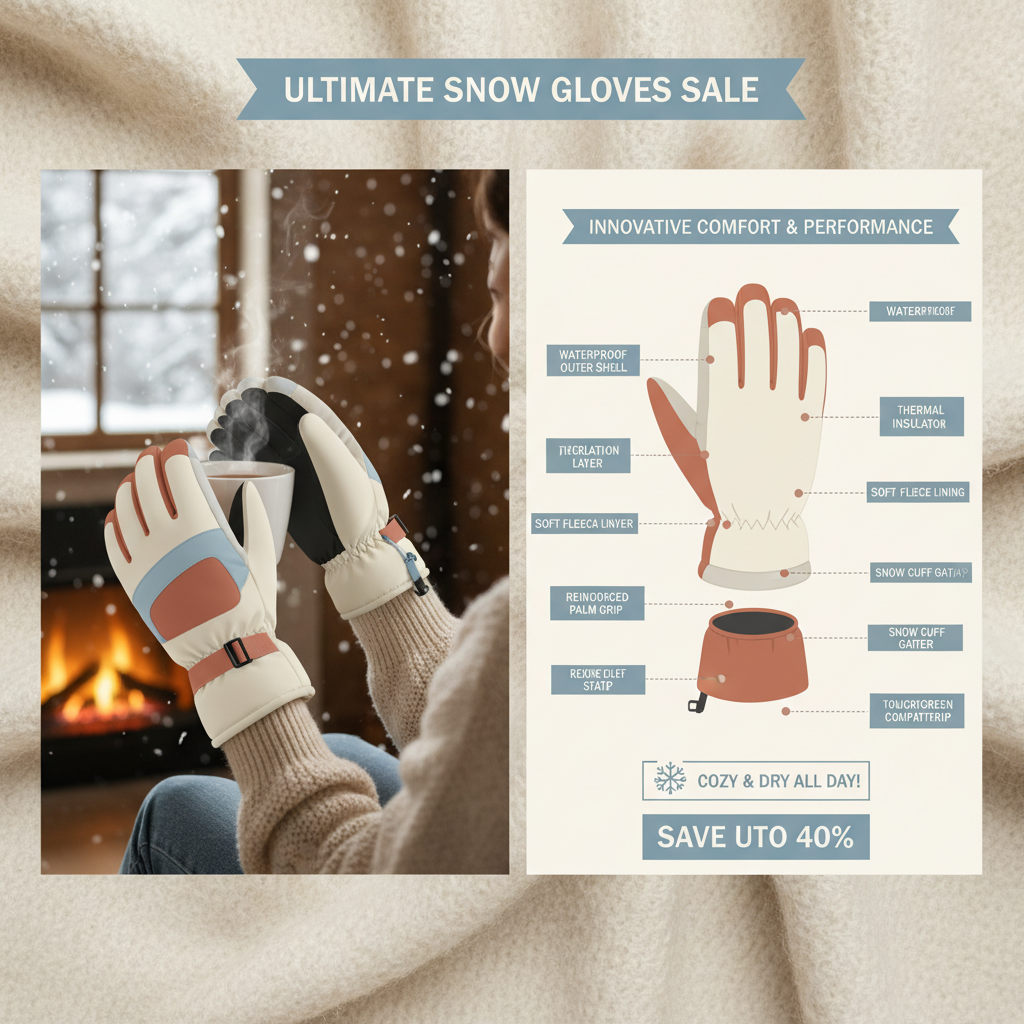
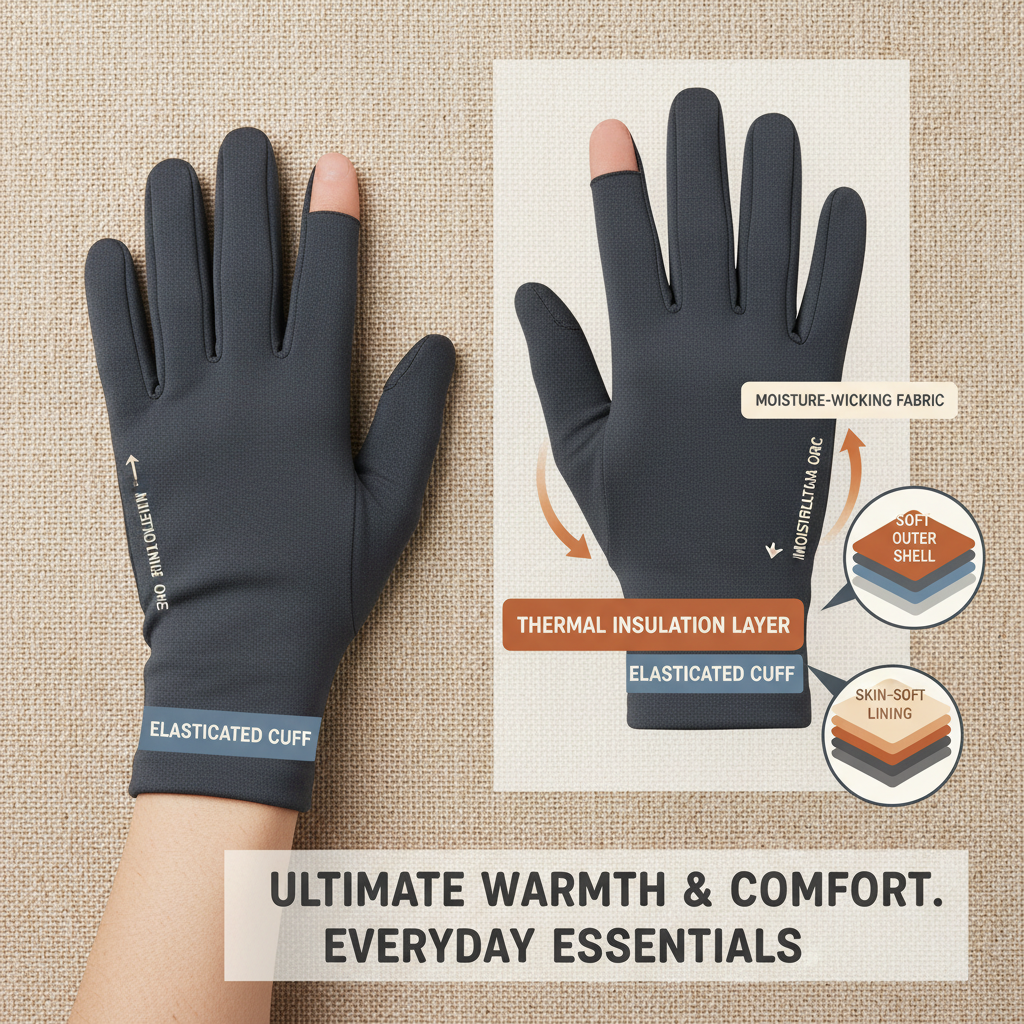
The core purpose: keeping hands warm. Many gloves incorporate materials like Thinsulate™, fleece, or wool blends that trap body heat without bulk, ensuring warmth in sub-zero conditions.
2. Waterproofing and Breathability
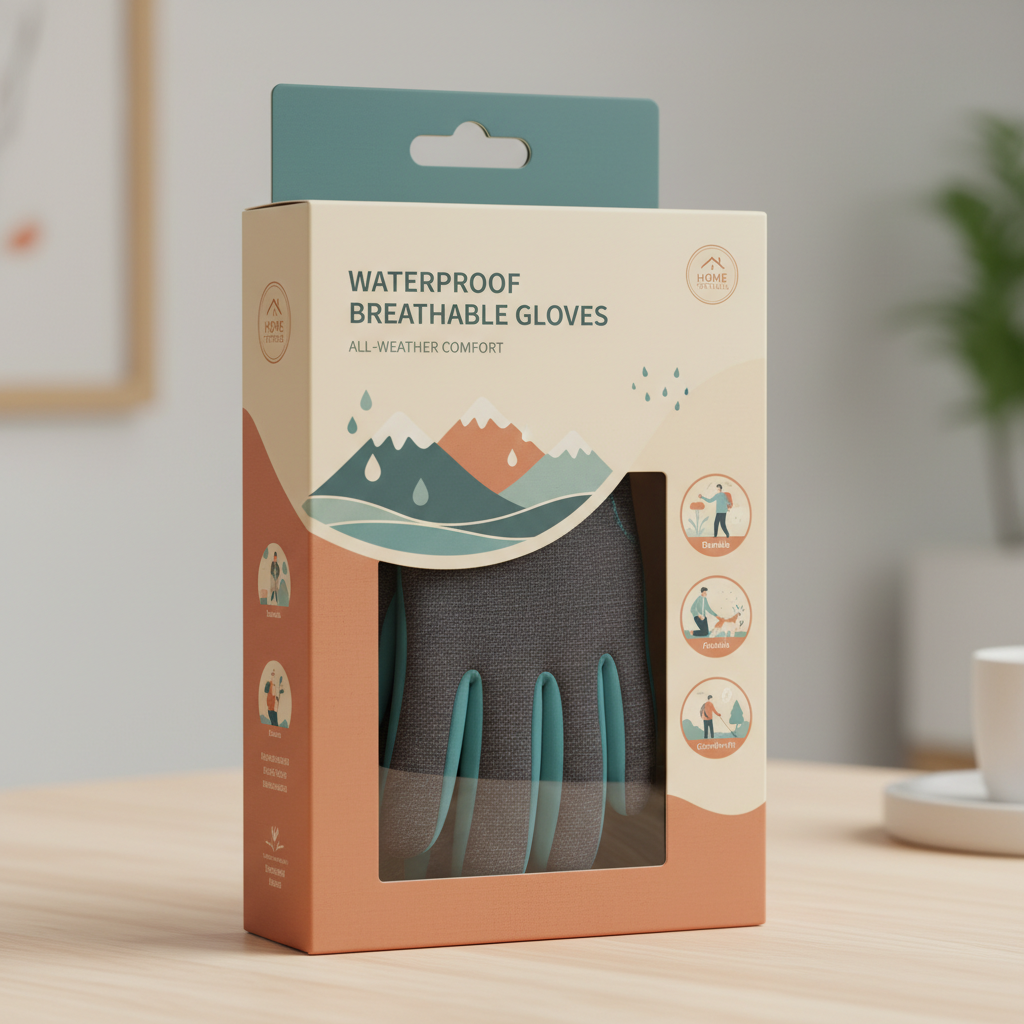
Gloves must repel water — ocean spray, snow, or rain — yet breathe to prevent sweat buildup, which ironically cools the skin. Materials such as Gore-Tex membranes often provide this delicate balance.
3. Durability
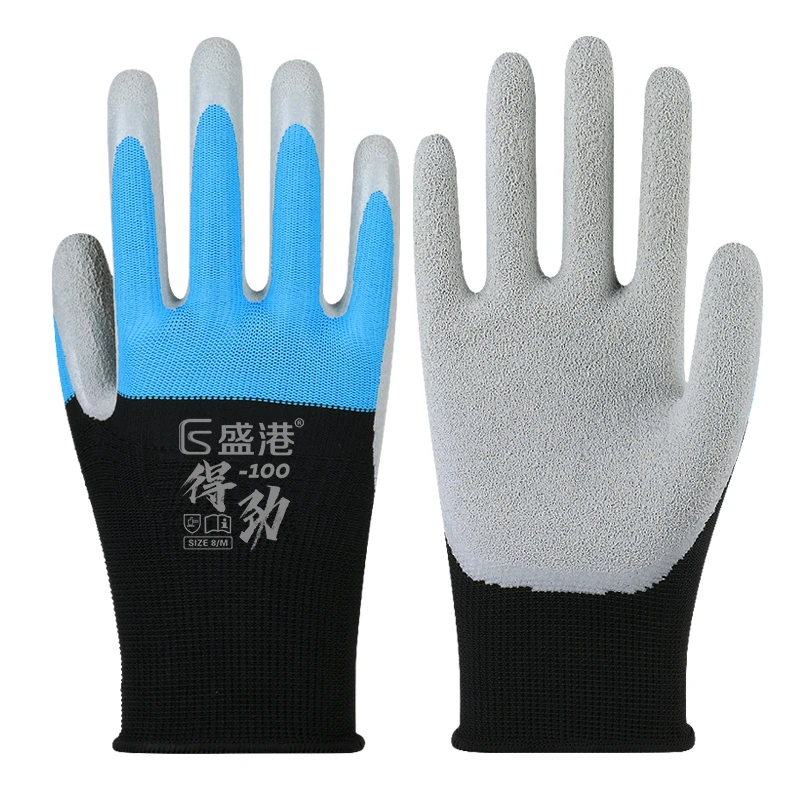
Marine and industrial environments are tough on gloves, so abrasion resistance and reinforced palms are common. This prevents premature wear and ensures long-lasting performance.
4. Dexterity and Fit
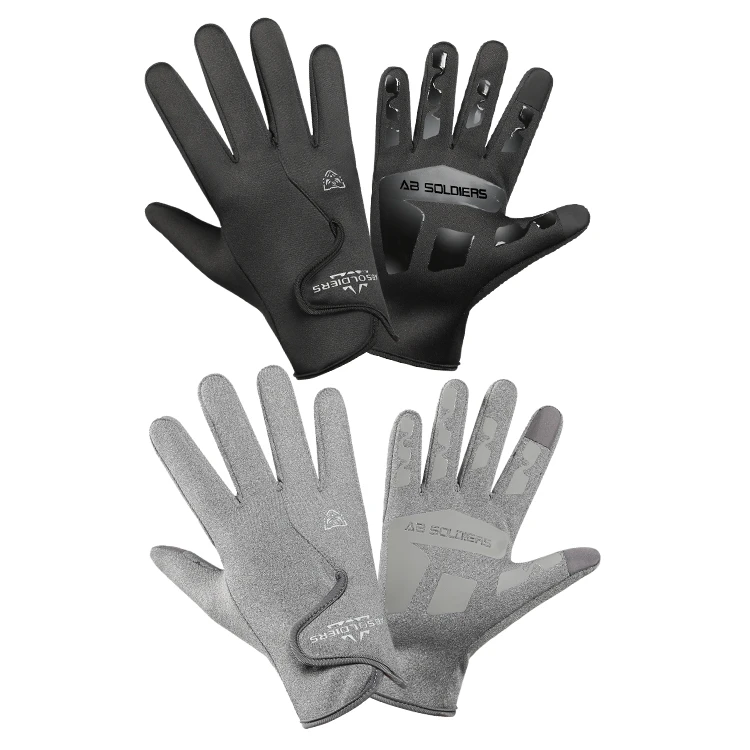
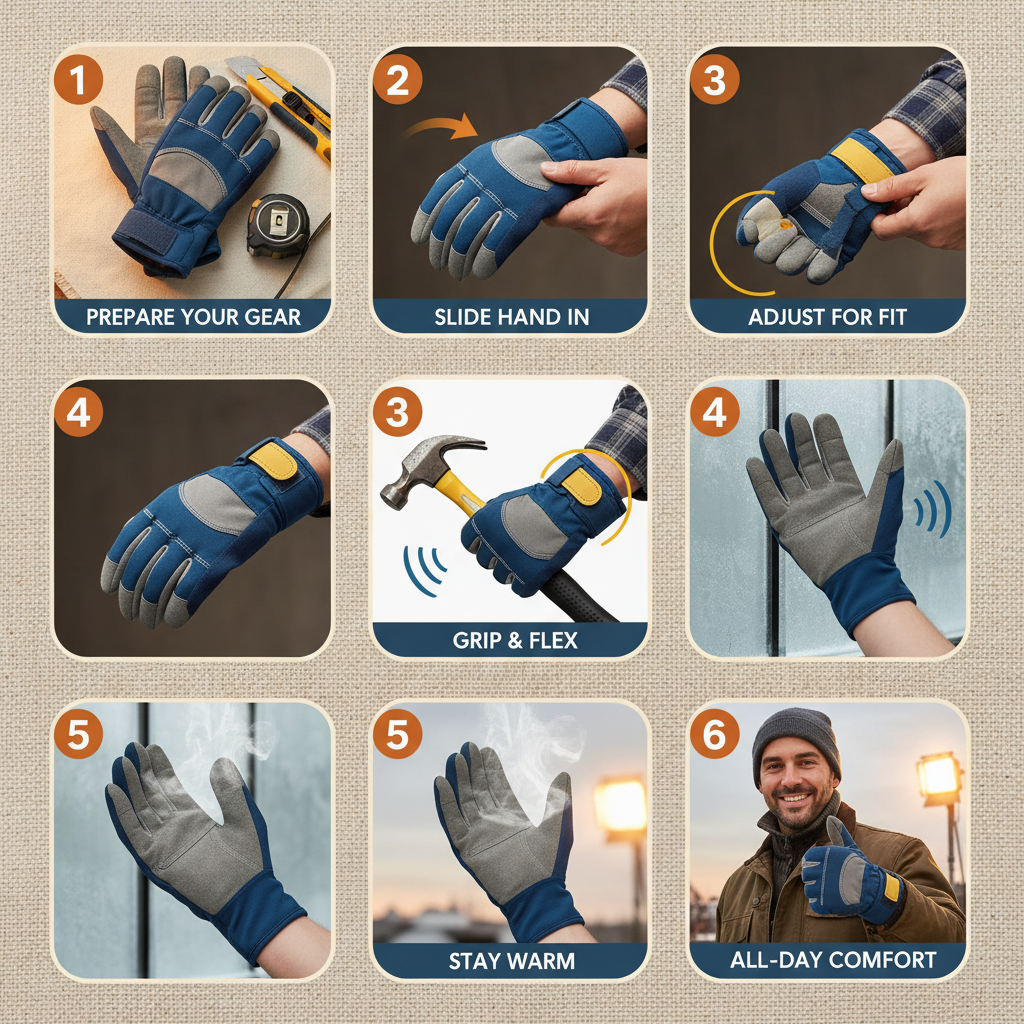
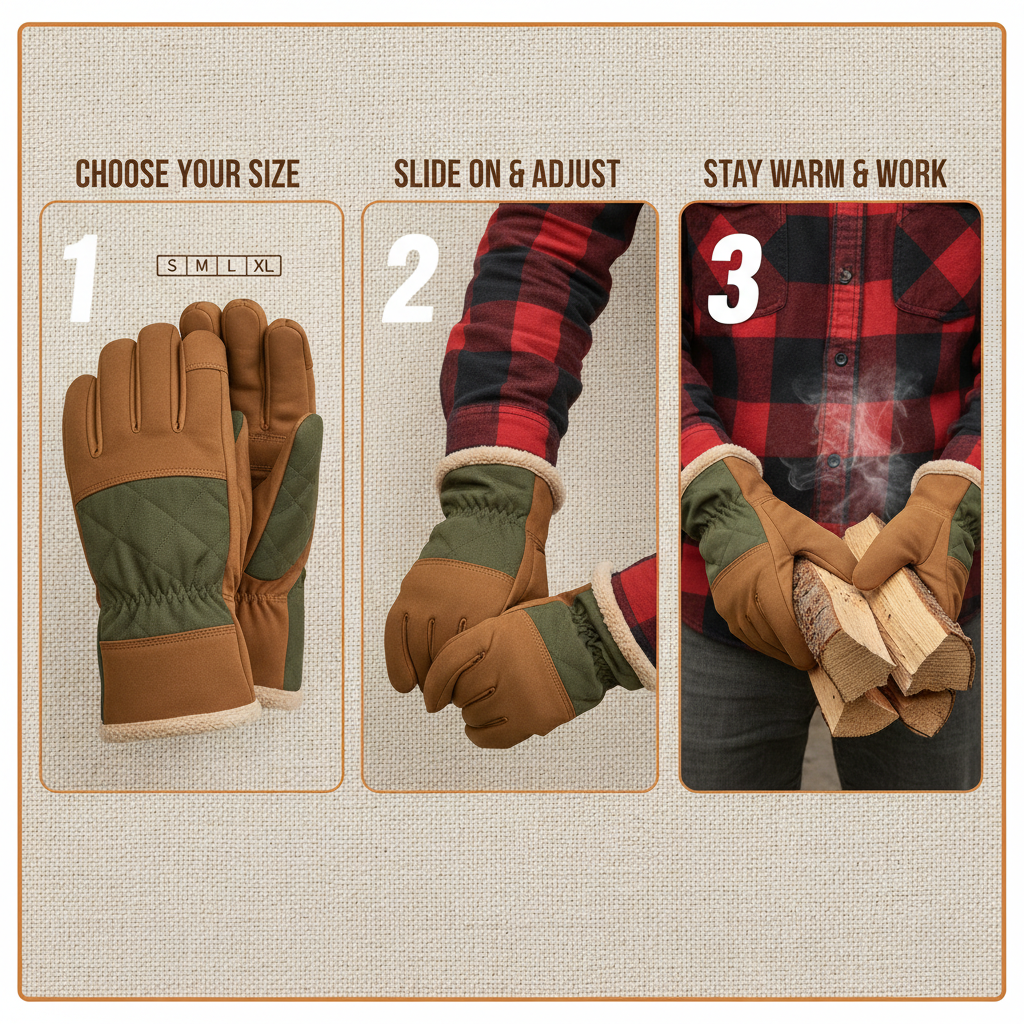
Stiff gloves can hinder operations. Navy thermal gloves aim for snug but flexible designs, allowing users to handle equipment and tools without fumbling.
5. Safety Features
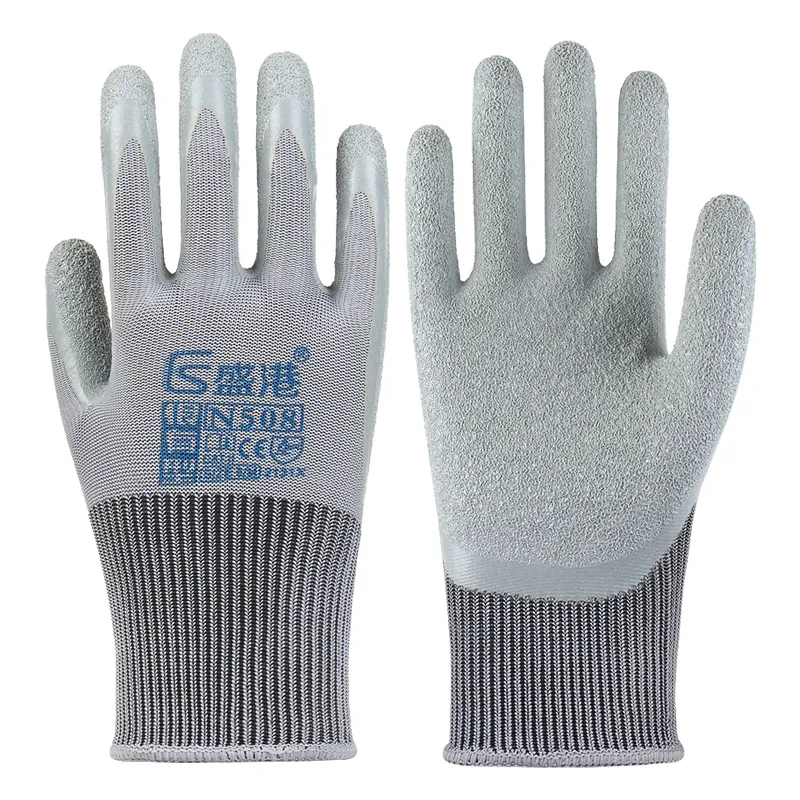
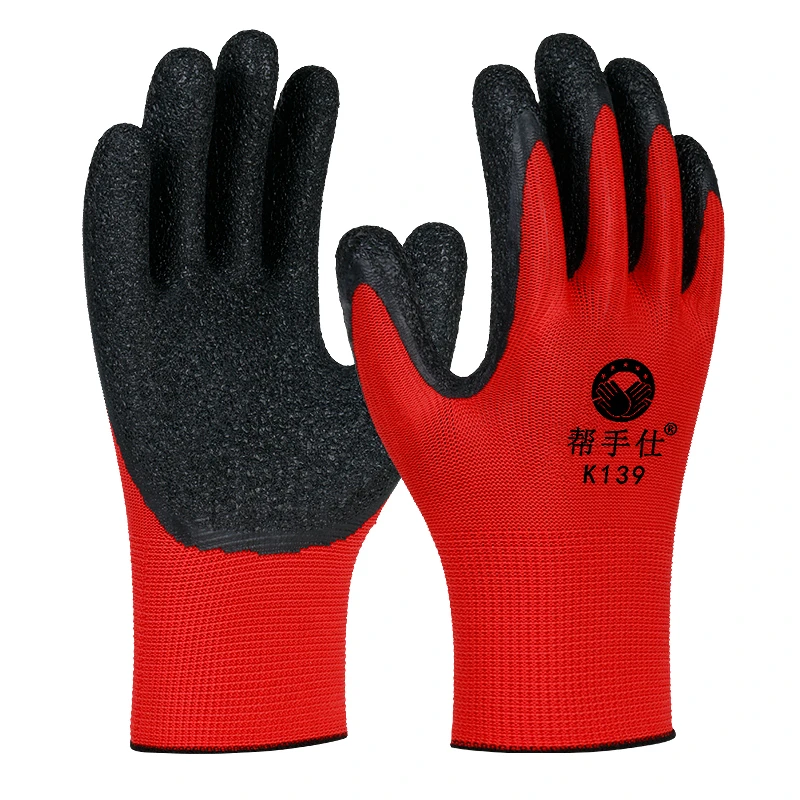
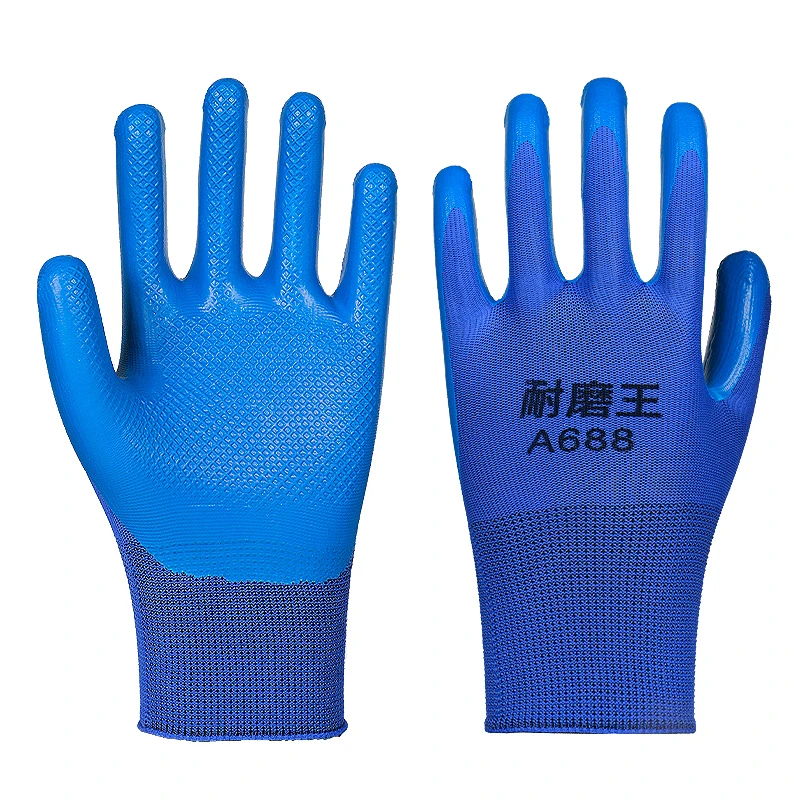
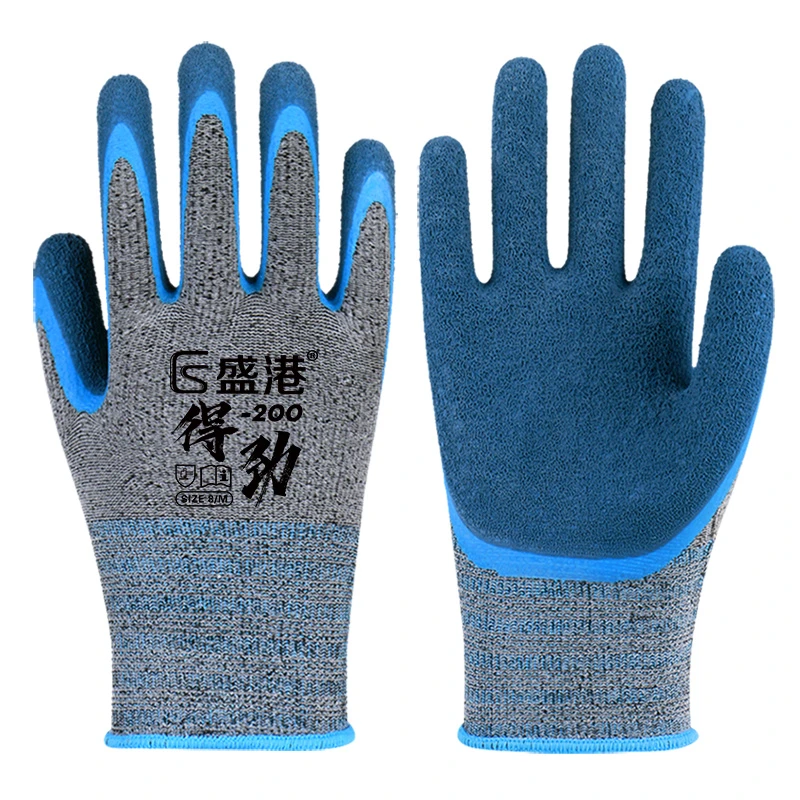
Some models include anti-slip coatings or cut-resistant fibers to enhance hand safety beyond warmth, especially in hazardous workplaces.
Product Specifications at a Glance
| Feature | Typical Value | Benefit |
|---|---|---|
| Insulation Material | Thinsulate™ 40g | Effective heat retention, lightweight |
| Outer Shell | Nylon + Polyurethane Coating | Water resistance, abrasion protection |
| Lining | Fleece blend | Comfort and moisture wicking |
| Weight | 250 grams (per pair) | Lightweight for extended wear |
| Glove Length | 12 inches | Extended wrist protection |
Global Applications of Navy Thermal Gloves
- Maritime Operations: Naval forces, coast guards, and commercial shipping crews use these gloves to prevent cold injuries during deck work or search and rescue.
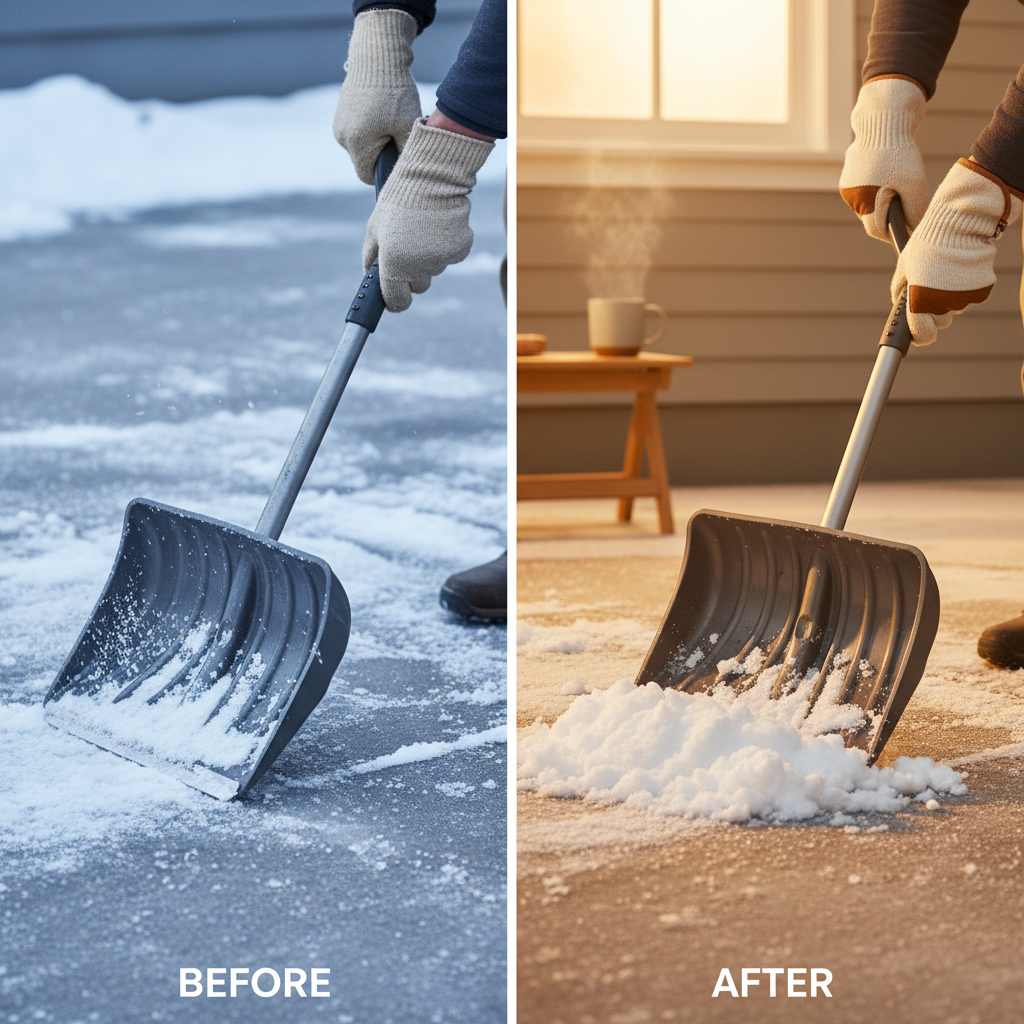
- Industrial Zones: Workers in oil rigs, mining, and construction sites exposed to cold climates rely on thermal gloves for both warmth and safety.
- Humanitarian Aid: In post-disaster relief, especially in cold regions, emergency responders wear them to maintain manual dexterity and comfort.
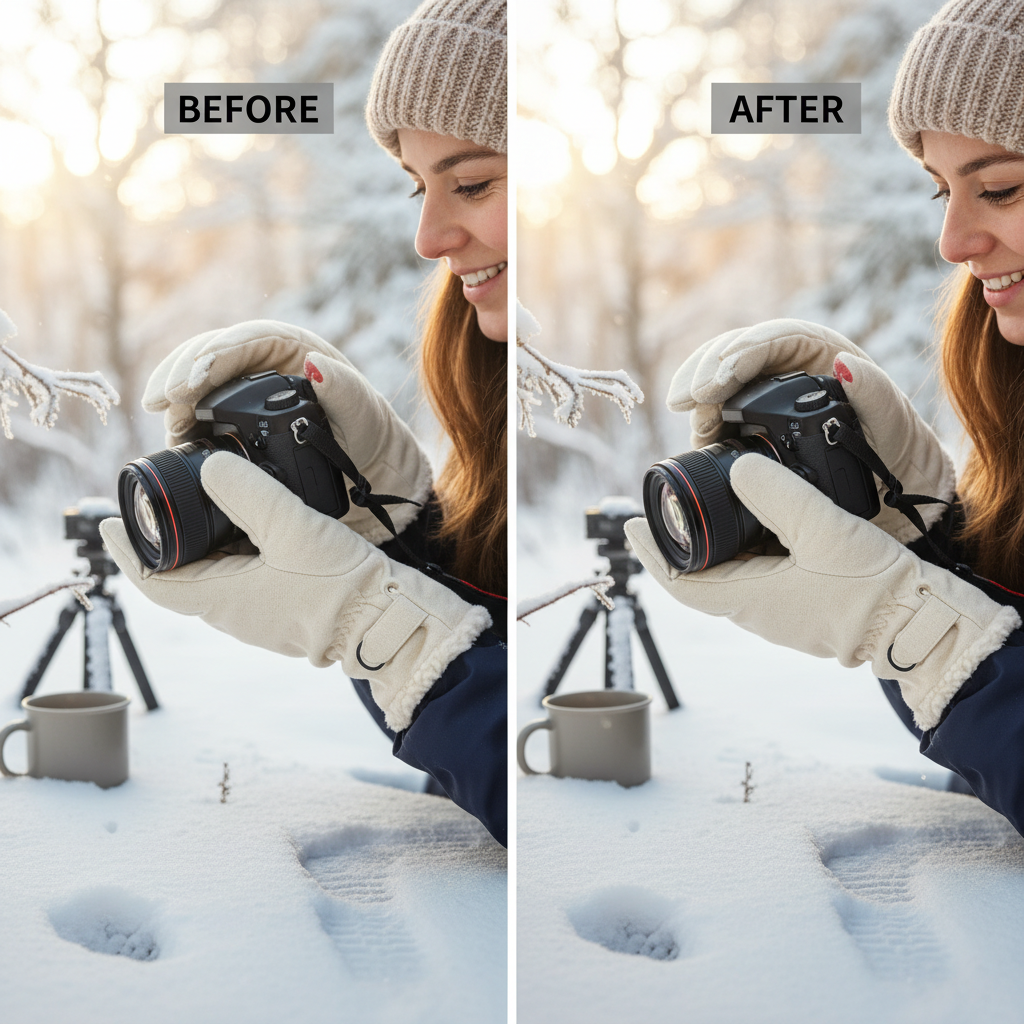
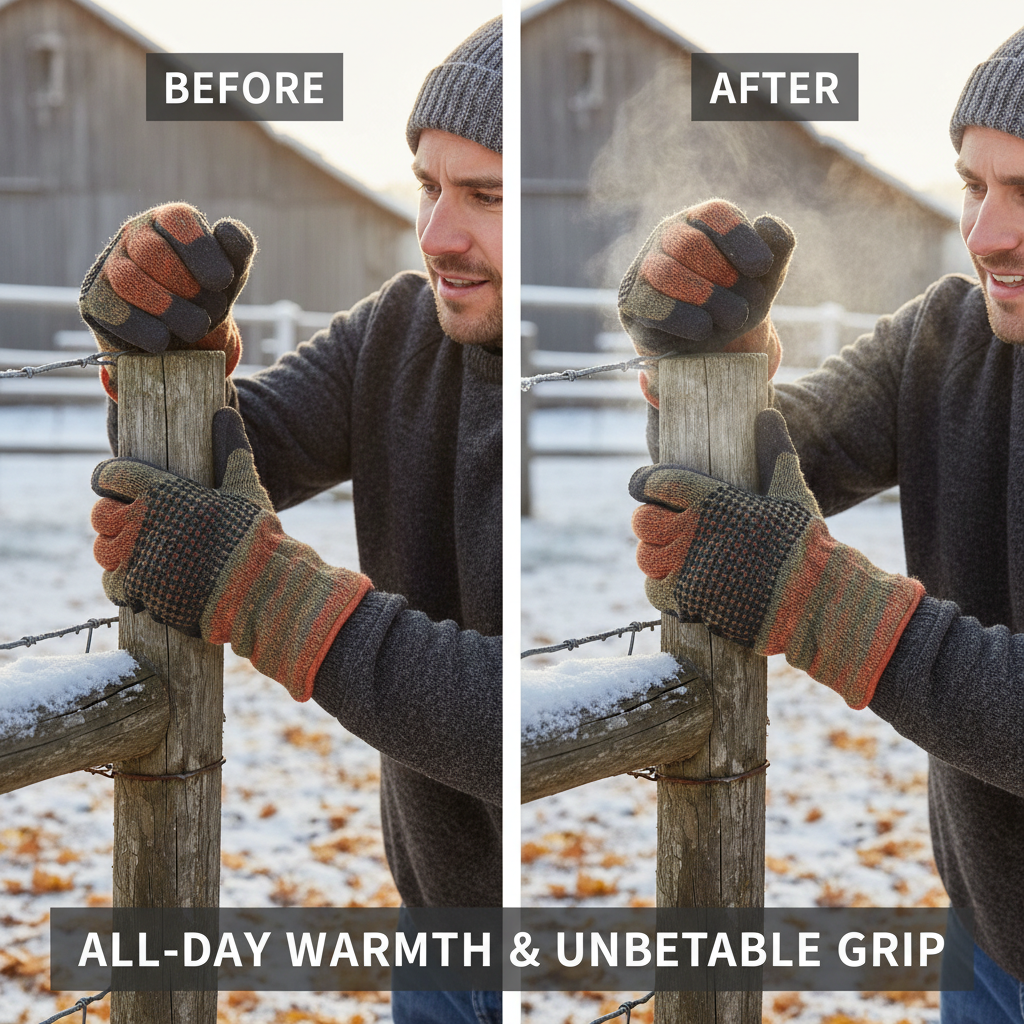
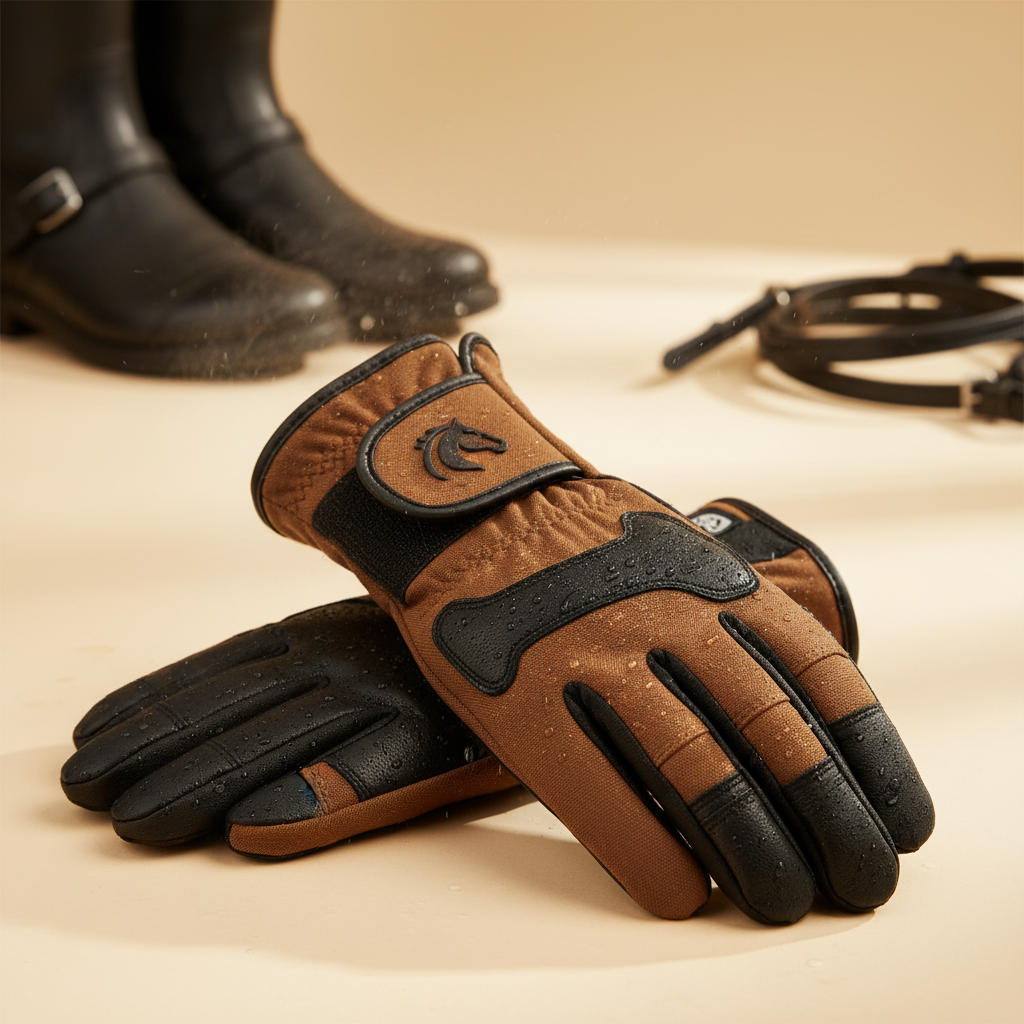
- Recreational Outdoor Sports: Skiers, hikers, and campers trust navy thermal gloves for reliable protection in challenging weather.
For instance, after the 2010 Winter Olympics, many athletes credited improved glove tech for enhancing performance on the slopes. Oddly enough, some logistics companies shipping cold-sensitive goods have even adapted these gloves for their warehouse staff.
Vendor Comparison: Leading Navy Thermal Glove Manufacturers
| Brand | Material | Price Range (USD) | Ideal Use |
|---|---|---|---|
| ArcticShield | Gore-Tex + Thinsulate™ | $50–$70 | Professional maritime & industrial |
| FrostGuard | Polyester + Neoprene | $35–$55 | Recreational & mid-level cold use |
| ColdMarine | Nylon + Wool blend | $45–$65 | Military-grade and extreme cold |
Advantages and Long-Term Value
Reliability is the name of the game. Navy thermal gloves offer:
- Cost Efficiency: Durable gloves mean fewer replacements, saving organizations money over time.
- Sustainability: Advances in eco-friendly materials are reducing environmental impacts.
- Social Impact: Keeping workers safe supports well-being, lowers absenteeism, and promotes dignity.
- Innovation and Trust: Modern gloves incorporate smart fabrics and ergonomic designs trusted by professionals worldwide.
On a more human note, users often mention the peace of mind these gloves provide. It feels good to know your hands won’t freeze, no matter how brutal the weather.
What’s Next? Future Trends in Navy Thermal Gloves
Looking ahead, expect technology to weave deeper into glove design. Nanotechnology-infused fibers promise lighter gloves that retain heat better. Digital sensors embedded in gloves could monitor temperature and vitals, alerting wearers to frostbite risk.
Sustainability remains a big focus: recyclable or biodegradable materials and low-impact manufacturing techniques are in development. Plus, integration with digital gear (think smartwatches or communication devices) is on the horizon.
Challenges and Practical Solutions
Despite advances, gloves sometimes fall short in very wet or extremely cold conditions. Moisture infiltration and loss of dexterity remain pressing issues. But manufacturers are experimenting with multi-layer membranes and ergonomic cuts to tackle these problems.
Of course, user education on proper glove use and maintenance is critical – even the best gloves won’t perform if ignored or improperly stored after use.
FAQ: Common Questions About Navy Thermal Gloves
- How do navy thermal gloves differ from regular winter gloves?
- They are specifically designed for harsh marine and industrial environments, focusing on waterproofing, durability, and enhanced thermal insulation unlike generic winter gloves.
- Can navy thermal gloves be used for recreational activities?
- Absolutely! While engineered for professionals, their warmth and flexibility make them great for skiing, hiking, or fishing in cold climates.
- How should I maintain my navy thermal gloves?
- Follow manufacturer guidelines: typically, gentle washing with mild detergent, air drying away from heat sources, and regular inspection for wear extend lifespan.
- Are there eco-friendly navy thermal gloves available?
- Yes, some brands now offer gloves with recycled fibers, biodegradable linings, and sustainable coatings aligned with ISO environmental standards.
- Where can I buy reliable navy thermal gloves?
- Trusted suppliers with verified certifications sell them online and through specialized stores. Check our recommended partners at navy thermal gloves.
Conclusion: Invest in Protection That Lasts
To sum up, investing in quality navy thermal gloves means you’re choosing safety, durability, and cutting-edge protection. Whether for life on the sea, industrial work, or simply enjoying outdoor winter adventures, the benefits are clear — warmth, dexterity, and peace of mind. I encourage anyone operating in cold environments to explore the options available and feel the difference for themselves.
Visit our website for trusted suppliers and detailed product info: https://www.personalcarescn.com.
It’s funny how something as straightforward as gloves can hold so much engineering and care — yet little decisions like choosing the right pair help keep you safe and comfortable. It’s worth it.
References: