Silk Thermal Gloves: The Smart Choice for Warmth & Sustainability
Silk Thermal Gloves: A Critical Innovation for Cold Protection
Silk thermal gloves — have you ever stopped to think about why such a simple accessory could matter so much, globally? From chilly mountain workers in Nepal to humanitarian aid workers in Eastern Europe, these gloves serve as a linchpin of comfort and safety. Understanding them doesn’t just help manufacturers or retailers; it means appreciating a small piece of the puzzle that protects hands in cold environments worldwide.
Why should we care? Well, according to the International Labour Organization (ILO), over 1 billion outdoor workers face cold climate challenges every year, risking frostbite, reduced dexterity, and longer-term health issues. Silk thermal gloves offer a lightweight, breathable, and remarkably efficient way to keep hands warm without bulkiness. Grasping their advantages opens doors to better safety standards, environmental consciousness, and innovation in protective wear.
Global Context and Industry Relevance
The global market for thermal wear is steadily climbing, driven by increasing outdoor activities and expanding cold-region industries like construction, mining, and logistics. The World Bank reports that climate variability is pushing more workers and communities to adapt to colder conditions or extreme weather events. Here’s where silk thermal gloves come in as a niche but growing solution. Oddly enough, natural fiber gloves like these are making a comeback in a synthetic-fiber-dominated world — because they manage moisture better and feel just plain nicer.
The challenge they address is obvious yet often overlooked: how do you maintain warmth and manual dexterity without sacrificing comfort or sustainability? Silk, surprisingly, ticks many boxes.
What Exactly Are Silk Thermal Gloves?
Simply put, silk thermal gloves are hand coverings made primarily from silk — the natural fiber spun by silkworms — designed specifically to insulate against cold. They are often lined with added materials, but the silk base layer provides excellent moisture-wicking and lightweight heat retention. In the context of modern needs, these gloves support industries requiring prolonged exposure to cold with a delicate balance of warmth and tactile sensitivity.
Moreover, humanitarian organizations have found silk thermal gloves valuable when delivering aid in post-disaster zones with cold climates. Their lightness means easy transport and rapid deployment without cumbersome bulk.
Core Features of Silk Thermal Gloves
1. Durability and Comfort
Silk is incredibly strong for a natural fiber. These gloves wear well despite frequent use, with the added benefit of being soft against the skin — no itchiness here. Comfort is vital since workers or aid recipients may wear them for hours.
2. Moisture Management
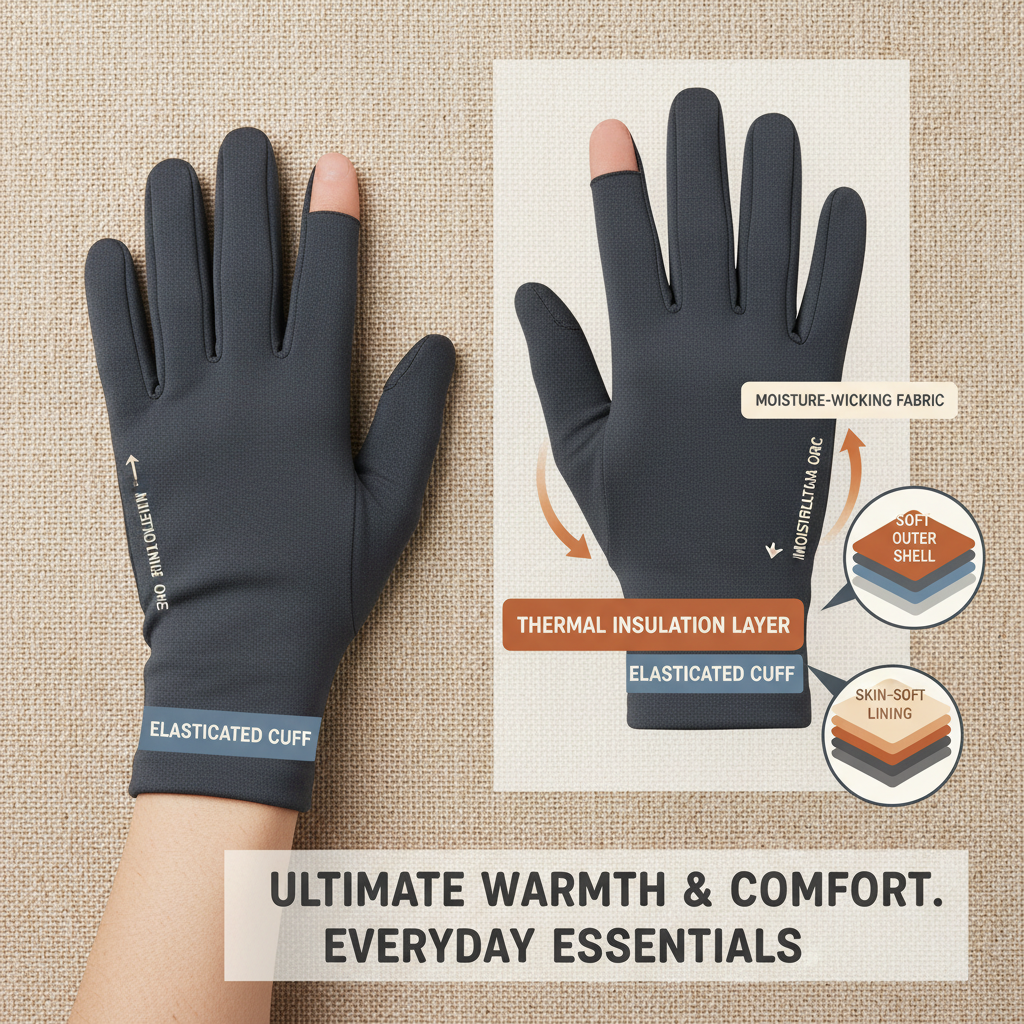
Silks’s fiber structure wicks sweat away quickly, reducing clamminess, which is crucial to avoid chills. That means hands stay drier and warmer, even under physical exertion.
3. Lightweight Insulation
These gloves pack warmth without the bulk, perfect for layering, and maintaining dexterity — important for tasks needing finger precision.
4. Eco-friendly Production
Silk production has a smaller environmental footprint compared to many synthetic fibers. In an era of sustainability, this matters both ethically and from a corporate social responsibility angle.
Product Specifications: Silk Thermal Gloves
| Specification | Detail |
|---|---|
| Material | 100% Mulberry Silk (with optional fleece lining) |
| Weight | 20–30 grams per pair |
| Temperature Range | -5°C to 10°C (can be layered for colder) |
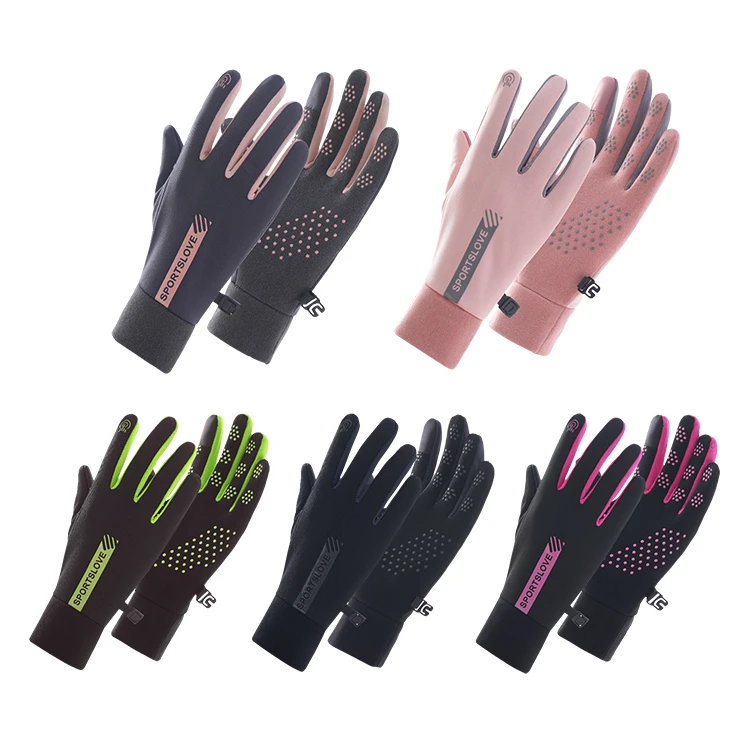
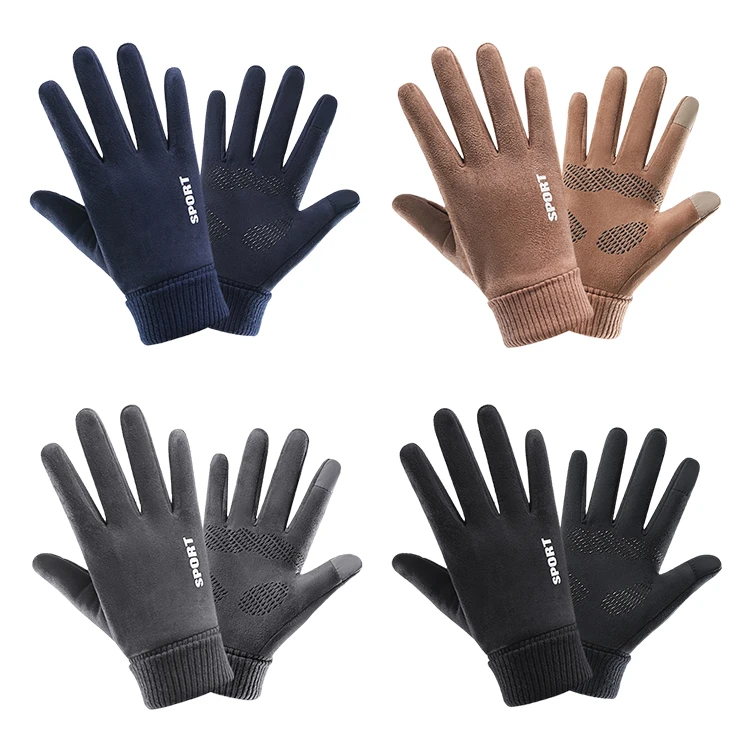
| Color Options | Natural ivory, black, navy blue |
| Sizing | XS to XL, with elastic wrist cuff |
| Care | Hand wash recommended; delicate cycle possible |
Vendor Comparison: Leading Silk Thermal Gloves Suppliers
| Vendor | Price Range (per dozen) | Primary Market | Sustainability Practices | Customization |
|---|---|---|---|---|
| SilkenTech Ltd. | $120–140 | Industrial Workwear | Organic silk, low-waste dyeing | Color and size |
| EcoHandwear Co. | $110–130 | Aid Organizations | Fair-trade silk, biodegradable packaging | Sizes, custom logos |
| ThermaSilk International | $130–160 | Sports and Outdoors | Recyclable fibers, eco-friendly dyes | Colors, mixed-fiber blends |
Global Applications & Use Cases
Silk thermal gloves find their way into a slew of real-world scenarios. In mountainous Nepal, trekking guides rely on them to keep their fingers nimble while navigating ice. In Siberia’s industrial zones, miners appreciate how these gloves handle moisture without losing warmth. Oddly enough, NGO workers delivering winter relief kits across Eastern Europe choose silk gloves for their high warmth-to-weight ratio, easy packing, and durability.
Another interesting angle is urban cycling communities in Scandinavia, who swear by silk gloves under heavier outer gloves for temperature regulation. The gloves’ adaptability to both harsh outdoor conditions and delicate tactile work creates a surprising intersection of markets.
Mini takeaway: the ecological, ergonomic, and functional benefits of silk thermal gloves make them versatile across industries and regions.
Advantages & Long-Term Value
- Cost Efficiency: Despite seeming premium, silk thermal gloves often outlast cheaper synthetic gloves, lowering replacement costs.
- Environmental Sustainability: Natural silk production aligns with greener supply models than many synthetic alternatives.
- Social Impact: Workers feel safer and maintain dignity through better comfort and warmth, boosting morale and productivity.
- Reliability: Silk’s natural thermal regulation prevents overheating and excessive sweating, cutting down discomfort-related errors.
Emotionally, there’s a lot in the feel of quality craftsmanship and natural fibers — a quiet reassurance that your hands are protected and respected.
Future Trends & Innovations
We’re seeing ongoing research into combining silk with graphene-infused fibers to create gloves that enhance thermal efficiency while being antimicrobial. In addition, digital textile printing is allowing for more vibrant, durable designs that don’t compromise on eco-friendliness.
From a policy perspective, ISO standards on worker safety increasingly highlight the importance of appropriate thermal PPE, pushing demand for higher-quality, certified products like silk thermal gloves. Automated knitting machines also open doors to faster customization and scaling.
Challenges & Solutions
Of course, not everything is rosy. Silk is more delicate than synthetics, demanding careful handling and slightly higher upfront costs. This limits adoption where cost sensitivity is extreme. However, manufacturers are leveraging blends — mixing silk with tough fibers like nylon — to improve durability without sacrificing comfort.
Further, educating users on care techniques and the environmental benefits helps push acceptance. Partnerships with NGOs and industry bodies to certify quality and sustainability can also boost trust.
FAQ: Your Questions About Silk Thermal Gloves
1. How do silk thermal gloves compare to wool or synthetic gloves?
Silk gloves excel in moisture management and lightweight warmth, whereas wool can bulk up and synthetic gloves may trap sweat. Silk’s breathability makes it better for extended wear in variable cold environments.
2. Can silk thermal gloves be layered with other gloves?
Absolutely. Layering silk gloves under thicker gloves enhances thermal protection and dexterity, making them ideal for colder extremes or activities requiring fine motor skills.
3. What’s the best way to care for silk thermal gloves?
Hand washing in cold water with mild detergent is recommended. Machine washing on a delicate cycle is sometimes possible. Avoid wringing or harsh chemicals to maintain fiber integrity.
4. Are silk thermal gloves suitable for use in wet environments?
While silk wicks moisture well, it’s not waterproof. They’re best for dry cold or layering under waterproof outer gloves in wet conditions.
5. Where can I buy quality silk thermal gloves?
Reliable vendors include silk thermal gloves specialists like SilkenTech Ltd. and EcoHandwear Co., who prioritize sustainability and quality.
Conclusion & Call to Action
Silk thermal gloves represent a remarkable blend of tradition, technology, and thoughtful design. They not only protect hands but also embody an awareness of comfort, sustainability, and global needs. From industrial workers to humanitarian responders, their long-term value is clear — durable warmth that respects both people and the planet.
If you’re interested in exploring how silk thermal gloves can enhance your operations or personal gear, please visit our website for detailed product options and expert advice.
One takeaway? Sometimes the gentlest, simplest materials provide the toughest protection when it really counts.