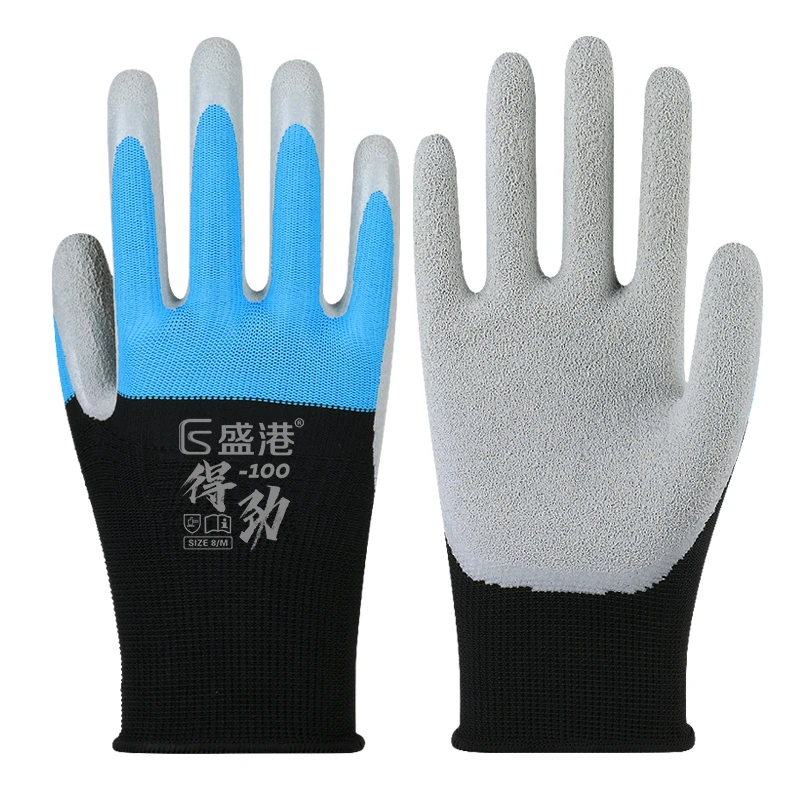
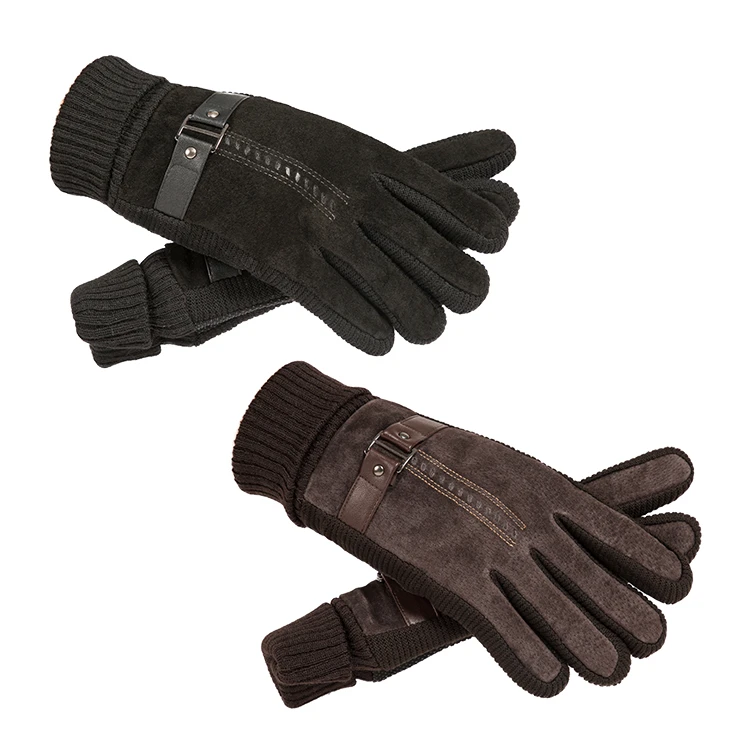
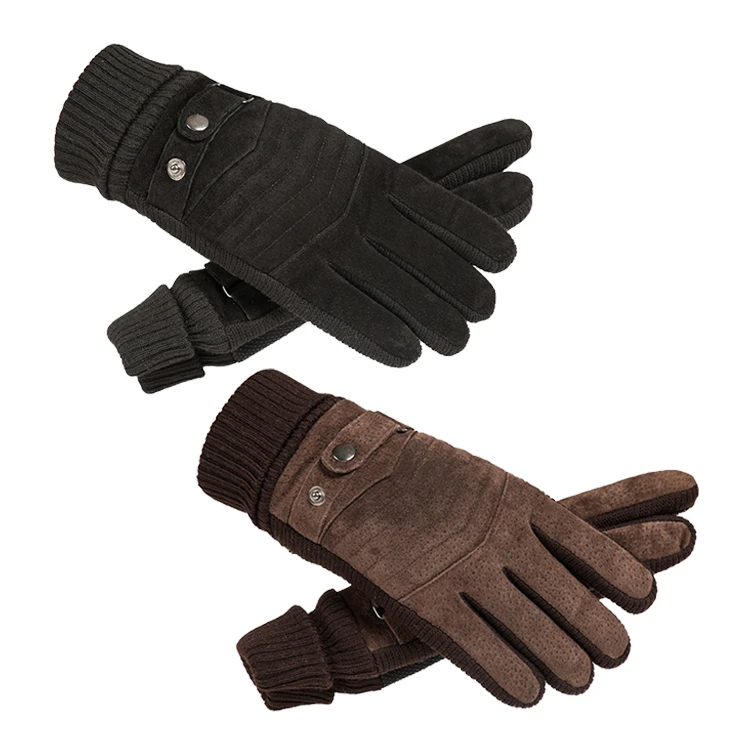
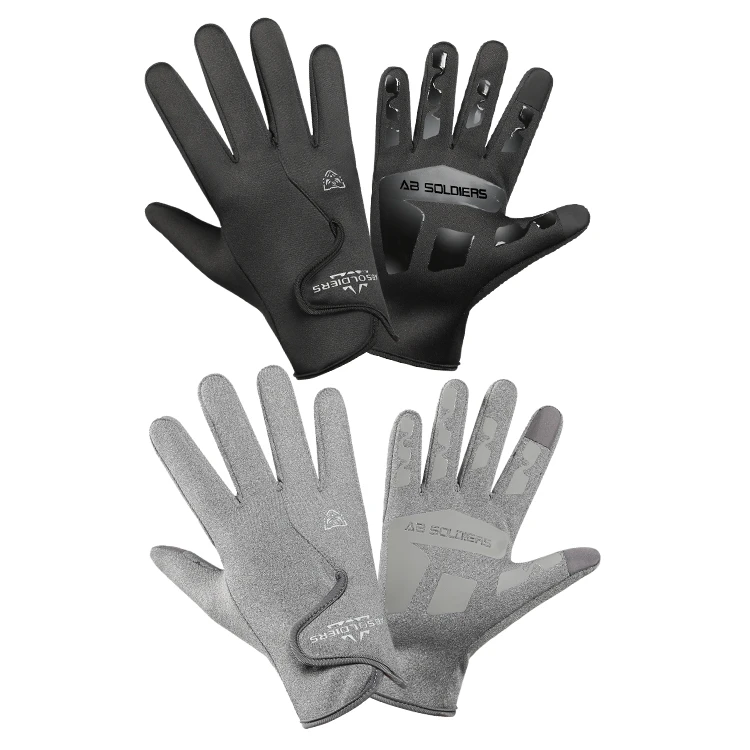
Sport Thermal Gloves: Essential Gear for Cold Weather Performance and Comfort
Understanding Sport Thermal Gloves: Key to Enhanced Performance and Comfort
Sport thermal gloves might seem like a small piece of athletic gear, but frankly, their impact extends far beyond keeping hands warm. In cold climates or winter sports arenas, these gloves change the game—literally. Globally, with extreme weather events on the rise and outdoor fitness trends booming, having reliable thermal protection for hands is more important than ever. This article walks you through what sport thermal gloves are, why you should care, and how they’re evolving to meet modern demands.
Introduction: Why Sport Thermal Gloves Matter Worldwide
According to the World Meteorological Organization, winter temperatures in the Northern Hemisphere have been increasingly volatile over the last decade, with cold snaps often catching outdoor athletes off guard. Additionally, the rise of outdoor recreational activities—skiing, hiking, trail running—means protecting extremities like your hands isn’t optional anymore. Those chilly fingers not only hamper performance but can lead to frostbite if unprotected.
Sport thermal gloves address this challenge by offering insulation technology that balances warmth, dexterity, and moisture management. Globally, the market size for thermal sports gear is projected to cross $5 billion by 2025, illustrating the growing demand for such specialized apparel. Oddly enough, even in temperate areas, many athletes underestimate the need for quality thermal gloves until the temperature drops unexpectedly.
What Are Sport Thermal Gloves?
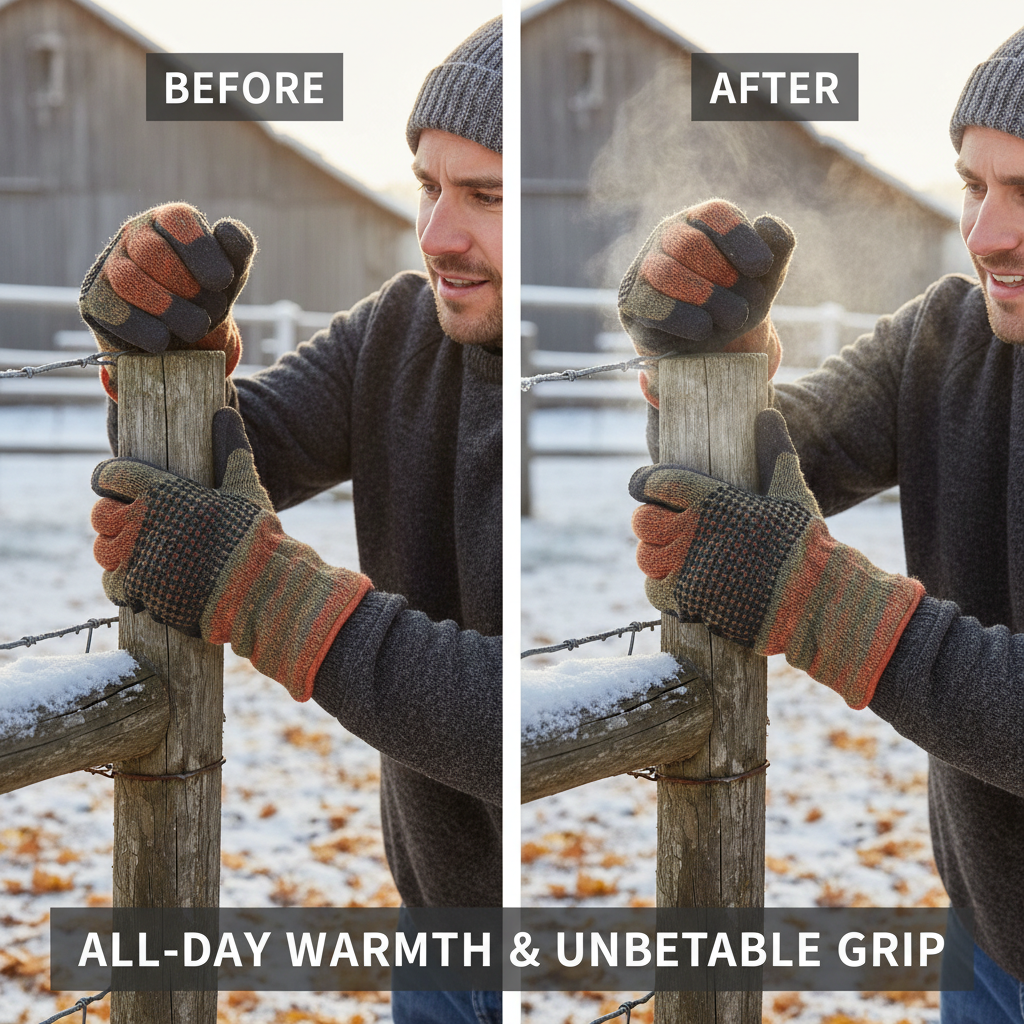
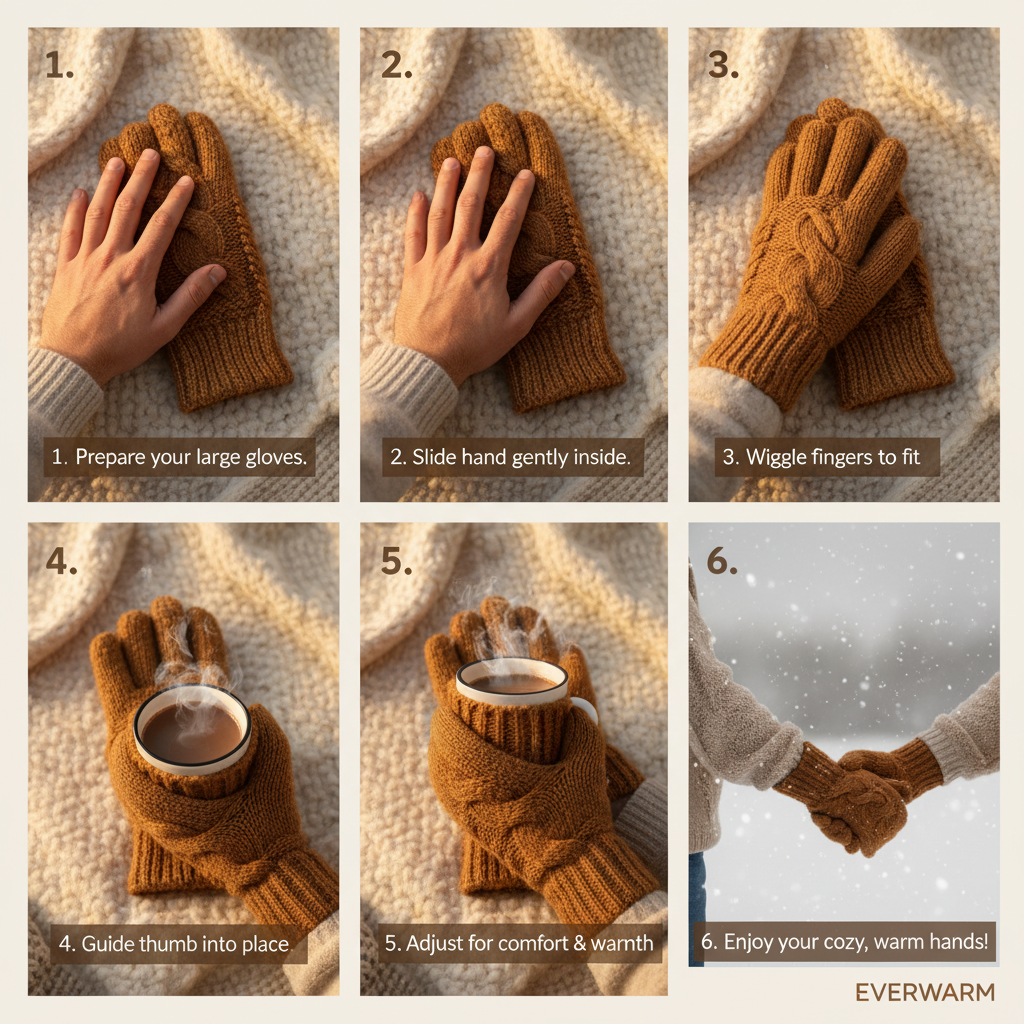
In simple terms, sport thermal gloves are hand coverings designed specifically for athletic and outdoor activities in cold weather. Unlike traditional gloves, they blend advanced insulating materials with breathable fabrics to ensure hands stay warm without overheating or excessive sweating.
These gloves support a variety of industries beyond sports too—rescue teams, military personnel, and outdoor workers rely on them in harsh environments. Fundamentally, sport thermal gloves are about maintaining hand health and function when temperatures dive.
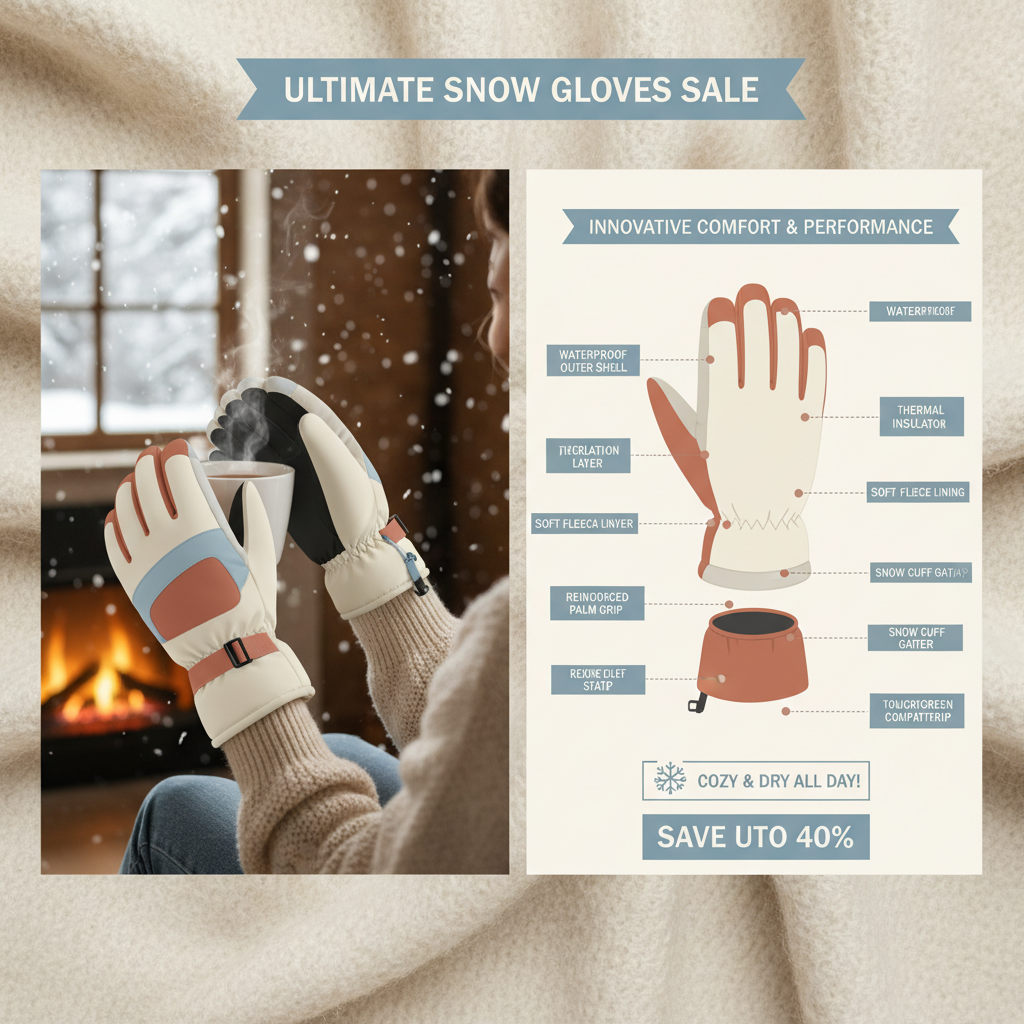
Core Components of Sport Thermal Gloves
1. Insulation Materials
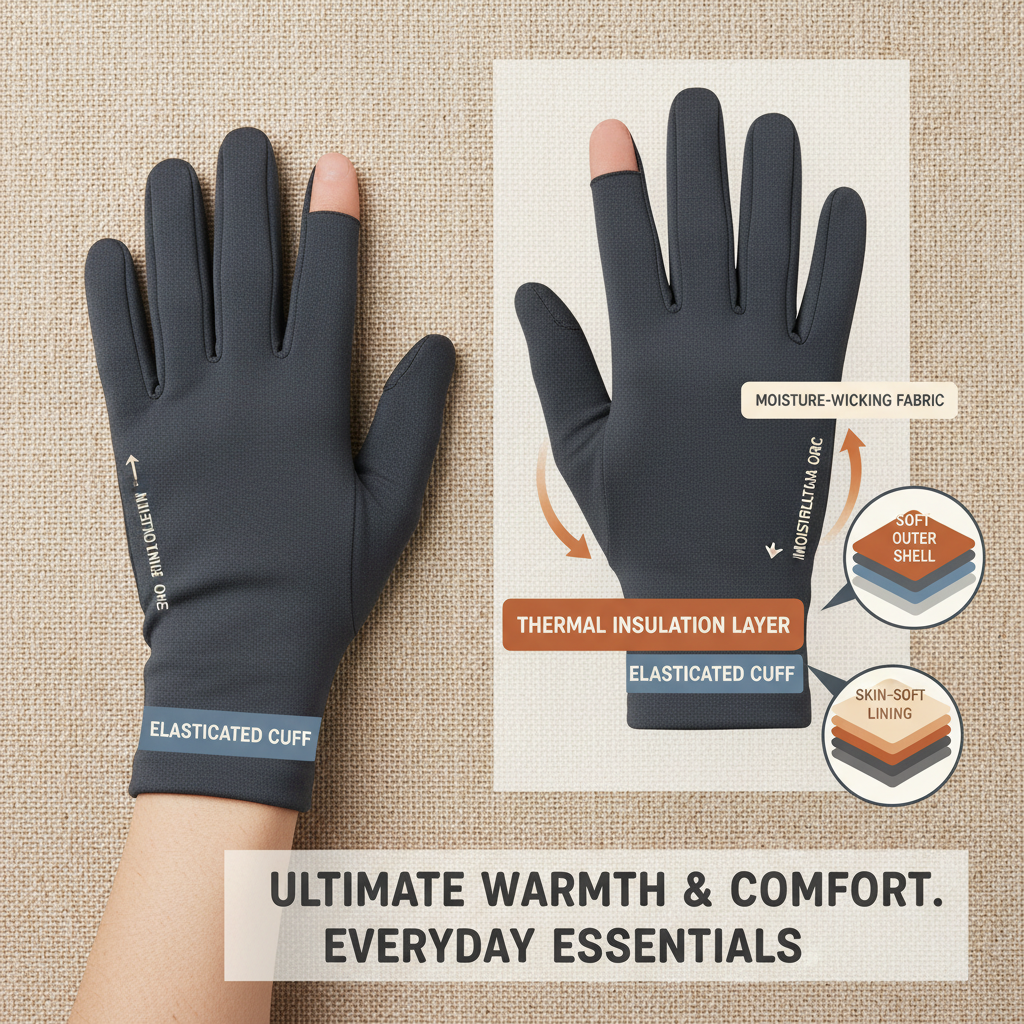
The heart of thermal gloves lies in their insulation. Synthetic fibers like Thinsulate and Polartec are favorites, offering lightweight warmth that doesn't bulk up. Wool blends also make appearances for natural breathability and moisture-wicking capabilities.
2. Waterproof & Breathable Membranes
Many gloves incorporate membranes such as Gore-Tex or proprietary alternatives to block wind and water while allowing sweat vapor to escape. This is crucial for comfort because clammy hands negate warmth fast.
3. Grip & Dexterity Features
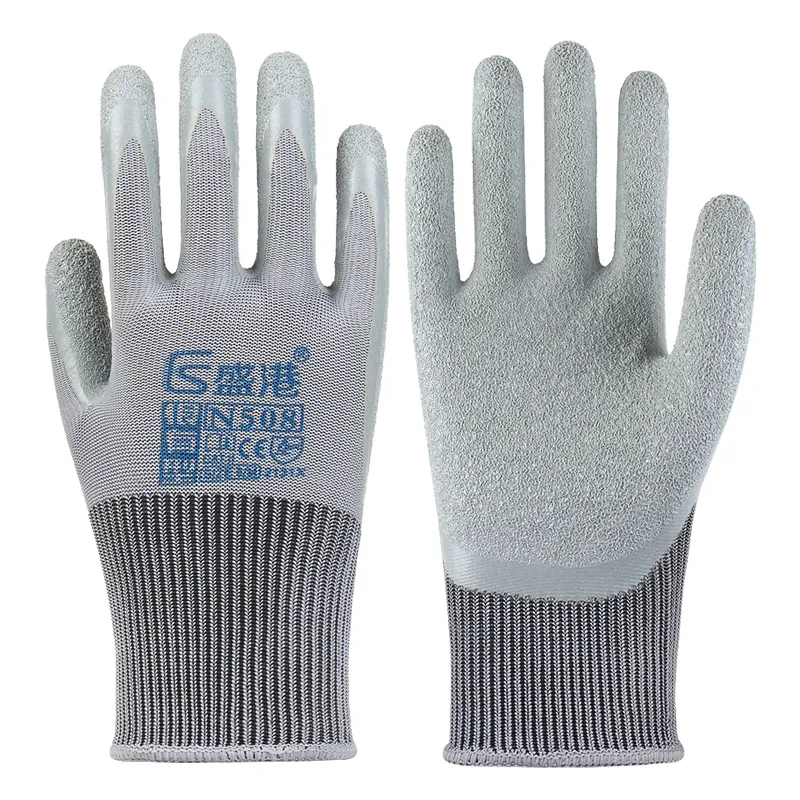
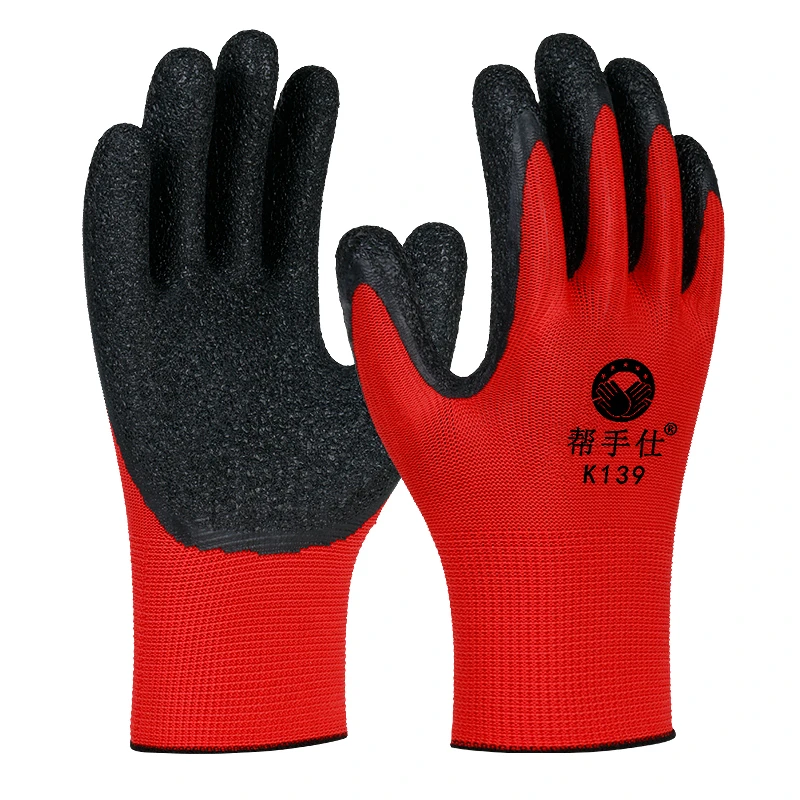
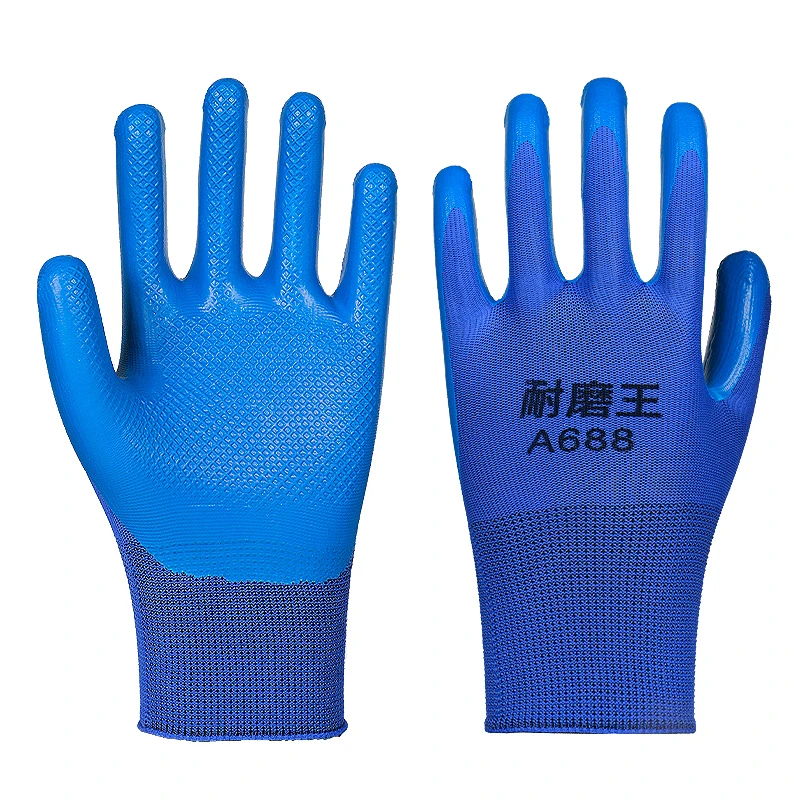
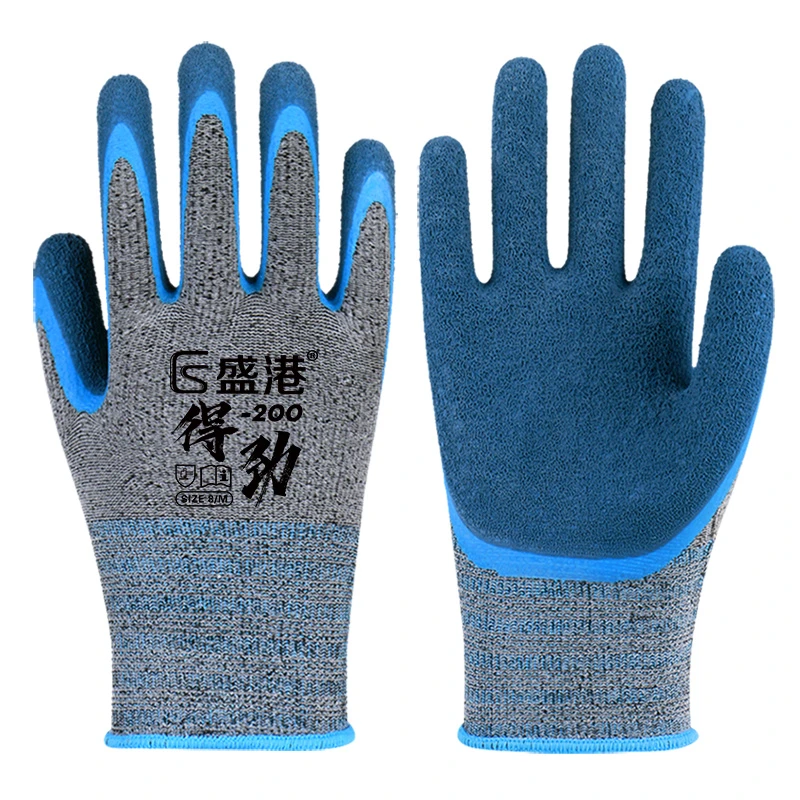
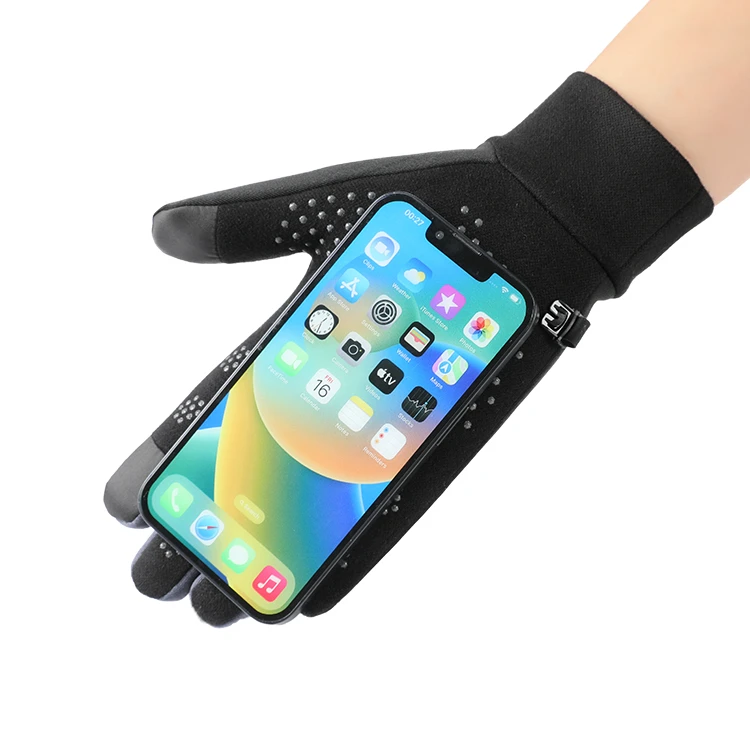
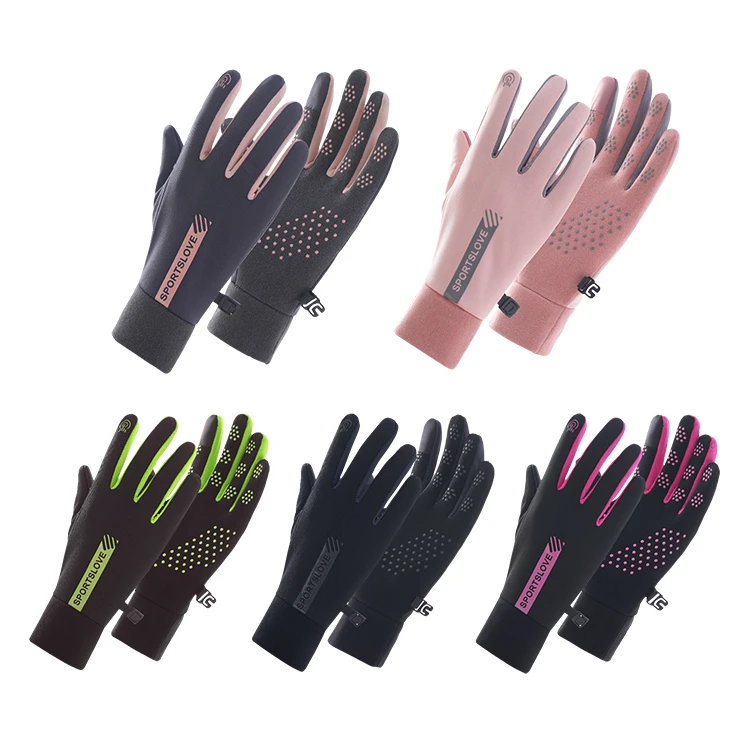
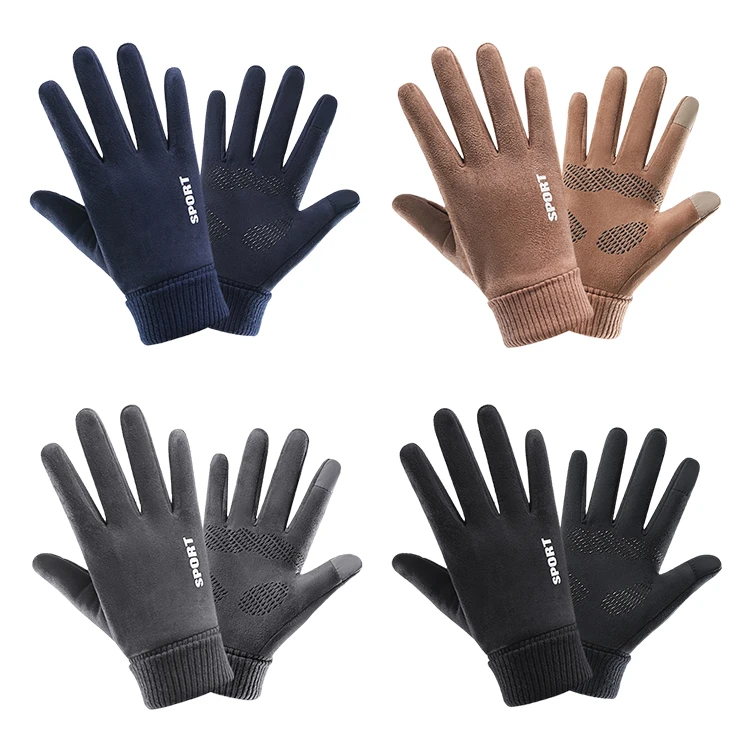
Since athletes need precision, sport thermal gloves often include textured palms or silicon tips to improve grip. Some even allow touchscreen use, which is surprisingly handy in the field or on the slopes.
4. Durability & Reinforcements
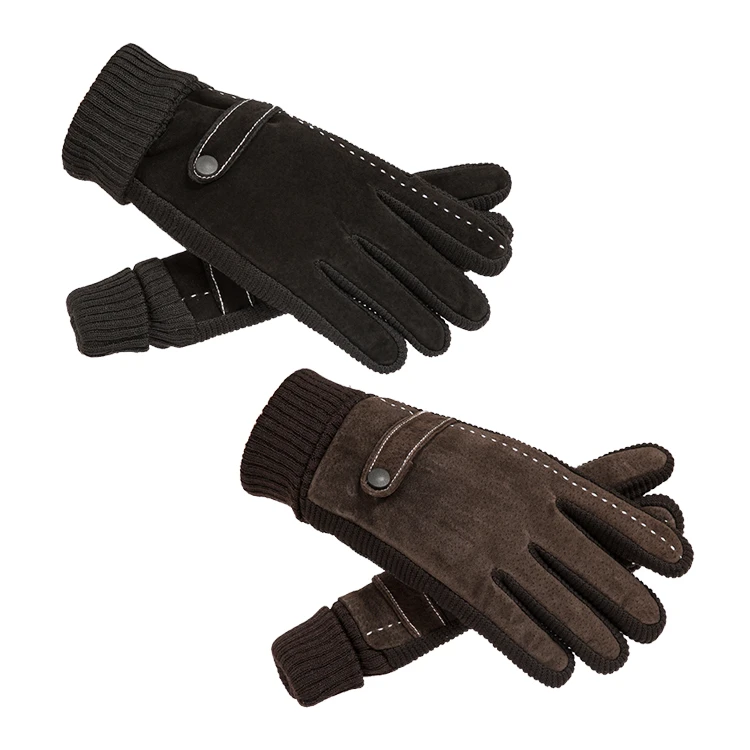
Manufacturers commonly reinforce stress areas with abrasion-resistant materials like leather or Kevlar panels to increase lifespan—because, honestly, nothing’s worse than gloves falling apart mid-season.
5. Fit & Adjustability
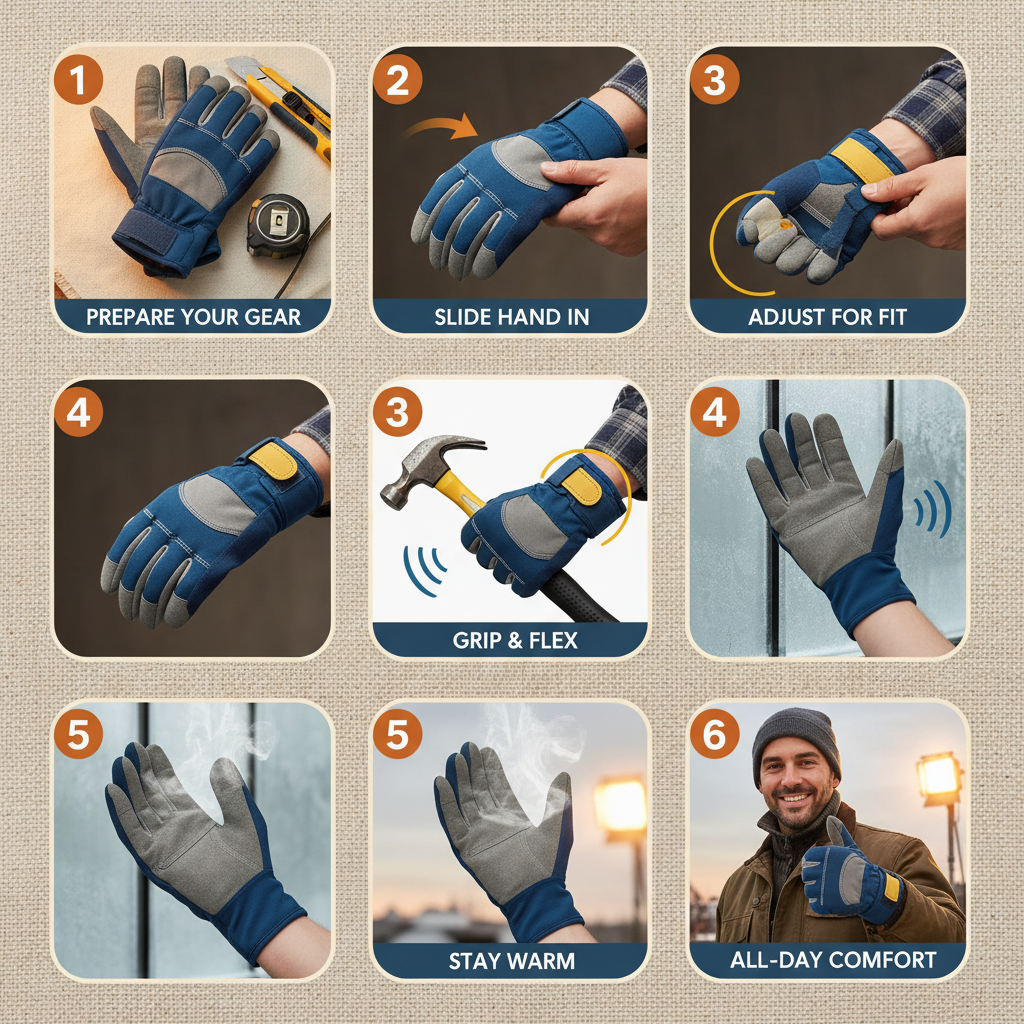
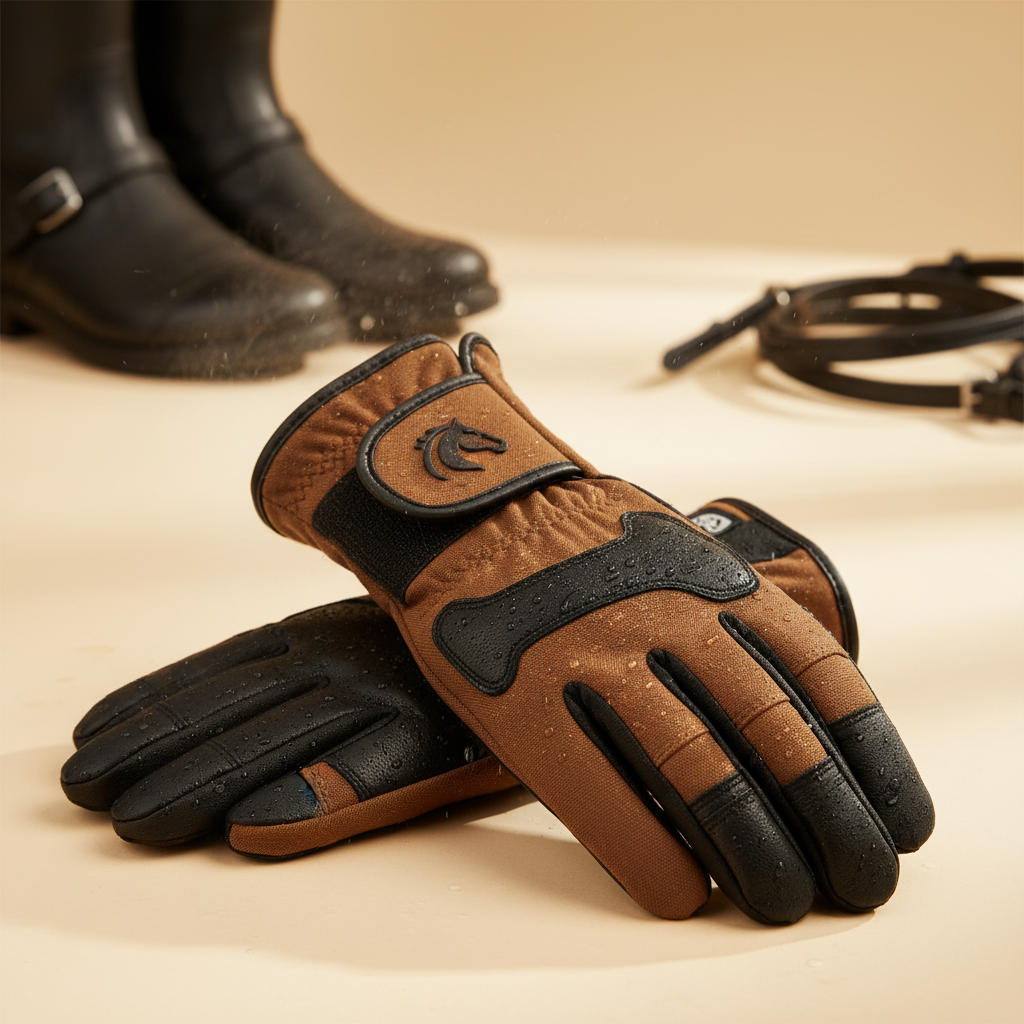
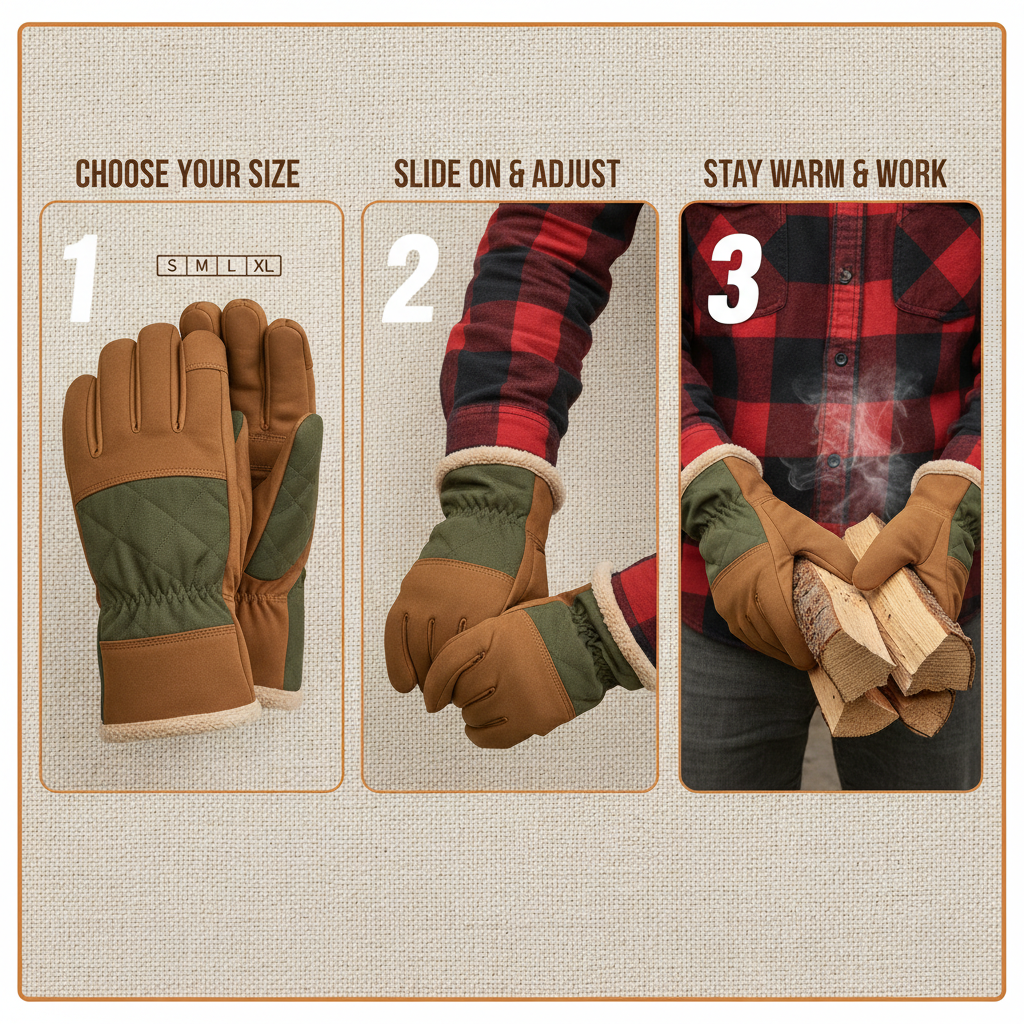
Velcro straps, elastic cuffs, and adjustable wrist closures ensure snug fit—key for preventing cold air intrusion and maximizing heat retention.
Sport Thermal Gloves Specifications
| Feature | Specification | Benefit |
|---|---|---|
| Insulation Material | Thinsulate 40g/m² | Lightweight warmth without bulk |
| Waterproof Membrane | Gore-Tex Infinium | Wind and water resistant, breathable |
| Palm Grip | Silicone print | Improved hold on equipment |
| Touchscreen Compatibility | Yes, on index finger and thumb | Use devices without removing gloves |
| Wrist Closure | Adjustable Velcro strap | Custom fit, blocks cold air |
Mini takeaway: The secret sauce of sport thermal gloves lies in balancing insulation, water resistance, and dexterity without sacrificing comfort or durability.
Global Applications of Sport Thermal Gloves
You’ll find sport thermal gloves everywhere—from the Alps to the Rockies, and increasingly in urban outdoor fitness regimens. In Scandinavian countries, for example, where temperature lows can reach below -20°C regularly, these gloves are integral to daily life for winter runners and skiers.
Emergency services in Canada and Russia also rely heavily on robust thermal gloves during disaster relief in frozen areas, as do industrial workers in oil fields or remote mining sites across northern latitudes. Oddly enough, humanitarian NGOs distribute thermal gloves during winter as part of refugee aid kits, underscoring their critical role beyond recreation.
A quick example: In a recent post-disaster relief operation in northern Italy, responders credited their gloves with maintaining hand functionality during debris removal under freezing conditions, speeding up rescue efforts.
Vendor Comparison: Leading Sport Thermal Gloves Brands
| Brand | Primary Material | Waterproof Tech | Touchscreen Capable | Price Range (USD) |
|---|---|---|---|---|
| GlacierPro | Thinsulate & Polyester | Yes, proprietary membrane | Yes | $55–75 |
| FrostGuard | Wool blend | No | No | $40–60 |
| ThermoActive | Polartec Alpha | Gore-Tex Infinium | Yes | $70–90 |
Why Invest in Sport Thermal Gloves? Advantages & Long-Term Value
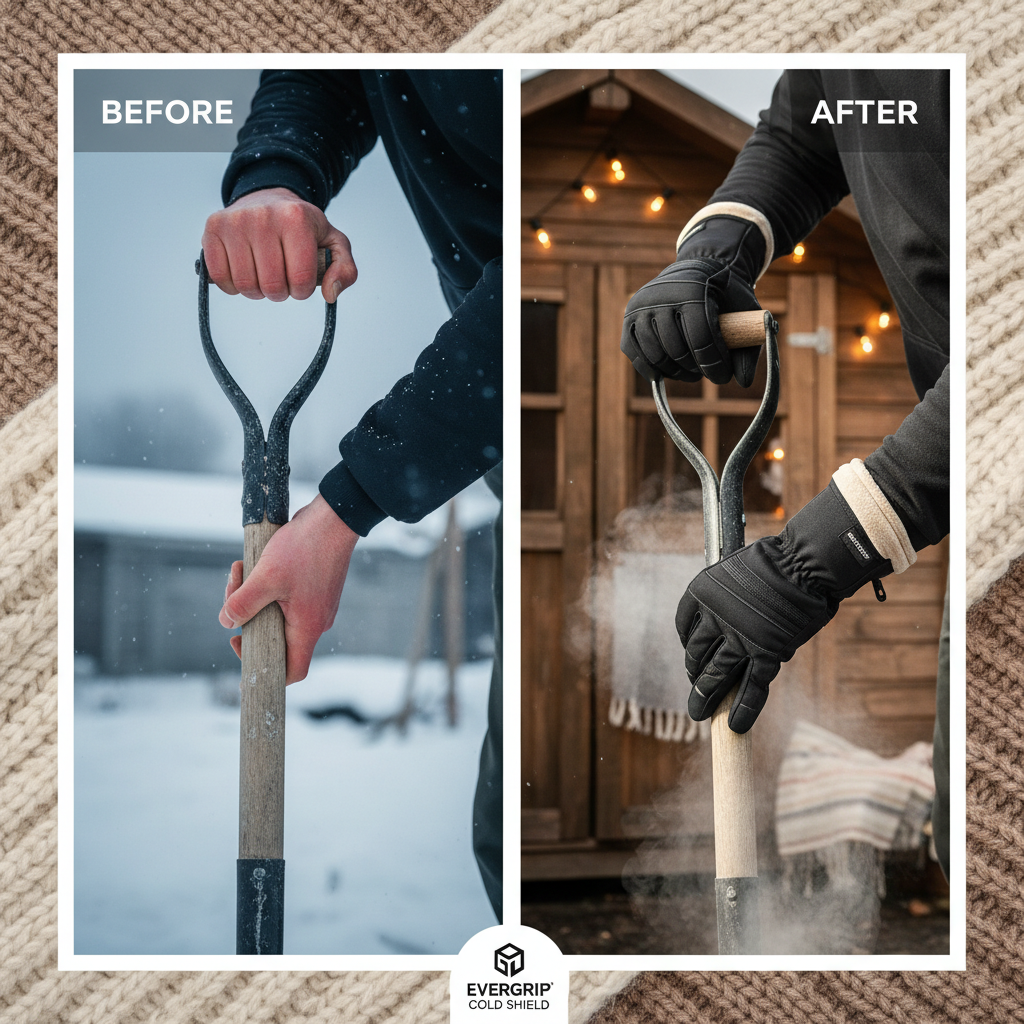
First, the trade-off between cost and value skews strongly positive. High-quality gloves, though pricier upfront, prevent injuries like frostbite and help maintain productivity and enjoyment. There's a strong emotional aspect too — the feeling of warmth and security in harsh conditions lets users focus fully on their sport or job without distraction.
Moreover, advances in sustainable materials reduce environmental impact. Many brands now use recycled fibers, and biodegradable fabrics are emerging, aligning with global trends towards eco-conscious sports gear. This ethos supports both planet and people — a nice bonus.
Mini takeaway: Sport thermal gloves deliver protection, performance, and peace of mind, making them a smart long-term investment for anyone active in cold environments.
Looking Ahead: Innovations in Sport Thermal Gloves
New tech is on the horizon. For example, integrating graphene-infused fabrics promises superior heat retention with ultra-thin profiles. On the sustainability front, brands are exploring natural insulation alternatives like mycelium-based materials.
Digital transformation is also afoot: embedded sensors can now monitor hand temperature and circulation, feeding data to smart devices. This is especially useful in high-risk professions or competitive sports where performance optimization is key.
Challenges & Practical Solutions
Despite advances, challenges remain. Gloves that are too warm cause sweat buildup; too breathable risk chilling. Sizing inconsistencies frustrate buyers, and waterproof membranes can degrade over time.
Pro tips? Layering gloves with thin liners is a clever workaround. Choosing established brands with warranties reduces risk. Additionally, regular care—cleaning and drying properly—helps extend glove lifespan.
FAQ: Sport Thermal Gloves
- Q: How do I choose the right sport thermal gloves for extremely cold weather?
- A: Look for gloves with high-quality insulation like Thinsulate 40g or Polartec Alpha, waterproof membranes, and a snug fit with adjustable cuffs. Check customer reviews focused on cold resistance, and consider layering options for variable conditions.
- Q: Can I use sport thermal gloves for touchscreen devices?
- A: Many modern gloves include touchscreen compatible fingertips, usually on the thumb and index fingers. If this feature is crucial for you, verify specifications before purchase to avoid fumbling with devices outdoors.
- Q: How do I maintain sport thermal gloves to prolong their use?
- A: Follow manufacturer’s washing instructions carefully—usually gentle cycles, no fabric softeners. Dry them at room temperature away from direct heat to maintain membrane integrity and insulation performance.
- Q: Are synthetic or natural materials better for sport thermal gloves?
- A: Synthetic insulation typically offers better water resistance and quicker drying, while natural fibers like wool provide breathability and odor control. Many gloves combine both for balance.
Conclusion: Don’t Underestimate the Power of Sport Thermal Gloves
Investing in sport thermal gloves delivers much more than warmth — it boosts performance, confidence, and safety while supporting sustainable innovation. Whether you're an avid winter athlete, outdoor professional, or emergency responder, having the right gloves is a game changer.
Curious to explore options? Visit our website for the latest in sport thermal gloves and gear up for any weather with confidence.
Oddly enough, a good pair of gloves really does change your whole winter experience — give them a try!