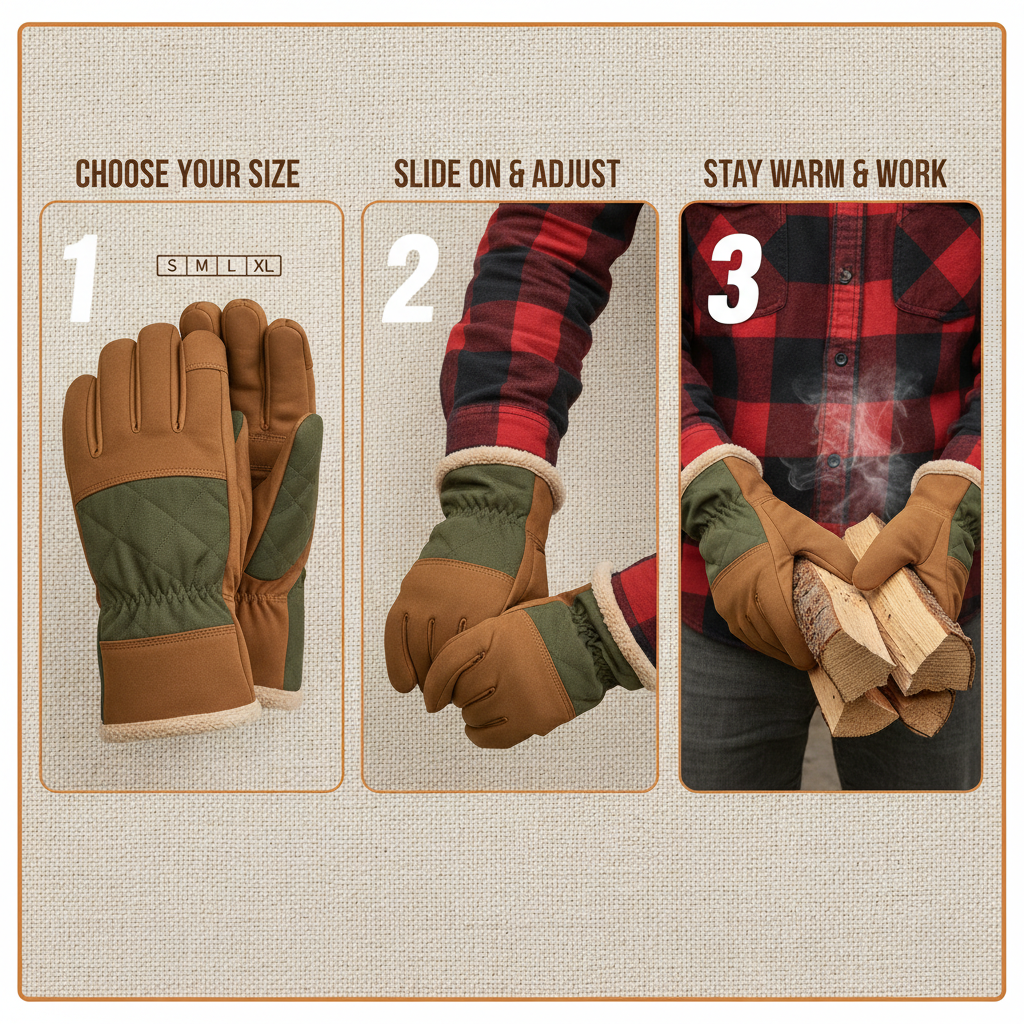
Thermal Cotton Gloves: Comfort, Safety & Sustainability Explained
Understanding Thermal Cotton Gloves: Essential Gear for Comfort and Safety
Thermal cotton gloves might not make headlines, but believe me, they’re quietly essential across various industries and everyday life. With global temperature extremes becoming more common and workplaces demanding greater safety standards, investing in the right hand protection is critical. Thermal cotton gloves offer that soft balance between comfort, warmth, and utility, especially where dexterity and natural fiber benefits matter.
Why Thermal Cotton Gloves Matter Globally
From the chilly factories of northern Europe to remote humanitarian efforts in harsh climates, thermal gloves have a role to play. The World Meteorological Organization notes an uptick in cold spells in many temperate regions, which directly impacts worker safety. Thermal cotton gloves help mitigate cold exposure risks, improving comfort and reducing injuries related to frostbite or numbness. Moreover, industries like construction, food processing, and even agriculture increasingly rely on gloves that enable precision without sacrificing warmth or breathability.
Oddly enough, while synthetic gloves flood the market, thermal cotton gloves maintain a steady niche. The UN’s Sustainable Development Goals emphasize safe working conditions (#8) and sustainable textile production (#12), so gloves blending natural fibers with thermal benefits fit well in this agenda.
What Exactly Are Thermal Cotton Gloves?
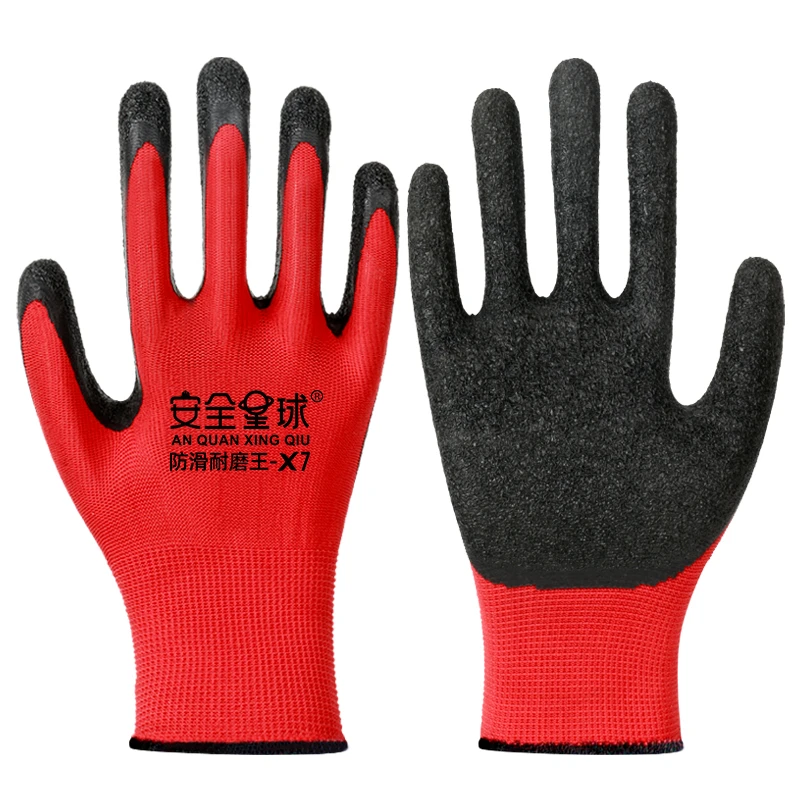
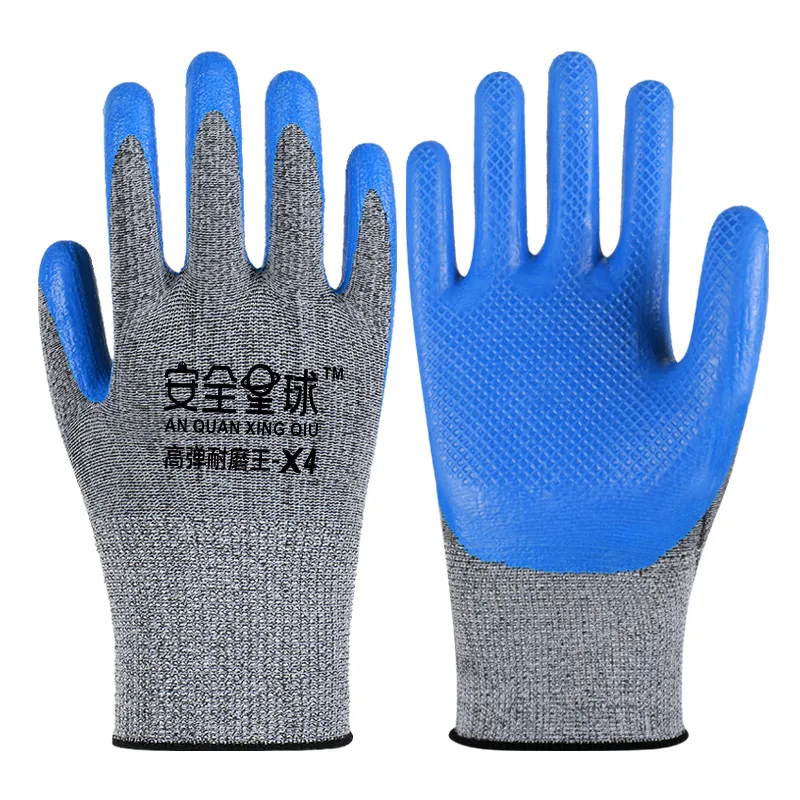
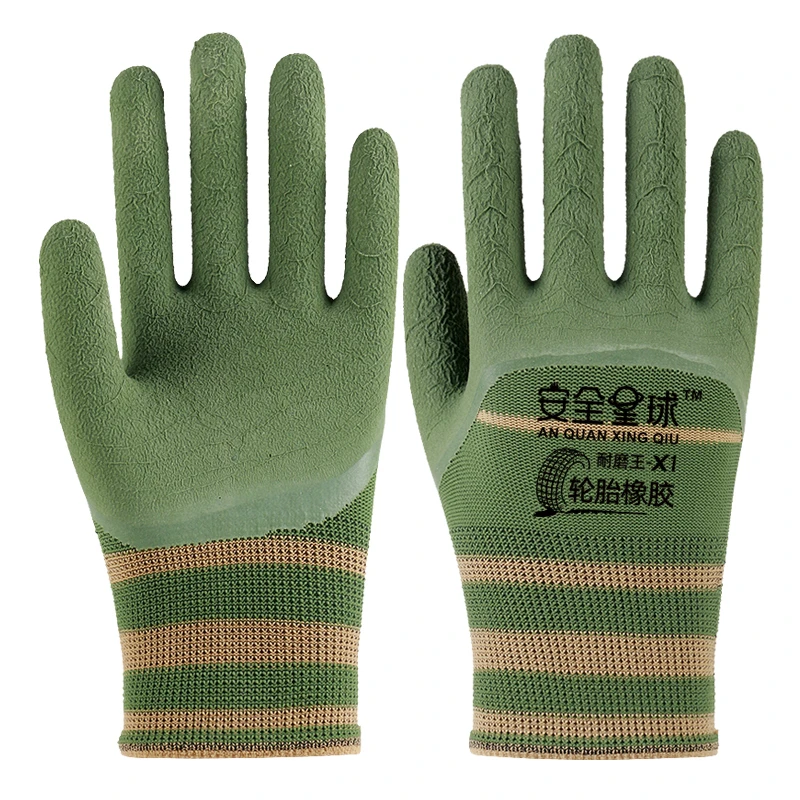
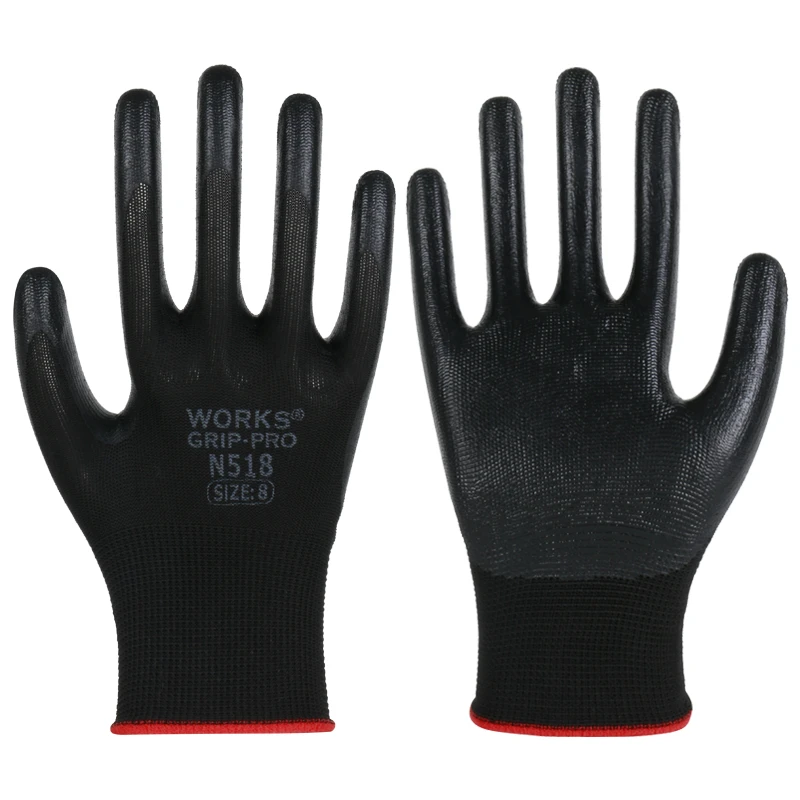
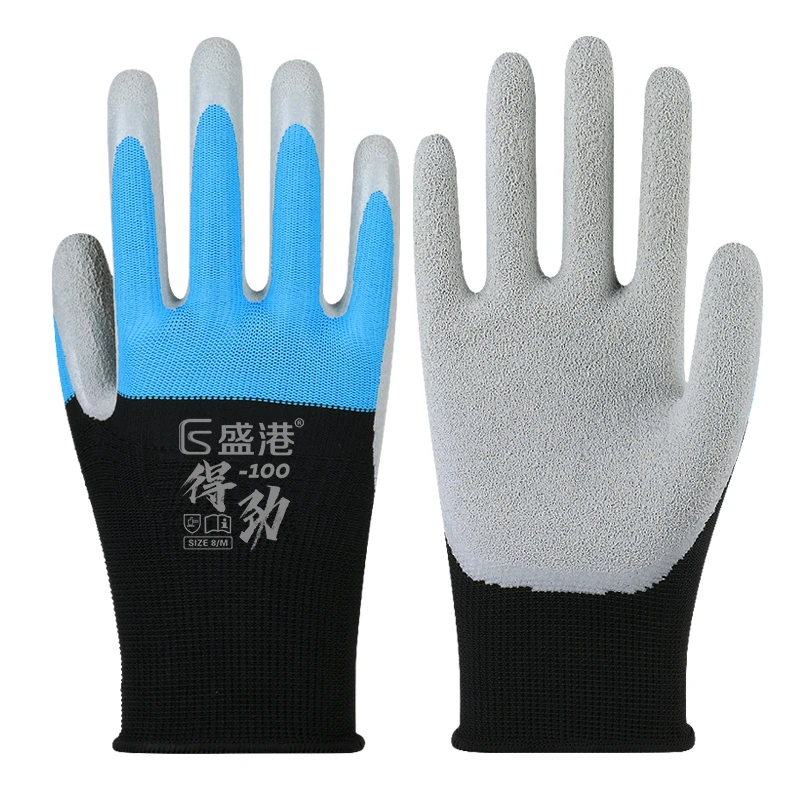
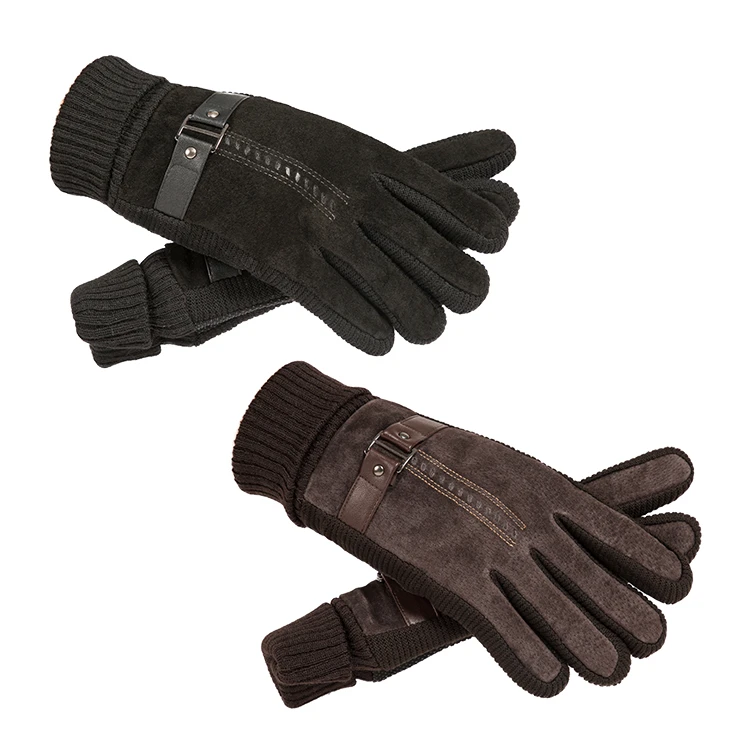
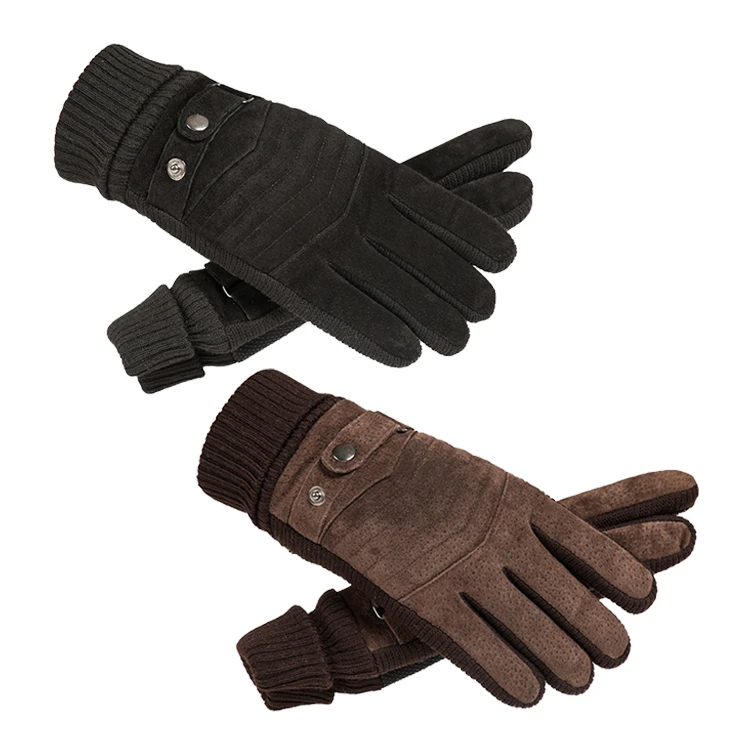
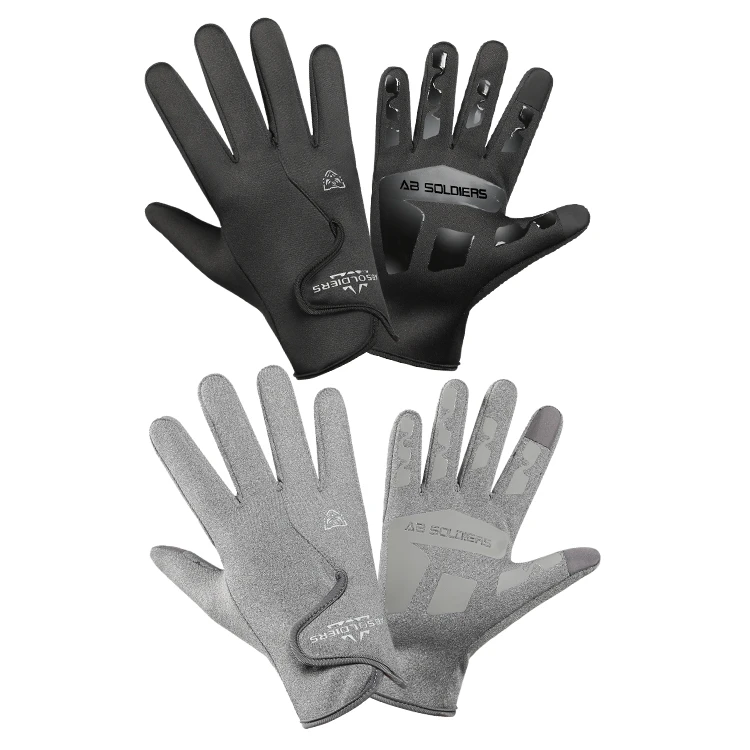
Simply put, thermal cotton gloves are hand coverings made primarily from cotton but enhanced to retain heat. Usually, they feature a thick weave or an inner lining like fleece or wool to trap warmth while allowing the skin to breathe. Unlike rubber or synthetic gloves, they avoid sweating and offer tactile sensitivity, making them great for tasks where detail is key.
Industrially, they serve as a midway point between thin cotton liners and heavy-duty insulated gear. Humanitarian organizations also utilize these gloves in disaster zones where cold weather gear is scarce but needed urgently.
Key Aspects of Thermal Cotton Gloves
1. Material Composition
Mostly composed of high-quality cotton, these gloves often include blended fibers like polyester or acrylic for enhanced strength and thermal retention. I noticed some manufacturers now emphasize organic cotton to appeal to eco-conscious buyers.
2. Durability
Durability is essential. Gloves must resist tearing and wear, especially when handling tools or moving rough objects. Thermal cotton gloves with reinforced stitching or dual-layer palms perform well in tough environments.
3. Comfort and Dexterity
Natural cotton fibers excel in breathability, minimizing sweat discomfort. The fit is generally snug but flexible to allow for fine motor tasks like operating machinery or sorting goods.
4. Thermal Insulation
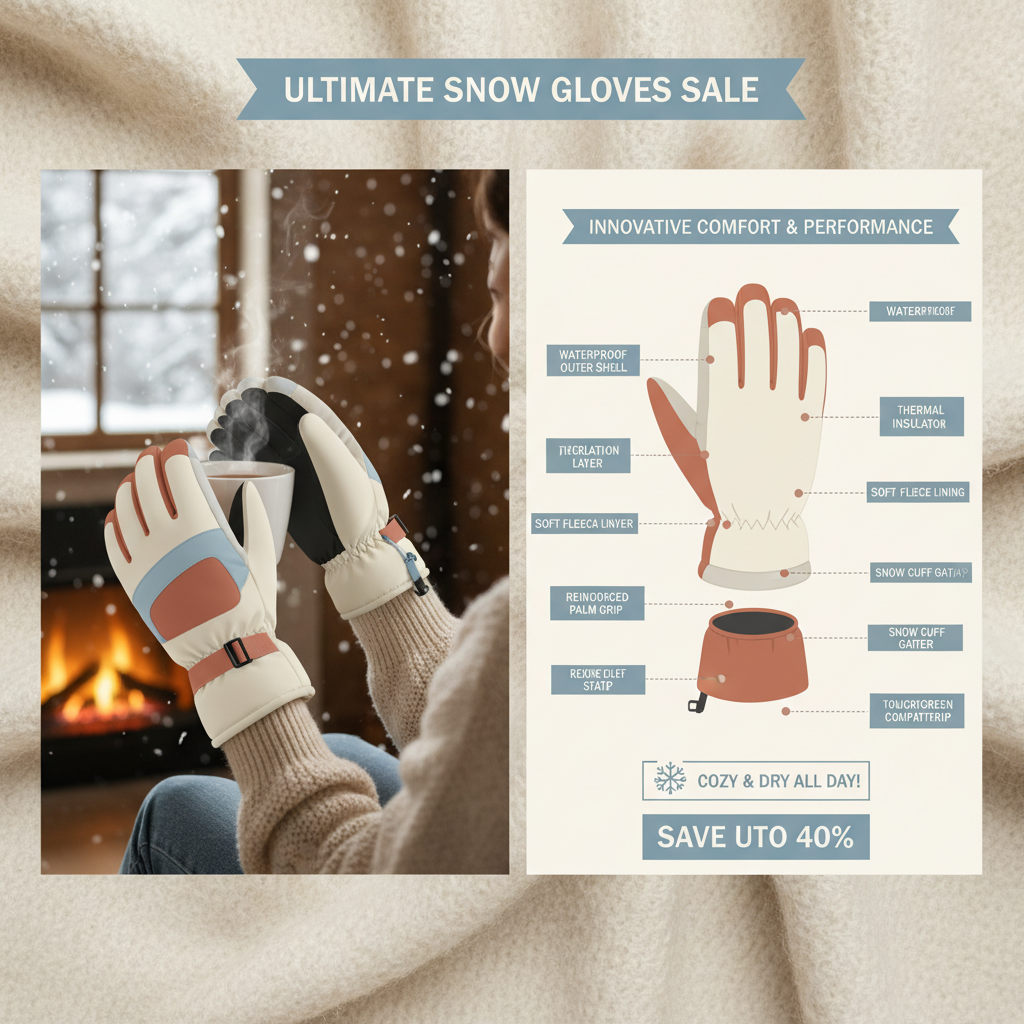
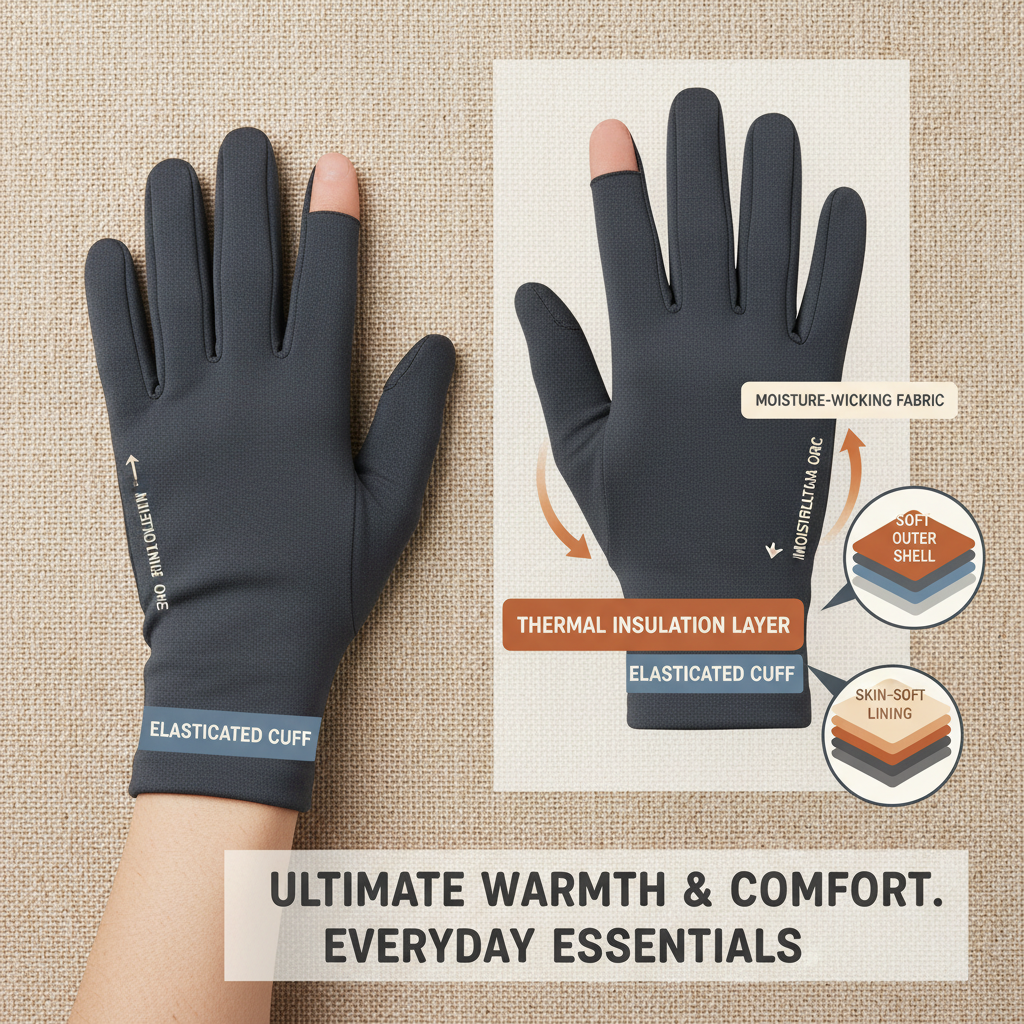
The secret lies in layered designs—some gloves use a cotton outer shell combined with insulating layers such as fleece, trapping body heat without overheating.
5. Cost Efficiency
They strike a balance between the cheap but flimsy cotton liners and expensive, heavy insulated gloves. This middle-ground pricing makes them attractive for companies seeking volume purchases with reliable quality.
Product Specification Table: Typical Thermal Cotton Gloves
| Specification | Details |
|---|---|
| Material | 100% Cotton with Fleece Lining |
| Weight | Approx. 60 grams per pair |
| Thermal Rating | Suitable for -10°C to 15°C ambient temperatures |
| Sizes | S, M, L, XL |
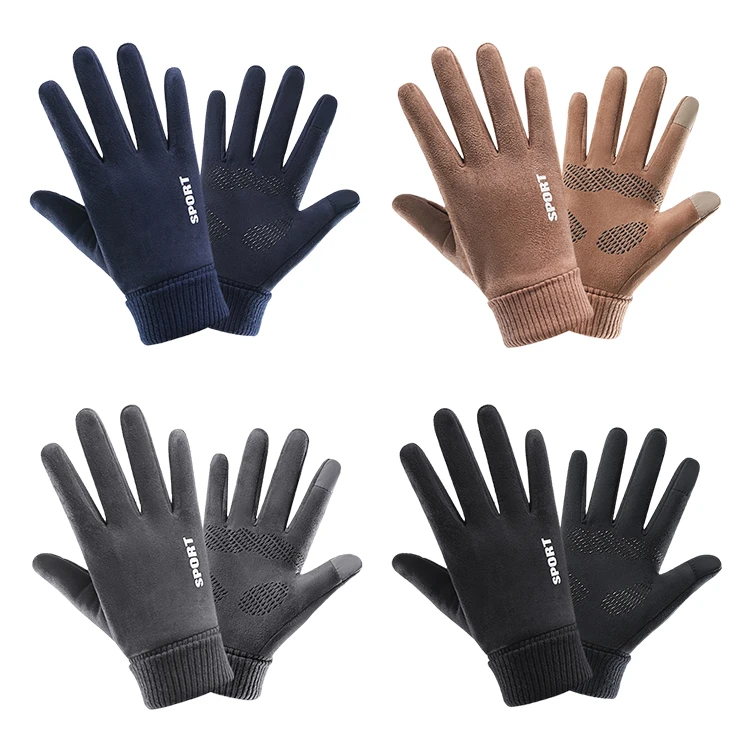
| Color Options | White, Grey, Navy Blue |
| Care Instructions | Machine washable at 40°C |
Global Applications & Use Cases for Thermal Cotton Gloves
The uses are surprisingly broad. In cold-climate agriculture like Canada or Scandinavia, thermal cotton gloves protect workers picking fruits or handling irrigation without sacrificing finger control.
Post-disaster relief agencies in regions like Nepal or Turkey use these gloves during cold winters to help displaced populations retain warmth while performing cleanup or reconstruction tasks. Industrial warehouses in northern Asia also prize them for workers who move goods outdoors or in unheated halls.
Even in households, thermal cotton gloves offer gentle protection for individuals suffering from conditions like Raynaud's syndrome — a reminder of how versatile and intimate this product can be.
Vendor Comparison Table
| Brand | Material Focus | Thermal Efficiency | Pricing (per pair) | Eco-Friendly Options |
|---|---|---|---|---|
| WarmCotton Co. | Organic Cotton | High | $12 | Yes |
| ThermoGlove Inc. | Cotton/Polyester Blend | Medium | $8 | No |
| EcoGlovex | Recycled Cotton | High | $14 | Yes |
The Advantages and Long-Term Value of Thermal Cotton Gloves
Cost-wise, thermal cotton gloves generally deliver excellent value—affordable yet effective. From an environmental perspective, opting for cotton, especially organic or recycled, aligns well with sustainable use principles. Plus, cotton is biodegradable, which synthetic alternatives can’t claim.
On the emotional side, I’ve seen workers express how wearing comfortable gloves impacts morale. Feeling safe and cozy hands leads to better focus and fewer accidents. There’s dignity in reliable gear—you trust these gloves to support you throughout a long shift or tough conditions. That reliability builds trust between employers and staff, which, frankly, can reduce turnover.
Future Trends & Innovations
Looking ahead, glove makers are experimenting with smart textiles. Imagine thermal cotton gloves integrated with sensors that monitor hand temperature or motion — useful for industrial workers or elderly care. Incorporating greener washing tech and non-toxic dyes also shows promise for enhancing sustainability.
Additionally, the push for digital transformation means supply chains are becoming more transparent, letting buyers verify organic sourcing and fair labor practices. This traceability adds to the product’s credibility and appeal in a conscientious market.
Challenges & Practical Solutions
Of course, no product is perfect. Thermal cotton gloves can struggle in extremely wet environments since cotton absorbs moisture, compromising warmth. Some engineers suggest water-resistant coatings to counter this, but the challenge lies in keeping gloves breathable.
Customization remains tricky too—sizing and fit vary widely, and mass production often limits options. Collaborations between manufacturers and industries are ongoing to develop modular glove components or adjustable fits that adapt better.
FAQs About Thermal Cotton Gloves
- Q: How do thermal cotton gloves compare to synthetic insulation?
A: Cotton-based gloves often breathe better and feel softer but may not insulate as effectively in wet conditions. Synthetic gloves handle moisture better but can cause sweating. Choosing depends on specific use environments. - Q: Can thermal cotton gloves be used in food processing?
A: Yes, especially ones made with food-safe, non-toxic materials. Their breathability and comfort make them good for handling food items, but check hygiene certifications. - Q: How should I care for thermal cotton gloves?
A: Most can be machine washed at mild temperatures (40°C) and air dried. Avoid bleach or harsh chemicals to preserve fibers and thermal properties. - Q: Are thermal cotton gloves eco-friendly?
A: They can be if made from organic or recycled cotton and produced under responsible manufacturing standards. Always check vendor certifications for sustainability. - Q: Where can I buy reliable thermal cotton gloves?
A: Manufacturers and distributors vary globally. Checking trusted suppliers, such as those listed on thermal cotton gloves portals or recommended by workplace safety bodies, helps ensure quality.
Conclusion
Thermal cotton gloves quietly blend comfort, safety, and sustainability into a small daily essential. Whether protecting workers in frigid warehouses or supporting people in humanitarian cold zones, their balanced features make a real difference. The ongoing innovations around eco-friendly materials and smart textiles only add to their value.
If you’re searching for durable, cost-effective hand protection that respects both users and the environment, thermal cotton gloves are a smart choice. Interested? Check out more detailed options and offerings on our website: https://www.personalcarescn.com.
Quick takeaway: Never underestimate the humble thermal cotton glove—it’s a cold-weather lifesaver that blends tradition with modern needs.