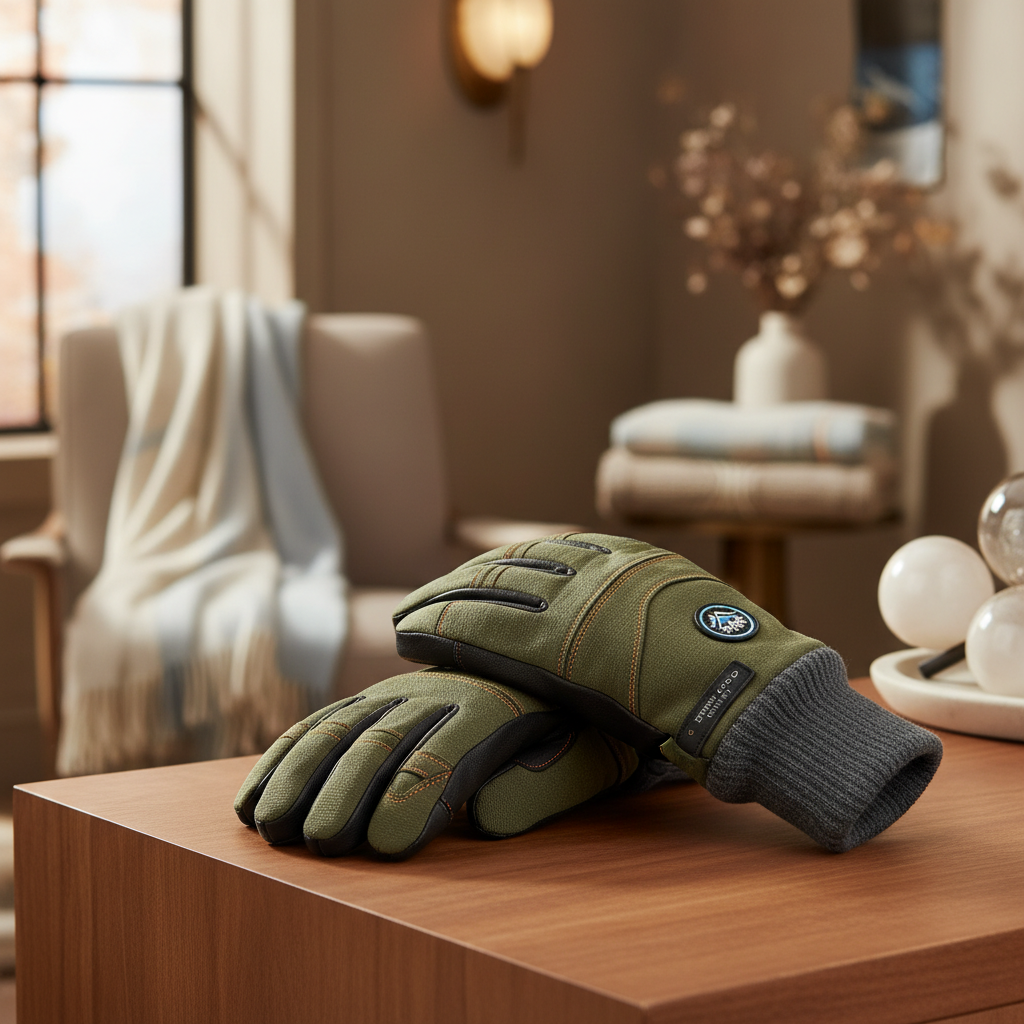
Thermal Inner Gloves for Industrial Cold-Weather Protection
Understanding Thermal Inner Gloves: Your Industrial Cold-Weather Ally
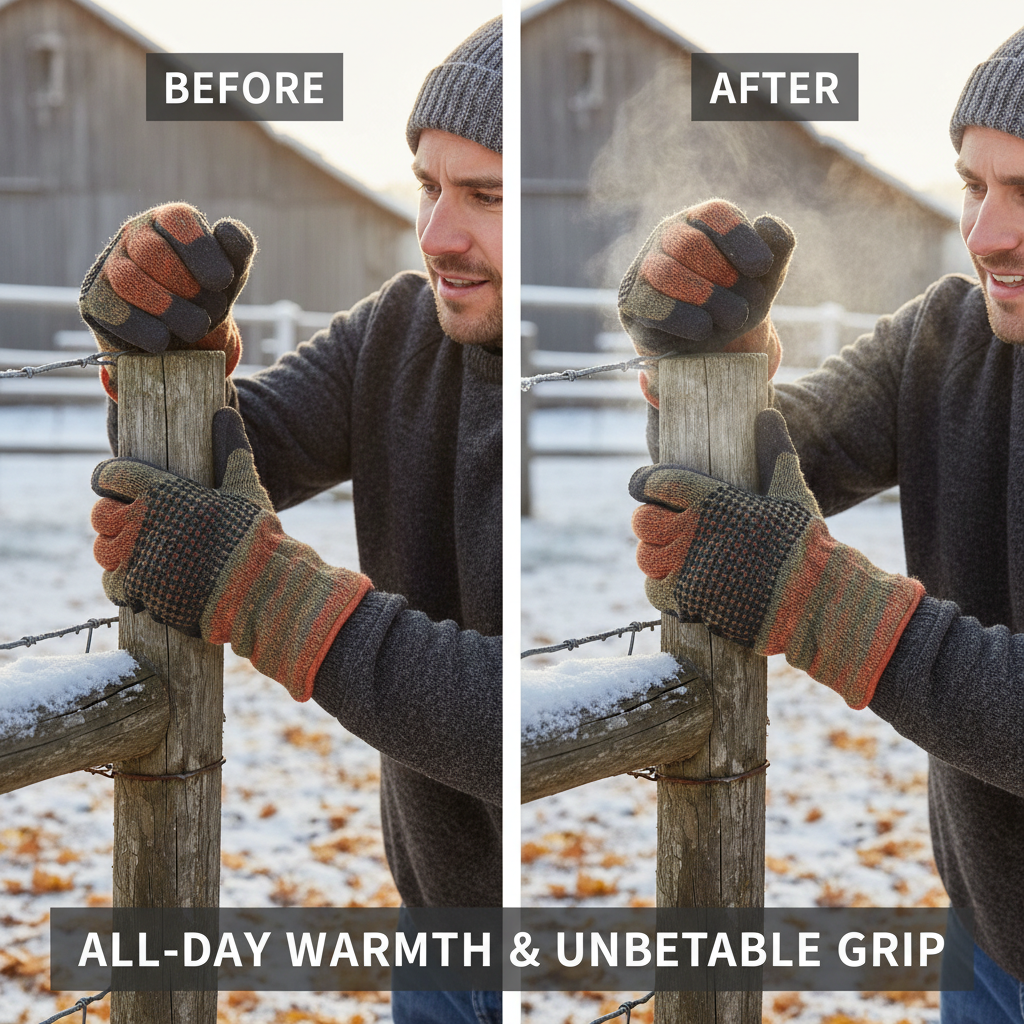
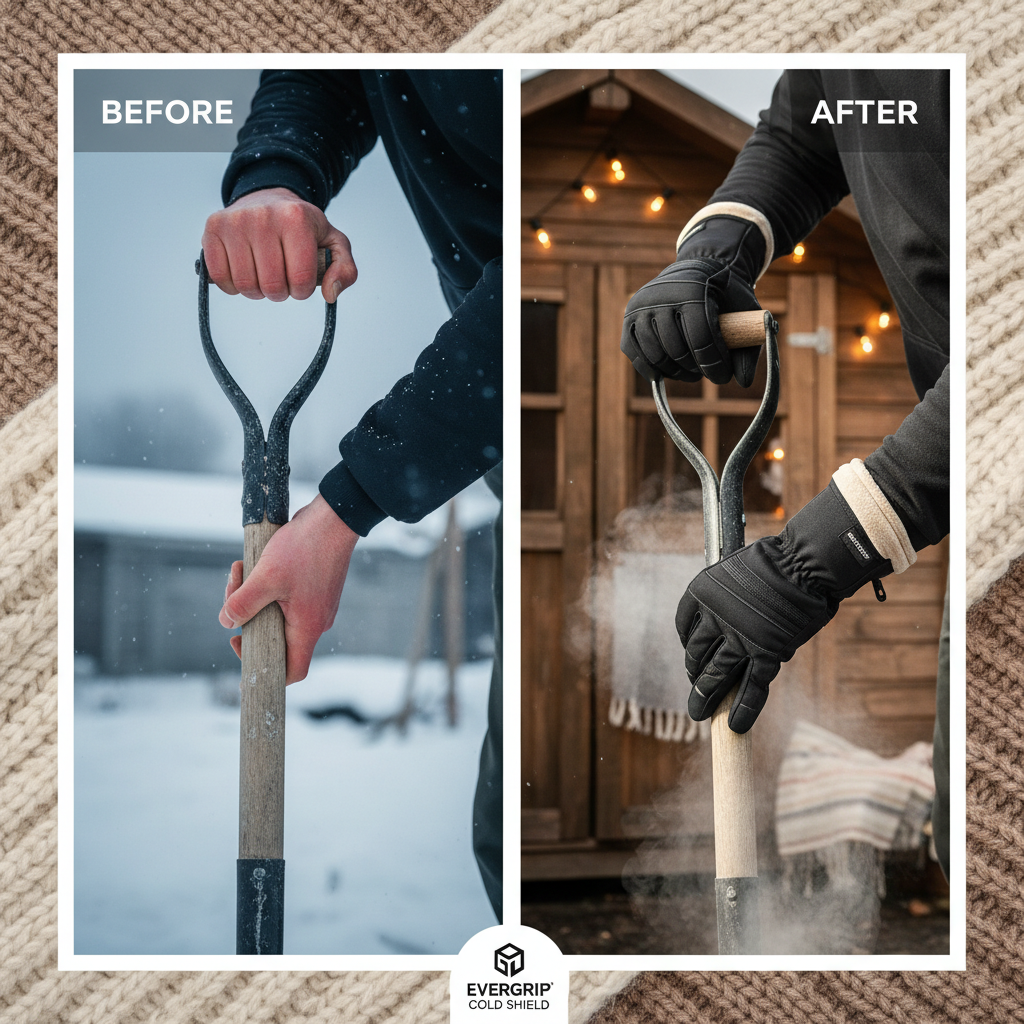
Having spent over a decade in the industrial equipment sector, I can honestly say: thermal inner gloves are often the unsung heroes of cold-weather work apparel. When you’re deep into a winter shift—whether it’s construction, shipping docks, or manufacturing—the kind of cold you feel isn’t just uncomfortable. It can downright hinder your dexterity and productivity. I remember one frigid January where a colleague of mine struggled with standard gloves, leading to fumbled tools and slower work. Since then, thermal inner gloves have become my go-to recommendation for anyone venturing into those freezing environments.
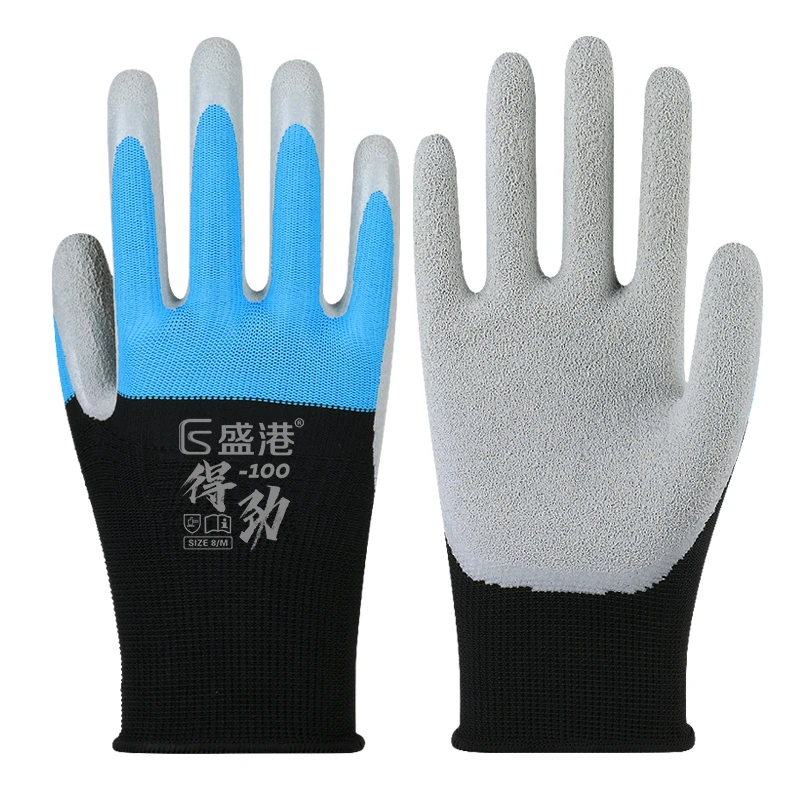
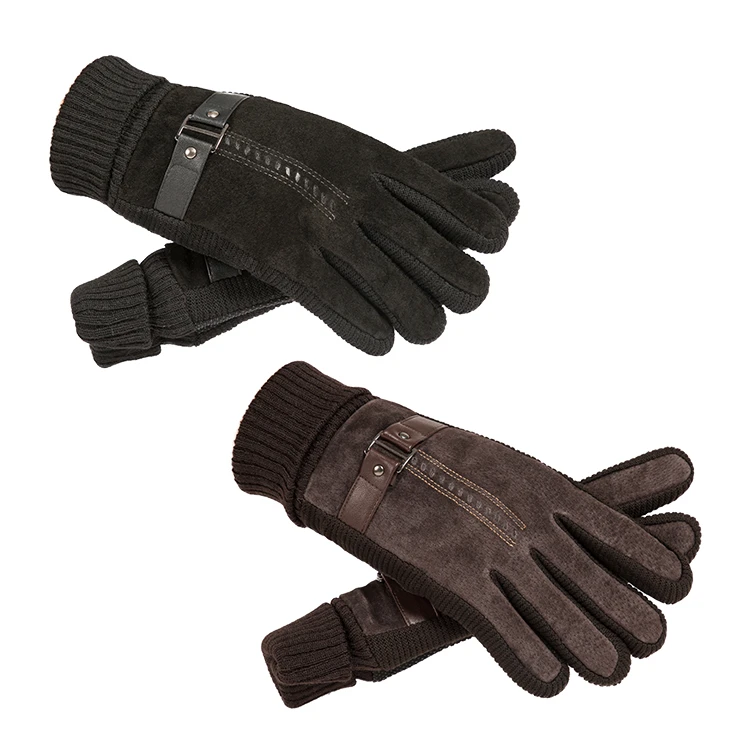
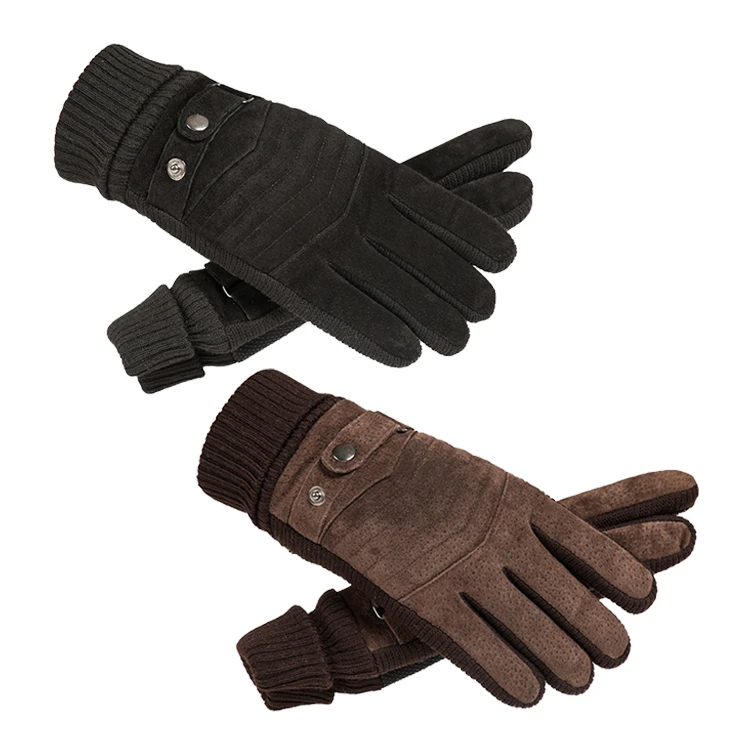
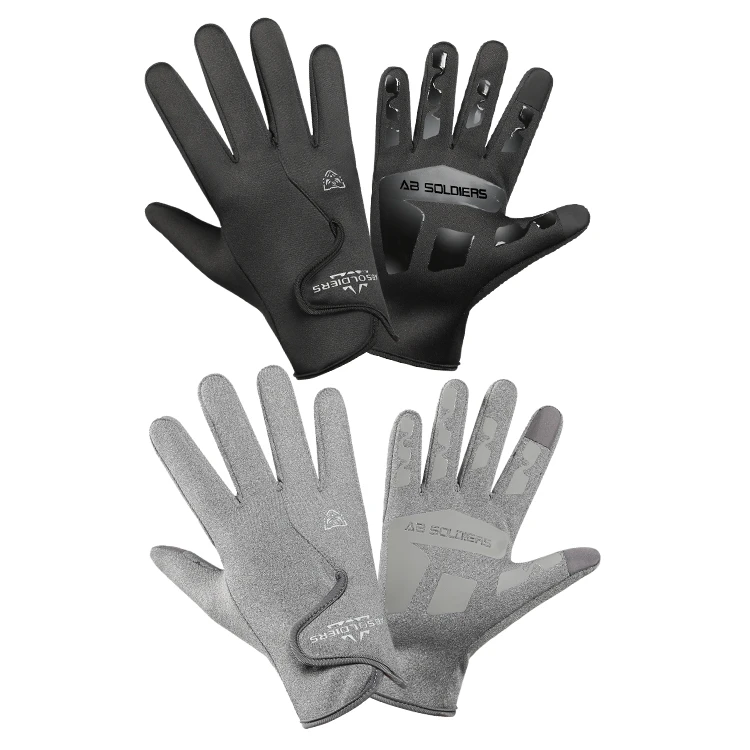
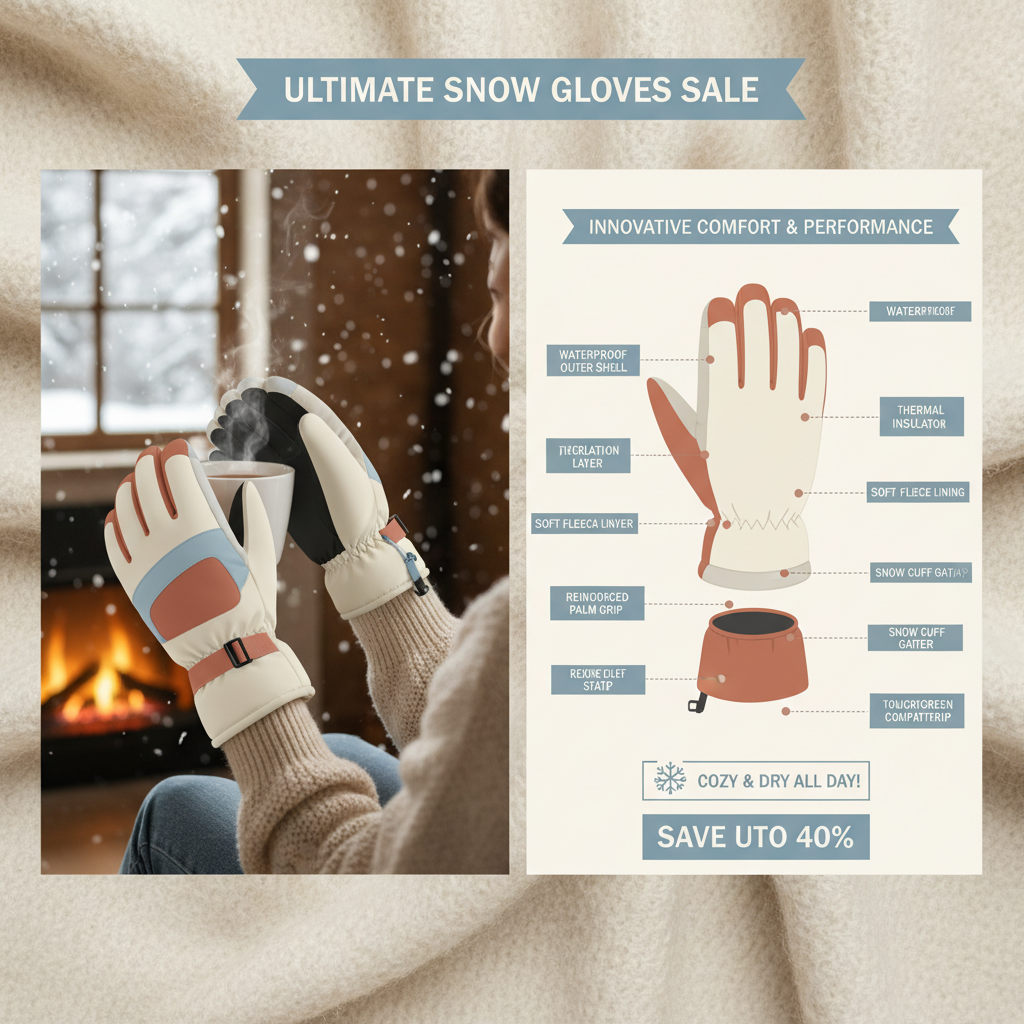
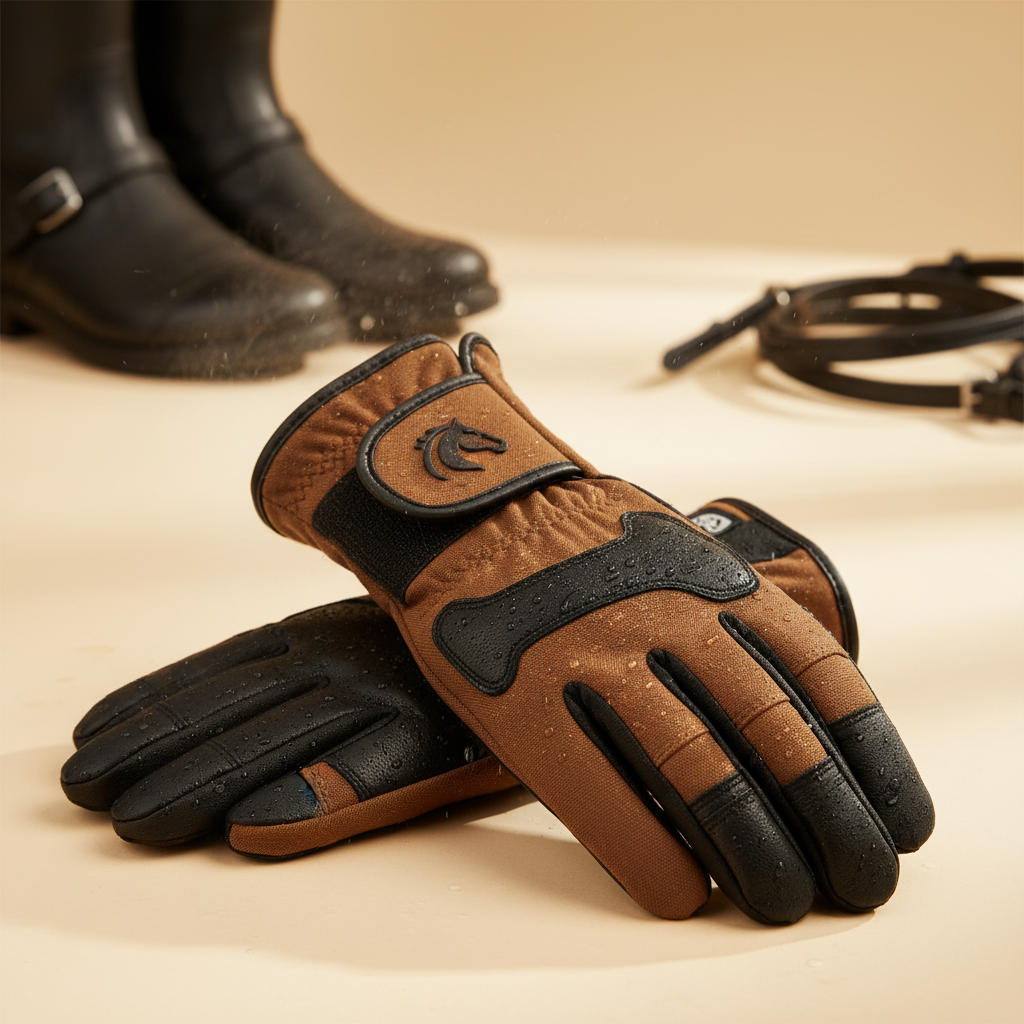
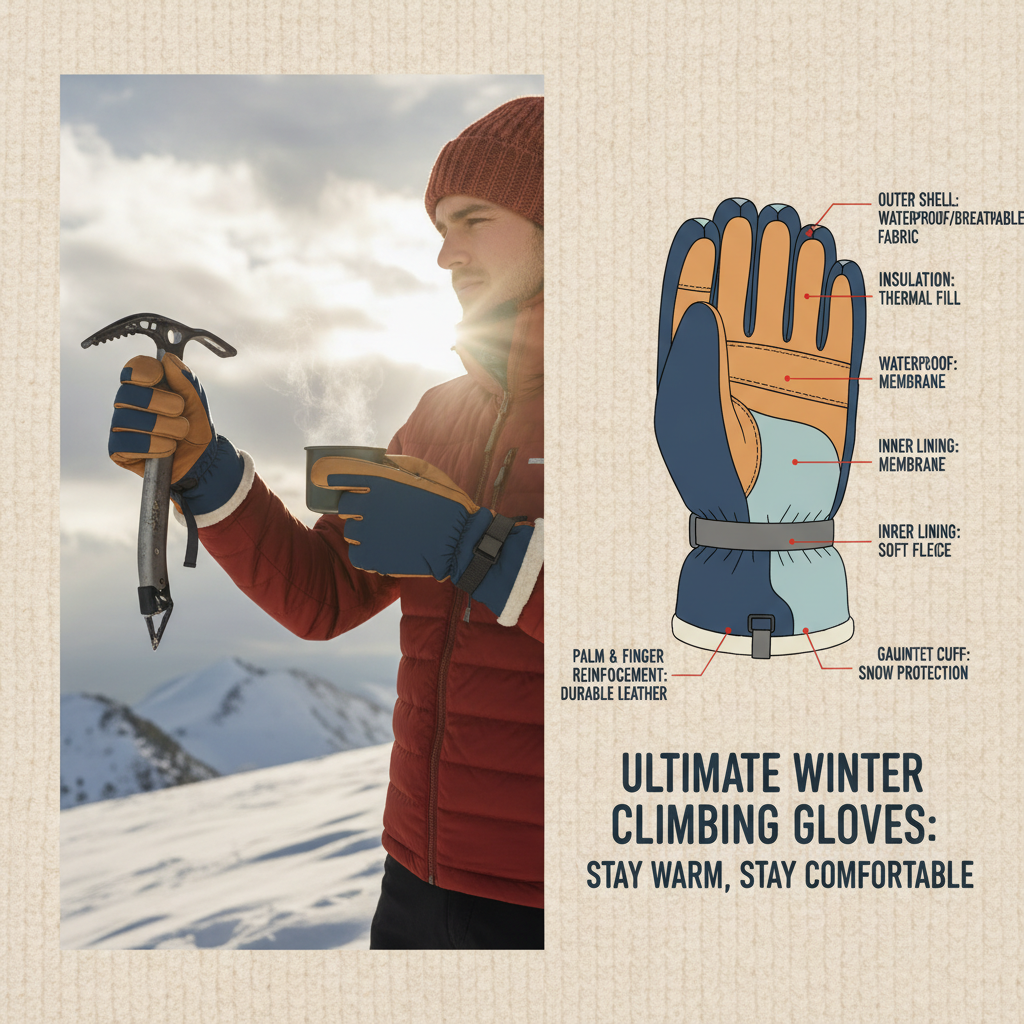
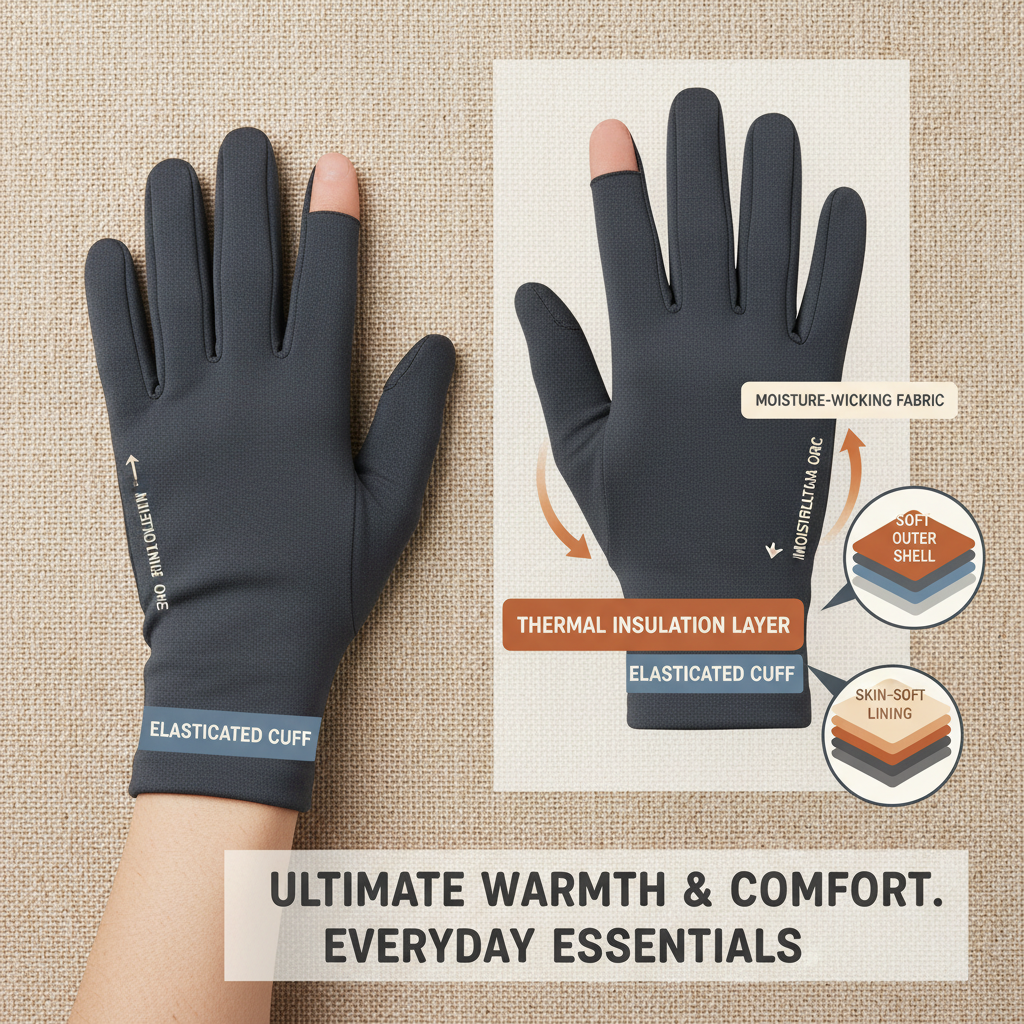
So what makes these gloves special? Frankly, it comes down to materials and thoughtful design. Most thermal inner gloves use layers of insulating fabrics, often combining fleece, Thinsulate, or specialized synthetic fibers. This layering traps heat close to the skin, all while remaining slim enough to wear under a heavier outer glove. Oddly enough, you want something that’s cozy but doesn’t bulk up your hands, preserving your grip and tactile feeling.
Testing is another key point. In industrial settings, a glove that looks warm won’t always deliver once you hit three hours out in sub-zero conditions. Trusted vendors conduct fairly rigorous temperature retention tests and durability trials. Personally, I’ve seen gloves rated for -30°C hold up well under intensive use—still flexible, no irritation, and dry inside. That’s huge because nothing’s worse than sweaty hands that suddenly chill.
| Feature | Specification |
|---|---|
| Material | Fleece with Thinsulate insulation |
| Temperature Rating | Down to -30°C / -22°F |
| Design | Slim fit for layering under gloves |
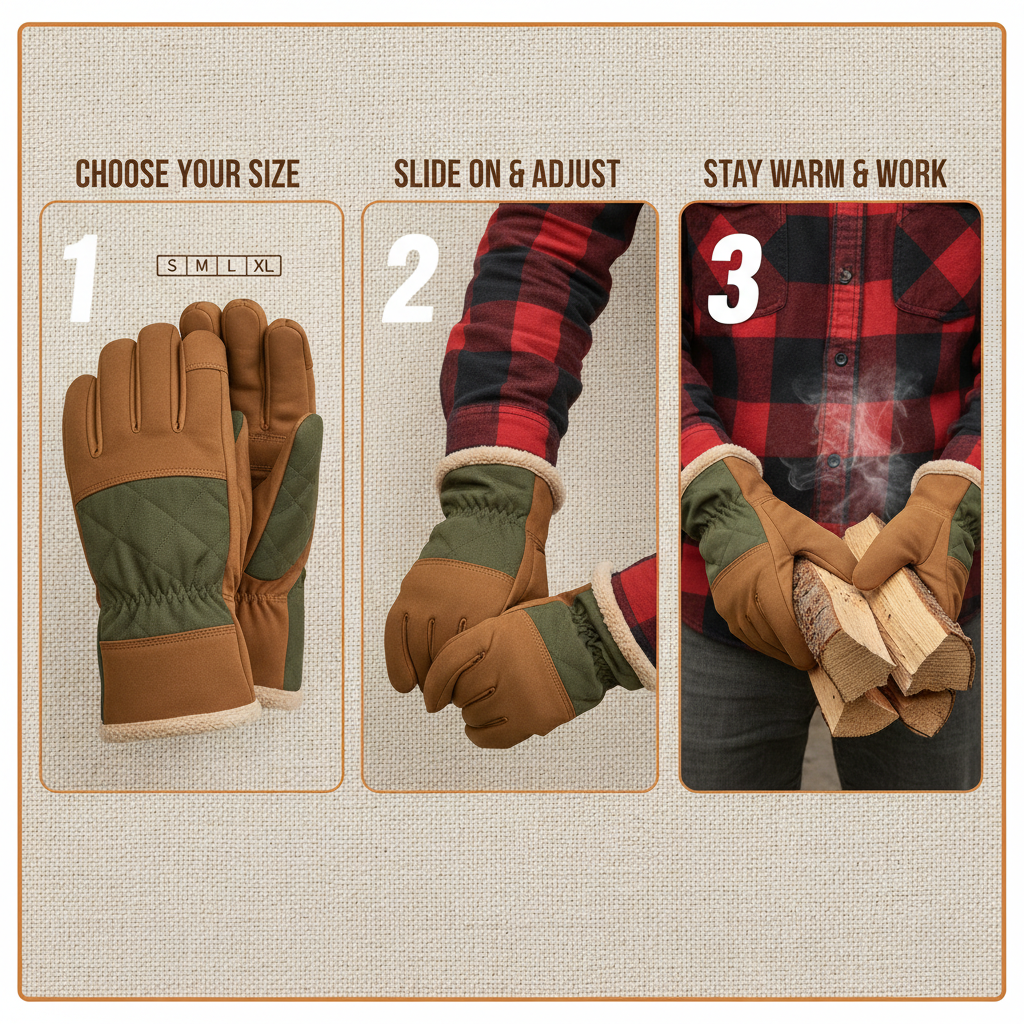
| Sizes | S, M, L, XL |
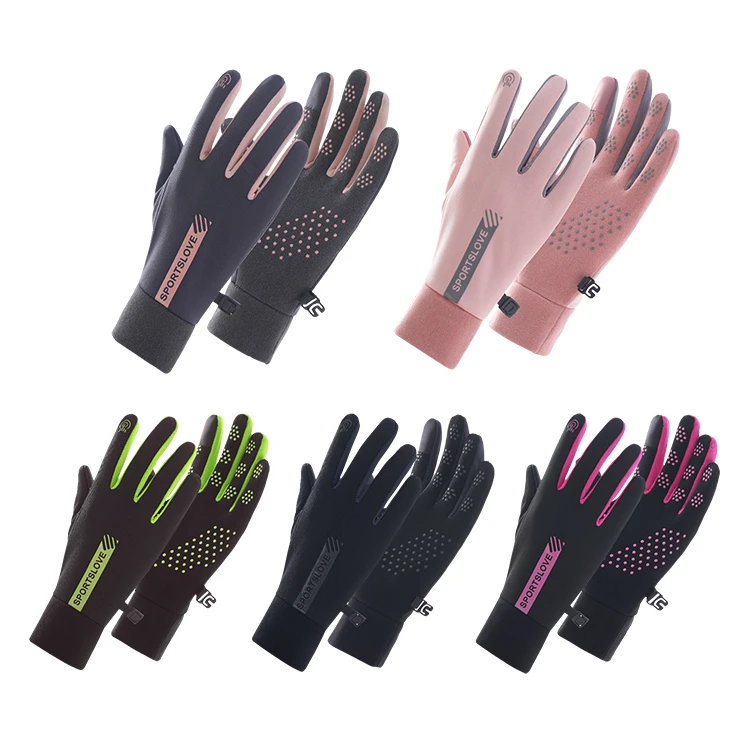
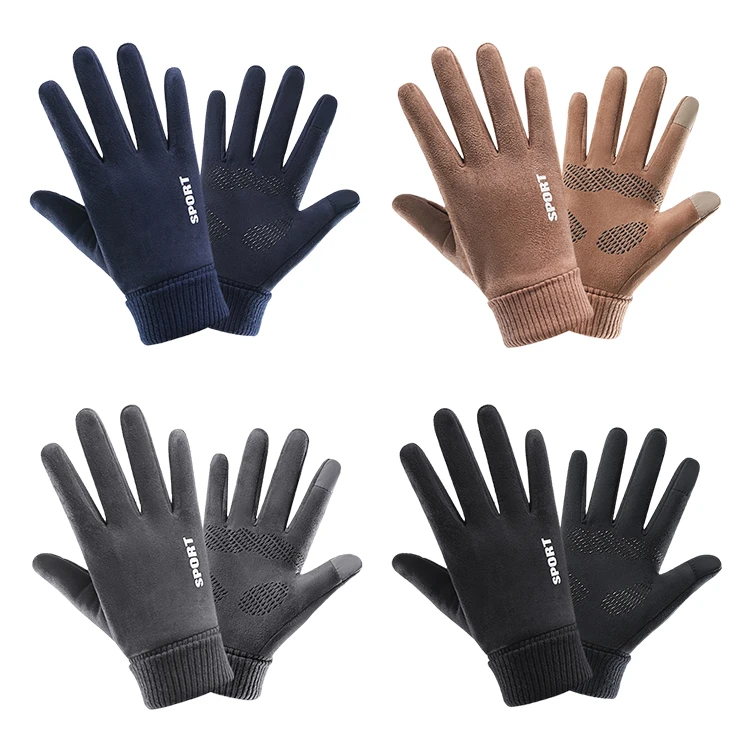
| Color options | Black, Grey, Navy |
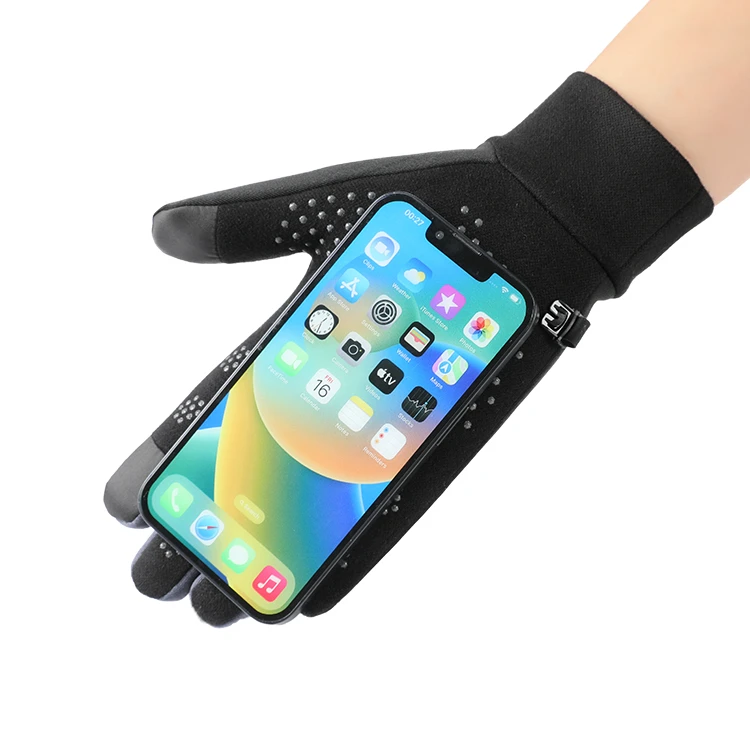
| Additional Features | Moisture-wicking lining, touchscreen compatible fingertips |
Let’s talk vendors. In the past years, I tested a few major brands and noticed some clear differences worth weighing. Price points can vary, yes, but so do durability and comfort. For instance, one popular brand offers excellent thermal performance but less wrist coverage, which can let cold air creep in during heavy wind. Another has thicker insulation but can feel a bit bulky under outer gloves. It’s always a trade-off, and frankly, your choice depends on what your daily tasks demand.
| Vendor | Thermal Efficiency | Comfort & Fit | Durability | Price Range |
|---|---|---|---|---|
| ArcticShield | High (rated to -30°C) | Slim, snug fit | Durable synthetic fleece | $$$ |
| ThermoSoft | Moderate (rated to -20°C) | Bulkier but warm | Good, some wear after extended use | $$ |
| GloveWorks Pro | High (rated to -28°C) | Excellent dexterity | Reinforced seams, very durable | $$$ |
Customization is another interesting angle. Over the years, several companies offered personalized glove sizes and an option to add logos or reflective patches. In real terms, this isn’t just cosmetic: it improves safety and team cohesion on-site. I’ve witnessed a factory floor significantly reduce cold-related downtime after switching to thermal inner gloves tailored to their workers’ nuances.
In the end, what truly matters is comfort, warmth, and reliability. You know, a glove keeping your hands warm isn’t just a luxury—it’s essential for your safety and efficiency. It feels like a small piece of gear, but it can have a huge impact on both well-being and output.
So, the next time you’re assessing your winter workwear, consider giving thermal inner gloves a spot in your lineup — they quietly change the game.
References:
1. Industrial Safety Gear Association Guidelines, 2023
2. Cold Workwear Field Tests, Manufacturing Weekly, 2022
3. User feedback and product trials, diverses sites, 2021-2023