Thermal Liner Gloves for Industrial Use: Warmth & Dexterity Combined
Thermal Liner Gloves: A Year-Round Industrial Essential
Having spent over a decade working amidst the clamor of factories and warehouses, I’ve come to realize just how pivotal seemingly simple gear like thermal liner gloves can be. At first glance, they might not steal the spotlight — but oddly enough, they often make or break comfort and safety on the job during those bite-cold winter months.
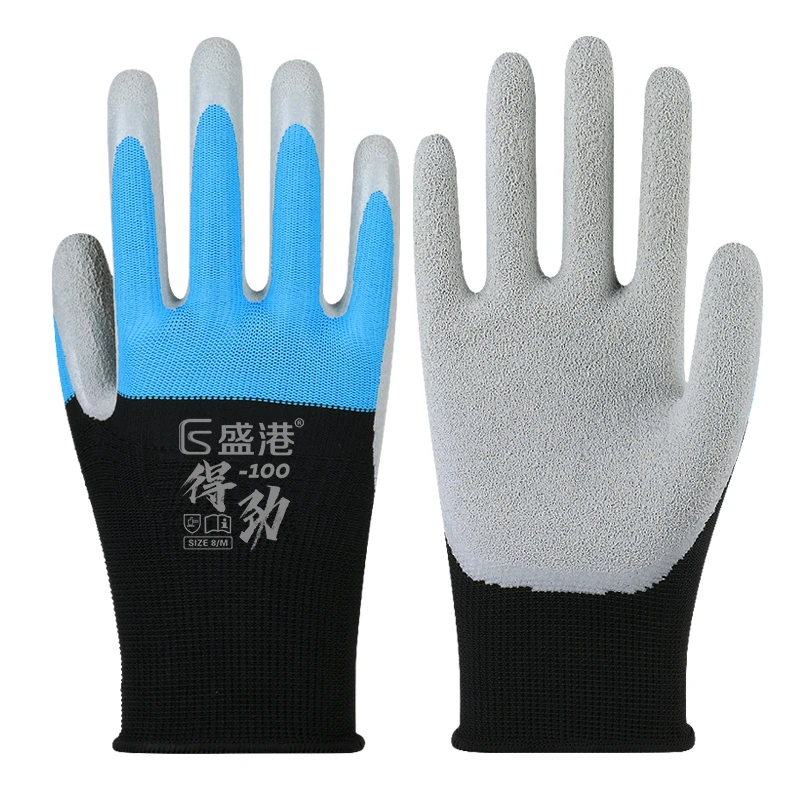
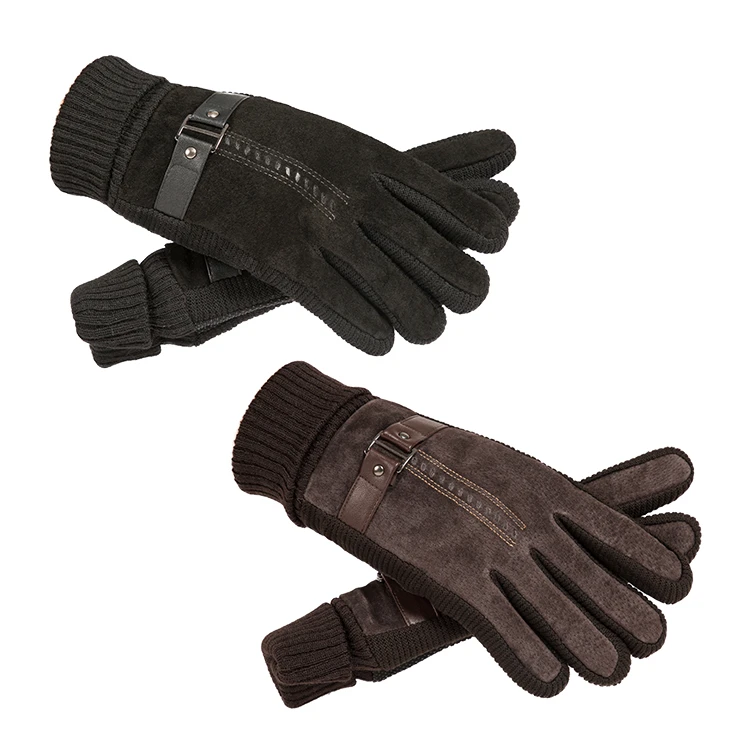
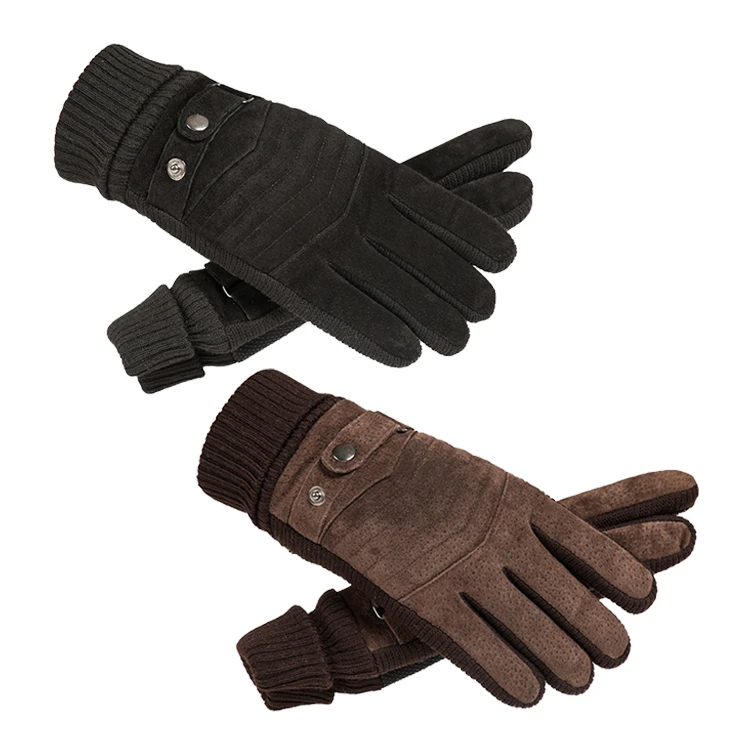
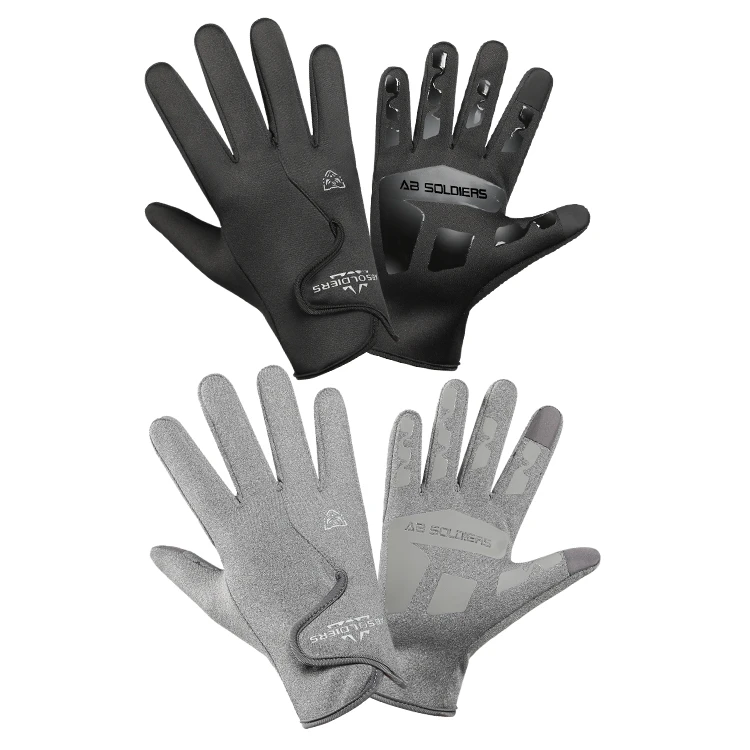
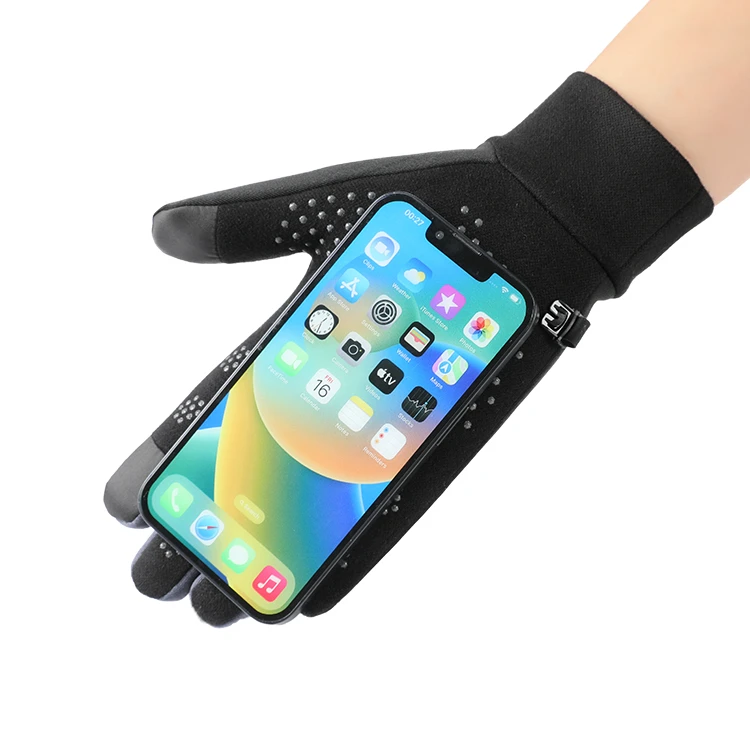
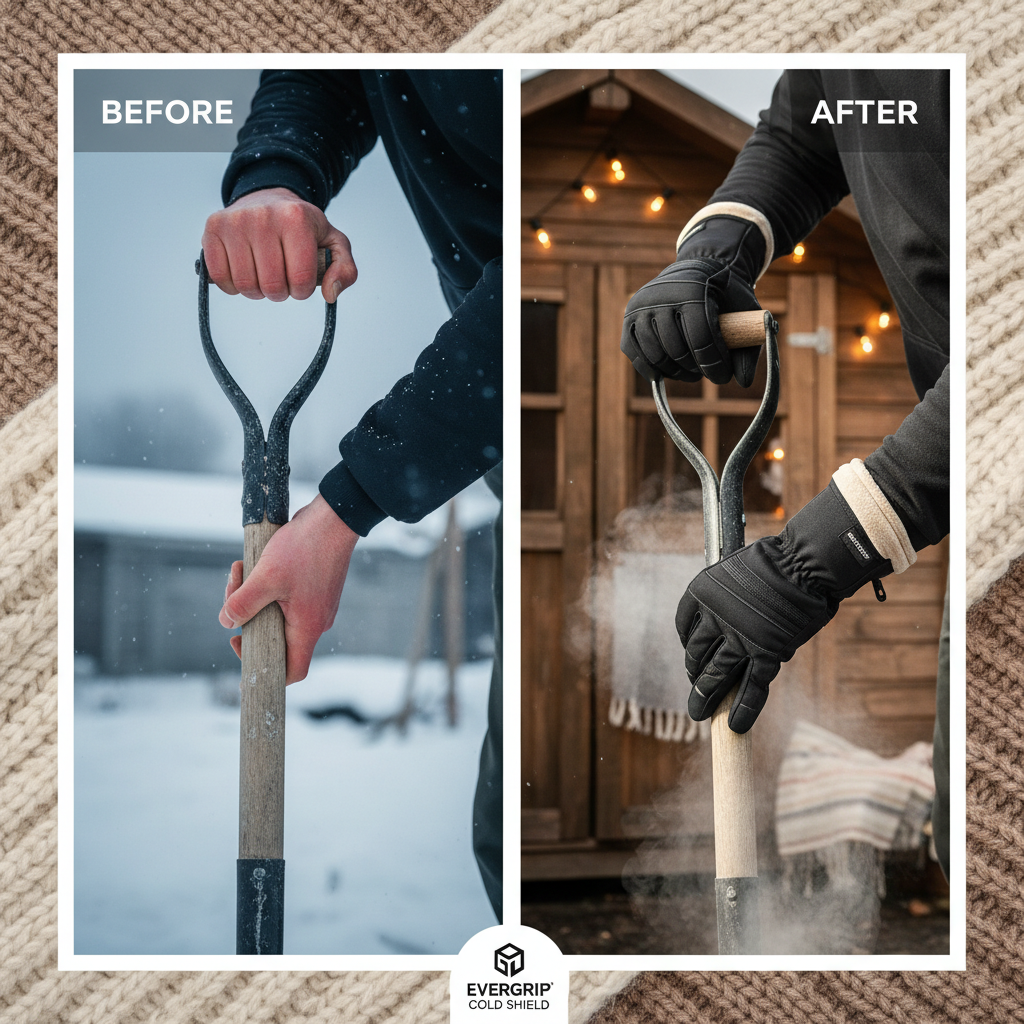
In real terms, thermal liners are all about shielding your hands from chills without adding bulk or cutting dexterity. I remember one particularly brutal winter on a warehouse floor—temperatures hovered near freezing, and the difference between shifting boxes comfortably and fumbling was literally a pair of these gloves. It feels like having a second layer of skin that lets you handle tools and small parts just as easily as bare hands, but with warmth where you need it most.
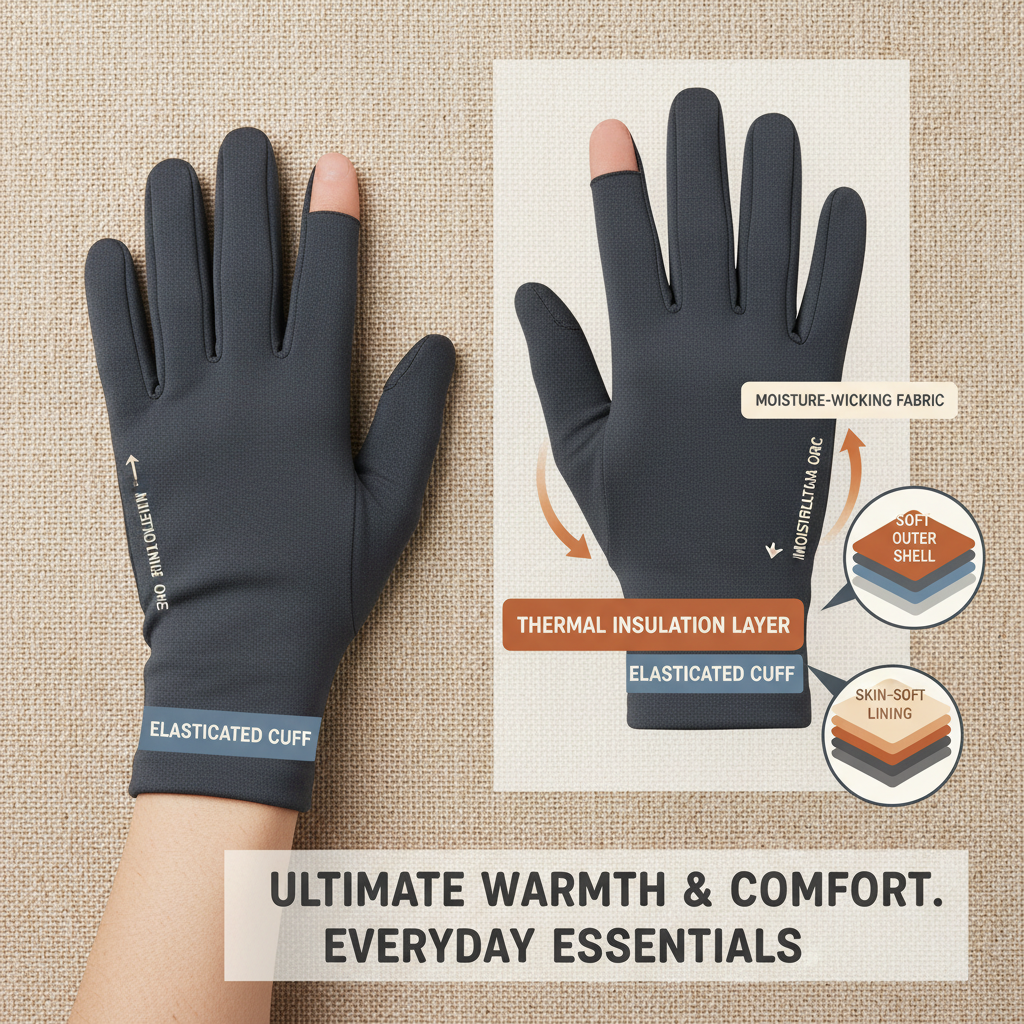
Here’s the thing: not all thermal liners are created equal. Materials, design, and thickness vary widely, impacting performance. Most modern liners blend acrylic or polyester fabrics with spandex or nylon for stretch. Some incorporate Thinsulate insulation—a favorite in colder climates for trapping warmth without weight. Others add moisture-wicking layers to keep hands dry and comfortable. Engineers I’ve spoken to often emphasize glove breathability and fit over raw insulation numbers because damp, clammy hands end up colder anyway.
Speaking of standards, many liners now meet or exceed ASTM testing for thermal resistance, thermal insulation, and dexterity. This is an area where manufacturers really differentiate themselves. You want your gloves to perform consistently through repeated use and washing cycles; durability matters just as much as warmth.
| Feature | Description |
|---|---|
| Material | Acrylic or Polyester blend with Spandex/Nylon stretch |
| Insulation | Thinsulate 40g or equivalent |
| Liner Thickness | 1.5 to 2.5 mm typical |
| Dexterity Rating | ASTM Level 3 or higher |
| Moisture Management | Moisture-wicking inner lining |
| Sizes | S to XXL (based on hand circumference) |
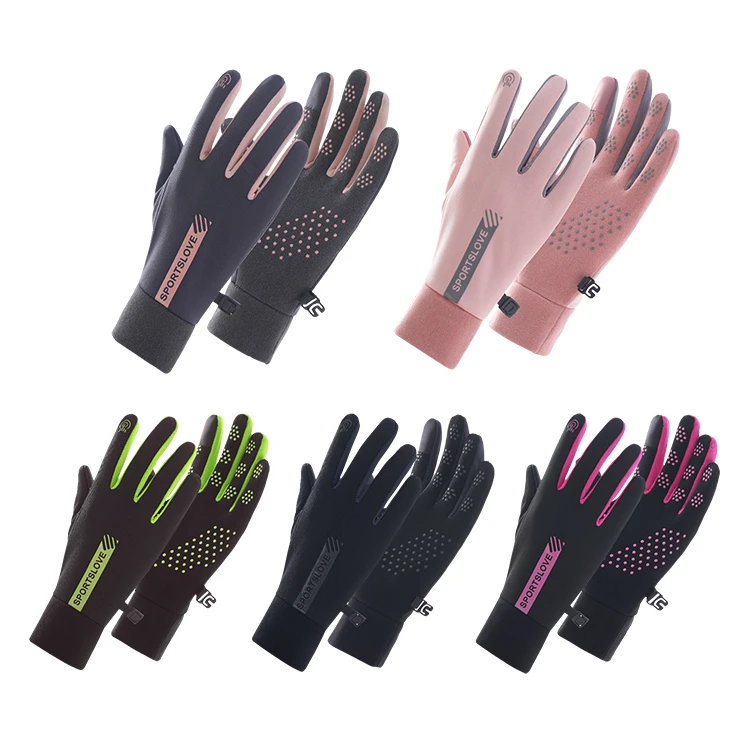
For firms deciding on a vendor, there’s often a balancing act between cost, durability, and range of sizes. Personally, I’ve found that picking a supplier who offers customization (color coding, reinforced fingertips, or wrist closures) tends to pay off. It’s not just aesthetics; it’s about fitting unique industrial settings and protocols.
| Vendor | Material Quality | Customization Options | Price Range | Lead Time |
|---|---|---|---|---|
| Alpha Gloves Co. | High (Thinsulate 40g) | Yes (colors & reinforcements) | $$ | 2-3 weeks |
| Beta Equip Supplies | Medium (polyester mix) | Limited | $ | 1-2 weeks |
| Gamma Industrial Gear | High (Thinsulate 60g available) | Yes (including embroidery) | $$$ | 3-4 weeks |
One memorable example I can share: A maintenance crew working in an outdoor petrochemical plant struggled with numb fingers every winter. Switching to a bulk supply of a mid-tier thermal liner from Alpha Gloves made a noticeable difference—not just to their comfort, but also incident reports linked to fumbling or slowed reactions dropped. It’s a good reminder: equipment upgrades don’t always mean flashy new tools; sometimes, it’s the basics done right.
Frankly, I suppose the most underrated part of thermal liner gloves is how they let people work better, longer, without distraction. They don’t just keep hands warm—they help keep the whole operation humming. If your team’s safety gear feels a little “off” during the colder months, try layering in some trusted thermal liners. It could be the small shift that changes your workday entirely.
For those hunting for quality and reliability, I highly recommend exploring products at Personal Care SCN — they really get the nuances of industrial glove needs.
To wrap it up—a good thermal liner glove is the unsung hero for anyone who trusts their hands on the job. They don’t just insulate; they contribute to safety and efficiency. And as anyone in industrial work will tell you, that counts for a lot.
— From someone who’s had cold hands enough times to appreciate the right glove.
- ASTM International Standards on Thermal Protection for Gloves
- Material Science Reports on Thinsulate and Acrylic blends
- Industry Case Studies on Safety Gear Efficiency