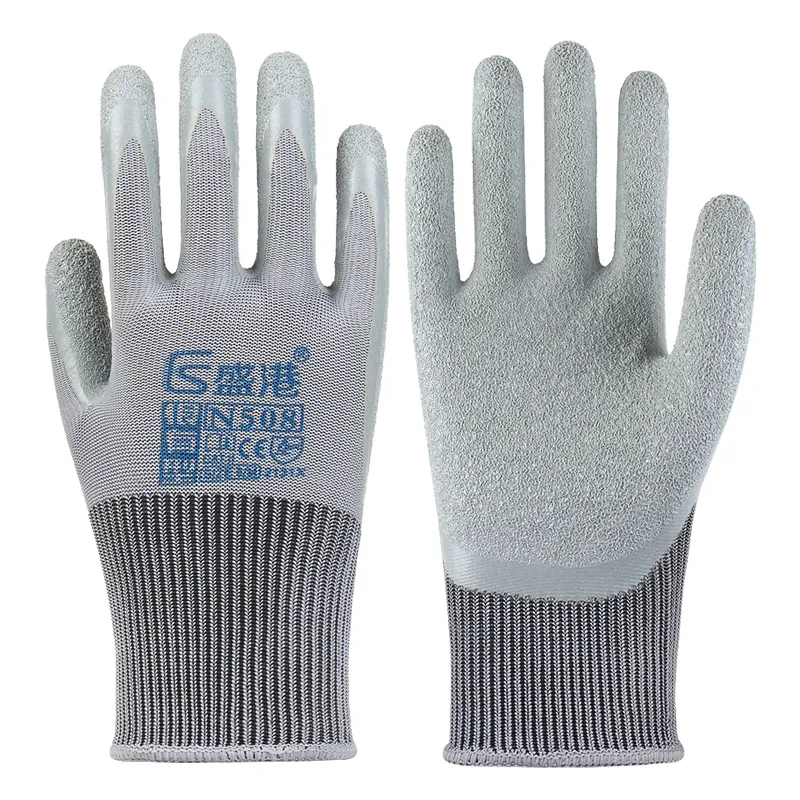
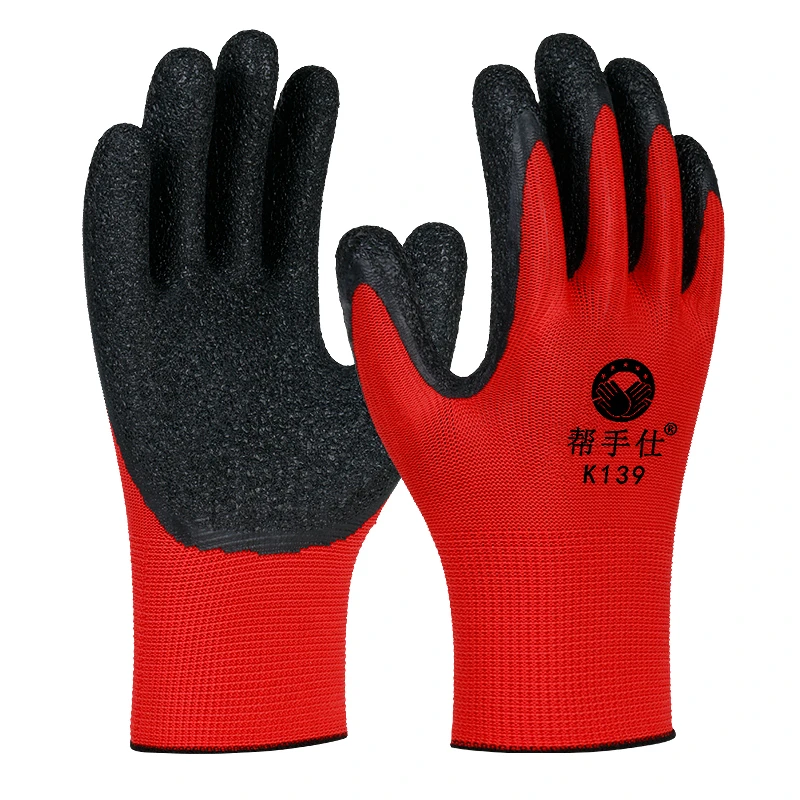
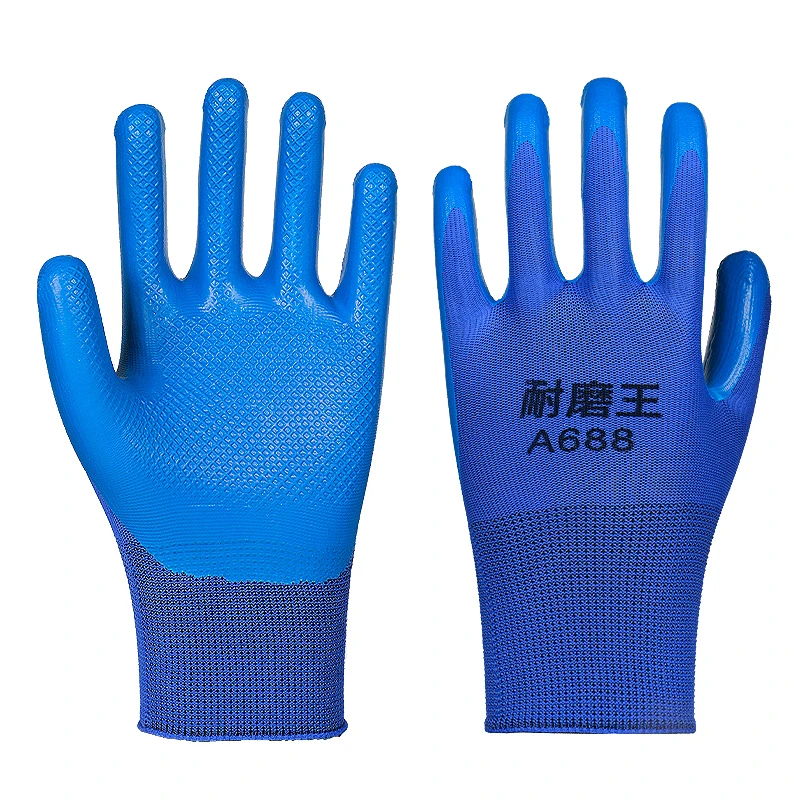
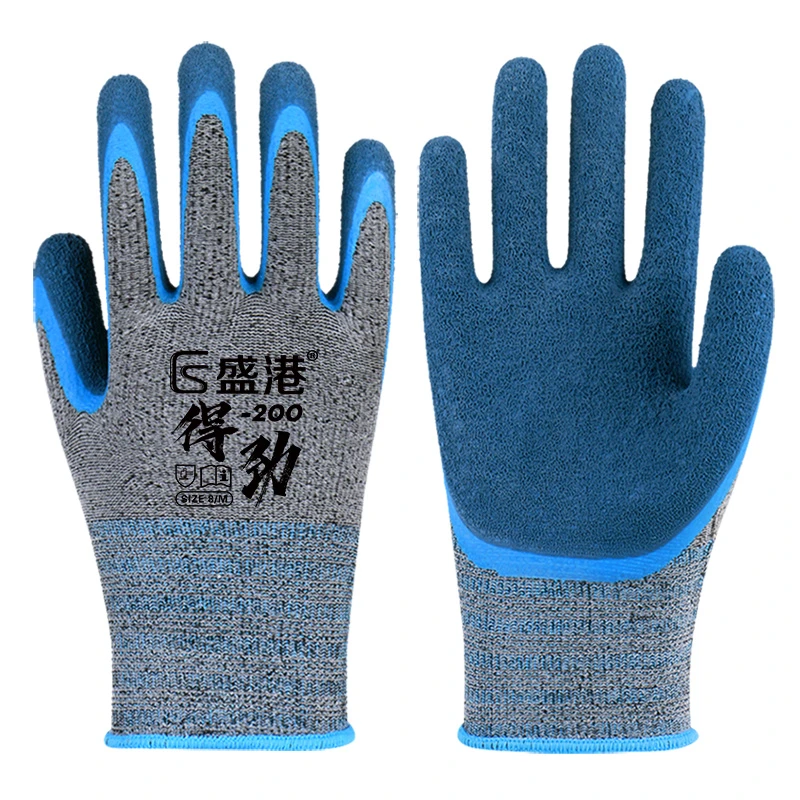
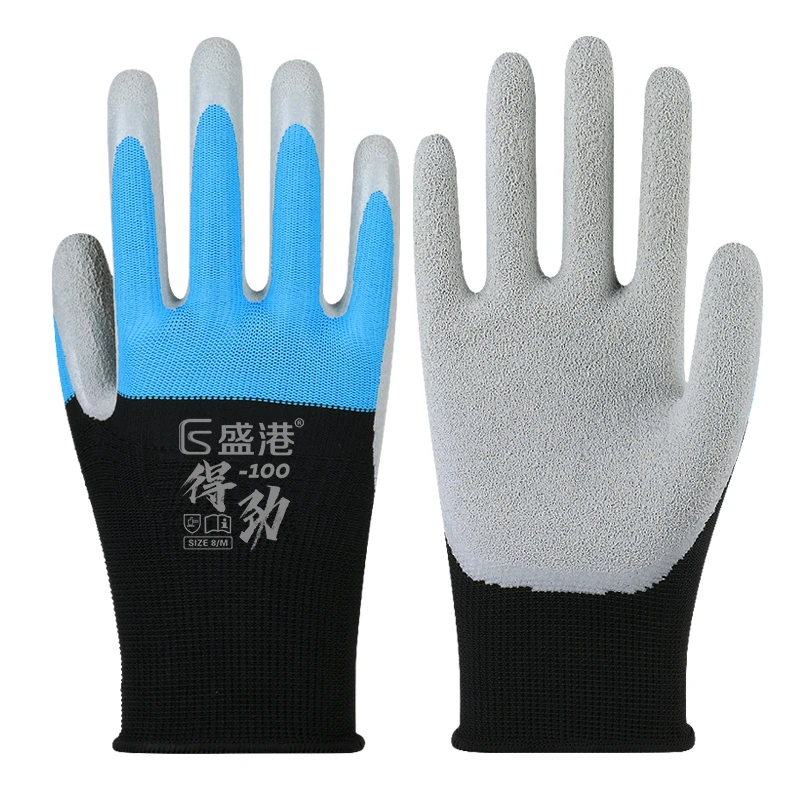
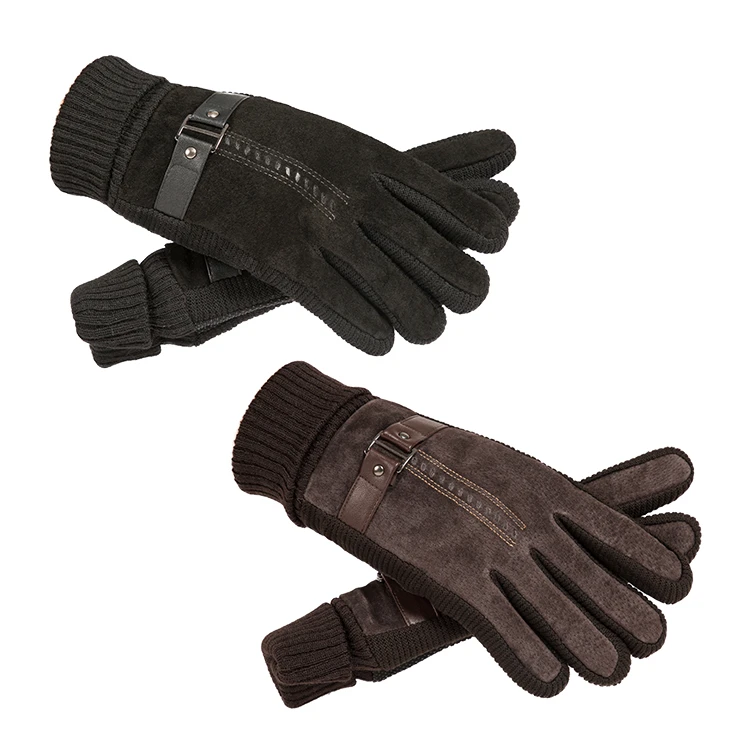
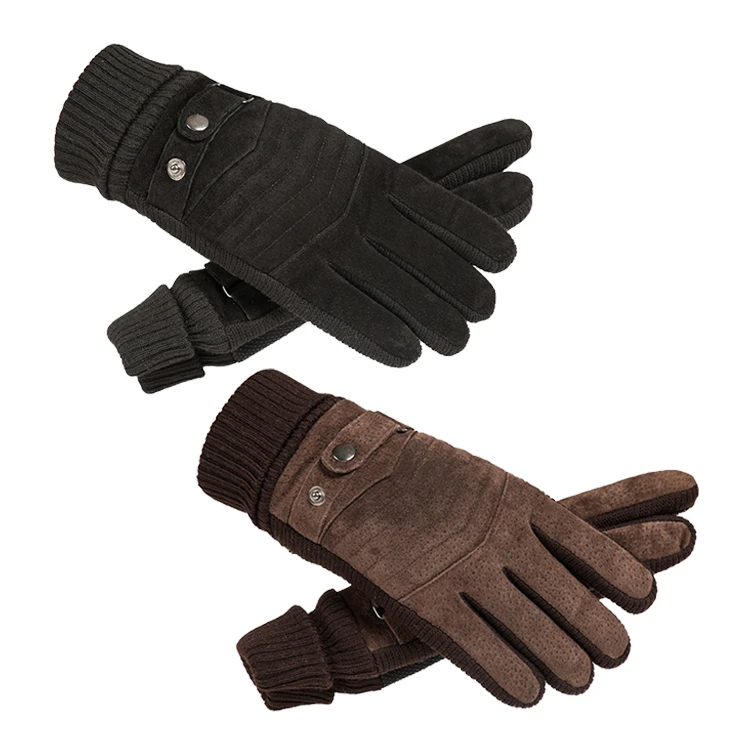
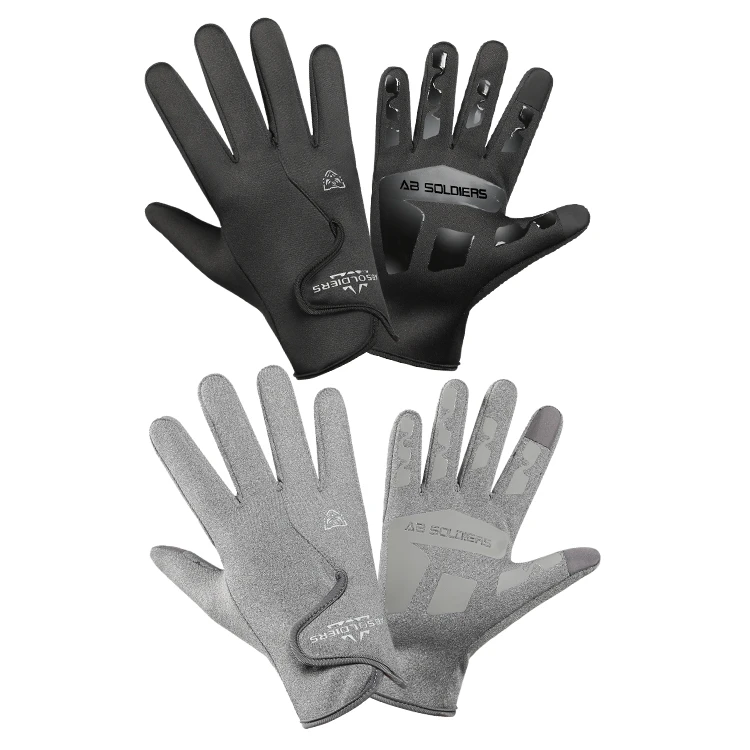
Thermal Warm Gloves: Essential Protection for Cold Conditions Worldwide
Understanding Thermal Warm Gloves: More Than Just Hand Protection
Thermal warm gloves might sound like a simple winter accessory, but their significance goes far beyond keeping fingers toasty. Globally, millions depend on specialized handwear to combat brutal cold—from arctic researchers to disaster relief teams operating in icy conditions. Understanding thermal warm gloves is crucial not only for personal comfort but also for safety, operational efficiency, and even humanitarian aid. This article sheds light on how these gloves work, why they matter, and what’s shaping their future.
A Global Chill: Why Thermal Warm Gloves Matter Now More Than Ever
Winter temperatures are getting more extreme and unpredictable due to climate shifts. According to the United Nations Environment Programme (UNEP), cold stress remains a persistent occupational hazard in many regions, causing frostbite and impaired dexterity. Thermal warm gloves have become essential gear across industries and relief organizations worldwide.
Oddly enough, while most of us think “gloves” as a consumer item, their technical variants serve vital roles in sectors ranging from logistics at freezing warehouses to mountain rescue operations in the Himalayas. The World Bank estimates that millions live in areas with prolonged cold spells, amplifying the demand for reliable thermal hand protection.
What Exactly Are Thermal Warm Gloves?
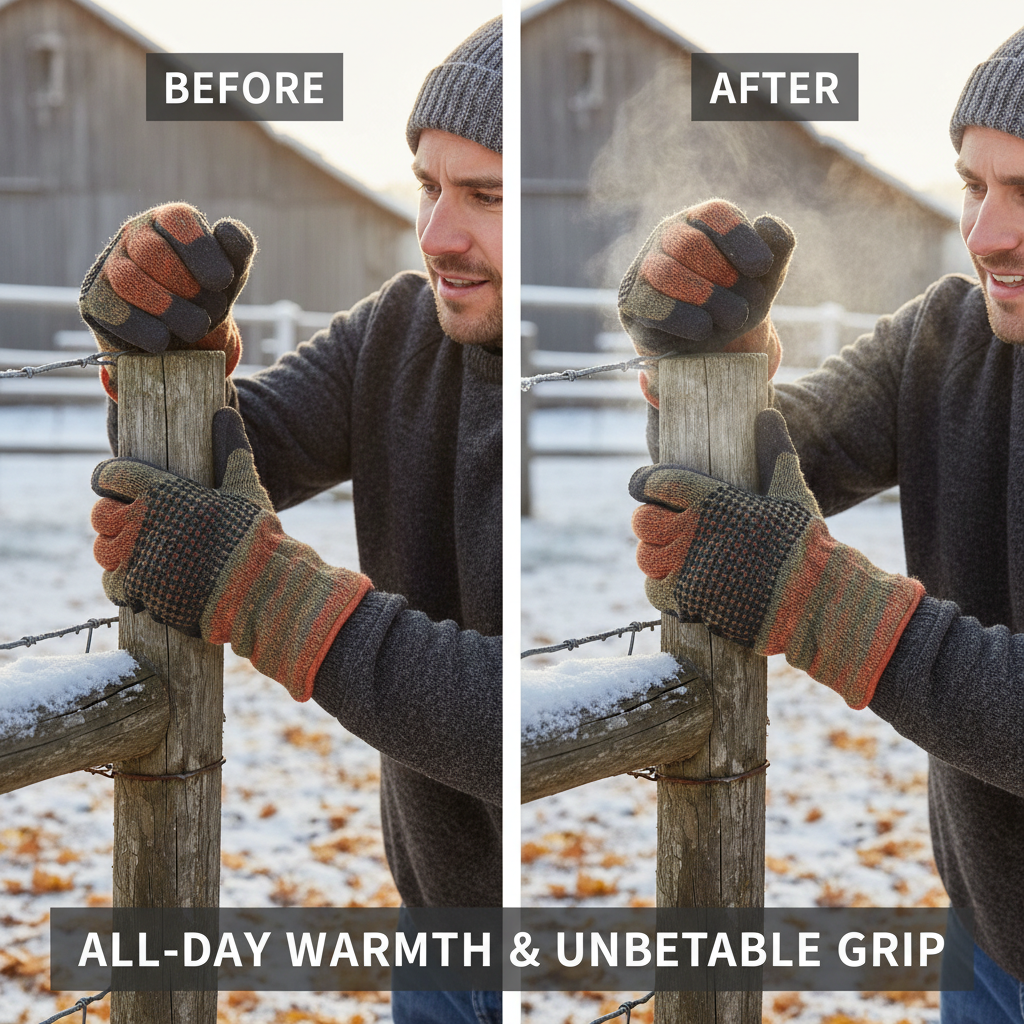
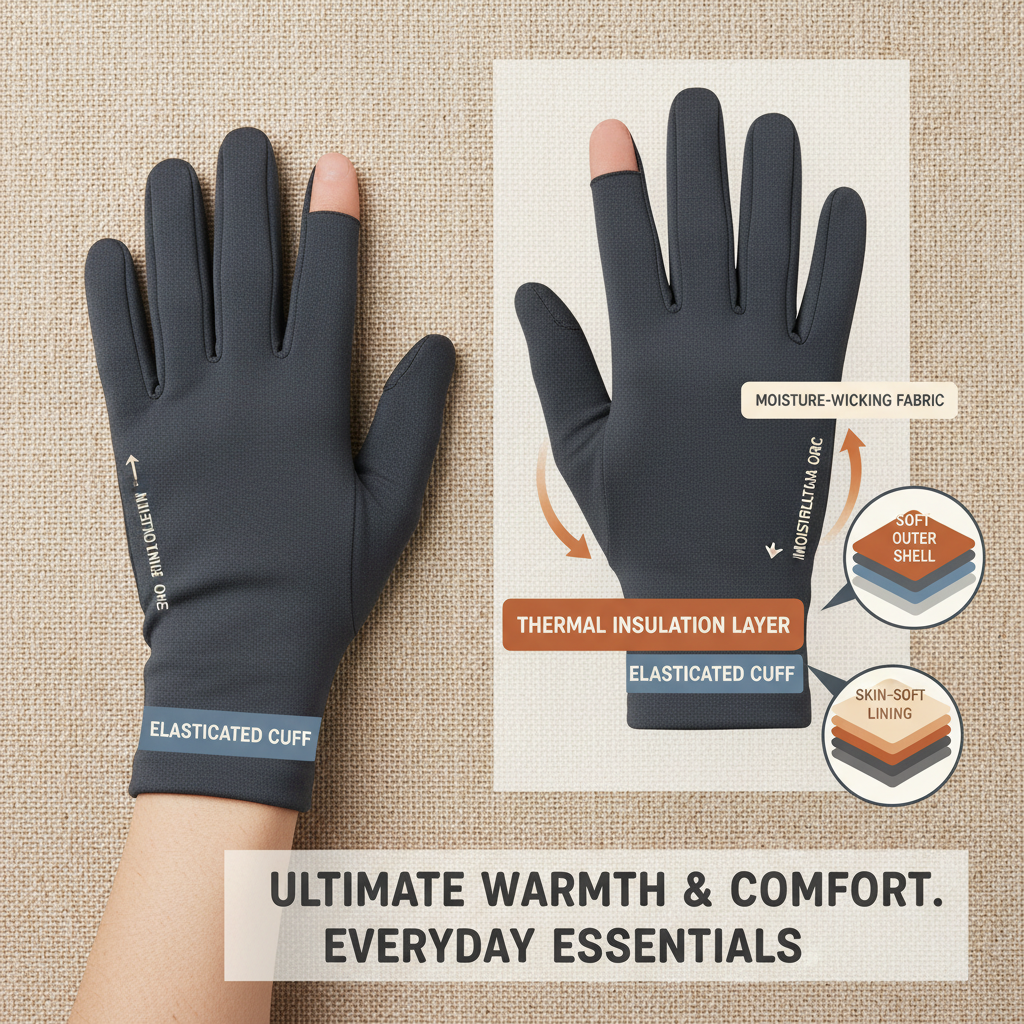
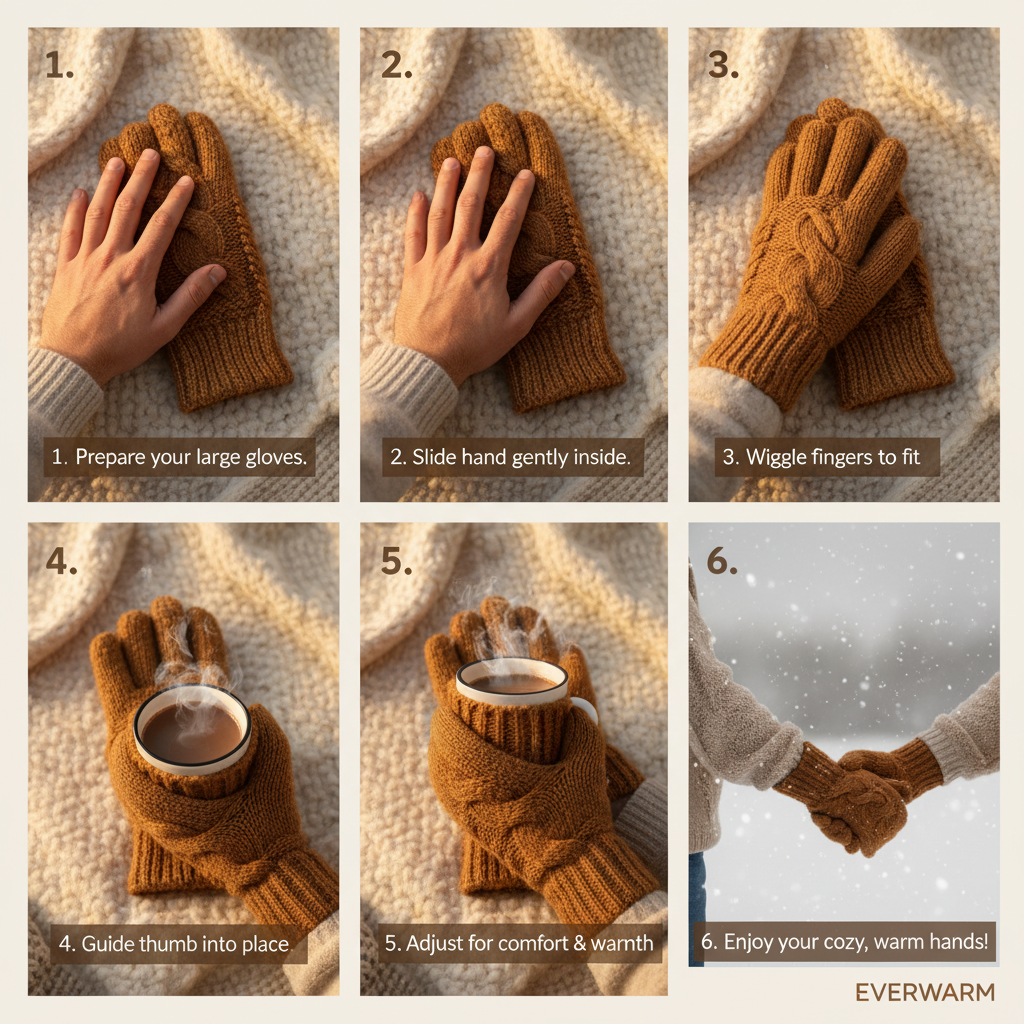
Simply put, thermal warm gloves are hand coverings designed using insulation technology and specific materials to conserve heat and protect fingers from cold exposure. Unlike regular gloves, they combine layers that trap body heat, wick moisture away, and often include waterproof or windproof membranes.
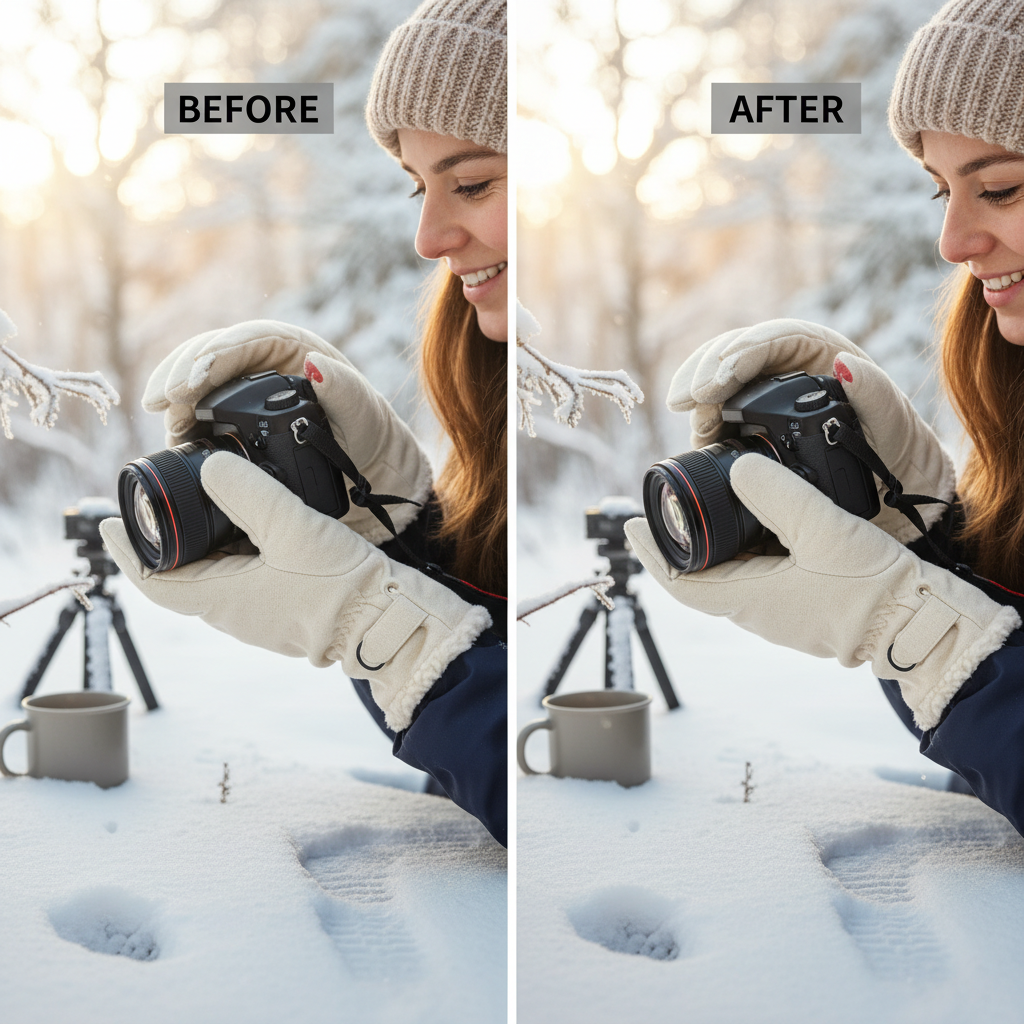
In industrial or humanitarian settings, these gloves are more than comfort items—they're a means to maintain manual dexterity and prevent cold-related injuries under harsh conditions. For example, aid workers distributing supplies post-disaster rely heavily on gloves that offer warmth without bulk that reduces tactile ability.
Mini Takeaway:
- Thermal gloves shield hands from extreme cold while maintaining usability.
- They are indispensable in many global industries and humanitarian missions.
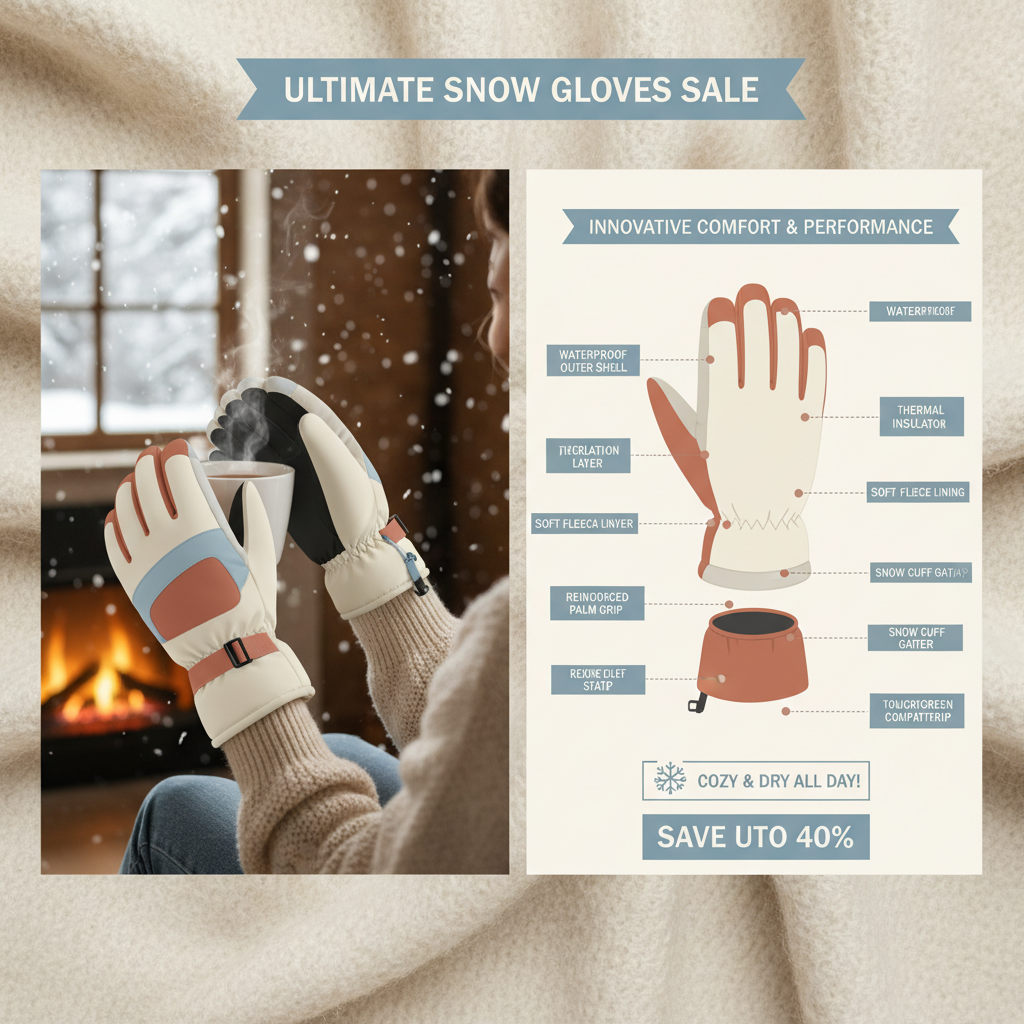
Core Components That Define Quality Thermal Warm Gloves
1. Insulation Material
Most thermal gloves use synthetic fibers such as Thinsulate or PrimaLoft. These materials trap heat effectively while staying lightweight and flexible. Natural options like wool may be warmer but less durable when wet.
2. Waterproofing and Breathability
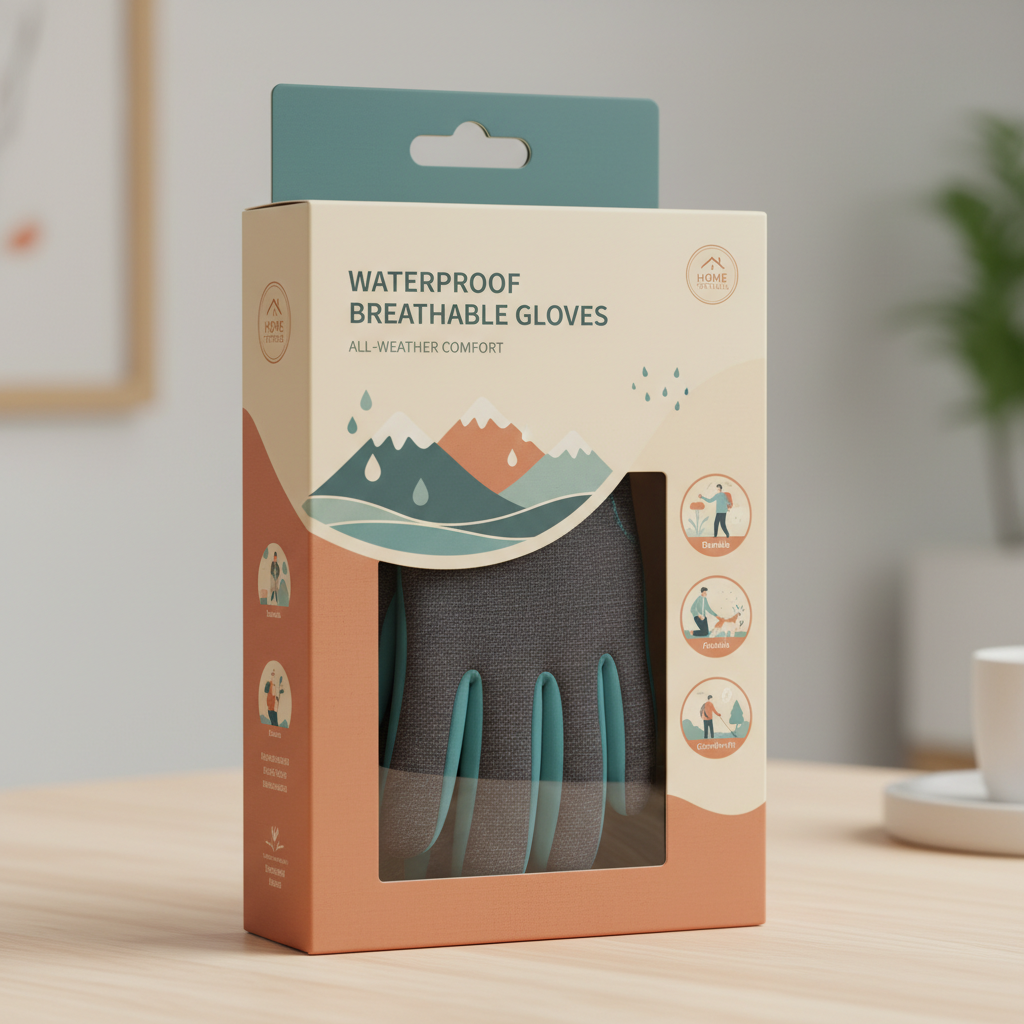
Water resistance prevents gloves from becoming icy cold and soggy. Breathable membranes like Gore-Tex keep hands dry internally, which is critical to avoid sweating which paradoxically cools you down.
3. Durability & Touch Sensitivity
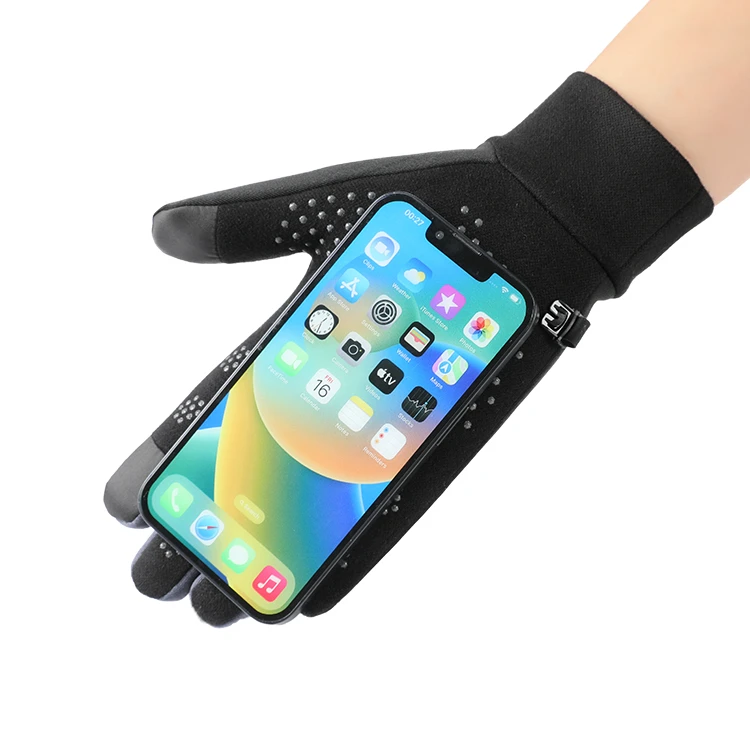
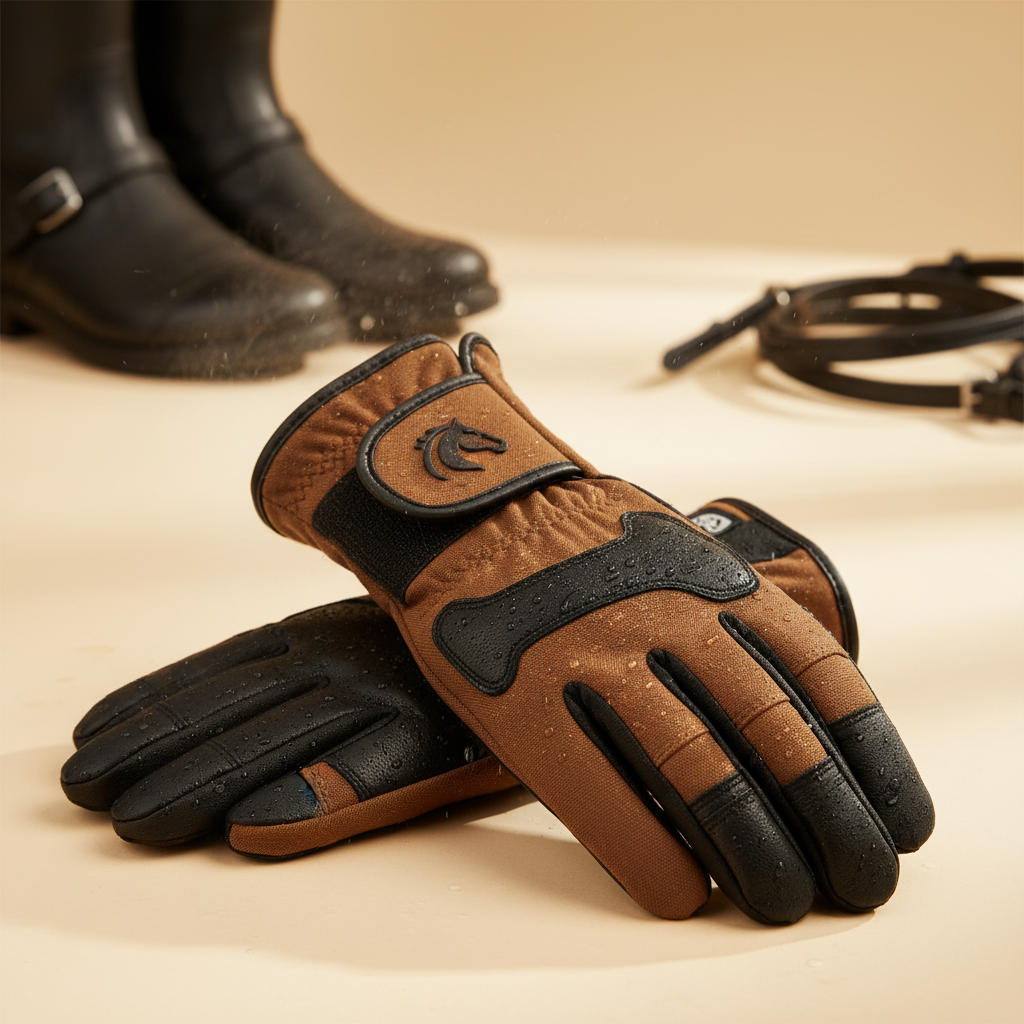
High-grade thermal gloves often reinforce palms and fingertips with synthetic leather or rubber patches. This improves grip and resistance against wear without sacrificing the ability to handle tools or devices.
4. Fit & Flexibility
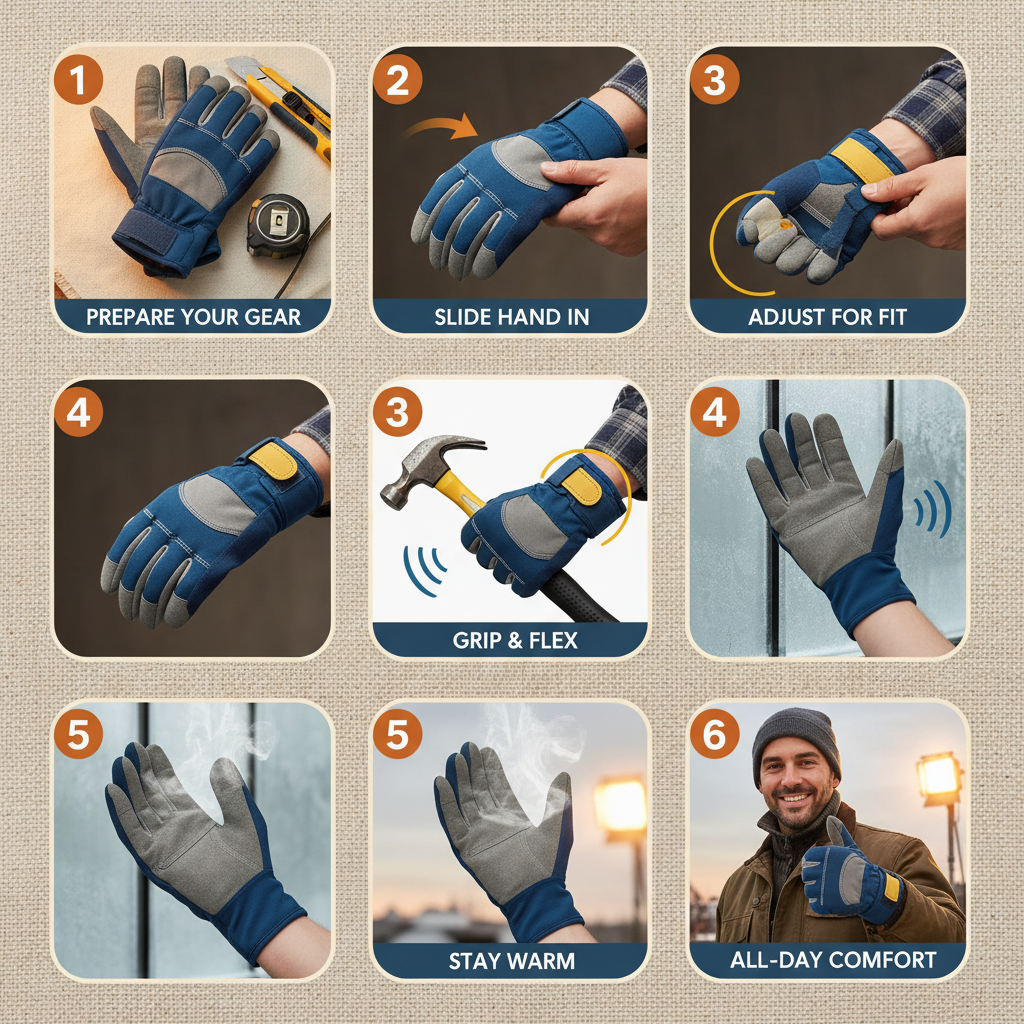
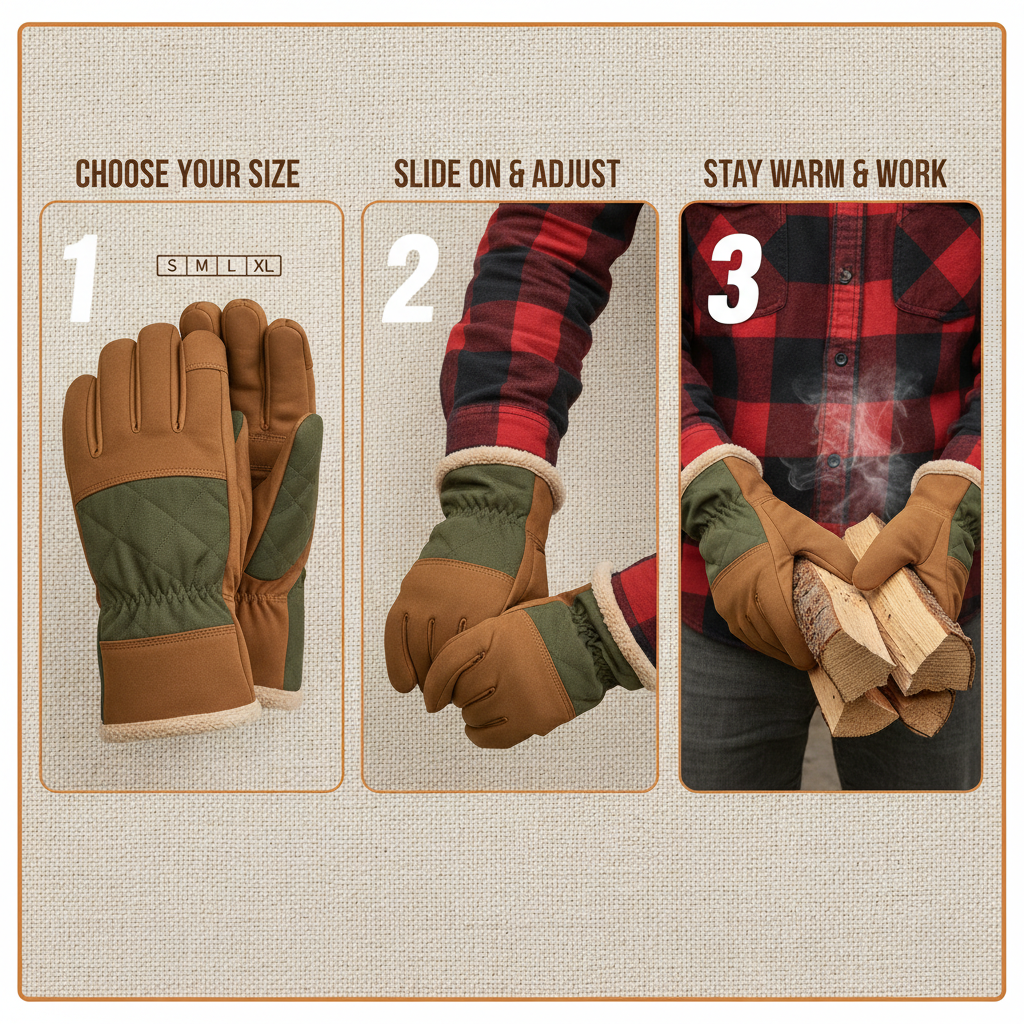
To be useful, gloves must contour well to the hand. A snug but comfortable fit allows for nimble finger movements, essential in fields like search and rescue or industrial assembly.
5. Cost Effectiveness
Quality thermal gloves range widely in price, but for commercial or NGO usage, balancing cost with durability and thermal efficiency is key to sustainability.
Mini Takeaway:
- Thermal gloves depend on a smart mix of insulation, materials, and design.
- Good gloves harmonize warmth with dexterity and durability.
Real-World Impact: Thermal Warm Gloves In Action
Across snowy Alaska to the stormy peaks of the Alps, thermal warm gloves have saved fingers and livelihoods. Consider:
- Arctic Research Stations: Scientists working months on end in subzero conditions depend on multi-layered gloves tailored for extended wear.
- Disaster Relief Operations: After a blizzard or winter flood, humanitarian groups equip workers with gloves to maintain hand function while distributing aid.
- Cold Storage Facilities: Workers in food logistics use thermal gloves to prevent frostbite during long shifts.
- Outdoor Sports and Recreation: Ski resorts and trekking companies provide clients and staff with gloves optimized for warmth and grip.
Interestingly, some NGOs in cold regions integrate thermal gloves into refugee aid kits—a small but significant investment in winter survival.
Mini Takeaway:
- Thermal warm gloves support crucial professions and vulnerable populations alike.
- Applications range from scientific research to emergency humanitarian aid.
Advantages: Why Thermal Warm Gloves Are a Smart Investment
- Safety First: Protect against frostbite, numbness, and injury.
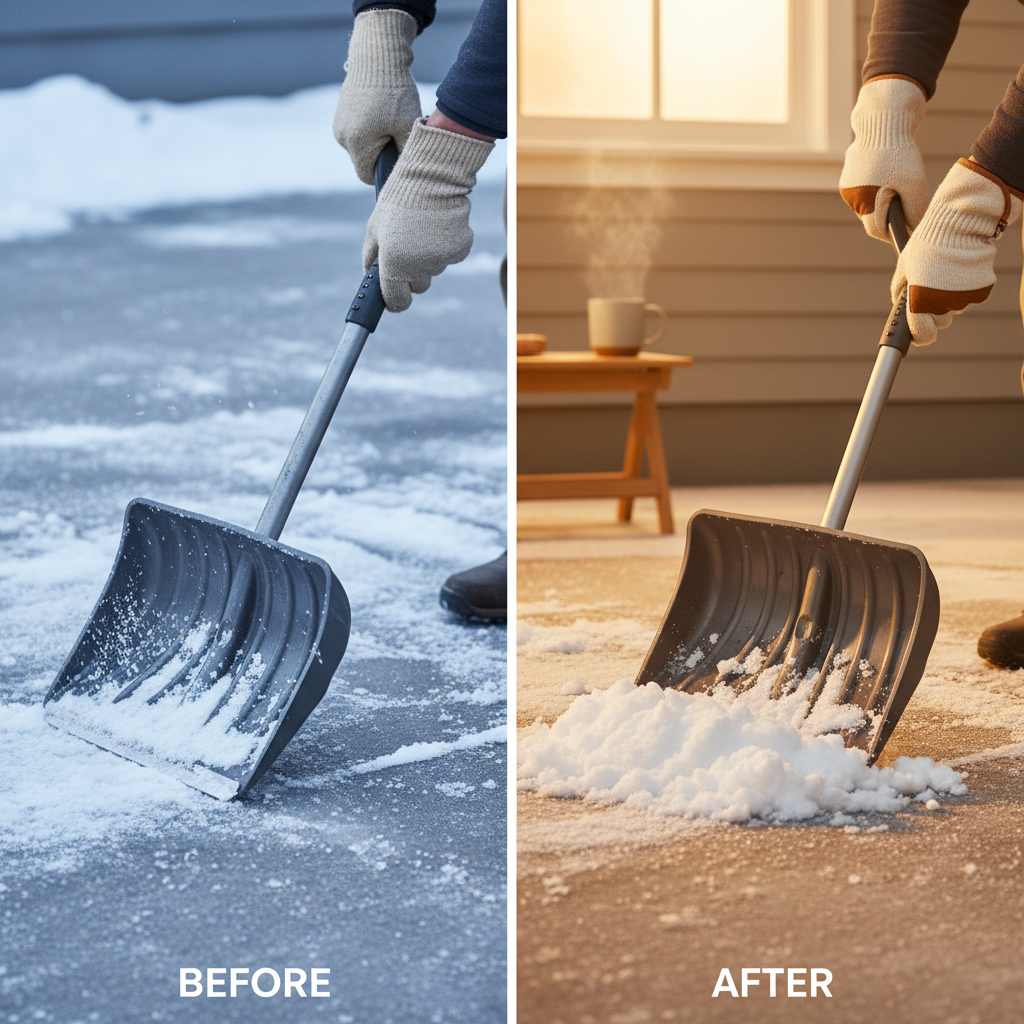
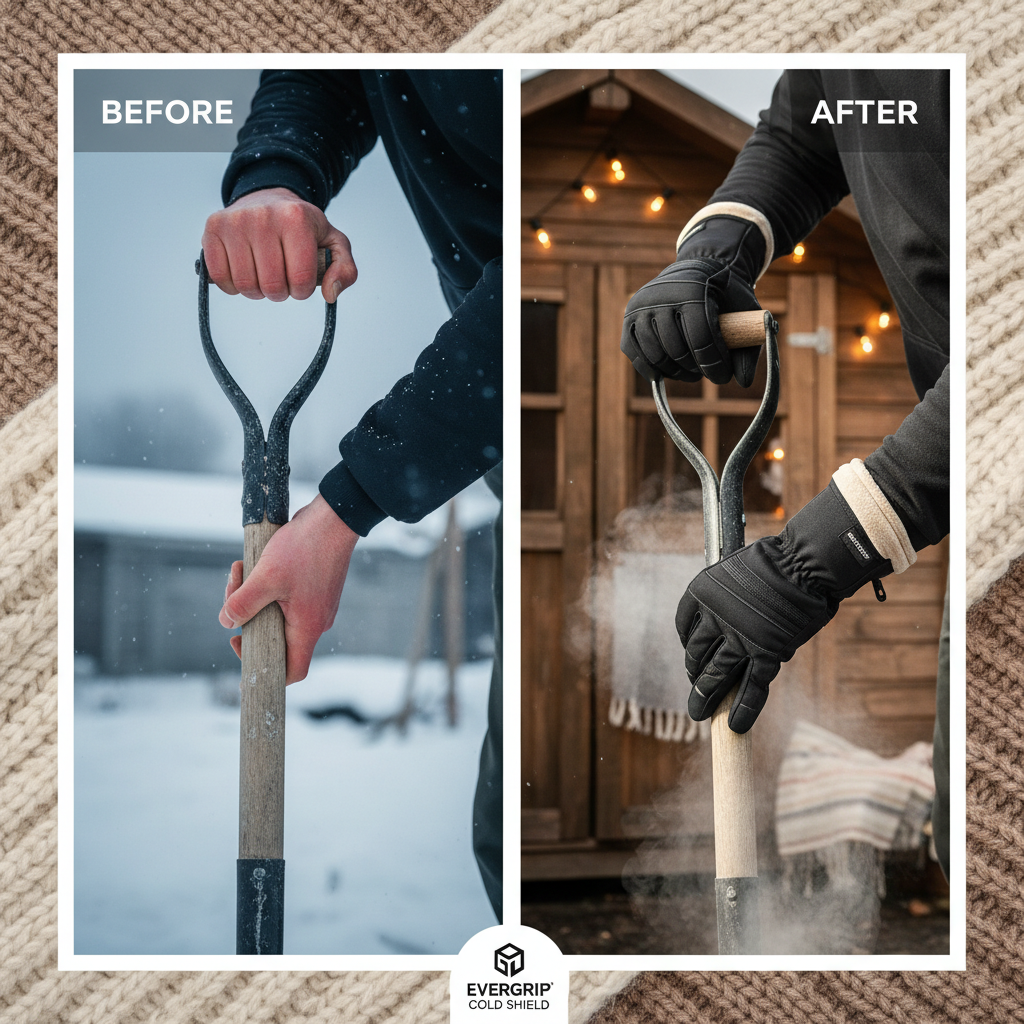
- Improved Productivity: Workers retain dexterity, enabling continuous operations even in cold environments.
- Sustainability Potential: Durable gloves reduce waste and frequent replacement.
- Psychological Comfort: Warm hands help maintain morale in difficult conditions.
- Cost Efficiency Long-Term: Though initial costs may be higher, the lifespan and injury prevention reduce overall expenses.
Product Specification Table
| Specification | Detail |
|---|---|
| Insulation | Thinsulate 3M, 160 grams |
| Outer Material | Waterproof Gore-Tex membrane |
| Palm Reinforcement | Synthetic leather with anti-slip texture |
| Lining | Soft fleece for moisture wicking |
| Water Resistance | IPX7 rated |
| Temperature Rating | -30°C to 5°C |
Thermal Warm Gloves: A Quick Comparison of Leading Vendors
| Brand | Insulation Type | Waterproofing | Price Range (USD) | Best For |
|---|---|---|---|---|
| ArcticGuard | Thinsulate 3M | Yes, Gore-Tex | $60 – $80 | Outdoor Professionals |
| SnowFlex | PrimaLoft | Water Repellent Coating | $45 – $70 | Urban Commuters |
| GloveTech Pro | Synthetic Wool Blend | Teflon Coating | $50 – $90 | Industrial Use |
Looking Ahead: Trends and Innovations in Thermal Warm Gloves
Tech has quietly crept into thermal gloves through innovations like heated glove inserts powered by thin batteries or rechargeable cells. We’re also seeing developments in eco-friendly insulation materials, such as biodegradable synthetics. Plus, the rise of smart textiles will likely integrate sensors that monitor hand temperature or moisture.
The push for sustainability means manufacturers are seeking better recyclability and lower-impact manufacturing methods. Meanwhile, automation in glove production allows faster scalability—critical when sudden humanitarian crises demand rapid supply of thermal handwear.
Challenges and How Experts Are Tackling Them
One glaring issue is balancing warmth and dexterity. Bulkier gloves pack heat but can dull manual skills. Some innovators have tackled this by layering ultra-thin insulating materials, but these come at a premium.
Another challenge: durability in wet, rugged environments. Waterproofing tends to degrade over time, so enhanced coatings and repair-ability are growing focuses. Some NGOs advocate local glove repair workshops to extend product life cycles—a neat solution that also boosts community skill sets.
FAQ: Your Most Pressing Questions About Thermal Warm Gloves
Q1: How do thermal warm gloves differ from regular winter gloves?
A: Thermal warm gloves use specialized insulation, moisture-wicking liners, and waterproof membranes to protect in extreme cold and wet conditions. Regular gloves often lack this technical layering, making them less effective for harsh environments.
Q2: Can thermal gloves maintain flexibility for detailed tasks?
A: Yes, most quality thermal gloves are designed with materials that maintain flexibility without sacrificing warmth. Look for gloves with ergonomic cuts and thinner insulation in fingers if fine motor skills are needed.
Q3: Are there eco-friendly options available?
A: Increasingly yes. Some brands use recycled materials for insulation and outer layers, and biodegradable fibers are being explored. Sustainability certifications are a good indicator.
Q4: How should I care for my thermal gloves to keep them effective?
A: Follow manufacturer washing guidelines. Usually, gentle hand-washing with mild detergent and air drying preserve insulation and coatings better than machine washing.
Q5: Where can organizations buy durable thermal warm gloves in bulk?
A: Many suppliers specialize in industrial and humanitarian-grade gloves. Vendors often offer volume discounts and customization, which can be explored via sites like thermal warm gloves.
In Conclusion: Warm Hands, Secure Futures
Thermal warm gloves are a small tech marvel that carries huge weight in safety, productivity, and quality of life, especially in cold climates. Investing in good gloves means safeguarding workers, supporting aid missions, and even caring for individual health and comfort.
If you’re curious to explore high-quality options or bulk purchasing, do visit thermal warm gloves for a curated selection tailored to your needs.
So next time you slip on a cozy pair, remember the clever science and global impact behind keeping warm.