Thermal Winter Gloves: Essential Protection for Cold Conditions
Understanding Thermal Winter Gloves: Essential Gear for Cold Environments
Thermal winter gloves may not be on everyone’s radar, but they play a surprisingly big role globally—especially in industries, communities, and relief efforts exposed to harsh, cold climates. Simply put, these gloves are designed to protect hands from the biting cold while maintaining dexterity and comfort. But why should we care beyond personal comfort? Well, thermal gloves actually impact safety, productivity, and even humanitarian outcomes. Knowing the ins and outs of thermal winter gloves means better preparedness when facing cold weather challenges, whether you’re an outdoor worker, a mountain rescue professional, or aiding vulnerable populations during winter crises.
Global Context: Why Thermal Winter Gloves Matter
Around 20% of the world’s population lives in regions that experience prolonged cold winters, some dipping well below freezing for months (source: UN Climate Reports). Industries like construction, logistics, and utilities often face high injury rates linked to frostbite or cold fatigue. In humanitarian contexts, such as post-disaster relief in northern latitudes, providing effective thermal protection is crucial. Thermal winter gloves help solve a basic but critical problem: How do you keep workers and vulnerable groups safe and operational when temperatures plummet?
What Exactly Are Thermal Winter Gloves?
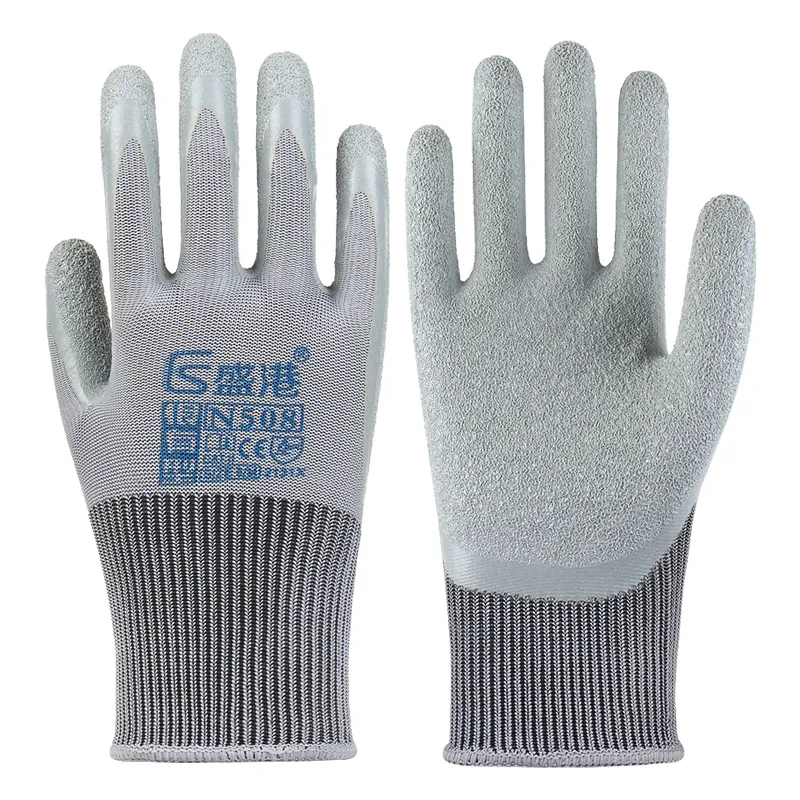
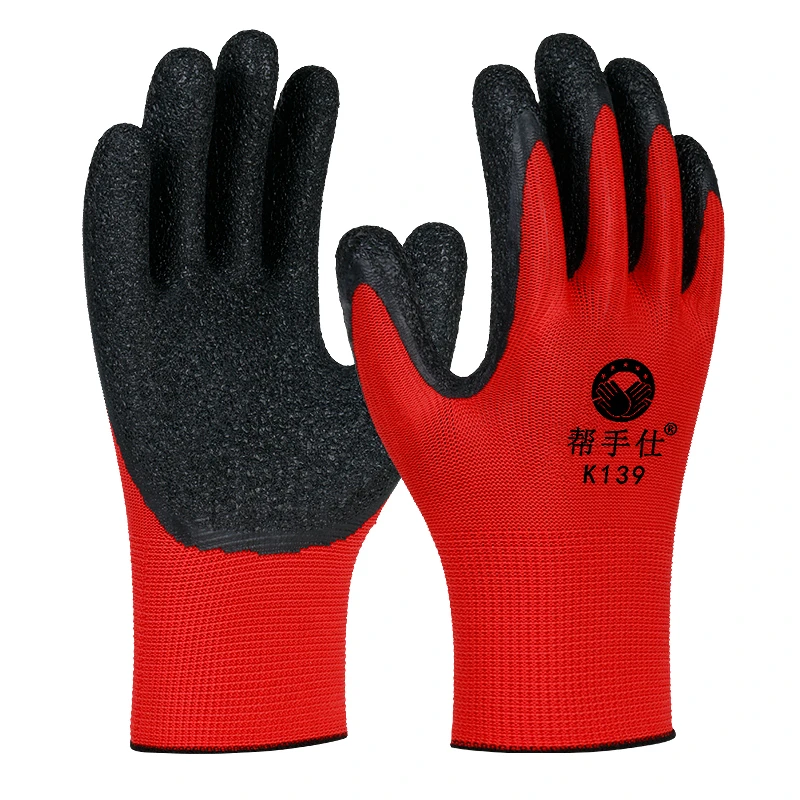
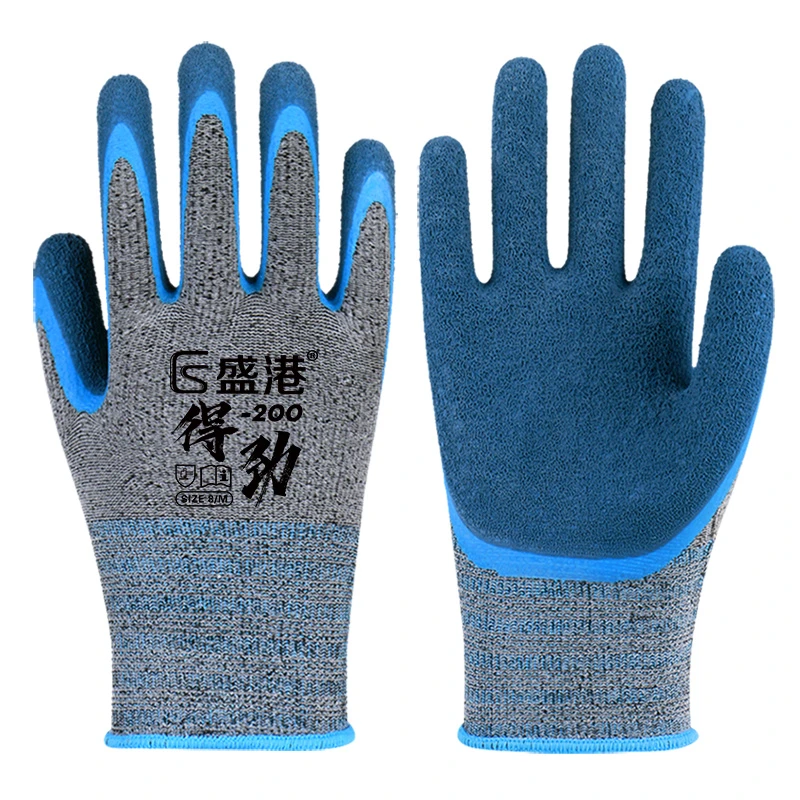
In essence, thermal winter gloves are gloves designed with insulation materials and manufacturing techniques that trap heat and block cold air, keeping hands warm for extended periods. Unlike regular gloves, they optimize warmth without sacrificing finger movement, grip, or moisture management. In industrial terms, these gloves often combine advanced synthetic fabrics, insulation like Thinsulate or wool, and sometimes waterproof membranes. For humanitarian use, the focus is on durability, affordability, and quick warming properties.
Key Factors That Define Thermal Winter Gloves
Insulation Quality
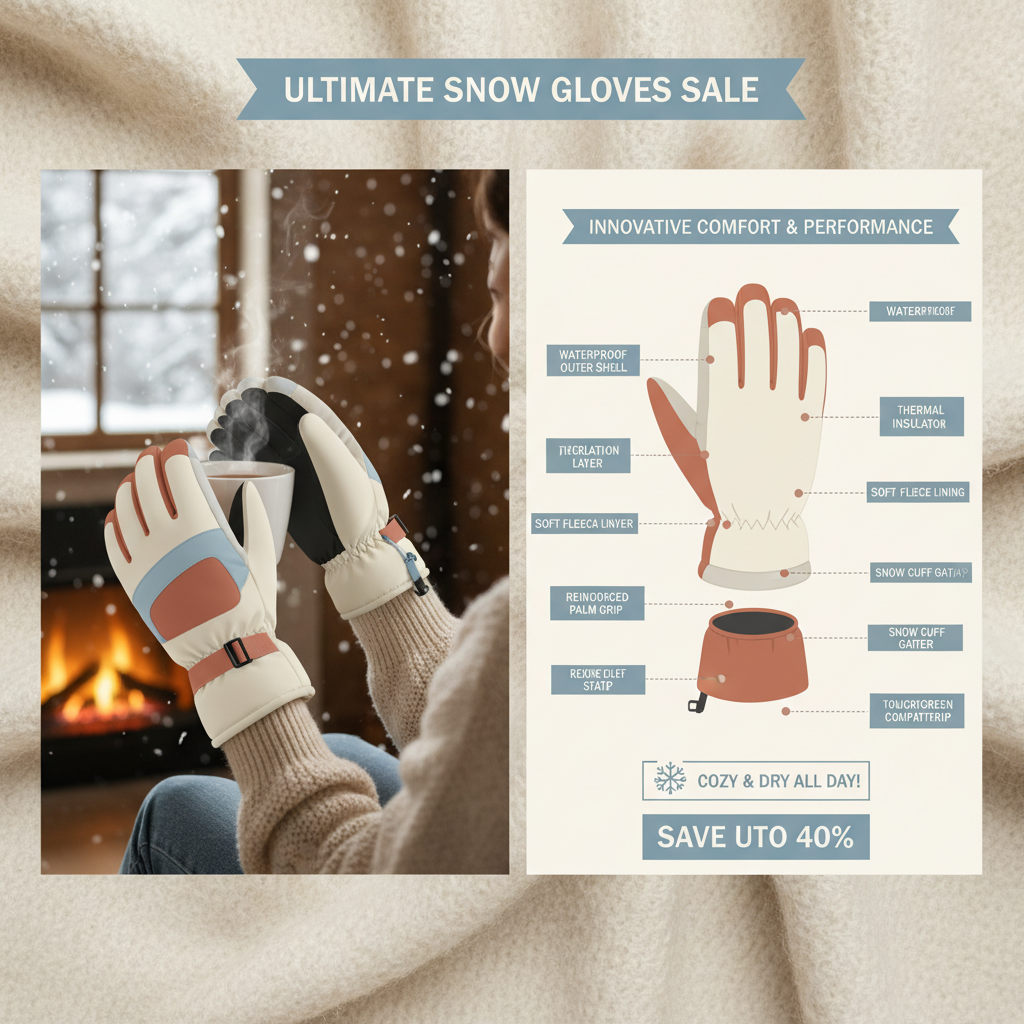
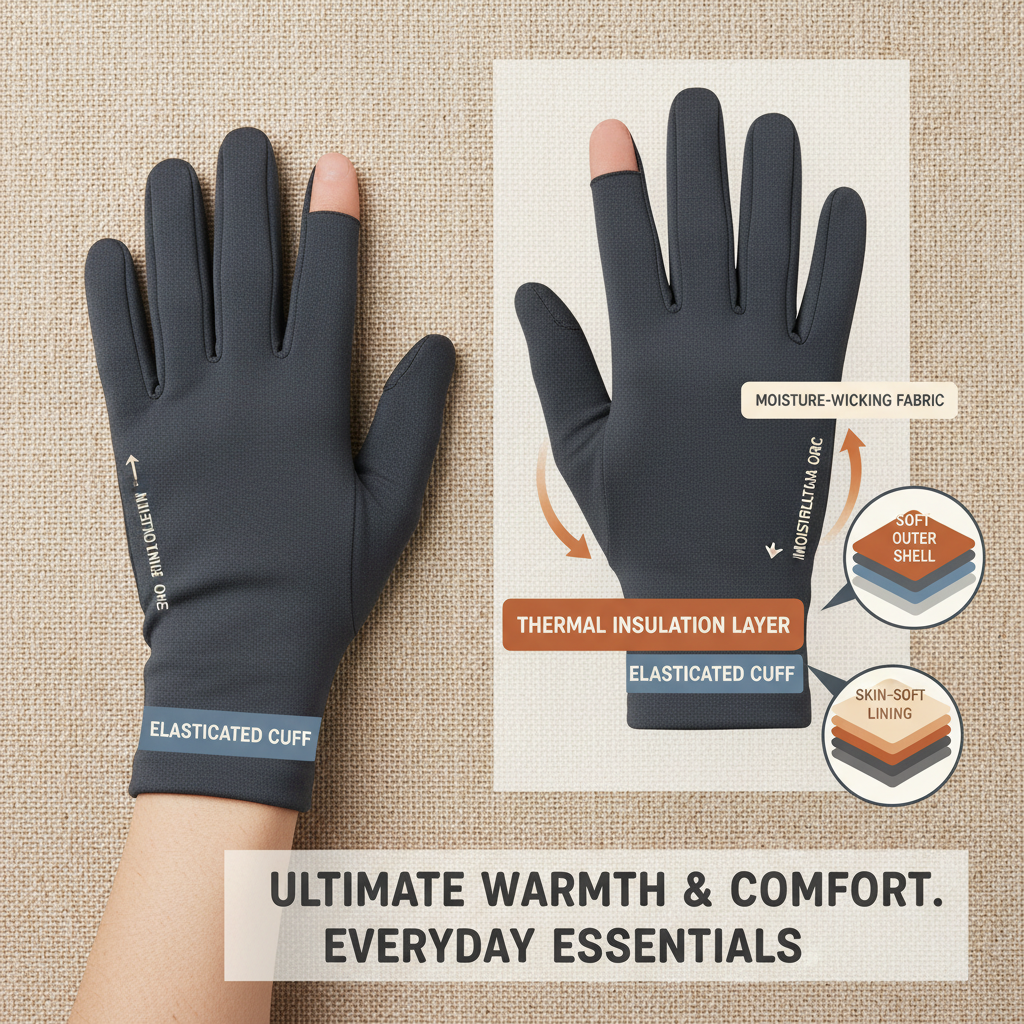
At the heart of thermal gloves is insulation. The best gloves use multi-layer insulation—sometimes combining natural fibers like merino wool with modern synthetics such as PrimaLoft. This ensures heat retention while remaining lightweight, which frankly many users appreciate because no one wants bulky mittens.
Water Resistance
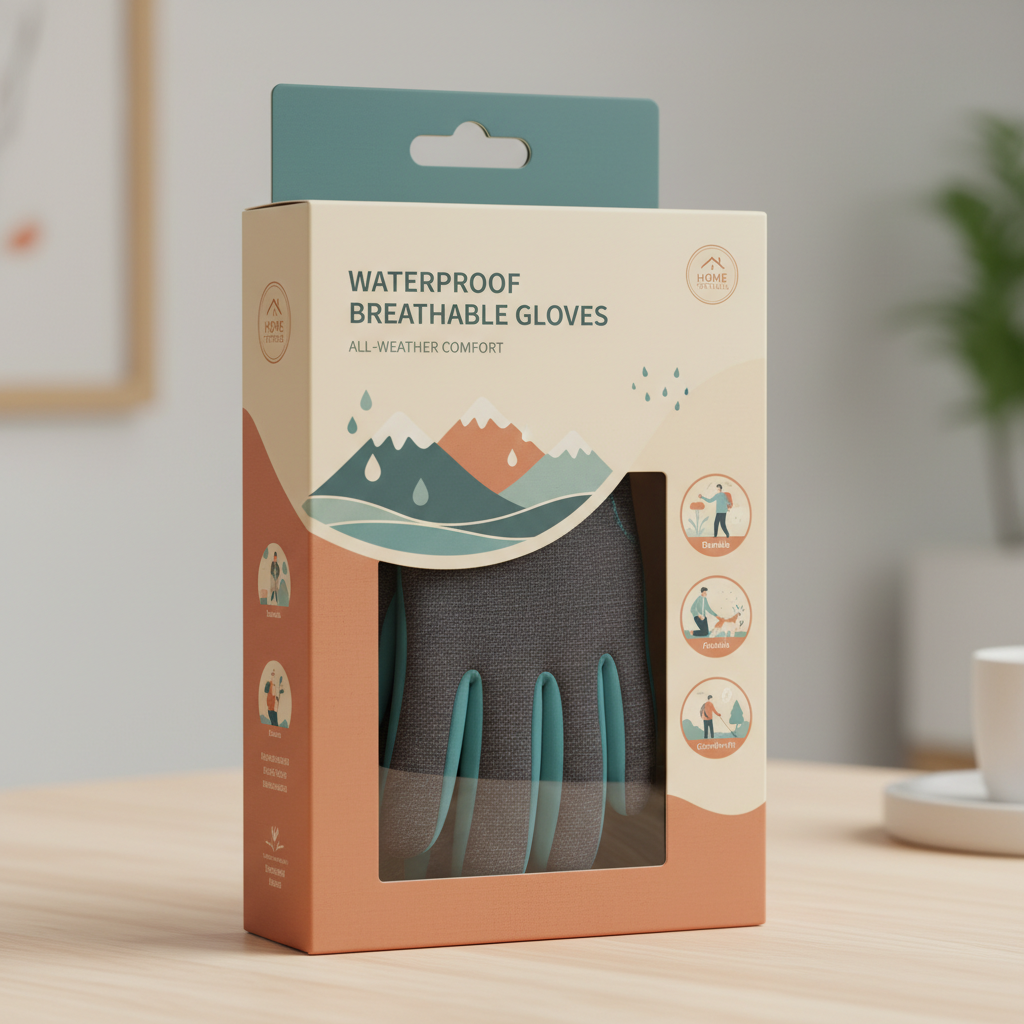
Cold is brutal enough, but wet hands are a nightmare. Gloves with waterproof membranes like Gore-Tex prevent moisture intrusion but allow sweat to escape. This balance is tricky but critical to avoid dampness, which chills faster than dry cold.
Durability and Grip
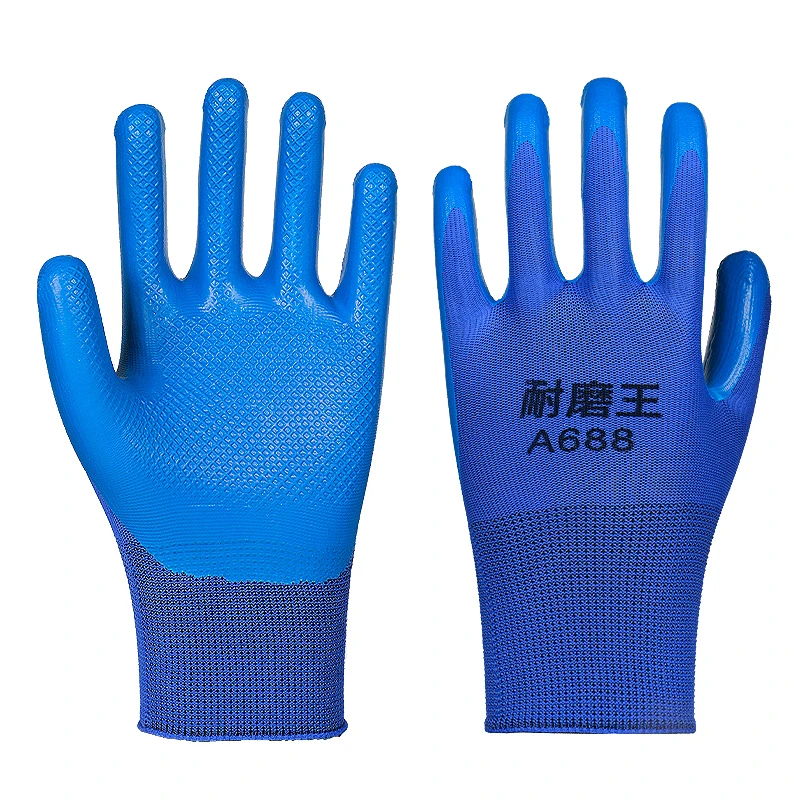
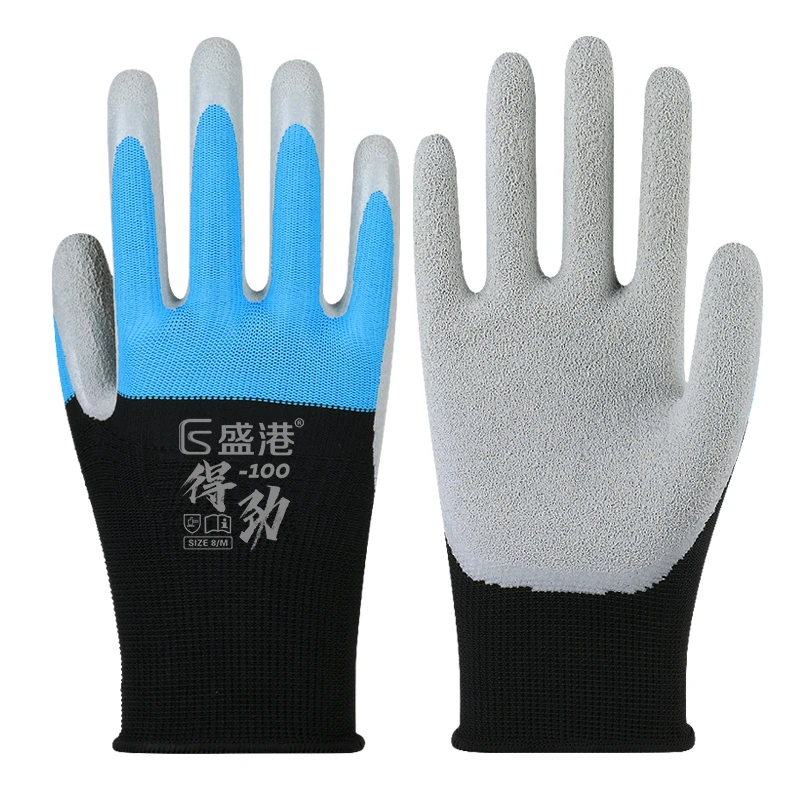
Thermal gloves used outdoors—say in construction or forestry—need rugged palms and reinforced stitching. Durable synthetic leathers or rubber-coated fabrics improve lifespan and grip on tools or icy surfaces.
Breathability and Moisture Management
Interestingly, breathability is often overlooked. Gloves that cause sweaty hands can feel colder once you stop moving, so materials that wick moisture away are essential.
Ergonomics and Dexterity
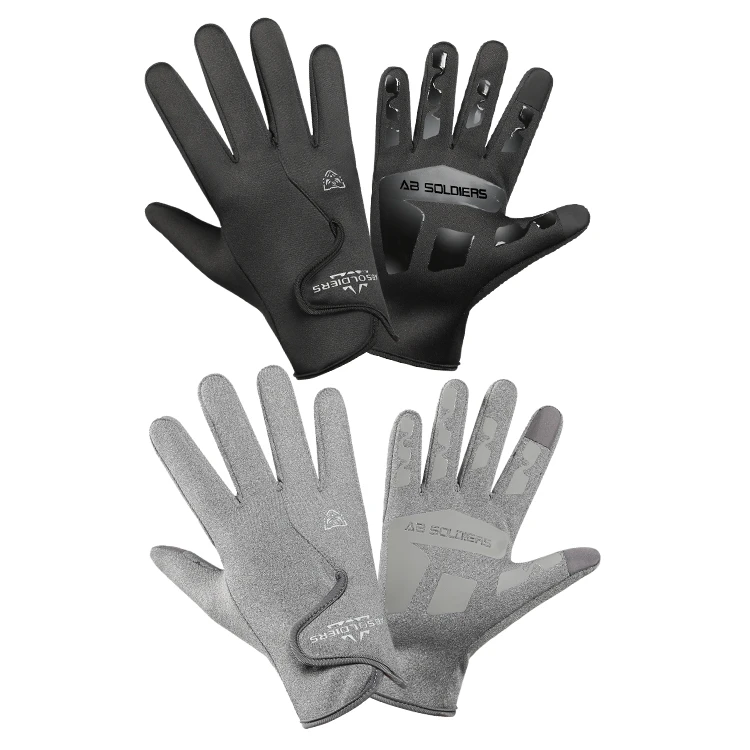
All the insulation and protection mean little if you can’t operate equipment or handle delicate tasks. Gloves now come with pre-curved fingers and flexible joints, blending warmth with function.
Thermal Winter Gloves In Action: Global Applications
Many of the world’s coldest regions depend on thermal gloves. In Scandinavia’s logging industry, workers wear gloves that must resist wet snow while maintaining nimble grip for chainsaw handling. Over in Canada and Russia, utilities workers use thermal gloves designed for both electrical safety and thermal protection.
Humanitarian organizations supplying aid in Afghanistan or northern Syria highlight gloves as a basic “life-saver” in harsh winter campaigns. Remote industrial zones, such as Arctic oil fields, require gloves that must pass strict safety certifications for flame resistance alongside thermal efficiency.
Mini takeaway: Thermal winter gloves adapt depending on context, but their core function—hand safety and warmth—remains universal.
Advantages and Long-Term Value of Thermal Winter Gloves
- Cost Savings: Investing in quality gloves reduces injuries and downtime.
- Sustainability: Some brands lead with recyclable or biodegradable materials, reducing environmental footprints.
- Social Impact: For vulnerable populations, gloves mean the difference between health and frostbite.
- Reliability: The best gloves perform consistently across temperature extremes, boosting user trust.
- Psychological Comfort: Nothing beats the confidence of knowing your hands will stay warm during long winter shifts.
Future Trends & Innovations in Thermal Winter Gloves
Looking ahead, smart textiles are gaining ground—think gloves embedded with heating elements controlled by smartphone apps, or fabrics that adapt insulation dynamically. Sustainability is speeding innovation too, with manufacturers testing recycled insulation and plant-based waterproof membranes.
Automation in production means more customization options, fitting every hand shape for better thermal efficiency. Increasingly, policies from ISO and environmental agencies are pushing for gloves that meet safety standards but minimize waste.
Challenges & Solutions in Thermal Glove Use
The main obstacles? Finding the right balance between warmth, dexterity, durability, and price. Cheaper gloves often sacrifice breathability or grip. Specialized gloves may be cost-prohibitive for some users. However, modular designs where liners can be swapped in and out, or gloves with adjustable insulation layers, are innovative fixes gaining traction.
Another issue is sizing and fit—poorly fitting gloves lose their thermal benefits. Vendors now emphasize size ranges and ergonomic fits based on extensive user feedback, which makes a surprising difference.
Product Specification Table for Typical Thermal Winter Gloves
| Feature | Specification |
|---|---|
| Insulation Material | 3M Thinsulate + Merino Wool |
| Outer Shell | Waterproof Gore-Tex membrane |
| Palm Material | Synthetic leather with anti-slip coating |
| Weight | 120 grams per pair |
| Temperature Range | -20°C to +5°C |
| Available Sizes | S, M, L, XL |
Comparing Top Thermal Winter Gloves Vendors
| Feature | FrostGuard Pro | NordicShield | EcoTherm Gear |
|---|---|---|---|
| Price | $50/pair | $65/pair | $45/pair |
| Waterproof | Yes (Gore-Tex) | Yes (ProShield Membrane) | No |
| Eco Materials | Partially recycled lining | Standard synthetic | 90% biodegradable insulation |
| Dexterity | High (pre-curved design) | Medium | High |
| Best For | Industrial & construction | Outdoor sports & hiking | Eco-conscious consumers |
Frequently Asked Questions About Thermal Winter Gloves
Q: How do I choose thermal gloves for extreme cold environments?
A: Look for multi-layer insulation, water resistance, and ergonomic fit. Gloves rated for at least -20°C and with proven waterproof membranes such as Gore-Tex are a good start. Also, consider your activity type—higher dexterity gloves for fine tasks; heavier gloves for static outdoor work.
Q: Can thermal winter gloves be machine washed without losing their efficiency?
A: Many thermal gloves can be machine washed, but always check manufacturer instructions. Gentle cold washing preserves insulation and membrane properties. Avoid fabric softeners or bleach, which can degrade materials.
Q: Are eco-friendly thermal gloves less effective?
A: Not necessarily. Advances in biodegradable insulation and recycled synthetics have closed the gap substantially. Some eco-friendly gloves offer comparable warmth and durability to traditional options, with the bonus of reduced environmental impact.
Q: How important is glove fit for thermal performance?
A: Very important. Gloves that are too loose allow cold air to circulate, while gloves that are too tight restrict blood flow, which reduces warmth. Always measure your hand size and try gloves on before buying, or consult sizing guides thoroughly.
Q: What industries benefit most from thermal winter gloves?
A: Construction, forestry, utilities, outdoor sports, emergency response teams, and humanitarian relief agencies all rely heavily on quality thermal winter gloves to maintain safety and efficiency in cold conditions.
Conclusion
Thermal winter gloves are more than just chilly day accessories; they are pivotal in protecting health, maintaining productivity, and supporting vulnerable populations through some of the harshest conditions on earth. Whether for industrial workers or humanitarian aid, their long-term benefits speak volumes—cost savings, sustainability, and emotional comfort included. If you want to explore wider options or get your next pair, visit thermal winter gloves today and stay warm with confidence.
Oddly enough, good gloves can change how winter feels — from something harsh and daunting to manageable and even a bit cozy.
References: