Thermal Women's Gloves - Warmth, Comfort, and Performance for Every Hand
Thermal Women's Gloves: Why They Matter More Than You Think
If you’ve ever struggled with chilly fingers on a brisk morning or while working outdoors, you know the importance of a good, warm glove. Thermal women's gloves are not just a seasonal accessory—they're a global necessity in many industries and communities. These gloves protect warmth, dexterity, and even health, helping millions withstand cold climates. Understanding how and why these gloves come into play unlocks insights into better personal protection gear worldwide, from urban life to polar expeditions and humanitarian aid.
Global Context: The Importance of Thermal Women’s Gloves in Today’s World
Across continents, from the icy reaches of Scandinavia to the high altitudes of the Himalayas, the need for effective thermal gloves continues to grow. According to the United Nations Climate Change reports, colder climates are seeing longer, harsher winters as weather patterns shift unpredictably. Industries such as construction, logistics, and outdoor services employ millions of women worldwide who face extreme temperatures daily. Thermal women's gloves provide essential protection against frostbite, hypothermia, and loss of tactile ability.
Despite this, a gap remains in glove design and distribution tailored specifically for women, making the subject both a social challenge and a market opportunity. Many workers report discomfort and poor fit when using generic gloves, reducing productivity and safety compliance.
Mini takeaway: Thermal women's gloves link global climate realities with industrial and humanitarian needs, needing attention for tailored solutions.
What Exactly Are Thermal Women's Gloves?
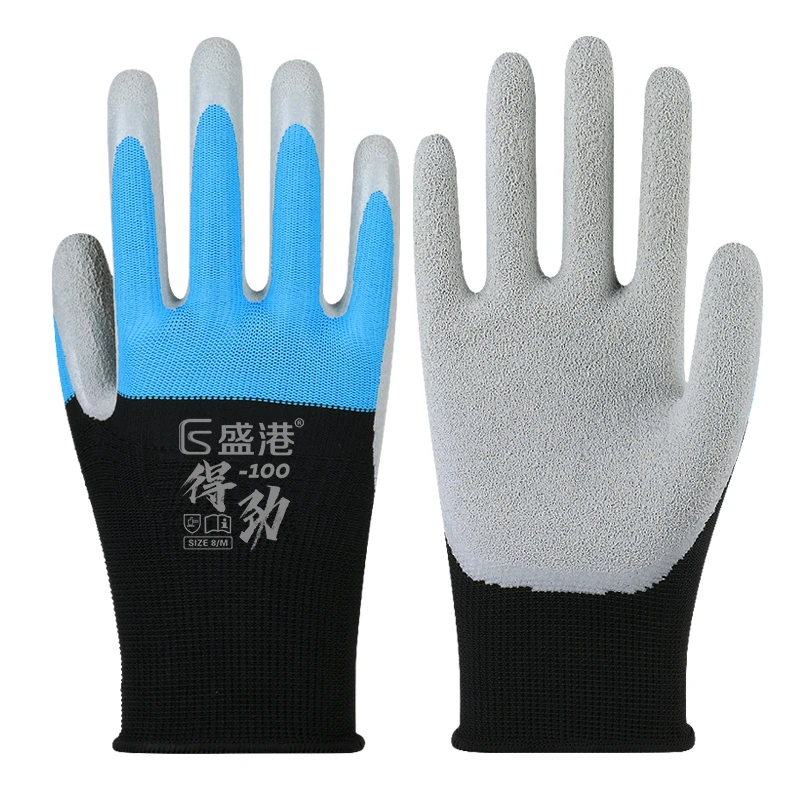
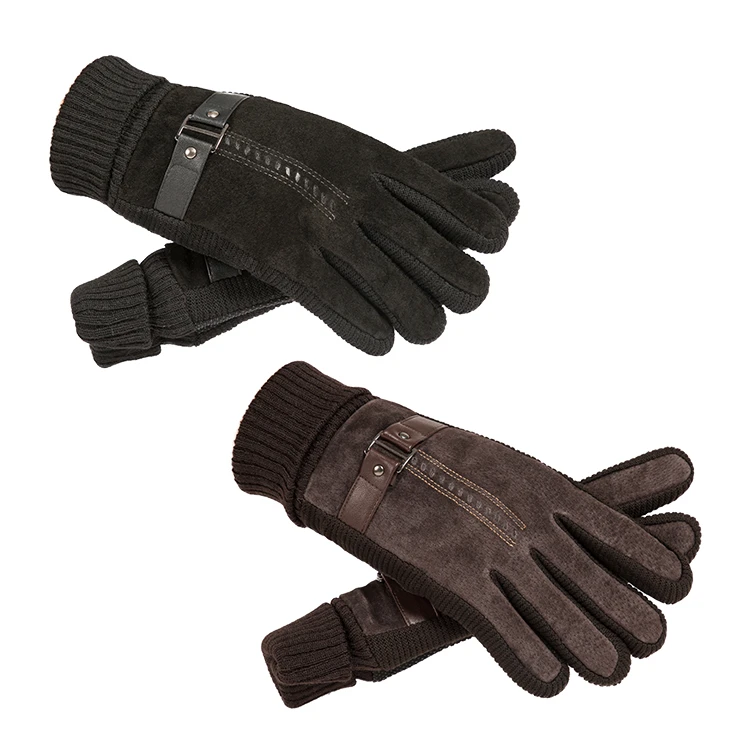
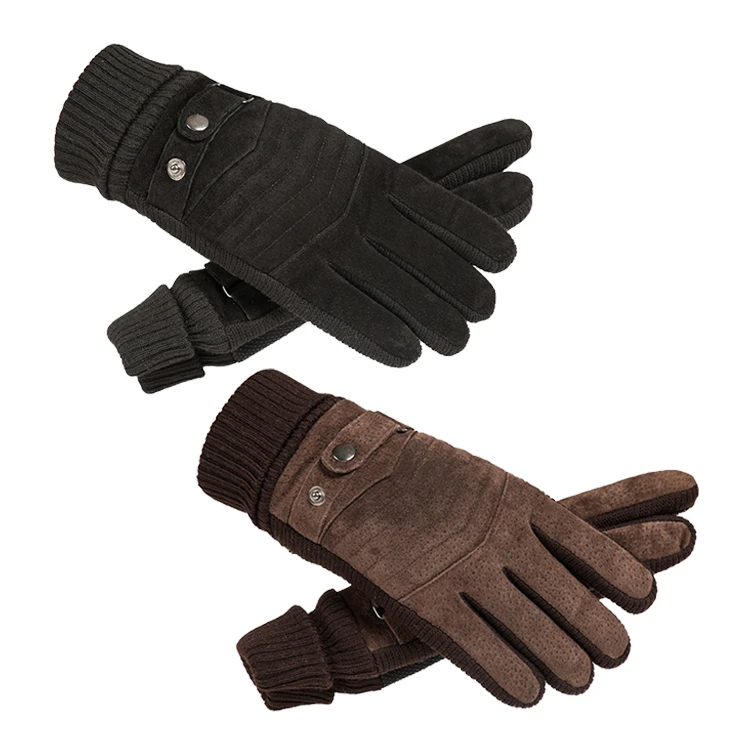
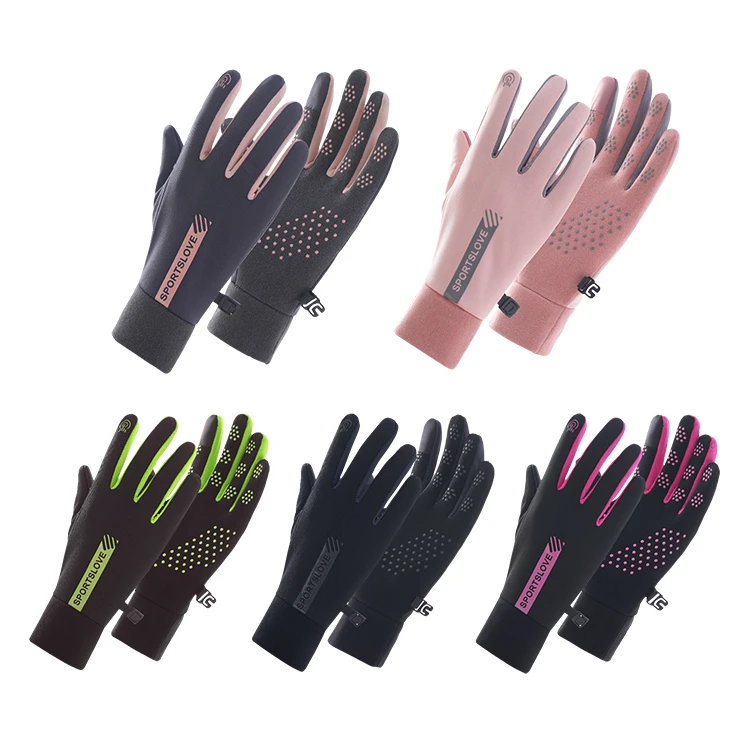
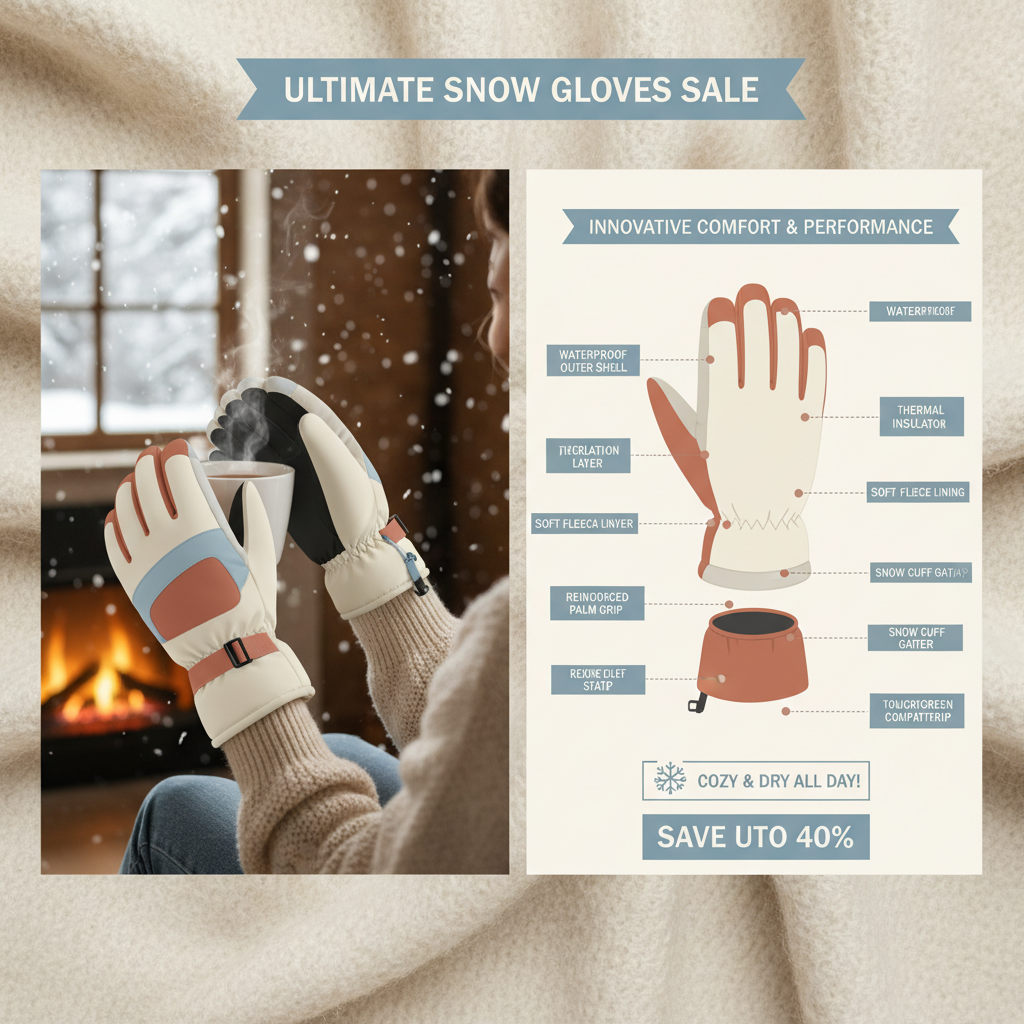
Simply put, thermal women's gloves are hand coverings designed to retain heat, tailored particularly to the contours and smaller dimensions of female hands. Typically layered with insulation materials such as Thinsulate™, fleece, or wool blends, these gloves focus on warmth without sacrificing flexibility or touch sensitivity.
They serve multiple functions beyond warmth: safeguarding hands in harsh industrial environments, supporting hygiene and handling in medical and food service sectors, or simply enhancing comfort during outdoor activities. In humanitarian contexts, especially in disaster zones with freezing nights, these gloves are part of critical survival kits distributed by organizations like the Red Cross.
Key Factors That Define Quality Thermal Women’s Gloves
1. Insulation Materials
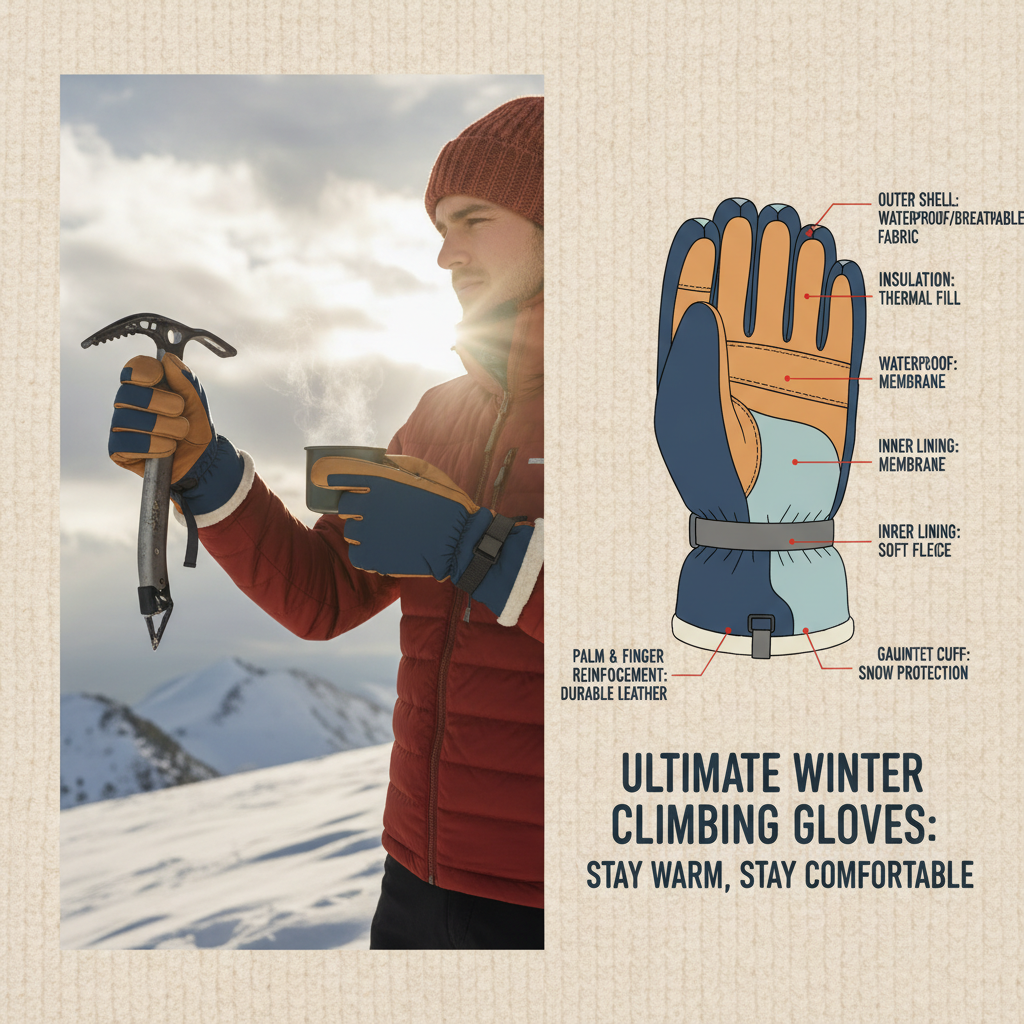
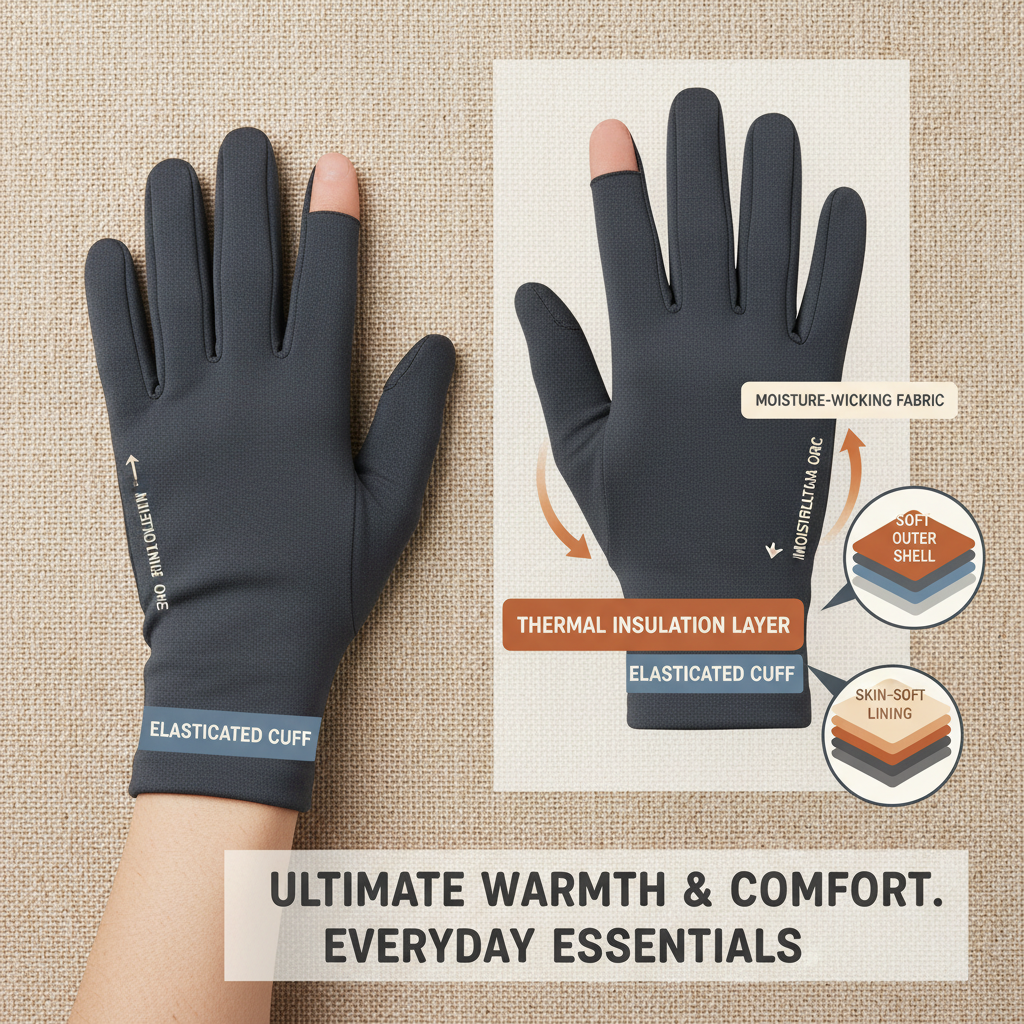
The core of thermal gloves is their insulation. Commonly, brands use synthetic fibers like PrimaLoft or natural wool. Insulation quality directly affects glove warmth-to-bulk ratio, meaning you can stay warm without your hands feeling like you’re wearing boxing gloves.
2. Fit and Ergonomics
Women’s gloves aren’t just scaled-down versions of men’s gloves. Female hands often have slimmer palms and longer fingers proportionally, so good design means better dexterity and less cold air seepage. I once tested gloves that fit poorly, and suddenly buttoning my coat became a battlefield.
3. Durability and Outer Shell
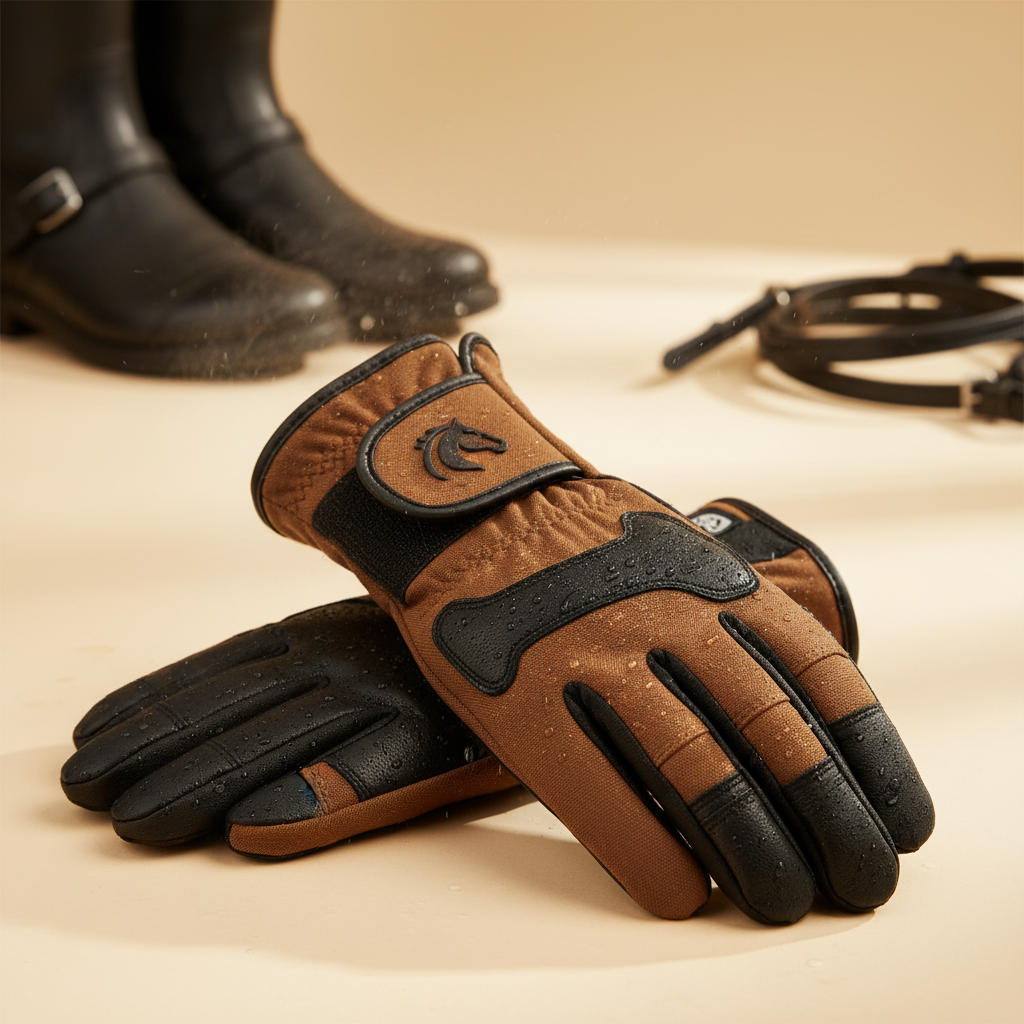
A waterproof, abrasion-resistant outer layer—often nylon or leather—is crucial for both professional use and daily wear. Think about construction workers or winter commuters who demand gloves that stay intact despite daily wear and tear.
4. Breathability and Moisture Management
Keeping warmth but letting moisture escape is a subtle science. Gloves that trap sweat make hands clammy and cold—a paradox that no one wants when it’s freezing outside. Modern membranes like Gore-Tex or proprietary tech from brands attempt to solve this.
5. Additional Features
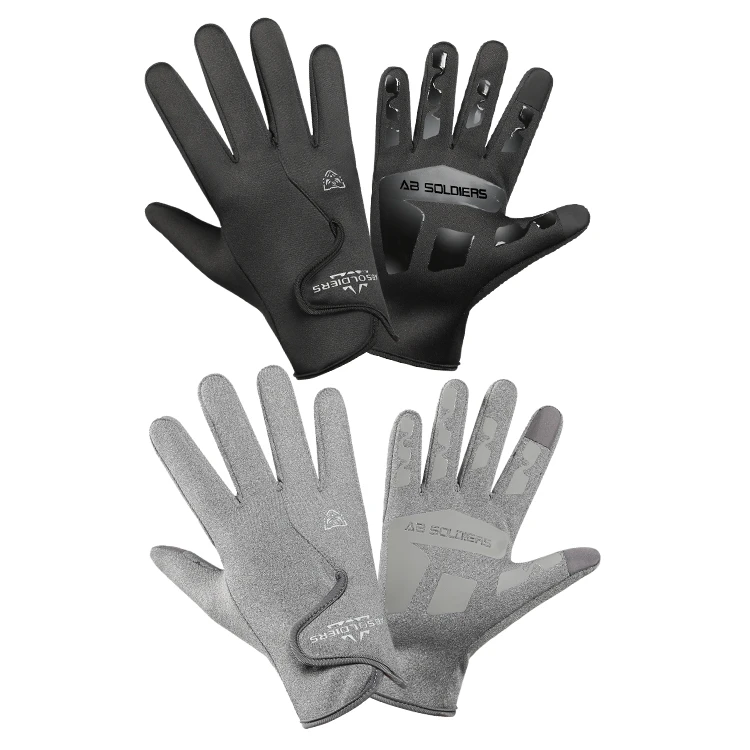
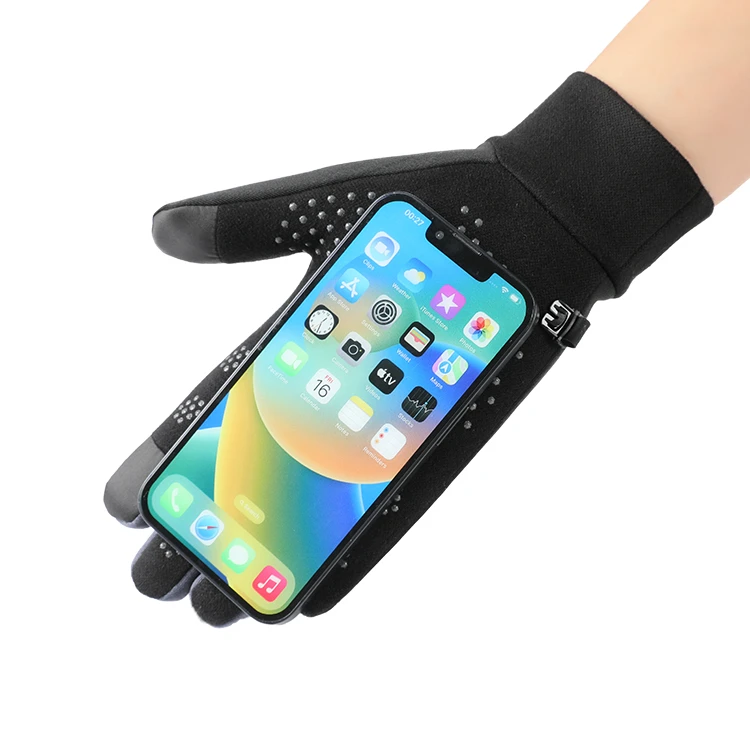
- Touchscreen finger pads for smartphone use
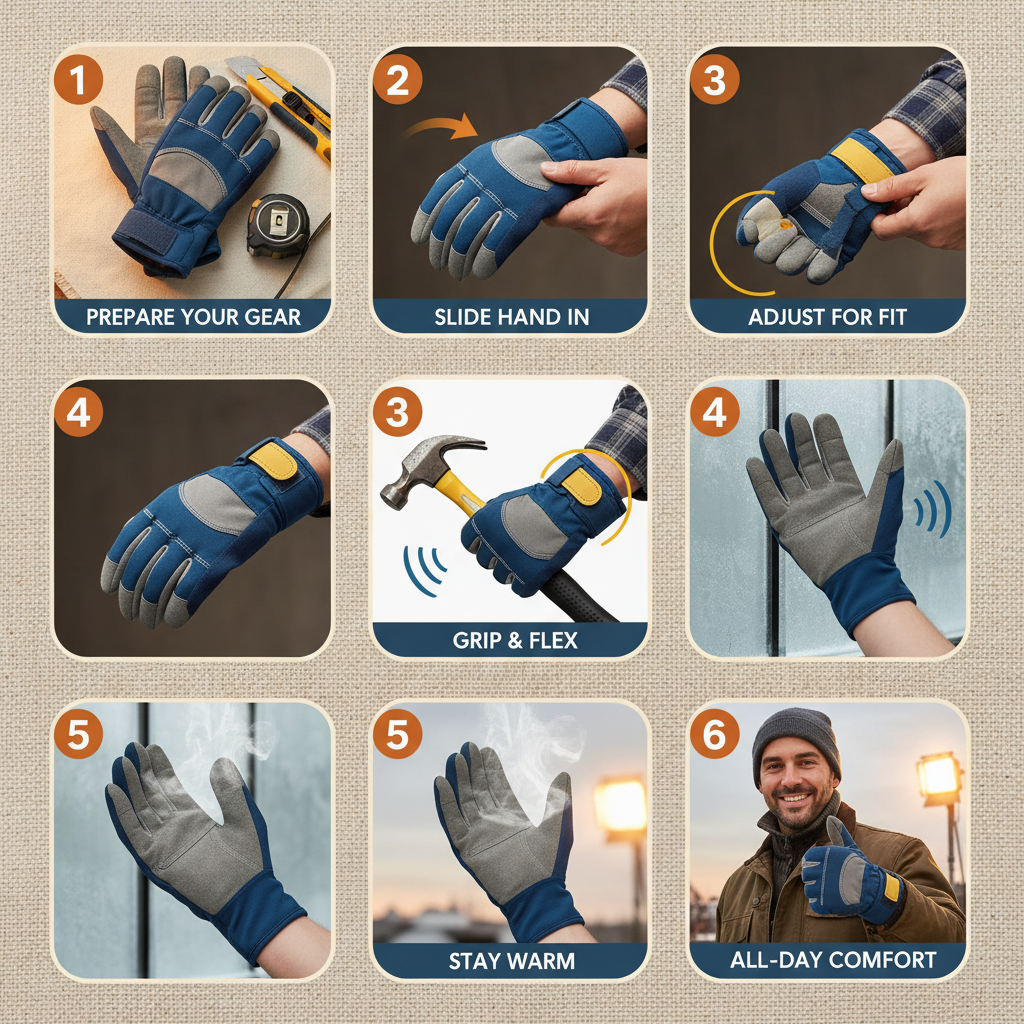
- Adjustable wrist straps or cinches
- Anti-slip grip surfaces
Product Specifications at a Glance
| Feature | Typical Range | Notes |
|---|---|---|
| Insulation Type | Thinsulate™, Wool, PrimaLoft | Balance warmth & thickness |
| Outer Material | Leather, Nylon, Gore-Tex | Durable & water-resistant |
| Sizes | XS to L | Gender-specific sizing |
| Weight | 80 - 150 grams | Light or heavy options |
| Additional Features | Touchscreen tips, adjustable wrists | Functionality & fit |
Where Are Thermal Women’s Gloves Making a Difference Globally?
Thermal gloves aren’t just for fashion or casual winter wear. They have deep industrial, humanitarian, and even military roles.
- Post-disaster relief: Aid groups distribute thermal gloves in freezing climates like northern Afghanistan or Syrian refugee camps, where exposure risks are high.
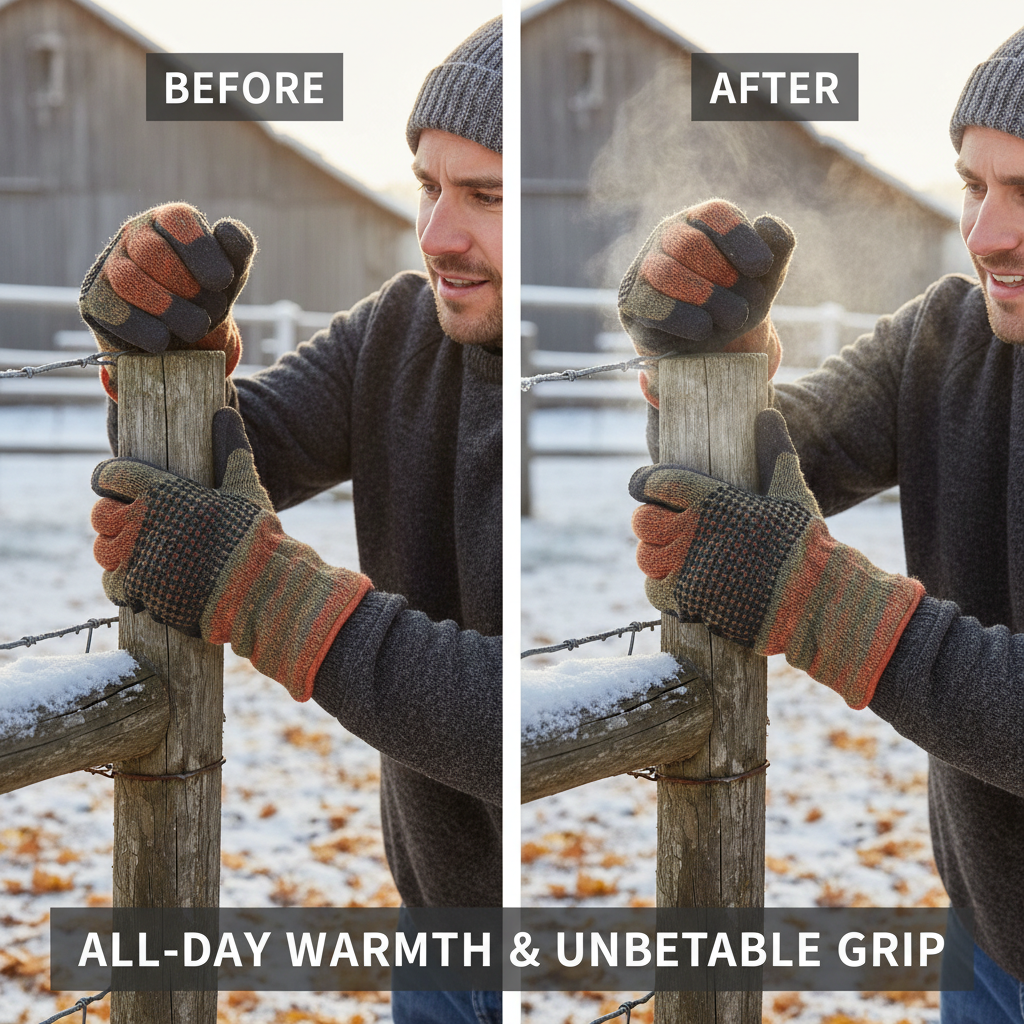
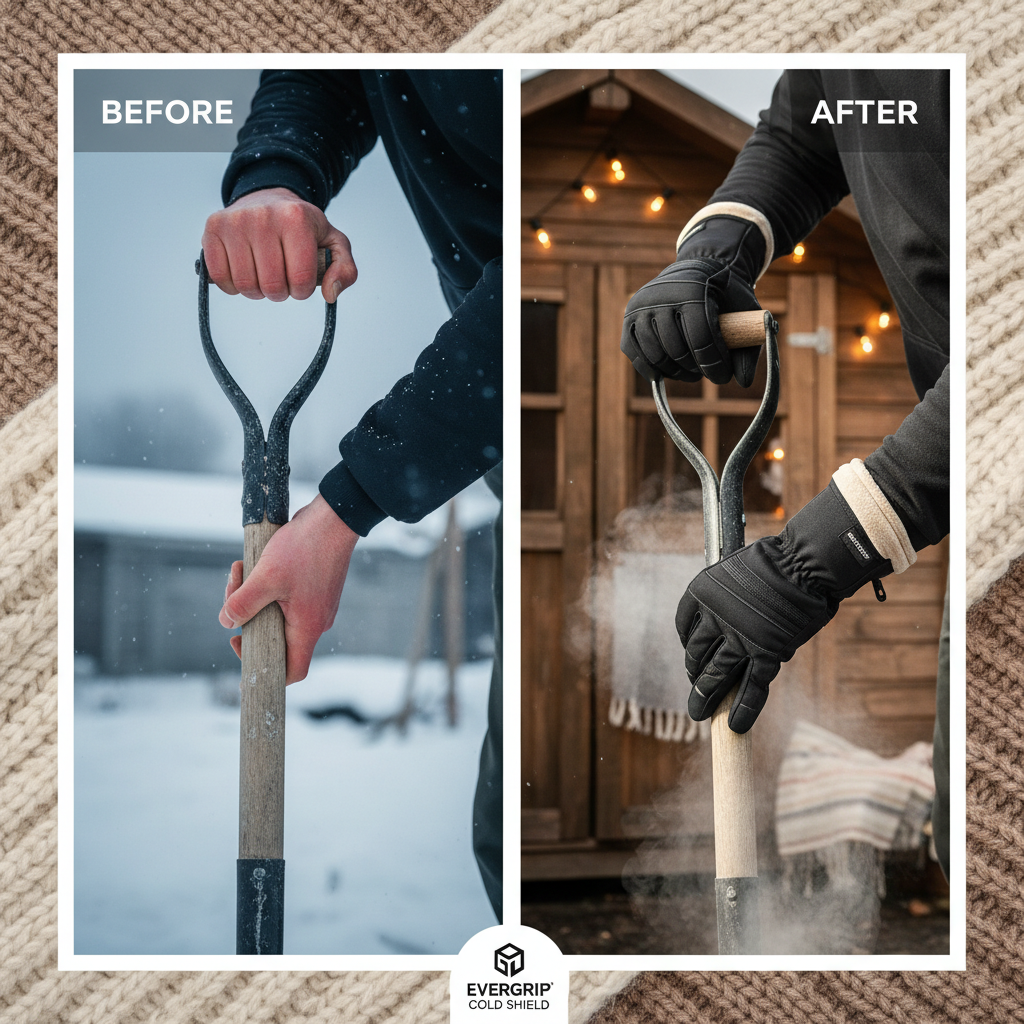
- Outdoor workers: Construction, utilities, and forestry workers—where women are increasingly present—use them to maintain grip and safety in cold environments.
- Sports and recreation: Ski resorts and outdoor fitness companies cater to female clients by offering tailored gloves.
- Medical sectors: Thermal gloves with sanitation coatings assist healthcare workers in cold storage areas.
A recent example: A mining company in Canada switched to ergonomically designed thermal women’s gloves after many female workers complained of poor fit and freezing fingers. Productivity and worker satisfaction both rose after this.
Comparing Leading Thermal Women’s Glove Brands
| Brand | Insulation | Waterproof? | Price Range | Best For |
|---|---|---|---|---|
| FrostGuard X | PrimaLoft Gold | Yes | $60–$85 | Industrial & outdoor work |
| VelvetTouch Warm | Wool blend | No | $40–$55 | Casual & sports use |
| ThermoFlex Pro | Thinsulate 3M | Yes | $70–$90 | High-performance outdoor sports |
Pros of Using Quality Thermal Women’s Gloves
- Enhanced safety and warmth: Prevent cold injuries and maintain hand function.
- Improved ergonomics: Better fit means better performance and comfort.
- Longevity: Durable materials reduce frequent replacements, saving money long-term.
- Environmental benefits: Some brands use recycled materials or non-toxic dyes.
- Emotional comfort: Feeling warm and secure boosts confidence on the job or outdoors.
Looking Ahead: Innovations on the Horizon
Frankly, thermal gloves are no longer just “wool and fleece.” The future is smart gloves that sense temperature changes and adjust insulation or warmth accordingly. Some prototypes integrate battery heating with solar charging or kinetic energy harvesting.
Plus, sustainability is becoming a priority: biodegradable insulation materials and carbon-neutral production lines are increasingly common. The integration of touchscreen-friendly materials alongside antimicrobial layers will likely be standard soon.
Addressing Common Challenges in Thermal Women’s Gloves
One big challenge manufacturers face is balancing warmth and flexibility — it’s easy to get one at the expense of the other. Then there's sizing: female hand shapes vary widely, and many brands fail to accommodate this fully. The solution? Custom sizing and modular insulation inserts are gaining traction.
On the supply side, distribution to underserved regions remains a hurdle, but collaborations with NGOs help get thermal gloves into cold crisis zones faster — a crucial life-saving step.
Frequently Asked Questions About Thermal Women's Gloves
- What materials are best for the coldest environments?
- Gloves insulated with PrimaLoft Gold or Thinsulate paired with waterproof Gore-Tex shells tend to perform best in extreme cold, offering warmth without excessive bulk.
- Can thermal gloves work with smartphones and touchscreens?
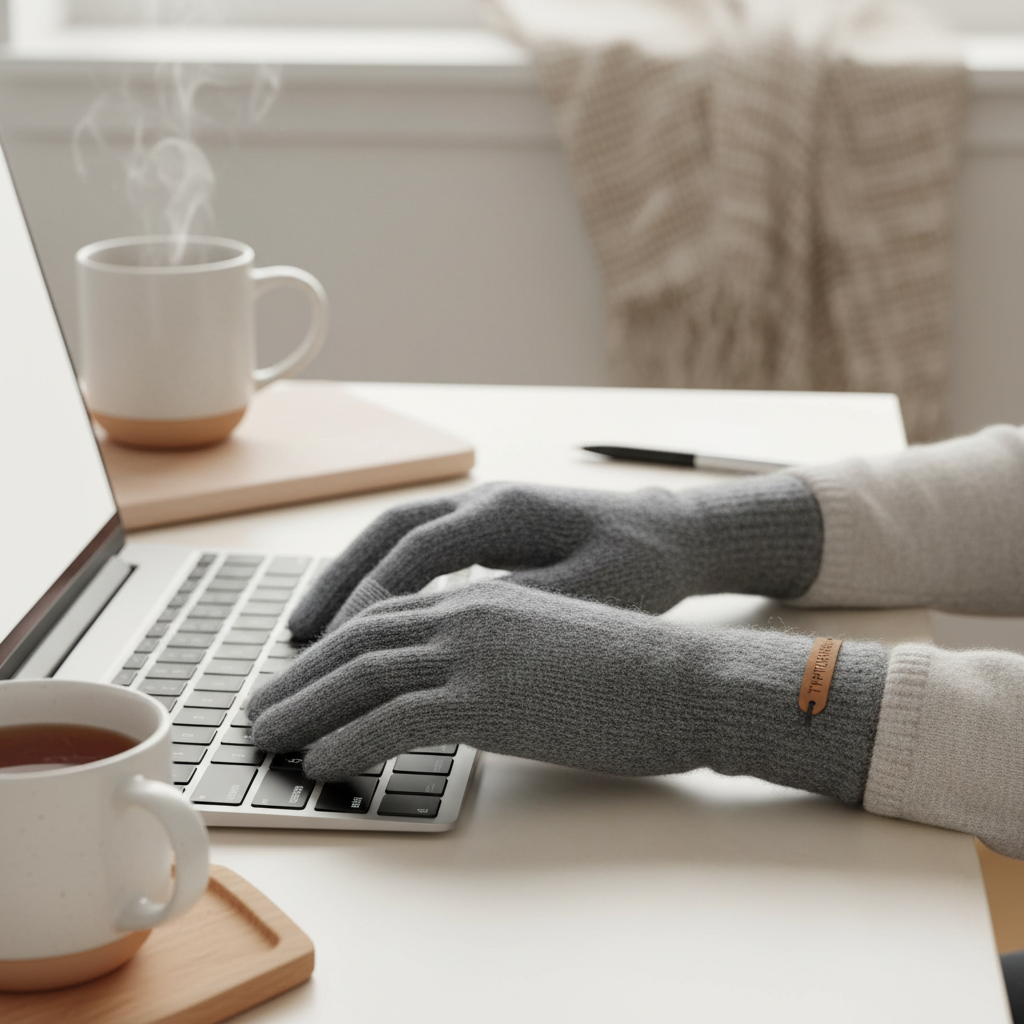
- Yes, many modern thermal women’s gloves feature conductive fabric on fingertips, allowing you to operate phones without removing your gloves — super handy!
- How do I choose the right size for thermal gloves?
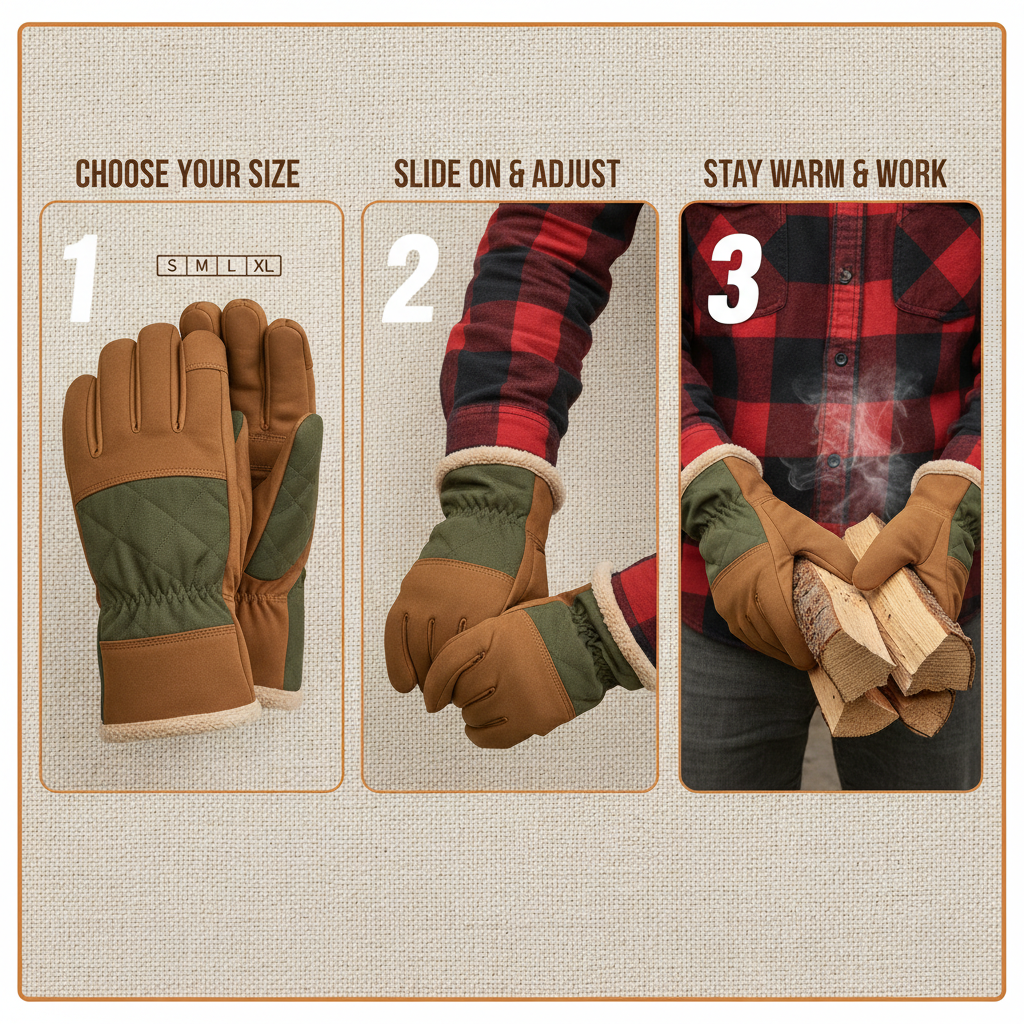
- Measure hand circumference around the knuckles (excluding thumb) and finger length. Check brand sizing charts carefully — women’s gloves often have narrower palm widths and longer fingers proportionally.
- Are thermal gloves environmentally friendly?
- Some manufacturers use recycled insulation materials and environmentally safe dyes. Always look for certifications or detailed product info if eco-friendliness matters to you.
- How long do thermal women’s gloves usually last?
- With regular use in harsh environments, expect 1–3 years before insulation and outer materials degrade, depending on care and activity level.
Wrapping Up - Why Thermal Women's Gloves Are Worth Your Attention
Thermal women's gloves aren't just a fashion statement or seasonal convenience. They’re a vital tool for comfort, health, and productivity across many sectors worldwide. Investing in good quality, well-designed gloves tailored to women’s hands pays off in safety and satisfaction. Curious to explore top options or find out more about the latest thermal gloves? Visit our site for a curated selection of thermal women's gloves and detailed guides for everyday cold-weather needs.
After all, fingers warm is thinking clear — or so I like to believe!