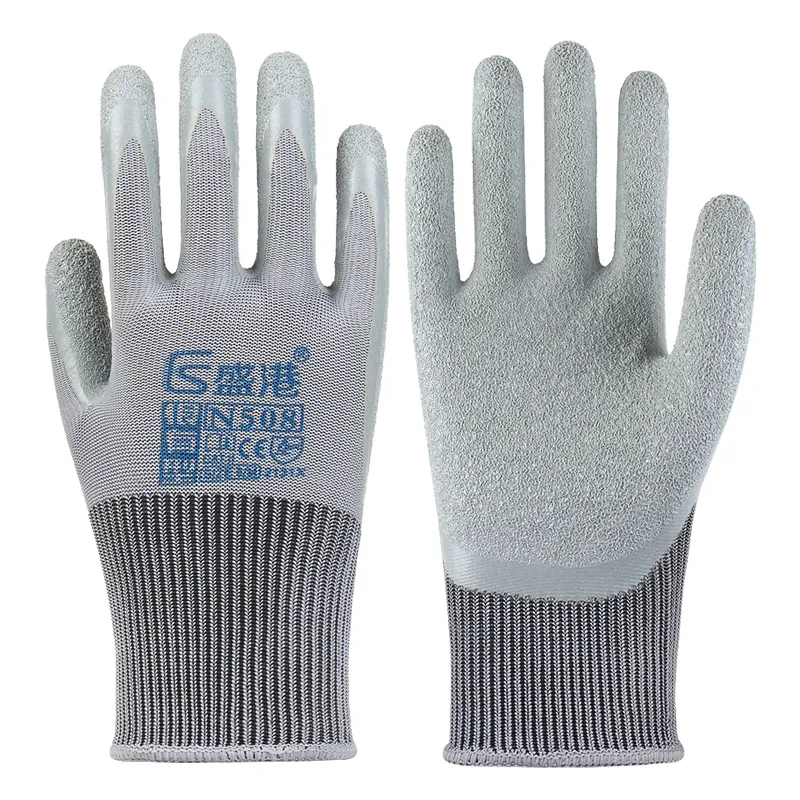
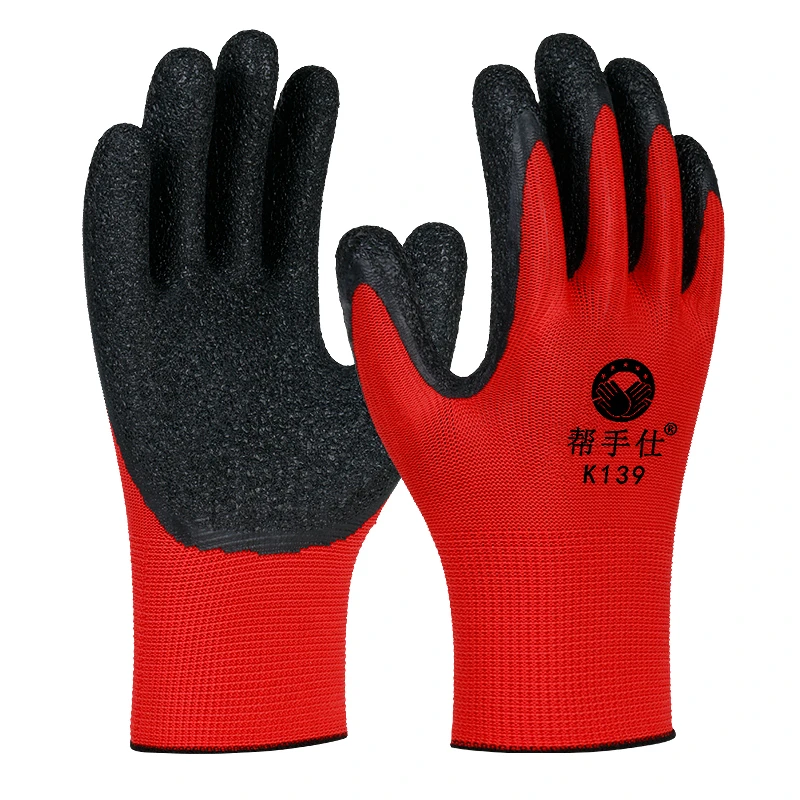
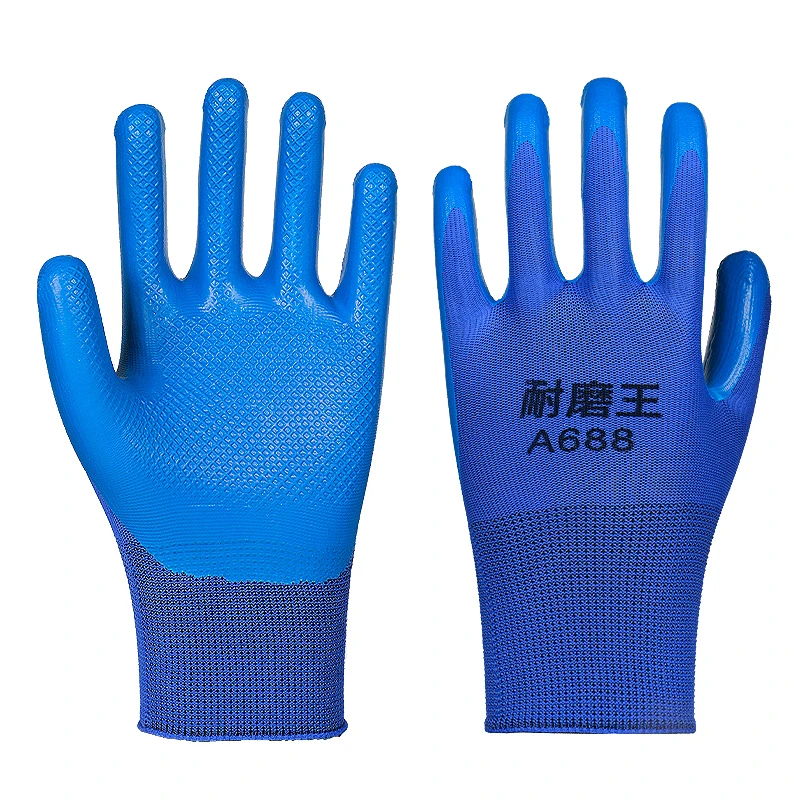
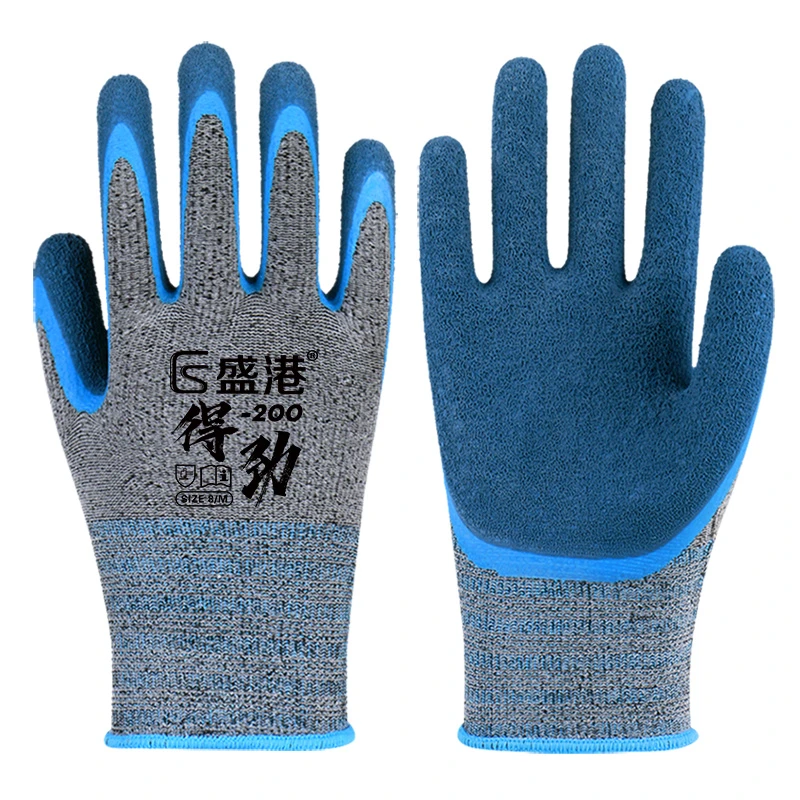
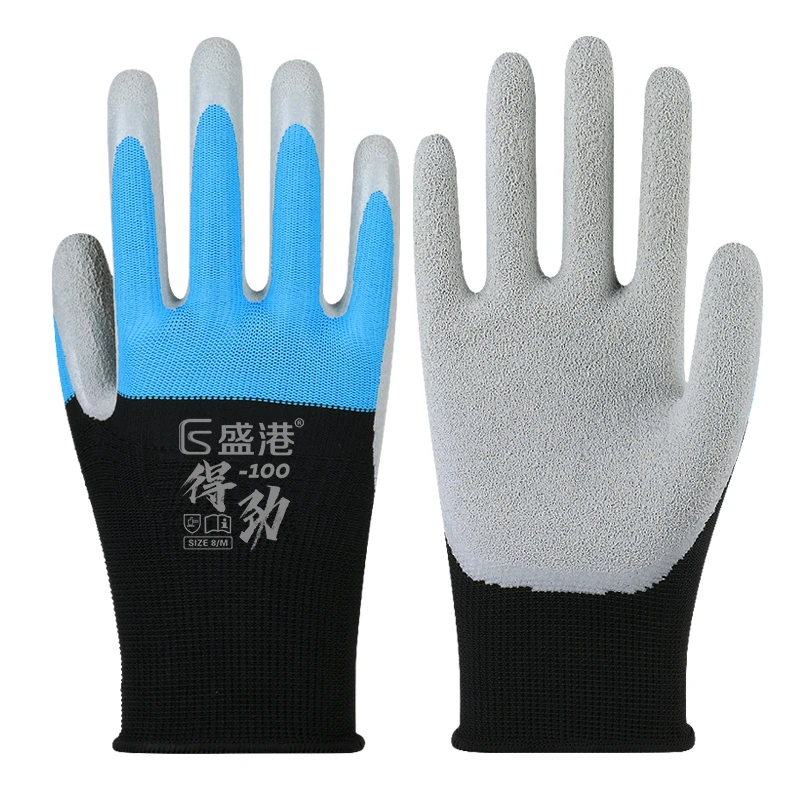
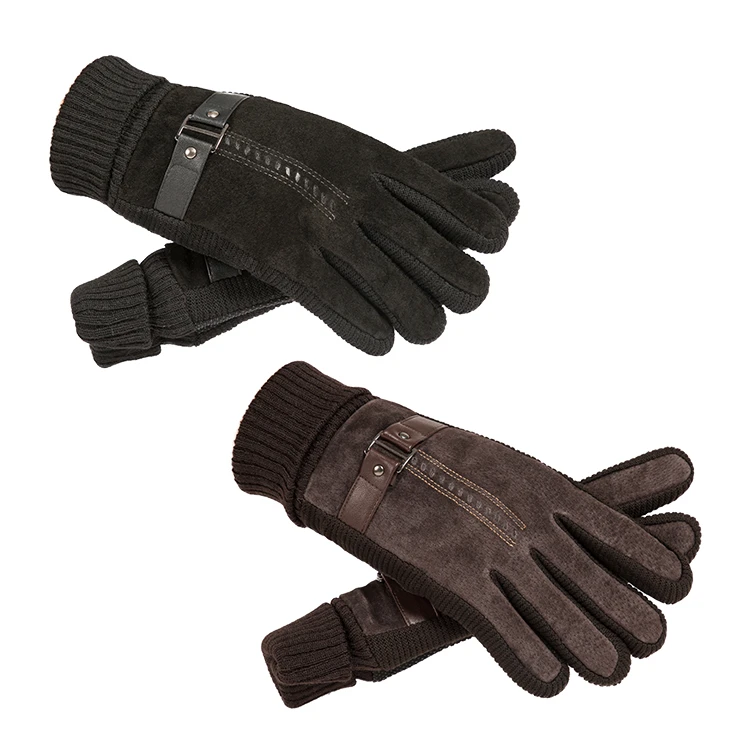
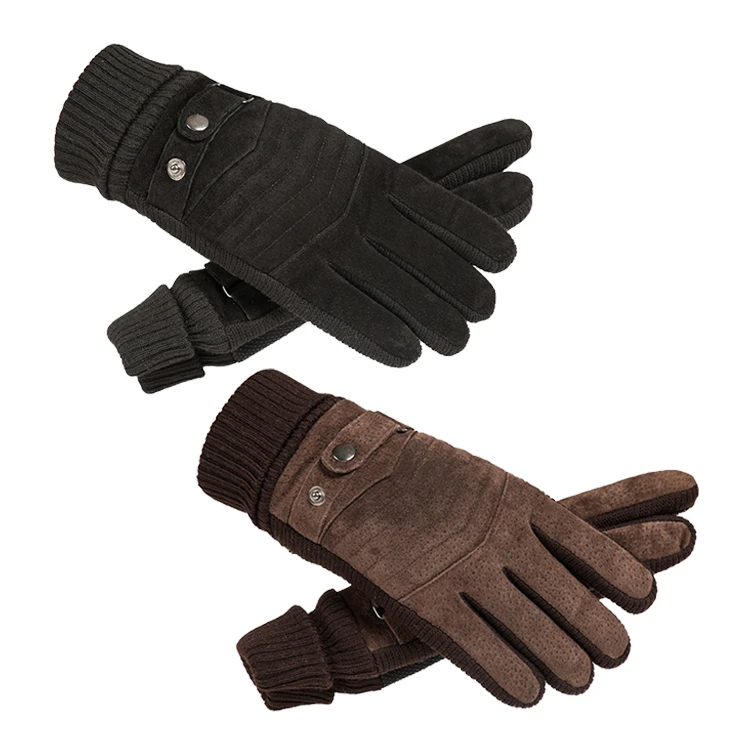
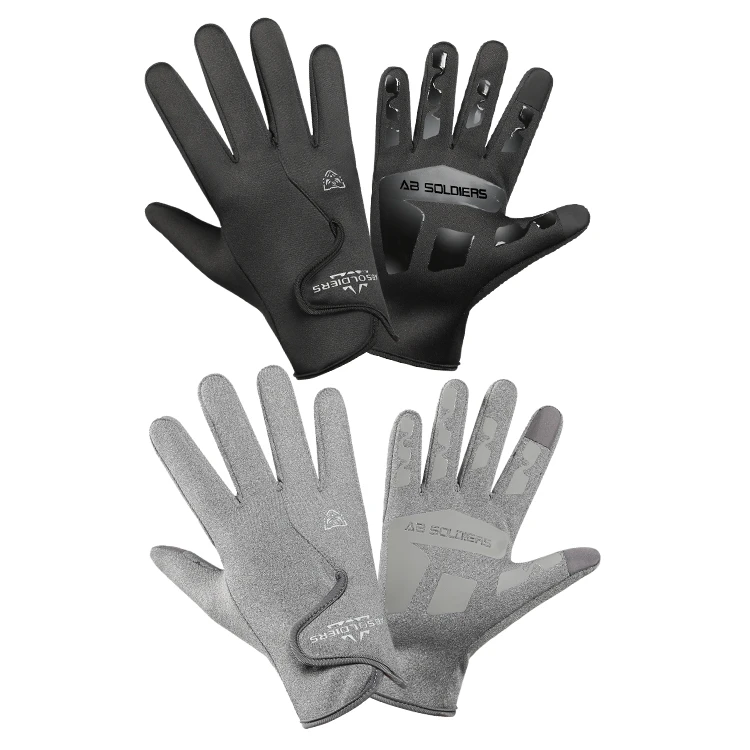
Thermo Waterproof Gloves: Essential Protection for Extreme Weather and Industry
Understanding Thermo Waterproof Gloves: Why They Matter Today
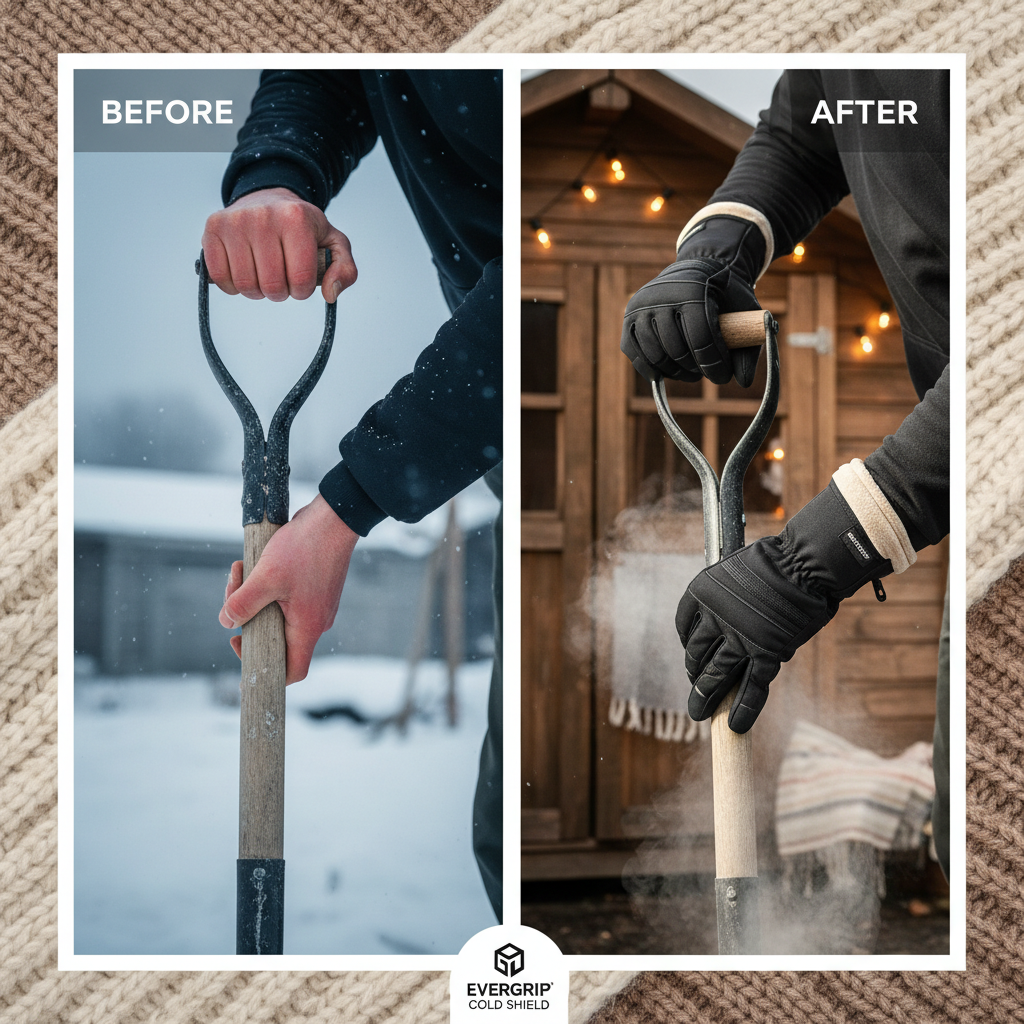
Thermo waterproof gloves have quietly become indispensable gear across industries and humanitarian efforts worldwide. At first glance, they might sound like niche, cold-weather work gloves. But dig a little deeper and you find a fascinating blend of materials science, ergonomic design, and environmental consideration that makes them a keystone in protecting hands from extreme elements.
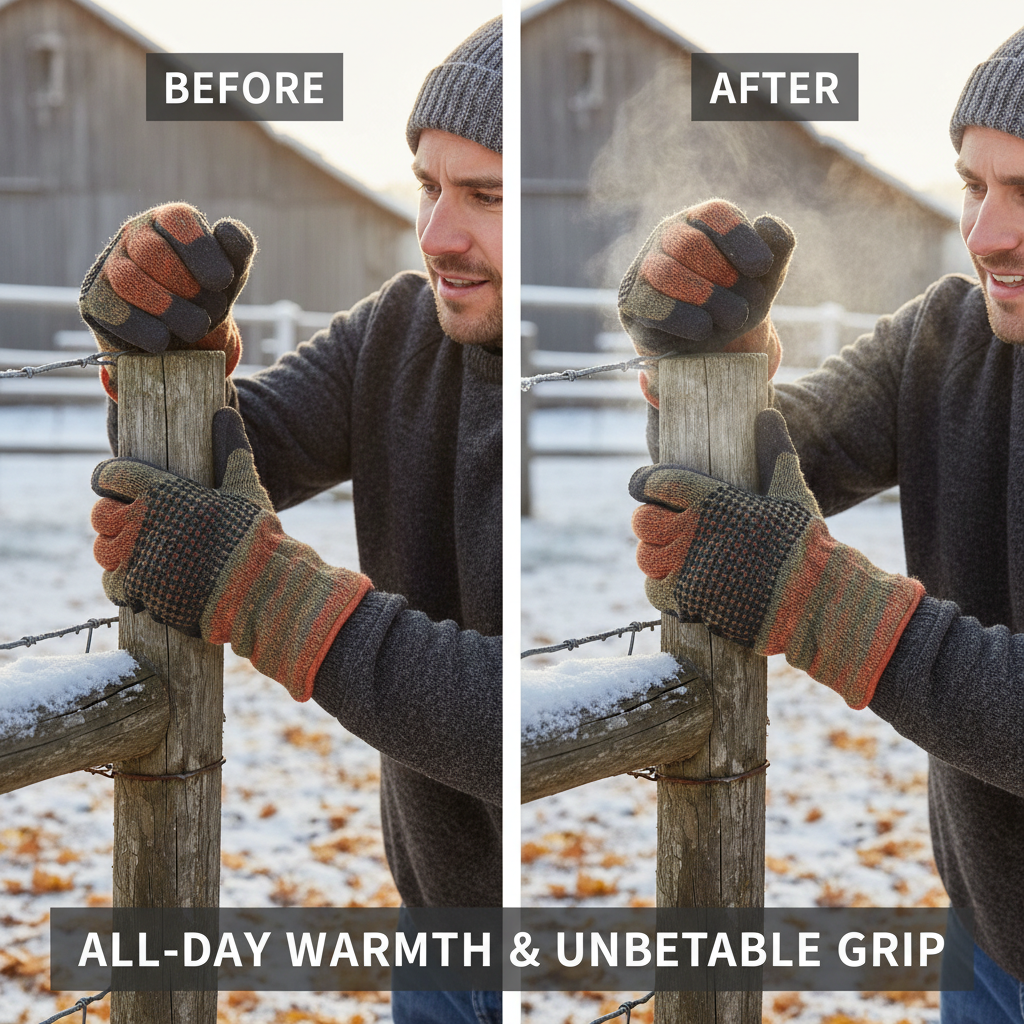
From Arctic research stations to tropical flood zones, these gloves offer a protective boundary against moisture and freezing temperatures, improving safety and productivity. Whether you’re outdoor personnel battling the elements or a factory worker in chilly, wet environments, thermo waterproof gloves keep things moving without the painful trade-offs. Automation doesn’t replace the need for reliable human-touch protection — it enhances it.
Global Context: Why Thermo Waterproof Gloves Are More Than Just Cold Weather Gear
Climate change reports from the IPCC confirm rising extreme weather events, from freezing cold snaps to unseasonal flooding. At the same time, industrial expansion in harsh environments — think northern mining or offshore wind farms — adds to the demand for dependable protective gear. The global market for specialized gloves, including thermo waterproof designs, is expected to grow by roughly 5.3% annually through 2030, according to Statista.
Yet, challenges like durability, dexterity, and eco-friendliness remain. Many industries rely on gloves prone to water seepage or loss of heat over time, risking worker injury and downtime. Thermo waterproof gloves address these obstacles head-on — making them fundamental tools in a world increasingly unpredictable in weather and industrial hazards alike.
What Exactly Are Thermo Waterproof Gloves?
In a nutshell, thermo waterproof gloves combine insulation to retain heat and advanced waterproof materials to block moisture ingress. They’re designed for cold, wet conditions where protection against frostbite or skin maceration is critical.
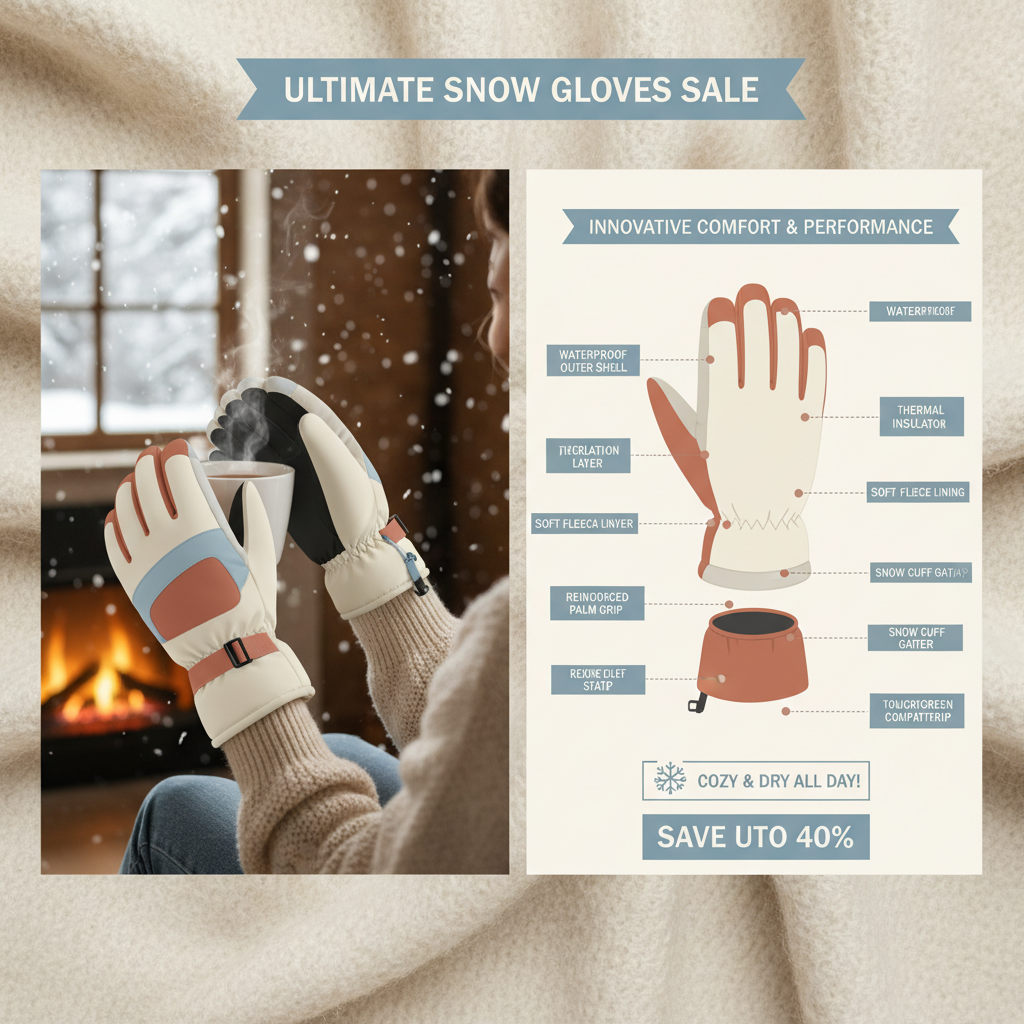
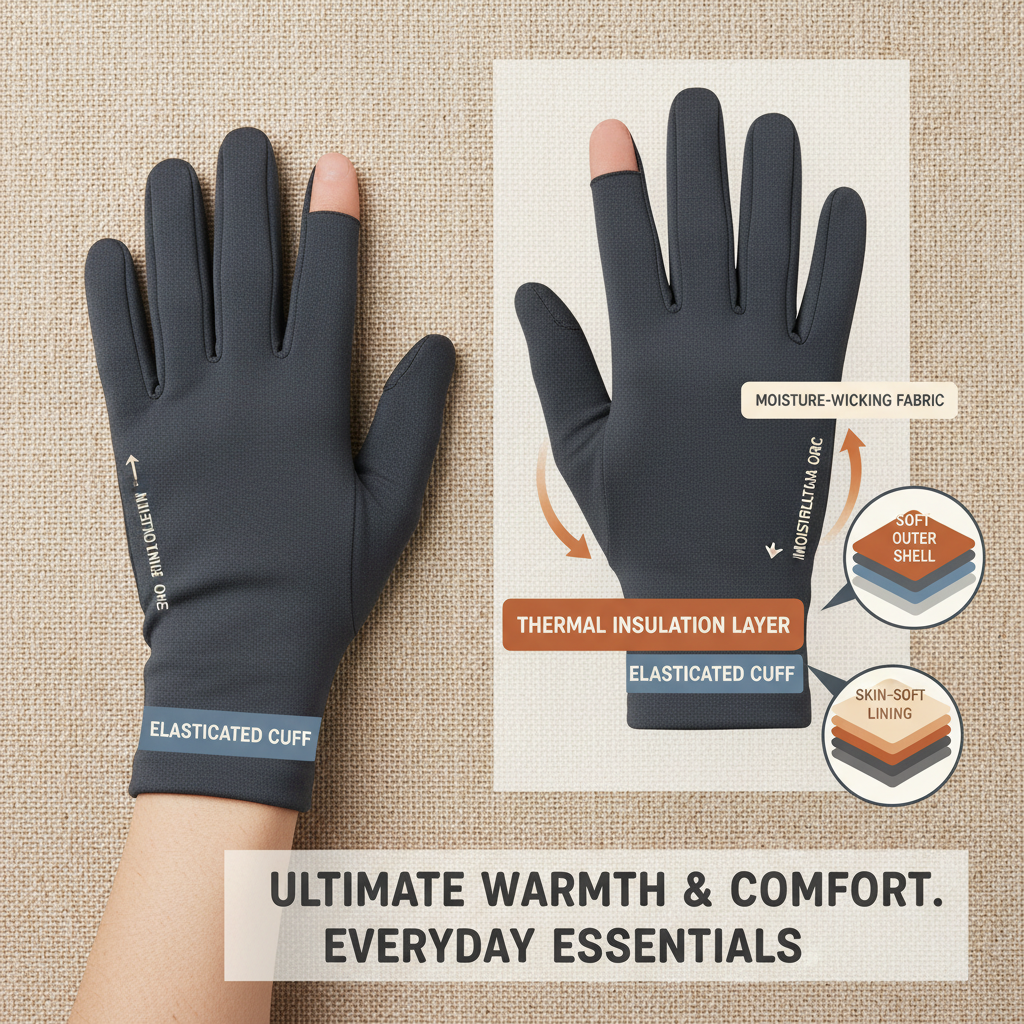
Unlike regular gloves, these hybrids often use multi-layered composites. A typical glove might feature an outer waterproof shell, a moisture-wicking liner, and insulating fill such as Thinsulate or wool. The design balances three key goals: keep water out, lock heat in, and allow enough movement to perform precise tasks.
From a humanitarian angle, these gloves also ensure vulnerable populations — think disaster relief workers or cold-weather medical teams — have the gear needed to operate safely and effectively.
Core Components and Features of High-Quality Thermo Waterproof Gloves
1. Waterproof Membrane
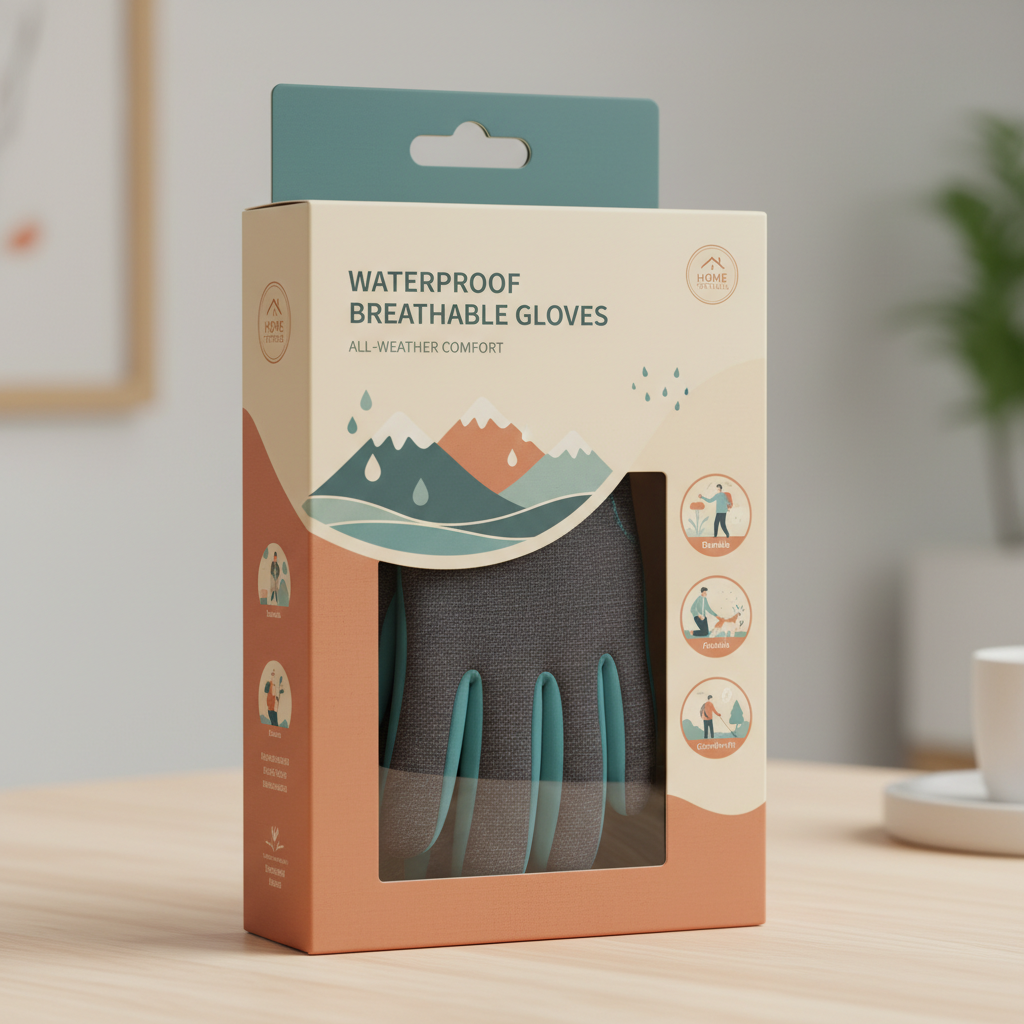
The heart of any thermo waterproof glove is its membrane – often made from materials like Gore-Tex or proprietary breathable laminates. These block liquid water but let water vapor escape, preventing sweaty, clammy discomfort.
2. Thermal Insulation
Insulation ranges from synthetic fibers like Thinsulate to natural wool blends. The thicker the insulation, the better the heat retention — though too bulky can limit dexterity.
3. Durability and Abrasion Resistance
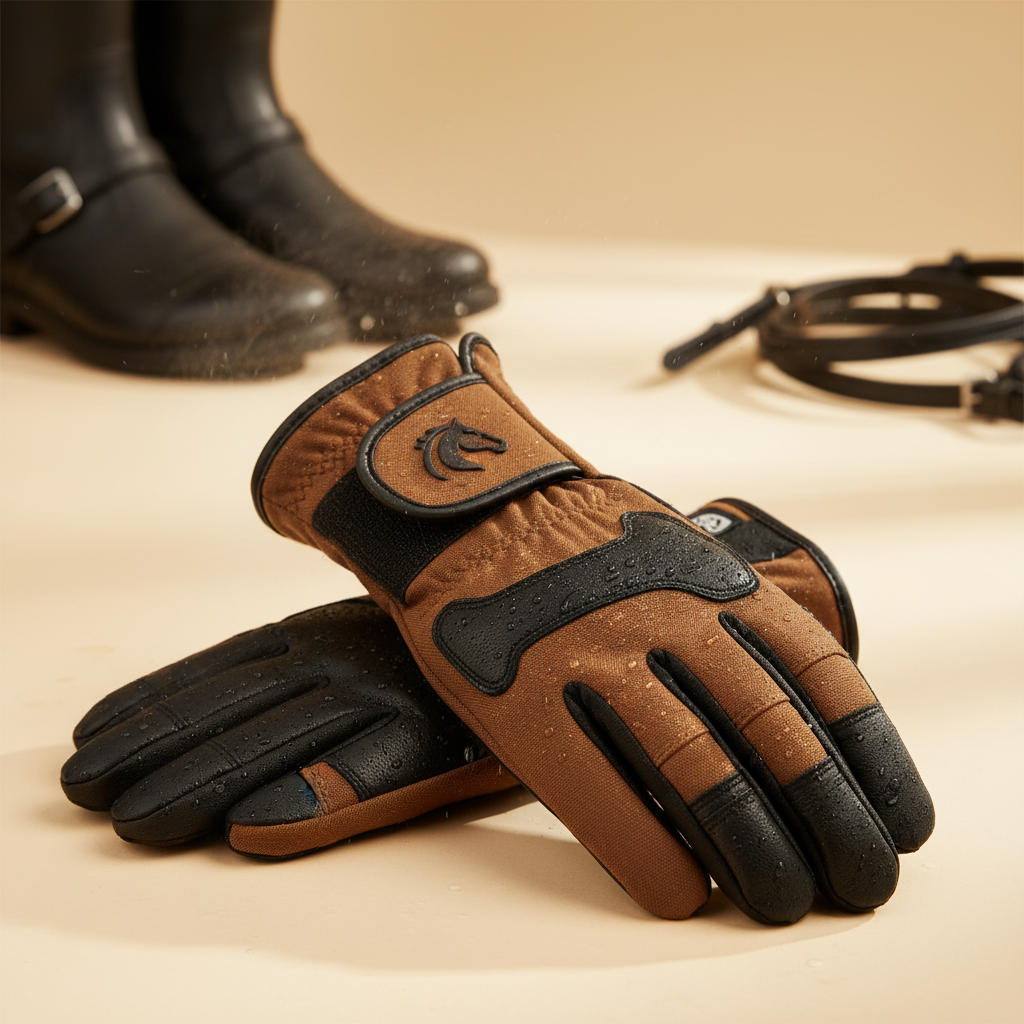
The outer shell often uses reinforced materials (like leather patches or TPU overlays) to withstand rough surfaces and heavy use without compromising waterproof integrity.
4. Fit and Dexterity
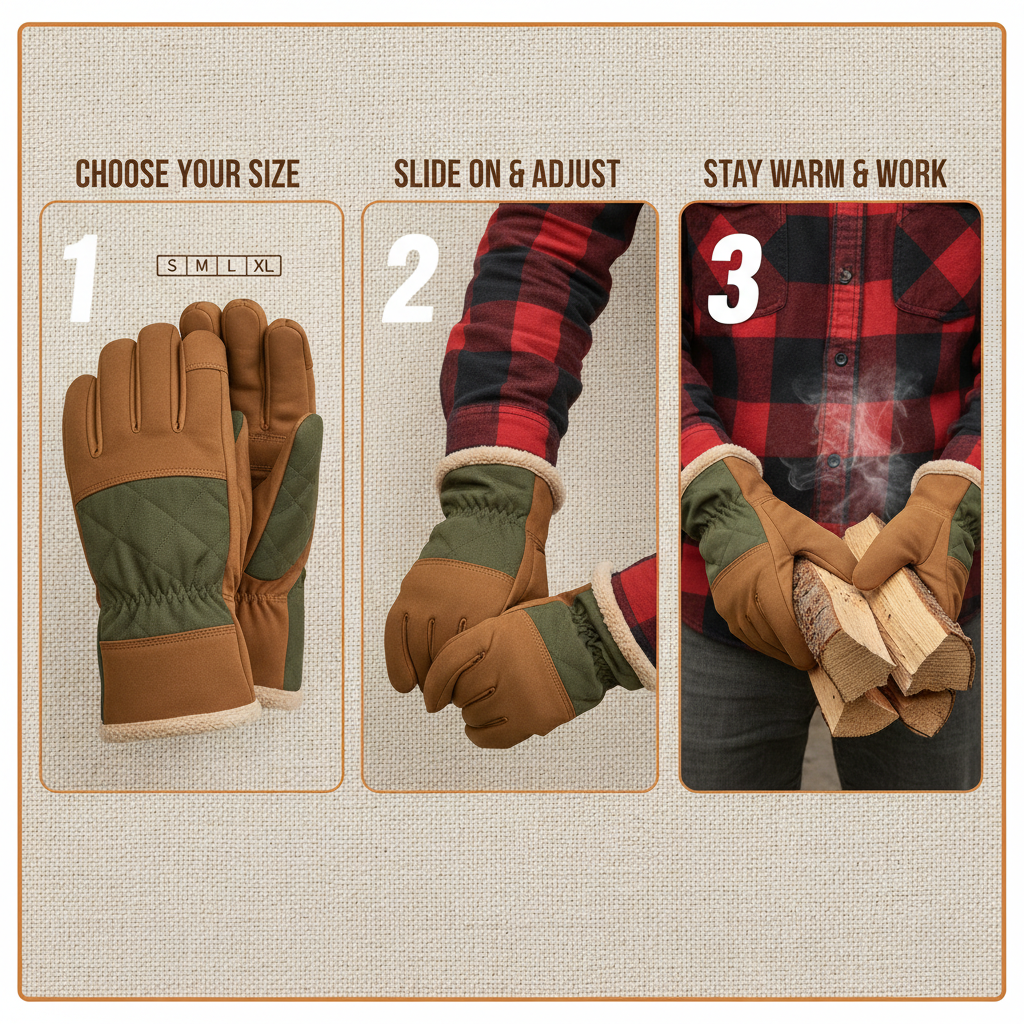
Ergonomic design with articulated fingers or pre-curved construction reduces hand fatigue and maintains functionality, even with layers of insulation.
5. Breathability
Keeping hands dry internally is just as vital as blocking external water. Breathable membranes and moisture-wicking liners work together for this.
6. Cost Efficiency
While premium gloves can be pricey, investing in long-lasting, reliable protection usually pays off with fewer replacements and reduced downtime.
Mini takeaway: The magic of thermo waterproof gloves lies in painstaking material choices and smart ergonomic features built to tackle cold, wet extremities without sacrificing comfort.
Real-World Applications: Where Thermo Waterproof Gloves Truly Shine
These gloves find homes in a surprisingly diverse range of settings:
- Post-Disaster Relief Operations: Relief workers in flood-affected zones depend on these gloves to keep hands dry and warm while handling equipment, caring for people, or clearing debris.
- Industrial Cold Storage and Food Handling: Employees managing freezing warehouses benefit from the dexterity and thermal protection.
- Outdoor Winter Sports and Expeditions: Climbers, skiers, and researchers in polar environments require unbeatable waterproofing and insulation.
- Offshore and Maritime Work: Fishermen or oil rig workers face constant wet conditions and freezing winds.
- Construction in Cold Climates: From Siberia to northern Canada, construction crews rely on durable thermo waterproof gloves.
Oddly enough, some NGOs have begun standardizing these gloves for volunteer field uniforms — a small detail that boosts morale and capability.
Product Specification Table: Sample Thermo Waterproof Gloves
| Feature | Specification |
|---|---|
| Outer Material | Waterproof nylon with TPU coating |
| Waterproof Membrane | Gore-Tex breathable membrane |
| Insulation | 40g Thinsulate synthetic fiber |
| Lining | Moisture-wicking polyester |
| Palm Reinforcement | Thermoplastic polyurethane (TPU) grip patches |
| Sizes | S-XXL |
| Weight per pair | 220 grams |
Vendor Comparison: Leading Thermo Waterproof Gloves Providers
| Vendor | User Rating | Price Range (USD) | Key Features | Sustainability |
|---|---|---|---|---|
| GlacierGear | 4.6 / 5 | $45 - $75 | Eco-friendly materials, high dexterity | Recycled polyester base |
| PolarPro | 4.3 / 5 | $30 - $60 | Triple-layer insulation, excellent grip | Limited eco initiatives |
| EverWarm | 4.8 / 5 | $50 - $85 | Best waterproofing, ergonomic fit | Carbon-neutral manufacturing |
Advantages and Long-Term Value of Thermo Waterproof Gloves
Beyond the obvious warmth and dryness, these gloves carry deeper benefits:
- Cost Savings: Durable gloves mean fewer replacements, reducing procurement and waste management expenses.
- Sustainability: Eco-conscious brands are integrating recycled and bio-based materials, aligning with modern corporate social responsibility goals.
- Worker Safety & Trust: Reliable protection breeds confidence, directly impacting productivity and lowering injury rates.
- Emotional Comfort: It’s no small thing to have warm, dry hands when working through blizzards or torrential rain — it maintains dignity on the toughest days.
Looking Ahead: What’s Next for Thermo Waterproof Gloves?
Innovation never sleeps. We’re seeing trends like:
- Smart Textiles: Embedded sensors to monitor hand temperature and humidity for real-time feedback.
- Green Materials: More bio-based waterproof membranes replacing traditional plastics.
- 3D Knitting: Custom-fit gloves produced with minimal waste and greater comfort.
- Automated Manufacturing: Using AI-driven quality control to ensure consistent performance.
Common Challenges & Smart Solutions
Some issues persist:
- Balancing Bulk vs. Dexterity: Too much insulation hampers hand movements. Solution: multi-zone insulation.
- Waterproofing Wear Over Time: Protective coatings can degrade. Solution: newer, self-healing membranes under research.
- Environmental Impact of Material Waste: High-performance materials are hard to recycle. Solution: circular economy programs and take-back schemes.
FAQ About Thermo Waterproof Gloves
Q1: How do thermo waterproof gloves differ from regular winter gloves?
A1: The main difference is the incorporation of a waterproof membrane combined with thermal insulation, preventing water ingress while keeping hands warm — regular gloves often lack effective waterproofing or breathability, making them less reliable under wet conditions.
Q2: Can thermo waterproof gloves be used in extreme cold, like below -20°C?
A2: Yes, many models are designed and tested to handle temperatures below -20°C, especially those with thicker insulation and high-quality membranes. However, suitability may vary by brand and specific glove model.
Q3: Are these gloves suitable for tasks requiring fine motor skills?
A3: Modern thermo waterproof gloves aim to balance warmth with dexterity. Ergonomically designed gloves with pre-curved fingers and strategic insulation allow most users to perform precise tasks, but extremely delicate work might require thinner gloves.
Q4: How should thermo waterproof gloves be maintained?
A4: Generally, hand or gentle machine wash with mild detergent is recommended. Avoid fabric softeners and high heat drying, which can damage membranes and insulation.
Q5: Where can I find reliable suppliers for thermo waterproof gloves?
A5: Many industrial safety suppliers and outdoor gear companies stock these gloves. For professional or bulk orders, consulting certified vendors with proven track records is best. Visit our website at https://www.personalcarescn.com for trusted options.
Conclusion: Keep Your Hands Safe, Dry, and Warm — For Today and Tomorrow
In our ever-changing climate and complex working environments, thermo waterproof gloves are more than just equipment — they’re vital tools of resilience and care. Ensuring comfort and protection across industries and relief efforts worldwide, their blend of technology, design, and sustainability directly enhances safety, productivity, and worker dignity.
If you’re ready to upgrade your gear or outfit your team with reliable, advanced thermo waterproof gloves, don’t hesitate to visit our website and discover the latest models engineered to make a real difference.
References: