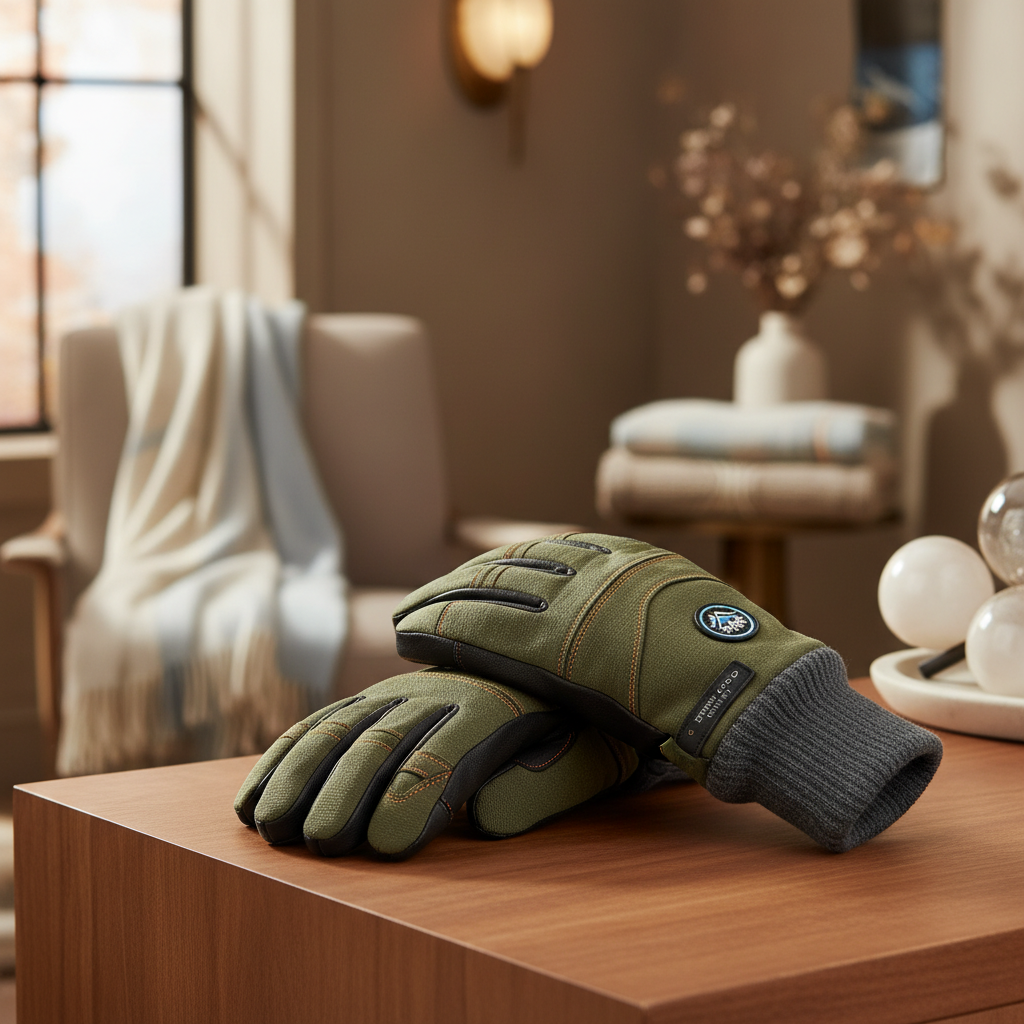
Thin Thermal Liner Gloves – Lightweight Warmth and Precision for Cold Environments
The Lowdown on Thin Thermal Liner Gloves: Why They Matter More Than You Think
You might not have given thin thermal liner gloves much thought before—after all, how exciting can gloves be? But these unassuming cold-weather champions are quietly making a big splash worldwide. In industries from construction to humanitarian aid, keeping hands warm without bulk can mean the difference between efficiency and disaster. This article unpacks why thin thermal liner gloves are a global game-changer, diving into their definitions, applications, and why every business or relief organization should care.
Warm Hands, Global Stakes: The Worldwide Importance of Thin Thermal Liner Gloves
In a world where environmental extremes are becoming ordinary, personal protective gear is evolving to meet new challenges. According to the International Labour Organization, cold stress affects millions of workers globally each year, leading to reduced manual dexterity and increased accident risks. Thin thermal liner gloves are increasingly critical in mitigating these issues because they provide warmth without sacrificing precision — crucial in fields where heavy layers just won’t cut it.
Imagine logistics workers in chilly warehouses, emergency responders at arctic disaster sites, or factory operatives handling sensitive electronics in cool environments. Without suitable gloves, productivity plummets. And businesses face mounting costs due to injury and inefficiency.
Key takeaway:
Thin thermal liner gloves aren’t just about comfort — they represent a frontline defense in safeguarding health, safety, and productivity worldwide.
What Exactly Are Thin Thermal Liner Gloves?
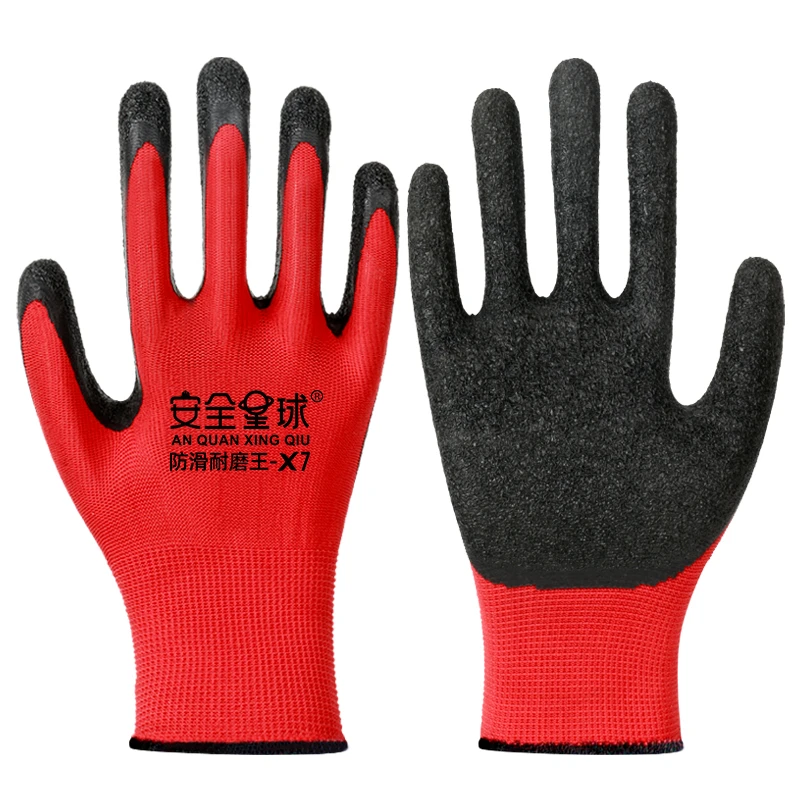
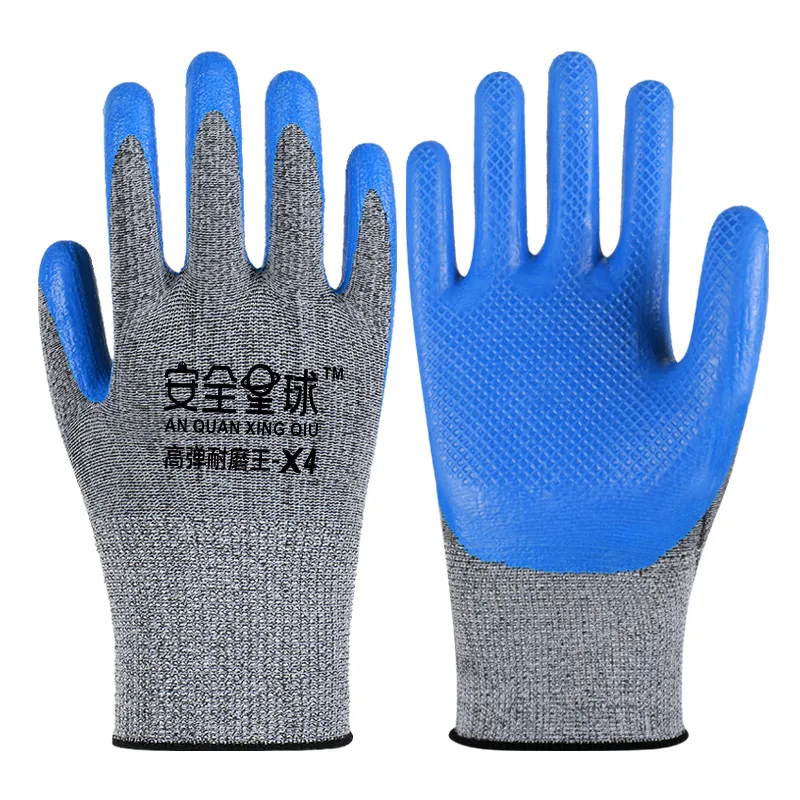
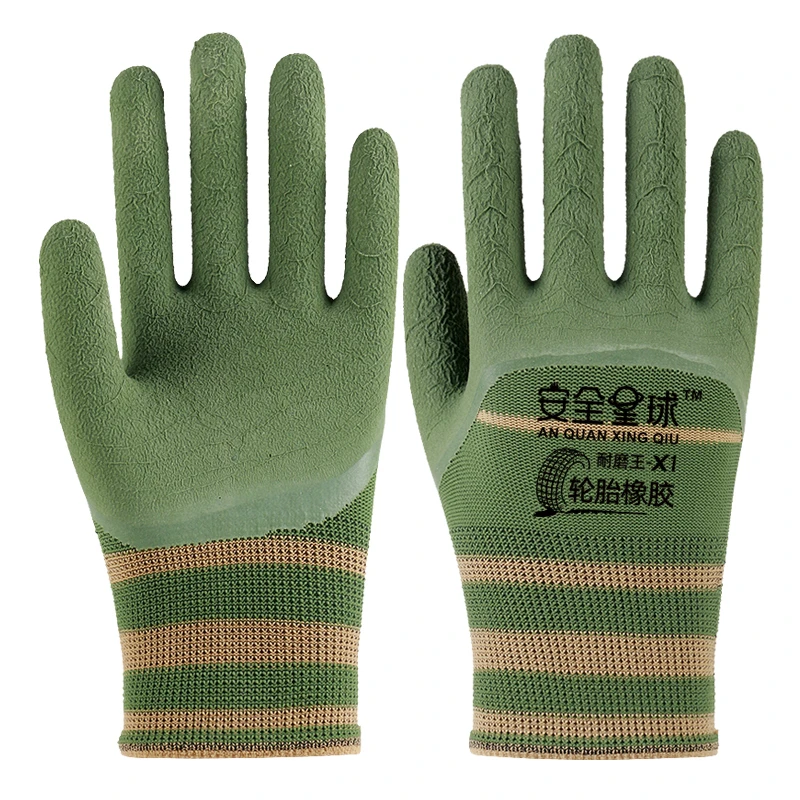
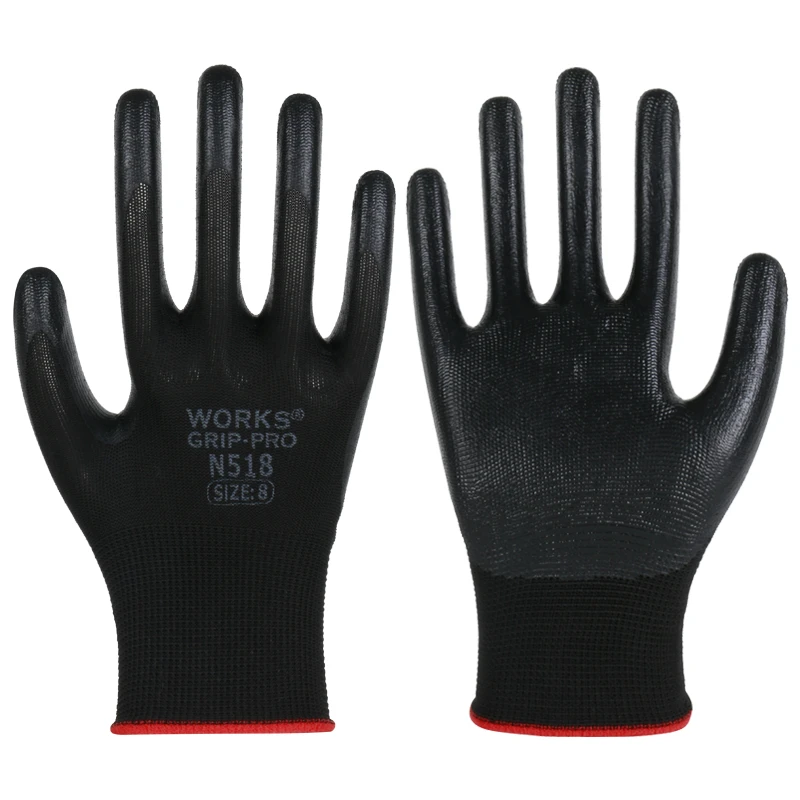
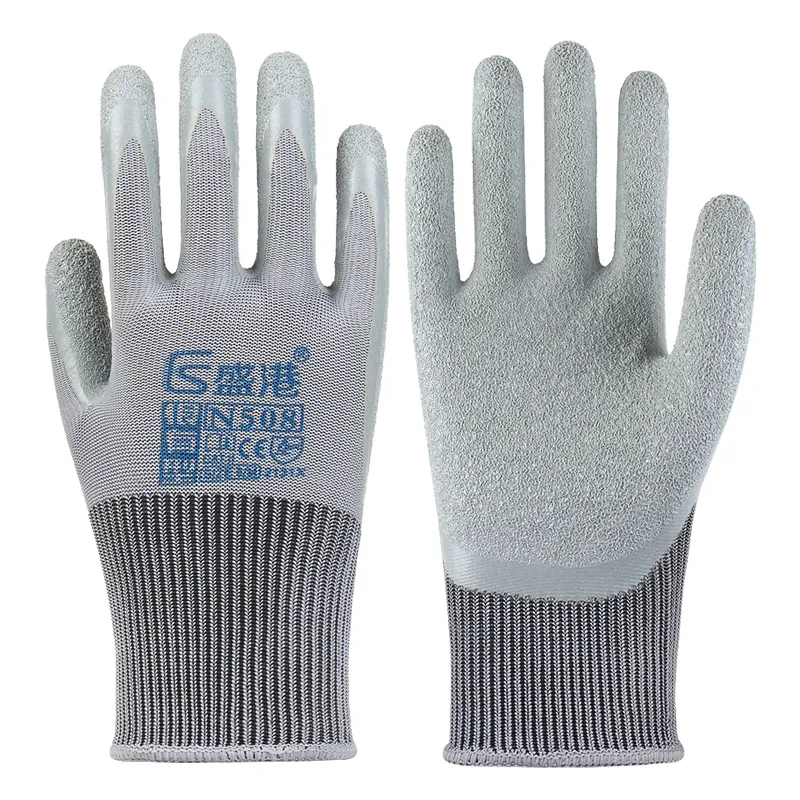
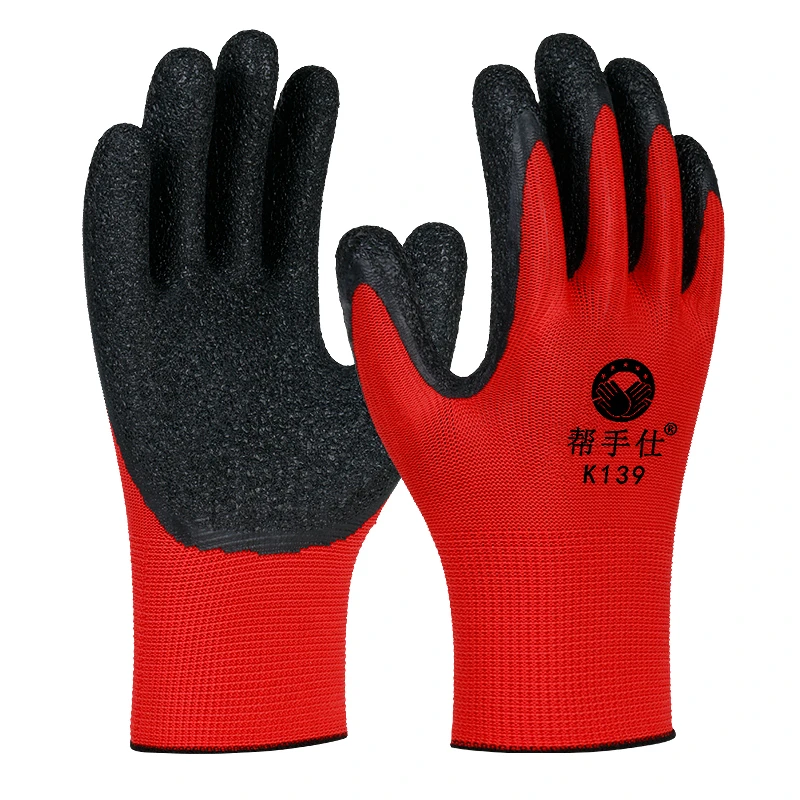
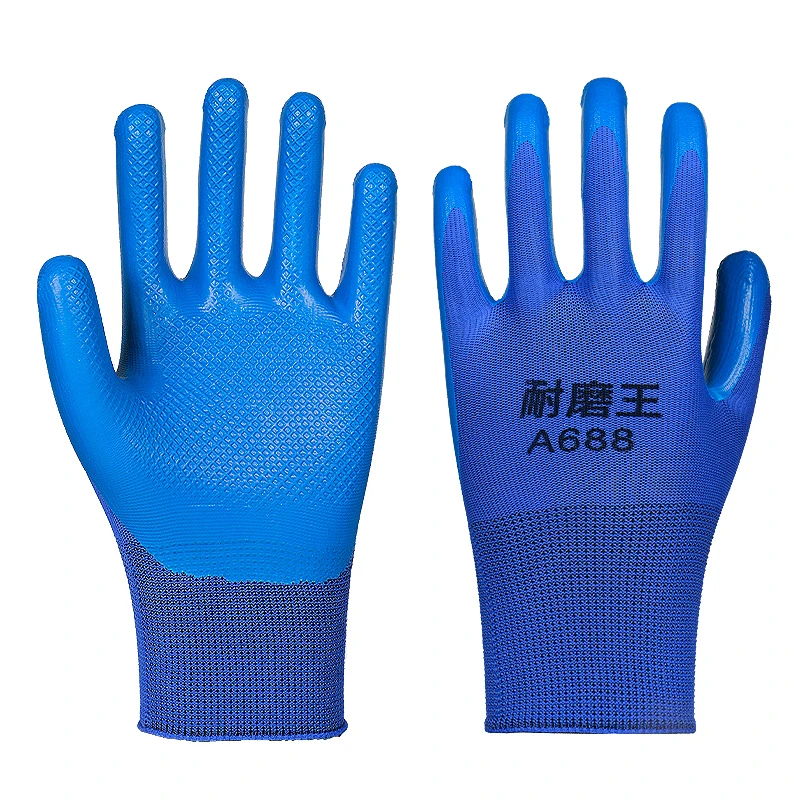
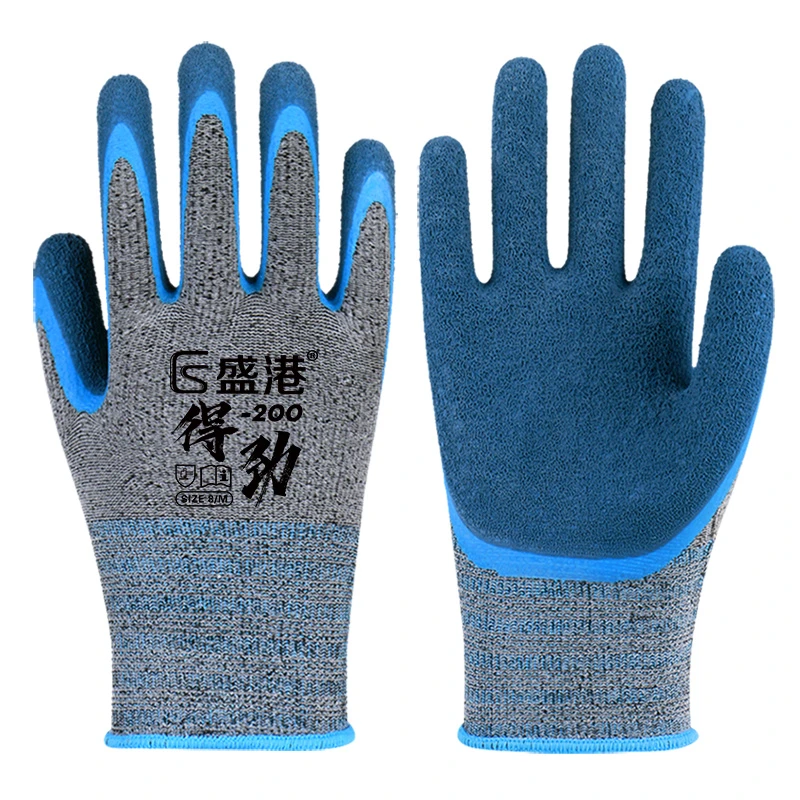
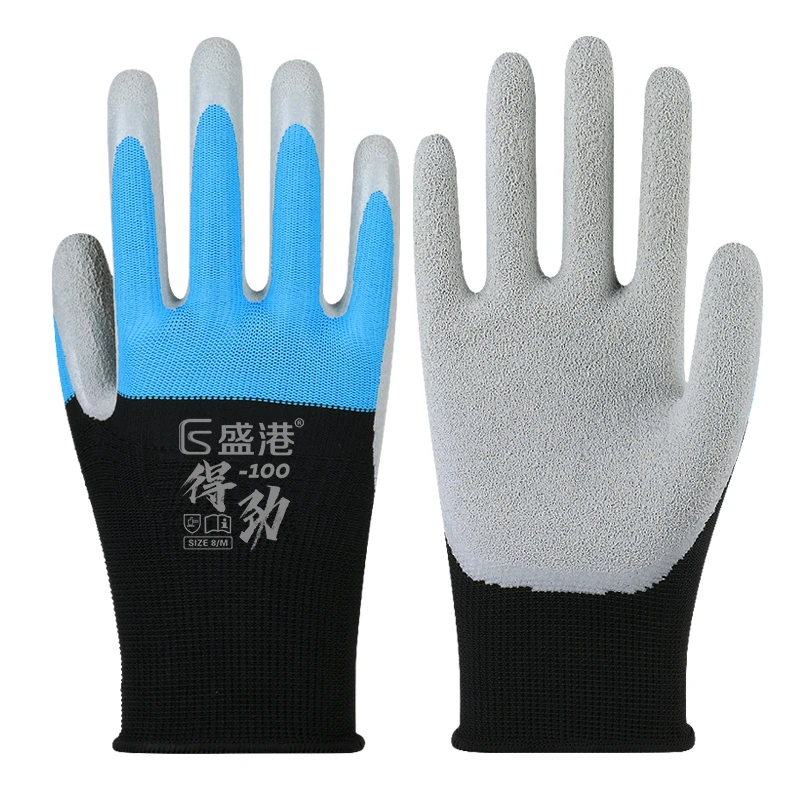
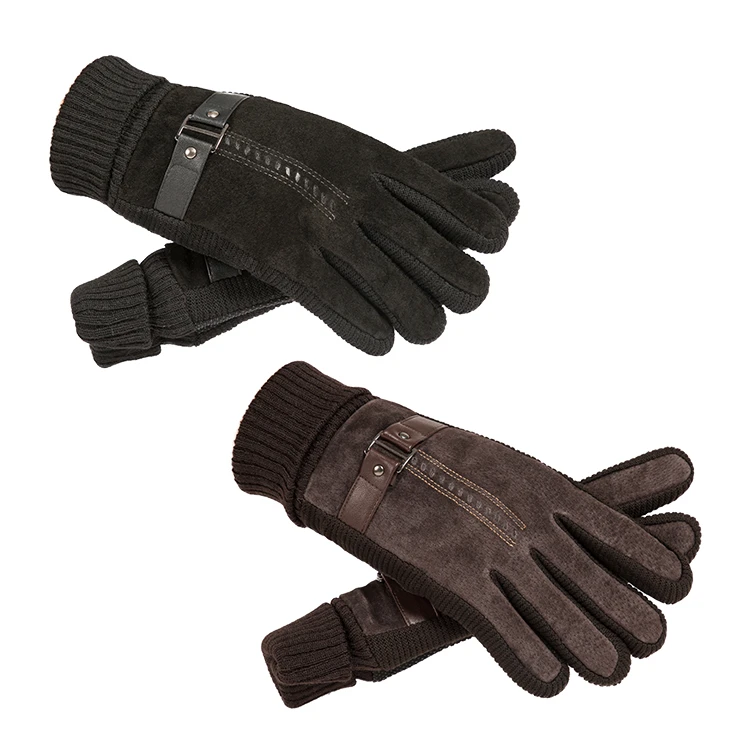
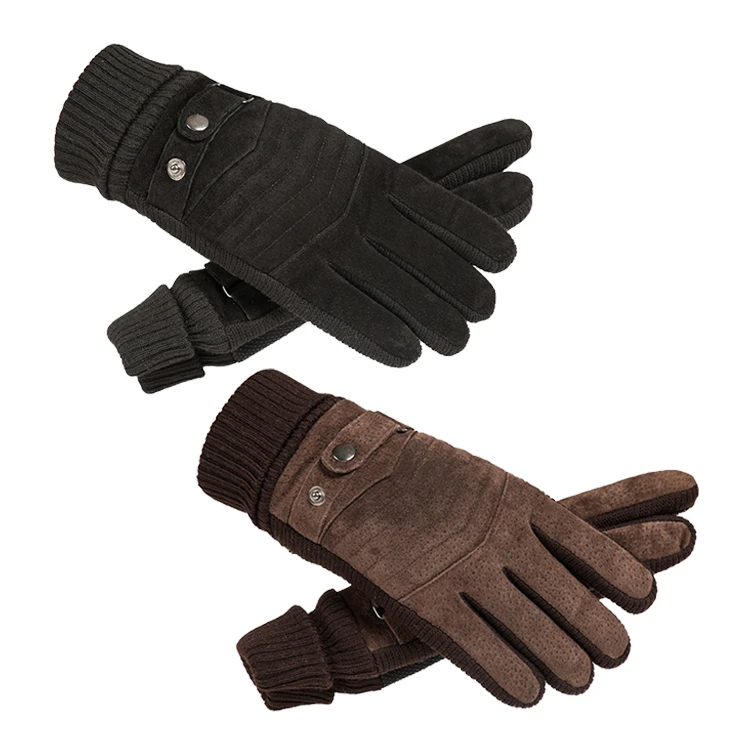
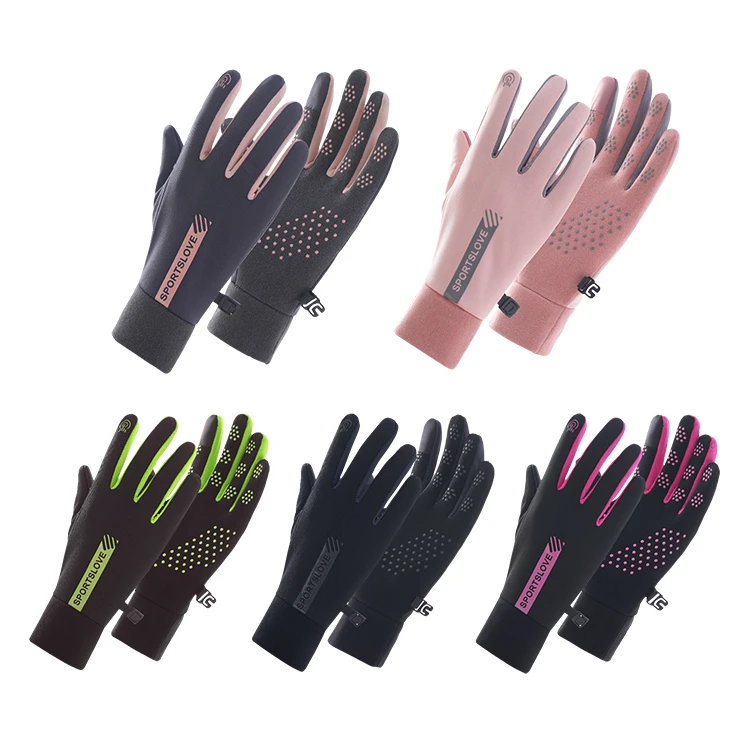
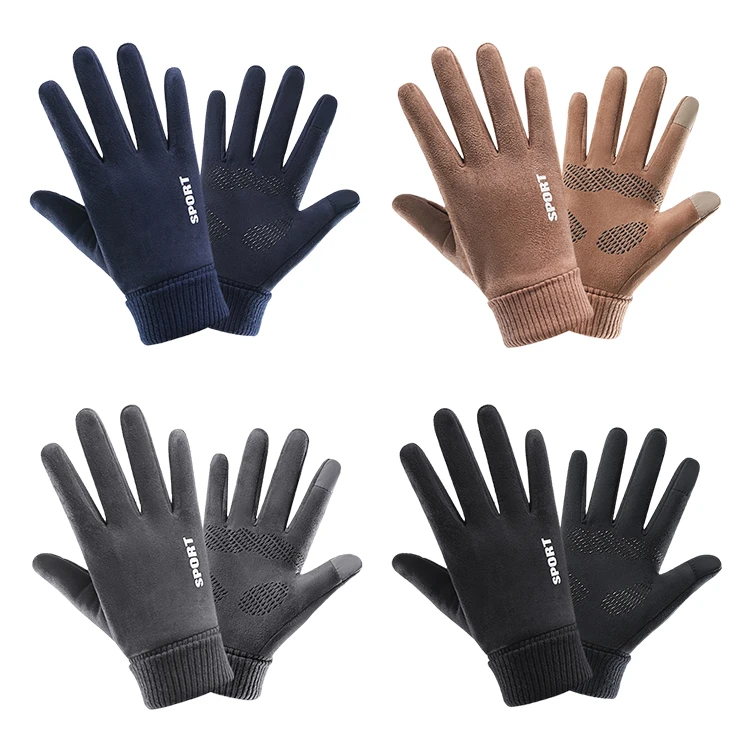
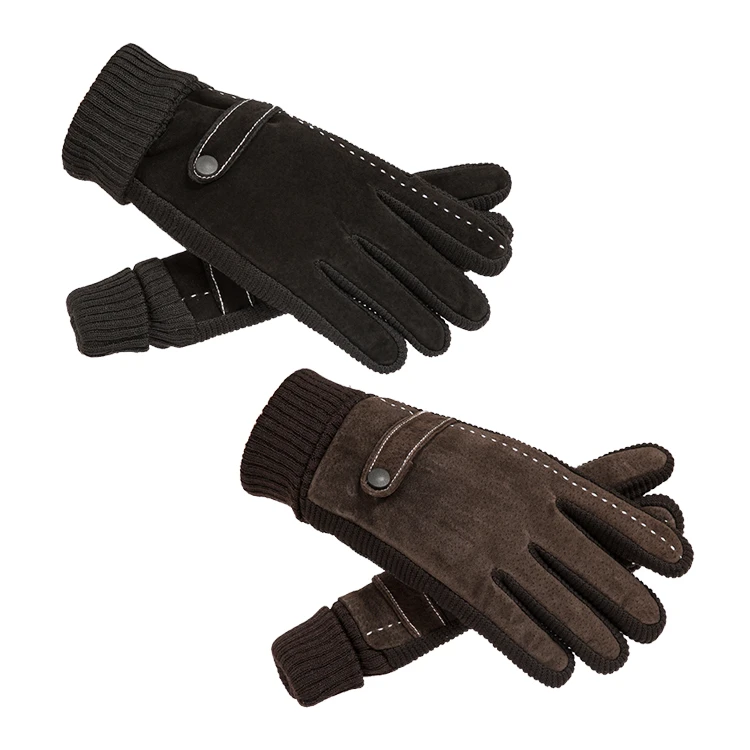
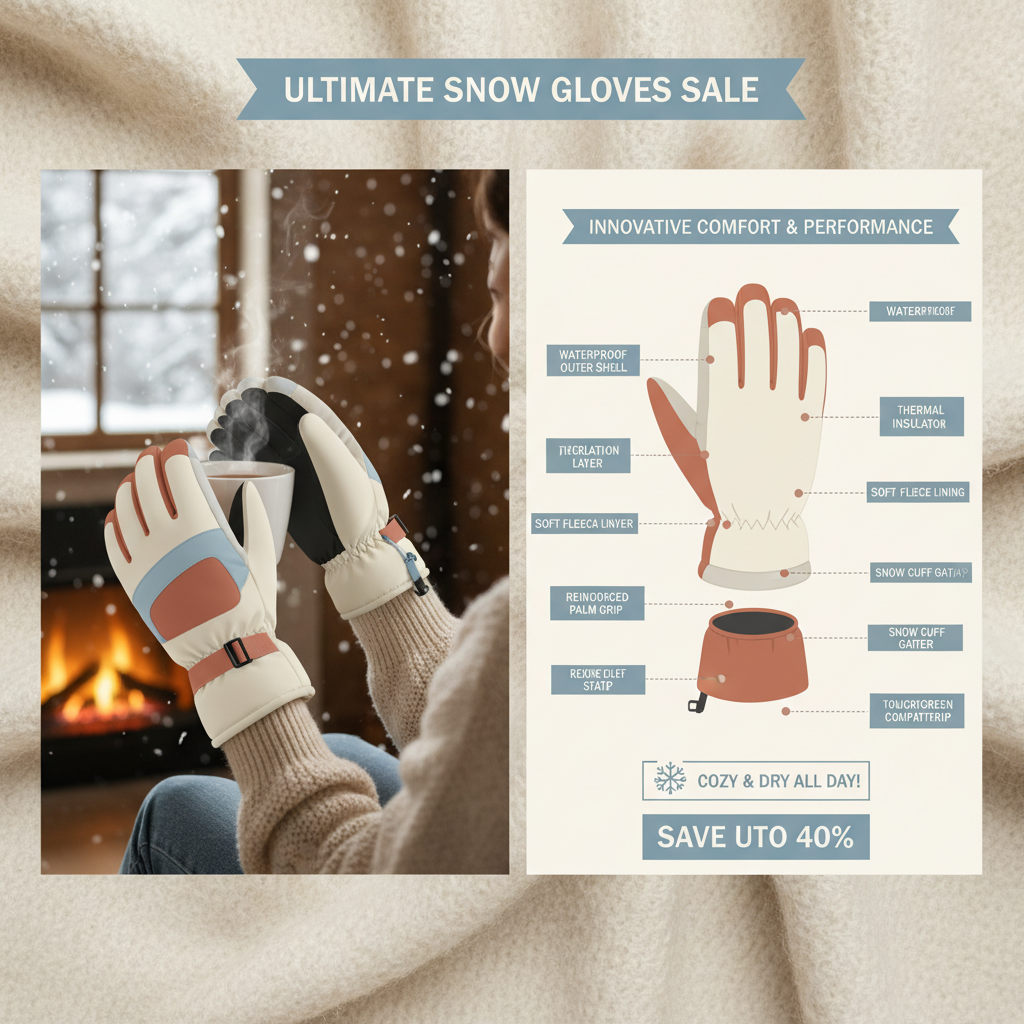
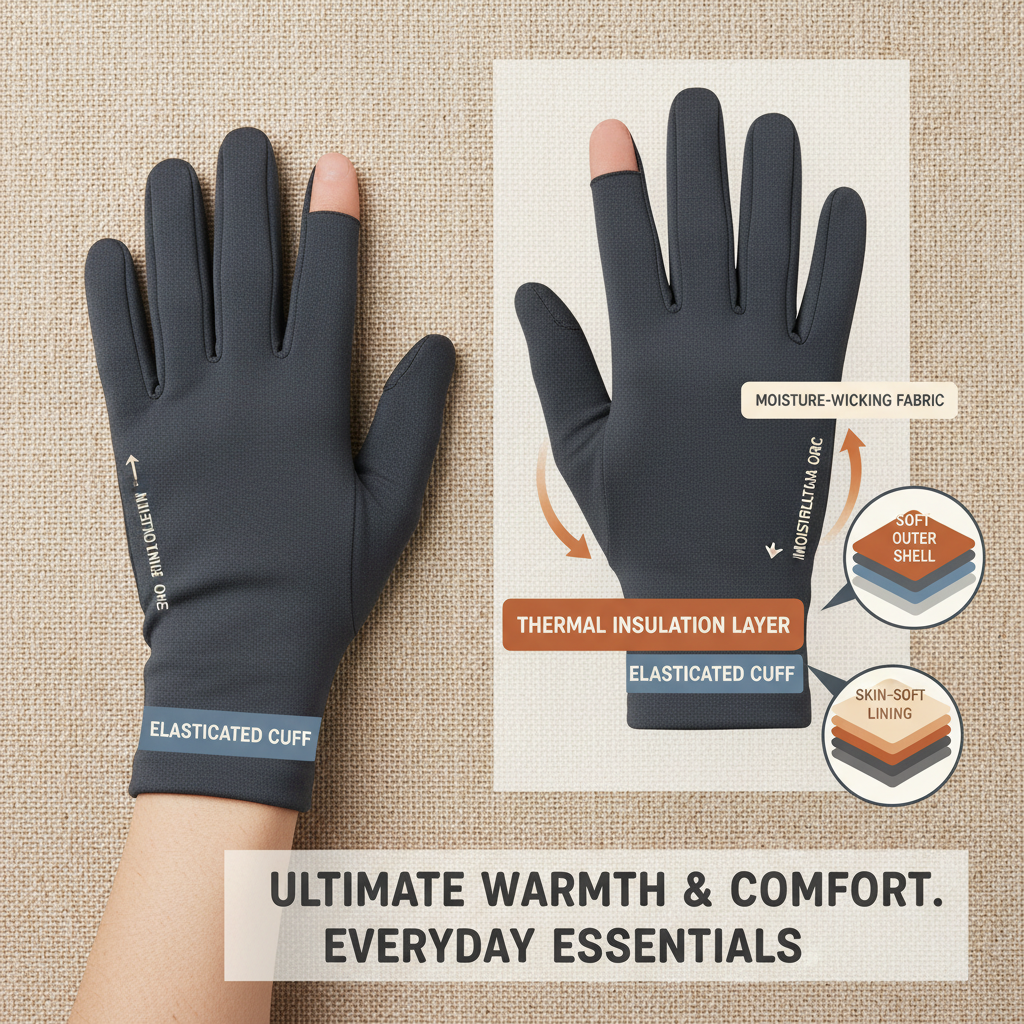
Simply put, thin thermal liner gloves are lightweight gloves designed to provide insulation and warmth beneath heavier work gloves or worn alone when only mild insulation is needed. They're typically made with advanced materials like Thinsulate™, fleece blends, or specialized knitted fibers to trap heat without bulk. Importantly, they maintain tactile sensitivity, allowing wearers to handle small tools and materials effectively.
In modern industry, these gloves serve as a crucial interface between harsh external conditions and the need for fine motor skills. Humanitarian organizations in cold zones also rely on them to preserve warmth for volunteers and affected populations alike, without obstructing tasks requiring dexterity.
Key takeaway:
The magic is all in a smart combo of warmth, thinness, and dexterity — making thin thermal liner gloves a versatile solution across industries.
Core Components & Considerations When Choosing Thin Thermal Liner Gloves
1. Durability
Even though these gloves are slim, they need to withstand abrasion from repetitive work. Materials like tightly woven fleece or reinforced knits help extend lifespan in rugged environments.
2. Thermal Efficiency
How well do they trap heat? Advanced fibers such as polyester microfibers or proprietary blends (like 3M Thinsulate™) offer excellent insulation, sometimes surpassing traditional thicker mittens.
3. Breathability
Constant hand sweating leads to cold discomfort and clammy gloves. Breathable fabrics wick moisture and prevent overheating—a dealbreaker for any all-day glove.
4. Fit & Tactility
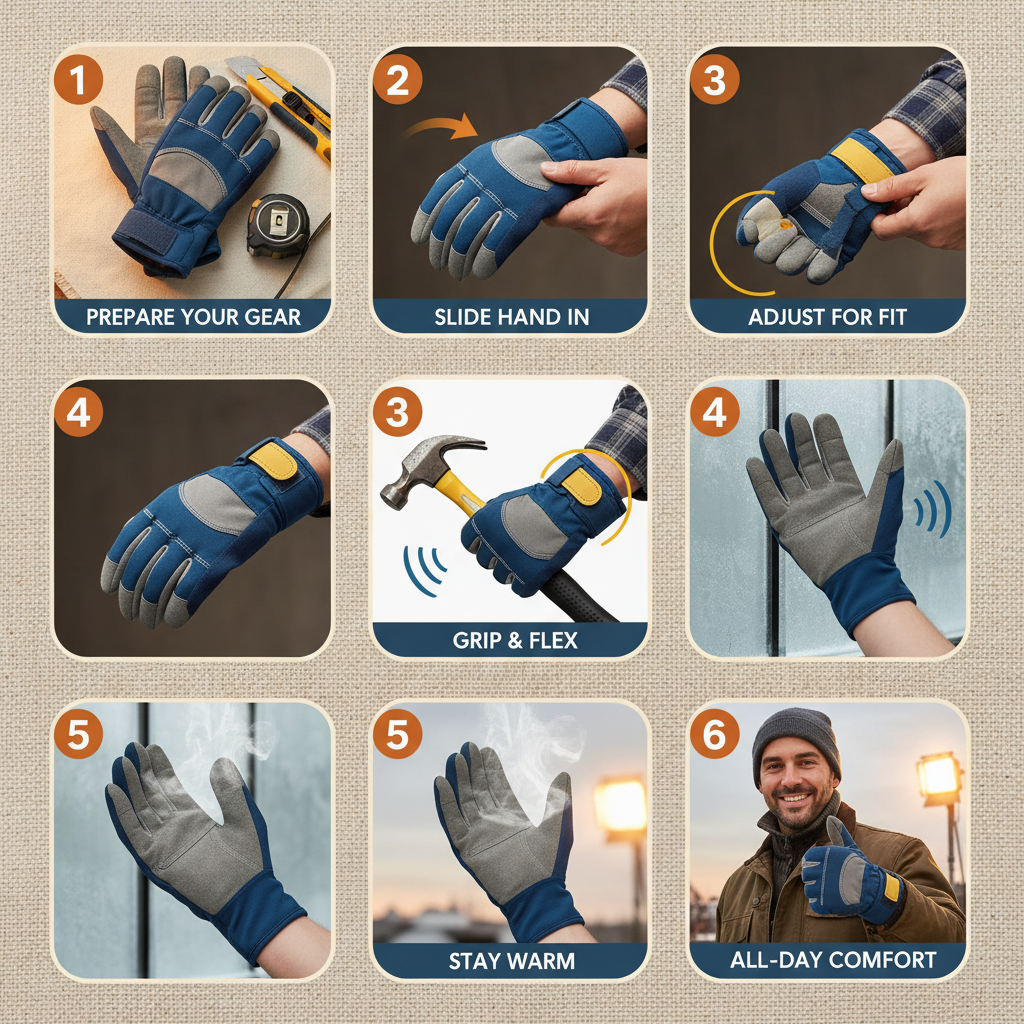
A snug fit ensures no bulkiness, enhancing control. Gloves often come in multiple sizes and ergonomic cuts to optimize comfort.
5. Compatibility with Outer Gloves
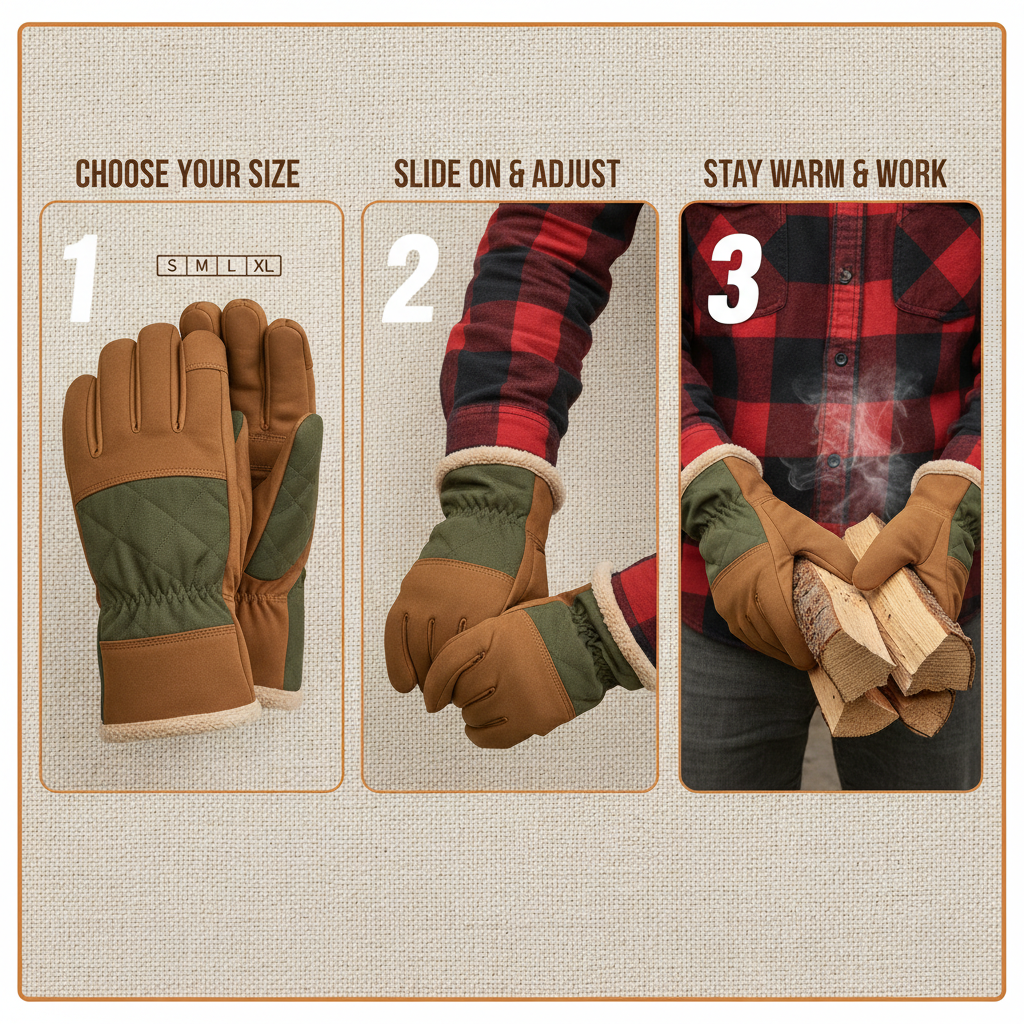
Thin liners are often worn underneath more robust gloves and need to slide on/off easily without bunching.
| Specification | Typical Range / Feature |
|---|---|
| Material | Polyester microfibers, acrylic blend, Thinsulate™ |
| Thermal Rating | Up to -15°C / 5°F (thin thermal liner gloves) |
| Thickness | 1–3 mm |
| Sizes | XS to XL |
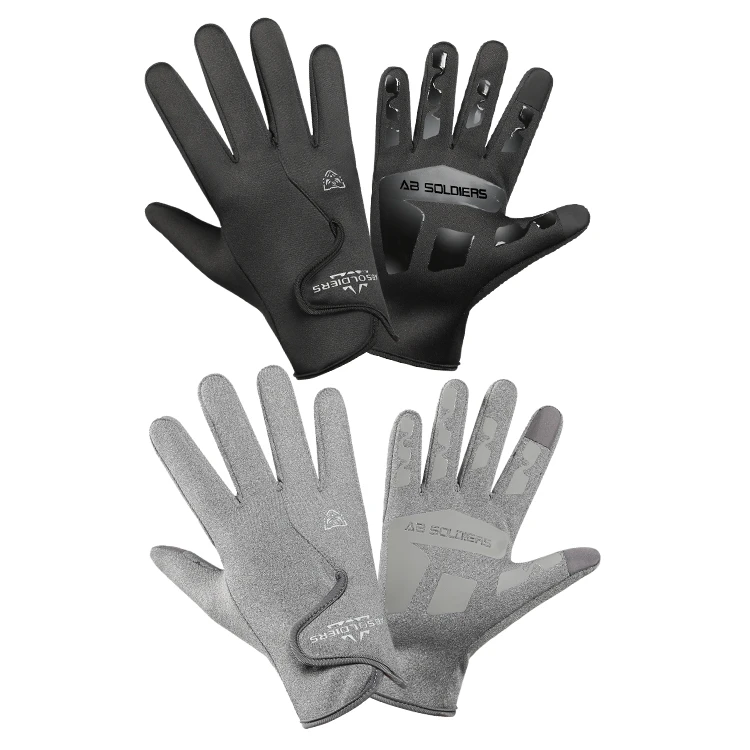
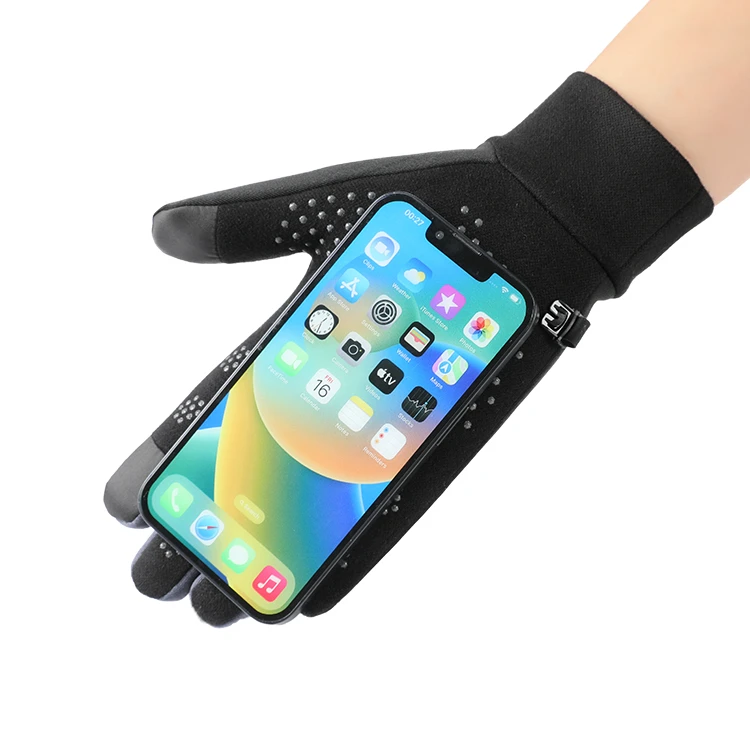
| Special Features | Touch screen compatible, moisture-wicking, antimicrobial |
Key takeaway:
Not all liners are created equal. Durability and warmth must go hand in hand with thinness and flexibility for workhorse performance.
Where Are Thin Thermal Liner Gloves Used? Real-World Applications
- Industrial settings: Electronics assembly, cold storage warehouses, and logistics centers where precision matters.
- Outdoor labor: Construction and utilities workers operating in chilly climates.
- Humanitarian aid: Relief teams in post-disaster or cold weather zones (think polar research outposts, mountain rescue teams).
- Sports and recreation: Winter cycling, skiing, or running gear layering.
For example, in Scandinavia’s cold manufacturing plants, workers steadily rely on liners that provide warmth during long shifts without losing grip on delicate instruments. Meanwhile, NGOs distributing cold-weather gear emphasize thin glove liners for the displaced who need to maintain mobility and warmth at the same time.
Key takeaway:
Thin thermal liner gloves bridge environments and industries—helping both the everyday worker and the emergency responder stay comfortable and effective.
What Makes Thin Thermal Liner Gloves a Long-Term Advantage?
There’s more to thermal liners than just warmth. Their advantages ripple outwards:
- Cost efficiency: Highly durable liners reduce frequent glove replacements.
- Sustainability: Less material waste compared to bulky gloves.
- Social impact: Improving worker safety and comfort enhances morale.
- Reliability: Trusted by professionals in harsh environments worldwide.
Emotionally, users feel empowered and protected. There’s dignity in warmth and in being able to perform tasks confidently. It’s a small item with outsized impact.
Looking Down the Road: Innovations & Trends in Thermal Glove Liners
As sustainability takes center stage, manufacturers are exploring biodegradable fibers and recycled materials without compromising thermal efficiency. Some brands are integrating smart textiles that adjust insulation based on temperature or activity. Digital transformation also sees workflow integration where gloves can sense grip pressure or send haptic feedback—future stuff that’s slowly creeping into the market.
And oddly enough, the blend of old-school knitting with cutting-edge polymer science is opening new doors: thin, flexible, yet nearly indestructible gloves that feel almost like a second skin.
Acknowledging the Challenges (and Clever Fixes)
Thin gloves’ inherent compromises include vulnerability to tears and limited protection against moisture if worn solo. The key is layering effectively and knowing when to swap out liners. Plus, there’s the perennial sizing issue — too tight affects circulation; too loose lowers warmth.
Solutions come from ongoing R&D in materials and ergonomic designs. Some vendors offer hybrid liners with water-resistant coatings or reinforced fingertips. Others recommend pairing liners with specific outer gloves for best performance.
| Vendor | Material Technology | Price Range (USD) | Unique Features |
|---|---|---|---|
| ThermoFlex Inc. | Thinsulate™ 40g | $12–$20 | Touchscreen compatible, antimicrobial finish |
| GloveTech Solutions | Recycled polyester microfibers | $10–$18 | Eco-certified, moisture-wicking |
| Nordic Comfort Gear | ThermaKnits blend | $15–$25 | Reinforced palms, ultra-thin fit |
Frequently Asked Questions About Thin Thermal Liner Gloves
1. Can thin thermal liner gloves be worn alone in very cold weather?
They offer moderate insulation but are best used as a base layer under heavier gloves in extreme cold. Alone, they’re ideal for mild to moderate temperatures or indoor cold environments.
2. Are these gloves washable and reusable?
Yes, most thin thermal liners are machine washable and reusable. Follow care instructions to maintain thermal properties and fabric longevity.
3. How do I choose the right size?
Measure around your dominant hand’s knuckles, excluding the thumb. Refer to vendor size charts. A snug fit without restricting motion is key.
4. Do all thin liners support touchscreen use?
No, touchscreen compatibility depends on specific coatings or materials. Check product specs if this feature is important.
5. Can these gloves help prevent work-related injuries in cold?
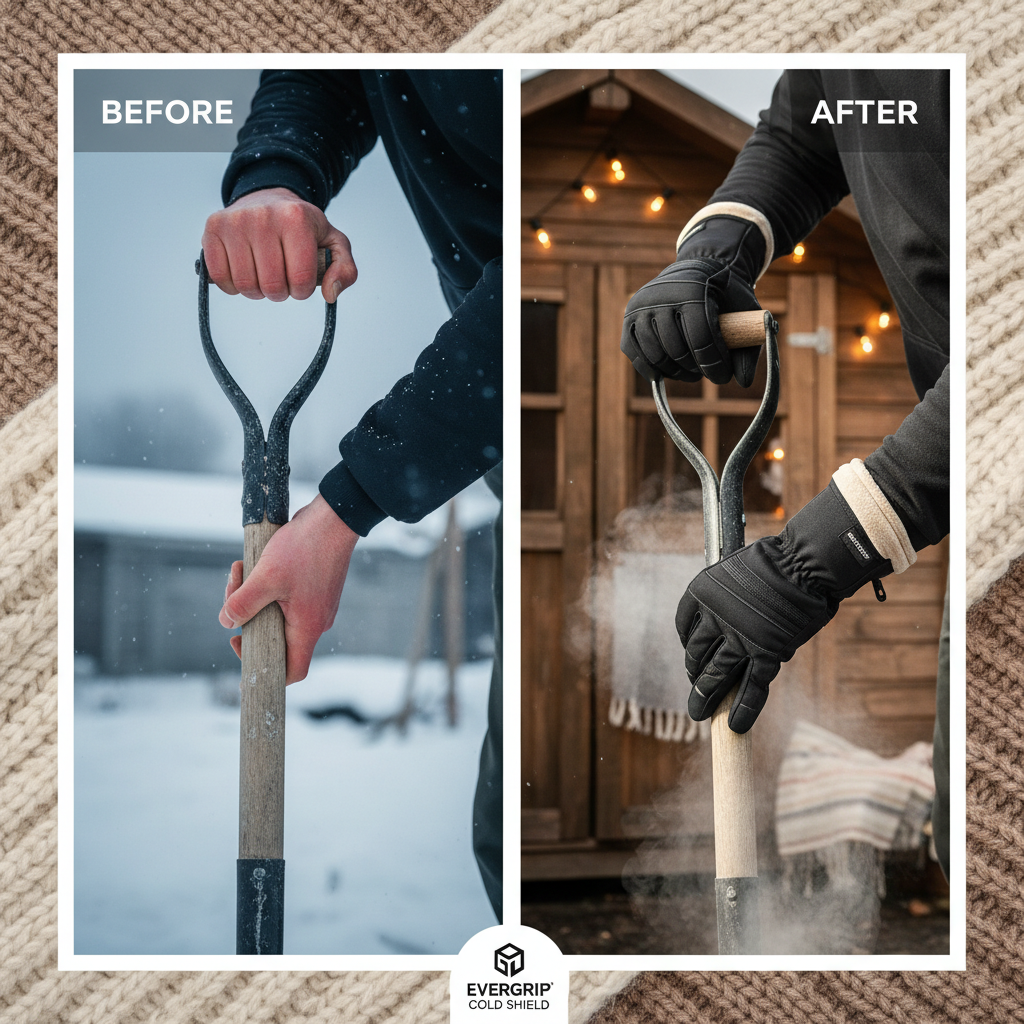
Yes, by maintaining hand warmth and dexterity, they reduce the risk of accidents caused by numb or stiff fingers, improving overall safety.
Wrapping It Up: Why Thin Thermal Liner Gloves Still Deserve a Spot in Your Kit
So, after wandering through materials, applications, and innovation, the takeaway is clear: thin thermal liner gloves are surprisingly powerful allies against the cold. Affordable, flexible, and effective, they have carved a niche where warmth meets function. Whether you’re outfitting a warehouse team, gearing up for cold-weather relief work, or just seeking a reliable layering option, these gloves deliver peace of mind touch-and-go.
Curious to see what’s available? Explore some of the best options on thin thermal liner gloves and upgrade your cold weather gear today.