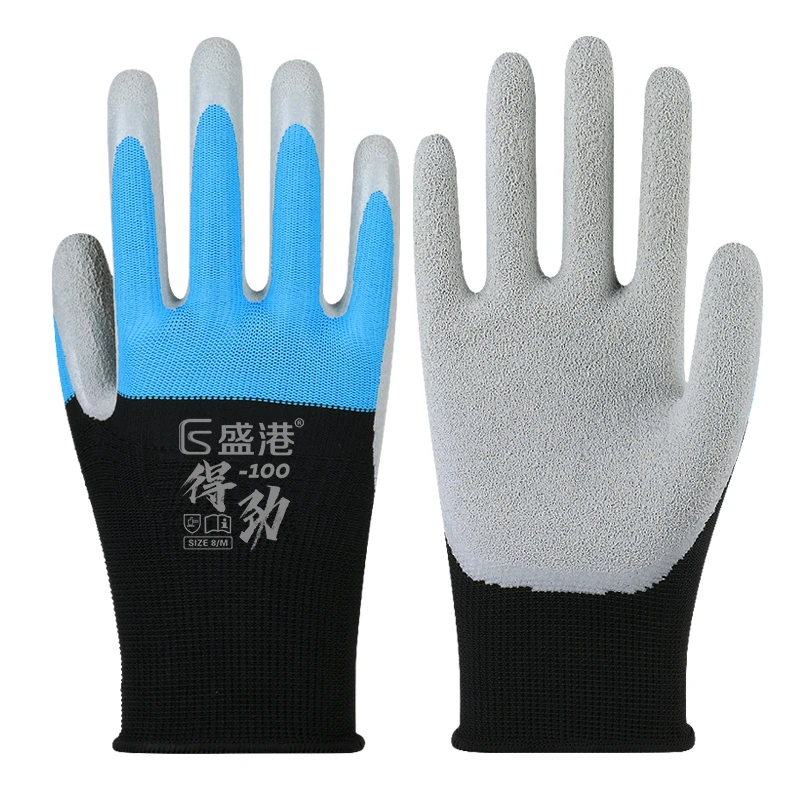
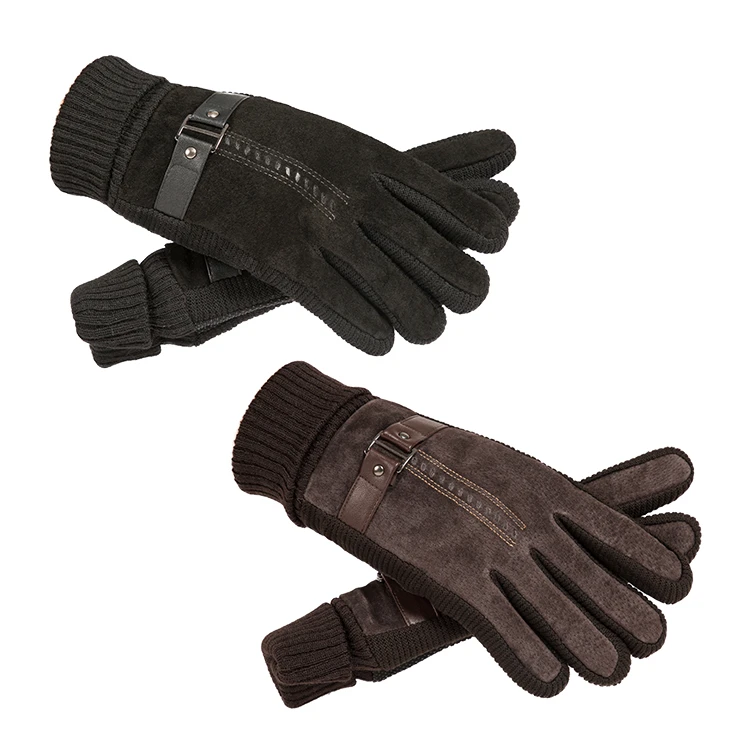
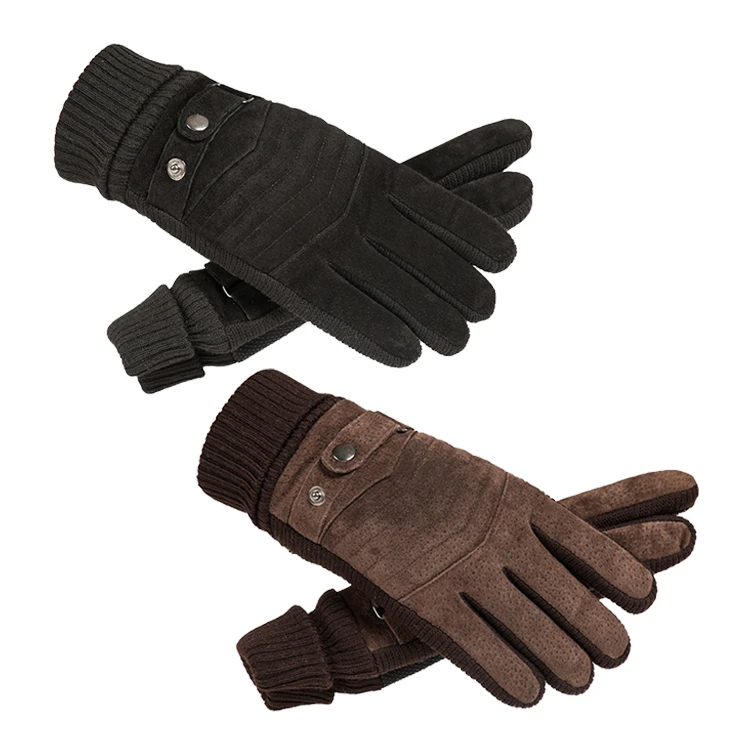
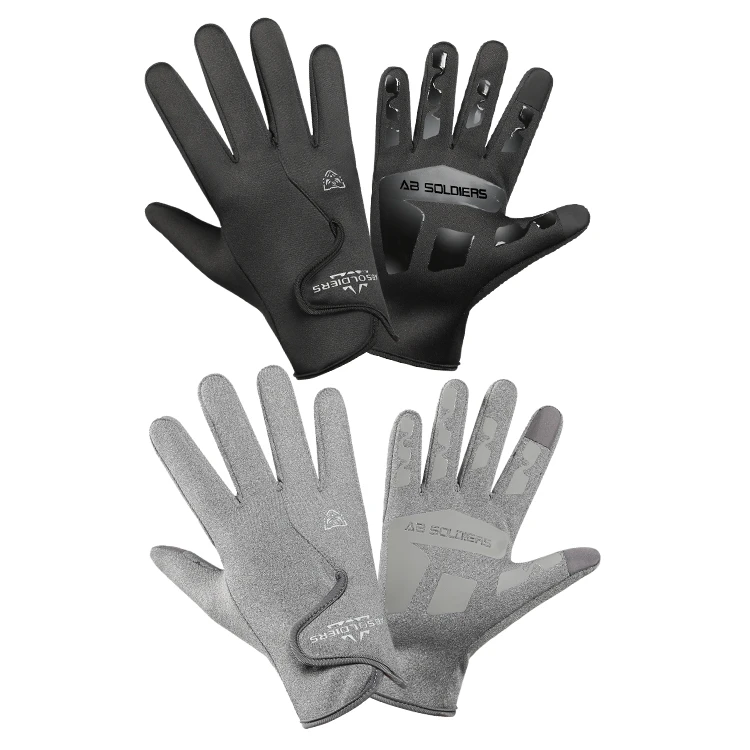
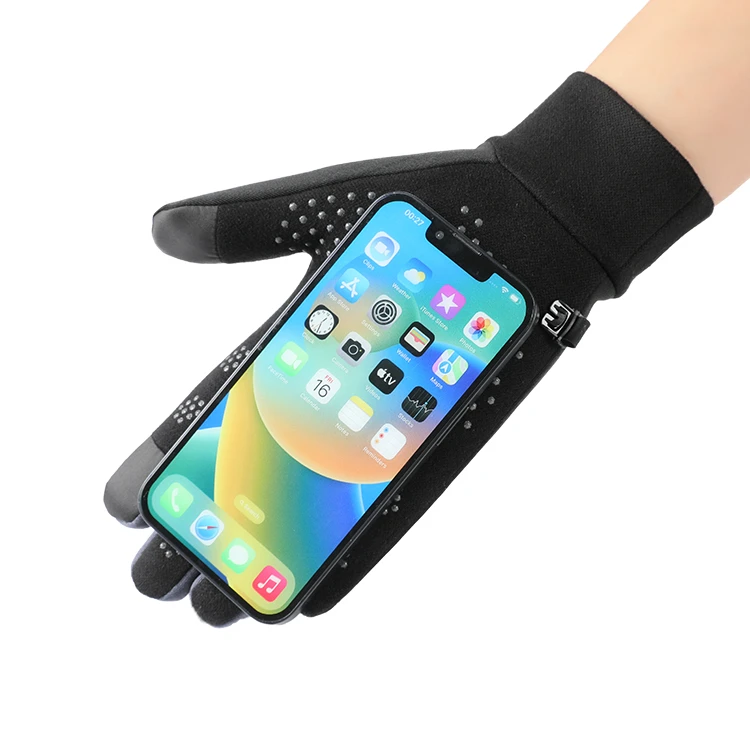
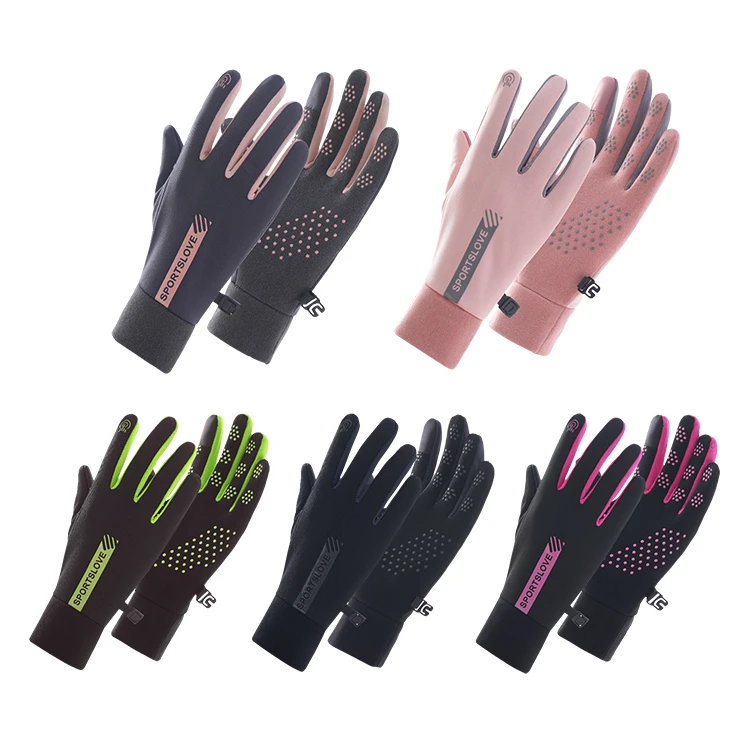
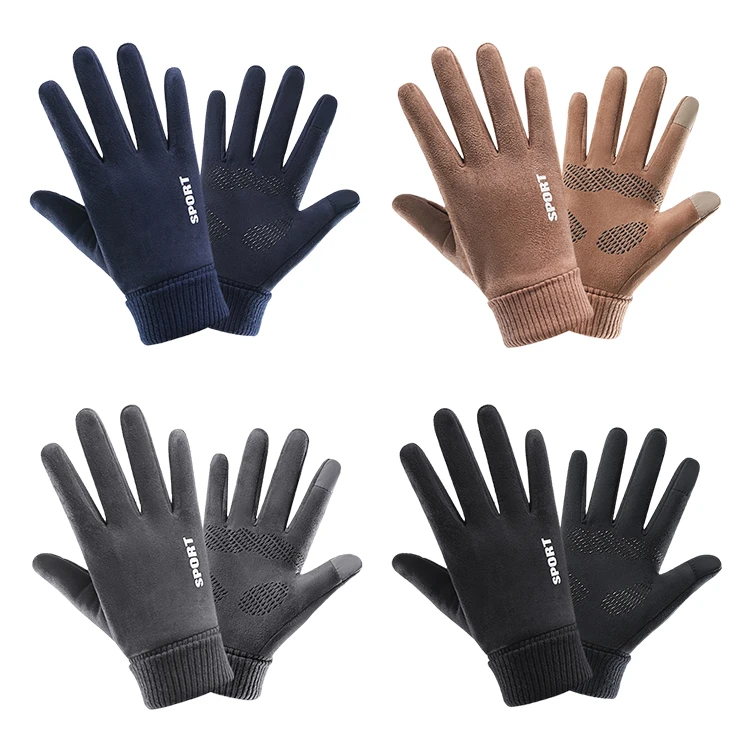
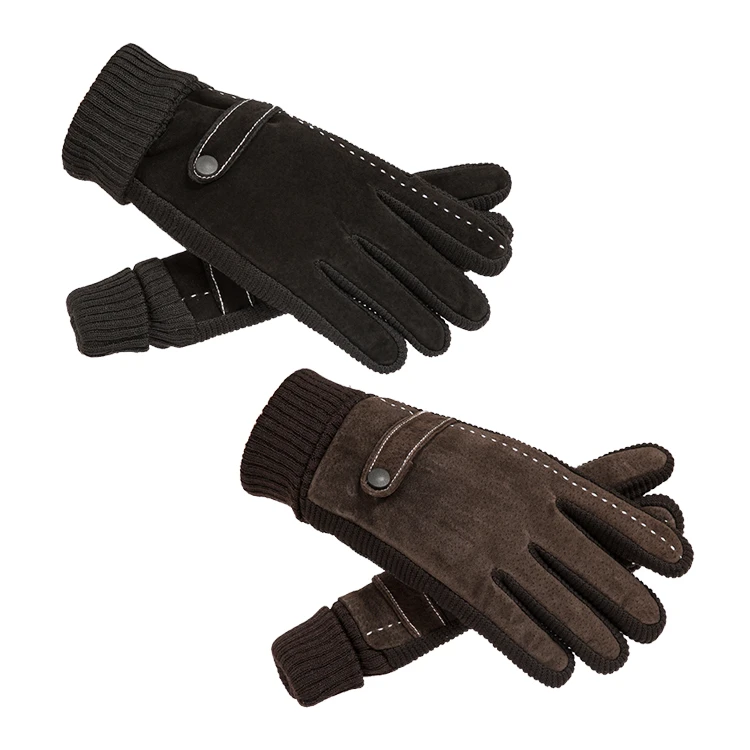
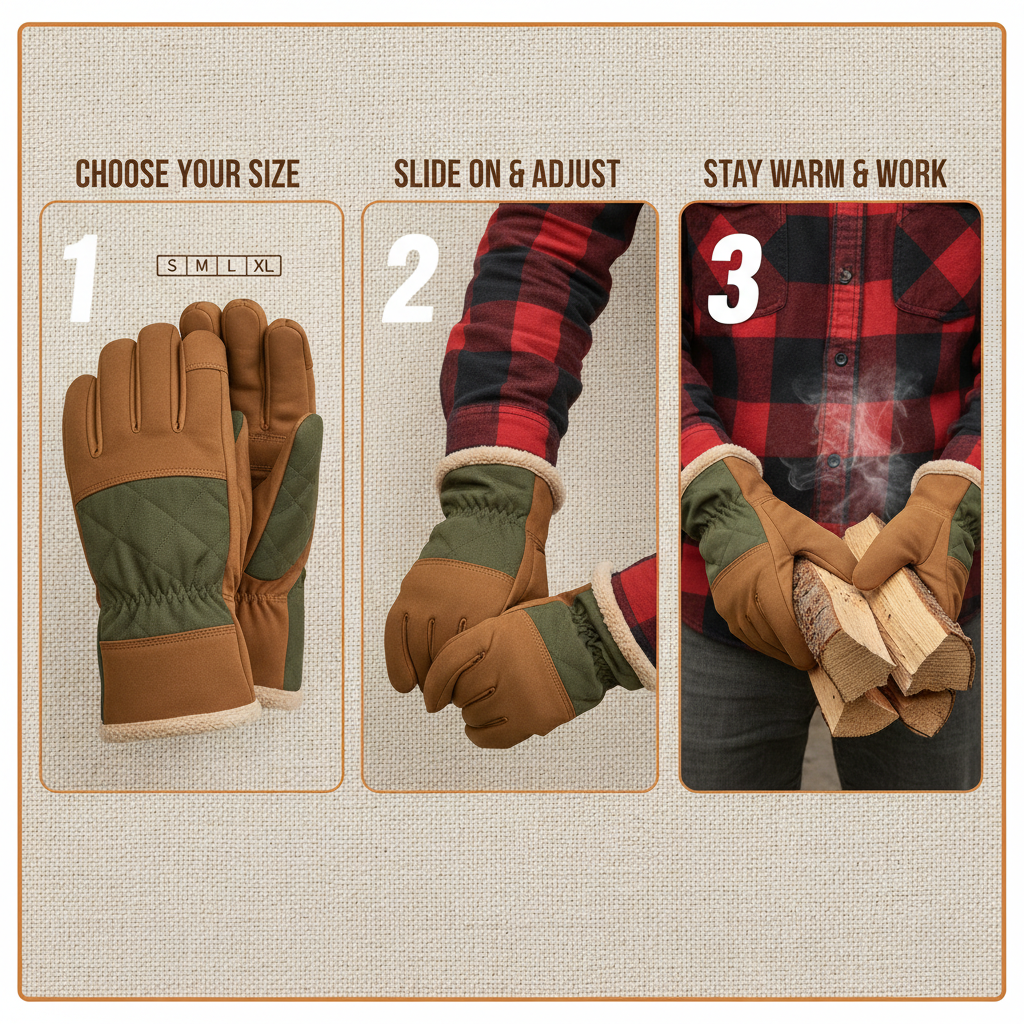
Thin Warm Waterproof Work Gloves – Comfort and Protection for Tough Conditions
Understanding Thin Warm Waterproof Work Gloves: Why They Matter More Than Ever
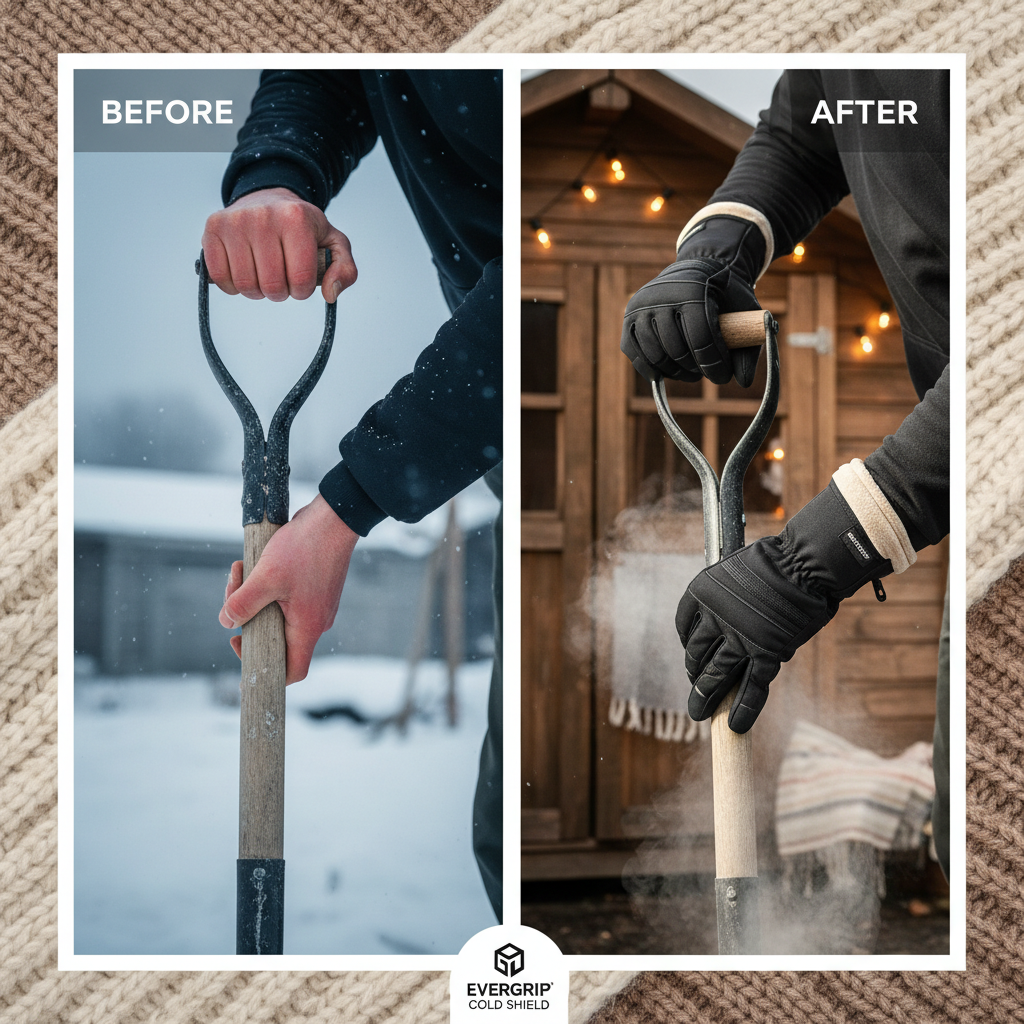
Think about those frigid mornings when you’ve got to handle damp equipment, or work outdoors during a cold drizzle that just won’t quit. That’s where thin warm waterproof work gloves come in — a surprisingly simple yet essential tool that keeps hands dry, warm, and nimble. Globally, whether it’s construction, agriculture, or emergency relief, these gloves offer protection that’s crucial to both safety and productivity.
Oddly enough, while gloves might seem like a small piece of gear, their impact on worker health and performance is huge. Studies from the International Organization for Standardization (ISO) highlight incidents where poor hand protection directly led to frostbite or repetitive strain injuries in cold environments. Thin warm waterproof gloves blend dexterity with defense — a rare combo, but one that’s becoming indispensable worldwide.
The Global Landscape: Why Thin Warm Waterproof Work Gloves Are a Growing Necessity
With global climate patterns becoming more unpredictable, work environments are shifting. According to a report by the United Nations, millions of outdoor workers face increased risks from sudden cold rains or damp chills. This is especially true in industries like fishing in Northern Europe, construction in Canada, and humanitarian operations in mountainous regions.
Globally, injury rates related to cold exposure have nudged safety managers to reconsider traditional gloves that are bulky and non-waterproof. The main challenge? Finding gloves that don’t sacrifice warmth for thinness or waterproofing. This is exactly why thin warm waterproof work gloves have become a trending solution — they resolve the age-old trade-off between protection and flexibility, bringing real-world comfort to those on the frontlines.
What Are Thin Warm Waterproof Work Gloves?
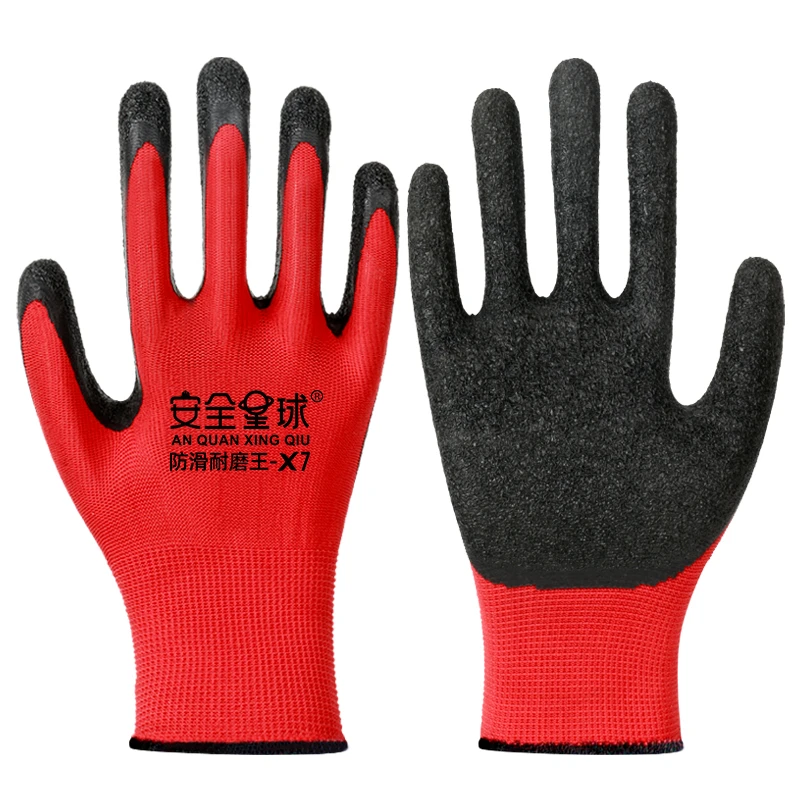
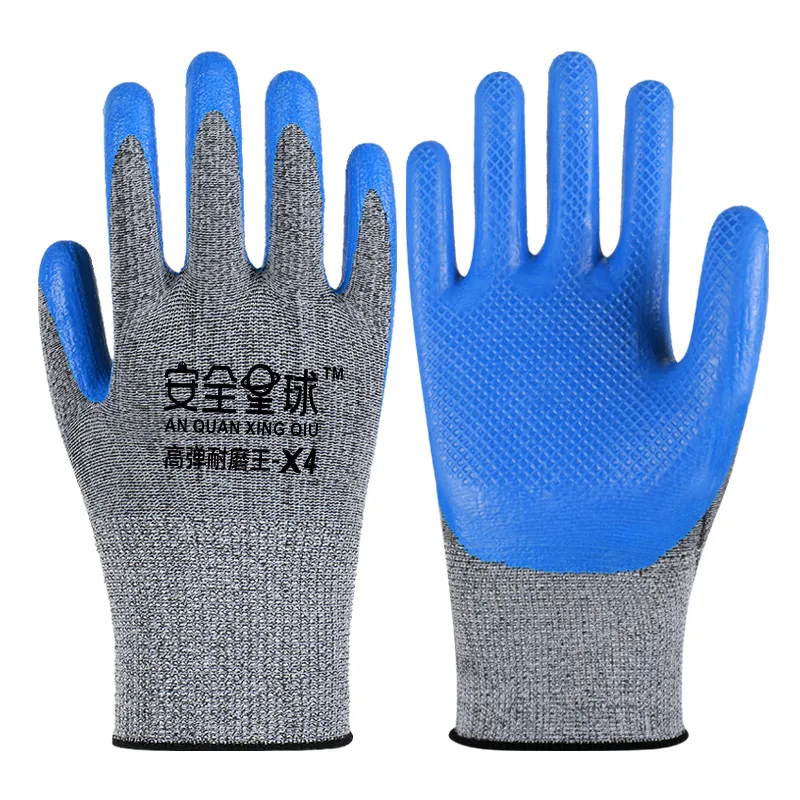
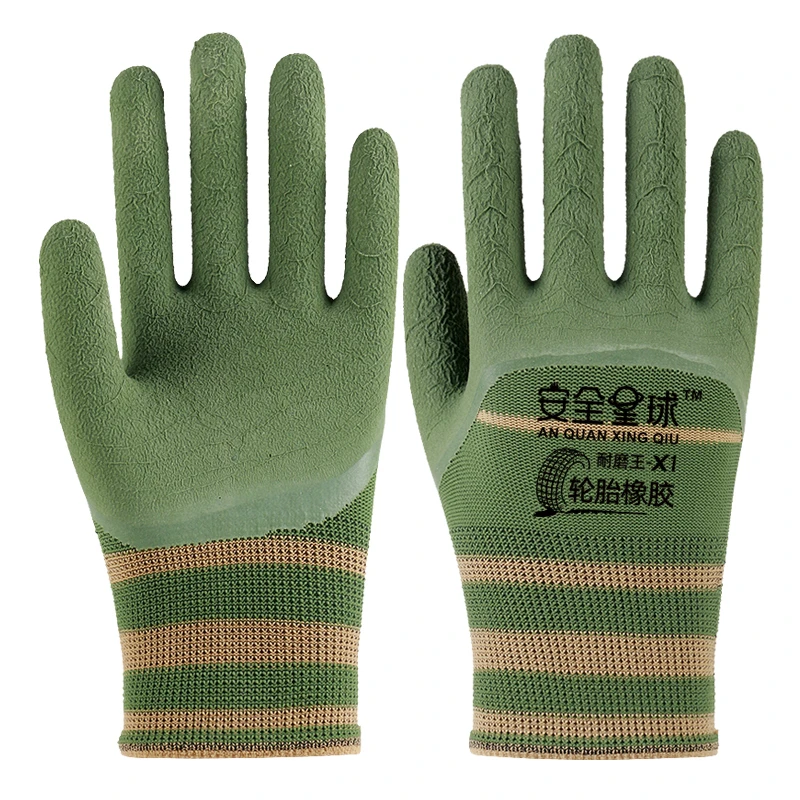
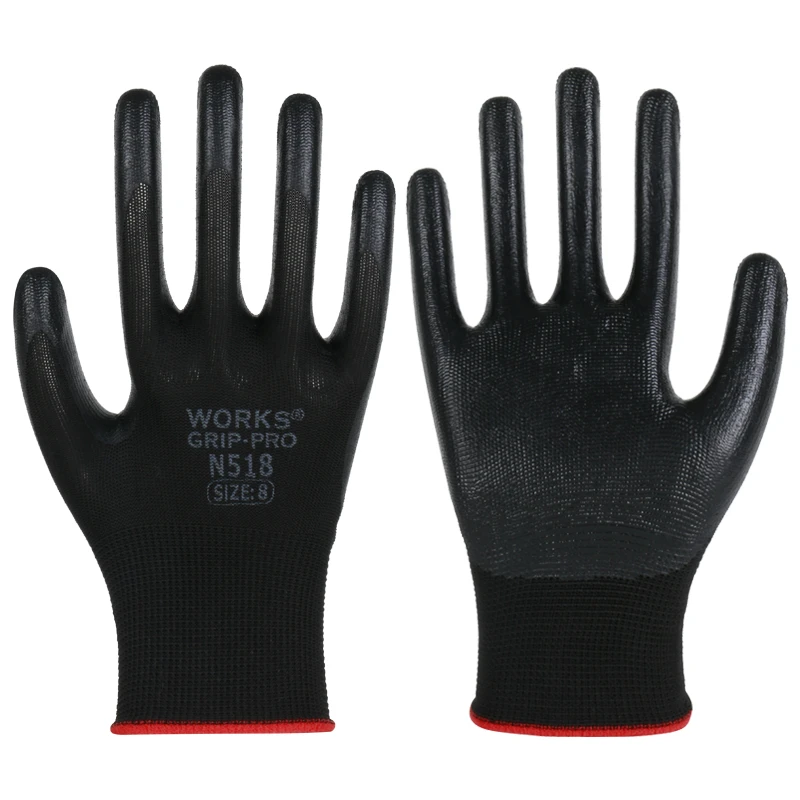
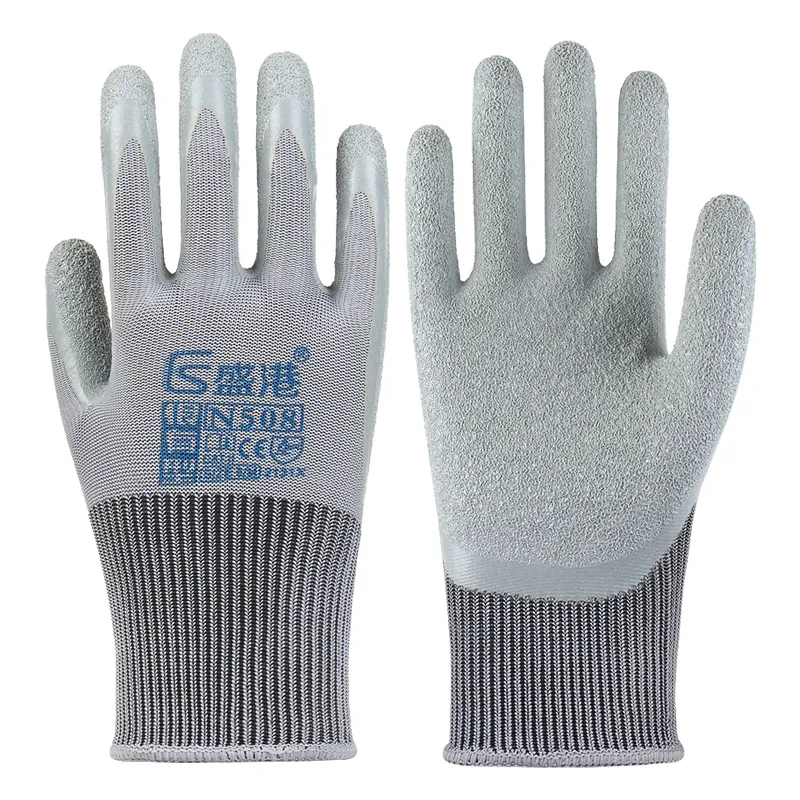
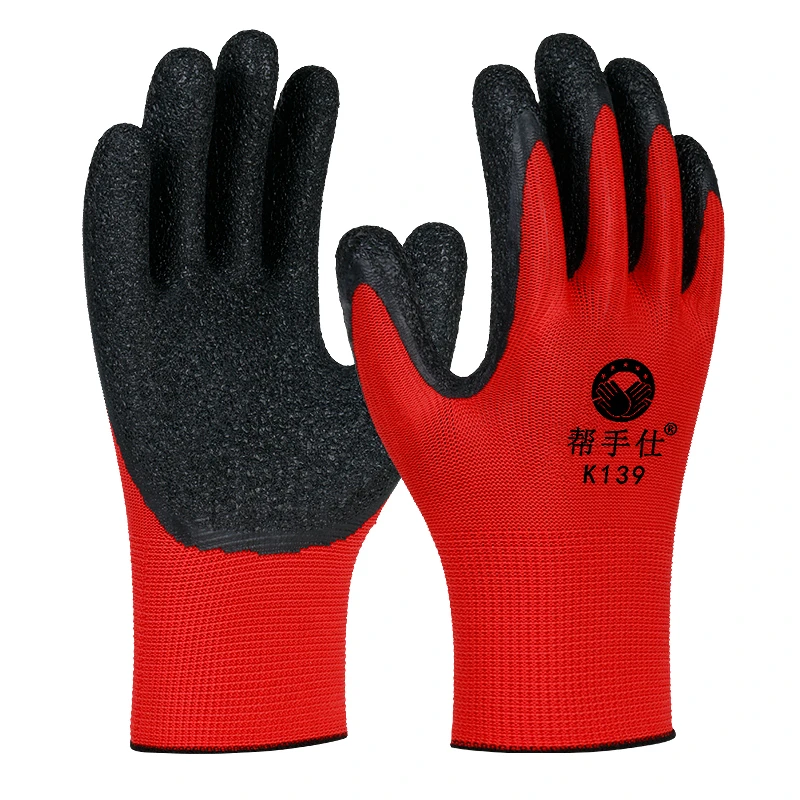
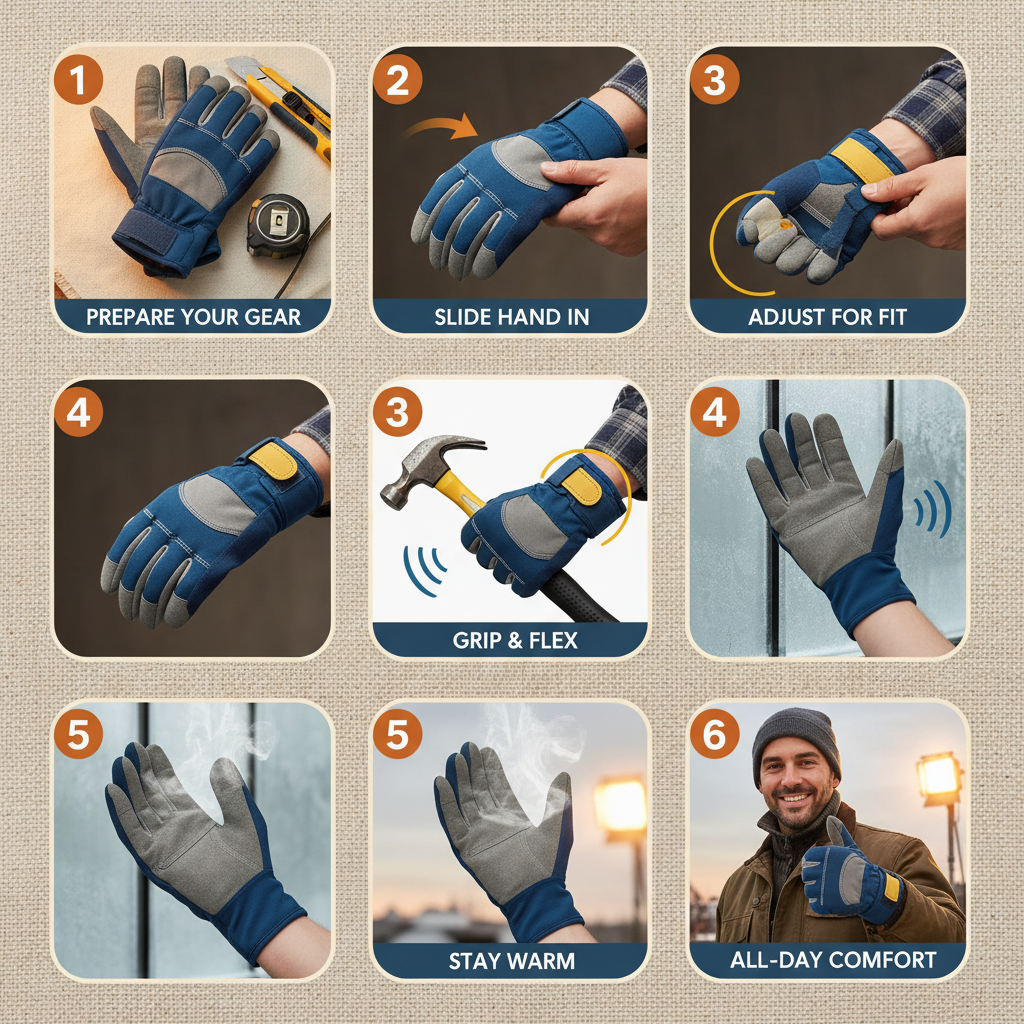
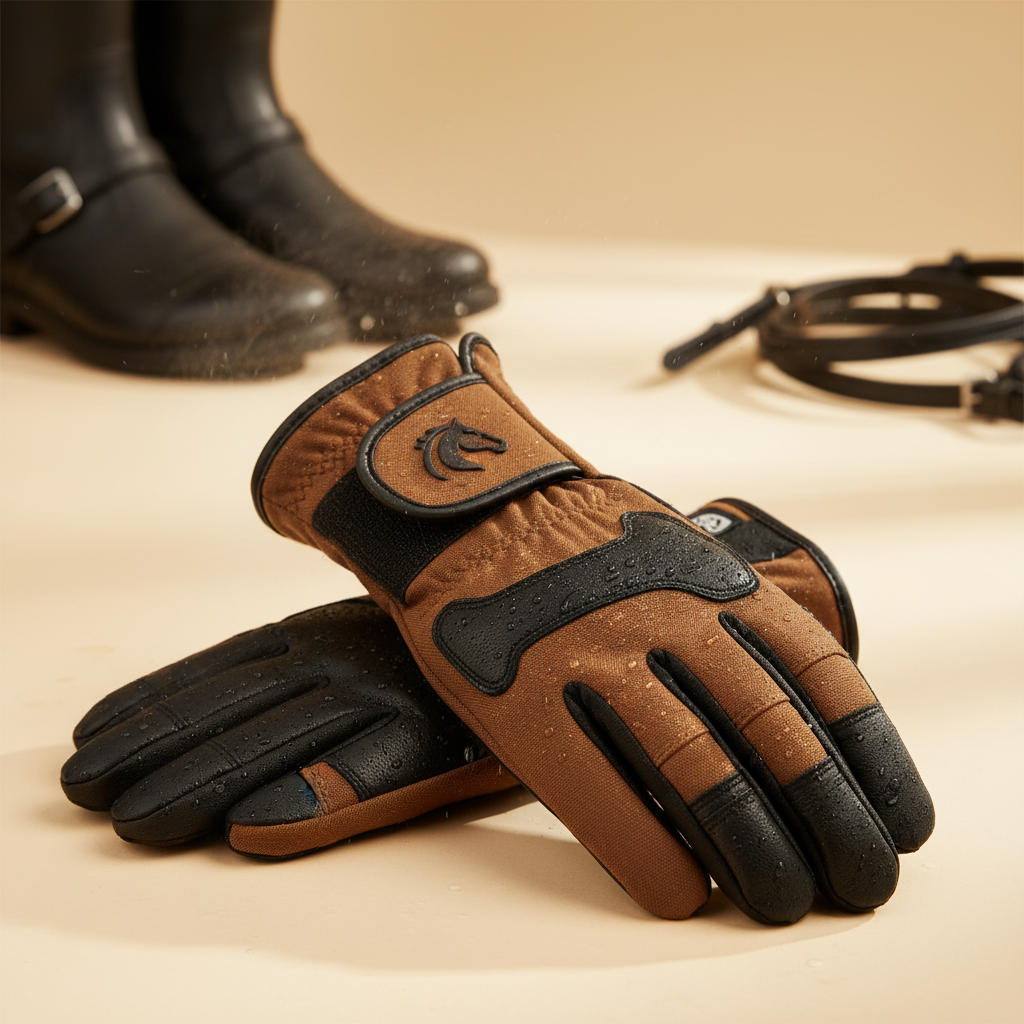
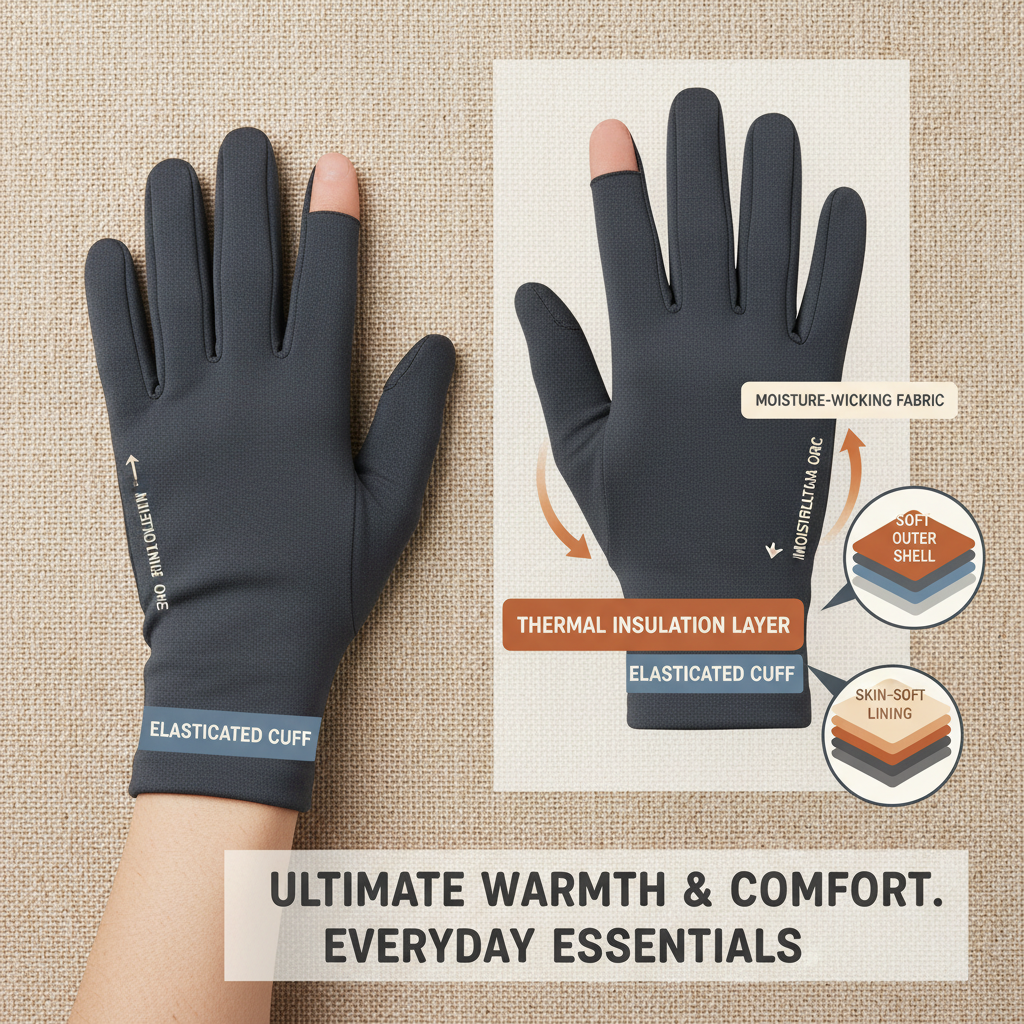
Simply put, these gloves are designed to provide warmth and keep moisture out, without the bulk of thick, clumsy mittens. They’re usually made from advanced fabrics like waterproof breathable membranes (think Gore-Tex or proprietary equivalents) combined with insulated liners like Thinsulate or fleece.
In more practical terms, these gloves allow manual workers to maintain hand dexterity—important in assembly tasks or equipment operation—while ensuring they stay dry and warm against the elements. Beyond industry, they also serve humanitarian workers and volunteers in cold, wet zones, offering protection that is both practical and humane.
Core Features That Make These Gloves Effective
1. Waterproof Technology
At the heart of these gloves lies a waterproof membrane that blocks water but lets sweat vapor out, preventing clamminess. This balance between impermeability and breathability is crucial for long shifts.
2. Thermal Insulation
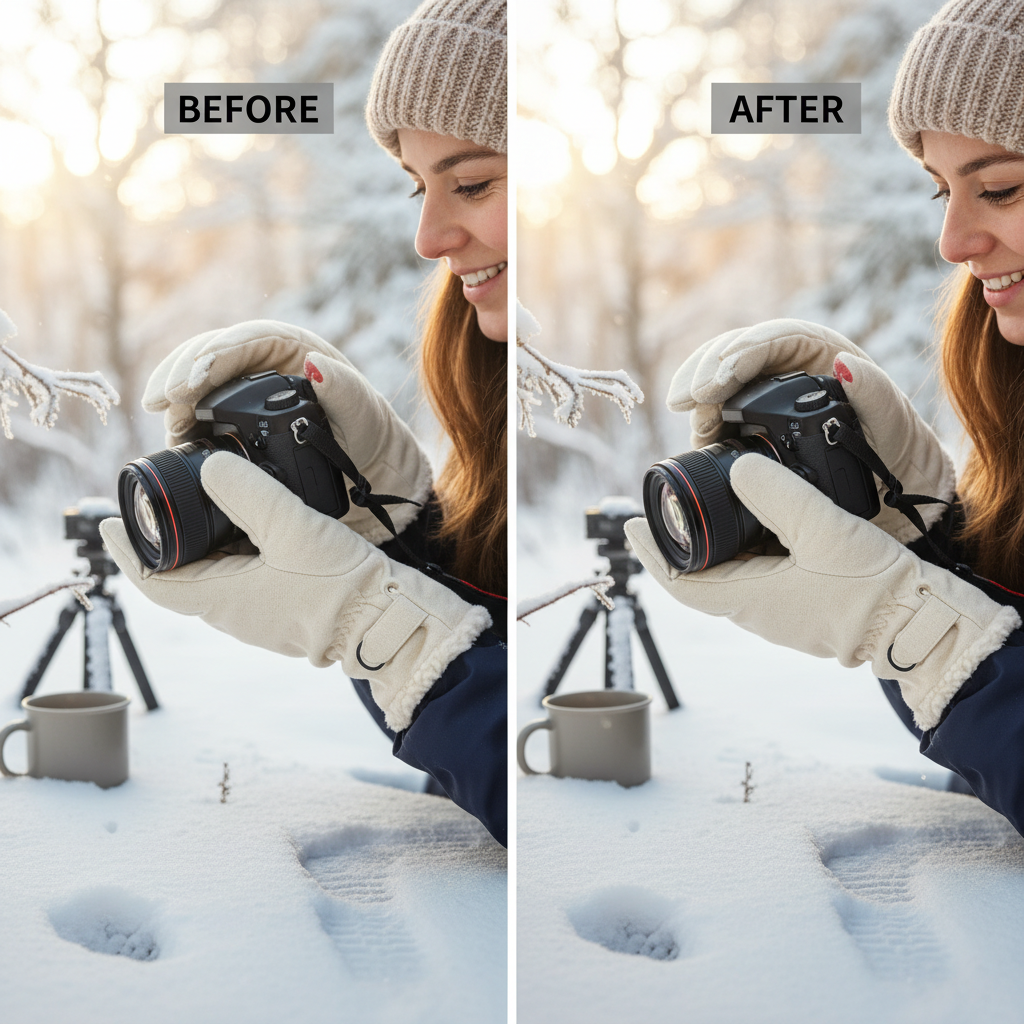
Thin, lightweight insulation materials trap heat effectively without adding bulk—key to preserving tactile sensitivity.
3. Durability and Grip
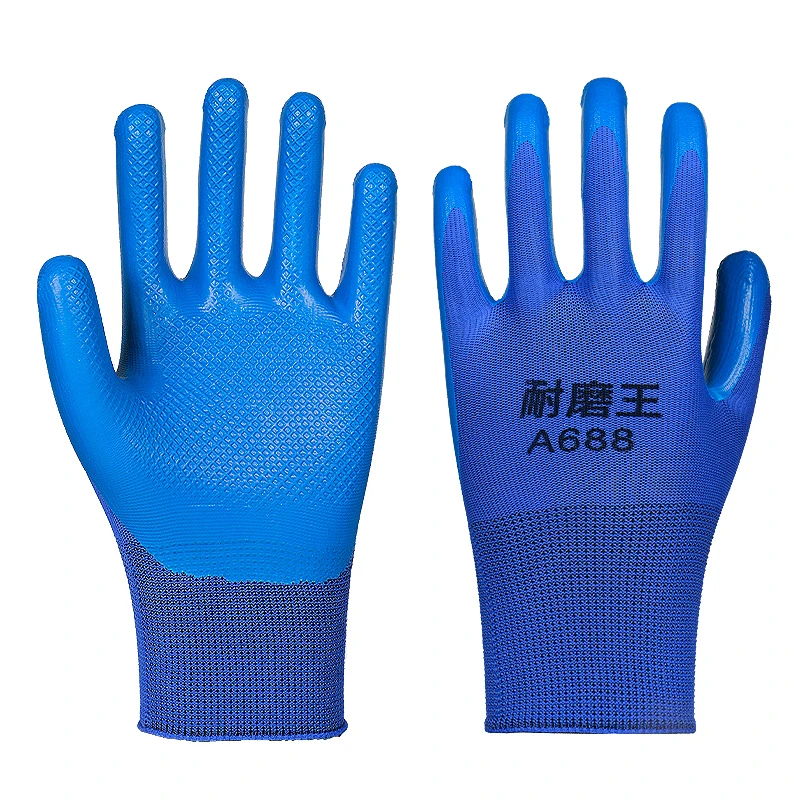
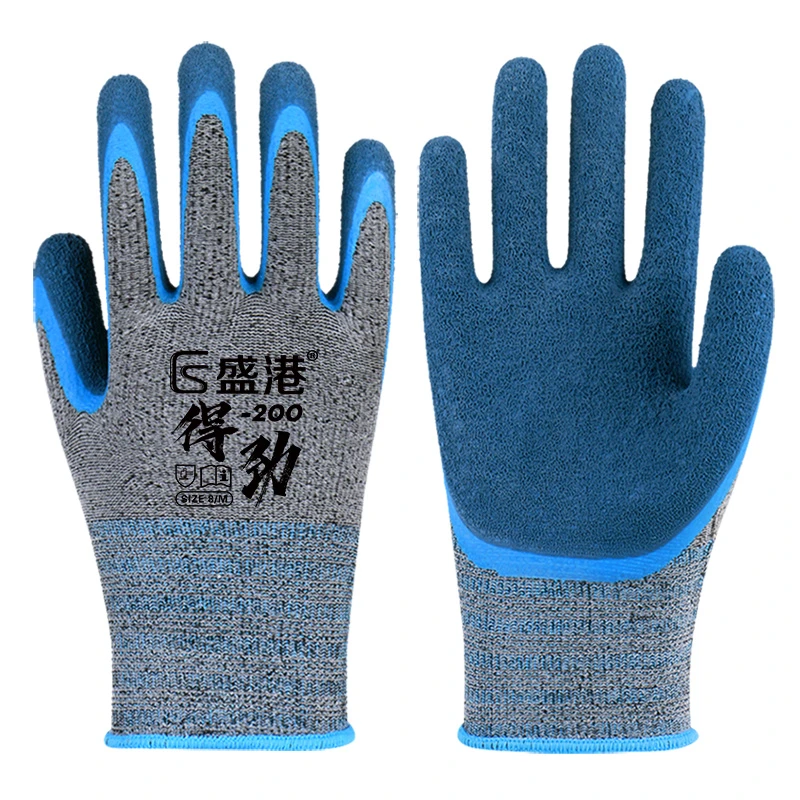
Gloves often feature reinforced palms and fingers with abrasion-resistant coatings or overlays—think synthetic leather or rubberized textures—to withstand tough environments.
4. Flexibility & Fit
Unlike traditional winter gloves, these are tailored closely to the hand, allowing greater movement, precision, and reducing hand fatigue.
5. Ease of Maintenance
Washability and quick drying enhance hygiene and reduce replacement cycles, especially important in permanent facility setups or ongoing relief efforts.
Mini Takeaway:
In short, these components combine to ensure that thin warm waterproof work gloves aren’t just about warmth or dryness alone—they’re about enabling workers to perform smarter, safer, and longer.
Where Are Thin Warm Waterproof Work Gloves Making a Difference?
Applications stretch across industries and regions:
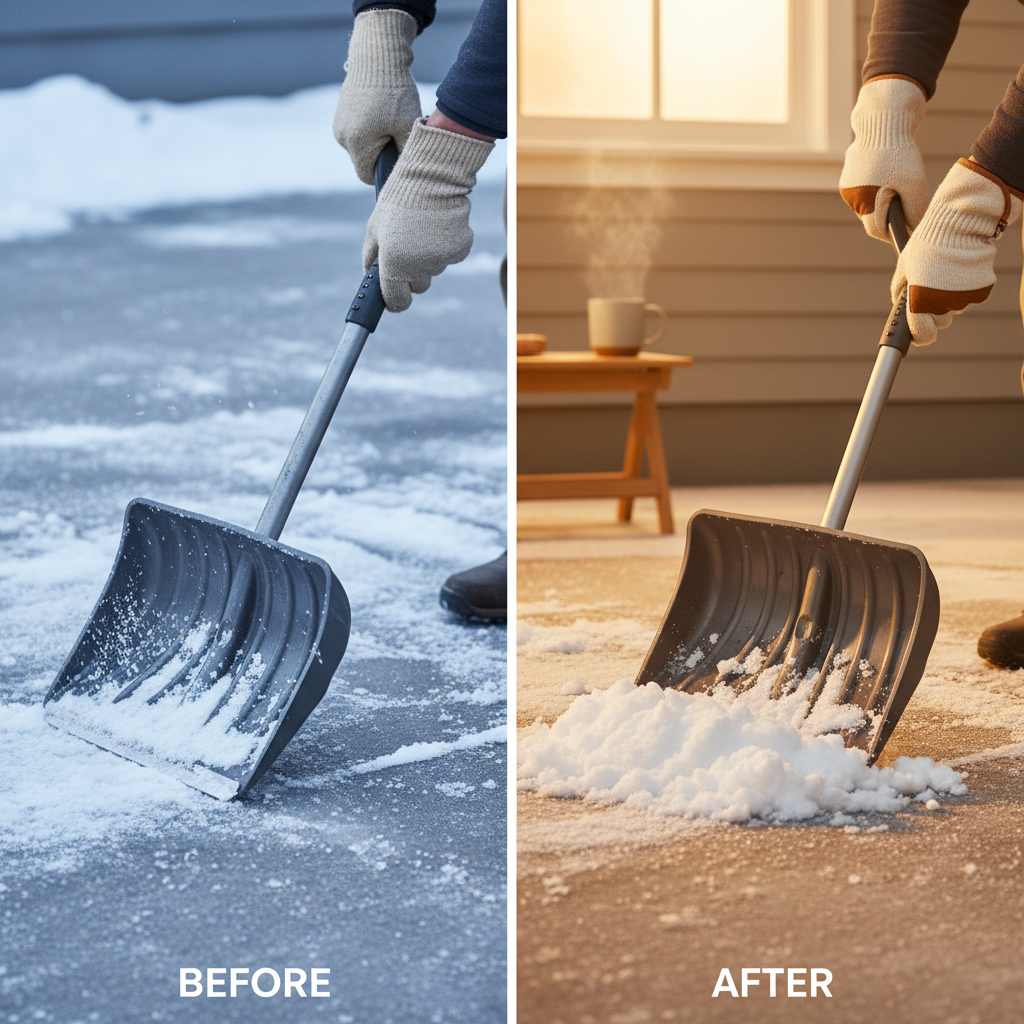
- Construction and Utilities: Cold, rainy Seattle or snowy Moscow, workers rely on these gloves to operate tools and manage tasks without bulky interruptions.
- Fishing and Marine Work: In Norway or Alaska, waterproof gloves protect fishermen from wet decks and freezing air.
- Disaster Relief and Humanitarian Aid: NGOs operating in mountainous Nepal or flood-prone Bangladesh use these gloves for quick, effective response in damp, cold conditions.
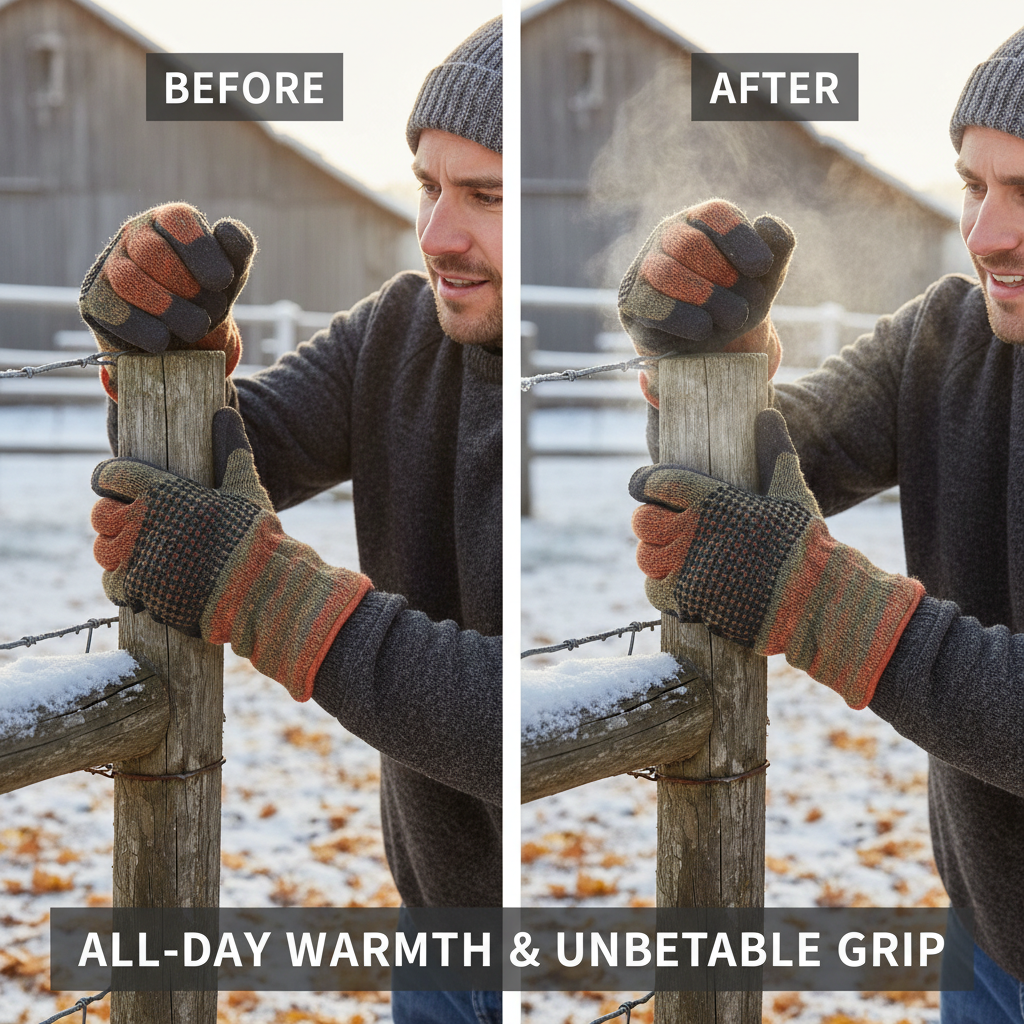
- Agriculture: Farmers in chilly climates like New Zealand or northern Japan handle seeds and machinery comfortably.
One case study from a relief organization delivering aid post-Hurricane Katrina highlights how switching from bulky mittens to thin waterproof gloves increased operational efficiency by 30%, as workers could manipulate materials more easily in wet environments.
Comparing Thin Warm Waterproof Work Glove Models
| Specification | Model Alpha | Model Beta | Model Gamma |
|---|---|---|---|
| Insulation Material | Thinsulate 40g | PrimaLoft Silver | Fleece Lining |
| Waterproof Membrane | Gore-Tex Infinium | HydroShield | Proprietary Barrier |
| Touchscreen Compatible | Yes | No | Partial |
| Weight (grams) | 120 | 140 | 105 |
| Price Range (USD) | $45–60 | $50–70 | $35–50 |
Why Invest in Thin Warm Waterproof Work Gloves?
First, there’s the obvious cost-saver: fewer work stoppages due to cold or wet hands. The comfort and dexterity translate directly into efficiency and fewer errors. Then there’s the social impact—organizations supporting worker dignity and safety see improved morale, often translating to better retention.
On a personal note, I remember a marine technician explaining how wearing these gloves during freezing foggy mornings on deck changed his entire workday. Less fumbling, fewer bruises, and no going home with numb fingers — priceless when you think about it. These aren’t just gloves; they’re a small trust-building tool between employers and workers.
Looking Ahead: Innovations on the Horizon
Emerging eco-friendly materials like bio-based or recycled insulation fibers are gaining traction. Innovations in nanotechnology promise fabrics that repel water even better but still breathe superbly. There’s also movement towards integrating smart textiles—imagine gloves monitoring hand temperature or generating gentle warmth on demand.
And of course, sustainability is steering policies. ISO standards are evolving to encourage use of recyclable textiles and discourage wasteful designs in personal protective equipment (PPE). Alongside that, digital transformation in supply chains means faster access to specialized gloves for remote workers worldwide.
The Challenges and Practical Fixes
Still, no glove is perfect. Some users note that even the thinnest insulated gloves can limit performance when ultra-fine precision is needed. Waterproof membranes can sometimes reduce breathability if not expertly engineered, causing sweaty hands — the worst kind of compromise.
The answer lies in continuous R&D. Manufacturers are testing layered fabrics and hybrid designs to strike the best balance. User feedback loops ensure designs improve iteratively. Also, proper sizing and fitting are key — too loose or too tight ruins protection and comfort.
FAQ: Common Questions About Thin Warm Waterproof Work Gloves
- 1. How do thin warm waterproof work gloves differ from regular cold-weather gloves?
- They offer waterproofing and warmth but are designed to be thinner and more flexible, allowing better hand dexterity, which traditional bulky cold-weather gloves lack.
- 2. Can I use these gloves for touchscreen devices?
- Many modern thin warm waterproof gloves include touchscreen-compatible fingertips, but not all. Check product details if this is essential for your tasks.
- 3. How can I clean these gloves without damaging the waterproof membranes?
- Generally, hand wash in cold water with mild detergent, avoid fabric softeners, and air dry away from direct heat. Follow manufacturer’s care instructions closely.
- 4. Are these gloves suitable for extreme arctic conditions?
- They’re excellent for moderately cold, wet environments but may need to be layered under heavier gloves or mittens in extreme cold. They are best for operations needing precision and moisture protection.
- 5. Where can NGOs or companies source reliable thin warm waterproof work gloves?
- Reliable sources include specialized PPE manufacturers and distributors focused on outdoor and industrial safety gear. For customized bulk orders, contacting vetted suppliers via our platform can streamline procurement.
To Wrap It Up
The small innovation of thin warm waterproof work gloves quietly transforms cold, damp work conditions into manageable, even comfortable ones. They promise practical warmth without the bulk, waterproof performance with breathability, and most importantly, the nimble touch so crucial for work quality. Whether you’re a construction crew chief, a disaster relief worker, or farming the chilly mornings, these gloves are a game-changer.
Interested in upgrading your protective gear? Visit our website to explore the latest gloves designed for real-world challenges. Your hands will thank you.