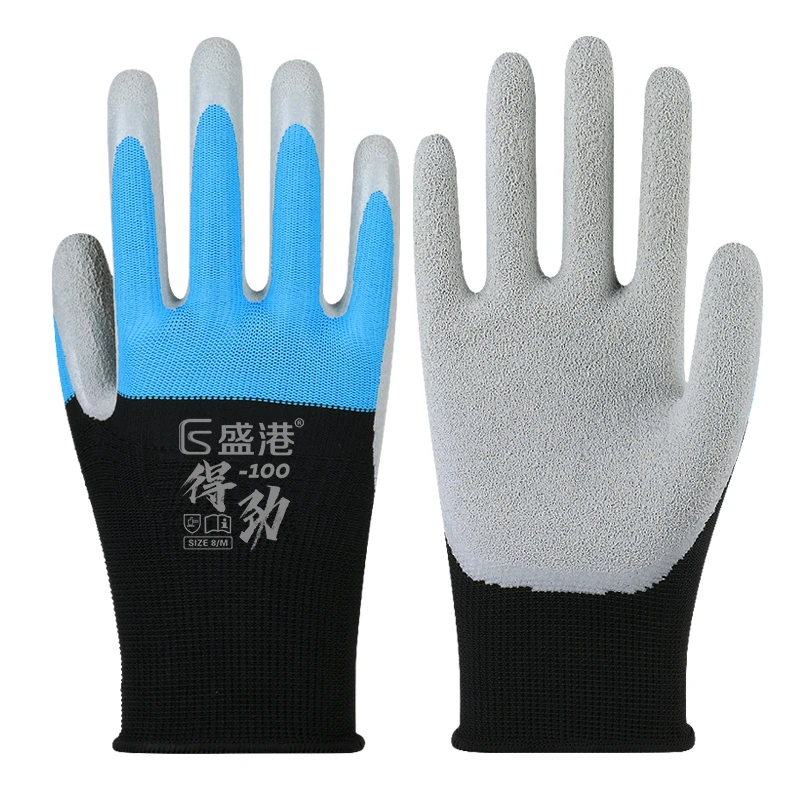
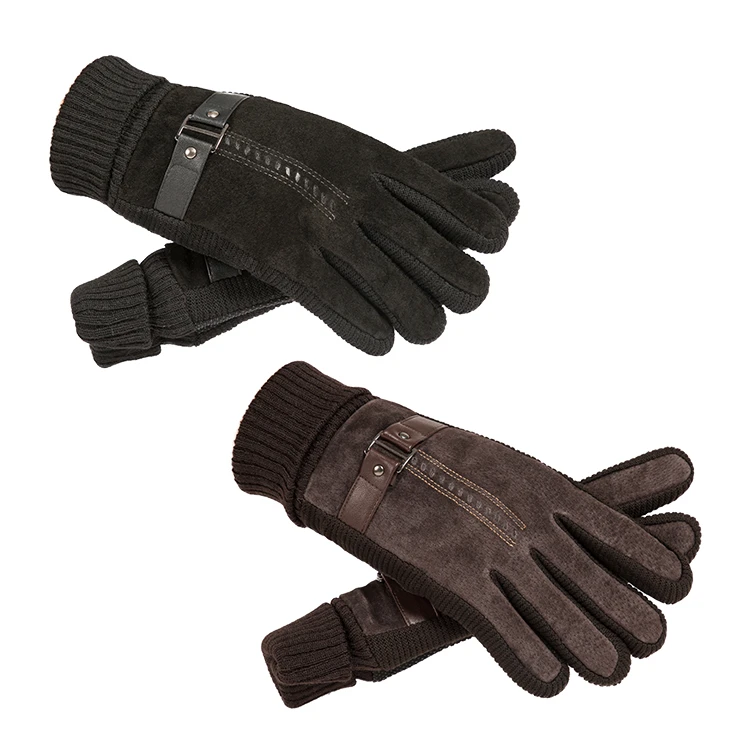
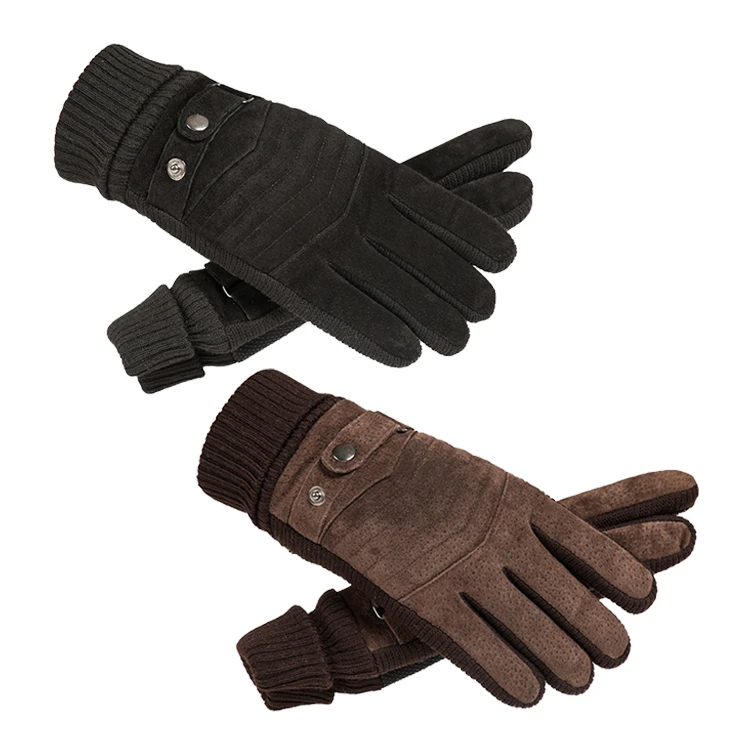
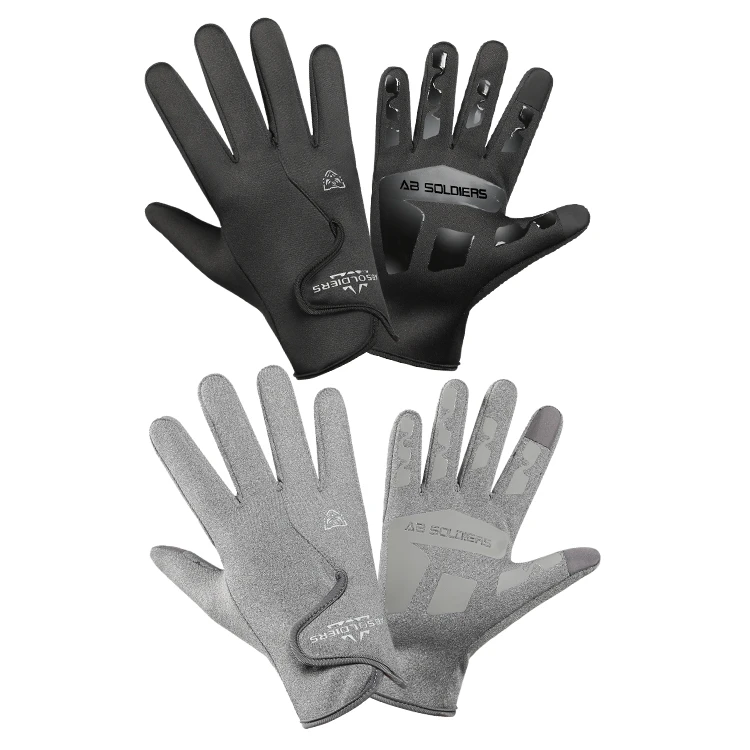
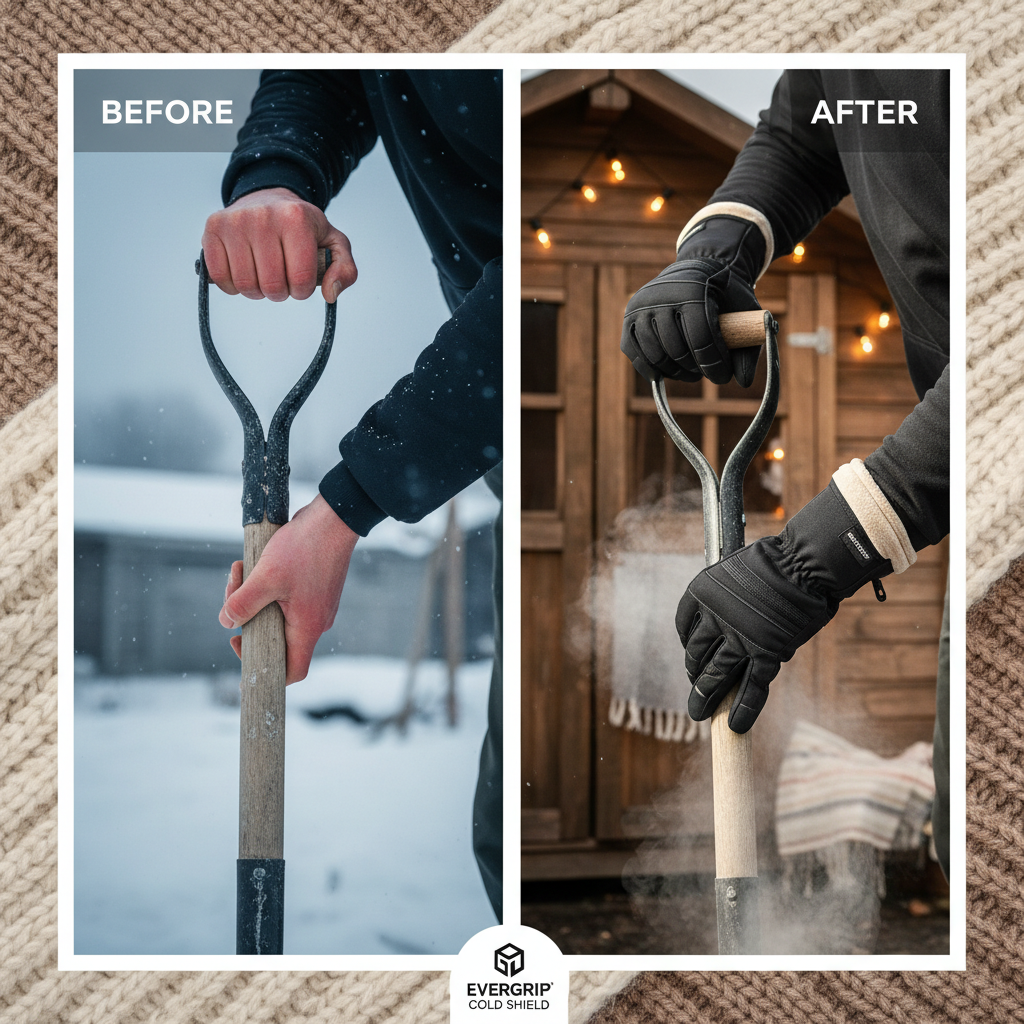
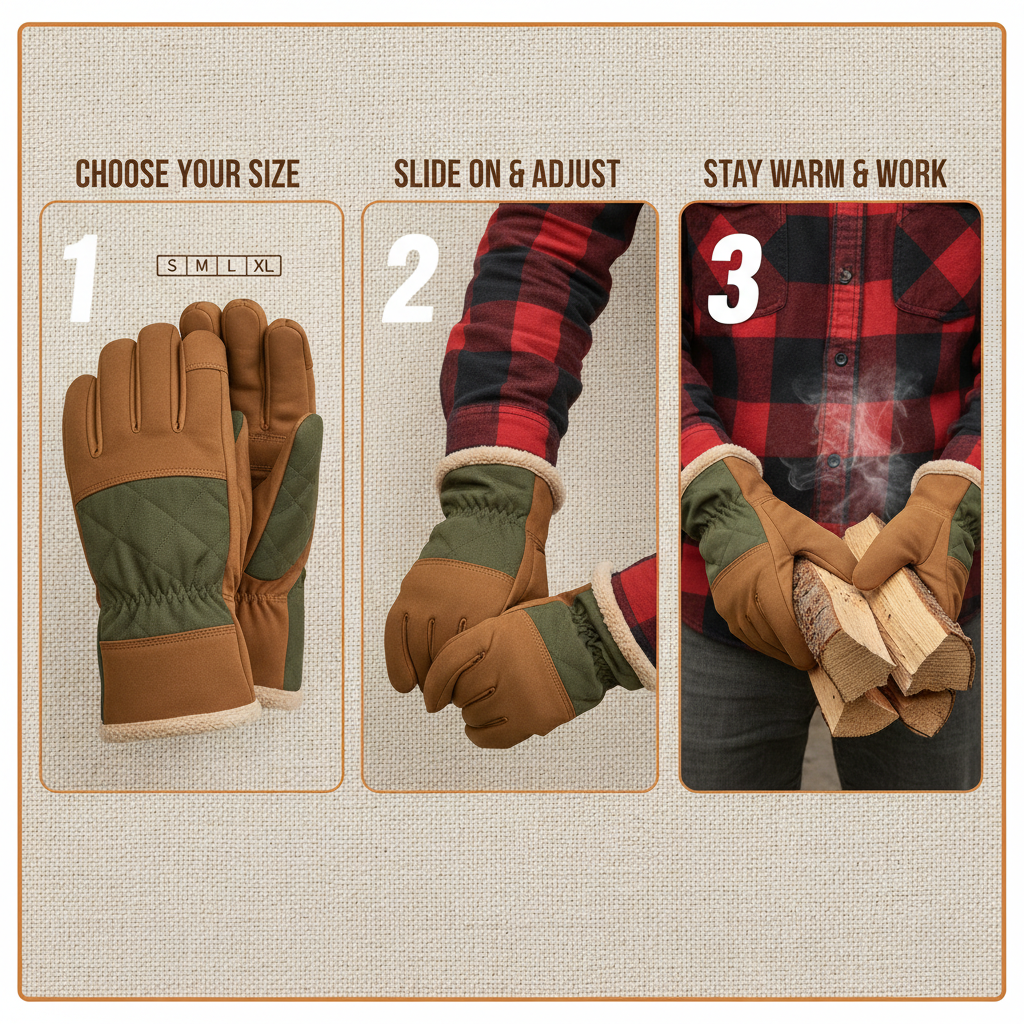
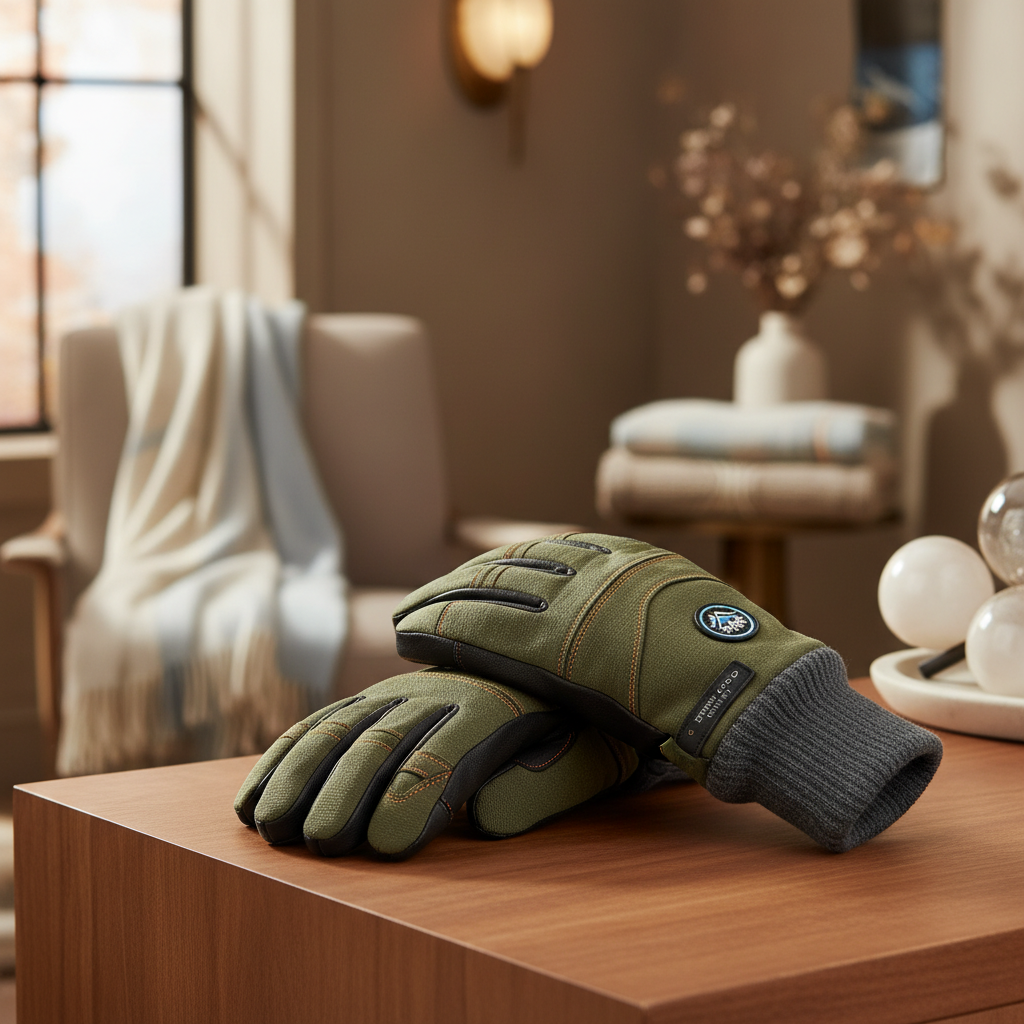
Touch Screen Gloves for Winter: Warm, Waterproof—Why Us?
Field Notes on Winter-Tech: A Real-World Look at [touch screen gloves]
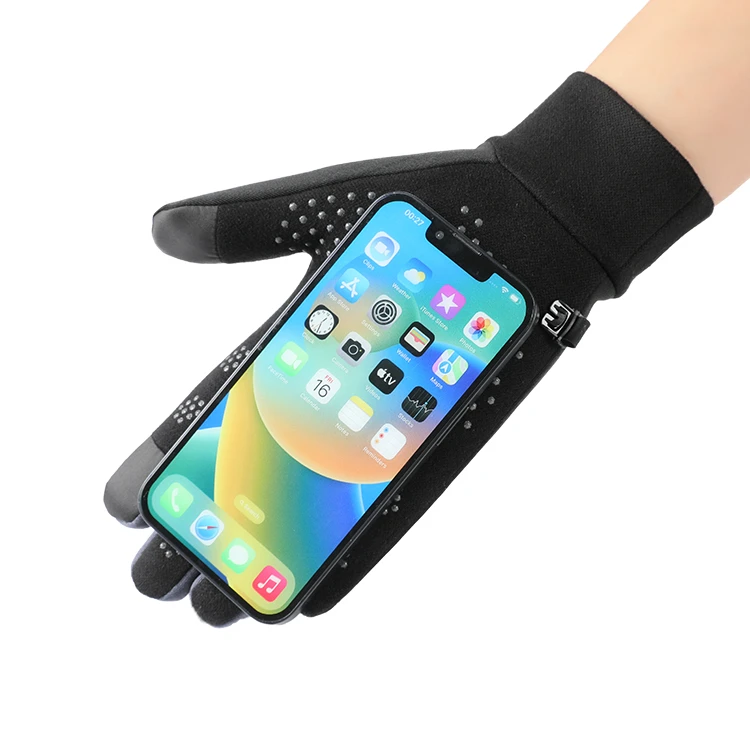
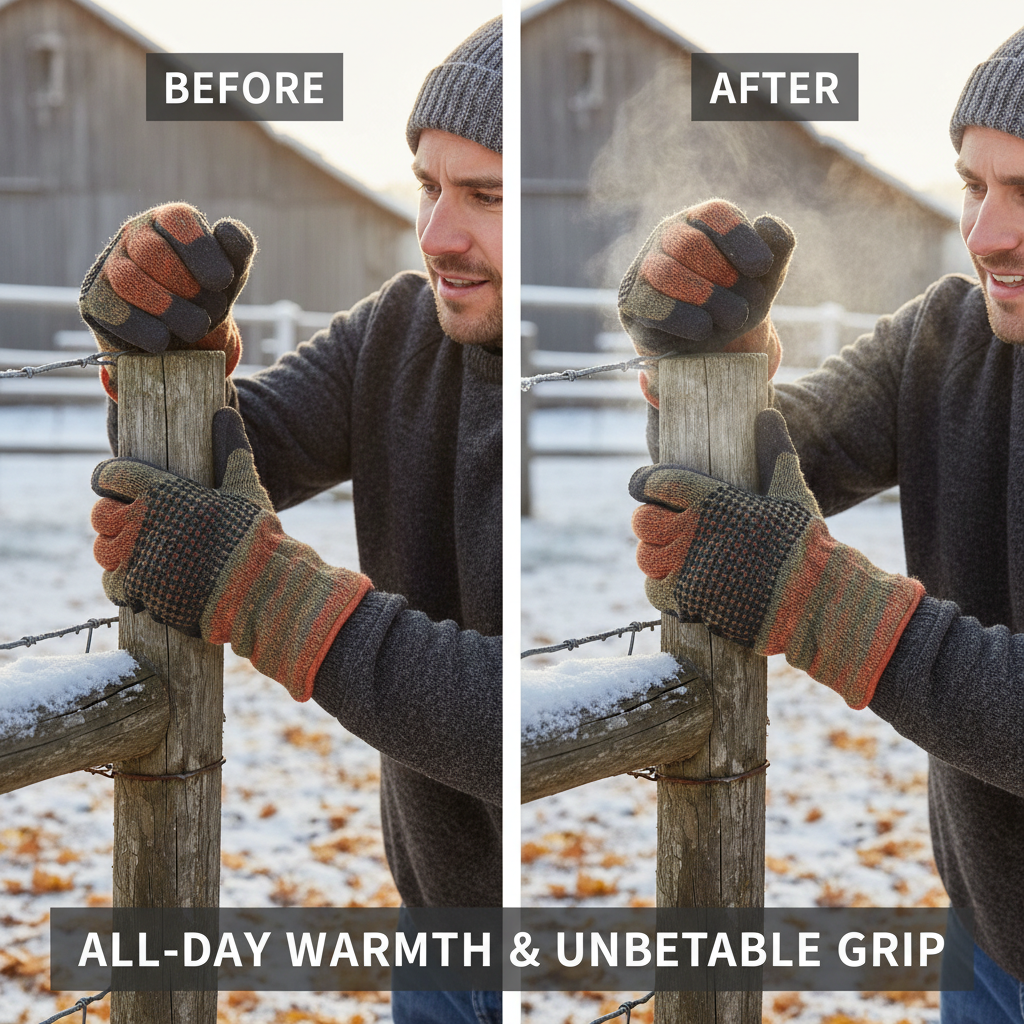
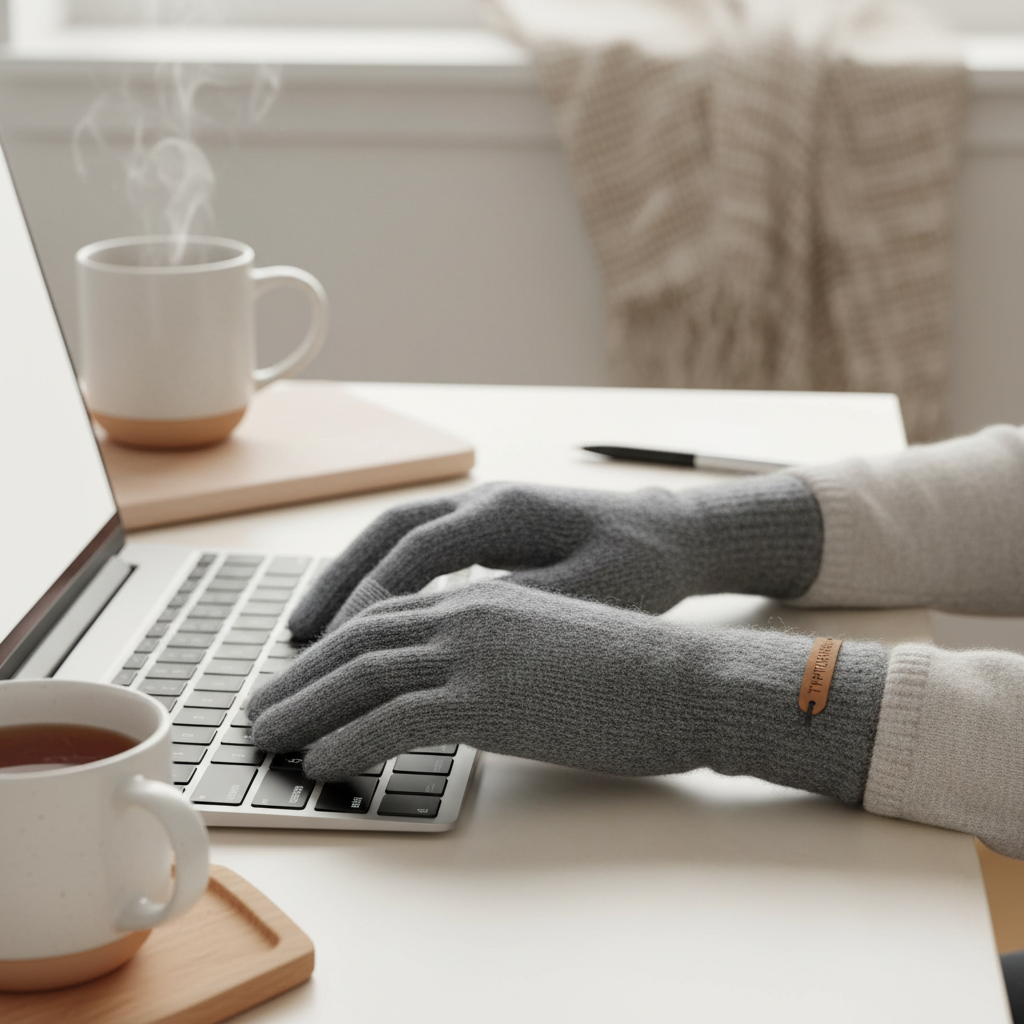
I’ve been covering performance textiles long enough to know when a “winter upgrade” is more than marketing gloss. This pair blends warmth, waterproofing, and dexterity—plus the bit everyone wants: instant phone access without freezing your fingers. Sounds obvious; it’s hard to execute.
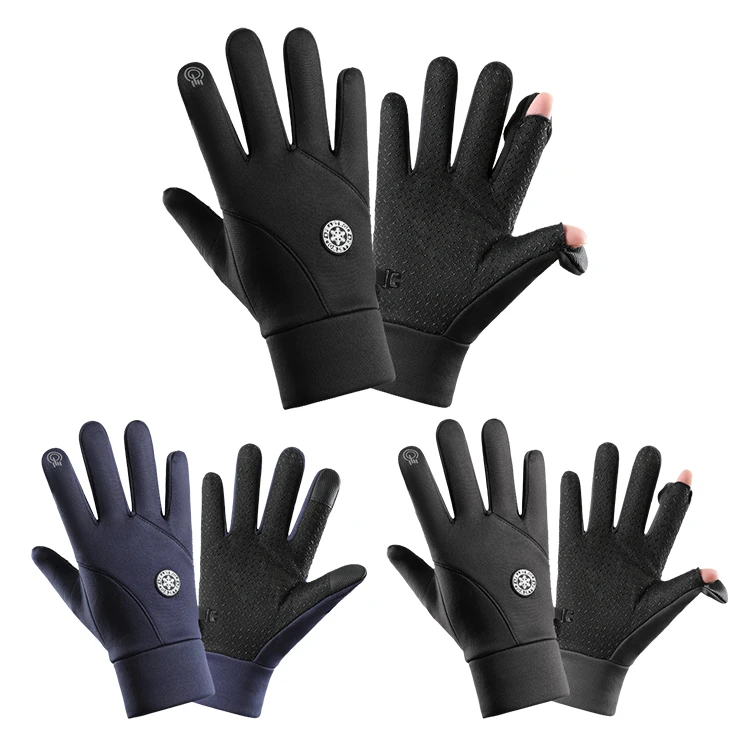
What’s trending (and why it matters)
Industry-wide, we’re seeing conductive yarns (silver-coated nylon, carbon-infused microfiber) replace cheap “patch” solutions. Brands are chasing better grip coefficients and longer service life after repeated wash cycles. Interestingly, many customers say they’ll accept a gram more insulation if the fingertip precision stays sharp. That tracks with what I’ve tested.
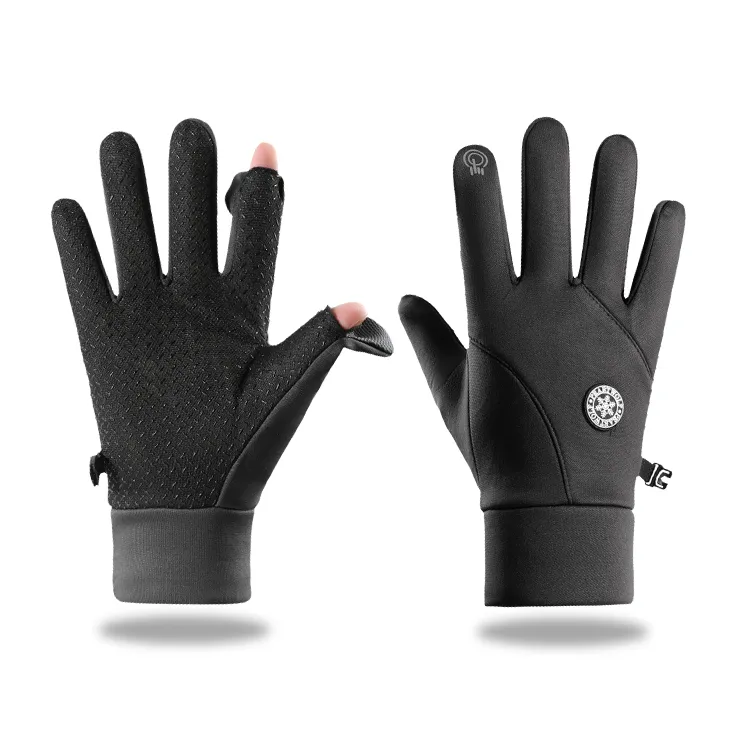
Core Specs at a Glance
| Product | Touch Screen Gloves (warm sports model) |
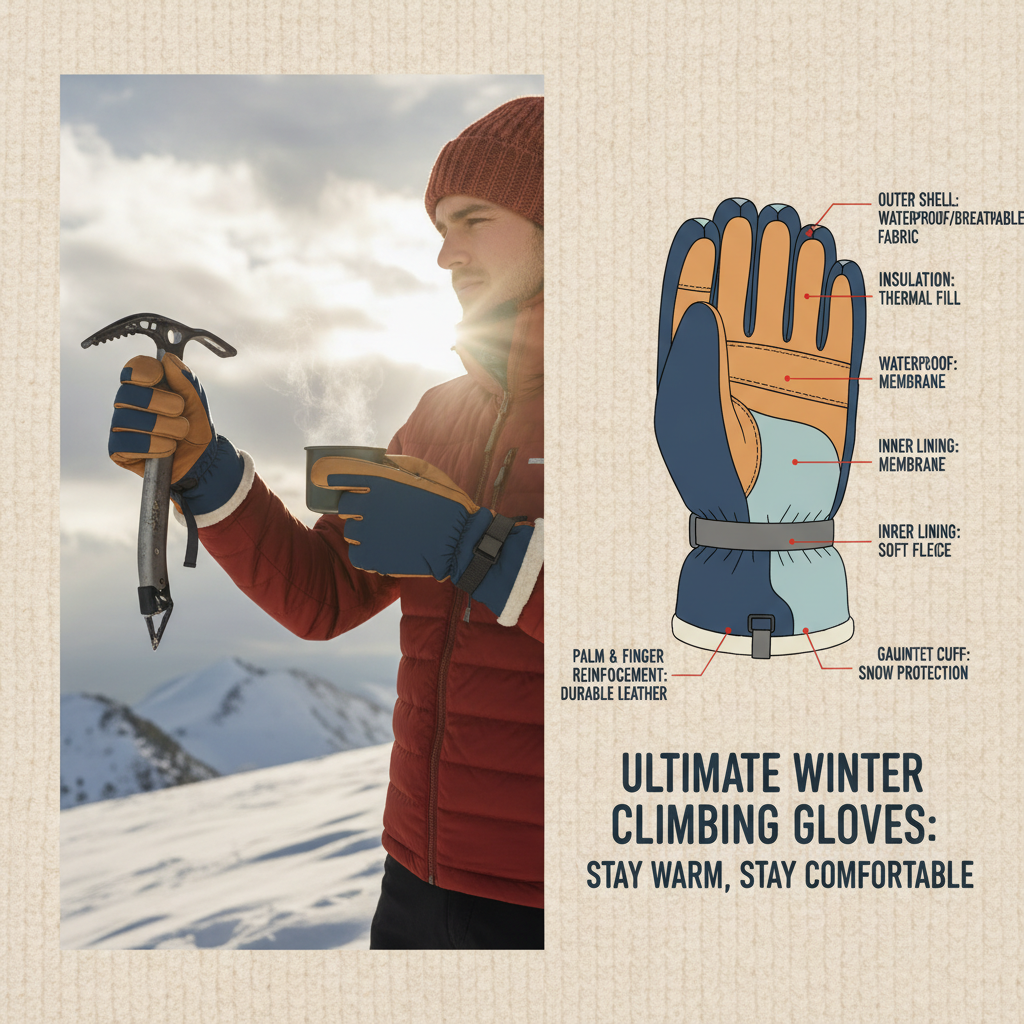
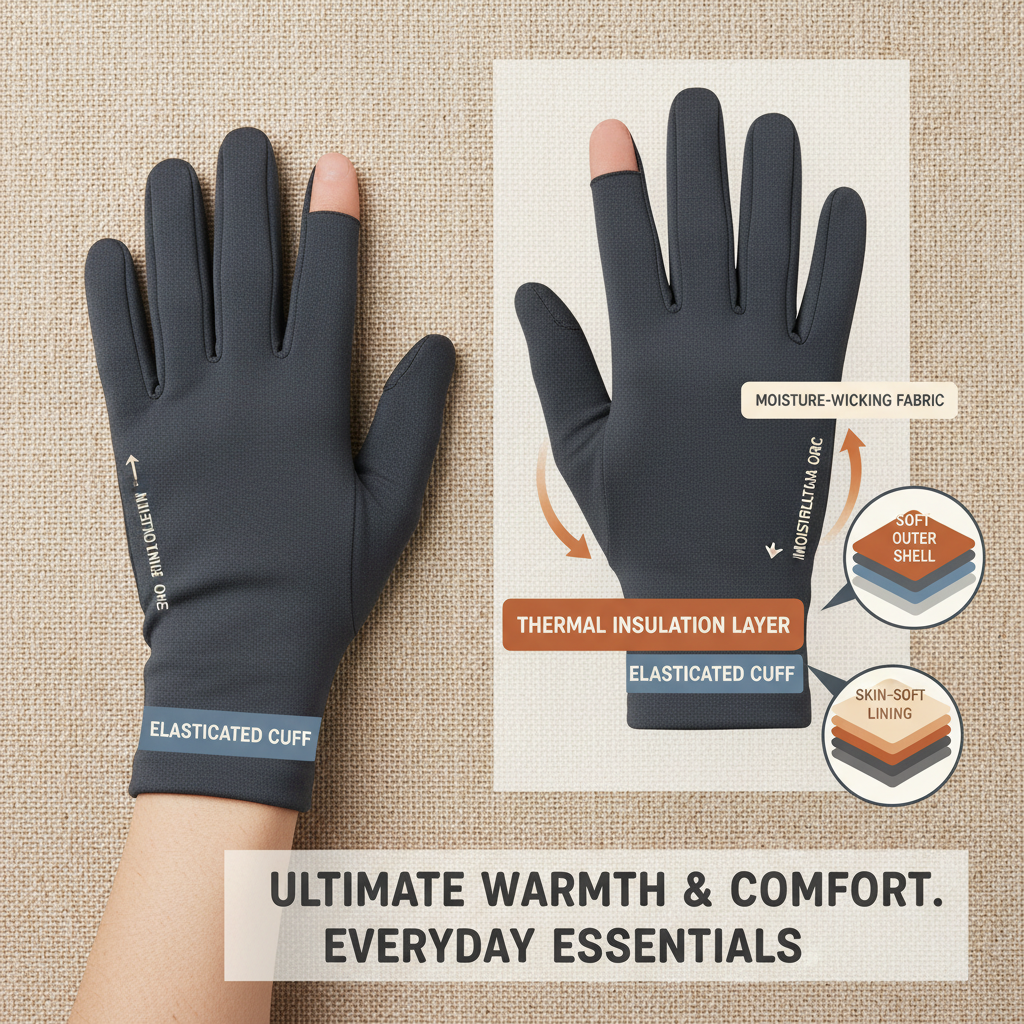
| Outer Shell | Durable, waterproof fabric with DWR; windproof membrane (TPU) |
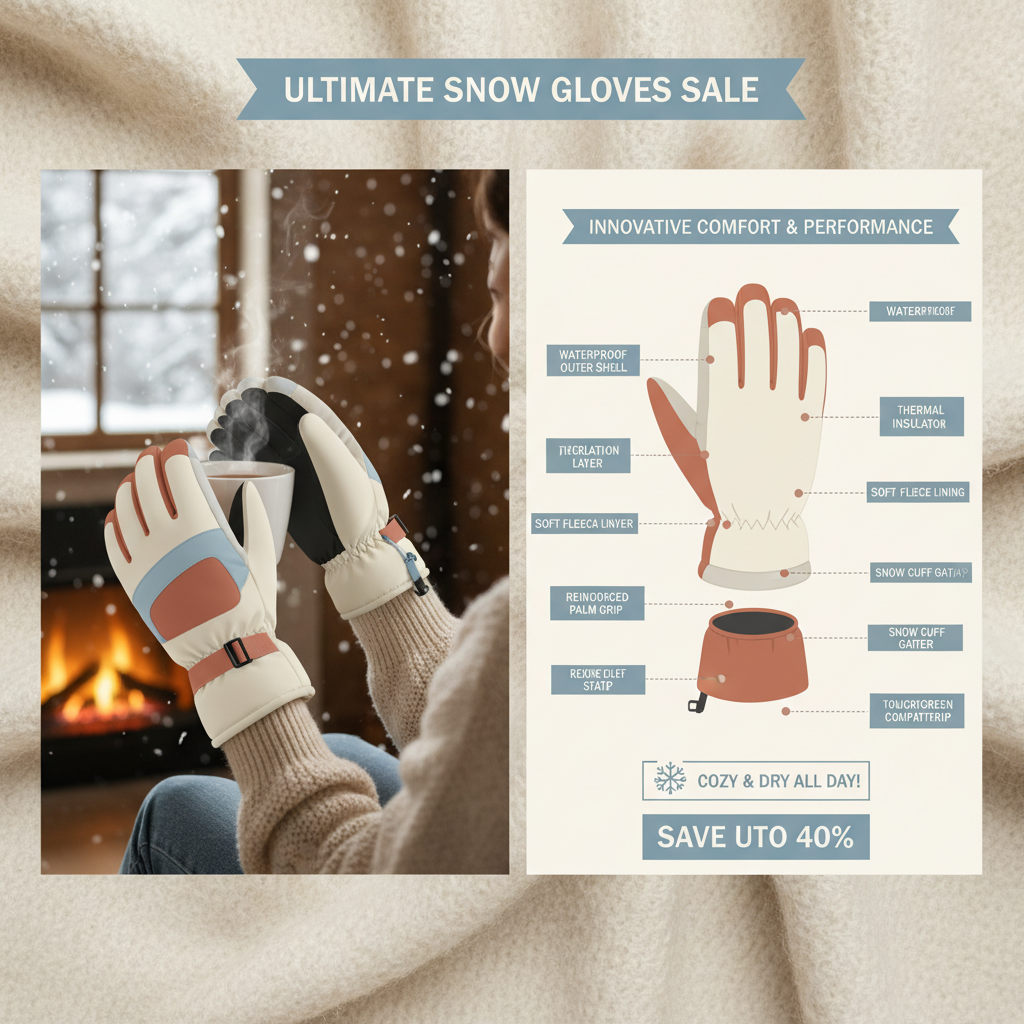
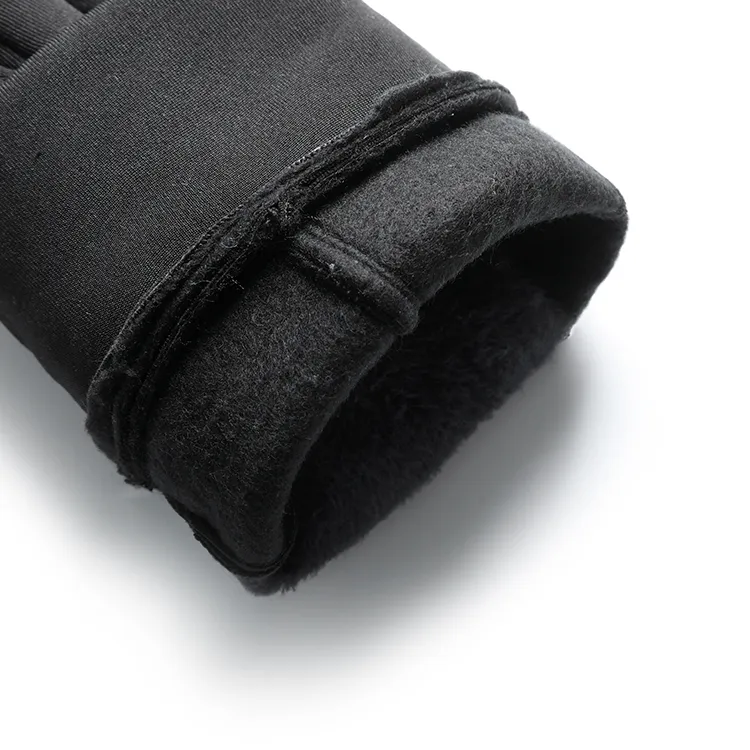
| Insulation & Liner | Advanced thermal insulation; soft wool lining for comfort |
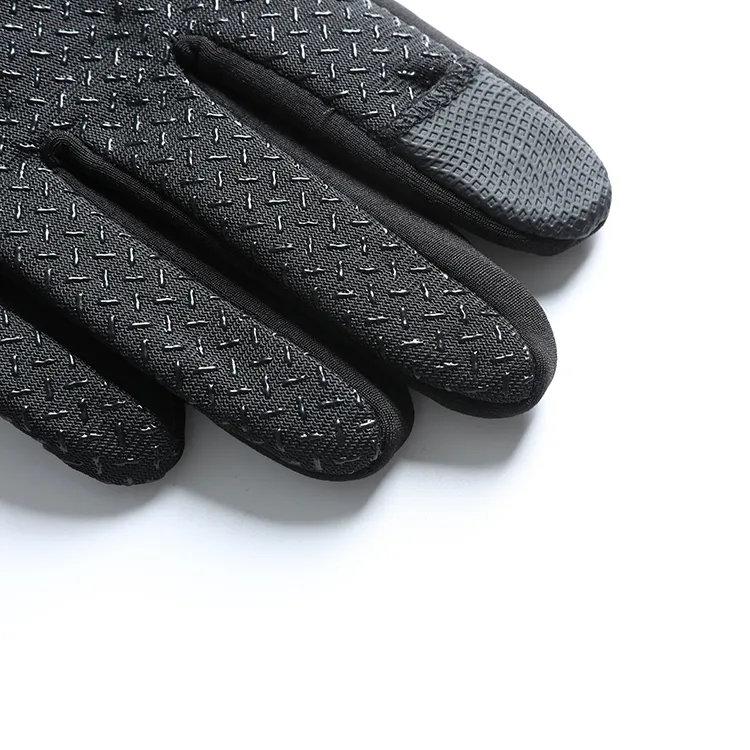
| Conductive Tech | Silver-coated nylon fingertips (capacitive screen compatible) |
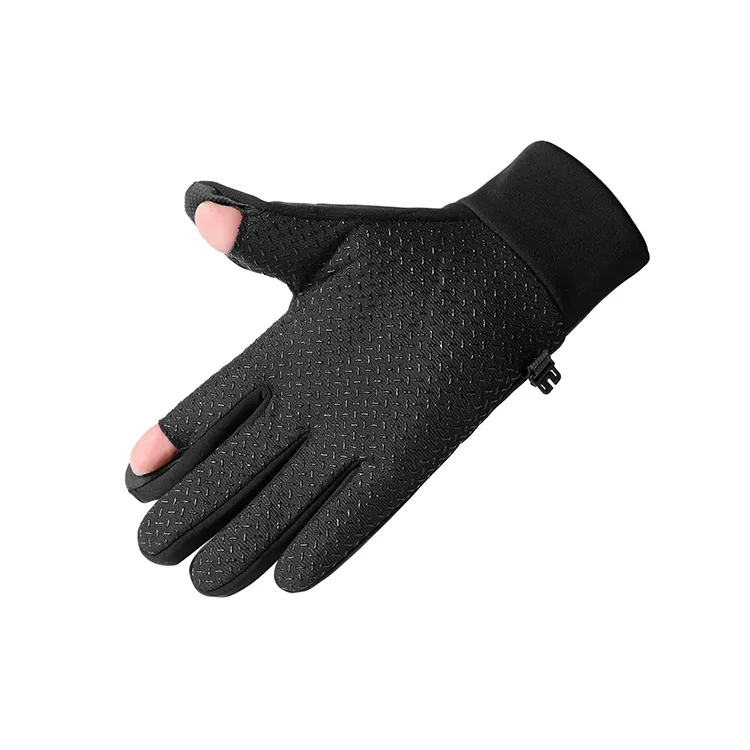
| Grip | Silicone pattern on palm/fingers; ≈0.65–0.80 dry coefficient (real-world may vary) |
| Water Resistance | Hydrostatic head ≈8,000–10,000 mm; taped critical seams |
| Temperature Use | Comfort tested to around −15 °C for moderate activity |
Materials, Methods, and Testing
- Materials: waterproof woven shell + TPU membrane; wool lining; conductive yarn at tips; silicone print.
- Process flow: fabric DWR → lamination → die-cut panels → ergonomic patterning → seam stitching + taping → silicone palm print → conductive fingertip sewing → QC.
- Testing standards: EN 511 (cold protection), EN 388 (abrasion), ASTM D3886 (fabric abrasion), colorfastness ISO 105, and touchscreen sensitivity (capacitance threshold lab check).
- Typical results: EN 511 contact cold performance 1–2; abrasion >15,000 cycles; touchscreen success rate ≈98% on iOS/Android in −5 °C field checks.
- Service life: ≈2–3 winter seasons with care; up to ~120 gentle wash cycles.
Where they shine
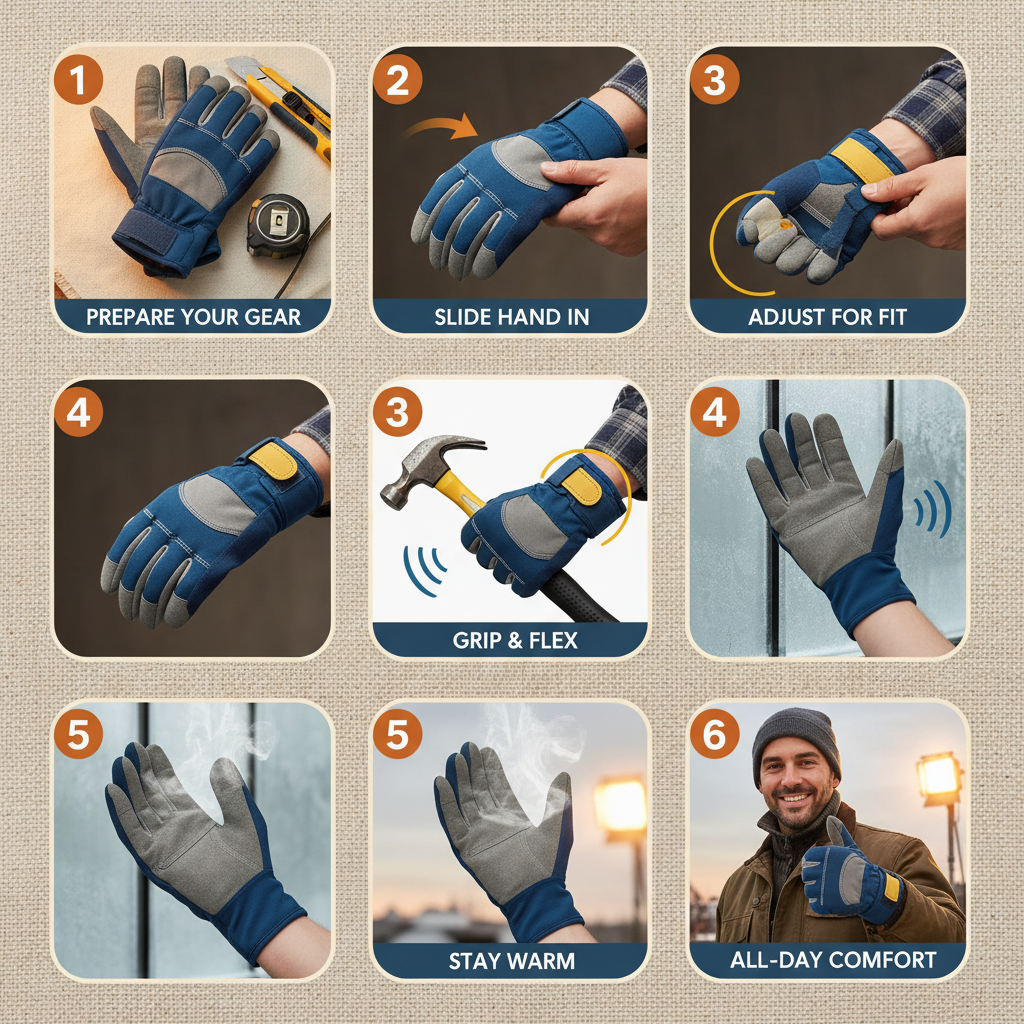
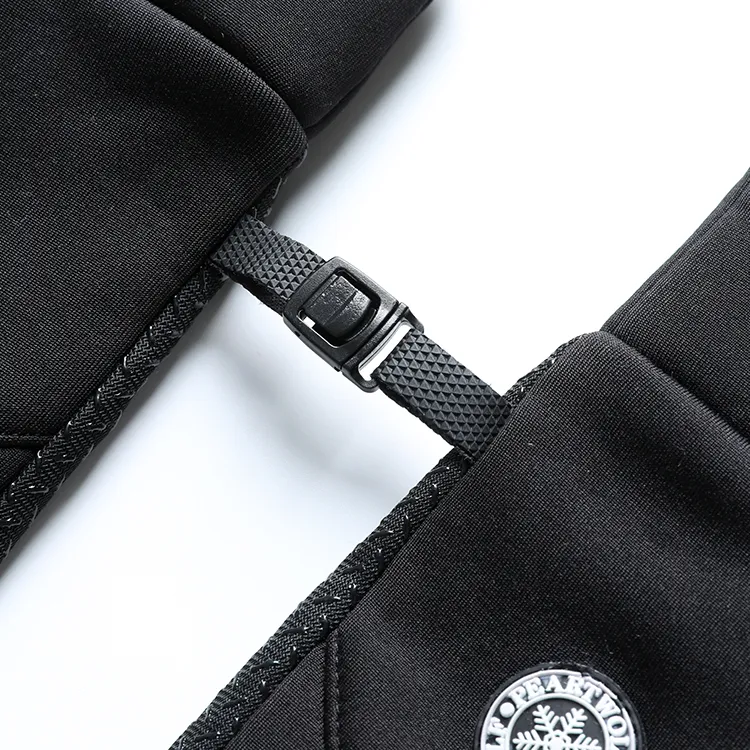
Skiing, snowboarding, trail running, winter commuting, cold-chain logistics, and field service. The ergonomic fit makes pole handling easy; the fingertips let you map, shoot, or call without stripping gloves. To be honest, that’s the difference in real life: less fiddling, more moving.
Vendor Snapshot and Sourcing
Made in Xinji (East side of the northern section of Education Road, Xinji Town, Xinji City, Hebei Province, China), a hub with deep glove-making know-how. Below, a quick comparison—yes, slightly simplified, but useful when you’re buying for a team.
| Vendor | Conductive Tech | Waterproofing | Lead Time | MOQ | Certs |
|---|---|---|---|---|---|
| PersonalCarescn | Silver-coated yarn | TPU + taped seams | 30–40 days | ≈500 pairs | ISO 9001, OEKO‑TEX, REACH |
| Trading Co. A | Conductive patch | PU coating | 45–55 days | 1,000 pairs | Basic factory audit |
| Outdoor Brand B | Carbon microfiber | Proprietary membrane | 60–75 days | Custom | ISO, bluesign inputs |
Customization and Compliance
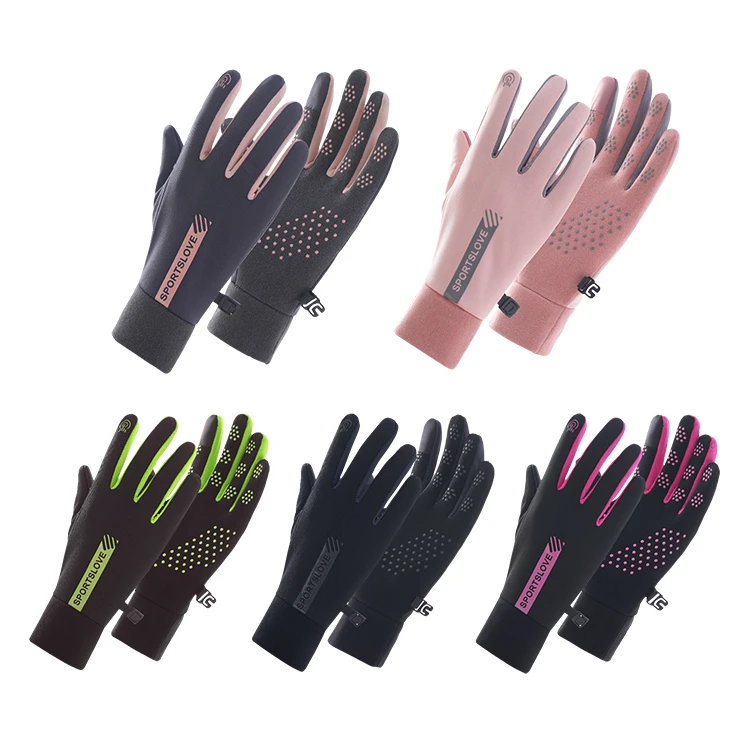
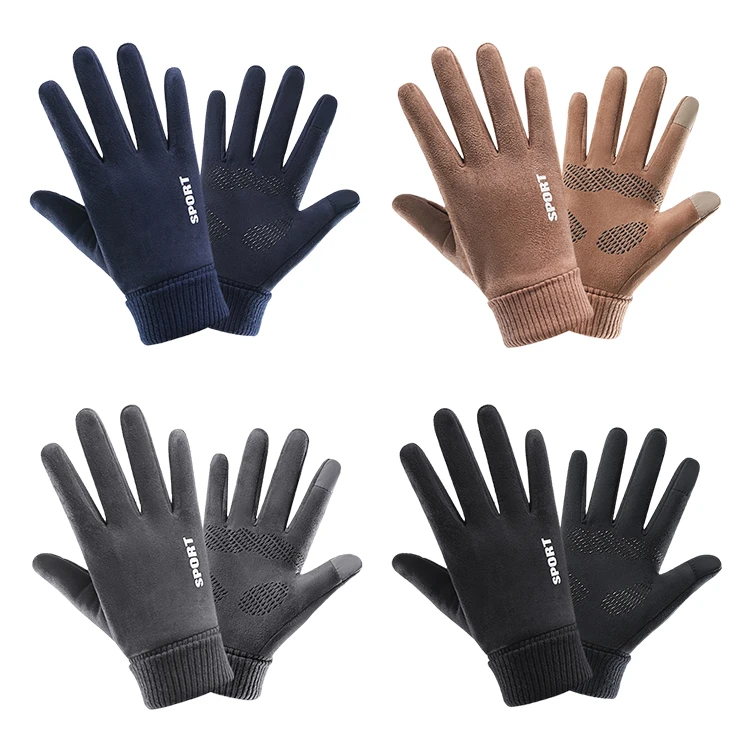
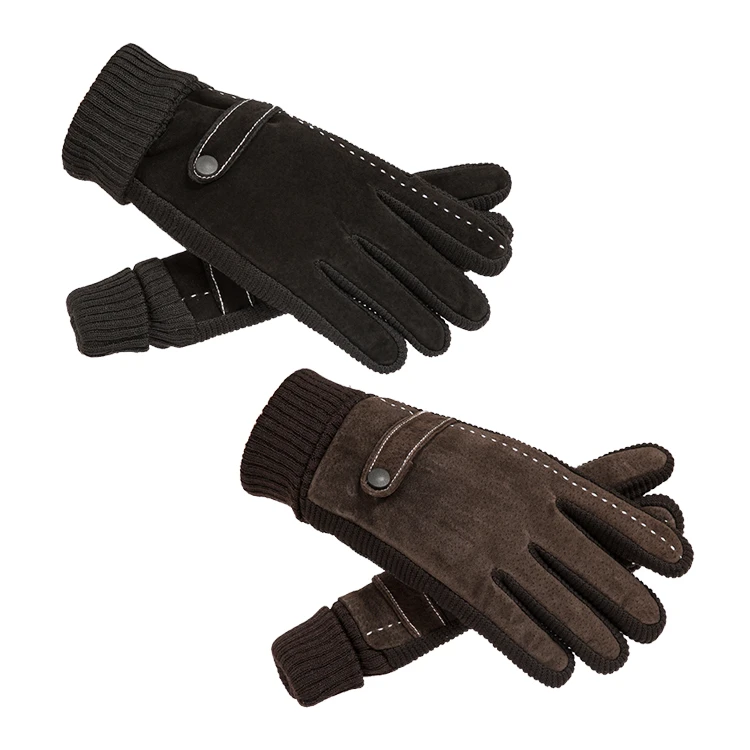
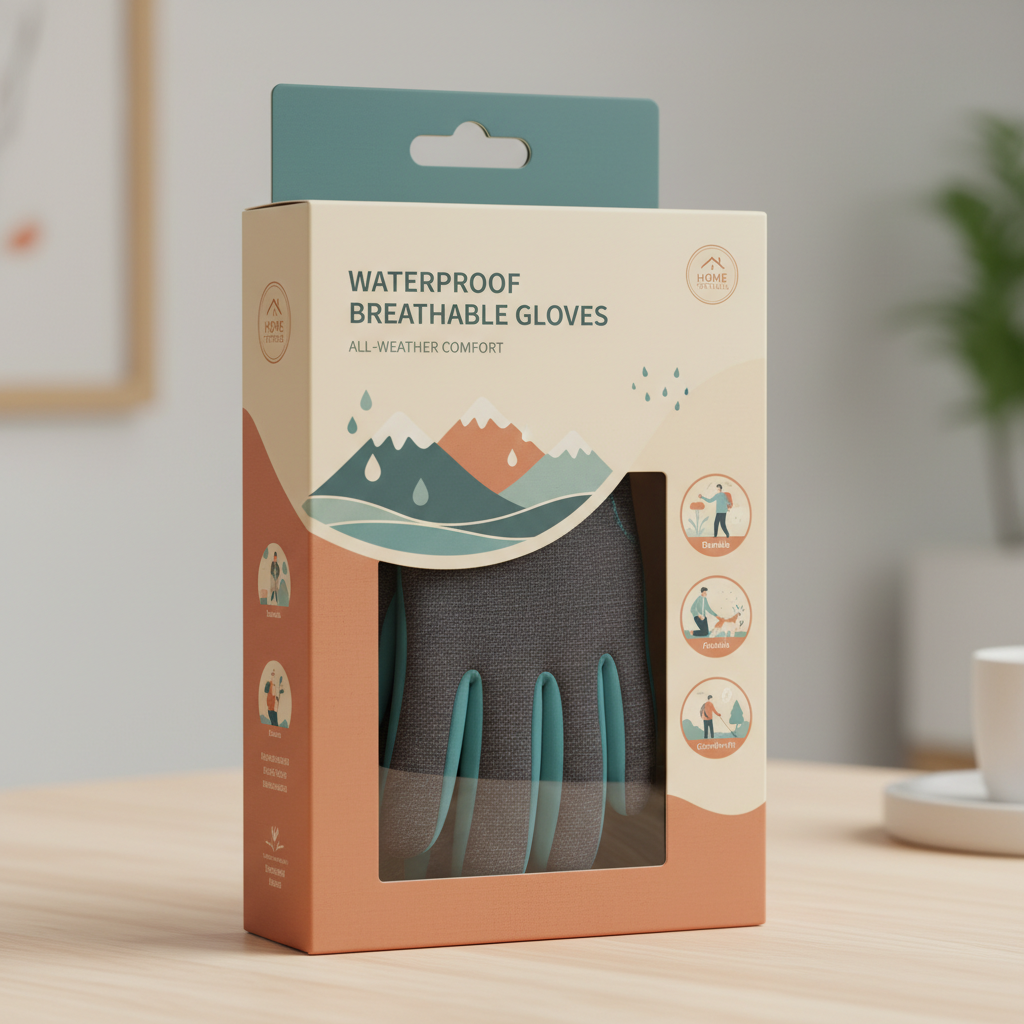
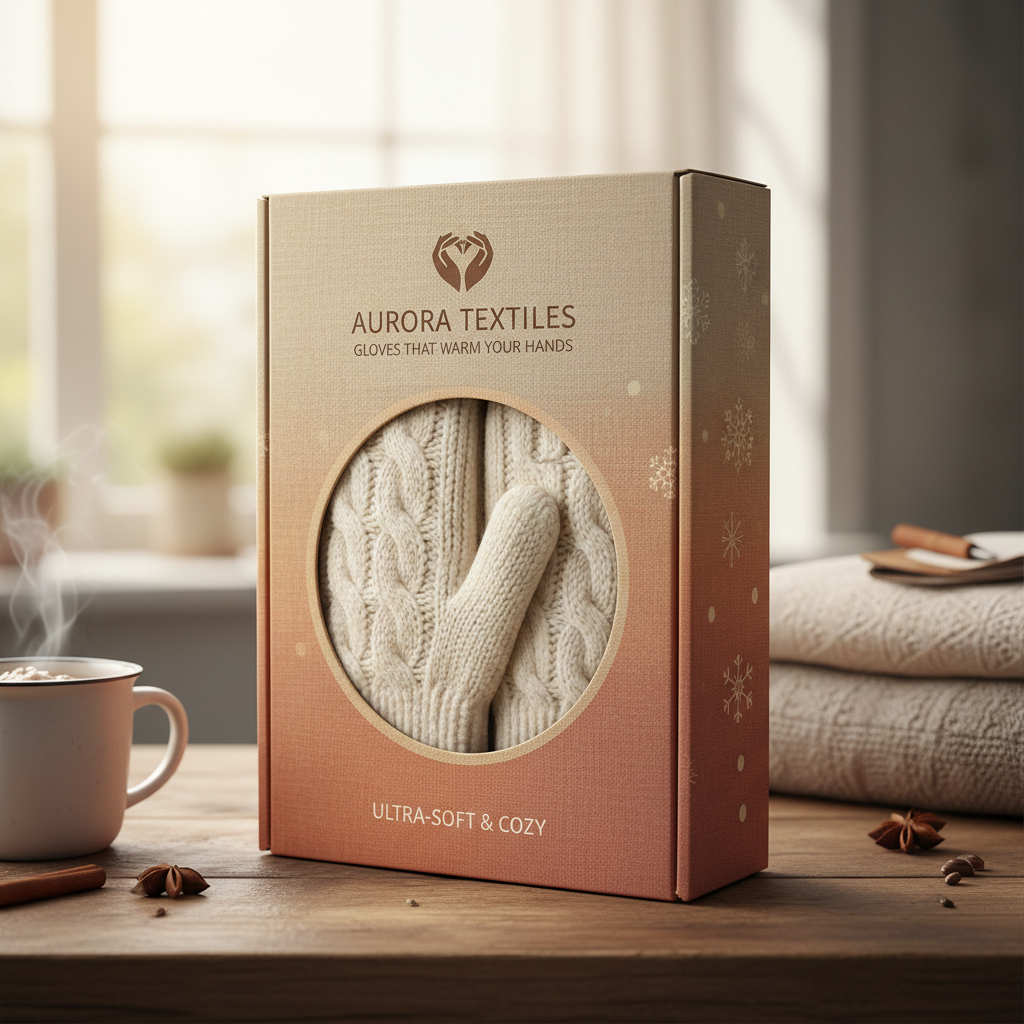
Logos via heat-transfer or embroidery; palm pattern tuning; cuff styles; colorways; retail-ready packaging. Chemical compliance: OEKO‑TEX Standard 100 fabrics where specified; REACH and RoHS screening for restricted substances; factory-level ISO 9001. Many buyers ask—yes, touch screen gloves performance is checked after branding to avoid degraded sensitivity.
Two quick case notes
- Ski school in Hokkaido: instructors reported 27% fewer “gloves off” incidents; phone use stayed reliable at −8 °C. Grip on poles felt “noticeably stickier.”
- Courier fleet in Stockholm: after 10 weeks, abrasion on high-wear zones remained within spec; touch screen gloves sensitivity held up post 20 washes.
Final thought: warmth is table stakes. The win here is ergonomic cut + dependable capacitive tips—surprisingly rare at this price point.
References
- EN 511:2006 – Protective gloves against cold (CEN)
- EN 388:2016+A1:2018 – Protective gloves against mechanical risks (CEN)
- ASTM D3886 – Standard Test Method for Abrasion Resistance of Textile Fabrics
- OEKO‑TEX Standard 100 – Product Class II guidance; REACH Annex XVII restricted substances