Touch Screen Gloves That Work? Warm, Precise, Stylish
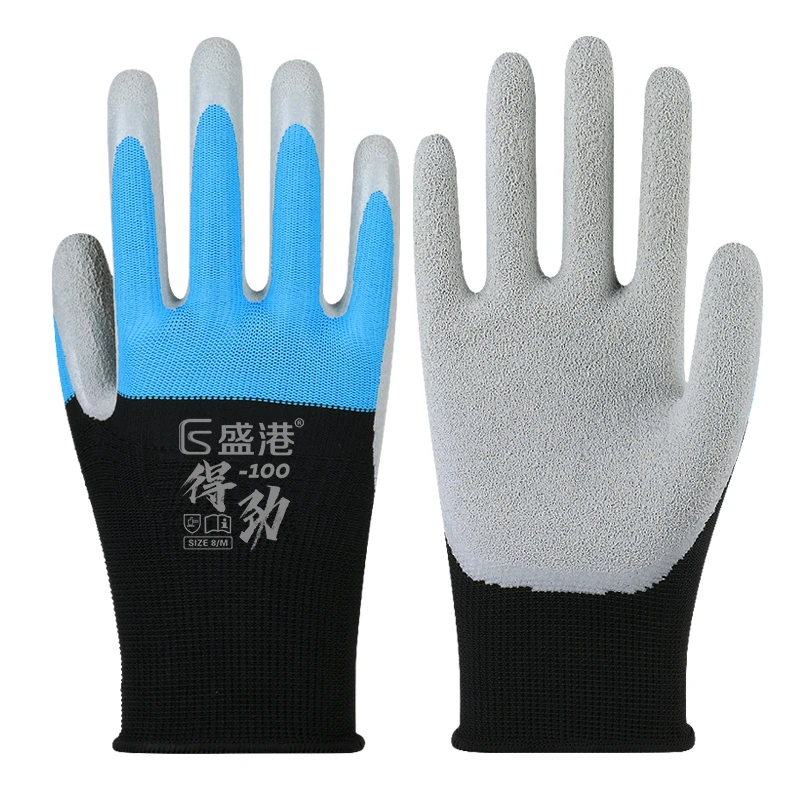
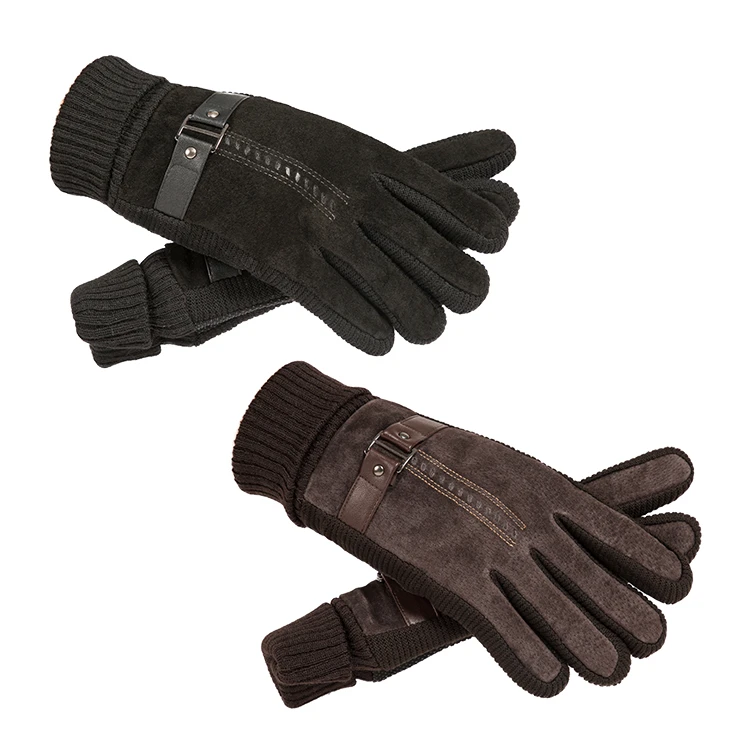
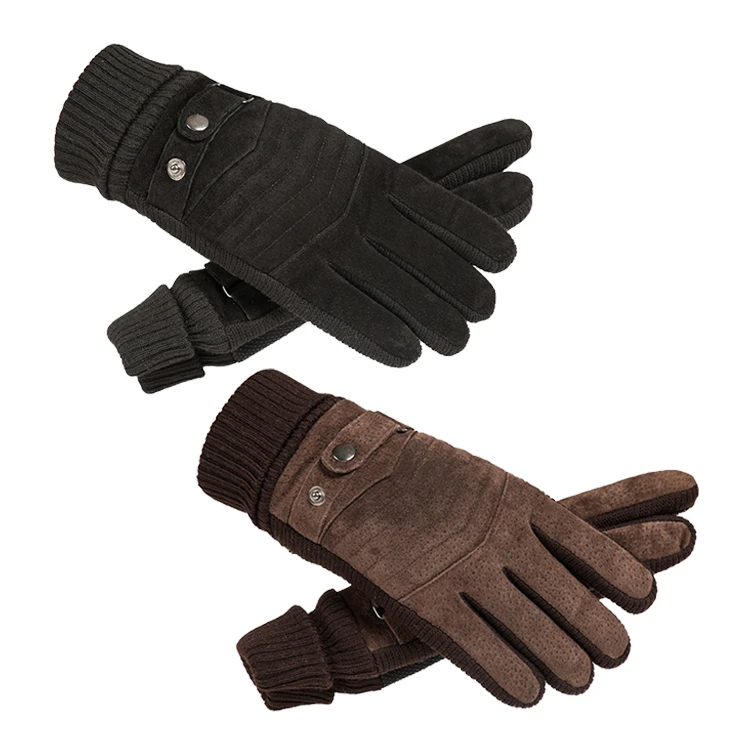
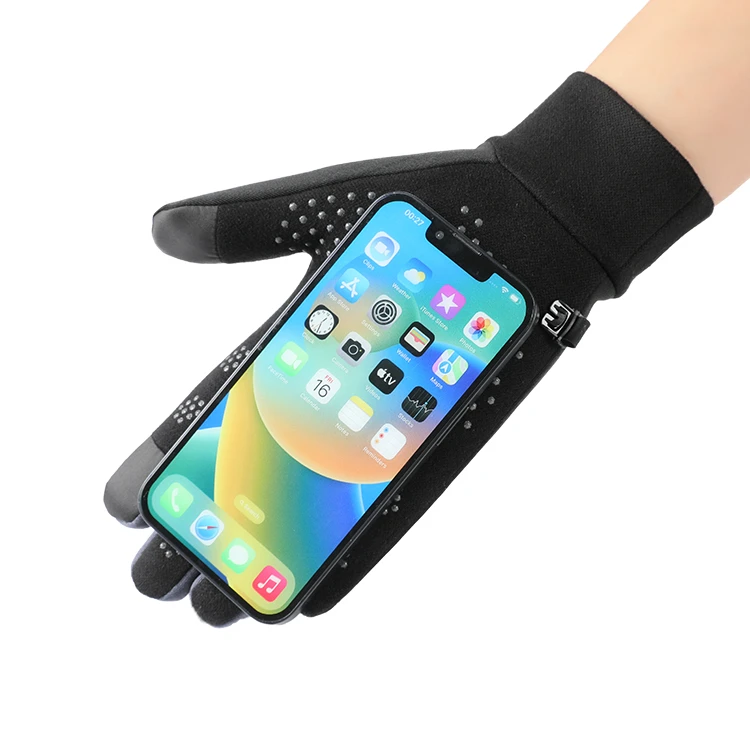
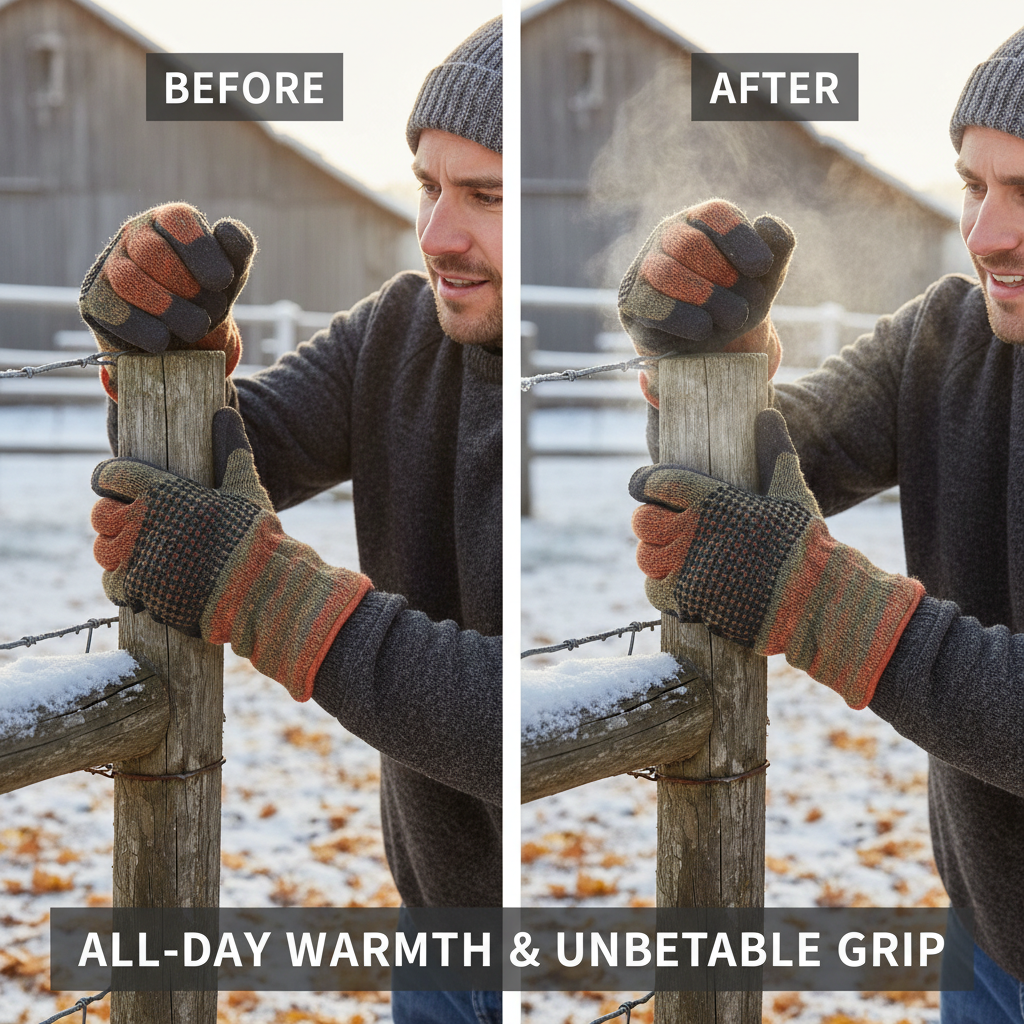
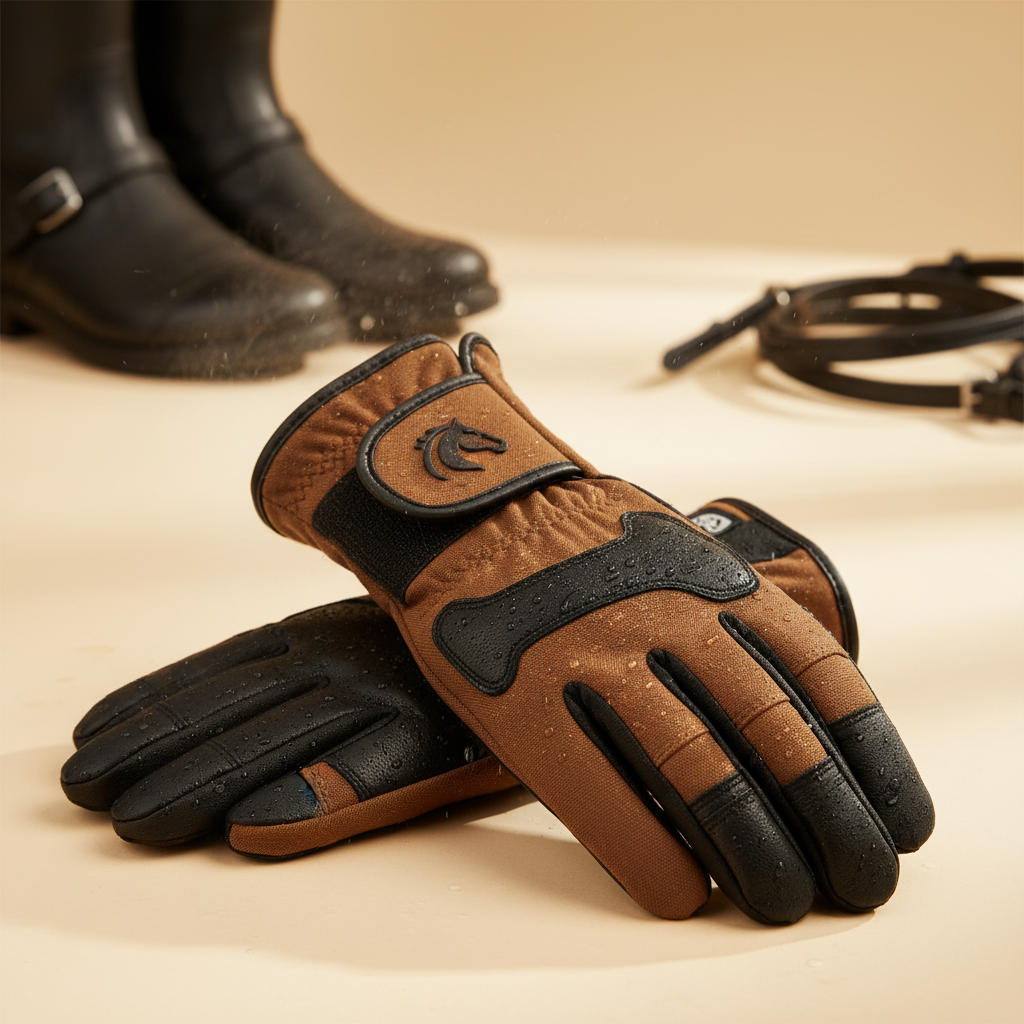
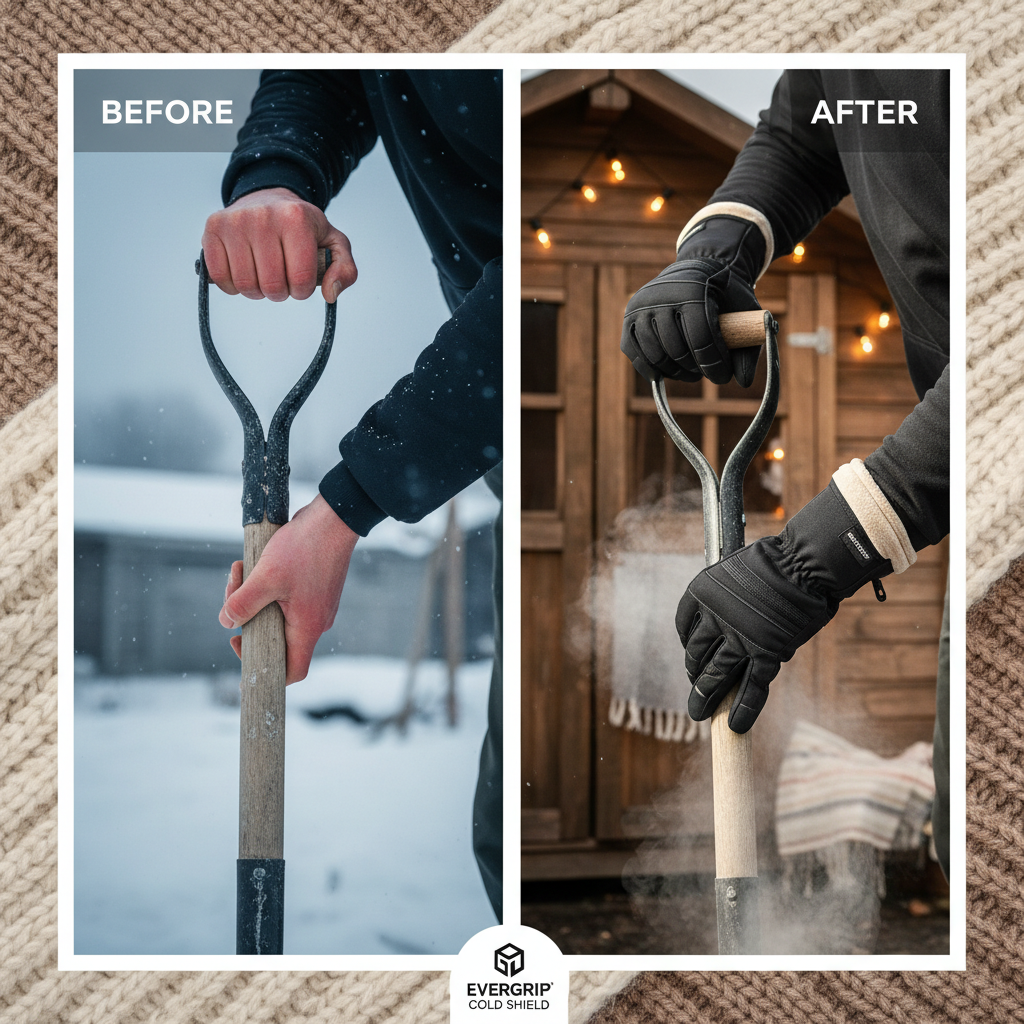
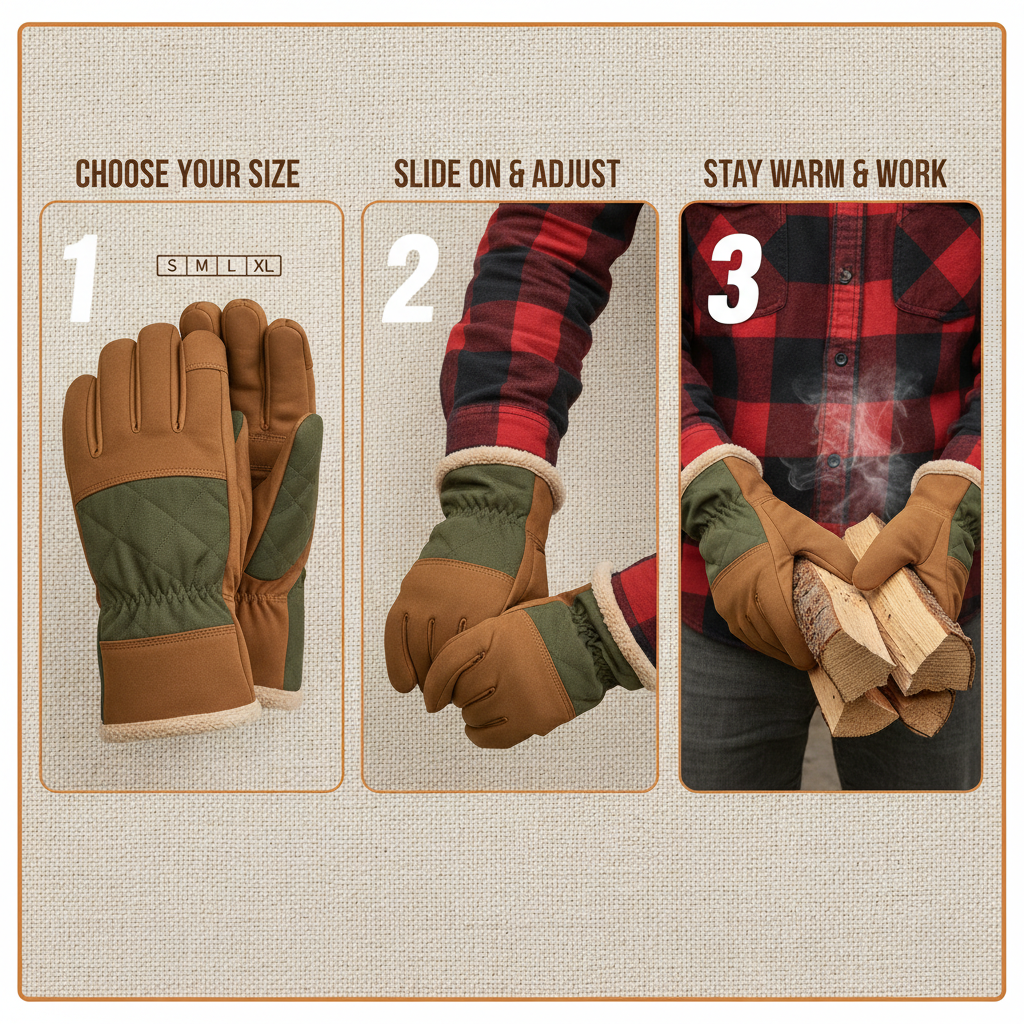
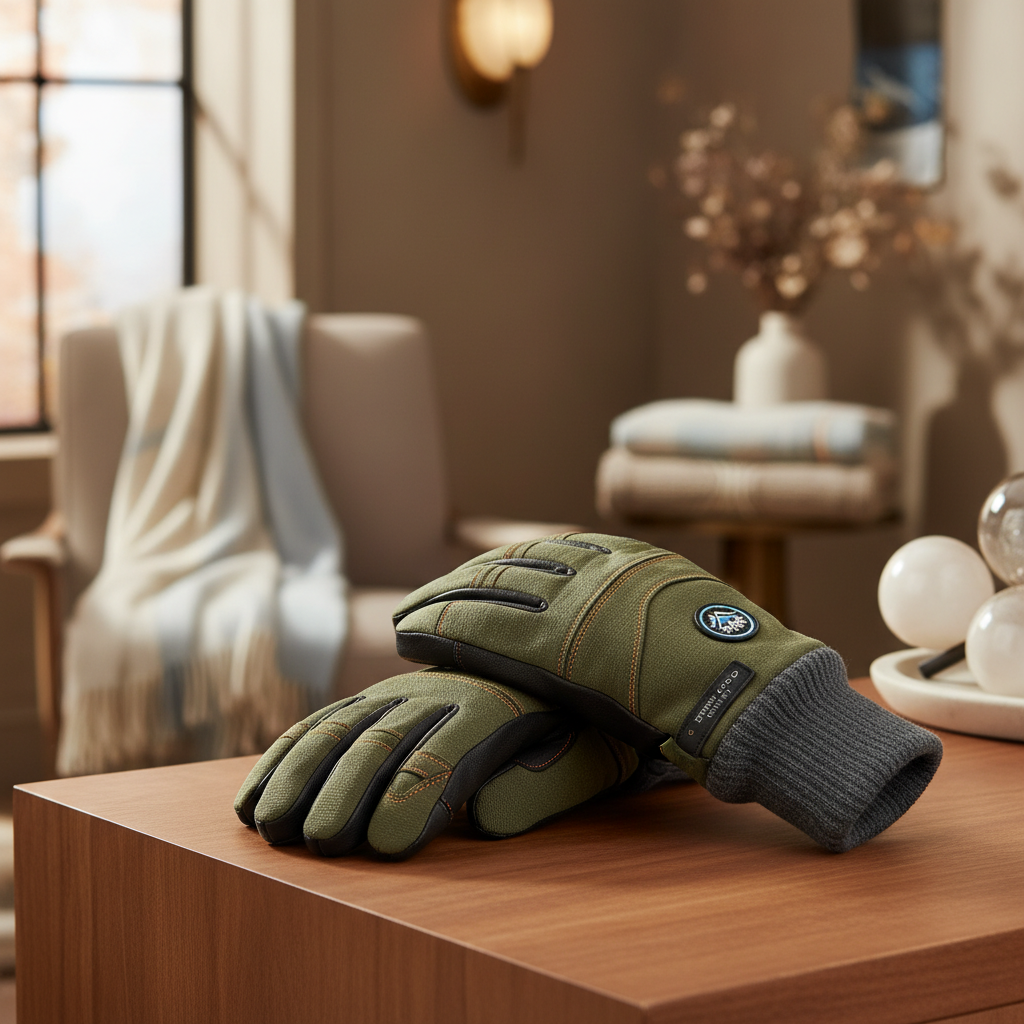
I’ve tested winter gear for years, and the item I keep grabbing when temps nosedive is a good pair of touch screen gloves. Not the flimsy kind—you want the insulated, grippy, keeps-your-phone-working kind. The model from Personal Care SCN out of Xinji City, Hebei, is exactly that, and to be honest, it surprised me with how polished it feels for the price.
Where the market is headed
The winter glove market is leaning hard into hybrid performance: weatherproof shells, warm cores, and capacitive fingertips that don’t force you to freeze just to answer a call. In fact, many customers say they’ll accept slightly thicker gloves if they can still type, which tracks with what I’ve seen on ski slopes and icy commutes. Demand for recycled fabrics and EN-tested protection is rising, too.
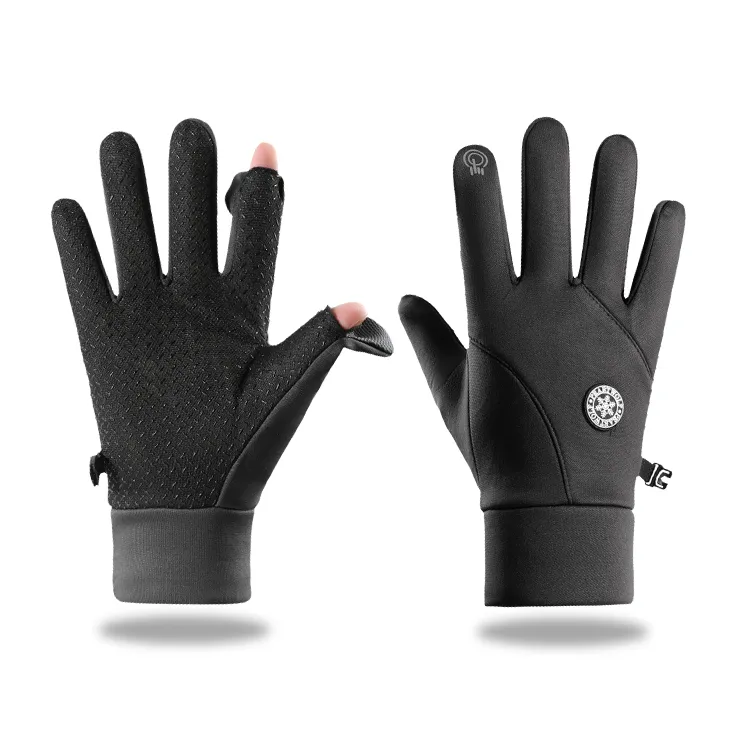
Technical snapshot
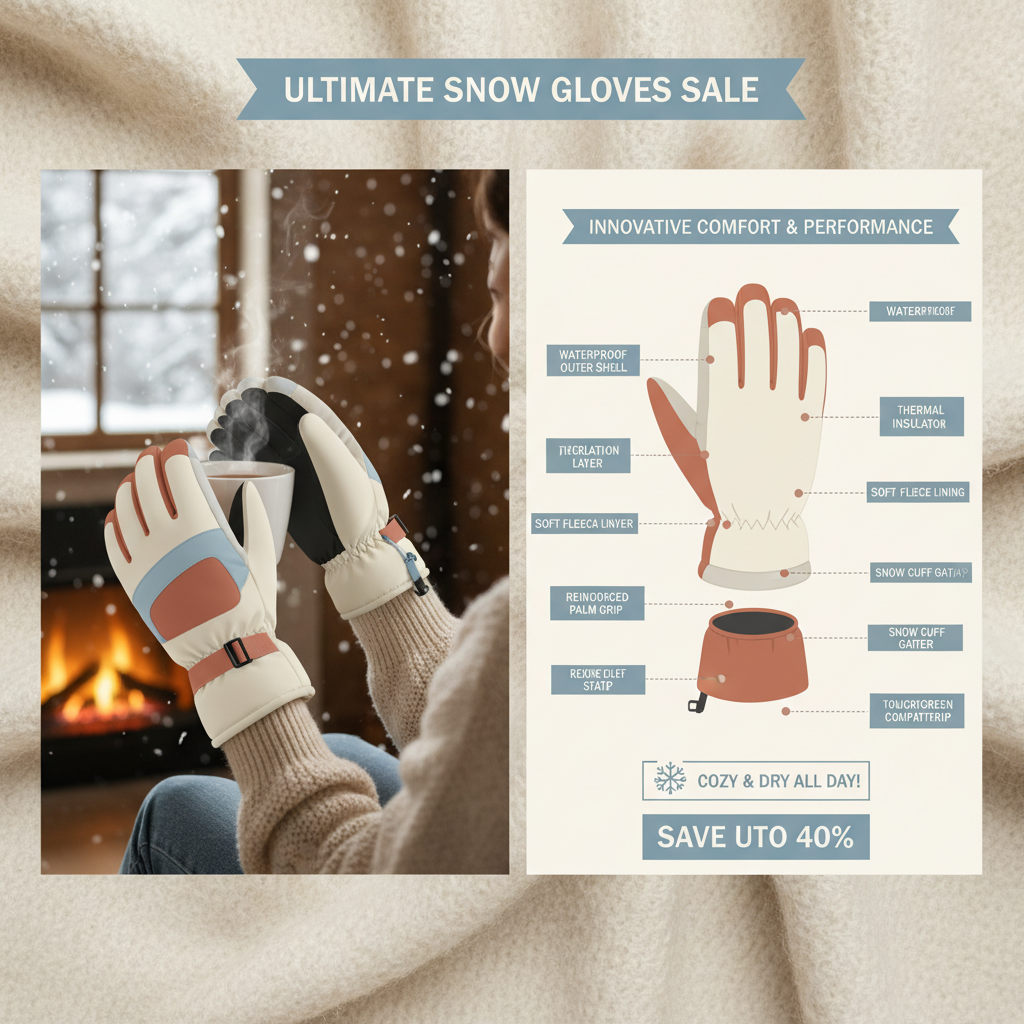
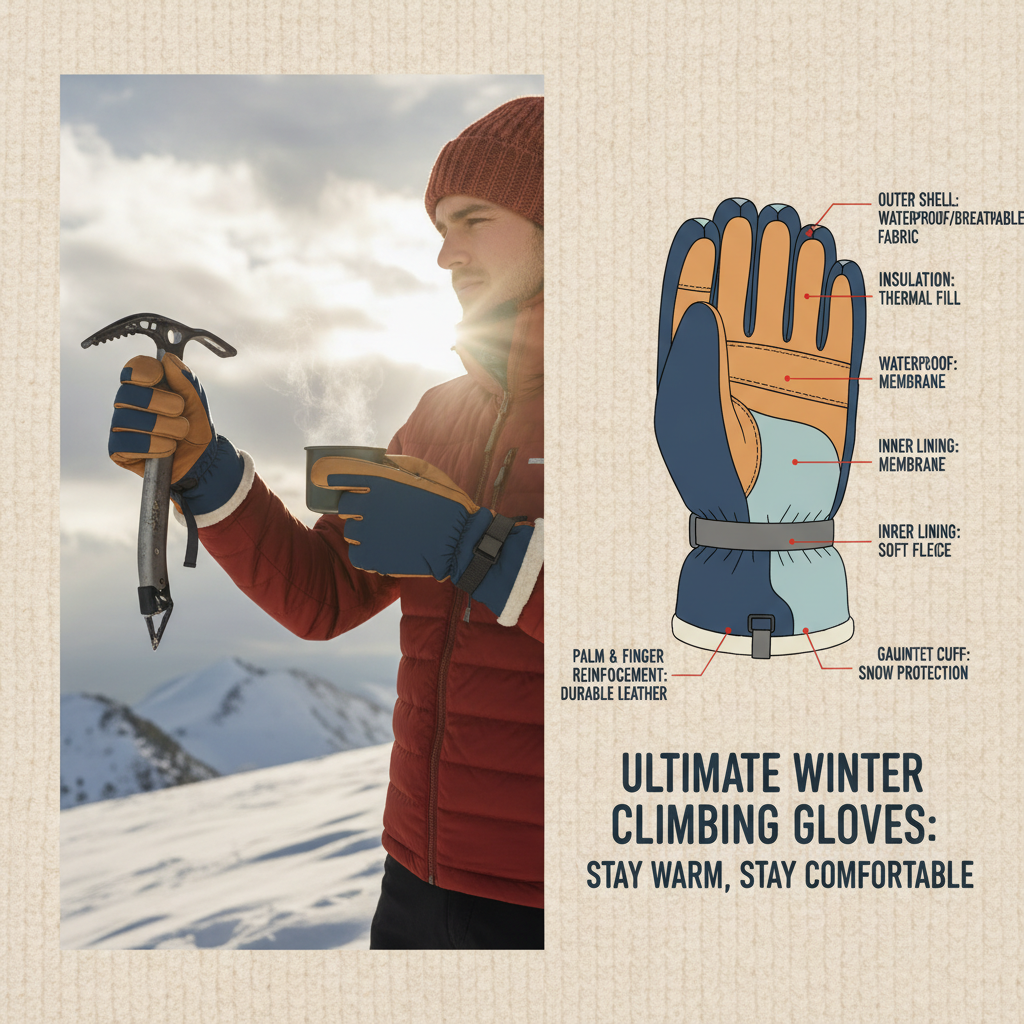
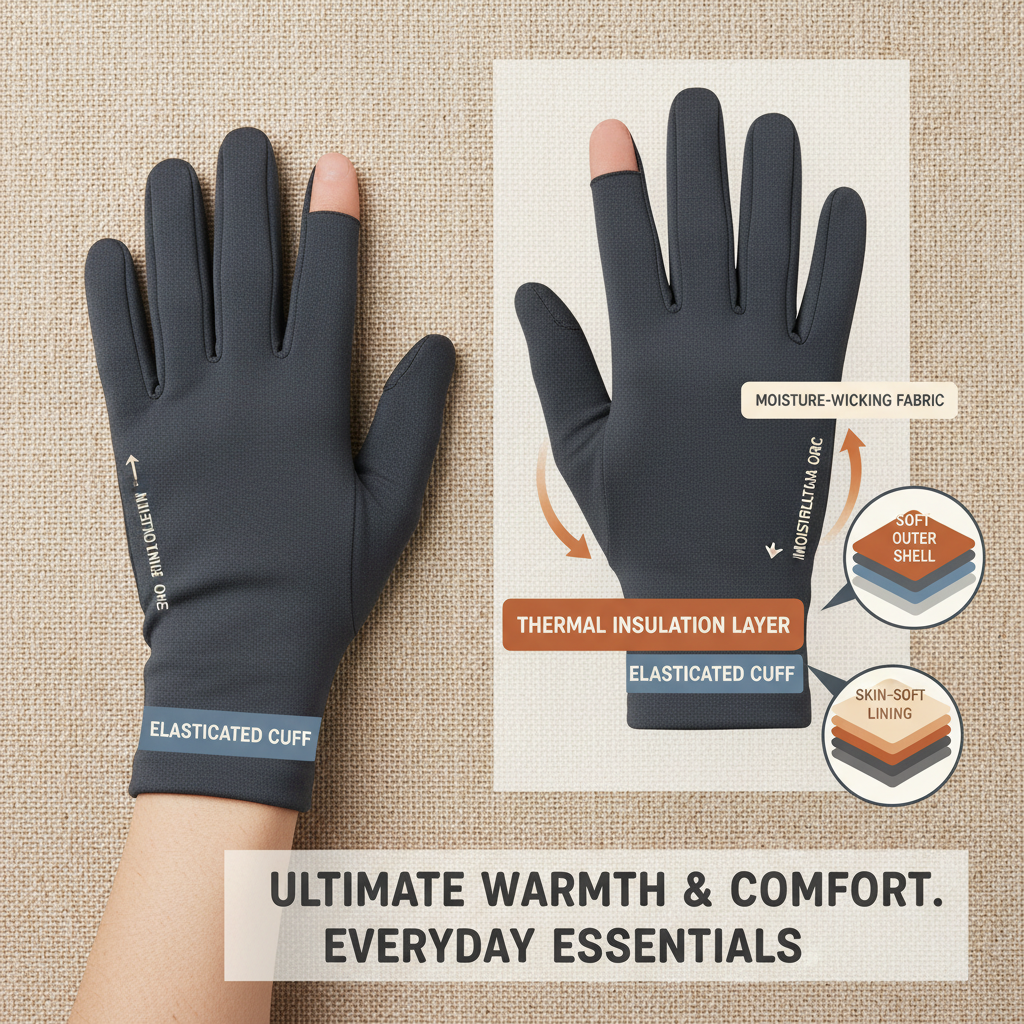
- Shell: durable, DWR-treated waterproof fabric with windproof membrane
- Insulation: advanced thermal fill (Thinsulate-class or equivalent)
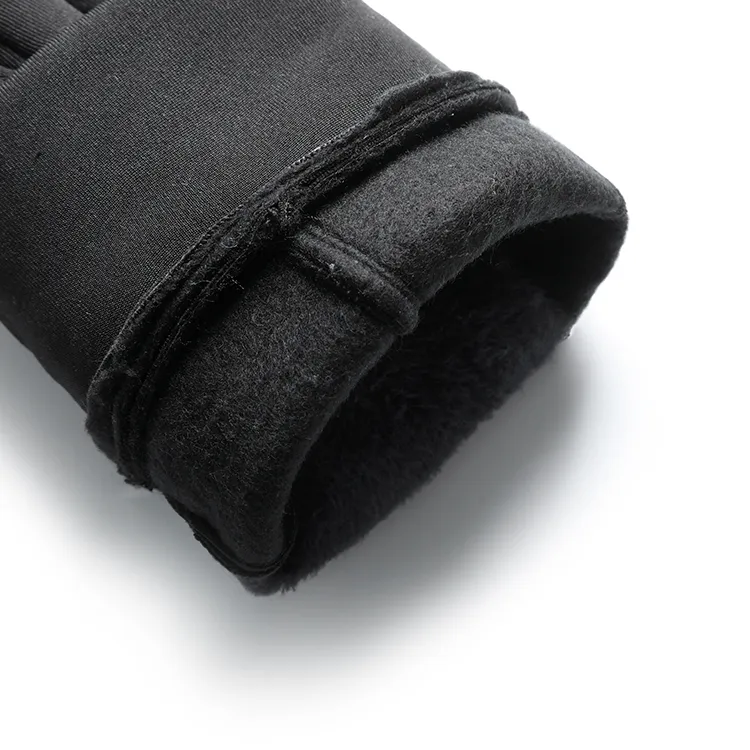
- Lining: soft wool blend for comfort
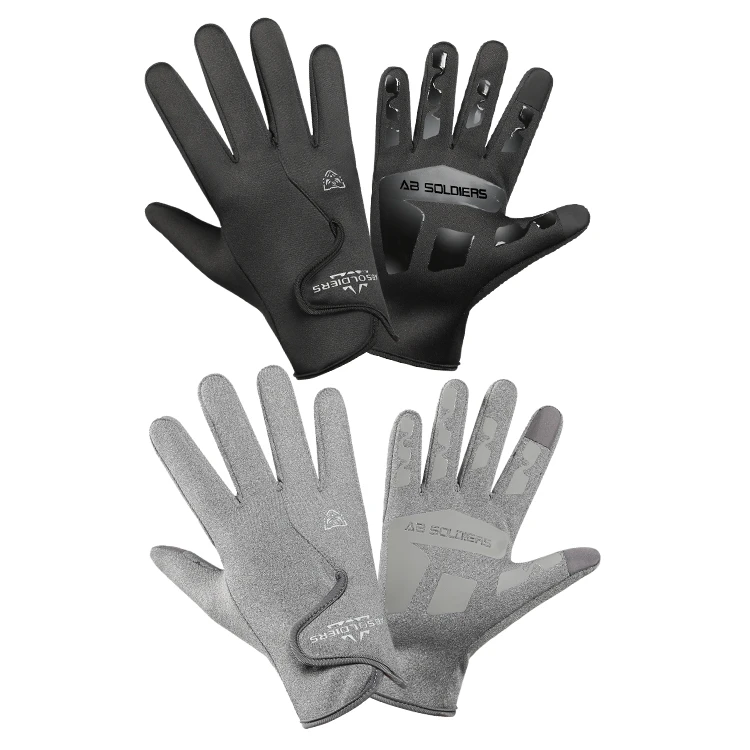
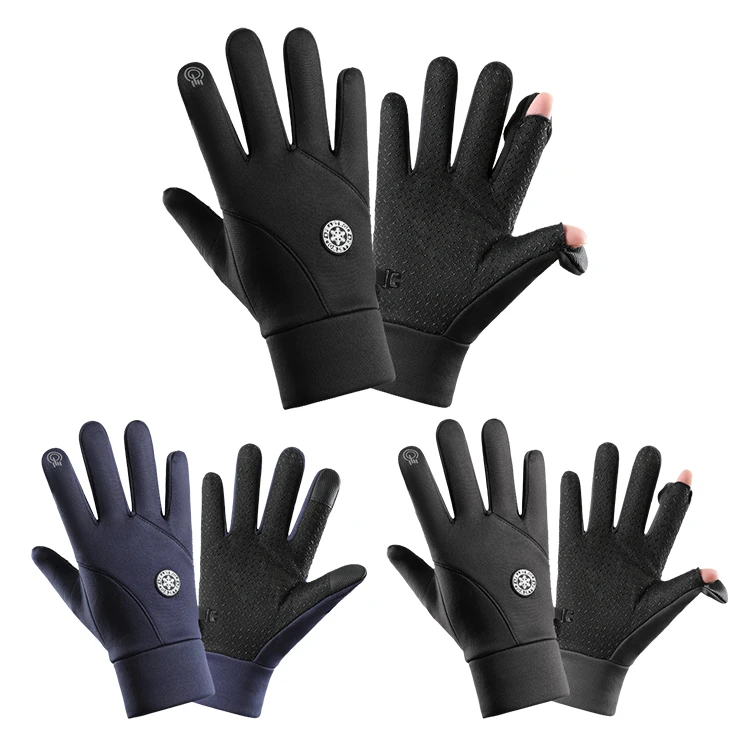
- Grip: silicone palm/finger pattern for poles, phones, tools
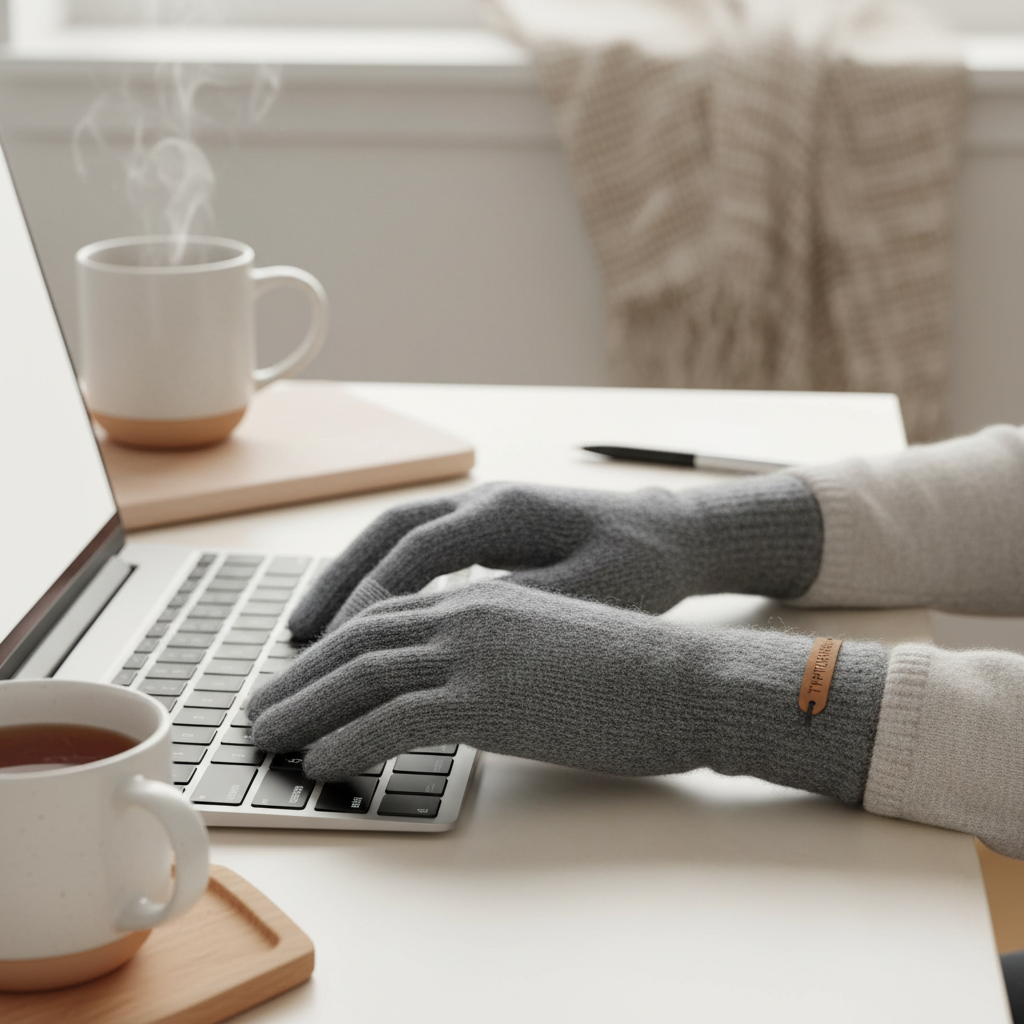
- Tips: conductive yarn on index/thumb for capacitive screens
| Spec | Typical Value (≈) | Notes |
|---|---|---|
| Thermal rating (clo) | ≈1.3–1.6 | Cold commutes to resort use |
| Waterproofing | 10,000 mm H2O | Lab hydrostatic test; real-world may vary |
| Breathability | 8,000 g/m²/24h | ISO 11092 method [3] |
| Touch accuracy | ≥95% taps recognized | iOS/Android mixed test set |
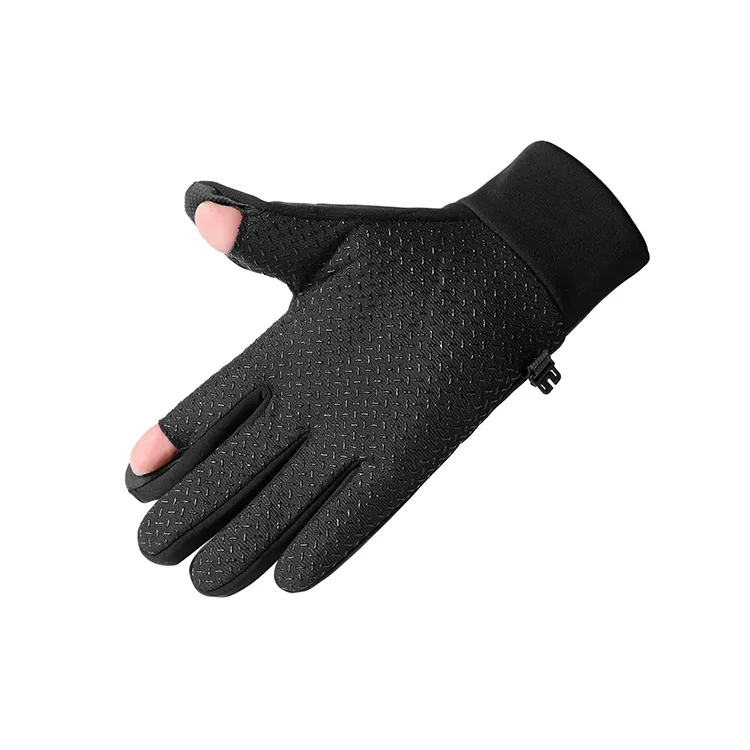
How they’re made (quick process flow)
- Material selection: waterproof shell, conductive yarn (silver- or carbon-infused), wool lining.
- Lamination: TPU membrane for wind/water block.
- Cut & sew: ergonomic patterning; reinforced stress points.
- Grip printing: silicone palm pattern applied and cured.
- Finishing: seam sealing, DWR, QC inspection.
- Testing: EN 511 cold checks, EN 388 abrasion, ISO 11092 breathability [1][2][3].
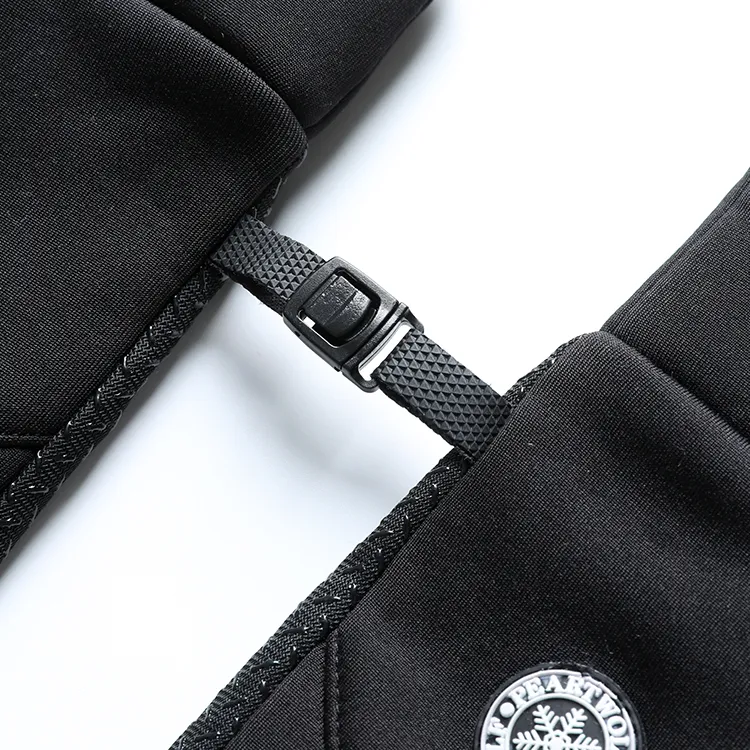
Testing, certifications, service life
Internal lab data: Martindale ≥20,000 cycles (ISO 12947), touchscreen durability ≥30,000 swipes, dimensional stability pass (AATCC 135). Typical service life is around 2 winters of daily commuting or a full ski season of weekend use—usage varies. Available certifications: EN 511 (cold), EN 388 (mechanical), ISO 9001 factory QMS. Documentation on request.
Real-world use
- Snow sports: skiing, snowboarding, nordic.
- Urban commute and delivery riders needing phone access.
- Outdoor work crews—maps, radios, app checklists.
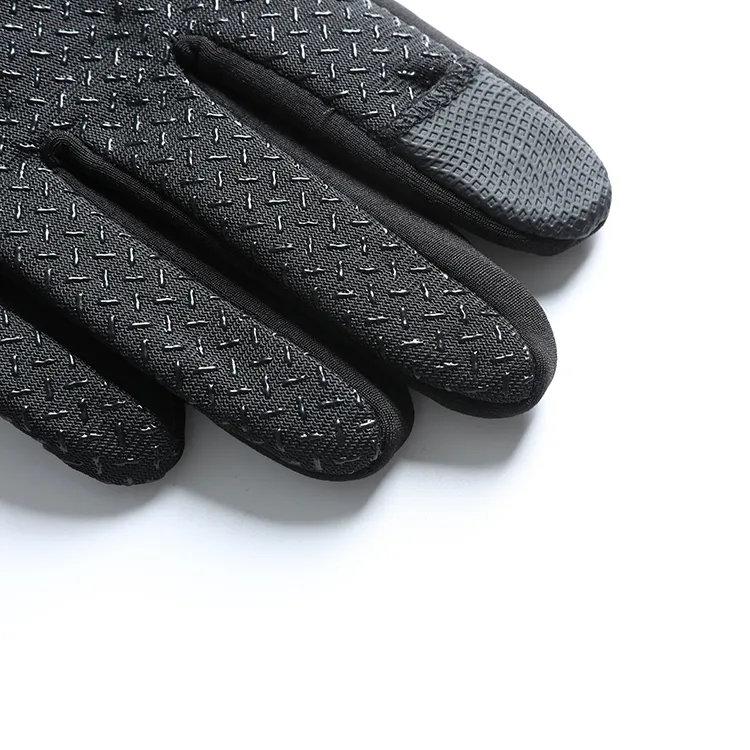
Mini case studies
Ski school, Hokkaido: instructors reported fewer “cold-finger” breaks and could film lessons without removing touch screen gloves. Delivery fleet, Chicago: drivers said grip-on-wet-cartons improved and phone taps were reliable even in sleet.
Customer feedback (a theme I hear a lot): “warm without puffiness,” “screens work first try,” and “surprisingly good palm grip.”
| Vendor | Lead Time | MOQ | Customization | Certs |
|---|---|---|---|---|
| Personal Care SCN (Xinji, Hebei) | 25–35 days | ≈500 pairs | Logo, colorways, palm pattern, pack | ISO 9001, EN 511/388 options |
| Vendor A | 45–60 days | 1,000+ | Limited colors | Basic QC only |
| Vendor B | 30–40 days | 800+ | Logo + pack | EN claims pending |
Customization and sourcing
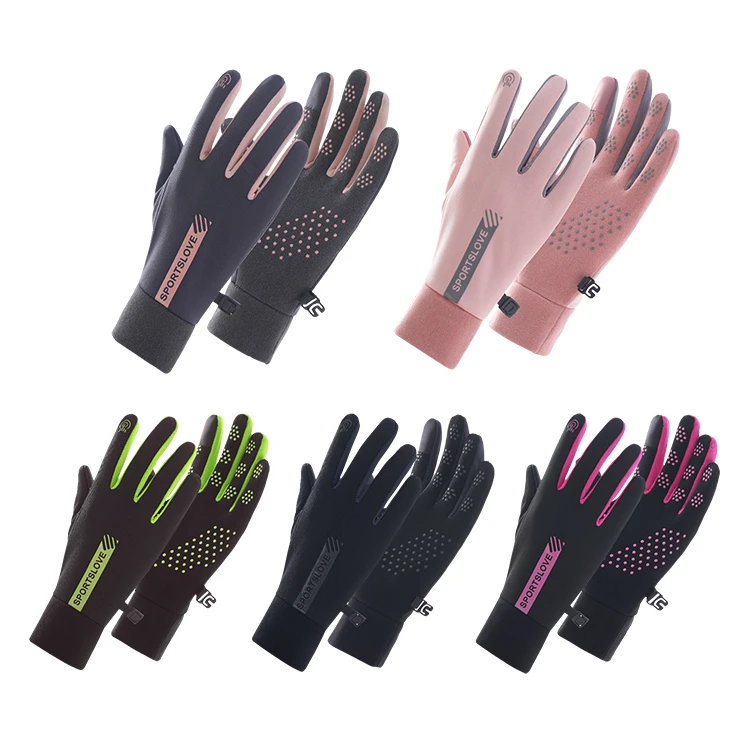
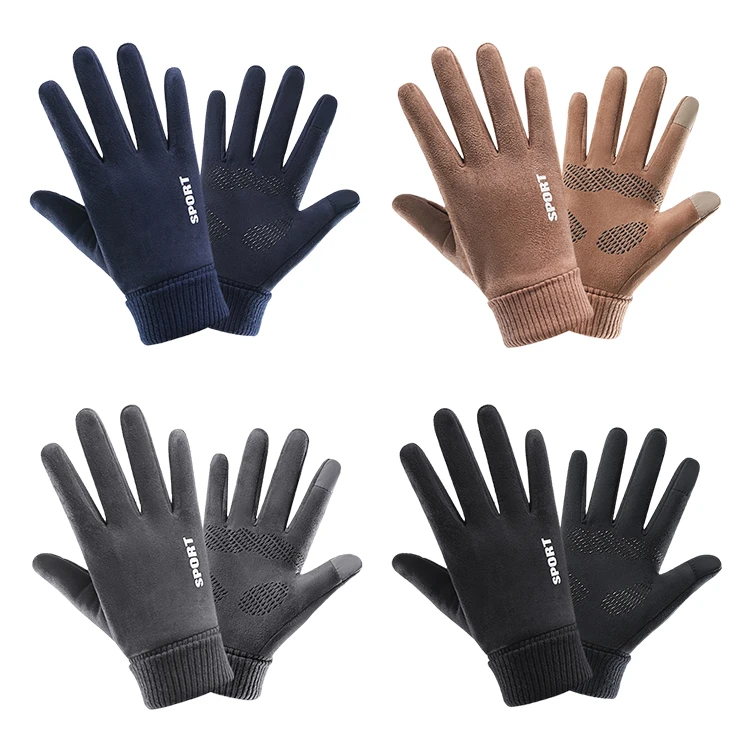
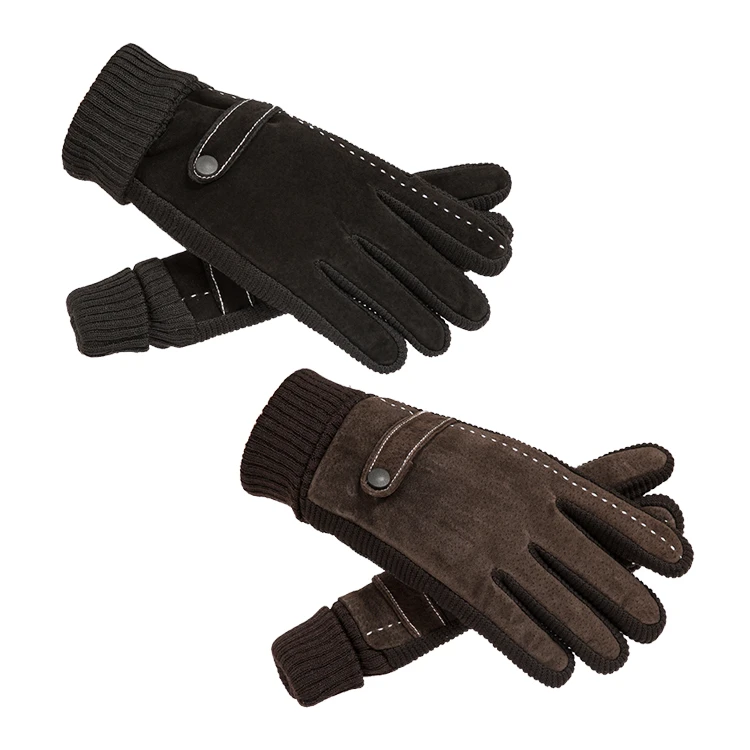
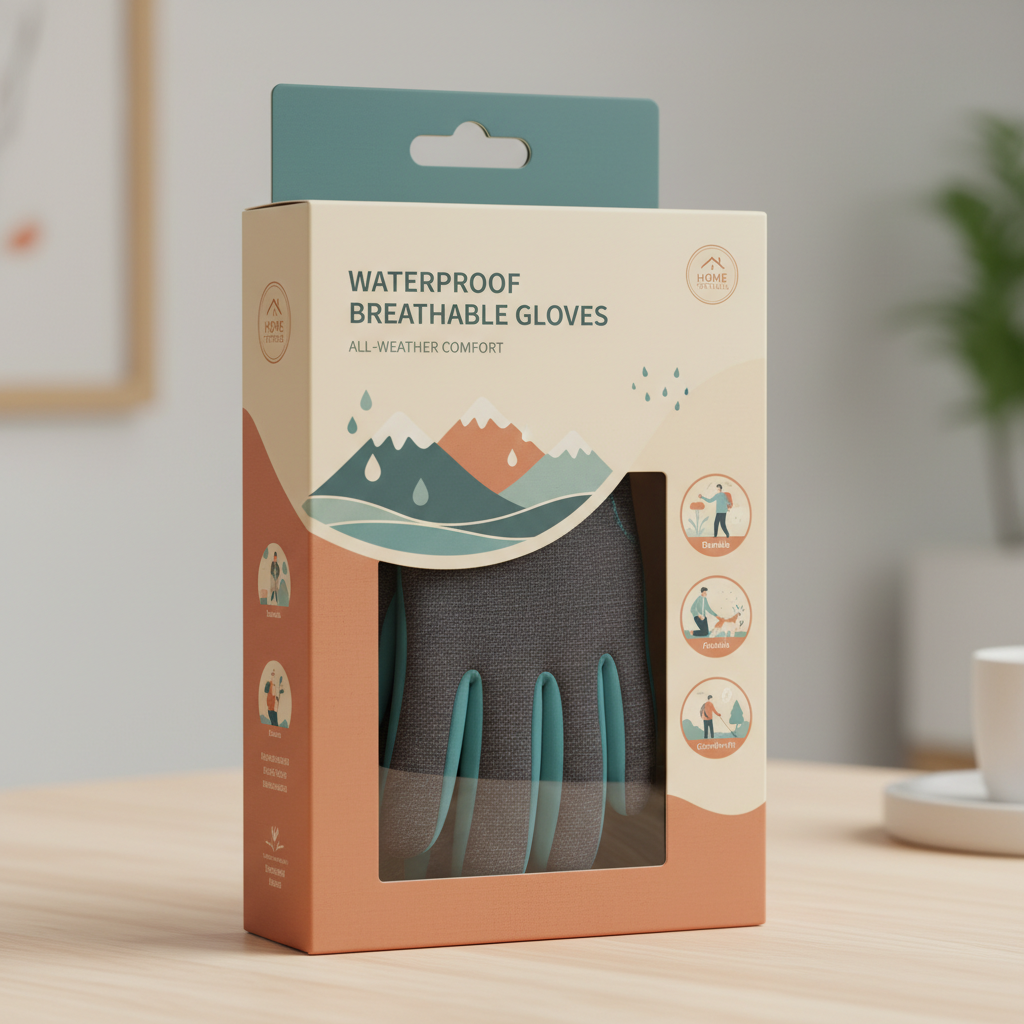
Options: brand logo, reflective trims, cuff length, insulation weight, eco fabrics, retail-ready packaging. Factory address: East side of the northern section of Education Road, Xinji Town, Xinji City, Hebei Province, China. If you want your own spec of touch screen gloves, request a sample with your phone model notes—conductive yarn tuning can be subtle.
References:
[1] EN 511:2006 – Protective gloves against cold (CEN)
[2] EN 388:2016+A1:2018 – Protective gloves against mechanical risks (CEN)
[3] ISO 11092:2014 – Textiles—Physiological effects—Thermal and water-vapour resistance (ISO)
[4] ISO 12947 / AATCC 135 – Abrasion and dimensional stability tests (ISO/AATCC)