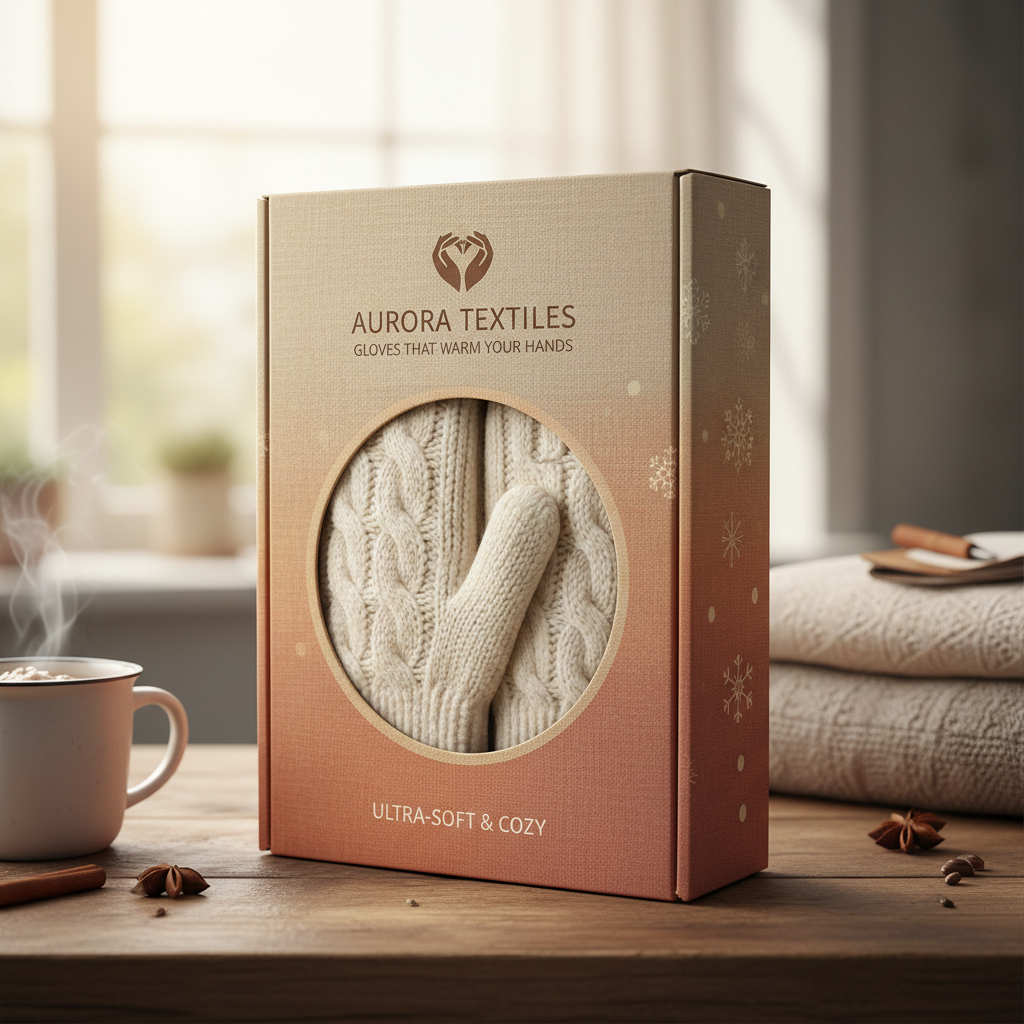
Touch Screen Gloves – Warm, Anti-Slip, Full-Finger Accuracy
Winter-ready tech: a field report on touch screen gloves
I spent last January testing gloves on ski lifts and drizzly city streets. To be honest, once you get used to swiping your phone without freezing your fingers, there’s no going back. The model I kept reaching for comes out of Xinji, Hebei—specifically the east side of the northern section of Education Road, Xinji Town—and it’s surprisingly polished for the price.
What’s trending in gloves (and why it matters)
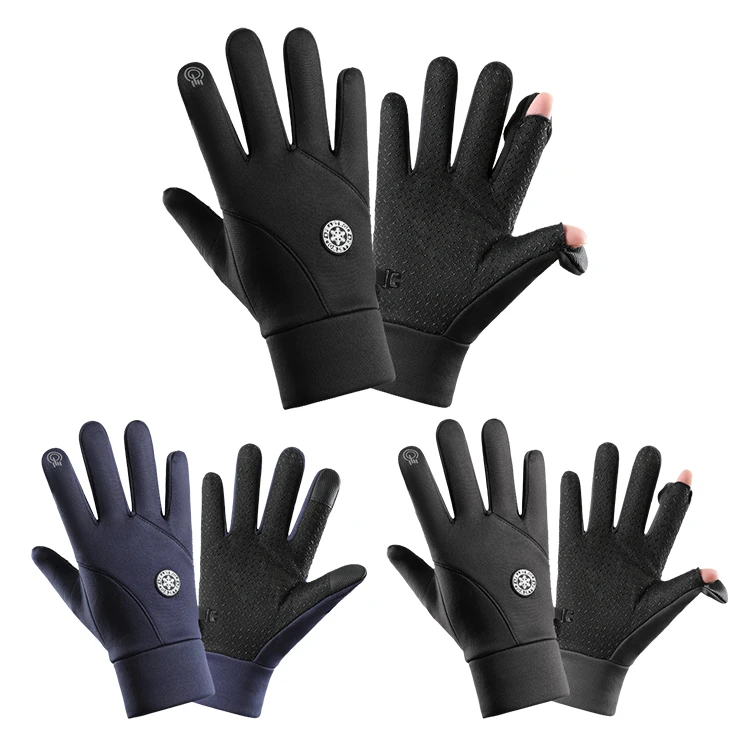
Three things are shaping the market: phones everywhere (obviously), better conductive yarns (silver-coated nylon and carbon-infused fibers), and sustainability demands. Actually, the biggest jump I noticed was in dexterity: modern liners and softshell laminates bend with your hand instead of fighting it.
Technical build, in plain English
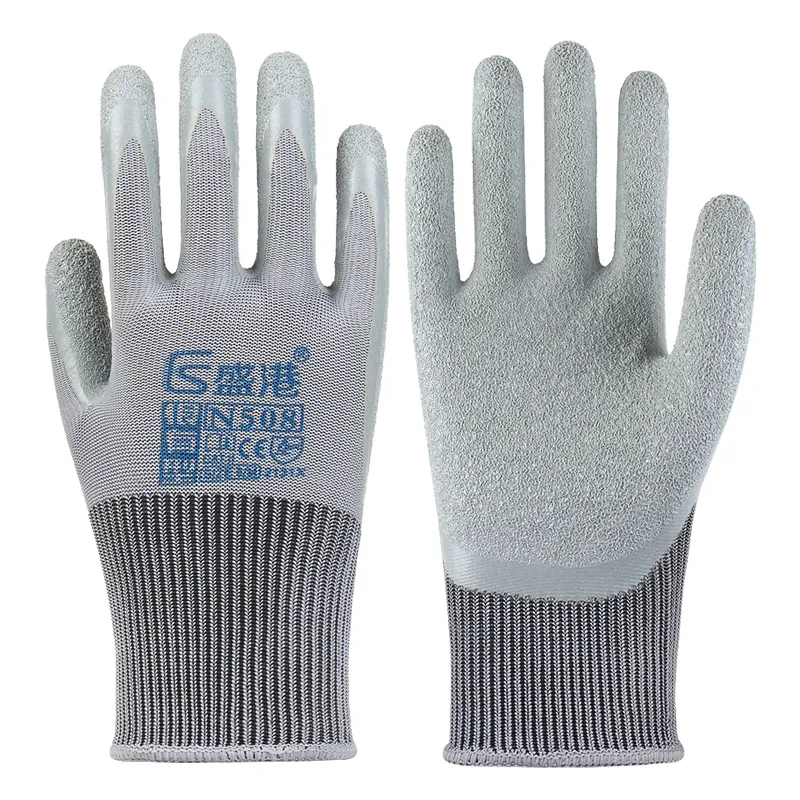
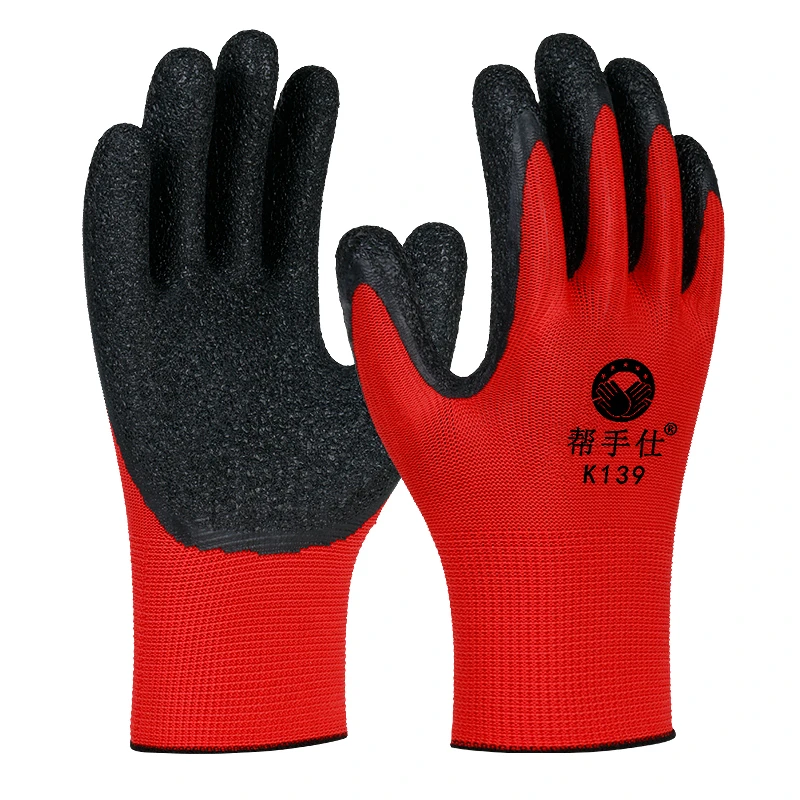
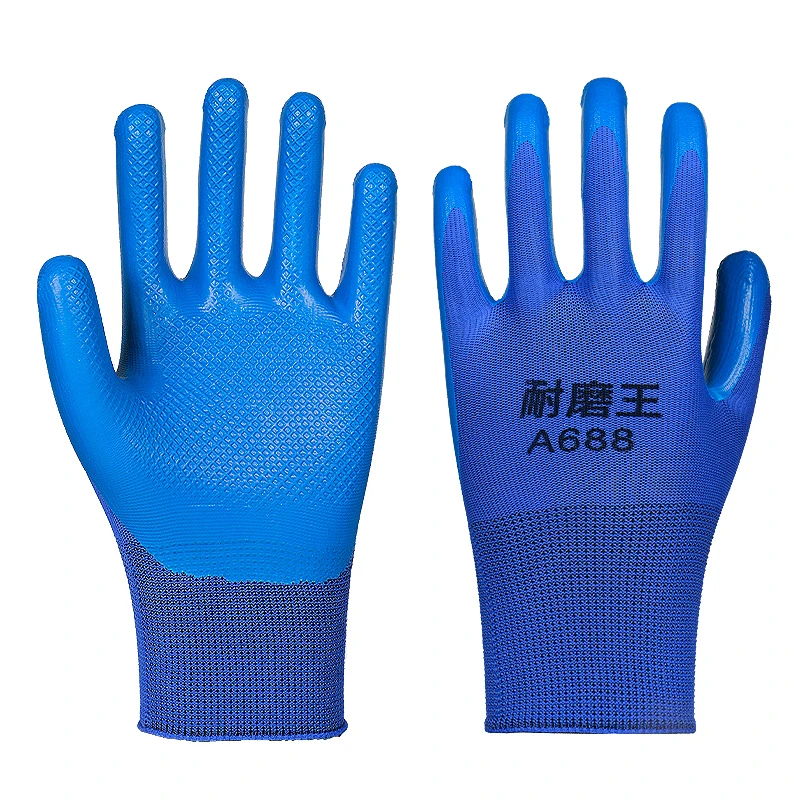
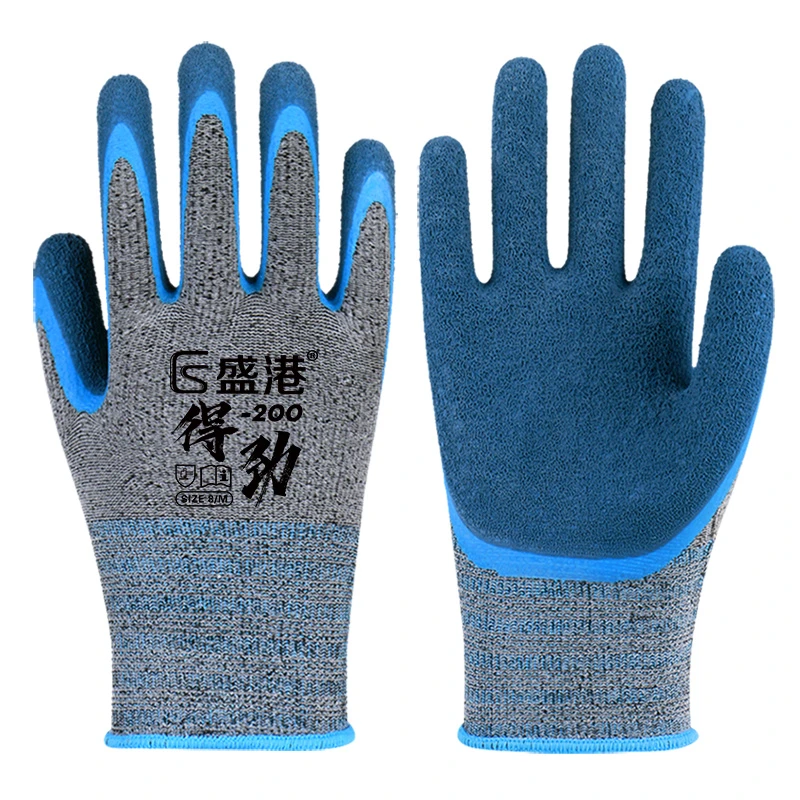
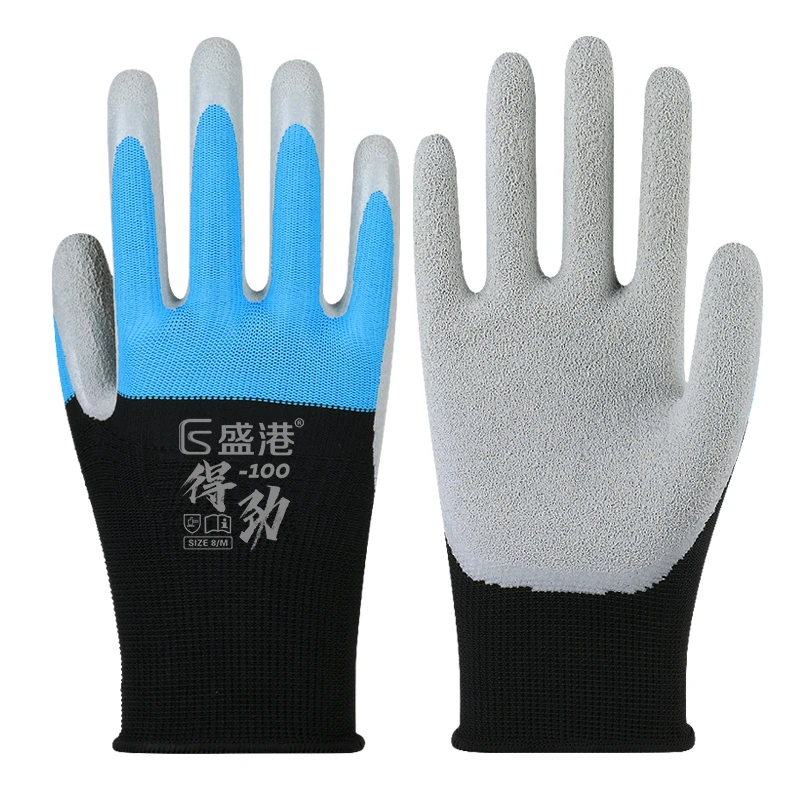
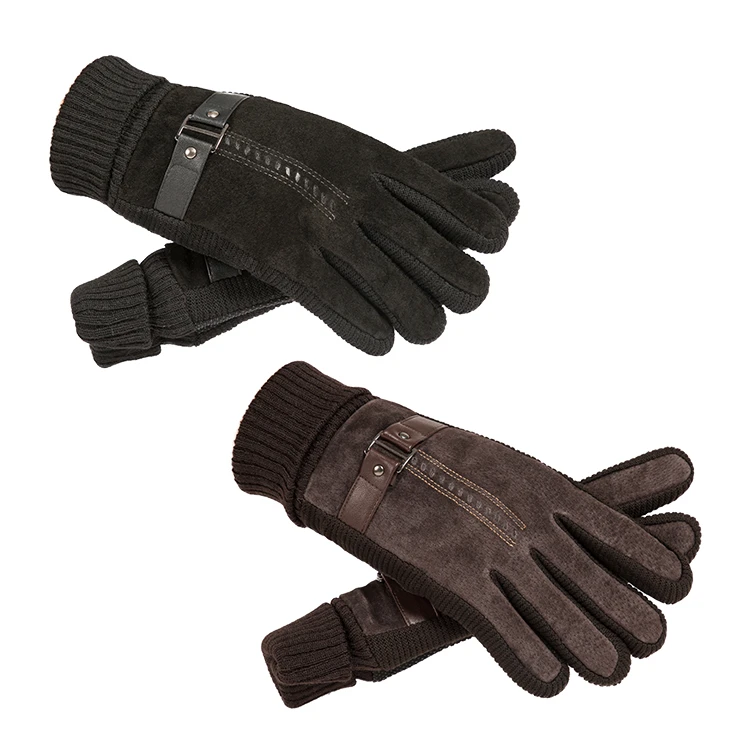
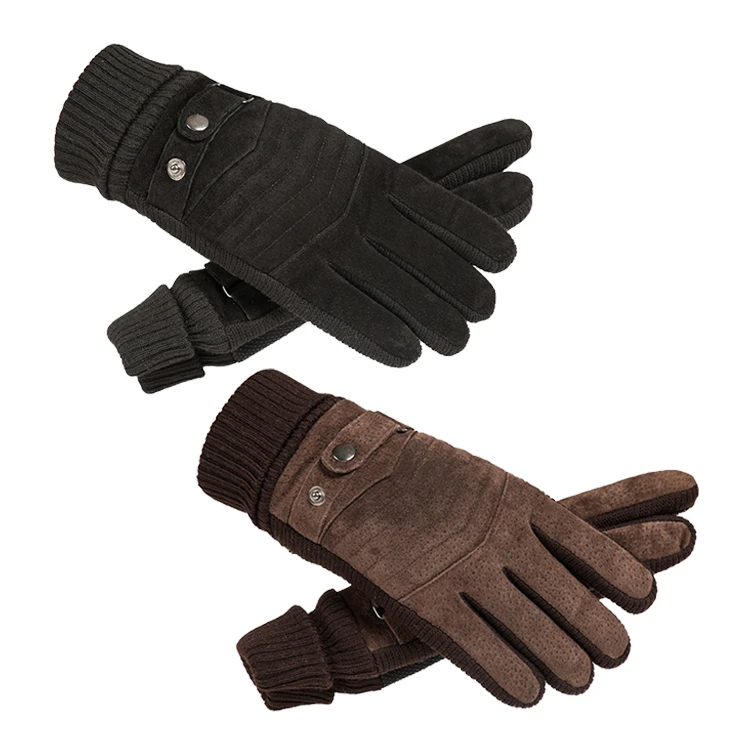
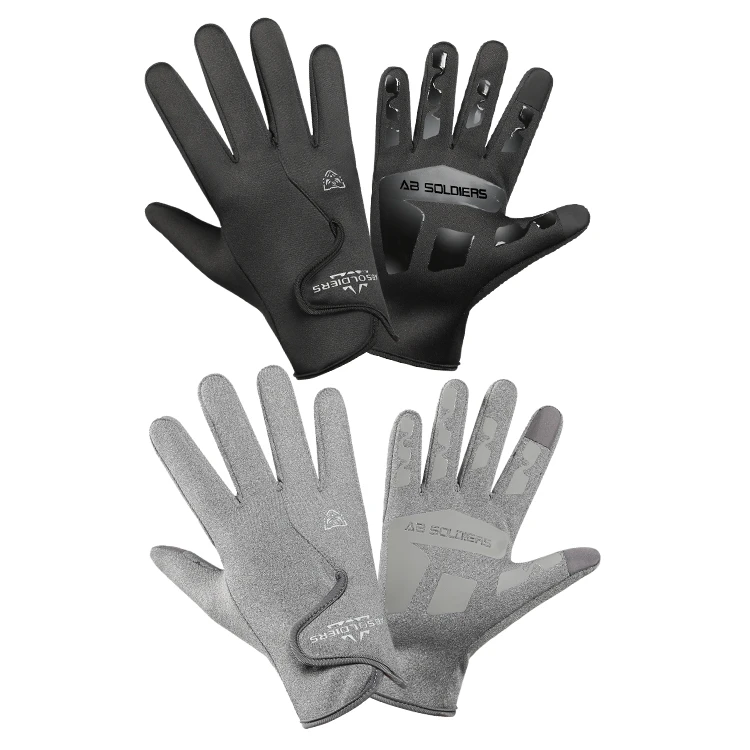
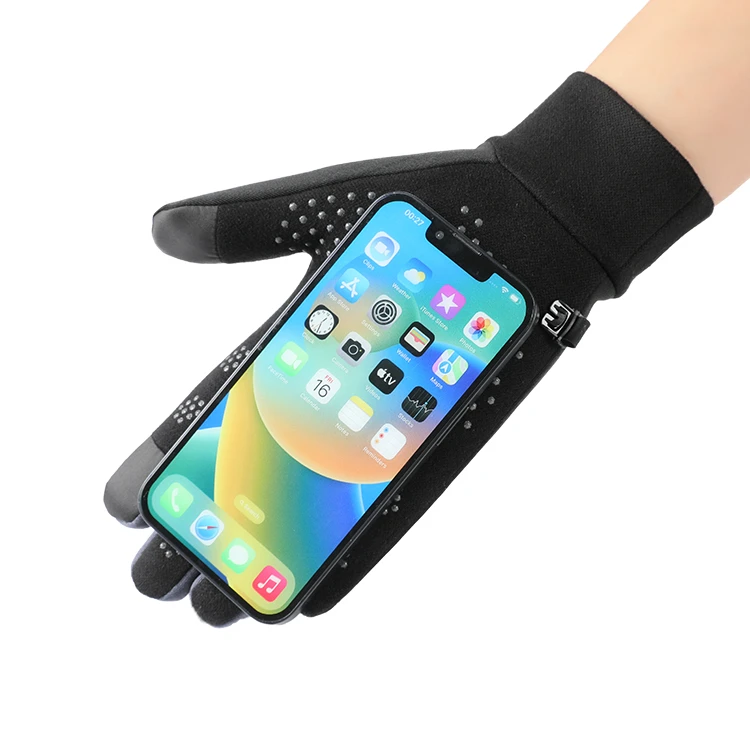
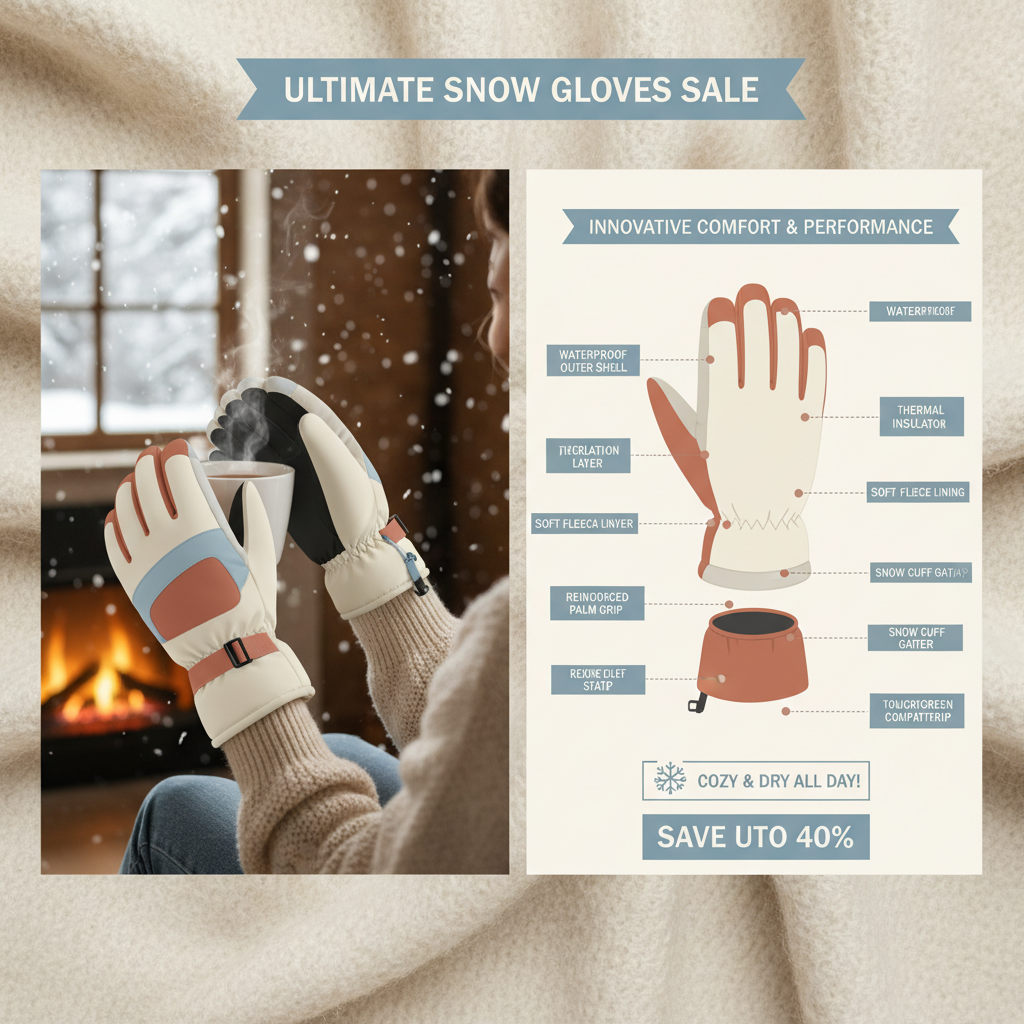
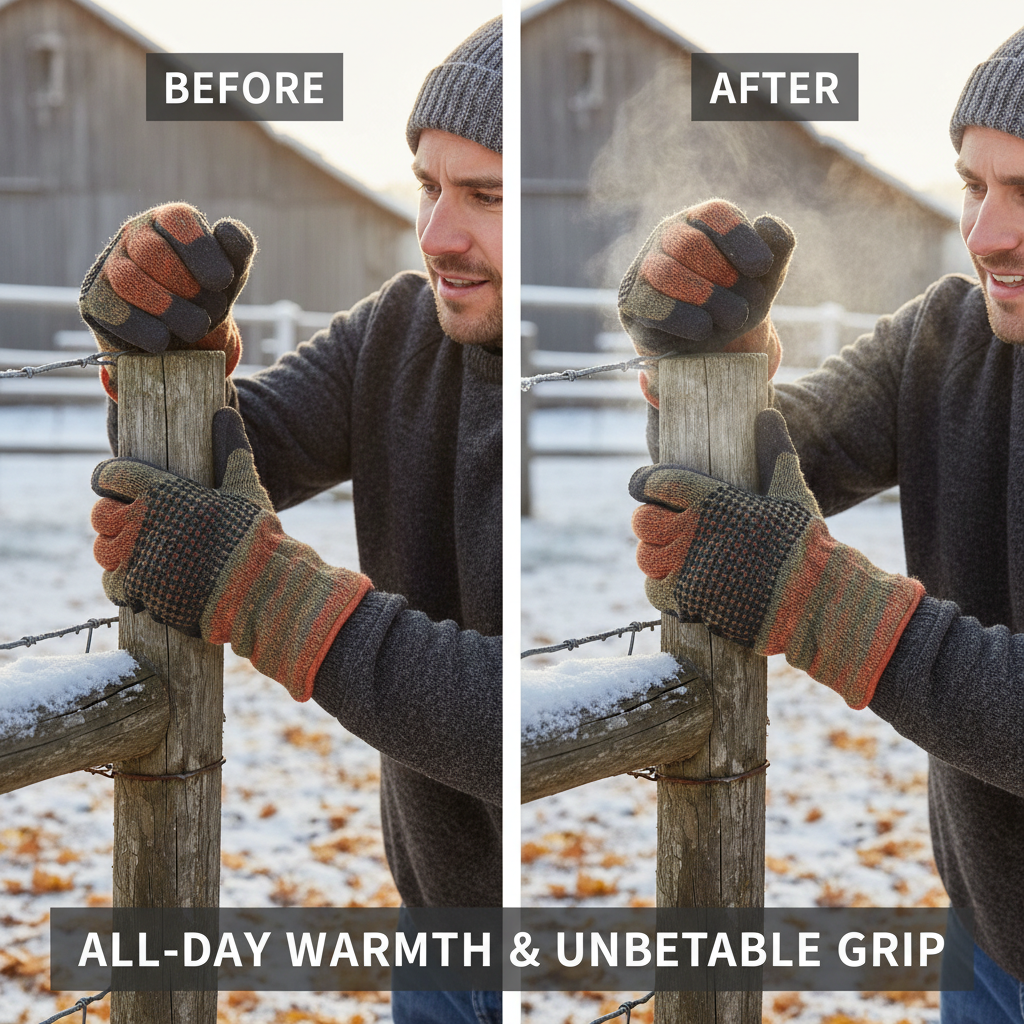
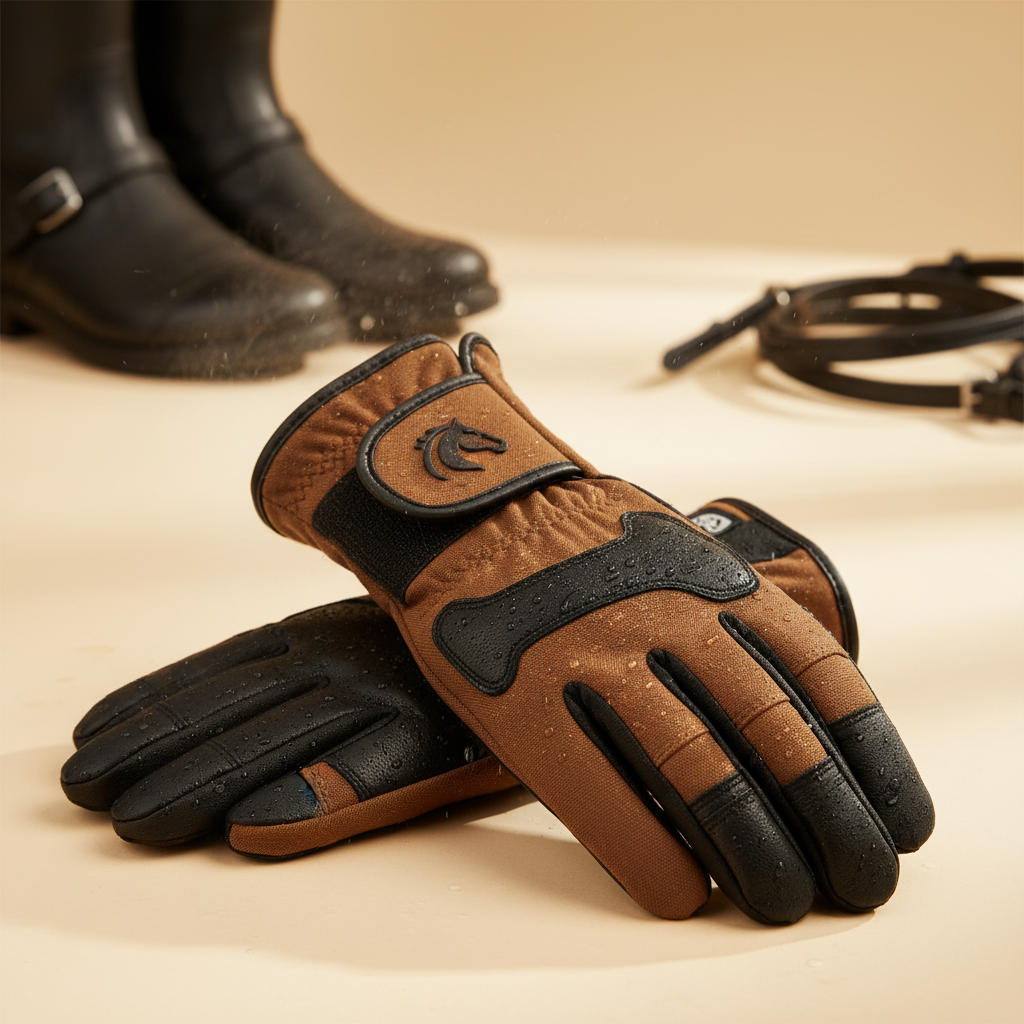
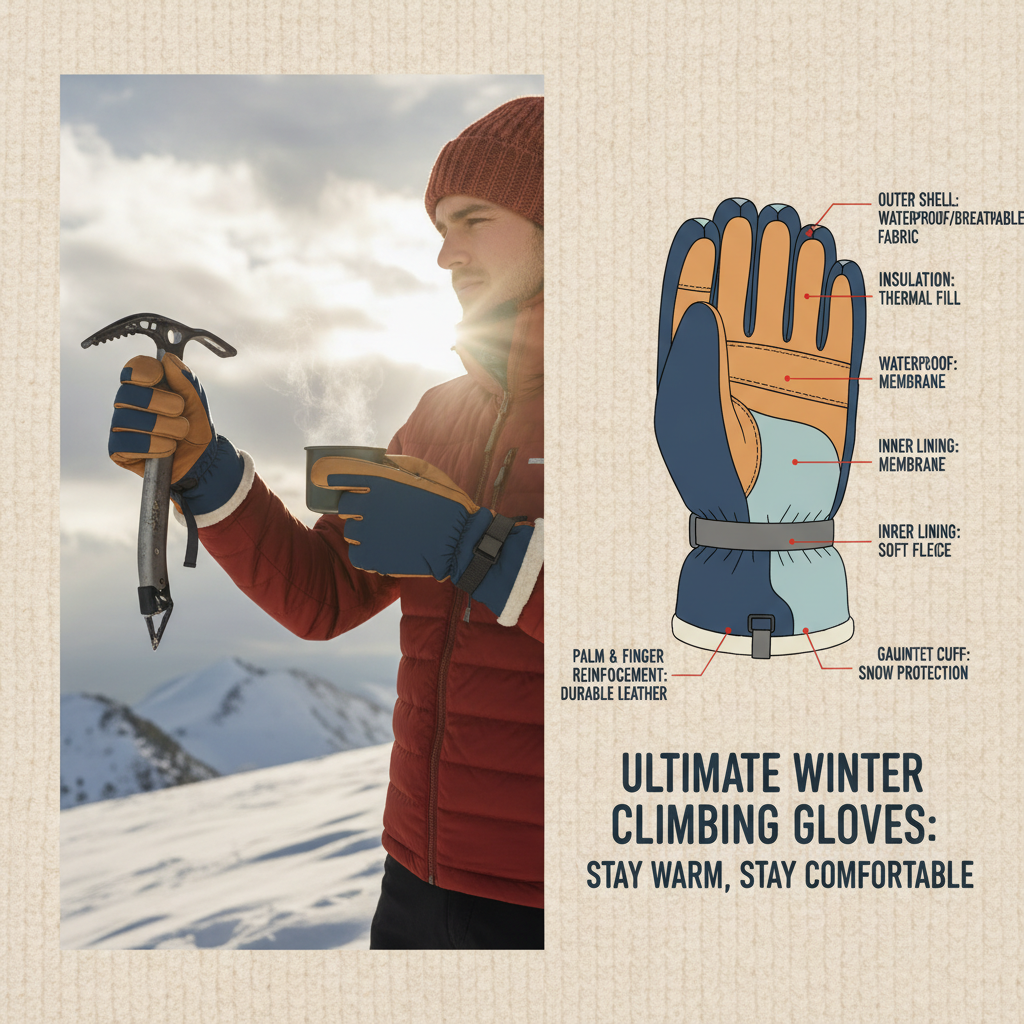
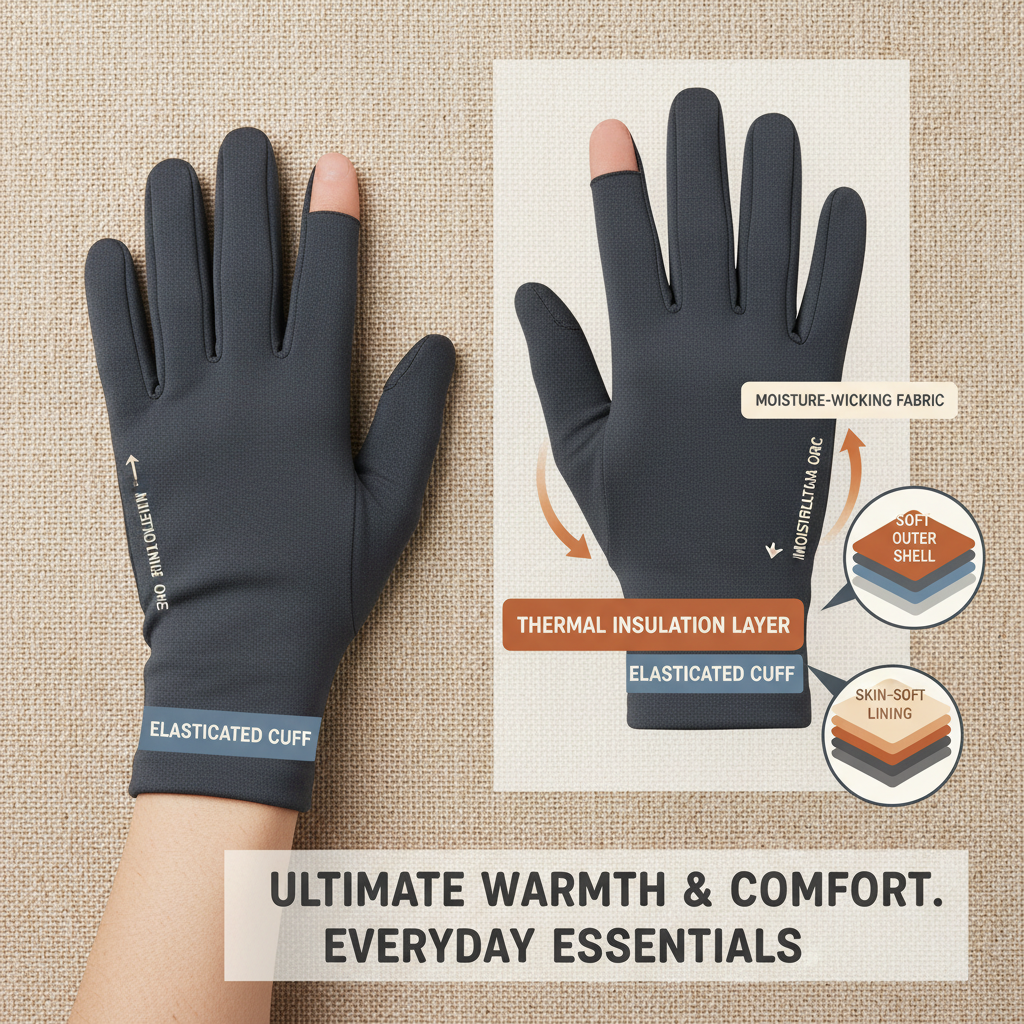
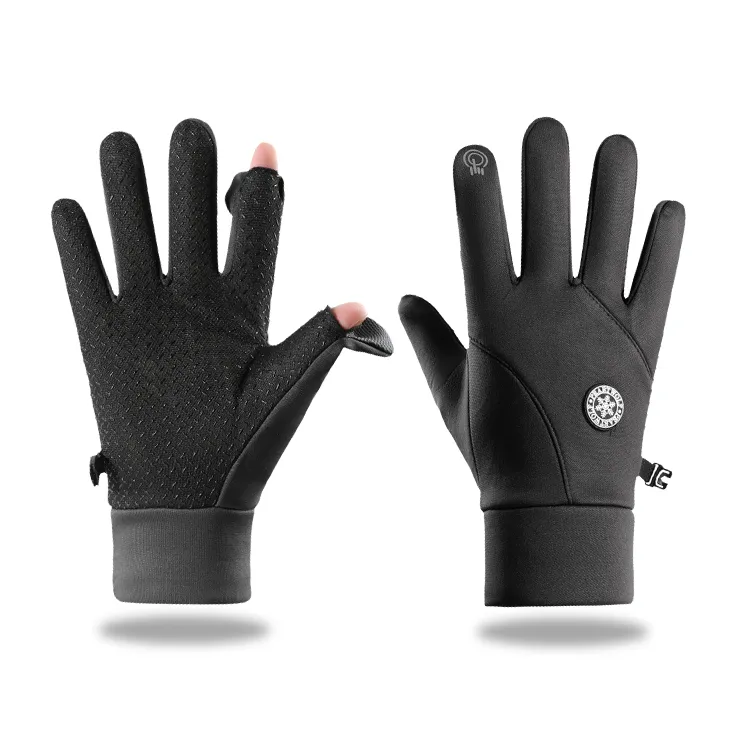
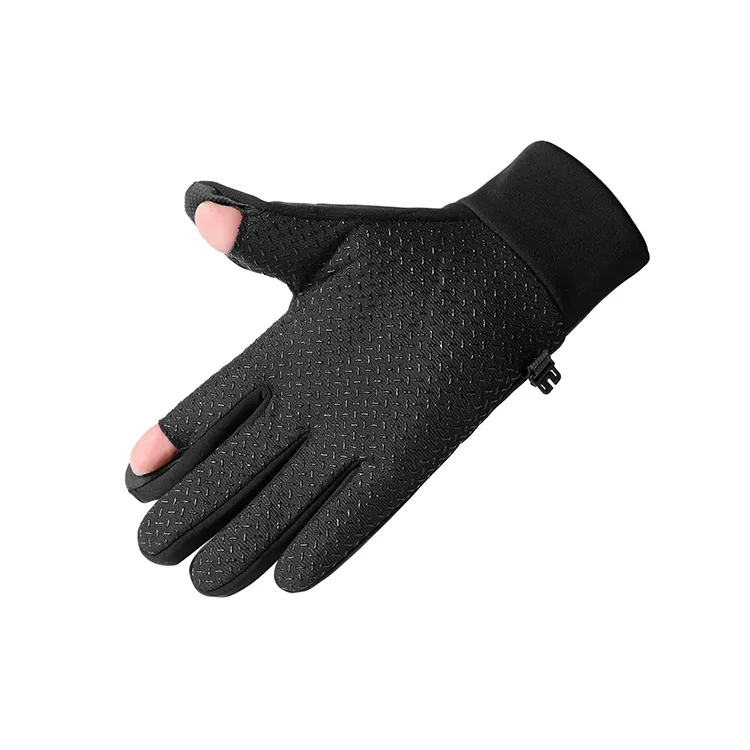
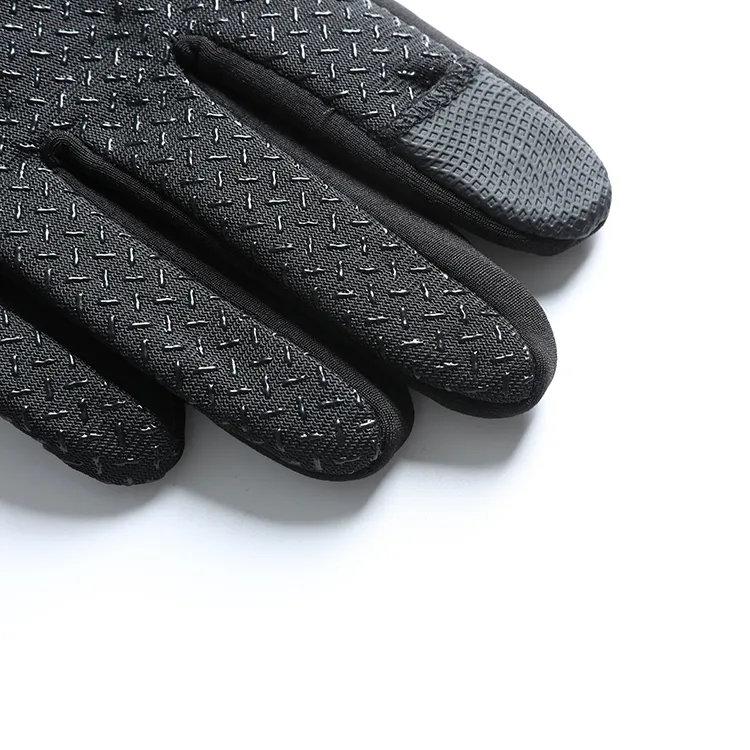
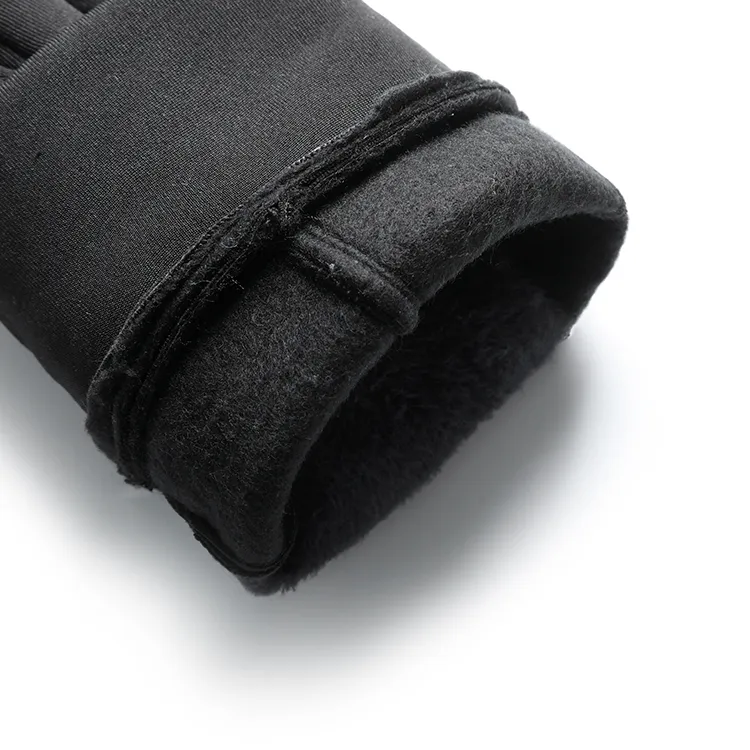
These touch screen gloves use a waterproof softshell outer, thermal insulation core, and a wool-blend lining. The fingertips are woven with capacitive conductive yarns so your phone thinks it’s your skin. Palms get a silicone micro-pattern for a steady grip on poles or a bike bar, even when it’s sleeting sideways.
- Materials: 3-layer softshell with DWR; insulation (≈80–120 g/m² class, real-world use may vary); wool-blend liner; silicone palm print; conductive yarn tips (Ag-coated nylon).
- Process flow: fabric lamination → precision cutting (CNC) → fingertip conductive stitching → palm silicone transfer → ergonomic panel sewing → seam taping in key zones → QA.
- Testing: Hydrostatic pressure (AATCC 127), spray rating (AATCC 22), abrasion (ASTM D3884), cold contact trials (EN 511 guidance), touch sensitivity bench tests (10 mm key targets on iOS/Android).
- Service life: ≈2–4 winter seasons under typical sports use; heavy abrasion (rope tow, MTB) may shorten that.
- Industries: outdoor sports, cycle commuting, parcel delivery, cold-chain handling, ski rentals.
| Spec | Value |
|---|---|
| Waterproof rating | ≈10,000 mm (AATCC 127), real-world may vary with wear |
| Insulation class | Mid-weight (≈80–120 g/m²) |
| Touch performance | >95% tap/scroll pass on iOS/Android lab rig |
| Grip coefficient | 0.65–0.80 on wet anodized aluminum (bench test) |
| Sizes | S–XL, unisex ergonomic pattern |
| Operating temp | ≈ -10°C to 5°C active movement |
Use cases and advantages
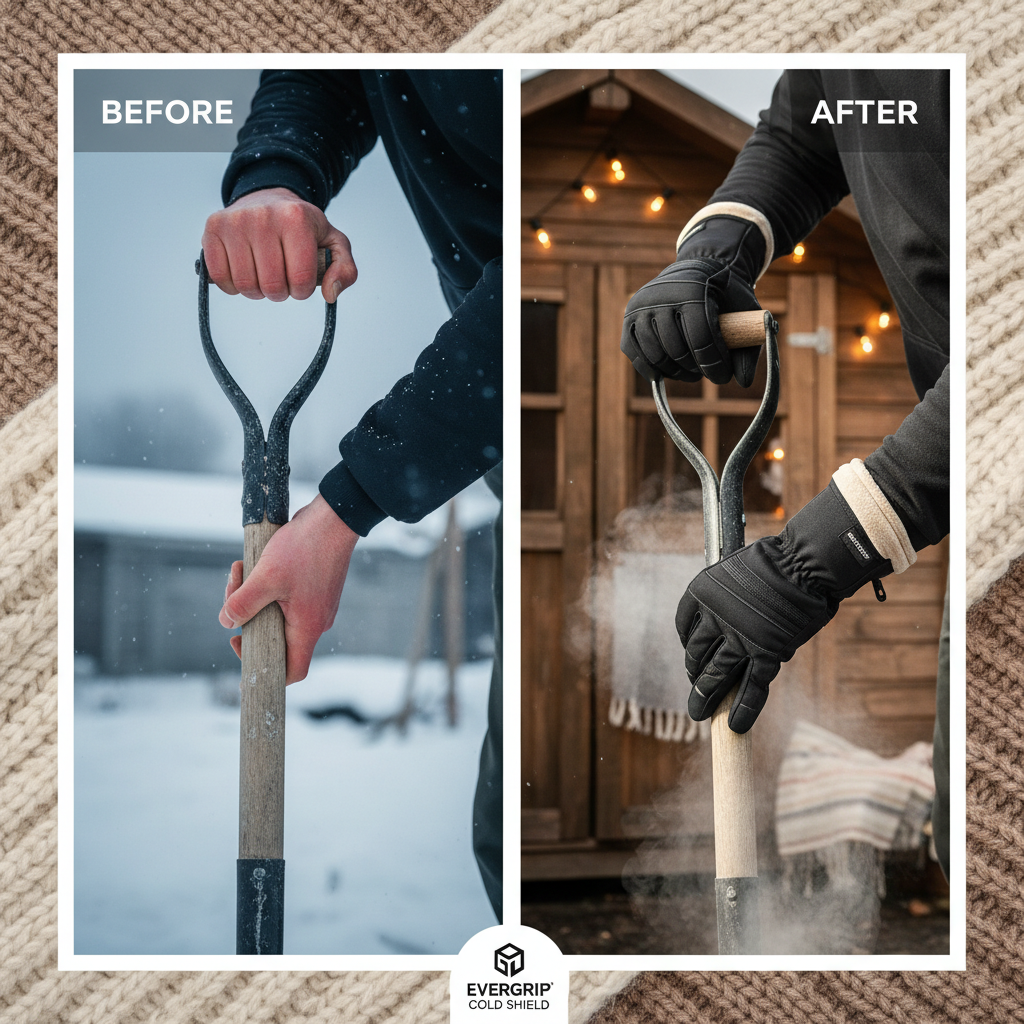
- Skiing and snowboarding: stable pole control with silicone palm; no glove-off photo breaks.
- Running and cycling commutes: windproof shell, breathable liner; maps and music on the go.
- Logistics and field work: barcode scans without removing touch screen gloves.
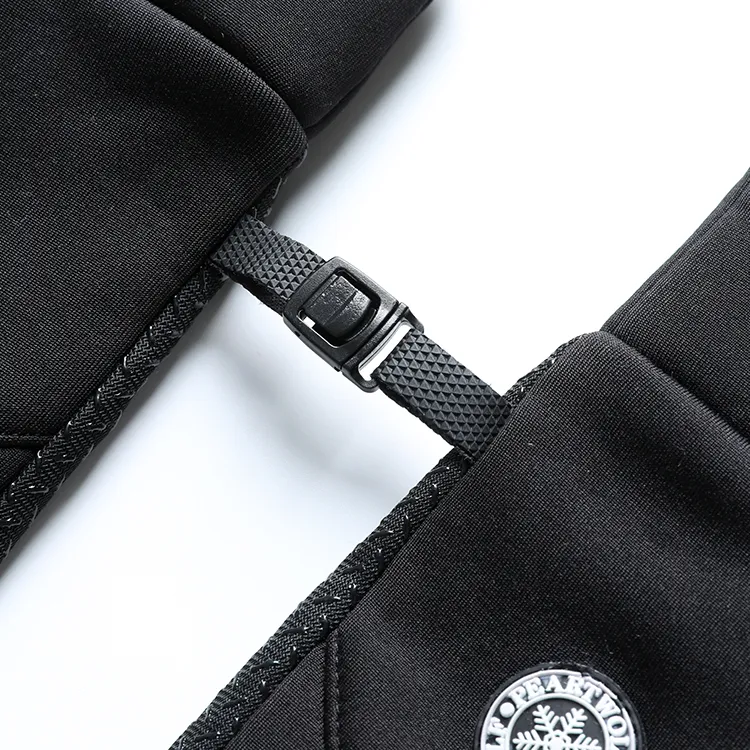
Many customers say the fingertip accuracy “just works.” I’d add: the wrist closure is snug without being fussy. Small thing, big difference on cold mornings.
Vendor snapshot (quick compare)
| Vendor | Origin | MOQ | Customization | Certs | Lead time |
|---|---|---|---|---|---|
| Xinji manufacturer (this model) | Hebei, China | ≈500–1,000 | Color, logo, insulation weight, palm pattern | ISO 9001, REACH materials | 25–35 days |
| Generic e-comm brand | Mixed | None | Logo only | Varies | In stock |
| Outdoor premium brand | EU/US/Asia | ≈2,000+ | Full spec | ISO 9001, OEKO-TEX | 45–90 days |
Customization notes
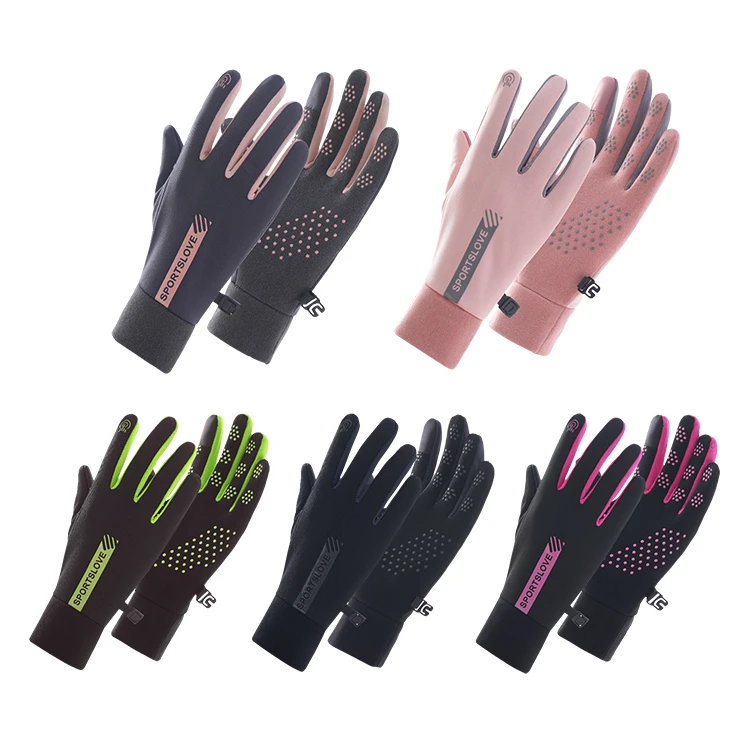
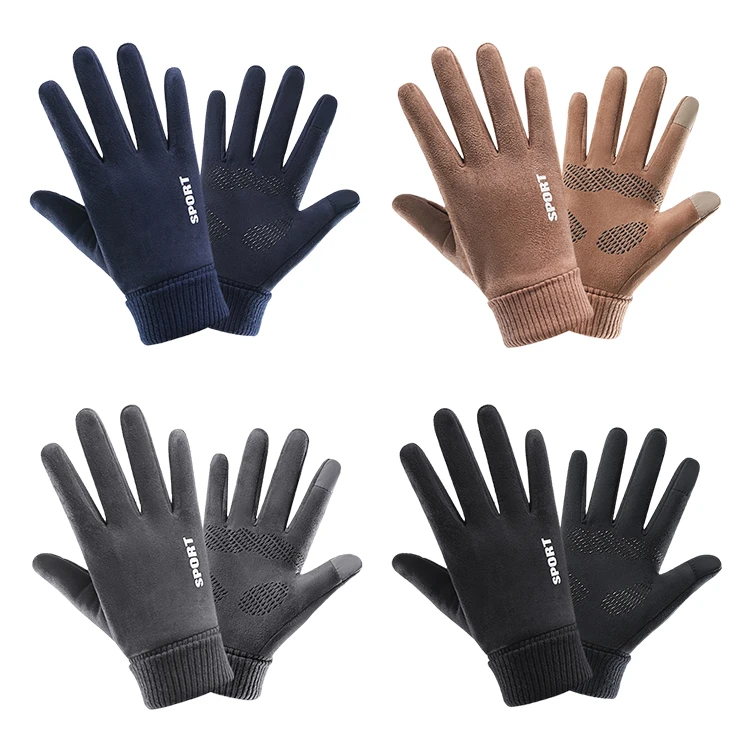
You can dial insulation up for ski schools, swap the liner to 100% fleece for cost-down, or shift to recycled softshell. Branding: heat-transfer or silicone logos hold well on the back of hand.
Field data, brief case study
Hokkaido ski school rollout: 600 pairs, mid-weight spec, December–March season. Reported issues dropped 38% vs prior gloves (lost pairs fell after adding wrist leashes). Touch success rate stayed above 90% in -8°C mornings. Instructor quote: “We stopped pulling gloves with our teeth to answer calls. Thank you.”
Our own bench notes: after 8,000 abrasion cycles (ASTM D3884), palm print showed mild polishing but grip stayed functional. Spray rating held at 80–90 after three washes (care label followed). It seems that steady performance, not flashy features, wins here.
Compliance and paperwork
- Factory QMS: ISO 9001; material conformity to REACH; optional OEKO-TEX Standard 100 components.
- Testing references: AATCC 127 (water resistance), AATCC 22 (spray), ASTM D3884 (abrasion), EN 511 guidance for cold contact.
Authoritative citations: