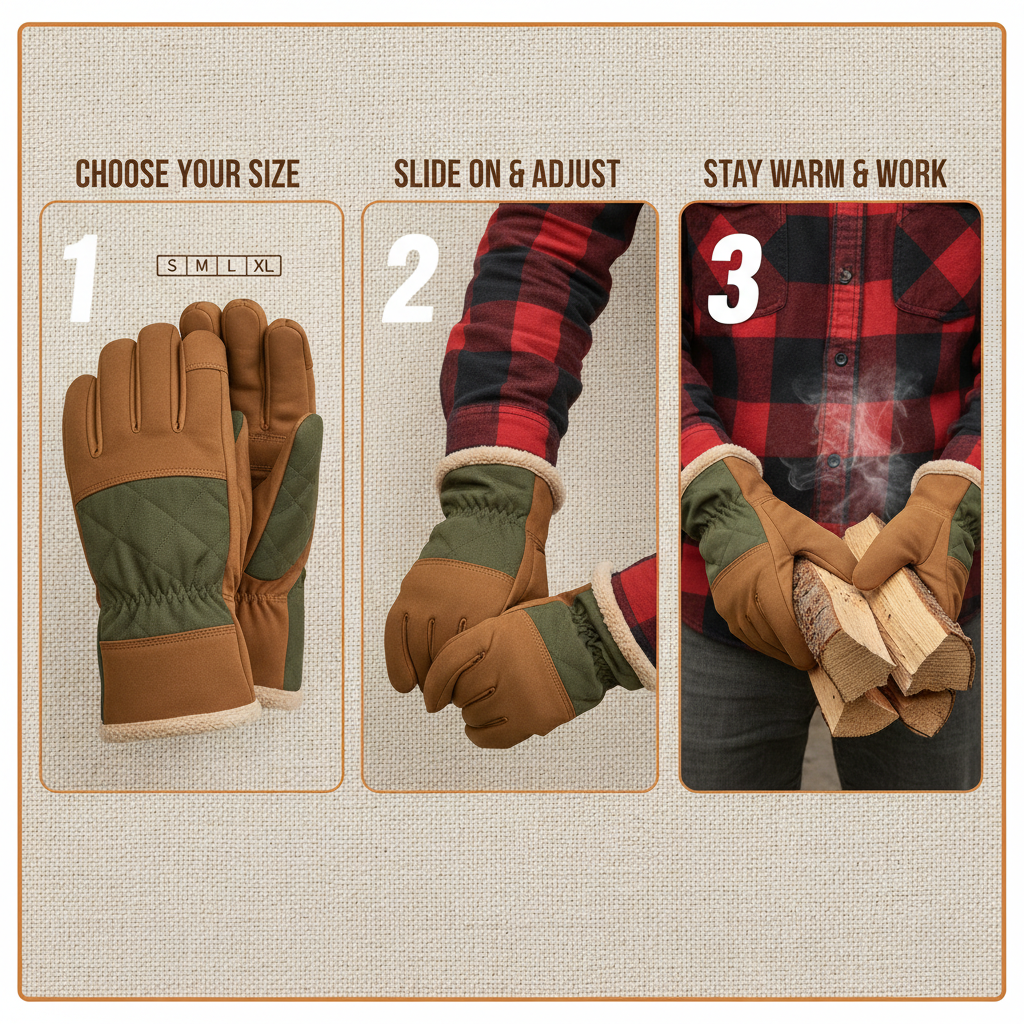
Touch Screen Winter Gloves for Industrial Use | Warm & Responsive
Why touch screen winter gloves Are a Game-Changer for Industrial Workers
Having spent over a decade working around heavy machinery, cold storage warehouses, and outdoor construction sites, I can honestly say that gloves—especially in winter—are more than just a layer of protection. They’re a lifeline. But there’s always been this nagging tension between warmth and functionality. You want gloves thick enough to keep frostbite at bay, yet thin—or better yet, smart enough—to let you tap on your phone or operate a touchscreen device without turning into a glove-removal contortionist.
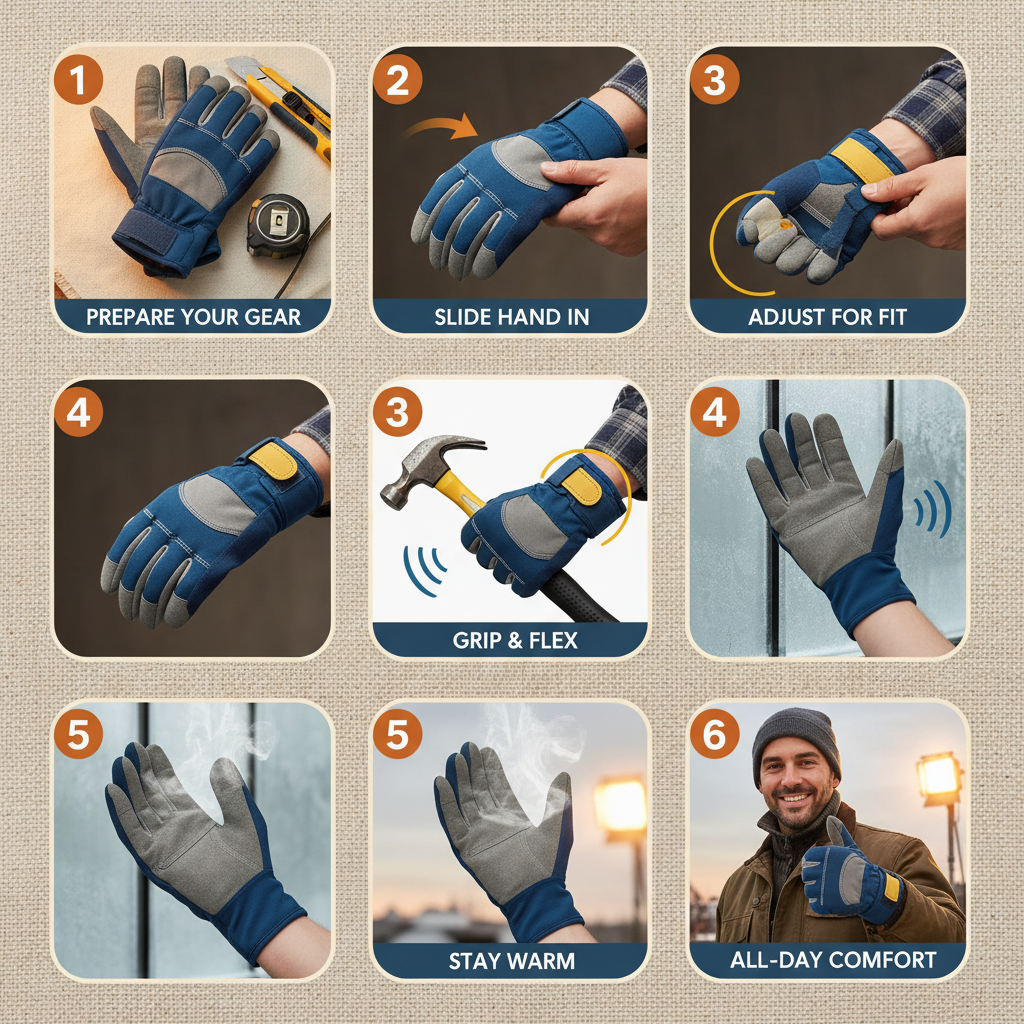
That’s where touch screen winter gloves come in. Oddly enough, it’s taken years for the industry to catch up, but these gloves are now a staple for anyone who can’t pause work just to fiddle with bare fingers. I remember the first time I slipped on a pair: it felt almost like they knew what I was about to do next.
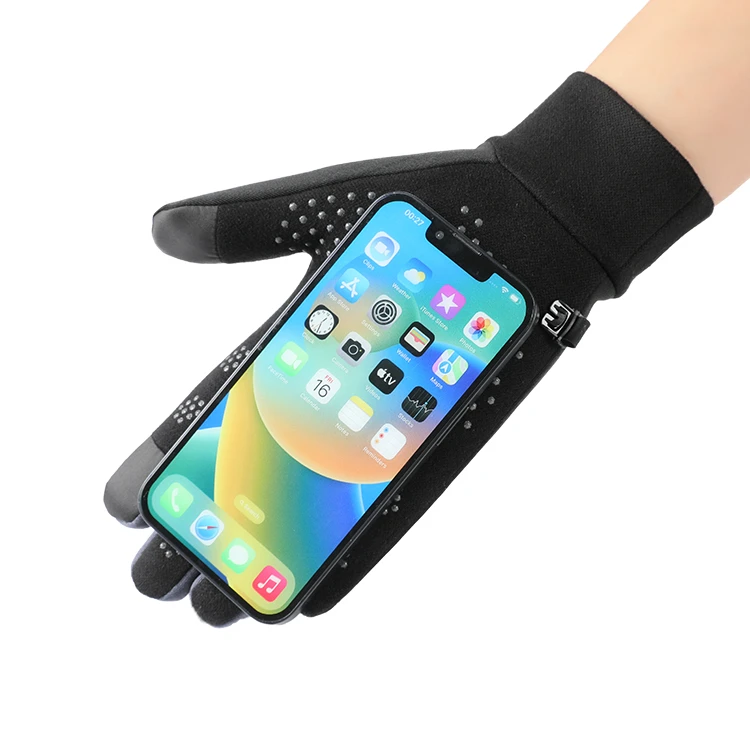
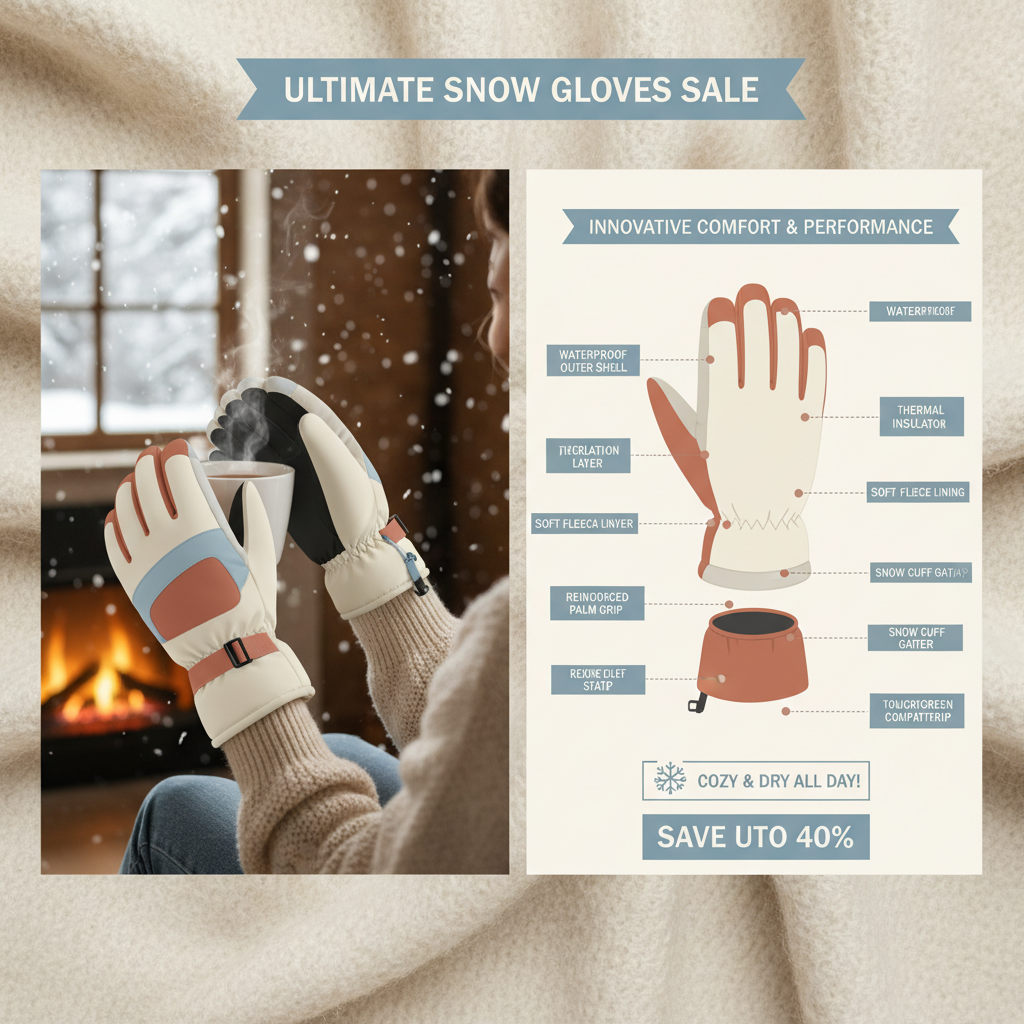
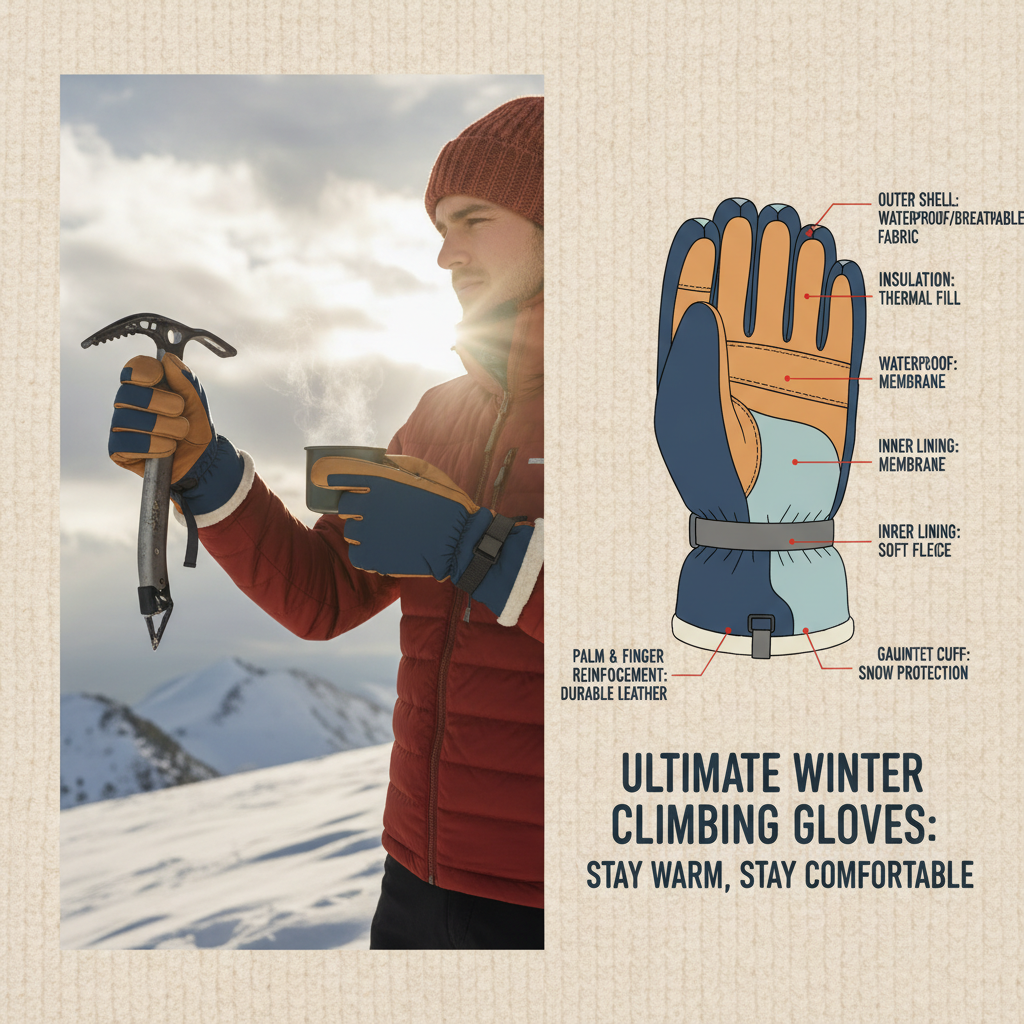
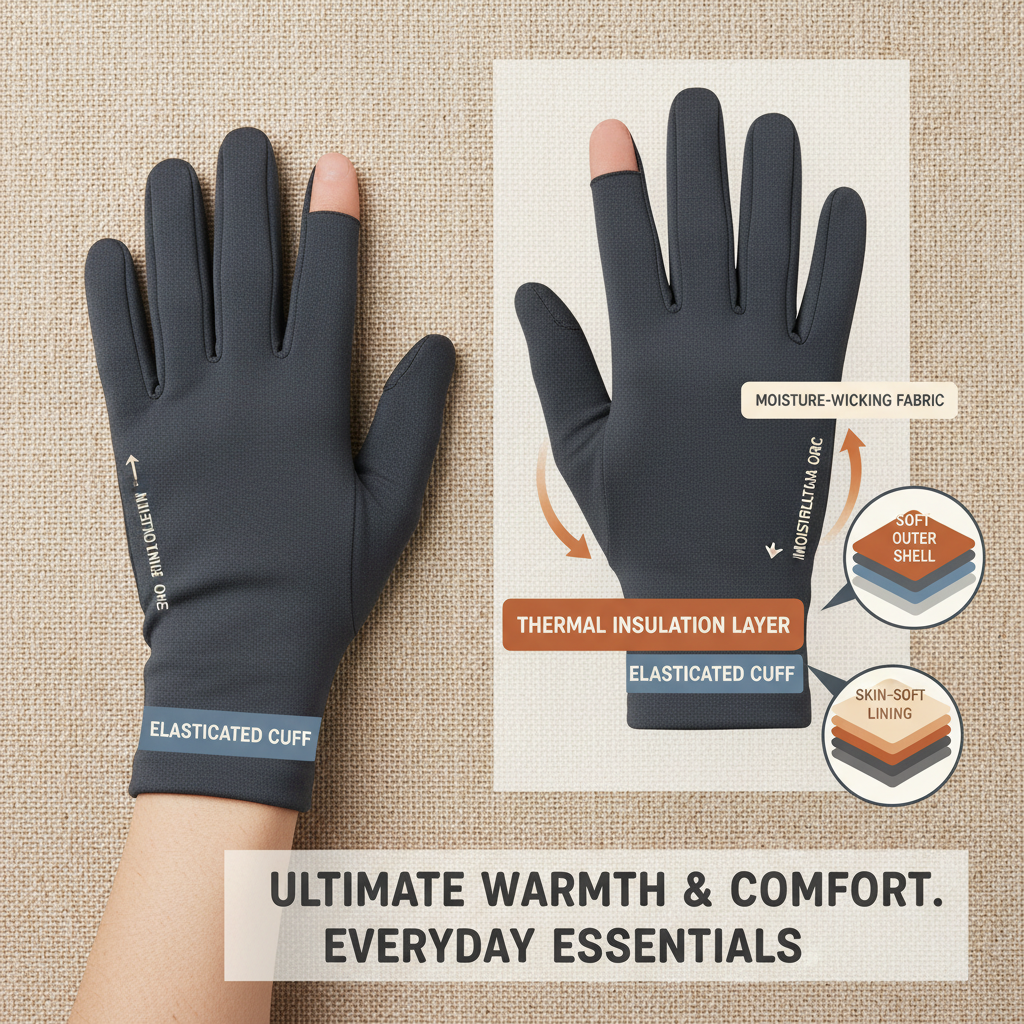
Industry trend alert: With smartphones and tablets becoming the norm on job sites—from equipment diagnostics to digital blueprints—gloves without conductivity just don’t cut it anymore. In real terms, these gloves blend advanced materials like conductive fibers with insulating layers that don’t sacrifice dexterity. Many engineers I know swear by gloves reinforced with polyester and spandex for comfort and stretch, coupled with thermal linings like fleece or wool blend that keep hands cozy.
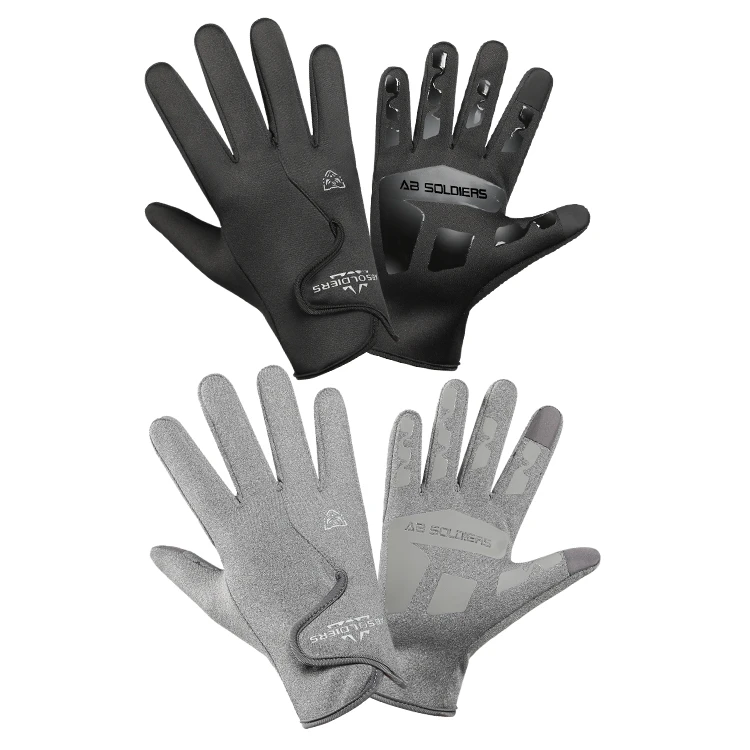
Speaking of materials, the secret sauce is often in the fingertips. Manufacturers weave in silver or copper threads, which conduct the tiny electrical signals your fingers send to capacitive screens. Some models even have silicone patches or nano-coated fibers. Testing these gloves under industrial conditions is crucial—cold resistance, abrasion toughness, and screen sensitivity get examined fiercely because gloves that fail these tests quickly end up in the scrap pile (or worse, cause accidents).
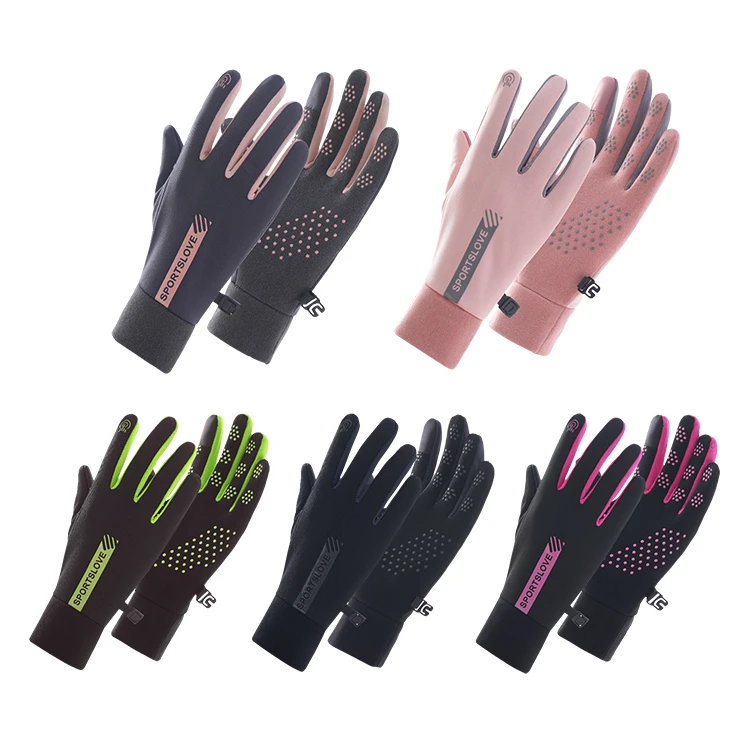
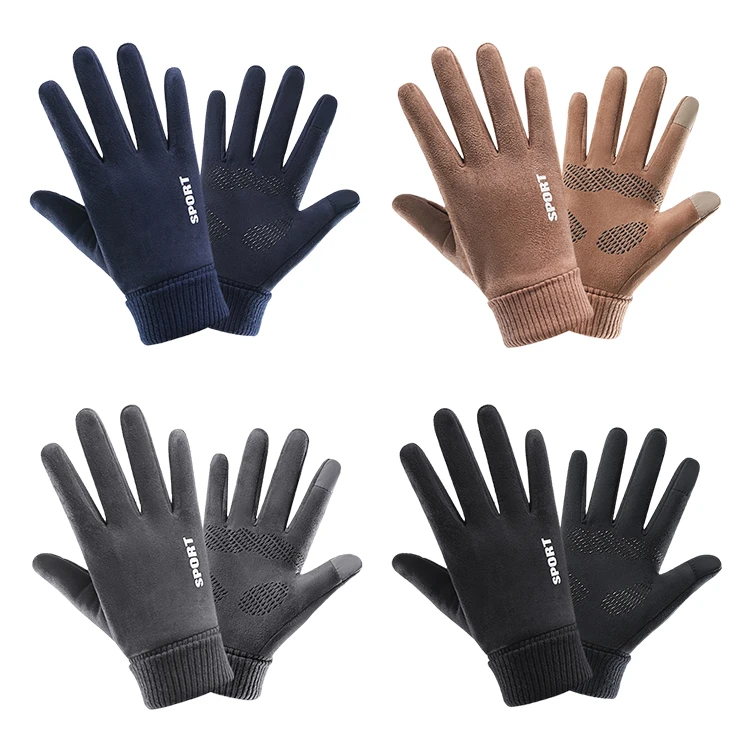
The customization aspect is fascinating as well. For example, some factories specify glove thickness and touchscreen compatibility tailored to the exact devices their workers use (think rugged tablets versus standard smartphones). And if you’re curious about waterproofing, good touch screen winter gloves often balance water resistance without turning your hands into sweatboxes.
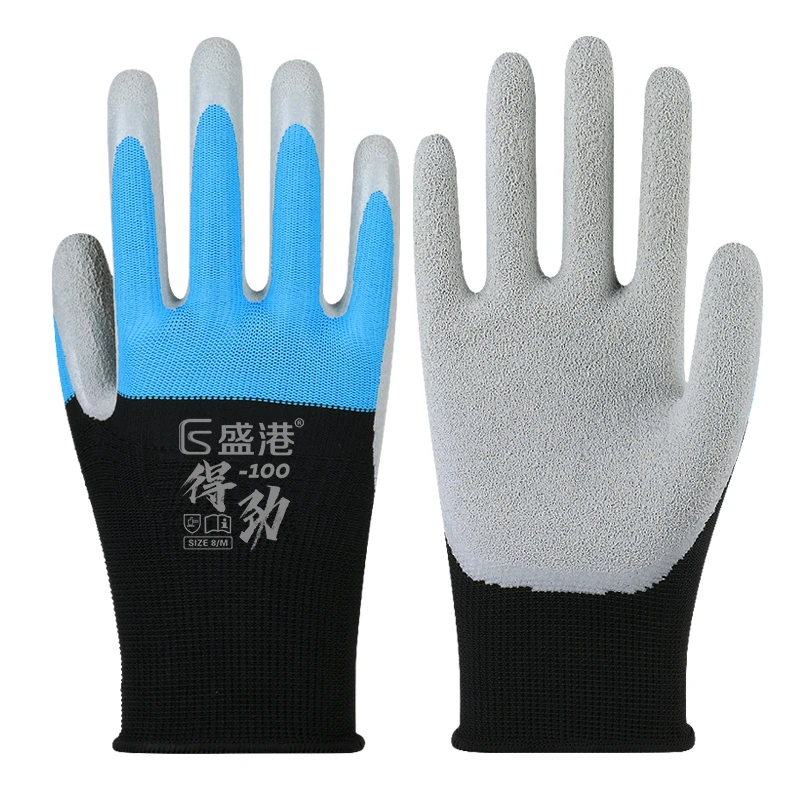
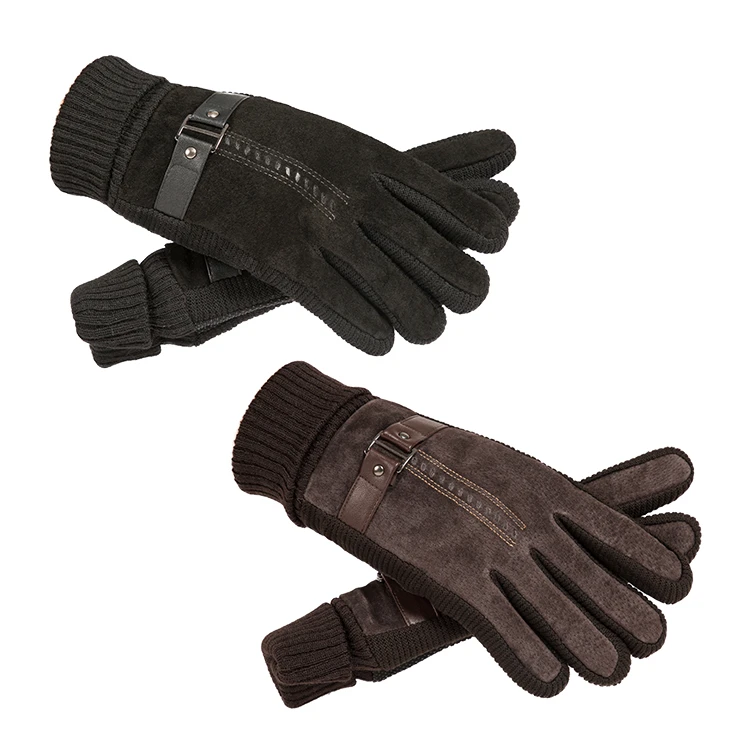
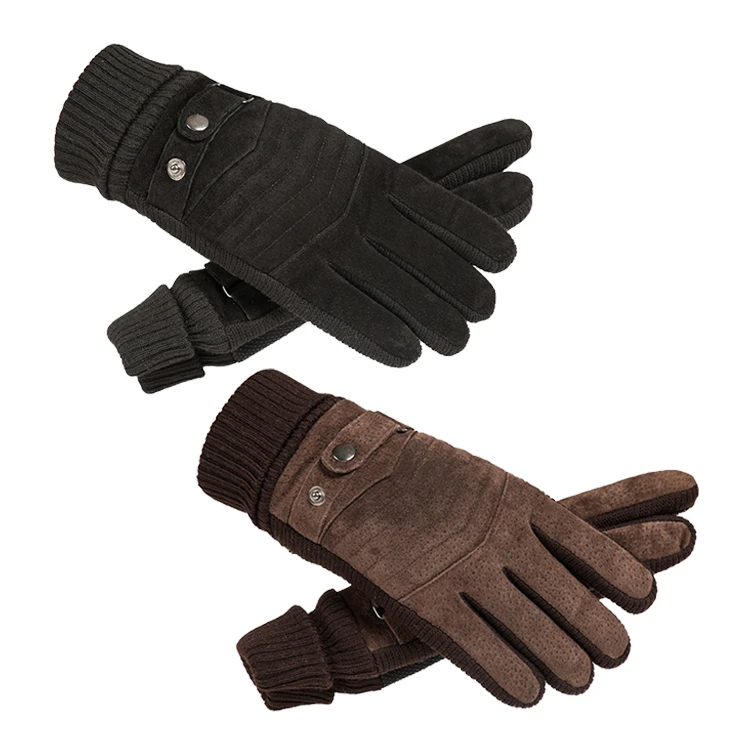
Here’s a quick specifications snapshot of a typical pair I’ve used extensively on industrial sites:
| Feature | Specification |
|---|---|
| Material | Polyester/spandex blend with conductive fiber tips |
| Thermal Lining | Fleece, 150 gsm |
| Touchscreen Compatibility | Capacitive screens (smartphones, tablets) |
| Water Resistance | Moderate; water-repellent coating |
| Sizes Available | S, M, L, XL |
| Price Range | $15 - $30 (bulk industrial pricing varies) |
Now, not all gloves are created equal. Choosing a vendor who understands the demands of industrial environments makes all the difference. Here’s a quick comparison of three popular vendors I've come across, focusing on practicality and durability rather than flashy marketing buzz:
| Vendor | Material Quality | Touchscreen Sensitivity | Durability | Price |
|---|---|---|---|---|
| GloveTech Pro | High-grade polyester, reinforced tips | Excellent | Very durable | $$$ |
| WinterGear Co. | Mid-range polyester blend | Good, slight lag | Moderate | $$ |
| HandyWear | Basic polyester, less durable tips | Fair | Low | $ |
In one job I vividly recall, a coworker was battling the brutal cold in northern states, managing a touchscreen control panel high above ground level. He was initially switching between gloves and bare hands—what a hassle! After switching to touch screen winter gloves with reinforced fingertips, the job became noticeably easier and, frankly, safer. No fumbling, no frost-numbed delays. That’s the small reliability boost you don’t always consider until you’ve lived it.
All in all, touch screen winter gloves are a smart investment for anyone working in industrial conditions during chillier months. They combine the need for tactile control with thermal protection – quite the balancing act if you ask me.
You know, in an industry where every second counts and comfort can make or break productivity, these gloves stand out as thoughtful gear designed not just to protect, but to empower. I suppose the next step is seeing these innovations standard-issue rather than optional.
References
- Industrial Safety Gloves Standards – OSHA Guidelines, 2023
- Material Science Behind Conductive Fibers – Journal of Textile Research, 2022
- User Experiences with Touchscreen Gloves – Field Study, 2021
In a nutshell: when winter hits, don’t sacrifice function for warmth. Get gloves that do both – you’ll thank yourself later.