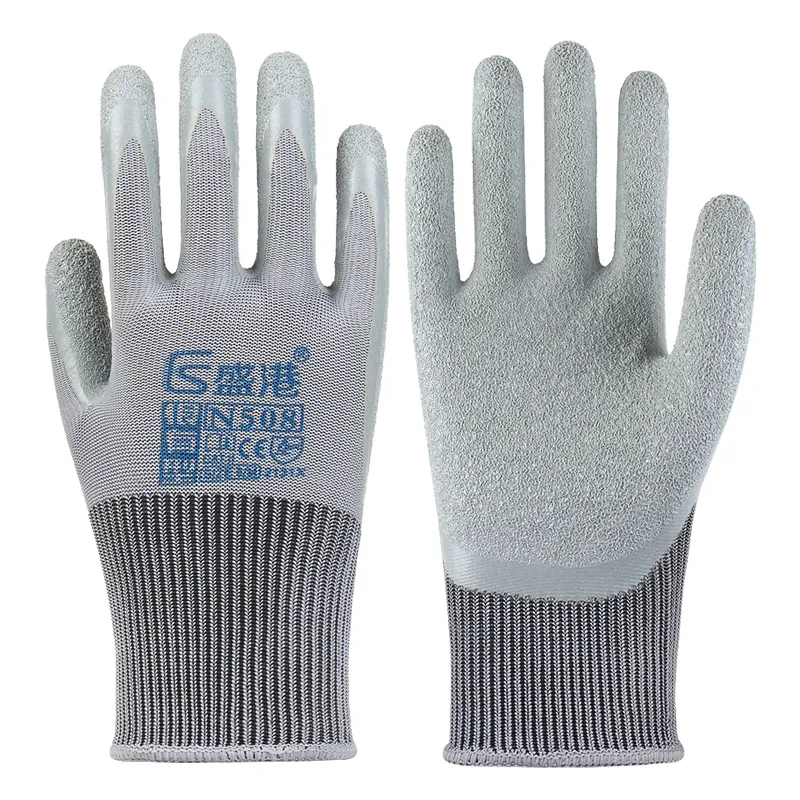
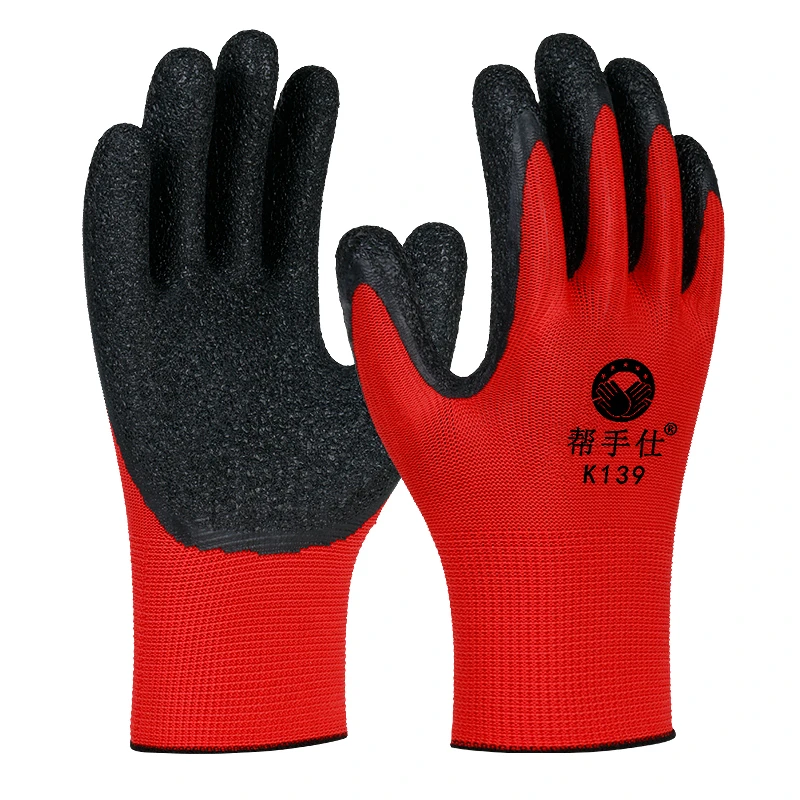
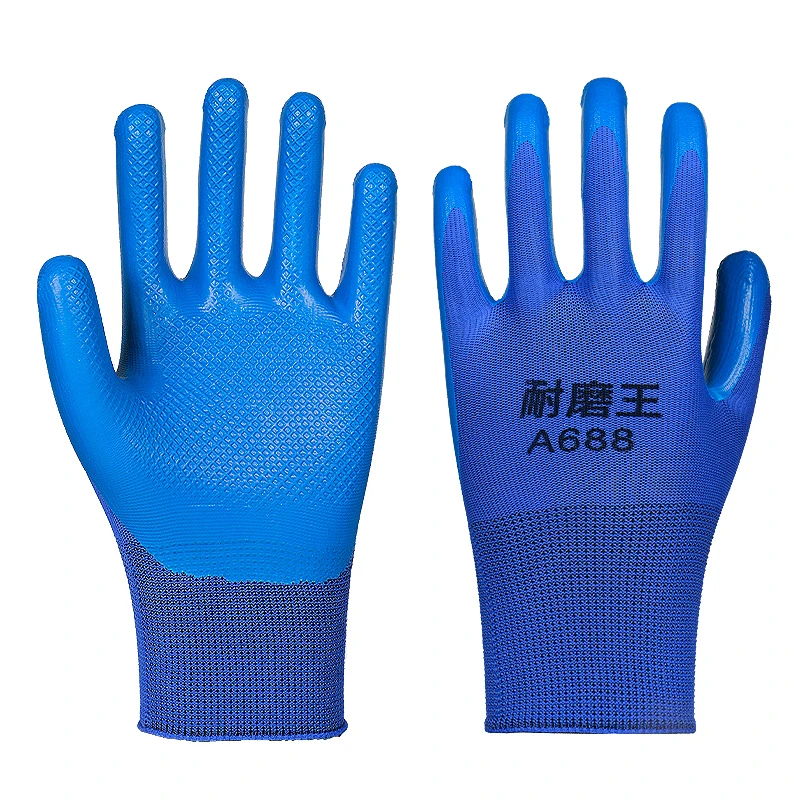
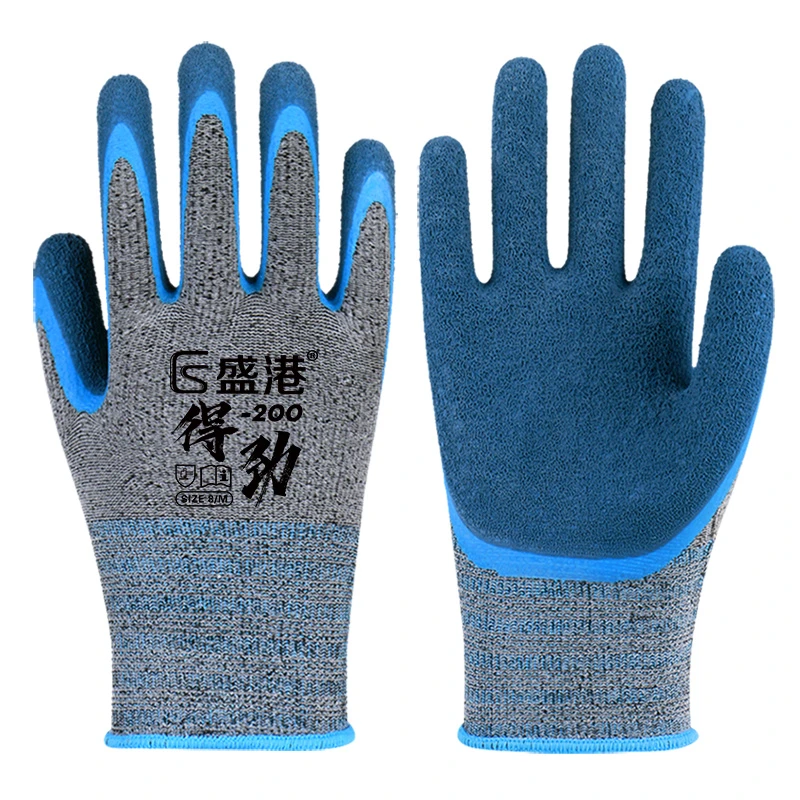
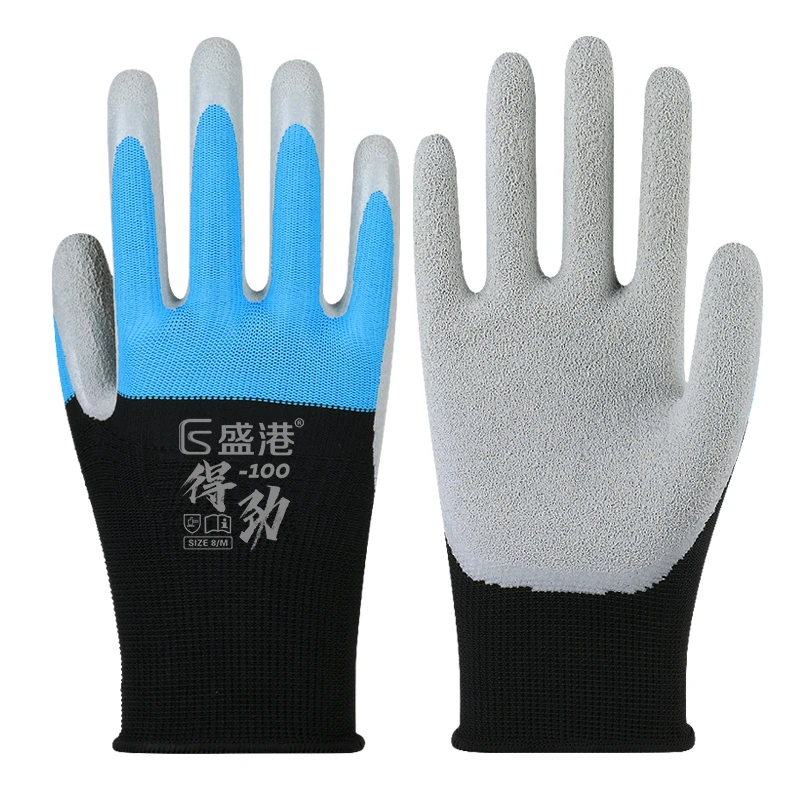
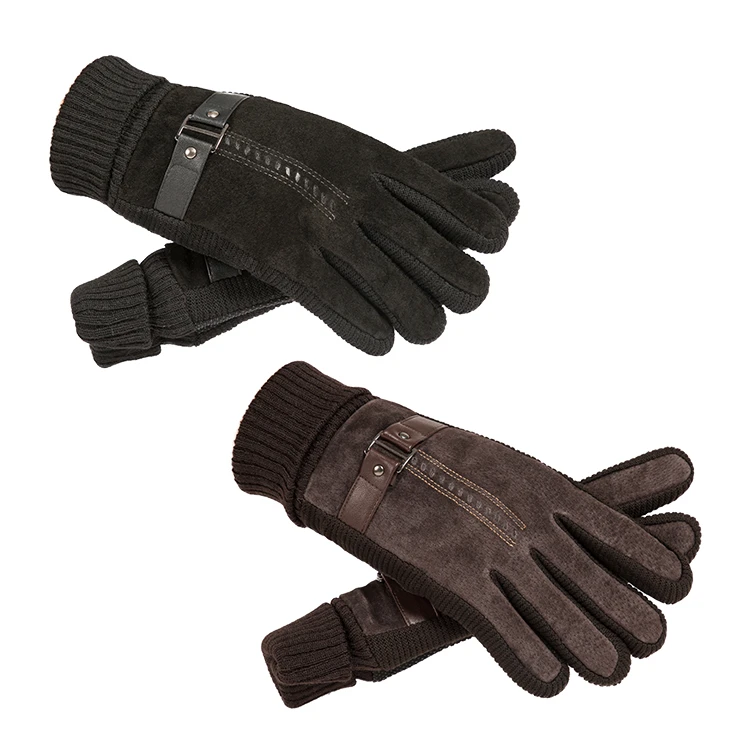
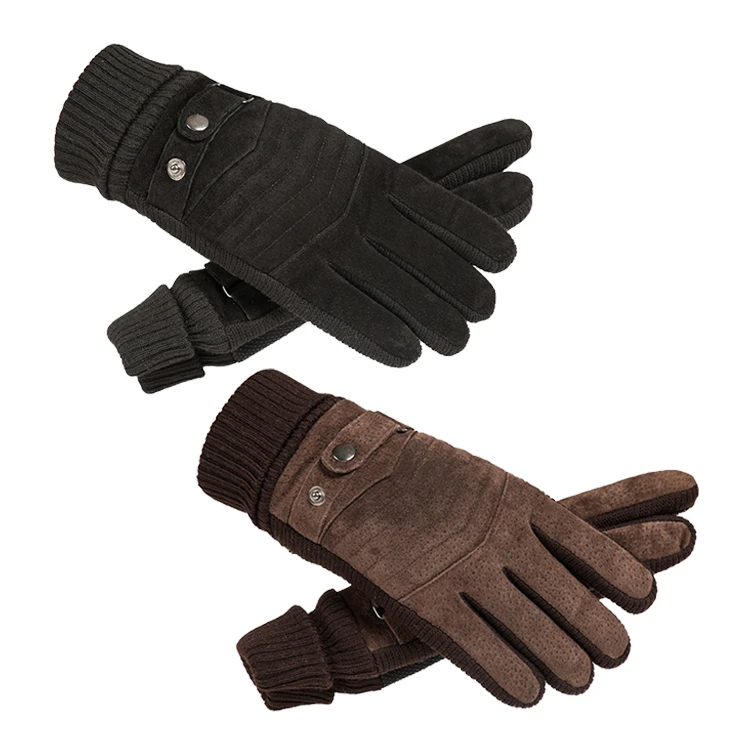
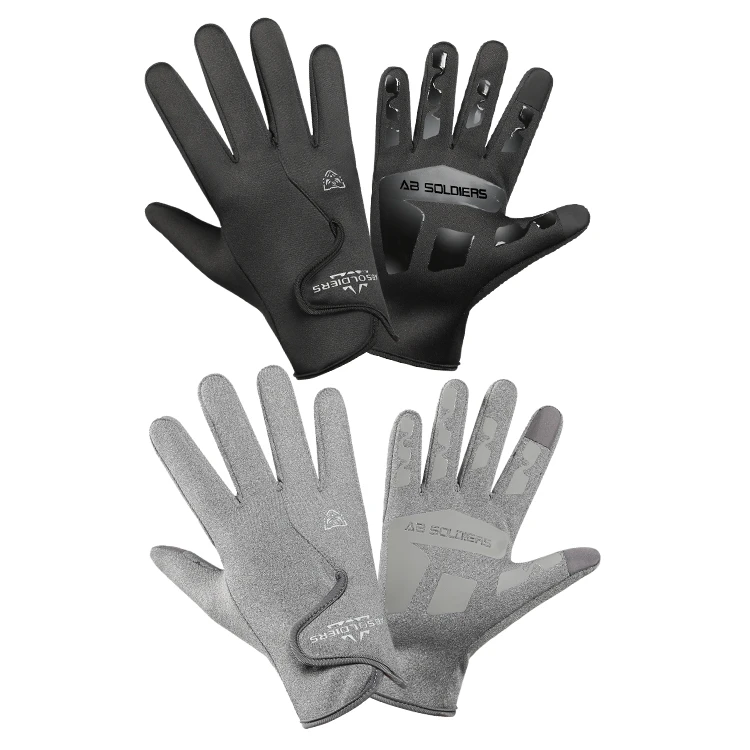
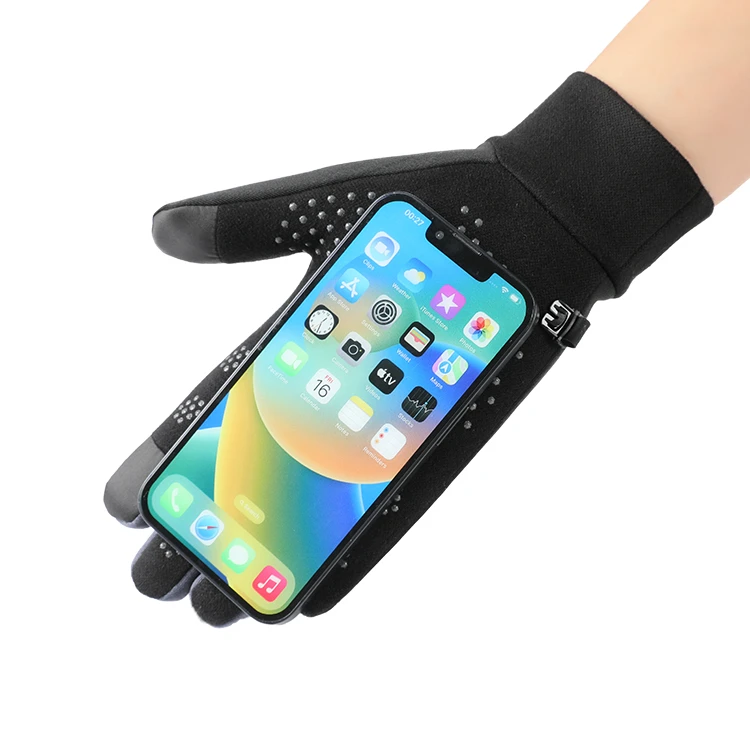
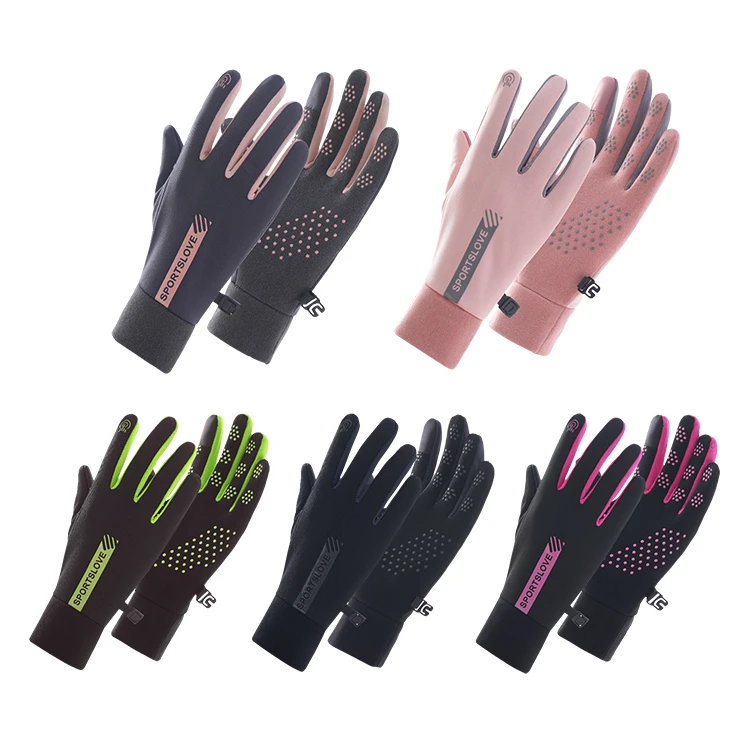
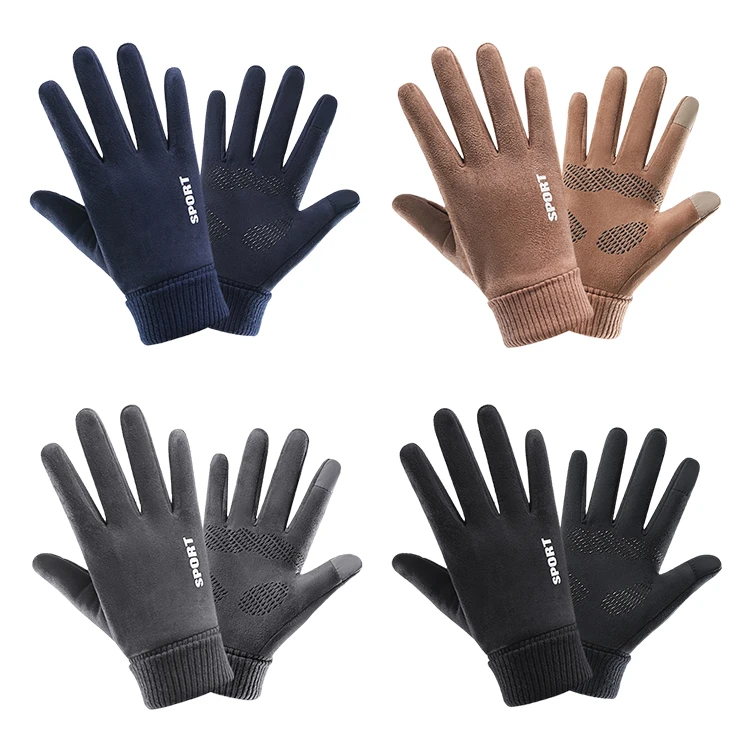
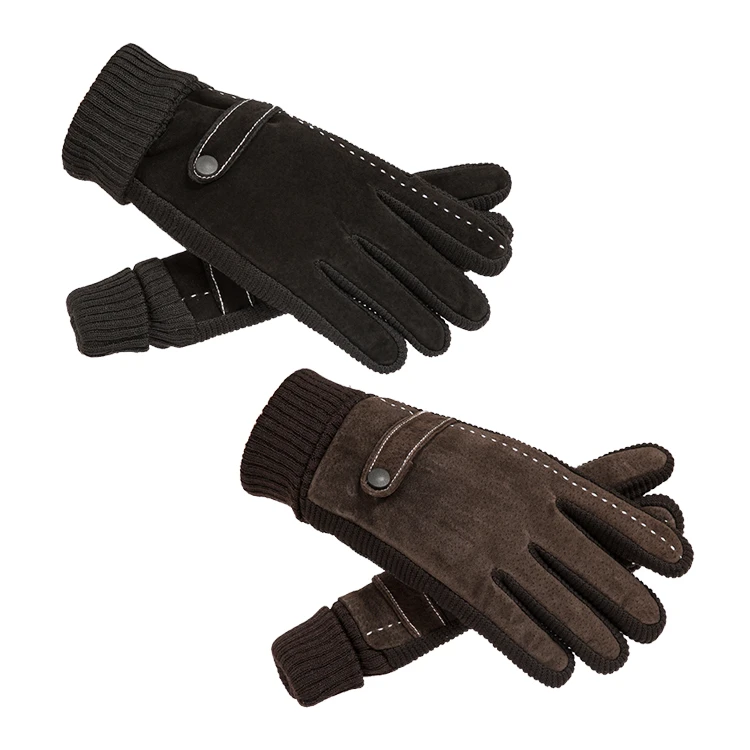
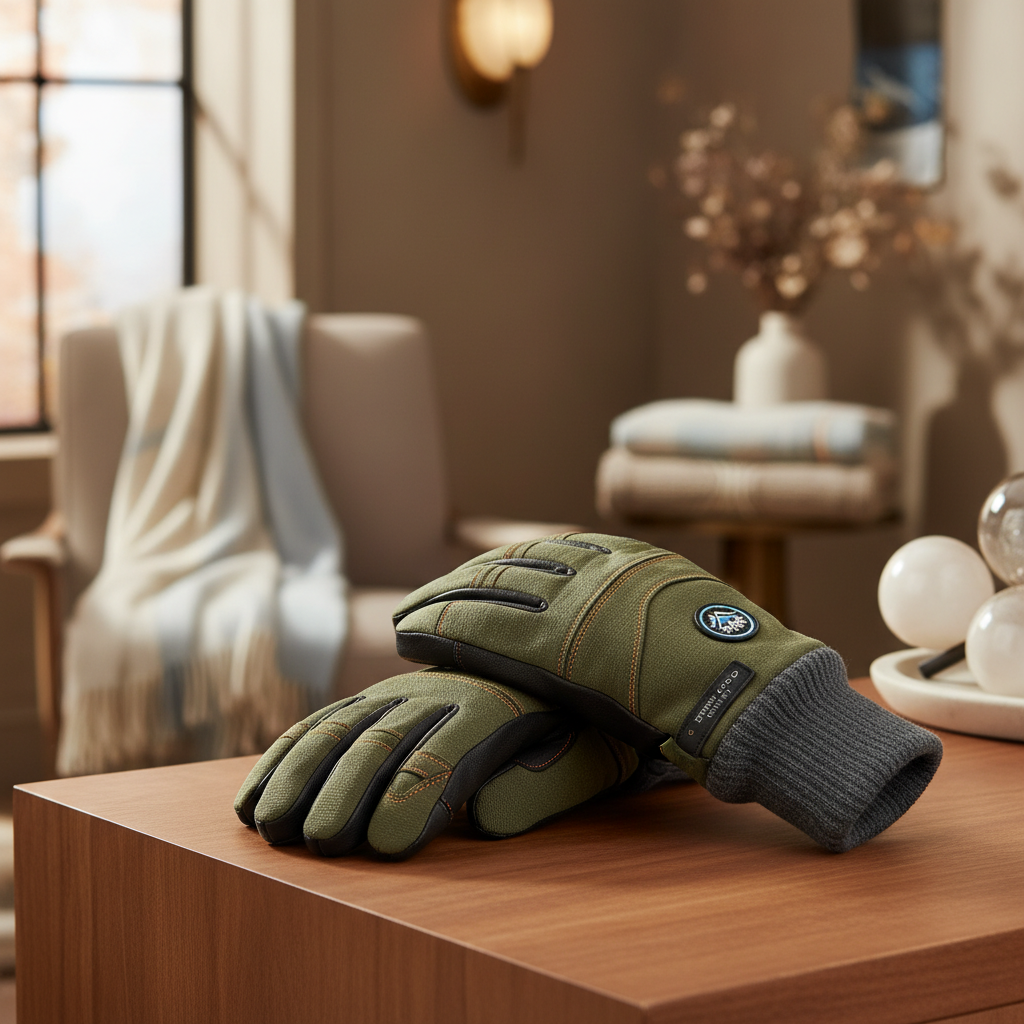
Waterproof Gloves Thermal – Warm, Durable, Work-Ready
Insider Guide: Choosing Waterproof Thermal Gloves That Actually Perform
If you’re shortlisting waterproof gloves thermal options this season, here’s the candid, field-tested view from the factory floor and the job site. I’ve spent enough winters on assembly lines and construction walk-throughs to know: materials matter, test data matters more, and marketing… well, it sometimes gets optimistic.
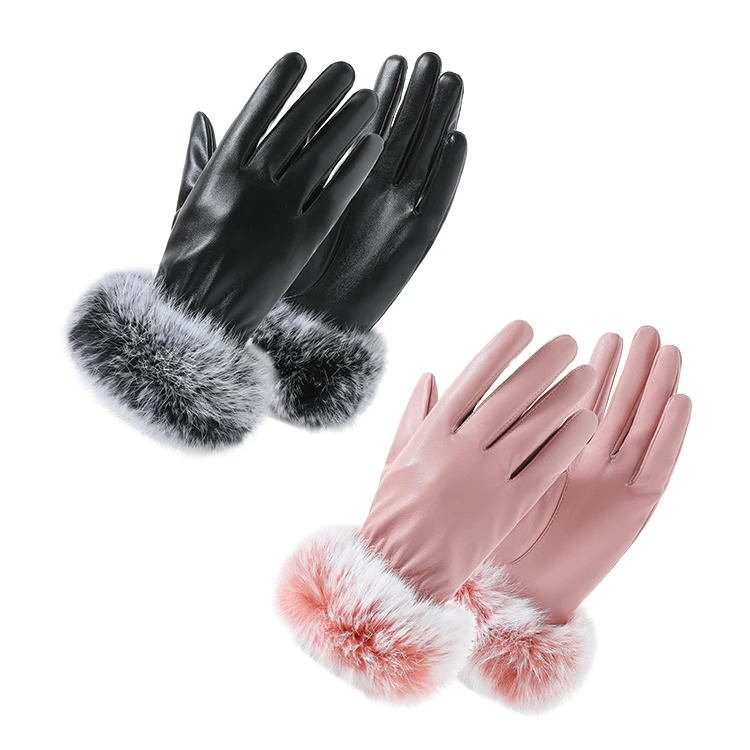
What’s shifting in the market
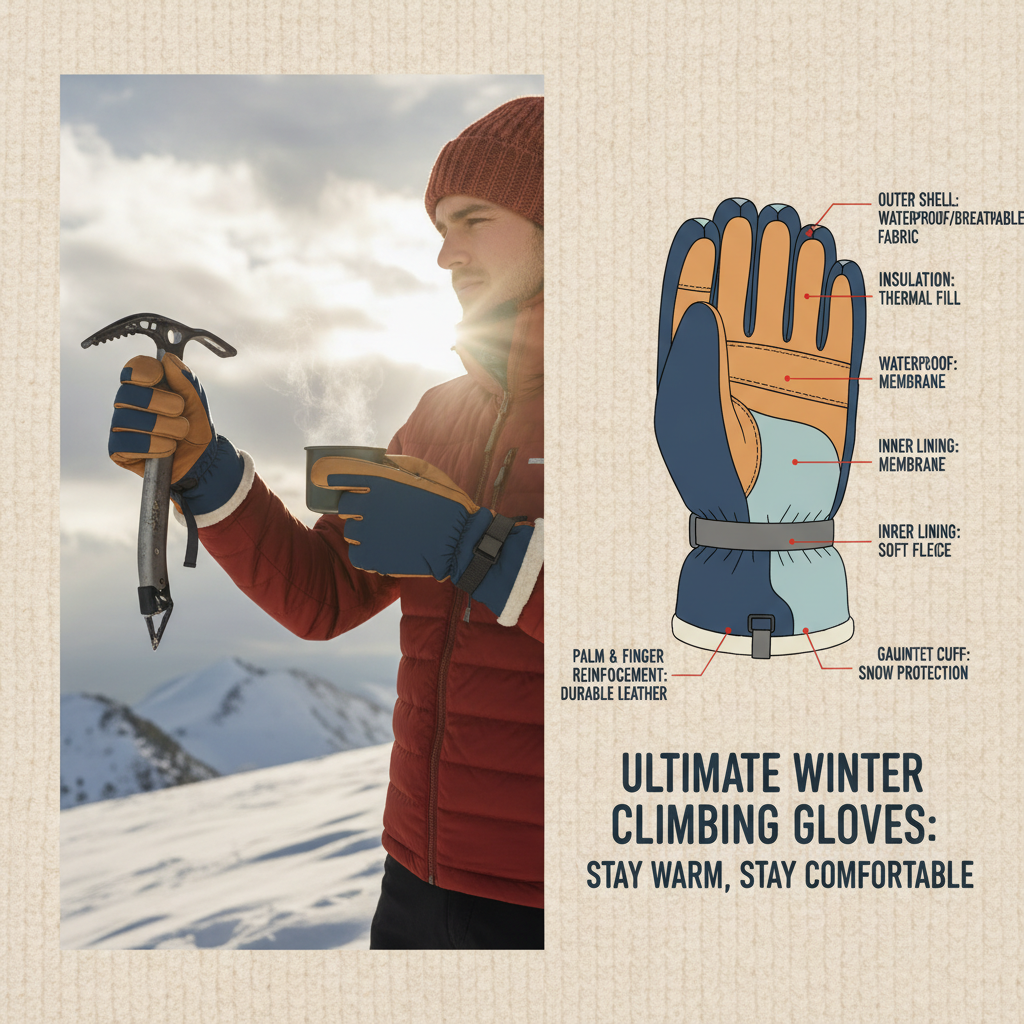
- Hybrid builds: PU-coated shells with brushed/acrylic liners and an optional waterproof membrane are becoming the norm.
- Cold + dexterity: Makers chase EN 511 cold ratings without turning gloves into bulky mitts.
- Sustainability: Solvent-reduced coatings and traceable supply chains are gaining traction.
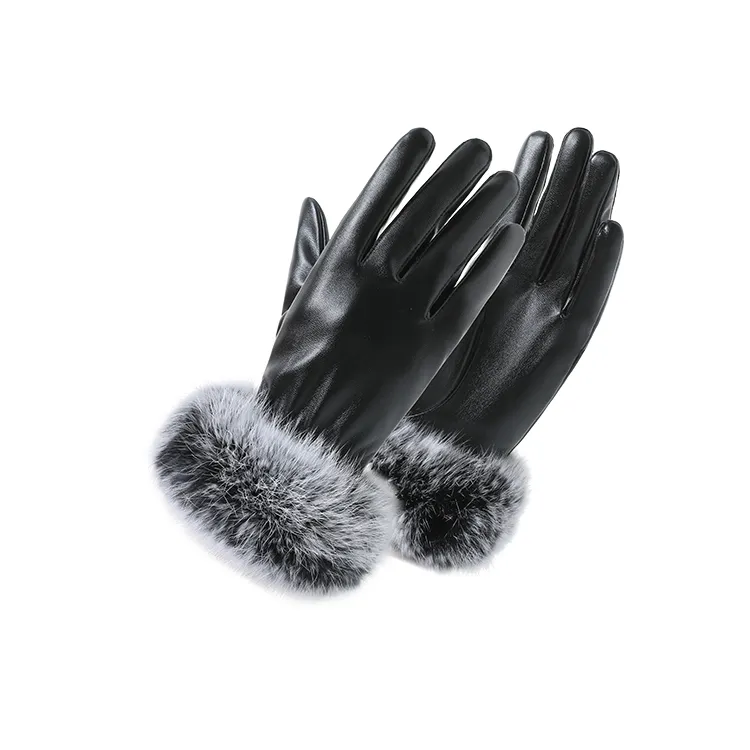
How these are built (process flow)
Materials: high-quality polyurethane (PU) coating over a snug knitted liner; optional thermal fleece; optional waterproof membrane insert for wet jobs. Methods: precision dip-coating for even film; heat setting for bond strength; QC visual + dimensional checks. Testing: EN 388 for abrasion/cut/tear/puncture; EN 511 for convective/contact cold; ISO 13997 for cut; water ingress per ISO 20344 methods. Service life: around 3–12 months in real use, depending on abrasion cycles, oils/chemicals, and storage. Typical industries: assembly, logistics, utilities, construction, cold-chain, landscaping.
Product snapshot (Thermal Gloves)
| Parameter | Spec (≈ real-world may vary) |
|---|---|
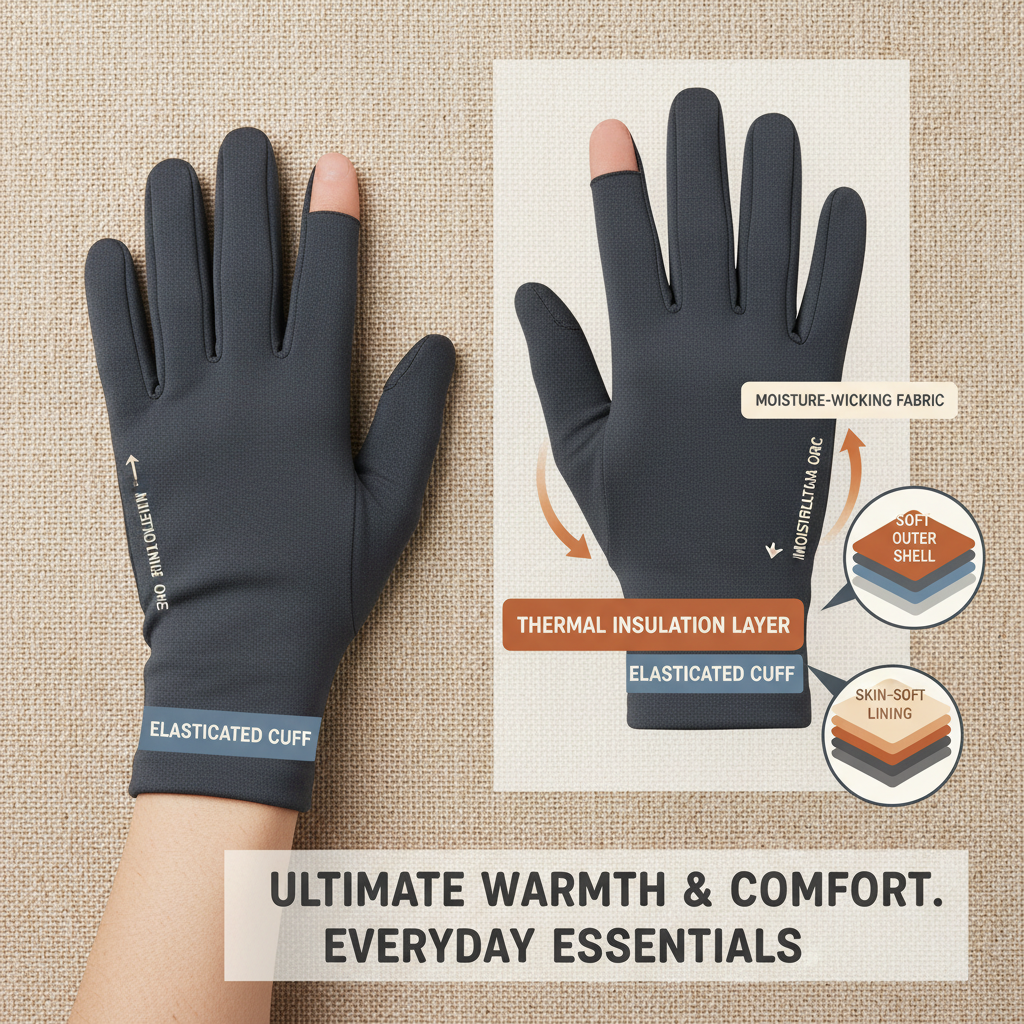
| Shell / Coating | PU-coated knit; second-skin dexterity |
| Thermal Liner | Brushed acrylic or similar (optional) |
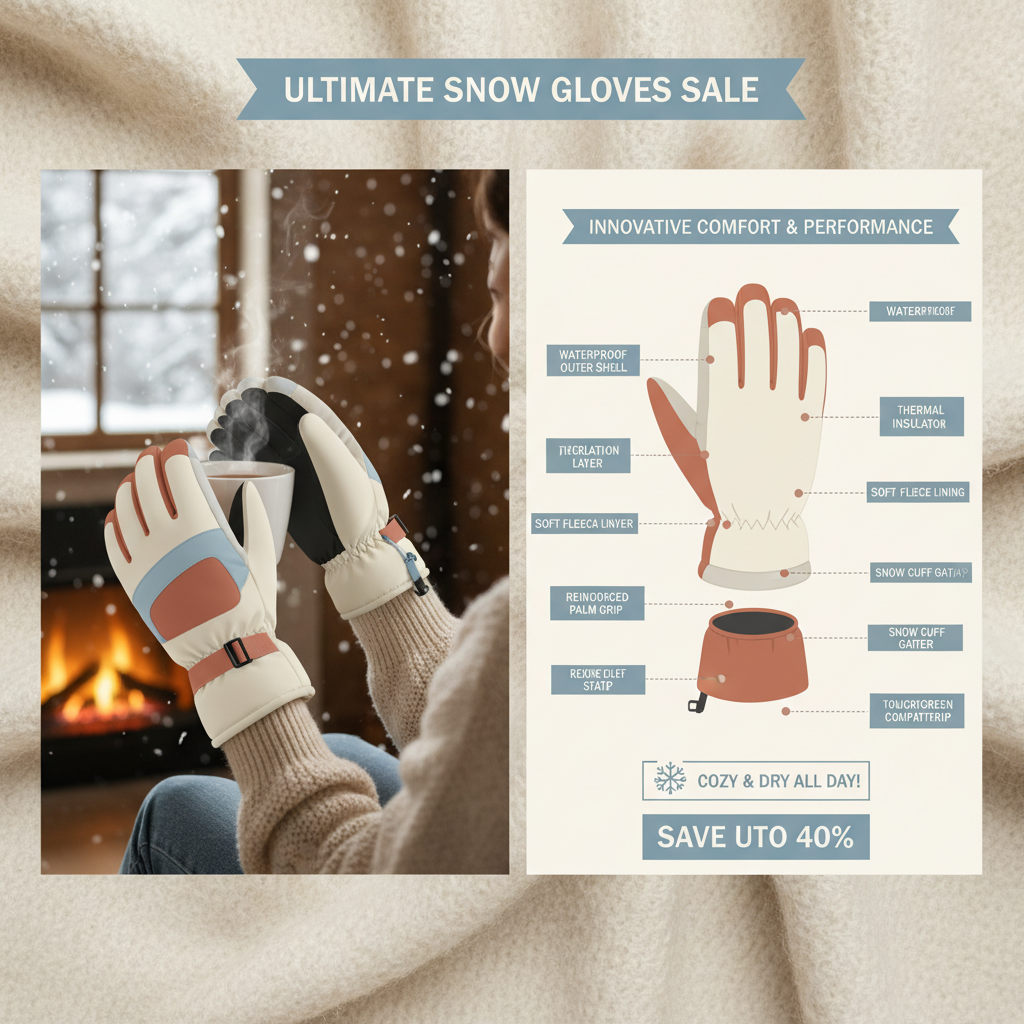
| Waterproofing | Membrane-backed variant available |
| EN 388 | up to 3–4 abrasion, 1–2 cut, 2–3 tear, 1–2 puncture |
| EN 511 | 0–2 convective, 1–2 contact cold, 0–1 water permeability |
| Temp Comfort | ≈ -5°C to +10°C with liner; tasks vary |
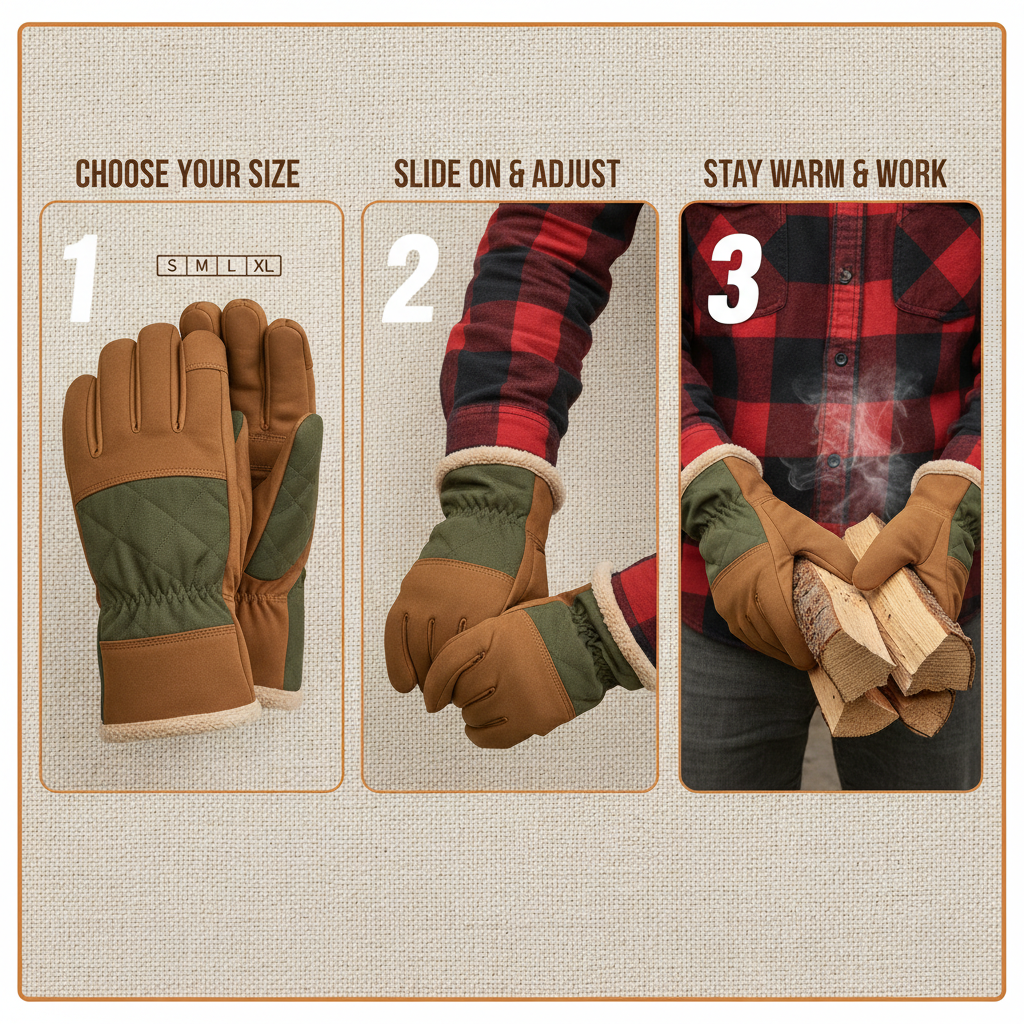
| Sizes | 6–11 (XS–XXL) |
| Certs | CE per EN ISO 21420; EN 388; EN 511 (where applicable) |
Use cases and feedback
- Assembly and electronics: PU gives that “second-skin” feel—many customers say they forget they’re wearing gloves.
- Cold-chain & warehousing: thermal liner helps, and the membrane variant shines in slush and drizzle.
- Landscaping/DIY: good puncture resistance for everyday thorns and fasteners.
Honestly, if you’re in constant water immersion, a double-dipped nitrile might be better. But for mixed wet/dry shifts, waterproof gloves thermal with a PU exterior plus membrane is a sweet spot.
Vendor comparison (quick glance)
| Vendor | Pros | Watch-outs |
|---|---|---|
| Personal Care SCN (Xinji, Hebei, China) | Factory-direct, flexible customization, consistent PU film quality | Lead time extends in peak winter |
| Vendor A (generic importer) | Low MOQ, broad catalog | Inconsistent EN 511 claims; mixed liner fabrics |
| Vendor B (budget marketplace) | Cheapest unit price | Variable sizing; sparse test reports |

Customization and QC
Options: membrane/no-membrane, liner weights, cuff styles, logo print, pallet-ready packs. MOQ typically 1,000–3,000 pairs; lead time ≈ 20–35 days. QC includes abrasion cycle checks, seam integrity on membrane builds, air-leak testing, and size grading verification.
Mini case studies
- Cold-chain hub, Rotterdam: switched to membrane-backed PU; reported 27% fewer glove changes per shift (less soak-through).
- Utility contractor, Midwest US: chose lighter liner for dexterity; reduced drop-tool incidents in winter by ≈15%.
Test data snapshot
Lab sample (membrane variant): EN 388 4131X; EN 511 121; water permeability 0 (30 min) on back-of-hand panel. Non-membrane variant: EN 388 4131A; EN 511 120; water permeability 1 after prolonged exposure. Your mileage will vary with task, fit, and maintenance.
Factory origin: East side of the northern section of Education Road, Xinji Town, Xinji City, Hebei Province, China. If you need proofing, ask for batch-specific EN 388/EN 511 reports and a pre-production sample—worth the extra week, to be honest.
Citations
[1] EN 388: Protective gloves against mechanical risks — overview (SATRA).
[2] EN 511: Protective gloves against cold — guidance (BSI/SGS summaries).
[3] ISO 13997: Cut resistance (TDM method) — ISO Catalogue.
[4] EN ISO 21420: General requirements and test methods for protective gloves.